Skip to content
Step inside a boat cabin or a car interior that has survived years of sun, heat, humidity, vibration, and daily use—and still looks inviting. Chances are, acrylic fabric is quietly doing a lot of the heavy lifting. It may not look flashy on a spec sheet, but in real-world interiors, acrylic earns its place through resilience, comfort, and consistency under stress.
Marine and automotive interiors are unforgiving environments. Fabrics face constant UV exposure, temperature swings, moisture, salt air, abrasion, and human contact. Materials that perform well indoors often fail quickly once exposed to these conditions. This is why interior designers and manufacturers don’t choose fabrics based on softness alone—they choose them based on how they age.
Acrylic fabric enhances marine and automotive interiors by combining UV resistance, color stability, moisture tolerance, softness, and long-term durability—while remaining lighter and more flexible than many traditional alternatives. It offers a balance that few other textile materials can match, especially when performance must coexist with design freedom.
A yacht refit specialist once said, “The best interior fabric is the one nobody has to think about after installation.” That’s exactly where acrylic excels.
What properties make acrylic fabric suitable for marine and automotive interior applications?
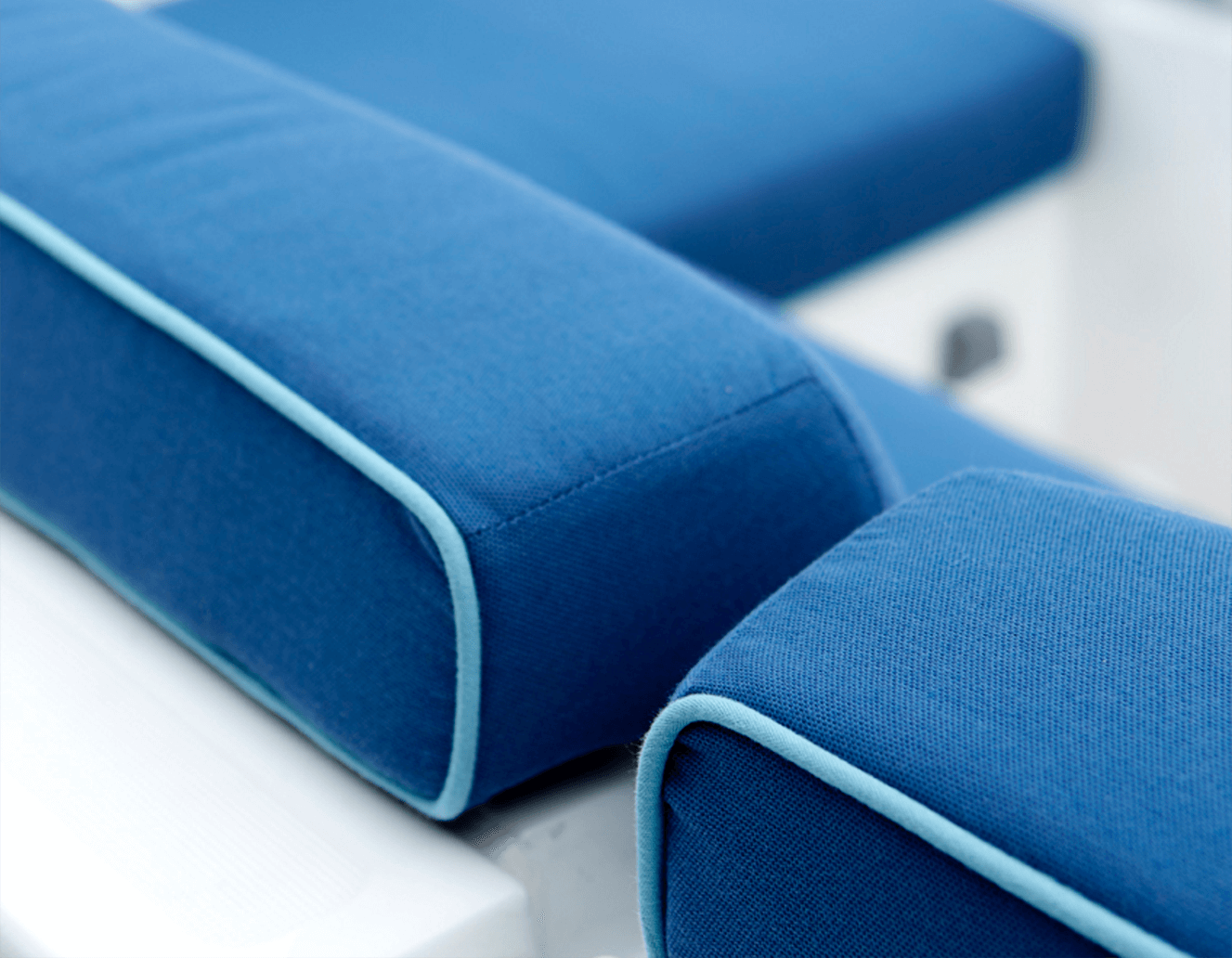

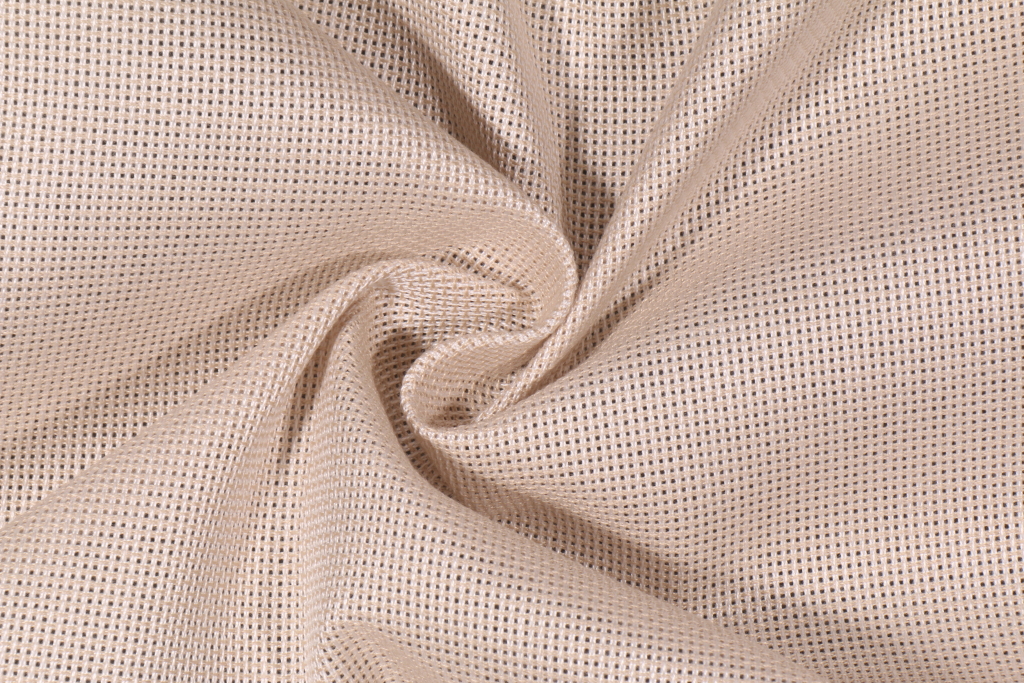
Acrylic fabric is widely used in marine and automotive interiors because it combines exceptional UV resistance, long-term color stability, moisture resistance, softness, dimensional stability, and strong abrasion durability. These characteristics allow acrylic textiles to maintain appearance, structural integrity, and comfort even under harsh environmental conditions such as sunlight exposure, humidity, vibration, and frequent use.
Interior fabrics in boats and vehicles operate in environments that are significantly more demanding than typical indoor upholstery. Sunlight, fluctuating temperatures, salt air, and human traffic place constant stress on textile fibers. Acrylic stands out because it not only resists these stresses but also retains a clean, presentable appearance over long service periods.
In practical terms, acrylic fabrics are engineered to balance performance durability and tactile comfort, two qualities that are often difficult to achieve simultaneously in synthetic textiles.
Why acrylic behaves differently from ordinary fabrics
Acrylic fibers are produced from polyacrylonitrile-based polymers, which create a stable, highly resistant molecular structure. This structure gives acrylic fibers several advantages over natural fibers and many other synthetics.
Unlike cotton or wool, acrylic fibers do not absorb moisture readily and are less susceptible to biological degradation. Compared with nylon or polyester, acrylic offers superior resistance to ultraviolet degradation, making it especially useful in sun-exposed environments.
The fiber’s internal structure also allows dyes to penetrate deeply, which contributes to excellent colorfastness and visual longevity.
UV resistance: the defining advantage
Ultraviolet radiation is one of the primary causes of textile degradation in outdoor and semi-outdoor environments. Continuous exposure to sunlight can break down polymer chains in fibers, causing fading, embrittlement, and loss of tensile strength.
Acrylic fibers are inherently resistant to this type of degradation.
| Material | UV Resistance |
|---|---|
| Acrylic | Excellent |
| Polyester | Good |
| Nylon | Moderate |
| Natural fibers | Poor |
This resistance provides several practical advantages:
- Colors remain vibrant longer
- Fabric strength declines more slowly
- Surfaces remain flexible rather than becoming brittle
In marine cabins and automotive interiors, sunlight often enters through windows, windshields, or open decks. Fabrics exposed to these conditions must withstand thousands of hours of UV exposure each year. Acrylic’s resistance significantly extends the usable lifespan of upholstery materials.
Colorfastness that lasts
Acrylic fabrics are known for deep dye penetration and strong color stability, particularly when produced using solution-dyeing techniques.
Solution dyeing introduces pigment during the fiber production stage rather than applying dye to finished yarns. This process embeds color molecules inside the fiber structure itself.
| Performance Area | Acrylic Behavior |
|---|---|
| Color penetration | Deep |
| Fade resistance | High |
| Shade consistency | Stable |
Because the pigment becomes part of the fiber, fading occurs much more slowly than with surface-dyed materials. This is especially valuable in environments where sunlight exposure is unavoidable.
In automotive interiors, this helps maintain consistent visual appearance across seats, door panels, and dashboards over time. In marine environments, it prevents uneven fading between exposed and shaded areas.
Moisture and mildew resistance
Marine interiors frequently encounter moisture from humidity, condensation, rainwater, or spray. Fabrics used in these environments must resist both water absorption and biological growth.
Acrylic performs well under these conditions because it is hydrophobic, meaning it naturally repels water.
| Property | Acrylic Performance |
|---|---|
| Water absorption | Low |
| Mildew resistance | High |
| Drying speed | Fast |
Low water absorption reduces the likelihood of odor development and microbial growth. When moisture does accumulate, acrylic fabrics dry relatively quickly, helping prevent mildew formation.
This makes acrylic particularly suitable for applications such as:
- Boat seating cushions
- Interior wall coverings
- Cabin headliners
- Upholstered panels exposed to condensation
Comfort without compromising durability
Many synthetic materials that offer strong durability tend to feel stiff or plastic-like. Acrylic differs because its fiber structure produces a soft, wool-like texture.
| Feel Aspect | Result |
|---|---|
| Surface softness | Pleasant |
| Skin contact | Comfortable |
| Temperature feel | Neutral |
This softness improves the tactile experience of seating surfaces and interior panels. In automotive interiors, where passengers may remain seated for long periods, comfort becomes an essential factor.
Acrylic fabrics maintain this comfort even after extended exposure to sunlight and repeated use, unlike some synthetics that stiffen or roughen over time.
Dimensional stability under stress
Interior fabrics must maintain their shape and structural integrity despite temperature fluctuations, vibration, and physical pressure. Acrylic fibers provide strong dimensional stability, meaning they resist stretching, shrinking, and distortion.
| Stress Condition | Acrylic Response |
|---|---|
| Temperature variation | Minimal distortion |
| Vibration | Stable structure |
| Repeated sitting pressure | Retains form |
In automotive interiors, vibration from driving can gradually loosen poorly stabilized fabrics. In marine environments, motion from waves and engine vibration adds further stress.
Acrylic’s stability helps prevent issues such as sagging upholstery, wrinkling panels, or loose seat coverings.
Abrasion durability for high-traffic areas
Both marine and automotive interiors experience continuous physical contact. Passengers sit, slide, lean, and move across surfaces repeatedly, which subjects upholstery fabrics to significant abrasion.
Acrylic fibers demonstrate strong abrasion resistance, allowing them to maintain surface appearance and structural strength over time.
| Property | Acrylic Performance |
|---|---|
| Abrasion resistance | High |
| Pilling tendency | Low–moderate |
| Surface wear visibility | Low |
This durability is particularly important for areas such as:
- Seat cushions
- Armrests
- Side bolsters
- Door panel upholstery
Acrylic fabrics can withstand repeated use without developing excessive pilling or thinning.
Temperature stability and thermal comfort
Interior fabrics must perform under wide temperature ranges, especially in vehicles parked outdoors or boats exposed to sunlight.
Acrylic fibers maintain stability across a wide temperature spectrum and do not easily become brittle in cold conditions or overly soft in heat.
This stability helps ensure that interior panels and upholstery maintain consistent tension and appearance regardless of environmental fluctuations.
Why these properties matter in real interiors
Replacing interior fabrics in vehicles or marine cabins is costly and time-consuming. Removing panels, replacing upholstery, and reinstalling components often requires significant labor and downtime.
For manufacturers and owners alike, durable fabrics reduce long-term maintenance costs.
Acrylic fabrics help extend the service life of interior components by reducing:
- Color fading
- Surface wear
- Moisture damage
- Structural deformation
As a result, interiors remain visually appealing and functional for longer periods.
Factory insight
At SzoneierFabrics, acrylic textiles developed for marine and automotive interiors are typically engineered starting with UV resistance and abrasion performance targets. Structural stability and weather durability are prioritized first, and aesthetic design elements—such as texture, color range, and weave pattern—are optimized afterward.
This engineering-first approach ensures that fabrics do not simply look attractive when installed but also retain their performance characteristics throughout years of real-world use.
Which performance standards and tests are critical for acrylic fabrics used in automotive and marine environments?


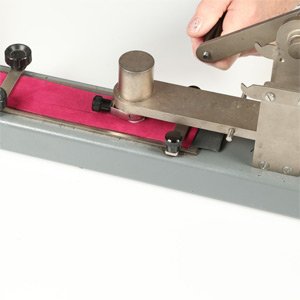
Acrylic fabrics intended for marine and automotive interiors must meet strict performance benchmarks to ensure they maintain appearance, durability, and structural stability over long periods of use. Critical evaluations typically include UV resistance testing, abrasion resistance measurement, color fastness assessment, dimensional stability verification, and moisture or mildew resistance analysis. These tests simulate real-world environmental stresses and determine whether a fabric can withstand conditions such as sunlight exposure, humidity, frequent contact, and temperature fluctuations.
In these industries, visual appeal alone is insufficient. Fabrics must deliver predictable, measurable performance throughout years of service. Testing protocols provide objective data that helps manufacturers, designers, and OEM suppliers determine whether a textile qualifies for demanding interior environments.
In practical terms, testing distinguishes decorative upholstery fabrics from true performance textiles designed for transportation and marine use.
The tests that actually predict real-world performance
Different environmental stress factors require different laboratory simulations. The most reliable evaluation methods replicate the mechanical, chemical, and environmental conditions that fabrics encounter once installed in vehicles or boats.
By combining multiple tests, engineers can create a detailed picture of how a fabric will behave over time.
UV resistance testing
Ultraviolet radiation is one of the most destructive forces acting on interior textiles. Continuous sunlight exposure can cause fading, polymer degradation, and weakening of fibers.
UV testing replicates these effects using specialized weathering chambers.
| Test Focus | Why It Matters |
|---|---|
| Color fading | Visual longevity |
| Fiber strength | Structural integrity |
Common industry methods include xenon arc weathering tests, which simulate natural sunlight by exposing fabric samples to controlled UV radiation, humidity, and temperature cycles.
High-quality acrylic fabrics typically show minimal color shift and maintain tensile strength even after extended simulated exposure periods. This makes them particularly suitable for applications such as boat seating, convertible interiors, and sun-exposed vehicle panels.
Abrasion resistance
Interior fabrics must tolerate constant friction from passengers, clothing, and daily interaction. Abrasion testing evaluates how well a fabric resists surface wear and structural damage over time.
| Area | Abrasion Source |
|---|---|
| Seats | Clothing friction |
| Armrests | Continuous contact |
| Door panels | Entry and exit movement |
Two widely used abrasion testing methods are:
- Martindale abrasion testing • Wyzenbeek abrasion testing
Both methods repeatedly rub fabric samples against abrasive surfaces to measure wear cycles before visible damage occurs.
High-performance acrylic fabrics can withstand thousands of abrasion cycles without significant fiber breakage or surface degradation.
Color fastness testing
Color stability is crucial for maintaining consistent interior appearance. Poor color fastness can lead to dye transfer, staining, or fading during normal use or cleaning.
| Fastness Type | Risk if Poor |
|---|---|
| Dry rubbing | Color transfer |
| Wet rubbing | Staining |
| Cleaning agents | Discoloration |
Testing typically includes crocking tests, washing resistance tests, and exposure to cleaning chemicals.
These evaluations determine whether dyes remain firmly bound within the fiber structure. Acrylic fabrics, especially when solution-dyed, tend to perform well because the pigment is integrated during fiber production rather than applied afterward.
Dimensional stability testing
Interior panels, seat covers, and headliners require fabrics that maintain precise dimensions during temperature changes and repeated use. Even small changes in size can cause wrinkles, sagging, or installation problems.
Dimensional stability testing measures how fabrics respond to washing, humidity, and thermal exposure.
| Stability Area | Target |
|---|---|
| Length change | Minimal |
| Width change | Minimal |
Stable acrylic fabrics typically exhibit very low shrinkage or stretching, helping maintain tight upholstery fits and clean interior panel alignment.
Moisture and mildew resistance testing
Marine environments expose fabrics to moisture, humidity, and salt air. Without proper resistance, textiles can develop mildew, unpleasant odors, or structural degradation.
Testing focuses on how well fabrics resist microbial growth under damp conditions.
| Test Aspect | Acrylic Result |
|---|---|
| Mildew growth | Low |
| Odor retention | Minimal |
| Drying behavior | Fast |
Acrylic fibers naturally resist moisture absorption, which limits the conditions required for mold or mildew development. Laboratory testing often involves controlled humidity chambers that encourage microbial growth to evaluate resistance.
Thermal and environmental durability
Although not always highlighted, temperature variation testing is another important evaluation for automotive interiors. Fabrics must withstand both hot and cold conditions without losing flexibility or structural integrity.
Interior materials may experience:
- Extreme heat when vehicles are parked in sunlight
- Cold temperatures in winter environments
- Rapid temperature fluctuations during daily use
Testing ensures that acrylic fabrics retain elasticity and surface stability under these conditions.
Why standards matter more than marketing claims
Many fabrics are marketed as “marine-grade” or “automotive-grade,” but these labels have little meaning without measurable testing data. Performance standards create objective benchmarks that allow manufacturers and buyers to compare materials accurately.
Testing provides several benefits:
- Objective performance verification
- Consistent product comparisons
- Reduced risk in product selection
Without standardized testing, it becomes difficult to predict long-term durability.
Supplier alignment with testing standards
Manufacturers and OEM suppliers must align testing protocols with the intended application environment. Marine interiors and automotive interiors share some performance requirements but also differ in key environmental conditions.
Marine fabrics typically face higher humidity and salt exposure, while automotive interiors must handle greater temperature variation and abrasion stress.
At SzoneierFabrics, acrylic interior textiles are evaluated using application-specific testing frameworks. Marine fabrics undergo extensive moisture and mildew resistance assessments, while automotive fabrics receive additional emphasis on abrasion resistance, dimensional stability, and UV endurance.
This targeted testing approach ensures that each fabric is engineered not just to meet general textile standards, but to perform reliably in its specific real-world environment.
How does acrylic fabric compare to other interior textile options in durability and comfort?
For example, overly thick protective coatings can trap heat and moisture, making seating surfaces uncomfortable in warm conditions. Similarly, aggressive anti-pilling treatments may produce a harder surface that feels less natural.
Interior-grade acrylic fabrics therefore focus on moderate, well-calibrated treatments that improve durability while preserving softness and breathability.
Finishing consistency and production reliability
Another critical aspect of finishing is consistency. Once a fabric specification has been approved by a designer or OEM customer, the finishing process must remain stable across production batches.
Small variations in heat setting temperature, coating concentration, or mechanical finishing can lead to noticeable differences in appearance or performance.
At SzoneierFabrics, acrylic fabrics developed for marine and automotive interiors are typically processed using locked finishing recipes. These standardized production parameters ensure that large-scale manufacturing maintains the same durability, dimensional stability, and surface quality demonstrated during initial sample approval.
By controlling finishing variables carefully, manufacturers can ensure that every batch of fabric meets the same performance expectations—not only in appearance but also in long-term reliability within demanding interior environments.
How do environmental factors like UV exposure, moisture, and temperature impact acrylic fabrics in marine and automotive settings?
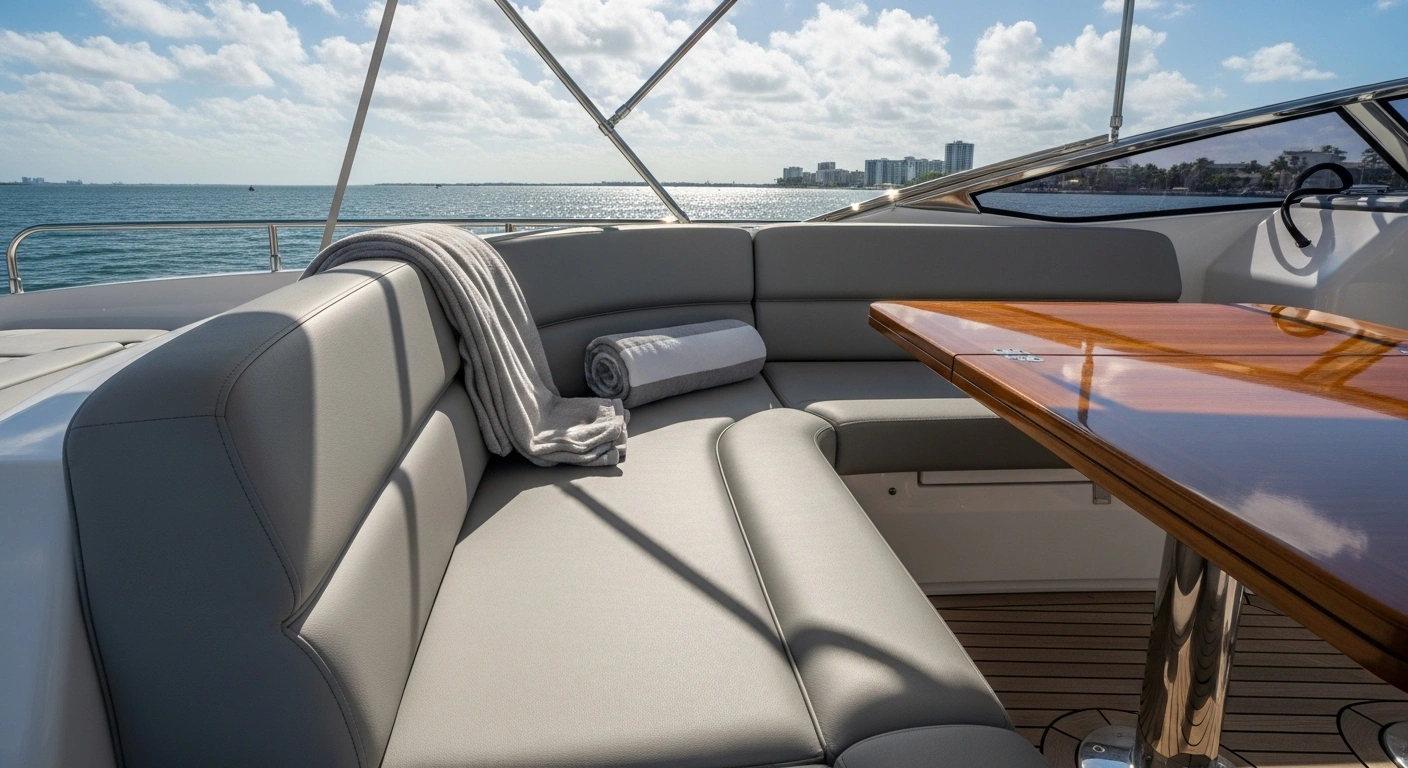
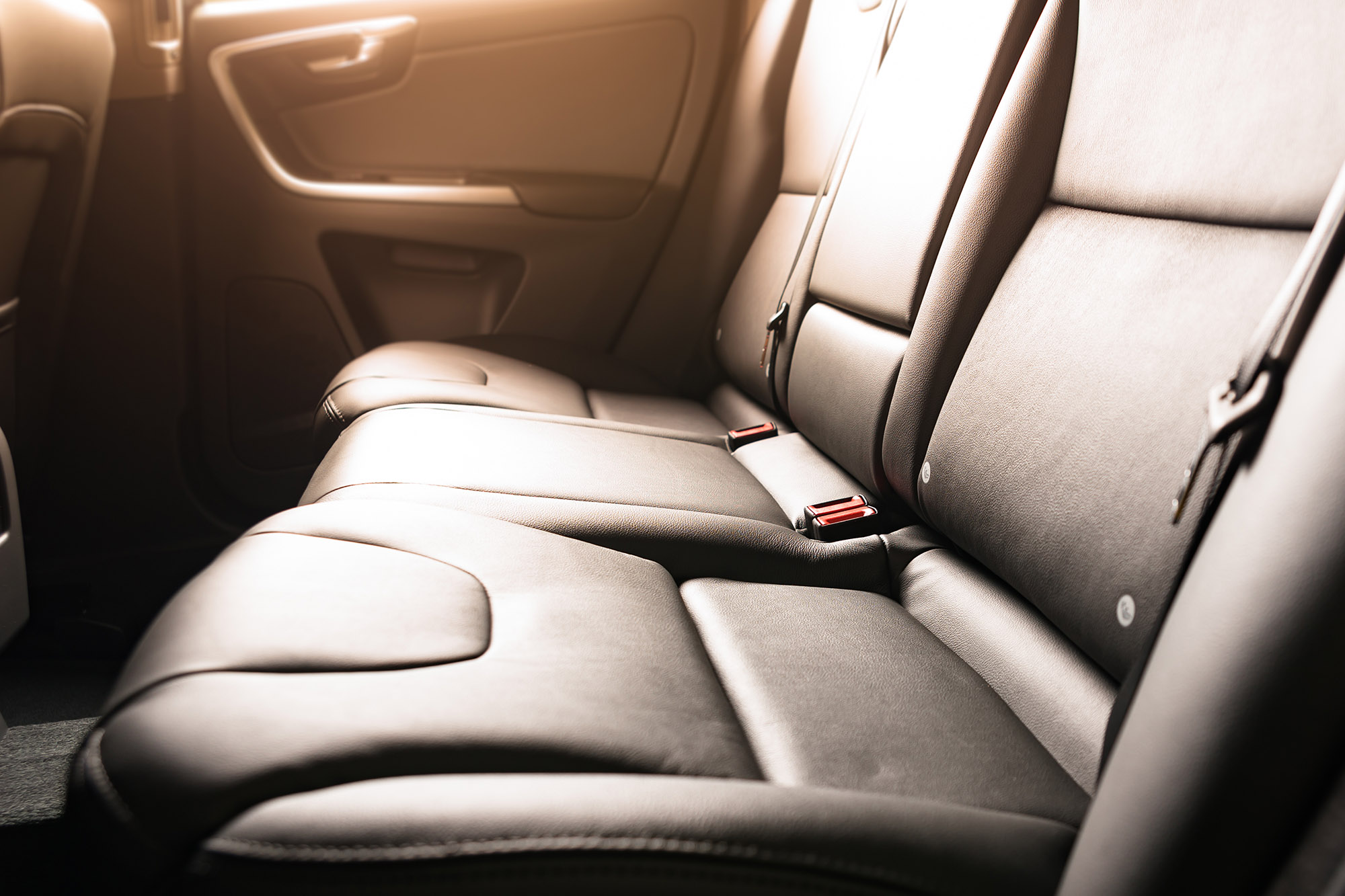
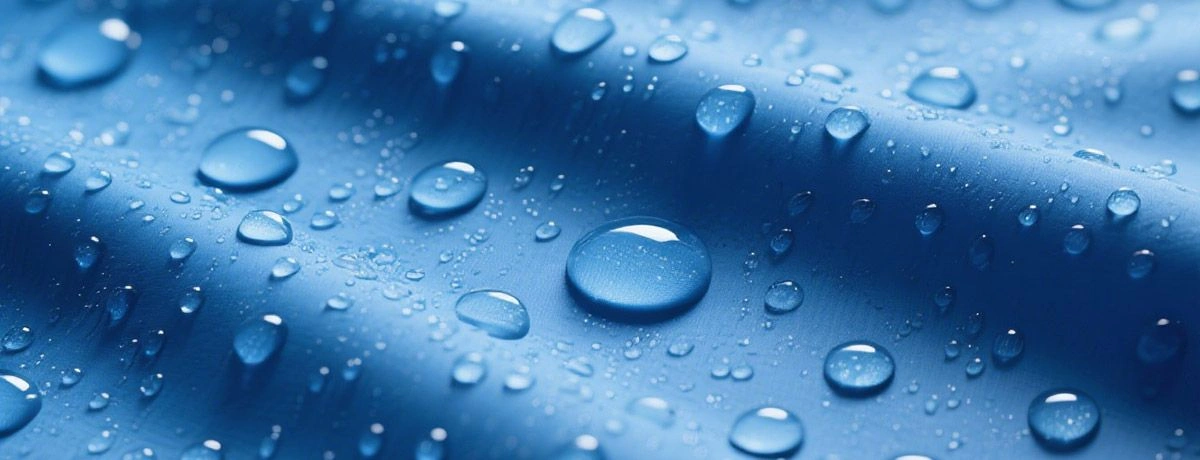
Environmental stress plays a major role in determining the lifespan and visual quality of interior fabrics used in marine vessels and automotive cabins. Continuous sunlight exposure, humidity, salt air, and frequent temperature fluctuations can quickly degrade many textile materials. Acrylic fabrics perform well in these environments because their fiber structure naturally resists many of these damaging forces.
In both boats and vehicles, interior textiles must maintain their color, structural stability, and tactile comfort despite years of environmental exposure. Acrylic fibers are engineered with chemical structures that provide resistance to ultraviolet radiation, moisture, and thermal stress. As a result, they tend to age gradually rather than deteriorating abruptly.
This predictable aging pattern is one of the reasons acrylic fabrics are frequently chosen for demanding interior environments where durability and appearance must remain consistent over long service periods.
How acrylic responds to harsh environments
Acrylic fabrics encounter several environmental stress factors simultaneously in marine and automotive settings. Instead of reacting dramatically to these forces, the material typically maintains stable performance characteristics.
Key environmental challenges include:
- Continuous UV radiation
- Humidity and moisture exposure
- Salt air in marine environments
- Temperature extremes and rapid thermal cycling
- Mechanical vibration and movement
Each of these factors influences fabric durability in different ways.
Prolonged UV exposure
Ultraviolet radiation is widely recognized as the most destructive environmental force affecting interior textiles. UV energy gradually breaks down polymer chains in many fibers, leading to fading, weakening, and surface brittleness.
Acrylic fibers demonstrate strong resistance to this process.
| Environmental Stress | Acrylic Response |
|---|---|
| Direct sunlight | Minimal fiber degradation |
| Long-term exposure | Gradual, even aging |
| Color retention | High |
Because acrylic polymers resist UV breakdown, the fabric retains both color and mechanical strength longer than many alternative materials. The fading process, when it occurs, tends to be gradual and uniform rather than sudden or patchy.
This stability is especially important in environments where sunlight enters through large windows, windshields, or open deck areas. Boat cabins and convertible vehicles often expose fabrics to thousands of hours of sunlight annually, making UV resistance essential.
Moisture and humidity
Marine interiors must cope with constant humidity and periodic water exposure. Condensation inside cabins, splashing from waves, and salt air can create conditions that accelerate degradation in many fabrics.
Acrylic’s hydrophobic properties help reduce these risks.
| Moisture Condition | Acrylic Behavior |
|---|---|
| High humidity | Stable |
| Salt exposure | Resistant |
| Repeated wet/dry cycles | Low degradation |
Low water absorption means that acrylic fabrics do not retain moisture for long periods. This reduces the likelihood of mildew growth, unpleasant odors, and microbial activity.
Another advantage is quick drying. Acrylic fabrics release absorbed moisture relatively quickly, helping prevent damp conditions that could otherwise damage interior materials.
Temperature fluctuations
Vehicles and boats experience significant temperature changes throughout the day and across seasons. Interiors may heat dramatically under sunlight and cool quickly once the environment changes.
These fluctuations can stress textile fibers and coatings.
| Temperature Change | Impact on Acrylic |
|---|---|
| Heat buildup | Minimal distortion |
| Cold conditions | Maintains flexibility |
| Rapid cycling | Stable dimensions |
Acrylic fibers maintain flexibility across a broad temperature range. Unlike some coated materials or rigid synthetics, they rarely become brittle in cold conditions or overly soft under heat.
This stability helps ensure that upholstery panels remain properly tensioned and that seating surfaces maintain consistent comfort.
Vibration and movement
Marine vessels and vehicles are constantly in motion. Engine vibration, road conditions, and wave movement place repeated mechanical stress on interior fabrics.
Over time, this movement can loosen fibers, distort panels, or cause surface wear.
| Stress Source | Acrylic Performance |
|---|---|
| Vibration | Shape retention |
| Flexing | Low fatigue |
| Repeated contact | Consistent surface |
Acrylic fibers have sufficient elasticity to absorb mechanical stress without permanently deforming. This makes them suitable for upholstered surfaces that experience constant movement, such as seat cushions and wall panels.
Resistance to salt and environmental pollutants
Marine environments introduce additional stress through salt particles carried in the air. Salt can accumulate on fabric surfaces and attract moisture, potentially accelerating degradation.
Acrylic fabrics tolerate these conditions relatively well because their polymer structure is chemically stable and resistant to corrosion from salt exposure.
When combined with appropriate cleaning and maintenance, acrylic textiles maintain their appearance and performance even in coastal or offshore environments.
Why predictable aging matters
One of the most valuable characteristics of acrylic fabrics is the way they age. Instead of failing suddenly, they typically exhibit gradual changes that can be monitored and managed.
Common aging patterns include:
- Slow, even fading of color
- Minimal change in surface texture
- Retention of structural strength
Predictable aging simplifies maintenance planning for fleet operators, boat owners, and automotive manufacturers. Interior components can be inspected periodically and replaced according to predictable service cycles rather than reacting to unexpected material failure.
Impact on maintenance and lifecycle cost
Interior refurbishment is labor-intensive and expensive in both marine and automotive industries. Removing upholstery panels, replacing fabrics, and reinstalling interior components can require significant downtime.
Durable fabrics that resist environmental degradation reduce the frequency of these maintenance operations. Acrylic fabrics often extend replacement intervals compared with materials that degrade more rapidly under sunlight or humidity.
Operational experience supports these performance characteristics. Several marine operators in coastal regions have reported that acrylic interior fabrics remain serviceable for six to eight years in high-sun environments, particularly when compared with polyester-based alternatives.
While performance can vary depending on fabric construction and finishing processes, acrylic’s natural resistance to UV radiation and environmental stress consistently contributes to longer service life in demanding interior applications.
For designers and manufacturers seeking materials that can withstand the complex environmental conditions found in marine and automotive interiors, acrylic fabrics provide a stable and reliable solution.
What design trends and aesthetic advantages does acrylic fabric offer for vehicle and boat interiors?
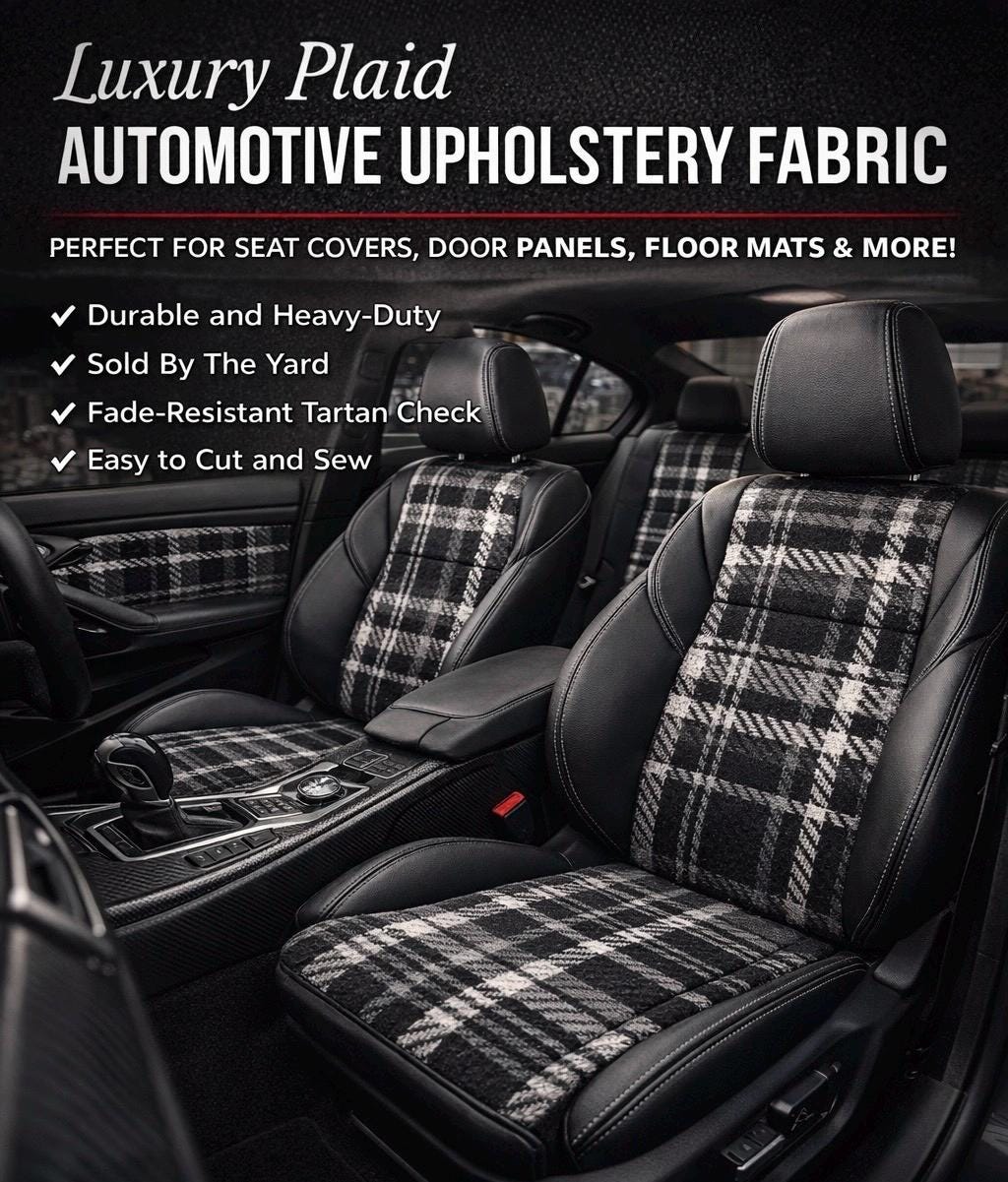


Acrylic fabric plays an important role in modern interior design for vehicles and boats because it combines visual warmth, deep color expression, and tactile comfort with reliable performance characteristics. Designers increasingly look for materials that complement contemporary aesthetics while remaining durable in environments exposed to sunlight, humidity, and frequent use. Acrylic fabrics meet these needs by offering a textile-based surface that feels natural and visually refined without sacrificing functional resilience.
In recent years, interior design trends in both automotive and marine sectors have moved away from overly glossy, rigid surfaces toward softer, more layered environments. Acrylic fabrics contribute to this shift by introducing visual depth, subtle texture, and color richness that enhance the overall atmosphere of interior spaces.
Rather than dominating the visual field, acrylic fabrics often function as a unifying material that balances technical performance with aesthetic refinement.
Why acrylic fits modern interior design language
Contemporary interior design prioritizes harmony between form and function. Materials must support the visual theme of a space while also meeting the technical demands of real-world use.
Acrylic fabrics align well with this design philosophy because they offer:
- Flexible color customization
- Soft tactile surfaces
- Texture variety
- Compatibility with multiple design styles
This adaptability allows designers to incorporate acrylic textiles into a wide range of interior concepts, from minimalist automotive cabins to luxurious yacht lounges.
Color richness and depth
One of the most noticeable aesthetic strengths of acrylic fabric is its ability to display rich, stable colors. Acrylic fibers accept pigments deeply, particularly when produced using solution-dyeing techniques. Because the color is integrated into the fiber structure rather than applied to the surface, the resulting shades appear saturated and consistent.
| Design Attribute | Acrylic Advantage |
|---|---|
| Color saturation | High |
| Shade consistency | Stable |
| Custom palettes | Flexible |
This characteristic allows designers to create sophisticated color schemes without worrying about rapid fading or uneven aging. Acrylic fabrics can support a wide spectrum of interior palettes, including:
- Warm neutral tones such as sand, beige, and taupe
- Deep maritime blues and charcoals
- Soft natural shades inspired by wood and stone
These color possibilities make acrylic fabrics suitable for interiors that aim to create calm, welcoming environments.
Textile warmth versus hard surfaces
Many modern interiors are moving away from cold, reflective materials such as polished plastics or high-gloss coatings. Instead, designers are introducing more tactile surfaces that create a comfortable and inviting atmosphere.
| Interior Trend | Acrylic Contribution |
|---|---|
| Soft-touch surfaces | Comfort |
| Textile layering | Visual depth |
| Noise absorption | Improved acoustics |
Acrylic fabrics help achieve this shift by providing a surface that feels warm and natural to the touch. This tactile quality enhances passenger comfort and contributes to a more relaxed interior environment.
Another benefit is acoustic moderation. Textile surfaces absorb sound more effectively than rigid materials, reducing echoes and improving acoustic comfort in enclosed cabins.
In marine environments where engines, waves, and mechanical systems generate noise, the presence of textile materials can subtly improve the overall sensory experience.
Pattern and texture versatility
Acrylic fabrics can be produced using a wide variety of textile constructions and finishing techniques. This versatility allows designers to incorporate texture and pattern without sacrificing durability.
Common constructions include:
- Woven upholstery fabrics with structured textures
- Knitted fabrics with flexible surfaces
- Mélange yarn designs that create visual depth
- Brushed or suede-like finishes for softness
These options enable acrylic fabrics to support both technical and lifestyle-oriented interiors.
Technical interiors often emphasize durability and subtle patterning, while lifestyle-oriented interiors may use textured fabrics to create a relaxed or luxurious ambiance.
Customization potential
Vehicle and boat interiors frequently require customized materials that match brand identity or specific design concepts. Acrylic fabrics are particularly well suited for customization because their production processes allow significant flexibility in color, texture, and construction.
Interior projects often demand:
- Brand-specific color palettes
- Unique texture patterns
- Coordinated upholstery sets
Acrylic fabrics can accommodate these requirements without significantly altering their core performance characteristics.
This flexibility allows designers to create distinctive interiors while maintaining durability and environmental resistance.
Compatibility with minimalist and luxury aesthetics
Another reason acrylic fabrics are widely used is their compatibility with different design philosophies. Whether an interior aims for minimalist elegance or high-end luxury, acrylic textiles can adapt to the overall visual concept.
Minimalist designs often emphasize neutral tones, subtle textures, and understated materials. Acrylic fabrics can provide these qualities without appearing overly industrial.
Luxury interiors, on the other hand, often incorporate richer textures and layered materials. Acrylic fabrics can contribute depth and softness when combined with wood, leather accents, or metal trim.
This versatility allows the same material family to serve multiple design directions.
Visual aging advantage
One important aesthetic benefit of acrylic fabrics is the way they age. Many coated or synthetic materials show visible deterioration over time through cracking, peeling, or surface delamination.
Acrylic fabrics behave differently.
- They do not crack like vinyl coatings
- They do not peel like layered synthetic surfaces
- Their color tends to fade gradually rather than suddenly
This natural aging pattern allows interiors to maintain a consistent appearance even after years of use.
Instead of looking damaged or worn prematurely, acrylic fabrics typically develop subtle signs of use that blend into the overall material character.
Contribution to long-term interior atmosphere
Interior design is not only about how materials look when installed but also about how they contribute to the experience of the space over time.
Acrylic fabrics help create interiors that feel calm, cohesive, and durable. The softness of the material, combined with its stable color and texture, helps maintain a visually balanced environment.
In boats and vehicles where occupants spend extended periods, this sense of material harmony can significantly influence comfort and perceived quality.
Designer insight
Many interior designers describe acrylic fabrics as quietly premium materials. They rarely dominate the visual field, but they enhance the surrounding elements and help unify different components within the interior space.
Rather than acting as a decorative highlight, acrylic fabrics provide a subtle foundation that allows other materials—such as wood panels, metal trim, or leather accents—to stand out.
This understated character explains why acrylic fabrics continue to appear in both contemporary and luxury interiors. They deliver visual warmth, long-term stability, and design flexibility while maintaining the practical performance needed in marine and automotive environments.
How do manufacturers validate and qualify acrylic fabric suppliers for interior applications?
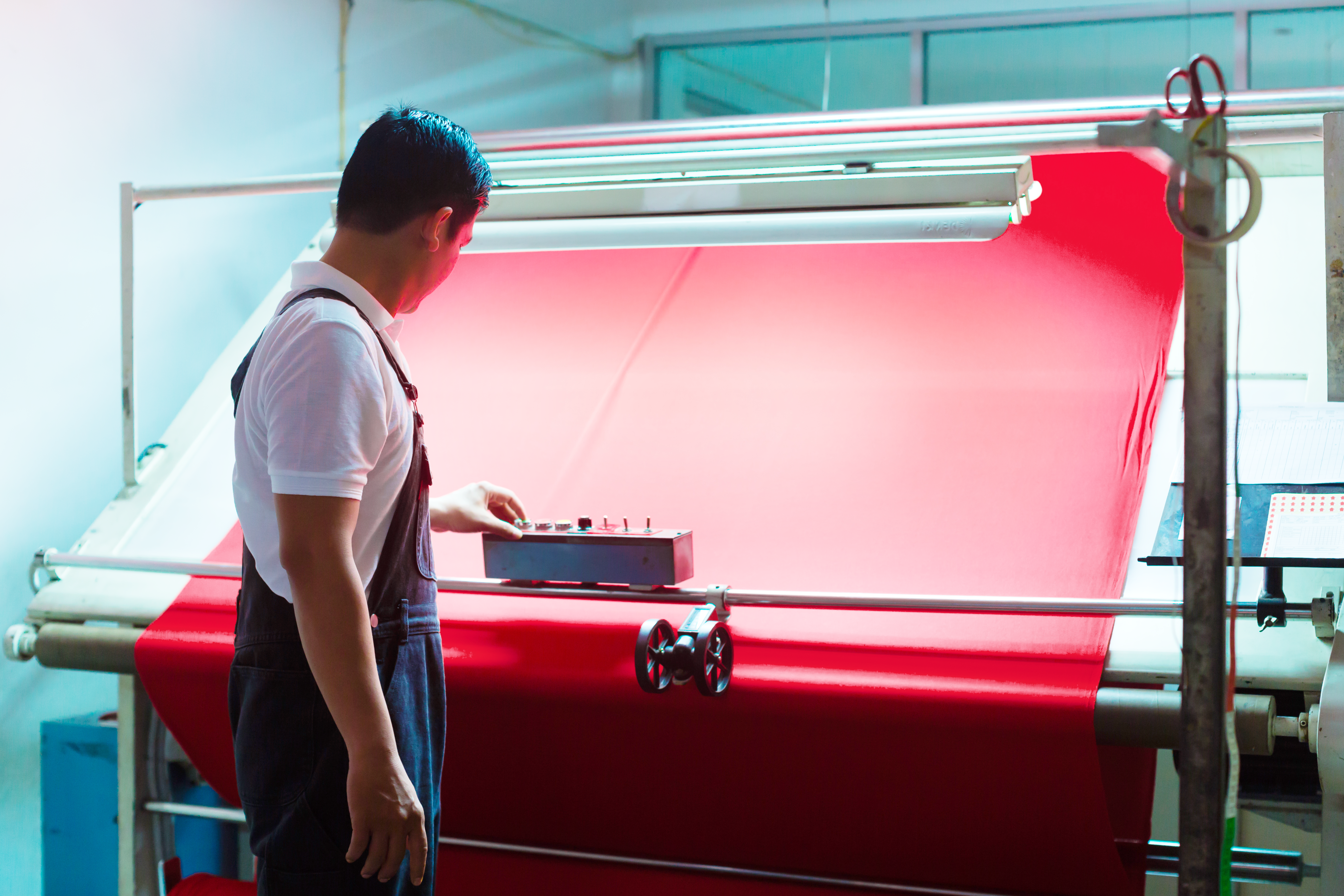
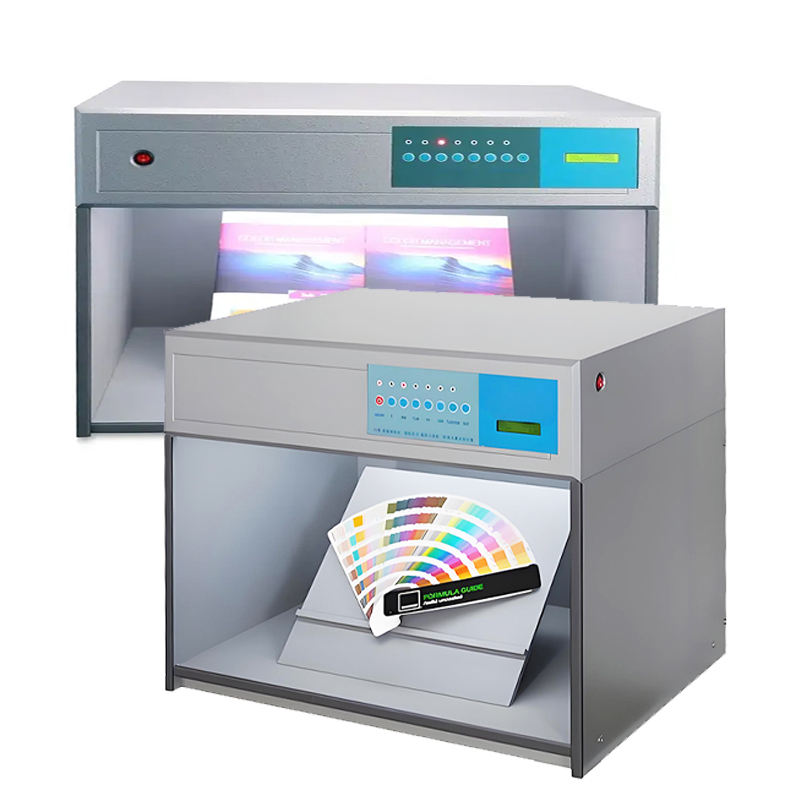
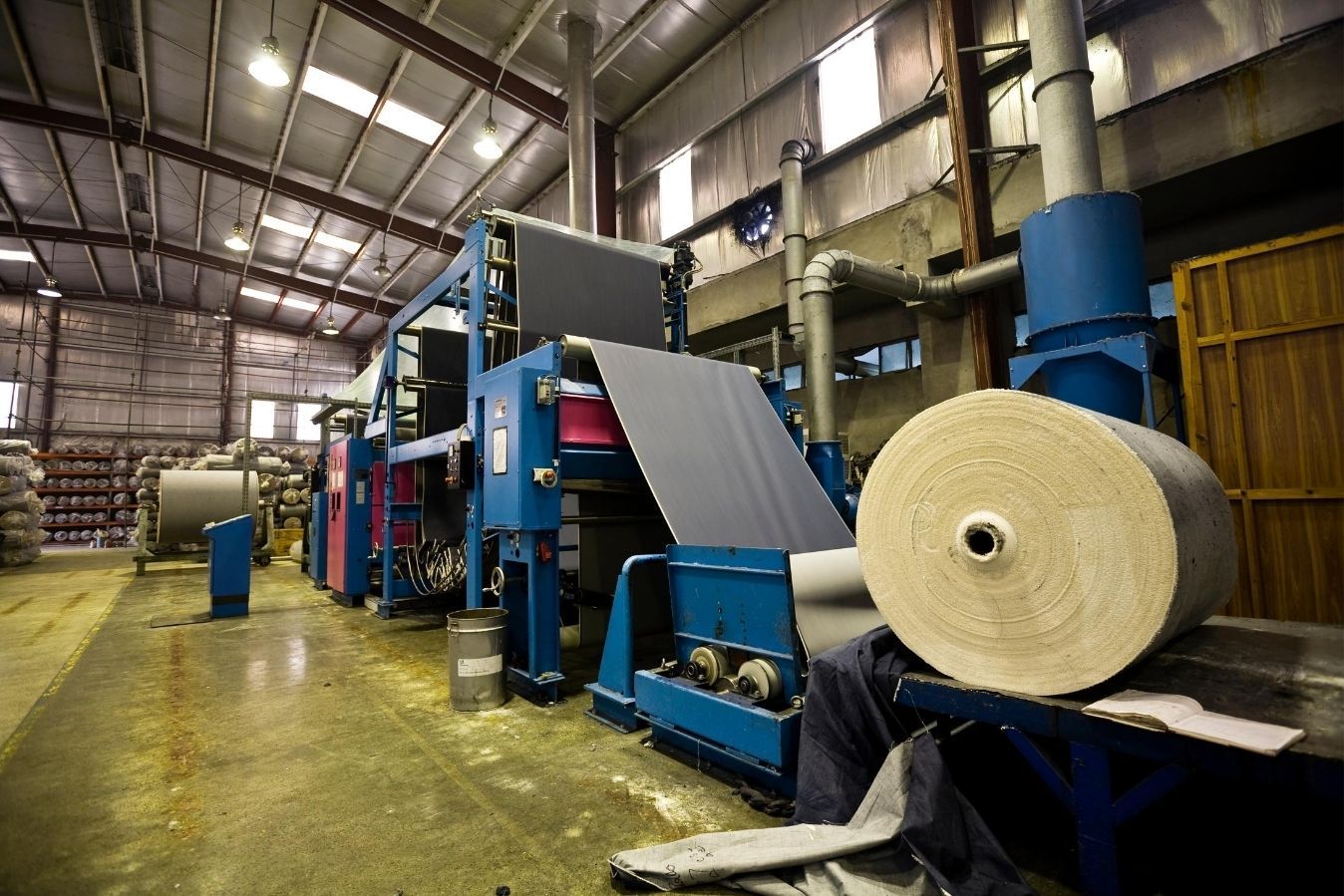

Manufacturers qualify acrylic fabric suppliers for marine and automotive interiors through a structured evaluation process that focuses on material consistency, testing capability, production reliability, development support, and long-term supply stability. The goal is not simply to approve a fabric sample but to ensure the supplier can maintain performance standards over years of production.
Interior materials are installed into products that may remain in service for a decade or more. Because of this long lifecycle, manufacturers must evaluate suppliers not only for initial quality but also for their ability to sustain that quality across multiple production batches and evolving design requirements.
For automotive OEMs and marine manufacturers, supplier validation is essentially a risk-management strategy. A fabric that performs well in the laboratory but varies in bulk production can cause significant downstream problems such as color mismatch, premature wear, or warranty claims.
What serious interior manufacturers actually look for
Supplier validation typically involves a multi-stage process that includes technical testing, sample approval, pilot production runs, and long-term monitoring. Each stage provides evidence that the supplier can deliver consistent material performance under real production conditions.
Rather than relying solely on price or a single prototype sample, experienced manufacturers examine several operational indicators.
Material consistency across batches
Consistency is one of the most critical factors in interior textile sourcing. Vehicle and boat interiors often require multiple production batches over extended periods, and visual or tactile differences between fabric lots can be highly noticeable.
| Qualification Focus | Why It Matters |
|---|---|
| Fiber source stability | Color and hand-feel consistency |
| Yarn lot control | Surface uniformity |
| Process repeatability | Long-term matching |
Manufacturers typically request documentation showing how the supplier manages fiber sourcing and yarn production. Stable raw material supply helps ensure that fabrics maintain the same texture, strength, and appearance over time.
In addition, suppliers must demonstrate reliable process control. Even minor changes in spinning conditions, weaving tension, or finishing treatments can alter the fabric’s hand feel or visual character.
Testing and validation capability
Acrylic fabrics used in marine and automotive interiors must meet performance benchmarks related to UV resistance, abrasion durability, color fastness, and dimensional stability. Suppliers that can conduct or coordinate testing efficiently are better positioned to support long-term programs.
Qualified suppliers usually maintain both internal testing capacity and access to independent laboratories.
| Capability | Risk Reduction |
|---|---|
| In-house laboratory | Faster validation cycles |
| Third-party testing | Independent verification |
| Bulk re-testing | Consistency assurance |
Internal laboratories allow suppliers to evaluate fabric properties during development and production. Third-party testing provides independent confirmation that the material meets industry standards and OEM requirements.
Bulk re-testing is particularly important when production scales up, as it confirms that performance characteristics remain consistent beyond initial prototype samples.
Development and customization support
Interior fabrics are rarely purchased as standard off-the-shelf products. Instead, manufacturers often require custom designs that match brand identity and specific performance requirements.
| Support Area | Importance |
|---|---|
| Custom color development | Brand alignment |
| Surface texture adjustment | Design intent |
| Performance optimization | Application fit |
Suppliers that lack development capabilities may struggle to adapt fabrics to unique design specifications. In contrast, suppliers with strong research and development teams can collaborate closely with designers and engineers to refine material properties.
Customization may involve adjusting yarn structure, modifying fabric density, or balancing softness and durability through finishing processes.
Production transparency
Manufacturers prefer suppliers who communicate openly about their production capabilities and limitations. Transparency helps avoid unrealistic expectations and allows both sides to plan effectively.
Reliable suppliers typically provide clear information about:
- Production lead times
- Available manufacturing capacity
- Raw material sourcing
- Potential supply risks
When suppliers are open about these factors, manufacturers can coordinate production schedules and manage inventory more effectively.
A lack of transparency, on the other hand, often signals potential reliability issues. Hidden constraints may result in delivery delays, inconsistent batches, or unexpected quality variations.
Communication under pressure
Interior programs rarely proceed exactly as planned. Design revisions, schedule changes, and technical challenges can arise throughout the development and production process.
Suppliers must therefore demonstrate not only technical competence but also strong communication and problem-solving skills.
| Situation | Qualified Supplier Response |
|---|---|
| Design change | Solution-oriented adjustments |
| Schedule shift | Capacity planning |
| Performance issue | Root-cause analysis |
A supplier’s ability to respond constructively to unexpected challenges often determines whether a project remains on schedule and within quality targets.
Manufacturers value partners who approach problems collaboratively and provide clear technical explanations when issues arise.
Long-term reliability and lifecycle support
Marine vessels and automobiles remain in service for many years, and replacement materials must match original specifications closely. Suppliers must therefore maintain stable production capabilities over extended periods.
Validation processes often include reviewing the supplier’s operational stability, financial reliability, and supply chain management practices.
Manufacturers may also request documentation on:
- Quality management systems
- Traceability procedures
- Process control standards
These elements help ensure that the supplier can continue delivering consistent materials throughout the product lifecycle.
Factory insight
At SzoneierFabrics, acrylic interior textile suppliers are typically qualified through a structured process that includes trial production runs, locked technical specifications, and ongoing batch consistency verification. Prototype samples are only the starting point. Bulk production must match approved performance metrics in terms of color stability, abrasion resistance, and dimensional behavior.
By emphasizing long-term reliability rather than short-term cost advantages, manufacturers reduce the risk of quality inconsistencies and ensure that acrylic fabrics used in marine and automotive interiors maintain their performance throughout the product’s service life.
What real-world case studies show successful use of acrylic fabrics in marine and automotive interiors?
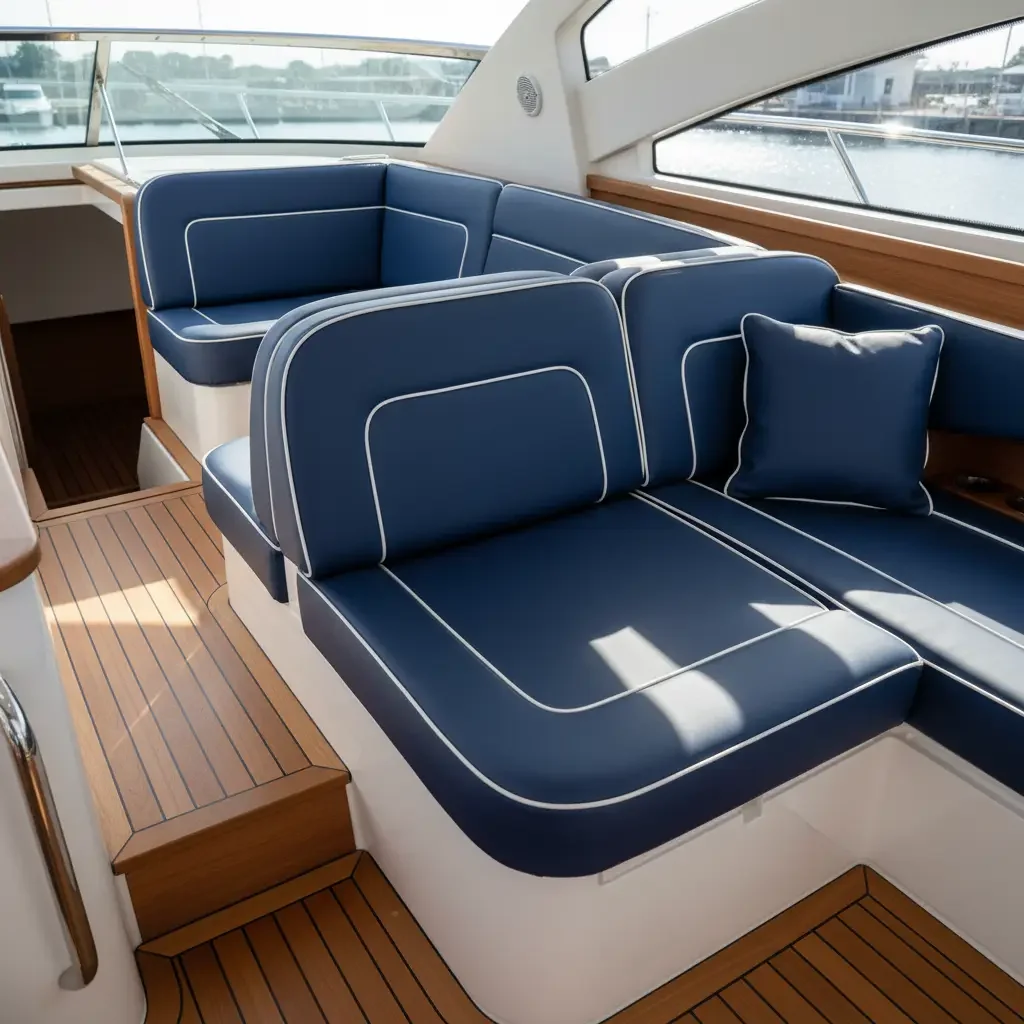


Real-world applications demonstrate how acrylic fabrics perform in demanding environments where sunlight, humidity, and continuous use are unavoidable. Across marine vessels and modern vehicle interiors, acrylic textiles have proven effective for seating surfaces, interior wall panels, trim inserts, and decorative upholstery. These case studies illustrate how acrylic’s UV resistance, moisture stability, softness, and long-term visual consistency translate into practical performance advantages.
While laboratory testing provides important benchmarks, field performance often determines whether a material remains in use across multiple product generations. Acrylic fabrics continue to appear in marine and automotive interiors because they maintain their appearance and comfort over extended periods, even under challenging environmental conditions.
These examples highlight how the material performs not just in theory but in operational settings where durability and aesthetics must coexist.
Practical examples from the field
Field experience reveals that successful interior applications often depend on a combination of appropriate material selection, careful finishing, and qualified supplier collaboration. Acrylic fabrics have shown consistent performance across several types of interior projects.
Marine seating refurbishment
A coastal charter operator managing a fleet of recreational boats replaced traditional vinyl seating surfaces with acrylic upholstery fabrics. The decision followed repeated maintenance issues caused by cracking and heat retention in vinyl materials exposed to direct sunlight.
| Result Area | Outcome |
|---|---|
| UV fading | Significantly reduced |
| Surface cracking | Eliminated |
| Passenger comfort | Improved |
Before the change, vinyl seating required replacement approximately every two to three seasons due to UV damage and surface brittleness. After switching to acrylic upholstery fabrics, the seating surfaces remained structurally stable and visually acceptable for more than five seasons of continuous operation.
Passengers also reported improved comfort because acrylic fabrics remained cooler and less sticky in warm conditions.
Yacht cabin interiors
A mid-sized yacht manufacturer incorporated acrylic fabrics into several interior areas within its cabin design. Rather than using coated synthetic materials exclusively, designers opted for acrylic upholstery textiles to create a warmer interior atmosphere.
The fabrics were used for:
- Wall panels
- Seating cushions
- Decorative trim accents
- Soft furnishings
| Benefit | Impact |
|---|---|
| Color stability | Consistent interior appearance |
| Moisture tolerance | No mildew development |
| Maintenance | Simplified cleaning routines |
Because yacht cabins often experience humidity and occasional condensation, material stability is critical. Acrylic fabrics demonstrated reliable resistance to mildew and retained their color even in areas receiving intermittent sunlight through cabin windows.
Interior designers also reported fewer post-delivery service requests related to upholstery wear or discoloration.
Automotive interior trim applications
In automotive interiors, acrylic fabrics are often used in blended constructions rather than as pure fiber textiles. These blends combine acrylic’s softness and UV resistance with structural reinforcement from other synthetic fibers.
Common automotive applications include:
- Door panel inserts
- Pillar trim coverings
- Seat accent panels
| Performance Metric | Result |
|---|---|
| Abrasion resistance | Within industry tolerance |
| Hand feel | Soft and textile-like |
| Visual aging | Minimal color change |
Automotive designers frequently use acrylic blends when they want to introduce textile warmth into otherwise rigid interior structures. These fabrics provide visual softness while maintaining the durability required for daily passenger use.
In premium vehicles, textured fabric inserts can also enhance acoustic comfort by reducing reflected interior noise.
Retrofit and aftermarket interior upgrades
Aftermarket marine and automotive interior specialists also use acrylic fabrics when upgrading existing vehicles or vessels. These retrofit projects often prioritize durability and customization.
Acrylic upholstery fabrics are popular in these projects because they offer:
- Wide color customization options
- Flexible installation characteristics
- Long-term visual stability
Interior refurbishment shops report that acrylic fabrics are easier to integrate into customized seating systems and panel coverings compared with rigid coated materials.
Because acrylic fabrics remain stable in sunlight and moisture, they are especially attractive for owners seeking long-lasting interior upgrades.
Commercial marine transport interiors
Another example comes from passenger ferries and commercial transport vessels operating in coastal environments. Seating areas in these vessels experience constant exposure to sunlight through large windows as well as heavy passenger traffic.
Operators who adopted acrylic upholstery fabrics observed several advantages:
- Reduced fading across seating rows
- Lower frequency of upholstery replacement
- Improved passenger comfort in warm climates
The combination of UV resistance and abrasion durability allowed the fabrics to maintain both appearance and structural integrity under intensive daily use.
Common success patterns
Across marine and automotive projects, successful use of acrylic fabrics tends to follow several consistent principles.
| Key Factor | Role in Success |
|---|---|
| Defined performance targets | Ensures correct fabric specification |
| Controlled finishing processes | Maintains durability and comfort |
| Qualified suppliers | Guarantees production consistency |
Material selection alone is not enough to guarantee performance. Successful interior applications depend on matching the correct fabric construction and finishing treatments to the specific environmental conditions of the project.
Why real-world validation matters
Field experience often provides insights that laboratory testing alone cannot fully capture. Factors such as passenger behavior, maintenance practices, climate variation, and installation quality all influence material performance over time.
Real-world case studies demonstrate that acrylic fabrics can maintain visual consistency, structural durability, and tactile comfort across multiple years of service in both marine and automotive interiors.
For designers, manufacturers, and fleet operators, these practical examples reinforce acrylic’s role as a dependable interior textile option. When properly engineered and sourced from reliable suppliers, acrylic fabrics continue to deliver the balance of durability, comfort, and aesthetic stability required in demanding transportation environments.
Acrylic Fabric Is Quietly Redefining Interior Performance
Acrylic fabric doesn’t dominate conversations the way leather or high-tech composites do—but in marine and automotive interiors, it consistently delivers where it counts. It resists sun, moisture, and wear while remaining comfortable, visually stable, and design-friendly.
When interiors must:
- Look good for years
- Feel comfortable every day
- Perform in harsh environments
Acrylic becomes a practical, proven choice.
If you are developing or sourcing:
- Acrylic fabrics for marine interiors
- Automotive interior textiles
- Custom colors or textures
- Low-MOQ or rapid sampling projects
You’re welcome to contact SzoneierFabrics to request samples, technical data, or customized acrylic fabric solutions. With extensive experience in fabric development and manufacturing, Szoneier supports interior projects with reliable quality, flexible customization, and fast response—helping your interiors perform as designed, long after installation.
acrylic fabric marine interiors, acrylic fabric automotive interiors, acrylic fabric for boat upholstery, acrylic fabric for car interiors, marine grade acrylic fabric, automotive interior acrylic fabric, acrylic fabric UV resistance, acrylic fabric moisture resistance, acrylic fabric durability interiors, acrylic fabric colorfastness, acrylic fabric upholstery material, acrylic fabric vs polyester interiors, acrylic fabric vs vinyl marine use, acrylic fabric interior performance, acrylic fabric for yacht interiors, acrylic fabric interior textiles, acrylic fabric abrasion resistance, acrylic fabric interior design trends, acrylic fabric finishing treatments, acrylic fabric solution dyed, acrylic fabric supplier for interiors, acrylic fabric custom colors, acrylic fabric interior applications, acrylic fabric headliner material, acrylic fabric seating upholstery, acrylic fabric interior case studies, acrylic fabric marine automotive use, acrylic fabric heat resistance, acrylic fabric interior sourcing guide