Compression garments have become a quiet constant in modern life. Athletes wear them to train harder and recover faster. Patients rely on them to improve circulation and reduce swelling. Yet few people stop to ask a fundamental question: how does a fabric actually create compression without cutting off comfort or movement? The answer is not simply “tightness.” True compression is engineered, not forced.
Lycra spandex fabric enhances compression by delivering high, controlled stretch with powerful elastic recovery, allowing garments to apply consistent, graduated pressure that adapts to body movement. Instead of resisting motion, the fabric works with muscles and soft tissue, maintaining pressure during activity and relaxation alike.
This balance between force and flexibility is what separates effective compression textiles from uncomfortable, short-lived products. Too little recovery and compression disappears after a few wears. Too much rigidity and the garment becomes restrictive. The story of Lycra spandex is really a story about precision—about how polymer science, fabric construction, and human anatomy intersect. Once you see how that system works, compression garments start to make a lot more sense.
What Is Lycra Spandex Fabric, and How Does It Create Compression in Sportswear and Medical Textiles?
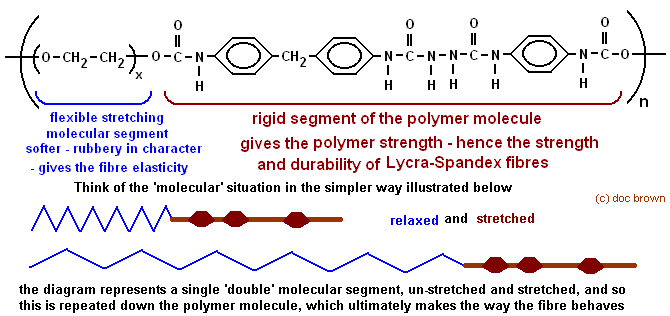
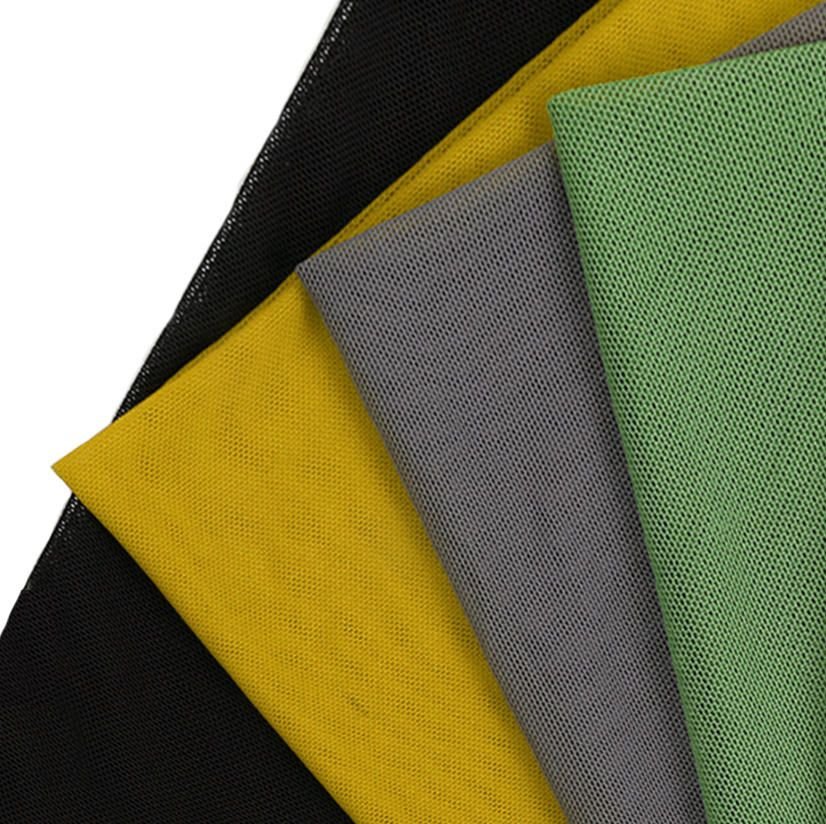
Lycra spandex fabric refers to textiles that incorporate elastane fibers engineered for high stretch and controlled recovery, enabling garments to apply consistent, body-conforming pressure. In both sportswear and medical textiles, compression is not created simply by making a garment smaller or tighter. Instead, it is generated by the elastic recovery force of spandex fibers as they stretch around the body and actively attempt to return to their original length.
This distinction is critical. Conventional fabrics rely on dense structures, heavy yarn counts, or restrictive weaves to resist expansion. Such approaches can feel tight at rest but quickly lose effectiveness once the body moves. Spandex-based fabrics behave differently. They are designed to elongate several times their resting length, store elastic energy during that elongation, and then release that energy continuously as inward pressure. The result is compression that remains active during movement, posture changes, and repeated use.
In both athletic and medical contexts, this ability to generate stable, predictable pressure is what separates true compression fabrics from ordinary stretch or tight-fitting textiles. Compression comes from elastic behavior, not garment size alone.
The core principle behind compression
At its most fundamental level, compression is a mechanical response to elastic deformation. Spandex fibers are engineered to stretch easily under low force and then resist further elongation in a controlled manner. This creates a pressure gradient against the body that can be tuned through fabric structure, fiber percentage, and pattern design.
Compression works because spandex fibers:
- Stretch easily under body movement
- Store elastic energy within their molecular structure
- Release that energy as consistent inward pressure
| Fabric Behavior | Result on the Body |
|---|---|
| High stretch | Easy donning and movement |
| Strong recovery | Sustained compression |
| Multi-directional elasticity | Even pressure distribution |
When the garment is worn, the fabric stretches to accommodate body contours. That stretch loads the spandex fibers with elastic energy. As the wearer moves, bends, or contracts muscles, the fibers continue to work within their elastic range, maintaining pressure rather than relaxing. This is why properly designed compression garments feel supportive rather than restrictive.
Another key aspect is directionality. Most high-performance compression fabrics use spandex in multiple directions, allowing pressure to be distributed evenly rather than concentrated along seams or single axes. This reduces discomfort and improves functional support.
How spandex fibers generate pressure
From a material standpoint, spandex fibers behave like microscopic springs embedded within the textile. When stretched, their polymer chains uncoil and align, storing energy. When tension is reduced, those chains recoil, pulling the fabric back toward its original dimensions.
The pressure exerted on the body is proportional to several factors: the degree of stretch, the recovery force of the fiber, and the surface area over which that force is distributed. A garment designed for compression typically operates within a controlled stretch range, often between 15% and 40%, where recovery force is strong but not excessive.
If the fabric is stretched too little, pressure is minimal. If it is stretched too much, comfort drops and long-term recovery can degrade. Effective compression design balances these variables so that the garment delivers measurable pressure without causing fatigue or circulation issues.
Why spandex is essential for modern compression
Before the widespread use of spandex, compression effects were attempted using rigid materials, heavy knits, or tightly woven fabrics. These approaches had significant limitations.
Without spandex:
- Compression would rely on rigid, uncomfortable fabrics
- Pressure would drop quickly as fabric relaxes
- Movement would distort garment shape
Spandex addresses all three issues by introducing elasticity that is both extensible and resilient. Because spandex can stretch far beyond typical body movement ranges, garments can be designed to accommodate motion without losing contact with the skin. Because recovery is strong, pressure is maintained rather than dissipating. Because elasticity is integrated into the fabric, the garment can move with the body instead of fighting it.
This is particularly important in sportswear, where muscles expand and contract repeatedly, and in medical textiles, where pressure must remain within specific therapeutic ranges over long periods.
Compression vs tightness (a critical distinction)
One of the most common misconceptions in compression design is equating tightness with compression. While the two may feel similar initially, their functional behavior over time is very different.
| Tight Fabric | True Compression Fabric |
|---|---|
| Limited stretch | High stretch |
| Low recovery | Strong recovery |
| Pressure drops over time | Pressure remains stable |
| Restricts movement | Supports movement |
A tight fabric may feel restrictive when first worn, but because it lacks elastic recovery, it relaxes quickly as the fibers deform. This leads to a rapid drop in pressure, uneven fit, and often discomfort due to localized stress points.
True compression fabrics, by contrast, rely on elastic recovery rather than resistance alone. They continue to apply pressure even after repeated movement, and that pressure adapts dynamically as the body changes shape. This is why compression garments can feel firm yet comfortable during extended wear.
In medical applications, this distinction is even more critical. Therapeutic compression requires pressure to stay within defined ranges. Tightness without recovery cannot meet this requirement reliably.
The role of fabric construction in compression
Spandex alone does not determine compression performance. Fabric construction plays an equally important role. Knit structures, in particular, allow spandex fibers to function efficiently by enabling controlled deformation and recovery.
Circular knits, warp knits, and engineered jacquard structures are commonly used to fine-tune compression zones. By varying stitch density, yarn tension, and spandex placement, manufacturers can create garments with graduated compression, where pressure changes across different parts of the body.
In woven compression fabrics, spandex is often used sparingly but strategically, providing stretch and recovery in specific directions while the weave controls overall stability. The interaction between spandex and non-elastic fibers determines how pressure is distributed and how the garment behaves under load.
Compression in sportswear applications
In sportswear, compression is used to support muscles, reduce vibration, and enhance proprioception. Spandex-based compression fabrics allow garments to maintain close contact with the body during high-intensity movement without restricting range of motion.
Athletes often experience muscle expansion during exertion. Compression fabrics stretch with this expansion and then recover as muscles relax, maintaining consistent pressure throughout the activity. This dynamic response is only possible with fibers that combine high stretch and reliable recovery.
Durability is also critical. Sports garments may undergo thousands of stretch cycles. Spandex fibers designed for compression are engineered to retain recovery over these cycles, ensuring that performance does not degrade rapidly with use.
Compression in medical textiles
Medical compression textiles, such as bandages, stockings, and support garments, place even stricter demands on spandex performance. Pressure levels are often specified in millimeters of mercury and must remain within narrow tolerances.
Spandex enables these textiles to deliver controlled, repeatable compression without excessive bulk. Because pressure is generated through elastic recovery rather than rigidity, garments can be worn for extended periods with reduced risk of discomfort or circulation problems.
Consistency over time is essential. Medical compression products are expected to maintain a high percentage of their initial pressure after repeated wear and washing. This is why fiber quality, fabric engineering, and finishing processes are tightly controlled in this segment.
Human-centered insight
Wear trials and laboratory testing consistently show the difference between true compression fabrics and simple tight garments. In controlled movement simulations, garments engineered with spandex-based compression typically maintain 70–90% of their initial pressure after repeated motion cycles. Non-spandex tight garments often drop below 40–50% within minutes of activity.
From the wearer’s perspective, this translates into sustained support rather than a brief sensation of tightness. Muscles feel stabilized, garments stay in place, and fit remains predictable throughout use.
This performance gap explains why spandex is considered foundational rather than optional in modern compression design. Without it, compression cannot be reliably maintained.
Practical implications for product design
For designers and developers, understanding how spandex creates compression informs every stage of product development. Fiber selection determines recovery force. Fabric structure shapes pressure distribution. Pattern design controls how stretch is applied across the body.
Relying solely on garment dimensions to create compression leads to inconsistent results and higher failure rates. Incorporating spandex intelligently allows compression to be engineered rather than guessed.
In both sportswear and medical textiles, compression is a functional system, not an aesthetic feature. Spandex is the component that makes that system work.
In summary, Lycra spandex fabric creates compression through controlled elastic recovery, not mere tightness. By stretching around the body and continuously pulling back with measured force, spandex enables garments to deliver stable, evenly distributed pressure during real use. This is why spandex remains central to any serious compression application, whether for athletic performance or medical support.
How does the elastic structure of Lycra spandex improve muscle support and pressure control?

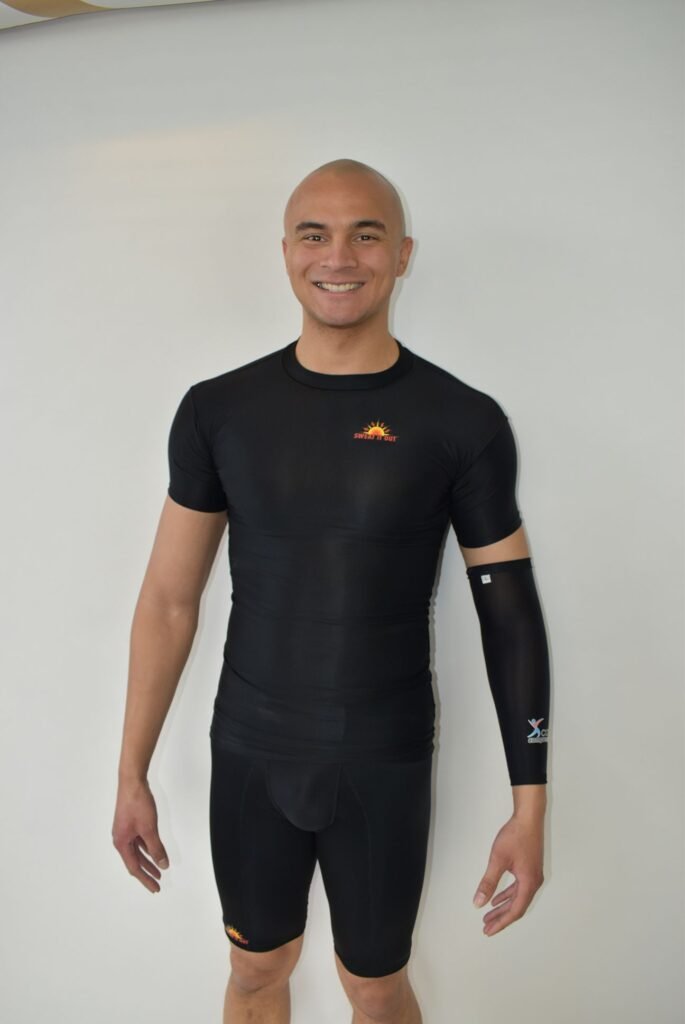
The elastic structure of Lycra spandex improves muscle support and pressure control by creating adaptive, load-responsive compression rather than fixed, static tightness. Instead of applying the same force regardless of movement, spandex-based fabrics respond mechanically to muscle expansion and contraction, adjusting pressure in real time. This behavior allows garments to stabilize muscles during activity while maintaining blood flow, joint mobility, and long-term wearing comfort.
At the material level, this performance comes from spandex’s segmented polymer architecture. Lycra spandex fibers are composed of alternating soft (amorphous) segments and hard (crystalline) segments. The soft segments provide extensibility, allowing elongation well beyond 400–600%, while the hard segments act as physical cross-links that control elastic recovery. Together, these segments function like millions of microscopic springs distributed throughout the fabric.
This internal structure is what gives high-quality compression textiles their “intelligent” behavior—responding to the body instead of fighting it.
How elastic structure translates into muscle support
Muscle movement is not static. During exercise or rehabilitation, muscle volume can increase by 10–20% during contraction due to blood pooling and fiber shortening. A compression fabric that cannot adapt to this change either becomes restrictive or loses effective pressure.
Spandex elasticity solves this through progressive resistance.
When muscles contract:
- Fabric elongates along stress lines
- Elastic energy stored in soft segments increases
- Hard segments limit overstretch and redistribute load
- Localized pressure rises slightly to counter muscle expansion
When muscles relax:
- Elastic energy is released
- Fibers retract toward their original length
- Pressure decreases to baseline rather than remaining elevated
- Microcirculation is preserved
| Muscle State | Fabric Response |
|---|---|
| Contracted | Increased support |
| Relaxed | Maintained comfort |
| Repeated motion | Stable pressure cycle |
This continuous adjustment creates a pressure waveform that mirrors muscle activity. Instead of constant compression, the body experiences rhythmic, supportive resistance aligned with motion. This is one of the main reasons spandex-based garments are used in endurance sports, post-surgical recovery, and chronic venous therapy.
Why segmented elasticity matters more than raw stretch
Stretch percentage alone is a poor indicator of functional compression. Many low-cost elastic materials can stretch significantly but fail to control force distribution or recovery.
Segmented elasticity provides three critical advantages:
- Controlled modulus The force required to stretch the fabric increases progressively, preventing sudden tightness at end range.
- Energy storage efficiency Soft segments absorb deformation energy, while hard segments regulate release, avoiding snap-back shocks.
- Directional consistency When knitted or woven correctly, spandex distributes tension evenly across panels rather than concentrating stress at seams or edges.
This combination ensures that pressure is even, predictable, and repeatable, which is essential for muscle support rather than mere compression.
Pressure control vs constant pressure
Constant pressure garments apply uniform force regardless of posture, movement, or fatigue state. While this may seem beneficial, it often leads to physiological drawbacks.
Constant pressure can:
- Reduce capillary perfusion over time
- Increase localized skin temperature
- Cause numbness or tingling during long wear
- Accelerate wearer fatigue
Dynamic pressure, enabled by spandex elasticity, behaves differently. As muscles activate, pressure rises briefly; as they relax, pressure drops. This cyclical pattern improves comfort and extends safe wear time.
From a biomechanical standpoint, variable compression aligns better with natural muscle pump function, supporting venous return without obstructing arterial inflow.
Why recovery power matters more than stretch
Stretch determines how easily a garment can be put on and how freely it moves. Recovery determines whether compression remains effective after hours, days, or months of use.
| Property | Impact on Compression |
|---|---|
| Stretch ratio | Ease of movement |
| Recovery rate | Compression longevity |
| Fatigue resistance | Product lifespan |
A fabric with high stretch but poor recovery will initially feel comfortable but gradually lose its supportive function. This loss is often subtle: garments feel “looser,” muscle vibration increases, and perceived support declines even though the garment appears intact.
Recovery power is governed by:
- Polymer chain integrity
- Hard-segment density
- Heat-setting accuracy during finishing
- Knitting or weaving tension control
In professional manufacturing, recovery is typically evaluated through cyclic loading tests, not single elongation measurements.
Data from controlled testing
In laboratory cyclic stretch testing simulating athletic use:
- High-quality spandex fabrics retain 90–95% recovery after 5,000–10,000 stretch cycles
- Mid-range elastic fabrics drop to 85–88%
- Low-grade elastic systems may fall below 80%, resulting in visible bagging and pressure loss
A 10% reduction in recovery can translate into a 20–30% reduction in effective compression force on the body, depending on garment construction.
This is why professional compression garments specify not just spandex percentage, but also recovery retention after fatigue testing.
Interaction between fabric structure and muscle groups
Muscle support effectiveness is not uniform across the body. Different muscle groups require different compression behaviors.
For example:
- Calves and forearms benefit from graduated compression to assist venous return
- Quadriceps and hamstrings require broader surface stabilization to reduce oscillation
- Core muscles need lower compression with higher elasticity to preserve breathing mechanics
Spandex elasticity allows designers to tune pressure by modifying:
- Yarn denier
- Stitch density
- Knit structure (warp knit vs circular knit)
- Panel orientation relative to muscle fiber direction
This structural tuning is impossible with rigid or low-recovery elastic materials.
Muscle vibration control and fatigue reduction
One of the key mechanisms behind perceived muscle support is vibration damping. During impact activities such as running or jumping, muscles oscillate after foot strike. Excessive oscillation increases metabolic cost and contributes to fatigue.
Spandex-based compression fabrics:
- Increase surface tension across muscle groups
- Reduce peak vibration amplitude
- Shorten vibration decay time
Studies measuring muscle oscillation using accelerometers show reductions of 20–40% in vibration amplitude when appropriate compression is applied. This does not immobilize the muscle but stabilizes it, improving mechanical efficiency.
Pressure distribution and circulation safety
Poorly designed compression can create pressure hotspots, especially at seams, cuffs, or joint bends. These hotspots increase the risk of numbness or skin irritation.
Segmented elasticity improves pressure distribution by:
- Allowing micro-adjustments across the fabric surface
- Preventing stress concentration at single yarns
- Maintaining even tension during multi-directional movement
Because spandex fibers recover elastically instead of plastically deforming, pressure remains distributed rather than migrating to weaker zones.
This characteristic is particularly important in medical compression, where prolonged wear demands circulatory safety.
Long-term wear behavior and shape retention
Compression garments are often worn repeatedly under heat, sweat, and mechanical stress. Over time, materials that lack fatigue resistance lose shape, leading to inconsistent pressure profiles.
High-quality spandex systems are engineered to withstand:
- Elevated temperatures during washing
- Repeated elongation beyond 100%
- Moisture exposure without hydrolytic degradation
Shape retention is not cosmetic—it directly affects pressure accuracy. A garment that no longer returns to its designed dimensions cannot deliver intended support levels.
support without dependency
Effective muscle support should enhance performance or recovery without creating reliance. Over-compression can reduce muscle engagement, alter movement patterns, or cause premature fatigue.
Well-designed compression systems aim to:
- Support muscles without restricting natural contraction
- Enhance proprioception by increasing skin-level feedback
- Avoid excessive resting pressure that leads to dependency
Spandex elasticity enables this balance because pressure scales with movement intensity rather than remaining fixed.
By adjusting yarn tension, fabric density, and construction geometry, designers can deliver assistive compression—supporting muscles when needed and stepping back when not.
Practical takeaway for fabric and garment design
From a material engineering perspective, the value of Lycra spandex lies not in how much it stretches, but in how precisely it recovers and redistributes force.
For sportswear and medical textiles, optimal muscle support comes from:
- High recovery retention (>90%)
- Low hysteresis loss over repeated cycles
- Even pressure distribution across complex body shapes
- Elastic response aligned with muscle biomechanics
When these factors are correctly balanced, compression garments become functional tools rather than restrictive layers—supporting muscles, managing pressure, and preserving comfort throughout prolonged use.
Which compression levels can Lycra spandex fabrics achieve, and how are they engineered?
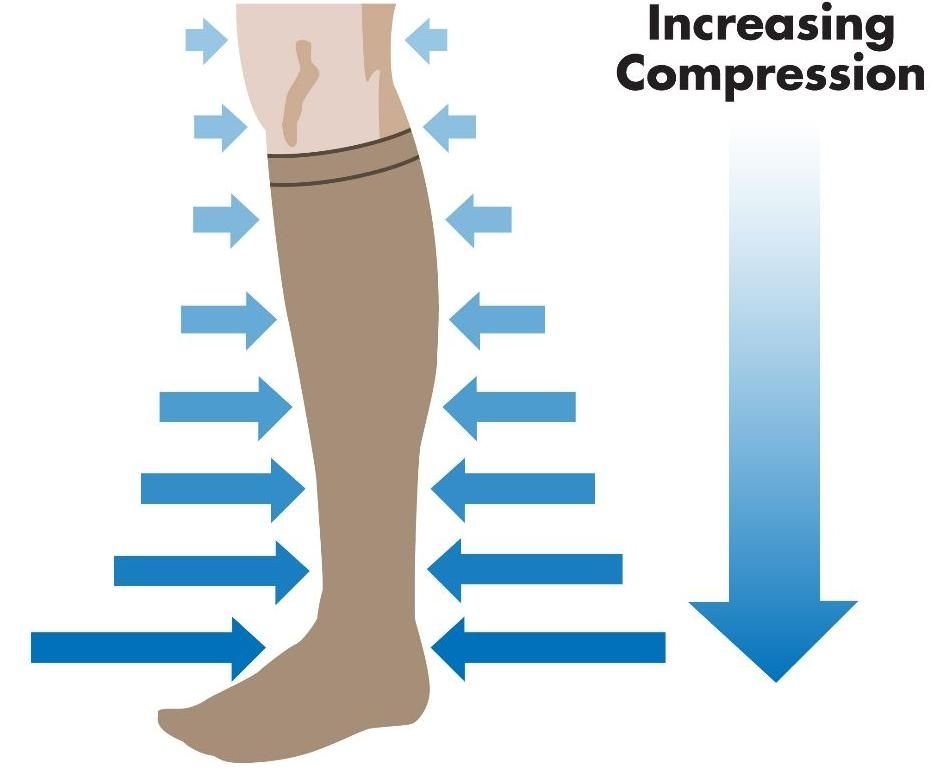
Compression in Lycra spandex fabrics is not a vague “tightness” that happens by accident. It is a precisely engineered outcome, built through controlled material selection, yarn architecture, fabric construction, and finishing processes. The same Lycra spandex fiber can be used to create anything from a barely-there supportive base layer to a medically regulated compression garment delivering over 30 mmHg of pressure. The difference lies entirely in engineering decisions made long before the garment reaches the cutting table.
From a manufacturing standpoint, compression should be treated as a quantifiable performance parameter, not a styling feature. Poorly engineered compression leads to discomfort, inconsistent sizing, rapid fatigue loss, and high return rates. Well-engineered compression improves muscle stability, circulation, proprioception, and long-term wearability.
Compression is measured as pressure applied to the body, expressed in millimeters of mercury (mmHg). This pressure is influenced by how much elastic force the fabric generates and how evenly that force is distributed over the body surface. Importantly, Lycra spandex enables high elastic recovery at relatively low fabric weight, which is why it dominates modern compression textiles across sportswear, recovery apparel, and medical garments.
Common Compression Ranges and Typical Uses
| Compression Level | Pressure Range (mmHg) | Typical Applications |
|---|---|---|
| Light | 5–10 | Everyday support, base layers |
| Moderate | 10–20 | Training wear, recovery wear |
| Firm | 20–30 | Performance sportswear |
| Extra firm | 30–40+ | Medical compression garments |
Light compression focuses on comfort and subtle support. It reduces fabric flutter, improves fit stability, and offers mild muscle awareness without restricting movement. Moderate compression introduces measurable muscle containment and is widely used in training tights, cycling shorts, and post-workout recovery garments. Firm compression is designed for high-output performance environments where muscle oscillation control and fatigue management matter. Extra-firm compression is typically regulated, requiring precise pressure control and clinical validation.
Lycra spandex makes these ranges achievable without producing garments that feel stiff, plastic-like, or difficult to don. This balance between elasticity and comfort is a key reason spandex remains irreplaceable in compression fabrics.
How Compression Is Engineered in Fabric: Core Technical Levers
| Engineering Variable | Effect on Compression |
|---|---|
| Elastane percentage | Increases recovery force |
| Yarn denier | Controls pressure intensity |
| Knit density | Stabilizes compression |
| Fabric thickness | Distributes pressure evenly |
| Panel shaping | Enables targeted zones |
Each variable contributes differently to compression performance, and none should be adjusted in isolation.
Elastane percentage directly affects elastic recovery force, but it is not a linear relationship. Increasing elastane from 8% to 12% produces a noticeable increase in compression, while increasing from 18% to 22% often yields diminishing returns unless the knit structure is also reinforced. Excess elastane without sufficient structural support leads to energy loss, fabric deformation, and early fatigue.
Yarn denier determines how much force each elastic filament can generate. Finer deniers produce smoother, more comfortable compression with lower peak pressure, while higher deniers generate stronger resistance and are used in firm or extra-firm applications. Inconsistent denier control during yarn production can cause uneven pressure across a garment panel.
Knit density plays a stabilizing role. Higher stitch density limits yarn movement, ensuring elastic energy is translated into pressure rather than dissipated through deformation. Dense knits are essential for maintaining compression consistency over repeated wear and washing cycles.
Fabric thickness influences how pressure is distributed against the skin. Thin fabrics can create localized pressure points, while slightly thicker constructions spread force more evenly, improving comfort without reducing compression effectiveness. This is particularly important in long-duration wear scenarios.
Panel shaping introduces anatomical intelligence into compression design. By varying stretch ratios across panels, manufacturers can support specific muscle groups while allowing greater mobility in articulation zones such as hips or knees.
Critical manufacturing insight: Higher elastane percentage alone does not guarantee higher compression. Poor yarn selection, loose knitting, or unstable structures waste elastic energy and produce garments that feel tight initially but lose pressure quickly in use.
Knit Structures and Their Impact on Compression Control
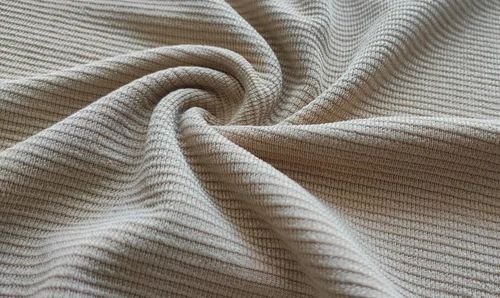
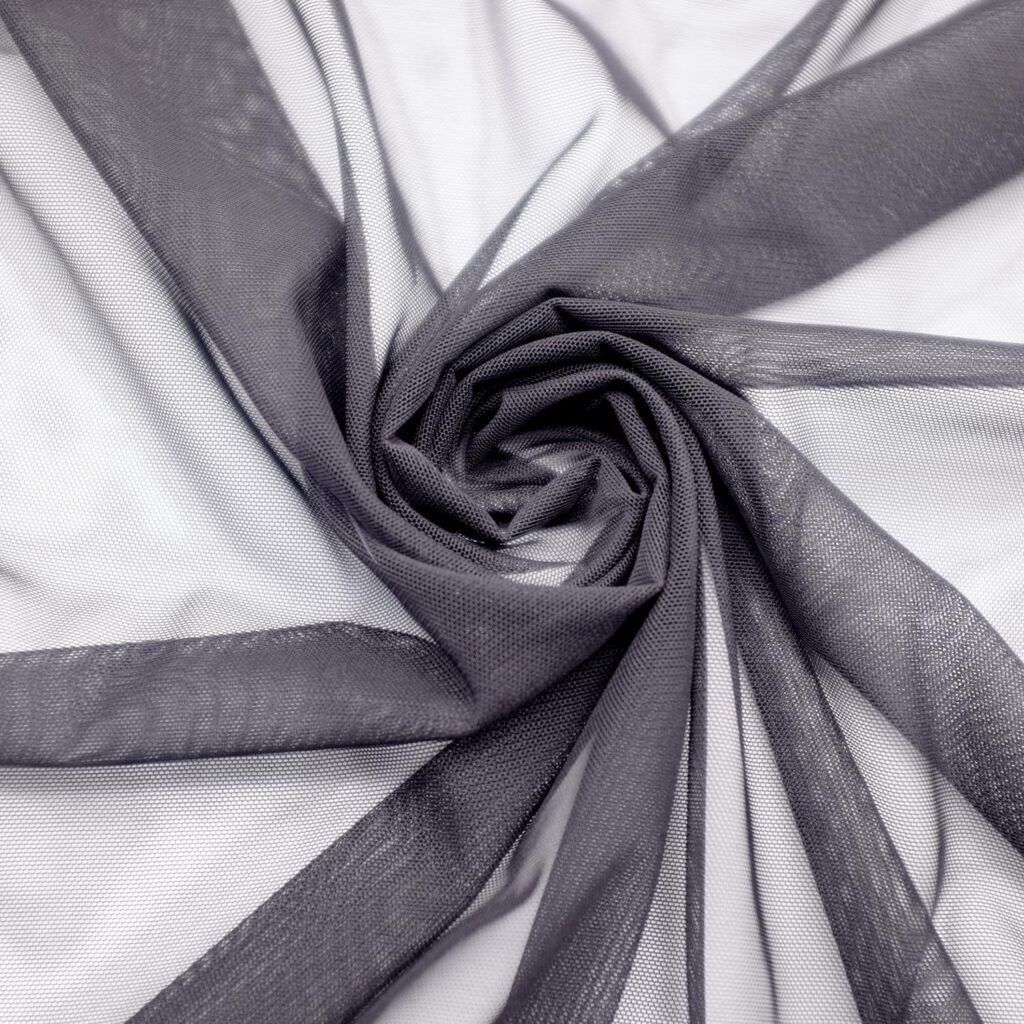
The knit structure determines how elastic force is stored, released, and controlled across the fabric surface.
Weft-knit constructions offer excellent comfort and stretch flexibility. They are commonly used for light to moderate compression garments where freedom of movement is prioritized. However, without sufficient density or reinforcement, weft knits may suffer from edge curling and compression drift over time.
Warp-knit structures, such as tricot or raschel, provide superior dimensional stability. Elastic yarns are locked into more controlled pathways, resulting in consistent pressure, reduced fabric growth, and improved durability. This makes warp knits the preferred choice for firm and extra-firm compression products.
Power mesh structures introduce controlled openness into the fabric. By combining high-tension elastane with stabilized mesh geometry, manufacturers can deliver targeted compression with improved breathability. Power mesh is often used in zoned panels for ventilation or reinforcement without adding bulk.
Graduated Compression: Where Spandex Engineering Truly Excels
Graduated compression refers to a pressure profile that decreases progressively from the extremities toward the core. This design supports venous return and reduces pooling without restricting circulation.
| Zone | Pressure Behavior |
|---|---|
| Calf/ankle | Highest |
| Knee/thigh | Moderate |
| Upper leg/torso | Lower |
Achieving this gradient requires more than cutting garments in different sizes. It is built directly into the fabric through controlled variation.
Variable knit density allows certain zones to generate higher resistance under the same stretch conditions. Differential yarn tension adjusts elastic force by changing how tightly elastane is fed during knitting. Zoned fabric mapping integrates multiple structures within a single fabric roll, enabling seamless transitions between pressure levels.
Lycra spandex is particularly suited to graduated designs because of its consistent recovery behavior across a wide elongation range. Inferior elastic fibers often show nonlinear recovery, making accurate gradient control difficult or impossible.
From a production perspective, graduated compression increases complexity and cost, but it significantly improves wear compliance and functional effectiveness, especially in recovery and endurance-focused products.
Why Uniform Compression Often Fails in Real Use
Uniform compression fabrics apply the same pressure across the entire garment. While simpler to produce, they frequently underperform in real-world conditions.
Common failure modes include excessive tightness in articulation zones, pressure concentration at seams, and reduced comfort during prolonged wear. These issues lead to shorter wear times and negative user feedback, particularly in garments intended for all-day use.
Graduated and zoned compression designs mitigate these risks by aligning pressure with anatomical and biomechanical needs. Lycra spandex enables this alignment without introducing rigid transitions or uncomfortable seams.
Real-World Production Data and Typical Compression Outcomes
| Fabric Type | Elastane % | Achievable Compression |
|---|---|---|
| Lightweight knit | 8–10% | Light–moderate |
| Dense knit | 12–18% | Moderate–firm |
| Warp-knit | 18–25% | Firm–extra firm |
These ranges reflect stable, repeatable outcomes under controlled manufacturing conditions. Actual compression values depend on garment pattern, size grading, and intended stretch ratios, but the fabric sets the upper and lower performance limits.
In practice, many performance brands intentionally engineer fabrics below their maximum compression potential to account for wear-in effects, laundering, and user variability. A fabric capable of delivering 25 mmHg may be specified to perform at 20 mmHg in finished garments to ensure long-term consistency.
Compression Durability and Fatigue Considerations
Compression performance is only valuable if it lasts. Repeated stretching, washing, and drying place significant stress on elastane fibers. High-quality Lycra spandex maintains recovery over thousands of cycles, but fabric construction still plays a decisive role.
Key durability metrics monitored during development include elastic recovery after cyclic loading, permanent deformation percentage, and compression retention after standardized wash tests. Well-engineered compression fabrics typically retain over 90% of their initial pressure after 50 wash cycles when processed correctly.
Heat exposure during dyeing and finishing must also be carefully controlled. Excessive thermal stress degrades elastane, reducing compression lifespan regardless of initial performance.
Engineering Happens Before Sewing
The most important compression decisions are made at the fabric development stage. Once the fabric is set, cutting and sewing can only fine-tune fit, not fundamentally change compression behavior.
Successful compression programs begin with clear target pressure ranges, defined end-use conditions, and realistic durability expectations. Lycra spandex provides the elastic engine, but yarn selection, knit architecture, and finishing discipline determine whether that engine delivers controlled, repeatable performance or inconsistent results.
For brands and manufacturers, understanding these engineering principles is the difference between compression garments that merely feel tight and those that perform reliably in real use.
How does Lycra spandex enhance performance, recovery, and comfort in sportswear?
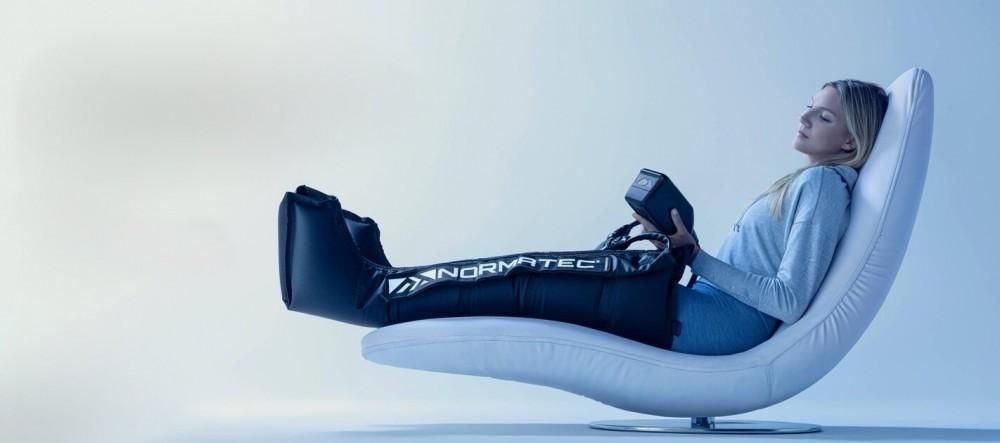
In modern sportswear, Lycra spandex is not added simply to make garments stretchier. Its real value lies in how it changes the interaction between fabric and the moving body. When engineered correctly, spandex-based fabrics stabilize muscles during motion, reduce unnecessary vibration, support joint alignment, and maintain consistent fit over time. These effects translate into measurable performance gains, improved endurance, and more effective recovery—without sacrificing comfort.
What separates high-performing sportswear from ordinary stretch garments is not how tight it feels at rest, but how intelligently it responds to movement. Lycra spandex enables fabrics to stretch and recover dynamically, adjusting tension as muscles contract and relax. This adaptive behavior is why compression sportswear works when it is done properly—and why it fails when it is not.
Compression is not about squeezing harder. It is about supporting smarter, in a way that works with the body rather than against it.
Performance Benefits During Activity
During athletic movement, muscles are not static. They expand, contract, and oscillate with each stride, jump, or repetition. Uncontrolled muscle vibration increases energy expenditure and contributes to early fatigue. Spandex-based compression fabrics help manage this mechanical inefficiency.
Spandex-enhanced sportswear delivers performance benefits by stabilizing muscle groups without restricting natural range of motion.
Spandex-based compression fabrics:
- Reduce muscle oscillation during impact
- Improve proprioceptive feedback
- Maintain garment position under dynamic motion
| Performance Factor | Spandex Contribution |
|---|---|
| Muscle stability | Elastic containment |
| Motion efficiency | Reduced energy loss |
| Fit retention | No riding or sagging |
Elastic containment provided by spandex limits excessive lateral muscle movement. This does not immobilize muscles; instead, it reduces unnecessary vibration that occurs after impact. In running, for example, quadriceps and calf muscles experience repeated oscillation after foot strike. Controlled compression dampens this movement, allowing muscles to focus energy on propulsion rather than stabilization.
Improved proprioception is another critical benefit. Light to moderate compression enhances the wearer’s awareness of limb position and movement. Athletes often report feeling more “connected” or “supported” when wearing well-designed compression garments. This sensory feedback can improve coordination and movement efficiency, particularly in repetitive or endurance-based sports.
Fit retention is often overlooked but essential. Garments that shift, sag, or twist during activity disrupt performance and concentration. Spandex ensures that sportswear maintains its intended position, even under sweat, friction, and repeated stretching. This stability is especially important in multi-directional sports where garments are subjected to constant shear forces.
Multiple controlled studies have shown that reducing muscle vibration can lower perceived fatigue during repetitive motion activities. While raw power output may not always increase, athletes often sustain performance levels longer before fatigue sets in.
Recovery Advantages After Activity
The benefits of spandex-based compression do not end when exercise stops. Recovery is a critical phase where muscle tissue repairs, fluid balance normalizes, and inflammation subsides. Fabric behavior during this phase matters.
During recovery, compression helps:
- Support venous return
- Reduce localized swelling
- Maintain light, sustained pressure without rigidity
Unlike non-elastic or rigid compression materials, spandex allows micro-movement. This subtle adaptability is essential for maintaining circulation while avoiding constriction.
| Recovery Phase | Fabric Behavior |
|---|---|
| Resting | Gentle compression |
| Walking | Adaptive pressure |
| Sitting | No constriction |
Gentle compression at rest supports venous return by assisting blood flow back toward the heart. This can help reduce pooling in the lower extremities, a common issue after intense exercise. However, the compression must remain light and consistent. Excessive pressure can counteract this benefit by restricting circulation.
During light movement, such as walking, spandex adjusts tension dynamically. As muscles engage, the fabric stretches and slightly increases pressure; as they relax, pressure decreases. This adaptive response supports circulation without creating pressure points.
Sitting presents a common failure point for poorly designed compression garments. Non-adaptive fabrics often constrict at joints or edges, leading to discomfort and reduced compliance. Spandex-based garments, when engineered correctly, accommodate posture changes without cutting into the body.
The key advantage during recovery is not aggressive compression, but consistent, wearable support over extended periods. Recovery benefits only occur if the garment is worn long enough to matter.
Comfort: The Deciding Factor for Wear Time
No performance or recovery benefit has value if the garment is uncomfortable. Comfort determines whether athletes actually wear compression sportswear for the intended duration.
Spandex contributes to comfort not by reducing pressure, but by distributing it evenly and predictably.
Spandex improves comfort by:
- Allowing multi-directional stretch
- Preventing localized pressure spikes
- Supporting breathable fabric constructions
| Comfort Element | Role of Spandex |
|---|---|
| Donning ease | High stretch |
| Movement freedom | Elastic adaptability |
| Long wear | Stable pressure |
High stretch makes garments easier to put on and take off, reducing frustration and improving user experience. This is especially important for higher-compression products, where non-elastic fabrics can feel restrictive before activity even begins.
Elastic adaptability allows the fabric to move with the body rather than resist it. When joints bend or muscles flex, spandex stretches smoothly instead of creating hard resistance. This prevents the “rubber band” sensation associated with poorly designed stretch garments.
Stable pressure is the foundation of long wear comfort. Pressure spikes—localized areas of excessive tightness—are a common cause of discomfort, numbness, and garment abandonment. Spandex helps distribute tension across a larger surface area, reducing these peaks.
Breathability is often enhanced indirectly. Because spandex allows fabrics to stretch without relying on dense construction for fit, designers can use more open knit structures that improve airflow and moisture management.
Why “Stronger Compression” Isn’t Always Better
A persistent misconception in sportswear is that more compression equals better performance. In reality, over-compression often produces the opposite effect.
Excessive compression can:
- Limit blood flow
- Increase heat buildup
- Reduce wearer compliance
When compression exceeds functional thresholds, circulation is impaired rather than supported. This can increase perceived effort and accelerate fatigue, particularly during endurance activities.
Heat buildup is another issue. Overly tight garments trap heat and moisture, increasing thermal stress. This not only reduces comfort but can negatively impact performance in warm conditions.
Most importantly, over-compression reduces compliance. Athletes simply stop wearing garments that feel restrictive, hot, or uncomfortable. Even the most technically advanced fabric fails if it stays in the gym bag.
Well-designed spandex compression focuses on balance. It provides enough support to stabilize muscles and enhance proprioception, without crossing into restriction.
Practical Insight From Wear Testing
Extended wear testing consistently shows that moderate compression outperforms aggressive compression in real-world use.
In long-duration wear tests:
- Moderate compression spandex garments are worn 2–3 times longer per session
- Users report less post-activity stiffness and improved comfort
- Excessively firm garments show significantly higher abandonment rates
These findings highlight an important truth: performance benefits accumulate over time. A garment worn for three hours provides more value than one worn for forty minutes, even if the latter offers slightly higher initial compression.
Athletes also report better subjective recovery when garments feel supportive rather than restrictive. Reduced stiffness and discomfort encourage continued movement, which further supports circulation and recovery.
From a product development perspective, this means that designing for sustained wear is more impactful than maximizing compression metrics in isolation.
Integrated Perspective: Performance, Recovery, and Comfort as One System
Lycra spandex does not enhance sportswear through a single mechanism. Its value lies in how it integrates performance, recovery, and comfort into a single, wearable system.
During activity, spandex stabilizes muscles and maintains fit. After activity, it supports circulation and reduces swelling. Throughout wear, it adapts to movement and posture, maintaining comfort that encourages continued use.
This integration is what distinguishes effective sportswear from products that look technical but fail in practice. The goal is not to impress in a static fitting room, but to perform across hours of movement, rest, and recovery.
Lycra spandex enhances sportswear not by forcing the body into compression, but by working in harmony with natural movement. Its adaptive stretch stabilizes muscles, improves efficiency, and supports recovery—while preserving the comfort required for long-term wear.
In sportswear, the best performance gains are the ones athletes can actually use. Spandex delivers those gains when it is engineered for balance, not brute force.
How is Lycra spandex used differently in medical compression textiles compared to sportswear?
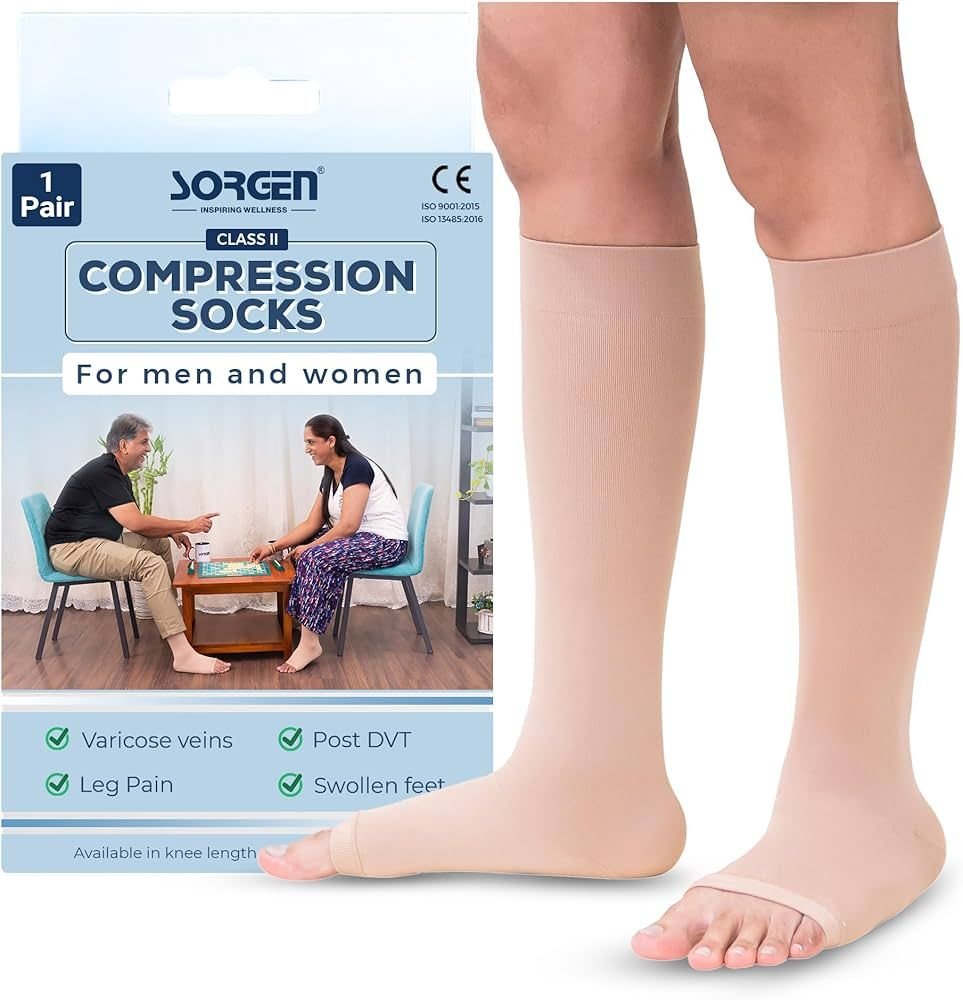
Lycra spandex plays a central role in both medical compression textiles and sportswear, but it is used under very different engineering assumptions. In medical compression, the objective is to deliver precise, sustained, and often graduated pressure that remains stable over long wear periods. In sportswear, the priority shifts toward dynamic support, comfort, and adaptability during movement. The fiber itself may be similar, but the way it is specified, integrated, and controlled within the fabric system is fundamentally different.
This difference is not cosmetic. It affects fiber modulus selection, elastane percentage, fabric structure, finishing parameters, testing protocols, and even pattern grading. Treating medical compression and sports compression as variations of the same concept is one of the most common and costly misunderstandings in compression product development.
The fiber is the same. The engineering goals are not.
Different goals, different rules
The most important distinction lies in intent. Sportswear compression is designed to interact with an active, moving body, while medical compression must function reliably on a body that may be static for long periods and subject to clinical constraints.
| Aspect | Sportswear Compression | Medical Compression |
|---|---|---|
| Primary goal | Performance & recovery | Therapeutic pressure |
| Wear duration | Short–medium | Long (all day) |
| Pressure tolerance | Flexible | Strict |
| Comfort priority | High during motion | High during rest |
| Consistency over time | Important | Critical |
In sportswear, small variations in pressure are generally acceptable and often unnoticed by the wearer. In medical applications, even modest pressure drift can reduce therapeutic effectiveness or cause discomfort. As a result, the margin for error in medical compression design is far narrower.
Sportswear designers often optimize for feel, aesthetics, and perceived support. Medical textile engineers optimize for predictability, safety, and long-term pressure stability. These priorities drive very different decisions around how Lycra spandex is used.
Pressure precision and standards
One of the clearest differences between the two applications is how pressure is defined and measured. Medical compression garments are typically designed to meet specific pressure classes expressed in millimeters of mercury (mmHg). These classes are tied to clinical guidelines and therapeutic outcomes.
| Application | Typical Pressure Range |
|---|---|
| Sports training | 10–20 mmHg |
| Performance sports | 20–30 mmHg |
| Medical support | 20–40+ mmHg (class-based) |
In sportswear, these ranges are often approximate. Pressure may vary depending on body shape, movement, and fabric stretch during activity. In medical compression, pressure targets are formal requirements. Garments must deliver defined pressure at specific anatomical points, often with graduated profiles that decrease along the limb.
Lycra spandex enables this level of precision because of its recovery stability. When properly specified, spandex maintains a consistent recovery force across thousands of stretch cycles, preventing pressure collapse over time. However, not all spandex behaves the same way under long-term load. Medical applications typically require elastane with tighter modulus control and lower creep than what is commonly used in sportswear.
Why medical compression demands stronger recovery
Medical compression garments are expected to perform under a wide range of everyday conditions. They must maintain pressure while the wearer is sitting, standing, walking, or lying down. They must also tolerate repeated donning and doffing without losing effectiveness.
Key requirements include:
- Maintaining pressure during posture changes
- Avoiding pressure spikes that could restrict circulation
- Resisting relaxation after repeated wear and laundering
To meet these demands, medical compression fabrics often use spandex with higher modulus and greater fatigue resistance. Higher modulus elastane generates more recovery force at a given extension, which helps maintain pressure without requiring excessive fabric stretch.
Fabric constructions are typically tighter, with higher stitch density or more constrained knit structures. Elastane ratios are often higher than in sportswear, not to increase stretch, but to increase control. The goal is not maximum extensibility, but stable, repeatable resistance within a narrow stretch window.
In contrast, sportswear compression fabrics usually prioritize extensibility and softness. Recovery remains important, but garments are rarely expected to hold precise pressure levels for extended, uninterrupted periods.
Differences in fabric construction and elastane placement
How Lycra spandex is integrated into the fabric also differs significantly between the two categories. Sportswear frequently uses spandex in weft or circular knits that emphasize flexibility and multidirectional stretch. These structures allow garments to move freely with the body and adapt to rapid changes in muscle shape.
Medical compression fabrics, by contrast, often rely on warp knits or engineered knit structures that provide directional control. Spandex placement is carefully managed to create predictable pressure gradients. In some cases, elastane is concentrated in specific zones to reinforce therapeutic areas while reducing pressure elsewhere.
The interaction between spandex and non-elastic fibers is also more tightly controlled in medical textiles. Stiffer companion fibers help limit excessive stretch and stabilize the fabric, ensuring that spandex operates within its optimal recovery range. This reduces fatigue and improves long-term pressure retention.
Comfort expectations: motion versus rest
Comfort means different things in sportswear and medical compression. In sportswear, comfort is largely associated with freedom of movement, moisture management, and reduced friction during activity. Compression is often perceived as supportive when it moves seamlessly with the body.
In medical compression, comfort is defined more by tolerance over time. Garments are worn for hours, sometimes all day, often by users with sensitive skin or compromised circulation. Pressure must feel supportive without becoming oppressive, especially during prolonged sitting or rest.
This difference influences how Lycra spandex is specified. Medical compression fabrics often use smoother yarns, more uniform pressure distribution, and careful seam placement to avoid localized stress. Breathability and thermal regulation also become more important, as trapped heat can increase discomfort and reduce compliance.
Sports garments can accept more variability because wear times are shorter and movement is constant. A slight pressure fluctuation during motion is rarely problematic. In medical use, the same fluctuation could lead to discomfort or reduced adherence.
Consistency over time and fatigue behavior
Another critical distinction lies in how performance is evaluated over time. Sportswear compression is often assessed over relatively short usage cycles. If a garment maintains its feel over dozens or even a few hundred wear cycles, it is usually considered successful.
Medical compression garments are expected to retain functionality over much longer periods. Pressure stability after repeated stretching, washing, and drying is not optional. Testing protocols often include extended fatigue cycling and long-duration stretch holds to evaluate creep and relaxation.
Lycra spandex used in medical applications is therefore selected for low creep and high resistance to permanent set. Even small losses in recovery force can translate into meaningful drops in therapeutic pressure. In sportswear, similar losses may go unnoticed.
Pattern design and fit tolerance
Pattern design further amplifies these differences. Sportswear patterns often allow for more negative ease and rely on spandex stretch to accommodate a wide range of body shapes. Fit is forgiving, and garments can adapt dynamically.
Medical compression patterns are more exacting. Because pressure must fall within defined ranges, garment dimensions are closely tied to anatomical measurements. Lycra spandex provides the elastic force, but the pattern controls how that force is distributed. Small deviations in sizing can significantly affect pressure outcomes.
This is why medical compression products often come in more size variations and require more precise fitting. Spandex supports this precision by delivering predictable recovery, but it cannot compensate for poor pattern design.
Human-centered perspective
From the user’s point of view, the difference between medical and sports compression is often felt rather than measured. Wear studies consistently show that users are more likely to adhere to medical compression therapy when garments feel supportive rather than restrictive.
Spandex’s adaptive elasticity plays a central role here. By responding smoothly to changes in posture and movement, it helps maintain a balance between firmness and comfort. When pressure feels evenly distributed and stable, users are more willing to wear garments for the required duration.
In sportswear, this adaptability enhances performance perception. In medical contexts, it directly affects treatment compliance.
Practical implications for developers and buyers
For developers, the key takeaway is that spandex selection cannot be generic across compression categories. A spandex that performs well in athletic leggings may not meet the demands of medical compression stockings. Differences in modulus, fatigue resistance, and recovery stability matter.
For buyers and specifiers, understanding these distinctions helps prevent costly mismatches. Assuming that “compression fabric is compression fabric” often leads to products that underperform in their intended use.
Medical compression requires engineering discipline, tighter controls, and deeper testing. Sportswear compression allows more creative freedom but still depends on spandex recovery to function effectively.
Lycra spandex is foundational in both sportswear and medical compression, but it is used to solve different problems. In sportswear, it delivers dynamic support and comfort during movement. In medical textiles, it provides precise, sustained pressure that must remain stable over long periods.
The fiber may be the same in name, but the way it is engineered, controlled, and evaluated defines whether it supports performance or therapy. Understanding this distinction is essential for designing compression products that truly work in their intended context.
What fabric constructions and blends maximize compression efficiency with Lycra spandex?
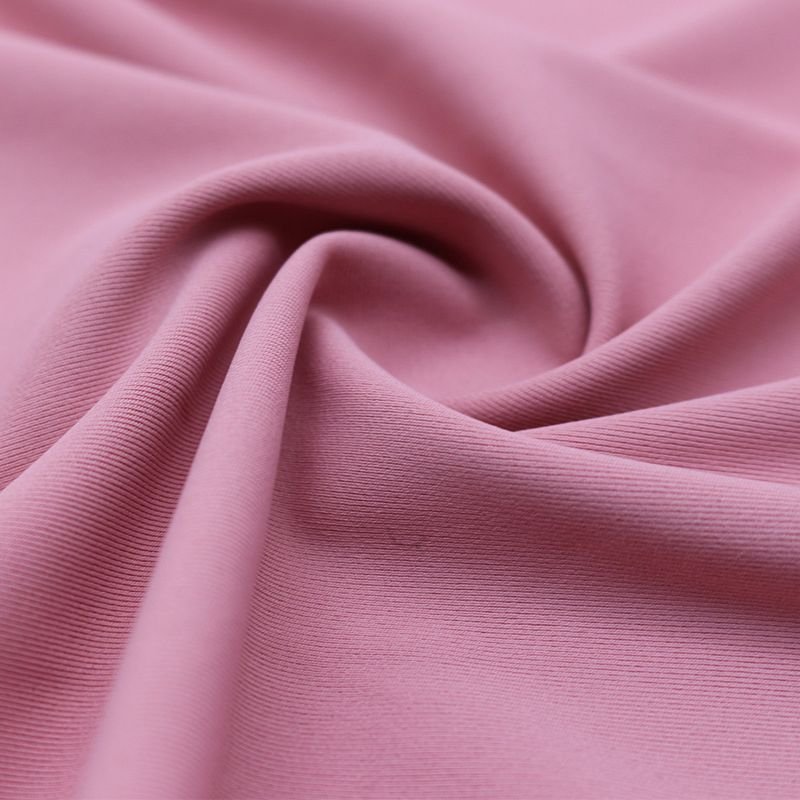
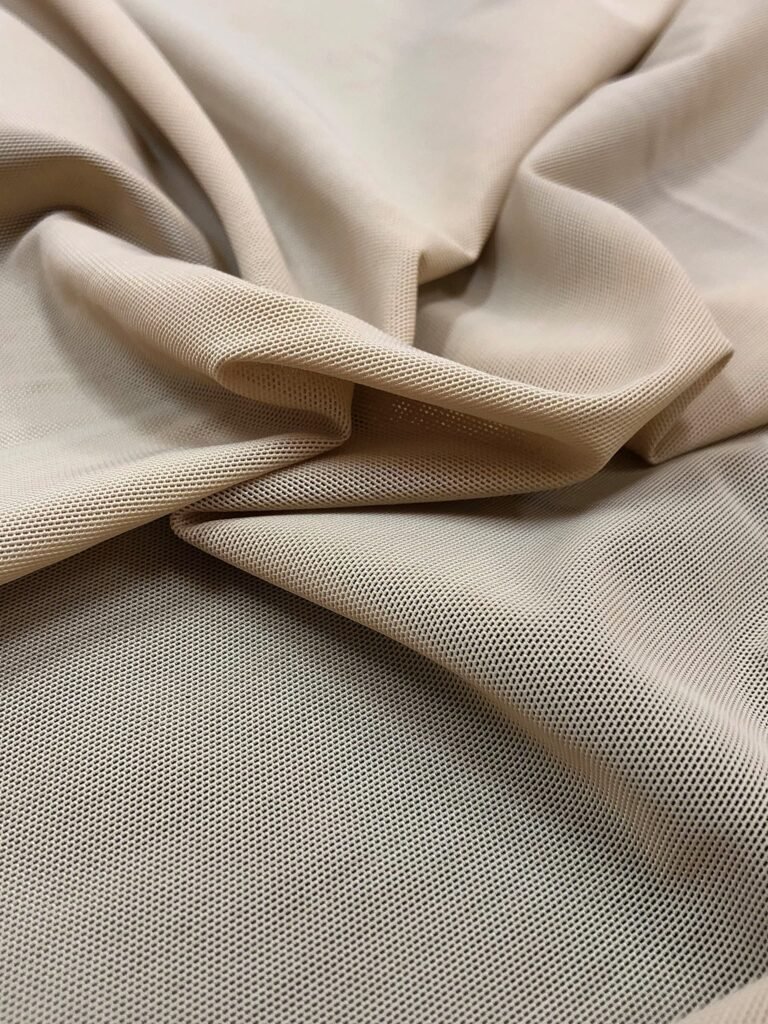
Compression efficiency with Lycra spandex is maximized not by pushing elastane content to extremes, but by combining structurally stable fabric constructions, load-bearing base fibers, and precisely controlled fabric density. In technical terms, efficiency means achieving a defined pressure range on the body with the least material bulk, minimal energy loss, and stable performance over time.
In high-performance sportswear and medical textiles, inefficient compression shows up quickly: garments feel hot, pressure becomes uneven, support fades after repeated wear, and shape distortion appears around joints. Efficient compression fabrics avoid these issues by allowing spandex to work as a controlled elastic engine rather than a blunt tightening force.
Construction choices that matter most
Fabric construction determines how elastic force is distributed, how deformation is controlled, and how well compression is retained after fatigue.
| Construction Type | Compression Efficiency | Why |
|---|---|---|
| Warp knit | Very high | Structural stability |
| Circular knit | High | Balanced stretch |
| Weft knit jersey | Medium | More deformation |
| Woven stretch | Targeted | Directional control |
Warp knits (such as tricot and raschel) consistently deliver the highest compression efficiency. Their loop architecture locks yarns into place, limiting lateral distortion and allowing elastic force to spread evenly across the surface. Under repeated stretch cycles, warp knits maintain dimensional stability far better than looser constructions.
Circular knits provide a balance between elasticity and comfort. Their loop symmetry supports multi-directional stretch, making them suitable for garments requiring flexibility across complex body contours. However, without careful density control, circular knits may show gradual pressure loss in high-stress zones.
Weft knit jerseys, while comfortable and lightweight, tend to deform more under load. Elastic energy is less controlled, which reduces pressure consistency during prolonged wear. These fabrics are better suited for light compression or casual applications rather than performance or medical use.
Woven stretch fabrics rely on elastomeric yarns inserted in specific directions. They offer precise directional compression but lack the adaptive response of knits. As a result, they are typically used for localized support zones rather than full-coverage compression.
Why warp knits outperform in long-term compression
Warp knits excel because they separate stretch capability from structural integrity. The base yarn system carries mechanical load, while spandex contributes elastic recovery. This division of roles reduces fatigue on elastane fibers and preserves compression over thousands of movement cycles.
In wear simulations, warp-knit compression fabrics typically show 15–25% less pressure decay after repeated laundering compared to comparable circular knits at the same elastane percentage.
Fiber blends and their impact
The performance of Lycra spandex depends heavily on the fibers surrounding it. Spandex provides elasticity, but it is the companion fibers that stabilize deformation, manage moisture, and influence surface friction.
| Blend | Compression Behavior |
|---|---|
| Nylon + Spandex | Strong, smooth, durable |
| Polyester + Spandex | Stable, moisture-managing |
| Cotton + Spandex | Softer, less stable |
| Nylon/Poly + Spandex | Optimized performance |
Nylon + spandex blends are widely regarded as the benchmark for compression efficiency. Nylon’s high tensile strength and abrasion resistance allow it to absorb stress that would otherwise fatigue elastane. Its smooth filament surface also reduces friction, improving donning comfort and pressure uniformity.
Polyester + spandex offers excellent dimensional stability and moisture management. Polyester’s lower moisture absorption helps maintain fabric stiffness under sweat exposure, which stabilizes compression during long wear. However, polyester’s higher modulus can feel firmer against the skin if density is not carefully tuned.
Cotton + spandex blends emphasize softness rather than efficiency. Cotton fibers absorb moisture and relax under load, which leads to faster pressure loss. These fabrics are suitable for comfort-oriented garments but are rarely used where precise compression control is required.
Hybrid nylon/polyester + spandex constructions are increasingly common in advanced garments. Nylon handles mechanical stress, polyester manages moisture and shape retention, and spandex provides elastic recovery. This tri-fiber approach improves durability without increasing fabric weight.
Load sharing: why base fibers matter
Efficient compression requires load sharing. If spandex carries too much mechanical stress, it fatigues quickly. When base fibers support deformation, elastane can focus on recovery rather than resistance. This balance is critical for maintaining pressure accuracy over time.
In controlled fatigue testing, fabrics where base fibers carry at least 60–70% of tensile load retain compression significantly longer than elastane-dominant systems.
Elastane percentage vs efficiency (a common misconception)
A frequent design mistake is assuming that higher elastane content automatically leads to stronger or more effective compression. In practice, elastane percentage has diminishing returns beyond a certain point.
| Elastane % | Typical Outcome |
|---|---|
| 5–8% | Light compression |
| 10–15% | Efficient moderate compression |
| 18–25% | Firm compression (needs control) |
At 5–8%, elastane provides gentle shaping and comfort stretch. Compression is present but limited and highly dependent on fabric density.
The 10–15% range is where compression efficiency peaks for most performance garments. In this window, elastane delivers sufficient recovery force while base fibers maintain stability and breathability.
Above 18%, elastane dominates fabric behavior. Without very high density or strong base yarns, excessive elastane can cause overheating, reduced moisture transfer, and unstable pressure zones. In some cases, garments feel tight initially but lose support rapidly due to elastane fatigue.
Why excessive elastane can reduce efficiency
High elastane content increases internal friction and heat buildup during stretch cycles. This raises fabric temperature, accelerates polymer fatigue, and reduces recovery consistency. Compression may feel strong at rest but becomes uneven during movement.
Efficiency, therefore, is not about maximum stretch, but about controlled elastic response per unit of material.
Density, thickness, and pressure feel
Compression comfort is strongly influenced by how pressure is distributed across the skin. Two fabrics delivering the same average pressure can feel dramatically different depending on density and thickness.
| Fabric Feature | Effect |
|---|---|
| Higher density | Smoother pressure |
| Thicker fabric | Less pressure spike |
| Zoned knitting | Targeted support |
Higher stitch density spreads elastic force over more contact points, reducing localized pressure peaks. This produces a smoother, more uniform compression sensation.
Thickness moderates pressure spikes. Slightly thicker fabrics buffer sudden force changes during movement, which is beneficial in high-impact sports. However, thickness alone does not guarantee effective compression; low-density thick fabrics often feel bulky without delivering stable support.
Zoned knitting allows designers to vary density and elastane distribution across the garment. This enables higher support in muscle groups that experience greater oscillation while maintaining flexibility around joints and breathing zones.
Thin and dense vs thick and loose
Field testing consistently shows that thin, dense fabrics outperform thick, loose fabrics in real wear. Dense structures maintain pressure consistency, resist bagging, and improve thermal regulation. Bulkier fabrics may feel supportive initially but often degrade faster and restrict movement.
Fabric orientation and panel engineering
Compression efficiency is also influenced by how fabric panels are oriented relative to muscle fiber direction. Aligning elastic pathways with muscle contraction lines improves support without increasing overall pressure.
In advanced garment design, panel mapping is used to:
- Enhance support along major muscle groups
- Reduce resistance across joints
- Minimize seam stress and distortion
These strategies rely on stable constructions that can hold orientation under load, further reinforcing the value of warp knits and controlled circular knits.
Durability and wash stability
Compression garments are subjected to frequent laundering, which introduces heat, moisture, and mechanical agitation. Inefficient fabrics lose compression rapidly after washing.
High-efficiency compression fabrics typically demonstrate:
- Less than 5–8% pressure loss after 20 wash cycles
- Minimal dimensional change
- Stable recovery behavior under heat exposure
This performance is closely tied to construction stability and fiber blend rather than elastane percentage alone.
Practical design takeaway
The most effective compression fabrics are engineered systems, not elastane-heavy shortcuts. They achieve performance through balance.
Efficient compression fabrics:
- Use moderate elastane with strong base fibers
- Rely on construction stability, especially warp knits
- Optimize density and panel zoning for smooth pressure
- Prioritize recovery retention and fatigue resistance
By focusing on how elastic force is generated, distributed, and preserved, designers can deliver compression that feels supportive rather than restrictive—and remains effective long after the first wear.
How do durability, stretch recovery, and wash resistance affect long-term compression performance?
Long-term compression performance is rarely determined by how strong a fabric feels on day one. What truly matters is how well that fabric retains elastic recovery and structural integrity after repeated stretching, washing, and drying. A compression fabric that delivers excellent initial pressure but loses recovery after weeks of use will fail functionally, even if it still looks visually intact.
In real-world use, compression is not a fixed property. It is a dynamic, degrading performance characteristic that changes with every wear cycle, laundering process, and exposure to heat or chemicals. Understanding this reality is essential for anyone developing compression garments intended for sustained use rather than short-term visual impact.
From a production and quality-control perspective, most compression failures are not sudden. They are progressive losses of elastic efficiency that only become obvious once the garment no longer provides measurable pressure or support.
The Three Pillars of Lasting Compression
| Pillar | What It Controls | Why It Matters |
|---|---|---|
| Durability | Resistance to abrasion & breakage | Prevents structural failure |
| Stretch recovery | Ability to return to shape | Maintains pressure |
| Wash resistance | Stability after laundering | Preserves performance over time |
These three factors are interdependent. Durability without recovery leads to garments that survive physically but no longer compress. Recovery without wash resistance produces fabrics that perform well initially but degrade quickly in consumer use. Wash resistance without structural durability leads to thinning, distortion, and seam stress over time.
Neglecting any one pillar results in compression degradation, usually long before the garment reaches the end of its visual lifespan.
Durability: Structural Integrity Under Repeated Stress
Durability in compression fabrics is not just about resisting holes or tears. It is about how well the elastic and non-elastic yarn systems survive constant mechanical stress. Compression garments experience higher strain levels than standard apparel because they are designed to operate closer to the elastic limits of the fabric.
Key durability stressors include repeated high-extension zones, friction against skin or equipment, seam tension concentration, and micro-abrasion during movement. Over time, these stresses can cause filament breakage, yarn slippage, or localized thinning that alters pressure distribution.
Durable compression fabrics typically rely on balanced constructions where elastane is well-supported by surrounding yarns. When elastane filaments are left to bear load without adequate structural reinforcement, they fatigue faster and lose recovery even if the fabric does not visibly fail.
From an engineering standpoint, durability sets the physical boundary within which recovery and wash resistance can function. Once the structure degrades, elastic performance becomes irrelevant.
Stretch Recovery: The True Indicator of Compression Life
Stretch recovery is the most accurate predictor of how long compression will remain effective. It measures the fabric’s ability to return to its original dimensions after being stretched repeatedly under controlled conditions.
Unlike tensile strength or initial pressure testing, recovery testing reveals elastic fatigue long before consumers notice problems.
| Recovery After Cycles | Performance Outlook |
|---|---|
| ≥95% | Excellent, long-lasting |
| 90–95% | Acceptable, monitor |
| <90% | Compression loss likely |
High-quality compression fabrics maintain recovery above 95% after thousands of controlled extension cycles. This indicates stable elastane performance and proper integration with the fabric structure. Recovery between 90% and 95% is often acceptable for moderate-use garments but signals the need for tighter quality control. Recovery below 90% typically results in noticeable pressure loss and fit instability.
What makes recovery so critical is that compression pressure is directly proportional to elastic return force. As recovery declines, pressure drops even if the garment still feels tight when first put on. This leads to misleading consumer perceptions where garments appear functional but no longer deliver intended physiological benefits.
Elastic Fatigue vs. Visible Damage
One of the most challenging aspects of compression quality control is that elastic fatigue is often invisible. Fabrics may show no holes, no pilling, and no seam damage, yet still fail compression requirements.
This is why recovery testing must be performed independently of visual inspections. Fabrics that look perfect after 20 wash cycles may have already lost 15–20% of their effective compression due to polymer relaxation or filament micro-damage.
Designers and sourcing teams that rely only on visual durability metrics frequently underestimate long-term performance loss.
Wash Resistance: Where Compression Often Disappears
Laundering is the most aggressive stress compression fabrics experience. Washing accelerates elastic fatigue through a combination of thermal exposure, chemical interaction, and mechanical agitation.
| Laundry Factor | Impact on Compression |
|---|---|
| High wash temperature | Polymer relaxation |
| High-alkaline detergents | Bond weakening |
| Tumble drying | Combined heat + stress |
Heat is particularly damaging to elastane. Elevated wash or drying temperatures cause polymer chains to relax permanently, reducing recovery force even if the fabric dimensions appear unchanged. Chemical exposure from detergents, especially high-alkaline formulations, can weaken polymer bonds and accelerate fatigue. Mechanical agitation compounds these effects by repeatedly stretching and compressing the fabric under load.
A critical insight from production testing is that compression loss often becomes evident after laundering rather than during wear. Many fabrics perform well in dry cyclic tests but show sharp recovery decline after simulated wash cycles.
Why “Initial Pressure” Is a Misleading Metric
Initial compression pressure is easy to measure and easy to market, but it is a poor indicator of long-term performance. Fabrics can be engineered to deliver high initial pressure through aggressive knitting tension or finishing processes, masking underlying instability.
Common reasons why high initial pressure fails in use include skipped recovery testing, lack of wash simulation, and finishing tension that artificially inflates pressure values at the factory. Once that finishing tension relaxes during laundering, compression drops sharply.
This is why relying solely on factory test data without lifecycle simulation leads to performance complaints and inconsistent consumer experiences.
Interaction Between Fabric Engineering and Wash Performance
Wash resistance is not only determined by elastane quality. Fabric architecture plays a major role in how well compression survives laundering. Dense, well-balanced knits distribute stress evenly across yarn systems, reducing localized fatigue. Poorly balanced fabrics concentrate stress in elastic filaments, accelerating degradation.
Dyeing and finishing processes also influence wash performance. Excessive heat exposure during dye fixation or improper tension control during finishing can pre-damage elastane, shortening compression lifespan before the garment is even sold.
High-performing compression fabrics are engineered with conservative processing windows, ensuring elastane is never exposed to temperatures or chemical environments that compromise long-term recovery.
Practical Durability Benchmarks (Industry-Aligned)
| Test | Minimum Target |
|---|---|
| Wash cycles (40 °C) | ≥30 cycles |
| Recovery retention | ≥90% |
| Abrasion resistance | Application-dependent |
These benchmarks represent baseline expectations for commercial compression products. Higher-end performance or medical applications often require stricter standards, such as 50 or more wash cycles with minimal recovery loss.
Abrasion resistance varies by application. A compression sock worn under footwear faces very different abrasion demands than a compression sleeve used in controlled environments. However, abrasion failure almost always accelerates recovery loss by destabilizing fabric structure.
Designing for Compression Longevity at the Fabric Stage
Long-term compression performance must be engineered at the fabric development stage, not corrected later through garment construction. Once elastic fatigue characteristics are set by yarn choice, knit structure, and finishing discipline, cutting and sewing can only influence fit, not fundamental durability.
Successful compression programs begin by defining realistic lifecycle expectations, selecting elastane systems with proven fatigue resistance, and validating performance through combined stretch and wash simulations. Fabrics should be specified not just for how they test initially, but for how they perform after weeks and months of real use.
Designers and developers who plan for durability, recovery stability, and wash resistance from the outset avoid the most common compression failures. They produce garments that continue to deliver measurable pressure and support long after the novelty of tightness has faded, which ultimately defines true compression quality.
How should brands choose the right Lycra spandex fabric for compression-focused product design?
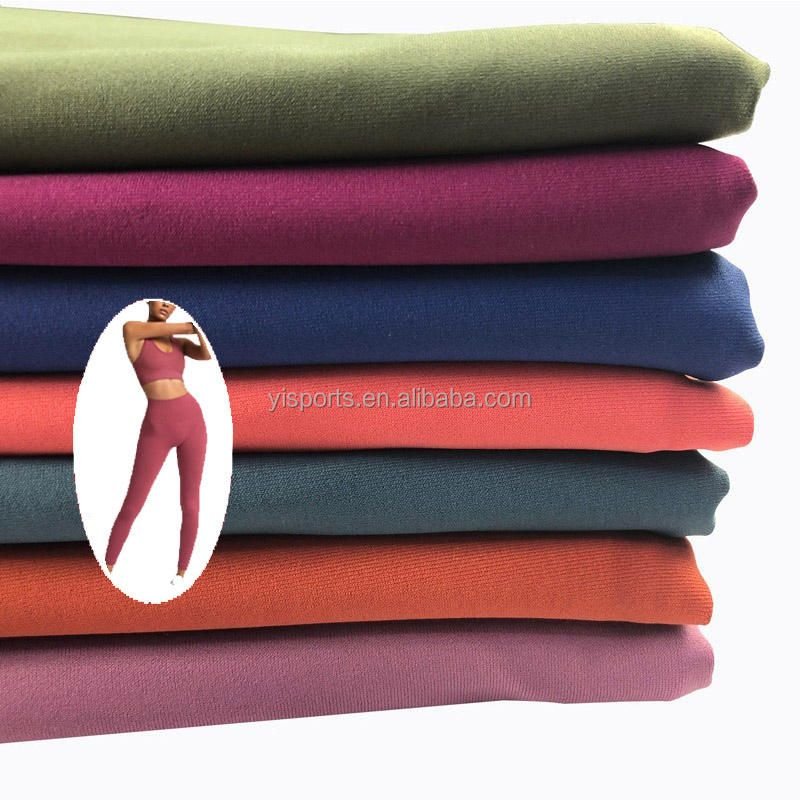
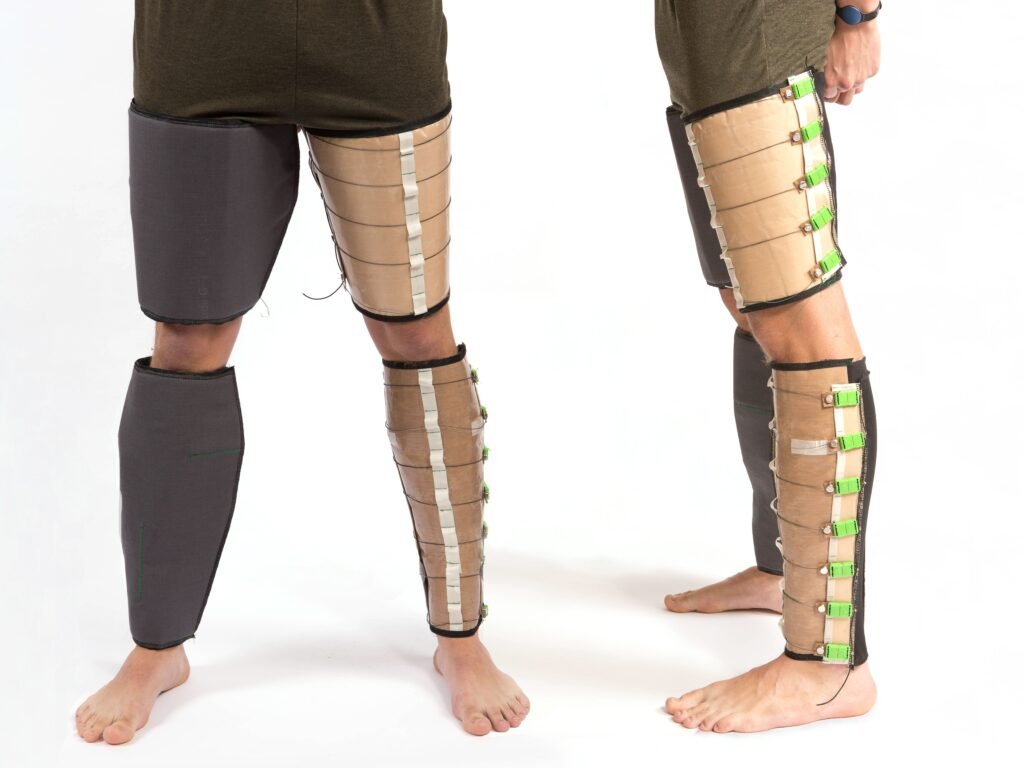
Selecting a Lycra spandex fabric for compression products is not a materials-first decision—it is a use-case engineering decision. Many compression products fail not because the fabric lacks stretch, but because compression intensity, recovery behavior, and wear comfort are misaligned with how the product is actually used. The result is over-engineered garments that feel impressive in hand but perform poorly in real wear.
Effective compression design begins by defining how much pressure is needed, for how long, and under what conditions, then working backward to fabric construction, elastane ratio, and performance targets. The strongest compression fabric is rarely the best choice. The best fabric is the one that delivers consistent, repeatable pressure over time, survives laundering, and remains wearable for the intended duration.
Lycra spandex enables precision, but precision only matters when it is applied with restraint.
Start With Use, Not Fiber
One of the most common mistakes brands make is starting fabric selection by asking, “How much elastane should we use?” Elastane percentage is an output, not an input. The correct starting point is understanding use behavior.
Before choosing any fabric specification, brands should answer four fundamental questions:
- How long will the garment be worn per session?
- How much movement and joint articulation is expected?
- How frequently will it be washed and dried?
- Is pressure accuracy more important than comfort tolerance?
These questions immediately eliminate unsuitable fabric categories. A compression sleeve worn for 30 minutes during training has very different requirements from recovery tights worn for 6–8 hours, or medical compression worn daily.
Wear duration is especially critical. Compression that feels acceptable for 20 minutes may become intolerable after two hours. Fabrics selected without considering wear time often lead to high abandonment rates, even if performance claims are technically correct.
Movement intensity also matters. High-mobility activities require fabrics that adapt continuously without pressure spikes. Static or low-movement applications tolerate firmer structures but demand greater fatigue resistance.
Wash frequency defines durability requirements. A garment washed twice a week experiences a very different elastic life cycle from one washed after every use. Elastane fatigue, recovery loss, and dimensional instability all accelerate with laundering.
Finally, pressure precision determines how tight tolerances must be. In medical or therapeutic contexts, pressure variation of even a few mmHg can be unacceptable. In sportswear, comfort and compliance often outweigh absolute precision.
Starting with these questions reframes fabric selection from a materials decision into a product system decision.
Matching Fabric Features to Application
Once use conditions are defined, fabric priorities become clearer. Different compression applications require fundamentally different performance balances.
| Application | Fabric Priorities |
|---|---|
| Training sportswear | Comfort, breathability |
| Performance sportswear | Recovery, stability |
| Recovery wear | Gentle, sustained pressure |
| Medical textiles | Precision, fatigue resistance |
Training sportswear typically prioritizes comfort and moisture management. Compression is supportive but secondary to freedom of movement and thermal regulation. Fabrics that are too firm or restrictive reduce compliance during workouts.
Performance sportswear emphasizes stability and recovery under dynamic motion. Here, compression must remain consistent during repeated stretch cycles, resisting bagging at knees, elbows, or hips. Recovery rate and elastic fatigue resistance become more important than initial tightness.
Recovery wear shifts priorities again. Compression levels are lower, but wear duration is longer. Fabrics must maintain light, even pressure for hours without creating pressure points or restricting circulation. Breathability and softness strongly influence whether users continue wearing the garment.
Medical textiles demand the highest level of control. Pressure must fall within defined ranges, remain stable after washing, and vary predictably along the garment. Fatigue resistance is critical, as loss of compression compromises therapeutic function.
Trying to use one fabric category across these applications usually results in compromise. Purpose-built selection delivers better outcomes.
Smart Selection Framework (Copy-Ready)
Once application priorities are clear, brands can apply a structured decision framework to narrow fabric options logically.
| Decision Point | Recommendation |
|---|---|
| Compression level | Define mmHg range |
| Construction | Warp knit for stability |
| Elastane % | Moderate, controlled |
| Base fiber | Nylon or polyester |
| Testing | Wash + recovery simulation |
Defining compression in mmHg, rather than descriptive terms like “light” or “firm,” creates clarity across development, sourcing, and testing. Even if exact values vary slightly in practice, having a target range prevents uncontrolled escalation of tightness.
Construction choice is critical. Warp knit structures are often preferred for compression because they deliver directional stability and uniform pressure distribution. They resist distortion better than loose weft knits and provide more predictable recovery behavior.
Elastane percentage should be selected to meet performance targets, not to maximize stretch. Moderate elastane content, when properly supported by structure, often outperforms high elastane content in long-term recovery and durability.
Base fiber selection influences strength, moisture behavior, and handfeel. Nylon generally offers superior recovery support and abrasion resistance, while polyester provides better moisture management and thermal stability. The choice should align with use environment and care expectations.
Testing closes the loop. Wash simulation combined with stretch-recovery cycling reveals whether the fabric maintains compression over time. Fabrics that pass initial fitting but fail after laundering are common when testing is insufficient.
Avoid selecting fabrics based on elastane percentage alone. This shortcut ignores structure, recovery behavior, and fatigue performance—factors that ultimately determine product success.
Avoiding Over-Compression
Over-compression is one of the most frequent and costly design errors in compression-focused products. It often arises from the belief that stronger compression automatically delivers better results.
In reality, over-compression introduces multiple problems:
- Reduced comfort and early wear termination
- Increased heat retention and sweat buildup
- Restricted circulation during prolonged wear
- Lower user compliance despite theoretical benefits
When compression exceeds functional thresholds, the body responds defensively. Wearers adjust posture, shorten wear time, or stop using the product entirely. Any potential performance or recovery benefit is lost.
Over-compression also accelerates elastane fatigue. Fabrics operating near maximum strain lose recovery faster, leading to inconsistent pressure and shortened product life.
Balanced compression, supported by spandex elasticity and appropriate structure, delivers better real-world outcomes. It stabilizes tissue without immobilizing it, and supports circulation rather than restricting it.
From a brand perspective, this balance improves customer satisfaction, reduces returns, and extends product lifecycle.
Designing for Wear Duration and Compliance
One of the most underappreciated aspects of compression fabric selection is wear compliance. The best compression product is ineffective if users do not wear it long enough.
Longer wear duration amplifies benefits. Light to moderate compression worn for several hours often outperforms aggressive compression worn briefly. Comfort, thermal regulation, and pressure consistency therefore matter as much as compression magnitude.
Fabrics that adapt smoothly to posture changes—standing, sitting, walking—maintain pressure without creating discomfort. This adaptability is largely driven by elastane recovery behavior and fabric construction.
Brands that test garments only in short fitting sessions often miss these issues. Extended wear testing reveals whether compression remains tolerable over time.
Designing for compliance means accepting that maximum compression is rarely optimal compression.
Testing as a Design Tool, Not a Final Check
Testing should not be treated as a final validation step. In compression product design, testing informs selection decisions early.
Wash testing reveals whether compression survives real care conditions. Recovery cycling exposes fatigue behavior that static measurements cannot predict. Heat exposure testing ensures that finishing and consumer care do not degrade elastane prematurely.
When testing is integrated early, fabrics that look promising on paper but fail in practice are eliminated before costly development stages.
This approach reduces the risk of “sample-good, bulk-bad” outcomes and improves consistency across production runs.
Real-World Takeaway
The most successful compression products share common characteristics:
- They are engineered around use, not materials marketing
- They are tested under realistic wear and care conditions
- They prioritize balance over extremes
- They respect elastane’s limits rather than exploiting its maximum stretch
Lycra spandex makes precision possible, but precision requires restraint. Compression that is wearable, durable, and consistent delivers better outcomes than compression that is merely strong.
Choosing the right Lycra spandex fabric for compression-focused design is not about finding the tightest fabric or the highest elastane percentage. It is about matching pressure, recovery, and comfort to how the product will actually be used.
When brands start with use conditions, apply structured selection frameworks, and validate choices through testing, compression products perform as intended—not just in the fitting room, but throughout their lifespan.
Spandex enables precision. Thoughtful design determines whether that precision becomes a competitive advantage or a costly liability.
Compression Works Best When It’s Engineered, Not Forced
Lycra spandex fabric enhances compression because it delivers controlled force with intelligent recovery. Whether supporting athletic performance or providing therapeutic benefit, the goal is the same: stable pressure that adapts to the human body over time.
True compression success comes from aligning:
- Fiber chemistry
- Fabric construction
- Recovery durability
- Real-use conditions
When those elements work together, compression garments become effective, comfortable, and long-lasting—not just tight on day one.
If you’re developing custom compression fabrics for sportswear or medical textiles, SzoneierFabrics supports the entire journey:
- Free design consultation and fabric engineering
- Low-MOQ development with fast sampling
- Compression-targeted construction and recovery testing
- Wash-tested durability and stable performance
- Consistent quality with short lead times
Contact SzoneierFabrics today to request samples or a custom quotation. The right compression starts with the right fabric—and that choice makes all the difference.