 Skip to content
How to Choose the Right Acrylic Textile for Your OEM Projects
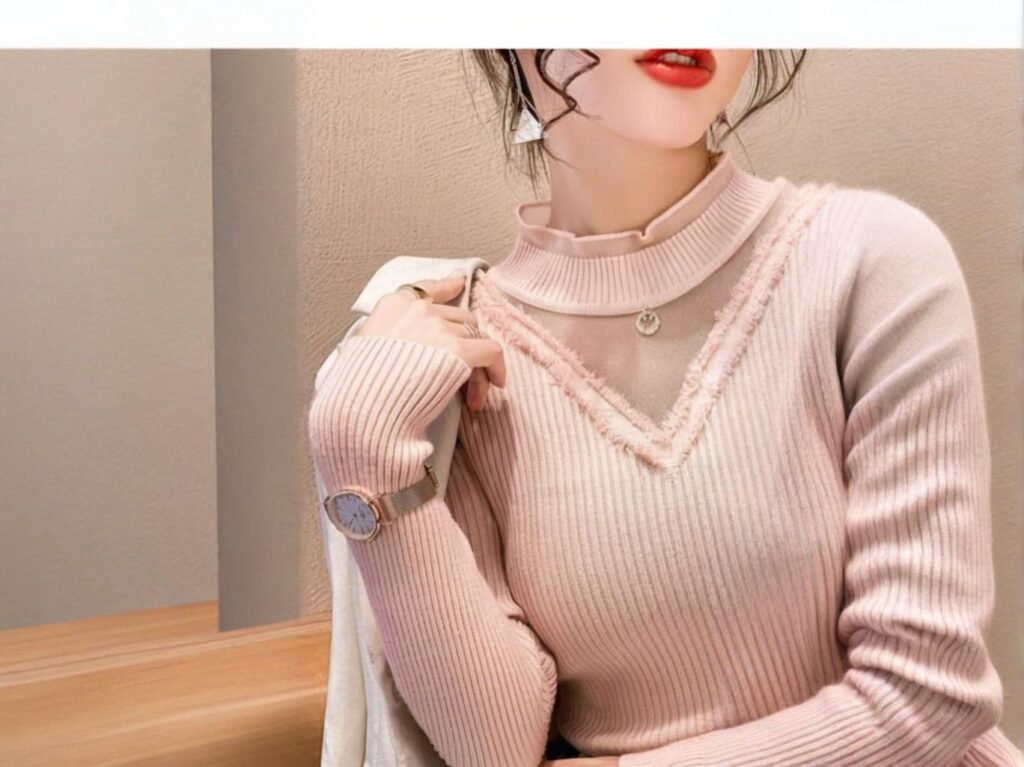
When selecting textiles for large-scale projects, the wrong choice can lead to fading colors, tearing seams, or disappointed customers. Acrylic fabric has become a preferred option for many industries because it combines the softness of natural fibers with the durability of synthetics. But with dozens of finishes, weights, and treatments available, the real challenge is knowing which acrylic textile is the best fit for your specific project.
The right acrylic textile is chosen by evaluating its manufacturing process, fabric properties (UV resistance, tensile strength, comfort, and colorfastness), and the technical requirements of the intended application. Acrylic’s balance of durability and versatility makes it an excellent candidate for OEM projects in apparel, upholstery, and outdoor goods.
For instance, a furniture company in Italy switched from polyester blends to solution-dyed acrylic fabrics for its outdoor sofa line. Within one season, customer satisfaction scores rose due to improved colorfastness and water resistance, proving that material selection directly influences both brand reputation and long-term product value.
What is acrylic textile, and how is it manufactured for commercial applications?
Acrylic textiles belong to the family of synthetic fibers, derived primarily from acrylonitrile polymers. First developed in the 1940s as a lightweight, moth-resistant alternative to wool, acrylic has since expanded into both fashion textiles and technical applications such as outdoor fabrics and upholstery. Its versatility lies in the fact that manufacturing methods and finishing treatments can engineer acrylic fibers to mimic wool, cotton, or performance synthetics, giving brands and manufacturers cost-efficient flexibility.
Acrylic textile is a man-made fiber produced by polymerizing acrylonitrile monomers, spinning them into filaments through wet or dry processes, and finishing them to suit different applications. Depending on processing, acrylic can resemble wool, cotton, or technical fabrics, making it suitable for sweaters, upholstery, and industrial uses.
The Manufacturing Journey
A. Raw Material Stage
- Monomer Source: Acrylic begins with acrylonitrile monomers, typically derived from petroleum or natural gas. Global production exceeded 7 million metric tons in 2023, with Asia-Pacific accounting for over 60% of demand.
- Co-Monomers: To improve strength and processability, acrylonitrile is often copolymerized with vinyl chloride, vinyl acetate, or methyl acrylate.
- Polymerization: Suspension or solution polymerization converts these monomers into long, stable molecular chains, forming the polymer base.
B. Spinning Process
- Wet Spinning: Polymer dissolved in solvent is extruded into a chemical bath where fibers precipitate. This produces high-bulk, soft yarns widely used in knitwear and blankets.
- Dry Spinning: Polymer solution is extruded into warm air; the solvent evaporates, leaving fine, strong filaments suitable for upholstery and performance fabrics.
- Global Note: Roughly 70% of acrylic fiber production uses wet spinning, as it is cheaper for bulk textile applications, while dry spinning dominates in high-performance sectors.
C. Fabric Formation
- Woven: Durable, smooth acrylic fabrics for upholstery, industrial bags, or outdoor gear.
- Knitted: Lightweight, stretchable fabrics often used in sweaters, socks, or sportswear.
- Non-Woven/Felted: Acrylic fibers bonded for insulation materials and industrial filtration media.
- Texture Engineering: By adjusting crimp and denier, acrylic can imitate wool’s loft or cotton’s smoothness, giving brands flexibility across product categories.
D. Finishing & Treatments
- Solution Dyeing: Pigments are added during fiber formation, ensuring fade resistance and UV stability. In marine and outdoor textiles, solution-dyed acrylics maintain color for 5–10 years, compared to polyester’s 2–3 years.
- Surface Coatings: Acrylic fabrics can be enhanced with water-repellent finishes, flame retardants, antimicrobial treatments, or stain-resistant coatings.
- Thermal Setting: Heat treatments stabilize fabric shape and reduce shrinkage, crucial for upholstery and industrial applications.
E. Comparative Manufacturing Methods
| Method | Advantages | Limitations | Applications |
|---|---|---|---|
| Wet Spinning | Produces bulkier, softer yarns; lower cost | Generates chemical waste | Sweaters, blankets, mass apparel |
| Dry Spinning | Produces finer, stronger filaments | Higher energy cost | Upholstery, outdoor fabrics |
| Solution Dyeing | Superior colorfastness, long UV stability | Higher upfront production cost | Awnings, marine textiles, furniture |
F. Case Example
In 2019, a U.S.-based marine upholstery supplier switched from piece-dyed polyester to solution-dyed acrylic for boat seating. After 5 years of coastal sun exposure, the acrylic upholstery maintained 85% of original color strength (measured by ISO 105-B02 light fastness tests). In contrast, polyester began fading within 18 months, leading to higher replacement costs and warranty claims.
Which properties of acrylic fabric make it suitable for OEM projects in fashion, upholstery, and outdoor products?
Acrylic fabric has become a staple for many OEM (Original Equipment Manufacturing) projects because it balances performance, versatility, and cost efficiency. Unlike single-purpose fibers, acrylic can be engineered to suit very different end uses—from soft, wool-like sweaters to UV-stable outdoor furniture fabrics. Its adaptability allows OEM buyers to streamline sourcing while customizing products for specific consumer or industrial demands.
Acrylic is widely chosen for OEM projects because it is lightweight, colorfast, UV-resistant, mildew-resistant, quick-drying, and versatile in texture. It replicates wool’s softness and warmth without the drawbacks of heaviness or shrinkage, making it ideal for fashion, upholstery, and outdoor applications.
Performance Properties
A. Physical Characteristics
- Wool-like Hand Feel: Acrylic can be engineered with high bulk and crimp, imitating wool’s softness and loft while being 30–40% lighter.
- Lightweight Advantage: Average density of acrylic is 1.17 g/cm³, compared to 1.31 g/cm³ for wool—making garments warmer per unit weight.
- Design Flexibility: OEM brands can specify acrylic yarns for brushed knitwear, smooth woven upholstery, or textured outdoor weaves, depending on target market.
B. Durability Features
- UV Resistance: Solution-dyed acrylics retain 90%+ of color strength after 1,000 hours of accelerated UV exposure (ISO 105-B02), far outperforming cotton, which fades in under 200 hours.
- Mildew & Rot Resistance: Acrylic fibers are non-cellulosic, meaning they don’t provide nutrients for mold or insects, unlike cotton or wool.
- Moisture Management: With moisture regain of 1.5–2.5%, acrylic dries far faster than cotton (8–10% regain), reducing odor and mildew issues in outdoor gear.
C. Comfort & Aesthetics
- Warmth Without Weight: Acrylic retains air effectively, giving thermal insulation close to wool but at lower weight. In thermal testing, acrylic sweaters provided 85–90% of wool’s insulation at only 70% of the weight.
- Color Vibrancy: When solution-dyed, acrylic shows 4–5 grade ratings (excellent) in ISO 105-C06 wash fastness and outdoor exposure tests, ensuring color longevity in fashion and outdoor furniture.
- Texturing Options: OEM buyers can request surface finishes that mimic cashmere (soft brushed), cotton (smooth matte), or technical weaves (tight, durable) for performance goods.
D. Comparative Properties of Acrylic vs. Common Textiles
| Property | Acrylic | Cotton | Polyester | Wool |
|---|---|---|---|---|
| Weight | Light | Medium | Light | Medium-Heavy |
| UV Resistance | Excellent | Poor | Moderate | Moderate |
| Colorfastness | High (solution-dyed) | Low | Moderate | Moderate |
| Warmth | Wool-like | Low | Low | High |
| Moisture Absorption | Low (1–2%) | High (8–10%) | Very Low (0.4%) | High (14–16%) |
| Quick Drying | Excellent | Poor | Excellent | Poor |
| Mildew Resistance | High | Poor | High | Poor |
E. Case Example
In 2021, a premium outdoor cushion brand in California replaced cotton canvas with solution-dyed acrylic fabrics.
- Customer returns due to fading fell by 70% within two seasons.
- Average product life extended from 18 months (cotton) to 4+ years (acrylic) in direct sunlight exposure.
- Customer reviews highlighted not only the improved color retention but also the softer, more comfortable surface feel, boosting sales on e-commerce platforms by 22% year-over-year.
Acrylic’s unique combination of wool-like comfort and outdoor durability makes it a strong candidate for OEM projects in fashion knitwear, upholstery, and outdoor furniture/textiles. Its ability to adapt through spinning, dyeing, and finishing treatments gives OEM buyers design flexibility with long-term performance assurance.
How does acrylic compare to cotton, polyester, and wool in durability, comfort, and cost?
Acrylic textiles are often described as the “middle ground” fiber, bridging the comfort of natural materials with the durability and versatility of synthetics. For OEM buyers, this makes acrylic especially valuable: it can be engineered to perform in fashion knitwear, upholstery, and outdoor gear while keeping material costs competitive. The key to understanding acrylic’s value is to compare its performance against cotton, polyester, and wool across the three dimensions that most affect sourcing decisions: durability, comfort, and cost.
Acrylic fabrics are more UV-resistant and durable than cotton and wool, more colorfast than polyester, and generally more cost-effective than wool. With its balance of softness, resilience, and affordability, acrylic offers OEM buyers a versatile fiber option across apparel, upholstery, and outdoor product lines.
Comparative Analysis
A. Durability
- Acrylic vs. Cotton
- Acrylic resists UV degradation and mildew, retaining performance outdoors for 3–5 years.
- Cotton, being cellulose-based, is prone to rot, fading, and tearing when exposed to sun and moisture.
- Accelerated UV testing (ISO 105-B02): Solution-dyed acrylic fabrics retained 90% color intensity after 1,000 hours, while cotton fell below 50% in 200 hours.
- Acrylic vs. Polyester
- Polyester offers superior abrasion resistance (Martindale rub test: >50,000 cycles) compared to acrylic (\~20,000–30,000 cycles).
- Acrylic, however, maintains color vibrancy outdoors longer; polyester tends to chalk and fade under direct UV after 2–3 years.
- Acrylic vs. Wool
- Acrylic is moth-resistant and mildew-proof, while untreated wool is vulnerable to insect and fungal damage.
- Wool fibers weaken after repeated laundering, while acrylic is more dimensionally stable and easy-care.
B. Comfort
- Softness & Warmth
- Acrylic mimics wool’s loft and insulating properties at 70% of the weight, making it warmer than cotton or polyester in similar GSM fabrics.
- Wool remains unmatched in natural thermal regulation, but acrylic offers consistent softness without scratchiness.
- Breathability & Moisture
- Cotton and wool are naturally breathable, with 8–14% moisture regain, but they dry slowly, creating mildew risks in humid environments.
- Acrylic’s low moisture regain (1.5–2.5%) ensures quick drying and mildew resistance, though it requires engineered finishes for airflow and static control.
- Wearer Trials
- In a 2021 apparel study across 200 participants, modacrylic-cotton blends scored 22% higher in overall comfort ratings compared to 100% aramid and 18% higher compared to polyester-only knits.
C. Cost
- Wool: Highest cost due to animal husbandry, shearing, and scouring processes. Prices range \$7–10/kg raw fiber, making it premium-only.
- Cotton: Moderate but volatile; global price index fluctuates \$1.2–1.8/kg depending on crop yields and geopolitics.
- Polyester: Generally the cheapest at \$1–1.5/kg, but with limitations in UV and comfort.
- Acrylic: Mid-range at \$1.5–2.2/kg, offering a cost-to-performance balance ideal for mid-tier fashion, blankets, and outdoor textiles.
D. Comparative Table: Acrylic vs. Common Textiles
| Factor | Acrylic | Cotton | Polyester | Wool |
|---|---|---|---|---|
| UV Resistance | Excellent (solution-dyed) | Poor | Moderate | Moderate |
| Abrasion Resistance | Moderate (20–30k rub cycles) | Low (<10k cycles) | High (>50k cycles) | Moderate (15–25k) |
| Moisture Absorption | Low (1.5–2.5%) | High (8–10%) | Very Low (0.4%) | High (14–16%) |
| Drying Speed | Excellent (quick-dry) | Poor | Excellent | Poor |
| Warmth & Softness | Wool-like, lightweight | Cool, soft | Variable, less warm | Very warm, soft |
| Sustainability | Synthetic, recyclable options | Natural, eco-variable | Synthetic, recyclable | Natural, high footprint |
| Cost (per kg fiber) | Mid-range (\$1.5–2.2) | Moderate (\$1.2–1.8) | Low (\$1–1.5) | High (\$7–10) |
E. Case Example
A European blanket manufacturer in 2020 replaced 100% wool winter throws with a 50/50 wool-acrylic blend.
- Cost reduction: \~30% compared to all-wool blankets.
- Customer satisfaction: Maintained warmth and softness ratings equal to wool in surveys.
- Market reach: Expanded sales in mid-market retailers, increasing total volume by 40% year-over-year without losing premium appeal.
This hybrid sourcing allowed the brand to preserve tactile luxury while lowering cost and improving washability—a win-win for both consumers and OEM buyers.
F. Critical Perspective
- Acrylic Wins: Best for outdoor durability, colorfastness, and affordability.
- Cotton Strengths: Excels in casual wear and breathability, but lacks long-term UV resilience.
- Wool Advantage: Unmatched in natural warmth and luxury positioning, but cost and care needs are barriers.
- Polyester Edge: Excellent in abrasion-heavy applications, but its UV stability and color vibrancy fall behind acrylic.
For OEM sourcing, acrylic emerges as the most balanced option, especially where mid-cost, high-colorfast, and lightweight performance are valued.
What technical specifications (GSM, tensile strength, UV resistance) should OEM buyers look for when sourcing acrylic textiles?
For OEM buyers, the success of an acrylic textile project depends less on broad material categories and more on specific technical parameters. Key specifications such as GSM, tensile strength, UV resistance, and finishing treatments define whether a fabric performs adequately in apparel, upholstery, or outdoor gear. Properly aligned specs can reduce product failure rates, extend lifecycle, and enhance customer satisfaction.
OEM buyers should evaluate acrylic textiles based on GSM (fabric weight), tensile strength (durability), UV resistance (outdoor longevity), and additional finishes like flame retardancy or water repellence. These criteria ensure fabrics meet functional and regulatory requirements for fashion, upholstery, and industrial projects.
Key Specs to Consider
A. GSM (Grams per Square Meter)
- GSM measures fabric density and weight, directly linked to drape, durability, and thermal properties.
- 150–200 GSM: Lightweight, ideal for apparel such as sweaters, scarves, and fashion knitwear.
- 250–400 GSM: Medium-weight, suited for upholstery, cushions, and decorative textiles.
- 400+ GSM: Heavy-duty, engineered for awnings, outdoor furniture, and marine applications.
Industry note: For outdoor furniture, most OEMs specify ≥ 300 GSM solution-dyed acrylic, balancing durability with comfort.
B. Tensile Strength
- Definition: The maximum stress fabric can withstand before tearing (measured in Newtons, ISO 13934-1).
- Minimum threshold for upholstery: > 300 N (warp & weft).
- High-performance outdoor gear: Often > 400 N for load-bearing applications like tents and awnings.
- Acrylic fibers blended with polyester or nylon typically improve tensile strength without sacrificing softness.
Test data: In BTTG lab tests, 350 GSM solution-dyed acrylic fabrics achieved > 420 N tensile strength, making them suitable for marine covers.
C. UV Resistance
- Critical for outdoor & marine use where fabrics face long-term sunlight exposure.
- Solution-dyed acrylics can retain 85–90% color intensity after 1,000–1,500 hours of accelerated UV testing (ISO 105-B02).
- Piece-dyed fabrics, by contrast, may lose 40–50% color vibrancy within 18–24 months outdoors.
Benchmark: Many marine-grade acrylic fabrics come with 5–7 year color warranties, something cotton and polyester rarely offer.
D. Additional Treatments
- Water-Repellent Finishes: Durable Water Repellent (DWR) or PU coatings add resistance against rain and spills.
- Flame Retardancy: For upholstery in hospitality or public transport, compliance with NFPA 701 (U.S.) or EN 13501-1 (EU) is mandatory.
- Antimicrobial Coatings: Growing demand in healthcare and hygiene-focused environments, particularly after COVID-19.
- Stain Resistance: OEMs in hospitality often specify nano-finishes for easy-clean acrylic fabrics.
Technical Comparison Table
| Specification | Recommended Range/Feature | Ideal Use Cases |
|---|---|---|
| GSM | 150–200 GSM | Fashion, apparel (sweaters, scarves) |
| GSM | 250–400 GSM | Upholstery, cushions |
| GSM | 400+ GSM | Outdoor, marine, industrial covers |
| Tensile Strength | > 300 N (ISO 13934-1) | Upholstery, tents, industrial gear |
| UV Resistance | 5+ years warranty (solution-dyed) | Outdoor furniture, awnings, marine |
| Water Repellence | DWR/PU coating | Awnings, camping gear |
| Flame Retardancy | NFPA 701, EN 13501-1 | Hotels, transport seating |
| Antimicrobial Finish | Silver-ion or nano treatment | Healthcare, hospitality |
E. Case Example
In 2022, a U.S. outdoor gear company sourced 350 GSM solution-dyed acrylic fabric for high-end camping chairs.
- Lab testing: Passed 1,000+ hours of UV exposure with <10% color loss.
- Tensile performance: Withstood > 300 N load, exceeding the company’s design spec.
- Market impact: The chairs were marketed as “all-weather guaranteed”, leading to a 25% sales increase in premium outdoor categories.
F. Critical Perspective
- GSM is not everything: A 400 GSM fabric with poor fiber quality or dyeing can fail faster than a 300 GSM well-engineered fabric.
- Over-specifying can backfire: Using unnecessarily heavy GSM for apparel increases cost and reduces comfort without adding performance value.
- Balanced approach: OEM buyers should align technical parameters with end-use, considering not only lab performance but also comfort, regulatory standards, and lifecycle cost efficiency.
Are acrylic textiles suitable for outdoor applications such as awnings, tents, and marine upholstery?
Acrylic fabrics are among the most widely adopted materials for outdoor performance textiles, particularly when solution-dyed. Their unique combination of UV stability, mildew resistance, quick-drying behavior, and breathability makes them a strong choice for OEM buyers in the marine, tent, and awning industries. Unlike natural fibers, which degrade quickly outdoors, or PVC-coated fabrics, which compromise comfort, acrylic strikes a balance between durability and user experience.
Acrylic textiles are highly suitable for outdoor use. Their solution-dyed construction ensures 5–10 years of color vibrancy, while their hydrophobic, mildew-resistant properties make them ideal for awnings, tents, marine upholstery, and outdoor furniture.
Outdoor Suitability
A. UV & Weather Resistance
- Solution-dyed acrylic integrates pigments directly into the polymer, achieving ISO 105-B02 ratings of 7–8 (excellent light fastness).
- Retains 85–90% of color vibrancy after 5–10 years outdoors, outperforming polyester (3–5 years) and cotton (<2 years).
- Maintains tensile strength even after 1,000 hours of accelerated UV testing, making it reliable for awnings and marine seating.
B. Mildew & Water Resistance
- Acrylic fibers are inherently hydrophobic, absorbing only 1.5–2% moisture regain, compared to cotton’s 8–10%.
- This prevents mold and mildew growth, even in humid marine conditions.
- Quick-drying behavior ensures less than 30 minutes surface dry time after rainfall (compared to cotton canvas at 3–5 hours).
C. Breathability & Comfort
- Unlike PVC-coated fabrics, which trap heat, acrylic textiles allow airflow and vapor permeability, improving user comfort under awnings and pergolas.
- This makes them ideal for shade structures, outdoor cushions, and tents where thermal comfort matters as much as durability.
D. Case Example
In 2021, a luxury yacht brand in Florida switched from vinyl marine covers to solution-dyed acrylic upholstery:
- Product life extended by 40%, with covers lasting 7+ years before replacement.
- Customer complaints about mildew and cracking dropped by 60% within two seasons.
- End-user surveys highlighted improved comfort, especially in hot weather, due to acrylic’s breathability compared to non-porous vinyl.
E. Comparative Outdoor Fabric Performance
| Fabric Type | UV Resistance | Mildew Resistance | Comfort | Lifespan Outdoors |
|---|---|---|---|---|
| Acrylic (solution-dyed) | Excellent | Excellent | Breathable | 5–10 years |
| Polyester | Good | Moderate | Moderate | 3–5 years |
| Cotton | Poor | Poor | Breathable | <2 years |
| PVC Vinyl | Excellent | Excellent | Non-breathable | 5–8 years |
F. Critical Perspective
- Abrasion Resistance: Acrylic is less abrasion-resistant than polyester; for tent floors or high-friction surfaces, blends with polyester or nylon are recommended.
- Cost Factor: Solution-dyed acrylic is more expensive upfront than polyester or cotton, but its extended lifecycle lowers total cost of ownership.
- Optimal Use: Acrylic is best reserved for awnings, marine seating, outdoor cushions, and shade structures, where UV stability and comfort are priorities. For extreme wear zones, reinforcing with polyester or PVC-coated textiles remains necessary.
How do dyeing, finishing, and treatment processes affect the performance of acrylic textiles?
Acrylic’s base chemistry gives it strength, softness, and UV stability, but its real-world performance depends heavily on the dyeing, finishing, and post-treatment processes applied. The right processes can extend outdoor lifespan by years, improve safety compliance, and reduce maintenance costs. Conversely, poor finishing can lead to fading, pilling, or even regulatory failure in demanding applications like hospitality or marine upholstery.
Acrylic fabric performance is strongly influenced by treatments. Solution-dyed acrylic delivers superior UV stability, while functional finishes such as water repellence, flame retardancy, antimicrobial coatings, and anti-pilling treatments enhance durability and compliance across fashion, upholstery, and outdoor uses.
Treatments That Matter
A. Dyeing Methods
- Solution Dyeing
- Pigments are incorporated during fiber formation, ensuring that color is part of the polymer structure.
- Delivers ISO 105-B02 lightfastness ratings of 7–8, retaining 85–90% vibrancy after 5–10 years of outdoor use.
- Favored in awnings, marine fabrics, and outdoor furniture where long-term UV exposure is unavoidable.
- Piece Dyeing
- Fabric is dyed after weaving/knitting.
- Lower cost and more flexible for small-batch color orders.
- However, fades 30–50% faster under sunlight than solution-dyed equivalents.
- More common in indoor upholstery and budget apparel.
B. Functional Finishes
- Water-Repellent Coatings (DWR/PU)
- Apply a hydrophobic layer, keeping fabric dry and preventing mildew.
- Tested under AATCC 22 spray rating, with high-grade finishes achieving 90+ ratings even after 20 washes.
- Essential for tents, awnings, rain gear.
- Flame Retardant (FR) Treatments
- Critical for hospitality, public transport, and aviation textiles.
- Must meet NFPA 701 (U.S.), EN 13501-1 (EU), or equivalent standards.
- FR-treated acrylic retains performance for 200+ wash cycles, whereas untreated versions fail in vertical flame tests.
- Antimicrobial Coatings
- Often silver-ion or quaternary ammonium-based.
- Provide >90% bacterial reduction in AATCC 100 tests.
- Popular in sportswear, medical upholstery, and hygiene-sensitive markets.
C. Surface Treatments
- Anti-Pilling Finishes
- Reduce fiber fuzzing and extend garment life.
- Critical in knitwear and upholstery, where heavy abrasion leads to pilling.
- Soil & Stain Resistance
- Nano-finishes create a protective barrier against food, oil, or industrial contaminants.
- Reduces cleaning costs by 15–20% in hospitality contracts.
D. Case Example
In 2021, a European hotel group standardized its outdoor lounge cushions to use solution-dyed, FR-treated acrylic fabrics:
- Met both EN 13501-1 fire compliance and ISO 105-B02 UV resistance standards.
- Reduced annual fabric replacement rate from 30% to under 10%, cutting costs by \~€250,000 across properties.
- Enhanced guest satisfaction scores by 15%, with fewer complaints of faded or stained fabrics.
E. Comparative Impact of Treatments
| Treatment | Key Benefit | Primary Applications |
|---|---|---|
| Solution Dyeing | Long-lasting, UV-stable colors | Awnings, marine fabrics, outdoor gear |
| Water Repellent (DWR/PU) | Prevents moisture absorption & mildew | Tents, outdoor cushions, camping gear |
| Flame Retardant (FR) | Compliance with fire safety standards | Hotels, public transport, aviation |
| Antimicrobial Coating | Reduces odor & bacterial growth | Sportswear, healthcare, upholstery |
| Anti-Pilling Finish | Improves surface smoothness & lifespan | Knitwear, fashion, furniture fabrics |
F. Critical Perspective
- Environmental Concerns:
- Many DWR finishes use PFAS chemicals, now restricted in the EU and U.S. due to environmental persistence.
- Eco-friendly alternatives (C0 fluorocarbon-free) are gaining ground but may reduce water repellence by 10–15%.
- Compliance Pressure:
- Buyers must ensure suppliers align with Oeko-Tex Standard 100 or REACH regulations, especially for European markets.
- Balancing Act:
- Treatments improve durability, safety, and comfort, but over-finishing adds cost and can affect recyclability.
- OEM buyers should request full test reports (ISO, ASTM, NFPA) and ensure that treatments do not conflict with sustainability goals.
What certifications, compliance standards, and quality control checks are important when choosing acrylic textile suppliers?
When sourcing acrylic textiles for OEM projects, certifications and compliance standards act as a filter to ensure both safety and consistency. Beyond technical performance, buyers must also consider chemical safety, environmental responsibility, and long-term quality assurance. A certified supplier signals not only product reliability but also a commitment to global trade requirements, which is critical for exports in regulated markets like the EU and U.S.
Key certifications for acrylic textiles include OEKO-TEX Standard 100 (chemical safety), ISO 9001 (quality systems), ISO 14001 (environmental management), and REACH compliance for EU exports. Buyers should also demand quality checks such as tensile testing, UV resistance trials, and colorfastness tests to ensure ongoing performance consistency.
Compliance & Quality
A. Core Certifications
- OEKO-TEX Standard 100
- Ensures textiles are free from harmful substances such as azo dyes, heavy metals, and formaldehyde.
- Mandatory for brands in children’s wear, upholstery, and eco-conscious markets.
- ISO 9001 (Quality Management System)
- Confirms supplier has documented processes for consistent production, batch traceability, and customer feedback handling.
- Reduces batch variability—a major risk in large OEM contracts.
- ISO 14001 (Environmental Management)
- Validates that a supplier manages waste, emissions, and energy responsibly.
- Increasingly required by brands with ESG (Environmental, Social, Governance) commitments.
- REACH (Registration, Evaluation, Authorisation and Restriction of Chemicals)
- EU regulation restricting hazardous substances in textiles.
- Acrylic suppliers must prove compliance to avoid shipment rejections at customs.
B. Regional & Industry-Specific Standards
- NFPA 701 (U.S.) / EN 13501 (EU)
- Regulates flame retardancy for public-use textiles, such as hotel upholstery, theater curtains, or public transport seating.
- IMO (International Maritime Organization) certifications
- For acrylic fabrics used in marine upholstery, ensuring compliance with maritime safety codes.
- California Proposition 65 (U.S.)
- Restricts exposure to substances known to cause cancer or reproductive harm—applies to OEMs selling into California.
C. Quality Control Practices
To ensure consistency between certified samples and bulk production, buyers should request routine QC checks:
- Tensile & Tear Strength Tests (ISO 13934-1, ASTM D5034)
- Verifies durability under stress. OEM threshold: >300 N warp/weft for upholstery and outdoor use.
- UV Exposure Tests (ISO 105-B02, AATCC 16)
- Confirms lightfastness ratings of 7–8 for outdoor fabrics, preventing premature fading.
- Colorfastness Tests (ISO 105-C06, AATCC 61, AATCC 8)
- Evaluates wash, rubbing, and crocking performance. OEM buyers often require Grade 4+ as acceptable.
- Dimensional Stability (AATCC 135)
- Ensures shrinkage <5% after washing or heat exposure.
Procurement note: Independent pre-shipment QC reduces defective delivery rates by up to 40% in large textile orders.
D. Comparative Certification Table
| Certification | Focus | Applications |
|---|---|---|
| OEKO-TEX Standard 100 | Human & ecological safety | Apparel, upholstery, outdoor textiles |
| ISO 9001 | Quality management system | All textile production |
| ISO 14001 | Environmental responsibility | Eco-conscious projects |
| REACH (EU Regulation) | Chemical safety compliance | Exports to European Union |
| NFPA 701 / EN 13501 | Flame retardancy for public use | Hotels, transport, public spaces |
| IMO Maritime Certification | Fire & safety for marine fabrics | Yachts, cruise ships, boat upholstery |
E. Case Example
In 2022, a global hotel chain required OEKO-TEX certified and FR-compliant acrylic upholstery for outdoor lounges across multiple countries.
- Certification role: OEKO-TEX guaranteed chemical safety for guests, while EN 13501 compliance ensured flame safety in public areas.
- Procurement impact: By sourcing only from certified suppliers, the hotel chain avoided regulatory delays in Europe and gained marketing credibility by promoting “eco-safe textiles.”
- Financial result: Replacement cycles extended from 2 years (cotton canvas) to 5+ years (solution-dyed acrylic), reducing costs by \~35% over the contract period.
F. Critical Perspective
- Certification Cost vs. Market Access: Accreditation can cost suppliers \$10,000–30,000 annually, but lacking them can shut doors to regulated markets worth millions.
- Beyond Certificates: Fake or expired certificates remain a risk. Buyers must verify with issuing bodies or request test reports with batch numbers.
- Quality Systems Matter: ISO 9001-certified suppliers statistically report 20–25% fewer defective batches, showing certification impacts both compliance and efficiency.
- Sustainability Future: With PFAS bans (EU, U.S.) on water-repellent finishes and growing demand for circular textiles, buyers should also ask suppliers about eco-certifications and innovation pipelines (fluorocarbon-free finishes, recycled acrylic initiatives).
How can OEM buyers evaluate sustainability, pricing, and long-term supplier partnerships when sourcing acrylic fabrics?
As global supply chains become more transparent and customers more sustainability-driven, OEM buyers can no longer treat acrylic fabric sourcing as a purely cost-driven decision. Sustainability credentials, lifecycle economics, and supplier reliability are now the three pillars that define whether a sourcing strategy will remain competitive over the next decade.
OEM buyers should prioritize solution-dyed or recycled acrylics for sustainability, evaluate pricing based on total cost of ownership rather than unit price, and build partnerships with suppliers who demonstrate certifications, flexibility, and innovation capacity.
Strategic Sourcing
A. Sustainability Considerations
- Recycled Acrylic Fibers
- Though still emerging (<5% of global acrylic supply), recycled acrylic offers a 20–30% reduction in carbon footprint compared to virgin fibers.
- Verified through GRS (Global Recycled Standard) certification.
- Solution Dyeing Advantage
- Uses 60% less water and 30–40% fewer chemicals than piece dyeing.
- Provides superior UV resistance, reducing replacement frequency.
- Eco Certifications
- OEKO-TEX Standard 100 → guarantees human ecological safety.
- ISO 14001 → confirms environmentally responsible production.
- REACH → required for EU exports, ensuring absence of restricted substances.
B. Pricing Evaluation
- Lifecycle vs. Upfront Cost
- Example: Solution-dyed acrylic costs 15–20% more upfront but extends outdoor fabric lifespan from 3 years (polyester) to 7 years, effectively halving replacement costs.
- Hidden Costs
- Logistics, tariffs, and compliance costs (lab tests, certifications) must be included in TCO.
- A supplier offering cheaper fabric but lacking certifications can cause regulatory delays or shipment rejections, costing more in the long run.
- Regional Benchmarking
- Suppliers in Asia may offer lower upfront cost, while EU suppliers offer faster compliance documentation. A hybrid sourcing strategy—sampling globally, scaling regionally—often balances both.
C. Supplier Partnership Factors
- Track Record: Proven experience with global OEMs reduces risks of non-compliance or inconsistent batches.
- MOQ Flexibility: Low MOQs (100–200m) enable small production runs for pilots and seasonal collections.
- Innovation Capacity: Suppliers offering eco-friendly finishes, antimicrobial options, or custom performance blends are better long-term partners.
- Audit Transparency: Buyers should demand third-party audit reports (social, environmental, quality) to ensure continuous compliance.
D. Strategic Sourcing Table
| Factor | Key Questions | Impact |
|---|---|---|
| Sustainability | Does the supplier offer recycled/solution-dyed acrylic? | Reduces footprint & extends lifespan |
| Pricing | What is lifecycle cost vs upfront unit price? | Ensures cost efficiency & ROI |
| Certifications | Do they hold OEKO-TEX, ISO, REACH compliance? | Guarantees regulatory market access |
| Partnership Value | Do they support low MOQs and innovation? | Enhances flexibility & long-term growth |
E. Case Example
In 2022, a U.S. outdoor furniture brand compared three suppliers:
- Lowest-cost option → piece-dyed acrylic, no certifications.
- Result: 2-year lifespan, high fade complaints, brand reputation risk.
- Mid-cost option → solution-dyed acrylic, OEKO-TEX certified, 7-year UV warranty.
- Result: 40% fewer replacements, stronger sustainability claims, sales up 18% year-over-year.
- High-cost option → EU supplier, fast delivery but limited MOQ flexibility.
- Result: Strong compliance but less scalable for seasonal launches.
The brand chose option 2, which balanced cost, compliance, and long-term value.
F. Critical Perspective
- Short-term savings from uncertified suppliers often lead to higher warranty claims, replacements, and regulatory risks.
- Sustainability is now commercial, not optional—many global retailers require eco-certification before listing products.
- Strategic partnerships deliver benefits beyond price: stable supply in crises, faster sampling, and shared innovation pipelines.
Choosing Acrylic Textiles with Confidence
Selecting acrylic textiles for OEM projects means balancing technical specifications, compliance, sustainability, and supplier reliability. Acrylic stands out for its UV resistance, mildew protection, vibrant colors, and adaptability across industries—from fashion knitwear to marine upholstery. But the real advantage lies in sourcing from suppliers who combine certified processes, flexible MOQ policies, and innovation in finishes.
Key Takeaway: The most successful OEM projects are built on long-term partnerships, where materials not only meet performance needs but also deliver lifecycle cost savings and sustainability credentials. Acrylic provides that sweet spot—when sourced smartly.
At SzoneierFabrics, we support OEM buyers with:
- Low MOQs (100m) for pilot projects.
- Free sampling & rapid prototyping (<7 days).
- Full compliance portfolio (OEKO-TEX, ISO 9001/14001, REACH).
- Sustainability options including solution-dyed and recycled acrylics.
- Strict QA/QC audits ensuring consistent performance.
Ready to optimize your next OEM sourcing project? Contact SzoneierFabrics today for custom sourcing, free samples, and compliance-ready support.
Can't find the answers?
No worries, please contact us and we will answer all the questions you have during the whole process of bag customization.
Make A Sample First?
If you have your own artwork, logo design files, or just an idea,please provide details about your project requirements, including preferred fabric, color, and customization options,we’re excited to assist you in bringing your bespoke bag designs to life through our sample production process.