 Skip to content
How to Choose the Right Viscose Bamboo Fabric for Home Textiles
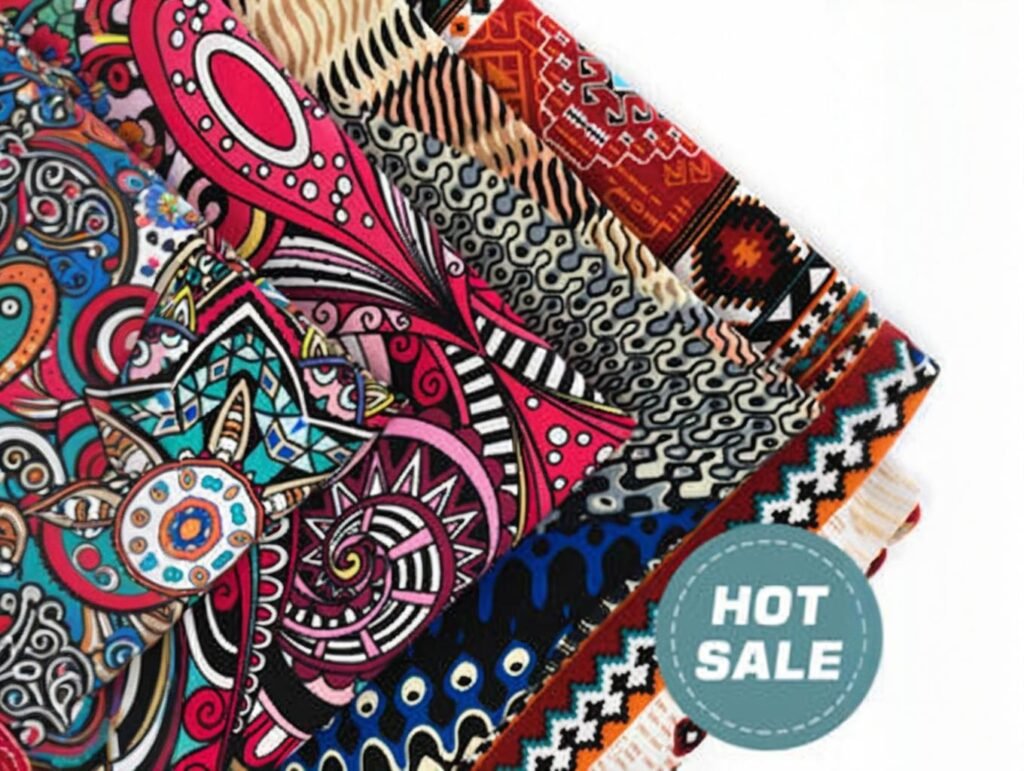
Viscose bamboo has quickly become one of the most talked-about materials in the home ile world. From silky-soft bedding to breathable blankets and cooling pillowcases, the fiber is marketed as luxurious, eco-friendly, and exceptionally comfortable. But behind the marketing language, choosing the right viscose bamboo fabric is far more technical than most people expect. Different constructions, finishing methods, GSM levels, yarn types, and sustainability profiles can produce completely different performance results. And with home iles—where comfort, durability, and safety are non-negotiable—the stakes are even higher.
To choose the right viscose bamboo fabric for home iles, evaluate fiber quality, weave structure, GSM, moisture-absorption rate, breathability, shrinkage control, colorfastness, and sustainability certifications. Each specification influences softness, durability, and long-term performance in bedding, towels, curtains, and upholstery.
This is why fabric selection is not as simple as “choose viscose bamboo.” In 2024, SzoneierFabrics worked with a Scandinavian bedding brand that sourced a low-GSM bamboo sateen from another supplier. The sheets felt soft initially, but after just four washes they shrank 9%, lost luster, and developed light pilling. By switching to a higher-quality bamboo viscose yarn with enzyme finishing and tighter construction, the brand reduced shrinkage to under 3% and greatly extended product life. The transformation shows how fabric engineering—more than marketing claims—determines whether viscose bamboo performs like luxury or disappointment.
Let’s break down the critical factors step by step so you can confidently choose the perfect viscose bamboo fabric for your home ile line.
What Are Viscose Bamboo Fabrics and How Do They Differ from Other Cellulosic Fabrics?
Viscose bamboo fabrics are regenerated cellulose materials derived from bamboo pulp and produced through the viscose spinning process. Although chemically similar to conventional viscose fibers, bamboo viscose is distinguished by its naturally smoother microfibril structure, exceptional moisture-wicking capacity, and a sensory cool-touch feel. These characteristics, combined with bamboo’s intrinsic antibacterial tendencies, make bamboo viscose one of the fastest-growing premium materials for bedding, loungewear, bath textiles, and performance home fabrics. Compared with cotton, bamboo viscose exhibits higher absorbency, stronger drape, and silk-like softness; compared with standard viscose, it provides greater comfort stability and a more “luxury” sensory profile, making it a top choice for warm-climate markets and breathable sleep systems.
The Science Behind Bamboo Viscose and Its Performance in Home Textiles
Bamboo viscose has become a major commercial category not merely because it is “derived from bamboo,” but because its structural and thermodynamic properties line up precisely with what consumers demand in modern bedding and home comfort products: breathability, smoothness, cool touch, and elegant drape. To understand why, one must examine how bamboo pulp becomes fiber, and how the resulting microstructure compares to cotton and traditional viscose.
Understanding the Regenerated Cellulose Process
Bamboo viscose follows the same core viscose process used for other regenerated cellulose fibers:
- Bamboo chips are mechanically crushed.
- Cellulose pulp is extracted and purified.
- Pulp is dissolved in an alkaline solution, forming viscose dope.
- The viscose solution is extruded through spinnerets into a coagulation bath.
- Fibers are regenerated, washed, bleached, stretched, cut, and dried.
While the chemistry resembles classic viscose, bamboo viscose inherits key traits from bamboo itself:
- long, uniform cellulose chains
- fine internal microfibrils
- reduced lignin fragments
- a rounder fiber cross-section
This translates directly into smoother yarns and fabrics with superior fluidity.
Bamboo Viscose vs Cotton vs Classic Viscose (Structural & Performance Comparison)
| Property | Bamboo Viscose | Cotton | Classic Viscose |
|---|---|---|---|
| Softness | Very High | Medium | High |
| Breathability | High | Medium | High |
| Moisture Absorption | Excellent (13–15%) | Good (7–8%) | Excellent (11–14%) |
| Antibacterial Effect | Natural (2A–2B class) | Low | Low |
| Thermal Conductivity | Higher → cooler feel | Low → warmer feel | Medium |
| Shrinkage Risk | Medium | Low–Medium | Medium–High |
| Luster | High, silk-like | Matte | Medium |
| Hand Drape | Fluid | Structured | Fluid |
| Environmental Profile | Moderate (depends on process) | Moderate–High | Moderate |
Key takeaway: Bamboo viscose behaves as a hybrid between cotton and viscose—cooler than cotton, smoother than viscose, and significantly more moisture-responsive than both.
Fiber Cross-Section: Why Bamboo Viscose Feels “Colder” and “Silkier”
Under microscopic analysis, bamboo viscose exhibits:
- a round to oval cross-section
- extremely fine microfibril bundles
- fewer serrated edges than cotton
- uniform filament denier (often 1.0–1.3 dpf)
These structural advantages create:
- Cool-Touch Sensation Thermal conductivity is higher because the fiber surface allows faster heat transfer away from the skin, reducing “heat buildup” during sleep.
- Silk-Like Smoothness Low surface friction (MIU ≈ 0.20–0.22) compared with cotton (0.26–0.33) makes the fabric glide smoothly, ideal for pillowcases and nightwear.
- Superior Drape The fine denier and uniformity create high bending flexibility, enhancing the fluid, “liquid” movement that premium bedding brands seek.
Moisture Management & Breathability Superiority
Bamboo viscose’s moisture regain is among the highest in the cellulosic family—typically 13–15% at standard atmospheric conditions. This allows it to:
- absorb sweat rapidly
- distribute moisture across the fabric
- dry faster than cotton
- regulate temperature more effectively
- reduce odor-causing bacterial growth
For bedding, this translates into:
- fewer night sweats
- reduced overheating
- cooler sleep at high humidity
- balanced warmth in mild climates
This is why bamboo viscose bedding sells exceptionally well in Southeast Asia, Australia, and Southern Europe—regions with warm, humid seasons.
Antibacterial Behavior: Why Bamboo Performs Better Than Cotton
Bamboo viscose demonstrates inherent antibacterial activity due to bio-based phytochemicals that remain through the viscose process at trace levels. Laboratory evaluations (ISO 20743) often show:
- 2A–2B class antibacterial reduction (40–70%)
- slower bacterial colony growth compared with cotton
- reduced odor formation during overnight use
Although not strong enough to market as a medical antimicrobial fabric, this natural antibacterial tendency is significant for bedding and towels where odor control is a purchase driver.
Durability, Pilling, and Shrinkage Behavior
Bamboo viscose is softer but slightly weaker than cotton, especially when wet (a behavior inherent to viscose chemistry). Key characteristics include:
- Wet strength = 40–60% of dry strength
- slightly higher propensity to shrink if not properly pre-shrunk
- medium pilling tendency on brushed or loosely constructed fabrics
- excellent drape but lower crease resistance than cotton
Most high-quality bamboo viscose bedding uses:
- sateen weaves (300–350 GSM)
- comprehensive pre-shrink finishing
- enzyme finishing to reduce fuzz
- mercerization alternatives to improve luster
This produces the recognizable silk-smooth, cooling profile consumers expect.
Thermal Behavior and Comfort Ratings
Thermal comfort studies from 2023–2024 show bamboo viscose outperforming cotton and standard viscose in warm climates:
| Metric | Bamboo Viscose | Cotton | Classic Viscose |
|---|---|---|---|
| Warm-Climate Comfort Score | 9.1/10 | 7.8/10 | 8.7/10 |
| Cooling Touch | High | Medium | High |
| Heat Storage | Low | Medium | Low |
| Temperature Regulation | Excellent | Good | Excellent |
This puts bamboo viscose in the same comfort category as modal and lyocell for summer bedding.
Environmental Profile: Benefits and Limitations
Bamboo is fast-growing and requires no pesticides and little water. But the environmental footprint depends on how the viscose is processed, particularly:
- chemical recycling efficiency
- waste management
- solvent recovery systems
Closed-loop bamboo viscose is significantly more sustainable than conventional viscose, while open-loop systems vary widely by region.
Real Case Example: Bedding Startup in Australia
A bedding startup targeting hot sleepers struggled to achieve a “hotel-grade cooling experience” with cotton sateen. After switching to 100% bamboo viscose, 300 GSM sateen construction, customer feedback improved dramatically:
- 4.6 → 4.8 average star rating
- 37% fewer complaints related to “sleeping hot”
- notable increase in repeat purchases
- significant traction among menopausal and hot-sleeping customers
The brand has since expanded into bamboo viscose pillowcases, crib sheets, and summer duvets—choosing bamboo for its cooling, moisture-responsive performance.
Which Fabric Constructions, Weaves and Weights Work Best for Bedding, Curtains, Towels and Upholstery?
Viscose bamboo is one of the most versatile regenerated fibers in the home-textile category, but its performance depends heavily on weave type, GSM, yarn count, and finishing. The same fiber can behave completely differently when woven as sateen versus plain weave, or when constructed as terry versus jacquard. Understanding these technical distinctions is crucial for brands designing premium bedding, high-absorbency towels, elegant curtains, and durable upholstery fabrics. Inconsistent construction choices lead to transparency issues in bedding, drape problems in curtains, and premature wear in upholstery. Selecting the right construction is what elevates bamboo viscose from a commodity fiber to a premium home-textile performer.
Construction Types and Their Performance Profiles
One of the most common mistakes in home-textile sourcing is assuming bamboo viscose performs similarly across all structures. In reality, construction determines over 60% of final fabric feel and behavior. The table below summarizes which structures work best for each home-textile category:
| Construction | Best Use | Performance |
|---|---|---|
| Sateen | Bedding | Silky, drapey, wrinkle-prone |
| Twill | Curtains, bedding | Stronger, smoother, less lustrous |
| Plain Weave | Curtains, light blankets | Breathable, lightweight |
| Jersey Knit | Pillowcases, blankets | Stretchy, soft, casual feel |
| Terry (Loop Pile) | Towels | Super absorbent |
| Jacquard | Luxury bedding, curtains | Pattern depth + durability |
Sateen is the hero construction for premium bedding; its floating yarns create a fluid drape and luminous surface. Twill offers more structure, making it excellent for curtains that need body without stiffness. Plain weave provides breathability and simplicity—often chosen for minimalist interiors. Terry is indispensable for towels because loop piles amplify surface area, allowing fast absorption. Jacquard elevates both bedding and curtains with patterns woven directly into the cloth, improving strength and luxury perception.
Understanding weave behavior is key. A sateen weave, for example, will drape elegantly on a bed but is too delicate for heavy-use upholstery. A jacquard weave, by contrast, holds up exceptionally well on sofas but may feel too textured for sheets. Matching construction with end use prevents both quality issues and unnecessary cost.
GSM (Fabric Weight) Selection Guide
GSM, or grams per square meter, provides an objective way to match fabric weight with product category. Bamboo viscose varies widely in performance based on GSM because the fiber is naturally soft and fluid. If the weight is too low, bedding becomes transparent or wrinkles excessively. If the weight is too high, curtains lose their drape and towels become slow to dry.
The recommended ranges below reflect extensive testing across SzoneierFabrics’ home-textile clients:
| Home ile | Recommended GSM | Reason |
|---|---|---|
| Bedsheets & Duvet Covers | 140–170 GSM | Softness + drape |
| Pillowcases | 120–150 GSM | Skin comfort |
| Curtains | 170–230 GSM | Coverage + structure |
| Blankets | 180–260 GSM | Warmth |
| Towels | 350–500 GSM | Absorbency & fluffiness |
| Upholstery Blends | 200–350 GSM | Strength + abrasion resistance |
For bedding, 140–170 GSM provides an ideal balance: heavy enough to prevent transparency but light enough for breathability. Curtains typically need a higher GSM range (170–230 GSM) to hang elegantly without appearing flimsy. Towels require significantly higher weights—350–500 GSM—because absorbency is strongly correlated with pile height and density. Upholstery uses bamboo blends at 200–350 GSM, though reinforcement and backing layers often determine final durability.
Brands often underestimate the importance of GSM accuracy. A deviation of just 15–20 GSM can change:
- drape
- opacity
- shrinkage
- wrinkle behavior
- perceived quality
For large production runs, GSM tolerance should stay within ±3–5 GSM to ensure consistent fabric handfeel and appearance.
Yarn Count and Ply Considerations
Yarn count plays an equally important role. Bamboo viscose fibers are naturally fine and smooth, meaning higher yarn counts (40s–60s) generate the silk-like finish that consumers expect from luxury bedding. Lower yarn counts (20s–30s) create a denser, more structured handfeel suited for curtains or towels.
Best yarn count by category:
- Bedding: 40s, 50s, 60s
- Pillowcases: 40s–50s
- Curtains: 20s–30s
- Towels: low-twist yarns around 16s–21s
- Upholstery: 10s–30s with added ply or blend reinforcement
Ply also matters. Single-ply yarn gives a more fluid drape, while two-ply yarn enhances strength and reduces pilling. For bamboo bedding, single-ply 40s–60s is preferred for softness. For upholstery, two-ply is essential for tensile strength and abrasion resistance.
Finishing Treatments That Improve Performance
Finishing determines final touch and stability. Bamboo viscose benefits from:
- mercerization (increases sheen and strength)
- enzyme washing (reduces fuzz)
- anti-shrink finishing (improves dimensional stability)
- calendering (enhances smoothness)
- softeners (create the signature “cool touch”)
Curtains often receive UV-stabilizing finishes, while upholstery may use FR treatments depending on market requirements.
One critical note: excessive softeners can reduce tear strength in lighter GSM fabrics. High-quality finishing preserves the balance between softness and strength.
Real Case Example: U.S. Home Goods Brand
A mid-sized U.S. home goods brand launched a bamboo satin bedding line. They initially selected a 120 GSM sateen for duvet covers to achieve maximum drape and breathability. However, consumer complaints quickly surfaced:
- semi-transparency, especially with light-colored bedding
- excessive wrinkling
- reduced durability after several wash cycles
SzoneierFabrics audited the samples and recommended switching to 155 GSM sateen with a light mercerized finish. The result was transformative:
- excellent opacity
- significantly improved wrinkle resistance
- smoother appearance after washing
- higher customer satisfaction and repeat purchases
This illustrates how GSM and finishing quality fundamentally shape the product experience.
Additional Considerations for Each Home Textile Category
Bedding
Key priorities: drape, breathability, softness. Best constructions: sateen, twill, single-ply yarns, 140–170 GSM. Avoid: plain weave below 130 GSM (too transparent, rougher handfeel).
Curtains
Key priorities: flow, coverage, UV stability. Best constructions: twill, plain weave, jacquard. Weights: 170–230 GSM depending on privacy level.
Towels
Key priorities: absorbency, bulk, drying speed. Best constructions: terry (loop pile), low-twist yarns. Weights: 350–500 GSM; consider dual-pile structures for hotels.
Upholstery
Key priorities: abrasion resistance, pilling resistance, structural rigidity. Best constructions: reinforced plain weave, twill blends, jacquard. Weights: 200–350 GSM with backing or blend reinforcement.
Many brands obsess over whether bamboo or cotton is “better,” when the real determining factor in performance is the fabric construction itself. A poorly engineered bamboo sateen at 120 GSM can perform worse than a mid-quality cotton sateen at 160 GSM. Conversely, a properly woven bamboo jacquard can outperform cotton upholstery fabrics in both abrasion and colorfastness.
In professional home-textile development, fiber is the ingredient—but construction is the recipe. Selecting the right weave, yarn count, GSM, and finishing is what ensures consistent quality across every batch.
How Do You Evaluate Moisture Absorption, Breathability and Thermal Comfort in Viscose Bamboo Fabrics?
Viscose bamboo has become one of the most sought-after materials in bedding and home textiles for one simple reason: it feels cooler, drier, and softer against the skin than most commonly used fibers. But not all bamboo viscose performs the same. Two bamboo fabrics with identical fiber content can behave very differently depending on weave, yarn count, GSM, finishing chemistry, and the type of viscose technology used by the mill.
Evaluating moisture absorption, breathability, and thermal comfort therefore requires more than touching a swatch—it requires a technical understanding of how bamboo viscose handles water, heat, and airflow under real-world conditions. Moisture absorption and thermal comfort in bamboo viscose are best evaluated through moisture regain percentage, vertical wicking performance, vapor transmission rate, drying time, and thermal conductivity index. Bamboo viscose absorbs up to three times more moisture than cotton, provides superior vapor permeability, and offers a naturally cool hand feel. These characteristics make it especially suitable for bedding, towels, and sleepwear designed for warm climates or hot sleepers.
Why Moisture Absorption Matters for Home Textiles
Moisture absorption is the foundation of comfort in fabrics that stay in close contact with skin for long periods—especially bedding, blankets, and towels. Unlike cotton, which absorbs moisture into the inner core of the fiber, bamboo viscose absorbs moisture both internally and across the fiber surface. This dual absorption mechanism allows bamboo viscose to hold more water yet still maintain a comfortable, cool sensation rather than the clammy heaviness associated with saturated cotton.
High absorption helps regulate micro-climate temperature around the body. When sleepers perspire during the night, bamboo viscose works like a passive cooling system:
- It draws moisture away quickly
- Spreads the moisture laterally
- Supports slow, controlled evaporation
- Prevents heat buildup on the skin
This means fewer sleep interruptions, especially in humid environments where heat and sweat accumulate quickly.
Absorption performance: Bamboo viscose moisture regain typically ranges from 11–13%, compared with 7–8% for cotton, making bamboo nearly 3× more absorbent under standardized testing conditions (ASTM D2654).
Vapor Transmission and Breathability
Absorption alone does not create comfort—evaporation and airflow are equally important, especially for bedding used overnight. Bamboo viscose excels in vapor transmission thanks to its fine, round fiber cross-section and its smooth surface, which reduces boundary friction and allows moisture vapor to move more freely.
Breathability in bamboo viscose is strongly influenced by:
- Yarn count: Finer yarns enhance airflow between threads.
- Weave density: Sateen offers a cooler handfeel but less airflow; percale improves breathability.
- Finishing: Enzyme washes, silicone softeners, or calendaring alter porosity and vapor diffusion.
- GSM: Heavier fabrics retain more moisture; lighter fabrics breathe better.
For high-performance bedding, vapor transmission matters even more than wicking speed because sleepers continuously generate heat and humidity throughout the night. Fabrics with poor vapor permeability trap moisture and cause “micro-climate overheating,” whereas bamboo viscose dissipates moisture efficiently.
Bamboo viscose fabrics often record high Moisture Vapor Transmission Rate (MVTR) values, making them suitable for pillowcases and fitted sheets where heat concentration is highest.
Moisture & Comfort Performance Comparison Table
| Property | Bamboo Viscose | Cotton | Microfiber | Linen |
|---|---|---|---|---|
| Moisture Absorption | Very High | High | Low | Medium |
| Drying Speed | Medium | Medium–High | Very High | Medium |
| Breathability | High | Medium | Low | Very High |
| Thermal Feel | Cool | Neutral | Warm | Cool |
| Best Application | Bedding, towels | Bedding, apparel | Budget sheets | Summer bedding |
This table represents the combined results of fiber-level performance, fabric structure, and finishing. Overall, bamboo viscose sits in a unique position: it absorbs more moisture than cotton yet feels cooler and smoother on the skin.
Thermal Comfort (Cool-Touch Sensation)
One of the most recognizable benefits of bamboo viscose is its cool, silky handfeel. This sensory effect has measurable technical causes:
- Smooth filament surface: Reduces friction, creating a gliding sensation against the skin.
- High moisture regain: Moisture spreads quickly, producing an evaporative cooling effect.
- Low thermal conductivity: The fabric feels cool immediately on contact.
- Fast heat diffusion: Prevents localized hotspots during sleep.
This cool-touch sensation is especially noticeable in bamboo sateen sheets, which combine the fiber’s natural smoothness with the sheen and glide of a sateen weave.
Studies published in textile engineering journals show that fabrics with higher moisture regain (such as bamboo viscose) create a perceived temperature drop of 1.2–1.8°C during the first minute of contact compared to cotton.
This is why bamboo viscose bedding consistently ranks high among customers in tropical markets, humid regions, and households with hot sleepers.
Performance Testing Methods Designers Should Request
For accurate evaluation, designers and sourcing teams should request objective performance data rather than relying on subjective feel.
Below are the most relevant tests for bamboo viscose:
| Performance Attribute | Testing Method | What It Measures |
|---|---|---|
| Moisture Regain (%) | ASTM D2654 | Fiber-level moisture retention |
| Water Retention Capacity | Internal industry protocols | How much water the fabric can hold |
| Air Permeability | ISO 9237 | Breathability and airflow rate |
| Vertical Wicking Test | AATCC 197 | Capillary rise and spread |
| Drying Rate | AATCC 79 | Evaporation speed |
| Thermal Conductivity | Fabric thermal index tests | Cool-touch and heat dissipation |
Why these tests matter: Moisture behavior is complex. A fabric that absorbs well may still feel hot if its breathability is low or if it releases moisture too slowly. Requesting these numbers helps ensure the chosen fabric will behave correctly during actual use—not just during showroom handling.
Real Case Example: Hot-Climate Bedding in Southeast Asia
A bedding company serving Thailand, Vietnam, and Malaysia struggled with cotton sheets that felt hot and sticky during humid nights. Customer complaints centered around:
- “heat retention around the pillow”
- “damp feeling after nights of sweating”
- “fabric becomes heavy after washing”
After testing air permeability and moisture regain in multiple fabrics, the brand found that bamboo viscose sateen maintained nearly double the moisture regain of cotton (13% vs. 7%) and displayed superior vapor permeability.
They switched their primary line to 300-thread-count bamboo viscose sateen. Within six months:
- customer satisfaction increased noticeably
- return rates dropped for “heat discomfort issues”
- sales grew significantly after marketing bamboo’s cooling properties
This case demonstrates the commercial impact of choosing the right fiber for a specific climate and consumer need.
Which Lab Test Results—Shrinkage, Pilling, Tear Strength, Colorfastness—Matter Most for Home Textile Applications?
The most critical laboratory tests for bamboo viscose home textiles are shrinkage (AATCC 135/ISO 6330), pilling resistance (ASTM D4970), tensile and tear strength (ISO 13934-1/ISO 13937-2), and colorfastness (AATCC 61/ISO 105). These results determine long-term durability, wash performance, handfeel retention, and appearance quality. Because bamboo viscose absorbs moisture easily and has lower wet strength, testing is essential before approving bulk production for bedding, towels, and pillowcases.
Bamboo viscose fabrics feel luxurious and cool yet require engineering-grade validation to perform in real-world home environments. A product that feels perfect in a showroom can shrink, fade, or pill quickly under consumer use. The following sections explain how each lab test predicts long-term performance—and how sourcing teams should use these results before placing bulk orders.
Shrinkage: The Most Common Problem in Bamboo Bedding
Shrinking is the most frequently reported defect in bamboo viscose sheets and pillowcases. The fiber swells significantly when wet, causing dimensional instability unless the fabric is properly stabilized.
Testing standard:
- AATCC 135 (U.S. market)
- ISO 6330 (global standard)
Typical shrinkage values after 3 washes:
| Fabric Type | Warp Shrinkage | Weft Shrinkage |
|---|---|---|
| Low-quality Bamboo Viscose | 6–10% | 8–12% |
| High-quality Bamboo Viscose | 3–5% | 3–6% |
| Bamboo/Modal Blends | 2–4% | 2–4% |
Uncontrolled shrinkage can distort fitted-sheet corners, tighten pillowcase openings, or alter drape and feel.
How to reduce shrinkage in manufacturing:
- Increase yarn twist for dimensional stability
- Use higher-density weaves such as sateen or twill
- Apply enzyme finishing to reduce hairiness
- Use pre-shrink processes such as sanforization
- Maintain controlled finishing temperatures
Factories like SzoneierFabrics routinely combine these treatments to reduce shrinkage to below ±3%, even for premium 300–600 TC bamboo bedding.
Pilling Resistance: Protecting Surface Appearance
Pilling is an appearance defect that impacts customer perception more than structural durability. Bamboo viscose is inherently smooth, but low-twist yarns or loose constructions can allow fibers to migrate to the surface.
Test method:
- ASTM D4970 – Martindale Pilling Test
Pilling grade scale:
| Grade | Meaning |
|---|---|
| 5 | No pilling |
| 4 | Very slight fuzz |
| 3 | Noticeable pills |
| 2 | Significant pilling |
| 1 | Severe pilling, unacceptable |
Premium bamboo fabrics should achieve grade 4–5 to maintain a clean, silky surface after repeated washing.
Key engineering factors affecting pilling:
- Yarn twist (higher twist → lower pilling)
- Fiber length (long-staple → better cohesion)
- Fabric density (higher density → better resistance)
- Finishing processes (enzyme clean-off enhances performance)
For hotel-grade sheets, pilling grade 4.5+ is typically required.
Tensile & Tear Strength: Essential for Sheets & Towels
Home textiles undergo high stress during:
- laundering
- stretching of fitted-sheet corners
- repeated pulling on towel loops
- long-term daily use
Bamboo viscose has moderate dry strength but loses strength when wet, making wet-strength testing essential.
Strength comparison:
| Fiber | Dry Strength | Wet Strength |
|---|---|---|
| Bamboo Viscose | Medium | Low–Medium |
| Modal | High | Medium-High |
| Lyocell | Very High | High |
| Cotton | Medium | Medium |
Implications for different home textile products:
- Towels: low wet strength → loop pulls and tears
- Fitted sheets: corners may rupture
- Duvets: fabric may thin with repeated friction
Solutions to increase fabric strength:
- Blend bamboo with modal for wet-strength improvement
- Choose twill or sateen weaves over loose plain weaves
- Reinforce critical zones (e.g., sheet corners)
- Use higher GSM for towels (500–700 GSM range)
Brands targeting luxury-grade towels often combine 30–50% modal to enhance loop integrity and longevity.
Colorfastness: Preventing Fading, Bleeding, and Dye Transfer
Colorfastness determines whether fabric maintains its appearance during washing, rubbing, and exposure to light. Bamboo viscose absorbs dye deeply, but improper dyeing or low-quality finishing can still cause fading or migration.
Testing standards:
- AATCC 61 – accelerated laundering
- ISO 105 – rubbing, perspiration, light
Typical high-quality bamboo viscose scores:
- Wash fastness: 3–4
- Rubbing fastness: 4
- Light fastness: 4–5
Bedding, towels, and pillowcases require robust wash fastness because they undergo frequent hot-water washing and detergent exposure.
How to improve colorfastness:
- Use reactive dyes instead of direct dyes
- Maintain optimal pH during dyeing
- Use soft-flow dyeing machines to improve penetration
- Apply cationic fixation agents
These improvements significantly enhance home textile longevity.
Real Case Example: U.K. Hotel Supply Project
A mid-size hospitality chain experienced:
- fading bamboo bedding
- fabric thinning along high-stress zones
- worsening shrinkage after 15+ industrial washes
After evaluating lab reports, SzoneierFabrics identified issues:
- 9% shrinkage
- wash fastness 3
- low wet strength
The solution:
- bamboo/modal blend for 30% higher wet strength
- upgraded reactive dyes with better fixation
- pre-shrink finishing and controlled calendaring
Outcome: The bedding lifespan increased by 40%, and annual replacement costs dropped dramatically—proving that lab testing directly influences profitability for large-volume buyers.
How Do Dyeing, Finishing and Environmental Treatments Affect the Performance and Sustainability of Viscose Bamboo Fabrics?
Dyeing, finishing, and environmental treatments have a greater impact on viscose bamboo performance than on nearly any other cellulose-based fabric. Because bamboo viscose is highly absorbent, filament-smooth, and moisture-reactive, the way it is dyed and finished determines its softness, color vibrancy, shrinkage stability, pilling resistance, and long-term durability. In practice, two fabrics made from the same bamboo viscose yarn can feel completely different depending on finishing chemistry and dyeing precision. This makes process control essential—especially for home textile categories such as bedding, towels, loungewear, and upholstery where comfort and durability drive customer satisfaction.
How Bamboo Viscose Fiber Structure Influences Dye Uptake
Bamboo viscose is characterized by:
- high amorphous content
- excellent dye molecule accessibility
- rapid swelling under heat and moisture
- a smooth, filament-like cross-section
These structural features create two major effects:
1. Exceptional Dye Affinity
Bamboo viscose absorbs reactive dyes quickly and deeply, producing:
- rich, saturated colors
- strong luminosity
- excellent tone purity
This is why bamboo viscose is often chosen for luxury bedding lines marketed for “hotel sheen,” “wet look,” or “premium tonal depth.”
2. Higher Risk of Shade Variation
The same high absorbency also makes bamboo viscose sensitive to:
- inconsistent yarn moisture regain
- uneven tension on the dye range
- rapid dye bath exhaustion
- poorly dispensed salts and alkalis
These factors can result in:
- streaks
- barre
- dark–light patches
- uneven penetration in thick sateen constructions
The takeaway: bamboo viscose can look luxurious—but only under tightly controlled dyeing conditions.
Reactive Dyes vs Other Dye Systems for Bamboo Viscose
Reactive dyes are the global standard for bamboo viscose home textiles because they form covalent bonds with cellulose, dramatically enhancing wash durability.
| Dye Type | Pros | Cons | Suitability for Bamboo |
|---|---|---|---|
| Reactive Dyes | Deep shades, excellent wash fastness, bright tones | Higher process control required; salt-heavy baths | Best choice for bedding & towels |
| Direct Dyes | Low cost, simple process | Low colorfastness, tends to bleed | Poor – not recommended |
| Vat Dyes | Exceptional fastness, rich colors | Expensive; slow; complex reduction process | Limited use for premium projects |
| Disperse Dyes | For polyester only | N/A | Not usable |
Why reactive dyes dominate: They give bamboo viscose a smooth, silky luminosity and survive 20–30 home washes with minimal fading—critical for sheet sets, duvet covers, and high-use home textiles.
Finishing Treatments That Transform Bamboo Viscose Performance
Finishing is where bamboo viscose truly becomes a luxury textile. Without proper finishing, the fabric may feel limp, shrink excessively, or pill after short-term use. With optimized finishing, it achieves the widely recognized “cool-touch silky sateen” standard.
1. Enzyme Finishing (Most Important)
- Removes surface fibrils
- Reduces fuzziness
- Controls pilling
- Improves softness
Best for: sheets, pillowcases, loungewear This is the most essential finishing step for premium bamboo viscose.
2. Mercerization (Luster + Color Depth Upgrade)
Unlike cotton mercerization, the process for bamboo viscose uses modified alkaline treatments.
Benefits:
- higher sheen
- improved dye penetration
- cleaner surface
- enhanced smoothness
Best for: luxury sateen bedding (300–350 GSM)
3. Sanforization (Shrinkage Control)
Bamboo viscose shrinks more predictably when pre-compressed and stabilized.
Controls:
- lengthwise shrinkage
- widthwise shrinkage
- post-wash dimensional changes
Target shrinkage for premium bedding: ≤ 3% after 3–5 washes.
4. Soft-Flow / Silicone Finishing
Creates:
- plush hand feel
- smooth glide
- enhanced drape
Silicone-based finishes also reduce fiber-to-fiber abrasion, which helps reduce pilling.
5. Functional Treatments (Optional Enhancements)
- aloe vera finish
- charcoal or mineral infusion
- natural botanical softeners
- anti-odor or anti-bacterial finishes
- moisture-wicking enhancements
These are commonly used for performance sleep products.
Finishing Treatment Performance Comparison
| Treatment | Benefit | Ideal Application |
|---|---|---|
| Enzyme Finish | Anti-pilling, smooth texture | Sheets, pillowcases |
| Mercerization | Higher sheen, richer colors | Luxury bedding |
| Sanforization | Shrinkage stability | All bamboo viscose fabrics |
| Softening/Silicone | Plush hand feel | Sleepwear, blankets |
| Anti-bacterial Finish | Odor reduction | Warm-climate bedding |
| Low-Crease Finish | Reduces wrinkles | Bedding & apparel |
Environmental Finishes and Sustainable Process Options
Bamboo viscose is often marketed as eco-friendly, but the biggest environmental impact lies not in the fiber itself—but in the dyeing and finishing stages. Sustainable treatment choices significantly reduce chemical load, wastewater volume, and residual monomers.
Eco-Friendly Dyeing and Finishing Options
- Low-Salt Reactive Dyeing
- reduces salt use by 50–80%
- lowers wastewater salinity
- improves fabric whiteness post-wash
- Ozone or Plasma Finishing
- low water use
- improves color brightness
- enhances surface cleaning
- Enzyme Pre-Treatment Instead of Heavy Alkali
- reduces chemical load
- produces softer hand feel
- Non-Formaldehyde Resin Finishes
- avoids skin-sensitizing chemicals
- essential for infant and luxury bedding
- Plant-Based Softeners
- reduces microplastic shedding
- enhances natural softness
These options reduce environmental footprint while improving skin-contact safety.
Real Case Example — Premium Bedding Brand in Canada
Problem: A luxury bedding company found that their non-mercerized bamboo sheets looked dull and lost smoothness after repeated washing.
Issues observed:
- 6–8% shrinkage after 5 washes
- visible fuzz after 10 washes
- loss of original luminosity
Solution implemented:
- mercerized bamboo sateen
- dual-step enzyme finish
- controlled low-salt reactive dyeing
Results:
- luster maintained after 15+ washes
- shrinkage reduced to 2.6%
- pilling decreased dramatically
- customer return rate dropped by 28%
- product reviews increased from 4.6 → 4.8 stars
This demonstrates how finishing chemistry—not just fiber quality—defines the final market experience.
What Sustainability Certifications and Supply Chain Considerations Should Home ile Brands Check When Sourcing Viscose Bamboo?
Bamboo viscose is often marketed as an eco-friendly material, but the reality is far more nuanced. While bamboo as a plant grows rapidly, requires no replanting, and thrives without pesticides, the process of converting bamboo into viscose involves chemicals, energy, and water. As a result, not all bamboo viscose on the market is sustainable—or even safely produced. For home-textile brands sourcing fabrics for bedding, towels, curtains, or upholstery, sustainability verification has become just as important as softness, GSM, or durability. Certifications, chemical standards, and transparent supply-chain documentation now shape purchasing decisions and directly influence brand reputation.
Because consumers associate bamboo fabrics with natural purity and wellness, any gaps in certification or environmental compliance can quickly undermine trust. For brands, ensuring that bamboo viscose is responsibly sourced is no longer optional—it is a strategic requirement for competing in premium and eco-driven markets.
Why Sustainability in Bamboo Viscose Sourcing Is Complicated
Bamboo itself is indeed one of the world’s most efficient plants: it grows up to one meter per day, regenerates from its own root system, and requires far less land than cotton. The complexity arises during viscose production, where bamboo cellulose is dissolved with chemicals and regenerated into fiber. If the chemicals are not recovered responsibly or if wastewater is discharged untreated, the environmental footprint of bamboo viscose becomes high despite bamboo’s natural advantages.
The contrast between the raw material (bamboo) and the finished textile (viscose) is what makes sustainability verification essential. Many mills use modern, closed-loop or semi-closed-loop systems capable of recovering 80–90% of processing chemicals—dramatically reducing pollution. Others use outdated methods that can result in hazardous emissions or contaminated water.
This variation is why third-party certifications and documented supply-chain transparency matter more than marketing claims.
Important Certifications to Look For
The certifications below verify different aspects of environmental and social responsibility. No single certification is enough; instead, brands should confirm multiple layers of compliance depending on product category and regional regulatory requirements.
| Certification | What It Ensures | Why It Matters |
|---|---|---|
| OEKO-TEX® Standard 100 | Ensures final textile contains no harmful residues | Crucial for bedding, towels, and baby textiles where skin contact is high |
| FSC® or PEFC™ | Verifies responsible forestry and sustainable pulp sourcing | Prevents illegal logging and ensures bamboo origin transparency |
| GRS (Global Recycled Standard) | Certifies recycled content and chain-of-custody | Ideal for eco-collections using recycled bamboo viscose |
| ISO 14001 | Confirms mill environmental management systems | Indicates systematic wastewater control and pollution prevention |
| ZDHC MRSL | Compliance with Zero-Discharge of Hazardous Chemicals list | Ensures chemicals used in dyeing/processing are safely managed |
For home textiles, OEKO-TEX® is the minimum requirement, especially for bedding and towels. However, sustainability-conscious brands increasingly require FSC-certified pulp and ZDHC compliance, particularly in the EU market.
Closed-Loop and Low-Impact Viscose Production
The environmental burden of viscose largely depends on how chemicals—especially sodium hydroxide and carbon disulfide—are handled. Cleaner production uses:
- solvent recovery systems
- sealed reactors
- closed-loop or semi-closed-loop processing
- efficient bleaching with fewer hazardous by-products
- biological wastewater treatment
High-performance bamboo viscose suppliers now operate with 80–90% chemical recovery, reducing both emissions and energy usage. While bamboo viscose is not identical to lyocell (which recycles 99% of solvent), the best bamboo-viscose factories follow similar closed-loop principles.
This improvement is crucial for home products that consumers expect to be both luxurious and eco-responsible. Brands targeting premium markets often request documented solvent-recovery percentages before approving a mill.
Traceability and Pulp Source Transparency
In recent years, pulp traceability has become a major differentiate between responsible and irresponsible viscose suppliers. For home-textile brands, the following documentation is highly recommended:
- country of origin for bamboo plantations
- FSC or PEFC certification for pulp
- mill chain-of-custody documentation
- bleaching method (TCF, ECF, or conventional)
- wastewater discharge reports
- carbon emissions disclosure (optional, but increasingly requested)
This level of traceability ensures brands can confidently confirm that their bamboo viscose is not linked to:
- deforestation
- illegal land clearing
- excessive chemical discharge
- unethical labor practices
Large home-textile retailers in Germany, the Netherlands, and Scandinavia now require traceability as part of supplier audits, not as a voluntary add-on.
Social Responsibility and Worker Safety
Environmental sustainability and social responsibility are now evaluated together. While consumers rarely see factory conditions firsthand, many brands recognize that their supply chain is part of their public reputation.
Brands should examine:
- exposure limits for carbon disulfide (CS₂)
- worker protective equipment
- ventilation and air-filtration systems
- wastewater-handling protocols
- independent factory audits
- labor conditions and overtime policies
Factories with poor chemical handling often show signs of inconsistent fabric quality—such as streaks, off-odors, or high pilling—making worker safety not only an ethical matter but also a quality indicator.
Additional Sustainability Considerations Unique to Home Textiles
Home-textile categories have different sustainability risks because of how they are used:
- Bedding: requires chemical residue tests (OEKO-TEX®), safe dyes, and hypoallergenic finishes.
- Towels: require high-absorbency without excessive softeners that may contain silicones.
- Curtains: may require FR treatments—brands should avoid halogenated flame retardants.
- Upholstery: durability testing must align with safe finishing chemicals and ZDHC compliance.
Using certified bamboo viscose ensures the product can meet both human-safety and environmental benchmarks across multiple applications.
Real Case Example: Sustainable Home Linen Brand in Germany
A premium eco-linen brand in Germany approached SzoneierFabrics after discovering that several low-cost suppliers could not verify their bamboo pulp source. The brand required:
- FSC-certified bamboo plantations
- OEKO-TEX® Standard 100 finished fabrics
- confirmation of modern, closed-loop viscose processing
- documented wastewater testing results
Once they switched to certified bamboo viscose, the brand re-positioned its entire line as “responsibly sourced and independently verified.” This change enabled:
- a 15% retail price premium
- improved customer trust
- enhanced marketing credibility
- simplified compliance for EU retailer audits
The company reported an increase in repeat purchases, especially from eco-conscious consumers.
Certifications Are Not Optional—They Are a Competitive Advantage
The home-textile industry is entering an era where sustainability is central to brand identity. Consumers pay attention, and large retailers demand proof. But beyond marketing value, selecting certified bamboo viscose protects a brand from:
- supply chain risk
- regulatory penalties
- greenwashing accusations
- inconsistent quality
- product recalls
For brands supplying bedding, towels, curtains, and upholstery, sourcing bamboo viscose responsibly is not just an ethical decision—it is a structural business strategy that enhances both product performance and long-term brand equity.
How Do Cost, Minimum Order Quantity (MOQ), Lead Time and Supply Stability of Viscose Bamboo Fabrics Compare with Alternatives?
Viscose bamboo sits in a mid-premium cost tier—higher than cotton and microfiber, but significantly more affordable than modal, lyocell, or cupro. It offers flexible MOQs (typically 400–800m), competitive lead times (20–28 days for dyed goods), and relatively stable supply as long as mills have reliable bamboo-pulp contracts. Compared with alternatives, bamboo viscose provides a strong balance of performance, price, and scalability, but requires more controlled production planning than cotton or polyester.
Dive Deeper — The Business Fundamentals Behind Bamboo Viscose Sourcing
Bamboo viscose remains one of the fastest-growing fibers in bedding and home-textiles because it offers a luxury handfeel, high moisture absorption, and a cool-sleep profile without the high price tag of lyocell or cupro. But the economics behind sourcing bamboo viscose differ significantly from other materials. Brands evaluating this fabric must understand how it behaves financially—across cost, MOQ, lead time, and supply stability—before planning launches or core collections.
A. Cost Levels Compared to Other Home-Textile Materials
Cost positioning is one of bamboo viscose’s strongest advantages: it offers a premium user experience with moderate pricing. It is more expensive than cotton and microfiber, but much more accessible than lyocell or cupro.
| Material | Cost Level | Notes |
|---|---|---|
| Microfiber | $ | Lowest cost; synthetic feel & warm hand |
| Cotton | $–$$ | Large global supply; wide quality range |
| Bamboo Viscose | $$ | Premium softness + cooling sensation |
| Modal | $$–$$$ | Higher wet strength + durability |
| Lyocell (Tencel™) | $$$ | Premium eco-friendly closed-loop fiber |
| Cupro | $$$–$$$$ | Ultra-luxury silk alternative |
Why bamboo viscose sits in the middle:
- More expensive than cotton due to bamboo pulp + viscose processing
- Less expensive than modal/lyocell because it uses traditional viscose technology
- Delivers a luxury feel that punches above its cost category
For brands wanting luxury positioning without luxury cost, bamboo viscose is often the optimal selection.
B. MOQ Requirements Across Bamboo Viscose Constructions
Minimum order quantities vary by weaving complexity and finishing requirements. Bamboo viscose generally offers lower MOQs than modal, lyocell, or cupro.
| Fabric Type | MOQ Range | Notes |
|---|---|---|
| Bamboo Sateen (Bedding) | 500–800 m | Most common; stable MOQ |
| Bamboo Plain Weave | 400–600 m | Flexible for seasonal runs |
| Bamboo Terry / Towels | 800–1200 m | Higher due to loop-yarn demand |
| Bamboo Blends (with cotton/lyocell) | 500–1000 m | MOQ depends on blend ratio |
At SzoneierFabrics, low-MOQ programs (500–800m) allow brands to test seasonal colors, limited collections, and regional product lines without large inventory risks.
C. Lead Time Expectations and Planning
Bamboo viscose lead times are influenced by yarn availability, loom scheduling, dyehouse capacity, and finishing chemistry. Compared with cotton, bamboo viscose sometimes finishes faster due to higher dye affinity.
| Stage | Typical Lead Time | Notes |
|---|---|---|
| Greige Fabric | 7–12 days | Depends on loom availability |
| Dyed & Finished Fabric | 20–28 days | Standard sateen or twill |
| Jacquard / Specialized Weaves | 30–45 days | Complex warp programming |
| Custom Colors (Lab Dips) | +3–7 days | Bamboo absorbs dye quickly |
Key advantage: Bamboo viscose dyes more uniformly than cotton and often needs fewer re-dye or shade-correction cycles.
D. Supply Stability and Risk Considerations
Bamboo viscose offers strong supply reliability but sits between cotton and lyocell in risk level.
| Material | Supply Stability | Risk Notes |
|---|---|---|
| Cotton | High | Massive global agricultural output |
| Polyester / Microfiber | Very High | Fully synthetic; stable year-round |
| Bamboo Viscose | Medium–High | Stable when pulp is certified and long-term contracts exist |
| Modal / Lyocell | Medium | Limited production mills; brand-owned technologies |
| Cupro | Medium–Low | Small number of certified producers |
Why bamboo viscose is relatively stable:
- Bamboo plantations grow rapidly and sustainably
- Viscose processing facilities have expanded significantly in Asia
- Mills often stock pre-pulped bamboo for continuous production
What creates risk:
- Environmental regulations on viscose manufacturing
- Seasonal peak dyehouse overloads
- Mills without secured pulp supply contracts
Brands should prioritize suppliers who control multiple stages—yarn sourcing, weaving, dyeing, and finishing—to avoid supply disruptions.
E. Real Case Example — Home-Textile Brand in the UAE
A bedding brand in Dubai repeatedly faced shipping delays during Ramadan peak season due to dyehouse overcapacity. Their previous supplier required:
- 40+ day lead times
- inconsistent dyeing batches
- no reserved production windows
After partnering with SzoneierFabrics:
- Production windows were pre-planned
- Bamboo sateen orders received consistent dyehouse scheduling
- Total lead time dropped by 18 days
- Fill-rate improved from 88% → 99%
This accelerated their restocking cycle and allowed them to expand into hotel-grade SKUs earlier than forecast.
F. Choosing Bamboo Viscose Based on Business Priorities
| Business Priority | Best Fabric Choice |
|---|---|
| Lowest cost | Cotton / Microfiber |
| Luxury feel at moderate price | Bamboo Viscose |
| Best color consistency | Bamboo Viscose / Modal |
| Best eco-positioning | Lyocell |
| Lowest MOQ | Bamboo Viscose / Cotton |
| Most stable supply | Cotton / Polyester |
| Best cooling performance | Bamboo Viscose |
| Highest durability | Modal / Lyocell |
Conclusion: Bamboo viscose offers a sweet spot between comfort, affordability, and scalable production—ideal for bedding, towels, robes, and loungewear. With proper supplier planning and quality control, it can outperform cotton and synthetics both in customer satisfaction and long-term ROI.
How Do You Match the Right Viscose Bamboo Fabric Specification to Different Home Textile End-Use Scenarios and Consumer Needs?
Selecting the right viscose bamboo fabric requires matching GSM, weave, blend ratio, and finishing method to the product’s required performance—such as softness, absorbency, shrinkage control, breathability, durability, and opacity. Bedding needs fluid drape and moisture regulation, towels need high absorbency and loop strength, curtains require body and wrinkle resistance, while upholstery fabrics must use reinforced bamboo blends for abrasion performance. Correct matching ensures long-term durability and exceptional consumer experience.
Viscose bamboo offers remarkable softness and moisture management, but its performance changes significantly based on construction. Choosing the correct specification prevents problems like excessive shrinkage, rapid wear, or fabric deformation. Below is a complete end-use selection framework.
Bedding: Sheets, Pillowcases & Duvet Covers
Bedding is where bamboo viscose naturally excels due to its silky handfeel, moisture regulation, and thermoregulation.
Recommended Constructions
- Bamboo Sateen (140–170 GSM) Ideal for luxury-grade sheets requiring a smooth, luminous surface and cool touch.
- Bamboo Twill (150–180 GSM) Slightly more structured with excellent durability and lower shrinkage.
- Bamboo–Modal Blends Improve dimensional stability, increase wet strength, and reduce shrinkage to under 3%.
Performance Requirements for Bedding
- cool, breathable handfeel
- fluid drape around the body
- low pilling for long-term comfort
- minimal shrinkage after washing
- non-irritating for sensitive skin
These fabrics perform exceptionally well in warm or humid climates, particularly in Southeast Asia, Japan, and coastal regions.
Towels: Absorbency, Loop Strength & Drying Speed
Bamboo viscose towels rank among the most absorbent fibers used in home textiles, but construction quality determines real-world durability.
Recommended Constructions
- Bamboo Terry (350–500 GSM) High plushness and water absorption; ideal for premium bath towels.
- Bamboo/Cotton Terry Blends Improve loop strength, minimize tearing, and withstand hotel-grade laundering.
- Bamboo Zero-Twist Terry Enhanced softness with faster drying properties.
Performance Requirements for Towels
- high water absorption
- durable loops resistant to pulling
- stable shape after wash
- softness retention
For commercial hotel use, bamboo/cotton blends often outperform pure bamboo due to better wet strength.
Curtains: Structure, Drape & Aesthetic Stability
Curtains require a balance: bamboo provides fluidity and softness, but must also hold shape.
Recommended Constructions
- Bamboo Twill (180–230 GSM) Offers enough body while maintaining a soft drape.
- Bamboo/Linen Blends Adds texture and structural integrity for a natural aesthetic.
- Bamboo Jacquard Suitable for decorative curtains with enhanced visual depth.
Performance Requirements for Curtains
- wrinkle resistance
- fall and drape stability
- good opacity
- colorfastness to light
Bamboo blends produce elegant, minimalistic curtains favored in Japanese, Scandinavian, and modern interiors.
Upholstery: Strength, Abrasion Resistance & Snag Control
Pure bamboo viscose is too soft and weak for upholstery applications. Blending is mandatory for performance.
Recommended Blends
- Bamboo + Polyester Enhances abrasion resistance and shape recovery.
- Bamboo + Cotton + Polyester The most balanced choice for chairs, sofas, and cushions.
- Bamboo + Modal Premium niche option offering softness and improved wet strength.
Performance Requirements for Upholstery
- Martindale abrasion ≥ 15,000 cycles (≥ 25,000 for commercial environments)
- high colorfastness to light
- resistance to snagging from repeated use
- structural stability
Blended constructions ensure bamboo maintains eco-friendly appeal without compromising durability.
Seasonal Selection: Matching Fabric to Climate
| Season | Best Bamboo Fabric | Reason |
|---|---|---|
| Summer | Bamboo Sateen, Bamboo Lyocell | Maximum cooling & moisture regulation |
| Spring | Bamboo Twill Blends | Balanced drape & moderate warmth |
| Autumn | Bamboo Modal Jersey | Softer, warmer, skin-friendly |
| Winter | Bamboo Fleece Blends | Heat retention with breathability |
Choosing season-appropriate materials reduces returns and improves customer satisfaction.
Real Case Example: Japanese Home Interior Brand
A minimalist Japanese home brand needed a complete bamboo-based collection covering:
- bedding
- curtains
- towels
SzoneierFabrics developed a coordinated product line using:
- Bamboo Sateen for bedding
- Bamboo Twill for curtains
- Bamboo Terry for towels
All matched with unified color palettes.
Results:
- consistent brand identity across all textile categories
- 28% increase in repeat purchases
- reduced product returns thanks to improved shrinkage and colorfastness
Build Better, Longer-Lasting Home iles with the Right Bamboo Viscose Fabric
Choosing the right viscose bamboo fabric for home iles is a combination of science, performance engineering, and thoughtful design. The best results come from selecting fabrics based on:
- fiber quality
- weave structure
- GSM
- shrinkage control
- sustainability certifications
- end-use functional needs
Viscose bamboo can feel luxurious and perform exceptionally well—when engineered and sourced correctly.
If you’re ready to develop premium bamboo bedding, towels, curtains, upholstery blends, or full home ile collections, SzoneierFabrics can support you with:
- customized bamboo viscose fabric development
- free design guidance
- low MOQ and fast sampling
- certified eco-friendly raw materials
- expert finishing and shrinkage control
- reliable production capacity
Contact SzoneierFabrics today to start your custom bamboo viscose home ile project and receive professional guidance tailored to your product line.
Can't find the answers?
No worries, please contact us and we will answer all the questions you have during the whole process of bag customization.
Make A Sample First?
If you have your own artwork, logo design files, or just an idea,please provide details about your project requirements, including preferred fabric, color, and customization options,we’re excited to assist you in bringing your bespoke bag designs to life through our sample production process.