Skip to content
A lot of new bag brands make the same mistake at the beginning. They spend weeks thinking about logo color, social media style, and packaging mood boards, but not enough time on the bag itself. Then, when the sample arrives, the handles feel wrong, the size is off, the fabric looks cheaper than expected, or the inside layout does not fit real daily use. A custom bag is not just a pretty shape with a logo on it. It is a product that must work in real life, survive repeated use, match your selling price, and still be manufacturable at a stable quality level.
Designing a custom bag step by step means starting with the product goal, then turning that goal into clear decisions about style, dimensions, fabric, construction, compartments, branding, and production method. A good custom bag design process helps brands reduce waste, control cost, avoid repeated sample mistakes, and build a product that customers actually want to reorder. In practical terms, the process includes defining the use scenario, choosing the right bag type, selecting suitable materials, planning structure and function, confirming logo details, making samples, and refining the product before bulk production.
That sounds straightforward on paper, but in real manufacturing, small decisions change everything. A 2 cm difference in handle drop can affect carrying comfort. A zipper upgrade can improve product life. A better lining can make the whole bag feel more premium. At Szoneier, with more than 18 years of experience in fabric development, finished product manufacturing, and export service, these details are where good products are built. The deeper you go into custom bag design, the more you realize one thing: the brands that win are usually not the ones with the loudest idea, but the ones with the clearest product decisions.
What Is a Custom Bag Design?
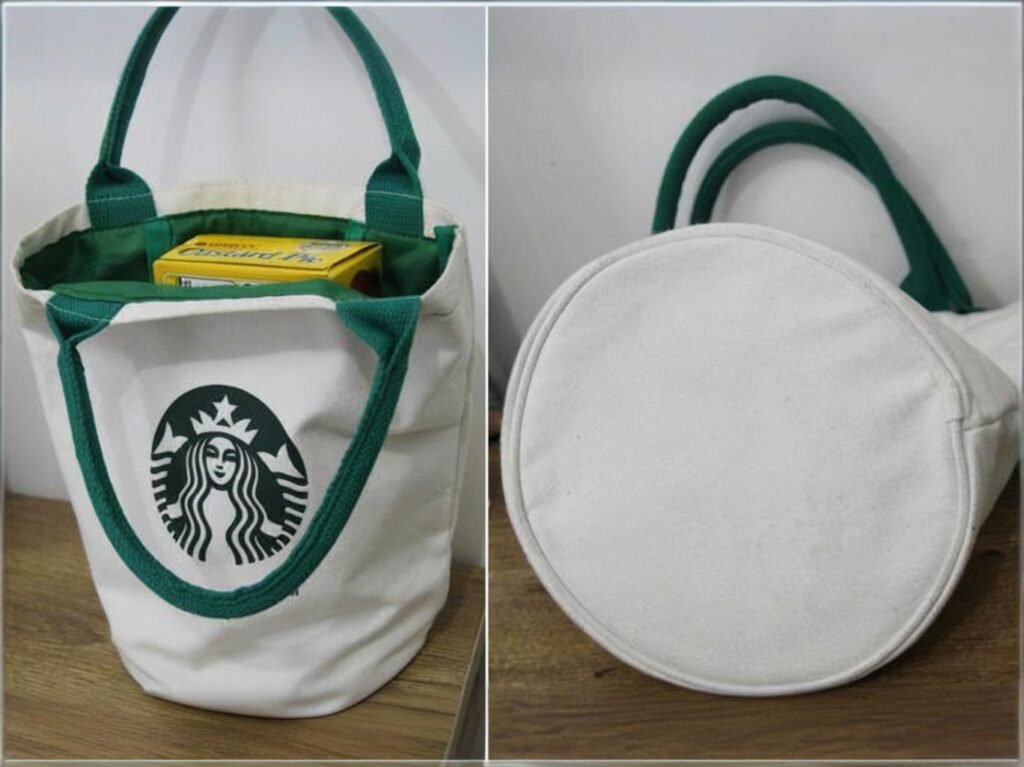
Custom bag design means creating a bag around your brand’s own goals instead of choosing a ready-made stock style. It includes the bag’s look, size, fabric, structure, function, logo treatment, and packaging direction. In simple terms, it is the process of turning a brand idea into a product plan that a factory can sample, test, and produce consistently.
What does custom bag design mean for a brand?
For a brand, custom bag design is not only about making something different. It is about making something that fits the market position, target customer, price level, and actual use scenario. That is the real difference between a bag that looks good in a photo and a bag that sells steadily for months or years.
A custom design usually defines the product across several linked dimensions:
| Design Area | What It Covers | Why It Matters |
|---|---|---|
| Product positioning | Budget, mid-range, premium | Affects fabric, hardware, finishing |
| Bag type | Tote, backpack, duffel, pouch, cooler | Sets the base structure |
| User scenario | Travel, work, school, outdoor, retail | Determines function and durability needs |
| Material system | Outer fabric, lining, padding, webbing | Changes feel, cost, and performance |
| Construction | Panels, seams, reinforcement, closures | Controls strength and usability |
| Brand presentation | Logo, labels, color system, packaging | Builds recognition and perceived value |
When a brand does not define these points clearly, product development becomes slow and expensive. The factory has to guess too much, and every new sample becomes a correction round instead of real progress.
For example, two brands may both want a “custom tote bag,” but the actual needs can be very different:
| Brand Type | Product Goal | Better Design Direction |
|---|---|---|
| Promotional campaign | Low cost, large logo visibility | Simple cotton tote, screen print |
| Retail lifestyle brand | Better shape, stronger feel, repeat sales | Heavier canvas, inner pocket, woven label |
| Premium boutique | Elevated look, giftable finish | Structured body, lining, custom hardware |
This is why custom design matters. The bag is not being developed only as a product category. It is being developed as a business tool. It has to support margin, customer satisfaction, and brand image at the same time.
For many Szoneier clients, the starting point is simple: “We want to launch a bag for our brand.” But once development begins, the real questions become more specific:
- Who will use it?
- What should it carry?
- What price should it retail at?
- What fabric feel matches the brand?
- How much structure should it have?
- Does it need water resistance?
- Should it feel lightweight or substantial?
- Does the bag need to fold flat for shipping?
Those questions are where real custom design starts.
Another important point is product consistency. A stock bag can help a business move quickly, but it rarely builds lasting brand identity. A custom-designed bag gives the brand control over the details that customers remember: the handle comfort, the pocket layout, the zipper feel, the silhouette, the fabric texture, and the finishing quality. That control is often what separates a disposable product from a product line.
Why do brands design custom bags instead of buying stock bags?
The biggest reason is simple: stock bags are easy to buy, but they are hard to own as a brand asset. If ten companies can buy the same bag shape and put different logos on it, the product is not really distinctive. That may be enough for short-term promotions, but it is rarely enough for a brand that wants repeat customers and stronger pricing power.
Brands usually choose custom bag design for five practical reasons.
First, they want better product differentiation. Second, they want more control over cost and quality. Third, they want the bag to match a specific customer use case. Fourth, they want stronger brand recognition. Fifth, they want a product that can scale with fewer surprises.
Here is a direct comparison:
| Factor | Stock Bag | Custom Bag |
|---|---|---|
| Launch speed | Faster | Slower at the start |
| Design uniqueness | Low | High |
| Material choice | Limited | Flexible |
| Functional control | Minimal | Strong |
| Brand value | Lower | Higher |
| Margin potential | Often tighter | Often better |
| Long-term consistency | Less predictable | More controllable |
A stock bag can still work in certain situations, especially when:
- the order is urgent
- the product is for an event
- the budget is very limited
- the bag is not the core product
- the client is testing a short-term campaign
But for most real product lines, stock bags create limits quickly. Common problems include:
- wrong pocket layout
- weak handle construction
- fabric quality that does not match the price target
- logo placement restrictions
- inconsistent color options
- packaging that feels generic
- difficulty protecting the same style long term
Custom design solves those issues by building the product around the brand’s priorities from the beginning.
Take a simple example: a brand wants to sell a commuter tote in the USD 39–59 retail range. A stock tote may look acceptable at first glance, but after testing, the brand may realize it needs:
- a laptop compartment
- a zipper top closure
- longer shoulder drop
- stronger bottom support
- a more premium lining
- cleaner interior finishing
- a more subtle logo treatment
At that point, the stock option stops being practical. The brand needs a design that is made for its market, not borrowed from a generic catalog.
This is especially important for overseas clients working with factories like Szoneier. Many of these clients are not only ordering products. They are building a private label system. That means the bag has to support product photos, customer reviews, unboxing experience, repeat orders, and market positioning. In that context, custom design is not extra work. It is the foundation of a stronger product business.
Which industries need custom bags most?
Almost every industry uses bags in some form, but some industries depend on custom bag design much more heavily because function, image, and user experience matter more.
The most design-sensitive industries usually include:
| Industry | Why Custom Design Matters | Common Product Types |
|---|---|---|
| Fashion and accessories | Appearance, silhouette, branding, repeat purchase | Tote bags, shoulder bags, mini bags |
| Travel and commuting | Organization, comfort, durability | Backpacks, duffels, laptop bags |
| Corporate gifting | Logo presentation, budget efficiency, volume | Tote bags, conference bags, pouches |
| Sports and fitness | Lightweight use, compartments, easy cleaning | Gym bags, drawstring bags, cooler bags |
| Outdoor and tactical | Strength, abrasion resistance, waterproofing | Tactical bags, dry bags, gear packs |
| Medical and professional tools | Organized storage, quick access, protective construction | Medical kits, utility bags, equipment cases |
| Beauty and personal care | Interior layout, visual appeal, compact sizing | Makeup bags, cosmetic pouches, toiletry bags |
Each of these industries looks at the bag differently.
A beauty brand may care most about:
- zipper opening angle
- wipe-clean lining
- compact shape
- giftable appearance
- easy logo display
A medical client may care most about:
- compartment logic
- easy item access
- reinforced construction
- washable materials
- durable handles
An outdoor brand may care most about:
- water resistance
- abrasion performance
- seam strength
- hardware durability
- load-bearing comfort
This is why industry experience matters when designing a custom bag. The same factory cannot approach every bag the same way. A cotton event tote and a medical utility bag should not be developed with the same mindset.
Szoneier’s advantage here is breadth. Because the company works with multiple fabric systems such as cotton fabric, canvas fabric, polyester fabric, nylon fabric, neoprene fabric, jute fabric, linen fabric, and Oxford fabric, it can support projects across several markets including military, medical, bags, and apparel-related applications. That matters because industry needs often come down to fabric behavior as much as bag shape.
Here is a useful way to think about it:
| Market Need | Best Starting Focus |
|---|---|
| Low-cost volume | Simpler structure, efficient sewing, standard trims |
| Premium retail | Better hand feel, upgraded lining, cleaner finishing |
| Technical use | Function-first design, stronger reinforcement, performance fabrics |
| Eco-focused brand | Natural or recycled materials, low-waste packaging |
| E-commerce launch | Balanced cost, photo-ready appearance, practical packaging |
The more clearly a brand understands its own industry context, the faster and better the custom bag design process becomes.
In other words, custom bag design is not only about creativity. It is about fit. Fit for the customer, fit for the use environment, fit for the price point, and fit for the brand story.
What Should You Prepare Before Designing a Custom Bag?
Before starting a custom bag design, brands should prepare several important pieces of information. These preparations help manufacturers understand the product direction and reduce unnecessary revisions during development. A well-prepared design brief allows both the brand and the factory to work faster and make better decisions.
In practice, most delays in custom bag development happen not because the factory cannot produce the bag, but because the project begins without clear specifications.
Preparing a few key details early will significantly improve the efficiency of the entire process.
What product idea should you start with?
Every successful bag design begins with a clear product idea. This idea should answer several practical questions about how the bag will be used and who will use it.
Brands should think about the following aspects:
| Product Planning Question | Why It Matters |
|---|---|
| Who will use the bag? | Defines style and functionality |
| What will the bag carry? | Determines size and structure |
| Where will the bag be used? | Influences fabric and durability |
| What price range will the bag sell for? | Controls material selection |
| How will the bag be sold? | Impacts packaging and branding |
For example, a bag designed for daily commuting needs different features compared with a bag designed for outdoor activities.
| Usage Scenario | Design Priority |
|---|---|
| Office commuting | Laptop protection and organized pockets |
| Weekend travel | Large capacity and comfortable straps |
| Fitness and sports | Lightweight and breathable materials |
| Cosmetic storage | Waterproof lining and small compartments |
Many brands also study competitor products during this stage. Looking at similar products in the market can reveal useful insights such as:
- common pocket layouts
- typical size ranges
- material choices used by competitors
- price positioning
However, the goal is not to copy an existing product. Instead, brands should identify opportunities to improve usability, durability, or visual appeal.
Factories like Szoneier often help clients refine these early ideas by suggesting improvements based on real manufacturing experience.
Which bag style should your brand choose?
Choosing the right bag style is an important early decision because it affects both product development complexity and production cost.
Different bag styles require different levels of sewing work and material usage.
| Bag Style | Structure Complexity | Typical Use |
|---|---|---|
| Tote bag | Simple | Shopping, promotions |
| Backpack | Medium to complex | Travel, school |
| Duffel bag | Medium | Gym, travel |
| Drawstring bag | Simple | Sports events |
| Laptop bag | Medium | Office use |
| Cooler bag | Complex | Food storage |
For brands launching their first bag product, starting with a simpler style often reduces development risks.
Simple bag structures have several advantages:
- easier sampling process
- faster production time
- lower manufacturing cost
- easier quality control
For example, a basic canvas tote bag may require only 6–8 sewing steps, while a multi-compartment backpack may require 25–35 sewing operations.
The complexity difference directly affects production cost and lead time.
Factories typically evaluate bag complexity based on:
| Design Factor | Impact on Production |
|---|---|
| Number of panels | More panels increase cutting work |
| Number of pockets | More pockets increase sewing time |
| Reinforcement areas | Extra stitching steps required |
| Hardware components | Buckles and straps add assembly work |
Understanding these factors helps brands choose a design that fits their budget and production schedule.
What size and structure should a custom bag have?
Bag size and internal structure are often underestimated during the design stage. However, these factors greatly influence usability and manufacturing efficiency.
When defining bag dimensions, designers usually consider:
| Dimension Factor | Design Consideration |
|---|---|
| Bag width | Determines storage capacity |
| Bag height | Influences product shape |
| Depth or gusset | Affects internal volume |
| Handle length | Determines carrying comfort |
For example, a standard tote bag often follows approximate dimensions such as:
| Parameter | Typical Size |
|---|---|
| Width | 35–40 cm |
| Height | 35–40 cm |
| Depth | 8–12 cm |
| Handle drop | 25–30 cm |
These proportions allow comfortable shoulder carrying while maintaining enough storage capacity.
Structure design also involves planning compartments and reinforcement areas.
Common structural elements include:
- inner pockets
- laptop sleeves
- zipper closures
- reinforced bottoms
- adjustable straps
Each structural element adds both value and complexity to the product.
For example:
| Feature | Benefit |
|---|---|
| Padded laptop compartment | Protects electronics |
| Internal zip pocket | Organizes small items |
| Bottom reinforcement | Prevents sagging |
| Adjustable straps | Improves comfort |
Manufacturers evaluate these features carefully to ensure the bag remains practical to produce.
Which materials are best for custom bags?
Material selection is one of the most important steps in custom bag design. The fabric determines not only the appearance of the bag but also its durability, weight, and price.
Bag manufacturers commonly work with a range of fabric types.
| Fabric | Key Advantage | Common Use |
|---|---|---|
| Cotton canvas | Natural and durable | Tote bags |
| Polyester | Lightweight and cost-effective | Backpacks |
| Nylon | High strength and abrasion resistance | Outdoor bags |
| Oxford fabric | Structured and water-resistant | School bags |
| Neoprene | Soft and padded | Laptop sleeves |
| Jute | Eco-friendly natural fiber | Grocery bags |
| Linen | Natural texture | Lifestyle bags |
Fabric specifications can vary depending on thickness and coating.
| Fabric Parameter | Typical Range |
|---|---|
| Denier | 210D – 1680D |
| Weight | 150 – 600 GSM |
| Waterproof coating | PU / PVC / TPU |
| Abrasion resistance | 10,000 – 50,000 cycles |
Selecting the right material requires balancing several factors:
- product durability
- visual style
- cost target
- manufacturing feasibility
For example, a travel backpack may require 600D polyester with PU coating, while a promotional tote bag may only need 10–12 oz cotton canvas.
Szoneier’s experience in textile sourcing allows clients to evaluate these material options more effectively during product development.
How Do You Design a Custom Bag Step by Step?
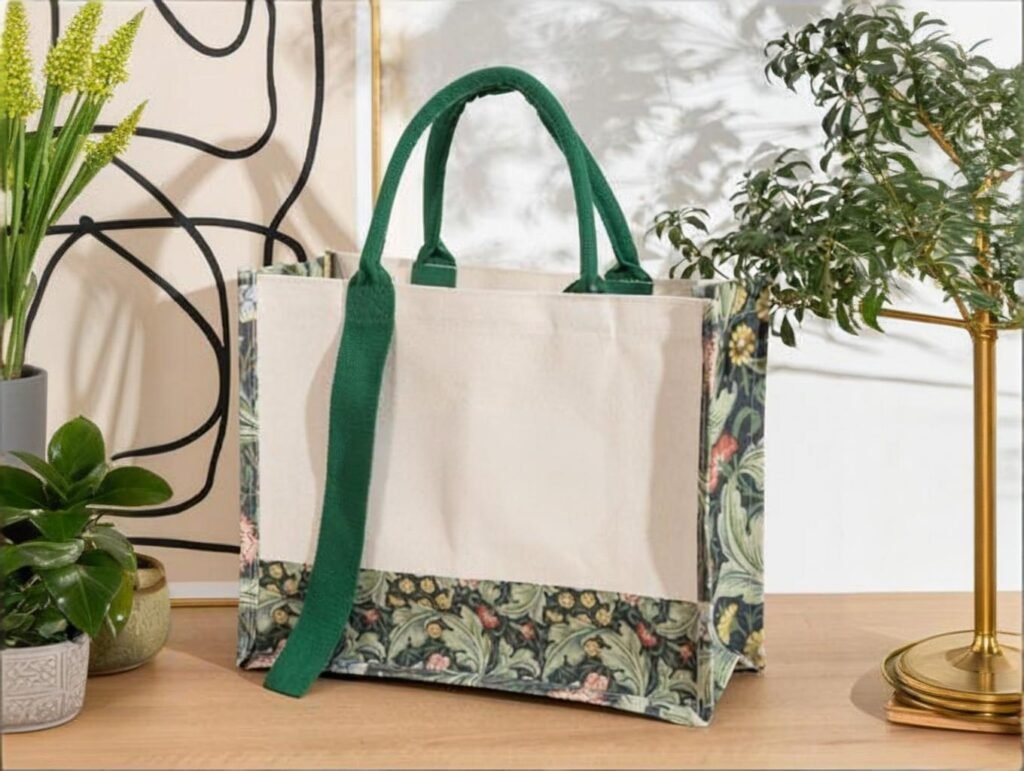
Once the preparation stage is complete, the actual design process can begin. Designing a custom bag involves transforming an idea into detailed specifications that manufacturers can use to produce samples.
Although each project is unique, most bag development processes follow several common steps.
How do you create a bag concept?
The concept stage translates a product idea into a visual and functional direction.
Designers usually prepare several elements:
- sketch drawings
- reference images
- color palette
- functional requirements
These materials help communicate the overall vision of the product.
A basic concept document might include:
| Concept Element | Purpose |
|---|---|
| Bag sketch | Visualizes overall shape |
| Size estimate | Defines approximate dimensions |
| Material suggestion | Indicates preferred fabrics |
| Function list | Identifies key features |
Even simple sketches can provide enough information for manufacturers to begin evaluating feasibility.
How do you choose fabrics and accessories?
After defining the bag concept, the next step is selecting the materials and accessories that will be used to build the product.
A bag typically consists of several material components.
| Component | Example Material |
|---|---|
| Outer fabric | Canvas, nylon, polyester |
| Lining | Polyester lining fabric |
| Padding | EVA foam or PE foam |
| Zippers | Nylon coil zipper |
| Straps | Polypropylene webbing |
Each component contributes to the bag’s performance and overall cost.
For example:
| Upgrade | Result |
|---|---|
| Stronger webbing | Improved strap durability |
| Larger zipper size | Longer zipper lifespan |
| Thicker foam padding | Better protection for devices |
Manufacturers often recommend material adjustments based on production experience.
How do you design bag structure and compartments?
The internal layout of the bag determines how users interact with the product.
Designers typically consider several functional features:
- number of pockets
- compartment layout
- closure types
- strap adjustment system
Here is a simple example of backpack compartment planning.
| Section | Purpose |
|---|---|
| Main compartment | Stores large items |
| Laptop sleeve | Protects electronic devices |
| Front pocket | Quick access storage |
| Side pockets | Water bottles |
Careful compartment design improves usability and customer satisfaction.
How do you add branding and logo elements?
Branding transforms a bag from a functional product into a recognizable brand item.
Manufacturers offer several branding methods.
| Branding Method | Best For |
|---|---|
| Screen printing | Promotional bags |
| Embroidery | Premium backpacks |
| Heat transfer | Polyester sports bags |
| Woven labels | Apparel accessories |
| Rubber patches | Outdoor gear |
The choice depends on product style and production quantity.
Branding placement is also important. Common logo positions include:
- front panel
- side label
- zipper pull tab
- internal tag
Carefully planned branding ensures the bag represents the brand consistently.
How Does a Manufacturer Turn a Bag Design Into a Sample?
Once a bag design concept is finalized, the next step is turning that concept into a physical sample. This process is often called prototype development or sampling. Sampling allows brands to evaluate the product before committing to large production quantities.
A well-executed sample helps verify that the design works in real life and not only on paper.
How do manufacturers create bag patterns?
Pattern development is the first technical step in creating a bag sample. A pattern is essentially a set of templates that determine how each fabric panel will be cut and assembled.
Manufacturers translate the design specifications into cutting patterns that include seam allowances, panel dimensions, and reinforcement points.
The pattern development process usually includes:
| Pattern Step | Description |
|---|---|
| Design review | Engineers examine the bag structure |
| Pattern drafting | Panel shapes are created |
| Material mapping | Fabric types assigned to panels |
| Cutting plan | Efficient cutting layout designed |
Patterns must be accurate because even small dimensional errors can affect the final product.
For example:
| Pattern Issue | Result |
|---|---|
| Incorrect seam allowance | Bag size becomes inaccurate |
| Misaligned panel angles | Bag shape becomes distorted |
| Poor reinforcement planning | Weak structural areas |
Experienced manufacturers invest significant effort in pattern accuracy because it directly influences product consistency during mass production.
At Szoneier, pattern development teams work closely with product engineers to ensure that bag structures remain stable during both sampling and large-scale manufacturing.
How does the sampling process work?
After patterns are finalized and materials are prepared, the factory produces a physical prototype.
The sampling process normally follows these steps:
| Sampling Stage | Key Action |
|---|---|
| Material preparation | Fabrics, lining, and accessories prepared |
| Fabric cutting | Panels cut using pattern templates |
| Sewing assembly | Panels stitched together |
| Hardware installation | Zippers, buckles, straps added |
| Initial inspection | Structure and finishing evaluated |
Most manufacturers complete the first sample within 5–7 working days, depending on product complexity.
The first sample rarely represents the final product perfectly. Instead, it provides a physical reference for evaluation and improvement.
During this stage, brands typically review several details:
- bag proportions
- handle comfort
- pocket accessibility
- zipper smoothness
- overall structure
Feedback from the first sample helps manufacturers refine the design before finalizing production specifications.
Factories such as Szoneier often assist clients in adjusting materials, stitching methods, or structural elements to improve durability and user experience.
What should you check when reviewing a bag sample?
Sample evaluation is a critical step in the development process. Carefully reviewing the sample helps prevent problems that could appear during mass production.
Brands should check the following aspects:
| Inspection Area | What to Evaluate |
|---|---|
| Fabric quality | Thickness, texture, color consistency |
| Stitching | Straight seams and tight thread tension |
| Zippers | Smooth opening and closing |
| Straps | Strength and comfort |
| Pockets | Accessibility and depth |
| Overall shape | Balanced and symmetrical construction |
Testing the bag under real conditions is also useful.
For example:
| Test Method | Purpose |
|---|---|
| Load test | Check handle strength |
| Wear test | Evaluate abrasion resistance |
| Packing test | Verify storage capacity |
By testing the sample realistically, brands can identify improvements before production begins.
This stage is where many successful products are refined.
How Do You Choose a Factory to Produce Your Custom Bag?
Selecting the right manufacturer is one of the most important decisions when developing a custom bag. The factory will influence product quality, production efficiency, and long-term supply stability.
Brands should evaluate several factors before making a decision.
What capabilities should a bag manufacturer have?
A professional bag manufacturer should possess strong capabilities across several areas of production.
These capabilities typically include:
| Capability | Why It Matters |
|---|---|
| Fabric sourcing | Ensures reliable materials |
| Product development | Supports custom designs |
| Sewing expertise | Maintains consistent construction |
| Quality inspection | Reduces product defects |
| Export logistics | Ensures smooth delivery |
Manufacturers that control these processes internally can usually provide better consistency and communication.
For example, factories that specialize in fabric development can recommend suitable materials based on product requirements.
Szoneier combines fabric research, bag manufacturing, and export services, which helps clients develop products efficiently from concept to shipment.
How do you evaluate a bag factory’s experience?
Before starting a large production order, it is useful to review the factory’s background and experience.
Several indicators can reveal whether a manufacturer is reliable.
| Evaluation Factor | What It Indicates |
|---|---|
| Years of operation | Long-term production stability |
| Range of bag products | Experience with different structures |
| Material knowledge | Ability to recommend fabrics |
| Export markets | Familiarity with international standards |
Requesting samples is also an important evaluation step.
A sample allows brands to examine:
- stitching precision
- fabric quality
- zipper durability
- overall finishing
Factories that produce well-constructed samples usually maintain stronger production processes.
Szoneier works with many overseas clients who require private label bag products, and sample development often serves as the first stage of collaboration.
Why do brands work with experienced fabric manufacturers?
Working with a manufacturer that understands fabric development can significantly improve product quality.
Different fabrics behave differently during sewing and daily use.
| Fabric | Key Property |
|---|---|
| Cotton canvas | Durable natural fiber |
| Polyester | Lightweight and cost-effective |
| Nylon | Strong and abrasion resistant |
| Neoprene | Soft and water resistant |
| Oxford fabric | Structured and durable |
Factories with strong textile knowledge can match fabrics to product requirements more accurately.
For example:
| Bag Type | Recommended Fabric |
|---|---|
| Promotional tote bag | 10–12 oz cotton canvas |
| Travel backpack | 600D polyester |
| Outdoor gear bag | 900D or 1680D nylon |
| Laptop sleeve | Neoprene laminated fabric |
Szoneier’s background in fabric R&D and manufacturing allows the company to support clients in selecting materials that balance performance, appearance, and cost.
Turning a Bag Idea Into a Successful Product
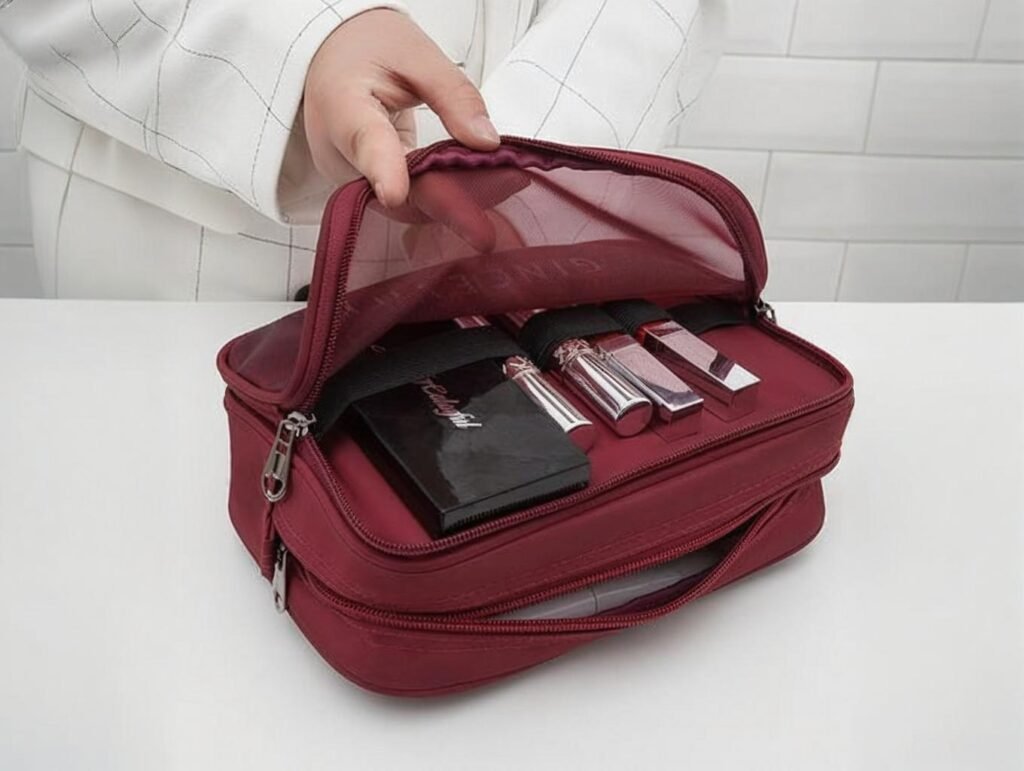
Designing a custom bag involves much more than drawing a sketch or placing a logo on a product. A successful bag requires careful planning of materials, structure, functionality, branding, and manufacturing processes.
Brands that follow a structured design process can avoid many common development mistakes and create products that perform well in real-world use.
Working with an experienced manufacturer also simplifies the process. From material recommendations to sample development and production planning, a knowledgeable factory can guide brands through each stage of product development.
With more than 18 years of experience in fabric development and bag manufacturing, Szoneier supports brands, wholesalers, and international buyers who need customized products using materials such as:
- cotton fabric
- canvas fabric
- polyester fabric
- nylon fabric
- neoprene fabric
- jute fabric
- linen fabric
- Oxford fabric
The company provides services including:
- custom bag design support
- fabric sourcing and development
- rapid sample production
- low MOQ customization
- private label manufacturing
- quality inspection and packaging solutions
If you are planning to develop a custom bag for your brand, Szoneier can help review your product idea, recommend suitable materials, and produce samples that match your design vision.
You are welcome to contact the Szoneier team to discuss your project, request samples, or receive a quotation for your next custom bag production order.
A well-designed bag begins with a strong idea, but it becomes a successful product when the right manufacturing partner helps bring that idea to life.