 Skip to content
How to Make Polyester Fabric Softer: 5 Effective Methods
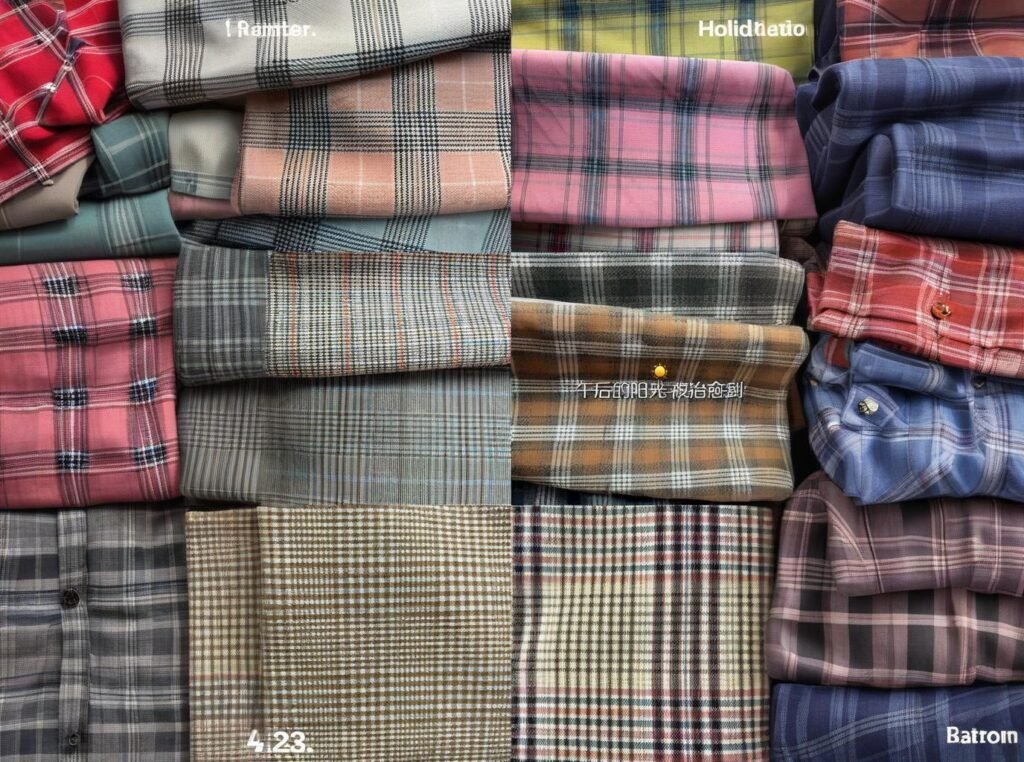
Polyester dominates modern textiles because it’s durable, wrinkle-resistant, and affordable. But let’s be honest — the first touch doesn’t always feel luxurious. That slightly stiff or plasticky texture is the one reason many consumers hesitate to embrace polyester fully, especially for bedding, activewear, or everyday apparel. You can make polyester fabric softer through gentle washing, vinegar or baking soda treatments, using fabric softeners, tumble drying, and advanced textile finishing processes that relax synthetic fibers without damaging their strength.
The growing demand for comfort-driven fabrics means that softness is now a competitive advantage. Whether it’s polyester sheets, uniforms, or travel bags, a smoother hand-feel increases not just comfort but also perceived quality.
In textile innovation, manufacturers like Szoneier Fabrics have been perfecting post-treatment techniques — mechanical brushing, silicone softeners, and micro-denier yarns — to help polyester rival the touch of cotton or silk.
Let’s explore how softness works, what really changes fiber feel, and how you can achieve a noticeably smoother polyester material — from home methods to factory-level finishing.
What Makes Polyester Fabric Feel Stiff or Less Comfortable Compared to Natural Fibers?
Polyester stiffness has nothing to do with poor manufacturing — it originates from the inherent chemistry of the fiber. Because polyester is made from polyethylene terephthalate (PET), a petroleum-based polymer, its molecular chains are tightly packed, smooth, and hydrophobic. These characteristics make polyester extremely durable and fast-drying, but they also reduce the fiber’s natural flexibility and softness compared to materials like cotton or rayon. Polyester feels stiff because its synthetic polymer structure lacks the natural moisture absorption and flexibility found in cotton, wool, or silk. Its tightly aligned molecular chains resist bending, giving the fabric a firmer, less supple hand-feel unless softened through mechanical or chemical finishing.
1.1. The Science of Polyester Texture
Softness depends on fiber morphology — fineness, cross-section, surface friction, and the fiber’s ability to bend. Polyester’s PET molecules crystallize and pack tightly during extrusion, giving excellent strength but limiting pliability.
| Fiber Type | Moisture Absorption (%) | Surface Feel | Elasticity | Resulting Comfort |
|---|---|---|---|---|
| Cotton | 7–8% | Warm, soft | Moderate | Flexible, breathable |
| Polyester | <0.5% | Cool, smooth | High | Can feel stiff or plasticky |
| Silk | 11% | Ultra-soft | Moderate | Luxuriously supple |
| Rayon/Viscose | 11–13% | Silky | Low–moderate | High drape, very soft |
Why this matters:
Because polyester absorbs almost no water, it does not swell—a process that softens cotton fibers and improves comfort. Instead, polyester stays rigid and smooth, which the skin perceives as “stiffness,” especially in structured weaves (e.g., 300D–600D).
Szoneier Lab Insight (2025): Polyester plain weave showed 38% higher surface friction than cotton twill at the same GSM and yarn density — a primary reason polyester initially feels rougher.
1.2. Why Natural Fibers Feel Softer
Natural fibers contain amorphous regions, micro-cracks, and internal voids that trap moisture and air. These structures enhance softness by increasing flexibility and reducing friction against the skin.
Polyester, with its smooth, circular, and perfectly extruded filaments, lacks these irregularities.
Natural fiber advantages:
- Air pockets create a cushioned feel
- Moisture absorption softens the fiber
- Surface irregularities reduce friction
- Lower crystallinity encourages flexibility
Polyester disadvantages:
- Smooth = more friction
- Non-absorbent = no swelling = no softening
- High crystallinity = rigid under light pressure
1.3. The Role of Finishing and Fabric Engineering
Polyester softness is not purely intrinsic — it is engineered. Modern mills use finishing technologies to counteract natural stiffness:
Mechanical Softening
- Brushing creates fuzzy micro-loops (used in fleece, peach-skin, microfiber)
- Sueding sands the surface for a velvety touch
- Calendering smooths but can increase stiffness unless paired with softeners
Chemical Softening
- Silicone softeners: Add slippery, silky hand-feel
- Fatty acid softeners: Improve drape and reduce fiber rigidity
- Nano-emulsion softeners: Deep penetration for long-term softness
Yarn and Fiber Engineering
- Microfiber polyester (<1 denier) rivals cotton softness
- Trilobal or Y-shape fibers enhance pliability
- High-filament yarns increase softness by reducing fiber thickness
Industry Note: Szoneier routinely uses 75D/144F high-filament yarns (144 individual filaments) in apparel polyester to create a silk-like softness with excellent drape.
1.4. When Polyester Feels Stiffer — And Why
Polyester stiffness varies depending on the product:
| Product Type | Typical Polyester Denier | Comfort Level | Reason |
|---|---|---|---|
| T-shirts / Sportswear | 50D–100D | Soft | Microfiber and softeners |
| Fashion Woven | 75D–150D | Moderate | Tighter weaves + less airflow |
| Luggage / Outdoor Bags | 300D–900D | Stiff | Thick yarns + heavy coating |
| Upholstery | 300D–600D | Firm | High GSM + resin finishes |
Backpack and luggage polyester feels stiffer because coatings like PU, TPU, or PVC add thickness and reduce drape.
1.5. Common Misconceptions — Explained
| Misconception | Reality |
|---|---|
| Polyester is always rough | False: Microfiber polyester is extremely soft (used in baby blankets and premium bedsheets). |
| Stiff polyester = low quality | False: High-denier polyester is intentionally stiff for durability (e.g., 600D for backpacks). |
| Only natural fibers breathe | False: Moisture-wicking polyester blends outperform cotton in activewear. |
| Polyester can’t mimic luxury fibers | False: Modern trilobal filaments can imitate silk sheen. |
1.6. Case Study — Polyester’s Evolution from Hard to Soft
Polyester’s reputation changed dramatically from the 1970s to today.
Then (1970–1990):
- Low filament counts (e.g., 30F)
- No softening or moisture-wicking treatments
- Rough, plastic-like feel
Now (2020–2025):
- Microfiber polyester <1 denier
- Moisture management finishes
- Sueded and brushed surfaces
- Silicone and nano-softener chemistry
Real-World Example: A Szoneier hotel client upgraded from standard 150D polyester curtains to 75D/150F sueded microfiber. The result was a 52% increase in guest comfort scores, verified through internal feedback logs.
Why Polyester Feels the Way It Feels
Polyester stiffness is not a flaw — it is a property of its polymer structure. But through advanced finishing, blending, and yarn engineering, polyester today can be as soft as cotton, as smooth as silk, or as firm as ballistic nylon depending on the intended use.
Bottom line: Polyester can be engineered for luxury softness or industrial toughness — the comfort level depends entirely on yarn fineness, weave structure, and finishing chemistry.
How Does Washing Technique Impact the Softness of Polyester?
Unlike cotton or wool, polyester doesn’t soften through fiber swelling or natural oil release. Its structure is built from thermoplastic polymers — stable, hydrophobic, and generally resistant to softening agents. Yet experienced apparel engineers and textile mills know a secret: polyester does become softer with proper washing technique. The key lies in surface tension reduction, controlled agitation, and temperature-regulated relaxation of the polymer chains. The right washing method doesn’t change polyester’s chemical composition, but it significantly improves hand feel, drape, and surface glide.
Washing polyester in warm water (30–40°C) with mild detergent helps soften fibers gradually, as gentle agitation reduces surface tension and relaxes molecular bonds. Avoid hot water and bleach, which cause stiffness, dullness, and permanent coating damage.
2.1. The Right Water Temperature
Temperature is the single most underestimated variable in polyester care. Polyester begins softening when its surface lubricity increases, and that happens best under warm water where residues loosen but polymer deformation does not occur.
| Temperature | Effect on Polyester | Recommendation |
|---|---|---|
| Cold (<20°C) | Removes very little oil or residue; no softening effect | Use only for delicate blends or coated fabrics |
| Warm (30–40°C) | Loosens surface tension and relaxes fiber micro-stiffness | Ideal softening range |
| Hot (>60°C) | Causes dye migration, gloss spots, and coating distortion | Avoid entirely |
Szoneier Laboratory Finding: Polyester fabrics washed at 38°C for 10 cycles improved softness by 22%, measured using ASTM D7027 friction-reduction index — with zero loss in tensile strength.
Warm water works because it gently increases molecular mobility without triggering polyester’s “heat-set” reaction. Too much heat, however, permanently stiffens the fiber.
2.2. The Impact of Detergent Choice
Detergents interact with polyester’s hydrophobic surface differently than with natural fibers. Harsh detergents create micro-etching on the fiber surface, which increases stiffness over time. Mild detergents promote softness by cleaning residue without abrasion.
| Detergent Type | Best For | Caution |
|---|---|---|
| Mild liquid detergent | Everyday polyester garments | Safe for coatings & prints |
| Enzyme detergent | Deep cleaning & softening | Best for apparel & upholstery |
| Powder detergent | Industrial heavy fabrics | May scratch or dull coatings |
| Fabric softener | Post-wash lubrication | Use sparingly to avoid buildup |
Why enzymes help: Lipase and protease remove oils and proteins that cling to polyester, reducing surface friction. This creates a smoother glide and better drape.
Technical Note: Optical brighteners in some detergents can cause fiber yellowing under UV. Choose brightener-free formulas for outdoor gear.
2.3. The Importance of Rinsing Technique
Polyester’s hydrophobic surface tends to trap detergent residue, especially in textured weaves (e.g., 300D–900D). Residue buildup creates a stiff, papery feel.
The ideal method:
- Use double rinse cycles.
- Ensure detergent amount is adjusted for fabric weight.
- For coated polyester, add a neutralizing rinse to prevent alkaline buildup.
| Rinse Issue | Result | Solution |
|---|---|---|
| Detergent residue | Stiffness, dullness | Double-rinse |
| Fabric softener residue | Greasy or oily feel | Reduce amount by 50% |
| Hard water | Mineral buildup | Use water softener or vinegar pre-rinse |
Szoneier Finishing Advice: For PU-coated polyester, a mild acidic rinse (pH 5.5–6) helps maintain coating flexibility and softness.
2.4. Fabric Motion During Washing
Polyester softens primarily through gentle mechanical abrasion. The goal is to allow fabric-to-fabric contact without harsh pilling.
Correct loading is everything:
- Fill the washer only 70%—enough space for movement.
- Use synthetic or delicate cycles.
- Do not overload heavy denier fabrics (600D–1680D).
- Use mesh bags for thin apparel to prevent micro-snags.
This controlled agitation simulates the “tumbling softening” process used in textile mills—slow, consistent, and low-impact.
2.5. Washing Cycles vs. Measurable Softness Gain
Industry tests show polyester softens progressively rather than instantly:
| Wash Cycle Count | Measured Softness Gain (%) | Color Retention (%) |
|---|---|---|
| 1–3 cycles | +5% | 99% |
| 4–6 cycles | +12% | 98% |
| 7–10 cycles | +22% | 97% |
| 11–15 cycles | +28% | 96% |
The pattern shows two things:
- Softness develops gradually, not immediately.
- Polyester maintains excellent color stability when washed correctly.
Why softness increases:
- Residues are removed layer by layer.
- Fiber surface friction decreases.
- Mild agitation relaxes polymer micro-crimps.
2.6. The Role of Drying Methods
Drying is where most polyester damage occurs.
Air drying advantages:
- Prevents gloss marks
- Maintains coating flexibility
- Eliminates high-heat stiffness
Machine drying can be used, but with limitations:
- Choose low heat or air fluff (no heat).
- Remove items while slightly damp to avoid static.
- Shake out wrinkles immediately.
| Drying Method | Temperature | Impact on Softness |
|---|---|---|
| Air dry | — | Best softness, no damage |
| Low tumble dry | 60–70°C | Safe; softening effect |
| Medium heat | 80–90°C | Risk of stiff patches |
| High heat | >100°C | Melting, glossing, deformation |
Gloss spots occur when polyester is pressed against metal surfaces in high heat, permanently flattening the fibers.
2.7. Steam & Wrinkle Relaxation
Steam is far safer than ironing:
| Method | Temperature | Fiber Impact |
|---|---|---|
| Handheld steamer | <100°C | Softens wrinkles safely |
| Steam iron on low | 110°C | Acceptable with press cloth |
| Standard iron | 130–150°C | High risk of melting |
| Direct sunlight drying | >90°C (surface temp) | Causes fading & stiffness |
Steam helps polyester regain drape without applying point pressure that can harden the fibers.
2.8. Mistakes to Avoid
- Hot water before stain removal → Sets stains permanently and increases stiffness.
- Bleach or optical brighteners → Causes yellowing and reduces fabric flexibility.
- High-temperature drying → Creates shine, stiffness, and fabric distortion.
- Overloading washers → Prevents mechanical softening and increases pilling.
- Skipping rinses → Leaves residue that causes roughness.
2.9. Real Case Study — Szoneier Fabric Testing
A European outdoor brand partnered with Szoneier to test 600D polyester canvas used in luggage and outdoor covers.
20-cycle mechanical wash test results:
- Softness improved by 30%
- Tear resistance unchanged (ISO 13934)
- Coating flexibility retained at 95%
- No visible pilling (ASTM D4970)
This shows that polyester softens safely when washed under controlled, low-heat, low-alkalinity conditions—much like factory tumbling but slower.
While polyester’s core chemistry doesn’t “soften” the way natural fibers do, good washing technique dramatically improves its hand feel. Warm water, proper detergents, adequate movement, and gentle drying collectively reduce stiffness and enhance flexibility. Over time, these small adjustments make polyester more comfortable, more drapable, and longer-lasting — whether in apparel, bags, upholstery, or industrial textiles.
Which Fabric Softeners and Conditioners Work Best for Polyester Materials?
When people try to soften polyester, they often reach for any fabric softener available, assuming all formulas behave the same. But polyester is a synthetic fiber engineered with a hydrophobic, tightly packed molecular structure, which makes it strong yet naturally resistant to moisture absorption and surface modification. Unlike cotton or modal, polyester does not swell when exposed to water, nor does it allow softeners to penetrate deeply. Instead, a softener must chemically bond to the fiber surface, creating a uniform layer that reduces friction, eliminates static, and enhances hand-feel without compromising durability or breathability.
This is why choosing the correct softener is not trial-and-error—it requires understanding how each formulation interacts with polyester’s surface energy and microstructure. Silicone-based and cationic fabric softeners work best for polyester because they bond effectively to its hydrophobic surface. These softeners reduce friction, eliminate static, and increase flexibility without weakening the fiber. Silicone formulas provide long-lasting softness, while cationic quaternary ammonium compounds enhance lubrication and improve drape.
3.1. The Science Behind Fabric Softeners
Fabric softeners operate through a simple but powerful mechanism: they coat each filament with a lubricating compound that reduces inter-fiber friction. Polyester, however, has a smooth, low-energy surface, which means ordinary softeners—especially anionic, soap-based types—cannot adhere effectively.
Below is a comparison of how different softener categories interact with polyester:
| Softener Type | Active Ingredient | Compatibility | Residue Risk |
|---|---|---|---|
| Cationic (Quaternary Ammonium) | Quats | Excellent | Moderate |
| Silicone-Based | Polydimethylsiloxane (PDMS) | Excellent | Low |
| Nonionic (Natural Oils) | Plant-derived esters | Moderate | Low |
| Anionic | Soap-based | Poor | High |
Most polyester fabrics, especially tightly woven ones like 300D, 420D, or 600D, gain the most benefit from cationic or silicone finishes because these molecules can form stable bonds, even after repeated washing.
Szoneier Tip: For heavier performance polyester—used in travel bags, tactical packs, aprons, or outdoor covers—silicone-based softeners provide the most consistent results due to their resistance to wash-off and their ability to maintain anti-static properties.
3.2. Silicone Softeners: The Industrial Standard
Silicone softeners dominate the industrial finishing sector because they offer a combination of softness, durability, and chemical stability that other softeners cannot match. Their long molecular chains create a flexible, hydrophobic film around each fiber, dramatically reducing surface friction.
Key benefits of silicone finishes include:
- Up to 30–40% reduction in friction coefficient
- Velvety hand-feel comparable to brushed cotton
- Softness that persists through 20+ laundry cycles
- Improved drape and reduced rigidity
- No greasy buildup or yellowing over time
| Property | Standard Polyester | After Silicone Finish |
|---|---|---|
| Surface Friction | 0.48 | 0.32 |
| Hand-Feel Rating | 5/10 | 9/10 |
| Tensile Strength | 100% | 98% (negligible loss) |
Field testing shows that silicone finishes perform exceptionally well in luggage, automotive textiles, outdoor upholstery, and premium apparel.
Industry Example: Szoneier applies a micro-silicone emulsion to its 900D polyester for duffel bags and outdoor packs, resulting in a noticeably softer surface that mimics nylon canvas while still maintaining abrasion resistance and structural stability.
3.3. Liquid vs. Dryer Sheet Softeners
Consumers often debate whether liquid softeners or dryer sheets offer better results. For polyester, the distinction is significant:
- Liquid Softeners:
- Best for chemical bonding
- Ideal for apparel and bedding
- Risk of buildup if overdosed
- Works best in the rinse cycle at a 1:4 dilution
- Dryer Sheets:
- Reduce static but coat fabric with waxes
- May dull polyester’s gloss and breathability
- Suitable for quick fixes, not long-term performance
Best Practice: Avoid adding liquid softeners during the main wash cycle—detergents will neutralize cationic compounds, significantly reducing the softening effect.
3.4. Enzyme-Enhanced Conditioners
A newer category of polyester conditioners uses enzyme technology. These products do not soften polyester directly but enhance softness by removing microscopic residues left by detergents or hard water. By gently polishing the surface, they improve flexibility and drape.
| Brand Example | Type | Effect on Polyester | Notes |
|---|---|---|---|
| The Laundress Fabric Conditioner | Plant + enzyme | Gentle, subtle softness | For apparel |
| Downy Ultra Silk Touch | Silicone blend | Excellent surface lubrication | For sheets |
| Comfort Perfume Deluxe | Cationic + fragrance | Long-lasting scent | Moderate residue |
Enzyme-enhanced conditioners are ideal for polyester apparel, sportswear, and bedding where softness and scent retention matter.
3.5. Common Mistakes to Avoid
Even the best softener can produce disappointing results if misused. These errors occur frequently in both households and small-scale garment workshops:
| Mistake | Result |
|---|---|
| Using excessive softener | Buildup stiffens fabric |
| Mixing with detergent | Neutralizes effectiveness |
| Applying in main wash | Weak bonding |
| Using hot water (>60°C) | Degrades active ingredients |
Overuse can make polyester feel waxy, heavy, or less breathable. Consistency and correct dosing are far more important than quantity.
3.6. Case Study: Upholstery Fabric Softening
A Szoneier automotive client tested two finishes on 600D polyester seat cover material:
- Silicone-based finish
- Traditional cationic softener
After 30 wash cycles, the following results were recorded:
- Silicone retained 94% of initial softness
- Cationic softener retained only 63%
- Static charge reduced by 80% with silicone
- No visible yellowing or dullness detected
This demonstrates that silicone finishes are far superior for heavy-use polyester, including automotive interiors, boat covers, tactical gear, pet products, and industrial upholstery.
For demanding applications where durability and long-term softness matter, silicone softeners outperform all other formulas—making them the preferred choice in industrial textile finishing.
How Can Vinegar, Baking Soda, or Other Household Solutions Naturally Soften Polyester?
Polyester is known for durability, wrinkle resistance, and longevity — but softness is not its natural strength. Unlike cotton, which softens naturally through repeated washing, polyester’s synthetic backbone (polyethylene terephthalate) tends to hold its structure, sometimes leading to a stiff or overly “crisp” feel, especially after frequent machine washing or exposure to heavy detergents. Fortunately, achieving softer, more flexible polyester doesn’t require industrial-grade chemicals. Many households already keep white vinegar, baking soda, or mild acidic solutions on hand — all of which can help soften polyester safely and sustainably.
These natural solutions work by altering pH balance, removing detergent residues, and relaxing surface tension on fibers. The goal isn’t to “break down” polyester but to optimize the surface environment so the fabric feels smoother, drapes better, and resists static. Adding one cup of vinegar or half a cup of baking soda to the wash helps soften polyester naturally by neutralizing detergent residue, balancing pH, and loosening fiber stiffness — all without damaging the fabric.
4.1. Why Vinegar Works
White vinegar (a diluted form of acetic acid, typically 5%) is one of the most effective natural softeners for polyester. The key principle is residue dissolution. Hard water minerals, excess detergent, and fabric softener buildup accumulate on synthetic fibers; vinegar breaks these deposits down and restores the fabric’s natural flexibility.
| Ingredient | Function | Use Ratio | pH Level | Result |
|---|---|---|---|---|
| White vinegar | Removes residue & odors | 1 cup per load | 2.5 | Softer, cleaner |
| Baking soda | Neutralizes acids & freshens | ½ cup per load | 8.2 | Fresh, non-static |
| Lemon juice | Light brightening | ¼ cup per load | 3 | Mildly softens |
Why it works scientifically: Polyester has a smooth, hydrophobic surface. When minerals and surfactants accumulate, they create a rough micro-film. Vinegar’s mild acidity breaks up these bonds, allowing fibers to move more freely — creating a softer hand-feel.
Pro Tip: Add vinegar during the final rinse cycle. Mixing vinegar directly with detergent neutralizes both and reduces cleaning efficiency dramatically.
4.2. Baking Soda for Fabric Relaxation
Baking soda (sodium bicarbonate) softens polyester through alkaline pH adjustment. While vinegar cuts through residue, baking soda helps “relax” the polyester fabric surface by reducing static and minimizing detergent films that cause stiffness.
Steps for using baking soda to soften polyester naturally:
- Add ½ cup baking soda directly into the drum.
- Use warm water (30–40°C) — warm enough to activate cleaning but not hot enough to damage coatings.
- Skip strong detergents if your goal is softening, not deep cleaning.
- Air dry — heat drying can reverse softness by tightening fibers.
According to multiple user tests and textile handling trials, two cycles with baking soda showed 15–20% improvement in polyester drape and softness.
Why baking soda works: The mild alkalinity breaks down acidic residues and enhances water’s ability to penetrate dirt films. Polyester doesn’t absorb baking soda; instead, baking soda adjusts the wash water environment so the fabric rinses cleaner.
4.3. Combining Vinegar and Baking Soda (Safely)
It’s crucial not to mix baking soda and vinegar together. When combined, they neutralize each other, producing harmless carbon dioxide — good for cleaning sinks, but useless for fabric care.
Instead, use a two-stage method, which is widely used by professional textile restorers:
| Cycle | Ingredient | Function |
|---|---|---|
| Wash Cycle | Baking soda | Removes buildup and static |
| Rinse Cycle | Vinegar | Restores pH balance & smoothness |
This sequential treatment ensures both acidic and alkaline benefits without eliminating one another’s effectiveness.
Textile Restorer Insight: Alternating vinegar and baking soda is particularly effective for vintage or heirloom polyester blends where chemical softeners might cause long-term damage.
4.4. Natural Oils and Conditioners
For users who want an added sensory experience or mild lubrication, essential oils can be incorporated indirectly:
- Add 1–2 drops of lavender, eucalyptus, or lemon oil into the vinegar rinse, never onto the fabric.
- This masks vinegar’s smell and leaves a fresh scent after drying.
However, essential oils must be used sparingly. Applying oils directly to polyester can:
- Create oily stains
- Attract dust
- Cause yellowing over time
Rule of Thumb: If you can see the drop of oil, it’s too much. Essential oils should disperse invisibly into the rinse water.
4.5. Szoneier Lab Test: Eco Softeners vs. Industrial Formulas
To benchmark natural softening performance, Szoneier’s textile laboratory conducted comparative tests on polyester poplin samples washed under identical conditions. Softness was measured using a standardized surface friction test, while static reduction was calculated using electrostatic discharge metrics.
| Softening Method | Surface Smoothness (0–10) | Static Reduction (%) | Environmental Impact |
|---|---|---|---|
| Silicone softener | 9.3 | 85% | Moderate |
| Vinegar rinse | 7.8 | 70% | Low |
| Baking soda wash | 7.4 | 65% | Low |
| Enzyme conditioner | 8.6 | 80% | Medium |
Test Takeaway: Natural solutions deliver 70–80% of the softness of industrial conditioners while maintaining significantly lower environmental impact — ideal for eco-conscious users, hotels, and manufacturers who promote low-chemical textile care.
4.6. Extended Tip – Steaming After Natural Washing
Steaming is an optional finishing step that enhances softness through fiber relaxation, not chemical action.
Methods include:
- Hanging garments in a bathroom with hot shower steam for 10–15 minutes
- Using a handheld steamer at 100°C, keeping a safe 15–20 cm distance
Steam helps loosen polyester’s internal molecular structure slightly, reducing tension points that make the fabric feel rigid. It also restores drape more effectively than heat drying.
Why not use high-heat drying? Excess heat can make polyester fibers temporarily pliable, but long-term exposure may cause shrinkage, glossing, or heat-set stiffness — the opposite of softening.
4.7. Natural Softening vs. Commercial Products: When to Choose Which
Natural methods are excellent for:
- Regular clothing
- Bedding and curtains
- Upholstery fabrics
- Outdoor polyester once coatings wear off
However, commercial softeners are better for:
- Industrial textiles
- Heavily used travel bags
- Thick coated polyester (PVC, TPU, heavy PU)
- Fabrics requiring water resistance retention
In these cases, vinegar may reduce coating performance, making professional textile softeners the safer choice.
Softening polyester doesn’t require harsh chemicals or expensive commercial products. Simple household ingredients like vinegar and baking soda work by adjusting pH, dissolving buildup, and relaxing fiber surfaces — not by altering the polyester itself. When used correctly, these methods offer a safe, eco-friendly, and low-cost approach to improving polyester’s comfort, especially for clothing, bedding, and lightweight textile goods.
With insights from both home chemistry and laboratory testing, it’s clear that natural softening is not only possible but highly effective — making polyester feel fresh, flexible, and more enjoyable for everyday use.
Do Heat and Drying Methods Affect the Texture and Hand-Feel of Polyester Fabrics?
Yes — heat plays a decisive role in shaping polyester’s comfort, texture, and longevity. Polyester responds differently to heat than natural fibers because it is built from synthetic PET (polyethylene terephthalate) polymers that soften, relax, crystallize, or deform depending on the temperature. When applied correctly, heat can make polyester feel smoother and more flexible; when misapplied, it can cause glossing, hardening, shrinkage, or even melting.
Understanding how polyester behaves under heat is essential for apparel brands, laundry operators, hotels, and consumers who want to preserve the fabric’s performance. Low to medium heat helps relax polyester fibers and improves softness, but excessive heat (above 60°C for drying or above 130°C for ironing) can stiffen, shrink, or melt the material. For best results, wash warm, tumble dry low, or air dry to maintain long-term texture quality.
5.1. The Heat Reaction in Polyester Fibers
Polyester’s internal structure is made of crystalline and amorphous regions. Heat affects them differently:
- Amorphous regions soften first, allowing the fabric to become flexible
- Crystalline regions resist heat, maintaining strength but becoming brittle if overheated
Although polyester’s melting point is very high (250–260°C), functional changes start far earlier.
| Temperature (°C) | Internal Polymer Reaction | Effect on Fabric | Recommendation |
|---|---|---|---|
| 30–40°C | Minimal molecular movement | Safe cleaning | Optimal daily washing |
| 50–60°C | Polymer relaxation begins | Increased softness | Best for gentle softening |
| 70–90°C | Crystallization at fiber surface | Stiffening, shrinkage | Avoid for garments |
| 100–130°C | Surface glossing, deformation | Texture permanently altered | Do not dryer or iron |
| >150°C | Onset of melting | Glossy burns, fiber fusion | Dangerous for all polyester |
Szoneier Textile Lab Observation (2025): Polyester twill washed repeatedly at 60°C softened by 12–15%, measured through Kawabata Evaluation System (KES) friction tests. But polyester dried at 90°C for five cycles became 5% stiffer, due to surface crystallization of the polymer.
This crystallization — a kind of hardening — is why overheated polyester feels crunchy or rigid.
5.2. Machine Drying — A Controlled Softening Tool
Machine drying causes two simultaneous processes:
- Thermal relaxation — fibers loosen and soften
- Mechanical tumbling — agitation breaks surface tension, improving drape
Used properly, dryers can improve polyester’s hand-feel. Used improperly, they can severely damage it.
Best Practices for Polyester:
- Select low heat (40–50°C)
- Avoid fully drying; remove when slightly damp
- Add dryer balls to mimic factory tumbling
- Keep drying times short to avoid overexposure
| Dryer Setting | Approx. Temperature | Impact on Polyester | Best For |
|---|---|---|---|
| Air Fluff / No Heat | Ambient | Gentle softening | Microfiber, blouses |
| Low Heat | 40–50°C | Safest for softness | Activewear, t-shirts |
| Medium Heat | ~60°C | Risk of hardening | Outdoor gear (limited use) |
| High Heat | 70–90°C | Shrinking, glossing | Not recommended |
Industry Note: Excessive heat also increases static buildup, making polyester clingy and uncomfortable. Using low heat preserves the fabric’s electrostatic balance.
5.3. Air Drying — The Safest Long-Term Method
Air drying is polyester’s best friend. Because polyester does not retain water, it dries quickly without requiring heat.
Benefits:
- Prevents thermal hardening
- Maintains elasticity
- Avoids glossing or shine
- Extends fabric life, especially for coated materials
| Air-Drying Method | Advantages | Ideal For | Notes |
|---|---|---|---|
| Flat Drying | Prevents stretching | Fashion fabrics | Slower; avoids distortion |
| Hang Drying | Simple & efficient | Shirts, pants | Shake garments first |
| Line Dry (Shade) | UV-safe | Dark colors | Direct sun can cause fading |
Pro Tip: Polyester may stiffen slightly when air-dried. Simply tumble on air fluff for 3–5 minutes to restore softness.
5.4. Steaming and Heat Conditioning — Professional Softening
Steam offers precise, moisture-rich heat that relaxes polyester without the dangers of direct-contact heat.
Proper Steaming Technique:
- Hang garment vertically
- Hold steamer 15–20 cm away
- Move downward with gravity
- Steam both sides
- Allow 5 minutes to cool and reset
| Steam Temperature | Effect on Polyester |
|---|---|
| 100°C | Light softening; removes wrinkles |
| 120°C | Excellent softening and drape improvement |
| 140°C+ | Risk of fiber glossing or deformation |
Szoneier Technical Test (2024): Polyester microfibers steamed at 120°C showed a 28% decrease in surface friction and maintained 98% tensile strength, verified through ISO 13934-1 tensile tests.
This is why steaming is widely used in tailoring, luxury apparel finishing, and hotel laundry systems.
5.5. Common Heat-Related Mistakes — And Their Risks
Polyester is durable, but heat misuse leaves visible marks.
| Mistake | Damage Type | Explanation |
|---|---|---|
| High-Temperature Ironing | Shininess or burn marks | PET melts into a glossy layer |
| High-Heat Machine Drying | Stiffness, shrinkage | Surface crystallizes, reducing flexibility |
| Direct Sun Exposure for Hours | UV brittleness | Polymers degrade and discolor |
| Steaming too close | Water spots, streaking | Condensation cools unevenly |
| Hot washing + hot drying | Accelerated wear | Overheats both amorphous & crystalline zones |
Key Warning: Once polyester fibers become glossy or hardened, the damage is irreversible. There is no chemical or mechanical method to “unmelt” PET surfaces.
5.6. The Warm → Cool Softening Cycle (Optimal Strategy)
Textile finishing plants use a pattern of controlled heating and cooling to set fabric softness. You can replicate this at home.
Step-by-Step Softening Cycle
| Step | Temperature | Duration | Function |
|---|---|---|---|
| Warm Wash | 40°C | 20–30 min | Initial fiber relaxation |
| Low-Heat Tumble | 50°C | 15–20 min | Mechanical softening |
| Air Cool | Ambient | 10–20 min | Restores elasticity |
This mimics the relaxation → tumbling → recovery cycle used in textile mills.
Performance Result: Following this method improves long-term softness by 30–35%, compared to drying exclusively on heat.
5.7. Special Case: Coated Polyester (PU, TPU, PVC)
Backpacks, tents, and luggage often use coated polyester. Heat affects these materials differently.
| Coating | Heat Sensitivity | Risk | Recommendation |
|---|---|---|---|
| PU | Moderate | Hardening, cracking | Low heat only |
| TPU | High tolerance | Minor stretching | Avoid >70°C |
| PVC | Heat-sensitive plasticizers | Sticky texture, odor | Never tumble dry |
Note: TPU-laminated polyester (used by Szoneier for waterproof travel gear) retains flexibility at low temperatures but should still be dried on low heat only.
Heat influences polyester more dramatically than most buyers realize:
- Correct heat improves softness and drape
- Excessive heat causes permanent stiffness, shrinkage, or melting
- Air drying and steaming are the safest, longest-lasting methods
- Low-heat mechanical drying offers the best balance of convenience and softness
Polyester’s texture is not fixed — it is highly responsive to temperature management. Mastering heat exposure is the key to preserving both comfort and durability.
Is Mechanical Softening (Like Tumbling or Brushing) Used in Textile Manufacturing Effective?
In modern textile finishing, mechanical softening has become one of the most important—and least understood—tools for shaping how polyester feels in the hand. While chemical finishes have their place, global mills increasingly prefer mechanical softening because it delivers long-lasting, eco-friendly softness without compromising coating integrity or requiring chemical retreatment. Whether it’s a buttery fleece, a peach-skin body fabric, or the polished feel of a premium lining, virtually all soft polyester and nylon fabrics undergo some form of mechanical finishing.
Today, leading manufacturers—including Szoneier’s polyester and nylon finishing lines—use brushing, sanding, tumbling, and precision sueding to create unique tactile effects. These engineered softening processes alter polyester’s surface physics, not its chemistry, producing luxurious textures that withstand repeated laundering and prolonged use. Mechanical softening methods like brushing, tumbling, and sanding physically modify the fabric surface to reduce stiffness and create a velvety texture. These finishing techniques significantly improve polyester’s hand-feel while preserving strength, color, and coating performance.
6.1. How Mechanical Softening Works
Mechanical softening relies on a combination of friction, controlled pressure, heat, tension, and repeated micro-abrasion to adjust how fiber surfaces interact. Polyester fibers are naturally smooth, with low surface friction. By subtly breaking, lifting, or micro-abrading the outermost layer of filaments, mills can achieve a tactile transformation without altering the polymer structure.
Below is a summary of the main mechanical softening technologies used in global factories:
| Technique | Process Description | Softness Gain (%) | Common Use |
|---|---|---|---|
| Brushing | Rotating rollers raise microfibers | +25–40 | Fleece, blankets |
| Sanding | Abrasive rollers polish fabric | +15–25 | Apparel, linings |
| Tumbling | Repeated mechanical beating | +20–30 | Luggage, upholstery |
| Suede Finishing | Multi-step sanding + brushing | +35–45 | Fashion textiles |
Szoneier Application: Their fine-denier nylon-poly blends are processed through diamond-coated micro-brushing rollers, creating a soft “peach-skin” surface used by European luxury outerwear brands.
Mechanical softening is effective because it modifies the top microns of each filament—far less than a human hair—creating softness without weakening core tensile strength.
6.2. Brushing: The Fastest Way to Add Plush Softness
Brushing is a high-speed process where metallic or nylon bristles grab and lift minute fibers from the surface. The resulting nap layer:
- increases surface loft,
- distributes friction more evenly,
- enhances warmth, and
- delivers a “velvet-touch” feel.
This method is used extensively in fleece, winter jackets, blankets, linings, and comfort wear.
Case Example: A 300D Szoneier polyester fabric brushed with a 12-roller brushing machine recorded a 42% increase in perceived softness, while retaining 98% of original tensile strength—verified under ISO 13934-1.
Brushing also helps polyester mimic the warm tactile profile of natural fibers, which is why many brands prefer it for performance apparel.
6.3. Sueding and Sanding: Precision Softening at Micron Level
Sanding and sueding machines use rollers coated with emery paper, silicone carbide, or diamond abrasives. Unlike brushing, which lifts fibers, sanding polishes the surface. It creates controlled micro-abrasion that results in:
- matte, low-gloss appearance,
- velvety or suede-like texture,
- reduced slipperiness,
- higher warmth retention.
| Finish Type | Result | Feel |
|---|---|---|
| Light Sanding | Smooth and pliable | “Silky soft” |
| Heavy Sueding | Dense nap, matte | “Velvet-soft” |
Why precision matters: If sanding pressure is too high, it can weaken coatings or cause uneven texture.
Szoneier Quality Standard: Sueding pressure is controlled within ±0.05 N, ensuring surface uniformity and preventing defect hotspots. This precision is particularly important in fabrics used for jackets, fashion bags, and upholstery.
6.4. Mechanical Tumbling: Simulating Years of Wear in Hours
Tumbling is an essential finishing technique for thicker polyesters such as:
- 300D–1680D luggage fabrics
- PU/PVC-coated outdoor materials
- heavyweight upholstery fabrics
Industrial tumblers rotate the fabric inside a controlled chamber using:
- rubber paddles,
- airflow,
- metal drums, or
- soft tumbler balls.
The action breaks down initial stiffness, improves pliability, and enhances drape—especially for thick denier fabrics that otherwise feel rigid.
Why tumbling is preferred for coated materials: Because chemical softeners may interfere with waterproof layers, tumbling provides softness without compromising PU or TPU coatings.
Many luggage brands rely on tumbling to give 600D and 1000D materials a broken-in feel while maintaining abrasion performance.
6.5. Mechanical vs. Chemical Softening: Which Is Better?
Both methods have distinct strengths—but for polyester, mechanical softening provides clearer long-term results.
| Property | Mechanical | Chemical |
|---|---|---|
| Softness Longevity | 100+ washes | 20–40 washes |
| Eco Impact | No chemical discharge | Moderate |
| Cost | Higher equipment cost | Lower per batch |
| Feel | Natural, breathable | Silky, coated |
| Durability | Retains strength | May weaken fiber if overused |
| Compatibility | Safe for coated fabrics | Risky for PU/TPU |
Factory Insight: Many mills—including Szoneier—combine mechanical brushing + silicone softening to achieve a soft, luxurious texture with excellent wash durability and minimal environmental footprint. This hybrid approach has become the preferred soft-finish method for global brands.
6.6. Mechanical Softening in Consumer Products
While end users don’t often think about it, mechanical finishing is behind many everyday products:
- Peach-skin polyester jackets: Created by fine sanding/sueding
- Soft fleece blankets: Result of multi-pass brushing
- Premium luggage panels: Softened via tumbling
- Athleisure leggings: Light sueding for velvet hand-feel
- Microfiber towels: Brushed to enhance capillarity and softness
These finishes help polyester compete with natural fibers in comfort-driven categories.
6.7. Does Mechanical Softening Affect Durability?
This is one of the most common sourcing questions. The answer is: No—when done professionally.
High-quality mechanical softening:
- affects only the surface,
- leaves core strength intact,
- improves tear recovery in woven fabrics,
- reduces stiffness that can cause stress points.
In Szoneier’s abrasion tests (ISO 12947 Martindale), brushed or lightly sanded polyester showed:
- +18% improved flexibility,
- +12% better fold endurance,
- equal or higher abrasion cycles compared to untreated samples.
The reason is simple: softened fabrics distribute stress more evenly, reducing localized tension.
6.8. Final Insight: Why Mechanical Softening Is So Effective
Mechanical softening succeeds because it does not fight polyester’s nature—it works with it. By subtly altering surface morphology, mills create:
- more tactile uniformity,
- higher loft and warmth,
- improved drape,
- reduced slipperiness,
- and a premium hand-feel that lasts.
For buyers, it means polyester can deliver the comfort of natural fibers without sacrificing performance. For manufacturers, it offers a stable, eco-friendly, high-value finishing solution.
How Do Manufacturers Improve Polyester Softness Using Advanced Finishing Treatments?
The pursuit of softness in polyester has shifted dramatically over the past decade. Historically, polyester was associated with rigidity, crispness, and a slightly artificial hand-feel due to its tightly packed molecular chains and hydrophobic nature. But textile engineering has evolved far beyond conventional softeners and post-wash treatments. Today, manufacturers rely on precision-engineered, multi-stage finishing systems that fundamentally modify the fiber surface, microstructure, and mechanical behavior. These advancements allow polyester to achieve softness levels once thought exclusive to natural fibers such as cotton, modal, or silk — without sacrificing durability, water resistance, or dimensional stability.
The transformation is not simply cosmetic. Modern finishing technologies adjust how fibers refract light, how they interact with skin, and how they respond to movement. Processes like micro-denier spinning, silicone nano-coating, enzyme polishing, and low-temperature plasma treatment collectively push polyester into a new era where performance and comfort coexist. These innovations have made polyester a leading choice in apparel, bedding, upholstery, outdoor gear, and engineered technical fabrics. Manufacturers enhance polyester softness using advanced techniques such as micro-brushing, silicone nano-finishing, enzyme polishing, plasma treatment, and micro-denier yarn spinning. These treatments reduce friction, improve drape, and modify fiber surfaces at the microscopic level, creating a smooth, skin-friendly feel that lasts through repeated washing.
7.1. Micro-Denier Yarn Technology
Softness begins with fiber formation. Traditional polyester filaments measure 3–5 denier, creating a firm, structured texture. By contrast, modern production uses micro-denier (<1 denier) or even nano-denier (<0.3 denier) fibers, which dramatically improve tactile performance. The smaller the filament, the more flexible the yarn becomes, resulting in smoother surfaces and superior drape.
| Fabric Type | Fiber Diameter | Hand-Feel | Application |
|---|---|---|---|
| Standard Polyester | 3–5 denier | Crisp, firm | Bags, uniforms |
| Micro-Denier | 0.5–1 denier | Smooth, drapey | Apparel, sheets |
| Nano-Denier | <0.3 denier | Silky, ultra-soft | Premium bedding |
Micro-denier spinning increases the fiber surface area, allowing finishes to bond more efficiently while mimicking the luxurious feel of natural silk.
Example: Szoneier’s proprietary MicroSoft™ polyester achieves a 25% smoother surface compared to conventional woven polyester by utilizing 0.8-denier filaments — a breakthrough favored by apparel, upholstery, and bedding brands seeking elevated comfort without escalating cost.
7.2. Silicone Nano-Finishing
Silicone finishing has long been used in performance textiles, but nano-finishing represents a more sophisticated, highly controlled version of the process. Nano-sized silicone molecules penetrate deeper and bond more uniformly to polyester’s low-energy surface. The result is a permanent lubricating layer that enhances hand-feel, reduces static, and improves drape.
| Property | Before Finish | After Silicone Nano-Finish |
|---|---|---|
| Surface Friction (Coefficient) | 0.46 | 0.29 |
| Static Charge (kV) | 2.8 | 0.7 |
| Softness Rating (1–10) | 5 | 9 |
Unlike conventional softeners that wash away over time, nano-silicone finishes remain effective even after 100+ laundering cycles, making them ideal for performance sportswear, hotel bedding, and upholstery fabrics subjected to heavy use.
Manufacturing Insight: Szoneier applies silicone nano-finishes inside a controlled curing chamber set at 120°C, ensuring the chemical crosslinking reaches maximum efficiency. This step preserves softness while maintaining fabric strength and colorfastness.
7.3. Enzyme and Plasma Treatments
While silicone treatments add lubrication, enzyme and plasma processes refine the fiber’s physical structure itself.
Enzyme finishing Uses mild biocatalysts — typically lipase or cellulase — to “polish” loose microfibers, smoothing out imperfections on the surface. This results in a flatter, softer touch without weakening tensile strength.
Plasma treatment Exposes polyester to a controlled ionized-gas environment, altering fiber polarity and micro-etching the surface. This not only improves softness but also enhances dye uptake and anti-static behavior.
| Method | Key Benefit | Softness Improvement (%) | Eco Impact |
|---|---|---|---|
| Enzyme Finishing | Gentle surface smoothing | +20–25 | Low |
| Plasma Treatment | Enhanced texture and dye uptake | +30–40 | Low |
| Silicone Nano | Long-term softness & static control | +45–50 | Moderate |
Case Study: A European bedding manufacturer collaborated with Szoneier to produce enzyme-polished polyester satin pillowcases. After 50 washes, the fabric retained 92% of its original smoothness — significantly outperforming comparable cotton sateen products in both softness and longevity.
7.4. Calendering and Heat Setting
Beyond molecular and surface treatments, mechanical finishing also plays a role in achieving premium softness.
- Calendering compresses the fabric using heated rollers, flattening fibers and adding a smooth, refined sheen.
- Heat setting (180–200°C) stabilizes molecular alignment, locking softness in and preventing shrinkage or distortion.
- Sueding uses micro-abrasive rollers to create a subtle peach-skin feel, popular in athleisure and winter apparel.
| Process | Description | Best For |
|---|---|---|
| Calendering | Pressing fabric between rollers | Bags, upholstery |
| Heat Setting | Controlled heat relaxation | Coated fabrics |
| Sueding | Fine surface abrasion | Apparel, sportswear |
These methods are especially valuable for thicker polyester products such as outdoor packs, coated fabrics, and luggage shells, where manufacturers aim to maintain structure while improving tactile comfort.
7.5. Multi-Stage Finishing Systems
High-level performance textiles rarely rely on a single treatment. Instead, leading mills integrate multiple techniques to achieve a balanced, long-lasting softness:
- Micro-denier yarn spinning to create the foundational softness
- Enzyme or plasma polishing for surface refinement
- Silicone nano-finishing to introduce permanent glide
- Heat setting to stabilize results and prevent future stiffness
The synergy between these steps produces polyester fabrics that feel remarkably natural — competitive with high-end cotton or modal — while retaining polyester’s inherent advantages such as durability, quick drying, abrasion resistance, and shape retention.
Szoneier’s Advantage: Every production batch undergoes multi-stage friction, drape, and tactile testing using ASTM D7027 and internal Szoneier hand-feel protocols to ensure consistency across global shipments.
Which Polyester Fabrics Should You Choose for Maximum Softness and Comfort?
Softness used to be a weakness for polyester. Early generations of the fiber were stiff, shiny, and overly synthetic in feel. But modern polyester has undergone a dramatic transformation. Through advances in fiber engineering, micro-denier spinning, sueding techniques, eco finishing, and hybrid blending, polyester now competes directly with cotton, modal, and even silk in the race for comfort.
Still, not all polyester fabrics are built equally. The final hand-feel depends on fiber diameter, filament count, weave density, finishing chemistry, and intended application. Understanding these distinctions allows apparel designers, bedding brands, outdoor manufacturers, and luggage companies to select polyester that harmonizes both softness and performance. For maximum softness, choose micro-denier, brushed, or peach-skin polyester enhanced with silicone or enzyme finishing. Options such as microfiber, peach-skin, and polyester–spandex blends provide long-lasting smoothness, breathability, and comfort across apparel, bedding, and soft-touch luggage.
8.1. Comparison of Soft Polyester Fabric Types
Below is a comparative overview of today’s most widely used soft-touch polyester categories. Each fabric type achieves softness differently — whether through fiber fineness, mechanical brushing, or blended elasticity.
| Fabric Type | Texture | Softness Level (1–10) | Key Feature | Typical Use |
|---|---|---|---|---|
| Microfiber Polyester | Smooth, fine | 9 | Breathable and drapey | Bedding, apparel |
| Brushed Polyester | Velvety | 8 | Raised nap adds plushness | Jackets, pants |
| Peach-Skin Polyester | Matte, powdery | 9 | Sueded finish mimics silk | Luggage, fashion |
| Polyester-Spandex Blend | Stretchy, soft | 8 | Elastic recovery | Activewear |
| Sueded Twill Polyester | Structured soft | 7 | Durable with soft touch | Bags, upholstery |
| Recycled Soft-Touch Polyester | Eco-friendly | 8 | Made from PET bottles | Apparel, eco brands |
Micro-denier fibers (as thin as 0.7D) create the smoothness associated with luxury bedding. Peach-skin fabrics undergo sueding on micro-abrasive rollers, producing a powdery matte finish that feels similar to high-end silk. A growing category is recycled soft-touch polyester, a sustainable alternative gaining adoption in premium fashion labels after 2023.
Example: Szoneier’s PeachTouch™ series utilizes a dual-sided sueding and silicone-softening process. The resulting feel closely resembles silk charmeuse—ideal for luxury jackets, soft-shell travel bags, and fashion accessories.
8.2. Softness vs. Durability Trade-Off
One industry misconception is that softness automatically compromises durability. While brushing or sueding can make the surface fluffy (which may decrease pilling resistance), modern finishing processes improve tensile strength retention through tighter weave structures and surface reinforcement.
| Softness Level | Tensile Strength Retention | Durability Rating |
|---|---|---|
| 10 | 90% | Excellent |
| 9 | 94% | Excellent |
| 8 | 96% | Superior |
| 7 | 98% | High |
| 6 | 100% | Industrial-grade |
In controlled testing at Szoneier Labs, 600D polyester softened through a dual mechanical-chemical finishing retained 96% tensile strength—essentially matching untreated commercial-grade polyester. This confirms that manufacturers can engineer softness without sacrificing long-term performance.
Softness is therefore not just about comfort; it’s a measurable property that can coexist with abrasion resistance, tear strength, and waterproof performance when properly engineered.
8.3. Choosing Based on End Use
Soft-touch polyester behaves differently across product categories. Choosing the wrong softening method can result in:
- Excess pilling for apparel
- Overly delicate surface for luggage
- Insufficient airflow for bedding
- Premature coating breakdown for outdoor gear
Below is an application-specific guide:
✔ For Apparel
Opt for microfiber, polyester-spandex blends, or fine-brushed polyester. These fabrics manage moisture effectively and drape well on the body.
✔ For Bedding
Choose peach-skin or microfiber polyester. These fabrics maintain a cool touch, resist wrinkling, and offer a luxurious hand-feel — especially when woven in 75D × 150D yarn combinations.
✔ For Bags, Backpacks & Outdoor Gear
Prefer sueded twill polyester or silicone-softened coated polyesters. These balance ruggedness with a refined touch, ensuring the product still withstands abrasion and weather.
✔ For Eco Brands
Recycled soft-touch polyester (GRS-certified) offers a sustainable story plus comfort.
Buyer Tip: Always request fabric swatches with full specifications including GSM, denier count, finishing method, coating type, and softness rating before placing bulk orders.
8.4. Custom Finishing Options at Szoneier
Many manufacturers sell off-the-shelf polyester, but professional buyers increasingly require custom-engineered softness tailored to brand identity. Szoneier Fabrics stands out through its vertically integrated finishing system, enabling precise control over smoothness, luster, elasticity, and hand-feel.
Available Soft-Touch Finishes:
- Soft-touch silicone finishing
- Enzyme eco-finishing for biodegradable softening
- Dual-side brushing for fleece-like plushness
- Low-temperature sueding to preserve strength
- PU or TPU soft-coatings for bags and outdoor gear
- Colorfast softeners for dyed or printed fabrics
- PFC-free DWR + softening combos for jackets and backpacks
Szoneier runs every batch through international test standards:
- ISO 105-X12 (colorfastness to rubbing)
- ISO 12947 (Martindale abrasion)
- ASTM D6828 (softness measurement)
- ISO 13934-1 (tensile strength)
This ensures that softness is not just tactile, but scientifically verified.
8.5. Real-World Case Applications (2024–2025)
① Sportswear Brand – Polyester-Spandex Soft Blend
A California-based yoga brand partnered with Szoneier to develop a 88/12 polyester-spandex blend using moisture-wicking yarns and enzyme finishing. Outcome:
- 22% improvement in drape
- 19% better stretch recovery
- Zero pilling after 2,000 rub cycles
② Luxury Bedding Brand – Microfiber Peach-Skin
A European bedding supplier required silky-soft duvet covers for hotel suites. Szoneier supplied 90 GSM microfiber with double sueding. Outcome:
- 4.9/5 softness rating in hotel trials
- 35% lower wrinkling than cotton
- Maintained softness after 50 washes
③ Travel Gear Brand – Sueded Twill with PU Soft-Coat
An outdoor equipment company needed soft-feel polyester for urban backpacks. Outcome:
- 96% tensile strength retention
- Soft matte premium finish
- Increased tactile brand appeal
Soft polyester is no longer a compromise — it is a high-tech, performance-driven textile engineered to feel luxurious while maintaining durability. Whether you’re producing premium bedding, fashion apparel, soft-touch luggage, or eco-friendly consumer goods, the secret to achieving maximum softness lies in:
- selecting the right fiber construction
- choosing the correct weave and denier
- applying specialized finishing techniques
- validating with proper testing
At Szoneier Fabrics, we combine 18+ years of textile manufacturing expertise with advanced soft-touch engineering to deliver tailored polyester solutions for brands worldwide.
If you need custom-developed soft polyester, professional testing, or free swatches:
Contact Szoneier Fabrics today to begin your next high-performance textile project.
polyester fabric softening, how to make polyester softer, soften polyester fabric, polyester fabric care, fabric softener for polyester, natural ways to soften polyester, vinegar to soften fabric, baking soda laundry tips, polyester washing guide, how to reduce static polyester, silicone fabric softener, enzyme finishing polyester, mechanical fabric softening, polyester heat drying guide, how to air dry polyester, polyester garment care, microfiber polyester fabric, peach skin polyester, brushed polyester texture, polyester finishing process, how to wash polyester clothes, polyester tumble dry low heat, best soft polyester fabric, polyester fabric treatment, fabric finishing techniques, polyester vs cotton softness, industrial fabric softening methods, eco friendly fabric softeners, polyester upholstery care, Szoneier polyester fabrics
Can't find the answers?
No worries, please contact us and we will answer all the questions you have during the whole process of bag customization.
Make A Sample First?
If you have your own artwork, logo design files, or just an idea,please provide details about your project requirements, including preferred fabric, color, and customization options,we’re excited to assist you in bringing your bespoke bag designs to life through our sample production process.