 Skip to content
Is Hemp A Luxury Fabric?
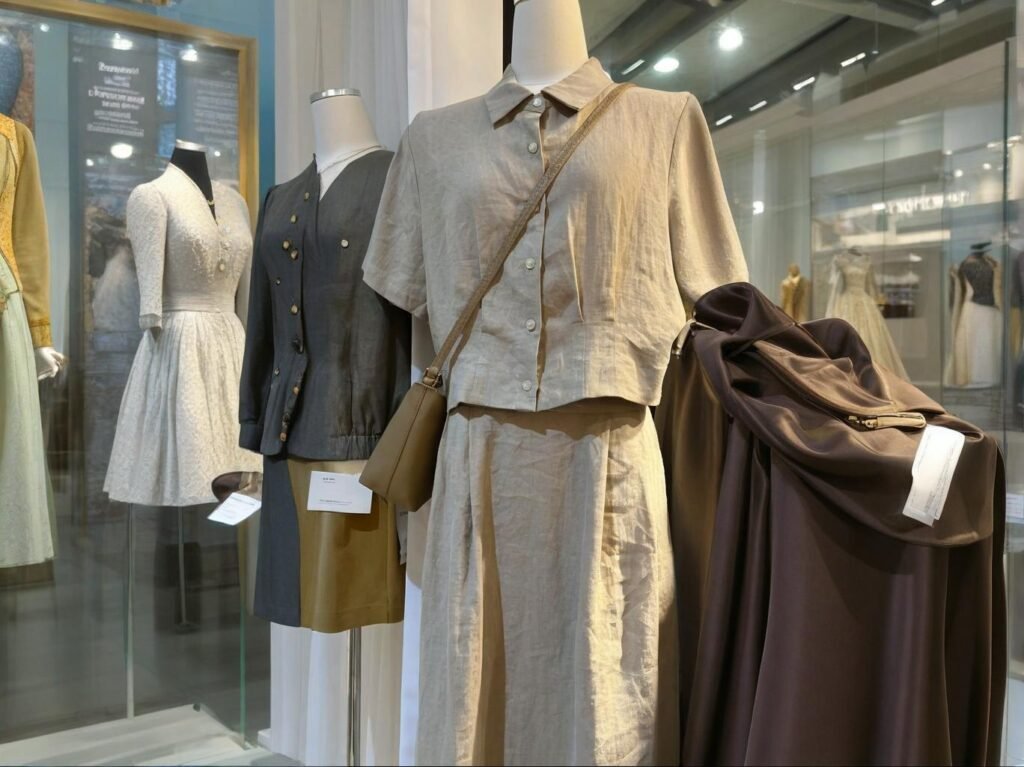
Luxury isn’t just about price tags and aesthetics—it’s about heritage, scarcity, performance, and sustainability. In a world where eco-consciousness is redefining status symbols, fabrics like hemp are moving out of rustic stereotypes and into the ateliers of Paris, Milan, and New York. But does hemp truly qualify as a luxury fabric, or is it just the latest eco-trend?
Yes, hemp can be considered a luxury fabric—when cultivated organically, processed with high-end finishing techniques, and used by fashion houses to craft sustainable yet sophisticated garments. Today’s premium hemp textiles rival linen in feel, outperform cotton in durability, and align perfectly with the values of luxury consumers: natural, ethical, and exclusive.
Just imagine: the same plant that was once associated with ropes and sails is now appearing in minimalist runway collections and luxury packaging. Why the shift? The story of hemp is no longer just about its past—it’s about its potential to redefine luxury from the ground up. Let’s explore this transformation in detail.
1. What Makes a Fabric ‘Luxury’ in the Textile Industry?
A fabric is considered ‘luxury’ when it combines premium raw materials, exceptional craftsmanship, rarity, ethical production, and elevated user experience. Hemp increasingly meets these standards.
Redefining Luxury Through Multiple Lenses
a. Material Origin & Scarcity Luxury fabrics typically come from rare or slow-growing sources (e.g., mulberry-fed silkworms or extra-long-staple cotton). Although hemp grows quickly, certified organic hemp cultivated in small batches with minimal chemical input is rare and can justify a luxury label.
| Fabric Type | Average Growth Time | Global Supply Chain Complexity | Organic Availability |
|---|---|---|---|
| Silk | 6–8 weeks (worms) | High (Asia, India, Europe) | High |
| Hemp | 3–4 months (plant) | Medium (China, Europe, USA) | Low to Medium |
| Linen | 3–4 months | Medium (France, Belgium) | Medium to High |
b. Processing & Finish Luxury fabrics are often hand-finished, enzyme-washed, or treated using artisanal techniques. Hemp that undergoes dew-retting, enzyme scouring, and softening via natural processes is considered far more luxurious than mechanically-processed bulk-grade options.
c. Touch, Drape & Appearance Luxury is tactile. Modern hemp finishing (especially with blends like silk-hemp or cotton-hemp) offers a drape and handfeel similar to linen, sometimes with a slightly more earthy texture. High thread-count hemp can be crisp yet breathable, perfect for resort wear, suiting, and minimal interiors.
d. Ethics & Sustainability Luxury buyers are increasingly motivated by purpose-driven products. Hemp’s low water usage (30–50% less than cotton), biodegradability, and regenerative farming benefits align with eco-luxury values. According to Bain & Company, 65% of Gen Z luxury buyers consider sustainability before purchase.
2. How Does Hemp Compare to Other Luxury Fabrics Like Silk and Linen?
Hemp compares favorably with linen in breathability and durability, while offering a more sustainable and hypoallergenic alternative to silk in certain blends.
Fiber-by-Fiber Comparison
a. Hemp vs Linen: Breathability, Weight, Wearability Both are bast fibers with high air permeability and moisture-wicking properties. However, hemp is often more durable, especially in wet conditions. Its resistance to UV and mold also outperforms linen.
| Feature | Hemp | Linen | Silk |
|---|---|---|---|
| Air Permeability | Excellent | Excellent | Moderate |
| UV Resistance | High | Medium | Low |
| Moisture Wicking | Very Good | Very Good | Good |
| Softness | Medium (Improves with wash) | Soft | Very Soft |
| Biodegradability | Yes | Yes | Yes |
b. Hemp vs Silk: Texture, Use Cases, and Blends While silk is prized for softness and sheen, it is delicate, animal-derived, and expensive. Hemp-silk blends offer a cruelty-free option with enhanced strength. Brands like Stella McCartney and Valani have used these blends in capsule collections.
c. Durability and Lifecycle Hemp has up to 3x the tensile strength of cotton and better wear resistance than both silk and linen. In luxury applications (upholstery, outerwear), this translates into longer-lasting beauty.
d. Visual Appeal in Finished Products Premium hemp fabrics can be polished, dyed in rich colors, or even embossed for texture. Designers have used structured hemp for tailored blazers, draped dresses, and even haute couture shoes (e.g., Christian Louboutin’s limited edition sustainable collection).
3. Is Organic or GOTS-Certified Hemp Considered Premium by Fashion Brands?
Yes, organic and GOTS-certified hemp is increasingly viewed as premium due to its traceable, eco-responsible, and non-toxic production standards, which align with luxury brand values.
Certification as a Value Signal in Luxury Fashion
a. What Is GOTS and Why Does It Matter? The Global Organic Textile Standard (GOTS) is one of the most respected certifications in sustainable fashion. For a hemp fabric to be GOTS-certified, it must:
- Be grown without synthetic pesticides, herbicides, or GMOs
- Be processed without harmful chemicals (e.g., formaldehyde, heavy metals)
- Be ethically manufactured with fair labor
- Have traceable supply chains from farm to finished product
Luxury brands, particularly in the EU and US, increasingly demand this level of compliance for reputation and ESG reporting.
| Feature | Conventional Hemp | Organic Hemp | GOTS-Certified Hemp |
|---|---|---|---|
| Use of Pesticides | Common | No | No |
| Processing Transparency | Low | Medium | High |
| Accepted in Luxury Certifications | Rare | Sometimes | Frequently |
| Market Perception | Basic/Eco | Sustainable | Premium |
b. Case Studies: Brands Prioritizing GOTS Hemp
- Patagonia uses GOTS-certified hemp in its workwear line, positioning it as “stronger than cotton, softer than you expect.”
- Outerknown, co-founded by surfer Kelly Slater, uses GOTS hemp in resort collections sold in high-end boutiques globally.
- Valani, a women’s sustainable fashion label, only uses GOTS-certified blends for their premium dresses and loungewear.
c. Consumer Willingness to Pay A 2024 NielsenIQ survey found that 48% of luxury consumers are willing to pay more for eco-certified clothing. Certifications like GOTS provide a “trust shortcut” in purchasing decisions.
d. Supply Chain Implication B2B buyers working with OEM factories like SzoneierFabrics benefit from choosing GOTS-certified sources because it reduces compliance risk for export to markets like the EU and US (especially under green textile import regulations).
4. Why Are Luxury Designers Turning to Hemp in Sustainable Fashion?
Luxury designers are embracing hemp for its eco-innovation potential, distinctive texture, and alignment with responsible luxury narratives that consumers now demand.
Hemp as the Fabric of the Ethical Elite
a. The Rise of ‘Quiet Luxury’ and Material Storytelling In the age of quiet luxury (think The Row, Loro Piana), the emphasis has shifted from logos to materials and craftsmanship. Hemp fits this aesthetic: understated, earthy, exclusive. A 2023 BoF report showed a 27% increase in luxury brands marketing the fabric origin story to build emotional connections with buyers.
b. Real-World Examples from the Runway
- Stella McCartney, a long-time advocate for animal-free luxury, incorporated hemp blends in trousers and tailored coats featured at Paris Fashion Week.
- Mara Hoffman, a New York-based designer, uses hemp in minimalist silhouettes that retail for over \$500, especially in resort and spring/summer collections.
- Eileen Fisher has prototyped a limited edition of hemp-linen jackets, designed to showcase “nature’s hand-feel with modern geometry.”
c. Circular Fashion & Hemp Hemp’s compostability makes it an ideal fiber for circular fashion initiatives. In closed-loop design models, hemp garments can be re-integrated into the soil without microplastic pollution—unlike synthetic luxury alternatives.
d. Celebrity Endorsements & Cultural Capital Celebrities such as Emma Watson and Gwyneth Paltrow have worn hemp-based garments in eco-luxury campaigns, creating aspirational momentum around the fiber.
| Brand | Hemp Product Type | Target Price Point | Key Sustainability Message |
|---|---|---|---|
| Stella McCartney | Blazers, pants | \$800–\$2,000 | Animal-free, natural luxury |
| Valani | Dresses, jumpsuits | \$150–\$350 | Plant-based fashion |
| Patagonia Workwear | Jackets, pants | \$100–\$300 | Tougher than cotton, greener |
| Mara Hoffman | Dresses, tops | \$200–\$600 | Slow fashion with soul |
e. Future-Proofing Luxury with Natural Innovation Many brands are turning to regenerative hemp farming to improve their carbon scores. In fact, hemp can sequester 1.5 to 2x more CO₂ per hectare than a forest. This data is now being used in luxury ESG reports to strengthen climate-positive positioning.
5. What Types of Hemp Fabrics Are Suitable for High-End Apparel?
The most suitable hemp fabrics for luxury apparel are fine-woven, enzyme-finished hemp, and premium blends like hemp-silk, hemp-linen, and hemp-organic cotton. These offer the softness, drape, and durability required for upscale fashion.
Categorizing Hemp for Luxury Use
a. Pure Fine Hemp (Plain or Twill Weaves) When processed using dew-retting and soft enzyme treatments, 100% hemp can reach a texture comparable to high-grade linen. These fabrics are ideal for tailored shirts, structured blazers, or luxury tote bags. GSM typically ranges between 160–220 g/m² for apparel applications.
| Fabric Type | Weave Type | Ideal GSM | Luxury Use Cases |
|---|---|---|---|
| 100% Hemp (Fine) | Plain | 160–200 | Shirts, dresses, trousers |
| 100% Hemp (Twill) | Twill | 200–250 | Jackets, structured tops |
b. Hemp-Silk Blends These are used in luxury dresses, blouses, and resort wear. The silk adds sheen and drape, while hemp contributes structure and sustainability. Blends typically feature 30–70% silk content.
c. Hemp-Linen Blends A favorite in European fashion houses, this blend balances hemp’s durability with linen’s softness. The fabric maintains a crisp hand and is breathable, ideal for spring/summer collections.
d. Hemp-Organic Cotton Blends Used widely in premium casualwear, this blend adds stretch and comfort. It works well for relaxed-fit blazers, trousers, and ethical athleisure lines.
e. Knitted Hemp Fabrics Although not traditionally luxurious, knit hemp treated with softeners and blended with TENCEL™ or modal is entering the luxury loungewear market. Brands like Leisure Society use this in high-end, minimalist basics.
f. Designer Feedback on Material Suitability
“We were shocked at how breathable and photogenic hemp-silk was on camera. It drapes better than linen and dyes beautifully. It’s definitely part of our high-end fabric list now.” — Senior Designer, Sustainable Capsule at Copenhagen Fashion Week, 2024
6. Do the Processing Methods Affect Hemp’s Texture and Luxury Appeal?
Yes, processing methods significantly influence hemp’s softness, sheen, drape, and even colorfastness—factors that determine whether it can be elevated to a luxury-grade textile.
From Raw Fiber to Premium Feel
a. Retting Method: Dew-Retting vs Water-Retting
- Dew-retting (natural decomposition in the field) produces softer fibers with fewer chemicals, ideal for luxury markets.
- Water-retting (submerged in tanks) is faster but less environmentally friendly and can result in coarser fibers.
| Retting Method | Environmental Impact | Fiber Softness | Luxury Suitability |
|---|---|---|---|
| Dew-Retting | Low | High | Excellent |
| Water-Retting | Medium | Medium | Moderate |
| Chemical Retting | High | Low | Poor |
b. Mechanical vs Enzymatic Degumming Degumming removes pectin and lignin from hemp fibers. While mechanical processes are fast, they often damage the fiber’s structure. Enzymatic degumming uses natural enzymes to preserve strength while improving softness—critical for premium applications.
c. Softening & Finishing Techniques High-end hemp undergoes natural enzyme softening, sometimes followed by calendaring (to add sheen) or bio-polishing. These finishing steps ensure luxury performance in both handfeel and appearance.
d. Dyeing & Color Fastness Luxury hemp fabrics are usually vat-dyed or solution-dyed using GOTS-approved low-impact dyes. These retain brightness longer and reduce water usage. Brands like Valani and Maggie Marilyn insist on OEKO-TEX compliant colorants for their hemp pieces.
e. Fabric Shrinkage Control & Pre-Washing Luxury manufacturers pre-wash hemp fabrics to control shrinkage and improve texture consistency. Unwashed hemp may shrink up to 10–15%, which is unacceptable in high-end tailoring. SzoneierFabrics, for instance, offers pre-shrunk hemp twill with less than 2% shrinkage, ideal for precise garment construction.
A hemp fabric’s luxury potential is not just about raw fiber—it’s about how it’s processed. Advanced mills in Europe and China now offer enzyme-washed, pre-shrunk hemp that rivals the best Belgian linen.
7. Which Luxury Brands Are Already Using Hemp in Their Collections?
Luxury brands such as Stella McCartney, Mara Hoffman, and Valani have integrated hemp into their collections, using it for tailored pieces, dresses, and eco-luxury basics. Their success showcases hemp’s credibility as a high-end textile.
Hemp’s Entry Into High Fashion
a. Stella McCartney: Pioneering Ethical Luxury Stella McCartney has long embraced sustainable materials. In her Winter 2023 Ready-to-Wear line, the designer introduced hemp-based trousers and jackets made with a tailored silhouette and natural dyeing processes.
| Brand | Hemp Use Case | Fabric Blend | Price Range |
|---|---|---|---|
| Stella McCartney | Blazers, pants | Hemp-Cotton | \$800–\$1,500 |
| Mara Hoffman | Dresses, tops | 100% Hemp, Hemp-TENCEL | \$300–\$800 |
| Valani | Dresses, jumpsuits | Hemp-Silk | \$150–\$350 |
| Outerknown | Casual wear | Hemp-Organic Cotton | \$100–\$200 |
| Reformation | Resort wear | Hemp-Linen | \$150–\$300 |
b. Mara Hoffman: Elevating Plant-Based Style Known for embracing plant-derived fibers, Mara Hoffman uses 100% hemp and hemp-TENCEL™ blends in many of her warm-weather collections. The drape, minimal aesthetic, and sustainability profile match her ethical brand story.
c. Valani: Ethereal Yet Sustainable Valani’s collections use hemp-silk for flowing, elegant garments. These blends are lightweight and cruelty-free, targeting millennial and Gen Z buyers who care about both fashion and footprint.
d. Outerknown: Laid-Back Luxury Co-founded by surfer Kelly Slater, Outerknown bridges luxury casualwear and sustainability. They market hemp as “tougher than cotton, softer than you think,” and use it in workwear, outerwear, and resort shirts.
e. Small Luxury Labels Going All-In on Hemp Independent designers and capsule collections are increasingly relying on hemp to differentiate. From Japan to Scandinavia, niche brands use hemp for its exclusivity, cultural value, and sustainable sourcing appeal.
“Hemp’s biggest asset isn’t just its sustainability—it’s the story. When you tell a customer their shirt regenerates soil and saved 1,000 liters of water, that’s luxury today.” — Creative Director, Boutique Fashion House, Sweden
8. How Can B2B Buyers Source High-Quality Hemp Fabric for Premium Products?
To source luxury-grade hemp fabric, B2B buyers should seek certified suppliers offering custom specifications, transparent traceability, soft finishing, and flexible MOQs—ideally from vertically integrated factories like SzoneierFabrics.
A Practical B2B Sourcing Strategy
a. Key Criteria for Selecting a Hemp Supplier
| Criteria | Why It Matters | What to Look For |
|---|---|---|
| Certification (GOTS, OEKO-TEX) | Proves fabric safety and eco-standards | Certified hemp mills or exporters |
| Minimum Order Quantity | Suits both sample development and bulk production | MOQ as low as 50m or 100 pieces |
| Finishing Options | Determines handfeel, luxury perception | Enzyme-washed, calendared, pre-shrunk hemp |
| Customization | Enables color, weave, GSM, and blend variations | In-house R\&D teams or OEM capabilities |
| Lead Time & Sampling | Impacts product development speed | 5–10 days sampling; 2–4 week production lead time |
b. Sample Inquiry Template for Sourcing High-End Hemp Here’s a customizable inquiry email B2B buyers can use when contacting a supplier like SzoneierFabrics:
Inquiry for GOTS-Certified Luxury Hemp Fabric
Dear SzoneierFabrics team,
We are developing a premium apparel collection and are looking for GOTS-certified, enzyme-softened hemp fabric suitable for luxury garments.
Could you please provide:
- Available GSM ranges (preferably 160–250 g/m²)
- Available blends (hemp-linen, hemp-silk, hemp-organic cotton)
- MOQ and lead time for initial 100m sampling
- Color and finishing options
- Certifications and dyeing compliance
Looking forward to your prompt reply.
Best regards, \[Your Name] \[Your Company Name]
c. Why Choose a Factory Like SzoneierFabrics? SzoneierFabrics stands out with:
- 18+ years of textile R\&D
- Low MOQs starting at 50m
- Custom design & dyeing services
- Fast sampling (5–7 days)
- GOTS, OEKO-TEX compliance
- Global shipping & full export documentation
Is Hemp Truly a Luxury Fabric?
Yes—and increasingly so. With the right processing, thoughtful branding, and premium design application, hemp becomes more than a sustainable choice—it becomes a strategic luxury asset. The brands that embrace this shift early will define the future of responsible high-end fashion.
Ready to Source Premium Hemp Fabric for Your Brand?
Whether you’re launching an eco-luxury line or adding sustainable SKUs to an existing brand, SzoneierFabrics offers the certification, quality, and customization you need. Contact SzoneierFabrics now to get free samples, fast quotes, and tailor-made solutions.
Let me know if you’d like to format this into a PDF, blog post HTML, or export table data separately.
Can't find the answers?
No worries, please contact us and we will answer all the questions you have during the whole process of bag customization.
Make A Sample First?
If you have your own artwork, logo design files, or just an idea,please provide details about your project requirements, including preferred fabric, color, and customization options,we’re excited to assist you in bringing your bespoke bag designs to life through our sample production process.