 Skip to content
Is Jute Or Hemp Better for Fabric?
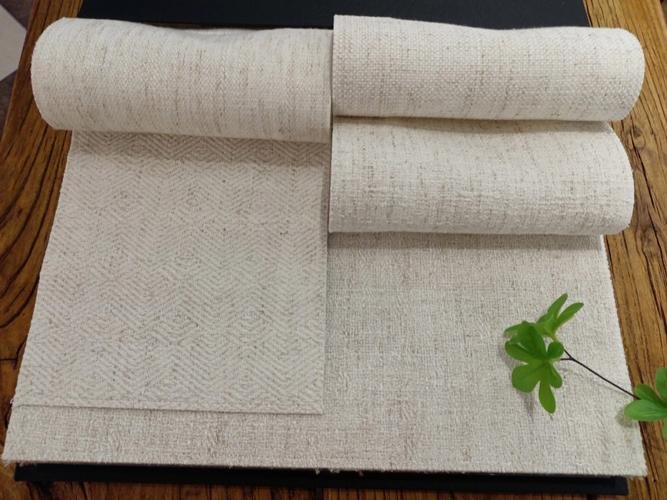
In a world obsessed with sustainable alternatives, two age-old natural fibers—jute and hemp—have re-entered the spotlight. Both materials are praised for their eco-friendliness, affordability, and rustic charm. But as more fashion brands, interior product developers, and B2B buyers look to replace synthetics, the question becomes pressing: Is jute or hemp better for fabric applications—from bags and upholstery to apparel and packaging?
Hemp fabric is generally superior to jute in strength, durability, and versatility, especially for long-lasting applications like garments, upholstery, and performance textiles. However, jute is more cost-effective and best suited for short-term or bulk uses such as sacks, shopping bags, or coarse furnishings.
The debate isn’t just about fiber specs—it’s about strategy. Choosing between jute and hemp depends on your product’s lifespan, target market, and values. In 2023, a sustainable shoe brand replaced jute insoles with hemp-linen fabric, citing a 300% increase in durability and fewer consumer returns. These details matter when margins are tight and reputation is everything.
Let’s dive into the technical, commercial, and ecological angles that shape this comparison—helping you make smarter sourcing decisions.
1. What Are the Key Differences Between Jute and Hemp Fibers?
Jute and hemp come from the bast of two different plants and differ in fiber length, cellulose content, and structural properties. Hemp fibers are longer, finer, and stronger, while jute fibers are coarser, shorter, and more brittle.
Botanical Origins and Fiber Chemistry
a. Botanical Sources and Harvesting Methods
- Jute comes from Corchorus species (mainly Corchorus olitorius and capsularis), grown in humid regions like Bangladesh and India.
- Hemp comes from Cannabis sativa, typically grown in temperate zones like China, Europe, and Canada.
| Characteristic | Jute | Hemp |
|---|---|---|
| Plant Part Used | Outer bark (bast) | Outer stalk (bast) |
| Fiber Length | 1.5–3 ft | 3–7 ft |
| Cellulose Content | ~60–65% | ~70–74% |
| Lignin Content | High (12–15%) | Lower (4–8%) |
| Fineness (Tex) | Coarse (2.4–3.0) | Fine (1.2–2.0) |
b. Retting and Processing Differences Both fibers undergo retting (microbial breakdown to loosen fibers from the stalk), but hemp is more sensitive to mechanical damage, and benefits from enzyme retting for textile-grade fabric.
c. Fiber Fineness and Fabric Outcome Hemp can be spun into much finer yarns, enabling uses in garments, curtains, and bedding. Jute, on the other hand, is limited to low-thread-count applications like sacks, curtains, or mats.
d. Summary Insight In terms of raw fiber properties, hemp is more versatile, durable, and suitable for both apparel and industrial fabrics. Jute, while robust in the right context, has limited potential in fine textiles.
2. Which Fabric Performs Better in Terms of Strength and Durability?
Hemp fabric is significantly stronger and more durable than jute fabric, making it better suited for products that require long-term wear, tear-resistance, and washability.
Breaking Down Performance Metrics
a. Tensile Strength Comparison Hemp has one of the highest tensile strengths among natural fibers. Jute is considerably weaker in wet conditions and prone to breaking under repeated strain.
| Property | Jute Fabric | Hemp Fabric |
|---|---|---|
| Dry Tensile Strength | 393 MPa | 690–750 MPa |
| Wet Strength Retention | Drops significantly | Retains up to 80% |
| Abrasion Resistance | Moderate | High |
| Flexural Recovery | Low | Medium–High |
| UV Resistance | Poor | Good |
b. Washing and Reusability Jute is more prone to shrinkage, fraying, and weakening after washing, which is why jute bags and mats are rarely machine-washable. Hemp, by contrast, gets softer and more pliable after repeated laundering—an ideal trait for clothing and bedding.
c. Commercial Case Study: Packaging Industry A European organic food brand tested reusable shipping sacks.
- Jute sacks lasted 8 shipping cycles
- Hemp sacks lasted 21 cycles, with fewer tears and better moisture tolerance
- Net result: Hemp reduced repackaging costs by 38%
d. Microbial & Moisture Resistance Hemp also offers natural anti-fungal and anti-bacterial properties, which jute lacks unless chemically treated. This gives hemp an edge in tropical, high-humidity environments.
3. How Do Jute and Hemp Compare in Texture, Appearance, and Feel?
Hemp has a finer, softer, and more textile-friendly handfeel than jute, which is rougher and coarser in texture. Hemp fabrics can be woven for both luxury and utility uses, while jute is more suitable for rustic or heavy-duty aesthetics.
Fiber Aesthetics and User Experience
a. Texture and Handfeel
- Jute feels rough, fibrous, and abrasive to the skin. It is often used in applications where tactile comfort is not a priority—such as in sacks, rugs, or coarse upholstery.
- Hemp, especially when enzyme-washed or blended with cotton, feels closer to linen. It becomes softer with each wash and is much more wearable on bare skin.
b. Weaving Versatility and Surface Appearance
- Jute fabrics are commonly available in open plain weaves and burlap forms. They lack flexibility for complex weaves or high-thread-count applications.
- Hemp yarns can be woven into plain, twill, satin, herringbone, or jacquard structures, allowing it to mimic the appearance of premium textiles like linen or canvas.
| Characteristic | Jute Fabric | Hemp Fabric |
|---|---|---|
| Handfeel | Rough, coarse | Smooth, softens over time |
| Color Tone | Golden brown to beige | Creamy to olive-gray |
| Dye Absorption | Low to moderate | High (especially reactive dyes) |
| Shrinkage | High (unpredictable) | Controlled with pretreatment |
| Use in Premium Textiles | Rare | Common (apparel, bedding, interiors) |
c. Dyeing Behavior Hemp has greater dye uptake than jute due to its higher cellulose content and cleaner surface post-scouring. It can be reactively dyed, vat dyed, or digitally printed, allowing for high color fastness and broader aesthetic appeal.
d. Comfort for Apparel If comfort is a concern, hemp is the clear winner. For example, brands like Outerknown and Mara Hoffman use hemp blends in premium fashion lines, something that would be nearly impossible with jute due to skin irritation issues.
4. Are Jute or Hemp Fabrics More Suitable for Apparel vs Industrial Use?
Hemp is more suitable for apparel and fine-textile applications, while jute is better for industrial uses like packaging, geotextiles, ropes, and mats due to its coarse structure and lower cost.
Use-Case Segmentation by Industry
a. Apparel and Fashion
| Application | Jute Suitability | Hemp Suitability |
|---|---|---|
| T-shirts, tops | ✘ Too rough | ✔ Soft, breathable |
| Dresses, trousers | ✘ Not wearable | ✔ Durable, woven fine |
| Outerwear | ✘ Too stiff | ✔ Blends well with cotton or linen |
| Accessories (hats, belts) | ✔ (with blend) | ✔ Higher-end look and feel |
Hemp is increasingly used in eco-luxury fashion. Designers prefer it for its aesthetic, drape, and sustainability. Jute, due to comfort limitations, is typically excluded from direct-to-skin apparel.
b. Industrial and Packaging Use
| Industrial Use Case | Jute | Hemp |
|---|---|---|
| Sack bags (grain, coffee) | ✔ Very common | ✔ For high-end reuse |
| Ropes & cords | ✔ Common | ✔ Higher durability |
| Geotextiles (erosion control) | ✔ Cost-effective | ✔ Biodegrades slower |
| Insulation panels | ✘ Not suitable | ✔ Used in eco-housing |
| Upholstery backing fabric | ✔ Often used | ✔ Better moisture resistance |
c. Emerging Applications
- Hemp: Automotive interiors (BMW uses hemp), surfboard cores, denim, and sportswear
- Jute: Flooring, doormats, decorative rustic products, low-cost carry bags
d. Performance Case Study: Upholstery An Australian furniture startup A/B tested jute vs hemp backing for eco-chairs:
- Jute degraded in humid areas within 9–12 months
- Hemp lasted 3+ years with no visible mold or structural issues
- After results, they switched to hemp exclusively for premium SKUs
e. Conclusion: If the fabric will touch the skin, need to last long, or requires design flexibility, hemp wins hands-down. If budget, short-term use, or rustic aesthetics are the goals, jute is a good fit.
5. Is Jute or Hemp More Sustainable for Eco-Friendly Fabric Production?
Both jute and hemp are eco-friendly crops, but hemp generally offers a more sustainable footprint due to its regenerative farming benefits, carbon sequestration capacity, lower pesticide demand, and wider applications in closed-loop systems.
A Sustainability Comparison Across the Lifecycle
a. Agricultural Inputs and Land Use
- Hemp grows quickly (3–4 months), requires minimal pesticides, and improves soil health by removing toxins and heavy metals. Its deep roots prevent erosion and promote soil aeration.
- Jute also grows fast and densely in tropical climates but is more water-intensive and typically grown in monoculture settings, which can degrade biodiversity.
| Sustainability Factor | Jute | Hemp |
|---|---|---|
| Growth Cycle | 100–120 days | 90–120 days |
| Water Use (L/kg fiber) | ~5,000–6,000 | ~2,600–3,000 |
| Pesticide/Fertilizer Use | Low–Moderate | Very low |
| Carbon Sequestration | ~6–8 tons/ha | ~10–15 tons/ha |
| Land Rotation Benefit | Moderate | High |
b. Processing Impact and Waste Both fibers use retting for fiber extraction, but hemp retting is moving toward enzyme-based, closed-loop processing, which reduces water pollution. Jute often still relies on water retting, which pollutes rivers in places like Bangladesh and West Bengal.
c. End-of-Life Compostability
- Hemp fabric, especially organic and untreated, biodegrades in 8–12 weeks under composting conditions.
- Jute degrades similarly but often includes resin-based coatings in packaging that slow decomposition.
d. Certifications and Supply Chain Transparency Hemp fabric is increasingly available with certifications like:
- GOTS (Global Organic Textile Standard)
- OEKO-TEX Standard 100
- EU-Bio or USDA Organic for fiber origin Jute has fewer certified supply chains, with most production being bulk and informal.
e. Brand Positioning & Consumer Perception Hemp is perceived by global consumers as a “luxury eco” fabric, while jute is associated with bulk and utility use. This perception significantly influences how sustainable brand buyers choose materials.
“We initially considered jute for our outerwear line, but hemp aligned better with our luxury narrative and gave us a stronger ESG marketing angle.” — Creative Director, US-based eco-fashion label
6. What Are the Common Finishing Treatments for Jute vs Hemp Fabrics?
Hemp fabrics can undergo a wider variety of modern finishing processes—such as enzyme washing, calendaring, dyeing, and coating—while jute is limited in its adaptability due to coarser fiber structure and high lignin content.
Finishing Techniques and Their Market Implications
a. Washing & Softening
- Hemp responds well to enzyme washing, bio-polishing, and air-wash tumbling, making it suitable for garments.
- Jute is harder to soften without using harsh chemical processes, which may defeat its eco-value.
b. Dyeing and Printing Hemp fabrics dye easily using reactive dyes, natural indigo, and low-impact pigments, whereas jute’s coarse structure limits deep dye penetration and creates uneven tones.
| Finishing Process | Jute Fabric | Hemp Fabric |
|---|---|---|
| Enzyme Softening | ✘ Rarely feasible | ✔ Common & effective |
| Dyeing Versatility | ✘ Limited shades | ✔ Full color range |
| Calendaring (Shine) | ✘ Minimal effect | ✔ Adds luster |
| Waxing/Waterproofing | ✔ Often done (bags) | ✔ Widely used (jackets, gear) |
| Heat Setting | ✘ Poor response | ✔ Enables shape control |
c. Blending with Other Fibers
- Hemp blends well with organic cotton, silk, linen, and recycled polyester, improving flexibility for designers.
- Jute blends are typically limited to synthetic fibers or cotton for utility bags.
d. Surface Modification for Performance
- Hemp can be nanofinished for water repellency, anti-odor, or UV-resistance—common in sportswear and footwear linings.
- Jute is limited to basic coating applications for water resistance or flame retardancy, mostly in packaging or industrial textiles.
e. Case Study: Bag Manufacturer in India A B2B buyer tested two options for custom-branded sustainable tote bags:
- Jute option: Rougher texture, limited color consistency, 20% rejection rate
- Hemp-cotton blend: Softer finish, excellent printability, 2% rejection rate Final decision: They switched to hemp for all high-end promotional merchandise, while retaining jute for mass-market giveaways.
7. Which One Is More Cost-Effective for B2B Bulk Fabric Buyers?
Jute is generally more cost-effective than hemp for bulk purchases, especially in large-scale industrial or packaging applications. However, hemp offers better long-term value for brands prioritizing durability, customization, and lower product return rates.
Cost vs Value Analysis
a. Price Per Meter or Kilogram
| Fabric Type | Average Price (USD/kg) | MOQ-Friendly? | Typical Usage Cost-Per-Unit |
|---|---|---|---|
| Raw Jute Fabric | $0.80 – $1.20 | Very ✔ | Very low (bulk sacks, mats) |
| Plain Hemp Fabric | $3.50 – $6.00 | ✔ (low MOQ possible) | Medium (bags, shirts) |
| Hemp-Linen Blend | $6.50 – $9.00 | ✔ | Higher (fashion textiles) |
b. Key Factors Influencing Cost-Effectiveness
- Jute is grown in high volumes in Bangladesh and India, leading to low unit costs and bulk infrastructure.
- Hemp, though increasingly available, is often grown under certified or semi-certified programs (GOTS, organic), which adds traceability and compliance costs.
c. Long-Term Cost Benefits of Hemp
- Lower product failure/returns due to higher durability
- Longer lifespan reduces replacement cycles
- Better brand positioning for premium margins
d. Buyer Example: Scandinavian Interior Design Brand (2023) They compared jute and hemp for custom cushion covers:
- Jute: $1.10/unit, ~8-month usable lifespan, ~20% product returns (due to fraying)
- Hemp: $4.30/unit, ~3-year lifespan, <3% product returns Despite higher upfront cost, hemp resulted in 22% better net margin across a 2-year product lifecycle.
8. How Can You Choose Between Jute and Hemp for Your Textile Project?
Your choice depends on application, budget, design requirements, sustainability targets, and brand positioning. Jute suits budget-conscious, rustic, or short-lifecycle products, while hemp is ideal for durable, skin-contact, or luxury-sustainable items.
A Strategic Buyer’s Checklist
a. Use This Table for Quick Decision-Making
| Criteria | Choose Jute If… | Choose Hemp If… |
|---|---|---|
| Budget | Price-sensitive or promotional goods | Willing to invest for premium/longevity |
| Product Lifecycle | <12 months | 1–5 years or reusable |
| Texture & Feel | Not worn next to skin | Garment, bedding, or premium accessories |
| Branding Positioning | Rustic, natural, earthy | Eco-luxury, fashion-forward, sustainability-led |
| MOQ Needs | High-volume printing, giveaways | Low-volume custom production |
| Certification & Compliance | Not essential | GOTS, OEKO-TEX, ZDHC required |
b. Design Questions to Ask Before Sourcing
- Will this fabric touch skin or need to drape?
- Do you need to print or dye it in brand-specific colors?
- Is breathability, washability, or waterproofing required?
- What are your packaging or delivery conditions (humidity, folding)?
- Will your end consumer value long-term use over low cost?
c. Where SzoneierFabrics Fits In SzoneierFabrics supports both jute and hemp projects—advising B2B buyers on:
- Material selection
- GSM recommendation based on use
- Waterproofing, dyeing, and softening treatments
- Custom MOQs and design prototyping
- Fast sampling and export documentation
d. Buyer Tip: Mix Strategically Some brands choose jute for outer layers or packaging and hemp for inner linings or apparel. For example, a high-end cosmetic brand uses:
- Jute for branded pouches
- Hemp muslin for face cloths
- Result: Maximum perceived sustainability + cost balance
So, Is Jute or Hemp Better for Fabric?
There’s no one-size-fits-all answer.
- If you’re sourcing for economical, rustic, and short-use packaging or bags, jute will likely be the more practical choice.
- But if you’re designing clothing, accessories, interior textiles, or high-value sustainable goods, hemp is the smarter investment for quality, flexibility, and eco-conscious brand storytelling.
Ready to Source Jute or Hemp Fabric from a Trusted Manufacturer?
Whether you’re building a premium clothing line, launching eco-packaging, or developing sustainable interiors, SzoneierFabrics is your expert partner in natural fiber innovation.
Contact SzoneierFabrics now to request free samples, get expert consultation on material selection, and receive fast quotes for custom low-MOQ jute and hemp fabric orders—with full quality assurance and international certifications.
Can't find the answers?
No worries, please contact us and we will answer all the questions you have during the whole process of bag customization.
Make A Sample First?
If you have your own artwork, logo design files, or just an idea,please provide details about your project requirements, including preferred fabric, color, and customization options,we’re excited to assist you in bringing your bespoke bag designs to life through our sample production process.