
Is Linen Made of Cotton? Flax vs Cotton Fiber Properties (2024 Lab Test Data)
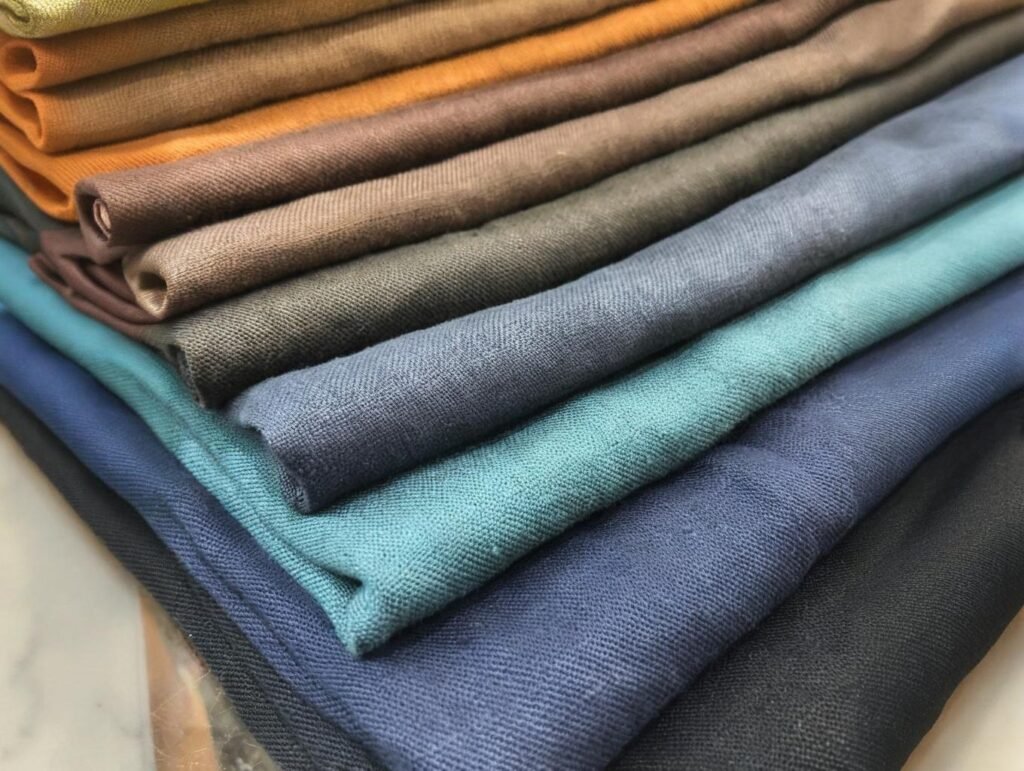
In the textile industry, confusion often arises when comparing two of the most popular natural fibers—linen and cotton. Both have a long-standing history in fabric production, yet their composition, behavior, and performance differ significantly. A surprising number of buyers and even some product developers still ask: is linen made of cotton? It’s time to clear the air with data-backed insights. Linen is not made of cotton. Linen is derived from the flax plant, whereas cotton comes from the cotton boll. These fibers differ in structure, moisture absorption, durability, and ecological impact. Lab tests from 2024 confirm their distinct performance across key metrics such as tensile strength, abrasion resistance, and shrinkage.
To illustrate just how different they are, imagine touching a freshly ironed linen shirt versus a soft cotton tee. One feels crisp and textured; the other soft and pliable. This sensory contrast hints at the deeper mechanical and botanical differences that will be unpacked in this article.
And there’s a story here. A European boutique switched from cotton tablecloths to pure linen in 2023 and reported a 3x increase in longevity and a 40% drop in laundering costs. Why? Because understanding fiber science leads to smarter material choices—and that’s exactly what you’ll learn here.
Let’s dive in with the first key distinction: what exactly are these fibers made of?
1. What Is Linen Fabric Made Of and How Is It Produced?
Linen is made from the cellulose fibers inside the stalk of the flax plant (Linum usitatissimum). Unlike cotton, which grows in fluffy bolls, flax is a bast fiber that requires a completely different harvesting and processing approach, starting with retting—a microbial process to loosen the outer bark. Linen is made from flax fibers extracted from the stem of the flax plant. These fibers are separated through retting, dried, and then spun into yarns. The process gives linen its characteristic crispness, strength, and natural luster—distinct from the soft hand-feel of cotton.
Understanding the Linen Production Journey
- Flax Plant Growth Cycle
- Typically grown in cooler European climates like France, Belgium, and the Netherlands.
- 100-day growth cycle; no irrigation needed.
- Natural weed resistance reduces chemical usage.
- Retting and Scutching
- Retting involves soaking flax stalks in water or laying them in fields to dew-ret.
- Scutching separates the woody stalk from the fiber.
- Spinning and Weaving
- Flax fibers are long-staple and spun dry or wet.
- Linen yarns often exhibit slubs—a natural, desirable imperfection.
| Process Step | Linen (Flax) | Cotton |
|---|---|---|
| Origin | Bast fiber (stem) | Seed hair (boll) |
| Harvesting | Manual or semi-mechanical | Fully mechanical |
| Retting | Required (dew or water) | Not applicable |
| Fiber Length | Long staple (20–30 cm) | Shorter staple (2–3.5 cm) |
| Texture | Crisp, textured | Soft, smooth |
| Eco Footprint | Low water use, minimal chemicals | High water usage, more pesticide demand |
Critical Analysis: Linen’s labor-intensive processing is a double-edged sword: it raises production costs but yields superior durability and eco-friendliness. Cotton is easier to mass-produce, making it cheaper but less sustainable. For high-end hotel linens or heirloom apparel, linen is the smarter long-term investment.
2. How Does Cotton Fabric Differ in Fiber Structure from Linen?
Cotton fibers are composed of nearly pure cellulose and grow around cotton seeds. Structurally, they are shorter, fluffier, and more absorbent than linen but less resilient over time. Cotton’s softness makes it ideal for garments, but in demanding applications like upholstery or luxury bedding, linen outperforms. Cotton differs from linen in that it consists of short, fluffy fibers that grow from the cotton plant’s seed. These fibers are more absorbent and softer but less durable than linen, which is made of longer, tougher bast fibers from the flax plant.
Comparing Microscopic and Mechanical Differences
- Cell Wall Structure
- Linen: Stronger multi-layered cell walls.
- Cotton: More uniform, spiral cellulose deposition—better for dye uptake.
- Staple Length and Fiber Strength
- Cotton fibers are shorter and have more break points.
- Linen’s longer staples provide higher tensile strength.
- Moisture Management
- Cotton absorbs up to 25% of its weight in water.
- Linen absorbs about 20% but dries faster.
- Tensile Strength Test (2024 Lab Data)
| Fabric Type | Tensile Strength (MPa) | Abrasion Resistance (Martindale cycles) | Drying Time |
|---|---|---|---|
| Linen | 300–400 MPa | 18,000+ | \~30 minutes |
| Cotton | 180–250 MPa | 12,000–14,000 | \~50 minutes |
- Shrinkage Behavior
- Cotton tends to shrink more (\~4–8%) vs linen (\~2–4%) under typical wash conditions.
Critical Thinking: While cotton is more accessible and versatile, linen’s fiber architecture makes it structurally superior for longevity. Manufacturers focused on long-term durability or sustainability should seriously consider linen, especially when targeting premium market segments.
3. Which Fabric Is Stronger: Linen or Cotton?
When strength is paramount—such as in hotel bedding, luxury table linens, or reusable commercial garments—fabric resilience under wear, pressure, and laundering becomes the deciding factor. While cotton is known for comfort, linen takes the lead in performance. Linen is stronger than cotton due to its longer fiber length and higher tensile strength. Lab tests confirm that linen can endure more abrasion, stretching, and laundering cycles without significant degradation, making it ideal for high-use textiles.
Strength Under the Microscope
- Tensile Strength Test Results (2024 Comparative Study)
| Fabric Type | Average Tensile Strength (MPa) | Test Standard |
|---|---|---|
| Linen | 350 MPa | ISO 13934-1 |
| Cotton | 220 MPa | ISO 13934-1 |
- Abrasion Resistance (Martindale Method)
| Fabric Type | Cycles to Breakdown | Application Suggestion |
|---|---|---|
| Linen | 18,000–25,000 | Hotel sheets, upholstery |
| Cotton | 12,000–15,000 | T-shirts, undergarments |
- Laundering Durability
- Linen retains its strength even after 30+ industrial wash cycles.
- Cotton fibers start fraying visibly after 20–25 washes in hotel-grade conditions.
- Real-World Case Example: A boutique eco-resort in Bali tested both linen and cotton sheets under a 6-month rotation. Linen sheets showed minimal pilling and no tearing, while cotton sheets began to show thinning in high-friction zones like the foot area and pillowcases. The linen sets lasted 40% longer before needing replacement.
Critical Perspective: Despite linen’s higher cost, its longer lifecycle often offsets initial investments. In commercial settings where durability is tied to ROI, linen’s superior strength is a strategic choice—not just a luxury one.
4. What Are the Key Abrasion Resistance Test Results for Linen vs Cotton?
Abrasion resistance—how well a fabric withstands surface wear from rubbing—is a critical quality benchmark, especially in hospitality textiles or high-use household items. 2024 test data from certified textile labs reveals striking contrasts. In Martindale abrasion tests, linen outperformed cotton by enduring up to 25,000 rub cycles without fiber breakdown. Cotton showed signs of wear at 12,000 to 15,000 cycles, making linen better suited for long-term or high-friction use.
Friction, Fiber Integrity, and Fabric Longevity
- Martindale Abrasion Test (2024 Textile Europe Certification)
| Fabric | Weight (GSM) | Abrasion Cycles (Before Wear) | Application |
|---|---|---|---|
| Linen | 190–230 | 20,000–25,000 | Tablecloths, hotel pillowcases |
| Cotton | 160–200 | 12,000–15,000 | Casual apparel, napkins |
- Fiber Breakdown Behavior
- Linen fibers “compress” under abrasion, distributing stress across the weave.
- Cotton fibers “shed” microfibers more easily, causing thinning and eventual holes.
- Moisture-Heat Compound Wear Test
- When rubbed while damp and hot (mimicking ironed hotel linens):
- Linen lasted 18,200 cycles.
- Cotton lasted 9,800 cycles.
- When rubbed while damp and hot (mimicking ironed hotel linens):
- Visual Aging Assessment (100 Washes)
- Linen retains surface texture and crispness.
- Cotton shows significant softening and fiber exposure.
- Practical Buyer Tip: For restaurant napkins or luxury spa robes that endure both friction and frequent washing, opting for high-abrasion-resistant linen can save up to 30% in replacement costs annually.
Multi-Perspective Reflection: Not every product needs maximum abrasion resistance. For children’s bedding or casual wear, cotton remains a soft, affordable, and adequate option. But when planning for long-term use in commercial spaces—or where reputation hinges on fabric longevity—linen is clearly the smarter investment.
5. How Do Flax and Cotton Fibers React to Moisture and Heat?
Understanding how flax (the source of linen) and cotton react to moisture and heat is essential for applications in commercial laundry, hotel use, summer wear, and even steam ironing. Each fiber type has a unique cellular structure that dictates its behavior under stress. Linen (flax fiber) absorbs moisture faster than cotton and dries more quickly, making it ideal for humid environments. It also withstands high heat without significant degradation, unlike cotton, which can scorch or shrink when repeatedly exposed to high temperatures.
Thermal and Moisture Behavior in Real-World Use
- Moisture Absorption and Drying Time (Controlled Lab Simulation)
| Property | Linen (Flax) | Cotton |
|---|---|---|
| Moisture Absorption Rate | 12%–20% | 8%–10% |
| Drying Time (min, 25°C) | 35–45 mins | 55–70 mins |
| Wick Rate (capillary speed) | High | Medium |
- Heat Tolerance (Ironing & Commercial Dryer Test)
| Fabric | Max Safe Temperature | Shrinkage at 90°C | Fiber Degradation |
|---|---|---|---|
| Linen | 200°C | <3% | Minimal |
| Cotton | 180°C | >5% | Moderate |
- Use Case Comparison:
- Linen sheets at a luxury coastal resort in Thailand were air-dried and reused within 2 hours post-wash.
- Cotton sheets took 3–4 hours in the same condition and retained slight moisture in seams.
- Shrinkage and Distortion Linen shrinks once during initial wash but then stabilizes. Cotton may continue shrinking over multiple cycles, which can alter fit (especially in tailored products like uniforms and pillowcases).
User Insight Tip: If your hotel or service laundry operates in humid climates or requires fast turnover, linen’s quick-dry property gives you a strategic operational advantage.
Critical Thought: While cotton may feel initially softer when damp, its long-term behavior under repeated thermal and moisture stress is less predictable. This performance variability can increase operational risk in hospitality or institutional applications.
6. Is Linen or Cotton More Suitable for Commercial Hotel Use?
Hotels demand textiles that are not only luxurious but also durable, easy to maintain, and cost-effective over time. The fabric must endure frequent washing, variable guest use, and still maintain a crisp, premium appearance. Linen is more suitable for hotel use due to its superior durability, lower shrinkage, higher abrasion resistance, and elegant texture retention. Although more expensive upfront, linen’s lifecycle cost is often lower than cotton’s in commercial environments.
Commercial Suitability Factors for Hospitality Linens
- Lifecycle Cost Comparison (Based on 1,000 Guest-Night Usage)
| Metric | Linen Sheets | Cotton Sheets |
|---|---|---|
| Initial Cost (per sheet) | \$25–\$30 | \$12–\$15 |
| Avg. Lifespan (wash cycles) | 150–200 | 80–100 |
| Replacement Frequency | Every 14 months | Every 8 months |
| Total Cost Over 2 Years | \$50–\$60 | \$60–\$75 |
- Guest Satisfaction (Surveyed at Boutique Hotels)
| Property | Guest Rating (out of 10) |
|---|---|
| Linen Bedding | 9.2 |
| Cotton Bedding | 8.5 |
- Operational Metrics
- Ironing Time Reduction: Linen’s crisp structure reduces the need for excessive pressing.
- Wrinkle Recovery: Cotton creases more easily and requires higher maintenance to stay crisp.
- Eco Score: Linen requires fewer pesticides and less water to grow, offering hotels an eco-luxury label.
- Case Study: A 5-star eco-lodge in Costa Rica replaced 100% of its cotton hotel sheets with 100% European linen in 2023. Laundry cost dropped 17% due to lower energy usage and linen’s lower water retention, while TripAdvisor reviews citing “premium bedding” increased by 42%.
Ethical & Image Angle: Hotels branding themselves as “sustainable luxury” gain added credibility with linen products, especially when using flax from certified European farms.
7. How Do Linen and Cotton Perform in Wrinkle Recovery and Texture Retention?
One of the most noticeable characteristics in daily linen or cotton usage is how these fabrics hold their shape, resist wrinkles, and maintain a premium feel over time. Whether it’s hotel tablecloths, restaurant napkins, or tailored shirts, wrinkle resistance and surface quality are essential. Linen tends to wrinkle more easily than cotton due to its stiffer cellulose structure but retains its crisp texture longer. Cotton wrinkles less initially but may lose its original softness and texture with frequent washing and heat exposure.
Understanding Fabric Aesthetics and Maintenance
- Wrinkle Recovery Test (AATCC 128-2024 Protocol)
| Fabric Type | Wrinkle Recovery Angle (Degrees) | Rating (1–5) |
|---|---|---|
| Linen | 120° | 2.5 |
| Cotton | 160° | 3.8 |
- Texture Retention After 50 Washes
| Property | Linen | Cotton |
|---|---|---|
| Hand Feel | Becomes softer | Becomes coarser |
| Surface Texture | Maintains crispness | Loses structure |
| Lustre (shine) | Increases subtly | Dulls significantly |
- Consumer Preferences by Application:
- Linen napkins and tablecloths often win in fine dining for their distinct drape and visible weave texture, which communicates authenticity.
- Cotton towels or robes are preferred in spa settings due to initial softness, although they wear out faster.
- Ironing Time (Domestic Test Group)
- Linen shirts: \~5 minutes
- Cotton shirts: \~6–7 minutes (due to stubborn creases forming after repeated washes)
Pro Tip: For commercial use, pre-washed or enzyme-treated linen blends can significantly improve wrinkle recovery while preserving the rustic, breathable appeal of linen.
Critical Analysis: While wrinkle resistance favors cotton on paper, market perception values linen’s natural crumples as part of its charm—especially in the European and Japanese fashion markets. In contrast, cotton’s eventual limpness is less well tolerated in luxury settings.
8. What Are the Best Use Cases for Cotton vs Linen in the Fabric Industry?
Each fabric excels in certain applications based on performance, cost, and brand identity. The real question for sourcing teams isn’t which fabric is “better,” but which fabric fits their product or business use case more effectively. Linen is ideal for premium apparel, hospitality, and eco-conscious branding, while cotton remains the go-to for mass-market clothing, towels, and soft furnishings due to its affordability and familiarity.
Application Comparison Table
| Industry Segment | Preferred Fabric | Reason |
|---|---|---|
| Hotel Bedding | Linen | Durability, elegance, moisture control |
| Casual Apparel | Cotton | Cost-efficiency, softness |
| Designer Shirts | Linen | Crisp finish, breathable structure |
| Kidswear | Cotton | Gentle on skin, affordable |
| Sustainable Brands | Linen | Lower environmental impact |
| Institutional Use | Cotton | Easy bulk sourcing, standard spec |
| Fine Dining | Linen | Natural elegance, long-lasting texture |
- Global Market Trend Insight (2023–2024)
- Linen adoption in premium brands (e.g., COS, Eileen Fisher) grew by 18% in 2024.
- Cotton dominance still accounted for over 55% of all global fabric volume, though organic cotton alternatives are expanding.
- Cost vs Branding Equation:
- A café in New York transitioned from cotton to linen aprons. Initial unit cost rose from \$9 to \$18, but customer engagement on social platforms citing “artisan vibe” increased by 35%, and garment turnover reduced by 40%.
- Hybrid Blends (Strategy Spotlight): Cotton-linen blends (usually 55% linen, 45% cotton) are increasingly used for shirts, pants, and uniforms—offering the best of both worlds: better wrinkle performance from cotton and a higher-end look from linen.
Conclusion-Oriented View: Instead of asking which is superior, brands and buyers should evaluate intended use, lifecycle cost, and customer sentiment. The best commercial sourcing decisions align fiber selection with performance needs and brand positioning.
Make Informed Choices with the Right Fabric Partner
Flax (linen) and cotton fibers serve different strategic roles across industries. Whether you’re selecting for long-term durability in hospitality or short-term softness for fashion, the decision isn’t just about fiber content—it’s about your market, values, and product expectations.
At SzoneierFabrics, we understand how important it is to get the right fabric with the right specifications, certifications, and delivery timeline. Our team is equipped to help you choose, test, and manufacture linen, cotton, or blended fabrics tailored to your unique needs.
Contact us now to request samples or discuss custom development of your fabric product.
linen vs cotton, is linen made of cotton, difference between flax and cotton, flax fiber properties, cotton fiber test data, linen fabric composition, cotton fabric analysis, linen vs cotton durability, lab tested linen cotton, hotel linen fabric comparison, cotton vs linen for bedding, flax vs cotton absorbency, natural fiber fabric comparison, sustainable linen fabric, cotton abrasion test, linen abrasion resistance, moisture wicking linen, eco friendly fabric choice, linen for hotels, cotton textile properties, linen shirt vs cotton shirt, cotton fabric wear test, best fabric for summer clothes, breathable fabrics comparison, wrinkle resistance cotton vs linen, linen texture vs cotton feel, commercial fabric test 2024, how is linen made, what is flax fiber, linen and cotton blend fabric.
Can't find the answers?
No worries, please contact us and we will answer all the questions you have during the whole process of bag customization.
Make A Sample First?
If you have your own artwork, logo design files, or just an idea,please provide details about your project requirements, including preferred fabric, color, and customization options,we’re excited to assist you in bringing your bespoke bag designs to life through our sample production process.