Skip to content
Polyester is everywhere—clothing, bags, home textiles, outdoor gear. It’s durable, affordable, and easy to care for, which is why it has become one of the most widely used textile materials in the world. But as sustainability becomes a bigger concern, one uncomfortable question keeps coming up: what actually happens to polyester after we’re done with it? Polyester is not biodegradable. As a petroleum-based synthetic fiber, it does not break down naturally in soil, water, or landfill environments. Instead, it persists for decades or longer, gradually fragmenting into microplastics rather than decomposing like natural fibers.
At SzoneierFabrics, discussions around polyester increasingly focus not only on performance and cost, but also on lifecycle responsibility. To make informed material choices, it’s important to understand what polyester really is, how it behaves in nature, and why it differs fundamentally from biodegradable fibers.
Let’s start at the molecular level.
What is polyester material, and how is it chemically classified as a synthetic fiber?

Polyester is a synthetic polymer fiber, most commonly made from polyethylene terephthalate (PET), a material derived from petroleum-based raw chemicals. Unlike natural fibers that originate from plants or animals, polyester is engineered through industrial chemical reactions to deliver long-term stability, mechanical strength, and resistance to environmental degradation. These characteristics make polyester one of the most widely used fibers in textiles—but they also explain why it does not naturally biodegrade.
Polyester is engineered to last—and that durability is both its greatest strength and its greatest environmental challenge.
To understand polyester properly, it must be examined not as a “fabric,” but as a chemical structure deliberately designed for permanence.
Understanding Polyester From the Inside Out
Polyester’s performance—strength, wrinkle resistance, wash durability, and chemical stability—comes directly from its molecular architecture. Every behavior seen at the fabric level can be traced back to decisions made at the polymer level.
The Chemical Backbone of Polyester
Polyester fibers are created through a condensation polymerization reaction, in which small molecules are chemically linked into long, repeating chains.
| Component | Role |
|---|---|
| Ethylene glycol | Provides flexibility |
| Terephthalic acid | Provides rigidity |
| Ester bonds | Link molecules into long chains |
During polymerization, ethylene glycol and terephthalic acid react to form ester linkages, releasing water as a byproduct. The resulting polymer—PET—consists of long, linear chains with repeating ester groups.
These chains are then melted, extruded through spinnerets, cooled, and drawn to align the molecules into fibers.
This alignment step is critical: it increases molecular orientation, which directly improves tensile strength and dimensional stability.
Why PET Is the Dominant Polyester in Textiles
While “polyester” is a broad chemical family, PET dominates textile applications because it offers a unique balance of:
- High strength
- Thermal stability
- Processability at industrial scale
- Cost efficiency
Other polyesters exist (such as PBT or PTT), but PET’s balance of rigidity and flexibility makes it ideal for fibers that must survive spinning, weaving, dyeing, washing, and long-term wear.
Why Polyester Is Classified as a Synthetic Fiber
Textile fibers are commonly classified by origin, not performance.
| Fiber Type | Source | Biodegradable? |
|---|---|---|
| Cotton | Plant cellulose | Yes |
| Wool | Animal protein | Yes |
| Polyester | Petroleum-based polymer | No |
Polyester is considered synthetic because:
- Its raw materials are chemically refined from fossil resources
- Its polymer chains do not occur in nature
- Its structure is assembled entirely through industrial chemistry
Synthetic fibers are designed to outperform natural fibers in durability, consistency, and resistance to environmental stress—rather than to integrate into natural biological cycles.
Structural Properties That Prevent Natural Breakdown
Polyester’s resistance to biodegradation is not accidental. It is a direct result of three structural features.
| Property | Effect |
|---|---|
| High crystallinity | Blocks microbial access |
| Hydrophobic surface | Repels water and enzymes |
| Strong ester bonds | Resist natural cleavage |
High crystallinity During fiber drawing, PET chains pack into tightly ordered crystalline regions. These regions are dense and inaccessible, preventing microorganisms from penetrating the fiber structure.
Hydrophobic surface Polyester repels water. Since most biological degradation relies on water as a transport medium for enzymes, this hydrophobicity dramatically slows chemical and biological attack.
Strong ester bonds Although ester bonds can theoretically be hydrolyzed, the conditions required (high heat, strong acids or bases) are rarely present in natural environments.
As a result, polyester remains chemically intact in soil, water, and air for extremely long periods.
Polyester vs Natural Fibers at the Molecular Level
The contrast between polyester and natural fibers becomes clear when comparing their chemistry.
- Cotton is made of cellulose, a glucose-based polymer that enzymes can easily attack
- Wool is made of proteins, which microorganisms readily digest
- Polyester is a hydrocarbon-based polymer with no natural metabolic pathway
Nature has evolved to recycle cellulose and proteins. It has not evolved to recycle PET.
Mechanical Stability as a Design Goal
Polyester’s chemical structure is optimized for mechanical reliability.
At the fiber level, this means:
- High tensile strength relative to weight
- Excellent fatigue resistance
- Low creep under load
At the fabric level, it translates to:
- Resistance to stretching and sagging
- Strong seam retention
- Long-term dimensional stability
These traits explain why polyester is favored in:
- Performance apparel
- Industrial textiles
- Bags, luggage, and upholstery
- Outdoor and promotional products
In applications where failure is unacceptable, polyester’s chemical stubbornness is a feature, not a flaw.
Thermal and Chemical Resistance
Polyester’s ester-linked backbone also provides strong resistance to many chemicals and moderate resistance to heat.
- It softens only at relatively high temperatures
- It resists many solvents and detergents
- It does not easily oxidize in air
This makes polyester compatible with:
- High-speed industrial washing
- Heat-based printing methods
- Long-term exposure to cleaning agents
Natural fibers, by contrast, often degrade under the same conditions.
Hydrophobic Behavior and Moisture Interaction
Polyester’s hydrophobic nature affects not only durability, but also comfort and performance.
At the fiber level:
- Water does not penetrate the polymer
- Moisture remains on the surface or between fibers
At the fabric level:
- Polyester dries quickly
- It does not swell when wet
- It resists mildew and rot
This behavior is chemically inherent—it does not rely on finishing or coatings. That is why polyester maintains performance even after repeated washing.
Why Polyester Does Not Biodegrade Like Plastics in Packaging
Although polyester is chemically similar to many plastics, its fiber form makes it even more persistent.
- Fibers have high surface area but high crystallinity
- They are oriented and drawn, increasing resistance
- They are often protected by dyes and finishes
As a result, textile polyester can persist longer than some plastic packaging, especially in dry or low-oxygen environments.
Real-World Persistence: What Happens After Disposal
A polyester garment discarded today will likely:
- Retain its shape and strength for years
- Show little microbial damage
- Fragment slowly through mechanical stress, not biological decay
In landfills, where oxygen and moisture are limited, polyester degradation is especially slow. From a materials-engineering perspective, this persistence demonstrates success. From an environmental perspective, it presents a serious challenge.
Why This Chemical Stability Was Historically Desired
Polyester emerged in the mid-20th century to solve problems inherent to natural fibers:
- Cotton wrinkled and shrank
- Wool degraded and required careful care
- Silk was expensive and fragile
Polyester offered:
- Wash-and-wear convenience
- Long service life
- Consistent quality at scale
At the time, durability was the priority. Environmental end-of-life considerations came much later.
Modern Reassessment of Polyester’s Chemistry
Today, polyester’s chemical stability is being re-evaluated through:
- Mechanical recycling (melting and re-spinning)
- Chemical recycling (depolymerizing back to monomers)
- Blended material redesign
However, none of these approaches change polyester’s fundamental classification as a synthetic, non-biodegradable fiber. They only alter how long it remains in use before disposal.
Common Misconceptions About Polyester
Several misunderstandings persist:
- “Polyester is plastic, so it’s low quality” In reality, PET is an engineered polymer used in aerospace, medical, and industrial applications.
- “All polyester is the same” Polymer grade, molecular weight, and processing dramatically affect performance.
- “Recycled polyester behaves differently chemically” Chemically regenerated PET is often indistinguishable from virgin PET at the molecular level.
Understanding the chemistry clarifies why these assumptions are misleading.
Polyester is a synthetic fiber defined by its chemistry, not just its performance.
- It is made from petroleum-derived monomers
- Its ester-linked polymer chains are highly stable
- Its hydrophobic, crystalline structure resists biological breakdown
- Its durability is intentional and engineered
These same properties that make polyester reliable in clothing, bags, and industrial textiles are what make it persistent in the environment.
Understanding polyester’s chemical classification is essential for making informed decisions about:
- Material selection
- Product lifespan
- Recycling strategies
- Sustainability trade-offs
Polyester is not inherently “good” or “bad.” It is precisely engineered—and like all engineered materials, its value depends on how responsibly it is used, sourced, and managed at the end of its life cycle.
Is polyester biodegradable in natural environments such as soil, water, or landfills?
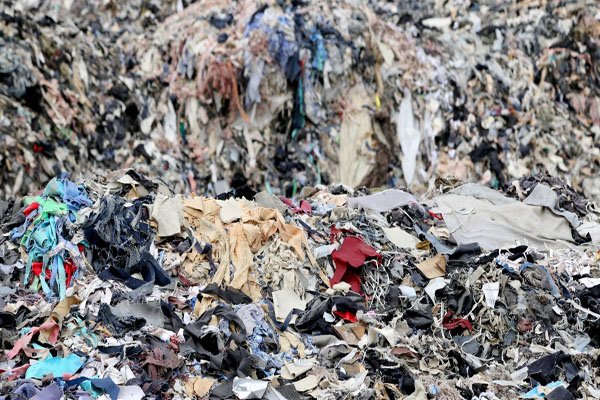
No. Polyester is not biodegradable in soil, freshwater, marine environments, or landfills. Instead of being broken down by microorganisms into harmless natural components, polyester persists for extremely long periods and gradually fragments into microplastics due to physical, chemical, and mechanical forces.
Polyester doesn’t disappear—it just gets smaller.
This distinction is critical. From an environmental science perspective, polyester’s end-of-life behavior is defined not by decomposition, but by persistence and fragmentation, which introduces long-term ecological risks that are far less visible than traditional waste.
What Actually Happens to Polyester After Disposal
To understand why polyester is not biodegradable, it’s important to distinguish between biological degradation and physical breakdown. These are fundamentally different processes, often confused in sustainability discussions.
Behavior in Soil
Once polyester enters soil—whether through discarded clothing, agricultural runoff, or sludge-treated land—it encounters an environment rich in microorganisms. However, this does not lead to biodegradation.
| Condition | Polyester Response |
|---|---|
| Microbial activity | No digestion |
| Moisture | No chemical breakdown |
| Heat | Minimal degradation |
Why soil microbes can’t break polyester down
- Soil bacteria and fungi are adapted to digest natural polymers like cellulose, lignin, and proteins.
- Polyester’s PET polymer chains are synthetic, highly crystalline, and hydrophobic.
- Microbial enzymes cannot access or cleave the ester bonds under normal environmental conditions.
As a result, polyester fibers remain chemically intact in soil. Over time, physical stress—such as pressure, freeze-thaw cycles, or abrasion with soil particles—may cause fibers to fracture, but the polymer itself remains unchanged.
From a biological standpoint, polyester in soil is effectively inert.
Accumulation in Agricultural and Urban Soils
Recent environmental studies show that textile microfibers are now among the most common forms of microplastic found in soil, especially near urban areas and farmland treated with sewage sludge.
These fibers:
- Persist for years or decades
- Can alter soil structure
- May interfere with water retention and root growth
Crucially, their presence does not diminish over time through natural biodegradation.
Behavior in Water (Rivers, Lakes, and Oceans)
Aquatic environments expose polyester to sunlight, oxygen, and constant mechanical movement—but still not to biodegradation.
| Factor | Result |
|---|---|
| UV exposure | Surface embrittlement |
| Wave action | Fiber fragmentation |
| Microbial presence | No true biodegradation |
What actually happens in water
- UV radiation weakens the polymer surface through photo-oxidation
- Wave action and abrasion break fibers into shorter lengths
- Salt and temperature variation accelerate surface cracking
However, none of these processes convert polyester into natural substances. Instead, they transform macro-fibers into microplastics and nanoplastics, which remain chemically plastic.
Why Marine Environments Are Especially Vulnerable
In oceans and rivers, polyester fibers behave like persistent contaminants:
- They remain buoyant or suspended for long periods
- They are easily ingested by plankton, fish, and shellfish
- They can act as carriers for toxic chemicals and bacteria
Unlike biodegradable materials, polyester does not re-enter the natural carbon cycle. Once fragmented, it becomes widely dispersed and nearly impossible to recover.
Behavior in Landfills
Landfills might appear to be harsh environments, but in reality they often preserve synthetic materials.
| Environment | Effect |
|---|---|
| Low oxygen | Slows chemical reactions |
| Low light | Prevents UV degradation |
| Compaction | Physically protects material |
In modern landfills:
- Oxygen levels are low
- Sunlight rarely reaches buried waste
- Moisture is inconsistent
These conditions drastically slow any form of chemical aging. As a result, polyester garments disposed of in landfills may remain structurally intact for many decades, potentially longer.
From a degradation standpoint, landfills function less like decomposition sites and more like long-term storage facilities for synthetic textiles.
Fragmentation vs Biodegradation: A Critical Distinction
One of the most misunderstood aspects of polyester sustainability is the difference between fragmentation and biodegradation.
| Process | Outcome |
|---|---|
| Biodegradation | Converted into CO₂, water, and biomass |
| Fragmentation | Broken into microplastics |
Biodegradation Occurs when microorganisms metabolize material, fully integrating it back into natural cycles. This is what happens to cotton, wool, or other natural fibers under the right conditions.
Fragmentation Occurs when physical or chemical stress breaks material into smaller pieces without changing its chemistry. This is what happens to polyester.
Polyester does not “break down” in the ecological sense. It simply becomes smaller plastic.
Microplastics: The Invisible Legacy of Polyester
Once fragmented, polyester fibers enter ecosystems as microplastics—typically defined as plastic particles smaller than 5 mm.
Key concerns include:
- High persistence in water and soil
- Uptake by organisms at multiple trophic levels
- Accumulation in food chains
Because textile fibers are thin and flexible, they are particularly likely to:
- Pass through wastewater treatment systems
- Become airborne or waterborne
- Spread far from their original source
This makes polyester textiles one of the largest contributors to microplastic pollution globally, even when garments are used as intended.
Washing as a Source of Environmental Release
Importantly, fragmentation doesn’t only occur after disposal.
During normal use:
- Polyester garments shed microfibers during washing
- These fibers enter wastewater systems
- A portion ultimately reaches rivers and oceans
This means polyester contributes to environmental microplastics throughout its entire lifecycle, not just at end-of-life.
Biodegradability would allow these fibers to be metabolized over time. Polyester’s chemistry prevents that.
Why Polyester’s Non-Biodegradability Was Originally Desired
Polyester was developed in an era when durability was the primary goal.
Design priorities included:
- Resistance to rot and mildew
- Stability under repeated washing
- Long service life
- Minimal biological interaction
From an engineering perspective, polyester succeeded brilliantly. It solved many problems associated with natural fibers—shrinking, wrinkling, decay, and inconsistent quality.
Environmental persistence was not viewed as a drawback at the time because:
- Waste volumes were lower
- Textile consumption was slower
- Microplastics were not yet understood
Today, those assumptions no longer hold.
Why “Eventually” Is Not an Environmental Solution
Some claims suggest polyester will “eventually” degrade. In scientific terms, this timescale is geologically long, not ecologically meaningful.
- Fragmentation may occur over decades
- Complete chemical breakdown may take centuries or longer
- Ecosystem damage occurs long before degradation completes
From an environmental risk perspective, a material that persists for generations is effectively non-degradable, regardless of theoretical long-term chemistry.
Comparison With Natural Fibers
The contrast with natural fibers is stark:
- Cotton biodegrades into glucose-based compounds
- Wool biodegrades into amino acids
- Polyester persists as synthetic polymer
This does not make polyester inherently “bad,” but it does make it fundamentally different in how it must be managed.
From an environmental standpoint, polyester’s biggest risk is not visible waste like discarded garments—it is the invisible accumulation of microplastics in soil, water, and living organisms over time.
Because polyester does not biodegrade:
- Every fiber ever produced still exists in some form
- Environmental exposure increases cumulatively
- Prevention, capture, and recycling become more important than disposal
This reality shifts sustainability focus away from biodegradability and toward material lifecycle control.
What This Means for Material Choice
Understanding polyester’s non-biodegradable nature has practical implications:
- Polyester is best suited for long-life products, not disposable items
- Durability should be fully utilized to offset environmental cost
- Recycling and controlled reuse matter more than composting claims
Using polyester responsibly means designing products that stay in use longer, rather than relying on nature to manage waste.
Practical Takeaway
Polyester is not biodegradable in soil, water, or landfills.
- It resists microbial digestion
- It fragments instead of decomposing
- It contributes to long-term microplastic pollution
This behavior is not a flaw—it is the direct result of polyester’s engineered chemical stability. However, that same stability creates environmental challenges that cannot be solved by disposal alone.
Understanding what actually happens to polyester after disposal is essential for:
- Honest sustainability discussions
- Responsible material selection
- Designing products that align durability with environmental accountability
Polyester does not vanish. It persists—and how we manage that persistence matters far more than the fiber itself.
How long does polyester take to decompose compared with natural fibers like cotton or wool?
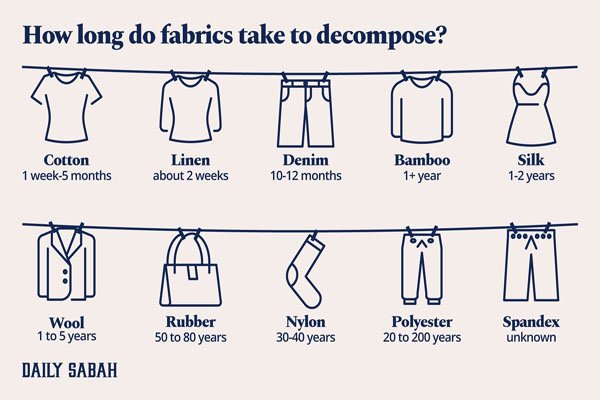
Polyester does not meaningfully decompose within a human or even multi-generational timescale. Under natural environmental conditions, polyester fibers can persist for several decades to hundreds of years, primarily breaking down through fragmentation into microplastics, not true biodegradation. In contrast, natural fibers such as cotton, wool, and silk typically biodegrade within months to a few years when exposed to soil, moisture, oxygen, and microorganisms.
Time is the clearest divider between synthetic and natural fibers.
This difference is not marginal—it represents a fundamental separation in material behavior, driven by chemistry rather than manufacturing quality, fabric weight, or finishing.
Decomposition Timelines in Real Environments
When discussing decomposition, it is essential to distinguish between biodegradation (conversion into natural substances such as CO₂, water, and biomass) and physical degradation (breaking into smaller pieces without chemical change). Polyester largely undergoes the latter.
Typical Breakdown Ranges
| Fiber | Estimated Decomposition Time | Primary Outcome |
|---|---|---|
| Cotton | 2–6 months (soil) | Organic matter |
| Wool | 1–5 years | Organic matter |
| Silk | 1–3 years | Organic matter |
| Polyester | 50–200+ years | Microplastic fragments |
These ranges vary depending on moisture, temperature, oxygen availability, microbial activity, and mechanical stress. However, the order-of-magnitude difference between polyester and natural fibers remains consistent across environments.
Even under favorable conditions, polyester does not return to the natural carbon cycle in any meaningful timeframe.
Why Natural Fibers Break Down Faster
Natural fibers are composed of biological polymers that microorganisms have evolved to digest over millions of years.
| Fiber | Polymer Type | Biodegradation Driver |
|---|---|---|
| Cotton | Cellulose | Enzymes & microbes |
| Wool | Keratin protein | Bacteria & fungi |
| Polyester | PET plastic | None (in nature) |
Cotton Cotton is almost pure cellulose—a glucose-based polymer. Soil bacteria and fungi readily secrete cellulase enzymes that break cellulose into sugars, which are then metabolized into carbon dioxide, water, and biomass.
Wool Wool is made of keratin, a protein. While keratin is more resistant than cellulose, specialized bacteria and fungi can still degrade it over time, especially in moist soil.
Polyester Polyester (PET) is a petroleum-derived polymer. Its ester-linked molecular chains are synthetic, highly crystalline, and hydrophobic. No naturally widespread enzymes exist that can efficiently break these chains under environmental conditions.
Nature is equipped to recycle plants and animals—not plastics.
What “Decompose” Really Means for Polyester
When polyester is said to “decompose,” this usually refers to physical and chemical aging, not biological digestion.
| Stage | What Happens |
|---|---|
| Early years | Surface wear, color fading |
| Mid-term | Fiber embrittlement, cracking |
| Long-term | Fragmentation into microplastics |
Early stage (0–10 years) Polyester fabrics may lose color, coatings, or surface finishes due to UV exposure, washing, or abrasion. The polymer itself remains intact.
Mid-term (10–50 years) Fibers begin to embrittle under prolonged UV radiation and mechanical stress. Individual filaments may snap or shorten, but their chemical structure persists.
Long-term (50–200+ years) Fibers fragment into smaller and smaller plastic particles—microplastics and eventually nanoplastics. At no point does this equal biodegradation.
Even after centuries, the polymer chains largely remain.
Fragmentation Is Not Decomposition
This distinction is critical for environmental understanding.
- Biodegradation → material is metabolized by organisms
- Fragmentation → material is physically broken into smaller plastic
Polyester undergoes fragmentation. It does not mineralize into harmless natural compounds.
This is why polyester pollution is often invisible: it accumulates as microscopic fibers rather than obvious waste.
Polyester in Soil vs Water vs Landfills
Decomposition timelines are influenced by environment, but the outcome for polyester is the same.
In soil
- Microbial activity is high, but ineffective against PET
- Fibers persist and accumulate
- Fragmentation occurs slowly through mechanical stress
In water (rivers, lakes, oceans)
- UV light accelerates surface cracking
- Wave action breaks fibers into microplastics
- No biological digestion occurs
In landfills
- Low oxygen and limited sunlight
- Minimal chemical change
- Polyester garments can remain structurally intact for decades
Ironically, landfills often preserve polyester better than open environments.
Laboratory vs Real-World Degradation
Some studies cite faster polyester “degradation” based on accelerated laboratory tests. These tests typically involve:
- High temperatures
- Strong UV radiation
- Aggressive chemical environments
While useful for comparative testing, these conditions do not reflect real soils, oceans, or landfills. In natural environments:
- Temperatures are lower
- UV exposure is inconsistent
- Chemical catalysts are absent
As a result, real-world polyester persistence is far longer than lab simulations suggest.
Why Polyester Was Designed This Way
Polyester was developed to solve problems inherent to natural fibers:
- Cotton rots and shrinks
- Wool degrades and requires careful care
- Silk is fragile and expensive
Polyester offered:
- Resistance to rot and mildew
- Dimensional stability
- Long service life
- Wash-and-wear convenience
From a mid-20th-century engineering perspective, non-degradability was an advantage, not a flaw.
The environmental cost only became clear decades later, as textile volumes and consumption increased dramatically.
Environmental Implications of Long Decomposition Times
Because polyester persists:
- Every polyester fiber ever produced still exists in some form
- Environmental accumulation is cumulative
- Microplastic contamination increases over time
Unlike natural fibers, polyester does not “go away” if left unmanaged. It simply disperses.
This shifts sustainability discussions away from disposal and toward:
- Use-phase durability
- Collection and recycling
- Fiber shedding reduction
Comparison With Cotton and Wool at End of Life
A cotton T-shirt discarded in soil may:
- Lose structural integrity within weeks
- Fully biodegrade within months
A wool garment may:
- Degrade more slowly
- Still return to soil nutrients within a few years
A polyester garment:
- Remains largely intact for decades
- Gradually releases microfibers
- Never truly reintegrates into nature
This is why polyester should never be treated as a “temporary” material.
Does Recycled Polyester Change the Timeline?
No—at the molecular level, recycled polyester is still PET.
- Mechanically recycled polyester retains the same polymer structure
- Chemically recycled polyester may be indistinguishable from virgin PET
Recycling can delay environmental release by extending product life, but it does not make polyester biodegradable.
Practical Implications for Designers and Buyers
Understanding decomposition timelines leads to clearer material strategies:
- Polyester is best used where long life is fully utilized
- Disposable or short-life products amplify environmental cost
- Durability must be matched with responsibility
Using polyester for single-use or trend-driven products creates a mismatch between material lifespan and product lifespan.
Common Misconceptions
- “Polyester eventually biodegrades” → No meaningful biodegradation occurs in nature.
- “Smaller fibers are less harmful” → Microplastics are often more harmful due to bioavailability.
- “Natural conditions will solve the problem” → Persistence increases with time, not decreases.
Practical Takeaway
Polyester exists on a completely different time horizon than natural fibers.
- Cotton and wool biodegrade within years
- Polyester persists for decades to centuries
- Fragmentation replaces decomposition
If end-of-life impact matters, polyester must be treated as a permanent material, not a temporary one. Design decisions, sourcing strategies, and sustainability claims should be grounded in this reality.
Polyester’s durability is a technical success—but it demands long-term accountability, not short-term thinking.
Why is polyester considered non-biodegradable, and what happens to it over time?
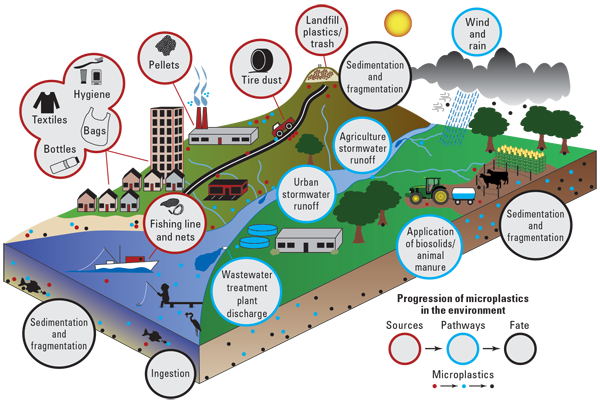
Polyester is considered non-biodegradable because its polymer chains are chemically stable and resist enzymatic attack by microorganisms. In natural environments, polyester does not break down into carbon dioxide, water, and biomass. Instead, it ages through physical and chemical stress, gradually fragmenting into microplastics that persist in soil, water, and living organisms.
Polyester ages—but it doesn’t return to nature.
This distinction is crucial. Polyester does not “disappear” after disposal. It simply changes form, moving from visible fibers to invisible particles that are far more difficult to manage environmentally.
The Science Behind Non-Biodegradability
To understand why polyester behaves this way, it helps to separate biological decomposition from material degradation. Polyester experiences the latter, not the former.
Polymer Stability by Design
Polyester’s resistance to biodegradation is not accidental. It is the direct result of deliberate polymer engineering intended to maximize durability, wash resistance, and long service life.
| Feature | Environmental Effect |
|---|---|
| Strong ester bonds | Resist hydrolysis |
| Crystalline regions | Block microbial penetration |
| Hydrophobic surface | Limits enzymatic contact |
Strong ester bonds Polyester (PET) is built from ester linkages that require high heat, strong acids, or strong bases to break efficiently. These conditions are rarely present in soil, freshwater, oceans, or landfills.
Crystalline regions During fiber drawing, polymer chains align into tightly packed crystalline zones. These dense regions act as physical barriers, preventing bacteria or fungi from accessing the polymer backbone.
Hydrophobic surface Polyester repels water. Since most biological degradation relies on water to transport enzymes and facilitate reactions, hydrophobicity dramatically slows any potential chemical interaction.
These properties are excellent for clothing performance—but they leave microorganisms with no viable pathway to digest the material.
Why Microorganisms Can’t “Learn” to Eat Polyester Easily
Natural fibers such as cotton and wool are made from polymers that already exist in nature. Microbes have evolved enzymes to break them down efficiently.
Polyester, by contrast:
- Is petroleum-derived
- Has no natural metabolic pathway
- Requires extreme conditions to depolymerize
Although laboratory research has identified niche enzymes capable of attacking PET under controlled conditions, these processes are slow, rare, and not representative of real ecosystems. In nature, polyester remains effectively untouched.
Fragmentation Mechanisms: How Polyester Changes Over Time
Because polyester does not biodegrade, environmental exposure causes it to fragment, not decompose.
| Force | Result |
|---|---|
| UV radiation | Polymer chain scission |
| Mechanical abrasion | Fiber shedding |
| Heat cycles | Increased brittleness |
UV radiation Sunlight initiates photo-oxidation, breaking polymer chains near the surface. This weakens fibers but does not mineralize them.
Mechanical abrasion Friction from washing, wearing, sand, or wave action causes fibers to snap into shorter segments. Each segment remains plastic.
Thermal cycling Repeated heating and cooling increase brittleness, accelerating breakage under stress.
Together, these forces reduce polyester from visible fibers to microscopic particles—without ever converting it into natural compounds.
Fragmentation Is Not Biodegradation
This distinction cannot be overstated.
| Process | Outcome |
|---|---|
| Biodegradation | CO₂, water, biomass |
| Fragmentation | Microplastics |
When polyester fragments:
- Chemical structure remains plastic
- Environmental persistence increases
- Removal becomes more difficult
Smaller particles spread more widely and interact with more organisms. From an ecological standpoint, fragmentation often increases risk rather than resolving it.
Microplastics and Fiber Shedding
One of polyester’s most significant environmental impacts occurs during use, not just after disposal.
| Source | Contribution |
|---|---|
| Laundry cycles | Major microfiber source |
| Wear & abrasion | Continuous release |
| End-of-life breakdown | Long-term pollution |
Laundry shedding Each wash can release thousands of microfibers from polyester garments. Many pass through wastewater treatment systems and enter rivers and oceans.
Daily wear Friction during normal use sheds fibers into indoor air and dust, which eventually migrate outdoors.
Post-disposal aging Discarded polyester continues to fragment under UV, pressure, and abrasion, adding to environmental load over decades.
These fibers are small enough to evade filtration yet large enough to persist physically and chemically.
Environmental Pathways of Polyester Microplastics
Once released, microplastics follow multiple pathways.
| Pathway | Impact |
|---|---|
| Rivers & oceans | Ingestion by aquatic life |
| Soil | Long-term accumulation |
| Food chain | Indirect human exposure |
Aquatic systems Microfibers are ingested by plankton, fish, and shellfish. Because they are not digestible, they accumulate or pass through organisms, often carrying absorbed pollutants.
Soil systems Textile microplastics accumulate in agricultural and urban soils, altering soil structure and potentially affecting water retention and root growth.
Food chains Microplastics can move upward through trophic levels. While health impacts are still being studied, persistence alone raises concern.
Why Polyester’s Problem Is “Invisible”
Unlike bulky waste, microplastics do not form obvious piles. Polyester pollution is:
- Diffuse
- Microscopic
- Cumulative
This invisibility delays response and complicates regulation. The material is no longer a garment—it is an environmental contaminant.
What Happens Over Decades and Centuries
Polyester’s long-term behavior follows a predictable pattern:
- Initial use phase Garment performs as intended; minimal environmental release beyond washing.
- Mid-life aging UV exposure and abrasion increase fiber shedding.
- Post-disposal phase Mechanical stress and weather fragment remaining material.
- Long-term persistence Microplastics remain dispersed indefinitely, with no natural endpoint.
At no stage does polyester reintegrate into natural biogeochemical cycles.
Why Non-Biodegradability Was Once an Advantage
Polyester was developed to overcome limitations of natural fibers:
- Resistance to rot and mildew
- Dimensional stability
- Wash-and-wear convenience
From a mid-20th-century engineering perspective, non-biodegradability meant reliability. Products lasted longer, required less care, and resisted environmental damage.
The environmental cost of that permanence only became clear once:
- Textile volumes increased dramatically
- Fast fashion shortened product lifespans
- Microplastics were detected globally
The problem is not polyester’s chemistry—it is the mismatch between material lifespan and product lifespan.
Why Recycling Does Not Change Biodegradability
Recycled polyester is still polyester.
- Mechanical recycling shortens polymer chains but preserves chemistry
- Chemical recycling rebuilds PET to near-virgin quality
Both approaches can extend useful life and reduce virgin material demand, but neither makes polyester biodegradable. At end of life, the same fragmentation processes occur.
Recycling delays impact; it does not eliminate persistence.
Common Misconceptions
Several myths persist around polyester degradation:
- “Polyester breaks down naturally over time” → It fragments, it does not biodegrade.
- “Smaller fibers are less harmful” → Smaller particles spread further and interact more easily with organisms.
- “Landfills solve the problem” → Landfills often preserve polyester rather than degrade it.
Clear understanding helps avoid misleading sustainability claims.
Implications for Product Design and Sourcing
Because polyester does not biodegrade:
- It should be used where long service life is fully realized
- Disposable or short-trend products amplify environmental cost
- Durability must be aligned with responsible use and recovery
Designers and buyers should treat polyester as a permanent material, not a temporary one.
Real-World Perspective
From a sustainability standpoint, polyester’s primary issue is not landfill volume. It is invisible persistence—the gradual spread of microplastics that are difficult to trace, capture, or remove.
Once fragmented, polyester becomes:
- Harder to regulate
- Harder to remediate
- Environmentally persistent across generations
This shifts sustainability focus from disposal to prevention, longevity, and lifecycle control.
Polyester is considered non-biodegradable because:
- Its polymer chemistry resists enzymatic breakdown
- Environmental forces cause fragmentation, not decomposition
- Resulting microplastics persist indefinitely
Over time, polyester does not return to nature. It disperses.
Responsible use of polyester therefore depends on:
- Maximizing product lifespan
- Reducing unnecessary shedding
- Implementing effective recycling and recovery systems
Polyester’s durability is a technical success. Managing its persistence is an environmental responsibility.
Do recycled polyester and bio-based polyester biodegrade differently from conventional polyester?

No. Recycled polyester (rPET) and most bio-based polyesters do not biodegrade in natural environments. Despite differences in feedstock origin, their chemical backbone is essentially the same as conventional polyester (PET). As a result, they persist in soil, water, and landfills and eventually fragment into microplastics rather than breaking down into natural substances.
Recycled doesn’t mean biodegradable—it means reused.
This distinction is one of the most misunderstood topics in sustainable textiles. While recycled and bio-based polyesters can significantly reduce upstream environmental impact, they do not change the end-of-life behavior of the fiber.
Clearing Up Common Sustainability Misconceptions
To understand why recycled and bio-based polyesters behave the same after disposal, it’s necessary to separate carbon source, polymer chemistry, and biodegradation pathways—three concepts that are often blurred in marketing language.
Recycled Polyester (rPET): What Actually Changes—and What Doesn’t
Recycled polyester is typically produced from:
- Post-consumer PET bottles
- Industrial polyester waste
- Textile-to-textile recycling streams (still limited)
The recycling process may be mechanical (melting and re-spinning) or chemical (depolymerizing and rebuilding PET). In both cases, the final polymer is still PET.
| Aspect | Reality |
|---|---|
| Polymer structure | Same PET as virgin polyester |
| Biodegradability | None |
| Environmental benefit | Reduced virgin oil use |
| End-of-life behavior | Still persistent |
What recycling improves
- Reduces demand for virgin petroleum
- Lowers energy use and CO₂ emissions compared to virgin PET
- Diverts plastic waste from incineration or landfill (temporarily)
What recycling does not change
- The ester-linked PET polymer backbone
- Hydrophobicity and crystallinity
- Resistance to microbial digestion
From a chemistry standpoint, high-quality rPET can be indistinguishable from virgin PET. That is a performance advantage—but it also means biodegradability remains unchanged.
Recycling reduces extraction. It does not change destiny.
Why rPET Still Fragments Into Microplastics
Once rPET enters the use or disposal phase, it is subject to the same forces as virgin polyester:
- UV radiation
- Mechanical abrasion
- Thermal cycling
These forces cause fiber fragmentation, not biological decomposition. Recycled fibers may even fragment slightly faster if polymer chains are shorter due to repeated processing—though they remain plastic at every stage.
Environmentally, a recycled polyester microfiber is still a plastic microfiber.
Bio-Based Polyester: Origin vs Outcome
Bio-based polyester is often misunderstood as biodegradable because it comes from renewable resources. In reality, “bio-based” refers to where the carbon comes from—not what happens after disposal.
Most commercially available bio-based polyesters in apparel are:
- Fully PET
- Or partially PET (e.g., 30–50% bio-based content)
| Feature | Bio-Based Polyester |
|---|---|
| Carbon source | Renewable (e.g., sugarcane) |
| Chemical backbone | PET or PET-like |
| Biodegradability | No (in most cases) |
In bio-based PET, plant-derived ethylene glycol replaces petroleum-derived ethylene glycol. However, once polymerized with terephthalic acid, the resulting polymer chain is chemically identical to conventional PET.
Microorganisms do not care where the carbon came from. They respond only to chemical structure.
Carbon Neutrality ≠ Biodegradability
Bio-based polyester can offer climate benefits:
- Lower fossil carbon footprint
- Potentially lower net CO₂ emissions
But these benefits apply upstream, not downstream.
At end of life:
- Bio-based PET persists in the environment
- It fragments into microplastics
- It does not return to soil or water as biomass
This is why it is inaccurate to equate “plant-based” with “biodegradable” in synthetic fibers.
Clearing Up Confusion With Biodegradable Plastics
Some confusion arises because certain polyesters are biodegradable—but they are not the same materials used in mainstream apparel.
| Material | Biodegradable? | Common in Apparel? |
|---|---|---|
| PET polyester | No | Yes |
| rPET | No | Yes |
| PLA (polylactic acid) | Yes (industrial composting) | Limited |
| PHA (polyhydroxyalkanoates) | Yes | Rare |
PLA and PHA
- Are aliphatic polyesters
- Have ester bonds accessible to microbes
- Can biodegrade under specific conditions
However:
- They require industrial composting or controlled environments
- They have lower heat resistance
- They lack durability for many apparel uses
As a result, they remain niche materials and are not substitutes for PET in most clothing, bags, or outdoor gear.
When a label says “polyester,” it almost always means non-biodegradable PET.
Why the Biodegradability Myth Persists
Misunderstanding around recycled and bio-based polyester is largely driven by language, not science.
| Term | Often Misinterpreted As |
|---|---|
| Recycled | Environmentally harmless |
| Bio-based | Naturally degradable |
| Eco polyester | Compostable |
These terms describe input materials or emissions, not environmental fate.
Marketing often emphasizes:
- Reduced carbon footprint
- Circularity aspirations
- Renewable feedstocks
while omitting the reality that end-of-life behavior remains unchanged.
Clear terminology matters, because false assumptions lead to poor material decisions.
Does Recycling Delay Environmental Impact?
Yes—but only by extending use, not by eliminating persistence.
Recycling can:
- Keep polyester in the product cycle longer
- Reduce total virgin fiber production
- Delay disposal
This is valuable. But once a recycled polyester product is discarded, the same outcomes apply:
- Fragmentation
- Microplastic release
- Long-term persistence
Recycling is a management strategy, not a biodegradation solution.
Microfiber Shedding: Recycled vs Virgin
An important nuance: recycled polyester does not inherently shed less.
Studies show:
- Shedding depends more on yarn quality, fabric construction, and finishing
- Shorter polymer chains in some rPET fibers may increase shedding if poorly processed
High-quality rPET performs similarly to virgin polyester, but low-grade recycled fibers can increase microfiber release, worsening environmental impact.
This makes processing quality as important as recycled content claims.
Environmental Trade-Offs: A Balanced View
Recycled and bio-based polyesters are not meaningless—they address specific environmental goals.
What they do well
- Reduce fossil resource extraction
- Lower greenhouse gas emissions (in many cases)
- Support circular economy models
What they do not solve
- Microplastic pollution
- Long-term environmental persistence
- Biodegradation at end of life
Treating them as biodegradable solutions misaligns expectations and outcomes.
Implications for Designers and Buyers
Understanding these realities leads to better decisions:
- Use polyester (virgin, recycled, or bio-based) where long service life is justified
- Avoid using PET-based fibers in disposable or short-trend products
- Prioritize durability, repairability, and reduced shedding
- Design for closed-loop recycling, not composting
Sustainability improves when material lifespan matches product lifespan.
What Would Truly Change Biodegradability?
Only a different polymer chemistry would.
For polyester to biodegrade naturally, it would require:
- Lower crystallinity
- Greater hydrophilicity
- Ester bonds accessible to microbes
These changes fundamentally alter performance, which is why biodegradable polyesters have not replaced PET in demanding applications.
This is a materials trade-off, not a moral failure.
Common Buyer Mistakes to Avoid
- Assuming recycled polyester “goes away” after disposal
- Treating bio-based content as an end-of-life solution
- Equating sustainability claims with biodegradability
- Ignoring microfiber shedding during use
Avoiding these mistakes requires chemistry-level understanding—not surface-level labels.
Practical Takeaway
Recycled polyester and bio-based polyester do not biodegrade differently from conventional polyester.
- Their polymer structure is still PET
- They resist microbial breakdown
- They fragment into microplastics over time
Their sustainability value lies upstream—in reduced resource extraction and emissions—not downstream.
Responsible use of these materials means:
- Designing products to last
- Keeping fibers in circulation as long as possible
- Reducing unnecessary shedding
- Being honest about end-of-life realities
Recycled and bio-based polyesters are better inputs, not magical exits.
Understanding that distinction is the difference between real sustainability and well-intentioned greenwashing.
How does polyester contribute to microplastic pollution during use and washing?
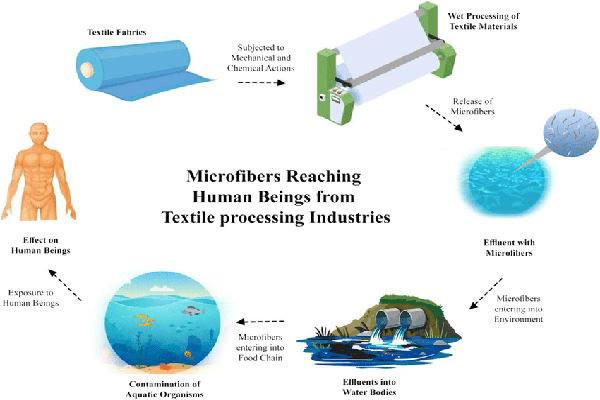
Polyester contributes to microplastic pollution primarily by shedding microscopic plastic fibers during normal wear, laundering, and drying. These fibers are too small for most wastewater treatment systems to fully capture, allowing them to enter rivers, oceans, soils, and even the air. Over time, this continuous release makes synthetic textiles one of the largest global sources of microplastic pollution.
The pollution you can’t see is the hardest to stop.
Unlike visible plastic waste, microfiber pollution is diffuse, ongoing, and cumulative. It does not require littering or improper disposal—routine clothing care is enough to introduce plastic into ecosystems.
The Lifecycle of Microfiber Pollution
Microfiber release is not a single event. It is a lifecycle process that begins the moment a polyester garment is first worn and continues long after it is discarded.
How Polyester Fibers Are Released
Polyester fabrics are built from continuous or staple filaments that are twisted, woven, or knitted together. Mechanical stress gradually loosens and breaks these filaments, producing microfibers.
| Activity | Fiber Release |
|---|---|
| Washing | Highest volume |
| Drying | Moderate |
| Daily wear | Continuous, low-level |
| End-of-life degradation | Long-term release |
Washing The highest release occurs during washing. Agitation, water flow, and detergent weaken fiber bonds, causing thousands to millions of microfibers to detach in a single load.
Drying Tumble drying adds mechanical stress and friction. While many fibers are captured in lint filters, finer microfibers can escape into indoor air or exhaust systems.
Daily wear Normal movement—walking, sitting, friction with other garments—causes ongoing low-level shedding. These fibers enter indoor dust and eventually migrate outdoors.
End-of-life degradation After disposal, polyester continues to fragment under UV exposure, pressure, and abrasion, releasing microplastics for decades.
Microfiber pollution is therefore continuous, not episodic.
Why Washing Is the Main Contributor
Laundry combines several stressors that make microfiber release unavoidable.
| Factor | Effect |
|---|---|
| Mechanical agitation | Breaks fiber ends |
| High spin speeds | Increases yarn stress |
| Hot water | Weakens polymer structure |
| Harsh detergents | Accelerates fiber fatigue |
Mechanical agitation As garments rub against each other and the drum, protruding fibers snap off. Knitted fabrics and brushed surfaces are especially vulnerable.
Spin speed and load size Higher spin speeds and overloaded machines increase tension on yarns, leading to greater fiber loss.
Temperature Hot water accelerates polymer fatigue and can loosen finishes that bind fibers in place.
Detergents Strong alkaline detergents and enzymes, while effective for cleaning, can degrade finishes and expose fiber ends.
Studies consistently show that front-loading machines shed less than top-loaders with central agitators, due to gentler washing action.
How Many Fibers Are We Talking About?
While exact numbers vary by fabric and test method, research indicates that:
- A single polyester garment can shed thousands to hundreds of thousands of fibers per wash
- A household washing machine can release millions of microfibers per year
- Synthetic textiles may account for 30–40% or more of primary microplastics entering aquatic environments globally
Even small, individual releases matter because they accumulate at population scale.
Where the Fibers Go After Washing
Once microfibers leave the washing machine, they follow multiple environmental pathways.
| Pathway | Outcome |
|---|---|
| Wastewater effluent | Partial filtration only |
| Sewage sludge | Applied to farmland |
| Rivers & oceans | Long-term accumulation |
Wastewater treatment plants (WWTPs) Most WWTPs are designed to remove organic matter and nutrients—not microplastics. While a portion of fibers is captured in sludge, a significant fraction passes through with treated water.
Sewage sludge application Captured fibers often end up in sludge used as agricultural fertilizer. This transfers microplastics directly into soils, where they persist and accumulate.
Rivers and oceans Fibers that escape treatment enter waterways, disperse widely, and remain suspended or settle into sediments.
No step in this chain results in biodegradation.
Polyester Microfibers in Aquatic Systems
Once in aquatic environments, microfibers behave differently from larger plastic debris.
- They remain suspended in the water column
- They are easily ingested by plankton, invertebrates, and fish
- They can transport absorbed pollutants and microorganisms
Because fibers are thin and flexible, they are often mistaken for food by filter feeders. Ingestion does not break them down; it simply moves them through organisms and food webs.
Soil as a Major Microplastic Sink
Soils are now recognized as one of the largest reservoirs of microplastics, largely due to textile fibers.
Sources include:
- Sewage sludge application
- Atmospheric deposition of airborne fibers
- Runoff from urban areas
In soil, microfibers:
- Persist for years or decades
- Can alter soil structure and porosity
- May interfere with water retention and root growth
Unlike organic matter, polyester fibers do not contribute nutrients or decompose.
Airborne Microfibers: An Overlooked Pathway
Microfiber pollution is not limited to water and soil.
- Indoor air contains textile microfibers from clothing and furnishings
- Outdoor air carries fibers released during drying and wear
- Fibers eventually settle onto land and water surfaces
Inhalation exposure is an active area of research. While health impacts are still being studied, the ubiquity of airborne microplastics highlights how pervasive textile shedding has become.
Environmental and Human Concerns
Microplastic pollution from polyester textiles raises multiple concerns.
| Impact Area | Risk |
|---|---|
| Marine life | Ingestion and physical stress |
| Soil health | Long-term accumulation |
| Food chain | Indirect human exposure |
Marine life Ingested fibers can cause physical irritation, false satiety, or act as vectors for toxins.
Soil ecosystems Accumulation may affect microbial communities and soil mechanics, with unknown long-term consequences for agriculture.
Human exposure Microplastics have been detected in seafood, salt, drinking water, and air. While definitive health impacts are still under investigation, persistence alone is cause for caution.
Why Polyester Is a Disproportionate Contributor
All plastics can fragment—but polyester is unique because:
- It is worn and washed frequently
- It sheds during normal use, not just after disposal
- Fibers are small enough to evade filtration
- Textile volumes are enormous and growing
A single plastic bottle becomes waste once. A polyester garment sheds every time it is worn or washed.
Fabric Construction Matters More Than Fiber Type Alone
Not all polyester fabrics shed equally. Shedding is heavily influenced by textile engineering choices.
Key factors include:
- Yarn type (filament vs staple)
- Yarn twist level
- Fabric construction (woven vs knit)
- Surface treatments and finishes
Loose knits, brushed surfaces, and low-twist yarns shed significantly more than tight, smooth constructions.
Reduction Strategies (Not Elimination)
Microfiber release cannot be fully eliminated, but it can be significantly reduced through design and behavior.
| Measure | Effectiveness |
|---|---|
| Tighter fabric construction | High |
| Filtration bags / machine filters | Moderate–high |
| Lower wash frequency | Moderate |
| Blended yarn engineering | Moderate |
Tighter construction Dense weaves, higher yarn twist, and filament yarns reduce loose fiber ends—the primary source of shedding.
Filtration technologies Washing bags, in-drum filters, and external machine filters can capture a substantial portion of released fibers, though none are 100% effective.
Behavioral changes Washing less frequently, using lower temperatures, gentler cycles, and liquid detergents can meaningfully reduce shedding over a garment’s life.
Yarn and fabric engineering Blends, optimized twist, and controlled finishing help bind fibers more securely.
At SzoneierFabrics, tighter constructions and optimized yarn twist are routinely specified to reduce microfiber shedding, even though complete elimination is not technically possible.
Why “Better Polyester” Still Isn’t a Complete Solution
Recycled polyester, bio-based polyester, and high-quality virgin polyester all share the same fundamental issue: they are still PET.
Improved processing can:
- Reduce shedding rates
- Extend garment life
- Delay environmental release
But it cannot change the underlying chemistry that prevents biodegradation.
Shifting the Sustainability Focus
Because microfiber pollution occurs during use—not just disposal—sustainability strategies must extend beyond recycling.
Effective approaches include:
- Designing garments to be washed less
- Prioritizing durability over disposability
- Engineering fabrics that shed less from day one
- Supporting capture technologies at the source
This reframes responsibility from “end-of-life management” to use-phase impact control.
Practical Takeaway
Polyester contributes to microplastic pollution because it continuously sheds microscopic fibers during normal wear and washing.
- Washing is the dominant release pathway
- Wastewater systems capture only part of the load
- Released fibers persist in water, soil, and air
- Accumulation is gradual, invisible, and cumulative
While microfiber release cannot be eliminated, it can be reduced through smarter textile engineering, responsible garment care, and realistic sustainability claims.
The most important shift is recognizing that polyester’s environmental impact is not a single moment at disposal—it is a constant background process tied to how we design, use, and maintain synthetic textiles.
Stopping what we can’t see starts with understanding how it’s created.
Which sustainability alternatives exist to reduce polyester’s environmental impact?
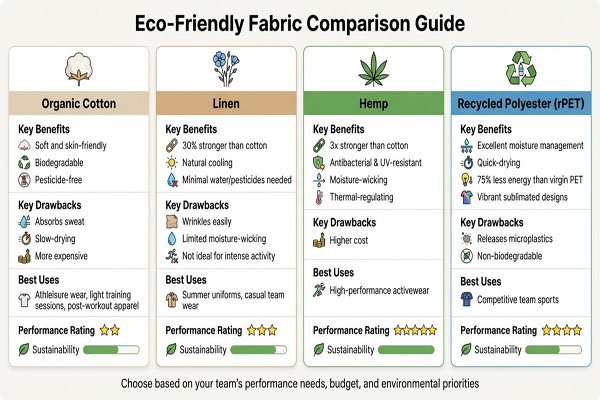
Polyester’s environmental impact can be reduced—but not eliminated—by combining recycled inputs, low-shedding fabric engineering, extended product lifespans, responsible washing practices, and selective substitution with lower-impact fibers where performance allows.
Sustainability isn’t about replacing polyester everywhere—it’s about using it more intelligently.
Polyester is not going away. Its durability, affordability, and performance characteristics make it deeply embedded in modern textiles. The real sustainability question is therefore not “How do we ban polyester?” but “How do we control its impact across its entire lifecycle?”
What Actually Reduces Impact (and What Doesn’t)
Effective polyester sustainability strategies focus on measurable reductions in resource use, emissions, and pollution—rather than labels or single attributes. Below are the approaches that make a real difference, along with their limits.
Recycled Polyester as an Impact-Reduction Tool
Recycled polyester (rPET) is the most widely adopted strategy for lowering polyester’s upstream footprint. It diverts existing plastic into textiles and reduces dependence on virgin fossil resources.
| Benefit | Limitation |
|---|---|
| Reduces virgin oil use | Still non-biodegradable |
| Lowers carbon footprint | Still sheds microplastics |
| Uses existing waste streams | Recycling not infinite |
What recycled polyester actually improves
- Lower fossil extraction: Using post-consumer PET bottles or industrial waste reduces demand for new petroleum.
- Reduced emissions: rPET typically requires less energy than producing virgin PET, lowering greenhouse gas emissions.
- Waste diversion: Plastic bottles gain a second life rather than immediate disposal.
What it does not solve
- End-of-life persistence remains unchanged.
- Microfiber shedding still occurs during wear and washing.
- Each recycling cycle degrades polymer quality unless chemically regenerated.
For these reasons, recycled polyester is best understood as a transitional solution—valuable, but incomplete. Its benefit depends heavily on product longevity. Recycling into short-life garments undermines its potential gains.
Fabric Engineering to Reduce Microfiber Shedding
One of the most powerful—and underused—levers is textile engineering. Not all polyester sheds equally. In fact, shedding rates can vary by orders of magnitude depending on how the fabric is made.
| Design Choice | Impact |
|---|---|
| Higher yarn twist | Fewer loose fiber ends |
| Tighter weave or knit | Reduced fiber release |
| Filament yarns | Lower shedding than staple |
| Controlled surface finishing | Less abrasion-driven loss |
Why construction matters
Microfibers are released primarily from:
- Loose fiber ends
- Broken filament segments
- Abraded surfaces
By addressing these points at the design stage, manufacturers can significantly reduce shedding without changing fiber chemistry.
High-impact engineering choices include:
- Using continuous filament yarns instead of short staple fibers
- Increasing yarn twist to lock fibers in place
- Specifying denser weaves or higher-gauge knits
- Avoiding heavy brushing or sanding finishes unless essential
At SzoneierFabrics, tighter constructions and optimized yarn twist are frequently specified to reduce microfiber release, even though complete elimination is technically impossible.
This approach tackles pollution at the source, which is more effective than downstream cleanup.
Blended and Hybrid Materials: Benefits and Trade-Offs
Blending polyester with other fibers can improve comfort, durability, or aesthetics—but it introduces complexity at end of life.
| Blend Type | Sustainability Trade-Off |
|---|---|
| Polyester + cotton | Better comfort, harder recycling |
| Polyester + nylon | Higher durability, same persistence |
| Polyester + biodegradable fibers | Partial impact reduction |
Where blends help
- Improved wear comfort and moisture handling
- Increased durability in high-stress areas
- Reduced need for heavy finishes or coatings
Where blends hurt
- Mechanical recycling becomes difficult or impossible
- Chemical recycling requires advanced separation
- Composting is no longer viable
Blends can reduce use-phase impacts by extending product life, but they often worsen end-of-life options. Their sustainability value depends on whether longer use offsets recycling challenges.
Alternative Fibers (When Performance Allows)
In applications where polyester’s extreme durability or hydrophobicity is not essential, alternative fibers can reduce environmental burden—each with its own trade-offs.
| Fiber | Key Advantage | Limitation |
|---|---|---|
| Cotton | Biodegradable | Water & pesticide use |
| Hemp | Low-input farming | Limited softness |
| Lyocell (TENCEL™) | Biodegradable, low solvent loss | Higher cost |
| Wool | Natural, durable | Care & animal welfare |
Lyocell and other regenerated cellulosics These fibers offer a compelling balance:
- Derived from renewable wood pulp
- Biodegradable under natural conditions
- Produced in closed-loop solvent systems
However, they are more expensive and less abrasion-resistant than polyester, limiting their use in heavy-duty applications.
Natural fibers Cotton, hemp, and wool biodegrade and integrate into natural cycles, but they carry:
- Higher water use (cotton)
- Land and yield constraints (hemp)
- Care complexity and sourcing concerns (wool)
No alternative fiber is impact-free. Substitution only makes sense when performance requirements align.
Design for Longevity: The Most Overlooked Lever
Among all sustainability strategies, extending product lifespan has the greatest impact—and receives the least attention.
| Product Strategy | Result |
|---|---|
| Higher durability | Fewer replacements |
| Timeless design | Longer use cycle |
| Repairable construction | Extended service life |
From a lifecycle perspective:
- A polyester garment worn for 10 years can outperform a biodegradable garment worn for one season.
- Environmental impact is amortized over time.
Longevity-focused design includes:
- Reinforced stress points
- Colorfast dyes and finishes
- Repair-friendly seams and components
- Avoidance of trend-driven obsolescence
Durability is only unsustainable when products are treated as disposable.
Smarter Use and Care Practices
User behavior significantly influences polyester’s environmental footprint—especially microfiber release.
Lower-impact care choices
- Wash less frequently
- Use cold or warm water instead of hot
- Choose gentle cycles and liquid detergents
- Avoid tumble drying when possible
Capture technologies
- Washing bags and in-drum filters
- External machine filters (where available)
While these measures do not eliminate shedding, they can cut microfiber release substantially over a garment’s life.
Circular Design and Closed-Loop Thinking
Reducing impact also means planning for what happens after use, not just before sale.
Key principles include:
- Designing mono-material products where possible
- Avoiding unnecessary blends and coatings
- Clearly labeling material composition
- Supporting take-back and recycling programs
True circularity in textiles remains technically challenging, but designing with recycling in mind improves feasibility over time.
What Doesn’t Actually Reduce Impact
Several commonly cited “solutions” offer limited real benefit:
- Bio-based PET → lower fossil input, same persistence
- Recycled content alone → helpful, but insufficient
- Green labels without construction changes → cosmetic improvement only
- Assuming recycling equals disappearance → incorrect
Sustainability gains come from systems, not single attributes.
Balancing Performance and Responsibility
Polyester excels where:
- Durability is essential
- Moisture resistance is required
- Lightweight strength matters
Using polyester responsibly means:
- Reserving it for roles where its properties are fully utilized
- Avoiding it in disposable or ultra-short-life products
- Engineering fabrics to shed less and last longer
Replacing polyester indiscriminately can shift impact rather than reduce it.
A Realistic Sustainability Hierarchy for Polyester
From highest to lowest impact reduction:
- Extend product lifespan
- Engineer low-shedding constructions
- Use recycled inputs
- Enable repair and reuse
- Substitute fibers where feasible
Biodegradability, while important, is not the most powerful lever for polyester today.
Practical Takeaway
There is no single “green fix” for polyester. Meaningful impact reduction comes from layering strategies:
- Use recycled polyester to lower upstream emissions
- Engineer fabrics to shed less during use
- Design products to last significantly longer
- Substitute alternative fibers where performance allows
- Be honest about trade-offs and limitations
A polyester garment worn, repaired, and valued for many years is often more sustainable in practice than a theoretically greener alternative with a short life.
Sustainability is not about perfection. It is about making informed, disciplined choices that reduce harm at scale—without sacrificing function, safety, or honesty.
How should brands and buyers evaluate polyester responsibly in modern textile sourcing?
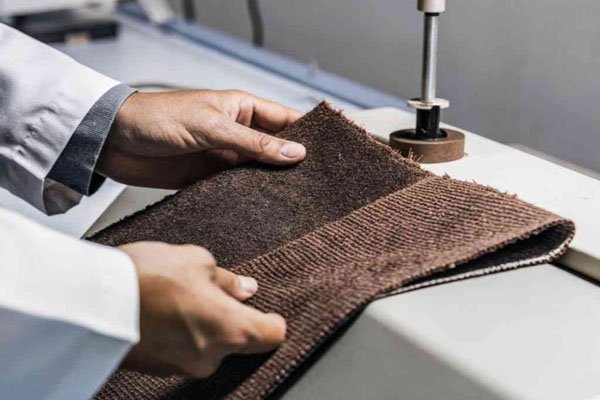
Polyester should be evaluated through a full lifecycle lens—from raw material origin and fabric engineering to microfiber shedding, durability in use, and realistic end-of-life outcomes. Relying on single claims such as “recycled,” “eco,” or “sustainable” oversimplifies a material that is chemically persistent and environmentally complex.
Responsible sourcing asks harder, more technical questions.
Polyester is not inherently irresponsible—but it becomes irresponsible when used without intention, discipline, or alignment between material lifespan and product purpose. Modern textile sourcing requires moving beyond labels and toward measured performance, verified behavior, and honest trade-offs.
A Practical Evaluation Framework
The following framework is designed for brands, product developers, and buyers who want to use polyester consciously, not reflexively.
Step 1: Ask the Right Material Questions (Before Price or Marketing)
The first mistake in polyester sourcing is evaluating it as a generic category. Polyester performance and impact vary dramatically depending on how it is made.
| Question | Why It Matters |
|---|---|
| Virgin or recycled? | Resource extraction & emissions |
| Filament or staple yarn? | Microfiber shedding behavior |
| Fabric density & construction | Durability and abrasion life |
| Finish stability | Long-term performance |
Virgin vs recycled input Recycled polyester can reduce fossil resource use and carbon footprint upstream, but it does not change the fiber’s non-biodegradable nature. Buyers should treat recycled content as a resource efficiency lever, not an end-of-life solution.
Filament vs staple yarn This distinction is critical and often overlooked:
- Filament polyester (continuous fibers) sheds significantly less
- Staple polyester (cut fibers spun like cotton) sheds more due to loose fiber ends
Many microfiber issues originate not from polyester itself, but from staple yarn choices driven by cost or softness.
Fabric density and structure Lightweight, loosely constructed fabrics may look appealing but often:
- Pill faster
- Shed more fibers
- Fail sooner in real use
Durable fabrics with appropriate density generally reduce total environmental impact by lasting longer and shedding less.
Finish stability Softeners, coatings, and surface effects can dramatically affect shedding and durability. Finishes that degrade quickly may cause a spike in fiber release after only a few washes.
Surface labels never reveal these realities—specifications do.
Step 2: Evaluate Shedding and Durability Together (Not Separately)
One of the biggest sourcing errors is treating durability and microplastic shedding as unrelated issues. In practice, they are tightly linked.
| Metric | Target |
|---|---|
| Abrasion resistance | High |
| Pilling score | Low |
| Wash stability | Consistent |
| Fiber release | Minimized |
Why durability alone is not enough A fabric that lasts a long time but sheds heavily during each wash can still generate substantial environmental load.
Why low shedding alone is not enough A fabric that sheds little but fails quickly must be replaced more often, increasing material throughput.
Responsible evaluation requires both:
- Mechanical durability (abrasion, seam integrity, shape retention)
- Controlled fiber release over repeated laundering
This is where fabric engineering quality matters more than recycled content percentage.
Step 3: Match Polyester Use to Purpose (Context Is Everything)
Polyester is highly appropriate in some applications—and difficult to justify in others.
| Use Case | Polyester Justified? |
|---|---|
| Outdoor gear | Yes |
| Sportswear | Yes |
| Technical uniforms | Yes |
| Fast-fashion novelty | Questionable |
| Disposable products | Poor choice |
Where polyester makes sense
- Products requiring moisture resistance
- Items exposed to frequent washing
- Applications demanding high strength-to-weight ratio
- Long-life goods where durability is fully utilized
Where polyester is hard to justify
- Ultra-short-trend items
- Promotional products with brief use
- Single-event or disposable textiles
The key principle is lifespan alignment. A fiber designed to last decades should not be used for products intended to last weeks.
Step 4: Plan End-of-Life Realistically (Not Ideally)
One of the most common sourcing blind spots is assuming an ideal end-of-life scenario that rarely occurs in practice.
| Option | Reality |
|---|---|
| Mechanical recycling | Limited cycles, quality loss |
| Chemical recycling | Emerging, limited scale |
| Composting | Not applicable |
| Landfill or incineration | Most likely outcome |
Mechanical recycling
- Works best with clean, mono-material streams
- Degrades polymer quality over cycles
- Often downcycles textiles into lower-grade uses
Chemical recycling
- Technically promising
- Still limited by cost, infrastructure, and scale
- Not universally available to brands or consumers
Composting
- Not possible for PET polyester
- Claims implying compostability are misleading
Landfill reality Despite sustainability aspirations, most polyester textiles still end up in landfill or incineration. Responsible sourcing means acknowledging this reality and designing products accordingly—rather than assuming future systems will solve today’s decisions.
Step 5: Avoid Binary Thinking About Polyester
Oversimplification is the enemy of responsible sourcing.
| Oversimplification | Better View |
|---|---|
| “Plastic is bad” | Incomplete |
| “Recycled fixes it” | Inadequate |
| “Natural is always better” | Incorrect |
Why “plastic is bad” is misleading Polyester’s durability can reduce total material consumption when products are designed for long use.
Why “recycled fixes it” is incomplete Recycling addresses upstream impacts but not microfiber shedding or persistence.
Why “natural is always better” is untrue Natural fibers have their own environmental costs—water use, land use, chemicals, and durability limits.
Responsible sourcing lives in the middle ground, where trade-offs are evaluated honestly rather than ideologically.
Evaluate Polyester at the System Level
Responsible brands assess polyester not as a fiber, but as part of a system:
- Fiber chemistry
- Yarn construction
- Fabric architecture
- Garment design
- Use behavior
- Washing patterns
- Disposal pathways
Optimizing only one stage rarely produces meaningful improvement. The biggest gains come from aligned decisions across the system.
The Role of Product Longevity
Among all sustainability levers, product lifespan has the greatest influence.
A polyester garment worn:
- Once or twice → high environmental cost per wear
- For 5–10 years → significantly lower impact per wear
Longevity is influenced by:
- Fabric quality
- Construction strength
- Timeless design
- Repairability
In many cases, a long-lasting polyester product outperforms a short-lived “eco” alternative in total environmental impact.
Transparency Over Perfection
Responsible polyester sourcing does not mean claiming perfection. It means:
- Clear communication of what polyester does and does not do
- Avoiding biodegradability myths
- Providing accurate material disclosures
- Making trade-offs visible to stakeholders
Transparency builds trust far more effectively than absolute claims.
Practical Questions Responsible Buyers Should Ask Suppliers
Instead of asking only “Is this recycled?”, responsible buyers ask:
- What yarn type is used, and why?
- How does this fabric perform after 50 wash cycles?
- What is the pilling and abrasion rating?
- Has microfiber shedding been evaluated?
- What finishes are applied, and how stable are they?
- What is the realistic end-of-life scenario for this product?
Suppliers who can answer these questions clearly are more valuable than those offering vague sustainability language.
Polyester Is Not Biodegradable—but It Can Be Used Responsibly
This point must remain clear.
Polyester:
- Does not biodegrade
- Persists in the environment
- Fragments into microplastics over time
That reality should not be softened or ignored.
At the same time, polyester provides:
- Durability
- Efficiency
- Performance consistency
- Lightweight strength
The responsibility lies not in demonizing the material, but in using it only where those strengths justify its permanence.
The Real Responsibility of Brands and Buyers
Responsible polyester sourcing means:
- Using polyester only where it adds real functional value
- Engineering fabrics to shed less and last longer
- Choosing recycled inputs where they genuinely reduce impact
- Avoiding disposable applications
- Being honest about end-of-life outcomes
Sustainability is not about perfect materials. It is about informed, disciplined decisions made at scale.
When polyester is evaluated thoughtfully—rather than emotionally or superficially—it can be part of a responsible modern textile system.
Develop Responsible Polyester Fabrics with SzoneierFabrics
SzoneierFabrics is a China-based fabric R&D and manufacturing factory with years of experience developing polyester, recycled polyester, and performance-engineered fabrics for apparel, bags, and functional textiles.
We support you with:
- Conventional & recycled polyester development
- Low-shedding fabric engineering
- Fabric density, yarn, and finish optimization
- Low-MOQ sampling and fast prototyping
- Stable quality, short lead times, and free samples
If you’re evaluating polyester material responsibly and want expert guidance on performance, durability, and environmental trade-offs, contact SzoneierFabrics to request samples or start a custom fabric development discussion.