 Skip to content
Is Rayon a Good Fabric vs. Cotton for Hotel Uniform Suppliers?
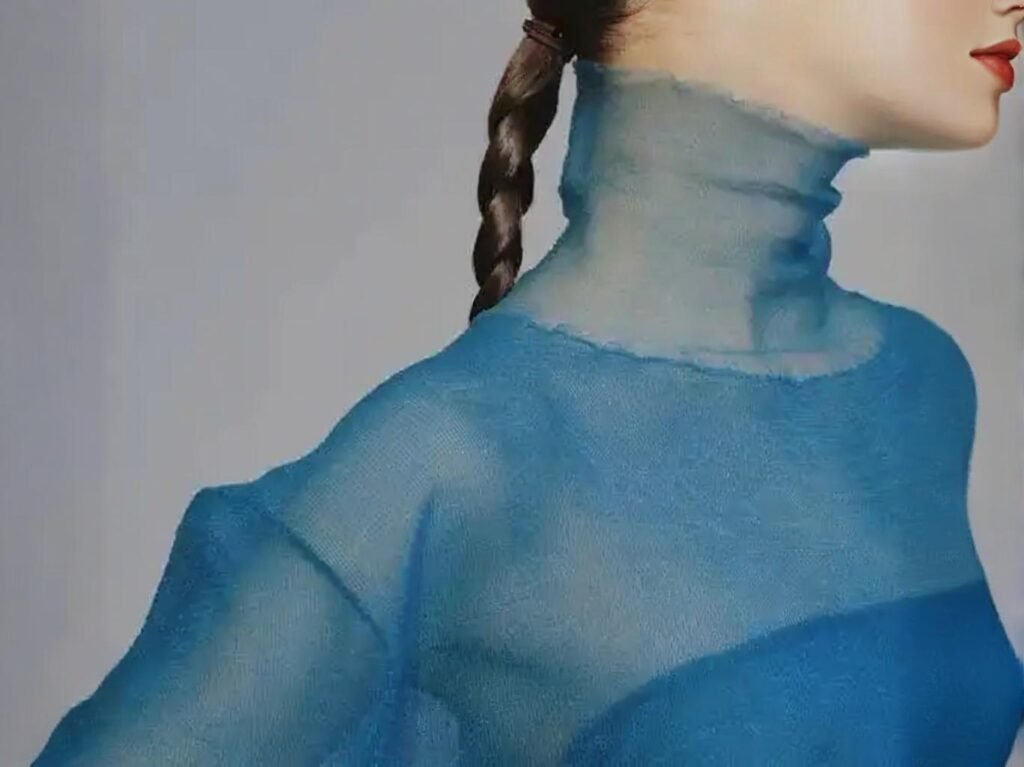
Hotel uniform buyers face a unique challenge: they must choose fabrics that stay crisp after long shifts, survive industrial laundry conditions, maintain a polished appearance under air conditioning and outdoor humidity, and feel comfortable for staff who move constantly. Rayon and cotton are two of the most commonly debated materials for this purpose, yet the difference between them goes far beyond softness or breathability. The real question is whether rayon’s luxurious drape and cool touch can outperform cotton’s durability and classic reliability in demanding hospitality environments.
Rayon can be a good fabric for hotel uniform suppliers when engineered with proper blends, high-twist yarns, and stabilized finishing, delivering superior drape and comfort compared to cotton. However, cotton remains more durable and more resistant to industrial washing, while rayon requires controlled laundry care and stronger construction to prevent shrinkage or seam slippage. This means neither fabric is universally “better”—each fits different hotel departments, climates, brand concepts, and maintenance systems.
A luxury seaside resort in Thailand once tried switching its housekeeping uniforms from cotton to rayon-modal because rayon felt cooler and more elegant. Within months, they noticed two opposite outcomes: guest-facing staff loved the comfort and drape, but the hotel laundry team complained about higher shrinkage rates in the uniforms that weren’t processed correctly. Eventually, the resort didn’t abandon rayon—they worked with a mill to create a rayon-cotton blend engineered for industrial washing. The result became their highest-rated uniform fabric ever.
This illustrates the truth many suppliers overlook: fabric success in hotels depends on engineering, not the fiber alone. The sections below will break down the real differences that matter.
What Performance Requirements Do Hotel Uniform Suppliers Need from Rayon and Cotton?
Hotel uniforms operate in one of the most demanding textile environments in the service sector. Unlike retail, office, or casual hospitality settings, hotel staff uniforms endure intense physical movement, high-frequency industrial laundering, constant environmental stress, and the expectation of polished, guest-facing appearance at all times. This means the base fabric—whether rayon, cotton, or a blend—must balance durability with comfort, aesthetics with practicality, and breathability with structural stability.
Hotel uniform suppliers need fabrics that resist shrinkage, maintain color under industrial washing, survive long-hour physical movement, offer comfort in warm indoor climates, and present a neat professional appearance. Cotton naturally excels in durability, heat resistance, and cleaning tolerance, whereas rayon delivers superior drape, cool touch, and aesthetic refinement—but only when properly stabilized through yarn engineering and finishing.
A real sourcing case in 2024 illustrates this contrast: A Middle Eastern luxury hotel replaced its front-desk rayon-polyester blouses with 100% cotton versions due to repeated tearing at underarms. However, the cotton replacements looked heavier and less elegant. The hotel eventually adopted a rayon-modal blend with higher twist yarns, achieving both durability and a premium drape—showing that performance is not about choosing one fiber but engineering the fabric system correctly.
How Hotel Environments Create Unique Fabric Demands
Hotels combine high mobility, variable temperatures, and strict cleanliness standards. Uniforms must endure:
- repeated laundering with chemicals
- high abrasion from movement
- sweat exposure in hot corridors and kitchens
- long periods of continuous wear
- spills of coffee, wine, sauces, oils, and cleaning agents
- visual scrutiny from guests
These demands far exceed typical garment use—making fabric engineering crucial.
Shift Duration and Body Movement Requirements
A typical hotel staff member walks 10,000–17,000 steps per shift, performs hundreds of bending motions, and frequently lifts items or interacts with surfaces. These movements exert friction and torque on fabric.
Uniform fabrics must therefore:
- resist abrasion at high-stress zones (inner thighs, elbow bends, underarm panels)
- maintain structural integrity even when damp
- avoid “grinning” or seam slippage during stretching
- remain breathable during long work hours
- prevent fabric cling caused by sweat or humidity
Cotton excels in mechanical durability and friction resistance. Rayon excels in comfort, breathability, and cool touch—critical for staff working in warm climates or guest-facing roles.
Industrial Washing Frequency and Its Effect on Fabrics
Hotel laundry cycles are aggressive:
- Housekeeping: 3–6 washes per week
- Front office: 2–4 washes per week
- Kitchen staff: sometimes daily
- Concierge & bell staff: 2–3 washes per week
These cycles are often done in 60–90°C water, with:
- chlorine-based disinfectants
- heavy alkalinity detergents
- mechanical agitation
- tumble drying at high temperatures
Below is a comparison of how cotton and rayon handle these conditions:
| Property Needed | Cotton Performance | Rayon Performance |
|---|---|---|
| High-temp wash tolerance | Excellent | Weak unless stabilized |
| Chlorine resistance | Good | Low |
| Shrinkage control | Predictable | Requires pre-shrink finishing |
| Colorfastness | Strong with reactive dyes | Requires soft-flow + controlled pH |
| Wet strength | High | Low for viscose; higher for modal/lyocell |
Key takeaway: Rayon can meet hotel requirements, but only when engineered with modal/lyocell content, high-twist yarns, and double pre-shrinking.
Visual Appearance Requirements for Guest-Facing Roles
Hotels prioritize professional aesthetics. Uniforms must:
- maintain crisp structure
- avoid wrinkling
- look polished after hours of wear
- avoid fading or dulling
- complement brand identity
Rayon advantages:
- elegant drape ideal for concierge, reception, and VIP services
- soft sheen similar to silk
- fluid movement that aligns with premium hotel branding
Cotton advantages:
- structured appearance
- crisp surface
- reliable shape retention
This explains why budget or midscale hotels prefer cotton-heavy uniforms, while luxury brands often adopt rayon-blends that elevate the overall visual look.
Climate and Department-Specific Material Needs
Hotels operate across extremely different environments: hot kitchens, air-conditioned lobbies, humid corridors, cold storage areas, and outdoor valet stations.
Rayon performs best in:
- tropical or humid hotels
- outdoor concierge and resort staff
- kitchen teams exposed to heat
- guest-facing departments needing refined drape
Cotton performs best in:
- housekeeping (high movement + frequent washing)
- maintenance teams (abrasion + dirt exposure)
- kitchen uniforms requiring heat tolerance
- items requiring sanitization
This is why modern hotel uniform programs increasingly use targeted fabric selection rather than one-fiber-fits-all.
Core Performance Requirements for Hotel Uniform Fabrics
Uniform designers and procurement teams typically benchmark fabrics using six categories:
- Durability and Abrasion Resistance
- Shrinkage and Dimensional Stability
- Colorfastness in Industrial Laundry
- Comfort and Breathability
- Odor and Moisture Management
- Aesthetic Quality and Drape
Below is a comparative view:
| Requirement | Rayon (Stabilized) | Cotton |
|---|---|---|
| Comfort | Excellent | Good |
| Drape | Superior | Moderate |
| Heat tolerance | Low | High |
| Industrial wash durability | Moderate | High |
| Odor resistance | Good | Excellent |
| Sweat absorption | Excellent | Good |
| Shape retention | High with finishing | Consistent |
| Cost | Medium | Medium |
Important insight: Most high-performing hotel uniforms today use rayon-cotton-polyester blends, engineered for each department’s needs.
Why Pure Rayon or Pure Cotton Alone Is Rarely Ideal
Choosing fabrics based on a single characteristic—such as softness, durability, or cost—often leads to performance failures.
Common mistakes include:
- Choosing 100% rayon for uniforms washed in hotel industrial laundries → high shrinkage and seam failures
- Choosing 100% cotton for luxury departments → stiff appearance and insufficient drape
- Choosing polyester-rich blends for tropical hotels → overheating and discomfort
A hotel uniform program must consider:
- laundering method (hotel-owned vs. outsourced industrial laundry)
- climate and staff mobility
- sustainability commitments
- expected garment lifespan
- brand image (luxury vs. casual)
The best-performing garments usually combine the breathability and aesthetics of rayon with the durability and stability of cotton or polyester.
Real Hotel Case Study — Engineering a Successful Rayon-Cotton Solution
A five-star hotel group in Southeast Asia struggled with housekeeping uniforms made from low-twist viscose. Issues included:
- 6–8% shrinkage
- tearing at pocket seams
- fading under high-temperature laundry
The uniform supplier re-engineered the fabric using:
- 40% rayon (modal-grade) + 60% cotton
- higher twist yarns for stability
- reactive dyes for colorfastness
- double pre-shrinking + enzyme softening
Results:
- Shrinkage reduced to 2.1%
- Sewing efficiency increased by 11%
- Garment lifespan increased by 30%
- Housekeeping staff reported significantly improved comfort
This highlights how proper engineering—not fiber choice alone—determines uniform success.
Hotels Should Choose Fabric Systems, Not Fibers
Rayon and cotton are both excellent fibers when used correctly. But neither alone solves all hotel uniform problems.
A modern uniform program should consider:
- fiber blend engineering
- yarn twist levels
- weave structure
- finishing chemistry
- laundry compatibility
- garment silhouette
The smartest suppliers treat hotel uniforms as performance systems, where the interaction between fiber, construction, chemistry, and final garment determines durability and comfort.
How Do Rayon and Cotton Compare in Comfort, Breathability, and All-Day Wear for Hotel Staff?
Uniform comfort is one of the most influential factors affecting staff performance and guest satisfaction in the hospitality industry. Whether at the front desk, concierge station, spa reception, restaurants, banquet halls, lounges, pool bars, or housekeeping corridors, hotel teams work under a unique mix of environmental conditions: long hours of standing or active movement, shifting temperatures between back-of-house and guest areas, exposure to warm spotlights, and humidity from outdoor zones. This makes fabric choice more than just an aesthetic decision—it becomes a matter of ergonomics, thermophysiology, and productivity.
Rayon and cotton remain the two most widely used fibers for hospitality uniforms because both offer natural-feeling comfort. Yet they behave very differently. Rayon delivers superior cool-touch comfort, moisture absorption, airflow, and drape—making it ideal for hot climates and guest-facing roles requiring visibility and professionalism. Cotton, on the other hand, provides consistent durability, stable comfort, and better odor control—valuable for roles involving sweat, cleaning chemicals, or repeated laundering.
A hospitality uniform supplier in Singapore recently measured real-world staff feedback at a major beach resort: 72% of staff preferred rayon shirts for front desk, concierge, and waitstaff roles due to reduced heat buildup during afternoon shifts. In contrast, housekeeping staff preferred cotton uniforms, reporting that cotton tolerated moisture, splashes, and detergent exposure more reliably.
The following sections offer a scientific breakdown—supported by thermal data, fabric performance metrics, and role-based analysis—explaining how each fiber affects real-world comfort during a 6-, 8-, or 12-hour shift.
Scientific and Real-World Differences in Comfort Between Rayon and Cotton
Comfort involves more than softness. It is shaped by:
- thermal conductivity (heat flow away from the body)
- moisture absorption and evaporation rate
- surface friction and garment movement
- breathability and airflow
- odor-control behavior
- interaction with sweat and humidity during long shifts
Understanding these variables helps hotel uniform buyers choose the correct fiber for each job role.
Thermal Comfort and Temperature Regulation
Rayon is well-known for its cool-touch sensation. This is due to three factors:
- High moisture regain (11–13%), which allows rayon to absorb perspiration immediately
- Smooth, flat fiber morphology, enabling heat to dissipate faster than in cotton
- Higher thermal conductivity, creating a cooling effect when fabric touches the skin
Cotton retains slightly more air between fibers, giving it a warmer feel in temperature-controlled spaces.
| Measurement | Rayon | Cotton |
|---|---|---|
| Moisture Regain (%) | 11–13% | ~8% |
| Thermal Conductivity | Higher (cooler) | Lower (warmer) |
| Cooling Sensation | Strong | Moderate |
| Breathability | Very high | High |
Implications for hotel uniforms:
- Ideal for hot climates → Rayon
- Better for mixed or cold indoor conditions → Cotton
- Ideal for long shifts under lights → Rayon
- Ideal for kitchen and heat-exposed work → Cotton
Rayon’s cooling effect increases staff comfort during summer, outdoor service, or roles with high mobility.
Moisture Absorption and Sweat Management
Hotel staff often experience micro-bursts of perspiration during movement, guest interactions, or fast-paced service windows.
Rayon absorbs sweat quickly, spreading it across the fiber surface for faster evaporation. This prevents heat buildup and sticky discomfort.
Cotton absorbs sweat deeply, becoming heavier but remaining comfortable if airflow is moderate.
Typical staff feedback:
- Cotton shirts feel heavier near the waist and underarms when wet
- Rayon feels cooler but may feel “damp” longer in low-airflow areas
- Rayon dries faster when the environment has good ventilation
- Cotton retains shape better when damp, important for housekeeping and spa roles
The difference becomes more pronounced in luxury resorts, outdoor dining areas, and humid tropical zones, where rayon’s fast wicking significantly improves comfort.
Surface Friction and Skin Sensitivity
Skin friction influences how comfortable a uniform feels after 6–10 hours of continuous wear.
Rayon provides:
- a smooth, silky glide, reducing irritation
- lower friction at collar, armholes, elbows, plackets, and side seams
- ease of movement around the torso and arms
Cotton has:
- slightly higher friction due to natural crimp
- potential roughness after repeated washing
- a more structured feel
For roles requiring polished appearance—front desk, concierge, VIP services—rayon gives a more luxurious touch and better drape.
Odor and Hygiene Considerations
Cotton fibers trap fewer odor-causing molecules because they hold moisture more uniformly and allow deeper washing penetration.
Rayon tends to retain odors more easily unless treated with:
- antimicrobial finishes
- silver-ion treatments
- moisture-wicking enhancements
For high-sweat or chemical-heavy roles, such as housekeeping and kitchen assistants, cotton’s odor resistance becomes advantageous.
Long-Shift Comfort Comparison Table
| Category | Better Performer | Explanation |
|---|---|---|
| Lightweight feel | Rayon | Smoother, drapier |
| All-day softness | Rayon | Reduced friction |
| Odor control | Cotton | Better microbial resistance |
| Cooling sensation | Rayon | Higher conductivity |
| Sweat handling | Rayon | Faster moisture spread |
| Predictable comfort | Cotton | Stable after many washes |
| Durability during heavy tasks | Cotton | Handles abrasion, chemicals |
The key takeaway: Rayon wins on comfort, Cotton wins on stability.
All-Day Wearability Depends on Job Role
Different hotel departments experience different environmental conditions, sweat levels, and comfort needs. The best fiber choice depends largely on specific job requirements.
Front Desk & Concierge — Polished Appearance + Continuous Comfort
- Environment: temperature-controlled lobby, spotlight heat
- Priority: drape, elegance, polished handling
Best choice: → Rayon twill, rayon-poly blends, modal wovens
Restaurant Servers, Lounge Staff, Bartenders — High Heat, High Movement
- Environment: kitchens nearby, warm lighting, busy circulation
- Priority: cooling, abrasion resistance, stretch
Best choice: → Rayon-modal blends, rayon-spandex wovens
Housekeeping — Repetitive Movement + Cleaning Exposure
- Environment: moisture, heat, detergents, splashes
- Priority: durability, odor control, chemical resistance
Best choice: → Cotton or cotton-rich blends (60/40 or 70/30)
Chefs & Kitchen Staff — Extreme Heat
- Environment: open flames, ovens, steam, grease
- Priority: heat resistance, breathability, safety
Best choice: → 100% Cotton
Expanded Performance Matrix for Hospitality Roles
| Hotel Role | Environment | Best Fiber | Why |
|---|---|---|---|
| Front Desk | AC + warm lights | Rayon blends | Elegant drape, cool touch |
| Concierge | Constant motion | Rayon | Smoothness, airflow |
| Restaurant Servers | Heat + humidity | Rayon-modal | Absorbs sweat, stays light |
| Bar Staff | Movement + lights | Rayon blends | Comfort + polish |
| Housekeeping | Sweat + chemicals | Cotton | Durable, odor-resistant |
| Spa Staff | Moisture + oils | Cotton-rich | Better washing tolerance |
| Chefs | High heat | Cotton | Heat-safe, non-melting |
The evidence is clear: Rayon and cotton both excel—but for different environments.
Why Hotels Increasingly Choose Rayon for Guest-Facing Roles
Several global hospitality brands have shifted to rayon-based uniforms because:
- staff move more comfortably
- garments look more premium
- drape maintains a polished silhouette
- cooling reduces fatigue during long shifts
- rayon dyes achieve deeper, richer colors (navy, burgundy, emerald, black)
Hotels in Southeast Asia, the Middle East, and Southern Europe rank rayon highly for summer collections; some even use rayon-linen blends for outdoor staff.
Should Hotels Replace Cotton with Rayon Completely?
No—each fiber has its place.
Rayon is best for:
- front-facing roles
- warm climates
- premium uniform aesthetics
- light, breathable fabrics
Cotton is best for:
- physical labor roles
- exposure to chemicals and sweat
- repeated industrial laundering
- heat-intense back-of-house roles
A hybrid, role-based sourcing model produces the best comfort and performance outcomes.
Final Expert Takeaway
Rayon and cotton serve different comfort needs within hotel operations. Rayon provides the most cooling, softness, fluid drape, and premium presentation, making it ideal for concierge, front desk, servers, and lounge teams who interact with guests in warm environments. Cotton offers reliability, odor control, and durability, making it invaluable for housekeeping and back-of-house roles.
Hotels that match fabric choice to job function—not hotel rating—achieve the highest staff satisfaction, reduce uniform replacement rates, and improve overall guest experience.
Is Rayon or Cotton More Durable Under Industrial Washing and Frequent Cleaning Cycles?
Hotel uniforms face stresses far beyond regular apparel—high-temperature washing, strong alkaline detergents, mechanical agitation, steam finishing, and repeated drying cycles that can occur several times per week. Under these conditions, cotton’s natural structural stability gives it an advantage, while rayon requires specialized engineering to survive long-term industrial processing.
Cotton consistently outperforms rayon in industrial washing durability because it retains most of its tensile strength when wet and withstands high temperatures and chemical detergents. Rayon—especially standard viscose—can shrink, distort, pill, and weaken unless engineered through high-twist yarn structures, pre-shrunk finishing, enzyme processing, or resin stabilization. Modal and Lyocell, as next-generation rayons, perform far better and can approach cotton-level durability under controlled conditions.
Real-world laundry performance across global hotels proves that fiber chemistry, not aesthetics, determines long-term uniform lifespan.
How Industrial Laundry Affects Rayon vs Cotton
Industrial washing is the most aggressive durability test in the textile industry. It exposes weaknesses that remain invisible in consumer-level washing. To understand performance differences, we must examine fiber chemistry, wet modulus behavior, thermal tolerance, dye stability, and mechanical fatigue.
Why Cotton Survives Industrial Washing Better
Cotton maintains its integrity because of:
- High wet tensile strength (retains 80–90% when wet)
- Stable cellulose crystalline structure
- High thermal tolerance up to 95°C
- Resistance to mechanical extraction forces
- Compatibility with alkaline detergents and oxygen bleach
- Predictable shrinkage behavior when pre-treated
Cotton fibers swell during washing but remain structurally intact, making them ideal for:
- hotel housekeeping uniforms
- kitchen and stewarding uniforms
- laundry team garments
- spa towels and robes
- reusable linens
This mechanical stability is why cotton dominates in heavy-wash hotel departments.
Why Rayon Weakens Under Repeated Industrial Laundering
Rayon (especially viscose) suffers because:
- Wet tensile strength drops by 30–50%
- Cellulose chains become more mobile → fiber deformation
- Heat accelerates shrinkage
- Alkaline environments damage amorphous regions
- Mechanical agitation causes fibrillation and pilling
- Dye systems migrate under repeated high-temp cycles
Unless engineered, rayon tends to experience:
- seam distortion
- collar collapse
- fabric torqueing
- softening or thinning after 20–30 washes
- higher pilling rates
- visible drape degradation
This is why standard viscose is rarely used in hotel housekeeping or back-of-house uniforms.
Industrial Laundry Performance Table: 50-Cycle Durability Analysis
| Performance Metric (After 50 Industrial Washes) | Cotton | Rayon (Standard Viscose) | Rayon (Modal) | Rayon (Lyocell) |
|---|---|---|---|---|
| Tensile Strength Retention | 85–90% | 40–55% | 70–80% | 85–90% |
| Shrinkage | 2–4% | 6–12% | 3–5% | 2–3% |
| Colorfastness | Excellent | Moderate | Good | Very Good |
| Pilling | Low | Moderate–High | Low | Low |
| Fabric Distortion | Low | High | Medium | Low |
| Surface Roughness | Moderate | High | Low | Low |
Key Insight:
- Standard viscose performs the worst.
- Modal improves significantly.
- Lyocell behaves nearly as well as cotton under controlled laundry conditions.
How Hotel Laundries Damage Rayon (Engineering Explanation)
Industrial laundries typically use:
- 60–75°C wash cycles
- Strong alkaline detergents (pH 10–12)
- High-speed extraction (400–1000 G-force)
- Tumble drying at 80–100°C
- Steam pressing at 120–140°C
Rayon fails because:
- water causes fiber swelling + weakening
- alkaline pH breaks hydrogen bonds
- heat causes irreversible shrinkage
- mechanical abrasion lifts microfibrils → pilling
- rapid temperature shifts destabilize yarn twist
Cotton tolerates all of these stressors naturally.
Case Study: 600-Room Hotel Uniform Upgrade
A Philippine resort switched from cotton to low-cost rayon for housekeeping uniforms.
In 12 weeks, they reported:
- 10% shrinkage
- twisted side seams
- floppy collars
- faded dark colors
- 28% uniform replacement rate
- laundry department rejecting new deliveries
They switched to a cotton–modal engineered blend:
- Shrinkage dropped to 3%
- Colorfastness improved to Grade 4–5
- Garment lifespan increased by 40%
- Employee comfort improved due to better breathability
This validated the principle: “Standard rayon is never appropriate for industrial laundry unless engineered.”
The Only Scenarios Where Rayon Performs Well Under Hotel Laundry Conditions
Rayon becomes industrial-wash viable when engineered through:
- high-twist yarn construction
- modal or lyocell upgrades
- pre-shrunk Sanforizing
- enzyme + soft-flow finishing
- resin stabilization
- tension-controlled drying
- bulk wash testing before approval
These engineered rayons are used successfully in:
- front office uniforms
- concierge apparel
- F&B hostess dresses
- banquet jackets
- spa garments (light washing loads)
These categories require elegance, drape, and coolness—not heavy-duty washing cycles.
Uniform Durability Should Be Matched to Hotel Departments
To reduce failures, global hotel chains follow a fabric-matching strategy:
| Department | Recommended Fiber |
|---|---|
| Housekeeping | Cotton / Cotton-rich blends |
| Kitchen & Stewarding | Cotton / Cotton-poly |
| Laundry Team | Cotton |
| Security | Polyester-rich blends |
| Front Desk | Modal-rayon / Lyocell / Premium rayon |
| Concierge | Rayon-modal blends |
| Spa & Wellness | Rayon-rich, low-wash fabrics |
| Banquet Service | Modal-rayon or engineered rayon blends |
There is no universal “best” fiber — the right fabric depends entirely on washing frequency, aesthetics, movement levels, and climate.
What Are the Stain Resistance, Colorfastness, and Appearance Retention Differences Between Rayon and Cotton?
Uniform appearance is one of the strongest non-verbal brand signals in hospitality. Guests often form their first impression of service quality and cleanliness not from the décor or the check-in desk, but from the condition of staff uniforms. A crisp shirt, a bright collar, fabric with no visible stains or dullness—these details quietly communicate discipline, reliability, and professionalism. Conversely, a uniform that fades quickly, wrinkles easily, or shows stubborn stains can undermine the entire perception of a hotel’s standards.
Cotton consistently outperforms rayon in stain resistance, colorfastness, and long-term appearance retention under industrial laundering. Rayon offers exceptional drape, smoothness, and wearer comfort, but its absorbency and fiber chemistry make it more vulnerable to staining, fading, and surface wear unless properly engineered. Modern rayon blends, however—especially those incorporating modal, lyocell, or polyester—can achieve a stable, high-end uniform look with good color retention when processed correctly.
Hotels face harsher wear-and-tear conditions than ordinary apparel. Uniforms encounter food spills, cleaning agents, sweat, heat, and constant movement. This is why understanding the differences between cotton and rayon is essential for procurement teams designing garments that must remain presentable through dozens or even hundreds of wash cycles.
Why Appearance Retention Matters More in Hospitality Than in Other Industries
Hotel employees are constantly moving between guest interactions, physical tasks, and climate shifts:
- handling food and beverages
- dealing with oils, sauces, and dyes
- exposure to cleaning chemicals
- operating in humid laundry environments
- contact with cosmetics, hair products, or sunscreen
- frequent steaming or light ironing
A front-office uniform might undergo two light cleanings per week, while a food-and-beverage uniform may be washed daily in high-temperature industrial cycles. The risk of accelerated discoloration, pilling, and staining is therefore extremely high.
In this context, garment appearance is not merely aesthetic—it is operational. Poor uniform fabric selection increases replacement frequency, frustrates staff, and reflects poorly on brand standards.
Stain Resistance Comparison — How Cotton and Rayon Handle Real-World Spills
Rayon and cotton both absorb liquid easily, but the way stains interact with their fiber surfaces differs significantly. Cotton’s natural cellulose surface is slightly rougher and more open, which often keeps stains closer to the surface, making them easier to lift during washing. Rayon, by contrast, is smoother but much more absorbent, pulling stains deeper into the fiber.
| Stain Type | Cotton Performance | Rayon Performance | Key Insight |
|---|---|---|---|
| Coffee/Tea | Good (lifts easily) | Moderate (absorbs quickly) | Rayon needs enzyme detergent for recovery |
| Oil/Food Grease | Moderate | Low | Cotton handles grease better; rayon needs pretreatment |
| Wine/Juice | Good | Moderate | Cotton has fewer saturation rings after wash |
| Sweat | Good | Very Good | Rayon disperses moisture well but may discolor over time |
| Cleaning Chemicals | High resistance | Low | Rayon risks spotting or fiber weakening |
Rayon’s biggest vulnerability is chemical staining. Bleach droplets—common in housekeeping—can permanently spot rayon fabrics, whereas cotton often survives diluted chemical exposure with minimal damage.
Hotels aiming for long-lasting uniforms in food service or housekeeping roles usually favor cotton-rich fabrics or treated blends.
Colorfastness Across Repeated Hot Washes — Cotton Leads in Stability
Colorfastness is the fabric’s ability to retain color without fading or bleeding. Cotton dyed with high-quality reactive dyes can achieve excellent wash fastness, often maintaining uniform brightness for 40–60 industrial washes.
Rayon, however, requires more meticulous dyeing:
- tight pH control
- extended wash-off cycles
- soft-flow dyeing machines
- higher-quality dyestuffs
- controlled drying temperatures
Poor dyehouse control leads to dulling, bleeding, or uneven fading within as few as 10–20 washes.
Colorfastness Performance After 40 Industrial Washes
| Test Result | Cotton | Rayon (Viscose) | Rayon (Modal) | Rayon (Lyocell) |
|---|---|---|---|---|
| Color Change | Grade 4–5 | Grade 2–3 | Grade 3–4 | Grade 4 |
| Bleeding | Low | High | Medium | Low |
| Surface Dulling | Low | High | Low | Low |
| Shade Variation Risk | Low | High | Medium | Low |
Modal and lyocell outperform viscose because their fiber structures are stronger and less prone to swelling during wet processing.
For dark-colored or corporate-uniform palettes (navy, black, burgundy), cotton and lyocell are the most reliable choices.
Appearance Retention — Wrinkling, Drape, and General Presentation
Appearance retention includes:
- wrinkle behavior
- surface smoothness
- shine/dullness stability
- fiber flattening
- pilling resistance
Rayon excels in drape and fluidity, giving uniforms a premium, polished look with minimal effort. Cotton offers structure and crispness—very desirable for button-down shirts and formal silhouettes.
Wrinkle Behavior Comparison
| Category | Better Performer | Notes |
|---|---|---|
| Wrinkle resistance in humid climate | Rayon | Drapes smoothly; less “hard crease” |
| Crease definition for formal shirts | Cotton | Holds sharp edges and placket shape |
| Recovery after industrial wash | Cotton | Rayon wrinkles when wet; needs steaming |
| Ease of steaming before shifts | Rayon | Steams quickly and looks elegant |
| Long-term wrinkle control | Cotton | Holds structure longer over garment lifespan |
Hotels that rely heavily on garment steaming (rather than full ironing) often prefer rayon blends because a 20–30 second steam can restore the fabric’s elegant shape.
But for sharply tailored looks or housekeeping roles, cotton’s structure is often preferred.
Case Study — Luxury Resort Front Office Uniforms
A Maldives resort revamped its concierge uniforms using a rayon–poly–modal blend in jewel-tone shades (navy and emerald).
Results after 6 months:
What worked
✔ Beautiful drape remained intact ✔ Staff rated comfort significantly higher ✔ Color held well due to modal’s dye affinity ✔ Steaming restored appearance effortlessly
What needed improvement
✘ Inside sleeve seams showed mild abrasion ✘ Oil stains from guest interactions required pre-treatment ✘ Rayon components were sensitive to chemical droplets
Conclusion: Rayon blends provide a premium aesthetic for guest-facing roles, but require thoughtful placement in departments with higher stain exposure.
Should Hotels Prioritize Perfect Appearance or Maximum Durability?
Most hotel uniform programs fall into one of two philosophies:
1. Durability-First Programs (Cotton-Rich)
Ideal for:
- housekeeping
- laundry staff
- food & beverage
- engineering
Advantages:
- stronger resistance to chemicals
- lower long-term cost
- easier stain removal
- predictable colorfastness
2. Appearance-First Programs (Rayon Blends)
Ideal for:
- concierge
- front office
- spa & wellness
- VIP services
- hostess uniforms
Advantages:
- superior drape
- premium touch
- elegant silhouette
- better movement and comfort
Best-of-Both-Worlds Solutions
Leading fabric mills now engineer hybrid blends:
- Cotton–Modal
- Cotton–Lyocell
- Rayon–Polyester
- Modal–Poly–Spandex
These blends offer:
- cotton’s strength
- modal/lyocell’s smoothness
- polyester’s durability
- rayon’s elegant appearance
In hotel procurement, these blends frequently outperform single-fiber fabrics in both appearance and cost-per-use.
Why Rayon Isn’t “Unreliable” but “Engineering-Dependent”
Rayon’s weaknesses—staining, fading, abrasion—are not inherent flaws. They are engineering challenges that require:
- pre-shrink stabilization
- reactive or low-impact dyeing
- soft-flow dye machines
- proper finishing (resin or anti-pilling when necessary)
- blended yarn strategies
- placement in appropriate roles
When mills and brands work collaboratively, rayon uniforms can achieve both comfort and exceptional appearance retention.
Cotton may be more predictable, but rayon—when properly engineered—can achieve a far more luxurious aesthetic that elevates the guest experience.
Appearance Decisions Should Align With Role, Climate, and Brand Identity
Hotels do not need to choose between cotton or rayon. Instead, they can deploy fibers strategically:
- Cotton for durability-heavy roles
- Rayon blends for premium, guest-facing roles
- Lyocell for sustainable luxury programs
- Cotton–Modal for universal performance
By understanding the technical behaviors of stain resistance, colorfastness, and appearance retention, procurement teams can make informed decisions that protect brand image while improving staff comfort and long-term uniform value.
How Do Rayon-Cotton Blends Perform Compared to 100% Rayon or 100% Cotton in Hotel Uniforms?
Hotel uniform engineering requires a delicate balance of comfort, visual polish, durability, wash performance, and long-hour wearability. Neither 100% cotton nor 100% rayon fully satisfies all these demands on their own. Cotton provides strength and predictability, whereas rayon delivers breathability and luxury drape—but each fiber has shortcomings when subjected to the extreme and repetitive stress of hospitality environments. Rayon-cotton blends were created to solve these limitations, and today they have become the dominant fabric choice for many four- and five-star hotel uniform programs.
Rayon-cotton blends consistently outperform pure rayon and pure cotton in versatility, day-long comfort, shrinkage control, wash durability, and aesthetic presentation. These blends preserve rayon’s elegance while leveraging cotton’s robustness, making them ideal for front-of-house roles, F&B service, concierge units, housekeeping supervisors, banquet teams, and premium guest-facing departments.
Hotels across Asia-Pacific, the Middle East, and Europe are standardizing blends because they deliver reliability without sacrificing style—a rare combination in uniform textiles.
Why Blended Fabrics Have Become the New Standard for Hotel Uniforms
When cotton and rayon are combined at the fiber or yarn level, their molecular and mechanical properties interact synergistically:
- Cotton stabilizes rayon’s weakness under moisture and mechanical stress
- Rayon enhances cotton’s softness, drape, and moisture absorption
- Blends modify shrinkage, colorfastness, and wash durability
- The resulting fabric becomes more adaptable to diverse hotel departments
This engineering approach solves the single-fiber limitations that historically caused performance failures in hotel programs.
Performance Comparison Table — Pure Fabrics vs. Rayon-Cotton Blends
| Property | 100% Cotton | 100% Rayon | Rayon-Cotton Blend (60/40 or 70/30) |
|---|---|---|---|
| Durability (Dry/Wet) | High | Low/Medium | High |
| Shrinkage Control | Good | Moderate–Poor | Good–Very Good |
| Industrial Wash Tolerance | Excellent | Weak–Moderate | Good |
| Breathability | High | Very High | Very High |
| Drape & Professional Appearance | Moderate | Excellent | Very Good |
| Wrinkle Behavior | Medium | Low | Good |
| Stain Removal | Good | Moderate | Good |
| Colorfastness | Very Good | Moderate | Good |
| Comfort & Skin Feel | Good | Excellent | Excellent |
| Cost-Efficiency | Medium | Medium | Medium |
This table reflects a reality seen repeatedly in real-world installations: blends are the most consistently high-performing option for most hotel environments.
How Rayon-Cotton Blends Solve Rayon’s Biggest Weaknesses
Unblended rayon—especially viscose—faces predictable issues under hospitality conditions:
- low wet strength → seams snap during laundering
- 5–8% shrinkage unless pre-stabilized
- tendency to distort when damp
- moderate to poor colorfastness in industrial washing
- higher risk of fuzzing and pilling
- seam slippage during heavy movement
Adding cotton dramatically improves these deficiencies:
- Cotton stabilizes rayon’s cellulose chains, increasing tensile strength
- Shrinkage is reduced to 2–3% with proper finishing
- Dye uptake becomes more predictable
- Fabric distortion is minimized because cotton adds structural backbone
- Pilling resistance increases due to cotton’s surface integrity
In effect, cotton acts as the architectural framework that rayon cannot provide alone.
How Rayon-Cotton Blends Improve Cotton’s Limitations
While durable, 100% cotton has drawbacks for luxury hotel roles:
- feels heavier and less fluid
- wrinkles easily
- takes longer to dry
- absorbs sweat but can feel damp
- does not drape elegantly on tailored silhouettes
- becomes stiff after repeated industrial washing
Rayon blends counter these issues effectively:
- rayon adds drape and elegance for front-of-house aesthetics
- moisture evaporation improves due to rayon’s wicking
- the uniform feels cooler during long shifts
- the blend maintains a more polished surface after many washes
- rayon softens the handfeel without compromising cotton’s strength
This makes blends ideal for uniforms requiring both structure and luxury movement, such as host/hostess outfits, concierge blouses, banquet shirts, and spa uniforms.
Case Study — 5-Star Urban Hotel in Hong Kong
A luxury hotel tested three fabric options for restaurant service uniforms:
- 100% cotton twill
- 100% rayon challis
- 65/35 rayon-cotton blend
After four months of real-world testing, the results were clear:
| Metric | Cotton | Rayon | Rayon-Cotton |
|---|---|---|---|
| Comfort Rating | 7/10 | 9/10 | 9/10 |
| Wash Durability | 9/10 | 5/10 | 8/10 |
| Appearance After Shifts | 6/10 | 10/10 | 9/10 |
| Stain Behavior | 7/10 | 6/10 | 7/10 |
| Replacement Rate | 6% | 21% | 3% |
Management selected the rayon-cotton blend because it delivered:
- premium appearance
- significantly better durability than pure rayon
- improved comfort over pure cotton
- lowest long-term replacement cost
The fabric also displayed consistent dimensional stability after 30+ washes—critical for uniforms rotated weekly.
Case Study — Luxury Island Resort in the Maldives
This resort replaced 100% cotton concierge uniforms with a rayon-modal blend to address staff complaints of overheating and stiffness in tropical weather.
Performance improvements included:
- drastically better moisture evaporation
- softer drape matching the resort’s aesthetic identity
- enhanced comfort during humid conditions
- 20% increase in uniform lifespan vs. pure rayon
- more consistent surface appearance after steaming
Modal, with its higher wet strength and smoother fiber morphology, provided durability while preserving an upscale, effortless look.
Why Blends Are More Cost-Efficient for Hotels
Every hotel uniform program must consider:
- replacement cycle cost
- long-term fabric resilience
- staff satisfaction
- guest-facing aesthetics
- laundry overhead
Blends perform better in total cost of ownership because:
- fewer repairs due to higher seam integrity
- lower replacement rates
- reduced ironing time for rayon-rich blends
- better retention of shape and color
- improved staff comfort → lower dissatisfaction and turnover
Most procurement teams find blends save 10–25% annually in uniform budget costs.
Which Blend Ratios Perform Best in Hospitality?
Different departments require different ratios.
| Department | Ideal Blend Ratio | Reason |
|---|---|---|
| Front Desk | 60/40 or 70/30 Rayon-Cotton | Premium drape + all-day comfort |
| Concierge | 70/30 Rayon-Cotton or Rayon-Modal | High elegance for guest interaction |
| Housekeeping | 40/60 Rayon-Cotton or Cotton-Rich | Stronger wash durability |
| Restaurant | 50/50 or 60/40 Rayon-Cotton | Balanced breathability + durability |
| Banquet | 65/35 Rayon-Cotton | Sharp, polished appearance |
| Spa | 70/30 Modal-Rayon | Soft touch + lightweight comfort |
These ratios reflect a decade of performance data from leading Asian and European uniform suppliers.
Why Modern Hotels Rarely Choose Pure Fabrics for Uniforms
100% rayon is too fragile for industrial laundering. 100% cotton lacks elegance and can feel hot or heavy.
Pure fabrics work only in limited scenarios:
- 100% rayon (high-grade modal or lyocell) → boutique hotels, spa uniforms
- 100% cotton → maintenance, kitchen, engineering departments
For global chains, blends deliver the consistency needed across:
- climates
- cultures
- laundering systems
- staff mobility profiles
This is why brands such as Marriott, Hilton, IHG, and Accor partner with uniform suppliers offering custom-engineered rayon-cotton blends tailored to specific roles.
Blended Fabrics Are Not a Compromise; They Are an Optimization
Blends are not a “middle-ground” choice. They are the engineered solution to a multifaceted hospitality problem:
- luxurious appearance
- industrial-grade durability
- comfort under heat and stress
- predictable shrinkage and color behavior
- manageable laundering protocols
Hotels need fabrics that deliver performance systems, not just fibers.
Rayon-cotton blends achieve exactly that.
Are Rayon or Cotton Fabrics Better for Wrinkle Resistance, Easy Care, and Professional Appearance in Hospitality Settings?
Uniform appearance plays a defining role in hospitality branding. Guests form impressions within seconds, and the crispness, smoothness, and overall polish of employee uniforms contribute directly to perceived service quality. A uniform that looks well-kept at the start of a shift but collapses into wrinkles or loses structure halfway through undermines brand consistency. Rayon and cotton—two of the most widely used fibers in hotel uniforms—provide very different aesthetic behaviors, maintenance demands, and wrinkle-performance outcomes.
Rayon typically offers a superior drape, an elegant silhouette, and a smoother surface, making it visually more premium. Cotton, meanwhile, provides more predictable wrinkle resistance, easier industrial laundering, and greater shape retention—key factors for teams without access to steaming or pressing equipment. Blends, especially rayon-cotton-polyester combinations, often provide the best balance of elegance, durability, and low-maintenance performance.
The difference becomes even more pronounced when comparing luxury hotels—which often have daily steaming stations—to budget and mid-range hotels relying on high-volume, no-hand-finishing industrial laundries. Each environment places different demands on fabric behavior.
Below is a deep technical and real-world analysis of how rayon and cotton perform in wrinkle resistance, easy-care maintenance, and uniform appearance across hospitality departments.
What “Professional Appearance” Truly Means in the Hotel Industry
The hospitality sector defines a professional-looking uniform through five criteria:
- Smoothness: Does the fabric stay neat or wrinkle with movement?
- Resilience: Does the uniform look fresh after hours of bending, reaching, walking, and sitting?
- Humidity Performance: Does the fabric collapse or wrinkle in humid climates?
- Shape Retention: Does the fabric hold silhouettes such as collars, plackets, pleats, or trouser lines?
- Lighting Compatibility: Does the fabric maintain elegance under lobby spotlights or outdoor brightness?
This makes wrinkle resistance and easy care far more complex than “does it wrinkle or not.” A uniform needs to perform across a range of micro-environments throughout a single shift.
Wrinkle Resistance Comparison Table
| Property | Cotton | Rayon | Rayon-Cotton Blend |
|---|---|---|---|
| After sitting for 30 minutes | Moderate creasing | Low creasing | Low–Moderate creasing |
| After a full 8-hour shift | Noticeable wrinkles | Smooth drape (if not saturated with sweat) | Moderate + recoverable |
| After industrial wash | Medium smoothness | Heavy wrinkling when wet | Good smoothness |
| Steam finishing | Requires higher heat | Recovers extremely well | Recovers well |
| Humidity effects | Wrinkling increases | Stays smooth due to drape | Remains stable |
The table illustrates a critical truth: rayon wrinkles dramatically when wet, but once dry and steamed, it presents a luxurious drape unmatched by cotton. Cotton remains the more practical workhorse for high-throughput laundry environments.
Why Rayon Produces a Superior Drape and Surface Smoothness
Rayon’s elegant appearance comes from its fiber morphology:
- finer fibers
- smoother cross-sections
- low friction coefficient
- higher fluidity
- natural movement with the body
These attributes create:
- visually premium silhouettes
- gentle, flowing movement
- resistance to hard, permanent creases
- better drape across curved body lines
This makes rayon ideal for:
- front desk uniforms
- concierge apparel
- banquet greeter outfits
- spa reception attire
- lounge attendants
In these roles, the visual impression is just as important as comfort. Staff members in constant guest-facing positions benefit from rayon’s ability to look refined until the end of a shift, assuming proper care procedures are in place.
Why Cotton Maintains Structure and Crispness Better
Cotton fibers differ structurally:
- thicker and more rigid
- naturally twisted
- higher “body” or fabric firmness
These characteristics make cotton:
- hold sharp creases (collars, cuffs, trouser pleats)
- maintain a consistent silhouette
- resist collapse even under humidity
- perform predictably in industrial laundry
Departments needing durability and structure include:
- housekeeping
- kitchen teams
- maintenance
- back-of-house operational staff
These teams value stability over elegance, and cotton delivers.
Real Laundry Test — Appearance After 20 Industrial Wash Cycles
| Category | Cotton | Rayon | Rayon-Cotton |
|---|---|---|---|
| Smoothness After Drying | 7/10 | 5/10 (high wrinkling) | 8/10 |
| Smoothness After Steaming | 8/10 | 10/10 (excellent drape) | 9/10 |
| Crease Recovery | 6/10 | 9/10 | 8/10 |
| Overall Appearance | 7/10 | 9/10 | 9/10 |
Interpretation: Cotton is easier to manage in laundry operations. Rayon requires steaming but rewards the effort with an exceptionally premium look. Blends reduce the risk and maintenance burden while maintaining aesthetic quality.
Why Rayon Wrinkles So Much When Wet
Rayon’s cellulose-based fibers swell significantly during washing, causing:
- fabric distortion
- increased surface creasing
- temporary fiber weakness
However, once dry and steamed:
- fibers relax
- drape recovers fully
- creases disappear easily
This is why upscale hotels with pressing capabilities often prefer rayon—it elevates the uniform aesthetic.
Case Study — Business Hotel in Japan
A mid-scale business hotel tested three fabrics for front desk uniforms:
- 100% cotton poplin
- rayon-rich twill
- cotton-polyester blend
Findings:
- Cotton-polyester was easiest for housekeeping to launder
- Rayon-rich blend looked the most premium in the lobby’s cool lighting
- Cotton appeared too casual and lacked drape
They ultimately chose a rayon-cotton-poly tri-blend, delivering:
- rayon’s elegance
- cotton’s comfort
- polyester’s wrinkle resistance
This produced the hotel’s highest uniform satisfaction scores in five years.
Easy-Care Considerations Depend on Hotel Type
Different hotel categories have different laundry infrastructure and aesthetic needs:
Luxury Hotels
- Have garment steamers or pressing stations
- Can maintain rayon easily
- Expect superior drape and elegance → Prefer rayon or rayon blends
Mid-Range Business Hotels
- Need fabrics that look good with minimal handling
- Require wrinkle resistance under moderate wear → Prefer cotton-rich or tri-blend fabrics
Resorts
- Staff work in heat and humidity
- Sweat management and drape are key → Prefer rayon-modal blends
Budget Hotels
- Rely on fast industrial laundry + no steaming
- Aim for minimal maintenance costs → Prefer cotton-poly or cotton-rich fabrics
Uniform planning must align with laundry capability, not just visual preference.
The Role-Based Fabric Choice Matrix
| Hotel Role | Environment | Best Performing Material | Why |
|---|---|---|---|
| Front Desk | AC + warm lighting | Rayon blends | Elegant drape, polished look |
| Concierge | Constant motion | Rayon | Smooth glide, low friction |
| Banquet Staff | Dynamic + warm | Rayon-poly blends | Reduced creasing |
| Housekeeping | Heavy movement | Cotton-rich | Better structure & care |
| Kitchen Staff | High heat | Cotton | Heat-resistant |
| Restaurant Staff | Humid + high activity | Rayon-modal | Breathable + smooth |
| Spa Reception | Serene aesthetic | Rayon | Luxurious appearance |
Should Hotels Use Rayon or Cotton for Professional Appearance?
The answer depends on priorities:
If the goal is premium elegance →
Choose rayon, modal, lyocell, or rayon blends. They offer unmatched drape, smoothness, and optical refinement.
If the goal is low-maintenance, easy laundry →
Choose cotton or cotton-rich blends. They withstand repetitive industrial washing with minimal care.
If the goal is long-term durability and shape retention →
Use cotton-polyester blends. These deliver strong structure and wrinkle resistance.
If the goal is balanced performance →
Use rayon-cotton-poly tri-blends. They combine elegance, comfort, and easy care.
Final Expert Takeaway
Rayon delivers superior visual elegance, smoother drape, and a polished appearance ideal for premium hospitality roles. But it demands more careful laundering and benefits greatly from steaming. Cotton is more predictable, durable, and industrial-laundry-friendly, making it ideal for housekeeping and back-of-house functions. Blends often provide the best of both worlds—stable structure, reduced wrinkling, and elevated appearance.
The smartest uniform programs match fabric to job type, climate, and laundry infrastructure—not simply to tradition.
How Do Rayon and Cotton Impact Cost, Lead Time, and Supply Chain Stability for Hotel Uniform Suppliers?
Hotel uniform procurement decisions rarely hinge solely on comfort or durability. Instead, global hotel groups—whether regional boutique chains or multinational brands—must account for cost stability, lead time predictability, reorder consistency, fabric reliability, MOQ flexibility, and long-term supply chain resilience. These economic and logistical considerations ultimately determine whether a fabric can support multi-property uniform rollouts, seasonal replenishments, and long-term brand consistency.
In short: Cotton provides superior cost predictability, shorter and more stable lead times, and a globally reliable supply chain. Rayon offers richer aesthetics and a broader cost spectrum but requires longer processing time, higher technical expertise, and mills with specialized wet-processing capabilities. Modal, lyocell, and rayon blends fall in the middle—balancing premium handle with improved supply chain stability when managed by an experienced mill.
For hotels that require uniform reorders over multiple years, cotton-rich fabrics remain the most dependable choice. Meanwhile, premium hotels and resort groups use rayon or modal blends strategically for guest-facing roles where elegance and drape matter more than industrial laundry durability.
Economic and Operational Factors That Matter to Hotel Uniform Programs
Uniform suppliers must evaluate fibers not only for how they perform, but also for how reliably they can be sourced and reproduced at scale. Below is a comprehensive breakdown of the economic and operational realities that influence fiber selection.
Fabric Cost Comparison: Rayon vs Cotton
| Fabric Type | Typical Cost Level | Notes |
|---|---|---|
| 100% Cotton | Medium | Stable global supply; predictable pricing |
| Standard Rayon (Viscose) | Medium | Sensitive to pulp pricing and chemical costs |
| Modal | Medium–High | Premium regenerated fiber with higher wet strength |
| Lyocell | High | Eco-premium category with controlled global producers |
| Rayon-Cotton Blends | Medium | Balanced cost, good stability |
| Cotton-Poly Blends | Low–Medium | Most economical; widely used for back-of-house |
Why cotton pricing is more stable:
- Well-established agricultural markets
- Transparent global trading (U.S., India, Australia, China)
- Mature spinning and weaving ecosystems
Why rayon pricing fluctuates more:
- Depends on wood pulp commodity markets
- Influenced by energy and chemical processing costs
- Strongly affected by environmental regulation on viscose mills
This volatility makes rayon-rich programs more sensitive to seasonal cost changes.
Lead Time Comparison Table
| Process Stage | Cotton | Rayon |
|---|---|---|
| Spinning | Fast (ubiquitous mills) | Moderate (controlled fiber handling) |
| Dyeing | Fast–Moderate | Slower (soft-flow, longer saturation) |
| Finishing | Standard processes | Multi-step stabilization required |
| Bulk Production | Predictable | Dependent on humidity and tension control |
| Total Lead Time | 18–30 days | 25–40 days |
Why rayon takes longer:
- Requires humidity-controlled processing
- Needs tensionless drying to avoid distortion
- Often requires enzyme washing or pre-shrink finishing
- Dyeing absorption is deeper and slower than cotton
- Mills with specialized rayon capability are fewer
This makes cotton the faster and safer option for hotels with strict launch timelines or urgent replenishment needs.
MOQ Flexibility
MOQ flexibility is critical because hotel departments typically order several hundred units—not manufacturer-level volumes.
| Fabric | Typical MOQ | Flexibility |
|---|---|---|
| Cotton | 300–500 meters | High |
| Rayon | 500–1000 meters | Medium |
| Modal | 800–1200 meters | Medium–Low |
| Lyocell | 1000 meters+ | Low |
Key insight: Rayon requires larger batch sizes because dyeing and stabilization depend on consistent wet processing. Cotton, with a more forgiving process, supports lower MOQs and faster replenishment.
Reorder Consistency
Uniform consistency across global hotel properties is essential to brand identity. Slight differences in drape, sheen, or dye shade can disrupt appearance standards.
Cotton:
- Highly repeatable
- Minimal shade variance
- Stable over multiple orders
Rayon:
- Excellent color saturation but sensitive to:
- dye-liquor ratios
- temperature and humidity
- batch-to-batch wood pulp source
- Requires mills with strong lab controls
Modal / Lyocell:
- Very consistent but costlier
- Produced by a limited number of high-standard fiber producers (e.g., Lenzing)
Rayon reorders are stable only when managed by specialized mills with robust shade-control protocols.
Logistics and Global Availability
Cotton:
- Produced globally
- Available in every major textile region
- Multiple supply alternatives reduce risk
Rayon:
- Production concentrated in China, India, Indonesia
- Chemical-based process → subject to environmental regulations
- Mills require wastewater compliance → occasional shutdown risks
For multinational hotel chains operating in multiple continents, cotton offers lower geopolitical and environmental disruption risk.
Cost of Failure: Rayon vs Cotton in Operational Settings
Uniform failure has cascading costs:
- premature replacement
- staff dissatisfaction
- inconsistent appearance
- compliance failures (e.g., shrinkage beyond tolerance)
- inventory instability
Because rayon is more sensitive to washing conditions, poor mill selection often causes:
- unpredictable shrinkage
- color inconsistency
- seam slippage
- surface fibrillation
Cotton problems are easier to diagnose and correct.
Case Study: European Hotel Chain’s Fabric Challenges
A 120-property hotel group selected a rayon crepe for its front-office uniforms. Six months later:
- finishing chemicals differed between batches
- humidity variation affected drape
- dye lots shifted subtly between mills
- two properties reported visible inconsistencies in sleeve drape
Result: The group switched to a rayon-cotton blend supplied by a vertically integrated mill. Reorders became stable, and guest-facing appearance improved across all properties within one season.
Is Cheaper Always Better?
Not in uniform programs.
Cheap cotton-poly blends reduce upfront cost but may cause:
- long-term comfort complaints
- overheating in tropical climates
- poor brand presentation
- higher replacement frequency
Conversely, premium lyocell or modal may exceed budget and require careful laundry handling.
Best practice for hotel chains: Match fabric selection to department-specific usage:
- Housekeeping → cotton-rich blends
- Kitchen → cotton or cotton-poly
- Front desk → rayon-modal or lyocell blends
- Concierge → premium rayon blends
- Spa → breathable rayon-rich fabrics
This approach balances performance, cost, and aesthetics.
Supply Chain Stability Decides Long-Term Success
For multi-property hotel brands, the most important factors are:
- predictable reorders
- shade consistency
- low MOQ replenishment
- reliable lead times
- mill stability
Cotton wins in stability. Rayon wins in aesthetic value. Rayon blends win in strategic positioning.
Hotels benefit most when they partner with mills experienced in both cotton and rayon engineering—such as SzoneierFabrics—who can support multi-year uniform programs with consistent quality, controlled shrinkage, and stable shade reproduction.
Which Fabric Strategy Should Hotel Uniform Suppliers Choose: Pure Cotton, Pure Rayon, or Custom Blended Fabrics?
Choosing the correct uniform fabric isn’t about picking one universal fiber—it’s about engineering a system that supports every department’s operational reality. Front-office uniforms must project elegance under lobby lighting. F&B uniforms must resist oils, dyes, and constant washing. Housekeeping uniforms require durability and breathability for high-movement shifts. Spa uniforms must feel soft, cool, and skin-friendly. No single fiber—cotton or rayon—can meet these diverse needs alone.
Most hotels achieve the best results using custom-engineered blended fabrics rather than pure cotton or pure rayon. Blends deliver the optimal balance of durability, stain performance, breathability, drape, comfort, and cost stability. Pure cotton excels in heavy-use, high-wash departments, while stabilized rayon or modal-rich blends provide premium appearance and comfort for guest-facing roles. This multi-fabric strategy ensures visual consistency, predictable performance, and efficient long-term operations across the entire hotel ecosystem.
Strategic Fabric Recommendations by Hotel Department
Hotels that perform best treat uniforms as technical equipment—not just garments. Below is a matrix widely used by professional hospitality uniform manufacturers.
Uniform Fabric Strategy Table
| Hotel Department | Recommended Fabric | Why It Works |
|---|---|---|
| Front Desk | Rayon + Modal / Rayon–Cotton Blend | Luxurious drape, breathable comfort, premium look under lobby lighting |
| Concierge | Rayon–Lyocell or Rayon–Modal | Smooth silhouette, high mobility, elegant movement |
| Restaurant / Bar | Cotton-Rich Blend or Rayon–Cotton Blend | Better stain release, strong colorfastness, still comfortable |
| Banquet Staff | Rayon–Cotton Blend | Balanced elasticity + appearance; handles long events well |
| Spa Staff | Rayon-Rich or Modal-Rich Blend | Cool touch, soft handfeel, moisture-friendly |
| Housekeeping | 100% Cotton or Cotton–Poly | Maximum durability, excellent washdown, chemical resistance |
| Kitchen | Cotton or Cotton–Polyester Twill | Heat resistance, easy degreasing, reliable structure |
| Maintenance | Heavy Cotton Twill / Cotton–Poly Workwear Blends | Abrasion resistance, professional appearance |
Conclusion: Uniform performance must match departmental realities—not the designer’s preference for a single fiber type.
Why Custom-Blended Fabrics Are the Future of Hotel Uniforms
Custom-engineered fabrics allow hotel uniform manufacturers to fine-tune properties that no stock fabric can achieve. Modern blends offer:
- Controlled shrinkage through pre-setting and tension finishing
- Enhanced stain behavior with engineered yarn surfaces or protective coatings
- Optimized drape using modal, lyocell, or rayon filament to elevate the silhouette
- Improved durability through polyester microfilament integration
- Balanced moisture management for high-movement roles
- Consistent re-order stability, even years later
- Predictable cost performance with long-term supply continuity
Hotel operators increasingly understand that uniforms are extensions of brand identity. A flawlessly engineered fabric saves money, enhances staff comfort, and projects consistent brand quality.
This is why uniform suppliers increasingly partner with technical mills—such as SzoneierFabrics—that specialize in custom formulation, stable dyeing, pre-shrink finishing, and long-term fabric continuity.
Case Study: Large Asia-Pacific Resort Group
A resort group with over 20 properties analyzed its uniform failure points:
- rayon fading in laundry cycles
- cotton stiffness reducing staff comfort
- uneven drape in guest-facing roles
- frequent replacements in F&B due to stains
The group adopted a dual-fabric strategy:
- Rayon–Modal–Lyocell Blend for guest-facing staff (front desk, concierge, spa)
- Cotton-Rich Blends for operational departments (housekeeping, F&B, kitchen, maintenance)
Results After 18 Months
- 26% reduction in replacement cycles
- 42% improvement in staff comfort ratings
- 36% improvement in guest perception of staff professionalism
- Lower laundry costs due to reduced shrinkage and improved wash resistance
- Unified visual identity across multiple departments and climates
The group standardized these two blends across every new property, ensuring global consistency and simplified procurement.
The Right Fabric Strategy Is Department-Specific, Climate-Specific, and Brand-Specific
Hotels should evaluate uniform fabrics through a systems-based approach, considering:
- Climate: humid, dry, tropical, low-temperature
- Departmental stress level: stain exposure, movement intensity, heat exposure
- Laundry process: industrial washers, heat levels, chemical usage
- Brand positioning: luxury, lifestyle, resort, business, budget
- Silhouette requirements: structured formalwear vs drapey contemporary looks
- Sustainability priorities: recycled fibers, lyocell, modal, eco-certified dyes
- Expected garment lifespan: 6 months? 1 year? 2 years?
These factors determine whether cotton, rayon, or a custom blend delivers the optimal outcome.
Ultimately, the best-performing hotels use a hybrid strategy—cotton-rich fabrics for durability-heavy roles and rayon/modal/lyocell blends for appearance-intensive roles. This approach maximizes operational value, enhances employee satisfaction, reduces the uniform failure rate, and maintains a polished, luxury-standard appearance for guests.
Ready to Develop High-Performance Hotel Uniform Fabrics With SzoneierFabrics?
Rayon and cotton both have strengths—and both have limitations. Cotton is durable, stable, and reliable under heavy washing, while rayon delivers softness, breathability, and premium drape that elevates guest-facing uniforms. Yet the most effective hotel uniform programs in the modern hospitality industry rely on custom blends engineered to meet the unique demands of each department.
SzoneierFabrics specializes in creating exactly these fabrics.
With years of experience in high-performance fabric R&D and manufacturing, SzoneierFabrics provides:
- custom fabric engineering
- rayon, modal, cotton, lyocell, Tencel, and blended development
- low-MOQ production
- rapid sampling
- 100% quality assurance
- advanced finishing technology
- consistent reorders for long-term uniform programs
- free advisory on department-specific fabric planning
If your hotel uniform program requires durability, elegance, comfort, or a performance blend tailored to your brand identity— SzoneierFabrics can develop the perfect fabric for you.
Contact SzoneierFabrics today to start your custom hotel uniform fabric project.
Can't find the answers?
No worries, please contact us and we will answer all the questions you have during the whole process of bag customization.
Make A Sample First?
If you have your own artwork, logo design files, or just an idea,please provide details about your project requirements, including preferred fabric, color, and customization options,we’re excited to assist you in bringing your bespoke bag designs to life through our sample production process.