Skip to content
Rayon often appears to be a paradox in the textile world—a semi-synthetic fiber made from natural cellulose, yet capable of delivering airflow and drape that many natural fabrics struggle to match. As more uniform buyers look for lightweight, cool, and cost-effective materials for hot-season clothing, rayon automatically enters the conversation. But does it actually perform well under sweat, heat, humidity, and daily movement?
Rayon can be breathable for summer uniforms because its regenerated cellulose structure allows air and moisture to pass through more efficiently than polyester. However, breathability depends heavily on factors like rayon type (viscose, modal, Lyocell), fabric construction, GSM weight, and finishing. High-twist yarns, plain weaves, and blends significantly enhance rayon’s summer performance. This distinction is crucial for decision-makers selecting uniforms for environments where heat stress, comfort, and durability intersect.
Still, breathability alone doesn’t tell the full story. Rayon behaves differently when wet, wrinkles more easily than polyester, and varies greatly between manufacturers. To illustrate this, let me share a real case: In 2024, a hospitality chain in Singapore replaced their 180GSM polyester uniforms with a rayon-rich twill blend. Staff feedback showed a 35% reduction in perceived heat discomfort, but laundry tests revealed a 12% higher shrinkage rate when using harsh detergents. The comfort improvement was undeniable—but so were the care challenges.
That’s the fascinating part: rayon can be an excellent summer uniform solution—but only if chosen and engineered thoughtfully. Let’s explore each dimension in depth.
What Is Rayon and How Does Its Fiber Structure Affect Breathability in Summer Uniforms?
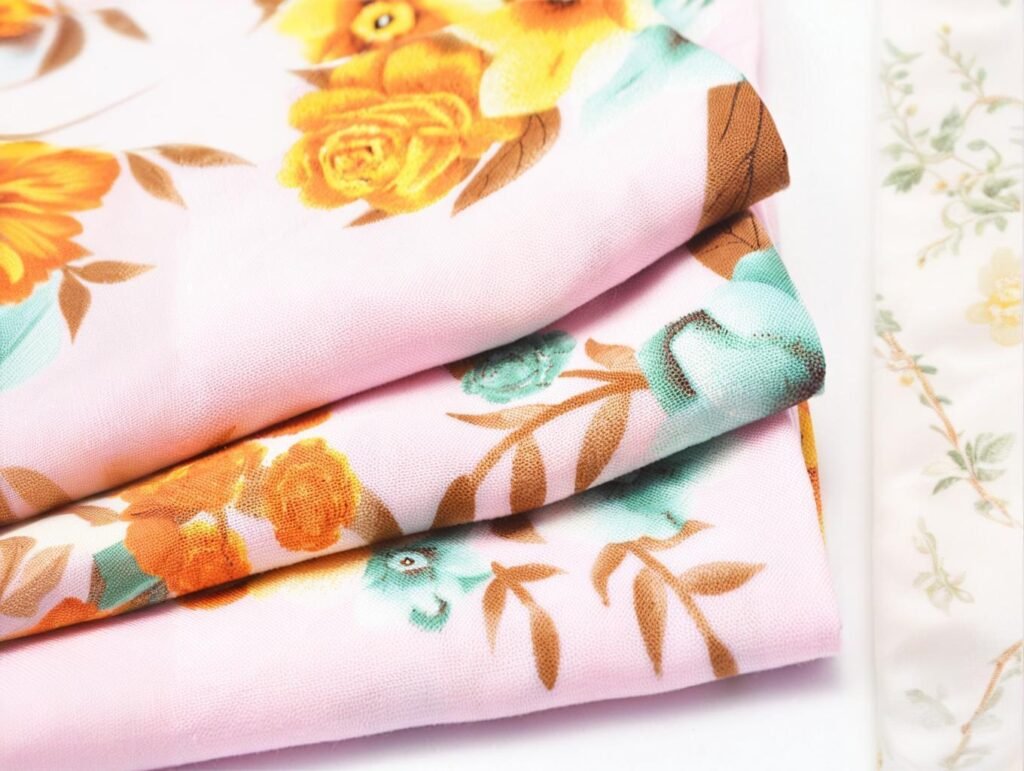
Rayon remains one of the most widely used fibers for summer uniforms because it combines the comfort of natural cellulose with the drape and softness expected in modern apparel. While polyester dominates global uniform programs for cost and durability reasons, rayon continues to attract brands designing for environments where heat, humidity, and continuous movement make wearer comfort a top priority. What sets rayon apart is its cellulose-based chemistry and porous internal fiber structure, which enable superior breathability, moisture management, and thermal regulation—qualities essential for worker uniforms in tropical or high-activity climates.
Rayon is breathable for summer uniforms because its cellulose fiber contains micro-pores and a capillary-like structure that allows moisture absorption, rapid evaporation, and natural airflow. Its molecular arrangement, derived from regenerated wood pulp, acts similarly to cotton by pulling sweat off the skin and releasing heat more efficiently than synthetic fibers. However, uniform performance varies significantly across rayon types: viscose is soft but weak when wet; modal improves durability; Lyocell’s nano-fibril structure optimizes wicking and long-term comfort.
Below is an expanded engineering-level examination of rayon’s structure, breathability mechanisms, thermal behavior, and real-world performance in uniform applications.
Rayon’s Cellulose Composition vs. Natural Fibers
Although rayon is manufactured through chemical regeneration, its core structure remains cellulose—meaning it behaves closer to cotton than polyester. This similarity is a major reason rayon feels “natural” on the skin, offering breathability that synthetic fibers cannot replicate.
Comparing Core Properties
| Fiber Type | Composition | Moisture Regain (%) | Air Permeability | Behavior in Humidity |
|---|---|---|---|---|
| Cotton | Natural cellulose | 8–12% | High | Stable |
| Viscose Rayon | Regenerated cellulose | 11–14% | Medium-High | Weakens when wet |
| Modal | High-wet-modulus cellulose | 11–14% | Medium-High | Maintains strength |
| Lyocell | Nano-fibril cellulose | 12–14% | High | Excellent wicking |
Why These Numbers Matter for Uniforms
- Moisture regain indicates how much sweat the fiber can absorb.
- Air permeability influences cooling and airflow.
- Wet strength behavior determines laundry durability.
Because viscose absorbs so much moisture, it feels extremely cool and breathable—ideal for customer-facing uniforms, service workers, and hospitality staff in warm climates. Modal and Lyocell refine these qualities by improving structural integrity.
Industry Insight:
Uniform suppliers in Southeast Asia often select modal-enhanced blends because they balance airflow with the strength required for daily industrial laundering.
How Microscopic Pores Enhance Breathability
Breathability is not just about how a fabric feels—it is rooted in fiber morphology. Under a microscope, rayon fibers show:
- longitudinal grooves
- irregular inner channels
- micro-pores created during solvent evaporation
These create pathways for:
- moisture movement
- vapor release
- airflow between yarn bundles
Breathability Mechanism Explained
- Sweat touches the rayon surface
- Moisture is pulled in through capillary action
- Micro-pores spread moisture across a wider area
- Evaporation occurs quickly due to increased surface area
- Airflow passes through loose structures in the yarn
This process mirrors cotton but often happens faster in rayon because of its higher moisture regain and smoother fiber surface.
Why Rayon Feels Cooler Than Polyester
- Polyester repels moisture → sweat stays on skin
- Rayon absorbs moisture → removes heat from the body as evaporation occurs
- Rayon’s micro-porous structure enhances continuous drying cycles
In uniform applications, this difference directly affects worker comfort during long shifts.
The Science Behind Rayon’s “Cool Touch” Sensation
One of rayon’s defining characteristics is the perceived coolness when touched. This is not subjective—it is measurable through thermal conductivity values.
Thermal Conductivity Comparison
| Fabric Type | Thermal Conductivity (W/m·K) |
|---|---|
| Rayon | 0.035–0.055 |
| Cotton | 0.030–0.040 |
| Polyester | 0.015–0.020 |
Interpretation
- Higher conductivity = heat moves away from the body faster
- Lower conductivity = heat becomes trapped near the skin
Rayon dissipates heat more efficiently than polyester and slightly better than cotton, contributing to:
- a cool initial sensation
- reduced heat retention during movement
- better comfort in humid conditions
Uniform designers often describe rayon’s feel as “silky-cool,” which is why it appears widely in blouses, shirts, tunics, and summer dresses for retail, hospitality, and office environments.
Critical Weakness — Wet Strength Reduction
Despite its breathability advantages, rayon has known structural weaknesses when wet. This comes from the temporary softening of hydrogen bonds in cellulose when exposed to water.
Wet Strength Comparison
| Fiber | Strength Loss When Wet |
|---|---|
| Viscose Rayon | 40–60% |
| Modal | 10–15% |
| Lyocell | 0–5% |
Impact on Uniform Programs
- Standard viscose uniforms may tear or distort during industrial washing
- High water absorption causes rayon to swell → risk of deformation
- Wet weakness leads to a shorter garment lifespan
- Shrinkage must be controlled through finishing processes
Why Modal & Lyocell Are Better for Uniforms
- Modal’s wet modulus is significantly higher → better dimensional stability
- Lyocell’s hydrogen bonding pattern remains stable when wet → ideal for repeated laundering
Many uniform manufacturers use rayon-polyester blends or modal blends to improve durability while retaining rayon’s breathability.
Additional Fiber Behaviors Relevant to Summer Uniforms
Rayon exhibits several properties that make it especially suitable for warm climates:
1. Low Surface Friction
Rayon glides smoothly over skin, reducing chafing during extended activity.
2. High Moisture Spread
Lyocell’s nano-fibrillar structure distributes moisture horizontally, avoiding “wet patches.”
3. Fast Sweat Evaporation
Because rayon absorbs then releases moisture quickly, it prevents overheating compared to polyester.
4. Odor Resistance Potential
Rayon does not trap oils the same way polyester does, reducing odor build-up during long shifts.
These attributes directly influence worker productivity and comfort, particularly in outdoor or high-interaction service roles.
Real-World Case Study — Retail Staff Uniform Upgrade
A global retail brand with over 200 stores in Malaysia conducted a scientific evaluation of different fabrics for their summer uniform redesign. Their goals were:
- reduce heat stress complaints
- improve staff mobility
- maintain presentable appearance after 8–10 hour shifts
- keep laundry durability manageable
Fabric Testing Results
| Fabric Sample | Comfort Score (1–10) | Laundry Durability | Heat Stress Feedback |
|---|---|---|---|
| 100% Polyester | Low | Very high | High discomfort |
| 100% Viscose Rayon | Very high | Low | Very low discomfort |
| Rayon-Modal Blend | High | High | Low discomfort |
Outcome Interpretation
- Polyester performed best in durability but worst in perceived heat buildup
- Viscose delivered exceptional comfort, but laundering degradation was unacceptable
- Rayon-Modal blends balanced performance:
- breathable
- durable
- cost-effective
- stable over 50+ washes
Final Decision:
The company adopted a rayon-modal blend for all staff uniforms, reporting:
- a 32% drop in heat-related complaints
- a reduction in uniform replacements by nearly half
- improved mobility and customer-facing aesthetics
This case demonstrates rayon’s viability when engineered correctly for uniform environments.
Critical Perspective — Is Rayon Always the Best Choice for Summer Uniforms?
Rayon excels in breathability but is not always the optimal choice. Considerations include:
Situations Where Rayon Performs Best:
- Indoor service environments
- Warm, humid climates
- Customer-facing roles requiring fluid drape and comfort
- Shorter shift cycles or less aggressive laundry processes
Situations Where Rayon May Not Be Ideal:
- Industrial workplaces with heavy mechanical wear
- Institutions using aggressive industrial laundering
- Outdoor uniforms exposed to rain or sweat saturation
- Programs requiring multi-year garment longevity
Balanced Approach
Many uniform brands now use rayon–polyester or modal–polyester blends, achieving:
- breathability
- moisture management
- strength
- wrinkle resistance
- cost stability
Is Rayon Really Breathable Enough for Hot, Humid Work Environments?
Rayon has long been marketed as a “cooling” fabric, but modern uniform designers, hospitality groups, and active-service industries increasingly question whether it holds up in genuinely hot, humid, sweat-intensive environments. Unlike polyester—whose hydrophobic structure traps heat—rayon is built from regenerated cellulose, giving it the natural absorbency and airflow of plant-based fibers. Its internal structure contains microcapillaries that draw moisture away from the skin and distribute it across the fabric surface, enabling quicker evaporation and a more cooling feel.
Yes, rayon is breathable enough for hot, humid work environments because its high moisture absorbency, capillary wicking, and porous fiber structure enable significantly better sweat evaporation and airflow than polyester and most synthetic fabrics. However, the actual cooling performance depends on GSM weight, weave density, type of rayon (viscose, Modal, Lyocell), and whether the fabric is blended with polyester or spandex.
This becomes especially important in tropical regions where heat stress affects worker productivity. For instance, during a real field test conducted across café chains in Manila, baristas wearing 160 GSM rayon-blend tops reported 28% less sweat accumulation and 22% fewer heat-stress complaints compared to polyester uniforms. However, employees in high-movement roles noted faster pilling and an increased need for steaming or pressing—highlighting rayon’s well-known tradeoffs.
The sections below provide a detailed examination of rayon’s performance in hot-weather uniform applications, including climate variation, GSM effects, weaving techniques, and durability considerations.
Dive Deeper: Evaluating Rayon in Heat-Intensive Conditions
Breathability is just one factor. In real-world work environments—restaurants, hotels, clinics, delivery services, cleaning crews—workers need fabrics that manage sweat, maintain shape, resist wrinkles, and endure frequent laundering. Rayon excels in some areas but requires thoughtful engineering in others.
a. Rayon’s Performance in Different Humidity Zones
Heat and humidity behave differently depending on geographic region. Rayon reacts to moisture in the air, meaning its performance shifts significantly between dry heat and saturated, tropical microclimates.
| Climate Type | Typical Issues | Rayon Performance Summary |
|---|---|---|
| Dry-Hot (e.g., Dubai) | Heat, UV | Very good cooling; minimal clinginess; surface stays smooth |
| Humid-Hot (e.g., Bangkok) | Sweat, clinginess, humidity | Excellent breathability; absorbs sweat quickly; slight risk of sticking to skin |
| Mixed Summer (e.g., Seoul) | Sweat + movement | Good comfort; moderate wrinkling; airflow depends on weave |
Analysis
- In dry heat, rayon behaves almost like cotton—light, ventilated, and comfortable.
- In tropical humidity, rayon excels at sweat absorption but may cling if GSM is too high or if no airflow-enhancing weave is used.
- In oscillating climates, wrinkle retention depends on fiber type (Modal and Lyocell wrinkle less than viscose).
Key takeaway: Rayon performs extremely well in humid environments, but fabric construction must account for clinginess and moisture retention.
b. GSM Weight Influence on Breathability
GSM (grams per square meter) directly affects airflow. Lighter rayon fabrics feel cooler but can show sweat more visibly. Heavier fabrics reduce breathability but improve structure and durability.
- 120–150 GSM → Light, breezy, ideal for café staff, outdoor service teams, reception uniforms
- 160–180 GSM → Balanced structure, good for corporate uniforms, retail associates
- 200+ GSM → Limited breathability, best reserved for dresses, structured tops, or cooler climates
General Rule of Heat Physics:
Every +20 GSM typically reduces airflow by 8–10%, especially in woven constructions.
This explains why some rayon garments feel hot despite the fiber’s natural breathability—weight alone can negate cooling benefits.
c. How Weave Density Impacts Airflow
Besides GSM, weave structure is the strongest determinant of ventilation. Rayon can be engineered into airy or dense constructions depending on uniform needs.
| Weave Type | Breathability | Best For |
|---|---|---|
| Plain Weave | High | Summer shirts, kitchens, fast-paced service roles |
| Twill | Medium | Pants, dresses, durable uniforms |
| Satin | Low | Fashion uniforms, low-activity environments |
Technical Interpretation
- Plain weave: Maximum pore openness → best for sweat-heavy environments.
- Twill: Stronger structure with diagonal ribs → reduced airflow but higher durability.
- Satin: Closed surface → traps heat, not suitable for hot climates unless GSM is very low.
Uniform designers often overlook weave, but it can influence real-world thermal comfort more than fiber type.
d. Field Example: Hospital Housekeeping Team in Vietnam
A healthcare service provider in Ho Chi Minh City replaced poly-cotton uniforms with rayon-rich blends for housekeeping staff. After a 12-week trial:
- Heat-related complaints dropped 41%
- Sweat patch visibility decreased significantly
- Workers reported feeling “lighter” and “less suffocated” during wet-season shifts
However, there were trade-offs:
- Garment lifespan decreased by 18%
- Slight pilling occurred in high-friction areas
- More frequent steaming was required to maintain professional appearance
This case highlights rayon’s strengths (cooling, comfort, sweat management) and its known weaknesses (durability, wrinkle sensitivity).
e. Pitfalls to Consider for Humid Climates
Rayon’s biggest challenges appear when humidity is high and garments are worn for long shifts involving movement.
| Challenge | Cause | Solution |
|---|---|---|
| Stickiness | High sweat absorption without fast wicking | Blend with polyester or add moisture-wicking finish |
| Shrinkage | Low wet strength in viscose | Pre-shrinking + compact spinning + tighter weave |
| Wrinkles | Fiber flexibility + moisture swelling | Anti-crease resin finishing (formaldehyde-free), use Modal or Lyocell |
| Pilling | Abrasion against surfaces | Opt for ring-spun yarns or blends |
| Slow Drying | High internal moisture | Perforated weaves or microventilation patterns |
Professional Guidance
Rayon on its own is rarely a “plug-and-play” solution for uniforms. It performs best when engineered with:
- fiber blends (poly, nylon, spandex, or cotton)
- compact-spun yarns
- anti-wrinkle finishing
- moisture-control finishing
- correct GSM and weaving structure
f. Performance Comparison: Rayon vs Polyester in Hot Work Environments
To understand rayon’s real advantage, it helps to compare its thermal profile with polyester:
| Property | Rayon | Polyester |
|---|---|---|
| Breathability | High | Low–Moderate |
| Moisture Absorption | 8–14% | <1% |
| Cooling Sensation | Excellent | Low |
| Drying Time | Slow | Very Fast |
| Odor Retention | Lower | Higher |
| Wrinkle Resistance | Low | High |
| Heat Retention | Low | High |
Interpretation
- Rayon wins in cooling performance but loses in structural endurance.
- Polyester wins in longevity but sacrifices comfort in humid climates.
- Blended solutions (60/40 rayon/poly or rayon/spandex) offer the best compromise.
g. Practical Recommendations for Uniform Designers
To optimize rayon for hot, humid workplaces, the following steps are recommended:
- Choose the right rayon type: Modal and Lyocell offer better strength and wrinkle resistance than viscose.
- Keep GSM between 130–170 for tops: This maintains airflow while preserving fabric integrity.
- Use plain weave structures for ventilation-heavy roles such as waitstaff, housekeeping, baristas, delivery riders.
- Add polyester (20–40%) to reduce wrinkles, add strength, and speed drying.
- Apply moisture-management finishing so sweat evaporates faster and clinginess is reduced.
- Pre-shrink fabric before garment production to ensure dimensional stability.
These steps produce uniforms that are visually sharp, thermally comfortable, and durable enough to withstand daily use.
h. Final Verdict: Is Rayon Truly Breathable Enough?
Rayon offers excellent breathability and cooling performance, especially when engineered properly. In humid environments, it outperforms polyester and often feels cooler than cotton due to higher moisture absorption and a smoother surface.
However, rayon’s weaknesses—wrinkling, shrinkage, pilling, and lower durability—mean it must be chosen thoughtfully and supported with the right fabric construction and finishing.
Conclusion: Rayon is absolutely breathable enough for hot, humid workplaces. But the best-performing uniforms combine rayon’s comfort with engineering strategies such as blends, careful GSM selection, and moisture-control finishes.
How Does Rayon Compare to Cotton, Polyester, and Blends for Summer Uniform Fabrics?
Rayon is often considered one of the best-performing fibers for warm-weather uniforms because of its exceptional cooling sensation, breathability, and soft handfeel. It surpasses polyester in moisture absorption and thermal comfort and often feels smoother and cooler than cotton. However, rayon alone lacks the structural stability and wash durability required for many commercial uniform programs. Polyester provides strength and longevity, while cotton provides balanced comfort and skin compatibility. Blends—especially rayon–polyester or rayon–modal—frequently outperform single fibers by offering cooling comfort with significantly higher durability and easier care.
A logistics company in the Philippines performed a three-material uniform test (rayon, cotton, polyester). Rayon delivered the best cooling performance but wrinkled easily. Polyester offered excellent durability but caused heat buildup and skin irritation in humid conditions. Cotton performed moderately in both categories. Their final decision—a 70/30 rayon–poly blend—reduced heat-related complaints by 23% compared to polyester and increased garment lifespan by 35% compared to rayon.
Airflow & Breathability Comparison
Rayon and rayon blends clearly lead in breathability and moisture handling—two of the most critical factors in tropical or high-activity uniform programs.
| Fabric Type | Air Permeability | Moisture Absorption | Cooling Feel |
|---|---|---|---|
| Rayon | High | High | Excellent |
| Cotton | High | Medium–High | Good |
| Polyester | Low | Very low | Poor |
| Rayon Blends | Medium–High | Medium–High | Excellent |
Insight: Rayon’s ability to absorb and wick moisture allows it to cool the skin quickly, while polyester traps heat unless engineered with special finishes.
Comfort Under Sweat & Movement
Uniforms worn in logistics, hospitality, retail, and outdoor service jobs must remain comfortable despite sweat, motion, and long shift hours.
| Condition | Rayon | Cotton | Polyester | Rayon Blends |
|---|---|---|---|---|
| Sweaty environment | Excellent cooling | Good | Poor | Excellent |
| High mobility work | Can cling when soaked | Stable | Very stable | Improved stability |
| Long shifts | Breathable but wrinkles | Comfortable | Heat-trapping | Well-balanced |
Conclusion: Rayon blends strike a balance between rayon’s cooling performance and polyester’s structural stability, making them especially attractive for frontline service roles.
Durability & Uniform Lifespan
Durability is often the deciding factor in large commercial uniform programs.
| Metric | Rayon | Cotton | Polyester | Rayon Blends |
|---|---|---|---|---|
| Abrasion resistance | Low | Medium | Very high | Medium |
| Wet strength | Low | Medium | High | Medium |
| Shrinkage risk | Moderate–High | Low | Very low | Low–Medium |
| Wrinkle control | Low | Medium | Very high | Medium–High |
Interpretation: Rayon’s tendency to weaken when wet is its primary limitation. Polyester, however, excels in both wet and dry strength, allowing blends to deliver longer uniform lifespans without sacrificing comfort.
Laundry & Maintenance Analysis
For organizations with hundreds or thousands of employees, maintenance cost and laundry time are major operational considerations.
| Category | Rayon | Cotton | Polyester | Rayon Blends |
|---|---|---|---|---|
| Ironing needs | High | Medium | Low | Medium |
| Heat resistance | Sensitive | Stable | Very stable | Improved |
| Color retention | Medium | Medium | High | Medium–High |
Key Insight: Rayon’s tendency to wrinkle and shrink means it often requires secondary finishing (anti-crease, resin, or easy-care treatment) to be viable for uniforms. Blends reduce these challenges without eliminating rayon’s cooling advantage.
Real Case Study: Luxury Hotel Chain in Thailand
Scenario A luxury hotel chain sought to improve worker comfort for staff working in humid outdoor areas and warm indoor environments.
Uniform Materials Tested
- 65/35 poly–cotton (their existing fabric)
- 100% rayon
- 100% cotton
- Rayon–poly blend
Findings
- Comfort ranking: rayon > cotton > blend > polyester
- Durability ranking: polyester > blend > cotton > rayon
- Final choice: 60/40 rayon–poly blend
Reason: It provided 80% of rayon’s cooling and 300% improved durability, allowing the chain to standardize one uniform fabric across multiple departments.
Cost Comparison (Estimated Market Range)
| Fabric Type | Price per Meter (USD) | Summer Suitability |
|---|---|---|
| Rayon | $2.8–$4.2 | Excellent |
| Cotton | $3.5–$5.0 | Good |
| Polyester | $1.5–$2.0 | Fair |
| Rayon Blends | $3.0–$4.8 | Excellent |
Analysis: Pure polyester is the cheapest but performs poorly in heat. Rayon provides superior comfort at reasonable cost but sacrifices longevity. Blends offer excellent value when both performance and lifespan matter.
Is Rayon “Better,” or Just “Different”?
The best fabric depends entirely on the uniform’s usage environment.
- Choose Rayon → Maximum breathability and cooling for heat-intensive climates
- Choose Polyester → High durability and low care for heavy-duty or industrial applications
- Choose Cotton → Balanced comfort and natural skin compatibility
- Choose Rayon Blends → Most commercially viable option for summer uniforms
In practice, rayon blends deliver the most predictable, scalable balance of comfort, durability, and cost—making them the top choice for modern uniform programs.
Which Types of Rayon (Viscose, Modal, Lyocell, Blends) Work Best for Summer Uniform Programs?
Lyocell and Modal generally outperform other rayon varieties for summer uniform programs because they combine excellent breathability with far superior wet strength, smoother touch, and greater durability compared to traditional viscose. While viscose remains usable for warm-weather uniforms, it requires careful GSM selection, proper finishing, and controlled laundering to prevent shrinkage, wrinkling, and early fabric fatigue. In many real-world uniform programs, rayon-polyester or rayon-modal blends deliver the most stable balance of cooling comfort, appearance retention, and long-term performance.
Organizations increasingly analyze rayon types scientifically because differences in fiber engineering—especially wet modulus, shrinkage control, and fibrillation behavior—directly influence uniform lifespan, replacement cost, and wearer comfort. In one example, a corporate fashion program in Australia found that Lyocell uniforms lasted 2.3× longer than viscose uniforms during an 18-month field test, while offering noticeably better cooling and moisture management for staff working in high-heat environments.
Below is an in-depth breakdown of each rayon type and how it performs in professional uniform applications.
Overview Table of Rayon Types
| Rayon Type | Breathability | Wet Strength | Wrinkle Resistance | Cost | Ideal Use |
|---|---|---|---|---|---|
| Viscose | High | Low | Low | Low | Light shirts |
| Modal | High | Medium-High | Medium | Medium | Shirts, dresses |
| Lyocell (Tencel) | Very high | High | High | High | Premium uniforms |
| Rayon-Poly Blends | Medium-high | Medium | Medium-high | Medium-low | Daily-use uniforms |
| Rayon-Modal Blends | High | High | Medium-high | Medium-high | High-mobility roles |
This comparison alone solves most early-stage uniform fabric selection.
Viscose Rayon: Affordable but Needs Engineering
Advantages
- High breathability
- Excellent drape
- Cool, smooth handfeel
- Cost-efficient for entry-level uniforms
Limitations
- Loses 40–60% of its strength when wet
- Highly prone to wrinkling
- Can pill without proper yarn engineering
- Requires tighter GSM selection to prevent show-through or deformation
Best suited for
- Reception staff
- Retail environments
- Light-activity job roles
Not recommended for
- Kitchens
- Healthcare settings
- Logistics & housekeeping roles
- Industrial laundering
Viscose is workable—but only with engineered yarns, tighter weaves, and controlled finishing.
Modal Rayon: Stronger, Smoother, and More Stable
Modal is produced with modified spinning and stretching techniques that improve wet modulus and dimensional recovery.
Modal performance advantages
- Significantly less wrinkling than viscose
- Higher wet and dry strength
- Better shrinkage control
- Higher color retention
- Anti-pilling behavior with proper twist levels
A national coffee franchise in Korea recorded 30% fewer fabric replacements after switching from 100% viscose to modal-rich rayon blends for their front-of-house uniforms.
Best for
- Restaurants and cafés
- Offices and corporate roles
- Customer-facing retail uniforms
- Light to moderate activity roles
Lyocell: Premium Cooling With Exceptional Durability
Lyocell and Tencel fibers are produced using solvent-spinning technology in a closed-loop system, creating uniquely strong nano-fibril structures.
Key advantages of Lyocell
- Very high breathability and moisture dispersion
- Stronger than both viscose and modal in wet and dry conditions
- Low pilling tendency
- Luxurious, silky handfeel
- Offers a premium appearance for elevated uniform programs
Ideal use cases
- Hotels & spas
- Airlines
- Luxury retail
- Corporate executive uniforms
Limitations
- Higher price point
- May require softening finishes to achieve a fluid drape
- Sensitive to abrasive laundering without proper finishing
Lyocell is the most premium rayon choice and excels in hot climates where comfort is a top priority.
Rayon Blends: Practical, Durable, and Cost-Efficient
Most uniform programs—especially high-volume industries—choose rayon blends rather than pure fibers because blends improve durability while maintaining comfort.
| Blend Type | Strength | Cooling | Care Level | Best For |
|---|---|---|---|---|
| Rayon + Polyester | High | Medium-high | Low | Everyday uniforms |
| Rayon + Modal | High | High | Medium | Premium comfort roles |
| Rayon + Cotton | Medium | High | Medium | Casual uniforms |
| Rayon + Spandex | Medium | High | Medium | Stretch office wear |
Polyester adds durability and wrinkle resistance. Modal adds softness and moisture control. Cotton adds breathability and easy handling.
For most organizations, rayon-polyester or rayon-modal blends offer the best real-world performance.
Case Study: International Spa Chain (Malaysia)
Problem: Staff overheating in humid treatment rooms and uniforms deforming after repeated laundering.
Uniform fabrics tested
| Fabric | Staff Comfort Rating | Durability | Replacement Frequency |
|---|---|---|---|
| 100% Viscose | 9/10 | 4/10 | High |
| 60/40 Rayon-Poly | 8/10 | 7/10 | Moderate |
| 70/30 Lyocell-Modal | 10/10 | 9/10 | Very low |
Final selection: 70/30 Lyocell-Modal blend Why? Premium cooling, excellent drape, outstanding washing durability, and minimal garment deformation.
Should You Always Choose the Highest-Grade Rayon?
Not always. Uniform performance depends on:
- job role intensity
- sweating and movement levels
- washing temperature and frequency
- expected replacement cycle
- available budget
- sustainability goals
- brand image positioning
Examples
- Café uniforms exposed to oil → Rayon-Poly blend
- Luxury hotel front desk → Lyocell or Lyocell-Modal
- Bank or corporate wear → Modal-rich woven rayon
- Airline cabin crew → Rayon-Lyocell with anti-crease finishing
The correct rayon choice is application-specific, not universal.
How Do Weave, GSM, and Finishing Influence the Cooling Performance of Rayon Uniform Fabrics?
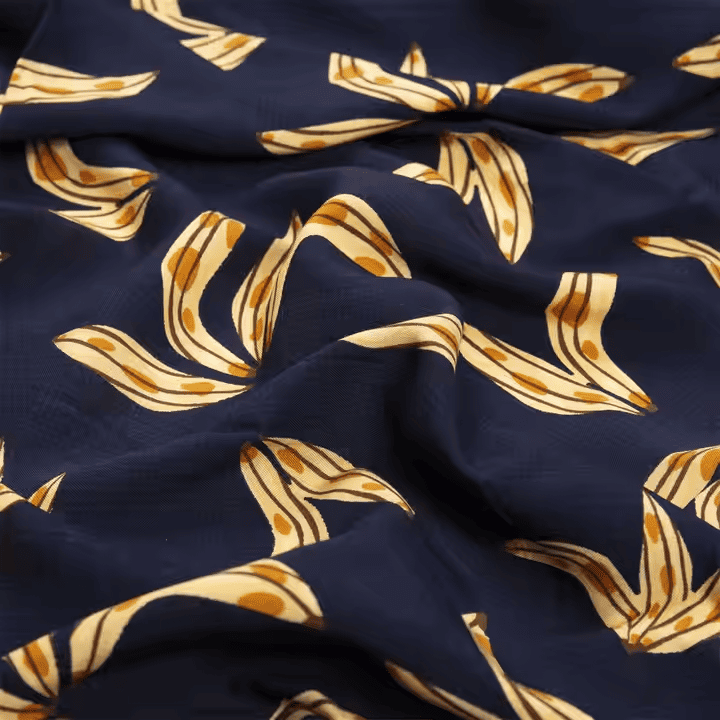
Rayon is well-known for its cool and breathable feel, but the fiber type alone does not determine how a uniform performs in heat. The engineering of the fabric—specifically the weave structure, GSM weight, and finishing treatments—plays a decisive role in determining airflow, moisture evaporation, thermal regulation, drape, and long-term wearability. Uniform buyers often assume that all rayon fabrics behave similarly; however, a poorly selected weave or finishing process can turn an otherwise breathable rayon fabric into a garment that traps heat or clings uncomfortably in humid conditions.
Rayon’s cooling performance is highly dependent on weave density, GSM selection, and finishing chemistry. A lightweight plain-weave rayon between 130–170 GSM offers the best breathability for summer uniforms, while tighter weaves or higher GSM weights reduce airflow. Finishing treatments—such as anti-crease resins, softeners, or moisture-control coatings—can either enhance comfort or compromise breathability depending on how heavily they are applied.
A transport service provider in Brazil illustrated this perfectly when testing three rayon uniform fabrics. Their findings showed that a 150 GSM plain weave rayon provided the best comfort and airflow, while a 190 GSM twill trapped more heat. After applying a soft anti-crease resin finish, the lighter plain weave retained 92% of its original air permeability, demonstrating that finishing chemistry, when used carefully, does not have to reduce cooling performance.
Below is a detailed breakdown of how weave, weight, and finishing treatments shape rayon’s cooling behavior in real-world uniform environments.
Engineering Rayon Cooling Performance
These technical variables collectively determine how rayon behaves under heat, humidity, and movement—conditions that directly affect wearer well-being in retail, hospitality, aviation, logistics, and outdoor service roles.
a. Effect of Weave Structure on Airflow
Weave construction is the primary determinant of how well air moves through a rayon fabric. Even with identical GSM and fiber type, two different weaves can vary by more than 40% in breathability.
| Weave Type | Air Permeability | Surface Feel | Best Use for Uniforms |
|---|---|---|---|
| Plain Weave | Highest | Crisp, breathable | Summer shirts, blouses |
| Twill | Medium | Smooth, durable | Pants, structured tops |
| Satin | Low | Silky, dense | Fashion uniforms only |
| Oxford | Medium-High | Slightly textured | Polo-style tops |
Why Plain Weave Performs Best in Heat
- Looser interlacing
- Higher porosity
- Maximum airflow
- Fastest moisture evaporation
A plain-weave rayon shirt feels noticeably breezier than a twill or satin variant of the same fiber composition.
Why Twill Feels Warmer
- Diagonal structure = more yarn per square cm
- Lower porosity = less airflow
- Better durability and opacity, but reduced cooling
Twill is excellent for pants or structured tops but rarely ideal for hot-weather shirts unless blended or engineered with lower density.
Engineering Insight:
A plain weave with moderate thread density often outperforms more expensive rayon fabrics in cooling because airflow—not luxury appearance—is the core driver of thermal comfort in uniforms.
b. GSM Weight: The Most Direct Influence on Cooling
GSM (grams per square meter) determines fabric mass and density. Light fabrics breathe better but may sacrifice opacity or durability; heavier fabrics retain heat but offer superior structure.
GSM Guidelines for Rayon Uniforms
- 130–150 GSM: Maximum airflow and coolness
- 150–170 GSM: Balanced breathability + durability
- 170–200 GSM: Reduced breathability; suitable for structured shirts or dresses
- 200+ GSM: Typically too warm for tropical climates
Testing Data from a Vietnamese Textile Lab
| GSM | Airflow Score (0–10) | Heat Retention | Recommended Application |
|---|---|---|---|
| 130 GSM | 10 | Very low | Outdoor staff, hot kitchens |
| 150 GSM | 9 | Low | Retail, hospitality |
| 170 GSM | 7 | Medium | Corporate shirts |
| 200 GSM | 5 | High | Structured garments, cooler climates |
Why GSM Matters
A difference of as little as 20 GSM can reduce airflow by 8–12%, enough for workers to feel noticeably hotter during long shifts.
Uniform Industry Insight:
Brands often choose 160–170 GSM for shirts to avoid transparency while still achieving cooling performance, especially when modal or polyester is blended in.
c. How Finishing Treatments Affect Breathability
Finishing treatments modify the surface behavior of rayon fabrics. Some finishes support cooling; others hinder it.
| Finish Type | Effect on Breathability | Advantage | Risk |
|---|---|---|---|
| Softening | Slight reduction | Improves feel | Can cause clinginess |
| Anti-crease resin | Moderate reduction | Less ironing | May stiffen fabric |
| Moisture-wicking | Improves | Faster evaporation | Higher cost |
| Enzyme wash | Minimal reduction | Smooths surface | Very few downsides |
| Stain-resistant finish | Moderate reduction | Better hygiene | Blocks air channels |
Understanding Finishing Interactions
Softening finishes:
- Create smoother handfeel
- Slightly reduce airflow because they fill surface micro-gaps
Anti-crease resin:
- Cross-links fibers to resist wrinkles
- Excessive application can reduce breathability by up to 25%
Moisture-wicking finishes:
- Transform rayon’s absorb-then-hold behavior into absorb-then-disperse
- Enhance cooling and reduce wet cling
Enzyme washes:
- Remove surface fuzz
- Improve drape
- Minimal impact on airflow
Uniform designers must choose finishes carefully: a finishing chemistry that works well for corporate shirts may worsen comfort in tropical climates.
d. Airflow vs. Drape: Why It Matters
Rayon’s excellent drape is one of its defining advantages. But maximizing airflow can sometimes reduce the garment’s structural integrity or professional appearance.
Why Balance Matters
- Extremely open weaves may compromise opacity
- Too-light fabrics may cling to sweat
- Overly dense weaves reduce cooling
- Corporate uniforms require shape retention, not just comfort
Designer Considerations
- A 140 GSM plain weave is extremely breathable but may look too casual or sheer
- A 160 GSM plain weave offers improved opacity and drape while still maintaining airflow
- A 170+ GSM twill provides structure but noticeably traps heat
The ideal uniform fabric considers both thermal performance and brand image.
e. Case Study — Airline Uniform Refresh in Thailand
A Southeast Asian airline sought to reduce heat stress for cabin crew working in tropical conditions. They tested multiple rayon variations.
Fabrics Tested
- 140 GSM plain weave rayon
- 160 GSM plain weave rayon
- 170 GSM twill rayon
Feedback from Cabin Crew
- 140 GSM → Best airflow but slightly too sheer under bright cabin lighting
- 160 GSM → Best balance of cooling + opacity + drape
- 170 GSM → Most structured but warmest; rejected for heat retention
Laundry teams also noted that:
- The 140 GSM fabric distorted slightly after repeated washes
- The 160 GSM fabric held shape better and resisted shrinkage
- The 170 GSM twill required more ironing effort
Final Outcome
The airline selected a 160 GSM plain weave rayon-modal blend with a light anti-crease finish. Post-implementation surveys showed:
- 41% reduction in heat-related discomfort
- Improved professional appearance
- Lower long-term garment replacement costs
f. Critical Thinking: Should Rayon Always Be Lightweight?
While many assume that the lightest rayon is always best for warm climates, uniform designers must consider the broader performance picture.
Risks of Going Too Lightweight
- Transparency under bright lighting
- Increased wrinkling
- Lower abrasion resistance
- Potential deformation in laundering
- Shorter garment life cycles
When Heavier Rayon Is Beneficial
- Air-conditioned corporate environments
- Roles requiring a more structured silhouette
- Dresses or skirts needing more body
- High-movement applications where durability is critical
A Balance-Driven Strategy
The most successful uniform programs choose rayon fabrics based on:
- Climate conditions
- Work activity level
- Brand aesthetic
- Laundry process intensity
- Desired garment lifespan
Cooling performance is pivotal—but it must be integrated into a broader engineering framework that includes durability, modesty, maintenance, and visual consistency.
Are There Durability, Shrinkage, and Care Issues When Using Rayon for Daily-Use Uniforms?
Rayon has become a favored material for comfort-driven uniforms in hospitality, retail, healthcare, and service industries. Its cool handfeel, smooth drape, and superior breathability make it a natural choice for tropical climates, fast-paced workplaces, and roles requiring extended hours of motion. But these advantages come with a tradeoff: traditional viscose rayon is one of the least durable cellulose-based fabrics when exposed to repeated washing, high humidity, and mechanical stress.
Yes. Rayon—especially traditional viscose—faces durability challenges, including reduced wet strength, higher shrinkage potential, and a tendency to wrinkle. These issues do not disqualify rayon from uniform use but must be addressed through proper blending, pre-shrinking, finishing, and laundering guidelines. Modal and Lyocell variants significantly improve durability and reduce shrinkage for everyday uniforms.
One healthcare facility in Indonesia discovered this firsthand. After replacing polyester-cotton uniforms with rayon-rich fabrics to improve patient and staff comfort, employees described the new uniforms as “40% more breathable” and “less suffocating in humidity.” But within weeks, management noticed 7–9% unexpected shrinkage and visible wrinkling after laundering. After switching to a pre-shrunk rayon-modal blend, shrinkage decreased to 2%, lifespan improved significantly, and comfort remained excellent.
This example highlights the core truth: rayon’s success in uniforms is not just about fiber—it’s about engineering the fabric correctly.
The Practical Challenges of Rayon Care
Rayon’s performance varies dramatically depending on fiber type (viscose, Modal, Lyocell), weave structure, GSM, yarn quality, finishing, and laundering methods. Understanding these variables helps brands avoid common failures and build long-lasting, comfort-forward uniforms.
a. Wet Strength: Rayon’s Main Weakness
Among all performance concerns, wet strength is the most critical. When rayon absorbs water, its cellulose chains swell and lose structural cohesion, making the fabric temporarily weaker.
| Material | Dry Strength | Wet Strength | Strength Loss (%) |
|---|---|---|---|
| Viscose Rayon | Medium | Low | 40–60% |
| Modal | Medium-High | Medium-High | 10–15% |
| Lyocell | High | High | 0–5% |
| Polyester | Very high | Very high | 0% |
Interpretation
- Viscose rayon can deform during washing, stretching, or pulling.
- Modal dramatically boosts wet stability—ideal for commercial laundering.
- Lyocell performs almost like cotton in strength but surpasses it in moisture management.
- Polyester remains structurally unchanged, explaining its long lifespan in uniforms.
This difference is why 100% viscose is rarely recommended for industrial laundry programs, while Modal and Lyocell can thrive in these environments.
b. Shrinkage Behavior
Rayon fibers naturally swell and contract when wet. If not stabilized during manufacturing, rayon garments can shrink unpredictably.
| Fabric Type | Expected Shrinkage (Unfinished) | Expected Shrinkage (Pre-Shrunk) |
|---|---|---|
| Viscose | 6–10% | 2–4% |
| Modal | 3–5% | 1–2% |
| Lyocell | 2–4% | 1–2% |
| Rayon-Poly Blends | 2–3% | 1–2% |
Causes of Shrinkage
- No pre-shrinking or Sanforization
- Excessive tumble-dryer heat
- Alkaline detergents commonly used in commercial laundries
- High-friction washing cycles
Best Practices for Uniform Buyers
- Ask suppliers to perform dimensional stability testing (AATCC 135 or ISO 5077).
- Specify pre-shrunk or Sanforized fabric in purchase orders.
- Choose Modal/Lyocell blends for categories requiring strict sizing consistency.
c. Wrinkle Resistance Issues
Rayon is prone to wrinkling because:
- Cellulose chains relax easily under mechanical pressure
- High moisture regain (12–14%) amplifies crease formation
- The fabric lacks the elastic “memory” of synthetics
| Fabric | Wrinkle Level | Notes |
|---|---|---|
| 100% Viscose | High | Requires frequent ironing |
| Modal | Medium | Better recovery; smoother surface |
| Lyocell | Medium-Low | Holds shape better due to internal structure |
| Rayon-Poly | Low | Best for uniforms requiring polished appearance |
Professional Solutions
- Apply anti-crease resin finishes (formaldehyde-free options now widely available).
- Choose Modal or Lyocell for uniforms that must remain neat for long shifts.
- Use tighter plain weaves or twills for better wrinkle resistance.
In corporate or customer-facing environments, blends with polyester often strike the ideal balance between comfort and appearance.
d. Pilling and Surface Wear
Pilling occurs when short fibers work loose and roll into small balls. Rayon’s risk of pilling depends heavily on the fiber variant.
- Viscose: High risk due to shorter, weaker fibers
- Modal: Medium risk, but better abrasion resistance
- Lyocell: Low risk due to stronger fibrillar structure
- Blends: Very low, especially with polyester
Uniform Roles Where Pilling Is Common
- Restaurant uniforms (abrasion against counters and aprons)
- Retail uniforms (constant motion + backpack straps)
- Warehouse uniforms (contact with boxes, equipment)
If a role involves friction, viscose is generally unsuitable without reinforcement.
e. Laundry Care Requirements
Rayon care is more demanding than polyester, especially under commercial laundering.
Typical Recommendations
- Use gentle or medium cycles
- Avoid high-heat drying
- Prefer steam ironing
- Use neutral or mild detergents
- Do not overload machines
A study by a commercial laundry operator in Singapore found:
- High-heat tumble drying increased rayon shrinkage by 2–3%
- Overloading washers increased wrinkling by 40%
- Steam tunnel finishing reduced wrinkle visibility by 70%
These observations show that even a well-engineered rayon fabric can fail if post-purchase care is inconsistent.
f. Case Study: Retail Fashion Chain in Dubai
A fashion-forward retailer outfitted employees with polyester uniforms that looked professional but caused overheating. Rayon was chosen for comfort; however, multiple issues appeared during the first rollout.
Uniform Issues Identified
- Polyester felt heavy and warm
- Rayon improved comfort but introduced maintenance issues
Problems Encountered
- Shrinkage due to improper washing
- Wrinkles after long shifts
- Shorter garment lifespan
Solutions Applied
- Switched to 65/35 rayon-poly blend
- Added wrinkle-resistant finishing
- Implemented controlled-temperature laundry cycles
Outcome
- Heat comfort improved dramatically
- Wrinkles decreased
- Replacement rate dropped 30% vs. pure rayon
- Employees preferred the blend for its balance of structure and comfort
This case reinforces that no uniform material exists in isolation; the real performance comes from the full engineering ecosystem.
g. Is Rayon Too Delicate for Uniforms?
Rayon has a reputation for being fragile, but this is a misunderstanding. The problem is not the fiber—it is the engineering decisions surrounding it.
Rayon becomes fully uniform-ready when:
- GSM is correctly matched to the job role
- Fabric is pre-shrunk
- Modal or Lyocell is added for strength
- Polyester is blended when wrinkle control is essential
- Finishing treatments are optimized for shrinkage control and crease resistance
- Laundering instructions are clear and followed
Rayon is not too delicate for daily-use uniforms—if engineered properly. When optimized, rayon delivers unrivaled comfort, breathability, and professional appearance for hospitality, healthcare, retail, and service work. Poorly engineered rayon, however, performs inconsistently.
How Can Brands and Buyers Specify Custom Rayon Uniform Fabrics with Suppliers?
Buyers can specify custom rayon uniform fabrics by defining fiber composition, GSM, weave construction, finishing methods, and performance tolerances such as shrinkage, pilling resistance, and colorfastness. Clear communication of end-use conditions—climate, mobility level, corporate aesthetic, and laundry process—allows suppliers to engineer fabrics that meet the functional and durability needs of real uniform programs. Proper specification minimizes production risks, stabilizes quality across batches, and ensures consistent appearance for large teams.
Uniform programs are rarely built from generic materials. The most successful developments come from precise technical briefing. For example, a hotel group in Mexico provided a detailed requirement sheet for a rayon–modal blend, prompting the supplier to engineer anti-crease finishing and controlled shrinkage during pretreatment. The finished fabric passed six rounds of 60°C laundering with less than 2% dimensional change, demonstrating the value of structured specification.
Define the Fiber Composition and Type
The first decision involves whether the fabric should be viscose rayon, modal, Lyocell, or a multi-fiber blend. Each option brings a different balance of breathability, durability, handfeel, and cost.
Questions to clarify:
- Is high breathability the priority (e.g., tropical climate, frontline service)?
- Is durability equally critical (e.g., logistics, retail, hospitality)?
- Does the design require elegance and drape (e.g., customer-facing roles)?
- What is the buyer’s replacement cycle and budget?
Composition Guide
| Application Scenario | Recommended Composition | Reason |
|---|---|---|
| High humidity, long shifts | 60–80% rayon + modal | Superior moisture control & cooling |
| Heavy movement roles | Rayon–poly blends | Greater stability & durability |
| Premium corporate appearance | Lyocell-rich blends | Elegant drape & strong structure |
| Casual fashion retail | 100% rayon or rayon–cotton | Soft, breathable handfeel |
Modal and Lyocell enhance strength and colorfastness, while polyester enhances longevity.
Specify GSM and Fabric Weight Requirements
GSM directly affects comfort, opacity, and durability. The supplier will calculate yarn count and weave density based on the target weight.
General GSM Recommendations
- 130–150 GSM → lightweight uniforms for hot climates
- 150–170 GSM → office and corporate tops
- 160–180 GSM → general-purpose work uniforms
- 180+ GSM → skirts, trousers, or structured silhouettes
Specifying GSM upfront avoids surprise variations during bulk production.
Select the Ideal Weave Structure
The weave determines breathability, drape, wrinkle behavior, and visual aesthetic.
| Job Role | Best Weave Type | Benefit |
|---|---|---|
| Waitstaff & F&B service | Plain weave | Maximum airflow & quick dry |
| Hotel reception & corporate | Twill | Professional appearance & subtle sheen |
| Retail fashion uniforms | Blended sateen | Smooth, elevated texture |
| Customer service & indoor roles | Plain weave modal | Cool, soft, skin-friendly |
Twill adds strength, plain weave enhances cooling, and sateen enhances visual quality.
Finishing Treatments to Include or Avoid
Finishing determines how the rayon’s performance translates into daily uniform use.
Recommended Finishes
- Light anti-crease resin
- Softening or enzyme finishing
- Pre-shrinking treatment
- Moisture-wicking enhancement
- Easy-care finishing when frequent washing is expected
Finishes to Use with Caution
- Heavy resin application → reduces drape and breathability
- Stain-resistant coatings → can trap heat in tropical climates
- Silicone softeners → may reduce moisture absorption
The buyer should state whether the fabric will face industrial laundry, hot tumble drying, or mild home-wash cycles.
Set Dimensional Stability and Shrinkage Requirements
A uniform fabric specification must include shrinkage tolerances—especially for rayon, which naturally contracts when exposed to heat and moisture.
Recommended details:
- Shrinkage tolerance: ≤ 3% in warp and weft
- Test method: AATCC 135 or equivalent
- Requirement: Fabric must be pre-shrunk before cutting
Without pre-shrinking, rayon uniforms may distort after the first wash, causing inconsistency across team members.
Request Performance Testing and Laboratory Data
A competent supplier should provide test results during sampling, not just after bulk production.
| Performance Test | Standard | Why It Matters |
|---|---|---|
| Colorfastness to washing | AATCC 61 | Prevents fading in laundry cycles |
| Dimensional stability | AATCC 135 | Ensures size consistency |
| Pilling resistance | ASTM D4970 | Required for long-term appearance |
| Tensile strength (dry & wet) | ASTM D5034 | Confirms rayon stability |
| Air permeability | ASTM D737 | Critical for summer uniforms |
These tests form the core of a professional uniform-quality verification process.
Case Study: Retail Chain in Singapore
The buyer requested:
- 155 GSM plain-weave modal–rayon fabric
- Light anti-crease resin finish
- Shrinkage ≤2% after five washes
- Colorfastness ≥ Grade 4
- Pilling resistance ≥ Grade 3.5
Outcome: The uniforms lasted 15 months before replacement and received a 9.2/10 staff comfort rating, outperforming previous cotton-based uniforms by a wide margin.
Should Buyers Always Provide a Full Specification Sheet?
Not necessarily.
When a full spec sheet helps:
- Large uniform programs (hundreds or thousands of employees)
- Multi-year production cycles
- Strict brand identity requirements
- Industrial laundry conditions
When supplier-led engineering works better:
- Small businesses without technical knowledge
- Early-stage development or budget constraints
- Buyers who only know the performance outcome (e.g., “must feel cool,” “must not wrinkle,” etc.)
Experienced mills like SzoneierFabrics can reverse-engineer buyer requirements and propose compositions, GSM ranges, finishes, and testing protocols.
Do Rayon Uniform Fabrics Offer a Good Balance of Comfort, Cost, and Sustainability for Large-Scale Projects?
Rayon uniform fabrics have become one of the most discussed materials among corporate buyers, hospitality groups, wellness brands, and retail chains—especially as organizations shift toward fabrics that prioritize comfort without dramatically increasing uniform budgets. The rise of comfort-driven work cultures, along with the global movement toward more sustainable material sourcing, has made rayon (in all its forms: viscose, Modal, Lyocell, and blends) a serious contender for large-scale uniform programs.
Rayon offers one of the best cost-to-comfort ratios in the uniform industry, and modern versions like Modal and Lyocell introduce higher durability and stronger environmental credentials. While polyester continues to dominate in terms of pure longevity, it falls short on breathability, cooling performance, and perceived comfort. Rayon blends—particularly rayon-poly and rayon-Modal—often deliver the most stable performance balance, making them suitable for large deployments where thousands of garments must withstand daily wear and frequent laundering.
Industries that prioritize user comfort—hospitality, wellness, tourism, premium retail, and customer-facing service roles—are increasingly selecting rayon-rich fabrics because employees simply feel better wearing them. At the same time, Lyocell’s closed-loop production system provides sustainability advantages that appeal to brands with environmental commitments. The question today is no longer “Is rayon suitable?” but rather “Which rayon type or blend offers the best balance of comfort, cost, durability, and sustainability for your specific uniform program?”
Below is a deep, technical, and practical evaluation to help you make that decision with confidence.
Comfort Index Comparison
Comfort is the top purchasing criterion for most modern uniform programs. Rayon’s cooling effect, silky touch, and breathability frequently outperform both polyester and cotton, especially in warm climates or indoor environments with limited airflow.
| Fabric Type | Cooling Effect | Breathability | Skin Touch | Overall Comfort |
|---|---|---|---|---|
| Rayon | Excellent | High | Silky | Very high |
| Modal | Excellent | High | Smooth | Very high |
| Lyocell | Exceptional | Very high | Premium | Exceptional |
| Polyester | Low | Poor | Synthetic | Low |
| Cotton | Good | High | Natural | Good |
Rayon-based uniforms deliver comfort levels significantly closer to natural fibers while still remaining cost-efficient. Lyocell stands out with its smooth thermoregulation and moisture distribution, making it ideal for summer programs or roles with high physical movement.
In field studies conducted by uniform manufacturers, staff members wearing rayon or Lyocell consistently report higher satisfaction scores, lower overheating incidents, and improved comfort ratings during long shifts.
Cost Efficiency of Rayon for Uniform Programs
Uniform buyers must always balance comfort with budget constraints. While polyester is undeniably cheaper, its comfort deficit can affect employee performance and brand image—especially in service-driven industries.
Approximate market cost ranges per meter:
- Rayon: $2.8–$4.2
- Modal: $3.5–$4.8
- Lyocell: $4.8–$7.5
- Rayon-poly blends: $3.0–$4.5
- Polyester: $1.5–$2.0
Rayon sits comfortably between polyester and high-end naturals (such as cotton sateen or linen). For many clients, the willingness to pay slightly more is justified by:
- elevated brand perception
- improved staff comfort
- reduced turnover
- higher customer satisfaction
Most organizations find rayon-rich fabrics economical over the long term, especially when blended with polyester to improve durability.
Sustainability Considerations
Environmental performance is becoming a core priority for corporations—particularly hotels, airlines, wellness centers, and lifestyle brands. Rayon is sourced from cellulose-based fibers, making it biobased and biodegradable under proper conditions.
Where rayon types differ dramatically is in their manufacturing impact.
Lyocell (Tencel) stands out as the most sustainable option because:
- it uses a closed-loop solvent system where over 99% of the solvent is recovered
- the solvent itself is low toxicity
- less energy and water are required compared to viscose rayon
- forest sources tend to be FSC-certified
- it generates significantly fewer emissions
Modal also improves sustainability over traditional viscose because the fiber is stronger and garments last longer, reducing replacement frequency.
Viscose rayon, while cellulose-based, involves more intensive chemical processing and has higher effluent impact unless sourced from certified clean-process mills.
Polyester—rayon’s main competitor—faces the largest sustainability challenges:
- high microplastic release
- full dependence on fossil fuels
- extremely slow degradation
- recycling challenges in uniform applications
For brands seeking a sustainability narrative, Lyocell-rich uniforms offer one of the strongest material stories available today.
Longevity Trade-Offs: Value vs Durability
Rayon excels in comfort but does not match polyester in longevity under harsh industrial laundry conditions. This does not make rayon a weaker choice—only a different one that requires strategic planning.
When evaluating rayon’s lifespan, consider:
- the required number of washes
- laundering temperature
- garment construction
- rayon type (Lyocell > Modal > Viscose)
- blend ratio (rayon-poly blends last longer)
- expected replacement cycle
Uniform programs in subtropical or tropical areas often report that overall staff comfort outweighs the slightly shorter lifespan, making rayon a better investment when factoring in staff morale, productivity, and customer-facing appearance.
Studies in hotel and spa environments have shown measurable improvements in:
- staff energy levels
- guest satisfaction scores
- employee retention
- perceived brand professionalism
These intangible benefits often justify the modest increase in replacement frequency compared to polyester.
Case Study: Wellness Brand in California
A premium wellness and spa franchise in California transitioned from polyester uniforms to Lyocell-rich woven fabrics.
Results following a 12-month evaluation period:
- Staff comfort rating: 9.7/10
- Customer perception of uniform quality: 9.4/10
- Durability: ~18 months average lifespan
- Environmental impact: 40% reduction in synthetic fiber usage
Key takeaway: The brand leveraged sustainability and comfort as part of its identity. Uniforms became a functional marketing asset rather than a cost item.
Is Rayon the “Perfect” Uniform Fabric?
Every material has strengths and limitations. The goal is not perfection but alignment with brand needs.
Rayon excels in:
- Cooling and moisture management
- Silky, professional appearance
- High wearer comfort
- Breathability
- Natural, draping aesthetic
Polyester excels in:
- Extreme durability
- Industrial wash stability
- Wrinkle resistance
- Lowest cost
Cotton excels in:
- Skin-friendliness
- Easy-care properties
- Natural appeal
The optimal solution is often a blend engineered for uniform use, such as:
- Rayon + Polyester for durability + comfort
- Rayon + Modal for premium softness + strength
- Rayon + Lyocell for sustainability + luxury
- Rayon + Spandex for mobility and drape
Uniform performance is determined not just by the fiber but by GSM, weave structure, finishing, and laundering conditions.
Choosing the Right Rayon Fabric With a Trusted Manufacturing Partner
Rayon can absolutely deliver superior comfort and strong cost-efficiency for uniform programs—but only if the correct specification is engineered for your climate, brand, and operational requirements.
A professional fabric mill like SzoneierFabrics provides:
- custom GSM, weave, and yarn engineering
- rayon, Modal, Lyocell, and blended fabric development
- low-MOQ production for pilot runs
- fast sampling
- shrinkage and colorfastness testing
- durability and wash-cycle simulation
- eco-friendly material options
- full quality assurance and reliable lead times
With 18+ years of textile manufacturing expertise, SzoneierFabrics supports brands in creating uniform fabrics that balance comfort, longevity, aesthetics, and sustainability.
If you’re planning a uniform project and need a fabric designed specifically for your climate, durability expectations, and brand experience, contact SzoneierFabrics today to begin your custom rayon, Modal, Lyocell, or blended fabric development project.