Skip to content
At a busy farmers market, customers often make purchasing decisions within a few seconds. The quality of fresh vegetables, handmade products, organic food, and farm goods naturally attracts attention, but the packaging customers carry home also becomes part of the selling experience. A simple, durable, and beautifully designed bag can quietly communicate values such as sustainability, craftsmanship, and trust.
For many farmers market vendors, choosing the right bag is not only about holding products. The bag needs to handle daily transportation, protect goods, represent the farm identity, and create a positive impression when customers reuse it around their communities. Traditional plastic bags may be inexpensive, but they rarely match the natural atmosphere of farmers markets, where customers increasingly appreciate environmentally responsible materials.
Jute bags are natural fiber bags made from jute plants and are widely used for shopping, agriculture, food packaging, gifts, and promotional applications. They offer excellent strength, a rustic appearance, good breathability, and strong customization potential. A well-made jute tote bag can typically carry around 5–15 kg depending on fabric thickness, handle construction, and stitching method. With options such as logo printing, woven labels, laminated interiors, and reinforced handles, jute bags can be developed into practical market tools for farms, food brands, and local sellers.
The story of a successful farmers market bag often starts with a simple observation. A small organic farm selling handmade honey noticed that customers continued using their branded jute bags weeks after purchase. The bag was no longer just packaging; it became a moving advertisement that introduced the farm to new customers every time it appeared at a grocery store, café, or neighborhood event. This is the hidden value behind choosing the right material.
What Are Jute Bags?
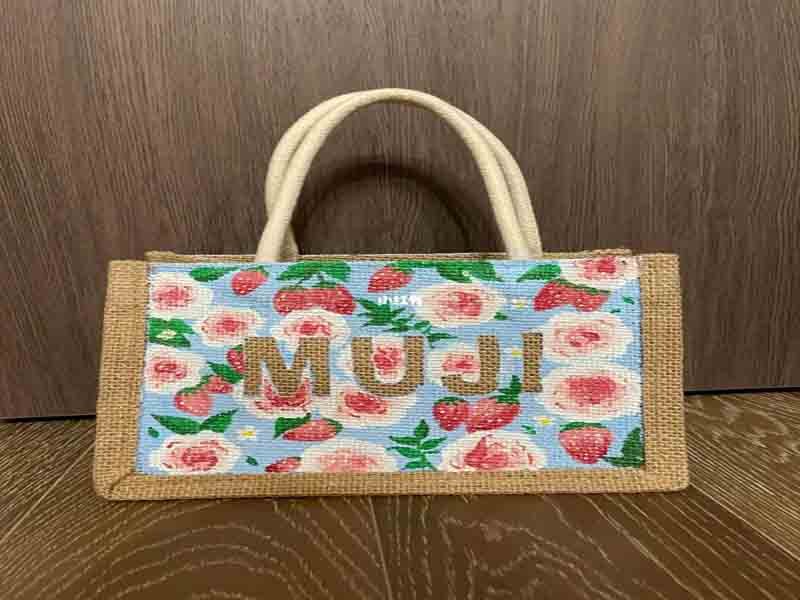
Jute bags are reusable bags produced from jute fiber, a natural plant-based material mainly cultivated in regions with warm and humid climates. Known as the “golden fiber” because of its natural golden color and economic importance, jute has been used for centuries in agricultural packaging, rope production, textiles, and modern eco-friendly products.
For farmers market vendors, jute bags provide a balance between traditional craftsmanship and modern functionality. Unlike thin disposable packaging, jute fabric creates a stronger structure that can support heavier products such as vegetables, fruits, grains, bottles, handmade goods, and farm products.
The quality of a jute bag depends on several factors, including fiber grade, weaving density, fabric weight, stitching method, handle reinforcement, and finishing treatment. A low-quality jute bag may look attractive but fail under repeated daily use. Professional manufacturing focuses on controlling every stage from raw material selection to final inspection.
What Is Jute Fabric Made From?
Jute fabric is produced from the long, soft vegetable fibers inside the stem of the jute plant. After harvesting, the plants go through a process called retting, where natural microorganisms help separate the fiber from the woody parts. The extracted fibers are cleaned, dried, spun into yarn, and woven into fabric.
Compared with synthetic materials such as polyester or polypropylene, jute has a naturally textured surface and lower environmental impact. The fiber structure gives the fabric a breathable characteristic, which is useful when carrying agricultural products.
The basic production process includes:
| Production Stage | Description | Impact on Bag Quality |
|---|---|---|
| Jute cultivation | Plants grow in warm climates with natural rainfall | Determines fiber availability |
| Fiber extraction | Fibers are separated and cleaned | Influences softness and strength |
| Yarn spinning | Fibers are converted into yarn | Controls weaving consistency |
| Fabric weaving | Yarn becomes jute fabric | Determines density and durability |
| Bag manufacturing | Cutting, sewing, printing, finishing | Creates final performance |
For custom jute bags, manufacturers can adjust fabric specifications according to usage requirements. A lightweight promotional bag may use approximately 8–10 oz jute fabric, while a heavy-duty farmers market bag may require 12–16 oz or higher-density materials.
Why Is Jute Popular for Shopping Bags?
Jute has become popular because it combines environmental appeal with practical performance. Farmers markets naturally attract customers who value local production, fresh ingredients, and responsible consumption. A natural fiber bag fits this environment better than conventional plastic packaging.
One important advantage is visual identity. The rough texture and natural color of jute create a handmade appearance that works well with farms, organic brands, wineries, coffee companies, and artisan producers.
Key reasons vendors choose jute bags include:
| Feature | Jute Bag Performance | Benefit for Vendors |
|---|---|---|
| Natural appearance | Rustic texture and earthy color | Matches farm and organic branding |
| Strength | High tensile fiber strength | Holds heavier products |
| Reusable design | Suitable for repeated shopping trips | Extends customer exposure |
| Custom surface | Supports printing and labels | Builds brand recognition |
| Breathability | Allows airflow | Suitable for some agricultural goods |
However, jute is not perfect for every situation. Fresh seafood, wet products, or items requiring waterproof protection may need additional coatings or inner lining solutions. Professional suppliers usually recommend combining jute with materials such as laminated film, cotton lining, or waterproof inserts when necessary.
Are Jute Bags Strong and Durable?
Yes, properly manufactured jute bags can be highly durable, especially when designed with suitable fabric weight and reinforced construction. The strength of a jute bag depends less on the material name itself and more on the engineering details behind the product.
For example, a simple thin jute promotional bag may support only lightweight products, while a reinforced farmers market tote with thick handles, double stitching, and dense fabric can carry significantly heavier loads.
Typical performance ranges:
| Jute Bag Type | Fabric Weight | Carrying Capacity | Recommended Use |
|---|---|---|---|
| Lightweight jute tote | 8–10 oz | 3–5 kg | Promotional events, small purchases |
| Standard market tote | 10–12 oz | 5–10 kg | Vegetables, groceries, daily shopping |
| Heavy-duty jute bag | 14–16 oz | 10–15 kg | Farm products, bottles, bulk goods |
| Reinforced jute carrier | 16 oz+ | 15 kg+ | Commercial market applications |
Durability also depends on sewing technology. Common upgrades include:
- Cross-stitch reinforcement on handles
- Double-layer handle attachment
- Overlock edge finishing
- Reinforced bottom panels
- Internal coating protection
These details are often overlooked when comparing suppliers, but they directly affect customer satisfaction after repeated use.
How Long Do Jute Bags Last?
A quality jute bag can last several years under normal usage conditions. Farmers market customers who use the same bag weekly can often continue using it for hundreds of shopping trips when the bag is properly designed.
The lifespan depends on:
| Factor | Low Quality Design | Professional Design |
|---|---|---|
| Fabric density | Thin and unstable | Controlled GSM and weave |
| Handle sewing | Single stitching | Reinforced stitching |
| Edge finishing | Fraying risk | Clean overlock finishing |
| Moisture resistance | Limited protection | Optional coating available |
| Usage frequency | Short-term use | Long-term reusable |
For vendors, durability has another advantage: customers repeatedly carrying the bag creates continuous brand exposure. A strong jute bag becomes part of daily life instead of temporary packaging.
Why Use Jute Bags at Farmers Markets?
Jute bags are widely used by farmers market vendors because they combine durability, sustainability, and strong branding opportunities. They help sellers replace disposable packaging with reusable solutions while creating a natural connection between products and customers.
A farmers market is different from a regular retail environment. Customers often care about where products come from, how they are produced, and whether the seller shares similar environmental values. A reusable jute bag supports this relationship by extending the market experience beyond the sales location.
For example, a vegetable farm selling seasonal produce may use printed jute bags featuring the farm name, planting story, and local location. Customers carrying these bags through their neighborhood naturally introduce the farm to others.
Are Jute Bags Good for Fresh Produce?
Jute bags can work well for many fresh produce products because the fabric allows airflow and provides a stronger structure than many lightweight reusable bags. Items such as potatoes, onions, carrots, pumpkins, grains, and packaged vegetables are commonly suitable.
However, vendors should consider product conditions. Jute absorbs moisture, so wet products may require additional protection.
| Product Type | Jute Bag Suitability | Recommended Solution |
|---|---|---|
| Dry vegetables | Excellent | Standard jute fabric |
| Fruits | Good | Add inner lining if needed |
| Grain products | Excellent | Heavy-duty jute |
| Fresh herbs | Moderate | Use breathable insert |
| Wet products | Limited | Add waterproof lining |
This practical approach helps vendors choose the right construction instead of simply selecting the cheapest option.
How Do Jute Bags Support Sustainable Selling?
Jute bags support sustainable selling by replacing disposable packaging with reusable natural fiber products. Unlike single-use plastic bags, reusable jute bags can continue serving customers for long periods.
The environmental value comes from several aspects:
- Jute is a renewable plant-based fiber.
- The material requires less dependence on petroleum-based resources compared with synthetic fibers.
- Long-term reuse reduces packaging waste.
- Natural texture supports eco-conscious brand positioning.
For farmers and food producers, sustainability is not only about the material itself. The entire product lifecycle matters, including durability, transportation, repairability, and customer reuse.
Why Do Customers Prefer Natural Fiber Bags?
Customers often associate natural fiber bags with authenticity and responsible choices. At farmers markets, where handmade products and local farming stories are important, the appearance of the bag can influence purchasing emotions.
A cotton or jute bag communicates a different message compared with a plastic bag. The texture feels more premium, and the reusable nature encourages customers to keep the product.
Research across retail environments shows that reusable branded bags can create repeated customer interactions because people often reuse them for shopping, travel, and storage.
Can Jute Bags Improve Brand Image?
Yes, customized jute bags can strengthen brand image by turning everyday packaging into a communication tool. A farmer selling organic vegetables, a coffee producer, or a handmade food company can use the bag surface to display logos, messages, patterns, or product stories.
A customized jute bag can include:
| Custom Element | Application |
|---|---|
| Screen printing | Farm logos and simple graphics |
| Heat transfer printing | Detailed artwork |
| Woven labels | Premium brand identity |
| Embroidery | High-end handmade appearance |
| Inner coating | Added protection |
| Custom handles | Improved comfort |
The most effective designs usually combine practical function with a clear brand story. Customers remember products that feel useful, attractive, and connected to values they support.
How to Choose Jute Bags for Vendors?
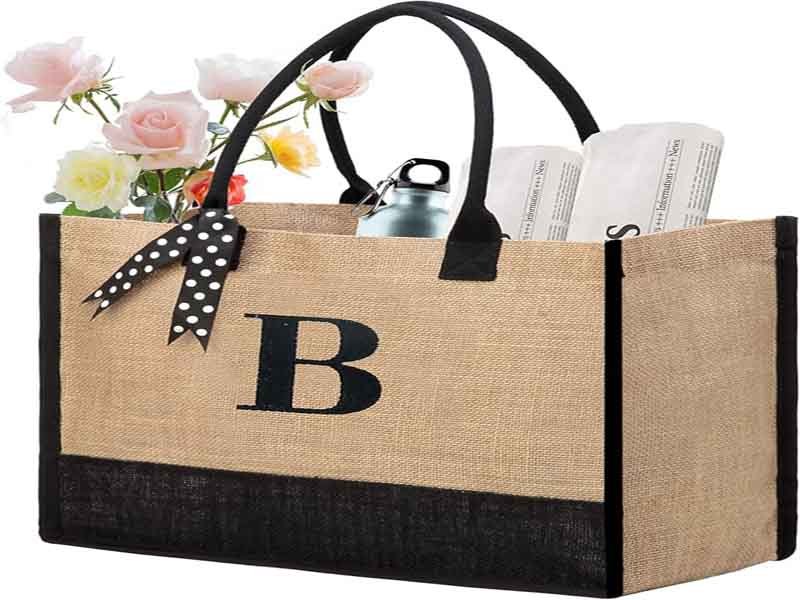
Choosing the right jute bag for a farmers market business requires more consideration than simply selecting a natural-looking bag. Different vendors have different product weights, customer expectations, transportation methods, and branding goals. A flower seller, organic vegetable farm, handmade soap producer, and coffee roaster may all need jute bags, but the ideal specifications can be completely different.
The best jute bag design balances four important factors: carrying capacity, customer comfort, product protection, and visual presentation. A bag that looks attractive but cannot handle daily market use may create customer complaints. On the other hand, a heavy industrial-style bag may feel unnecessary for lightweight products.
Professional manufacturers usually evaluate the application first, then recommend fabric weight, dimensions, handle structure, printing method, and finishing options. This approach helps avoid unnecessary costs while ensuring the final product matches real market conditions.
A small organic farm in Europe, for example, may sell seasonal vegetables every weekend. Instead of using one standard bag size, they may choose a medium 14-inch × 16-inch jute tote with reinforced cotton handles because customers frequently carry vegetables, bread, and jars together. After several months, the reusable bag becomes part of the farm’s identity rather than just a packaging item.
What Size Jute Bag Works Best?
The ideal jute bag size depends on what customers usually purchase. Farmers market vendors should consider average order volume rather than choosing the largest possible bag.
A very large bag may increase production costs and become uncomfortable when filled. A very small bag may force customers to carry multiple bags, reducing convenience.
Common jute bag dimensions include:
| Bag Size | Approximate Dimensions | Suitable Products | Recommended Users |
|---|---|---|---|
| Small tote | 25 × 30 cm | Handmade goods, cosmetics, small food items | Craft sellers, gift vendors |
| Medium market tote | 35 × 40 cm | Vegetables, fruits, groceries | Most farmers market vendors |
| Large shopping tote | 40 × 45 cm | Bulk products, multiple purchases | Farm shops, organic retailers |
| Bottle jute bag | 15 × 35 cm | Wine, oil, beverage bottles | Beverage producers |
| Produce sack style | 30 × 45 cm+ | Grain, potatoes, agricultural goods | Farm suppliers |
For many farmers markets, the medium tote size provides the best balance between production cost, customer comfort, and daily practicality.
The bag opening is also important. A wider opening makes it easier for customers to place irregular products such as pumpkins, bread, flowers, or handmade products inside. A narrow opening may work well for bottles but becomes inconvenient for general shopping.
Which Jute Thickness Should You Choose?
Jute thickness directly affects durability, appearance, and price. Many buyers focus only on the bag design but overlook fabric weight, which is one of the most important factors determining performance.
Jute fabric is commonly measured by weight, usually expressed in ounces per square yard (oz) or grams per square meter (GSM).
Typical options:
| Fabric Weight | Material Feel | Durability Level | Common Application |
|---|---|---|---|
| 8–10 oz | Lightweight, flexible | Basic | Promotional bags, events |
| 10–12 oz | Balanced structure | Medium-high | Farmers market totes |
| 12–16 oz | Thick and premium | High | Heavy shopping bags |
| 16 oz+ | Strong and rigid | Industrial level | Agricultural packaging |
For farmers market vendors, 10–14 oz jute fabric is often a practical choice because it provides enough strength without making the bag too heavy.
However, fabric thickness should not be evaluated alone. A 12 oz jute bag with poor stitching may perform worse than a 10 oz bag with professional reinforcement.
Other important factors include:
- Yarn quality
- Weaving density
- Handle attachment method
- Seam allowance
- Bottom construction
A professional factory evaluates the entire structure rather than only increasing fabric thickness.
How to Select Handles and Closures?
Handles are one of the most important components of a jute bag because they receive the highest stress during transportation. Many bag failures happen because the handle connection is weak, not because the jute fabric itself is damaged.
Common handle options:
| Handle Type | Advantages | Recommended Usage |
|---|---|---|
| Jute rope handle | Natural appearance | Premium rustic designs |
| Cotton webbing handle | Soft and comfortable | Daily shopping bags |
| Polyester webbing handle | Strong and economical | Heavy-duty applications |
| Long shoulder handle | Hands-free carrying | Larger market bags |
| Short handle | Traditional tote style | Lightweight products |
For farmers market customers who walk long distances, longer shoulder handles often provide better comfort because the bag weight is distributed more naturally.
Handle reinforcement methods include:
- X-box stitching
- Double-layer fabric reinforcement
- Internal handle patches
- Wider stitching areas
Closures are optional because many market bags use an open-top design for quick access. However, additional options are available:
- Wooden buttons
- Zippers
- Drawstrings
- Magnetic snaps
- Velcro closures
These features are useful for premium product lines or specialty markets.
What Features Improve Daily Use?
A farmers market bag needs to perform in real situations: crowded markets, outdoor environments, repeated loading, and frequent transportation.
Useful features include:
| Feature | Function | Practical Benefit |
|---|---|---|
| Reinforced bottom | Supports heavier loads | Prevents tearing |
| Inner coating | Improves moisture resistance | Protects contents |
| Laminated lining | Creates smoother interior | Easier cleaning |
| Side gusset | Adds volume | Holds larger products |
| Custom pocket | Stores small items | Improves convenience |
| Foldable structure | Saves storage space | Easy transportation |
A side gusset is especially useful for vendors selling products with irregular shapes. It allows the bag to expand naturally without creating excessive stress on seams.
For premium farmers market brands, small details often create the biggest difference. A printed logo, custom label, and comfortable handle can transform a simple jute bag into a product customers actively want to keep.
What Types of Jute Bags Are Available?
Jute bags are available in many styles because different industries require different functions. Farmers market vendors often choose between traditional tote bags, produce bags, drawstring bags, bottle carriers, and customized specialty designs.
The right style depends on product type, customer habits, and brand positioning. A vegetable farm may prioritize capacity and strength, while a premium honey producer may focus on appearance and gift presentation.
Modern jute bag manufacturing allows customization in almost every area, including size, shape, fabric combination, printing, handles, labels, and packaging.
Are Jute Tote Bags Suitable for Markets?
Jute tote bags are the most common choice for farmers market vendors because they provide excellent versatility. Their open structure allows customers to easily load different products, making them suitable for daily shopping activities.
Advantages include:
- Easy product access
- Comfortable carrying
- Large printable surface
- Reusable design
- Suitable for different industries
A typical farmers market jute tote may include:
- 12 oz jute fabric
- Cotton webbing handles
- Reinforced handle stitching
- Custom logo printing
- Optional inner lamination
This style works particularly well for:
- Organic farms
- Local food producers
- Farmers cooperatives
- Bakery brands
- Handmade product sellers
What Are Jute Produce Bags?
Jute produce bags are designed specifically for agricultural products. They usually have a simpler structure but focus more on breathability and strength.
They are commonly used for:
- Potatoes
- Onions
- Rice
- Coffee beans
- Grain products
- Dried foods
Compared with plastic packaging, jute allows better airflow, which can help reduce moisture buildup for suitable products.
However, vendors should carefully evaluate product requirements. Fresh vegetables with high moisture content may require additional liners or alternative materials.
A professional manufacturer may recommend:
| Product | Recommended Jute Solution |
|---|---|
| Potatoes | Heavy jute sack |
| Coffee beans | Food-grade inner lining |
| Rice | Dense weave jute |
| Fresh herbs | Lightweight breathable design |
| Seeds | Drawstring jute pouch |
How Do Jute Drawstring Bags Work?
Jute drawstring bags use a closing system that allows users to tighten the opening by pulling cords. They are popular because they combine natural appearance with easy handling.
Common applications include:
- Small farm products
- Gift packaging
- Coffee packaging
- Promotional products
- Specialty food items
Drawstring designs are especially effective when the product needs a more premium presentation.
For example, a local honey producer may package small jars inside custom jute drawstring bags. The packaging creates a handmade feeling that matches the natural origin of the product.
Which Custom Bag Styles Fit Different Vendors?
Different vendors require different bag structures. There is no single “best” jute bag because usage conditions vary.
| Vendor Type | Recommended Jute Bag Style | Key Features |
|---|---|---|
| Vegetable farmer | Large tote | Strong handles, wide opening |
| Coffee seller | Drawstring pouch | Premium appearance |
| Flower vendor | Gusset tote | Extra volume |
| Honey producer | Bottle carrier | Reinforced structure |
| Handmade crafts | Small custom tote | Branding focus |
| Organic food company | Laminated jute bag | Protection and premium feel |
The most successful custom jute bags are designed around the customer experience. The goal is not simply to produce a bag, but to create a practical product that customers enjoy using repeatedly.
For vendors planning larger quantities, working directly with an experienced manufacturer allows more control over material selection, printing quality, packaging, and production consistency. Szoneier provides customized jute bag development from fabric selection and structural design to logo printing and finished production, helping farms, retailers, and product companies create reusable bags that match their market needs.
How Are Custom Jute Bags Manufactured?
Custom jute bags may appear simple from the outside, but producing a reliable market bag requires careful control over materials, construction methods, printing technology, and quality inspection. A professional manufacturing process transforms raw jute fiber into a functional product that can withstand repeated customer use while maintaining an attractive appearance.
For farmers market vendors, manufacturing quality directly affects customer experience. A bag with uneven stitching, weak handles, fading prints, or poor fabric selection can damage the impression of the brand behind it. On the other hand, a well-designed jute bag can become a long-term marketing tool that customers continue using for months or even years.
Szoneier approaches jute bag production through a complete development process, including material selection, pattern development, cutting, sewing, printing, finishing, and final inspection. This integrated approach allows different industries to customize bags according to their specific requirements, from lightweight promotional totes to heavy-duty agricultural carriers.
A typical custom jute bag production workflow includes:
| Production Stage | Main Process | Quality Focus |
|---|---|---|
| Material selection | Choosing jute fabric grade and weight | Strength, appearance, consistency |
| Pattern development | Creating bag dimensions and structure | Functionality and material efficiency |
| Fabric cutting | Cutting panels according to patterns | Accurate size and clean edges |
| Sewing assembly | Joining panels and handles | Seam strength and durability |
| Printing | Adding logos and artwork | Color accuracy and adhesion |
| Finishing | Adding labels, coating, packaging | Appearance and usability |
| Inspection | Checking finished products | Defect prevention |
What Materials Are Used in Production?
The main material used for jute bags is natural jute fabric, but modern custom manufacturing often combines jute with other materials to improve performance.
The selection depends on the intended application. A simple shopping tote may use 100% jute, while a premium market bag may include cotton handles, waterproof lining, or laminated interiors.
Common material combinations include:
| Material Combination | Characteristics | Suitable Applications |
|---|---|---|
| 100% jute | Natural texture, eco-friendly appearance | Farmers markets, organic brands |
| Jute + cotton handles | Softer carrying experience | Shopping totes |
| Jute + polyester lining | Improved durability | Premium retail bags |
| Jute + laminated coating | Better moisture resistance | Food-related products |
| Jute + canvas reinforcement | Extra strength | Heavy-duty bags |
Fabric selection also depends on the desired appearance. Some brands prefer a rough natural texture because it communicates authenticity, while others request smoother jute fabric for more detailed printing.
Important material parameters include:
| Parameter | Common Range | Influence |
|---|---|---|
| Fabric weight | 8–16 oz | Determines strength and stiffness |
| Weave density | Medium to high | Affects durability |
| Handle width | 2–4 cm | Carrying comfort |
| Seam allowance | 0.8–1.2 cm | Structural stability |
| Printing area | Customized | Brand visibility |
For food-related applications, manufacturers may also provide additional options such as inner barriers or protective coatings depending on product requirements.
How Are Jute Bags Cut and Sewn?
The cutting and sewing stage determines the final shape, strength, and overall quality of the bag. Although jute fabric has a natural appearance, it requires experienced handling because the woven structure can vary depending on fabric grade.
Professional production usually follows these steps:
- Fabric inspection before cutting
- Pattern placement optimization
- Precision cutting
- Edge treatment
- Panel sewing
- Handle attachment
- Final reinforcement
Handle attachment is one of the most critical areas. A customer may place several kilograms of vegetables, jars, or products inside the bag, creating strong pulling force at the handle connection.
Common reinforcement methods include:
| Sewing Method | Description | Benefit |
|---|---|---|
| X-box stitching | Cross pattern reinforcement | Improves handle strength |
| Double stitching | Two parallel sewing lines | Reduces seam failure |
| Edge binding | Covers fabric edges | Prevents fraying |
| Bottom reinforcement | Extra fabric layer | Supports heavier loads |
For farmers market applications, a reinforced handle and stable bottom construction are often more important than simply increasing fabric thickness.
A well-designed bag distributes weight evenly, allowing customers to carry products comfortably without excessive strain.
Which Printing Methods Work Best?
Jute fabric has a textured surface, which means printing technology must be selected carefully. The best method depends on the artwork complexity, quantity, and desired appearance.
Common printing methods include:
| Printing Method | Advantages | Best For |
|---|---|---|
| Screen printing | Cost-effective and durable | Simple logos and text |
| Heat transfer printing | Detailed graphics | Complex artwork |
| Digital printing | Flexible designs | Small customized batches |
| Embroidery | Premium handmade appearance | High-end brands |
| Label application | Long-lasting identity | Brand tags |
Screen printing remains one of the most popular choices because it provides strong adhesion and works well for farm logos, slogans, and simple illustrations.
For example, a farm selling organic vegetables may choose a one-color green logo on natural jute fabric. The simple design matches the sustainable image while keeping production efficient.
More detailed artwork may require additional testing because jute texture can slightly affect image sharpness. Experienced manufacturers usually prepare samples before bulk production to confirm the final appearance.
How Is Quality Controlled?
Quality control is essential because natural materials can have variations. Unlike synthetic fabrics manufactured under highly uniform conditions, jute has natural characteristics that require experienced inspection.
A professional quality system checks:
| Inspection Item | Checking Method |
|---|---|
| Fabric quality | Visual inspection and weight measurement |
| Dimensions | Size measurement against specifications |
| Handle strength | Load testing |
| Stitching quality | Seam inspection |
| Printing quality | Adhesion and appearance checks |
| Packaging | Quantity and protection inspection |
Typical quality checkpoints include:
- No broken stitches
- No loose threads affecting appearance
- Correct logo placement
- Accurate bag dimensions
- Consistent handle length
- Clean finishing
For larger custom orders, manufacturers may perform sampling inspections during production rather than checking only finished products.
A reliable production system reduces unexpected issues and ensures every customer receives bags matching the approved sample.
How to Customize Jute Bags for Your Farm Brand?

Customization allows farmers market vendors to transform ordinary shopping bags into recognizable brand assets. A customized jute bag can communicate the story behind the farm, product origin, sustainability values, and unique identity.
For many small farms and growing food brands, packaging is one of the few marketing tools that interacts directly with customers after the purchase. A customer carrying a branded jute bag through a neighborhood creates additional exposure without requiring extra advertising costs.
Successful customization focuses on three areas:
- Visual identity
- Practical functionality
- Customer experience
A premium honey company, for example, may choose a small jute bottle bag with embroidered branding and a natural rope handle. A vegetable farm may prefer a large tote with printed farm artwork and reinforced stitching. Both use the same material but create completely different customer experiences.
What Logo Options Are Available?
Jute bags provide a versatile surface for different branding techniques. The best option depends on the brand style, artwork complexity, and expected product positioning.
| Logo Method | Appearance | Durability | Recommended Use |
|---|---|---|---|
| Screen printing | Clean and simple | High | Farm logos, slogans |
| Heat transfer | Detailed and colorful | Medium-high | Complex graphics |
| Embroidery | Premium texture | Very high | Luxury products |
| Woven label | Professional appearance | Very high | Brand identity |
| Leather patch | Handmade premium style | High | Specialty products |
For farmers market vendors, simple designs often perform best. Customers usually respond well to authentic designs that communicate the product story.
Examples:
- Farm name + establishment year
- Hand-drawn vegetables
- Local location information
- Sustainability messages
- QR code linking to farm information
The printing area should also be considered. A logo that is too large may overpower the natural appearance of jute, while a design that is too small may not create enough visibility.
Which Colors and Designs Work Best?
Jute naturally provides a warm beige background, which works especially well with earthy and organic color palettes.
Popular color choices include:
| Color Style | Brand Impression |
|---|---|
| Green | Natural farming, organic products |
| Brown | Traditional craftsmanship |
| Black | Premium and modern |
| Dark blue | Trust and reliability |
| Red | Energy and local market visibility |
The design should match the product category. A handmade soap brand may choose elegant botanical patterns, while a vegetable farm may use illustrations of crops or landscapes.
Because jute fabric has natural texture, minimal designs often achieve the strongest visual impact.
How Can Labels and Packaging Be Added?
Additional branding elements can improve the perceived value of jute bags.
Options include:
- Woven labels
- Hang tags
- Care instructions
- Product information cards
- Custom packaging sleeves
- Barcode labels
For retail-oriented brands, these details create a more complete product presentation.
A simple jute bag can become a premium reusable product when combined with thoughtful packaging. Customers are more likely to keep and reuse items that feel carefully designed.
What Is the Custom Order Process?
A professional customization process usually follows several stages:
| Step | Process | Purpose |
|---|---|---|
| 1 | Requirement discussion | Understand usage and design goals |
| 2 | Material recommendation | Select suitable fabric and structure |
| 3 | Artwork confirmation | Finalize logo and printing details |
| 4 | Prototype/sample | Check appearance and function |
| 5 | Production | Manufacture approved design |
| 6 | Quality inspection | Ensure consistency |
| 7 | Shipment preparation | Protect finished products |
Sample development is especially important for custom jute bags because customers can evaluate:
- Fabric texture
- Handle comfort
- Logo appearance
- Bag size
- Overall quality
Szoneier supports customized jute bag development with professional design assistance, material selection, and production solutions. Whether the requirement is a simple farmers market tote, a premium branded shopping bag, or a specialized agricultural packaging design, experienced manufacturing support helps turn an idea into a reliable finished product.
Are Jute Bags Practical for Farmers Market Sales?
Jute bags are highly practical for farmers market sales when the design matches the products being carried and the daily working conditions of vendors. Their biggest advantages are durability, reusable value, natural appearance, and strong customization possibilities. However, practical performance depends on choosing the correct fabric weight, structure, and finishing options.
A farmers market environment creates unique requirements. Vendors often set up early in the morning, transport products between locations, interact with hundreds of customers, and handle repeated transactions throughout the day. The bags used in this environment need to survive frequent loading, unloading, folding, storage, and transportation.
A well-designed jute bag can serve multiple purposes:
- Customer shopping bag
- Product packaging
- Brand promotion tool
- Reusable gift bag
- Seasonal market merchandise
Many successful farms use jute bags as part of their customer experience. Instead of treating packaging as an additional cost, they view it as a long-term connection between the farm and the customer.
For example, a local organic vegetable farm may offer customers a reusable jute tote when purchasing a weekly produce box. After several months, customers continue bringing the same bag back to the market, creating a familiar visual presence and increasing brand recognition.
The practicality of jute bags can be evaluated through several factors:
| Performance Factor | Jute Bag Performance | Importance for Vendors |
|---|---|---|
| Carrying strength | High with proper construction | Handles daily product weight |
| Reusability | Excellent | Reduces repeated packaging costs |
| Appearance | Natural and premium | Supports brand identity |
| Storage | Easy to fold | Convenient for transportation |
| Customization | Strong | Creates market recognition |
| Moisture resistance | Limited without treatment | Requires product consideration |
How Much Weight Can Jute Bags Hold?
The carrying capacity of a jute bag depends on fabric thickness, handle structure, sewing quality, and bag dimensions. A common mistake is assuming all jute bags have the same strength because they use the same material.
In reality, a lightweight promotional jute tote and a heavy-duty agricultural jute carrier can have completely different performance levels.
Typical carrying capacities:
| Bag Construction | Approximate Load Capacity | Suitable Products |
|---|---|---|
| Lightweight tote | 3–5 kg | Small purchases, gifts |
| Standard market tote | 5–10 kg | Fruits, vegetables, groceries |
| Reinforced jute tote | 10–15 kg | Heavy produce, bottles |
| Industrial jute sack | 15 kg+ | Grain, agricultural materials |
Several design details influence strength:
Fabric Weight
Thicker fabric generally provides better resistance against tearing and abrasion.
Handle Attachment
The handle connection usually receives the highest stress. Reinforced stitching is essential.
Bottom Design
A flat bottom or gusset structure helps distribute weight more evenly.
Seam Construction
Strong seams prevent separation when the bag is fully loaded.
For farmers market vendors, a medium-weight jute tote with reinforced handles is often the most practical choice because customers value both strength and comfort.
Are Jute Bags Easy to Clean and Maintain?
Jute bags require slightly different care compared with synthetic bags because jute is a natural fiber. Proper maintenance can significantly extend the useful life of the bag.
Basic care recommendations include:
- Avoid soaking the bag for long periods
- Remove surface dirt with a soft brush
- Allow the bag to dry naturally
- Store in a dry environment
- Use inner lining for products with moisture
For vendors selling food-related products, additional treatments can improve usability.
Common options include:
| Treatment Option | Function | Suitable Applications |
|---|---|---|
| Inner PE coating | Improves moisture protection | Food packaging |
| Laminated lining | Creates smoother surface | Premium shopping bags |
| Water-resistant finish | Reduces moisture absorption | Outdoor markets |
| Removable insert | Easier cleaning | Produce bags |
It is important to understand that jute is naturally breathable, which is an advantage for many agricultural products. However, it should not be treated as a completely waterproof material unless additional protection is added.
What Products Can Vendors Pack Inside?
Jute bags are suitable for a wide variety of farmers market products. Their natural appearance complements products associated with farming, craftsmanship, and sustainability.
Common applications include:
| Product Category | Jute Bag Recommendation |
|---|---|
| Fresh vegetables | Medium or large tote |
| Fruits | Reinforced tote with optional lining |
| Coffee beans | Drawstring jute pouch |
| Grain products | Heavy-duty jute sack |
| Handmade foods | Printed jute gift bag |
| Flowers | Gusset jute tote |
| Wine and beverages | Bottle carrier style |
| Handmade crafts | Small custom tote |
However, vendors should consider product protection requirements. Items that are wet, oily, or temperature-sensitive may require additional packaging solutions.
For example:
- A farmer selling dry onions can use standard jute packaging.
- A honey producer may need a reinforced bottle bag.
- A cheese producer may need a lined jute carrier.
The right solution depends on the product journey from seller to customer.
How Do Jute Bags Compare with Other Materials?
Jute is one of several reusable bag materials available today. Cotton, canvas, polyester, nylon, and non-woven fabrics each have different advantages.
A comparison helps vendors choose based on real requirements rather than marketing claims.
| Material | Strength | Appearance | Sustainability | Best Application |
|---|---|---|---|---|
| Jute | High | Natural rustic style | Excellent | Farmers markets, organic brands |
| Cotton | Medium-high | Soft premium feel | Good | Retail shopping bags |
| Canvas | Very high | Heavy-duty premium | Good | Long-term reusable bags |
| Polyester | Very high | Modern and flexible | Moderate | Outdoor and promotional bags |
| Non-woven fabric | Medium | Low-cost appearance | Limited | Promotional events |
Jute performs particularly well when the brand message includes:
- Natural products
- Organic farming
- Handmade goods
- Local agriculture
- Sustainability
Canvas may be stronger for extremely heavy loads, while polyester may perform better in wet environments. The ideal choice depends on the balance between function, cost, and brand positioning.
How to Source Reliable Jute Bag Manufacturers?

Finding a reliable jute bag manufacturer requires evaluating more than product photos or pricing. The final quality of customized bags depends on manufacturing experience, material knowledge, production control, communication ability, and technical support.
For farmers market vendors and growing brands, choosing the wrong supplier can create problems such as inconsistent colors, weak stitching, delayed delivery, or products that do not match expectations.
A professional manufacturer should be able to support the complete process:
- Material recommendation
- Design development
- Sample production
- Quality testing
- Bulk manufacturing
- Packaging solutions
- Shipping coordination
Experienced factories understand that every market has different requirements. A farm cooperative in North America may need different specifications from a specialty food company in Europe or an agricultural distributor in Australia.
What Should You Check Before Ordering?
Before placing a custom jute bag order, evaluate several important areas.
| Evaluation Area | Questions to Ask |
|---|---|
| Manufacturing experience | How long has the factory produced bags? |
| Material capability | Can they recommend suitable jute fabric? |
| Customization | Can they support printing and special designs? |
| Quality system | How are products inspected? |
| Production capacity | Can they handle repeat orders? |
| Communication | Can they provide clear technical information? |
A professional supplier should not only provide a quotation but also explain:
- Recommended fabric thickness
- Suitable handle structure
- Printing limitations
- Production timeline
- Packaging options
This technical guidance helps prevent mistakes before production begins.
How Does MOQ Affect Custom Orders?
Minimum order quantity (MOQ) depends on several factors, including bag style, printing method, materials, and production requirements.
A simple printed tote may have a different MOQ compared with a fully customized specialty design.
Typical considerations:
| Order Type | Production Complexity | MOQ Influence |
|---|---|---|
| Standard jute tote | Low | Easier smaller quantity |
| Custom printed bag | Medium | Depends on printing setup |
| Special shape bag | High | Requires more preparation |
| Premium customized packaging | High | Higher material commitment |
For many brands, ordering a reasonable quantity helps balance unit cost and inventory risk.
Experienced manufacturers can often recommend solutions such as:
- Standard sizes with custom branding
- Flexible material combinations
- Sample approval before bulk production
This approach reduces unnecessary investment while ensuring quality expectations are clear.
What Certifications Should Manufacturers Provide?
Certification requirements depend on the final application and destination market.
For general reusable shopping bags, customers often focus on material safety and production consistency. For food-related packaging, additional requirements may apply.
Common documents include:
| Certification / Document | Purpose |
|---|---|
| Material test reports | Confirms fabric specifications |
| Quality inspection records | Shows production control |
| Environmental documentation | Supports sustainability claims |
| Food contact documents | Required for certain food applications |
| Social compliance documents | Supports responsible sourcing |
A reliable manufacturer should clearly explain which certifications are available and which are necessary for the intended use.
How Can You Ensure Consistent Quality?
Consistency becomes especially important for repeat orders. A first shipment may look excellent, but long-term suppliers need systems to maintain the same standards.
Quality consistency depends on:
- Approved production samples
- Standardized materials
- Experienced workers
- In-line inspections
- Final quality checks
A professional manufacturing process may include:
- Raw material inspection
- Sample confirmation
- Production monitoring
- Random product checking
- Final packaging inspection
Szoneier combines more than 18 years of fabric development and manufacturing experience to provide customized jute bags and other natural fabric products for different industries. With expertise in materials such as jute, cotton, canvas, polyester, nylon, neoprene, linen, and Oxford fabrics, the company supports customers from initial design ideas through finished production.
Whether you need farmers market totes, agricultural packaging bags, promotional jute products, or private label reusable bags with your own logo, Szoneier can help develop a practical solution based on your product requirements, market positioning, and quality expectations.
Contact Szoneier today to discuss your custom jute bag project and receive professional recommendations for materials, design, production, and customization options.