Skip to content
Retail packaging has changed dramatically over the past decade. A shopping bag is no longer just a temporary container used to carry products from a store to a customer’s home. For many brands, it has become an important part of the customer experience, a physical representation of brand values, and even a mobile marketing tool that continues working long after the original purchase.
When customers walk through a shopping district carrying a well-designed reusable bag, they are not only transporting products. They are displaying a brand message. This is especially true for retail businesses focused on natural products, fashion, lifestyle goods, organic food, handmade products, and premium merchandise. The choice of shopping bag material can influence how customers perceive the brand.
Jute bags have become increasingly popular in retail shopping programs because they combine natural appearance, durability, customization flexibility, and sustainability. Unlike disposable plastic bags or low-cost packaging options, jute bags provide a reusable solution that can support customer loyalty and strengthen brand recognition.
Jute bags are reusable shopping bags made from natural jute fibers. They are commonly selected by retail brands because they offer a strong structure, attractive natural texture, and excellent customization possibilities. Depending on fabric weight and construction, a jute retail bag can typically carry around 5–15 kg of products. Brands can customize these bags through logo printing, woven labels, embroidery, special handles, inner coatings, and custom sizes to match different retail programs.
A successful retail bag program usually begins with understanding the customer journey. A premium clothing store may need a stylish lightweight jute tote, while an organic food retailer may require a stronger bag with additional protection. The right choice is not simply about selecting a natural material; it is about creating a practical product that supports the brand story.
A small lifestyle retailer once replaced ordinary paper shopping bags with custom jute totes featuring their logo and local artwork. Customers initially received the bags as packaging, but many continued using them for grocery shopping and daily activities. Within months, the bags became a recognizable symbol of the store in the local community. This simple change turned packaging into long-term brand exposure.
What Are Jute Bags?
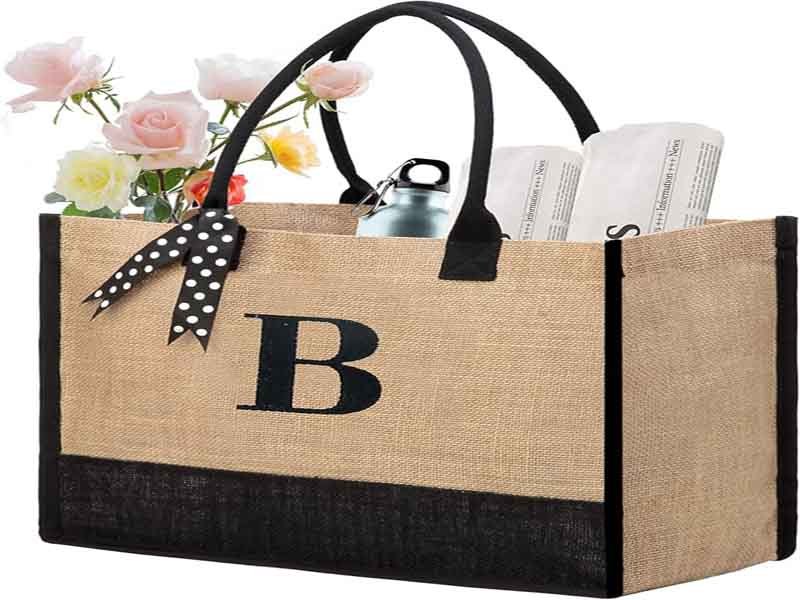
Jute bags are reusable bags manufactured from jute fabric, a natural fiber extracted from the stem of the jute plant. Known as one of the most widely used plant-based fibers in the world, jute has traditionally been used for agricultural sacks, ropes, and industrial materials. Today, advanced manufacturing techniques have transformed jute into a versatile material for retail bags, promotional products, fashion accessories, and sustainable packaging.
For retail shopping programs, jute bags provide a unique combination of functionality and visual appeal. The natural woven texture creates a handmade and authentic appearance, which works particularly well for brands that want to communicate environmental responsibility, craftsmanship, and quality.
However, not all jute bags deliver the same performance. The final quality depends on many factors, including fiber quality, fabric density, sewing structure, handle reinforcement, printing technology, and finishing treatment.
A professional jute bag manufacturer evaluates the entire product system instead of focusing only on appearance. A beautiful bag with weak handles or poor stitching may create customer complaints, while a properly engineered jute bag can become a reusable product customers appreciate for years.
What Is Jute Fabric Made From?
Jute fabric is produced from natural fibers obtained from jute plants. After harvesting, the stems undergo retting, a natural process that separates the fibers from the plant structure. The extracted fibers are then cleaned, dried, spun into yarn, and woven into fabric.
The production process directly influences the final bag quality.
| Production Stage | Process Description | Quality Impact |
|---|---|---|
| Jute cultivation | Growing jute plants in suitable climates | Determines fiber availability |
| Fiber extraction | Separating natural fibers from stems | Influences strength and texture |
| Fiber drying | Removing moisture before processing | Improves stability |
| Yarn production | Spinning fibers into yarn | Controls fabric consistency |
| Fabric weaving | Creating jute textile structure | Determines thickness and durability |
| Bag manufacturing | Cutting, sewing, printing, finishing | Creates final performance |
Retail brands often choose jute because it provides a material story. Customers can immediately recognize the natural texture, which creates a stronger emotional connection compared with synthetic alternatives.
For custom retail programs, manufacturers can adjust jute fabric specifications according to product requirements.
Common jute fabric options include:
| Fabric Weight | Characteristics | Retail Application |
|---|---|---|
| 8–10 oz | Lightweight and flexible | Promotional shopping bags |
| 10–12 oz | Balanced strength and appearance | General retail totes |
| 12–16 oz | Thick and premium | Fashion and lifestyle brands |
| 16 oz+ | Heavy-duty structure | Specialty products and bulk shopping |
Choosing the correct fabric weight is important because excessive thickness may increase cost and reduce convenience, while insufficient thickness may reduce product lifespan.
Why Are Jute Bags Used in Retail?
Retail brands choose jute bags because they solve several packaging challenges at the same time. They provide customers with a reusable product while creating a stronger connection between packaging and brand identity.
Unlike disposable packaging, a reusable jute bag remains visible after the original purchase. Customers may reuse it for groceries, travel, storage, or future shopping trips.
The main reasons retail businesses choose jute bags include:
| Benefit | Explanation | Retail Value |
|---|---|---|
| Natural appearance | Organic texture and warm colors | Supports premium branding |
| Durability | Strong fiber structure | Improves customer satisfaction |
| Reusable design | Multiple usage cycles | Extends brand exposure |
| Custom surface | Suitable for logos and artwork | Improves recognition |
| Eco positioning | Natural material image | Supports sustainability messaging |
A fashion retailer, for example, may use a premium jute tote instead of a traditional paper bag because the customer can continue using the bag after leaving the store. The bag becomes part of the lifestyle experience.
However, brands should avoid choosing jute only because it is considered environmentally friendly. Practical performance still matters. A retail program must consider product weight, transportation conditions, customer expectations, and storage requirements.
Are Jute Bags Strong Enough?
Yes, jute bags can provide excellent strength when manufactured with suitable materials and construction methods. The strength of a retail jute bag depends on more than the fiber itself.
Important performance factors include:
- Fabric weight
- Weave density
- Handle structure
- Stitching method
- Bottom reinforcement
- Overall design
Typical retail performance ranges:
| Jute Bag Type | Carrying Capacity | Recommended Usage |
|---|---|---|
| Lightweight tote | 3–5 kg | Small retail products |
| Standard shopping tote | 5–10 kg | General shopping |
| Reinforced jute bag | 10–15 kg | Heavy products |
| Premium structured tote | 15 kg+ | Specialty retail applications |
For retail brands, handle design is especially important because customers often judge bag quality by comfort.
Common handle options:
| Handle Material | Advantage |
|---|---|
| Cotton webbing | Soft and comfortable |
| Jute rope | Natural premium appearance |
| Polyester webbing | Strong and economical |
| Leather handle | Luxury positioning |
A high-quality retail bag usually includes reinforced handle stitching, because the handle area receives the highest pulling force during use.
How Long Do Jute Bags Last?
The lifespan of a jute bag depends on material quality, usage environment, and maintenance. A professionally manufactured retail jute bag can often be reused hundreds of times when properly designed.
Factors affecting lifespan:
| Factor | Effect on Durability |
|---|---|
| Fabric thickness | Higher resistance to tearing |
| Sewing quality | Prevents seam failure |
| Handle reinforcement | Improves carrying ability |
| Moisture protection | Extends usability |
| Customer care | Determines reuse frequency |
Retail brands should view durability as part of customer satisfaction. A bag that lasts longer creates a better impression and increases the chance that customers continue using it.
Why Use Jute Bags for Retail Programs?

Jute bags are increasingly used in retail shopping programs because they combine packaging functionality with long-term brand value. They allow retailers to replace disposable bags with reusable products while creating a stronger connection between customers and the brand.
A successful retail shopping program requires more than simply providing a bag. The bag should match the brand image, product category, customer lifestyle, and sustainability goals.
For example, a premium coffee retailer may choose a small customized jute gift bag because the material reflects natural sourcing and craftsmanship. A fashion retailer may select a larger jute tote with custom printing because customers can reuse it as an everyday shopping bag.
The most effective retail programs treat jute bags as part of the overall customer experience.
Are Jute Bags Good for Brand Promotion?
Jute bags are excellent promotional tools because they combine daily usefulness with high visibility. Unlike traditional advertising materials that customers may see once, reusable bags can continue displaying a brand logo for months.
A customized jute bag can include:
- Company logo
- Brand slogan
- Product information
- Website address
- QR code
- Custom illustrations
The marketing value comes from repeated exposure.
| Marketing Element | Traditional Packaging | Jute Bag Program |
|---|---|---|
| Usage period | Usually single use | Multiple uses |
| Brand visibility | Short-term | Long-term |
| Customer interaction | Limited | Repeated |
| Environmental message | Weak | Stronger |
| Premium feeling | Moderate | Higher |
For retail businesses, this creates an opportunity to transform packaging costs into a customer engagement tool.
How Do Jute Bags Support Sustainability Goals?
Jute bags support sustainability programs by providing a reusable alternative to disposable packaging. Since jute comes from a renewable plant source, it aligns well with brands seeking natural material solutions.
However, responsible sustainability requires looking at the complete product lifecycle.
Important considerations include:
- Material sourcing
- Manufacturing efficiency
- Product lifespan
- Transportation
- Customer reuse
A durable jute bag that customers use repeatedly generally provides more value than a cheaper bag that quickly loses its function.
Why Do Customers Reuse Jute Bags?
Customers reuse jute bags because they combine practical value with attractive design. A good reusable bag becomes part of everyday life.
Reasons customers keep using jute bags include:
| Reason | Customer Benefit |
|---|---|
| Strong structure | Carries daily items |
| Natural appearance | Looks stylish |
| Comfortable handles | Easy transportation |
| Brand design | Feels unique |
| Reusable purpose | Reduces waste |
The emotional connection is important. Customers often associate natural fiber bags with responsible brands and thoughtful purchasing decisions.
Can Jute Bags Replace Plastic Packaging?
Jute bags can replace many plastic shopping bags, especially in retail environments where products do not require waterproof protection.
They work particularly well for:
- Fashion stores
- Gift shops
- Organic food retailers
- Lifestyle brands
- Specialty stores
However, plastic still has advantages in certain situations, such as moisture protection or extremely low-cost applications.
A better approach is selecting the correct material for the specific product rather than replacing every packaging solution with one option.
| Material | Main Advantage | Limitation |
|---|---|---|
| Jute | Natural and reusable | Limited water resistance |
| Plastic | Low cost and waterproof | Environmental concerns |
| Cotton | Soft and premium | Higher material cost |
| Polyester | Strong and flexible | Less natural appearance |
For brands looking for a balance between sustainability, durability, and customer experience, jute provides a strong retail packaging solution.
Szoneier helps retail brands develop customized jute bags with professional material selection, design support, logo customization, and manufacturing solutions. From simple shopping totes to premium branded retail bags, the right specifications can be developed according to product needs and market positioning.
How to Choose Retail Jute Bags?
Choosing the right jute bag for a retail shopping program requires a careful balance between appearance, functionality, customer expectations, and production cost. A retail bag is often the final physical interaction between a customer and a brand after purchase, which means its quality can influence how customers remember the entire shopping experience.
Many retailers make the mistake of selecting bags based only on price or visual appearance. However, a successful shopping bag program requires deeper consideration. A luxury boutique, supermarket, organic food store, and gift retailer may all need jute bags, but their requirements for size, durability, design, and finishing can be completely different.
The ideal retail jute bag should match four key factors:
- The type of products customers carry
- The expected frequency of reuse
- The brand positioning
- The target customer lifestyle
For example, a premium fashion retailer may prefer a structured jute tote with cotton handles, inner lining, and elegant printing. A grocery retailer may prioritize a larger gusset design with reinforced stitching and higher fabric weight.
The right bag is not always the thickest or most expensive option. It is the one that provides the best balance between customer comfort, durability, and brand value.
What Bag Size Fits Retail Products?
Bag size is one of the first decisions retailers need to make because it directly affects customer convenience and production efficiency. The wrong size can create problems: a bag that is too small limits product capacity, while an oversized bag increases material costs and may feel inconvenient.
Retail brands should analyze their average customer purchase volume before selecting dimensions.
Common retail jute bag sizes include:
| Bag Style | Typical Size | Suitable Products |
|---|---|---|
| Small jute tote | 25 × 30 cm | Accessories, cosmetics, gifts |
| Medium shopping tote | 35 × 40 cm | Clothing, groceries, daily products |
| Large market tote | 40 × 45 cm | Multiple purchases, larger items |
| Gusset tote | 35 × 40 × 10 cm | Bulky products |
| Bottle carrier | 15 × 35 cm | Wine, beverages, specialty goods |
A medium-size tote is often the most versatile option for retail programs because it provides enough space for everyday purchases without becoming difficult to carry.
However, some industries require customized dimensions.
Examples:
Fashion Retail
- Larger opening for folded clothing
- Comfortable shoulder handles
- Premium appearance
Beauty Retail
- Smaller size
- Elegant printing
- Lightweight structure
Food Retail
- Wider bottom
- Stronger fabric
- Optional inner coating
Gift Retail
- Decorative finishes
- Custom labels
- Special packaging
Professional manufacturers usually recommend creating a sample before mass production because actual product dimensions and customer usage habits may differ from initial assumptions.
Which Jute Fabric Weight Is Best?
Fabric weight is one of the most important factors affecting retail bag performance. Jute bags with different weights can look similar but perform very differently during daily use.
For retail applications, fabric weight should be selected according to product category and expected reuse frequency.
| Fabric Weight | Bag Performance | Suitable Retail Program |
|---|---|---|
| 8–10 oz | Lightweight and economical | Promotional campaigns |
| 10–12 oz | Balanced strength and cost | General retail shopping |
| 12–14 oz | Premium and durable | Fashion and lifestyle brands |
| 14–16 oz | Heavy-duty performance | Grocery and specialty retail |
A common choice for branded retail shopping bags is around 10–14 oz jute because it provides:
- Good carrying capacity
- Premium natural appearance
- Comfortable handling
- Reasonable production cost
However, fabric weight alone does not determine quality.
Two bags with the same fabric weight may perform differently because of:
- Different yarn quality
- Different weaving density
- Different sewing techniques
- Different handle reinforcement
A professional manufacturer evaluates the complete structure.
For example, a 12 oz jute bag with double-stitched handles and reinforced bottom panels may outperform a thicker bag with weak construction.
How to Select Handles and Features?
Handles strongly influence customer satisfaction because they determine carrying comfort. Customers may appreciate a beautiful bag initially, but uncomfortable handles can prevent reuse.
Common handle choices include:
| Handle Type | Features | Recommended Application |
|---|---|---|
| Cotton webbing | Soft and comfortable | Fashion retail |
| Jute rope | Natural premium style | Organic brands |
| Polyester webbing | Strong and economical | Heavy shopping |
| Leather handle | Luxury appearance | Premium retail |
Handle length also matters.
Short handles:
- Easy hand carrying
- Traditional shopping style
Long handles:
- Shoulder carrying
- Better for heavier products
Many retail programs choose longer handles because customers often carry multiple items and prefer hands-free convenience.
Additional features can improve functionality:
| Feature | Purpose |
|---|---|
| Inner lining | Improves product protection |
| Side gusset | Adds storage capacity |
| Zipper closure | Provides security |
| Inner pocket | Stores small items |
| Bottom reinforcement | Supports heavier loads |
| Foldable structure | Saves storage space |
These details allow retailers to create a bag that feels like a product rather than disposable packaging.
What Quality Factors Matter Most?
Retail customers notice quality through small details. Uneven stitching, loose threads, poor printing, or weak handles can negatively affect brand perception.
Important quality factors include:
| Quality Area | Inspection Focus |
|---|---|
| Fabric | Consistent texture and weight |
| Stitching | Strong seams without defects |
| Handles | Secure attachment and comfort |
| Printing | Clear artwork and durability |
| Dimensions | Accurate size matching |
| Finishing | Clean appearance |
Retail brands should also consider consistency between production batches. A successful shopping bag program often involves repeated orders, so maintaining the same quality standard is essential.
Szoneier uses professional production control methods to manage material selection, cutting accuracy, sewing quality, printing performance, and final inspection. With more than 18 years of fabric development and manufacturing experience, the company helps brands develop jute bags that match both functional requirements and brand expectations.
What Types of Retail Jute Bags Exist?

Retail jute bags are available in many different styles because brands use them for different purposes. A fashion store may need a stylish shopping tote, while a food retailer may require stronger packaging with additional protection.
The advantage of jute is its flexibility. The same natural material can be transformed into simple promotional bags, premium gift packaging, large shopping carriers, and specialized retail solutions.
Choosing the correct style depends on:
- Product category
- Customer shopping habits
- Brand image
- Required durability
- Budget expectations
A well-designed retail bag should feel natural for both the product and the customer.
Are Jute Tote Bags Suitable for Stores?
Jute tote bags are the most common retail style because they provide excellent versatility. Their open structure makes them easy for customers to use, while the large surface area provides strong branding opportunities.
Retail jute totes are widely used by:
- Fashion stores
- Organic shops
- Bookstores
- Gift retailers
- Lifestyle brands
- Specialty food stores
Typical features include:
| Feature | Retail Benefit |
|---|---|
| Large printing area | Better brand visibility |
| Flat structure | Easy storage |
| Comfortable handles | Better customer experience |
| Reusable design | Long-term usage |
A fashion retailer, for example, can replace traditional paper shopping bags with custom jute totes featuring seasonal artwork. Customers may continue using these bags for daily shopping, increasing brand exposure.
What Are Jute Gift Bags?
Jute gift bags are smaller, more decorative versions designed for premium presentation. They are commonly used for:
- Wine packaging
- Coffee products
- Handmade goods
- Corporate gifts
- Luxury items
Unlike ordinary packaging, gift-style jute bags create a stronger emotional experience.
Customization options include:
- Rope handles
- Embroidery
- Custom labels
- Decorative printing
- Special closures
For premium brands, the packaging itself becomes part of the product value.
For example, a specialty coffee company may package limited-edition beans inside a custom jute drawstring bag. The customer receives not only coffee but also a reusable item connected to the brand story.
How Do Jute Grocery Bags Work?
Jute grocery bags are designed for heavier and more frequent shopping use. Compared with lightweight promotional bags, grocery versions usually require stronger construction.
Important design features include:
- Higher fabric weight
- Reinforced handles
- Wider bottom structure
- Larger capacity
Typical applications:
| Product | Recommended Bag Design |
|---|---|
| Vegetables | Large jute tote |
| Grain products | Heavy-duty jute bag |
| Bottled goods | Reinforced carrier |
| Organic products | Printed market bag |
For grocery programs, durability is especially important because customers often load multiple products into one bag.
Which Custom Styles Fit Retail Brands?
Different retail categories benefit from different jute bag styles.
| Retail Category | Recommended Style | Custom Features |
|---|---|---|
| Fashion | Premium tote | Logo printing, lining, long handles |
| Cosmetics | Small elegant bag | Embroidery, labels |
| Food | Grocery tote | Reinforced structure |
| Gifts | Drawstring bag | Decorative details |
| Luxury products | Premium jute carrier | Special materials |
The strongest retail programs usually combine practical design with emotional connection. Customers are more likely to reuse bags that look attractive and feel comfortable.
A custom jute bag is not simply a container. It is a physical extension of the retail experience.
Szoneier supports customized jute bag production for different retail applications, offering material selection, design development, printing solutions, and OEM/ODM manufacturing services. Whether a brand needs simple reusable shopping bags or premium private label retail packaging, customized solutions can be developed according to product requirements and market goals.
How Are Custom Jute Bags Made?
Custom jute bags require a structured manufacturing process that combines material expertise, product engineering, skilled sewing, and quality management. Although jute bags may appear simple, producing a reliable retail shopping bag involves many technical decisions that directly affect durability, appearance, and customer satisfaction.
For retail programs, manufacturing quality is especially important because thousands of customers may interact with the same product. A weak handle, inconsistent printing, or poor finishing can influence how customers perceive the brand behind the bag.
A professional jute bag manufacturer does not simply cut fabric and sew panels together. The process begins with understanding the retail application, selecting suitable materials, creating product specifications, developing samples, and controlling every production stage.
A typical custom jute bag manufacturing workflow includes:
| Manufacturing Stage | Main Activities | Key Quality Considerations |
|---|---|---|
| Product planning | Confirm usage, size, and design requirements | Ensures correct structure |
| Material selection | Choose jute fabric and accessories | Controls durability and appearance |
| Pattern development | Create cutting templates | Improves accuracy and efficiency |
| Fabric cutting | Cut fabric panels | Maintains size consistency |
| Sewing assembly | Join panels and handles | Determines strength |
| Printing and decoration | Apply logos and artwork | Creates brand identity |
| Final inspection | Check finished products | Prevents quality issues |
This complete approach allows brands to develop bags that are not only attractive but also practical for real retail environments.
What Materials Are Used?
The primary material used in jute bags is natural jute fabric, but modern retail bag manufacturing often combines jute with other materials to improve performance.
Different retail applications require different material combinations.
| Material Combination | Main Characteristics | Suitable Applications |
|---|---|---|
| 100% jute | Natural texture, eco appearance | Organic retail programs |
| Jute + cotton handles | Comfortable carrying | Fashion shopping bags |
| Jute + polyester lining | Improved structure | Premium retail bags |
| Jute + laminated interior | Better moisture resistance | Food-related retail |
| Jute + canvas reinforcement | Higher durability | Heavy shopping applications |
Material selection should consider the customer’s actual usage environment.
For example:
A fashion retailer may prioritize appearance and comfort, choosing medium-weight jute with soft cotton handles.
A grocery retailer may prioritize strength and cleaning convenience, choosing thicker jute with an inner coating.
A luxury brand may combine jute with premium labels and decorative finishes to create a higher perceived value.
Important material specifications include:
| Specification | Typical Range | Impact |
|---|---|---|
| Fabric weight | 8–16 oz | Determines strength and thickness |
| Handle width | 2–4 cm | Influences comfort |
| Seam allowance | 0.8–1.2 cm | Improves durability |
| Bag thickness | Customized | Controls structure |
| Coating options | Optional | Improves protection |
The correct material combination allows brands to achieve the desired balance between cost, quality, and customer experience.
How Are Jute Bags Designed?
The design stage determines how the final bag performs in daily retail use. A good design considers not only appearance but also customer behavior.
Retail bag design usually includes:
- Bag dimensions
- Handle length
- Opening structure
- Bottom construction
- Printing area
- Folding method
- Additional accessories
A professional design process often follows these steps:
| Design Step | Purpose |
|---|---|
| Market analysis | Understand customer expectations |
| Product measurement | Match retail products |
| Material planning | Select suitable fabrics |
| Prototype creation | Test real performance |
| Sample adjustment | Improve details before production |
For example, a bookstore may need a wide flat tote for books, while a cosmetics store may prefer a smaller structured bag with premium finishing.
Small design details often create significant differences:
Gusset Design
A side or bottom gusset increases storage capacity and allows customers to carry larger products.
Handle Position
Correct handle placement improves weight distribution and carrying comfort.
Opening Size
A wider opening allows easier product placement.
Bottom Support
A reinforced bottom prevents deformation when customers carry heavier items.
Which Printing Methods Are Available?
Jute fabric has a unique natural texture, so selecting the right printing technology is essential. Different printing methods create different visual effects and durability levels.
Common printing options include:
| Printing Method | Advantages | Best Application |
|---|---|---|
| Screen printing | Durable and cost-effective | Logos and simple designs |
| Heat transfer | Detailed graphics | Colorful artwork |
| Digital printing | Flexible customization | Small production runs |
| Embroidery | Premium handmade appearance | Luxury retail bags |
| Woven labels | Professional branding | Long-term identity |
Screen printing is widely used for retail jute bags because it provides good durability and works well with natural fabric surfaces.
For example, a sustainable clothing brand may choose a single-color logo printed on natural jute because it creates a simple but premium appearance.
More complex designs require testing because the woven texture of jute may influence image sharpness.
Professional manufacturers usually recommend approving a sample before bulk production to confirm:
- Logo position
- Color accuracy
- Printing quality
- Overall appearance
How Is Production Quality Controlled?
Quality control is one of the most important parts of custom jute bag manufacturing. Natural materials such as jute can have slight variations, so experienced manufacturers need strong inspection systems.
A complete quality control process includes:
| Inspection Stage | Checking Items |
|---|---|
| Raw material inspection | Fabric weight, texture, defects |
| Cutting inspection | Dimensions and accuracy |
| Sewing inspection | Stitch strength and appearance |
| Printing inspection | Color and adhesion |
| Final inspection | Overall quality and packaging |
Common quality problems include:
- Uneven stitching
- Weak handle attachment
- Incorrect dimensions
- Printing defects
- Loose threads
- Fabric inconsistency
A professional factory reduces these risks through:
- Standardized production procedures
- Experienced workers
- In-line inspection
- Final product checking
For retail programs involving thousands of bags, consistency is just as important as the first sample quality.
Szoneier integrates fabric development and finished product manufacturing, allowing better control over materials, production processes, and customization requirements. With more than 18 years of experience in fabric research and manufacturing, Szoneier provides customized solutions for jute bags, cotton bags, canvas bags, polyester products, nylon products, neoprene products, and other textile applications.
How to Customize Jute Bags for Retail Brands?
Customization allows retail brands to transform ordinary shopping bags into recognizable brand assets. A well-designed jute bag can communicate brand values, improve customer experience, and encourage repeated use.
For many retailers, packaging is one of the final touchpoints after purchase. A customer may forget a disposable shopping bag quickly, but a useful reusable jute bag can remain in daily life for years.
Customization opportunities include:
- Logo printing
- Custom colors
- Handle selection
- Labels
- Packaging
- Special shapes
- Functional upgrades
A successful custom jute bag program should answer three questions:
- Does the bag represent the brand?
- Does the customer enjoy using it?
- Can the manufacturer maintain consistent quality?
What Logo Options Can Be Added?
The logo is one of the most important elements of a retail jute bag because it creates brand recognition every time the bag is reused.
Different logo methods create different visual effects.
| Logo Method | Appearance | Durability | Suitable Brands |
|---|---|---|---|
| Screen printing | Clean and simple | High | General retail |
| Embroidery | Premium texture | Very high | Luxury brands |
| Woven label | Professional | Very high | Fashion brands |
| Heat transfer | Detailed artwork | Medium-high | Creative designs |
| Leather patch | Premium handmade style | High | Boutique brands |
The best choice depends on brand positioning.
A supermarket may prefer a simple printed logo for cost efficiency.
A luxury lifestyle brand may choose embroidery or leather patches to create a premium feeling.
Which Designs Attract Customers?
Successful retail jute bag designs usually combine simplicity, usability, and brand storytelling.
Customers often prefer designs that feel natural rather than overly commercial.
Popular design elements include:
| Design Element | Customer Impression |
|---|---|
| Minimal logo | Premium and elegant |
| Nature graphics | Sustainable feeling |
| Local artwork | Authentic connection |
| Brand story | Emotional attachment |
| Seasonal patterns | Collectible value |
For example, a coffee brand may use illustrations of coffee plants and origin information instead of only displaying a large logo. This creates a stronger connection with customers.
Color selection is also important because jute naturally has a warm beige background.
Common combinations include:
| Jute Color | Printing Color | Brand Style |
|---|---|---|
| Natural beige | Green | Organic and eco |
| Natural beige | Black | Premium and modern |
| Natural beige | Brown | Traditional craftsmanship |
| Natural beige | Blue | Trust and reliability |
How Can Packaging Be Customized?
Additional packaging details can increase perceived value, especially for premium retail products.
Options include:
- Custom hang tags
- Woven labels
- Product cards
- Barcode labels
- Individual packaging
- Recyclable packaging materials
For example, a specialty food retailer may include a product story card inside each jute gift bag, explaining the origin and craftsmanship behind the product.
These details help create a complete customer experience.
What Is the Ordering Process?
A professional custom jute bag order usually follows a structured process:
| Step | Process | Purpose |
|---|---|---|
| 1 | Requirement discussion | Understand product needs |
| 2 | Material recommendation | Select suitable fabric |
| 3 | Design confirmation | Finalize artwork |
| 4 | Sample development | Test appearance and function |
| 5 | Production approval | Start bulk manufacturing |
| 6 | Quality inspection | Ensure consistency |
| 7 | Shipment preparation | Protect finished products |
Sampling is especially valuable because it allows brands to confirm:
- Actual bag size
- Fabric feeling
- Printing result
- Handle comfort
- Overall appearance
Szoneier supports retail brands with customized jute bag development from initial concept to finished production. Whether a company needs reusable shopping bags, private label retail packaging, promotional jute totes, or premium customized designs, Szoneier provides professional manufacturing support based on material knowledge, production experience, and customer requirements.
Are Jute Bags Suitable for Different Retail Industries?
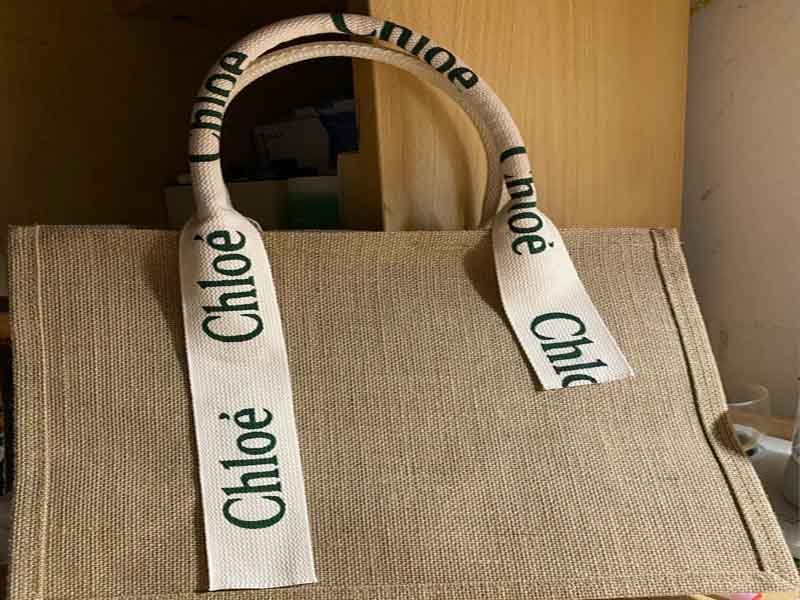
Jute bags are suitable for a wide range of retail industries because their natural appearance, customization flexibility, and reusable structure allow brands to adapt them for different customer experiences. From fashion stores and specialty food shops to luxury boutiques and lifestyle brands, jute bags can be developed with different materials, sizes, and finishing options.
However, the best jute bag solution depends on the industry application. A fashion retailer may focus on appearance and premium details, while a grocery retailer may prioritize strength and easy maintenance. Choosing the right structure requires understanding the products being carried, customer expectations, and the brand message.
Retailers increasingly view shopping bags as part of their product presentation strategy. A well-designed jute bag does more than transport purchased items; it extends the brand experience beyond the store.
A customer carrying a reusable jute bag through a city, office, or neighborhood creates continuous brand visibility. This makes the bag a practical retail tool rather than a short-term packaging expense.
| Retail Industry | Main Bag Requirement | Recommended Jute Solution |
|---|---|---|
| Fashion retail | Premium appearance and comfort | Printed jute tote with soft handles |
| Food retail | Strength and product protection | Reinforced jute shopping bag |
| Beauty retail | Elegant presentation | Small premium jute bag |
| Luxury retail | High perceived value | Embroidery, labels, special finishes |
| Gift retail | Decorative packaging | Drawstring jute bags |
| Lifestyle stores | Daily usability | Medium reusable tote |
A professional manufacturer helps retailers select the right combination of fabric weight, construction, and customization features instead of applying the same design to every industry.
How Are Jute Bags Used in Fashion Retail?
Fashion retailers often use jute bags as premium alternatives to traditional paper shopping bags. The natural texture of jute creates a handcrafted feeling that works well with brands focused on sustainability, craftsmanship, and lifestyle.
Fashion customers usually pay attention to:
- Bag appearance
- Carrying comfort
- Material feeling
- Brand details
- Reusability
A fashion brand may customize a jute tote with:
- A minimalist logo
- Cotton handles
- Inner lining
- Seasonal artwork
- Woven brand labels
The design approach is often different from ordinary shopping bags. Instead of making the logo the only focus, many fashion brands create a bag that customers actually want to reuse.
| Fashion Retail Feature | Customer Value |
|---|---|
| Premium handle design | Better carrying experience |
| Clean printing | Stronger brand image |
| Durable fabric | Long-term usage |
| Unique artwork | Emotional connection |
| Reusable structure | Lifestyle integration |
For example, an eco-focused clothing brand may release a seasonal collection where customers receive a limited-edition jute tote with artwork matching the clothing line. The bag becomes part of the collection rather than simple packaging.
Are Jute Bags Good for Food Retail?
Jute bags can be highly suitable for food retail, especially for products associated with natural sourcing, organic production, and local agriculture.
Common food-related applications include:
- Organic grocery stores
- Coffee shops
- Farmers markets
- Specialty food brands
- Tea companies
- Bakery retailers
The main advantages include:
- Breathable natural structure
- Strong carrying ability
- Authentic appearance
- Large customization area
However, food retailers should carefully consider moisture and hygiene requirements.
For example:
Dry products:
- Coffee beans
- Grain products
- Packaged snacks
can often use standard jute bags.
Products requiring additional protection may need:
- Inner coating
- Laminated lining
- Separate packaging inserts
| Food Product | Recommended Jute Design |
|---|---|
| Coffee | Drawstring jute pouch |
| Tea | Small printed jute bag |
| Grain | Heavy-duty jute sack |
| Organic vegetables | Large shopping tote |
| Gift food sets | Premium jute packaging |
The goal is to combine the natural image of jute with practical product protection.
How Do Luxury Brands Use Jute Bags?
Luxury brands usually focus on exclusivity, craftsmanship, and customer experience. Although jute is naturally associated with agriculture and sustainability, advanced customization can transform it into a premium packaging material.
Luxury applications may include:
- Embroidered logos
- Leather patches
- Custom labels
- Special handles
- Decorative stitching
- Premium inner lining
The key is not simply using expensive materials but creating a refined product experience.
A luxury skincare brand, for example, may package limited gift sets inside custom jute bags with embroidered branding and elegant finishing. The customer receives a reusable accessory rather than disposable packaging.
| Luxury Customization | Effect |
|---|---|
| Embroidery | Creates premium texture |
| Leather details | Adds craftsmanship |
| Custom labels | Strengthens identity |
| Special packaging | Improves presentation |
| Unique shapes | Creates exclusivity |
Which Industries Benefit Most?
While many industries can use jute bags, certain categories benefit particularly strongly because the material matches their brand values.
The strongest applications include:
| Industry | Why Jute Works Well |
|---|---|
| Organic products | Matches natural positioning |
| Sustainable fashion | Supports eco messaging |
| Coffee and tea | Fits agricultural storytelling |
| Handmade goods | Reinforces craftsmanship |
| Gift products | Creates premium packaging |
| Lifestyle brands | Encourages reuse |
The most successful retail programs are those where the material, design, and customer experience feel connected.
A natural fiber bag used by a sustainability-focused brand feels authentic. The same bag may feel less suitable for products requiring waterproof protection or extremely industrial performance.
Szoneier works with brands across multiple industries by providing customized fabric and finished product solutions. With expertise in jute, cotton, canvas, polyester, nylon, neoprene, linen, and Oxford fabrics, Szoneier helps companies select suitable materials and develop retail bags that match their product positioning.
How to Find a Reliable Jute Bag Manufacturer?
Finding a reliable jute bag manufacturer is one of the most important steps for retailers planning long-term shopping bag programs. A supplier should provide more than basic production capability. They should understand materials, design requirements, quality expectations, and the practical challenges of retail use.
Many retail brands encounter problems because they choose suppliers based only on low prices. A lower initial cost may lead to issues such as inconsistent materials, weak construction, poor printing quality, or delays during repeat orders.
A reliable manufacturer should provide:
- Material recommendations
- Professional sampling
- Production transparency
- Quality inspection
- Customization capability
- Stable delivery performance
For retail programs, consistency is critical. A brand may order 5,000 bags today and need another 20,000 bags six months later. Maintaining the same quality standard requires professional production management.
What Should Retailers Check First?
Before selecting a jute bag manufacturer, retailers should evaluate several key areas.
| Evaluation Area | Important Questions |
|---|---|
| Manufacturing experience | How many years has the factory produced bags? |
| Material knowledge | Can they recommend suitable fabrics? |
| Product development | Can they create samples? |
| Customization ability | Can they support logos and special designs? |
| Quality system | How are defects controlled? |
| Production capacity | Can they support repeat orders? |
Experience matters because natural fabrics require specific handling techniques.
An experienced manufacturer understands:
- Jute fabric behavior
- Sewing requirements
- Printing limitations
- Structural reinforcement
- Finishing options
This knowledge reduces development mistakes and improves final product quality.
How Does MOQ Affect Orders?
Minimum order quantity (MOQ) depends on several factors, including:
- Bag style
- Printing method
- Material requirements
- Production complexity
- Custom accessories
Different retail programs may require different production strategies.
| Order Type | Complexity | MOQ Consideration |
|---|---|---|
| Standard jute tote | Lower | Easier quantity flexibility |
| Custom printed bag | Medium | Depends on artwork |
| Special shape bag | Higher | More preparation required |
| Premium retail bag | Higher | More material commitment |
Retail brands should consider total program value rather than only the first order quantity.
A reliable manufacturer can often help optimize costs through:
- Standardized sizes
- Efficient material planning
- Suitable printing methods
- Production scheduling
Which Certifications Are Important?
Certification requirements depend on product usage and market requirements.
For general retail shopping bags, brands often focus on:
- Material quality
- Production consistency
- Environmental documentation
For food-related applications, additional requirements may apply.
Common documentation includes:
| Document | Purpose |
|---|---|
| Material specification | Confirms fabric details |
| Quality inspection report | Shows production control |
| Environmental documents | Supports sustainability claims |
| Test reports | Confirms performance |
A professional manufacturer should clearly explain available certifications and recommend suitable documentation according to the product application.
How Can Quality Stay Consistent?
Long-term retail programs require stable quality across every production batch. Consistency depends on having standardized processes from material selection to final inspection.
Important quality control methods include:
| Quality Stage | Control Method |
|---|---|
| Fabric inspection | Check weight and appearance |
| Sample approval | Confirm final design |
| Production monitoring | Detect issues early |
| Final inspection | Verify finished products |
| Packaging check | Prevent shipping damage |
Common problems that professional control systems prevent include:
- Different bag sizes between batches
- Printing position changes
- Handle strength differences
- Fabric color variation
- Stitching problems
Szoneier provides integrated fabric development and finished product manufacturing with more than 18 years of industry experience. The company develops customized solutions using various materials, including jute fabric, cotton fabric, canvas fabric, polyester fabric, nylon fabric, neoprene fabric, linen fabric, and Oxford fabric.
From material selection and design support to sample development, production, and quality control, Szoneier helps retail brands create customized jute bags that meet functional requirements and brand expectations.
Whether you are developing reusable shopping bags for a fashion store, sustainable retail packaging for an organic brand, or private label jute bags with your own logo, Szoneier can provide professional customization support.
Contact Szoneier to discuss your jute bag requirements and receive a tailored manufacturing solution based on your product needs, target market, and quality standards.