 Skip to content
Key Materials Used in Makeup Bag Manufacturing

Key Materials Used in Makeup Bag Manufacturing
A makeup bag may look like a simple sewn product, but for brands developing a real commercial item, the fabric choice carries much more weight than many people expect. The material decides how the bag feels in the hand, how well it holds shape, how easily it stains, how long it lasts, how much it costs to make, and even whether the customer feels the product is worth keeping. Two bags with the same shape can create completely different market reactions just because the fabric is different.
This is where many projects go right or wrong. Some brands choose material by photo reference alone. Some focus too much on low cost and overlook durability. Others choose a premium-looking surface, but later discover the bag is hard to sew, easy to crack, or too expensive for their selling price. In real production, material is not only a design choice. It is a business decision. It affects sampling speed, MOQ, logo method, packaging match, transport weight, defect risk, and long-term reorder stability.
The key materials used in makeup bag manufacturing usually include cotton, canvas, polyester, nylon, Oxford fabric, PU, neoprene, linen, jute, and recycled fabrics. Each material serves a different purpose. Some are better for natural-looking retail packaging. Some are better for travel and wet environments. Some help create a more premium look, while others make more sense for promotional projects or fast-moving e-commerce products.
For beauty brands, wholesalers, and private label sellers, the real question is not just “Which fabric is popular?” The better question is “Which fabric makes the most sense for my market, my product function, and my price target?”
That is the point where a reliable manufacturer becomes useful. A factory with strong fabric knowledge does not just copy a bag. It helps the client avoid bad material choices before they become expensive mistakes.
What Materials Are Most Common in Makeup Bag Manufacturing?
The most common materials used in makeup bag manufacturing are cotton, canvas, polyester, nylon, Oxford fabric, PU, neoprene, linen, jute, and recycled textiles. These materials are selected based on product use, target price, visual style, moisture exposure, printing needs, and the level of structure the bag requires. The right material helps a makeup bag look better, last longer, and match the brand’s market position more accurately.
When clients ask for a cosmetic bag, the material discussion should start early, not after the shape is finalized. This is because the same pattern behaves differently in different fabrics. A soft cotton pouch may collapse. A canvas version may stand up better. A nylon version may look cleaner and work better for travel. A PU version may look more premium, but cost more and require more careful production. So before talking about logo size or zipper color, it is smarter to first understand what each major fabric really does in production.
Cotton Fabric
Cotton is one of the most familiar materials in the market because it feels natural, looks soft, and works well for brands that want a clean and approachable image. It is common in skincare pouches, wellness packaging, gift-with-purchase bags, and simple promotional cosmetic bags.
From a product perspective, cotton gives a softer and more relaxed look than many synthetic materials. It works especially well for brands that want a more natural presentation. If the packaging theme is organic skincare, botanical beauty, spa products, clean ingredients, or minimalist retail display, cotton often fits better than glossy synthetic fabrics.
Common cotton options used in cosmetic bags include:
| Cotton Type | Surface Feel | Common Use | Price Level |
|---|---|---|---|
| Plain woven cotton | light and simple | promotional pouches | low |
| Cotton twill | smoother and tighter | branded cosmetic bags | medium |
| Brushed cotton | softer touch | premium gift bags | medium |
| Organic cotton | natural image | eco-focused beauty brands | medium to high |
In production, cotton is usually chosen in the range of about 180 GSM to 320 GSM, depending on the bag type. Lower GSM cotton is lighter and cheaper, but it does not hold shape well. Higher GSM cotton feels better and lasts longer, but it raises cost and shipping weight.
Clients often like cotton because:
- it feels natural in hand
- it accepts screen printing well
- it supports a softer, less industrial look
- it matches natural skincare or spa positioning
But cotton also has limits that clients need to understand clearly.
Main concerns with cotton include:
- it absorbs moisture more easily than polyester or nylon
- it can stain faster if the bag is used for makeup liquids
- it may wrinkle more easily during storage and shipping
- it often needs lining support for real daily use
That last point matters a lot. A pure cotton cosmetic bag without lining may look attractive in a sample photo, but once customers put foundation, lipstick, brushes, and travel-size bottles inside, the bag can become harder to clean and easier to deform. That is why many manufacturers recommend a layered construction.
A more practical cotton cosmetic bag often uses:
| Layer | Recommended Material | Purpose |
|---|---|---|
| Outer shell | cotton or cotton twill | natural appearance |
| Inner lining | polyester or PU-coated lining | stain and moisture control |
| Reinforcement | light foam or interfacing | improves body |
For clients targeting lower-cost promotional use, plain cotton can still work. But for real retail or long-term use, cotton usually performs better when paired with a functional lining.
At Szoneier, cotton-based projects often work best for brands that want custom logo cosmetic pouches with a more natural market feel, especially when the client also wants printing flexibility and low-to-medium MOQ development.
Canvas Fabric
Canvas is one of the most practical and commercially stable materials in makeup bag manufacturing because it balances natural appearance with better strength and structure. Compared with ordinary cotton, canvas is thicker, firmer, and better at holding shape. This makes it one of the most requested fabrics for cosmetic bags that need to look substantial, feel durable, and support repeated use.
Canvas is especially popular for:
- retail cosmetic pouches
- gift set bags
- skincare launch kits
- private label beauty accessories
- premium promotional bags
One big reason clients choose canvas is because it helps the bag feel more valuable. A thin fabric pouch can look cheap if the structure is too soft. Canvas gives more body, and that changes how the customer judges the product the moment they touch it.
Common canvas specifications in cosmetic bag production look like this:
| Canvas Weight | Approximate Use | Product Feel |
|---|---|---|
| 8 oz | light pouches | softer, less structured |
| 10 oz | daily makeup bags | balanced |
| 12 oz | retail cosmetic bags | stronger body |
| 14–16 oz | premium organizers | heavy and durable |
For many beauty brands, 10 oz to 12 oz canvas is a strong commercial range. It gives enough structure without making the bag too stiff or too heavy.
Canvas also performs well in decoration and branding. It supports:
- screen printing
- digital printing
- embroidery
- woven labels
- patch applications
This flexibility helps brands create very different looks from the same base fabric. A natural canvas bag with black print feels clean and modern. A dyed canvas bag with embroidery feels more upscale. A heavy canvas pouch with piping and custom puller can even move into premium gift territory.
Still, canvas is not the answer to every project. Clients should also consider the following:
| Canvas Strength | Why It Helps |
|---|---|
| Better shape retention | bag stands better and looks fuller |
| Stronger abrasion resistance | lasts longer in daily use |
| Better perceived value | customers often feel it is more premium |
| Good print support | suitable for branding |
| Canvas Limitation | Why It Matters |
|---|---|
| Higher weight | raises shipping cost slightly |
| Moisture absorption | still needs lining in many cases |
| Higher fabric cost than plain cotton | affects budget on large orders |
| Can crease in packing | may need better packing method |
For cosmetic bags that include liquid items, cream jars, or travel use, canvas usually should not be used alone. A lined canvas structure is a much safer choice. In many successful projects, the best result comes from combining a canvas outer shell with a smooth, wipe-clean inner lining.
At Szoneier, canvas remains one of the most commercially flexible materials because it fits many brand types, from eco-style skincare packaging to stronger private label beauty accessories. It is also a practical option when clients want a fabric that looks natural but still has enough strength for real daily use.
Polyester Fabric
Polyester is one of the most widely used materials in cosmetic bag manufacturing because it solves many practical problems at once. It is durable, lightweight, cost-efficient, color-stable, and easier to manage in large-scale production than many natural fabrics. For clients who care about performance, fast delivery, and cost control, polyester is often the first serious option to evaluate.
Polyester is especially common in:
- travel makeup bags
- waterproof cosmetic pouches
- promotional beauty bags
- e-commerce private label projects
- large-volume OEM orders
One reason polyester dominates so many categories is that it is easy to scale. Fabric supply is usually stable, color choices are broad, and production behavior is relatively consistent. That matters when a client wants not just one good sample, but thousands of units that must look and perform the same.
Polyester cosmetic bags are commonly produced in the following ranges:
| Polyester Type | Common Denier | Main Use |
|---|---|---|
| Lightweight polyester | 190D–210D | simple pouches, giveaways |
| Mid-weight polyester | 300D–420D | retail cosmetic bags |
| Heavy polyester | 600D+ | travel bags, structured organizers |
From a customer point of view, polyester offers several strong benefits:
- better water resistance than untreated cotton
- easier cleaning for daily use
- stronger resistance to abrasion
- lower wrinkle risk during storage and shipping
- stronger color consistency across production batches
Below is a practical comparison between cotton and polyester in cosmetic bag use:
| Factor | Cotton | Polyester |
|---|---|---|
| Water resistance | lower | higher |
| Stain resistance | lower | higher |
| Natural look | stronger | weaker |
| Cost efficiency | medium | strong |
| Production consistency | medium | strong |
| Easy cleaning | medium | strong |
For many brands, polyester becomes attractive when the bag needs to work in bathrooms, luggage, handbags, and travel conditions. It is simply more forgiving in daily life. If a serum bottle leaks inside, polyester lining or polyester outer fabric is usually easier to wipe than a natural-fiber surface.
That said, polyester also has image considerations. Some clients feel plain polyester looks more commercial or less premium than canvas or cotton. That concern is real, but it can often be solved with the right construction. Matte surfaces, textured weaves, better hardware, contrast lining, quilting, or cleaner branding can make polyester bags look much more elevated.
At Szoneier, polyester is a strong choice for clients who want dependable function, practical pricing, and faster product development across different markets such as beauty, travel, promotions, and accessories.
Nylon Fabric
Nylon is often chosen when a makeup bag needs better strength, a smoother feel, and stronger performance under repeated use. Compared with polyester, nylon usually has a slightly softer and more refined hand feel, along with better tear resistance in many applications. This makes it a strong candidate for travel products, premium organizers, and cosmetic bags that need to handle more movement and wear.
Nylon is often used in:
- travel cosmetic bags
- hanging toiletry organizers
- brush storage bags
- professional makeup kits
- higher-end functional pouches
Clients who handle samples side by side often notice the difference quickly. Many nylon fabrics feel lighter and smoother in hand than polyester at a similar strength level. That makes nylon useful for products that need a practical but slightly more premium user experience.
Common nylon specifications used in this category include:
| Nylon Type | Common Denier | Product Direction |
|---|---|---|
| 210D nylon | light cosmetic pouches | flexible and portable |
| 420D nylon | travel makeup bags | balanced durability |
| 840D nylon | organizers and kits | stronger structure |
| high-density nylon | premium accessories | smoother and cleaner look |
Nylon performs well because it offers:
- strong tear resistance
- good abrasion resistance
- lightweight carrying comfort
- smoother zipper interaction in many soft-bag designs
- better suitability for travel-heavy use cases
Below is a simple comparison between polyester and nylon for makeup bag manufacturing:
| Factor | Polyester | Nylon |
|---|---|---|
| Cost | lower | higher |
| Tear resistance | good | very good |
| Surface feel | practical | smoother |
| Travel suitability | good | very good |
| Print clarity | good | good |
| Premium feel | medium | medium to high |
Still, nylon is not automatically the better choice. Some brands do not need the added performance if the product is a simple promotional pouch or a low-cost retail item. In those cases, polyester may be more sensible. Nylon starts to make more commercial sense when the bag will be used more heavily, carried more often, or sold at a price point that can support a better material story.
Another point clients should know is that nylon quality can vary a lot. A cheap nylon fabric may not give the advantages people expect. The coating quality, yarn density, backing, and finishing all affect final performance. So it is not enough to ask for “nylon” only. The fabric spec should be discussed more carefully.
For brands building better travel kits, beauty organizers, or private label cosmetic bags with stronger long-term use, nylon can be an excellent choice. At Szoneier, it is particularly useful when the client wants a balance of function, clean appearance, and stronger durability without moving fully into hard-case construction.
Why Are Polyester and Nylon Popular for Cosmetic Bags?
Polyester and nylon are among the most widely used materials in cosmetic bag manufacturing because they combine durability, cost efficiency, and stable performance. Many cosmetic bags are used in bathrooms, handbags, travel luggage, and daily carry situations where moisture, friction, and repeated opening can quickly damage weaker materials. Synthetic fabrics such as polyester and nylon solve many of these problems while remaining relatively affordable and easy to produce in large quantities.
For brands planning cosmetic bag projects, polyester and nylon are often considered the most practical starting point. These fabrics can support a wide range of product types, from simple promotional pouches to structured travel organizers. They also offer better resistance to stains, wrinkles, and moisture compared with many natural fabrics.
Understanding why these materials dominate the market helps brands choose whether they are the right fit for their product positioning.
Durability and Tear Resistance
Durability is one of the most important factors in cosmetic bag performance. A makeup bag is opened and closed frequently, packed into handbags, placed on bathroom counters, and sometimes squeezed into luggage. Fabrics that cannot tolerate repeated stress will quickly show wear or tearing.
Polyester and nylon fabrics perform well in these situations because their synthetic fibers are naturally strong and flexible.
Below is a comparison of common cosmetic bag fabrics in terms of durability.
| Fabric Type | Tear Resistance | Abrasion Resistance | Expected Lifespan |
|---|---|---|---|
| cotton | medium | medium | moderate |
| canvas | medium to high | medium | good |
| polyester | high | high | very good |
| nylon | very high | very high | excellent |
Polyester fabrics with 420D–600D density can handle repeated bending and friction without easily tearing. Nylon fabrics are even stronger in many cases because the fiber structure distributes stress more effectively.
Manufacturers often recommend polyester or nylon when the cosmetic bag will contain heavier items such as bottles, glass containers, or makeup tools. These fabrics maintain their structural integrity longer and reduce the risk of product failure.
From a business perspective, durability also affects brand reputation. If a cosmetic bag breaks after only a few uses, customers may associate that negative experience with the brand that sold the product.
Water Resistance and Easy Cleaning
Another reason polyester and nylon are widely used is their natural resistance to moisture.
Makeup products frequently contain liquids such as foundation, toner, serum, and sunscreen. Even small spills can stain fabric surfaces or seep through seams if the material absorbs moisture.
Polyester and nylon fibers absorb significantly less water than cotton-based fabrics. When combined with coated linings, they create cosmetic bags that are easier to maintain.
| Fabric | Water Absorption | Cleaning Difficulty |
|---|---|---|
| cotton | high | moderate |
| canvas | medium | moderate |
| polyester | low | easy |
| nylon | very low | very easy |
This advantage becomes especially important in travel environments. A cosmetic bag placed inside luggage may encounter humidity, spills, or contact with wet surfaces.
Synthetic fabrics also allow manufacturers to apply additional surface treatments such as:
- PU coating
- water-repellent finishing
- laminated backing
- stain-resistant treatments
These treatments improve cleaning performance and extend product life.
Many travel cosmetic bags therefore use polyester or nylon outer shells combined with waterproof lining materials to create a bag that can tolerate cosmetic spills.
Lightweight Performance for Travel Bags
Weight is another factor that influences cosmetic bag design. A bag that is too heavy becomes inconvenient when carried inside luggage or handbags.
Polyester and nylon fabrics provide strong durability while remaining relatively lightweight. This balance is particularly important for travel products.
Below is a comparison of fabric weight characteristics.
| Material | Relative Weight | Travel Suitability |
|---|---|---|
| canvas | heavier | moderate |
| cotton | medium | moderate |
| polyester | light | good |
| nylon | very light | excellent |
Because nylon fibers are extremely strong relative to their weight, nylon travel bags often feel lighter while maintaining high strength.
For frequent travelers, this difference becomes noticeable. A cosmetic bag made from heavy fabric may add unnecessary weight to luggage, while a lightweight synthetic bag provides the same storage function without increasing travel load.
Manufacturers designing travel cosmetic bags therefore prioritize fabrics that balance strength and weight efficiency.
Which Natural Fabrics Are Used for Makeup Bags?
Natural fabrics such as cotton, canvas, linen, and jute remain important materials in cosmetic bag manufacturing. These fabrics provide a softer, more organic appearance that many beauty brands prefer, especially those focused on skincare, wellness, or environmentally conscious product lines.
Natural textiles also help brands communicate authenticity and simplicity. When customers see a cotton or linen cosmetic bag, they often associate it with natural ingredients, eco-friendly values, and premium packaging aesthetics.
However, natural fabrics also require thoughtful design decisions because they behave differently from synthetic materials.
Cotton Twill
Cotton twill is a tightly woven cotton fabric with a diagonal weave pattern. This structure improves strength and gives the material a smoother appearance compared with plain woven cotton.
Cotton twill cosmetic bags often appear in mid-range beauty product packaging because the fabric feels soft yet structured.
Key characteristics of cotton twill include:
| Property | Description |
|---|---|
| surface texture | smooth diagonal weave |
| durability | stronger than plain cotton |
| print quality | excellent |
| flexibility | good |
Because of its smooth surface, cotton twill is ideal for screen printing and embroidered logos. Many cosmetic brands use this material when they want their logo to appear clean and precise.
Cotton twill bags also maintain a softer aesthetic than heavier canvas bags, which can help them feel more elegant in retail environments.
Canvas Cotton
Canvas cotton is thicker and more durable than most other cotton fabrics. It is commonly used when cosmetic bags require more structure.
Canvas works particularly well for:
- retail cosmetic pouches
- premium skincare gift bags
- branded promotional accessories
- everyday makeup organizers
The thicker weave helps canvas bags hold their shape even when filled with products.
| Canvas Weight | Product Effect |
|---|---|
| 8 oz | flexible pouches |
| 10 oz | balanced structure |
| 12 oz | stronger retail bags |
| 14–16 oz | heavy-duty organizers |
Many cosmetic brands prefer canvas because it communicates durability and quality to customers.
However, canvas fabrics usually require inner lining to protect against cosmetic stains and moisture.
Linen Fabric
Linen is another natural fabric occasionally used in cosmetic bag production. It is made from flax fibers and offers a distinctive texture that feels light and breathable.
Linen cosmetic bags are commonly positioned as premium lifestyle products.
Important linen characteristics include:
| Feature | Benefit |
|---|---|
| natural fiber texture | distinctive visual appeal |
| lightweight structure | comfortable portability |
| breathable fabric | suitable for personal items |
Because linen fibers are more rigid than cotton, linen fabrics can wrinkle more easily. For this reason, linen cosmetic bags often include structural reinforcement or blended fabrics to improve durability.
Linen bags tend to appear in boutique retail markets or brands emphasizing natural aesthetics.
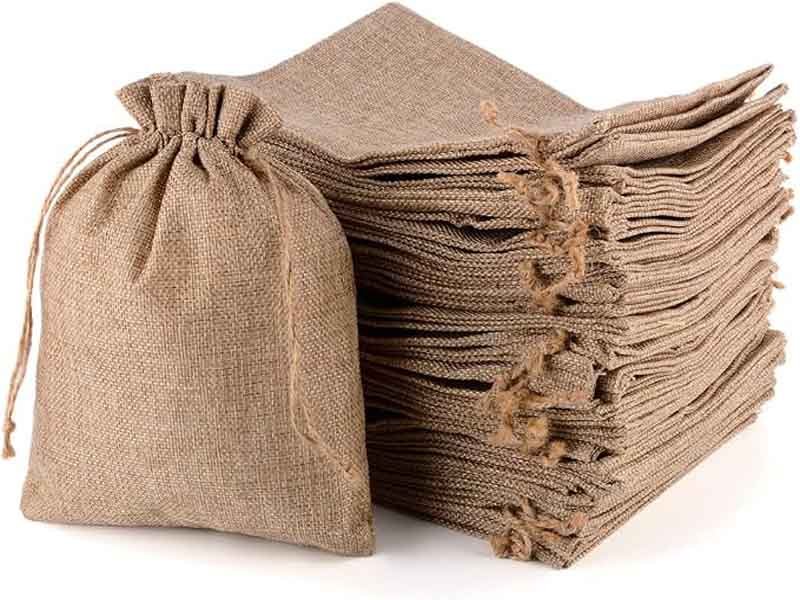
Jute Fabric
Jute is a plant-based fiber known for its rough texture and earthy appearance. While not as common as cotton or polyester, jute can be used in cosmetic bags designed for eco-friendly branding.
Jute cosmetic bags are frequently used for:
- sustainable beauty packaging
- eco promotional products
- organic skincare gift sets
Key properties of jute include:
| Property | Description |
|---|---|
| texture | coarse natural fibers |
| environmental image | strong eco perception |
| durability | moderate |
| flexibility | lower than cotton |
Because jute fibers are rougher, cosmetic bags made from this material are often combined with softer linings to improve usability.
Jute bags are less common for daily cosmetic storage but can be very effective as gift packaging or promotional items for environmentally focused brands.
How Do Synthetic Materials Improve Cosmetic Bag Performance?
Synthetic materials such as PU leather, PVC, TPU coatings, and Oxford fabric play an important role in modern cosmetic bag manufacturing. While natural fabrics offer attractive textures and branding appeal, synthetic materials often provide better resistance to moisture, easier cleaning, and improved structural performance.
Cosmetic bags frequently come into contact with makeup products that contain oils, pigments, creams, and liquids. Without the right materials, these substances can quickly stain or damage the bag. Synthetic fabrics help prevent these issues while also giving manufacturers more control over durability and appearance.
For many brands, the decision is not simply choosing natural or synthetic materials. Instead, the most successful products combine both. A cosmetic bag might use a natural outer fabric for branding appeal while incorporating synthetic materials internally for performance.
PU Leather and Vegan Leather
PU leather, often referred to as vegan leather, is widely used in cosmetic bag manufacturing when a brand wants a more polished or premium appearance.
Unlike traditional leather, PU leather is made by applying a polyurethane coating to a fabric base. This allows manufacturers to create a smooth, leather-like surface while keeping costs relatively manageable.
Many cosmetic brands use PU cosmetic bags for retail packaging or gift sets because the material looks refined and easy to clean.
| Feature | PU Leather Performance |
|---|---|
| visual appearance | premium, smooth surface |
| stain resistance | high |
| water resistance | high |
| maintenance | very easy |
| cost level | medium |
PU cosmetic bags are often used for:
- luxury skincare gift packaging
- seasonal beauty collections
- travel cosmetic organizers
- retail cosmetic accessories
The main advantage of PU leather is its visual appeal. A cosmetic bag made from PU can look significantly more premium than one made from lightweight fabric.
However, PU materials must be selected carefully. Low-quality PU can crack over time, especially if the bag is folded repeatedly or exposed to heat. Experienced manufacturers therefore evaluate PU thickness, backing material, and coating quality before recommending it for production.
PVC and TPU Waterproof Materials
PVC and TPU are synthetic materials often used when waterproof performance is essential.
These materials are commonly used for cosmetic bags that need to protect contents from spills or moisture. Transparent PVC bags are also popular for airport security compliance because they allow quick visual inspection of liquids.
| Material | Main Advantages | Common Uses |
|---|---|---|
| PVC | waterproof, transparent options | travel cosmetic bags |
| TPU | flexible and durable | premium waterproof bags |
PVC cosmetic bags are frequently used in travel kits, promotional packaging, and beauty subscription boxes.
TPU offers similar waterproof properties but with greater flexibility and durability. It is often preferred in higher-end waterproof cosmetic bags.
Because these materials are non-absorbent, cosmetic stains can usually be wiped away easily. This makes them particularly useful in environments where makeup spills are common.
However, fully PVC cosmetic bags may feel less breathable than fabric bags. For this reason, many manufacturers combine PVC windows with fabric panels to create a balance between visibility and comfort.
Oxford Fabric Construction
Oxford fabric is one of the most practical synthetic textiles used in cosmetic bags. It is typically made from polyester or nylon fibers woven in a basket-like pattern that improves durability.
Oxford fabrics are commonly used in:
- travel cosmetic bags
- toiletry organizers
- large makeup storage bags
- professional makeup cases
The woven structure gives Oxford fabric a balance of flexibility and strength.
| Property | Oxford Fabric Performance |
|---|---|
| abrasion resistance | high |
| water resistance | good |
| weight | moderate |
| durability | very good |
Many travel cosmetic bags use 420D or 600D Oxford fabric, which provides strong durability while remaining lightweight enough for luggage.
Manufacturers also apply coatings to Oxford fabrics to improve waterproof performance.
These coatings can include:
- PU coating
- PVC backing
- water-repellent finishing
This combination of woven strength and protective coating makes Oxford fabric particularly useful for travel-oriented cosmetic bags.
Are Eco-Friendly Materials Used in Modern Makeup Bags?
Eco-conscious materials are becoming increasingly important in cosmetic bag manufacturing as many beauty brands focus on sustainability. Customers are paying closer attention to packaging materials, and brands are responding by incorporating recycled fabrics, organic textiles, and plant-based materials into their products.
While eco materials were once limited to niche markets, they are now used in mainstream cosmetic packaging and retail accessories.
However, selecting eco-friendly materials requires balancing environmental benefits with product durability and manufacturing practicality.
Recycled Polyester (RPET)
Recycled polyester, often called RPET, is produced from recycled plastic bottles. The plastic is cleaned, melted, and spun into fibers that can be woven into fabric.
This process reduces plastic waste and lowers energy consumption compared with producing new polyester fibers.
| RPET Characteristic | Benefit |
|---|---|
| recycled source material | reduces plastic waste |
| durable synthetic fiber | strong performance |
| lightweight fabric | good for travel bags |
| wide color options | flexible branding |
RPET cosmetic bags are increasingly used by beauty brands that want to highlight sustainability in their packaging.
From a performance standpoint, RPET fabrics behave similarly to standard polyester. This makes them practical replacements without major design changes.
Organic Cotton
Organic cotton is another material used for environmentally conscious cosmetic bags.
Unlike conventional cotton, organic cotton is grown without synthetic pesticides or chemical fertilizers. This reduces environmental impact during farming.
Organic cotton cosmetic bags are commonly used by:
- natural skincare brands
- organic beauty companies
- wellness product lines
| Organic Cotton Property | Benefit |
|---|---|
| chemical-free cultivation | environmentally friendly |
| natural appearance | fits clean beauty branding |
| soft texture | comfortable feel |
However, organic cotton fabrics often cost more than standard cotton due to stricter farming and certification requirements.
Brands choosing organic cotton must balance sustainability goals with product cost considerations.
Bamboo Fiber Fabrics
Bamboo fibers are another eco-friendly textile option occasionally used in cosmetic bags.
Bamboo grows quickly and requires less water than many traditional crops. The fibers can be processed into soft, breathable fabrics.
| Bamboo Fabric Feature | Benefit |
|---|---|
| renewable plant source | sustainable raw material |
| soft texture | comfortable handling |
| natural antibacterial properties | suitable for hygiene products |
Bamboo fabrics are still less common in cosmetic bags compared with cotton or polyester, but they can be attractive for brands focused on sustainable lifestyle products.
Plant-Based Textile Materials
Some manufacturers are experimenting with newer plant-based textile innovations. These may include fabrics derived from agricultural waste fibers or biodegradable materials.
While still developing, these materials are gaining attention among brands exploring environmentally responsible packaging.
However, plant-based fabrics must still meet practical performance requirements. Cosmetic bags experience regular friction, moisture exposure, and weight loading. If the material cannot withstand these conditions, sustainability claims will not compensate for poor durability.
This is why many successful cosmetic bag projects use a hybrid approach: combining eco materials with performance-focused design.
For example, a cosmetic bag may feature:
- recycled polyester outer fabric
- waterproof lining
- minimal plastic hardware
This approach reduces environmental impact while maintaining practical usability.
How Do Manufacturers Choose the Right Fabric for Cosmetic Bags?
Choosing the right fabric is one of the most important steps when developing a cosmetic bag. The material determines how the bag performs during daily use, how it looks in retail packaging, and how much it costs to produce. Manufacturers usually guide clients through a structured evaluation process to ensure the selected material fits both the product function and the brand’s market positioning.
When brands work with a manufacturer like Szoneier, fabric selection usually begins with several key questions:
- Where will the cosmetic bag be used?
- What type of products will it hold?
- What price level should the final product reach?
- What visual style should represent the brand?
Answering these questions helps narrow down suitable materials.
Product Use Scenario
The intended use of the bag strongly influences fabric choice. Cosmetic bags used at home, for travel, or for promotional campaigns may require very different materials.
For example, a cosmetic bag used mainly as retail packaging may prioritize appearance, while a travel bag must emphasize durability and water resistance.
| Use Scenario | Recommended Material |
|---|---|
| retail cosmetic pouch | canvas, PU leather |
| travel makeup bag | nylon, polyester, Oxford fabric |
| promotional pouch | cotton, polyester |
| eco beauty packaging | organic cotton, recycled polyester |
If the bag will frequently encounter moisture or spills, manufacturers usually recommend synthetic fabrics with waterproof linings.
Durability Requirements
Another important consideration is how frequently the cosmetic bag will be used.
A gift pouch included in a beauty kit may only be used occasionally, while a daily makeup bag may be opened dozens of times each week.
Durability considerations include:
- abrasion resistance
- zipper strength
- seam stability
- shape retention
| Durability Level | Suitable Fabric |
|---|---|
| light use | cotton, lightweight polyester |
| medium use | canvas, polyester |
| heavy use | nylon, Oxford fabric |
Manufacturers often test fabric strength before production to ensure the bag can withstand expected usage.
Brand Positioning and Price Level
Material choice also affects the perceived value of the product.
For premium beauty brands, the cosmetic bag must align with the brand’s image. A luxury skincare line may prefer PU leather or structured canvas, while a travel-oriented brand may choose durable nylon.
| Brand Position | Preferred Material |
|---|---|
| luxury beauty | PU leather, structured canvas |
| eco skincare | organic cotton, recycled polyester |
| travel accessories | nylon, Oxford fabric |
| promotional products | polyester, cotton |
Balancing performance with cost is essential. A material that looks impressive but exceeds the target price range may not be practical for large production runs.
Experienced manufacturers therefore help clients select fabrics that match both brand image and commercial feasibility.
Which Materials Are Best for Travel Makeup Bags?
Travel cosmetic bags face more demanding conditions than everyday cosmetic pouches. They must tolerate movement, compression in luggage, occasional moisture exposure, and repeated use in different environments.
Because of these challenges, manufacturers usually recommend materials that provide durability, water resistance, and lightweight performance.
Nylon and Polyester
Nylon and polyester remain the most reliable fabrics for travel cosmetic bags.
These synthetic materials combine durability with relatively low weight, making them ideal for travel products.
| Feature | Nylon | Polyester |
|---|---|---|
| abrasion resistance | very high | high |
| weight | very light | light |
| moisture resistance | excellent | very good |
| cost | medium | lower |
Nylon is often chosen for higher-end travel cosmetic bags, while polyester offers a more economical option for larger production quantities.
Waterproof TPU and PVC
When travel cosmetic bags must protect items from liquid spills, waterproof materials become important.
TPU and PVC coatings create surfaces that prevent liquids from soaking through the fabric.
| Material | Key Advantage |
|---|---|
| PVC | strong waterproof protection |
| TPU | flexible waterproof coating |
These materials are often used for inner linings or transparent compartments inside travel cosmetic bags.
Coated Oxford Fabric
Oxford fabric with protective coating is another strong option for travel cosmetic bags.
The woven structure provides durability while coatings improve moisture resistance.
| Oxford Fabric Feature | Benefit |
|---|---|
| dense woven fibers | strong abrasion resistance |
| PU coating | improved waterproof performance |
| medium weight | balanced portability |
Because of these qualities, coated Oxford fabric is frequently used for larger travel organizers and hanging toiletry bags.
How Do Material Choices Affect Cost and Production?
Fabric selection does not only influence product performance. It also affects production cost, manufacturing complexity, and supply chain stability.
Manufacturers evaluate several factors when calculating the cost impact of a chosen material.
Fabric Weight and GSM
Fabric weight, often measured in GSM (grams per square meter), influences both durability and cost.
Heavier fabrics usually require more raw material and can increase shipping weight.
| Fabric Weight | Product Impact |
|---|---|
| 150–200 GSM | lightweight pouches |
| 250–350 GSM | structured cosmetic bags |
| 400+ GSM | heavy-duty organizers |
Brands should balance durability with shipping efficiency when choosing fabric weight.
Coating and Lamination Processes
Additional coatings applied to fabrics can improve performance but may also increase production cost.
Common fabric treatments include:
- PU waterproof coating
- PVC lamination
- TPU waterproof film
- stain-resistant finishing
| Coating Type | Cost Impact | Performance Benefit |
|---|---|---|
| PU coating | moderate | water resistance |
| PVC lamination | moderate | waterproof protection |
| TPU film | higher | flexible waterproof barrier |
Manufacturers usually recommend coatings only when necessary to avoid unnecessary cost increases.
Material Availability and MOQ
Material availability can influence minimum order quantities and lead times.
Some specialty fabrics require higher MOQs or longer sourcing times.
| Material Type | MOQ Impact |
|---|---|
| standard polyester | low |
| cotton canvas | medium |
| specialty eco fabrics | higher |
Factories with integrated fabric sourcing capabilities, such as Szoneier, often provide more flexibility in material selection and order quantities.
Start Your Custom Makeup Bag Project with Szoneier
Understanding cosmetic bag materials helps brands design products that perform well and meet customer expectations. The right fabric can improve durability, enhance product presentation, and support long-term brand reputation.
From natural fabrics like cotton and canvas to high-performance synthetics such as nylon and coated Oxford fabrics, each material offers unique advantages depending on how the cosmetic bag will be used.
Developing the right product requires balancing several factors:
- fabric performance
- product appearance
- manufacturing cost
- brand positioning
- long-term durability
Szoneier brings more than 18 years of experience in fabric research, product development, and finished goods manufacturing. The company supports a wide range of materials including cotton, canvas, polyester, nylon, neoprene, jute, linen, and Oxford fabrics.
These materials allow brands to develop cosmetic bags suited for different industries such as beauty retail, travel accessories, promotional merchandise, and lifestyle products.
Szoneier also offers services that simplify product development for international clients.
| Service | Advantage |
|---|---|
| free design support | refine product concepts |
| low MOQ customization | suitable for new brands |
| fast sampling | accelerate product launches |
| private label production | build brand identity |
| integrated fabric supply | stable material quality |
If you are planning to develop custom cosmetic bags for your brand, working with an experienced manufacturer can help transform your ideas into reliable products.
You can contact the Szoneier team to discuss:
- custom cosmetic bag designs
- fabric selection advice
- logo branding methods
- sampling and bulk production
With the right material and thoughtful product development, a simple cosmetic bag can become a valuable part of your brand’s product line.
Szoneier is ready to help bring your cosmetic bag ideas into production.
Can't find the answers?
No worries, please contact us and we will answer all the questions you have during the whole process of bag customization.
Make A Sample First?
If you have your own artwork, logo design files, or just an idea,please provide details about your project requirements, including preferred fabric, color, and customization options,we’re excited to assist you in bringing your bespoke bag designs to life through our sample production process.