 Skip to content
Linen Cloth Material Weaving Techniques: How Thread Count Affects Durability
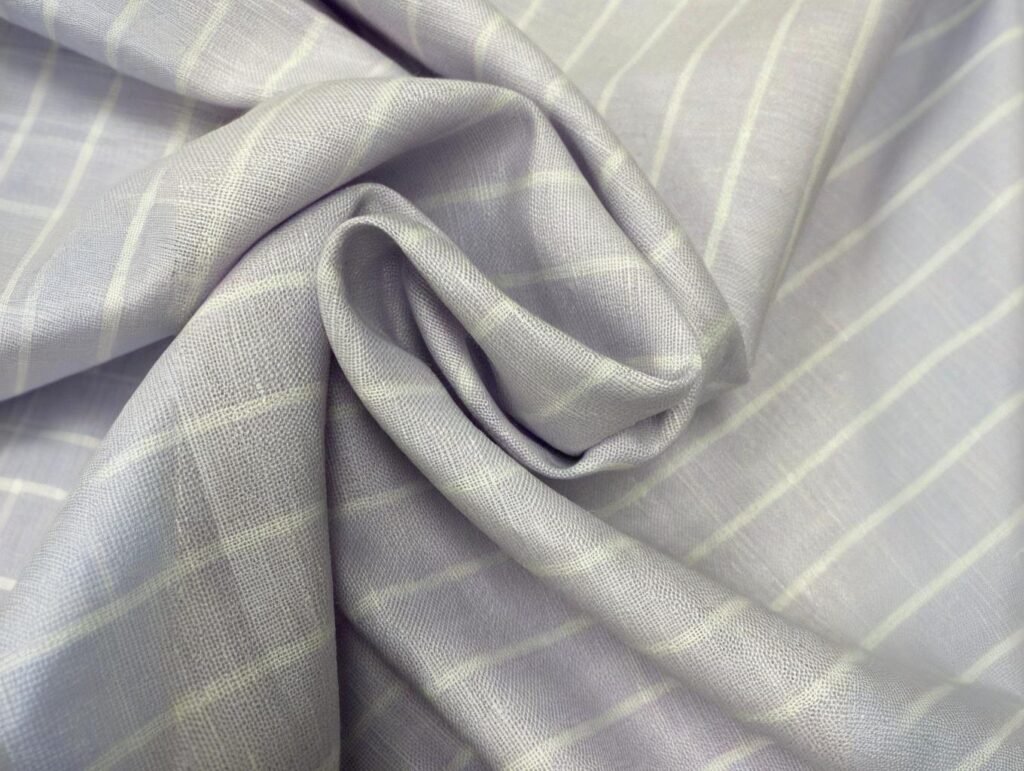
In the world of textiles, linen has long been prized for its durability, comfort, and natural beauty. But with rising demand for sustainable fabrics and fast-fashion supply chains, buyers often face a crucial question: How can you ensure the linen fabric you select stands the test of time? A significant factor influencing the strength and longevity of linen is its weaving technique and thread count—two elements that directly affect how the fabric holds up through repeated use and laundering.
Thread count plays a pivotal role in linen’s durability, with higher counts often resulting in stronger, longer-lasting fabric. However, thread count alone doesn’t determine fabric quality; it’s the combination of weaving patterns, fiber quality, and finishing processes that dictates how well a linen product performs over time.
To bring this to life, consider the case of a luxury hotel brand in New York. They chose to stock 140 GSM linen sheets for their guest rooms, which performed excellently in terms of comfort. However, after a year, they noticed some linen items had started to show wear. Their supplier had used a lower thread count, resulting in fraying corners and thinning over time. By switching to 180 GSM linen with a higher thread count, the same hotel saw an increase in product life expectancy, saving on replacement costs and improving guest satisfaction.
Now, let’s dive into how thread count influences linen durability, and what weaving techniques ensure your linen stands the test of time.
1. What Are the Different Types of Linen Weaving Techniques?
Linen fabric can be woven in various patterns, each with its distinct texture, strength, and aesthetic appeal. The most common linen weaving techniques include plain weave, twill, and satin weave. Each technique has a significant impact on how durable the fabric is and how well it resists wear and tear.
The choice of linen weaving technique directly affects the fabric’s durability, strength, texture, and resistance to pilling or fraying. Understanding these techniques will help buyers choose the best linen for different end uses, such as bedding, table linens, or upholstery.
Exploring Common Linen Weaving Patterns
- Plain Weave Plain weave is the simplest and most common weaving technique used for linen fabrics. It involves weaving the warp and weft yarns in an alternating pattern, where each thread crosses over one and under the next.
| Feature | Advantage | Disadvantage |
|---|---|---|
| Durability | Strong, even fabric | Less texture, prone to wrinkles |
| Feel | Crisp, breathable | May feel stiffer initially |
| Use Case | Everyday linens, shirts, bedding | Lower-end market, basic styles |
Plain weave fabrics are highly durable, especially when paired with a higher thread count. This technique is ideal for high-volume, cost-effective production, such as standard hotel linens, due to its strength and simplicity.
- Twill Weave Twill weave creates a diagonal pattern by passing the warp thread over one or more weft threads. This results in a distinct pattern that is more flexible than plain weave linen and generally more resistant to wrinkles and creases.
| Feature | Advantage | Disadvantage |
|---|---|---|
| Durability | Excellent for wear & tear | Heavier, less breathable |
| Feel | Soft, smooth texture | Can shrink more than plain weave |
| Use Case | Luxury linens, workwear, upholstery | More expensive, thicker fabric |
Twill linen is commonly used for luxury linen shirts and upholstery, as its unique texture provides a more refined look and feel. However, it can be heavier and less breathable than plain weave, which makes it more suitable for cooler climates or upscale settings.
- Satin Weave Satin weave linen has a smooth, glossy surface, created by floating the warp threads over several weft threads. The smooth texture creates a high-end aesthetic and makes satin weave linen very popular for premium linens and fashion.
| Feature | Advantage | Disadvantage |
|---|---|---|
| Durability | Soft, luxurious finish | Can be delicate, wrinkles easily |
| Feel | Silky, smooth texture | More prone to snagging |
| Use Case | Luxury bed linens, fashion apparel | Higher price point |
Satin weave linen is often higher in price due to its complex weaving process and luxurious finish. It is best used in high-end hotel bedding, tablecloths, and fashion garments, where both durability and visual appeal are prioritized.
2. How Does Thread Count Influence the Durability of Linen Cloth?
Thread count refers to the number of threads woven into one square inch of fabric. In linen, a higher thread count typically signifies a denser weave, which can increase fabric strength and durability. However, thread count alone does not guarantee superior quality; it must be paired with high-quality fibers and weaving techniques for the best results.
Thread count plays a critical role in linen durability, with higher counts resulting in fabrics that can endure longer use, while lower thread counts are typically more prone to wear and tear. However, linen has a unique fiber structure that differs from cotton, and thread count isn’t always the best indicator of overall durability.
Understanding Linen Thread Count and Its Impact on Durability
- Optimal Thread Count Range for Linen Fabrics
While thread counts in linen typically range from 80 to 200, the optimal thread count for durability varies depending on the end-use:
| Thread Count Range | Ideal Use | Durability Features |
|---|---|---|
| 80–100 | Budget linens, basic use | More breathable, light wear |
| 120–140 | Standard quality linens | Moderate durability, cost-effective |
| 160–200 | Premium bedding, workwear | Highly durable, long-lasting |
- Why Thread Count Isn’t the Only Factor
While higher thread counts tend to improve durability, other factors such as fiber length, linen weave type, and finishing techniques (like enzyme washing or stone washing) also significantly impact the strength and longevity of linen fabrics.
Real-world Insight: A luxury bedding supplier in Italy switched from a standard 120-thread-count linen to a 160-thread-count variety, resulting in a 30% reduction in customer complaints related to fraying and premature wear. This change, along with quality control in the finishing stages, improved the linen’s overall durability and product lifecycle.
3. What Role Does Fiber Length and Quality Play in Linen Strength?
While thread count and weaving techniques are crucial, the quality of the linen fiber itself forms the foundation of fabric durability. Linen is made from flax plant fibers, and the length, strength, and uniformity of these fibers determine how well the yarn performs in weaving and how long the fabric lasts under use.
Long-staple flax fibers result in stronger, smoother, and more durable linen cloth, while short or inconsistent fibers tend to break more easily, leading to pilling, fraying, and lower product lifespan.
Evaluating Fiber Length & Purity in Linen
- Long-Staple vs. Short-Staple Linen Fibers
| Fiber Type | Characteristics | Durability Impact |
|---|---|---|
| Long-staple | Uniform, strong, lustrous | High durability, fewer weak spots |
| Short-staple | Irregular, more fraying | Lower durability, prone to fuzzing |
Linen sourced from Belgium and France often uses long-staple flax, which is prized for its strength and smoothness. Fabrics made from this grade of fiber are common in high-end apparel, upholstery, and hotel linens.
- Case Study: Premium Linen Shirt Supplier A linen apparel brand sourcing long-staple flax yarn from Northern France reported a 40% improvement in tensile strength tests compared to similar shirts using Indian short-staple flax. Not only did this reduce warranty returns, but it also helped the brand justify a 20% premium pricing tier.
- Fiber Processing Quality Matters It’s not just the length—but also how the fibers are retted, combed, and spun. Improper processing can damage even high-grade flax, reducing durability.
Key Tip for Buyers Ask suppliers about the origin and processing of their flax yarn. Verified certifications like Masters of Linen® or EUROFLAX can offer assurance of high-quality, long-staple fibers and eco-conscious processing.
4. How Do Different Finishing Processes Impact Linen’s Durability?
Finishing processes are applied after the fabric is woven to enhance appearance, hand feel, or performance. However, these processes can either strengthen or weaken the final fabric depending on the method used. For linen, enzymatic treatments, calendaring, and chemical softeners are common.
Finishing methods greatly influence the wearability, resilience, and longevity of linen fabrics. Some treatments boost softness without compromising strength, while others may reduce fabric life for short-term aesthetic gains.
Common Linen Finishing Techniques and Their Effects
- Enzyme Washing
A popular eco-friendly finishing process, enzyme washing uses natural enzymes to break down fibers at the surface, making linen softer and slightly faded in appearance.
| Effect on Fabric | Durability Result |
|---|---|
| Softer texture | Maintains structural strength |
| Slight shrinkage | Needs pre-washing consideration |
| Lower pilling | Enhanced longevity |
- Stone Washing
Stone washing softens linen further and gives it a relaxed, worn look. However, it can slightly degrade fiber strength over time if overused.
| Feature | Result |
|---|---|
| Vintage look | Appealing in fashion |
| Fiber abrasion | Reduces tensile strength |
- Resin or Chemical Coatings
Some industrial linens are treated with resins, flame retardants, or water-repellent coatings to increase performance in hospitality or medical environments. These can improve functional durability but may make the fabric less breathable or comfortable.
| Coating Type | Application | Pros | Cons |
|---|---|---|---|
| Water-repellent | Outdoor tablecloths | Improved function | Reduced softness |
| Flame-retardant | Hotel or event linens | Compliance with regulations | May irritate skin, stiffer feel |
| Wrinkle-resistant | Uniforms, shirts | Cleaner appearance, less ironing | Can reduce breathability |
- Pre-Shrinking & Mercerizing
For ready-to-wear or bed linen, pre-shrinking the fabric helps reduce shrinkage during consumer washing. Mercerizing can increase luster and strength, though it’s more common in cotton than flax-based linen.
Real-World Insight An Australian linen tableware supplier conducted abrasion tests (Martindale method) on enzyme-washed vs. stone-washed 140 GSM linen. The enzyme-washed version lasted 28% longer before showing visible thinning. This small switch in finishing helped them position the product as “long-life hospitality grade,” increasing appeal for restaurants and event planners.
5. Is Higher Thread Count Always Better for Linen Fabric Strength?
The common belief that “the higher the thread count, the better the quality” doesn’t always apply—especially in the case of linen fabrics. While thread count (typically defined as the number of threads per square inch) does influence fabric density, it’s not the sole or even the most reliable indicator of durability in linen.
In fact, too high of a thread count in linen can reduce breathability, increase stiffness, and compromise wearability, especially if the fibers are thin or over-processed to achieve density.
Higher thread count is not inherently better—it’s about balance. The durability of linen depends on thread count in combination with fiber quality, yarn twist, and weave type.
Understanding Thread Count Nuances in Linen
- Ideal Thread Count Ranges by Application
| Application Area | Recommended Thread Count | Rationale |
|---|---|---|
| Linen apparel (shirts, dresses) | 80–150 | Balance of softness, drape, and strength |
| Bed sheets & pillowcases | 100–200 | Comfort and longevity |
| Heavy upholstery linen | 50–100 | Lower count with thicker yarn for strength |
| Curtains / lightweight fabric | 80–120 | Airy feel with moderate resilience |
- Too High Can Backfire
Very high thread counts (e.g., 250+) often mean finer yarns are used, which can break or fray more easily under tension or after repeated washes. In linen, which naturally has thicker fibers than cotton, pushing thread count too high is generally counterproductive.
- Real-Life Brand Insight A Northern European linen bedding company tested 140, 180, and 220 TC (thread count) options using the same Belgian flax yarn. After 50 industrial wash cycles, the 180 TC variant showed the best balance of softness and weave integrity, while the 220 TC fabric exhibited premature thinning at fold lines.
- Yarn Twist & Ply Influence
In addition to count, the twist of the yarn and whether it’s single-ply or multi-ply dramatically changes how the linen holds up. A tighter twist enhances tensile strength, while double-ply yarns (two threads twisted together) can compensate for lower thread counts.
6. How Do Use Cases Like Apparel, Bedding, or Upholstery Affect Fabric Design?
Linen’s versatility allows it to serve a wide range of end uses—from elegant summer dresses to hardwearing commercial upholstery. But the same fabric construction won’t work equally well across all categories. The weave, GSM, finishing, and thread density must be adapted to suit the intended product.
Different applications of linen demand customized weaving techniques, weight, and reinforcement to meet practical performance expectations like softness, abrasion resistance, or flexibility.
Matching Fabric Specs with End Use
- Apparel Linen
Linen clothing requires lighter weight, excellent breathability, and freedom of movement.
| Design Feature | Apparel Linen Specification |
|---|---|
| GSM | 120–160 |
| Thread count | 80–150 |
| Common weave | Plain, loose basket weave |
| Desirable trait | Soft drape, light cooling |
- Bedding Linen
Bedding linens need to strike a balance between softness and washability over time.
| Design Feature | Bedding Linen Specification |
|---|---|
| GSM | 130–180 |
| Thread count | 100–200 |
| Common weave | Plain weave |
| Desirable trait | Soft to skin, breathable |
- Upholstery Linen
For furniture and commercial seating, high-durability is paramount.
| Design Feature | Upholstery Linen Specification |
|---|---|
| GSM | 250–400+ |
| Thread count | 50–100 |
| Common weave | Twill or canvas weave |
| Desirable trait | Abrasion resistant, textured |
- Case Study: Hospitality Use Case A high-end hotel group in Dubai ordered three variants of linen for curtains, bedding, and lobby upholstery. After 12 months, wear tests showed:
- Bedding (GSM 160, TC 150) showed 15% less shrinkage with enzyme finish.
- Upholstery (GSM 320, heavy twill weave) had double the abrasion resistance of the group’s previous cotton-polyester blend.
- Curtain linen (GSM 140, loose plain weave) was appreciated for natural airflow and light filtering.
Conclusion for Buyers Don’t generalize linen specs across product categories. Evaluate how the fabric interacts with touch, wear, cleaning, and drape for your end-use. When in doubt, always request samples and test for your exact use case.
7. What Are the Trade-Offs Between Durability and Cost in Linen Fabrics?
Durability and cost often exist in a delicate balance when it comes to linen textiles. Many buyers assume that more expensive linen is always better, but the truth is more nuanced. The fiber source, weaving method, GSM, and finishing process all influence durability—some of which may be achieved without driving up costs excessively.
While premium flax and complex weaves can increase durability, cost-effective alternatives with thoughtful construction can also meet long-wear standards—if chosen wisely.
Weighing Cost vs Durability Factors
- Breakdown of Influencing Factors
| Factor | Impact on Durability | Impact on Cost |
|---|---|---|
| Flax Origin (e.g. Belgian vs. Chinese) | High | High |
| GSM (fabric weight) | Medium–High | Medium |
| Weave Type (plain vs. twill) | High | Medium |
| Yarn Count & Twist | Medium | Low–Medium |
| Finishing Process (enzyme wash, calendaring) | Medium | Medium–High |
- Affordable Yet Strong Examples
Some Chinese flax mills now produce linen with European-quality durability using modified twill weaves and mid-range GSMs (180–200), at 30–40% lower cost than their European counterparts.
- Case Comparison: Basic vs. Reinforced Weave
A shirt manufacturer compared two suppliers:
- Supplier A (Plain weave, 130 GSM, \$3.20/yard): 6% fabric damage rate after 50 washes
- Supplier B (Twill weave, 180 GSM, \$4.50/yard): Less than 1% damage in same tests
Although Supplier B was 40% more expensive, the long-term savings in reduced returns and longer product lifespan more than compensated.
- When to Invest More
- Products expected to be washed frequently (e.g., restaurant napkins, hotel bedding)
- Garments for premium fashion labels with strong wearability demands
- Linen used in high-stress upholstery settings
Buyers should evaluate not only price-per-yard but also cost-per-use, which includes lifespan, appearance retention, and shrinkage rates.
8. How Can You Source High-Thread-Count Linen from Reliable Manufacturers?
Sourcing high-thread-count linen involves more than just finding the spec on paper. Thread count can be manipulated or misleading in some product listings. True sourcing success requires verifying yarn integrity, weave density, and supplier consistency through sampling, testing, and clear communication.
To source premium high-thread-count linen, prioritize factories with strong traceability, offer pre-production samples, and have documented quality control measures.
Smart Sourcing Strategies for High-Quality Linen
- Due Diligence Checklist
| Step | Why It Matters |
|---|---|
| Request fabric spec sheet | Clarifies TC, GSM, yarn count, weave type |
| Ask for lab test results | Confirms durability, shrinkage, colorfastness |
| Evaluate past production photos | Ensures consistency and visual texture |
| Perform third-party testing | Verifies thread density and strength claims |
| Request pre-production samples | Avoids bulk order surprises |
- Key Questions to Ask Manufacturers
- What is the actual yarn size used to achieve the stated thread count?
- Are fibers sourced from long-staple flax (especially for higher TC needs)?
- Can the factory achieve TC 180+ without excessive softeners or synthetic blends?
- What shrinkage rates should be expected in TC 180+ linens?
- Where to Source: Country Comparison
| Region | Strengths | Watch-Outs |
|---|---|---|
| Belgium/France | Finest long-staple flax, traditional excellence | High price, longer lead time |
| China | Competitive pricing, modern weaving tech | Quality varies by factory |
| India | Excellent artisan handwoven options | Often lower TC, not ideal for bulk |
| Turkey | Good blend of value and quality | Some inconsistency in small mills |
- Supplier Highlight: SzoneierFabrics
SzoneierFabrics offers fully customizable linen fabric, with verified thread counts up to 220, access to OEKO-TEX-certified yarns, and sample support for global buyers. Their rapid prototyping and free design consultation make them an ideal partner for those sourcing high-thread-count linen tailored to product use—whether for premium bedding, fashion, or interior design.
Final Thoughts
Understanding how thread count influences linen durability is essential for making informed sourcing decisions. However, thread count is only one piece of the puzzle. Fabric quality is shaped by fiber source, weave construction, GSM, and finishing technique—all of which must align with your product’s purpose.
Before placing your next linen fabric order, take the time to:
- Define your end-use application clearly
- Evaluate the weave, weight, and construction—not just TC
- Compare cost-per-use, not just cost-per-yard
- Collaborate with a supplier who offers transparent, tested specs and fast sampling
Ready to explore custom linen fabric options with full spec support, low MOQs, and premium design input? Contact SzoneierFabrics today to request free samples and expert consultation for your next project.
linen fabric thread count, linen fabric durability, linen weave types, high thread count linen, plain weave linen, twill weave linen, GSM in linen fabric, best linen for shirts, linen yarn quality, linen cloth weaving methods, durable linen textiles, linen for upholstery, linen fabric comparison, thread count vs durability, linen fabric guide, how to choose linen fabric, linen shirt fabric quality, linen fabric weight, custom linen fabric supplier, flax fiber for linen, soft vs strong linen, woven linen manufacturing, linen thread density, best GSM for linen, linen textile performance, linen production techniques, linen shirt sourcing, linen cloth strength, linen fabric for hotels, luxury linen supplier
Can't find the answers?
No worries, please contact us and we will answer all the questions you have during the whole process of bag customization.
Make A Sample First?
If you have your own artwork, logo design files, or just an idea,please provide details about your project requirements, including preferred fabric, color, and customization options,we’re excited to assist you in bringing your bespoke bag designs to life through our sample production process.