 Skip to content
Linen Fabric MOQ Guide: Minimum Order Quantities by Supplier Type
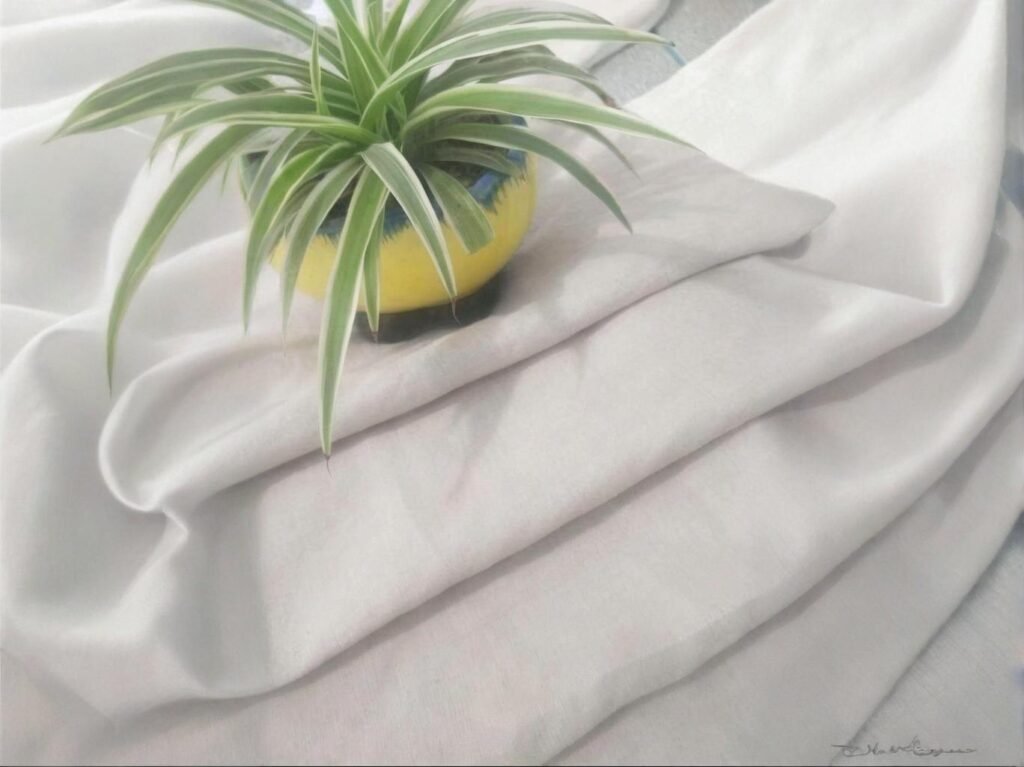
Linen fabric can feel luxurious, fresh, and timeless—but navigating the minimum order requirements can make or break a sourcing strategy. Whether you’re a growing brand or an established textile operation, understanding MOQ thresholds helps you balance cost, flexibility, and speed.
A Minimum Order Quantity (MOQ) is the smallest amount a supplier is willing to sell in one transaction. For linen fabric, MOQs vary by supplier type—mills typically start around 100–300 m, wholesalers from 50–200 m, and OEM/custom producers 500 m or more per color or style.
Knowing these MOQ benchmarks can help you plan smarter, avoid excess inventory, and strengthen negotiations. Picture this: a startup orders from a mill without checking MOQ and ends up with double what they need—locking funds and warehouse space unnecessarily.
Stick around—we’ll walk through real-world examples, data-backed comparisons, and smart strategies to lower the bar without lowering quality.
1. What Is MOQ and Why Does It Matter When Purchasing Linen Fabric?
MOQ, or Minimum Order Quantity, is more than just a number—it’s a signal of factory economics, inventory risk, and production efficiency. A mill might require 300 meters per color to make weaving worthwhile, while a wholesaler might offer flexibility at 50 meters, but with higher price per meter.
MOQ’s Role in Purchase Strategy
Understanding Supplier Workflows
- Mills weave and finish fabric themselves; large batches reduce setup waste.
- Wholesalers stock finished fabric; smaller orders are possible—but margins are higher.
- OEMs or custom finishers may require larger production runs, especially for custom dyeing or special finishes.
When MOQ Affects You
- Cash Flow: Ordering too much ties up working capital.
- Storage Costs: Unsold stock is costly to store.
- Risk of Obsolescence: Fashion trends shift quickly—excess inventory risks markdowns.
Benchmarking MOQ Across Supplier Types
| Supplier Type | Typical MOQ |
|---|---|
| Textile Mill (weave) | 100–300 m per color |
| Wholesaler/Distributor | 50–200 m per design |
| OEM / Custom Finisher | 300–600 m per color |
Case Snapshot: A U.S. home-textiles startup ordered 100 m from a wholesaler at $9/yard. To meet the mill’s 300 m MOQ, they had to triple the order—$7/yard pricing was better per unit but left them with $6,000 in extra stock.
2. How Do MOQ Requirements Vary Between Wholesale, Mill, and OEM Linen Suppliers?
MOQ isn’t one-size-fits-all—it changes significantly depending on who you buy from and why. Your best choice depends on your budget, lead time, and customization needs.
Mill MOQs are higher due to weaving setup; wholesalers offer lower MOQs—but often with higher unit prices. OEMs may require more if custom finishes or digital printing are involved.
MOQ by Supplier Type
1. Textile Mills
- MOQ: 100–300 m per color or batch.
- Pros: Low unit cost (~$4–6/meter greige fabric) and full customization.
- Cons: High storage needs; sometimes lagging responsiveness.
Example: Chinese mill offers 100 m MOQ on OEKO-TEX–certified 195 GSM linen from Zhejiang (制造网, Wild Linens, Fabriclore).
2. Wholesalers / Distributors
- MOQ: 50–200 m per design.
- Pros: Quick shipments, ready stock, flexible small orders.
- Cons: Premium pricing (~$8–$12/meter), less customization.
Example: A UK distributor offers European-origin linen at MOQ of 200 m per color for wholesale clients (sourceoffabric.com).
3. OEM / Custom Finishers
- MOQ: 300–600 m per color, often plus dye/print setup.
- Pros: Full service—printing, finishing, labelling.
- Cons: Higher cost due to customized machinery time and labor.
Example: Portugal garment blank maker charges 150 pcs per style/color for blanks; fabrics likely require 300–500 m MOQ ( createfashionbrand.com).
4. Low-MOQ Platforms & Marketplaces
- Offer MOQs as low as 1–10 m via swatch or sample services.
- Ideal for testing; however, bulk orders still need to meet higher MOQ tiers.
Example: Alibaba listings advertise 1 m MOQ for 150 GSM linen-viscose blends (Fabriclore, Alibaba).
3. What Factors Influence MOQ Levels in Linen Fabric Sourcing?
Minimum order quantities (MOQs) are not arbitrarily chosen—they are shaped by multiple factors such as fabric type, production equipment, supplier location, and even the global price of flax. These variables impact the economics of scale and determine how flexible a supplier can be.
MOQ levels in linen sourcing are influenced by weave complexity, GSM (grams per square meter), yarn dyeing requirements, machinery limitations, and the supplier’s production model.
Breaking Down MOQ Determinants
Fabric Weight and Construction
| Fabric Type | Typical GSM | Usual MOQ Range |
|---|---|---|
| Lightweight Linen (120–160 GSM) | 100–200m | Lower |
| Mediumweight Linen (160–200 GSM) | 150–300m | Moderate |
| Heavy Linen Canvas (200+ GSM) | 200–500m | Higher |
- Lighter fabrics are easier to process in smaller batches.
- Heavier canvas often involves more finishing steps and wider looms.
Dyeing and Finishing Complexity
- Reactive dyeing vs pigment dyeing: Reactive processes often require larger batch volumes to justify the cost of chemical setup.
- Pre-shrunk or enzyme-washed linen: These treatments add to the MOQ due to post-weaving processing.
Yarn Source and Fiber Origin
- European-spun flax yarns (Belgian or French) are more expensive and usually offered in bulk.
- Chinese-spun yarns are more readily available for low-MOQ orders.
Equipment & Production Line Constraints
- Loom setup time, dye bath volumes, and packaging runs are all optimized for larger quantities.
- Smaller orders may disrupt production flow, leading to higher unit cost.
Supplier’s Customer Base
- Suppliers dealing with mass manufacturers often resist low MOQs.
- On the flip side, some are now restructuring for small-batch fashion labels, especially post-pandemic.
Real Case: A linen dyeing unit in Zhejiang charges $70 for setup and requires 300m minimum for custom pantone dyeing. For orders below that, price per meter jumps by 20–30%.
4. Which Types of Linen Require Higher MOQs?
Not all linen is equal when it comes to ordering in bulk. Specialty linen—like printed, embroidered, or coated fabric—often comes with higher MOQ due to extra processes. The more custom the product, the more you’ll need to order.
Linen types with special finishes, high GSM, or yarn-dyed constructions typically have higher MOQ due to the added complexity and setup cost.
Linen Categories by MOQ
1. Yarn-Dyed Linen
- MOQ: 300–500m
- Requires advance weaving with dyed yarns; not printed post-weaving.
- Typically used in premium shirts and home textiles.
2. Printed Linen
- MOQ: 200–600m depending on method
- Screen printing requires film and frame setup; digital printing is more flexible.
- Multicolor designs increase MOQ due to alignment and print runs.
| Printing Type | MOQ Range | Avg. Setup Cost |
|---|---|---|
| Rotary Screen | 300–600m | $100–300 |
| Digital Printing | 100–300m | Minimal setup |
| Block Printing | 200m+ | Labor-intensive |
3. Embroidered Linen
- MOQ: 300m or more
- Custom embroidery requires digitization and test swatches.
- Especially common in home linens, tablecloths, and boutique fashion.
4. Blended Linen Fabrics
- Linen-Cotton or Linen-Rayon often have lower MOQs (100–250m) due to broader demand and easier production cycles.
- Smoother hand feel, better colorfastness, and affordability make these common for smaller brands.
5. Waterproof or Laminated Linen
- MOQ: 500m+
- Special coatings for home or outdoor applications, often requiring licensed processes.
- Cost and lead time are higher.
Example: A German table linen brand sources laminated linen at 600m MOQ from Portugal for stain resistance. Switching to plain weave reduced their MOQ to 250m while still meeting core performance needs.
5. How Can You Negotiate Lower MOQs With Linen Fabric Suppliers?
Negotiating lower MOQs is both an art and a science. It requires understanding the supplier’s production limitations, offering flexible terms, and aligning with their off-peak production periods. While not every supplier will agree to reduce MOQ, many are open to negotiation when approached strategically.
To lower MOQs, buyers can leverage shared production, select in-stock materials, accept flexible delivery schedules, or commit to multi-phase orders.
Smart Negotiation Tactics for MOQ Reduction
1. Use Available Stock or Running Lines
- Many mills offer leftover or surplus linen rolls from large runs.
- These typically have no dyeing or finishing customization but can be sourced at 50–100m MOQ.
| Source Type | MOQ | Customization | Unit Price Impact |
|---|---|---|---|
| Deadstock Linen | 30m–100m | None | 10–20% cheaper |
| Greige Stock + Dye | 150m–300m | Color only | Moderate cost |
| Fully Custom Weave | 300m+ | Full spec | Highest cost |
2. Offer to Share Production Runs
- Collaborate with other small buyers or ask the mill to batch orders.
- Works especially well with white, natural, or black linen (popular tones).
3. Accept Longer Lead Times
- Suppliers may agree to lower MOQs if they can fit you into their low-traffic production windows.
- Off-season orders can cut MOQ by 20–30%.
4. Bundle Orders
- Order multiple SKUs in one base fabric to hit the MOQ threshold.
- For example, ordering three linen shirt styles in the same dyed roll.
5. Offer Forecast Commitments
- A 12-month purchase forecast can help secure MOQ reduction in the first order batch.
- Helps suppliers plan raw material procurement more efficiently.
Example: A California-based resortwear startup reduced their MOQ from 400m to 200m by agreeing to use a standard undyed flax base and split delivery over two seasons.
6. What Is the Impact of MOQ on Cost per Meter and Inventory Planning?
MOQ directly affects not just how much you buy—but how much you pay. Higher MOQs usually mean lower cost per meter, while smaller MOQs attract premium pricing. For small brands, it also affects how much capital is tied up in inventory, storage costs, and risk of deadstock.
Lower MOQs lead to higher per-meter costs and inventory flexibility; higher MOQs offer better unit pricing but require more upfront investment and storage.
Evaluating the Trade-Off Between Cost and Flexibility
Cost Per Meter vs MOQ Table
| MOQ Tier | Avg. Cost per Meter | Inventory Risk | Recommended For |
|---|---|---|---|
| 50–100m | $10–$16 | Low | Sampling, niche launches |
| 100–300m | $8–$12 | Medium | Boutique production |
| 300–1000m | $6–$9 | High | Private label, scaling up |
| 1000m+ | $4–$6 | Very High | Mass manufacturing |
Impacts to Consider
- Warehousing Costs: Storing 800m of linen in a non-climate-controlled space can cost $150–$300 per month.
- Obsolescence Risk: If trends shift or designs don’t sell, excess fabric becomes sunk cost.
- Cash Flow Management: Large MOQ purchases delay returns on investment until finished goods sell through.
- Unit Cost Margin: Dropping MOQ from 500m to 100m might raise the cost by 25%, but if it avoids deadstock, it may save money overall.
Planning Tips
- Use just-in-time sourcing for seasonal designs.
- Test fabric performance and market interest with small-batch runs first.
- Negotiate tiered pricing for repeat orders: e.g., 150m this month, 300m next quarter.
Real Scenario: A linen apparel brand in Australia saw a 35% drop in leftover inventory after switching from 500m MOQ to 200m batches, despite a 12% increase in unit cost.
7. Which Supplier Types Offer the Most Flexible MOQs?
The flexibility of MOQs is often determined by the supplier’s scale, in-house production capabilities, and supply chain control. Not all linen suppliers operate the same—some prioritize bulk buyers while others are structured to support low-volume, high-mix production runs.
Small to mid-sized mills, trading agents, and vertically integrated suppliers typically offer the most flexible MOQs due to lower internal overhead and adaptive production planning.
Supplier Types Compared by MOQ Flexibility
1. Small-Scale Textile Mills
- Often family-run or specialized in linen weaving
- MOQs: 50m–300m
- Highly responsive to custom specs
- Ideal for artisan, niche, or capsule brands
2. Trading Companies or Wholesalers
- Source from multiple mills
- MOQs: As low as 20m for in-stock items
- Offer “grab-and-go” fabric without customization
- Suitable for brands seeking speed over customization
3. Vertically Integrated Linen Manufacturers
- Handle spinning, weaving, dyeing in-house
- MOQs: 200m–500m depending on process
- Cost-effective and quality consistent
- Good for brands ready to scale gradually
4. Large-Scale Export Mills
- MOQs: 800m–3000m+
- Focused on mass production and fixed-color runs
- Less responsive to MOQ negotiation unless part of larger sourcing plan
| Supplier Type | MOQ Range | Customization | Lead Time | Best For |
|---|---|---|---|---|
| Small Linen Mills | 50–300m | High | 15–30 days | Boutique & sampling orders |
| Wholesalers/Agents | 20–100m | Low to Medium | 3–7 days (stock) | Fast turnarounds |
| Vertically Integrated | 200–500m | High | 25–45 days | Mid-scale production |
| Large Export Mills | 800m–3000m | High | 45–90 days | Large-scale brand manufacturing |
Example: A Canadian eco-fashion brand worked with a Lithuanian vertical mill to produce 250m of GOTS-certified linen in five colorways—below the normal 500m MOQ—by aligning their schedule with the mill’s internal testing runs.
8. How Can You Optimize Linen Sourcing While Managing MOQ Constraints?
Balancing MOQ with quality, budget, and flexibility is key to building a sustainable sourcing model. Retail buyers can optimize linen sourcing through strategic supplier selection, modular fabric planning, and smart inventory coordination.
Retail buyers can optimize linen sourcing by combining in-stock purchasing, leveraging production bundling, and building tiered supplier relationships across MOQ ranges.
Sourcing Strategies for MOQ-Conscious Buyers
1. Build a Tiered Supplier Network
- Use one supplier for small runs (sampling, trend testing)
- Another for bulk orders when SKUs are proven
- Avoid dependency on a single supplier with rigid terms
2. Forecast Demand in Fabric Modules
- Plan 3-month and 6-month drops with repeatable base fabrics
- Use standard flax, white, or ecru linen for seasonal dyeing
3. Work With Design-Led MOQ Planning
- Reduce SKU complexity by using the same base fabric across garments
- Example: One 250m dyed roll used for both shirts and dresses
4. Monitor Market Trends for MOQ Windows
- Track when mills open their capacity to smaller orders (off-season)
- Look out for supplier promotions, overstock, or trial runs
| Optimization Method | MOQ Impact | Cost Effectiveness | Flexibility Level |
|---|---|---|---|
| Supplier Tiering | High | High | Medium to High |
| Modular Fabric Forecasting | Medium | High | High |
| Shared Fabric Usage | High | Medium | High |
| Off-Season Procurement | Medium | High | Medium |
Real Insight: An independent Japanese linen apparel retailer decreased yearly MOQ-related waste by 42% by using a dual-sourcing model: one domestic wholesaler for pre-dyed samples, one European mill for 600m seasonal bulk runs.
Final Thoughts & How to Start Your Custom Linen Fabric Order with Szoneier
Understanding the MOQ landscape of linen sourcing empowers you to make more profitable and sustainable sourcing decisions. Whether you are prototyping a new fashion line or scaling up your collection, knowing how to evaluate supplier types, negotiate better terms, and plan inventory smartly can be a game-changer.
At SzoneierFabrics, we specialize in flexible, high-quality linen fabric development with low MOQ options, quick sampling, and rich customization capabilities tailored for both emerging and established brands. From French flax shirts to yarn-dyed Eastern blends, our expert team helps you bring your linen vision to life.
Ready to start your custom linen sourcing journey? Contact SzoneierFabrics today for a free quote, design consultation, or sample request. Your ideal MOQ solution might be just one message away.
linen fabric MOQ, minimum order quantity linen, low MOQ linen supplier, bulk linen fabric, custom linen fabric manufacturer, wholesale linen fabric, linen fabric sourcing, linen fabric suppliers China, European linen mills MOQ, linen textile factories, linen fabric production, flax linen bulk buy, sustainable linen sourcing, certified linen suppliers, French linen manufacturer, Belgian linen exporter, Eastern European linen fabric, small batch linen orders, linen fabric price per yard, low MOQ fabric wholesale, order linen fabric online, GOTS linen MOQ, linen shirt fabric MOQ, linen rolls bulk purchase, MOQ for dyed linen, MOQ for yarn dyed linen, linen fabric for garments, linen for fashion manufacturing, flexible MOQ fabric supplier, custom dyed linen rolls
Can't find the answers?
No worries, please contact us and we will answer all the questions you have during the whole process of bag customization.
Make A Sample First?
If you have your own artwork, logo design files, or just an idea,please provide details about your project requirements, including preferred fabric, color, and customization options,we’re excited to assist you in bringing your bespoke bag designs to life through our sample production process.