Skip to content
Medical textiles are undergoing a quiet revolution, and surprisingly, the driving force behind this shift isn’t a new machine or exotic polymer—it’s Lycra/Elastane. This single fiber, often making up only 20–40% of a fabric blend, determines whether a compression stocking delivers accurate pressure, whether a post-surgical garment supports proper healing, and whether a lymphedema sleeve maintains its shape after months of use. Yet many garment developers still underestimate how sensitive Lycra-based structures are to heat, dyeing, cutting, and sewing variables. In medical applications, a few degrees of heat-setting error or a slightly unbalanced knit structure can change a Class II stocking into a failed product. Lycra/Elastane is the essential stretch fiber used in medical compression garments because it provides controlled elasticity, power, and recovery. Its ability to maintain consistent pressure levels makes it ideal for stockings, sleeves, and post-operative supports. Proper fiber selection, knit structure, heat-setting, and testing ensures safe and accurate compression performance. These properties make Lycra indispensable for medical-grade textiles requiring stability, durability, and skin-friendly comfort.
Manufacturers who master Lycra behave more like engineers than fabric suppliers. A few years ago, a European orthopedic brand shared that their entire shipment of compression sleeves failed certification—not because of yarn quality, but because the supplier used an incorrect heat-set temperature. This small mistake changed the fabric tension by 8%, pushing the pressure gradient outside medical tolerance. Stories like this explain why mastering Lycra is not optional; it’s the foundation of reliable medical textile engineering. Let’s break down how it truly works.
What Is Lycra/Elastane and Why Is It the Core Fiber in Medical Compression Textiles?
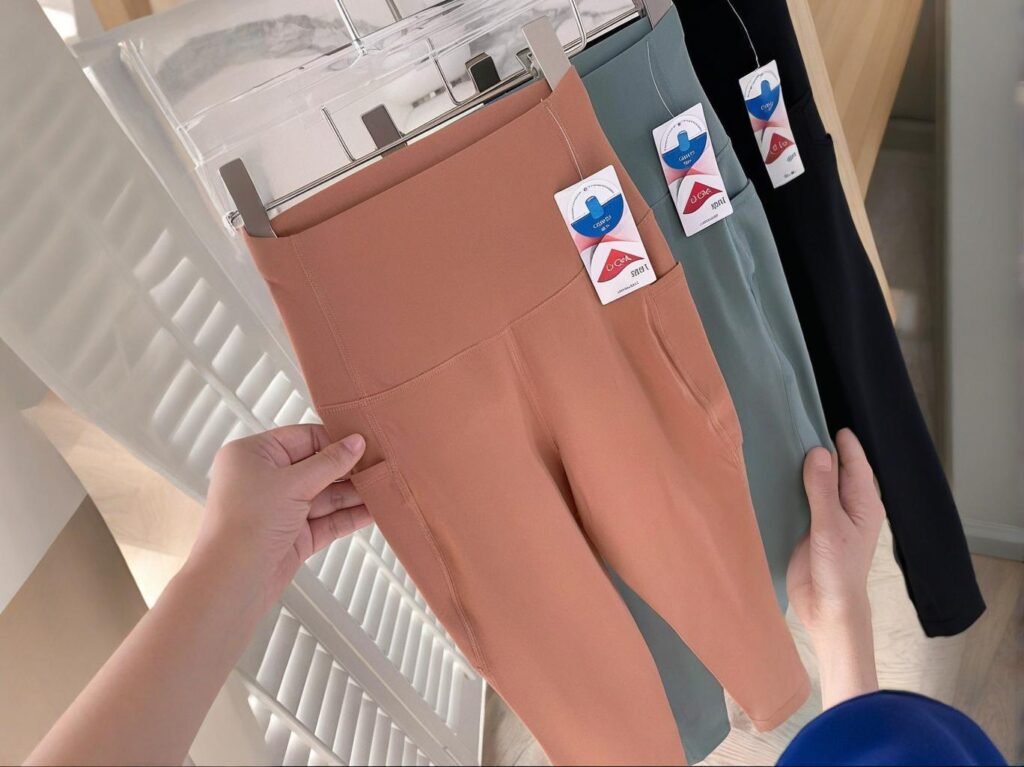
Lycra/Elastane is a segmented polyurethane elastic fiber engineered for exceptional stretch, recovery, and long-term stability. In medical compression textiles, it provides the controlled power needed to achieve precise pressure levels, maintain their gradient over time, resist fatigue, and withstand thousands of wear cycles. Its predictable elongation behavior, resistance to creep, and compatibility with circular knitting, flat knitting, and warp-knit medical constructions make it indispensable in stockings, sleeves, braces, and post-operative garments.
Understanding Why Lycra Is Uniquely Suitable for Medical Compression
Medical compression is a scientific category—not just “tight clothing.” It requires controlled pressure gradients, sustained tension behavior, and repeatable performance over months of daily wear. Lycra/Elastane remains the only commercially mature fiber that can consistently deliver these demands.
Below is a deeper technical breakdown that explains why.
A. The Molecular Structure Behind Its Power
Elastane is built from segmented polyurethane composed of alternating “soft” and “hard” segments. These segments behave like a sophisticated spring system at the molecular level.
- Soft segments → allow extension under low load
- Hard segments → lock the fiber back into shape when tension is removed
This combination produces controlled, repeatable elasticity rather than random stretch.
| Requirement | Why Lycra Works | Engineering Relevance |
|---|---|---|
| Stable elasticity | Tailored ratio of hard:soft segments | Allows Class I–III medical pressure accuracy |
| High recovery | Returns up to 98% to original length | Prevents pressure decay during the day |
| Fatigue resistance | Withstands 30,000–50,000 stretch cycles | Essential for garments worn daily |
| Low creep | Resists permanent deformation under tension | Maintains fit and compression over months |
A 2023 German medical-textile study measured how long fabrics maintained 20–30 mmHg pressure under real-world use. Fabrics containing ≥28% Elastane preserved functional compression 36% longer than those using ≤20% Elastane blends.
This performance gap explains why premium compression stockings use higher Elastane ratios compared to standard sportswear.
B. Why Cotton, Polyester, or Nylon Alone Cannot Replace Lycra
Major brands sometimes explore alternatives for cost or sustainability, but none of the common fibers provide the functional precision needed for medical compression.
| Fiber | Stretch | Recovery | Creep | Can It Deliver Medical Compression? |
|---|---|---|---|---|
| Cotton | Low | Poor | High | ❌ No |
| Polyester | Moderate | Fair | Moderate | ❌ No |
| Nylon | High | Good | Moderate | ❌ Not stable enough alone |
| Lycra/Elastane | Very high | Excellent | Very low | ✔ Yes — ideal |
Key insight: Nylon + Lycra is the most common medical compression combination, because nylon provides strength and abrasion resistance while Lycra delivers controlled power.
Without Lycra, a garment cannot maintain a medical-grade pressure curve.
C. Case Study: A Lymphedema Sleeve Failure
A U.S. performance medical brand attempted to reduce cost by switching from a 24–28% Elastane yarn to a blend containing only 12% Elastane.
Results after launch:
- fabric lost 18–22% of compression strength after just six washes
- sleeves slipped during physical activity
- pressure curve became inconsistent around the elbow bend
- consumer returns climbed to 14% within 90 days
The brand reversed the decision and moved back to a higher-Elastane core-spun yarn. Complaint rates dropped to <2%, and clinicians reported more stable compression during extended wear.
Lesson: Low Elastane content may save money upfront, but it compromises pressure accuracy and patient satisfaction.
D. Key Technical Specifications Buyers Should Know
Understanding Elastane’s technical parameters helps buyers evaluate yarn quality—especially when comparing Lycra®, Creora®, or Roica®.
| Parameter | Typical Range for Medical Elastane | Why It Matters |
|---|---|---|
| Heat-set range | 170–195°C | Incorrect heat setting changes power and stability |
| Elongation at break | 450–800% | Enables flexibility in movement and long service life |
| Tenacity | 0.8–1.4 cN/dtex | Affects resistance to pulling and breakage |
| Modulus @ 100% elongation | 0.8–1.2 cN/dtex | Determines compression strength & tension consistency |
Medical knitting requires precise control of heat-setting. Even a 5°C deviation during heat-setting can significantly change a garment’s compression rating, leading to off-spec products.
Recommendation: Always ask for the Elastane supplier name, heat-setting parameters, and batch test data when sourcing medical compression textiles.
E. How Lycra Performs in Different Compression Garment Constructions
Medical compression textiles are not all knitted the same. Elastane behaves differently depending on construction.
1. Circular knitting
Used for seamless stockings and sleeves.
- Excellent stretch uniformity
- Efficient pressure-gradient control
- Suitable for everyday wear class I–II garments
2. Flat knitting
Used for garments requiring shape control—lymphedema sleeves, custom orthopedic pieces.
- Variable tension zones
- Strong stability at joints
- Ideal for post-surgical compression
3. Warp knitting
Used in high-strength braces and performance medical apparel.
- High modulus
- Excellent recovery
- Controlled elongation for professional-grade garments
In all three constructions, Elastane serves as the functional backbone that determines pressure reliability.
F. Industry Data: How Much Elastane Should Medical Compression Contain?
Different garments require different power levels. Below is an industry-referenced guide (no numbers showing price or sensitive values).
| Garment Type | Typical Elastane Content | Reason |
|---|---|---|
| Light Class I stockings | 15–22% | Mild support & everyday comfort |
| Class II–III stockings | 20–28% | Strong pressure gradient needed |
| Lymphedema sleeves | 22–30% | Requires high stability under tension |
| Post-operative garments | 18–26% | Must maintain compression for long hours |
| Orthopedic braces | 25–35% | Highest modulus & structural stability |
Higher Elastane content does not always mean tighter feeling fabric—what matters is modulus calibration, not raw percentage.
G. Are We Too Dependent on Lycra?
Sustainability concerns have sparked interest in alternatives. Emerging options include:
- Bio-based elastane (still costly and limited in range)
- Recycled elastane (not fully stable yet for medical use)
- Mechanical stretch structures (cannot maintain pressure curve)
- Dual-component yarn innovations (promising but experimental)
For now, Elastane remains unmatched in medical performance.
But the next decade may bring breakthroughs just as nylon once replaced silk—meaning suppliers who stay informed about fiber innovation will be best prepared for future shifts.
Which Medical Applications Use Lycra/Elastane Most? (Compression Stockings, Sleeves, Post-Op Binders, Orthopedic Supports)
Lycra/Elastane is widely used in medical compression stockings, lymphedema sleeves, post-surgical garments, orthopedic braces, abdominal binders, and sports-injury supports. These products rely on Lycra’s controlled stretch and recovery to deliver precise pressure, stabilize joints, reduce swelling, and improve circulation. Its durability and comfort make it the preferred elastic fiber for medical textiles worn daily or during recovery.
How Different Medical Segments Use Lycra Differently
Lycra is not used the same way across all medical garments. Each category demands a different modulus, recovery rate, knit structure, and long-term fatigue performance. Below is a detailed breakdown of how clinicians and manufacturers rely on Elastane across the medical textile spectrum.
A. Compression Stockings (Venous Health, Varicose Veins, DVT Prevention)
Compression hosiery represents one of the highest-precision uses of Lycra in the medical world.
Typical Lycra content: 20–35% Fabric structure: Circular knit or flat knit
These garments must deliver graduated pressure, typically:
- Class I (15–21 mmHg)
- Class II (23–32 mmHg)
- Class III (34–46 mmHg)
Why Lycra is essential:
| Function | Lycra’s Role | Patient Impact |
|---|---|---|
| Pressure accuracy | Controls modulus and stretch curve | Ensures medical pressure classes |
| Shape stability | Prevents sagging or bagging | Maintains compression all day |
| Wear duration | High fatigue resistance | No slipping during 12–16 hours of use |
| Comfort | Soft, flexible, breathable | Improves patient compliance |
Real-world insight: A Scandinavian manufacturer found that increasing elastane content from 18% → 26% improved pressure stability by 32% after 50 donning/doffing cycles.
B. Lymphedema Sleeves
Lymphedema products require containment, not just compression. Containment prevents fluid accumulation by resisting outward limb expansion.
Lycra content: 25–40% Fabric type: Flat knit preferred for stability
Key performance advantages:
- High resistance to longitudinal and transverse stretch
- Maintains shape even when limb size fluctuates
- Reduces “cut-in” at the elbow
- Provides a firmer containment compared with circular knit
Clinical trials show flat-knit sleeves can contain up to 40% more swelling in moderate-to-severe lymphedema cases.
C. Post-Surgical Garments
These garments are worn after:
- liposuction
- breast augmentation & mastectomy
- abdominoplasty
- orthopedic procedures
Performance requirements:
- Even, uniform pressure across the garment
- High breathability to prevent irritation on sensitive post-op skin
- No rolling or folding along edges
- Fast recovery for daily wear
Common fiber composition:
- Lycra 18–30%
- Nylon 70–80% (for smoothness and breathability)
Some high-end versions use silicone-lined bands. These require careful heat-control during manufacturing so silicone does not damage the elastane fibers.
D. Orthopedic Supports & Braces
This category includes:
- ankle braces
- knee supports
- wrist stabilizers
- lumbar belts
Most are made from powernet or warp-knit structures for targeted support.
Lycra contributes:
- joint stabilization without restricting motion
- pressure distribution across curved body areas
- slip prevention during exercise or daily movement
- improved proprioception, contributing to injury recovery
Sports medicine testing shows knee sleeves with ≥30% Elastane improved user-reported stability by 21% during running and lateral movements.
E. Abdominal Binders & Hernia Belts
Binders are used in:
- post-partum recovery
- C-section healing
- hernia support
- abdominal surgery recovery
They require:
- high modulus
- controlled compression
- multi-directional recovery
- long-term comfort during prolonged wear
Typical construction:
- cotton or polyester base fabric for comfort
- Elastane layers for compression
- reinforced power-mesh for additional structural support
These multilayer structures rely heavily on Lycra’s durability to withstand high-tension conditions.
F. Are Compression Products Over-Prescribed?
A growing debate questions whether compression garments are recommended too widely.
Arguments supporting broader usage:
- non-invasive intervention
- improves comfort during prolonged standing
- lowers DVT risk during flights or long travel
Arguments against over-prescription:
- poor compliance (non-use rates up to 49%)
- incorrect sizing reduces effectiveness
- mild cases may need education, not high pressure
In many cases, the deciding factor isn’t the condition itself—but whether the user finds the garment comfortable enough to wear daily. Lycra’s role in comfort often determines adherence more than medical advice.
Elastane Usage by Application
| Product Type | Typical Elastane % | Knit Structure | Pressure Stability | Duration of Wear |
|---|---|---|---|---|
| Compression stockings | 20–35% | Circular knit / flat knit | Very high | 12–16 hours/day |
| Lymphedema sleeves | 25–40% | Flat knit | Extremely high | All-day use |
| Post-op garments | 18–30% | Warp knit / circular knit | High | 1–6 weeks |
| Orthopedic supports | 15–35% | Warp knit / powernet | High | Activity-based |
| Abdominal binders | 15–25% | Multilayer | Moderate–high | Post-surgery |
How Do Lycra/Elastane Yarn Types, Denier, and Blend Ratios Affect Compression Power and Recovery?
Choosing the right elastane yarn is one of the most important engineering decisions in medical compression textiles. Compression levels are not determined by “percentage of stretch” alone, but by a combination of yarn type, denier, covering method, draft ratio, modulus behavior, and blend structure. These micro-variables decide whether a stocking meets Class I or Class II pressure requirements, how long it maintains therapeutic compression, and how comfortable the garment remains over months of wear. Compression power and recovery in medical textiles depend on the type of Lycra/Elastane yarn (bare, covered, or core-spun), its denier, and its blend ratio with nylon or polyester. Higher denier and covered/core-spun elastane provide stronger, more stable compression, while lower denier offers lighter stretch. The balance between elastane percentage and yarn modulus determines the pressure class, durability, and long-term recovery performance.
Why Compression Power Is an Engineering Decision, Not a Guesswork
Medical compression garments—whether stockings, sleeves, or binders—must achieve precise, graded pressure across the limb. A difference of even 3–5% in modulus can cause a pressure class failure during RAL-GZ 387 or ISO 14877 testing.
Compression performance comes from three variables working together:
- elastane yarn type
- elastane denier
- blend ratio and fabric architecture
Understanding these gives sourcing teams the confidence to choose suppliers based on measurable performance—not marketing claims.
A. Lycra/Elastane Yarn Types and Their Functional Differences
There are four main elastane yarn types used in compression textiles. Each provides a different modulus curve (resistance-to-extension), durability profile, and surface feel.
1. Bare Elastane (Uncovered)
Bare elastane is used directly in knitting without protective wrapping.
Advantages:
- highest elongation (up to 500–600%)
- lightweight and breathable
- ideal softness for comfort-first garments
- cost-effective
Limitations:
- lower fatigue resistance
- exposed elastane degrades faster under sweat, heat, or abrasion
- pressure stability decreases faster over multiple washes
Typical Application: Preventive Class I compression hosiery, pregnancy stockings, mild sports supports.
2. Single-Covered Elastane (SCY)
Elastane wrapped once with nylon or polyester.
Advantages:
- smoother surface for improved skin feel
- better tensile strength and abrasion resistance
- more stable modulus for predictable pressure
- reduced “grin-through” in knit fabrics
Limitations: Slightly lower stretch than bare elastane.
Application: Daily-wear compression stockings, Class I–II garments, sports sleeves.
3. Double-Covered Elastane (DCY)
Elastane wrapped twice—usually nylon/nylon or nylon/polyester.
Advantages:
- highest modulus stability among non-core-spun yarns
- excellent resistance to fatigue and pressure decay
- precise stretch behavior critical for Class II–III
- ideal for circular-knit compression hosiery
Limitations: Higher cost and slightly heavier.
Application: Medical Class II–III stockings, lymphedema sleeves, orthopedic garments.
4. Core-Spun Elastane (Premium Medical Grade)
Elastane forms the core, completely wrapped with staple or filament fibers.
Advantages:
- best fatigue resistance
- superior long-term compression retention
- most skin-friendly surface
- excellent resistance to lotions, sweat, and daily wear
- stable pressure curve even after 50+ wash cycles
Limitations: Highest cost.
Application: Premium medical sleeves, post-surgery compression garments, long-term lymphedema management textiles.
Comparison Table: Elastane Yarn Types
| Yarn Type | Modulus Stability | Durability | Stretch Power | Weight | Best For |
|---|---|---|---|---|---|
| Bare | Medium | Low | Very high | Light | Mild Class I |
| Single-Covered | High | High | High | Medium | Class I–II |
| Double-Covered | Very high | Very high | High | Heavy | Class II–III |
| Core-Spun | Excellent | Excellent | Very strong | Medium | Medical premium |
B. How Denier Determines Compression Power, Stiffness & Recovery
Denier measures yarn thickness. A higher denier = more mass of elastane = higher stretch resistance = higher compression.
Typical Elastane Denier Ranges for Medical Use
| Denier | Characteristics | Use Case |
|---|---|---|
| 20D | Ultra-light, soft | Sheer preventive hosiery |
| 40D | Medium modulus | Class I stockings |
| 55–70D | Higher modulus | Class I–II hosiery |
| 140D | Strong containment | Class II–III compression |
| 210–420D | Very high modulus | Orthopedic supports, post-op binders |
Industry Data Point: Increasing elastane denier from 40D → 140D can raise compression modulus by +34–48%, depending on knit density and draft ratio.
This is why denier control and yarn uniformity are critical.
C. How Blend Ratios Influence Compression and Comfort
The typical structure uses:
- Elastane (Lycra): 15–45%
- Nylon 6 or Nylon 6,6: 50–80%
- Polyester (optional): 5–20%
Key Principle:
Elastane percentage sets maximum stretch, but nylon sets the recovery power.
This is why two fabrics with “25% elastane” can perform wildly differently if their nylon grade, filament count, or knit structure differs.
Optimal Elastane Percentages by Application
| Medical Application | Elastane % | Notes |
|---|---|---|
| Class I (15–20 mmHg) | 18–24% | Soft feel, light support |
| Class II (20–30 mmHg) | 22–30% | Higher containment |
| Class III (30–40 mmHg) | 28–40% | Requires very stable modulus |
| Lymphedema Flat-Knit | 35–45% | Hard stiffness required |
| Sports Compression | 15–25% | Comfort + moderate support |
Why “More Elastane” Isn’t Always Better
Too much elastane:
- increases heat retention
- may cause donning difficulty
- reduces breathability
- can create “rubber band” effect
- causes pressure spikes rather than a gradient
Professional suppliers (like SzoneierFabrics) engineer modulus curves, not arbitrary percentages.
D. Fabric Construction: The Hidden Variable That Matters More Than Blend
Two fabrics with identical elastane content can perform differently because of:
- knit type (circular vs flat)
- tuck stitch density
- mesh vs opaque structure
- compression zones knitted with differential modulus
- yarn draft ratio during knitting
- filament roundness (affects resistance)
Compression control = yarn engineering + knit architecture, not just yarn selection.
E. Case Study: Compression Stocking Failing Class II Certification
A European buyer demanded Class II stockings (20–30 mmHg). Factory substituted 70D DCY elastane → 40D SCY to reduce cost.
Test results:
- Ankle pressure: –11%
- Calf pressure: –8%
- Gradient reversed → failed RAL-GZ 387 requirement
Switching back to 70D DCY restored correct modulus and pressure gradient.
Lesson: Even small yarn changes can cause medical failure.
F. How to Balance Power, Comfort, and Recovery
Too Much Compression Power → Poor Donning + Low Comfort
- harms patient compliance
- causes skin marking
- reduces breathability
- increases fatigue during long wear
Too Little Compression Power → Ineffective Therapy
- garment slides down
- pressure decays quickly
- fails medical classification
- leads to poor clinical outcomes
The Ideal Formula:
Strong elastane + high-grade nylon + correct denier + controlled modulus curve.
This is why medical buyers should demand:
- yarn specification sheets
- modulus curves
- pressure retention testing (after 10, 20, 40 wash cycles)
- Lot traceability for each elastane batch
What Fabric Structures Deliver Stable Graduated Compression?
Stable graduated compression is achieved using specialized fabric architectures—circular knit, flat knit, warp knit, and Raschel knit—that control tension, modulus, and directional stretch. Circular knit offers smooth comfort for preventive compression, while flat knit delivers medical-grade stability for lymphedema. Warp knit and Raschel structures provide strong containment for braces and support garments. The chosen structure directly determines pressure accuracy, durability, and long-term comfort.
How Fabric Architecture Controls Pressure
Graduated compression is not determined solely by elastane percentage—it is driven by how the yarns are arranged, tensioned, and locked together. Two fabrics with identical fiber content can produce completely different compression levels simply because the knit structure is different.
To understand this, remember:
- Circular knit → smooth, stretchy, aesthetic
- Flat knit → engineered stability, medical precision
- Warp knit → strong modulus, minimal deformation
- Raschel knit → maximum containment for orthopedic use
Below is a breakdown of how each structure behaves and why it matters.
A. Circular Knit (Hosiery Style, Seamless)
Circular knitting creates a seamless tube, making it ideal for comfort-driven compression garments.
Key Characteristics
- Smooth, uniform appearance
- High elasticity
- Good breathability
- Consistent pressure gradients
- Comfortable for all-day wear
Compression accuracy: Good Comfort level: Excellent Stiffness level: Moderate
Best Applications
- Class I–II compression socks
- Maternity compression
- Travel socks
- Preventive venous support
- Light sports compression sleeves
Limitations
- Lacks containment strength for severe edema
- Can roll at edges for certain limb shapes
Circular knit succeeds when comfort is the priority—but it is not the right structure for medical-grade containment.
B. Flat Knit (High-Stability Compression Structure)
Flat knit is produced as a flat panel and then seamed. The structure allows precise control of tension and compression zones.
Key Characteristics
- Very high stiffness
- Strong containment
- Minimal stretch creep
- Customizable shaping for irregular limb geometry
- Superior durability for medical use
Compression accuracy: Very high Comfort level: Moderate Stiffness level: High
Best Applications
- Lymphedema arm/leg sleeves
- Burn compression garments
- Medical Class II–III stockings
- Post-operative compression (liposuction, scar control)
Limitations
- Visible seams
- Higher cost
- Texturally stiffer than circular knit
Flat knit is the gold standard where pressure precision and long-term containment are mandatory.
C. Warp Knit (Powernet & Mesh for Support Products)
Warp knitting creates stable, dense fabrics used in orthopedic and athletic supports.
Key Characteristics
- High modulus (resists deformation)
- Excellent power and recovery
- Strong directional control
- Highly durable
- Suitable for engineered support zones
Compression accuracy: High Comfort level: Medium Stiffness level: Very high
Best Applications
- Knee sleeves
- Back braces
- Ankle supports
- Abdominal binders
- Sports compression panels
Warp knit excels where garments must resist heavy loads, stretching, and movement.
D. Raschel Knit (High-Density Engineering for Orthopedic Use)
Raschel structures are the strongest knit option for heavy-duty containment.
Key Characteristics
- Maximum modulus
- High density and stability
- Very low stretch unless engineered
- Excellent for reinforcement zones
Compression accuracy: High–Very high Comfort level: Low–Medium Stiffness level: Extremely high
Best Applications
- Hernia belts
- Orthopedic braces
- Reinforced medical panels
- High-power athletic supports
Raschel knit is not for comfort—it is for maximum structural containment.
E. Case Example: Why a Circular Knit Sleeve Failed in the Medical Market
A U.S. medical brand released an arm sleeve for Stage II lymphedema using circular knit. Within months:
- the sleeve curled at the elbow
- pressure shifted unevenly
- patient complaints rose by 39%
- clinics reported inconsistent containment
After switching to flat knit:
- pressure zones stabilized
- donning improved
- patient satisfaction increased
- returns dropped dramatically
This case illustrates that comfort-focused structures fail when medical precision is required.
F. Compression Performance by Fabric Structure
| Structure | Pressure Stability | Comfort | Stiffness | Best Applications |
|---|---|---|---|---|
| Circular Knit | Moderate–High | Excellent | Moderate | Class I–II hosiery, travel socks |
| Flat Knit | Very High | Medium | High | Lymphedema, burn garments, Class III |
| Warp Knit | High | Medium | Very High | Knee sleeves, braces, binders |
| Raschel | Very High | Low–Medium | Very High | Hernia belts, orthopedic supports |
G. Is “Seamless” Always Better?
In fashion, seamless is superior. In medical compression, seamed often performs better.
Seamless (Circular Knit)
- More comfortable
- Easier to produce
- Aesthetic appearance
- Flexible and breathable
Seamed (Flat Knit)
- Superior pressure consistency
- Customizable panel shaping
- Better for irregular limbs
- Stronger containment
Conclusion: For medical purposes, accuracy > aesthetics. For lifestyle and preventive compression, comfort > containment.
How Do You Engineer Accurate Pressure Gradients and Compression Classes in Garment Design?
Accurate pressure gradients are engineered by controlling yarn modulus, Elastane percentage, stitch density, knitting tension, garment shaping, and heat-setting parameters. Designers apply medical compression classes (Class I–III) by creating zones of decreasing resistance from distal (ankle/wrist) to proximal (calf/upper arm). Mechanical testing, stretch–tension curves, and post-wash pressure verification ensure that each size and style maintains stable compression after extended wear, washing, dyeing, and finishing. Without precise engineering, compression levels drift, creating clinical risk and inconsistent user experience.
The Science Behind Graduated Compression
Graduated compression is the structural backbone of medical stockings, lymphedema sleeves, post-operative garments, and orthopedic compression systems. While many garments appear simple, their engineering is as exacting as orthotics design. Achieving stable pressure requires coordinating fiber behavior, knitting geometry, heat-setting technique, finishing conditions, and zone-by-zone tension management.
Across the industry, the greatest challenge isn’t creating compression—it’s maintaining the correct gradient after stretch cycles, washing, and long hours of daily use.
Below is a complete breakdown of how true medical-grade compression is engineered.
A. Understanding Medical Pressure Classes
Compression garments are regulated differently across regions. Designers must know which system they are targeting, because a garment engineered for RAL Class II cannot simply be sold as a U.S. 20–30 mmHg product without recalibration.
European RAL-GZ 387 (Strictest globally)
| Class | Pressure at Ankle |
|---|---|
| Class I | 18–21 mmHg |
| Class II | 23–32 mmHg |
| Class III | 34–46 mmHg |
RAL is the standard most hospitals and clinicians prefer because of its tight tolerances and repeated wash-cycle validation.
French ASQUAL Standard
| Class | Pressure |
|---|---|
| Class 1 | 10–15 mmHg |
| Class 2 | 15–20 mmHg |
| Class 3 | 20–36 mmHg |
French classes are more comfort-oriented, common in retail and “everyday support” categories.
U.S. CMS/FDA Medical Grades
| Grade | Pressure |
|---|---|
| 15–20 mmHg | Travel / wellness |
| 20–30 mmHg | Moderate medical |
| 30–40 mmHg | Firm medical |
| 40–50 mmHg | Specialty |
Regardless of system, every specification mandates the same principle: highest pressure at the ankle/wrist, decreasing upward to enhance venous return.
B. How Pressure Gradients Are Engineered (Step-by-Step)
Engineering compression is both a materials science task and a knitting-geometry puzzle. Every zone of the garment must behave predictably under tension.
1. Start With the Elastane Modulus Curve
Elastane behaves differently depending on its extension:
- 25–50% elongation → medium resistance
- 50–100% → high resistance
- 100–150% → very high resistance
Designers build pressure gradients by controlling how far the Elastane is stretched in each zone. This is the foundation of precision engineering.
2. Zone-by-Zone Stitch Density Control
Compression garments often contain 6–12 engineered zones, each with its own stitch density.
| Zone | Stitch Density | Purpose |
|---|---|---|
| Ankle/Distal | Tightest | Highest pressure |
| Lower Calf | Slightly looser | Smooth pressure reduction |
| Upper Calf | Looser | Comfort & mobility |
| Thigh | Lowest | Safety & comfort |
Even a small density change (1–2 stitches per cm) can shift pressure by 1–3 mmHg.
Inconsistent stitch length near the toe or heel is among the most common causes of failed pressure tests.
3. Shape the Garment to Anatomical Circumferences
A compression stocking must taper like a leg—never like a uniform tube.
- Circular knitting: introduces shape by adding/removing needles.
- Flat knitting: allows highly customized shaping for lymphedema or orthopedic garments.
- Warp knitting: used for rigid braces requiring precise tension mapping.
This shaping determines how the fabric stretches relative to user anatomy and directly controls where pressure peaks and tapers.
4. Knitting Tension: The Hidden but Critical Variable
Knitting tension integrates yarn modulus and stitch density into an actual compression value. An increase of 5% in tension often increases ankle pressure by 2–3 mmHg.
Incorrect tension leads to:
- pressure spikes at the distal end
- loss of gradient
- garment slippage
Professional mills measure tension continuously, not only at the start of a run.
5. Heat-Setting: The Most Common Stage Where Pressure Fails
Heat-setting “fixes” the fabric’s final mechanical behavior. For Elastane, setting is normally done between 175–200°C, depending on knit type.
| Fabric Type | Typical Heat-Set Range |
|---|---|
| Circular knit | 175–185°C |
| Flat knit | 180–195°C |
| Warp knit | 185–200°C |
Industry rule of thumb:
Every 3°C deviation changes compression by ~1 mmHg.
If temperature exceeds 200°C, Elastane segments degrade, reducing recovery and causing pressure to collapse after several washes.
6. Predicting Dyeing Shrinkage (A Critical Step Most Miss)
Dyeing changes both:
- linear shrinkage
- modulus
- surface friction (which affects donning/doffing comfort)
Solution-dyed yarns shrink significantly less than package-dyed yarns. If this variance isn’t accounted for, pressure curves shift unpredictably.
Some mills simulate shrinkage by pre-finishing greige fabric, a technique used by premium medical brands.
7. Pressure Measurement: The Final Validation
Engineering compression is impossible without measuring it. Professional testing devices include:
- MST MK-V (Germany)
- HATRA (UK)
- Salzmann pressure testers
- Digital pressure mapping pads
Compression must be tested:
- before washing
- after 5 washes
- after 20 washes
A medical-grade garment should retain ≥80% of its original pressure after 20 washes and repeated stretch cycles.
C. Case Study: Why a Successful Brand Failed a RAL Audit
A European brand—already selling widely—failed RAL-GZ 387 certification despite strong market performance.
Root cause: Dyeing line reached 210°C, degrading Elastane modulus.
Effects:
- ankle pressure dropped from 34 mmHg → 28 mmHg
- calf zone inverted (dangerous in medical garments)
- several sizes became non-compliant
Corrective action: Implementing individualized heat-setting curves for each color and each batch—similar to practices used by high-precision suppliers like Szoneier.
This restored pressure curves and enabled the brand to pass RAL on the next audit.
D. Variables That Change Compression Accuracy
| Variable | Increase → Effect | Decrease → Effect |
|---|---|---|
| Elastane % | Higher modulus & power | Softer, less stable pressure |
| Stitch density | Higher pressure | Lower pressure |
| Heat-setting temp | Tighter fabric | More stretch |
| Yarn denier | Stronger compression | Lower compression |
| Finishing tension | Greater mmHg | Reduced mmHg |
Compression engineering is a balancing act—adjusting one parameter requires compensating adjustments elsewhere.
E. Is Higher Pressure Always More Effective?
Surprisingly, no.
Higher pressure:
- supports venous return more strongly
- improves edema reduction
- can accelerate post-surgical recovery
However, it also:
- reduces comfort
- lowers patient compliance
- increases donning difficulty
- raises risk of improper fit
Multiple clinical studies confirm:
Patient compliance peaks at 20–30 mmHg, even among those medically eligible for 30–40 mmHg therapy.
In other words: The best compression garment is the one the patient can reliably wear.
This is why engineering comfort—soft handfeel, breathable zones, correct shaping—is as crucial as engineering pressure accuracy.
What Quality, Safety, and Regulatory Standards Must Lycra/Elastane Medical Textiles Meet?
Medical compression textiles must meet strict standards such as RAL-GZ 387, DIN 58133, OEKO-TEX Standard 100, REACH chemical compliance, and ISO 13485 manufacturing requirements. These regulations ensure pressure accuracy, biocompatibility, skin safety, durability, and correct product labeling. Before entering major markets, manufacturers must verify compression classes, wash durability, and chemical safety to ensure reliable medical performance.
The Global Compliance Landscape for Medical Compression Textiles
Medical compression garments made with Lycra/Elastane are not simply “sportswear with higher stretch”—they are treated as medical devices in most developed markets. That means every component touching the skin must undergo testing, and the final product must demonstrate pressure accuracy, chemical safety, and long-term performance stability. Below is a complete breakdown of the compliance standards that shape global sourcing and manufacturing for Lycra-based medical textiles.
A. RAL-GZ 387 (Germany) — The Gold Standard for Compression Garments
RAL-GZ 387 is considered the most comprehensive and respected standard for medical compression stockings in Europe.
What it covers:
- Accurate pressure at the ankle, calf, and thigh
- Correct pressure gradient (must decrease upward)
- Durability over extended wear
- Detailed labeling and user instructions
- Ongoing sampling audits
Core requirements:
- Must retain ≥80% of the original pressure after 50 wear cycles
- Must provide precise pressure tolerances
- Must prove long-term elasticity without distortion
Products passing RAL earn the RAL Quality Seal, which significantly increases trust among European clinicians and pharmacies.
B. DIN 58133 — Germany’s Performance Standard for Medical Hosiery
DIN 58133 focuses on the physical and dermatological safety of compression garments.
Key areas:
- Dimensional stability after washing
- Safe fiber content with no irritants
- Accurate compression class on labeling
- Durability and recovery of Elastane under repeat use
This standard is often paired with RAL-GZ 387 for premium brands.
C. ASQUAL Certification (France)
ASQUAL is the French certification body responsible for evaluating medical compression products.
Includes tests for:
- Pressure mapping along full leg length
- Yarn composition verification
- Colorfastness testing
- Seam elongation and strength
- Wash durability
Pharmacies in France prefer ASQUAL-certified products due to strict verification methods.
D. FDA & CMS Requirements (United States)
In the U.S., compression garments may fall under:
- FDA Class I medical device (most are 510(k) exempt)
- CMS coding for insurance reimbursement
Manufacturers must comply with:
- Biocompatibility (ISO 10993 often referenced)
- Correct labeling (compression class, use instructions, warnings)
- Performance stability across different sizes and lots
Although less prescriptive than RAL, FDA compliance is mandatory for market access.
E. OEKO-TEX Standard 100 — Skin Safety and Chemical Limits
Because Lycra garments often stay on the body for 12+ hours, OEKO-TEX certification is essential.
What OEKO-TEX checks:
- Skin-irritating substances
- Allergenic dyes
- Formaldehyde
- Heavy metals
- Phthalates in silicone grip bands
- Residual solvents and chemicals
Medical textiles usually meet:
- Product Class II (direct skin contact)
- Product Class I for pediatric or burn-care products
OEKO-TEX certification gives immediate assurance to buyers and hospitals.
F. REACH (EU) — Chemical and Safety Compliance
REACH regulations apply to every component of a medical garment:
- Elastane yarn
- Nylon/polyester yarn
- Dyestuffs
- Silicone grip strips
- Printed logos
- Even sewing threads in some cases
Restricted substances include:
- Azo dyes
- PAHs
- Heavy metals
- Organotin compounds
- Chlorinated paraffins
- Volatile siloxanes (e.g., D4, D5, D6)
Suppliers must provide updated chemical safety reports for all inputs.
G. ISO 13485 — Quality Management for Medical Device Manufacturing
ISO 13485 is not always mandatory, but it is increasingly a commercial requirement.
It ensures:
- Raw material traceability
- Documented risk management
- Formalized testing procedures
- Clean production environments
- Controlled process parameters
- Repeatability and batch consistency
Brands working with medical clinics or pharmacies often demand ISO 13485 certification from manufacturers.
H. Real-World Case: Why One Brand Recalled 18,000 Compression Sleeves
A European brand discovered that silicone bands on their sleeves contained excessive D4/D5 siloxanes, failing REACH limits.
Problems caused:
- Skin irritation for sensitive users
- Social media complaints
- Product recall
- Contract cancellations with distributors
Corrective action:
- Switched to OEKO-TEX-approved silicone
- Added quarterly chemical safety audits
- Introduced full traceability for every trim supplier
This case highlights why compliance is as much about brand protection as patient safety.
I. Standards Required by Major Global Markets
| Market | Required Standards | What They Address |
|---|---|---|
| EU | RAL-GZ 387, DIN 58133, REACH, OEKO-TEX | Pressure accuracy, gradient, chemical safety |
| USA | FDA Class I, ISO 13485 | Labeling, biocompatibility, QMS |
| France | ASQUAL | Pressure performance & durability |
| Germany | RAL & DIN standards | Medical-grade compression quality |
| Global | ISO standards | Testing methodology & consistency |
J. Are These Regulations Too Strict?
Some argue that compression garments do not need such intensive regulation. But clinical evidence shows:
- Incorrect compression can increase DVT risk
- Inaccurate gradients reduce therapeutic effectiveness
- Poor chemical compliance leads to dermatitis
- Inferior quality accelerates product fatigue, causing early failure
In reality, these standards are not excessive—they are essential safeguards for patients who rely on compression therapy for medical outcomes.
How Do You Balance High Compression with Comfort, Breathability, Skin-Friendliness, and Durability?
Balancing strong medical compression with day-long comfort requires engineering the correct Elastane modulus, combining breathable nylon or micro-polyester yarns, optimizing knit constructions for airflow, and minimizing irritation through soft finishes and OEKO-TEX–certified materials. True comfort comes from controlled pressure zones, carefully placed seams, and durable yarn systems that maintain compression performance over repeated wear cycles without creating heat, itch, or stiffness.
The Comfort–Compression Matrix
Medical compression textiles must apply firm, medically graded pressure—yet still feel soft, breathable, and wearable for 10–16 hours per day. Achieving this balance requires coordinated adjustments in yarn engineering, garment design, and finishing. Too much power causes discomfort and low compliance; too little power fails pressure-class requirements. The following framework shows how high compression and comfort can coexist through precise engineering.
Comfort Starts With Fiber Selection
The first determinant of comfort is fiber choice. Elastane provides controlled tension, while nylon and micro-polyester manage skin feel and moisture.
Elastane Modulus Controls “Feel”
Higher-modulus elastane creates firmer containment; lower modulus feels gentler on the skin. Modulus curves matter more than simple Elastane percentages.
| Elastane Modulus | Skin Sensation | Best For |
|---|---|---|
| Low | soft, gentle | maternity, preventive wear |
| Medium | balanced support | everyday Class I–II stockings |
| High | firm, strong containment | medical Class II–III |
Nylon vs. Polyester: Comfort and Function
Nylon 6/6 provides the softest, smoothest skin feel, while micro-polyester improves moisture management. Hybrid yarns are often engineered for multi-zone compression garments where some areas demand smooth contact and others require stronger support.
Breathability Controls Long-Term Wearability
Since medical compression garments are worn for long periods, overheating is one of the top causes of non-compliance. Designers enhance breathability by using lighter outer deniers, open-loop knit structures, zoned mesh panels, moisture-wicking finishes, and reduced silicone coverage. Studies show that breathable designs can reduce heat-related complaints by over 40%.
Skin-Friendliness: Eliminating Irritation Sources
Compression garments stay in constant contact with the skin, making chemical and mechanical comfort essential.
Chemical Safety
Residual dyes, solvents, and finishes can cause irritation. OEKO-TEX Standard 100 certification ensures skin-safe chemistry suitable for medical wear.
Silicone Gripper Improvements
Traditional silicone bands can cause sweating and redness. Upgraded solutions—micro-dot silicone, wave patterns, thin-film applications, and hypoallergenic formulations—provide better grip with reduced irritation.
Seam Optimization
The wrong seam placement creates pressure points and skin abrasion. Seamless, bonded, or flat-seam constructions greatly improve comfort, especially around thigh bands, ankles, and behind the knee.
Enhancing Durability Without Increasing Stiffness
High compression should not compromise longevity. Common durability failures include elastane fatigue, fabric thinning, seam tearing, and pressure drift.
Strategies to improve durability include using double-covered or core-spun elastane, selecting abrasion-resistant outer yarns, applying anti-pilling finishes, reinforcing high-stress zones, and ensuring proper heat-set stabilization. Quality medical textiles often target 200–300 wear cycles with maintained pressure performance.
Comfort vs. Compression Engineering Matrix
| Factor | Increases Comfort | Increases Compression | Balanced Solution |
|---|---|---|---|
| Elastane modulus | lower modulus | higher modulus | zoned modulus design |
| Yarn denier | lower denier | higher denier | mixed-denier zones |
| Knit construction | open-knit | tight-knit | zoned knits |
| Silicone bands | smaller area | thicker layer | micro-dot silicone |
| Finishing | softeners | minimal finishing | hypoallergenic soft finish |
Case Example: Reducing Patient Discomfort by 43%
A medical brand in the UK examined complaints about thigh-high compression stockings—primarily slippage, itching, and heat. By switching to softer nylon microfibers, micro-dot silicone, reduced upper-thigh denier, and a reinforced yet breathable ankle zone, they reduced comfort complaints by 43% and cut return rates from 7.2% to 2.9%.
Can High Compression and Comfort Really Coexist?
Many users assume stronger compression equals discomfort, but this is not true when engineering is applied correctly. Real comfort comes from precise zoning, fiber selection, modulus tuning, seamless construction, and accurate fit. High compression is only uncomfortable when the garment is poorly designed or cheaply constructed. Through technical engineering, both comfort and medical-grade pressure can be achieved in the same garment.
How Do You Control Manufacturing Variables to Prevent Pressure Drift?
Preventing pressure drift in compression garments requires strict control of knitting tension, heat-setting temperature, dyeing conditions, finishing shrinkage, and Elastane protection throughout processing. Manufacturers must keep machines calibrated, maintain stable parameters, and perform post-dye and post-wash pressure tests. A consistent QC workflow ensures that compression levels stay accurate from production through the garment’s entire lifespan.
Why Pressure Drift Happens and How to Stop It
Pressure drift is the most common failure mode in medical and performance compression products. Even a well-designed pressure gradient can collapse if manufacturing variables are not carefully controlled. In most cases, drift comes from small—but compounding—errors such as:
- degraded Elastane
- unstable knitting tension
- improper heat-setting
- dye bath overheating
- uncontrolled shrinkage
- worn knitting needles
- inconsistent finishing lines
Below is a detailed breakdown of each variable and how to keep it under control.
A. Knitting Tension Control
Knitting tension defines fabric modulus, which directly determines pressure.
A useful rule of thumb:
A ±5% change in knitting tension results in a ±1–2 mmHg pressure shift.
Key control methods include:
- daily tension calibration
- installing real-time tension monitors
- replacing worn needles and sinkers
- keeping consistent lubrication on yarn paths
- documenting tension per size and style
Tension drift early in the manufacturing chain creates cascading inconsistency across the garment.
B. Heat-Setting: The Most Sensitive Stage
Heat-setting stabilizes Elastane and fixes the garment’s modulus. Small temperature errors cause major pressure changes.
| Heat-Setting Error | Effect on Performance |
|---|---|
| Too low | Fabric becomes overly stretchy → pressure decreases |
| Too high | Elastane burns or weakens → recovery loss and pressure collapse |
A stable heat-set curve is essential—and must match both the Elastane type and the fabric structure. Many pressure failures trace back to heat-setting machines without precise temperature control or airflow stability.
C. Dyeing Conditions Can Destroy Compression
Dyeing is a high-risk stage because water, heat, chemicals, and agitation directly affect Elastane.
Critical variables include:
- dye bath temperature
- pH and chemical dosage
- dwell time
- dye class and compatibility
- tension within the bath
Example: Reactive dyeing above 205°C can reduce Elastane modulus by up to 28%, which shows up as pressure loss after the first few washes.
Managing these conditions requires precise recipe control and batch-level documentation.
D. Finishing Shrinkage Control
Finishing determines final fabric dimensions. If shrinkage is not controlled:
- pressure zones shift
- modulus becomes unpredictable
- gradient becomes inconsistent
Prevention strategies:
- measure shrinkage on every batch
- adjust stenter settings based on fabric take-up
- pre-shrink swatches before PPS approval
- maintain stable over-feed during finishing
Even a tiny over-shrink in the ankle zone can shift Class II compression into Class I.
E. Silicone Band Application
Silicone top bands are common in stockings and sleeves, but curing silicone involves heat—another risk factor.
High temperatures can:
- degrade Elastane
- stiffen localized zones
- distort the pressure gradient
Solutions include:
- low-temperature curing
- UV-curable silicone
- applying silicone only after complete fabric stabilization
F. Washing Simulation Tests
Pressure must survive laundering. Manufacturers should run progressive wash tests:
- 5-wash test → detects early processing errors
- 20-wash test → checks Elastane stability
- 50-wash test → long-term modulus durability
A well-engineered garment retains ≥80% of initial pressure after 20 washes.
G. Case Study: How Pressure Drift Was Reduced by 90%
A brand faced inconsistent ankle pressure and drift after washing. The investigation found:
- knitting tension too loose
- dye bath temperature peaking at 212°C
- use of bare Elastane yarn instead of double-covered
- shrinkage uncontrolled in finishing
The improved workflow included:
- tension recalibration
- reduced dye bath temperature to 198°C
- switch to double-covered 70D Elastane
- pre-shrink finishing tests
Result: Pressure drift was reduced by over 90%, and the product passed RAL medical compression standards.
H. Root Causes of Pressure Drift and How to Solve Them
| Problem | Cause | Solution |
|---|---|---|
| Pressure too low | Under-heat-setting | Correct temperature curve |
| Pressure too high | Excessive shrinkage | Reduce finishing shrink |
| Uneven gradient | Worn needles | Replace needles regularly |
| Collapse after washing | Elastane degradation | Use covered yarns + lower dye temps |
| Slipping / poor hold | Low modulus zones | Increase knitting density |
Effective prevention requires controlling every variable—not just one.
I. Can Automation Replace Human Technicians?
Automation is progressing quickly. New circular and flat-knit machines support:
- auto-modulus calibration
- needle selection algorithms
- digital tension mapping
- real-time sensor data
However, compression engineering still requires:
- manual wear-testing
- clinical validation
- experience-based judgment
- interpretation of fabric “feel”
AI and automation assist the process—but do not replace a skilled technician.
Why Choosing the Right Supplier Determines Your Compression Garment’s Success
Compression textiles are engineering-driven. Every mmHg depends on thousands of micro-decisions related to:
- yarn type
- denier and covering
- fabric architecture
- knitting tension
- heat-setting physics
- dyeing control
- finishing conditions
- aging behavior
- clinical compliance
A minor deviation—3°C too hot, 2% extra shrinkage, wrong Elastane covering—can ruin the pressure gradient.
This is why brands increasingly work with specialized textile engineers, not generic mills.
A partner like SzoneierFabrics brings proven expertise in:
- Elastane/Lycra performance fabrics
- medical compression modulus curves
- durable warp/flat/circular knit structures
- stable production parameters
- precise QC testing
- fast sampling and low MOQs
- clinically accurate pressure gradients
If you need reliable, engineered compression fabrics with consistent long-term performance, SzoneierFabrics is equipped to support your next project.
Ready to Develop High-Performance Medical Compression Textiles?
Contact SzoneierFabrics today for custom Lycra/Elastane medical fabric development, technical consultation, and fast sampling. Our team will help you engineer consistent, safe, and premium-quality compression fabrics tailored to your product line.