Skip to content
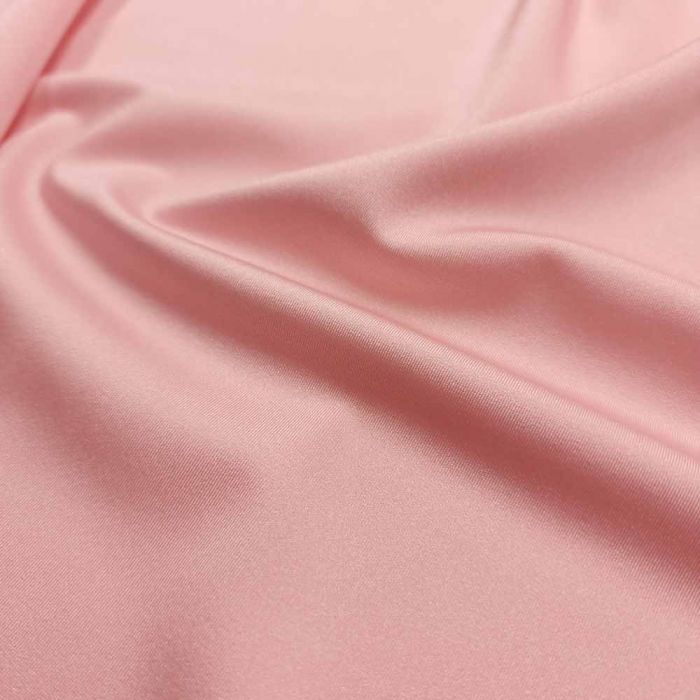
Athleisure has quietly changed how people dress. Clothes once reserved for workouts now follow us through commuting, working from home, travel, and social life. The expectation is simple but demanding: garments should feel as soft and relaxed as loungewear, yet perform like athletic gear when movement suddenly becomes intense. This dual expectation has pushed fabric design to a new level—where comfort can’t cancel performance, and performance can’t sacrifice comfort.
Lycra spandex fabric enables athleisure to balance comfort and performance by combining high stretch, reliable recovery, and adaptive support. It allows garments to move effortlessly with the body while maintaining shape, fit, and functional stability across a wide range of daily activities.
This balance is not accidental. It is the result of careful fiber selection, fabric construction, and finishing choices that work together behind the scenes. Many athleisure failures—baggy knees, sagging waistbands, overheating, or stiffness—come from misunderstanding how Lycra spandex should function in everyday wear. To see why it works when done right, we need to start with the role Lycra spandex plays at the foundation of modern athleisure.
What is Lycra spandex fabric, and why is it essential in modern athleisure wear?
Lycra spandex fabric refers to textiles that incorporate spandex (elastane) fibers, often branded as Lycra®, to provide exceptional elasticity and recovery. Unlike conventional fibers such as cotton, polyester, or nylon, spandex can stretch several times its original length and then return to its original shape without permanent deformation. This ability to stretch and recover repeatedly makes Lycra spandex fabrics indispensable in modern athleisure garments.
Athleisure clothing is designed to bridge the gap between activewear and everyday apparel. These garments must perform under physical movement while still maintaining a clean, polished appearance during daily activities such as commuting, sitting at a desk, or traveling. Lycra spandex provides the flexibility that allows garments to adapt to body movement without losing structure.
In practical terms, spandex acts as an elastic framework inside the textile structure. When blended with fibers such as nylon, polyester, or cotton, it allows the fabric to stretch in multiple directions while maintaining stability. This property is particularly important in garments such as leggings, yoga pants, fitted tops, and athleisure jackets where comfort and shape retention must coexist.
The rise of athleisure has changed how fabrics are evaluated. In traditional sportswear, fabrics were judged primarily on performance during exercise. Today, athleisure fabrics must balance stretch, comfort, durability, and aesthetic stability during prolonged wear.
Why athleisure needs more than basic stretch
Athleisure garments are worn in a much broader range of situations than traditional sportswear. Instead of being worn only during workouts, they may be worn for an entire day that includes commuting, sitting, walking, and light exercise.
This broader usage creates new demands on textile performance. Fabrics must maintain comfort and shape through extended wear cycles while adapting to frequent body movement.
Common daily scenarios include:
- Sitting for long periods at work or while traveling • Standing and walking between locations • Light exercise such as yoga or stretching • Frequent posture changes throughout the day • Multiple wears before laundering
These patterns place unique stress on fabric structure. Materials that lack elastic recovery may stretch out during use and fail to return to their original shape.
Lycra spandex solves this problem by providing controlled elasticity within the fabric. The spandex fibers stretch during movement and then retract when tension is released, helping the garment maintain its intended fit.
| Fabric Without Lycra | Fabric With Lycra Spandex |
|---|---|
| Limited movement | Full range of motion |
| Shape loss over time | Shape retention |
| Wrinkling and sagging | Clean, smooth look |
| Comfort drops with wear | Comfort stays consistent |
This difference becomes especially noticeable after several hours of wear. Garments without spandex may begin to feel restrictive or lose structure, while fabrics containing spandex maintain a consistent fit.
The “invisible support” effect
One of the defining characteristics of Lycra spandex is that it operates almost invisibly within the textile structure. The wearer rarely notices the presence of spandex fibers directly. Instead, they experience the result through improved comfort and garment stability.
In most athleisure fabrics, the spandex content typically ranges between 5% and 15% of the total fiber composition. Even at these relatively low percentages, the performance impact can be substantial.
The following table illustrates typical stretch and recovery properties in common fabric blends.
| Fabric Composition | Typical Stretch Range | Recovery Performance |
|---|---|---|
| Polyester knit | 10–20% | Moderate |
| Nylon knit | 15–25% | Moderate |
| Nylon + 10% spandex | 40–60% | Excellent |
| Polyester + 12% spandex | 45–65% | Excellent |
This elasticity allows garments to conform naturally to body movement without feeling tight or restrictive.
In high-quality athleisure fabrics, the spandex yarns are usually core-spun or covered by other fibers, which helps protect them from abrasion while maintaining softness against the skin. This construction method improves durability and prevents the elastic fibers from degrading prematurely.
Why athleisure changed the role of spandex
Historically, spandex was associated mainly with high-performance sportswear or compression garments. In those applications, the goal was often to apply strong pressure to the body to enhance muscle support or aerodynamic efficiency.
Athleisure shifted the focus toward comfort and adaptability rather than maximum compression.
| Use Case | Spandex Role |
|---|---|
| Performance sports | Power, compression |
| Athleisure | Comfort, adaptability |
| Casual wear | Fit correction |
In athleisure garments, spandex works more subtly. Instead of generating strong compression, it provides gentle elasticity that allows clothing to follow natural body movement.
For example, yoga leggings require enough elasticity to support deep stretches and dynamic poses, but they must also remain comfortable when worn for hours after a workout. Excessive compression would make the garment uncomfortable during normal daily activities.
This shift in design philosophy has influenced fabric development across the textile industry. Mills now focus on creating soft stretch fabrics with controlled elasticity, combining spandex with fibers that enhance breathability and surface texture.
Durability considerations in athleisure fabrics
Because athleisure garments are worn frequently and washed often, durability becomes an important factor when evaluating spandex fabrics.
Spandex fibers are resilient, but they can degrade if exposed repeatedly to high heat, harsh detergents, or chlorine. To improve durability, textile manufacturers typically combine spandex with stronger structural fibers such as nylon or polyester.
The table below outlines common athleisure fabric blends and their performance characteristics.
| Fabric Blend | Typical Use | Key Advantage |
|---|---|---|
| Nylon + Spandex | Leggings, yoga pants | High elasticity and durability |
| Polyester + Spandex | Training tops | Moisture management |
| Cotton + Spandex | Casual athleisure | Soft feel with light stretch |
| Recycled polyester + Spandex | Sustainable activewear | Stretch with environmental focus |
Nylon-spandex blends are particularly popular for leggings and fitted garments because nylon provides high tensile strength while spandex delivers elasticity.
Human-centered insight
Consumer wear testing consistently shows that garments containing Lycra spandex receive higher comfort ratings during extended wear compared with fabrics that rely solely on mechanical stretch.
Participants in wear trials often report improvements in several areas:
- Comfort throughout long periods of sitting • Consistent garment fit after repeated movement • Reduced fabric sagging at knees and elbows • Greater confidence in overall appearance
Interestingly, most users do not describe these garments as “stretchy.” Instead, they describe them as comfortable, supportive, and easy to wear.
This subtle perception reflects the true purpose of Lycra spandex in athleisure textiles. The fiber does not draw attention to itself. Instead, it quietly supports the garment’s structure, allowing clothing to move with the body while maintaining its intended shape.
As athleisure continues to evolve as a dominant category in global apparel markets, the role of Lycra spandex will likely remain central. Its ability to combine elasticity, comfort, and durability makes it one of the most influential innovations in modern textile engineering.
How does Lycra spandex balance comfort and performance in everyday athleisure garments?

Lycra spandex balances comfort and performance in athleisure garments by combining high stretch capability with controlled recovery force. This balance allows clothing to move naturally with the body while still maintaining structure, shape, and visual stability during long periods of wear.
Unlike traditional sportswear designed primarily for intense workouts, modern athleisure must function across a full day of activity. A single garment may be worn during commuting, desk work, light exercise, and casual social settings. As a result, fabrics must remain comfortable during inactivity while still responding properly to body movement.
Lycra spandex achieves this balance through what textile engineers often describe as dynamic tension. The fiber stretches easily when the body moves but provides enough elastic return to restore the garment’s original shape once the movement stops.
This dynamic behavior allows athleisure fabrics to feel relaxed when the wearer is at rest while still offering subtle structural support during motion.
Comfort comes from adaptive stretch
Comfort in athleisure fabrics is often defined by what the wearer does not feel. Garments that restrict movement, create pressure points, or tighten during long periods of sitting quickly become uncomfortable.
Lycra spandex improves comfort because it introduces adaptive stretch into the fabric structure. When the body moves, the elastic fibers extend smoothly and distribute tension evenly across the textile surface.
This property creates several noticeable comfort benefits during daily wear:
- Reduced resistance when sitting or standing • Smooth extension during bending or reaching • Flexible fabric behavior around joints • Stable fit during long periods of wear
Unlike rigid fabrics, Lycra spandex blends adjust gradually to body movement. The fabric stretches when needed and relaxes when tension is released.
| Comfort Factor | Role of Lycra Spandex |
|---|---|
| Sitting comfort | Fabric relaxes naturally |
| Bending & reaching | Stretch follows movement |
| Long wear | No binding or digging |
These effects are especially important in areas of the garment that experience constant motion or pressure. Waistbands, hips, knees, and shoulders are common stress points in athleisure clothing. Without elastic recovery, these areas can become restrictive or lose shape after repeated movement.
Spandex fibers help distribute tension across the garment rather than concentrating it in specific seams or panels. As a result, the fabric moves with the body rather than resisting it.
Performance comes from recovery and control
While stretch contributes to comfort, elastic recovery is what gives athleisure fabrics their performance characteristics. Recovery refers to the fabric’s ability to return to its original shape after being stretched.
Without strong recovery, garments may stretch during wear but fail to regain their structure afterward. This leads to sagging knees, loose waistbands, and distorted silhouettes.
Spandex fibers provide recovery because of their molecular structure. The fibers behave like tiny elastic springs embedded in the textile. When stretched, they store mechanical energy and then release it when tension is removed.
This recovery helps maintain several important aspects of garment performance.
| Performance Aspect | Spandex Contribution |
|---|---|
| Shape retention | Strong elastic recovery |
| Visual appearance | Smooth silhouette |
| Light support | Gentle body alignment |
For example, in leggings or fitted athleisure tops, recovery ensures that the fabric remains smooth against the body rather than developing wrinkles or folds after movement.
Recovery also contributes to light structural support. While athleisure garments are not intended to provide strong compression like performance sportswear, they still benefit from a mild level of tension that keeps the garment aligned with the body.
Why balance matters more than maximum stretch
It might seem intuitive that fabrics with the highest stretch would provide the best comfort. In practice, however, excessive stretch without sufficient recovery leads to poor garment performance.
If the fabric stretches too easily but lacks recovery strength, the garment may feel comfortable initially but lose its structure over time.
Common issues include:
- Sagging knees in leggings • Waistbands that loosen during the day • Fabric distortion after repeated movement • Reduced visual neatness
On the other hand, fabrics with very strong recovery but limited stretch may feel overly tight or restrictive.
This imbalance can create different problems:
- Pressure discomfort around joints • Reduced breathability due to tension • Lower willingness to wear the garment for long periods
The most effective athleisure fabrics therefore combine moderate stretch with controlled recovery, creating a balanced system.
| Imbalance Type | Result |
|---|---|
| Stretch > recovery | Comfort first, looks fade |
| Recovery > stretch | Support first, comfort drops |
| Balanced system | Comfort + performance |
Athleisure fabrics aim to operate in this balanced zone, where garments remain comfortable during daily activities while preserving their original shape.
Fabric engineering behind balanced elasticity
Achieving this balance requires careful textile engineering. Fabric mills adjust several variables to create the desired stretch and recovery profile.
These variables include:
- Spandex percentage in the fiber blend • Yarn construction method • Knit or weave structure • Fabric weight and density
Typical athleisure fabrics contain 5% to 15% spandex, depending on the garment type.
| Fabric Blend | Spandex Content | Typical Use |
|---|---|---|
| Polyester + 5–8% spandex | Moderate stretch | Training tops |
| Nylon + 10–12% spandex | High stretch | Leggings |
| Cotton + 5% spandex | Soft stretch | Casual athleisure |
Nylon-spandex fabrics are particularly popular for leggings because nylon provides durability and smooth surface texture, while spandex provides elasticity.
Real-world example from daily wear
Wear tests conducted by textile development teams often simulate real-life garment usage through repeated movement cycles. One common test involves sit-stand repetition, which replicates daily posture changes experienced by office workers or commuters.
During these tests, fabrics are stretched repeatedly and then measured for their ability to return to their original dimensions.
Results from several industry evaluations show clear differences between fabrics with and without spandex.
- Balanced Lycra spandex blends maintained more than 90% shape recovery after repeated stretching cycles • Non-elastic fabrics often dropped below 70% recovery, leading to visible distortion
This difference becomes noticeable after several hours of wear. Garments with poor recovery begin to appear loose or wrinkled, while fabrics with balanced elasticity maintain a smoother silhouette.
Comfort and performance are sometimes presented as opposing goals in textile design. In reality, the success of athleisure fabrics depends on combining both characteristics.
Comfort encourages people to wear the garment for long periods without irritation. Performance ensures that the garment continues to look and function properly during that time.
Lycra spandex enables this combination by providing a flexible elastic system that adapts to body movement while maintaining structural integrity. Instead of forcing the wearer to adjust to the fabric, the fabric adjusts to the wearer.
This ability to respond dynamically to everyday activity is what makes Lycra spandex one of the most important fibers in modern athleisure apparel.
Which fabric blends with Lycra spandex are most popular for athleisure applications, and why?

Lycra spandex rarely appears alone in athleisure fabrics. Instead, it is blended with other fibers that determine the fabric’s texture, breathability, durability, and overall appearance. While Lycra spandex provides elasticity and shape recovery, the base fiber defines how the garment feels during everyday wear.
This is why most athleisure fabrics contain only 5–20% Lycra spandex, with the remaining percentage composed of polyester, nylon, cotton, modal, or other specialty fibers. Each base fiber interacts differently with spandex, producing fabrics suited to different applications such as leggings, yoga tops, lounge garments, or lifestyle apparel.
Modern athleisure design focuses on achieving a balance between performance features and everyday comfort. Designers therefore select fabric blends based on how garments will actually be worn throughout the day, not only during exercise.
Why blends matter more than spandex percentage
The elasticity provided by Lycra spandex is essential, but it is only one part of the fabric system. Two fabrics containing the same amount of spandex can feel completely different depending on the surrounding fibers and fabric structure.
For example, a nylon–spandex blend may feel smooth and cool against the skin, while a cotton–spandex blend feels softer and more natural. The spandex provides stretch in both cases, but the overall wearing experience is determined largely by the base fiber.
| Base Fiber | Why It’s Used in Athleisure |
|---|---|
| Polyester | Durability, easy care |
| Nylon | Smoothness, strength |
| Cotton | Natural comfort |
| Modal | Softness, drape |
Polyester and nylon are often used in performance-oriented garments because they resist abrasion and maintain shape during repeated wear. Cotton and modal, on the other hand, are favored in lifestyle-focused athleisure pieces where softness and comfort take priority.
This combination approach allows designers to tailor fabrics to specific uses within the athleisure category.
Common athleisure blends and their real-world behavior
Each Lycra spandex blend creates a different balance between comfort, durability, and performance characteristics.
| Blend | Typical Feel | Best For |
|---|---|---|
| Polyester + Lycra | Stable, sporty | Leggings, joggers |
| Nylon + Lycra | Smooth, cool | Premium athleisure |
| Cotton + Lycra | Soft, casual | Lounge athleisure |
| Modal + Lycra | Drapey, luxurious | Lifestyle wear |
Polyester blends are widely used in garments designed for active lifestyles because they retain shape well and dry quickly after washing. Nylon blends tend to appear in higher-end athleisure products because of their smooth texture and sleek appearance.
Cotton and modal blends are more common in relaxed garments such as lounge sets, stretch T-shirts, or casual athleisure pants where softness is the main priority.
Trade-offs hidden inside each blend
Every fiber combination offers advantages but also involves certain trade-offs. Designers must consider these trade-offs carefully when developing athleisure collections.
Polyester + Lycra
Polyester–spandex fabrics dominate many athletic apparel lines because polyester fibers are highly durable and resistant to repeated washing. These fabrics typically maintain their shape well and can handle frequent wear.
Advantages include:
- Strong dimensional stability • Good resistance to shrinking and stretching • Fast drying compared with natural fibers
Potential limitations include:
- Synthetic feel if finishing is poor • Reduced breathability in dense constructions
High-quality polyester–spandex fabrics often incorporate specialized knit structures or moisture-management finishes to improve comfort.
Nylon + Lycra
Nylon–spandex fabrics are widely considered premium athleisure materials. Nylon fibers have a naturally smooth surface that creates a sleek appearance and a cool hand feel.
Advantages include:
- Smooth texture against the skin • High tensile strength • Excellent stretch and recovery
Potential limitations include:
- Higher raw material cost • Sensitivity to high heat during processing or laundering
Because of their smooth finish and durability, nylon–spandex fabrics are frequently used in leggings, yoga pants, and fitted athletic tops.
Cotton + Lycra
Cotton–spandex fabrics combine the softness of natural cotton fibers with the flexibility of spandex. These blends are commonly used in casual athleisure garments designed for relaxed wear.
Advantages include:
- Familiar cotton comfort • Good breathability • Natural appearance
Potential limitations include:
- Higher risk of shape loss over time • Greater shrinkage if not properly finished
Cotton–spandex fabrics are particularly popular for stretch T-shirts, casual joggers, and lounge garments where comfort outweighs high-performance requirements.
Modal + Lycra
Modal is a regenerated cellulose fiber known for its exceptional softness and fluid drape. When combined with spandex, it creates fabrics that feel lightweight and luxurious.
Advantages include:
- Extremely soft hand feel • Elegant drape and movement • Smooth fabric surface
Potential limitations include:
- Lower abrasion resistance compared with polyester or nylon • Greater sensitivity to mechanical stress
Modal–spandex fabrics often appear in premium lifestyle athleisure products such as relaxed dresses, lounge tops, or soft stretch leggings designed for light activity.
Fiber performance comparison in athleisure fabrics
The following table summarizes several key characteristics of common Lycra spandex blends.
| Blend Type | Durability | Softness | Moisture Handling | Appearance Stability |
|---|---|---|---|---|
| Polyester + Lycra | High | Moderate | Good | Very stable |
| Nylon + Lycra | High | Smooth | Moderate | Very stable |
| Cotton + Lycra | Moderate | High | Good | Moderate |
| Modal + Lycra | Moderate | Very high | Moderate | Good |
These characteristics influence where each blend performs best within the athleisure category.
Practical insight from daily wear testing
Athleisure garments are often evaluated through wear trials that simulate everyday activity patterns. These tests typically include sitting, walking, bending, and light stretching over extended periods.
During such evaluations, fabrics that combine durable base fibers with Lycra spandex tend to perform best. The base fiber manages surface durability and moisture behavior, while the spandex ensures the garment retains its shape during repeated movement.
For example, nylon–spandex leggings maintain their structure during repeated knee bending and stretching. Polyester–spandex joggers resist wrinkling and retain a clean silhouette after hours of wear.
Cotton–spandex garments provide excellent comfort but may show slight shape changes during extended use, which is why they are more often used in relaxed lifestyle garments rather than performance-oriented pieces.
Why polyester and nylon blends dominate athleisure
Although several fiber combinations exist, polyester–Lycra and nylon–Lycra blends remain the most common choices in global athleisure collections.
There are several reasons for this dominance.
First, both polyester and nylon offer strong mechanical durability, allowing garments to withstand frequent wear and laundering.
Second, these fibers maintain surface smoothness and color stability, which helps garments retain a polished appearance even after extended use.
Finally, they interact well with spandex in knitted fabric structures, allowing designers to create materials with balanced elasticity and structural stability.
These characteristics explain why most performance-oriented athleisure garments—from leggings to training tops—continue to rely on polyester– and nylon–spandex blends.
In practice, the most successful athleisure fabrics are those where the base fiber supports durability and moisture control while Lycra spandex provides the elasticity that keeps garments comfortable and visually stable throughout the day.
How do stretch, recovery, and breathability affect the wearing experience of athleisure fabrics?
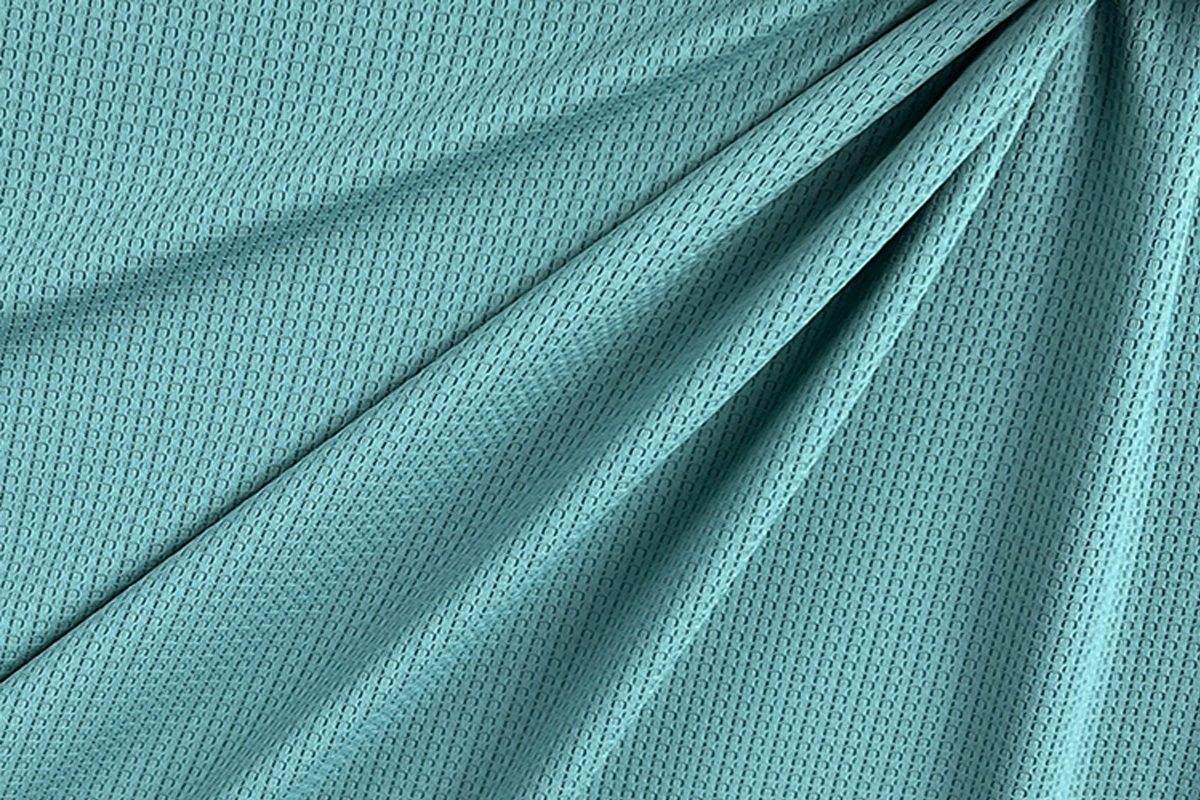
The wearing experience of athleisure fabrics is largely determined by how well three fundamental textile properties work together: stretch, recovery, and breathability. These three characteristics influence how a garment moves with the body, how it maintains its shape over time, and how comfortable it feels during extended wear.
In athleisure garments, Lycra spandex provides much of the stretch and recovery performance. However, breathability is influenced primarily by the fabric structure, yarn type, and base fiber composition. When these three elements are balanced correctly, the garment feels flexible, supportive, and comfortable throughout the day.
Designing athleisure fabrics therefore requires balancing multiple performance factors rather than maximizing a single property. Excessive stretch may cause garments to lose shape, while strong recovery without flexibility may create pressure discomfort. Breathability must also be managed carefully because airflow and moisture transport behave differently in stretch fabrics.
In practice, the most successful athleisure fabrics maintain a dynamic equilibrium between these three properties.
Stretch: freedom without looseness
Stretch allows garments to follow the body’s movement without creating resistance. During daily activities—such as walking, bending, sitting, or reaching—fabric must extend smoothly to accommodate body motion.
Lycra spandex plays a central role in this process. Its elastic molecular structure allows fibers to extend significantly and then retract without permanent deformation. When integrated into knitted fabrics, spandex enables what textile engineers call four-way stretch, meaning the fabric can extend both horizontally and vertically.
However, stretch must be controlled carefully. Too little stretch restricts movement, while excessive stretch can cause the garment to feel unstable.
| Stretch Level | User Experience |
|---|---|
| Too low | Restrictive |
| Balanced | Natural movement |
| Too high | Loss of support |
Efficient stretch refers to the ability of fabric to adapt to movement without excessive deformation. Lycra spandex contributes to this efficiency by allowing garments to stretch just enough to accommodate motion while maintaining structural integrity.
This balance is particularly important in garments such as leggings, yoga tops, and fitted athleisure jackets, where body movement is frequent and multidirectional.
Recovery: the hidden hero of athleisure
While stretch determines how easily a garment moves, recovery determines how well it returns to its original shape after movement stops.
Recovery is one of the most critical factors in athleisure fabrics because these garments are often worn for extended periods. Unlike performance sportswear designed for short workouts, athleisure garments must maintain their appearance through hours of sitting, walking, and daily activity.
Without strong recovery, fabrics may stretch during wear but fail to return to their original dimensions. This leads to visible distortion in areas that experience repeated stress.
| Recovery Quality | Visual Result |
|---|---|
| High | Clean silhouette |
| Moderate | Minor bagging |
| Low | Sagging, distortion |
Common areas affected by poor recovery include:
- Knees in leggings • Elbows in fitted tops • Waistbands in stretch pants • Shoulder areas in athletic jackets
Spandex fibers help maintain garment structure by acting like tiny elastic springs embedded within the fabric. After stretching, these fibers pull the textile back toward its original configuration.
For this reason, recovery often influences the long-term appearance of athleisure garments more than peak stretch capability.
Breathability: comfort over time
Breathability determines how effectively a fabric manages heat and moisture during wear. While stretch and recovery influence movement and structure, breathability influences thermal comfort.
During physical activity—even light activity such as walking or commuting—the human body produces heat and perspiration. If a fabric traps moisture or restricts airflow, the wearer may experience discomfort or overheating.
Breathability affects several aspects of garment comfort:
- Heat buildup near the skin • Moisture accumulation during activity • Perception of dryness during long wear
Unlike stretch and recovery, breathability is influenced less by spandex itself and more by the surrounding fabric structure.
Lycra spandex fibers are not inherently breathable. Instead, breathability depends on factors such as knit density, yarn thickness, and fiber composition.
| Fabric Design Choice | Breathability Impact |
|---|---|
| Open knit | Higher airflow |
| Dense knit | Better shape control |
| Microfiber yarns | Improved moisture spread |
Open knit structures allow more air circulation, which can enhance cooling during movement. Dense knit structures provide better shape stability but may reduce airflow.
Microfiber yarns—often used in polyester or nylon performance fabrics—improve moisture management by spreading perspiration across a larger surface area where it can evaporate more easily.
Moisture transport versus airflow
Breathability is often associated with airflow, but in athleisure fabrics, moisture transport is equally important. Fabrics that move moisture away from the skin can feel cooler even when airflow is limited.
For example, polyester–spandex performance fabrics often rely on capillary action to transport moisture along the fiber surface. This spreads perspiration across the outer surface of the fabric, allowing it to evaporate more quickly.
This process reduces the sensation of dampness even when the fabric itself remains relatively dense.
Why dense fabrics can still feel breathable
Interestingly, some dense athleisure fabrics feel cooler than open-knit fabrics during long wear. This occurs because moisture management can compensate for reduced airflow.
Dense fabrics may provide comfort through several mechanisms:
- Distributing moisture evenly across the fabric surface • Preventing localized wet spots that feel cold or sticky • Maintaining a consistent barrier between skin and environment
By spreading moisture more effectively, these fabrics prevent the uncomfortable sensation of damp patches that can occur with poorly designed breathable materials.
This explains why many premium athleisure leggings use relatively dense nylon–spandex fabrics that maintain structure while still feeling comfortable during activity.
Critical balance table
Athleisure fabrics perform best when stretch, recovery, and breathability are tuned together rather than optimized individually.
| Priority | Risk if Overdone |
|---|---|
| Stretch | Bagging |
| Recovery | Pressure discomfort |
| Breathability | Shape loss |
Excessive stretch may cause garments to lose structural stability. Too much recovery tension may create compression or discomfort. Excessive breathability through loose knit structures may weaken fabric shape retention.
The challenge for textile designers is therefore to create fabrics where these three properties complement each other.
Everyday insight
Consumers often describe their favorite athleisure garments using simple language. They say the clothing feels comfortable, flexible, and easy to wear. Behind this perception lies a complex interaction of textile properties.
When people say an athleisure garment is comfortable, they are usually responding to three simultaneous experiences:
- The fabric stretches naturally when they move • The garment remains cool and dry throughout the day • The clothing still looks well-fitted after hours of wear
These qualities emerge when stretch, recovery, and breathability operate together as an integrated system. Lycra spandex provides the elasticity needed for movement and shape retention, while the fabric structure and base fibers regulate airflow and moisture.
When these elements are balanced effectively, athleisure fabrics support both physical comfort and visual stability, allowing garments to perform across the diverse activities that define modern daily life.
How does Lycra spandex improve fit, shape retention, and freedom of movement in athleisure?
Lycra spandex improves athleisure garments by enabling fabrics to contour naturally to the body while maintaining strong elastic recovery. This allows clothing to stretch when the body moves and then return to its original shape once movement stops. As a result, garments maintain a consistent fit, remain visually neat, and allow unrestricted motion during daily activities.
Athleisure garments are designed for dynamic environments where the body changes posture frequently. People move from sitting to standing, walking to stretching, and commuting to light exercise within the same day. Traditional rigid fabrics struggle to adapt to these constant changes. Lycra spandex addresses this challenge by introducing controlled elasticity into the textile structure.
Instead of forcing the body to conform to the garment, fabrics containing Lycra spandex adapt continuously to body movement. This adaptability improves comfort while maintaining the garment’s structural integrity.
Fit that adjusts to real bodies
Human bodies are rarely static. Even during seemingly simple activities such as sitting or walking, muscles expand, joints bend, and posture shifts. Clothing must accommodate these subtle shape changes without causing pressure or distortion.
Lycra spandex enables fabrics to adjust to these movements because of its exceptional elongation capability. Spandex fibers can stretch several hundred percent beyond their original length and still recover their shape. When blended into knitted fabrics, this elasticity allows garments to move fluidly with the body.
| Body Movement | Fabric Response with Lycra |
|---|---|
| Sitting | Waist relaxes |
| Standing | Shape recovers |
| Bending | Fabric stretches smoothly |
| Walking | No pulling or riding |
This responsiveness reduces tension at stress points in the garment. Waistbands, hip panels, knee zones, and shoulder areas experience significant deformation during everyday movement. Without elastic fibers, these regions may become restrictive or distort the garment’s fit.
Spandex distributes mechanical stress across the entire fabric structure. Instead of concentrating strain in seams or panels, the textile stretches evenly, allowing the garment to remain comfortable across a wide range of body motions.
Shape retention: why athleisure still looks good at night
Shape retention refers to the ability of a garment to maintain its original form after repeated stretching during wear. This property is especially important in athleisure clothing, which is often worn for long hours throughout the day.
Fabrics without elastic recovery may gradually lose their shape during wear. Areas that experience repeated movement—such as knees or elbows—can stretch out permanently, creating a loose or worn appearance.
| Fabric Type | End-of-Day Appearance |
|---|---|
| Without Lycra | Bagging at knees, hips |
| With Lycra | Clean silhouette |
Spandex fibers improve shape retention by exerting a gentle restoring force after stretching. When the wearer bends a knee or stretches an arm, the fabric extends. Once the movement ends, the elastic fibers retract, pulling the fabric back toward its original configuration.
This process occurs continuously during wear. Each movement cycle involves stretching and recovery, allowing the garment to maintain a stable silhouette even after hours of use.
In athleisure garments such as leggings or fitted jackets, strong recovery ensures that the fabric remains smooth against the body rather than developing wrinkles or loose areas.
Freedom of movement without looseness
One of the defining characteristics of successful athleisure garments is that they allow complete freedom of movement without appearing oversized or baggy. Lycra spandex makes this possible by combining elasticity with structural control.
When incorporated into knitted fabrics, spandex enables multi-directional stretch, often referred to as four-way stretch. This means the fabric can extend both horizontally and vertically, accommodating complex body movements.
| Feature | Role of Lycra Spandex |
|---|---|
| Multi-directional stretch | Natural movement |
| Recovery force | Controlled fit |
| Fabric memory | Consistent feel |
Because of this elasticity, garments can be designed with a closer fit while still remaining comfortable. The fabric stretches where necessary but returns to its original dimensions once the tension is released.
This combination of stretch and recovery creates the sensation of clothing that feels unrestrictive rather than loose. The garment follows the body’s motion rather than resisting it.
Patterning vs fabric stretch
Traditional garment construction often relied heavily on pattern engineering to achieve a good fit. Tailors would shape garments using darts, seams, and panel structures to accommodate body contours.
While pattern design remains important in athleisure apparel, Lycra spandex reduces the need for complex shaping because the fabric itself can adapt to body movement.
| Approach | Result |
|---|---|
| Pattern-heavy, no stretch | Stiff fit |
| Balanced pattern + Lycra | Natural fit |
With elastic fabrics, designers can simplify pattern structures while still achieving ergonomic comfort. The stretch properties allow garments to conform to different body shapes and movements without requiring excessive seams or rigid shaping elements.
This flexibility also helps accommodate variations in body size among wearers. A garment with Lycra spandex can adapt slightly to different body dimensions while still maintaining its intended silhouette.
Structural support without compression
Another advantage of Lycra spandex is its ability to provide subtle structural support without creating excessive compression. High-performance sportswear often uses strong compression fabrics to support muscles during intense physical activity.
Athleisure garments, however, typically prioritize comfort over strong compression. The goal is to maintain alignment and shape without creating pressure.
Spandex contributes to this balance by generating gentle tension throughout the fabric structure. This tension stabilizes the garment’s fit while remaining comfortable during extended wear.
Mechanical durability in stretch fabrics
Repeated stretching could potentially damage conventional fibers, but spandex is engineered to withstand frequent elongation cycles. High-quality Lycra fibers can endure thousands of stretch-and-recovery cycles without losing their elasticity.
When combined with durable base fibers such as nylon or polyester, this resilience ensures that athleisure garments maintain their performance through repeated wear and washing.
The following table illustrates typical durability characteristics of common athleisure fabric blends.
| Fabric Blend | Stretch Durability | Typical Application |
|---|---|---|
| Nylon + Lycra | Very high | Leggings, yoga wear |
| Polyester + Lycra | High | Training apparel |
| Cotton + Lycra | Moderate | Casual athleisure |
Nylon–spandex blends often provide the highest durability because nylon fibers offer strong abrasion resistance while spandex maintains elasticity.
Human-centered insight
From a wearer’s perspective, the technical mechanics of stretch and recovery are rarely noticeable. Instead, people describe the experience in simpler terms: the garment feels comfortable, flexible, and easy to wear.
When athleisure clothing fits properly, the wearer often forgets about it entirely. The garment moves with the body without creating pressure points or requiring constant adjustment.
This sensation is the result of Lycra spandex performing continuous mechanical work within the fabric structure. Every time the wearer sits, stands, bends, or stretches, the fibers adjust the garment’s fit and then restore its shape.
Over the course of a day, this process may occur hundreds of times. Yet because it happens seamlessly and invisibly, the wearer simply experiences the result as a garment that feels natural and reliable.
In modern athleisure design, this ability to adapt continuously to human movement is what makes Lycra spandex one of the most important fibers in contemporary apparel engineering.
What performance features (moisture management, durability, compression) does Lycra spandex add to athleisure fabrics?

Lycra spandex contributes several performance-enhancing properties to athleisure fabrics, particularly in the areas of moisture management support, durability through shape stability, and light compression for comfort and muscle alignment. Although spandex itself does not provide moisture-wicking capabilities or abrasion resistance directly, its elasticity improves how fabrics perform under repeated movement, perspiration, and daily wear.
Athleisure garments are designed for extended use rather than short bursts of intense activity. A typical athleisure outfit may be worn during commuting, working, walking, and light exercise throughout the day. Under these conditions, fabrics must manage body heat, retain their shape, and maintain comfort across long wear cycles.
Lycra spandex improves these performance characteristics by enabling fabrics to maintain structural stability during motion. This stability allows other fibers—such as polyester, nylon, or microfiber yarns—to perform their functions more effectively.
In this way, Lycra spandex acts as a performance enabler within the textile system rather than a standalone performance fiber.
Moisture management support
Effective moisture management is essential in athleisure clothing because garments must remain comfortable even when the wearer experiences mild perspiration. Moisture management typically relies on fibers such as polyester or nylon that transport sweat away from the skin through capillary action.
Lycra spandex contributes indirectly to this process by helping the fabric maintain consistent contact with the body and preventing the textile from losing shape during movement.
| Fabric Effect | Contribution of Lycra |
|---|---|
| Even surface contact | Better moisture spread |
| Shape stability | Prevents cling |
| Stretch recovery | Maintains airflow gaps |
When garments stretch and recover properly, moisture can spread evenly across the fabric surface rather than accumulating in localized areas. This distribution improves evaporation and reduces the sensation of dampness.
In fabrics lacking elastic recovery, sections of the garment may loosen or sag during wear. These distortions can cause uneven contact with the skin, which reduces moisture transport efficiency.
By keeping the textile structure stable, Lycra spandex helps moisture-wicking fibers maintain their performance.
Fabric structure and moisture transport
In modern athleisure fabrics, moisture management often depends on knit construction and yarn engineering rather than fiber chemistry alone.
For example, microfiber polyester yarns can be engineered with very fine filaments that increase surface area. This allows sweat to spread quickly across the fabric surface and evaporate more efficiently.
Spandex contributes by ensuring that these structures maintain their intended shape during movement.
| Fabric Component | Role in Moisture Control |
|---|---|
| Microfiber yarns | Rapid moisture spreading |
| Knit structure | Airflow and evaporation |
| Lycra spandex | Structural stability |
This cooperation between fibers allows athleisure fabrics to remain comfortable even during moderate physical activity.
Light compression: support without pressure
Another important performance feature provided by Lycra spandex is light compression. Compression fabrics apply gentle pressure to the body, which can improve muscle alignment and create a more supportive feel.
In high-performance sportswear, compression levels may be relatively strong to enhance muscle stability during intense exercise. Athleisure garments, however, typically use milder compression that prioritizes comfort over performance intensity.
| Compression Level | Athleisure Benefit |
|---|---|
| Light | Body awareness, comfort |
| Moderate | Gentle support |
| Heavy | Rare in athleisure |
Light compression offers several practical advantages in everyday wear.
First, it helps garments remain aligned with the body rather than shifting during movement. Second, it can create a smoother silhouette by reducing fabric wrinkling or sagging.
Lycra spandex allows designers to introduce this subtle tension while maintaining flexibility. Because spandex fibers stretch easily, they apply only moderate resistance even when the garment fits closely.
This property allows athleisure garments to feel supportive without becoming restrictive.
Durability through shape control
Durability in athleisure fabrics is often associated with abrasion resistance or fabric strength. However, another important aspect of durability is shape retention during repeated use.
Garments that lose their shape quickly may appear worn out even if the fibers themselves remain intact. Lycra spandex improves durability by preventing permanent deformation during stretching.
| Issue | With Lycra | Without Lycra |
|---|---|---|
| Waist stretching | Controlled | Permanent |
| Knee bagging | Minimal | Obvious |
| Fabric distortion | Limited | Progressive |
For example, leggings without spandex may gradually stretch at the knees after repeated bending. Over time, the fabric fails to recover its original shape, creating visible sagging.
Spandex fibers counteract this process by restoring the fabric’s dimensions after each movement cycle. This repeated recovery helps garments maintain their original appearance over longer periods.
Mechanical durability during repeated wear
Athleisure garments often undergo thousands of stretch cycles during normal use. Walking, sitting, bending, and reaching all place mechanical stress on fabric structures.
Lycra spandex is engineered to withstand repeated elongation without losing elasticity. High-quality spandex fibers can stretch and recover thousands of times while maintaining their mechanical properties.
When blended with durable base fibers such as nylon or polyester, the resulting fabrics combine:
- Elastic resilience • Surface durability • Long-term shape stability
This combination explains why nylon–spandex and polyester–spandex blends dominate modern athleisure fabrics.
Why spandex improves perceived quality
The benefits of Lycra spandex are often most noticeable in how garments age during regular use. Two garments may initially appear similar, but their long-term performance can differ significantly depending on whether spandex is included.
Garments containing spandex typically retain their original fit and appearance for longer periods. This contributes to the perception that the garment remains “new” even after repeated wear.
In contrast, fabrics lacking elastic recovery may appear worn out sooner due to distortion or stretching.
From a consumer perspective, this difference influences purchasing behavior. People are more likely to continue wearing garments that maintain their shape and comfort over time.
Athleisure clothing does not need to withstand extreme athletic performance. Instead, it must perform reliably during everyday life. The fabric must stretch during movement, recover afterward, manage moisture effectively, and maintain its appearance through repeated use.
Lycra spandex plays a crucial role in preventing small performance failures that would otherwise accumulate over time. By supporting moisture management systems, providing light compression, and maintaining structural stability, it helps garments remain comfortable and visually consistent throughout extended wear.
In modern athleisure design, these subtle performance improvements are often what distinguish high-quality garments from ordinary stretch fabrics. Lycra spandex works quietly within the textile structure, ensuring that the fabric continues to perform long after the garment leaves the store.
How do washing, durability, and long-term wear impact Lycra spandex athleisure fabrics?


Lycra spandex fabrics used in athleisure garments are designed to maintain stretch, recovery, and comfort through repeated wear. However, the long-term performance of these fabrics depends heavily on how they are washed, how frequently they are worn, and how they are exposed to mechanical stress over time. Heat, harsh detergents, and aggressive drying can gradually weaken elastic fibers, while proper care routines and durable fabric constructions help preserve the balance between stretch and shape retention.
Athleisure clothing is often worn more frequently than traditional sportswear. Many people wear these garments throughout the day—during commuting, work, light exercise, and casual activities. Because of this frequent use, the fabric experiences repeated cycles of stretching, washing, and drying. Over time, these cycles influence how well the elastic fibers continue to perform.
When properly maintained, Lycra spandex fabrics can retain their elasticity for many wash cycles. When exposed to damaging conditions, however, elastic fatigue can occur, reducing recovery and altering garment fit.
Washing factors that matter most
The washing process exposes fabrics to heat, water, detergents, and mechanical movement. Each of these factors can influence the longevity of spandex fibers.
| Factor | Impact on Lycra Spandex |
|---|---|
| Water temperature | High heat relaxes elastane |
| Detergent pH | Strong alkali weakens recovery |
| Mechanical action | Excess agitation accelerates fatigue |
| Drying method | Heat + tumble causes shrink loss |
Spandex fibers are particularly sensitive to high temperatures. Excessive heat can weaken the polymer structure responsible for elasticity, causing fibers to lose their ability to return to their original shape.
Strong alkaline detergents can also damage elastic fibers over time by breaking down the chemical bonds within the material. While occasional exposure may not cause immediate damage, repeated washing with harsh detergents may reduce recovery performance.
Mechanical agitation during washing can create additional stress on fabric structures. When garments twist or stretch during aggressive washing cycles, the elastic fibers must repeatedly extend and retract under pressure.
Drying methods also play a major role. High heat combined with tumbling motion can accelerate the aging of spandex fibers.
Best practice: cool-to-warm wash cycles, neutral detergents, and low heat or air drying help maintain elastic performance.
Durability isn’t only abrasion
Durability in athleisure fabrics is often misunderstood as simple resistance to surface wear. While abrasion resistance is important, durability also includes the ability of the garment to maintain its original shape during extended use.
Athleisure fabrics must preserve two different forms of durability:
- Surface durability — resistance to pilling, abrasion, and fiber damage • Fit durability — ability to maintain shape and elasticity
| Durability Aspect | With Lycra | Without Lycra |
|---|---|---|
| Shape after sitting | Recovers | Bags out |
| Waist retention | Stable | Stretches |
| End-of-day look | Clean | Distorted |
Surface durability ensures that the fabric maintains its texture and visual appearance. Fit durability ensures that the garment continues to provide proper support and contouring.
A garment can appear structurally intact while still losing its performance qualities if elastic recovery declines. In these cases, the fabric may still look acceptable, but the wearer may notice that the garment feels looser or less supportive.
The role of base fibers in durability
The durability of Lycra spandex fabrics also depends on the base fibers used in the fabric blend. Spandex typically represents only a small portion of the fabric composition, while fibers such as polyester, nylon, cotton, or modal provide structural support.
| Fabric Blend | Durability Profile |
|---|---|
| Nylon + Lycra | High abrasion resistance |
| Polyester + Lycra | Good shape stability |
| Cotton + Lycra | Soft but less durable |
| Modal + Lycra | Smooth but lower abrasion strength |
Nylon–spandex fabrics tend to provide the highest durability because nylon fibers resist abrasion and maintain tensile strength over time. Polyester–spandex blends also offer strong performance because polyester resists shrinking and deformation.
Cotton–spandex blends provide excellent comfort but may experience faster shape changes during repeated washing cycles.
Elastic fatigue and real life
Elastic fatigue occurs when fibers gradually lose their ability to recover after repeated stretching. This process does not happen suddenly. Instead, it develops gradually through daily wear and laundering cycles.
Early signs of elastic fatigue include:
- Slower snap-back when fabric is stretched • Waistbands feeling looser after several hours of wear • Slight sagging in areas that experience frequent movement • Fabric clinging more when damp
These changes often appear first in high-stress zones such as knees, waistbands, and elbows.
Laboratory durability testing often simulates washing cycles to evaluate long-term fabric performance. In many industry tests, fabrics are washed repeatedly and measured for recovery after each cycle.
Studies show that balanced athleisure fabrics that maintain 90% or greater recovery after approximately 30 wash cycles tend to retain acceptable fit and appearance for significantly longer periods than fabrics that drop below this threshold.
Even when both fabrics pass abrasion tests, differences in elastic recovery can significantly affect real-world wear experience.
Abrasion and surface wear
Athleisure garments also encounter mechanical abrasion during daily use. Friction occurs when fabrics rub against surfaces such as chairs, gym equipment, or other clothing layers.
Surface abrasion can cause:
- Pilling on fabric surfaces • Fiber breakage in high-friction zones • Gradual thinning of fabric areas
Base fibers such as nylon and polyester help protect spandex fibers from these mechanical stresses. In many fabric constructions, the spandex yarn is wrapped or covered by other fibers to reduce direct exposure.
This design protects the elastic core while maintaining the stretch properties of the fabric.
Practical care guidance that protects performance
Proper care routines can significantly extend the life of Lycra spandex garments. Small adjustments in washing habits can help maintain stretch recovery and overall fabric performance.
| Care Choice | Outcome |
|---|---|
| Cold–40°C wash | Preserves recovery |
| Mild detergent | Protects polymer bonds |
| Inside-out washing | Reduces surface wear |
| Low heat drying | Extends elastic life |
Turning garments inside out before washing reduces friction on the outer surface, which helps minimize pilling and abrasion. Using mild detergents prevents unnecessary chemical stress on the fibers.
Air drying or low-temperature drying is particularly beneficial because excessive heat is one of the most common causes of elastic degradation.
Fabric design also affects longevity
While care practices are important, fabric design also plays a major role in long-term durability. Manufacturers can improve performance by adjusting fabric structure and fiber composition.
Key design factors include:
- Knit density and yarn tension • Spandex content and distribution • Protective covering fibers around spandex yarn • Fabric finishing treatments
High-quality athleisure fabrics often combine durable base fibers with carefully controlled spandex content to ensure balanced stretch and recovery.
Athleisure garments are often chosen for comfort and convenience, which means they tend to be worn frequently and washed often. This usage pattern makes durability especially important.
When Lycra spandex fabrics are properly designed and cared for, they maintain their balance of stretch, recovery, and comfort through many wear cycles. When exposed to excessive heat, harsh chemicals, or aggressive washing, however, elastic fatigue can gradually reduce their performance.
Ultimately, the longevity of athleisure fabrics depends on a partnership between fabric engineering and everyday care. Designers create materials capable of repeated stretching and recovery, while proper washing and drying practices help preserve these properties over time.
How should brands choose the right Lycra spandex fabric for athleisure comfort and performance needs?
Selecting the right Lycra spandex fabric for athleisure products requires more than simply choosing a fabric with high stretch. Brands must consider how the garment will actually be worn: how long it stays on the body, how frequently it moves, how often it is washed, and how the fabric must look after hours of use. The most successful athleisure fabrics are those that combine comfort with durability and recovery stability over time.
In practical product development, the process usually begins by defining the real-world wear scenario. Athleisure garments often transition between multiple activities throughout a day. A single piece may be worn during commuting, office work, walking, travel, and light exercise. Each of these situations places different demands on the fabric.
Because Lycra spandex primarily provides stretch and recovery, the base fibers and knit construction determine whether the garment feels breathable, soft, or supportive. Brands therefore need to select a balanced system rather than focusing only on elastane content.
The best approach is to move through a structured evaluation process that connects use patterns, comfort goals, fabric blends, and durability testing.
A simple selection framework
When developing athleisure garments, designers and sourcing teams can follow a structured decision framework. This helps align product performance with real user needs rather than relying solely on laboratory specifications.
| Step | Decision |
|---|---|
| Use pattern | Daily wear vs active bursts |
| Comfort target | Softness, drape, breathability |
| Performance target | Shape retention, light support |
| Blend choice | Polyester, nylon, cotton, modal |
| Structure | Knit density & airflow |
| Validation | Wash + recovery testing |
The first step focuses on understanding how the garment will be worn. For example, leggings designed for daily commuting and light movement require different fabric behavior compared with garments designed primarily for gym workouts.
Comfort targets determine how soft the fabric should feel against the skin, how much airflow it allows, and how it drapes on the body. Performance targets focus on stretch recovery, support, and shape stability.
Once these goals are defined, the next step involves selecting appropriate fiber blends and fabric structures that can deliver the desired properties.
Avoid choosing by elastane percentage alone
Many new brands assume that increasing the percentage of spandex automatically improves garment performance. In reality, elastane content is only one factor influencing fabric behavior.
For example, two fabrics with 12% spandex may perform very differently if one uses nylon base fibers and the other uses cotton. The nylon blend may feel smooth and durable, while the cotton blend may feel softer but less resistant to deformation.
This is why fabric selection should consider the complete textile system, including fiber type, yarn structure, knit density, and finishing processes.
Matching fabric choices to athleisure categories
Different types of athleisure garments place different demands on fabric properties. For example, leggings require strong recovery to prevent sagging at the knees, while tops may prioritize breathability and softness.
| Category | Fabric Priorities |
|---|---|
| Everyday leggings | Recovery, opacity, comfort |
| Joggers | Softness, durability |
| Tops | Breathability, drape |
| Lifestyle sets | Balanced stretch & look |
Everyday leggings usually benefit from nylon–spandex or polyester–spandex fabrics with high elastic recovery. These fabrics maintain a smooth silhouette and resist distortion during movement.
Joggers and casual pants often rely on softer fabrics such as cotton–spandex or brushed polyester blends, which provide comfort while maintaining moderate stretch.
Athleisure tops require good breathability and lightweight drape. Fabrics with lower spandex percentages combined with moisture-managing fibers are often preferred.
Lifestyle sets designed for casual wear may emphasize visual appearance and softness while maintaining enough elasticity to support comfortable movement.
Fabric structure matters as much as fiber blend
In addition to fiber composition, knit structure strongly influences how a Lycra spandex fabric performs. Knit density, loop structure, and yarn thickness determine stretch behavior, airflow, and surface stability.
For example:
- Dense interlock knits provide excellent shape retention and opacity • Jersey knits offer lightweight stretch and softness • Rib knits provide enhanced elasticity and contouring
Fabric engineers often adjust stitch density to balance stretch and stability. A very open knit may provide excellent airflow but may lack the support needed for leggings. A dense knit provides better shape retention but may require moisture-management yarns to maintain comfort.
Avoiding overengineering
While high-performance specifications may seem attractive during product development, excessive performance features can sometimes reduce comfort.
For example, fabrics with very high compression or extremely dense knit structures may restrict airflow or create pressure during long wear. Similarly, increasing elastane content beyond practical limits can reduce durability because the fabric relies too heavily on elastic fibers.
Overengineering can lead to garments that perform well in laboratory tests but feel uncomfortable during everyday use.
Common overengineering risks include:
- Excessive compression reducing breathability • Very dense fabrics trapping heat • Overly high spandex percentages reducing stability
Athleisure clothing succeeds when people enjoy wearing it for extended periods. Comfort therefore remains the most important performance factor.
Validation that actually predicts success
After selecting a candidate fabric, brands should validate its performance through structured testing. Laboratory evaluations help determine whether the fabric will maintain its stretch, recovery, and appearance over time.
| Test | Why It Matters |
|---|---|
| Recovery after cycles | Predicts bagging |
| Dimensional stability | Maintains fit |
| Wear simulation | Reveals comfort drift |
| Wash durability | Protects longevity |
Recovery testing measures how well the fabric returns to its original shape after repeated stretching. Fabrics with poor recovery may develop sagging areas after several wear cycles.
Dimensional stability testing evaluates how fabrics behave after washing and drying. Athleisure garments must maintain consistent sizing to ensure reliable fit.
Wear simulation tests replicate real-life movement patterns such as bending, sitting, and stretching. These tests help identify potential issues that may not appear during static measurements.
Wash durability testing evaluates how elastic fibers perform after repeated laundering cycles. Fabrics that retain high recovery percentages after multiple washes tend to maintain their fit and appearance longer.
Real-world wear evaluation
Laboratory testing provides valuable data, but real-world wear trials often reveal additional insights. Product development teams sometimes distribute prototype garments to wear testers who use them during normal daily activities.
These trials allow brands to observe how fabrics behave during extended wear, including:
- How comfortable the garment feels after several hours • Whether the fabric retains its shape during repeated movement • How the garment responds to normal washing routines
Feedback from wear testing can help refine fabric selection and construction methods before final production begins.
Balanced systems outperform extreme specifications
The most successful athleisure fabrics rarely rely on extreme values for any single performance parameter. Instead, they achieve a balanced combination of stretch, recovery, breathability, and durability.
This balance allows garments to function comfortably across a wide range of daily activities.
Rather than designing fabrics to perform only during peak athletic performance, athleisure fabrics are engineered to support long-term comfort and consistent appearance.
Start with use, finish with testing
Effective fabric selection begins by understanding the intended use of the garment and ends with verifying that the chosen material performs as expected.
By evaluating wear scenarios, defining comfort and performance targets, selecting appropriate fiber blends, and validating performance through testing, brands can develop athleisure fabrics that maintain their comfort and structure through repeated wear.
This approach ensures that Lycra spandex works as part of a complete textile system—supporting flexibility, maintaining shape, and delivering the long-term comfort that defines modern athleisure apparel.
Athleisure Works When Comfort Leads—and Performance Follows
Lycra spandex fabric makes athleisure possible because it blends two demands that rarely agree: ease and endurance. It stretches when the body moves, recovers when it rests, and quietly protects fit through long days and repeated wear. The best athleisure doesn’t shout performance—it feels right all day and still looks right at night.
That outcome depends on:
- Thoughtful blends
- Balanced structures
- Realistic performance targets
- Validation under everyday conditions
If you’re developing custom athleisure fabrics, SzoneierFabrics supports the entire process:
- Free design consultation and fabric engineering
- Low-MOQ development with fast sampling
- Comfort–performance balancing by blend and structure
- Wash-tested recovery and durability
- Consistent quality with short lead times
Contact SzoneierFabrics today to request samples or a custom quotation. The right athleisure fabric doesn’t force a choice between comfort and performance—it delivers both.