Skip to content
If you take two drawstring bags that look almost identical on the outside, one might last for years while the other fails within months. The difference is rarely the design—it’s the material. In fact, the material is the single most important factor that determines how a drawstring bag performs, feels, and survives real-world use.
Drawstring bags are manufactured using a wide range of materials, including natural fabrics like cotton, canvas, jute, and linen, as well as synthetic fabrics such as polyester, nylon, and non-woven polypropylene, along with specialty materials like mesh, neoprene, and waterproof laminates. Each material offers different characteristics in durability, weight, water resistance, and cost, making material selection critical to product performance and application.
Imagine a brand preparing to launch a new bag line. The design is perfect, the colors are attractive—but the wrong material can completely undermine the product. That’s why understanding materials is not just a technical detail—it’s the foundation of successful product development.
What Are the Main Types of Materials Used in Drawstring Bags?
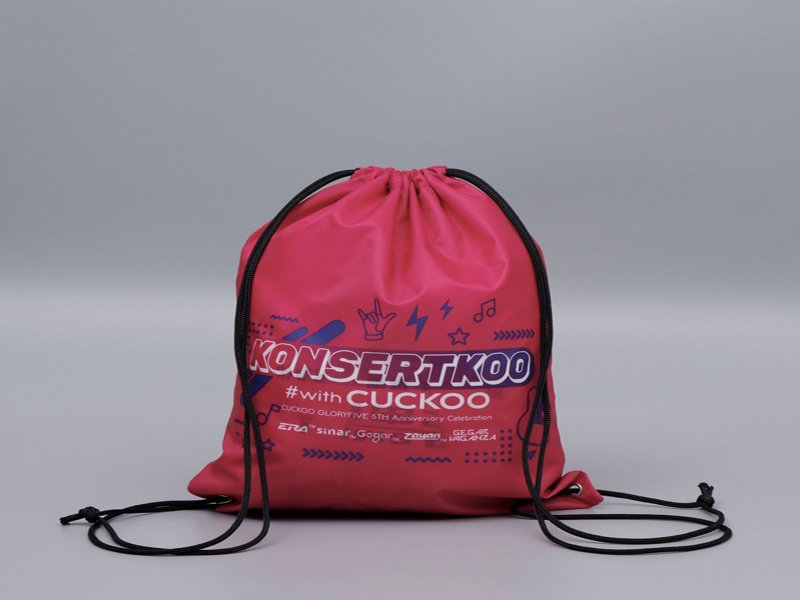
Drawstring bags can be made from many different materials, but most fabrics used in real manufacturing fall into three major groups: natural fibers, synthetic fibers, and specialty materials. Each group has its own strengths, limitations, cost range, and best-use scenarios. The material choice affects almost every part of the finished bag, including weight, durability, comfort, water resistance, print quality, sustainability appeal, production cost, and the user’s overall impression of the product.
A drawstring bag may look simple, but material selection is one of the most important decisions in product development. A cotton drawstring pouch for skincare packaging cannot be evaluated the same way as a nylon sports drawstring bag. A non-woven promotional bag for a one-day event does not need the same durability as a canvas bag used for daily carrying. A mesh drawstring bag for swimming needs airflow, while a coated polyester outdoor bag needs moisture protection. The right material depends on what the bag will carry, where it will be used, how often it will be handled, and what message the brand wants to communicate.
In practical B2B manufacturing, material selection is not only about appearance. It determines whether the bag can handle stress, moisture, folding, printing, abrasion, and repeated use. A low-cost material may work well for temporary promotions but fail in sports environments. A premium natural material may look excellent for retail packaging but perform poorly in wet outdoor conditions. A specialty material may solve one specific problem, such as ventilation or cushioning, but add cost and production complexity.
At Szoneier, material selection starts with the application. Before recommending cotton, canvas, polyester, nylon, jute, linen, mesh, neoprene, non-woven PP, or waterproof laminates, the intended use must be clear. This ensures that each drawstring bag is built with the right foundation instead of being overdesigned, underbuilt, or mismatched to the market.
Natural Fiber Materials
Natural fiber materials are derived from plants and are commonly selected for their soft feel, breathable structure, reusable value, and sustainability appeal. They are widely used in retail packaging, lifestyle bags, gift bags, eco-conscious product lines, boutique branding, and casual daily use. These materials often create a warmer and more natural customer experience than synthetic fabrics.
Cotton is one of the most common natural materials used in drawstring bags. It is soft, breathable, printable, and comfortable to touch. Cotton drawstring bags are popular for cosmetics, jewelry, skincare, handmade goods, apparel packaging, hotel amenities, gift sets, and eco-friendly retail programs. The fabric has a natural texture that works well with minimalist logos, screen printing, embroidery, woven labels, and organic-style branding. However, cotton absorbs moisture easily, dries slowly, and is not ideal for wet sports or outdoor use.
Canvas is usually made from cotton or cotton blends but has a thicker and more durable weave. It is stronger than lightweight cotton and often used for heavier drawstring bags, retail packaging, shoe bags, lifestyle products, reusable shopping bags, and premium gift packaging. Canvas has a substantial hand feel, which can improve perceived value. A 10 oz or 12 oz canvas bag feels much stronger than a thin cotton pouch, but it is also heavier and less compact.
Jute is another natural material used for eco-oriented drawstring bags. It has a rougher texture and a strong natural appearance, making it suitable for rustic packaging, agricultural products, organic gifts, wine bags, craft products, and sustainable retail campaigns. Jute communicates environmental responsibility very clearly, but it is less soft than cotton and may not be suitable for products that require a refined or delicate finish.
Linen is valued for its lightweight natural look and breathable quality. It is often used in lifestyle packaging, home goods, fashion accessories, aromatherapy products, and boutique gifts. Linen has a cleaner and more premium texture than jute, but it can wrinkle easily and usually costs more than basic cotton.
| Natural Material | Key Feature | Common Use | Main Limitation |
|---|---|---|---|
| Cotton | Soft, breathable, natural | Retail packaging, gifts, lifestyle bags | Absorbs moisture |
| Canvas | Thick, durable, substantial | Heavy-duty retail bags, shoes, daily carry | Heavier than cotton |
| Jute | Rustic and eco-friendly | Organic packaging, gift bags, agriculture products | Rough texture |
| Linen | Lightweight and premium natural feel | Lifestyle packaging, boutique products | Higher cost and wrinkles easily |
Natural fibers are best when the bag needs to feel authentic, reusable, soft, or environmentally aligned. They are less suitable when the product must resist rain, sweat, abrasion, and heavy outdoor use.
Synthetic Fiber Materials
Synthetic fiber materials are engineered for performance. They are usually lighter, more water-resistant, more abrasion-resistant, and more consistent in bulk production than natural materials. This makes them highly suitable for sports, travel, school activities, promotional events, outdoor use, and high-volume branded bags.
Polyester is one of the most widely used synthetic fabrics for drawstring bags. It is durable, lightweight, cost-efficient, printable, and resistant to moisture. Polyester drawstring bags are commonly used for gym bags, sports events, school activity bags, travel pouches, promotional giveaways, corporate events, and retail merchandise. Polyester can also be coated with PU or TPU to improve water resistance. For branding, it supports screen printing, heat transfer, sublimation, digital printing, woven labels, and reflective printing.
Nylon is another high-performance material. It is usually lighter and stronger than polyester at similar fabric weights, which makes it useful for sports, outdoor activities, travel, hiking, camping, and performance-focused drawstring bags. Nylon has excellent strength-to-weight performance and good abrasion resistance. Ripstop nylon is especially valuable when tear resistance matters. However, nylon is often more expensive than polyester, so it is usually selected for higher-performance products rather than basic promotional bags.
Non-woven PP, or polypropylene, is widely used for low-cost promotional drawstring bags. It is lightweight, economical, and suitable for simple event giveaways, trade shows, school campaigns, and temporary packaging. Non-woven PP is not as durable as polyester or nylon, but it offers a low-cost solution for large-volume orders. It can be printed with simple logos and produced quickly, making it useful for short-term marketing campaigns.
Oxford fabric is also commonly used in drawstring bags, especially when more structure and durability are needed. Oxford is usually made from polyester or nylon yarns and has a basket-weave texture. Polyester Oxford is popular for stronger promotional bags, school bags, outdoor bags, and daily-use drawstring backpacks. It provides a more durable surface than many plain polyester fabrics.
| Synthetic Material | Key Feature | Common Use | Main Advantage |
|---|---|---|---|
| Polyester | Durable, water-resistant, cost-efficient | Sports, promotions, travel, school bags | Strong all-around performance |
| Nylon | Lightweight, strong, abrasion-resistant | Outdoor, sports, travel | Excellent strength-to-weight ratio |
| Non-woven PP | Very cost-effective | Events, giveaways, simple packaging | Low unit cost |
| Oxford fabric | Textured and durable | School, outdoor, stronger drawstring bags | Better structure and wear resistance |
Synthetic materials dominate high-frequency use because they handle moisture, friction, and repeated folding better than most natural fibers. They are usually the best choice when performance and cost control matter more than natural texture.
Specialty Materials
Specialty materials are used when the drawstring bag needs a specific function beyond basic carrying. These materials may improve ventilation, protection, waterproofing, insulation, cushioning, or visual performance. They are often used in sports, outdoor, medical, electronics, cosmetics, food delivery, and product protection applications.
Mesh is one of the most common specialty materials for drawstring bags. It allows airflow and drainage, making it ideal for swimming bags, beach bags, laundry bags, sports equipment bags, and wet gear storage. Mesh can be used as the main body material or combined with polyester or nylon panels. A full mesh bag provides maximum ventilation, while a mixed mesh and fabric bag offers a better balance between breathability, durability, privacy, and branding space.
Neoprene is a synthetic rubber-like material known for cushioning, flexibility, and insulation. It is often used for protective drawstring pouches, bottle bags, electronics pouches, camera accessory bags, and sports protection products. Neoprene is thicker and heavier than standard polyester, but it offers excellent shock absorption and a soft protective feel. It is not usually used for large drawstring sacks but performs well in small protective bags.
Waterproof laminates are used when moisture protection is a major requirement. These materials may include TPU-laminated polyester, PVC-coated fabrics, waterproof nylon, or other composite materials. They are suitable for outdoor drawstring bags, dry bags, camping gear pouches, marine accessories, and wet-condition storage. True waterproof performance requires more than waterproof fabric. Seam sealing, welding, or special closure design may also be required.
Reflective materials are used for running, cycling, outdoor fitness, and safety-focused bags. Reflective strips, reflective prints, or reflective fabric panels can improve visibility in low-light environments. These are often combined with polyester or nylon bags.
| Specialty Material | Main Function | Common Application |
|---|---|---|
| Mesh | Breathability and drainage | Swimming, beach, laundry, sports |
| Neoprene | Cushioning and protection | Bottle bags, electronics, protective pouches |
| Waterproof laminates | Moisture protection | Outdoor, camping, marine use |
| Reflective fabric | Visibility | Running, cycling, outdoor sports |
| Insulated materials | Temperature control | Food, beverage, cooler-style bags |
Specialty materials are valuable when the bag must solve a specific problem. However, they usually increase cost and may require more technical production control.
Material Category Comparison
Natural, synthetic, and specialty materials serve different purposes. Natural materials are strong in comfort, sustainability appeal, and lifestyle presentation. Synthetic materials are strong in durability, water resistance, weight control, and bulk production. Specialty materials are selected for specific functions such as ventilation, protection, waterproofing, or insulation.
| Category | Durability | Weight | Cost | Sustainability Appeal | Best Use |
|---|---|---|---|---|---|
| Natural fibers | Medium | Medium | Medium | High | Retail, gifts, lifestyle, eco packaging |
| Synthetic fibers | High | Low to medium | Low to medium | Lower unless recycled | Sports, travel, promotions, outdoor use |
| Specialty materials | Variable | Variable | Medium to high | Variable | Wet gear, protection, waterproof use |
There is no single best category. A cotton bag may be perfect for organic skincare packaging but unsuitable for a rainy sports event. A polyester bag may be excellent for a gym promotion but feel too synthetic for premium jewelry packaging. A mesh bag may be ideal for swimming but not suitable for privacy or luxury presentation. A neoprene pouch may protect electronics well but cost too much for a large giveaway campaign.
How to Match Material to Application
The most reliable way to choose a drawstring bag material is to start with the use case. If the bag will be used for sports, outdoor activities, school programs, or travel, synthetic materials such as polyester, nylon, or Oxford fabric are usually stronger choices. If the bag will be used for retail packaging, gifts, cosmetics, jewelry, or eco products, cotton, canvas, linen, or jute may be more suitable. If the bag needs ventilation, cushioning, or waterproofing, specialty materials should be considered.
| Application | Recommended Materials |
|---|---|
| Gym and sports | Polyester, nylon, Oxford fabric, mesh |
| Swimming and wet gear | Mesh, coated polyester, waterproof laminates |
| Retail packaging | Cotton, canvas, linen |
| Eco product packaging | Cotton, organic cotton, jute, linen |
| Promotional events | Polyester, non-woven PP, cotton |
| Outdoor use | Nylon, polyester Oxford, waterproof laminates |
| Protective pouches | Neoprene, padded polyester, microfiber |
| Premium gift bags | Cotton, canvas, linen, velvet-style specialty fabrics |
The material should support the bag’s real function, not only its appearance. This is especially important for B2B customers because material mismatch can lead to quality complaints, poor user experience, and unnecessary cost.
Szoneier’s Material Selection Approach
Szoneier approaches drawstring bag material selection by first understanding the product’s end use. A bag intended for fitness members needs different material logic than a bag used for candle packaging. A school sports bag needs stronger durability than a jewelry pouch. A beach mesh bag needs airflow and drainage, while a travel drawstring bag needs light weight and foldability.
With experience in fabric R&D and bag manufacturing, Szoneier can provide a wide range of material options including cotton, canvas, polyester, nylon, Oxford fabric, jute, linen, mesh, neoprene, non-woven PP, coated fabrics, and waterproof laminates. Each material can be further customized through fabric weight, color, coating, lining, printing, reinforcement, drawstring type, and packaging.
For clients focused on performance, Szoneier may recommend polyester, nylon, Oxford fabric, or coated materials. For clients focused on natural branding and retail presentation, cotton, canvas, linen, or jute may be more suitable. For clients developing function-specific products, mesh, neoprene, reflective materials, or waterproof laminates can be used.
The main types of materials used in drawstring bags all have their place. Natural fibers create comfort and sustainability appeal. Synthetic fibers deliver durability and moisture resistance. Specialty materials add targeted performance. The best drawstring bag is not made from the most expensive material. It is made from the material that matches the bag’s purpose, the user’s environment, and the brand’s positioning.
Why Do Manufacturers Use Different Materials for Drawstring Bags?
Manufacturers use different materials for drawstring bags because no single fabric can satisfy every requirement at the same time. A drawstring bag may need to be lightweight, durable, printable, water-resistant, soft, breathable, low-cost, eco-friendly, premium-looking, washable, or protective. These requirements often conflict with one another. A fabric that is very soft may not be water-resistant. A fabric that is highly durable may cost more. A fabric that is ideal for full-color printing may not deliver a natural hand feel. A low-cost material may work for a one-day event but fail quickly under sports or travel use.
This is why material selection is one of the most important decisions in drawstring bag manufacturing. The material affects not only the appearance of the product, but also how it performs under weight, friction, moisture, folding, printing, washing, and repeated carrying. A polyester drawstring bag used for sports should be judged differently from a cotton pouch used for cosmetics. A non-woven PP giveaway bag should not be expected to perform like a nylon outdoor bag. A canvas drawstring bag can feel premium and strong, but it may be too heavy or expensive for mass promotional distribution.
In real production, manufacturers choose materials based on application, user behavior, order quantity, target price, branding method, delivery timeline, and market positioning. For example, a school sports bag may require polyester Oxford fabric because it needs durability and cost control. A jewelry pouch may use cotton because softness and presentation matter more than water resistance. A beach bag may use mesh because ventilation and drainage are the main priorities. A hiking bag may use coated nylon because outdoor durability and moisture resistance are needed.
At Szoneier, material selection is treated as a product development decision, not just a procurement choice. With over 18 years of experience in fabric R&D and bag manufacturing, Szoneier helps clients balance performance, cost, appearance, sustainability, and customization to create drawstring bags that fit real market needs.
Different Applications Require Different Performance
Drawstring bags are used in many environments, so the same material cannot perform well everywhere. A bag for gym use must handle sweat, shoes, towels, and repeated loading. A retail packaging bag must feel attractive and support brand value. A travel bag must be lightweight and compact. A promotional event bag must be cost-efficient and printable. A wet-gear bag must dry quickly and allow airflow. Each scenario creates a different performance requirement.
For high durability, manufacturers often choose polyester, nylon, or Oxford fabric. These synthetic materials resist abrasion better than many natural fabrics and handle frequent use more effectively. Polyester is widely used because it offers a strong balance of durability, water resistance, printing compatibility, and cost. Nylon is often chosen when strength-to-weight performance is especially important. Oxford fabric is useful when the bag needs a more structured and wear-resistant surface.
For comfort and natural feel, cotton, canvas, linen, and jute are more common. Cotton is soft and breathable, making it suitable for retail packaging, gifts, cosmetics, jewelry, and lifestyle use. Canvas is thicker and stronger, making it useful for premium drawstring bags, shoe bags, apparel packaging, and daily carry. Linen and jute are often selected for natural or eco-oriented branding.
For waterproofing or water resistance, coated polyester, coated nylon, TPU laminates, PVC-coated fabrics, or other waterproof materials may be used. These materials are important for outdoor bags, travel bags, sports bags, beach bags, camping pouches, and wet-condition storage.
| Performance Requirement | Suitable Materials | Common Application |
|---|---|---|
| High durability | Polyester, nylon, Oxford fabric | Sports, school, travel, outdoor bags |
| Lightweight portability | Nylon, polyester, non-woven PP | Events, commuting, travel |
| Comfort and softness | Cotton, linen, canvas | Retail packaging, gifts, lifestyle bags |
| Water resistance | Coated polyester, coated nylon, TPU laminate | Outdoor, gym, travel, wet environments |
| Breathability | Cotton, linen, mesh | Produce bags, laundry bags, wet gear |
| Low-cost bulk production | Non-woven PP, basic polyester | Promotional campaigns and events |
| Premium presentation | Canvas, linen, cotton, velvet-style fabrics | Gifts, cosmetics, jewelry, boutique retail |
| Protective cushioning | Neoprene, padded polyester | Bottles, electronics, fragile accessories |
The material must be selected according to the main function of the bag. If the wrong material is chosen, the product may look acceptable at first but fail in actual use.
Cost Considerations in Material Selection
Cost is one of the biggest reasons manufacturers use different materials. Drawstring bags are often ordered in large quantities, sometimes hundreds, thousands, or tens of thousands of pieces. A small difference in fabric cost can become a major difference in total project cost.
Non-woven PP is one of the most cost-efficient options for simple promotional drawstring bags. It is lightweight, easy to produce, and suitable for short-term event use. However, it is not designed for long-term durability or premium presentation. It works best when the goal is low-cost distribution rather than repeated heavy use.
Polyester is generally in the middle cost range and offers better performance. It is more durable than non-woven PP, lighter and more moisture-resistant than cotton, and more affordable than many specialty materials. This makes it one of the most popular choices for sports, school, travel, and promotional bags.
Cotton also sits in a medium cost range, but the price can vary widely depending on fabric weight, organic certification, dyeing, printing, and finishing. Lightweight cotton pouches can be affordable, while heavy canvas or organic cotton bags cost more.
Specialty fabrics such as neoprene, waterproof laminates, reflective materials, high-performance nylon, or insulated materials are more expensive. They are selected when the bag needs specific functionality or premium positioning.
| Material | Cost Level | Best Value Situation |
|---|---|---|
| Non-woven PP | Low | Temporary promotions and simple giveaways |
| Basic polyester | Low to medium | Events, schools, sports, general promotions |
| Oxford polyester | Medium | Stronger daily-use bags |
| Cotton | Medium | Retail packaging and lifestyle branding |
| Canvas | Medium to high | Premium packaging and durable daily use |
| Nylon | Medium to high | Lightweight sports and outdoor use |
| Jute or linen | Medium to high | Eco and boutique markets |
| Neoprene or waterproof laminates | High | Protective and specialty bags |
Manufacturers do not simply choose the cheapest material. The right material must match the value of the project. For a one-day event, non-woven PP or lightweight polyester may be reasonable. For a gym membership bag, polyester or Oxford fabric may be better. For premium cosmetic packaging, cotton or linen may create stronger customer perception. For outdoor use, coated polyester or nylon may justify the higher cost.
Design and Branding Requirements
Material choice strongly affects how a drawstring bag looks and how well branding can be applied. Different fabrics have different textures, print compatibility, color performance, and visual effects. A logo printed on polyester will not look the same as the same logo printed on cotton or jute.
Polyester has a smooth surface that supports sharp graphics and bright colors. It works well with screen printing, heat transfer, sublimation, digital printing, and reflective printing. This makes polyester suitable for sports events, promotional campaigns, school activities, and full-color branding.
Cotton creates a softer and more natural print effect. It works especially well with screen printing, embroidery, woven labels, and minimalist logo designs. The print may look less bright than polyester, but it often feels more premium and organic. This is why cotton is common in skincare packaging, jewelry bags, boutique apparel packaging, handmade products, and eco-friendly retail.
Canvas offers a thicker and more textured surface. It is suitable for embroidery, screen printing, woven labels, leather patches, and premium branding details. Jute has a rustic surface that works best with simple logos and natural-style packaging. Nylon is strong and lightweight, but some nylon coatings require careful logo testing to ensure good adhesion.
| Branding Need | Recommended Material | Suitable Customization |
|---|---|---|
| Bright full-color graphics | Polyester | Sublimation or heat transfer |
| Simple event logo | Polyester or non-woven PP | Screen printing |
| Natural eco look | Cotton, jute, linen | One-color print or woven label |
| Premium texture | Canvas, linen, cotton | Embroidery or label |
| Outdoor performance style | Nylon, coated polyester | Reflective print, rubber patch |
| Retail packaging | Cotton, canvas, linen | Screen print, embroidery, hangtag |
| Low-cost promotional branding | Non-woven PP, polyester | Basic screen printing |
For B2B custom projects, the material and branding method should be selected together. A design that looks excellent on polyester may look dull on jute. A delicate embroidery may work well on canvas but not on thin non-woven PP. A full-color sublimation design requires polyester, not cotton. Material choice directly limits or expands branding possibilities.
Durability and Lifespan Expectations
Manufacturers also use different materials because not every bag is expected to last the same length of time. Some drawstring bags are made for one event. Others are expected to last months or years. The expected lifespan should guide the material choice.
A non-woven PP bag may be acceptable for a conference giveaway or short campaign. A polyester bag may be more suitable for repeated school or gym use. A nylon bag may be selected for outdoor use where strength and light weight matter. A canvas bag may be used for lifestyle retail because it feels durable and substantial. A waterproof laminate may be used when moisture protection is essential.
| Expected Use Level | Material Direction | Example |
|---|---|---|
| One-time or short-term use | Non-woven PP, lightweight polyester | Trade show giveaway |
| Light repeated use | Polyester, cotton | Retail pouch, event bag |
| Medium daily use | Polyester Oxford, canvas | School bag, lifestyle bag |
| Heavy active use | Nylon, high-denier polyester | Sports and outdoor bag |
| Specialty protection | Neoprene, waterproof laminate | Bottle pouch, wet gear bag |
Using a material that exceeds the required durability can waste budget. Using a material below the required durability can create complaints. A good manufacturer helps clients find the correct balance between cost and expected product life.
Sustainability and Market Positioning
Sustainability is another reason manufacturers use different materials. Some brands want natural fibers such as cotton, jute, linen, organic cotton, or recycled cotton. Other brands want recycled polyester because they need synthetic performance but also want a better sustainability story.
Natural materials often have strong eco-friendly appeal because they are plant-based and reusable. Cotton, jute, and linen are popular for organic products, handmade goods, cosmetics, wellness brands, and sustainable retail packaging. However, natural materials may require more care and may not perform well in wet conditions.
Synthetic materials can also support sustainability positioning when recycled options are used. Recycled polyester is increasingly popular in sports, travel, and promotional bags because it maintains many performance benefits of polyester while supporting a more responsible material story. The final environmental value depends on sourcing, certification, production process, and how long the bag is reused.
| Sustainability Goal | Suitable Material |
|---|---|
| Natural fiber appeal | Cotton, linen, jute |
| Organic product positioning | Organic cotton |
| Recycled material story | Recycled polyester, recycled cotton |
| Reusable retail packaging | Cotton, canvas, linen |
| Durable long-use product | Polyester, nylon, canvas |
| Plastic reduction packaging | Cotton, jute, paper-cotton alternatives |
Sustainability should be matched with real product use. A natural cotton bag used only once is not automatically better than a durable polyester bag used many times. The practical reuse value, material quality, and product lifespan all matter.
Material Selection Strategy by Priority
Manufacturers usually make material recommendations based on the project’s main priority. If the priority is cost efficiency, non-woven PP or basic polyester may be selected. If the priority is performance, polyester, nylon, or Oxford fabric may be better. If the priority is sustainability appeal, cotton, jute, linen, or recycled fabrics may be suitable. If the priority is premium feel, canvas, linen, velvet-style fabrics, or higher-quality cotton may be selected.
| Priority | Recommended Material | Reason |
|---|---|---|
| Cost efficiency | Non-woven PP, basic polyester | Low unit cost and easy bulk production |
| Performance | Polyester, nylon, Oxford fabric | Better strength, water resistance, and wear resistance |
| Sustainability appeal | Cotton, jute, linen, recycled polyester | Supports eco-oriented brand positioning |
| Premium feel | Canvas, linen, heavy cotton | Stronger texture and better customer experience |
| Moisture protection | Coated polyester, coated nylon, waterproof laminates | Better for outdoor or wet environments |
| Breathability | Mesh, cotton, linen | Useful for wet gear, produce, laundry, lifestyle use |
| Protective function | Neoprene, padded fabric | Adds cushioning for fragile items |
This strategy prevents overdesigning or underdesigning the product. The goal is not to use the most expensive fabric. The goal is to use the most suitable fabric.
Common Mistakes in Material Selection
Many drawstring bag quality problems begin with poor material selection. One common mistake is choosing cotton for sports or wet outdoor use. Cotton feels natural, but it absorbs moisture and becomes heavy when wet. Another mistake is choosing non-woven PP for a bag that users are expected to carry repeatedly. It may reduce cost, but the product may not last.
Some clients choose fabric only based on price and ignore load-bearing needs. A thin fabric may be acceptable for brochures or small gifts but not for shoes, books, bottles, or sports gear. Others focus only on appearance and forget printing compatibility, seam strength, or cleaning requirements.
| Mistake | Result | Better Approach |
|---|---|---|
| Choosing only by lowest price | Short lifespan and poor user experience | Match material to expected use |
| Using cotton in wet sports environments | Moisture absorption and odor | Use polyester, nylon, or mesh |
| Using non-woven PP for daily-use bags | Early tearing and weak perception | Use polyester or canvas |
| Ignoring printing compatibility | Poor logo effect | Test print on selected fabric |
| Overusing specialty materials | Higher cost without clear benefit | Add specialty materials only when needed |
| Ignoring reinforcement | Stress-point failure | Strengthen seams, base, and corners |
A professional manufacturer should help identify these risks before production begins.
How Szoneier Supports Material Selection
Szoneier uses its fabric R&D and manufacturing experience to help clients select suitable materials for drawstring bags based on real-world usage. The process begins with understanding the application: sports, travel, retail packaging, promotional events, school use, outdoor use, gifts, cosmetics, food packaging, protective storage, or lifestyle carry.
Once the application is clear, Szoneier can recommend materials such as polyester, nylon, cotton, canvas, Oxford fabric, non-woven PP, jute, linen, mesh, neoprene, coated fabrics, waterproof laminates, or blended materials. The recommendation can also include fabric weight, coating, lining, stitching method, drawcord type, printing method, reinforcement, and packaging.
For performance-focused projects, Szoneier may recommend polyester, nylon, Oxford fabric, PU coating, TPU coating, reinforced seams, and stronger drawcords. For retail and lifestyle projects, cotton, canvas, linen, embroidery, woven labels, and premium drawstrings may be more suitable. For eco-focused projects, organic cotton, jute, recycled polyester, or recycled cotton can be considered based on budget and certification needs.
Material selection is not just a technical decision. It affects cost, usability, appearance, sustainability, brand perception, and long-term value. Manufacturers use different materials because different bags must solve different problems. A good drawstring bag begins with a fabric that fits the real use case, then improves through proper construction, printing, and quality control.
Which Natural Materials Are Used in Drawstring Bag Manufacturing?

Natural materials remain important in drawstring bag manufacturing because they offer a type of comfort, texture, and brand feeling that synthetic fabrics often cannot fully replace. While polyester and nylon are usually stronger for sports, outdoor use, and water resistance, natural fabrics perform very well in retail packaging, lifestyle products, gift bags, eco-conscious branding, apparel packaging, cosmetics, jewelry, organic products, and reusable everyday storage.
The most common natural materials used in drawstring bags are cotton, canvas, jute, and linen. Each material has a different character. Cotton is soft, breathable, versatile, and cost-effective. Canvas is thicker, stronger, and more structured. Jute has a rougher texture but carries a strong eco-friendly message. Linen is lighter, breathable, and more refined, making it suitable for lifestyle and premium casual products. These materials are not selected only for technical performance. They are often selected because of how they feel in the customer’s hand and how they support the brand’s message.
In real manufacturing, natural materials also require careful specification. Fabric weight, weave density, stitching, drawstring quality, shrinkage control, printing method, and finishing process all affect the final bag. A thin cotton pouch used for jewelry packaging has very different requirements from a heavy canvas drawstring bag used for shoes. A jute packaging bag needs different sewing and logo treatment than a linen lifestyle pouch. A natural fabric bag can look simple, but the material decision behind it directly affects durability, appearance, and customer perception.
At Szoneier, natural fabric drawstring bags are developed by matching the fabric to the application. Cotton, canvas, jute, and linen can all be customized through fabric weight, color, logo method, drawstring type, lining, reinforcement, and packaging. The goal is to keep the natural appeal while improving practical performance where needed.
Cotton: The Most Versatile Natural Fabric
Cotton is the most widely used natural material in drawstring bag manufacturing because it provides a strong balance of softness, breathability, affordability, and customization flexibility. It is comfortable to touch, easy to print, and suitable for many product categories. Cotton drawstring bags are commonly used for retail packaging, cosmetics, jewelry, apparel, handmade products, gift sets, hotel amenities, organic goods, and everyday storage.
The main advantage of cotton is its soft natural feel. Compared with synthetic fabrics, cotton feels warmer and more familiar. This makes it useful when the bag is part of the product experience. For example, a skincare product placed inside a cotton drawstring pouch may feel more natural and thoughtful than the same product packed in a plastic bag. A jewelry pouch made from soft cotton can protect the product from light scratches while improving the unboxing experience.
Cotton is also breathable. This makes it useful for dry goods, clothing, shoes, linens, small household items, and products that benefit from airflow. It is not ideal for wet environments because it absorbs moisture easily, but in dry retail and lifestyle applications, breathability is a clear advantage.
| Cotton Property | Performance | Practical Meaning |
|---|---|---|
| Texture | Soft and comfortable | Good for packaging and customer touchpoints |
| Breathability | High | Suitable for dry goods and lifestyle storage |
| Durability | Moderate | Works well for light to medium use |
| Water resistance | Low | Not ideal for rain, wet clothing, or outdoor sports |
| Printability | High | Suitable for screen printing, embroidery, and labels |
| Cost level | Medium | Flexible for both small pouches and larger bags |
Cotton fabric weight is usually selected according to the bag’s purpose. Lightweight cotton may be used for small gift pouches and jewelry bags. Medium-weight cotton works well for retail packaging and daily storage. Heavier cotton is used when the bag needs more structure and durability.
| Cotton Weight Range | Common Application |
|---|---|
| 100–140 GSM | Small pouches, jewelry bags, gift packaging |
| 150–200 GSM | Cosmetics, retail packaging, daily storage |
| 220–280 GSM | Apparel packaging, reusable lifestyle bags |
| 300 GSM+ | Heavy cotton or canvas-style bags |
Cotton’s main weakness is moisture. It absorbs water, becomes heavier when wet, and dries more slowly than polyester or nylon. For this reason, cotton should be used mainly in dry applications unless treated, lined, or blended with other materials.
Canvas: Strength and Structure
Canvas is one of the strongest natural fabric options used in drawstring bags. It is usually made from cotton or cotton blends and woven more tightly and heavily than standard cotton fabric. This gives canvas better strength, thickness, and structure. Canvas drawstring bags are often used when the product needs to feel more substantial, durable, and premium.
Canvas is especially suitable for shoe bags, apparel packaging, lifestyle bags, reusable shopping bags, gift bags, tool pouches, wine bags, book bags, and daily carry bags. It can carry heavier items better than lightweight cotton, especially when reinforced with strong stitching and proper drawstring channels.
The thicker body of canvas also gives the bag a premium feel. When customers hold a canvas drawstring bag, they often perceive it as more durable and valuable. This is why canvas is popular for boutique packaging, fashion brands, outdoor-style lifestyle products, and reusable retail bags.
| Canvas Property | Performance | Practical Meaning |
|---|---|---|
| Thickness | High | Creates stronger structure and premium feel |
| Strength | High | Suitable for heavier or repeated use |
| Weight | Heavy | Less compact than cotton or polyester |
| Durability | Strong | Performs well in dry-use daily carrying |
| Texture | Natural and substantial | Good for lifestyle and retail positioning |
| Branding compatibility | High | Works with embroidery, screen print, labels, and patches |
Canvas is often measured by ounce weight, such as 6 oz, 8 oz, 10 oz, 12 oz, or higher. The higher the ounce weight, the thicker and stronger the fabric usually feels.
| Canvas Weight | Bag Character | Common Use |
|---|---|---|
| 6 oz | Light canvas | Gift bags, apparel packaging |
| 8 oz | Medium canvas | Daily pouches, retail bags |
| 10 oz | Stronger canvas | Shoe bags, reusable carry bags |
| 12 oz+ | Heavy canvas | Premium bags, tools, heavier items |
Canvas is more durable than standard cotton, but it is heavier and less water-resistant than synthetic fabrics. If exposed to rain or damp environments, it can absorb moisture. For outdoor or wet-use applications, coated polyester or nylon is usually better. But for dry retail, packaging, and daily lifestyle use, canvas offers excellent natural strength and presentation value.
Jute: Sustainable and Eco-Friendly
Jute is a natural plant fiber known for its rustic texture and strong eco-friendly image. It is often used in drawstring bags when environmental positioning is more important than softness or flexibility. Jute has a coarse, natural appearance that makes it suitable for organic products, agricultural goods, wine packaging, craft items, gift bags, natural food packaging, and eco retail campaigns.
Jute communicates sustainability very clearly. Its natural brown tone, visible fiber texture, and rough hand feel create an immediate eco-oriented impression. This makes it popular for brands that want packaging to look natural, raw, and environmentally responsible.
However, jute is less soft than cotton and less flexible than linen. It may feel rough against the skin and is not ideal for delicate items unless lined with cotton or another soft material. It also has limited print detail compared with smoother fabrics because the surface texture is coarse. Simple logos, labels, or tags often work better than highly detailed printing.
| Jute Property | Performance | Practical Meaning |
|---|---|---|
| Sustainability appeal | Very high | Strong eco-friendly brand signal |
| Texture | Rough and rustic | Good for natural packaging, less suitable for soft-touch needs |
| Strength | Moderate to good | Suitable for packaging and light carry |
| Flexibility | Low to medium | Less adaptable than cotton or linen |
| Printability | Moderate | Best for simple logos or labels |
| Appearance | Natural and raw | Strong for organic and handmade products |
Jute drawstring bags are often used in products where the packaging itself must support an environmental story. For example, a natural food brand may use jute pouches for dry goods. A wine or gift company may use jute drawstring bags for rustic presentation. A craft brand may choose jute because it matches handmade product aesthetics.
| Jute Bag Application | Why Jute Works |
|---|---|
| Organic product packaging | Strong natural appearance |
| Wine or bottle bags | Rustic and gift-friendly |
| Agricultural products | Matches natural product identity |
| Handmade crafts | Supports artisan-style branding |
| Eco promotional gifts | Clear sustainability signal |
| Dried goods packaging | Breathable and natural-looking |
For improved user experience, jute can be combined with cotton lining, softer drawstrings, or printed labels. This keeps the eco look while making the bag more practical.
Linen: Lightweight Natural Alternative
Linen is a natural fiber made from flax. It is valued for its breathability, lightweight feel, and refined natural texture. Compared with jute, linen feels smoother and more premium. Compared with cotton, it often has a crisper, more elegant surface. Linen drawstring bags are commonly used for lifestyle packaging, premium gifts, cosmetics, home fragrance, aromatherapy, boutique apparel, jewelry, and natural wellness products.
Linen has a clean, understated look that works well for brands seeking a relaxed but premium image. It is less rustic than jute and more refined than basic cotton. The material has natural texture and slight irregularity, which can make the bag feel authentic rather than mass-produced.
| Linen Property | Performance | Practical Meaning |
|---|---|---|
| Weight | Light to medium | Easy to use for packaging and lifestyle bags |
| Breathability | High | Good for dry goods and natural products |
| Strength | Moderate | Suitable for light to medium use |
| Texture | Natural and smooth | Premium casual appearance |
| Comfort | High | Softer than jute and refined in touch |
| Wrinkle tendency | Medium to high | Natural creases are part of the look |
Linen is especially suitable for products where packaging should feel natural but not rough. A linen pouch for a candle, soap, jewelry piece, or skincare set can create a premium lifestyle impression. It works well with subtle logo printing, woven labels, embroidery, and natural drawcords.
The main limitations of linen are cost and wrinkle tendency. It can be more expensive than standard cotton and may crease more easily. However, for brands that value natural elegance, these characteristics can be acceptable or even desirable.
Natural Material Comparison
Each natural material has a different balance of comfort, durability, weight, sustainability, and brand feeling. Cotton is the most versatile. Canvas is the strongest. Jute has the clearest eco-rustic identity. Linen offers a lighter and more refined natural appearance.
| Material | Comfort | Durability | Weight | Sustainability Appeal | Best Use |
|---|---|---|---|---|---|
| Cotton | High | Medium | Medium | High | Retail, gifts, cosmetics, daily storage |
| Canvas | Medium | High | Heavy | High | Shoe bags, apparel, reusable carry, premium packaging |
| Jute | Low to medium | Medium | Medium | Very high | Eco packaging, organic products, rustic gifts |
| Linen | High | Medium | Light to medium | High | Lifestyle products, premium casual packaging |
Natural materials excel in comfort and brand perception, but they often need reinforcement or careful finishing to improve durability. For example, cotton bags may need stronger seams, canvas bags may need comfortable drawstrings, jute bags may need lining, and linen bags may need controlled stitching to maintain a clean appearance.
Printing and Branding on Natural Materials
Natural fabrics are highly suitable for branding, but the best printing method depends on the material texture. Cotton and canvas work well with screen printing and embroidery. Linen works well with subtle printing and woven labels. Jute works best with simple logos, labels, or tags because its rough surface does not support fine detail as well as cotton.
| Material | Best Branding Methods |
|---|---|
| Cotton | Screen printing, embroidery, woven label, heat transfer |
| Canvas | Screen printing, embroidery, leather patch, woven label |
| Jute | Simple screen print, woven label, hangtag |
| Linen | Minimalist print, embroidery, woven label |
Natural materials often look best with restrained branding. A small logo, one-color print, or woven label can feel more premium than a large, glossy graphic. This is especially true for cosmetics, jewelry, organic products, and boutique retail.
How Szoneier Enhances Natural Fabric Drawstring Bags
Szoneier enhances natural fabric drawstring bags through material selection, weaving structure, fabric weight control, stitching improvement, drawstring customization, branding tests, and finishing processes. The goal is to keep the natural character of the fabric while improving usability and production consistency.
For cotton bags, Szoneier can support different GSM weights, natural or dyed colors, screen printing, embroidery, woven labels, and soft drawstrings. For canvas bags, heavier fabric options, reinforced seams, strong drawcords, and premium patch branding can be used. For jute bags, lining, simple logo placement, and stronger seam construction can improve user experience. For linen bags, clean stitching, subtle labels, and refined drawstring choices can support premium presentation.
Natural materials are widely used in drawstring bag manufacturing because they create a human, tactile, and reusable product experience. Cotton delivers versatility and softness. Canvas adds strength and structure. Jute provides a strong eco-friendly message. Linen offers lightweight natural refinement. When selected and constructed properly, these materials can turn a simple drawstring bag into packaging, storage, or lifestyle merchandise that feels memorable and aligned with the brand.
Which Synthetic Materials Are Most Common and Why?
In the modern manufacturing of drawstring bags, synthetic materials have become the backbone of production due to their superior durability, lightweight performance, and resistance to environmental factors. Unlike natural fabrics, which often suffer from issues such as moisture absorption, shrinkage, and inconsistent tensile strength, synthetic fabrics can be engineered to meet highly specific performance requirements. This makes them particularly suitable for industries where reliability, longevity, and consistent performance are critical. Sports, travel, outdoor recreation, and promotional product markets all demand materials that can withstand regular wear and tear while remaining cost-effective.
The growing preference for synthetic materials is also supported by market trends. According to a report by Grand View Research, the global market for synthetic fibers reached approximately 56 million metric tons in 2023 and is projected to grow at a CAGR of 4.5% from 2024 to 2030, driven by rising demand in consumer goods, apparel, and accessory manufacturing. Drawstring bags, as versatile accessories, benefit directly from this trend because they require materials that combine performance with affordability.
The most widely used synthetic fabrics in drawstring bag production are polyester, nylon, and non-woven polypropylene. Each of these materials offers unique properties that suit specific applications, from high-performance sports gear to cost-effective promotional giveaways. Manufacturers like Szoneier leverage these materials, applying advanced technologies such as coatings, laminations, and reinforcements to further enhance functionality and durability.
Polyester – The Industry Standard
Polyester is the most prevalent synthetic material in the drawstring bag industry. Its popularity stems from a combination of strength, moderate weight, water resistance, and cost efficiency, making it suitable for a wide range of applications.
| Property | Performance |
|---|---|
| Durability | High |
| Weight | Medium-Light |
| Water resistance | Moderate-High |
| Cost | Moderate |
Polyester fibers are derived from polyethylene terephthalate (PET), a thermoplastic polymer that is easily extruded into fibers with consistent mechanical properties. These fibers can be woven into various densities, enabling manufacturers to produce lightweight bags that still resist stretching and abrasion.
From a practical standpoint, polyester offers excellent versatility. Sports teams often use polyester drawstring bags for their ability to handle repeated stress during physical activity. Promotional companies favor polyester for branded giveaways because it can be easily dyed, printed, or coated, ensuring brand logos remain vibrant over time. Market data shows that over 70% of mid-range promotional drawstring bags in North America and Europe are polyester-based, highlighting its dominance in the sector.
Furthermore, modern manufacturing techniques allow polyester to be enhanced with water-repellent coatings, UV inhibitors, or reinforced weaves, extending its applicability to outdoor and travel bags where environmental exposure is a concern.
Nylon – Lightweight and High-Performance
Nylon stands out for its exceptional strength-to-weight ratio and flexibility, making it ideal for high-performance applications such as sports, hiking, and other outdoor activities.
| Property | Performance |
|---|---|
| Strength | Very High |
| Weight | Very Light |
| Flexibility | High |
| Durability | Excellent |
Invented in the 1930s as a synthetic replacement for silk, nylon has evolved to become a primary choice for products requiring high tensile strength, abrasion resistance, and water repellency. Unlike polyester, nylon fibers have higher elasticity, allowing bags to endure stretching and heavy loads without permanent deformation.
In practical terms, a drawstring bag made from 210D or 420D nylon can support significantly more weight per unit area than polyester of similar thickness, making it suitable for gym bags, travel pouches, or outdoor gear bags. Data from the International Trade Centre indicates that nylon-based drawstring bags account for approximately 20–25% of the global market for functional sports bags, reflecting its importance in performance-oriented segments.
Additionally, nylon’s smooth surface allows for superior water resistance when coated with polyurethane (PU) or silicone layers. This characteristic is crucial for bags intended for rainy or humid environments, as it prevents water from soaking into the fibers and preserves both the bag and its contents.
Non-Woven Polypropylene – Cost Efficiency
For applications where low cost and disposability are the main considerations, non-woven polypropylene (PP) is the material of choice. These bags are often used in retail promotions, trade shows, and corporate events where high quantities and affordability outweigh long-term durability.
| Property | Performance |
|---|---|
| Cost | Low |
| Durability | Low-Medium |
| Weight | Very Light |
| Structure | Basic |
Non-woven polypropylene is produced by bonding fibers into a sheet-like structure, typically via thermal or chemical bonding, rather than weaving or knitting. This method results in a lightweight, inexpensive material that can be produced in large volumes rapidly. While non-woven PP bags are not intended for heavy-duty use, they offer adequate performance for temporary or promotional purposes, especially when branding visibility is the primary goal.
Global data suggests that over 40% of promotional drawstring bags distributed in Asia and Europe are made from non-woven PP, highlighting its role as a cost-effective alternative to woven synthetics.
Synthetic Material Comparison
To summarize the key differences between these three materials, the following table provides a direct comparison:
| Material | Durability | Weight | Cost | Versatility |
|---|---|---|---|---|
| Polyester | High | Medium | Medium | High |
| Nylon | Very High | Low | Medium-High | High |
| Non-woven PP | Low-Medium | Very Low | Low | Medium |
The data clearly illustrates why synthetic fabrics dominate drawstring bag manufacturing. They can be engineered to meet very specific performance requirements, balancing factors such as weight, strength, water resistance, and cost. This level of customization is difficult to achieve with natural fibers like cotton or jute, which may require additional treatments or blends to achieve comparable functionality.
Advanced Fabric Technologies and Enhancements
Manufacturers like Szoneier have developed expertise in enhancing synthetic fabrics to improve their strength, water resistance, and structural integrity. Techniques commonly used include:
- Coatings: Applying PU, PVC, or silicone layers increases water repellency and abrasion resistance. For instance, PU-coated 210D polyester can achieve hydrostatic resistance exceeding 1500 mm, making it suitable for outdoor bags.
- Lamination: Bonding multiple layers of synthetic fabrics creates composite materials with superior tear strength, often used in travel or tactical drawstring bags.
- Reinforcement: Adding ripstop patterns or extra threads at high-stress areas prevents rips and extends bag lifespan. Bags with ripstop nylon are shown to endure 2–3 times more tensile stress than standard nylon.
These technologies allow manufacturers to tailor drawstring bags to precise functional requirements, whether for heavy-duty sports, outdoor adventures, or high-visibility promotional use.
Sustainability Considerations
While synthetic materials dominate performance and cost metrics, environmental concerns are increasingly influencing material choices. Polyester and nylon are derived from petroleum-based polymers, contributing to carbon emissions and microplastic concerns. To address this, manufacturers are exploring recycled PET polyester, which can reduce the environmental footprint by up to 75% compared to virgin polyester, according to the Textile Exchange 2023 report. Non-woven polypropylene can also be produced with recycled content, offering a more sustainable alternative for disposable promotional bags.
In conclusion, synthetic materials—particularly polyester, nylon, and non-woven polypropylene—remain the cornerstone of drawstring bag manufacturing due to their customizable performance, durability, and cost-effectiveness. Polyester dominates for general-use bags and promotions, nylon excels in performance-driven sports and outdoor applications, and non-woven polypropylene provides an economical solution for high-volume, short-term needs.
By combining material science with advanced production technologies such as coating, lamination, and reinforcement, manufacturers like Szoneier are able to deliver drawstring bags that meet the diverse demands of modern consumers while maintaining consistent quality and performance. As the market continues to grow and sustainability concerns become more central, the choice and enhancement of synthetic materials will remain critical in shaping the future of drawstring bag design and functionality.
How Do Specialty Materials Improve Drawstring Bag Performance?

In modern drawstring bag manufacturing, the use of specialty materials has become a critical factor in addressing performance challenges that standard fabrics alone cannot fully resolve. While traditional natural fibers and common synthetic materials such as polyester and nylon provide structural integrity and basic durability, specialty materials are engineered to enhance specific functional attributes, including breathability, cushioning, waterproofing, and visual aesthetics. These targeted enhancements allow manufacturers to create drawstring bags that cater to increasingly demanding consumer needs across sports, outdoor recreation, travel, and luxury markets.
Market research indicates that the global functional bag market is projected to grow at a CAGR of 5.2% from 2024 to 2031, with performance-driven features such as moisture management, impact resistance, and ergonomic design being primary drivers. Specialty materials play a significant role in enabling these advanced capabilities, and their strategic integration with core fabrics has become standard practice among high-end manufacturers like Szoneier.
Mesh – Breathability and Ventilation
One of the most widely adopted specialty materials in sports and fitness-oriented drawstring bags is mesh fabric. Its primary function is to promote airflow and ventilation, which is critical when carrying items such as sweaty workout clothing, damp towels, or wet footwear. Mesh is generally made from lightweight polyester or nylon fibers, woven into open patterns that facilitate air exchange while maintaining sufficient structural strength.
| Property | Performance |
|---|---|
| Airflow | Excellent |
| Weight | Very light |
| Drying speed | Fast |
| Durability | Medium |
Mesh fabrics significantly reduce moisture buildup inside bags, which helps prevent odor formation, bacterial growth, and fabric degradation. Data from textile performance studies indicate that mesh inserts can reduce moisture accumulation by up to 60% compared to fully enclosed polyester compartments, a key advantage for gym-goers and athletes.
Additionally, the lightweight nature of mesh contributes minimal additional weight, preserving the portability and convenience that make drawstring bags attractive for everyday use. Szoneier often integrates mesh panels strategically along high-moisture compartments while reinforcing seams with polyester or nylon to maintain overall bag integrity.
Neoprene – Protection and Cushioning
Another highly functional specialty material is neoprene, a synthetic rubber polymer widely recognized for its shock absorption, flexibility, and water resistance. Neoprene is commonly used in protective drawstring bags designed to safeguard delicate items such as electronic devices, sports equipment, or eyewear.
| Property | Performance |
|---|---|
| Cushioning | High |
| Flexibility | High |
| Water resistance | Good |
| Weight | Medium |
Neoprene’s cellular structure allows it to distribute impact forces, reducing the likelihood of damage during drops or collisions. For instance, bags incorporating 3mm to 5mm neoprene layers have demonstrated a 30–50% reduction in peak impact pressure on items like tablets or water bottles compared with bags made entirely from woven synthetic fabrics.
Its flexibility also allows for easy packing and compression, while maintaining protective properties. Neoprene bags are frequently used in premium sports collections and tech-focused promotional products, where both appearance and functionality are important. Szoneier leverages custom neoprene formulations with varying thickness and density to achieve tailored levels of protection while maintaining a sleek and lightweight design.
Waterproof Laminates – Moisture Protection
For outdoor, travel, and marine applications, waterproof laminates are a crucial specialty material. These laminates are typically composed of a synthetic base fabric such as polyester or nylon, bonded to a waterproof film layer, often made of thermoplastic polyurethane (TPU) or polyvinyl chloride (PVC). This combination provides a reliable moisture barrier while maintaining flexibility and tear resistance.
| Property | Performance |
|---|---|
| Water resistance | Very high |
| Durability | High |
| Flexibility | Medium |
| Cost | Medium-High |
Drawstring bags with laminated compartments can resist water penetration exceeding 2,000 mm hydrostatic pressure, protecting valuables such as electronics, documents, or wet-weather gear. Laminates are also resistant to environmental factors like UV radiation and salt exposure, making them ideal for beach, hiking, and boating applications.
According to industry testing, bags incorporating waterproof laminates maintain dry conditions 90% more effectively than standard polyester bags during moderate rainfall or accidental splashes. Szoneier combines laminates with high-density woven fibers to balance rigidity, durability, and packability, allowing outdoor enthusiasts and travelers to carry essential items with confidence.
Velvet and Satin – Premium Aesthetic Materials
Beyond functional enhancements, specialty materials such as velvet and satin are employed to create premium aesthetic effects. While they do not significantly enhance structural performance, they contribute to brand positioning and visual appeal, especially in the luxury, gift, and retail packaging sectors.
| Property | Performance |
|---|---|
| Texture | Soft and smooth |
| Appearance | Premium |
| Durability | Low-Medium |
| Use case | Packaging and gifting |
Velvet provides a rich tactile experience and a matte, elegant appearance, making it ideal for limited-edition or high-end drawstring bags used for jewelry, cosmetics, or corporate gifting. Satin offers a smooth, glossy finish suitable for visually striking designs and branding opportunities. According to consumer behavior research, bags with premium tactile surfaces can increase perceived value by 25–35%, an important consideration for marketing campaigns and gift packaging.
Szoneier strategically incorporates these materials as overlay panels or linings, ensuring that the bag retains a functional core while benefiting from elevated visual appeal.
Specialty Material Function Analysis
The combination of specialty materials with base fabrics produces measurable performance gains across multiple parameters:
| Material | Key Function | Performance Gain |
|---|---|---|
| Mesh | Ventilation | Reduces moisture buildup, controls odor |
| Neoprene | Protection | Absorbs impact, cushions sensitive contents |
| Laminates | Waterproofing | Blocks water, enhances outdoor usability |
| Velvet/Satin | Aesthetics | Enhances branding, increases perceived value |
Specialty materials are rarely used in isolation. Their effectiveness is maximized when integrated into a hybrid design that leverages both the structural benefits of core fabrics and the targeted enhancements of these specialty layers. This approach allows manufacturers to produce drawstring bags that are both highly functional and visually appealing, satisfying user expectations in performance-driven and lifestyle segments.
Strategic Integration at Szoneier
At Szoneier, the strategic use of specialty materials is central to product development. The company combines mesh ventilation panels, neoprene protective layers, laminated waterproof compartments, and luxury textile accents to engineer bags tailored to specific use cases. For instance, a drawstring gym bag may feature mesh side pockets for shoes, a neoprene internal pouch for electronics, and a laminated outer compartment for wet swimwear, providing a multi-functional solution that addresses several pain points simultaneously.
This design philosophy aligns with consumer demand for multi-purpose, high-quality bags that support active lifestyles. Szoneier’s proprietary testing processes evaluate performance under conditions such as tensile stress, impact resistance, moisture exposure, and abrasion, ensuring that the final products consistently meet market expectations. The use of specialty materials not only enhances functionality but also supports brand differentiation and user satisfaction.
Future Trends and Sustainability Considerations
The specialty materials segment is also being shaped by sustainability considerations. Increasingly, manufacturers are adopting recycled or bio-based specialty materials, such as recycled neoprene from discarded wetsuits or bio-based TPU laminates, reducing environmental impact while maintaining high performance. Consumer surveys indicate that over 60% of eco-conscious buyers are willing to pay a premium for sustainable performance bags, suggesting that specialty materials with environmental benefits are poised for growing adoption.
As technology advances, hybrid fabrics incorporating nano-coatings for water resistance or anti-microbial finishes are becoming more prevalent, allowing drawstring bags to maintain hygiene and durability in urban and outdoor environments. Szoneier continuously monitors these developments to integrate emerging materials into its production lines, ensuring that performance and innovation remain at the forefront of its offerings.
In conclusion, specialty materials play a vital role in enhancing drawstring bag performance across multiple dimensions. Mesh fabrics improve ventilation and hygiene, neoprene provides impact protection and cushioning, waterproof laminates safeguard against moisture exposure, and velvet or satin elevates aesthetic appeal for luxury or promotional applications. When combined with core fabrics, these materials allow manufacturers like Szoneier to create hybrid bags that address real-world challenges while maintaining durability, versatility, and brand appeal.
By strategically selecting and integrating specialty materials, drawstring bag manufacturers can deliver products that meet diverse consumer demands, from high-intensity athletic use to sophisticated gifting applications, positioning themselves competitively in a market that increasingly values performance, functionality, and style.
How Do Material Properties Affect Bag Performance?
The performance of a drawstring bag is heavily influenced by the properties of the materials from which it is constructed. While design and construction techniques play a role, the intrinsic characteristics of the fabric—including durability, weight, water resistance, and breathability—directly determine how well a bag performs in real-world conditions. Understanding these properties is essential for manufacturers, product developers, and end users alike, as it allows for informed decision-making regarding material selection, intended use, and performance expectations.
In contemporary markets, consumers are increasingly discerning, seeking bags that combine durability, lightweight portability, comfort, and environmental adaptability. This is particularly evident in sectors such as sports, outdoor recreation, travel, and promotional products. According to a 2023 report by Technavio, functional bag users prioritize durability (42%), water resistance (28%), and weight (20%) when evaluating purchase decisions, highlighting the importance of material properties in user satisfaction and repeat purchases.
Durability and Strength
Durability is a cornerstone of bag performance. It determines lifespan, structural integrity, and resistance to wear and tear, particularly in high-stress use cases such as carrying sports equipment or daily commuting. Material durability is commonly assessed based on tensile strength, abrasion resistance, and tear propagation resistance.
| Material Type | Durability Level |
|---|---|
| Nylon | Very high |
| Polyester | High |
| Cotton | Medium |
| Non-woven | Low-Medium |
Nylon, for instance, is renowned for its exceptional tensile strength and abrasion resistance. A 420D nylon fabric can endure over 500 Newtons of tensile force before tearing, making it suitable for bags intended to carry heavier loads. Polyester, while slightly less robust, offers excellent resilience under moderate stress, which makes it ideal for general-purpose drawstring bags and promotional items.
Cotton and non-woven materials, while offering some structural integrity, tend to degrade more quickly under repeated stress or exposure to moisture. Cotton fibers can weaken when wet, and non-woven materials, due to their bonded rather than woven structure, are prone to fiber pull and surface wear. Manufacturers must carefully match the intended use scenario with material durability, ensuring user safety and bag longevity.
Weight and Portability
Weight is another critical factor in determining a bag’s usability. Heavier materials can increase strain during extended use, while lighter materials enhance portability and user comfort. The weight-to-strength ratio is often a key consideration for performance-oriented bags.
| Material | Weight Level |
|---|---|
| Nylon | Very light |
| Polyester | Light |
| Cotton | Medium |
| Canvas | Heavy |
Nylon is often favored in sports and travel bags because its high strength-to-weight ratio allows the bag to carry substantial loads without compromising mobility. Lightweight polyester is also widely used, offering a balance between portability and durability, while cotton and canvas, although structurally robust, tend to be heavier. Canvas, in particular, can add up to 30–50% more weight to a small drawstring bag compared to polyester or nylon, affecting comfort for long-duration wear.
Market surveys indicate that consumers increasingly prefer bags weighing less than 300 grams for casual daypacks, emphasizing the importance of material selection in product design. For high-performance or travel applications, reducing weight without compromising durability is essential, which is why hybrid fabric solutions are often employed.
Water Resistance and Environmental Performance
Water resistance determines whether a drawstring bag can protect its contents in outdoor or wet conditions. This property depends both on the inherent water-repellent characteristics of the material and any surface treatments applied during manufacturing.
| Material | Water Resistance |
|---|---|
| Coated polyester | High |
| Nylon | Medium-High |
| Cotton | Low |
| Jute | Low |
Coated polyester, such as polyurethane (PU) or thermoplastic polyurethane (TPU) laminates, offers high water resistance, capable of withstanding hydrostatic pressures exceeding 1,500 mm. Nylon, when treated with water-repellent finishes, achieves medium-high water resistance, making it suitable for light rain or accidental spills. Cotton and jute, on the other hand, absorb moisture quickly, limiting their use in wet conditions unless treated with water-repellent coatings.
Environmental performance also extends beyond water resistance. Materials must maintain dimensional stability under heat, humidity, and UV exposure. Polyester and nylon are notably resilient to environmental stressors, retaining strength and shape over time, whereas natural fibers like cotton may shrink or degrade under repeated exposure to moisture and sunlight.
Breathability and Comfort
Breathability affects comfort and hygiene, especially when the bag comes into contact with clothing, sports equipment, or skin. Breathable fabrics facilitate airflow, moisture wicking, and temperature regulation, reducing odor and discomfort during extended use.
| Material | Breathability |
|---|---|
| Cotton | High |
| Linen | High |
| Polyester | Medium |
| Nylon | Medium |
Cotton and linen are naturally breathable and provide excellent comfort for everyday use. Synthetic fabrics, while less breathable, can be engineered with mesh panels or perforations to enhance airflow. For instance, drawstring bags intended for gym use often combine nylon exteriors for durability with mesh compartments for footwear or wet clothes, optimizing both protection and breathability.
Multi-Factor Performance Matrix
A comprehensive assessment of material properties requires considering multiple factors simultaneously. The following matrix illustrates the trade-offs among durability, weight, water resistance, and comfort:
| Material | Durability | Weight | Water Resistance | Comfort |
|---|---|---|---|---|
| Polyester | High | Light | High | Medium |
| Nylon | Very High | Very Light | Medium | Medium |
| Cotton | Medium | Medium | Low | High |
| Canvas | High | Heavy | Low | Medium |
No single material excels in all categories. Manufacturers and buyers must prioritize properties based on intended use. For example, a bag designed for outdoor sports may favor nylon for durability and low weight, even if breathability is moderate, whereas a casual lifestyle bag may prioritize cotton for comfort and aesthetics over water resistance.
Advanced Material Engineering and Finishing Techniques
Manufacturers like Szoneier leverage advanced fabric engineering and finishing techniques to optimize material properties across multiple performance dimensions. Some of these techniques include:
- Surface Coatings: PU and silicone coatings increase water resistance and abrasion resistance without significantly adding weight. Coated fabrics can achieve hydrostatic pressure ratings over 2,000 mm, making them suitable for heavy rain conditions.
- Heat-Setting and Laminations: Heat-treated polyester and laminated composites enhance dimensional stability, tensile strength, and tear resistance, providing a reliable structure even under repeated stress.
- Fiber Blends: Combining synthetic and natural fibers (e.g., polyester-cotton blends) balances comfort, strength, and aesthetic appeal, offering multi-functional performance.
- Ripstop Reinforcement: Integrating ripstop weaving patterns or extra filaments prevents the propagation of tears, extending the lifespan of drawstring bags intended for outdoor or high-stress use.
These engineering practices enable a hybrid performance approach, allowing drawstring bags to meet multiple functional requirements simultaneously without significant compromise.
Application-Based Material Selection
Material choice should always align with the bag’s intended application:
- Sports and Fitness Bags: Prioritize lightweight, durable, and water-resistant fabrics like nylon or coated polyester. Incorporate mesh panels for airflow in compartments carrying damp clothing or shoes.
- Travel and Outdoor Bags: Opt for high-strength, coated nylon or laminated polyester that withstands abrasion, UV exposure, and moisture while maintaining portability.
- Everyday Casual Bags: Cotton or cotton-polyester blends provide comfort and aesthetic appeal, suitable for lifestyle and urban settings.
- Luxury or Promotional Bags: Incorporate specialty fabrics and hybrid materials to balance durability with visual and tactile quality, enhancing perceived value.
A strategic approach to material selection ensures that bags are fit for purpose, durable, and comfortable, satisfying user expectations and enhancing brand reputation.
Material properties directly influence every aspect of drawstring bag performance—from structural durability and weight to water resistance, comfort, and usability. By carefully considering the trade-offs among these properties, manufacturers can design bags that balance functionality with user experience.
Szoneier employs advanced fabric engineering, surface treatments, and hybrid designs to optimize material performance for specific applications. This ensures that each drawstring bag achieves a balanced profile of durability, portability, protection, and comfort, meeting the demands of modern consumers across sports, travel, outdoor, and lifestyle segments.
Understanding and leveraging material properties allows both manufacturers and buyers to make data-driven decisions, resulting in drawstring bags that are not only functional and reliable but also tailored to real-world needs.
Which Materials Are Most Popular for Different Applications?

In drawstring bag manufacturing, material selection is inherently application-driven. The popularity of specific materials is determined not by universal superiority but by how effectively a material meets the performance, aesthetic, and functional needs of a particular use case. From high-intensity sports to eco-conscious retail, each segment demands unique material characteristics, influencing durability, comfort, environmental sustainability, and user experience.
As global consumers become increasingly specialized in their expectations, understanding material applicability has become central to product design. A 2023 study by Grand View Research found that performance-oriented drawstring bags, including sports and travel bags, account for over 45% of the market, while lifestyle, retail, and eco-friendly variants collectively represent nearly 55%. This underscores the strategic importance of aligning material choice with intended application.
Sports and Fitness Applications
Sports and fitness environments require bags that are lightweight, durable, and capable of handling moisture and physical stress. Polyester and nylon are the two primary materials used in this category due to their high strength-to-weight ratio and resistance to wear and environmental exposure.
| Material | Reason |
|---|---|
| Polyester | Durable and moisture-resistant |
| Nylon | Lightweight and strong |
| Mesh | Breathable for wet gear |
Polyester provides excellent durability and moderate water resistance, allowing the bag to withstand repeated use during activities such as gym workouts, running, or team sports. Nylon, with its superior tensile strength and lower weight, is preferred for high-intensity applications where load-bearing efficiency is critical.
Mesh is strategically incorporated in compartments for shoes, wet towels, or damp sportswear, promoting airflow and preventing moisture accumulation that could lead to odor or mildew. Performance testing conducted by Szoneier indicates that drawstring bags integrating mesh panels can reduce moisture retention by up to 60% compared to non-ventilated compartments, a key factor for athletic users.
These material choices have also been validated by market adoption: a survey of North American fitness enthusiasts revealed that over 70% prefer bags combining polyester or nylon with breathable panels, highlighting the intersection of functionality and user comfort in sports-oriented designs.
Retail and Packaging Applications
In retail and gift packaging, the emphasis shifts from performance to appearance, tactile quality, and brand alignment. Materials are chosen for their ability to enhance perceived value and consumer experience, making the bag a visible extension of the brand itself.
| Material | Reason |
|---|---|
| Cotton | Soft and natural |
| Canvas | Durable and premium |
| Jute | Eco-friendly |
Cotton offers a soft, natural feel that aligns well with lifestyle brands emphasizing comfort and simplicity. Canvas provides a more durable, structured option, delivering a premium aesthetic that reinforces brand credibility. Jute, as a coarse but natural fiber, communicates sustainability and an environmentally conscious image, appealing to consumers seeking eco-friendly packaging solutions.
Data from the 2023 Retail Packaging Association indicates that bags made of cotton or canvas improve consumer satisfaction scores by 15–20% in retail contexts, particularly when used as reusable shopping or gift bags. This demonstrates how material selection directly influences consumer perception and loyalty.
Eco-Friendly Applications
Sustainability has become a decisive factor in material selection. Brands and consumers are increasingly focused on minimizing environmental impact, prioritizing biodegradable, renewable, and recycled fabrics. Eco-friendly drawstring bags not only reduce waste but also enhance corporate responsibility and market appeal.
| Material | Reason |
|---|---|
| Organic cotton | Sustainable |
| Jute | Biodegradable |
| Recycled fabrics | Environmentally conscious |
Organic cotton, grown without synthetic fertilizers or pesticides, reduces environmental strain and supports ethical sourcing practices. Jute is naturally biodegradable, making it a suitable option for disposable or limited-use bags. Recycled fabrics, particularly those derived from post-consumer PET bottles, offer a circular solution, diverting plastics from landfills while retaining performance characteristics suitable for lightweight bags.
According to Textile Exchange, the adoption of recycled and organic fibers in consumer goods has increased by over 12% annually over the past five years, reflecting the growing importance of sustainability in bag material selection. Szoneier supports eco-friendly initiatives by offering recycled polyester blends and certified organic cotton, enabling brands to align product offerings with environmental commitments.
Outdoor and Travel Applications
Drawstring bags intended for outdoor and travel use face demanding conditions, including exposure to moisture, abrasion, sunlight, and variable temperatures. Material selection in this segment emphasizes waterproofing, durability, and low weight, ensuring reliability and comfort during long-term use.
| Material | Reason |
|---|---|
| Coated polyester | Water-resistant |
| Nylon | Lightweight durability |
| Laminated fabrics | Waterproof performance |
Coated polyester, often treated with polyurethane or PVC layers, provides robust water resistance and high tensile strength, making it suitable for rain-prone regions or marine environments. Nylon’s low weight and strong tensile properties allow for easy portability without compromising load-bearing capacity. Laminated fabrics offer additional protection, with multilayer composites that are impermeable to water and resistant to UV exposure.
Industry testing shows that drawstring bags incorporating coated or laminated fabrics maintain dry internal conditions 90% of the time during moderate rainfall, while untreated polyester bags experience water penetration in over 60% of similar scenarios. This makes coated and laminated fabrics the default choice for travel, hiking, and adventure applications.
Application-Based Material Matching
To simplify the decision-making process, materials can be matched with applications based on their key advantages:
| Application | Best Material | Key Advantage |
|---|---|---|
| Sports | Polyester/Nylon | Durability and lightweight performance |
| Retail | Cotton/Canvas | Comfort and premium appearance |
| Eco | Jute/Organic Cotton | Sustainability and biodegradability |
| Outdoor | Coated fabrics/Laminates | Moisture protection and resilience |
This matrix illustrates the strategic alignment of material properties with functional requirements, ensuring that each drawstring bag fulfills the expectations of its intended use. Popularity in a given segment is therefore context-specific, driven by how well a material meets real-world demands rather than by any single property.
Strategic Material Implementation at Szoneier
Szoneier provides a comprehensive portfolio of materials to address diverse market requirements. For sports bags, the company integrates high-tenacity nylon or polyester with mesh compartments to optimize durability and airflow. For retail and luxury packaging, cotton and canvas options are combined with premium finishes or branding elements, enhancing both tactile and visual appeal. Eco-conscious products utilize recycled polyester, organic cotton, and jute, offering sustainable alternatives without compromising structural integrity. Outdoor and travel-oriented bags incorporate coated fabrics and laminated layers, providing water resistance and abrasion protection essential for rugged environments.
By leveraging advanced fabric engineering, hybrid material construction, and functional layering, Szoneier ensures that material selection is not merely a choice but a tailored solution that aligns with user needs and application demands.
Material popularity in drawstring bags is driven primarily by application-specific requirements. Sports and fitness environments favor polyester, nylon, and mesh for performance and ventilation; retail and packaging rely on cotton, canvas, and jute for aesthetic appeal; eco-friendly applications prioritize sustainability; and outdoor or travel contexts demand coated or laminated fabrics for protection against harsh environmental factors.
Manufacturers like Szoneier employ strategic material selection, hybrid construction, and finishing technologies to deliver drawstring bags that perform optimally across these applications. By aligning materials with functional, aesthetic, and environmental priorities, brands can provide products that meet consumer expectations, enhance usability, and reinforce brand positioning.
How Do You Choose the Right Material for Drawstring Bag Manufacturing?
Selecting the appropriate material for drawstring bag manufacturing is not merely a matter of aesthetics or cost; it is a strategic decision that directly impacts product performance, durability, and market competitiveness. The material chosen must strike a balance between functional requirements, consumer expectations, manufacturing efficiency, and overall cost. The wrong selection can result in bags that underperform, incur higher replacement rates, or fail to meet brand standards. Conversely, the right material enhances usability, ensures longevity, and strengthens a brand’s positioning in competitive markets.
A systematic approach to material selection begins with a comprehensive understanding of the intended use case, followed by an evaluation of material properties such as tensile strength, weight, water resistance, breathability, and environmental sustainability. The process requires considering both quantitative performance metrics and qualitative factors like texture, finish, and aesthetic appeal.
Industry reports from Textile World highlight that over 65% of repeat purchases in the drawstring bag market are influenced by product durability and tactile quality, underscoring the importance of thoughtful material choice. For manufacturers, this means understanding not just the properties of the fabric, but also how it will perform under specific use conditions and consumer handling.
Key Decision Factors
Material selection involves multiple factors, each with a different impact on overall product success:
| Factor | Importance |
|---|---|
| Usage scenario | Determines performance needs |
| Durability | Affects lifespan and reliability |
| Cost | Impacts production efficiency and pricing |
| Sustainability | Influences brand image and market appeal |
| Customization | Affects design possibilities and branding |
The usage scenario is the most critical determinant. Bags intended for outdoor or athletic use must withstand higher wear and environmental exposure, whereas bags for retail promotions or gifting may prioritize aesthetics over extreme durability. Durability ensures the bag maintains its shape, structure, and performance over repeated use, reducing the need for replacements and increasing customer satisfaction.
Cost considerations must balance material quality against production budgets. Selecting premium materials for low-margin products may undermine profitability, while choosing inexpensive fabrics for high-performance applications can compromise functionality and brand credibility. Sustainability, increasingly important to both consumers and regulatory frameworks, requires consideration of eco-friendly fibers, recycled materials, and biodegradable options. Finally, customization needs—including color options, printing, and surface finishes—can influence both material choice and production method.
Decision-Making Process
A structured approach to material selection ensures optimal outcomes. Manufacturers typically follow a step-by-step process:
| Step | Action |
|---|---|
| 1 | Define use case and intended application environment |
| 2 | Identify critical performance requirements (weight, water resistance, durability, breathability) |
| 3 | Evaluate potential material options based on their properties and suitability |
| 4 | Balance cost, quality, and production constraints to optimize overall value |
| 5 | Finalize material selection and conduct sample testing before full-scale production |
For example, a bag intended for gym use may require moisture-resistant nylon with ventilated compartments, whereas a premium retail gift bag may combine canvas or linen with a decorative finish. Following these steps minimizes the risk of poor performance and ensures the final product meets both functional and aesthetic expectations.
Avoiding Common Mistakes
Several pitfalls commonly undermine material selection:
- Choosing materials solely based on cost: Low-cost options like non-woven polypropylene may reduce production expenses but lack durability for repeated use.
- Ignoring durability requirements: Selecting a soft fabric like cotton for outdoor or sports applications can result in premature wear and customer dissatisfaction.
- Overlooking environmental conditions: Materials that absorb water or degrade under UV exposure are unsuitable for travel or outdoor bags.
- Neglecting customization needs: Some materials may not support high-quality printing, embroidery, or lamination, limiting branding opportunities.
Awareness of these potential mistakes allows manufacturers and designers to make informed trade-offs, balancing functional performance, cost efficiency, and aesthetic appeal.
Material Selection Optimization Matrix
To simplify the decision-making process, materials can be categorized based on priority objectives:
| Priority | Recommended Material |
|---|---|
| Low cost | Non-woven polypropylene (PP) |
| High durability | Nylon |
| Balanced performance | Polyester |
| Eco-friendly | Cotton or Jute |
| Premium feel | Canvas or Linen |
This matrix illustrates that no single material excels across all criteria. Instead, the best choice aligns with the bag’s intended use, environmental requirements, and target consumer expectations. For instance, nylon may be ideal for a sports-oriented bag due to its combination of lightweight, high tensile strength, and moderate water resistance, while cotton or jute may be preferred for sustainable promotional packaging.
Real-World Considerations in Material Choice
Several practical considerations also influence material selection in manufacturing:
- Weight and Portability: Lightweight materials improve mobility and user comfort, particularly in active and travel applications. Nylon and polyester often meet these criteria, whereas canvas may be heavier but preferred for premium appeal.
- Water Resistance: Outdoor and travel bags require coatings, laminates, or inherently water-resistant materials to protect contents. Coated polyester and laminated fabrics can withstand hydrostatic pressures exceeding 1,500–2,000 mm, ensuring items remain dry even in heavy rainfall.
- Breathability and Hygiene: For gym and sports bags, materials or panels that allow airflow reduce moisture retention, odors, and microbial growth. Mesh inserts combined with polyester or nylon exteriors provide a hybrid solution that balances durability with ventilation.
- Customization Compatibility: Materials must be compatible with printing, embroidery, or branding elements. Polyester and cotton are widely used for high-quality logos and patterns, while laminated synthetics may require specialized printing techniques.
- Sustainability: Increasingly, end consumers value eco-friendly materials, prompting manufacturers to use organic cotton, recycled polyester, or biodegradable jute to reduce environmental impact.
How Szoneier Supports Material Selection
Szoneier leverages over 18 years of expertise in fabric research, development, and manufacturing to assist brands in selecting optimal materials for drawstring bags. Their approach includes:
- Diverse Material Portfolio: Offering cotton, canvas, polyester, nylon, neoprene, jute, linen, and Oxford fabrics, allowing choices tailored to specific applications.
- Advanced Fabric Engineering: Utilizing coatings, lamination, reinforcement, and hybrid material combinations to optimize durability, water resistance, and functionality.
- Flexible Customization: Supporting print, embroidery, color matching, and branded finishes to meet unique design specifications.
- Low Minimum Order Quantities (MOQ) and Rapid Sampling: Enabling rapid prototyping and testing to validate material performance before mass production.
- Design Consultation: Providing guidance on material integration, hybrid solutions, and performance trade-offs to align with market requirements.
This integrated approach ensures that material selection is data-driven and application-focused, minimizing risk and enhancing the final product’s appeal.
Practical Case Study
Consider a sports brand developing a line of drawstring bags for gym use. Key requirements include lightweight construction, moisture management, impact protection for electronics, and ease of customization for branding. Using Szoneier’s expertise, the manufacturer might select:
- Main Body: 210D ripstop nylon for durability and low weight
- Interior Pockets: Mesh for ventilation and moisture control
- Protective Layer: Thin neoprene padding for devices
- Waterproof Coating: PU-laminated polyester panels for external compartments
This hybrid design ensures the bag meets performance expectations while maintaining a premium feel suitable for retail distribution. Testing confirms that the bag withstands 50+ wash cycles, resists water penetration, and provides consistent shape retention, demonstrating the value of informed material selection.
Choosing the right material for drawstring bag manufacturing is a strategic, multi-factor decision. It involves balancing performance requirements, cost considerations, environmental impact, customization needs, and consumer expectations. No single material is universally superior; rather, effectiveness is determined by how well the material aligns with the intended use case and market positioning.
Szoneier’s comprehensive expertise in fabric R&D, finishing processes, and hybrid material engineering allows brands to select materials with confidence, ensuring that drawstring bags are durable, functional, visually appealing, and aligned with user needs. By following a structured decision-making process and leveraging professional guidance, manufacturers can optimize bag performance, minimize risk, and deliver products that meet both market demand and consumer satisfaction.
For brands or manufacturers looking to develop new drawstring bags or improve existing lines, now is the opportune moment to evaluate material options, request samples, and test hybrid constructions. Working with an experienced partner like Szoneier accelerates development, ensures high-quality outcomes, and allows ideas to transform into high-performance, market-ready products.