 Skip to content
Materials Used in Clear Bag Manufacturing

A clear bag looks honest. Nothing is hidden. The phone, wallet, makeup pouch, event ticket, water bottle, sample product, or retail kit inside can be seen at a glance. That is exactly why clear bags became common in stadiums, concerts, schools, travel, beauty packaging, medical organization, retail display, and promotional product programs. But here is the part many buyers discover too late: the success of a clear bag is not decided by the transparent look alone. It is decided by the material.
The material used in clear bag manufacturing usually includes PVC, TPU, EVA, PEVA, PE, PP, or laminated transparent films, often combined with polyester binding, nylon webbing, Oxford fabric trims, zippers, hardware, labels, and custom packaging. PVC is widely used for cost-friendly clear stadium bags, totes, backpacks, and packaging pouches. TPU is often chosen for premium clear bags, waterproof pouches, soft-touch cosmetic bags, and outdoor-use designs. EVA and PEVA can support softer, frosted, lightweight, or lower-odor pouch applications. Fabric trims such as polyester, nylon, canvas, and Oxford fabric help improve strength, color identity, comfort, and product structure.
The material choice affects almost every part of the final bag: clarity, smell, softness, thickness, weight, cold resistance, tear strength, print quality, zipper performance, MOQ, compliance risk, retail feel, and customer reviews. A clear bag made with the wrong material may look acceptable in a product photo but crack in winter, smell too strong after unboxing, tear near the handle, wrinkle during packing, or feel too cheap for the brand. A clear bag made with the right material can pass real use, look clean on shelves, support private label branding, and keep customers using it again and again.
For overseas buyers, the challenge is not only asking “Can you make clear bags?” The better question is, “Which material should we use for our exact market?” Stadium policies commonly reference clear plastic, vinyl, or PVC bags within fixed size limits such as 12″ × 6″ × 12″, which is why material clarity and size control are so closely tied to event-use clear bags. For children’s products and child-care articles in the U.S., CPSC guidance highlights regulated phthalate limits at more than 0.1 percent, making material selection and testing especially important when flexible plastic components are involved.
Think of two clear cosmetic pouches sitting on the same retail table. One is made from cheap stiff PVC, has a sharp plastic smell, a zipper that catches at the corner, and a logo that starts peeling after a few bends. The other uses soft low-odor TPU or well-selected PVC, a smooth zipper, clean stitching, protected packing, and a logo method matched to the material surface. Both are “clear bags.” Only one feels like a product customers want to keep. That difference starts with material selection.
What Materials Are Used in Clear Bags?
Clear bags are made from transparent or semi-transparent flexible materials such as PVC, TPU, EVA, PEVA, PE, PP, and laminated clear films. These materials are often combined with fabric trims, zipper systems, webbing straps, binding tape, printed logos, patches, hardware, and retail packaging. The best material depends on the product’s use, target market, durability level, price range, odor requirement, safety expectation, and branding plan.
A clear stadium tote usually needs strong transparent material, accurate size, and reinforced handles. A clear cosmetic pouch needs soft touch, clean appearance, low odor, and smooth zipper movement. A clear school backpack needs thicker panels, strong straps, and better tear resistance. A clear packaging pouch needs surface clarity, sealing quality, and efficient cost. A waterproof clear pouch needs weldable material and controlled seam performance. One material cannot solve every requirement equally well.
The main materials used in clear bag manufacturing each have their own personality. PVC is cost-effective, clear, flexible, and suitable for many general-use bags. TPU is softer, more elastic, often more premium, and better for high-touch or waterproof applications. EVA can offer a softer, frosted, friendly appearance. PEVA is lightweight and often used for softer pouch or packaging applications. PE and PP are more common in packaging-style bags, folders, sleeves, and simple transparent storage products. Laminated clear films are used when a bag needs multi-layer performance, better structure, or special surface effects.
For a manufacturer such as Szoneier, material selection is not treated as a catalog decision. It is part of product engineering. Szoneier has more than 18 years of experience in fabric development, finished product manufacturing, and export sales. Its production experience covers cotton fabric, canvas fabric, polyester fabric, nylon fabric, neoprene fabric, jute fabric, linen fabric, Oxford fabric, clear flexible materials, and post-processing methods. That material background matters because clear bags are rarely made from transparent film alone. The final product often depends on how the transparent body works with fabric trim, binding, straps, zippers, labels, and packaging.
What Is a Clear Bag Material?
A clear bag material is the transparent or translucent sheet, film, or flexible substrate used to form the main visible body of the bag. It can be fully transparent like clear PVC or TPU, semi-transparent like frosted EVA or PEVA, or laminated with other layers for better performance. The material must be flexible enough to cut, sew, weld, fold, or seal, while still strong enough to carry or protect the intended contents.
The right clear bag material should answer several practical questions. Can users see the contents clearly? Does the material smell acceptable after unpacking? Will it crack in cold weather? Will it hold stitching? Can it support logo printing? Does it scratch easily? Does it feel soft or stiff? Can it be welded for water resistance? Does it match the target market’s safety expectations? Can it be packed without sticking, wrinkling, or leaving marks?
Clear material is not only about transparency. A good material must also support the product’s job. A stadium bag needs inspection-friendly visibility. A cosmetic pouch needs clean presentation. A school backpack needs daily durability. A medical supply pouch needs easy identification. A retail packaging bag needs product display. A travel organizer needs flexibility and spill control. These use cases all ask different things from the material.
| Clear Bag Material | Visual Style | Common Bag Types | Main Advantage | Main Watch Point |
|---|---|---|---|---|
| PVC | Clear, glossy, flexible | Stadium bags, totes, backpacks, packaging pouches | Cost-effective and widely available | Odor, cold stiffness, restricted substance review |
| TPU | Clear, soft, elastic | Premium pouches, waterproof bags, cosmetic bags | Better touch and flexibility | Higher cost and process testing |
| EVA | Frosted or semi-clear | Cosmetic pouches, gift bags, soft organizers | Soft look and friendly feel | Not always suitable for strict clear policies |
| PEVA | Clear to semi-clear | Lightweight pouches, packaging, toiletry bags | Lightweight and soft | Limited structure for heavy-use bags |
| PE | Clear to translucent | Packaging bags, polybags, sleeves | Low cost and efficient sealing | Not ideal for structured reusable bags |
| PP | Clear to translucent, slightly stiffer | Document sleeves, folders, packaging | Good structure for flat packaging | Less flexible for sewn carry bags |
| Laminated Film | Custom clear or layered look | Specialty pouches, retail packaging | Can combine performance layers | Needs material testing and MOQ planning |
The important point is that the material should be selected before the design becomes final. Many clear bag problems start when clients choose a style first and only think about material later. For example, a boxy cosmetic pouch may need a material with enough body to hold shape. A foldable travel pouch needs a softer film. A clear backpack needs stronger stress control around straps. A welded waterproof pouch needs a material that responds well to welding. If the material and structure fight each other, production becomes harder and defects become more likely.
Which Materials Are Most Common?
PVC is the most common material used in clear bag manufacturing because it offers a useful balance of transparency, flexibility, processability, and cost. It is widely used for clear stadium bags, clear tote bags, clear backpacks, clear cosmetic pouches, clear zipper bags, and transparent retail packaging. TPU is common in premium or performance-focused clear bags. EVA and PEVA are common in softer, frosted, lightweight, or packaging-focused designs. PE and PP are often used for simple packaging, sleeves, or display bags rather than heavy carry products.
The reason PVC remains so common is simple: it works for many product categories and price levels. It can be produced in different thicknesses, sewn with fabric binding, welded in some structures, printed with logos, and combined with handles, straps, zippers, and trims. For stadium bags, event totes, promotional bags, and general retail pouches, PVC often provides the most practical cost-performance balance.
TPU appears more often when the product needs a better hand feel, lower odor impression, stronger flexibility, or higher-end positioning. It is useful for cosmetic bags, premium travel pouches, outdoor waterproof pouches, and clear bags sold in lifestyle or fashion channels. EVA and PEVA are often used when a soft, frosted, lightweight, or less rigid feel is preferred. PE and PP are more suitable for clear packaging bags, garment bags, stationery sleeves, document folders, and low-load transparent packing.
| Material | Market Popularity | Typical Price Level | Common Products | Best Fit |
|---|---|---|---|---|
| PVC | Very high | Low to medium | Stadium totes, backpacks, pouches, promotional bags | General clear bag production |
| TPU | Medium but growing in premium products | Medium to high | Cosmetic bags, waterproof pouches, premium organizers | Higher-end and performance use |
| EVA | Medium | Low to medium | Frosted pouches, gift bags, soft cosmetic bags | Soft visual style |
| PEVA | Medium | Low to medium | Lightweight pouches, toiletry bags, packaging | Flexible light-duty use |
| PE | High in packaging | Low | Polybags, inner packaging, product sleeves | Cost-efficient packaging |
| PP | High in rigid packaging and stationery | Low to medium | Document bags, folders, packaging sleeves | Flat structured products |
| Laminated Film | Project-dependent | Medium to high | Specialty packaging and performance bags | Custom performance needs |
Common does not always mean correct. PVC may be common, but it is not always the best choice for a premium skincare pouch. TPU may be premium, but it may be unnecessary for a low-cost event giveaway. EVA may feel soft and friendly, but it may not meet strict transparency expectations for stadium use. PP may look clear, but it may not work well for sewn flexible carry bags. A skilled manufacturer should guide buyers toward the material that fits the product’s job.
For Szoneier clients, this is where factory consultation adds value. Instead of simply quoting the cheapest material, Szoneier can help compare product use, order quantity, target price, sample time, logo method, packaging needs, and durability expectations. A small buyer testing a clear tote line may choose standard PVC first. A high-end brand developing a cosmetic travel set may choose TPU or EVA. A retail packaging client may choose PEVA or laminated film depending on product display needs.
How Do Materials Affect Bag Quality?
Materials affect clear bag quality through clarity, softness, thickness, tear strength, odor, surface scratch resistance, cold resistance, print adhesion, welding performance, sewing behavior, and long-term appearance. A clear bag made from the wrong material may fail even if the design looks good. The material decides how the bag feels, how it carries weight, how it ages, and how customers judge the brand.
Clarity is the first visible quality factor. A clear stadium bag should allow easy inspection. A retail pouch should show the product cleanly. A cloudy or yellowish material makes the bag look old before it is used. Surface scratches are also more visible on clear materials than on fabric. That means material handling and packing matter as much as material choice.
Softness affects user experience. A stiff clear bag may feel cheap or uncomfortable, especially in cosmetic, fashion, or travel categories. But too much softness can also be a problem if the bag needs structure. A clear tote needs enough body to hold shape. A backpack needs material that does not collapse under load. A pouch may need a balanced feel so it is soft in hand but stable when filled.
Thickness affects strength and cost. Thin material reduces cost and weight but may tear more easily. Thick material improves structure but may become stiff, heavy, and more expensive. The best thickness depends on the product. A packaging pouch may need only light film. A stadium tote needs medium thickness. A clear backpack needs stronger panels and reinforcement. A tool pouch may need thick material and heavy zipper support.
Odor affects customer perception. Strong plastic smell can create immediate dissatisfaction, especially for beauty, baby-related, gift, and premium retail products. Better material grade, proper airing, suitable packaging, and storage control can reduce odor risk. For export orders, odor should be checked during sample review, not after bulk production.
| Quality Factor | Material Influence | Product Risk if Ignored | Better Practice |
|---|---|---|---|
| Clarity | Grade and formulation affect transparency | Bag looks cloudy or cheap | Approve material sample before bulk |
| Softness | Material type and thickness affect hand feel | Product feels stiff or uncomfortable | Match softness to use case |
| Thickness | Controls structure, strength, cost | Tearing or excessive stiffness | Choose thickness by load |
| Odor | Material formulation and storage affect smell | Customer complaints after opening | Use low-odor grade when needed |
| Tear Strength | Film type and reinforcement affect durability | Handle or seam failure | Add fabric patches and stronger trims |
| Scratch Resistance | Surface finish and packing affect appearance | Retail product arrives marked | Use protective packing |
| Cold Flexibility | Material behavior changes in low temperature | Cracking or stiffness outdoors | Use better PVC grade or TPU |
| Print Adhesion | Surface energy affects logo durability | Logo peeling or cracking | Test logo method before bulk |
| Welding | Material response affects seam sealing | Weak seal or burn marks | Test machine settings |
| Sewing | Film behavior affects puckering and holes | Uneven seams or tearing | Adjust needle, tension, binding |
A useful way to judge material quality is to handle a real sample under real conditions. Open the zipper several times. Bend the corners. Smell the product after unpacking. Put weight inside. Check whether the logo cracks when the panel flexes. Fold the bag as it will be packed. Look at it under bright light. Clear bag defects are often easy to see when buyers know where to look.
Szoneier’s production team can support sample review and material comparison before bulk production. For custom projects, the approved material should be recorded along with thickness, finish, color tone, logo process, trim details, and packaging method. These records help protect repeat order consistency.
Are Clear Materials Always Plastic?
Most clear bag materials are plastic-based because flexible transparency, waterproof performance, heat sealing, welding, and cost-efficient production are easier to achieve with plastic films. PVC, TPU, EVA, PEVA, PE, and PP are all polymer materials. However, clear bags can also combine plastic films with textile materials such as polyester, nylon, Oxford fabric, canvas, cotton webbing, mesh, neoprene, and other fabric trims.
A clear bag does not need to be 100 percent transparent material. In fact, many stronger and better-looking clear bags use hybrid construction. A stadium tote may use clear PVC panels with polyester binding and nylon webbing handles. A school backpack may use clear PVC with Oxford fabric trims and reinforced shoulder straps. A cosmetic pouch may use TPU clear panels with fabric labels or colored zipper tape. A fashion clear bag may combine transparent film with leather-like trim, canvas strap, or metal hardware.
These hybrid structures are often better because transparent materials alone may not provide enough strength or comfort. Fabric trims can protect edges, strengthen stress points, provide color identity, improve hand feel, and create a more finished product. Webbing straps carry load better than clear film handles in many cases. Oxford fabric patches can reinforce backpack straps. Polyester binding can prevent edge tearing and improve appearance.
| Clear Bag Component | Common Material | Purpose |
|---|---|---|
| Main Transparent Body | PVC, TPU, EVA, PEVA | Visibility and product shape |
| Edge Binding | Polyester, nylon, PVC binding | Edge protection and color |
| Handles | Nylon webbing, polyester webbing, canvas, cotton | Load carrying and comfort |
| Shoulder Straps | Nylon webbing, polyester webbing, padded fabric | Adjustable carry support |
| Reinforcement Patches | Oxford fabric, polyester, PVC, TPU | Strength at stress points |
| Zipper Tape | Polyester or nylon zipper tape | Closure and durability |
| Inner Dividers | Mesh, polyester, clear film | Organization |
| Labels | Woven label, rubber patch, printed label | Brand identity |
| Hardware | Plastic buckle, metal D-ring, slider, snap | Function and style |
| Packaging | Polybag, paper insert, hangtag, carton | Protection and retail presentation |
This is where Szoneier’s material range becomes important. Because the company works with cotton, canvas, polyester, nylon, neoprene, jute, linen, Oxford fabric, and many post-processing options, it can help clients build clear bags that are not only transparent but also strong, comfortable, branded, and market-ready.
A buyer may come with a simple request: “We need a clear bag.” A manufacturer should respond with better questions: Is it for stadium use, cosmetics, school, retail packaging, medical organization, travel, or outdoor activities? Should it be fully transparent or partly frosted? Will it carry heavy products? Does it need fabric trim? Does the logo need to look premium? Will the product be sold online or distributed at events? The answers decide which materials belong in the final product.
How to Think About Clear Bag Materials Like a Manufacturer
Choosing clear bag material requires balancing performance, price, appearance, compliance, and brand positioning. The easiest mistake is thinking that all clear materials are interchangeable. They are not. Each material performs differently during cutting, sewing, welding, printing, folding, packing, shipping, and real customer use.
The first layer of thinking is use case. A clear bag designed for stadium use should prioritize policy-friendly transparency, size control, handle strength, and reasonable cost. A beauty pouch should prioritize soft touch, low odor, clean zipper movement, and retail appearance. A school backpack should prioritize tear strength, strap reinforcement, and daily durability. A retail packaging pouch should prioritize clarity, sealing, surface cleanliness, and efficient packing.
The second layer is market level. A budget giveaway can use simpler material and construction. A mid-market clear tote needs better trims and stronger handles. A premium product needs softer material, refined hardware, careful logo placement, and better packaging. Material should match the price customers expect to pay.
The third layer is production method. A sewn clear bag needs material that can hold stitching without tearing or puckering. A welded pouch needs material that responds well to heat or high-frequency welding. A printed bag needs a surface suitable for ink adhesion. A folded retail pouch needs material that does not crease badly. The material must cooperate with the production process.
The fourth layer is risk control. If the product is for children, material compliance becomes more important. If it is for beauty, odor becomes more important. If it is for winter events, cold flexibility matters. If it is for online retail, scratch protection during shipping matters. If it is for a large retailer, testing and documentation may matter.
| Decision Layer | Key Question | Material Decision Impact |
|---|---|---|
| Use Case | What will the bag do? | Determines strength, flexibility, waterproofing, transparency |
| User Group | Who will use it? | Affects safety, durability, comfort, labeling |
| Sales Channel | Where will it be sold? | Affects packaging, testing, retail appearance |
| Brand Level | Budget, mid-market, or premium? | Affects PVC vs TPU vs EVA choice |
| Production Method | Sewn, welded, sealed, or laminated? | Determines material compatibility |
| Logo Need | Simple print or premium branding? | Affects surface and decoration method |
| Load Requirement | What weight will it carry? | Affects thickness and reinforcement |
| Climate | Indoor, outdoor, cold, hot, humid? | Affects flexibility and aging risk |
| Compliance | Any market rules or retailer tests? | Affects material grade and test plan |
| Repeat Orders | Will this become a product line? | Requires records and consistent sourcing |
A good material choice often prevents problems that are expensive to fix later. For example, a brand may choose a cheaper PVC for a cosmetic pouch to save cost, then receive complaints about smell. Another brand may choose thick PVC for a pouch, thinking thicker means better, but the result feels stiff and hard to use. A stadium bag buyer may choose tinted material for style, then discover some venues prefer fully clear bags. A school backpack buyer may focus on clear panels but forget strap reinforcement, leading to tearing.
A material-driven manufacturer helps clients avoid these mistakes before sampling. Szoneier can review the target product and recommend whether PVC, TPU, EVA, PEVA, PE, PP, laminated film, Oxford trim, nylon webbing, polyester binding, canvas handle, or other material combinations make sense. The goal is not to sell the most expensive material. The goal is to match material to the product’s job, the customer’s expectation, and the buyer’s budget.
What Is PVC in Clear Bags?
PVC, short for polyvinyl chloride, is one of the most widely used materials in clear bag manufacturing because it can be made transparent, flexible, durable, printable, sewable, weldable in many structures, and cost-efficient for bulk production. It is commonly used for clear stadium bags, clear tote bags, clear backpacks, cosmetic pouches, zipper bags, packaging pouches, event bags, promotional bags, and retail transparent bags.
PVC became popular in clear bags because it offers a strong balance between performance and price. It can be produced in different thicknesses, from thin packaging films to thicker sheets used for structured bags. It works well with polyester binding, nylon webbing, Oxford fabric trim, zippers, patches, silk screen printing, and many common bag-making methods. For clients launching custom clear bags with logo, PVC is often the first material considered because it provides good transparency without pushing the product into a premium cost range.
That said, not all PVC is the same. Low-grade PVC may have strong odor, poor cold flexibility, cloudiness, stickiness, uneven thickness, or chemical compliance concerns. Higher-grade PVC can look cleaner, smell better, perform more consistently, and support better brand presentation. The buyer should not ask only, “Is it PVC?” The better questions are: What thickness is it? Is it low odor? Is it suitable for the target market? Can it pass required testing? How will it behave during sewing, printing, packing, and use?
For clear stadium bags, PVC remains highly relevant because official clear bag policies often mention clear plastic, vinyl, or PVC as accepted materials for venue inspection, with commonly referenced dimensions such as 12″ × 6″ × 12″. For manufacturers and brands, this makes PVC not only a material choice but also part of how consumers search for and understand stadium-approved bags.
Is PVC Good for Clear Bags?
PVC is good for many clear bags when the material grade, thickness, softness, odor level, and construction method are selected correctly. It is especially suitable for clear stadium totes, event bags, promotional totes, clear backpacks, retail pouches, packaging bags, and cost-sensitive custom logo bags. PVC gives buyers a practical balance of clarity, strength, processability, and price.
The main advantage of PVC is flexibility in production. It can be cut into panels, sewn with binding, used with zipper closures, printed with logos, reinforced with webbing, and shaped into many bag styles. For clear totes and stadium bags, PVC provides the transparent body while trims and straps provide structure. For cosmetic pouches, softer PVC can create a clean and functional pouch at a reasonable cost. For packaging, thinner PVC films can support product visibility and retail display.
PVC is also available in many thicknesses and finishes. It can be glossy, matte, frosted, tinted, embossed, or combined with fabric trims. This gives brands more design flexibility. A simple event bag may use clear glossy PVC with black binding. A beauty pouch may use softer PVC with white zipper tape and a minimal logo. A school backpack may use thicker PVC with colored Oxford trim and reinforced shoulder straps.
However, PVC is not always the right answer. If the product must feel very soft, carry premium positioning, reduce odor risk, or perform in cold outdoor environments, TPU or higher-grade PVC may be better. If the product is for children, compliance review becomes more important. If the product needs a soft frosted visual style, EVA or PEVA may be considered.
| PVC Clear Bag Use | Why PVC Works | What to Watch |
|---|---|---|
| Clear Stadium Tote | Good clarity, accepted market familiarity, cost control | Finished size, handle strength, policy wording |
| Clear Backpack | Stronger panels possible with thicker PVC | Strap reinforcement and zipper quality |
| Cosmetic Pouch | Clear display and flexible production | Odor, softness, retail feel |
| Promotional Bag | Low cost and easy logo printing | Avoid too-thin material |
| Retail Packaging Bag | Product visibility and shape options | Surface scratches and packing |
| Tool Pouch | Thick PVC can show contents and resist wear | Corner reinforcement |
| Travel Organizer | Easy cleaning and transparent storage | Flexibility and zipper smoothness |
| Event Giveaway Bag | Fast production and budget-friendly | Material smell and print quality |
PVC is good when buyers understand its limits. A 0.15 mm PVC packaging film should not be expected to perform like a 0.5 mm stadium tote material. A basic low-cost PVC should not be expected to feel like premium TPU. A thick PVC backpack panel still needs reinforcement at shoulder straps. Material alone does not replace structure.
Szoneier can help clients choose PVC based on use case, target price, and quality expectation. If the project needs a basic clear tote for events, the factory may recommend a cost-efficient PVC with reinforced handles. If the project needs a retail cosmetic pouch, Szoneier may recommend softer PVC or compare it with TPU and EVA. If the project needs a school backpack, thicker PVC and Oxford reinforcement may be suggested.
Why Is PVC Widely Used?
PVC is widely used because it is transparent, flexible, available in many thicknesses, relatively affordable, easy to process, suitable for many bag structures, and familiar to buyers in stadium, retail, promotional, and packaging markets. For many custom clear bag projects, PVC offers the best entry point for balancing cost, customization, and function.
Manufacturing availability is a major reason. PVC sheets and films are easier to source in different thicknesses, widths, finishes, and grades than many specialty materials. This supports faster sampling and more flexible production. For clients who need low MOQ customization, quick samples, or cost-controlled promotional orders, PVC often provides a more practical path than special TPU or custom laminated film.
PVC also works well with common bag components. It can be sewn with polyester binding, combined with nylon webbing, used with plastic or metal hardware, printed with logos, and packed flat or shaped depending on product type. This makes it suitable for many private label clear bag programs. A client can start with a standard PVC structure and customize trim color, logo, zipper, strap, pocket layout, and packaging without creating a fully new material system.
Another reason is consumer familiarity. When shoppers search for stadium-approved bags, they often see “clear PVC,” “clear vinyl,” or “clear plastic” in product descriptions. That language is already understood in the market. For event merchandise, sports retail, school supplies, and promotional products, PVC aligns with common buyer expectations.
| Why PVC Is Common | Manufacturing Benefit | Client Benefit |
|---|---|---|
| Wide Material Availability | Easier sourcing and faster sampling | Shorter development time |
| Many Thickness Options | Can fit pouches, totes, backpacks, packaging | More product flexibility |
| Good Transparency | Supports inspection and product visibility | Works for stadium and retail use |
| Cost Efficiency | Lower material cost than many premium alternatives | Easier price control |
| Easy Customization | Works with trims, zippers, labels, printing | Good for private label projects |
| Familiar Market Language | Consumers recognize clear PVC/vinyl bags | Easier product listing and SEO |
| Process Compatibility | Can be sewn, bound, welded in many cases | Supports many structures |
| Scalable Production | Suitable for small tests and larger orders | Useful for growing brands |
PVC’s popularity does not mean buyers should ignore quality. The same material family can produce very different results. Two PVC clear bags may look similar online, but one may use better film, stronger binding, smoother zipper, and cleaner packing. The other may smell strong, wrinkle easily, and tear at the handle. Price differences often come from details that are not visible in a simple quotation.
A strong supplier should explain what is included in the PVC quote. Thickness, material grade, trim material, zipper type, logo method, packing method, carton size, and QC process should all be clear. If a supplier only says “PVC clear bag” without details, the buyer cannot compare fairly.
How Thick Should PVC Be?
PVC thickness for clear bags should be selected based on bag type, expected load, softness, structure, cost, and user experience. Lightweight packaging bags may use thin PVC film, cosmetic pouches may use medium-soft PVC, stadium totes often use medium thickness, and clear backpacks or heavy-use pouches may need thicker PVC plus reinforcement. Thicker is not always better; the right thickness is the one that matches the product’s job.
A thin PVC film can be useful for packaging because it reduces cost and folds easily. But if used for a carry bag, it may tear near handles or seams. A thick PVC sheet can improve structure and durability, but if it is too thick, the bag may feel stiff, heavy, or difficult to sew cleanly. For cosmetic pouches, too much thickness can make the bag feel cheap and rigid. For backpacks, thickness helps but does not replace proper strap reinforcement.
Manufacturers often use different thickness ranges depending on product type. Exact values depend on material grade and design, but the table below gives a practical reference for discussion.
| Product Type | Common PVC Thickness Direction | Why It Fits | Extra Note |
|---|---|---|---|
| Simple Packaging Bag | 0.08–0.20 mm | Lightweight product display and protection | Not for heavy carrying |
| Small Clear Pouch | 0.15–0.30 mm | Soft, flexible, cost-friendly | Good for samples or light goods |
| Cosmetic Bag | 0.20–0.40 mm | Balance of softness and shape | Low odor matters |
| Stadium Tote | 0.30–0.50 mm | Carries daily essentials | Handles need reinforcement |
| Crossbody Bag | 0.30–0.50 mm | Holds phone, wallet, keys | Strap joints must be strong |
| Clear Backpack | 0.50–0.80 mm | Better load support | Shoulder straps need fabric patches |
| Tool Pouch | 0.40–0.80 mm | Better tear and corner strength | Use stronger zipper |
| Structured Retail Bag | 0.35–0.60 mm | Better shelf appearance | Packing should avoid creases |
These are general manufacturing references, not fixed rules. A high-quality 0.4 mm PVC with good reinforcement may outperform a cheap 0.6 mm PVC with weak stitching. A soft 0.3 mm PVC may feel better in a cosmetic pouch than a stiff 0.5 mm material. The thickness should be tested in a finished sample, not judged only by number.
Szoneier can help clients compare thickness options during sampling. For example, a client developing a clear stadium tote can test 0.35 mm and 0.45 mm PVC to compare feel, cost, structure, and handle performance. A beauty brand can compare soft PVC and TPU for the same pouch shape. A school bag client can test thicker PVC with Oxford fabric reinforcement to improve durability.
Do PVC Clear Bags Have Odor?
PVC clear bags may have odor, especially when low-grade material, strong plasticizers, poor storage, tight packing, or insufficient airing is involved. Better-grade PVC, low-odor formulations, proper production handling, ventilation, and suitable packaging can reduce odor risk. For beauty, gift, travel, children’s, and premium products, odor should be reviewed during material selection and sample approval.
Odor is one of the most underestimated problems in clear bag sourcing. A buyer may approve a product photo and even like the sample appearance, but if the bulk goods are packed immediately after production and sealed tightly in cartons for weeks, the unboxing smell may become stronger. Customers often describe this as “plastic smell,” and it can damage reviews even when the bag is structurally fine.
The odor risk depends on material grade, thickness, additives, printing, glue, packaging, storage temperature, and shipping time. Thick PVC may hold more smell if the formulation is not well controlled. Printed logos may add ink odor. Certain packaging methods may trap smell. High-temperature shipping environments may intensify odor after arrival.
| Odor Source | Why It Happens | Prevention Method |
|---|---|---|
| Low-Grade PVC | Stronger plasticizer smell | Choose better-grade or low-odor PVC |
| Fresh Production | Material and ink smell not fully aired | Allow airing before packing if needed |
| Tight Packing | Odor trapped in sealed polybags | Use suitable packing and ventilation planning |
| Printing Ink | Logo process adds smell | Test logo method and drying time |
| Storage Heat | Heat can intensify plastic smell | Store goods in controlled conditions |
| Thick Material | More material mass may hold odor | Select grade carefully |
| Long Sea Shipping | Closed cartons hold smell for weeks | Review packing method before shipment |
| Mixed Materials | Glue, trim, or packaging may add odor | Check all components, not only PVC |
For stadium bags or promotional totes, a light material smell may be more acceptable if the product is cost-driven. For cosmetic pouches or skincare gift sets, odor matters much more because the bag sits near personal care products. For school backpacks, strong odor may trigger complaints from parents. For premium products, low odor is part of perceived quality.
Clients should smell the sample after it has been packed in a polybag for a period of time, not only when it is freshly made. This simulates real shipping better. Szoneier can help clients review material options, packaging, and airing methods to reduce odor risk before bulk production.
Is PVC Safe for Custom Bags?
PVC can be safe for custom bags when the material is properly selected, the product category is clearly defined, restricted substances are controlled, and testing is arranged when required. PVC safety depends on formulation, additives, intended user, destination market, product claim, and sales channel. Adult-use clear stadium bags and promotional totes may follow different requirements from children’s bags, child-care articles, or products sold through strict retail channels.
One major compliance topic related to flexible plastic products is phthalates. In the U.S., CPSC rules for children’s toys and child-care articles prohibit certain phthalates above 0.1 percent, and businesses can still be responsible if the consumer product exceeds regulated limits. This does not mean every adult-use PVC clear bag needs the same testing, but it does mean children’s-use products, school products, and child-related gift pouches deserve careful material review.
PVC safety should be discussed early if the bag is intended for children, baby products, toys, school channels, major retailers, beauty bundles, medical organization, or markets with strict chemical requirements. The client should tell the manufacturer the destination market and user group. The manufacturer can then suggest suitable PVC grade, alternative materials, or testing support.
| PVC Safety Question | Why It Matters | Recommended Action |
|---|---|---|
| Is the bag for adults or children? | Children’s products face stricter requirements | Define age group early |
| Which market will receive the goods? | Rules differ by country and channel | Share destination country |
| Is testing required by the retailer? | Retailer rules may exceed legal minimums | Request compliance manual |
| Is the material low odor? | Odor affects user trust | Review sample and bulk packing |
| Are phthalates restricted? | Flexible PVC may involve plasticizer concerns | Use compliant material and test if needed |
| Will the product touch cosmetics or care items? | Brand experience and material perception matter | Consider low-odor PVC, TPU, or EVA |
| Are there small detachable parts? | Safety risk for children’s products | Avoid or test components |
| Are claims being made? | Claims must be supportable | Avoid vague safety claims |
Safe sourcing is not about fear. It is about clarity. A clear bag for adult stadium use, a clear backpack for children, and a transparent pouch for a baby-care gift set should not be treated as the same compliance case. When the use case is clear, material selection becomes easier.
Szoneier can support custom PVC clear bag projects by helping clients evaluate material grade, thickness, odor level, logo process, reinforcement, packaging, and testing needs. If PVC is not the best fit, Szoneier can also compare TPU, EVA, PEVA, or fabric-combination alternatives.
How to Use PVC Without Creating Quality or Compliance Problems
PVC is useful, but it should be managed carefully. The biggest problems with PVC clear bags usually come from vague specifications, not from PVC itself. If the buyer and supplier do not define grade, thickness, softness, odor, reinforcement, logo method, and compliance needs, the final product can drift toward the cheapest interpretation.
The first step is to define the use case. A promotional clear tote does not need the same PVC grade as a cosmetic pouch. A school backpack should not use the same structure as a light event bag. A stadium tote needs clear visibility and size accuracy. A premium pouch needs better touch and lower odor. Without use case clarity, the factory cannot optimize material.
The second step is to define thickness and reinforcement together. Buyers often focus on thickness because it is easy to compare. But reinforcement may matter more. A 0.5 mm PVC tote with weak handle stitching may fail faster than a 0.4 mm PVC tote with reinforced webbing, wider binding, and proper handle patches. Material thickness and structure must work together.
The third step is to test logo compatibility. Some logos print beautifully on flat PVC panels but crack near folds. Some inks need longer drying time. Some logo methods look cheap on clear film. A woven label or rubber patch may work better when the bag has fabric trim. Logo testing should be part of sampling.
The fourth step is to control packing. PVC surfaces can scratch, stick, crease, or hold odor if packed poorly. For retail products, individual polybags, tissue paper, careful folding, and carton planning may be necessary. For promotional products, efficient packing may be acceptable, but the client should still understand the trade-off.
| PVC Project Risk | Common Cause | Better Control |
|---|---|---|
| Strong Odor | Low-grade material or sealed packing | Choose low-odor PVC and plan airing |
| Handle Tearing | Thin material or weak attachment | Add reinforcement and load testing |
| Cloudy Appearance | Poor material grade or surface marks | Approve material sample |
| Logo Peeling | Wrong ink or print position | Test logo adhesion |
| Stiff Feel | Material too thick or hard | Adjust thickness or use softer grade |
| Cold Cracking | Poor cold flexibility | Use better PVC grade or TPU |
| Size Rejection | Poor finished size control | Measure finished sample and set tolerance |
| Surface Scratches | Rough handling or packing | Protect panels during production and packing |
| Compliance Issue | Wrong material for user group | Review market, age, and test needs |
| Repeat Order Difference | Material changed without record | Keep approved material and sample records |
PVC should be treated as a flexible manufacturing platform, not a generic plastic. It can support budget products, mid-market retail bags, and even some premium-looking products if grade, structure, trims, and packaging are handled well. It can also create poor products when chosen only for the lowest price.
Szoneier’s advantage for PVC clear bags is its ability to combine material knowledge with finished product manufacturing. A client can start with a target product: clear stadium tote, clear backpack, clear cosmetic pouch, clear packaging bag, or custom promotional bag. Szoneier can then help choose PVC thickness, trim material, handle structure, logo process, sample route, QC checklist, and packaging method. That kind of material-to-product thinking helps buyers create clear bags that look good, work well, and fit their market.
What Is TPU Material?
TPU, short for thermoplastic polyurethane, is a flexible transparent material used in clear bag manufacturing when a product needs a softer hand feel, better elasticity, stronger flexibility, improved cold resistance, cleaner premium appearance, or better performance in waterproof and outdoor-use designs. TPU is often selected for premium cosmetic pouches, clear toiletry bags, waterproof transparent pouches, fashion clear bags, travel organizers, soft-touch clear bags, and higher-end private label products.
Compared with standard PVC, TPU usually feels more elastic and less rigid. It can bend more naturally, recover better after flexing, and feel cleaner in the hand. For products that customers touch often, such as makeup bags, travel pouches, or lifestyle accessories, this difference can change the entire product impression. A TPU clear pouch can feel more like a durable accessory, while a low-grade clear plastic pouch can feel like disposable packaging.
TPU is not always chosen because it is cheaper. In most cases, it is chosen because the brand wants the final product to feel better. A beauty brand may choose TPU because the pouch sits close to skincare, fragrance, and personal care products. An outdoor brand may choose TPU because the pouch needs to handle folding, moisture, and repeated use. A premium gift brand may choose TPU because the unboxing experience needs to feel clean and modern. A travel brand may choose TPU because users want flexibility, easy cleaning, and a bag that does not feel brittle.
Still, TPU should not be treated as a magic material. It costs more than standard PVC in many cases. It may require more careful welding, cutting, logo testing, and material sourcing. Some logo methods may need adhesion testing before bulk production. If a project is a low-cost event giveaway, TPU may be unnecessary. If a project is a high-touch product customers will reuse, TPU can be a very smart upgrade.
Is TPU Better Than PVC?
TPU can be better than PVC when the clear bag needs softer touch, premium feel, stronger flexibility, lower odor impression, better cold-weather performance, or waterproof construction. PVC can still be better when the project needs lower cost, faster sourcing, wider thickness availability, and simple mass production. The better material depends on the product’s market, user expectation, budget, and performance requirement.
This comparison matters because many buyers ask the wrong question. They ask, “Which material is best?” But in manufacturing, “best” changes by project. A stadium giveaway tote may not need TPU because the customer wants an affordable transparent bag that fits event use. A premium clear cosmetic pouch may benefit from TPU because the customer cares about touch, smell, zipper feel, and shelf appearance. A school backpack may use PVC because thickness and reinforcement matter more than premium softness. A waterproof outdoor pouch may choose TPU because welding and flexibility are more important.
PVC is often the practical choice. TPU is often the upgraded choice. But the final result still depends on structure. A well-designed PVC bag can outperform a poorly designed TPU bag. A TPU pouch with weak zipper construction can still fail. A PVC tote with good reinforcement can work well for years. Material choice is only powerful when paired with proper product engineering.
| Comparison Point | PVC Clear Bags | TPU Clear Bags | Better Choice When |
|---|---|---|---|
| Cost | Usually lower | Usually higher | PVC for cost-sensitive orders |
| Touch Feel | Can be soft or stiff depending on grade | Usually softer and more elastic | TPU for premium hand feel |
| Odor Impression | Varies by grade and storage | Often cleaner in premium grades | TPU for beauty and gift products |
| Cold Flexibility | May stiffen in cold conditions | Usually better flexibility | TPU for outdoor or winter use |
| Transparency | Good to excellent depending on grade | Good to excellent depending on grade | Both can work |
| Durability | Good with proper thickness and reinforcement | Strong flex performance in many uses | TPU for repeated bending |
| Processing | Easy for many standard bag structures | Needs more careful processing | PVC for simple mass production |
| Welding | Possible in many designs | Strong option for waterproof products | TPU for waterproof pouches |
| Logo Printing | Common and cost-friendly | Needs method testing | Depends on logo style |
| Market Position | Budget to mid-market | Mid to premium | TPU for higher retail value |
A simple way to decide is to think about how the customer interacts with the bag. If the clear bag is carried once at a festival, PVC may be enough. If the clear bag will sit on a bathroom shelf, be opened every day, travel in luggage, or represent a premium product bundle, TPU may be worth the extra cost.
For Szoneier clients, one practical approach is to sample both materials. The same pouch can be made in PVC and TPU so the client can compare softness, clarity, zipper feel, logo result, packaging appearance, and unit price. This side-by-side comparison often makes the decision obvious.
Why Do Premium Brands Choose TPU?
Premium brands choose TPU because it can give clear bags a softer, cleaner, more flexible, and more refined feel. In categories such as beauty, skincare, travel, lifestyle, outdoor accessories, and high-end promotional gifts, customer perception matters as much as basic function. TPU helps a transparent product feel less disposable and more intentionally designed.
Beauty and personal care brands are a strong example. When a clear pouch is used for a skincare set, it is not just packaging. It becomes part of the gift experience. The customer opens the pouch, touches it, smells it, zips it, and may reuse it for travel. If the pouch feels stiff, smells strong, or scratches easily, it lowers the perceived value of the whole set. A soft TPU pouch with a smooth zipper and clean logo can make the same skincare kit feel more expensive.
Travel brands also value TPU because users bend and pack pouches often. A travel toiletry bag needs to survive folding, squeezing, spills, and frequent zipper use. A brittle or stiff clear material may crack or crease over time. TPU’s flexibility can improve the user experience, especially for products meant to be reused.
Outdoor and waterproof accessory brands may choose TPU because it works well in welded designs. Waterproof phone pouches, outdoor document pouches, beach bags, and transparent dry pouches may benefit from TPU’s flexibility and sealing performance. The material can help create a product that feels more durable in wet or active environments.
| Premium Product Use | Why TPU Helps | Customer Experience Benefit |
|---|---|---|
| Skincare Gift Pouch | Softer touch and cleaner appearance | Better unboxing and reuse value |
| Makeup Organizer | Flexible but durable clear body | Easier daily use |
| Travel Toiletry Bag | Better folding and squeeze resistance | More reliable in luggage |
| Waterproof Pouch | Good welding and flexibility | Better outdoor confidence |
| Fashion Clear Bag | Premium clear material feel | Higher perceived value |
| Luxury Promo Gift | Cleaner surface and softer handling | Less disposable impression |
| Boutique Retail Packaging | Better touch and presentation | More premium shelf effect |
| Outdoor Organizer | Flexibility in active use | Less cracking or stiffness |
Premium does not mean over-designed. In many clear bag projects, premium comes from small details: softer material, cleaner zipper, balanced logo size, neat binding, better packaging, lower odor, and strong sample consistency. TPU helps with some of those points, but it still needs good manufacturing control.
A TPU clear bag with rough stitching, crooked logo, cheap zipper, or poor packing will not feel premium. That is why Szoneier reviews material, trims, logo process, sample quality, and packaging together. Material is the foundation, but execution creates the final value.
How Flexible Is TPU?
TPU is generally very flexible compared with many standard clear plastic materials, which makes it useful for bags that need to bend, fold, compress, or move with the user. This flexibility is one reason TPU is popular for waterproof pouches, travel organizers, cosmetic pouches, outdoor clear bags, and soft transparent accessories.
Flexibility matters because clear bags are rarely used in a perfectly flat condition. A cosmetic pouch gets squeezed into a handbag. A toiletry bag is packed into luggage. A waterproof pouch is folded, held, and moved outdoors. A fashion clear bag bends as the user walks. A stadium crossbody bag presses against the body. A material that feels too stiff can make these products uncomfortable or awkward.
TPU’s flexibility can also help reduce cracking risk in repeated bending areas. Standard PVC may perform well in many uses, but some lower-grade PVC can become stiff in cold weather or show stress marks after folding. TPU is often better where repeated bending is expected. That makes it useful in products with curved edges, foldable structures, flexible pockets, and welded seams.
However, flexibility must be controlled. A material that is too soft may not hold the desired shape. A clear tote that collapses too much may feel weak. A cosmetic pouch that cannot stand may not display well. A waterproof pouch that is too soft may wrinkle more in photos. The factory needs to choose TPU thickness and hardness based on product structure.
| TPU Flexibility Factor | Product Effect | Best Application |
|---|---|---|
| Soft Hand Feel | More comfortable touch | Cosmetic bags, travel pouches |
| Bend Recovery | Less cracking from repeated flexing | Outdoor pouches, organizers |
| Cold Flexibility | Better performance in low temperatures | Winter events, outdoor use |
| Elastic Feel | Less brittle impression | Premium clear bags |
| Weld Compatibility | Supports sealed structures | Waterproof pouches |
| Shape Softness | Can feel less rigid | Foldable bags and pouches |
| Thickness Control | Balances softness and structure | Box pouches, travel bags |
| Surface Handling | Needs careful packing | Premium retail products |
A good manufacturer should ask how flexible the final product should be. A soft travel pouch and a structured cosmetic case may both use TPU, but they should not use the same thickness or hardness. The product’s shape, zipper, gusset, and packing method must all match the selected material.
Szoneier can help clients test TPU in real product samples. Instead of approving only a flat material swatch, clients should review a finished pouch or bag. Finished samples reveal whether the material bends correctly, whether the zipper corners work, whether the logo holds, and whether the product keeps its intended shape.
Does TPU Work for Waterproof Bags?
TPU works very well for many waterproof and water-resistant clear bag designs because it can support flexible welded seams, sealed structures, and durable transparent panels. It is commonly used in waterproof pouches, phone dry bags, outdoor document holders, beach pouches, toiletry bags, travel organizers, and transparent wet-item storage bags. The exact waterproof performance depends on the material grade, thickness, welding method, zipper or closure system, seam design, and product testing.
Waterproof clear bags are different from regular clear bags. A sewn clear pouch may resist light splashes but cannot be called waterproof if needle holes allow water to pass through. A welded TPU pouch can provide better sealing because the seam is bonded instead of stitched. If the product uses a waterproof zipper, roll-top closure, or sealed flap, water protection can improve further.
However, not every TPU bag is automatically waterproof. A TPU panel sewn with a normal zipper is still vulnerable at seams and closure points. A welded pouch with poor temperature control may have weak seals. A product with good material but poor closure design may leak. Waterproof performance is a system, not a material label.
| Waterproof Bag Feature | TPU Role | Manufacturing Requirement |
|---|---|---|
| Transparent Body | Flexible clear panel | Correct thickness and grade |
| Welded Seam | Creates sealed edge | Proper heat or high-frequency settings |
| Waterproof Zipper | Reduces water entry | Correct zipper selection and installation |
| Roll-Top Closure | Improves sealing | Strong folding and buckle design |
| Sealed Flap | Protects opening | Accurate pattern and welding |
| Corner Design | Reduces stress and leakage | Rounded or reinforced corners |
| Logo Method | Should not weaken waterproof surface | Test printing or patch placement |
| Testing | Confirms real performance | Water-resistance or pressure checks |
For outdoor brands, waterproof claims should be made carefully. “Water-resistant,” “splash-resistant,” and “waterproof” are not the same promise. A toiletry pouch that handles bathroom splashes is not the same as a dry bag that protects items during kayaking. Clients should define the level of water exposure before development.
Szoneier can help clients choose whether TPU is suitable for a waterproof clear bag project and whether the design should use welding, waterproof zipper, roll-top closure, or other construction. If the product is only for cosmetic travel storage, a water-resistant design may be enough. If the product is for outdoor sports, stronger sealing and testing should be considered.
When Is TPU Worth the Extra Cost?
TPU is worth the extra cost when the clear bag must deliver better touch, better flexibility, lower odor impression, premium retail value, waterproof performance, or repeated-use durability. It may not be worth the extra cost for low-price giveaways, short-term event bags, or basic packaging pouches where standard PVC already meets the user’s expectations.
The first question is whether the customer will notice the difference. In beauty, travel, and fashion products, customers often notice material feel immediately. They touch the pouch, open the zipper, smell the product, and decide whether it feels premium. In these cases, TPU can help improve perceived value. In a simple event giveaway, customers may care more about whether the bag is free, transparent, and able to carry small items. PVC may be enough.
The second question is whether the product will be reused. TPU makes more sense when the bag is expected to last. A reusable travel pouch, outdoor waterproof pouch, or premium cosmetic organizer can justify better material. A disposable or short-use packaging pouch may not need TPU.
The third question is whether the product faces bending, cold, moisture, or active use. TPU often performs better in flexible applications. If a clear bag will be folded, squeezed, packed, carried outdoors, or welded for water resistance, TPU becomes more attractive.
The fourth question is brand positioning. Premium brands cannot rely only on logo printing. The material itself must support the brand promise. If the product looks clear but feels cheap, customers notice. TPU can help create a more confident brand experience when used with good zippers, trims, and packaging.
| Decision Factor | Choose PVC When | Choose TPU When |
|---|---|---|
| Budget | Price control is the priority | Higher unit cost is acceptable |
| Product Life | Short-term or light-duty use | Repeated use is expected |
| Touch Feel | Basic hand feel is acceptable | Soft premium touch matters |
| Odor | Standard material smell is acceptable | Low-odor impression matters |
| Flexibility | Bag does not bend heavily | Bag folds, squeezes, or flexes often |
| Waterproofing | Splash resistance is enough | Welded waterproof design is needed |
| Brand Level | Promotional or value market | Premium retail or private label |
| User Category | Event, stadium, basic storage | Beauty, travel, outdoor, fashion |
| Logo Method | Simple print is enough | Refined branding is needed |
| Packaging | Bulk or simple packing | Retail-ready presentation matters |
A useful example is a cosmetic pouch. If the pouch is sold as a low-cost gift-with-purchase, soft PVC may be enough. If it is part of a premium skincare set, TPU may improve the customer’s first impression and reuse value. If the pouch will be sold separately as a travel accessory, TPU may help justify a higher retail price.
Another example is a clear stadium bag. If the bag is for a one-day event giveaway, PVC is usually more practical. If the stadium bag is sold as premium team merchandise with a higher price point, a better-grade PVC or TPU version may make sense, especially with refined trims and packaging.
Szoneier can support this decision by preparing material options, finished samples, and quotation comparisons. Clients can see and feel the difference before choosing. This is important because the right answer is not always the most expensive material. The right answer is the material that gives the strongest value for the target user and sales channel.
What Is EVA Material?
EVA, short for ethylene-vinyl acetate, is a flexible material used in clear and semi-clear bag manufacturing when a product needs a softer, lighter, frosted, friendly, or less rigid appearance. EVA is often used for cosmetic pouches, gift pouches, children’s storage bags, toiletry organizers, retail packaging bags, soft transparent cases, and lifestyle accessory bags where full crystal clarity is not always required.
Unlike clear PVC or TPU, EVA often appears frosted, milky, matte, or semi-transparent depending on formulation and thickness. That can be a benefit. A fully transparent bag shows everything inside, which is useful for stadium inspection or product display. But some markets want softer visibility. Beauty brands may prefer frosted EVA because it looks clean and gentle. Gift brands may use EVA because it feels more approachable. Travel brands may use EVA for lightweight pouches that give privacy while still showing general contents.
EVA can feel softer and warmer than many stiff clear plastics. It often has a friendly hand feel and can support lightweight pouch structures. It can be sewn, heat sealed, printed, or combined with zippers and trims depending on design. However, EVA may not be the best choice for heavy-load backpacks, strict stadium clear bag policies, or products that require high crystal transparency. Like every material, it should be matched to the product’s purpose.
For Szoneier, EVA is one of several material directions that can be considered when clients want something different from standard clear PVC. It can be compared with PVC, TPU, PEVA, and fabric-trim combinations during sample development, especially for cosmetic, gift, travel, wellness, and lifestyle product lines.
Is EVA Clear or Frosted?
EVA can be clear, semi-clear, frosted, milky, or translucent, but it is more commonly associated with a softer frosted or semi-transparent appearance rather than crystal-clear visibility. The final look depends on material grade, thickness, surface finish, color, and production method. For many clear bag projects, EVA is chosen precisely because it does not look as sharp or glossy as PVC.
Frosted EVA creates a softer visual effect. Contents can often be seen in outline, but not with the same sharp detail as clear PVC or TPU. This can be useful for cosmetic pouches, toiletry bags, personal care kits, gift bags, and travel organizers. Users can identify the contents without exposing every detail. Brands can create a cleaner, more elegant look by using frosted EVA with colored zipper tape, small printed logos, or soft-touch handles.
However, frosted EVA may not be suitable when full transparency is required. A stadium bag needs clear inspection visibility. Some security policies may not accept heavily frosted or tinted materials. A retail packaging bag designed to show product details may need a clearer film. If customers expect crystal-clear visibility, EVA may feel too cloudy.
| EVA Visual Style | Appearance | Best Use | Not Ideal For |
|---|---|---|---|
| Clear EVA | More transparent but still softer than PVC in many cases | Light pouches and packaging | Strict crystal-clear display |
| Frosted EVA | Milky, soft, semi-private | Cosmetic pouches, wellness kits, gift bags | Stadium policy bags |
| Matte EVA | Low-glare surface | Premium soft packaging | High-detail product display |
| Tinted EVA | Soft color effect | Lifestyle and children’s products | Inspection-focused bags |
| Thicker EVA | More structure and opacity | Box pouches and organizers | Lightweight transparent display |
| Thin EVA | Flexible and light | Simple packaging pouches | Heavy-use carry bags |
The key is to decide how much visibility the bag really needs. Full visibility is not always the most attractive choice. A frosted cosmetic pouch may look more refined than a fully transparent pouch because it reduces visual clutter. A travel toiletry pouch may feel more personal if it does not expose every item sharply. A gift pouch may look softer and more premium when the contents are gently blurred.
Szoneier can help clients compare clear PVC, clear TPU, frosted EVA, and PEVA samples so the brand can choose the visual effect that fits the product line. This is especially useful when clients want a more lifestyle-oriented product rather than a strict security-use clear bag.
Which Bags Use EVA?
EVA is commonly used in cosmetic bags, toiletry pouches, gift pouches, wellness kits, children’s storage bags, soft organizers, travel pouches, packaging bags, beach pouches, and lifestyle accessory bags. It works best for light to medium-duty products where soft appearance, flexibility, and a gentle hand feel matter more than maximum transparency or heavy-load strength.
Cosmetic bags are one of the most natural uses for EVA. A frosted EVA pouch can hold skincare bottles, makeup brushes, sample products, or travel items while giving the product a clean, soft look. Since beauty products often compete on feel and presentation, EVA’s matte or frosted effect can improve brand impression.
Gift pouches also work well with EVA. A transparent but slightly frosted bag can show the product shape while making the packaging feel less cheap. It can be used for socks, accessories, small wellness items, stationery, skincare samples, or promotional kits. Compared with a simple polybag, EVA can feel more reusable and polished.
Children’s storage products may also use EVA when the design needs softness, bright colors, and friendly appearance. However, if the product is for children, material safety and testing requirements should be reviewed carefully. EVA does not remove the need for compliance planning.
| EVA Bag Type | Why EVA Works | Design Tip |
|---|---|---|
| Cosmetic Pouch | Soft frosted look and friendly hand feel | Use smooth zipper and small logo |
| Toiletry Bag | Flexible and easy to clean | Add gusset for bottles |
| Gift Pouch | Semi-visible contents with better presentation | Match trim color to brand |
| Wellness Kit Bag | Clean soft visual style | Use low-key logo placement |
| Children’s Storage Bag | Friendly appearance and color options | Review safety and small parts |
| Travel Organizer | Lightweight and flexible | Use compartments if needed |
| Retail Packaging Bag | Better feel than thin polybag | Add hangtag or insert card |
| Beach Pouch | Water-friendly surface | Consider closure and seam strength |
EVA is not usually the first choice for heavy-use clear backpacks or tool bags. These products need stronger panels, thicker clear film, and more reinforcement. EVA may also be less suitable if the product needs sharp product display or venue inspection compliance.
For Szoneier projects, EVA can be combined with polyester binding, nylon webbing, zipper tape, printed logos, woven labels, and custom packaging. This makes it useful for brands that want a softer transparent product with private label finishing.
How Does EVA Feel?
EVA usually feels soft, flexible, lightweight, and less sharp than many glossy clear plastics. Depending on thickness and finish, it can feel smooth, slightly rubbery, matte, or softly structured. This hand feel is one reason EVA is used in cosmetic pouches, personal care bags, gift packaging, and lifestyle organizers.
Hand feel matters more than many buyers expect. Customers do not only look at a pouch; they touch it, open it, squeeze it, pack it, and reuse it. A pouch that feels too stiff may seem cheap. A pouch that feels soft but too weak may seem unreliable. EVA can sit in the middle: softer and friendlier than many rigid films, but still structured enough for light to medium-duty bags when designed correctly.
EVA’s tactile quality can also influence brand personality. A frosted EVA pouch feels calm and modern. A brightly tinted EVA pouch can feel playful. A matte EVA travel bag can feel clean and practical. A thick EVA organizer can feel more protective. This makes EVA attractive for wellness, skincare, children’s accessories, and gift markets.
| EVA Feel Factor | Customer Impression | Best Product Match |
|---|---|---|
| Softness | Comfortable and friendly | Cosmetic pouches, gift bags |
| Light Weight | Easy to carry and pack | Travel organizers, packaging pouches |
| Matte Surface | Clean and modern | Wellness and beauty kits |
| Frosted Finish | Privacy and soft visibility | Toiletry bags and personal items |
| Flexibility | Easy to squeeze into bags | Travel pouches |
| Gentle Structure | Less disposable than thin film | Retail gift packaging |
| Warm Touch | Less industrial than glossy plastic | Lifestyle products |
| Color Adaptability | Playful or calm brand expression | Children’s and beauty products |
However, feel should be tested in finished samples. A flat EVA swatch does not fully show how the material behaves once it becomes a bag. The same material may feel different when used in a flat zipper pouch, box pouch, gusseted toiletry bag, or handle bag. Zipper tape, binding, seam type, and thickness all change the final feel.
Szoneier can prepare EVA samples in different structures so clients can judge the finished product properly. This helps avoid choosing a material that looks nice as a sheet but does not behave well in the final bag.
Is EVA Good for Cosmetic Bags?
EVA can be very good for cosmetic bags when the brand wants a soft, frosted, clean, lightweight, and slightly private look. It is especially suitable for skincare pouches, makeup sample kits, toiletry bags, travel cosmetic organizers, wellness sets, and promotional beauty packaging. It gives the bag a gentler appearance than fully transparent PVC while still allowing users to identify contents.
Cosmetic bags need more than storage. They need to feel clean. Customers place them near skincare, makeup, fragrance, bathroom counters, luggage, handbags, and gift packaging. The material should not feel harsh or smell unpleasant. It should open smoothly, clean easily, and present the products nicely. EVA can support this experience when paired with the right zipper, trim, and logo style.
A frosted EVA cosmetic pouch can also reduce visual clutter. Fully clear bags show every label, cap, color, and product angle inside. That can be useful, but it can also look messy. Frosted EVA softens the contents and makes the set look more curated. For premium skincare or wellness brands, this can be a strong design advantage.
| Cosmetic Bag Requirement | How EVA Helps | Design Suggestion |
|---|---|---|
| Clean Appearance | Frosted surface softens visual clutter | Use minimal logo |
| Soft Touch | Feels friendly in hand | Choose suitable thickness |
| Light Weight | Easy for travel kits | Avoid overbuilding |
| Privacy | Semi-clear material hides small mess | Good for personal care |
| Brand Color | Works with colored zipper and trim | Match Pantone direction |
| Gift Feel | More polished than basic polybag | Add insert card or hangtag |
| Reuse Value | Durable enough for light daily use | Reinforce zipper ends |
| Cost Balance | Often less premium-cost than TPU | Good for mid-market beauty lines |
EVA may not be ideal if the cosmetic bag needs crystal-clear product display. For example, if the brand wants customers to see exact bottle labels through the pouch, clear PVC or TPU may work better. If the bag needs strong waterproof welded seams, TPU may be better. If the pouch must carry heavy glass bottles, structure and reinforcement should be reviewed carefully.
For many beauty and wellness projects, the best choice may come down to brand tone. Clear PVC feels direct and transparent. TPU feels premium and flexible. EVA feels soft and calm. Szoneier can help clients compare these options and create samples that match the brand’s target market, whether the project is a low MOQ test order or a private label retail program.
When Should EVA Replace PVC or TPU?
EVA should replace PVC or TPU when the product needs a softer visual style, lighter feel, frosted privacy, gentle brand tone, or mid-level retail appearance rather than strict transparency or premium waterproof performance. It is especially useful when the client wants the clear bag to feel less industrial and more lifestyle-oriented.
The first reason to choose EVA is visual softness. Not every transparent product needs to be crystal clear. Beauty, wellness, personal care, and gift products sometimes look better when contents are slightly blurred. EVA can create that effect naturally. It gives the customer enough visibility to understand what is inside while keeping the overall look clean.
The second reason is hand feel. EVA can feel softer and friendlier than some glossy plastics. For products touched often, that matters. A cosmetic pouch used every morning should feel pleasant. A gift pouch should not feel like warehouse packaging. A children’s storage pouch should feel approachable.
The third reason is brand differentiation. Many clear bags in the market use glossy PVC. EVA offers a different look. A frosted pouch with a small logo, matching zipper, and clean packaging can stand out without complex decoration. This is helpful for brands that want a calm, modern, or wellness-oriented style.
The fourth reason is privacy. Fully transparent bags can sometimes feel too exposed. A frosted EVA toiletry bag lets users see general contents without showing every detail. That makes it useful for travel, personal care, and daily organization.
| Choose EVA When | Choose PVC When | Choose TPU When |
|---|---|---|
| Frosted look is preferred | Full transparency is required | Premium softness and flexibility are required |
| Product is light to medium-duty | Cost control is the priority | Waterproof welding is important |
| Beauty or wellness tone matters | Stadium or security use matters | Outdoor repeated use matters |
| Slight privacy is useful | Product display needs sharp clarity | High-end retail positioning matters |
| Soft hand feel is important | Large production and low cost matter | Better cold flexibility matters |
| Matte or gentle style is desired | Promotional clear bag is needed | Premium travel pouch is needed |
| Gift packaging needs reuse value | Clear tote or backpack needs structure | Fashion or outdoor bag needs upgraded feel |
| Brand wants calm visual identity | Buyer wants common market material | Customer will touch product often |
EVA is not a universal upgrade. It is a design choice. If the product is called “stadium approved,” a frosted EVA body may create uncertainty. If the product needs to show detailed printed items inside, EVA may hide too much. If the bag must carry heavy contents, EVA may require reinforcement or another material.
A good example is a skincare set. If the brand wants a clean, soft gift pouch, frosted EVA can be excellent. If the same brand wants a premium reusable travel pouch, TPU may be better. If the brand wants a cost-effective clear pouch for sample distribution, PVC may be better. The product goal decides the material.
Szoneier can help clients make this decision through sample comparison. The factory can prepare PVC, TPU, EVA, or PEVA options with similar size and logo placement. Buyers can compare how each material looks with real products inside. This is often the fastest way to choose correctly.
Which Other Clear Films Are Used?
Other clear films used in clear bag manufacturing include PEVA, PE, PP, laminated films, coated transparent films, frosted films, tinted films, anti-static films, and specialty flexible films designed for packaging, storage, travel, retail display, medical organization, or promotional use. These materials are not always used for heavy carry bags, but they play an important role in clear pouches, packaging bags, product sleeves, document bags, garment packaging, hygiene kits, travel organizers, and lightweight custom bag programs.
PVC and TPU usually receive the most attention because they are common in reusable clear bags. But many clear bag projects do not need a heavy tote or backpack structure. Some buyers need transparent packaging for apparel. Some need a soft pouch for travel kits. Some need a clear bag for stationery or small accessories. Some need a semi-transparent pouch for gift sets. Some need a low-cost clear bag for product bundling. In those cases, PEVA, PE, PP, or laminated films may be more suitable than thicker PVC or TPU.
The key is to understand the difference between “clear carry bag material” and “clear packaging film.” Carry bags need tear resistance, handle strength, zipper durability, and sometimes reinforced seams. Packaging films need clarity, sealing, foldability, cost control, product display, and clean packing. A material that is perfect for a packaging pouch may fail as a shoulder bag. A material that works well for a school backpack may be too expensive and stiff for a retail polybag.
A professional manufacturer should help buyers choose materials according to product function, not only material name. Szoneier can support clear bag and packaging development by comparing PVC, TPU, EVA, PEVA, PE, PP, laminated films, and fabric-trim combinations across custom product needs. For brands developing private label pouches, retail packaging, cosmetic kits, accessory bags, or promotional products, these “other films” may provide better cost control and more flexible design options.
What Is PEVA Material?
PEVA, or polyethylene vinyl acetate, is a flexible material often used in clear or semi-clear pouches, packaging bags, shower curtains, garment covers, toiletry bags, soft organizers, and lightweight storage products. It is commonly chosen when buyers want a softer, lighter, or less rigid material than traditional stiff clear plastic. PEVA can appear clear, translucent, frosted, or softly matte depending on grade and thickness.
In clear bag manufacturing, PEVA is useful when the product does not need heavy load-bearing strength but does need flexibility, soft touch, and simple waterproof or wipe-clean behavior. It can be used for travel toiletry pouches, cosmetic sample bags, garment packaging, lightweight drawstring pouches, gift bags, and simple retail organizers. PEVA may not offer the same structure as thicker PVC or TPU, but it can work well for softer, light-duty products.
One reason buyers consider PEVA is user comfort. It can feel less harsh than some glossy plastic materials and may suit wellness, beauty, personal care, and household products. It also works well when a brand wants a more relaxed frosted look instead of high-gloss transparency. However, PEVA should still be tested for strength, zipper compatibility, odor, sealing quality, and print performance before bulk production.
| PEVA Feature | Benefit | Limitation | Best Product Fit |
|---|---|---|---|
| Soft Flexibility | Easy to fold and pack | Not ideal for heavy carrying | Toiletry pouches, light organizers |
| Semi-Clear Look | Gives visibility with softness | Less sharp than clear PVC | Beauty and personal care pouches |
| Lightweight Feel | Reduces material weight | Lower structure | Garment covers, packaging bags |
| Wipe-Clean Surface | Useful for travel and bathroom items | Seam design still matters | Toiletry bags |
| Lower-Rigid Appearance | Softer visual style | May not feel premium if too thin | Gift pouches and retail kits |
| Heat-Seal Potential | Supports some packaging structures | Requires process testing | Simple sealed pouches |
| Cost Balance | Can suit mid-cost projects | Depends on grade and order size | Promotional and packaging use |
| Frosted Options | Adds privacy | Not suited for strict inspection bags | Personal storage bags |
PEVA is often a good choice when the product is about organization and presentation rather than heavy carrying. A PEVA toiletry pouch can hold light travel items. A PEVA garment bag can protect folded apparel. A PEVA gift pouch can create a softer retail look than a standard polybag. A PEVA cosmetic kit pouch can support a clean brand feel at a controlled cost.
Still, PEVA is not a shortcut for every project. If the clear bag needs to carry heavy items, support a shoulder strap, or pass strict transparency requirements, other materials may be better. If the pouch needs a premium soft-touch feel and stronger repeated-use durability, TPU may perform better. If the product needs cost-effective high transparency for stadium or promotional use, PVC may be better.
Are PE and PP Used in Bags?
PE and PP are widely used in clear and translucent packaging bags, sleeves, folders, document bags, product bags, garment packaging, stationery pouches, and lightweight storage products. They are more common in packaging-style applications than in structured clear carry bags. PE is usually softer and more flexible, while PP tends to be slightly stiffer and clearer in some flat packaging formats.
PE, or polyethylene, is commonly used for polybags, garment bags, inner packaging, zipper bags, mailing protection, and simple product sleeves. It can be clear or translucent and is often chosen for cost-efficient packaging. PE is useful when the bag’s job is to protect a product, keep items clean, or organize SKUs inside a warehouse or retail system. It is not usually the best choice for a reusable clear tote or backpack because it lacks the structure and sewing performance needed for heavier use.
PP, or polypropylene, is often used for document folders, stationery packaging, clear sleeves, retail display bags, and some structured packaging. It can feel crisper than PE and may give better shape in flat products. PP is common in packaging where stiffness, clarity, and shape retention are useful. However, it may not be flexible enough for soft sewn bags unless used in a specific structure.
| Material | Common Use | Strength | Limitation |
|---|---|---|---|
| PE | Polybags, garment packaging, inner bags | Flexible, low cost, easy packaging | Weak structure for reusable carry bags |
| LDPE | Soft polybags, apparel bags | Soft and flexible | Lower stiffness and less premium feel |
| HDPE | Retail bags, simple packaging | Stronger and crisper than LDPE | Less soft and less transparent |
| PP | Document sleeves, stationery bags, packaging | Better shape and clarity in flat formats | Can crack or stress in bending |
| CPP | Clear packaging film | Good clarity and sealing | Mainly packaging-focused |
| BOPP | Printed packaging, display bags | High clarity and printability | Less suitable for soft carry bags |
| PE Zipper Bags | Small product organization | Easy open-close storage | Light-duty only |
| PP Folders | Documents and stationery | Structured and neat | Not a flexible pouch material |
PE and PP are often chosen by clients who need packaging efficiency. For example, an apparel brand may need clear PE packaging for folded garments, SKU labels, and warehouse scanning. A stationery brand may need PP sleeves for pens, stickers, notebooks, or cards. A tool accessory company may need clear zipper bags for screws, small parts, or instruction kits. These applications care about clarity, sealing, labeling, and cost more than strap strength or premium hand feel.
For custom product lines, PE and PP can also work alongside reusable bags. A brand may order a clear PVC stadium tote and also need PE inner packaging. A cosmetic brand may order a TPU pouch and also need PP display sleeves for refill items. A school supplier may order clear backpacks and PE packaging bags for each unit. Szoneier can help align the main product material with suitable packaging materials so the finished order is practical from factory to warehouse.
What Are Laminated Clear Films?
Laminated clear films are multi-layer materials made by bonding two or more films together to improve strength, clarity, printability, barrier performance, surface feel, structure, or appearance. They are used in specialty packaging bags, retail pouches, cosmetic packaging, food-adjacent non-food packaging, medical organization bags, accessory pouches, and custom transparent product packaging where a single-layer film may not provide enough performance.
A laminated clear film may combine layers that each serve a different purpose. One layer may provide clarity. Another may improve sealing. Another may support printing. Another may add stiffness or puncture resistance. In some designs, laminated film can also create a matte, frosted, tinted, or textured effect. This makes laminated films useful when a client wants a more controlled packaging experience.
For clear bag manufacturing, laminated films are usually more common in packaging and pouch products than in heavy sewn bags. They can be used for stand-up pouches, zipper pouches, flat packaging bags, hanging bags, retail display bags, sample pouches, and product sleeves. They are especially useful when the bag needs to look clean on shelves or protect the contents during shipping.
| Laminated Film Feature | Purpose | Product Example |
|---|---|---|
| Multi-Layer Structure | Combines strengths of different films | Retail zipper pouch |
| Better Print Surface | Improves logo and artwork quality | Cosmetic sample packaging |
| Improved Seal Layer | Supports stronger closure | Heat-sealed pouch |
| Added Stiffness | Helps bag stand or display better | Stand-up pouch |
| Frosted Finish | Creates soft premium appearance | Wellness kit pouch |
| Tinted Layer | Adds brand color effect | Lifestyle packaging |
| Puncture Resistance | Helps protect sharp or hard contents | Tool accessory pouch |
| Barrier Layer | Protects contents from moisture or dust | Specialty packaging |
Laminated clear films require more planning than basic film. MOQ may be higher. Lead time may be longer. Printing requires artwork approval. Sealing temperature must match the material structure. If the client needs a custom laminated film with special thickness, tint, or print, sample development should start early.
A buyer should consider laminated films when a simple clear bag does not provide enough retail value or performance. For example, a beauty brand may need a clear front pouch with a printed back panel and resealable zipper. A hardware brand may need a puncture-resistant clear pouch for accessories. A wellness brand may want frosted laminated packaging that feels cleaner than a standard polybag. These are cases where laminated films can create a better product experience.
Which Film Fits Packaging Bags?
The best film for packaging bags depends on the product being packed, visibility needs, weight, sharp edges, retail channel, sealing method, print design, sustainability expectations, and cost target. PE is often used for basic polybags and garment packaging. PP is useful for clearer, crisper flat packaging. PEVA can work for soft pouch packaging. PVC can be used for reusable transparent pouches or premium-looking retail bags. Laminated films are chosen when the packaging needs stronger display, printing, or performance.
Packaging bags are not all disposable or low-value. In modern retail, packaging often becomes part of the product experience. A clear pouch can show the product, protect it, organize it, and carry the brand story. For e-commerce, packaging must also survive shipping. For warehouse operations, packaging must support barcode labels and SKU sorting. For retail shelves, packaging must look clean under lighting and resist scratches.
A packaging bag for folded apparel needs different material from a clear pouch for cosmetics. Apparel packaging often uses PE or PP because the product is soft and the packaging needs to be light and efficient. Cosmetic kits may use PVC, PEVA, TPU, or laminated film depending on brand positioning. Tool parts may need thicker PE, PP, or laminated film for puncture resistance. Gift products may use EVA, PEVA, or PVC for better presentation.
| Packaging Need | Suitable Film | Why It Fits |
|---|---|---|
| Folded Apparel Packaging | PE, PP | Lightweight, cost-effective, easy labeling |
| Retail Display Sleeve | PP, BOPP, laminated film | Better clarity and structure |
| Cosmetic Gift Pouch | PVC, TPU, EVA, PEVA | Reusable feel and better presentation |
| Travel Kit Packaging | PEVA, PVC, TPU | Flexible and wipe-clean |
| Stationery Packaging | PP, CPP, laminated film | Clear display and flat structure |
| Tool Accessory Bag | Thick PE, PVC, laminated film | Better puncture resistance |
| Promotional Sample Pack | PE, PEVA, PVC | Cost and visibility balance |
| Premium Retail Pouch | Laminated film, TPU, frosted EVA | Better surface and brand feel |
Packaging film selection should also consider how the product will be filled. Hand-filled pouches may allow more flexible shapes. Automated packing may need consistent film thickness and sealing behavior. Hanging retail display requires reinforced hang holes. Zipper pouches need reliable closure. Adhesive strip bags need consistent glue. For export, carton packing and surface protection should be planned.
Szoneier can support packaging film selection as part of a wider custom product order. A client developing clear bags may also need individual polybags, retail pouches, hangtags, insert cards, barcode labels, or carton marks. Matching the product material with proper packaging material helps reduce shipping damage and improves the final customer experience.
How to Avoid Choosing the Wrong Clear Film
Choosing the wrong clear film usually happens when buyers focus only on transparency and price. A film may be clear, but that does not mean it is strong enough, soft enough, sealable enough, printable enough, or suitable for the target market. Clear film selection should begin with the product’s job.
The first question is whether the film is for a reusable bag or a packaging bag. Reusable clear bags need stronger materials such as PVC, TPU, EVA in suitable thickness, or reinforced film combinations. Packaging bags can use lighter PE, PP, PEVA, or laminated films depending on the product. Using packaging film for a carry bag creates durability problems. Using heavy bag material for simple packaging wastes cost.
The second question is how the bag will close. Zipper closure, adhesive strip, heat seal, snap button, drawstring, roll-top, and open-top designs all interact with material differently. A film that heat seals well may not be good for sewing. A film that looks good in a flat sleeve may crease badly in a gusseted pouch. A film that prints well may not weld well.
The third question is whether the film must support branding. Some materials accept printing better than others. Some need surface treatment. Some work better with labels or patches than direct printing. If the logo is important, print testing should happen before bulk production.
The fourth question is whether the product has compliance or user-safety concerns. If the bag is used with children’s products, personal care products, medical organization, or food-adjacent applications, material documentation and testing may be needed. A film that is acceptable for adult promotional packaging may not be suitable for children’s retail items.
| Common Buyer Mistake | Why It Causes Problems | Better Decision |
|---|---|---|
| Choosing only by lowest price | Film may tear, smell, or look poor | Compare use, cost, and risk |
| Treating all clear films the same | Materials behave differently | Match film to structure |
| Ignoring closure method | Seals, zippers, and sewing need compatibility | Test closure in sample |
| Ignoring product weight | Light film may fail under load | Choose thickness by contents |
| Ignoring retail display | Film may scratch or wrinkle | Plan finish and packing |
| Printing without testing | Logo may peel or crack | Test ink and placement |
| Ignoring compliance | Material may not suit market | Review destination and user group |
| Overbuilding packaging | Cost and shipping volume increase | Use suitable lightweight film |
| Underbuilding reusable bags | Customer complaints rise | Use stronger material and trims |
| Skipping sample review | Problems appear in bulk | Approve finished sample first |
Clear film choice should be seen as a business decision, not only a technical one. A small material saving can disappear quickly if customers complain, retailers reject goods, or products arrive scratched. On the other hand, using premium film where customers do not value it can make the product too expensive. The best material is not the cheapest or the most expensive. It is the one that creates the right product value.
Szoneier can help buyers compare clear film options before production. Because the company works across finished fabric products and custom materials, it can recommend whether a project should use PVC, TPU, EVA, PEVA, PE, PP, laminated film, or a hybrid structure. This helps clients avoid the “clear but wrong” material trap.
How Do Fabric Trims Improve Clear Bags?
Fabric trims improve clear bags by adding strength, structure, comfort, color identity, edge protection, carrying support, zipper stability, reinforcement, and better brand presentation. Since transparent films alone may tear at stress points or feel too plastic-heavy, fabric trims such as polyester binding, nylon webbing, Oxford fabric, canvas, cotton webbing, mesh, and neoprene can make clear bags more durable and more attractive.
A clear bag may look like it is made only from transparent material, but many successful clear bags depend heavily on their trims. The binding protects the edges. The webbing carries the weight. The zipper tape controls opening and closing. The reinforcement patches prevent tearing. The fabric panels add color and shape. The handle material decides comfort. The label or patch creates brand identity. Without these trims, many clear bags would be weaker, rougher, and less appealing.
For example, a clear stadium tote with only transparent PVC handles may look fully clear, but it may not feel comfortable or strong. Add polyester binding and nylon webbing handles, and the bag becomes more practical. A clear backpack made only from PVC panels may tear near shoulder straps. Add Oxford fabric reinforcement and bar-tack stitching, and the structure becomes stronger. A clear cosmetic pouch with a simple plastic zipper may feel cheap. Add a smooth polyester zipper tape and clean fabric label, and it becomes more retail-ready.
Szoneier’s material range is useful here. The company works with cotton, canvas, polyester, nylon, neoprene, jute, linen, Oxford fabric, and other material systems. That means clear bag projects can be developed with stronger and more customized trim combinations instead of relying only on transparent film.
Why Use Polyester Binding?
Polyester binding is used on clear bags to protect raw edges, improve seam strength, add color, stabilize shape, and create a cleaner finished appearance. It is common in clear stadium totes, clear backpacks, cosmetic pouches, crossbody bags, travel organizers, and promotional bags. Binding is one of the simplest but most important trim choices in clear bag manufacturing.
Transparent films can have sharp or vulnerable edges after cutting. If the edge is left unfinished, it may look rough, scratch users, tear more easily, or weaken over time. Polyester binding wraps around the edge and creates a cleaner border. It also helps distribute stress along seams, especially in bags that carry weight.
Binding also adds brand color. A clear bag with black binding feels classic and sporty. White binding feels clean. Navy, red, green, pink, or orange binding can match team colors, school colors, beauty brand palettes, or promotional campaign themes. Since the main bag body is transparent, trim color becomes a major design element.
| Polyester Binding Role | Product Benefit | Best Use |
|---|---|---|
| Edge Protection | Reduces raw edge damage | Totes, pouches, backpacks |
| Seam Stability | Helps hold panels together | Carry bags and organizers |
| Color Branding | Adds visible brand color | Stadium bags and retail pouches |
| Shape Definition | Makes bag outline clearer | Transparent bags with soft panels |
| User Comfort | Covers rough plastic edges | Hand-carry and shoulder bags |
| Durability | Helps reduce edge tearing | Reusable clear bags |
| Appearance | Creates cleaner finishing | Retail and private label products |
| Production Control | Helps align panels during sewing | Bulk production consistency |
Polyester binding should be chosen by width, thickness, color, texture, and sewing compatibility. Narrow binding may look sleek but provide less coverage. Wider binding may strengthen edges but change the style. Soft binding may be comfortable but harder to control. Stiff binding may hold shape but feel rough. The right option depends on product type.
For custom clear bags, Szoneier can help clients choose binding color and quality based on the bag’s market. A sports clear tote may use bold polyester binding. A cosmetic pouch may use softer, narrower binding. A backpack may use stronger binding around load-bearing areas. These details affect both durability and appearance.
Which Webbing Works Best?
Nylon and polyester webbing are the most common choices for clear bag handles, shoulder straps, backpack straps, crossbody straps, and reinforcement points. Cotton webbing, canvas straps, rope handles, and neoprene-padded straps can also be used depending on product style. The best webbing depends on load, comfort, color, cost, durability, and brand positioning.
Webbing is critical because it often carries most of the weight. The clear film body may hold the shape, but the handle or strap carries the load. If webbing is too narrow, it may dig into the hand or shoulder. If it is too weak, it may stretch or tear. If the attachment point is poorly reinforced, even strong webbing can rip the clear panel.
Polyester webbing is widely used because it is strong, cost-effective, color-stable, and suitable for many clear bag products. Nylon webbing can feel strong and flexible, often used in bags needing better toughness. Cotton webbing gives a softer natural feel, but it may not fit every waterproof or stadium-style clear bag. Canvas straps can create a more lifestyle look. Neoprene padding can improve comfort for heavier bags.
| Webbing Type | Strength | Feel | Best Use | Watch Point |
|---|---|---|---|---|
| Polyester Webbing | Strong and stable | Smooth, firm | Totes, stadium bags, backpacks | Match color carefully |
| Nylon Webbing | Strong and flexible | Slightly softer | Crossbody bags, outdoor bags | Can cost more |
| Cotton Webbing | Moderate to strong | Natural and soft | Lifestyle totes, gift bags | May absorb moisture |
| Canvas Strap | Strong and casual | Textile hand feel | Fashion and retail bags | Thicker sewing areas |
| Rope Handle | Moderate | Casual and decorative | Beach and gift bags | Attachment must be strong |
| Neoprene Padded Strap | Comfort-focused | Soft and cushioned | Heavy bags, shoulder straps | Adds cost and thickness |
| Elastic Webbing | Stretchable | Flexible | Side pockets and organizers | Not for main load |
| Reflective Webbing | Safety visibility | Functional | Outdoor or sports bags | Higher cost |
The webbing width should match the bag size and expected load. A small cosmetic pouch may need only a wrist strap. A stadium tote may use 2.5 cm to 3.8 cm webbing handles. A backpack may need wider shoulder straps with reinforcement. A beach clear bag may need longer shoulder handles for comfort.
Szoneier can customize webbing material, color, width, thickness, logo weaving, printed straps, and reinforced attachment methods. For private label clear bags, webbing is a powerful branding tool because users see and touch it every time they carry the bag.
How Do Oxford Trims Add Strength?
Oxford fabric trims add strength to clear bags by reinforcing stress points, supporting straps, protecting corners, improving shape, and creating a more durable textile structure around transparent panels. Oxford fabric is commonly used in backpacks, school clear bags, tool pouches, outdoor bags, stadium bags, travel organizers, and any clear bag that needs stronger load-bearing performance.
Oxford fabric is woven, durable, and available in different deniers, coatings, colors, and finishes. It can be used as binding, side panels, bottom reinforcement, strap patches, zipper support, pocket backing, or full fabric sections combined with transparent PVC or TPU panels. When a clear bag carries weight, Oxford trim can protect the transparent material from taking all the stress.
A clear backpack is a good example. The transparent body allows visibility, but the shoulder straps need strong attachment points. If straps are sewn only into clear film, the material may tear under load. Oxford reinforcement patches can spread the force across a stronger textile area. The same logic applies to bottom corners, handle roots, side seams, and zipper ends.
| Oxford Trim Area | Function | Product Benefit |
|---|---|---|
| Bottom Panel | Supports weight and abrasion | Better durability |
| Strap Patch | Reinforces shoulder strap joints | Reduces tearing |
| Side Trim | Stabilizes bag shape | Better structure |
| Zipper Panel | Supports zipper installation | Smoother opening |
| Corner Patch | Protects stress points | Fewer cracks and splits |
| Pocket Backing | Strengthens pocket area | Better daily use |
| Handle Root | Spreads carrying force | Stronger tote handles |
| Edge Binding | Protects transparent film | Cleaner finishing |
Oxford trims also improve style. A clear backpack with colored Oxford side panels looks more structured and retail-ready than a fully transparent plastic backpack. A clear tool pouch with Oxford bottom reinforcement looks more professional. A travel organizer with Oxford trim feels stronger and less disposable.
Because Szoneier works with Oxford fabric and other fabric types, it can develop clear bags with stronger hybrid construction. This is especially useful for clients who need clear bags for school, outdoor, military-style organization, medical supply pouches, equipment bags, and travel products.
Can Canvas or Nylon Be Combined?
Canvas and nylon can be combined with clear bag materials to create stronger, more comfortable, more stylish, or more brand-specific products. Canvas adds a natural textile feel and casual lifestyle appearance. Nylon adds lightweight strength, flexibility, and performance. Both can be used for handles, straps, trims, pockets, reinforcement panels, inner pouches, or hybrid clear bag designs.
Canvas works well when the brand wants a softer, warmer, more lifestyle-oriented product. A clear tote with canvas handles can feel more comfortable and less plastic-heavy. A clear gift bag with canvas trim can feel more premium. A transparent pouch with canvas label or side panel can create a natural brand look. Canvas may not be the best choice for fully waterproof designs, but it can be excellent for retail, lifestyle, and promotional products.
Nylon works well when the product needs strength, light weight, and more technical performance. Nylon webbing straps are common in clear crossbody bags, backpacks, outdoor pouches, and travel bags. Nylon fabric can also be used for reinforcement panels, inner pockets, and trim details. It is especially useful when the clear bag needs durability without adding too much weight.
| Fabric Combination | Best Use | Benefit |
|---|---|---|
| PVC + Canvas Handles | Clear lifestyle totes | Softer hand feel and better style |
| TPU + Nylon Webbing | Waterproof pouches and travel bags | Strong and flexible carry support |
| EVA + Cotton Trim | Gift and wellness pouches | Soft natural appearance |
| PVC + Oxford Panels | Backpacks and tool pouches | Better structure and durability |
| TPU + Mesh Pockets | Travel organizers | Visibility with organization |
| Clear Film + Canvas Inner Pouch | Fashion clear bags | Privacy and added value |
| PVC + Nylon Zipper Tape | Cosmetic and stadium bags | Smooth closure |
| Clear Body + Fabric Label | Private label products | Better brand presentation |
Hybrid construction helps brands move away from generic clear bags. A fully transparent PVC tote may work well for an event. But a clear tote with canvas handles, colored binding, and a woven label can feel more designed. A clear cosmetic pouch with fabric trim can fit a beauty brand’s color palette. A clear backpack with Oxford and nylon reinforcement can handle daily use better.
Szoneier can combine clear materials with cotton, canvas, polyester, nylon, neoprene, jute, linen, Oxford fabric, and other materials based on the product’s purpose. This allows clients to create clear bags that match both function and brand identity.
Why Trims Often Decide Clear Bag Success
Many buyers focus on the transparent material and forget the trims. That is risky because trims often decide whether a clear bag survives real use. The body material may look good, but handles, zippers, binding, seams, patches, and labels are where users interact with the product most.
The first trim to study is the handle. A clear tote may fail not because the PVC is bad but because the handle attachment is weak. The same applies to backpack straps and crossbody D-rings. A strong webbing strap still needs proper reinforcement. The connection between fabric and clear film must be engineered.
The second trim is the zipper. A clear cosmetic pouch with a poor zipper feels cheap immediately. A school backpack with a weak zipper becomes useless quickly. A waterproof pouch with the wrong zipper cannot protect contents properly. Zipper tape, puller, tooth type, installation angle, and corner design all matter.
The third trim is binding. Binding protects edges and creates the product outline. Crooked binding makes the bag look poorly made. Too narrow binding may not protect the edge. Poor color matching can make the product look inconsistent. Binding should be treated as both a functional and branding detail.
The fourth trim is reinforcement fabric. Patches, bottom panels, and side supports may not be the most visible details, but they prevent failures. Good reinforcement can turn a fragile-looking clear bag into a durable product.
| Trim Detail | User Notices It When | Failure Risk | Better Solution |
|---|---|---|---|
| Handle Webbing | Carrying the bag | Tearing, discomfort | Wider webbing and reinforced roots |
| Shoulder Strap | Wearing crossbody or backpack | Strap pull-out | Bar-tack stitching and fabric patches |
| Zipper | Opening and closing daily | Jamming, breaking | Better zipper and corner pattern |
| Binding | Looking at edges | Crooked seams, fraying | Stable polyester binding |
| Bottom Patch | Loading the bag | Abrasion and sagging | Oxford or thicker film reinforcement |
| Logo Label | Brand recognition | Cheap appearance | Woven, printed, patch, or metal option |
| Hardware | Adjusting strap or closure | Breakage, rust, weak feel | Match hardware to bag level |
| Inner Pockets | Organizing items | Tearing or poor access | Proper seam and mesh selection |
| Packaging | Opening product | Scratches and dust | Individual protection and clean packing |
| Stitching Thread | Overall appearance | Loose thread and weak seams | Correct thread and tension |
Trims also influence cost. A client may wonder why two clear bags with similar size have different prices. The answer may be webbing quality, zipper grade, binding width, reinforcement, hardware, logo method, or packaging. These differences are not always obvious in product photos, but they matter in use.
For custom clear bags, Szoneier can help clients decide which trims are worth upgrading. A stadium bag may need better handles more than premium hardware. A cosmetic pouch may need a smoother zipper more than thick material. A school backpack may need Oxford reinforcement more than decorative printing. A promotional bag may need simple trims to control cost. This type of product-specific trim planning helps clients spend budget where it matters most.
How Do Materials Affect Custom Options?
Materials affect clear bag customization in almost every important way: logo printing, color matching, zipper selection, welding method, sewing quality, handle strength, surface finish, packaging style, MOQ, sample time, production cost, and compliance planning. A clear bag is not customized only by adding a logo. The material decides which customization methods are possible, which methods look premium, which methods last longer, and which methods create production risks.
For many buyers, customization starts with a simple idea: “We want our logo on a clear bag.” In real manufacturing, the question quickly becomes more detailed. Should the logo be screen printed directly on PVC? Should it be printed on a fabric label? Should it be made as a rubber patch? Should the bag use colored binding instead of printed graphics? Will the logo crack if the material bends? Will the zipper tape match the brand color? Will the transparent film be fully clear, frosted, tinted, matte, glossy, or embossed? Will the packaging need a hangtag, barcode, or insert card?
Material choice controls these answers. PVC is easier for many standard logo methods and cost-controlled customization. TPU can look more premium but may need careful print or patch testing. EVA can create a soft frosted style, but full-color printing may need review depending on surface finish. PE and PP packaging films may support printing, labels, or heat sealing, but they may not work like sewn bag materials. Fabric trims such as polyester binding, nylon webbing, Oxford panels, canvas handles, or woven labels add more branding space and stronger structure.
Szoneier’s custom manufacturing strength is useful here because the company does not only work with clear films. It also works with cotton, canvas, polyester, nylon, neoprene, jute, linen, Oxford fabric, and various post-processing methods. That means clients can customize clear bags through material combinations, not only through surface printing. A clear stadium tote can use brand-color binding. A cosmetic pouch can use frosted EVA with a woven label. A clear backpack can use Oxford reinforcement in school colors. A premium travel pouch can use TPU with a custom zipper puller and retail packaging.
Which Material Fits Logo Printing?
PVC is usually one of the easiest clear bag materials for common logo printing methods such as silk screen printing, heat transfer, and some UV printing applications. TPU can also support logo decoration, but adhesion and flexibility should be tested carefully. EVA, PEVA, PE, PP, and laminated films may support printing depending on surface treatment, finish, and production method. Fabric trims can also carry logos through woven labels, embroidery, rubber patches, printed webbing, leather-like patches, or custom zipper pullers.
Logo printing on clear materials is more sensitive than printing on ordinary fabric. Transparent film bends, stretches, reflects light, and shows uneven ink more easily. A logo that looks strong on a flat artwork file may look too large on a flexible pouch. A print that looks clean on a sample may crack if placed near a fold line. A white logo may look elegant on a cosmetic pouch but too weak on a large stadium tote. A large printed logo may reduce transparency and make a stadium bag less inspection-friendly.
The best logo method depends on the material and the product’s use. For cost-friendly clear stadium bags, one-color silk screen printing is common. For premium cosmetic pouches, a small heat transfer logo, metallic print, woven label, or rubber patch may look better. For backpacks, a woven label or patch on the fabric trim may last longer than a large print on clear film. For packaging bags, printed film, adhesive labels, or insert cards may work well.
| Logo Method | Best Material Match | Best Product Use | Main Advantage | Main Risk |
|---|---|---|---|---|
| Silk Screen Printing | PVC, some TPU, some EVA | Stadium bags, totes, promotional pouches | Cost-effective for simple logos | Limited gradients and possible cracking on bend areas |
| Heat Transfer | PVC, TPU, fabric trims | Cosmetic bags, fashion bags, travel pouches | Cleaner detail and more color options | Needs adhesion testing |
| UV Printing | Flat PVC, PP, laminated films | Packaging bags, flat panels, premium graphics | Sharp detail | Not ideal for heavy bending areas |
| Woven Label | Polyester, nylon, canvas, Oxford trim | Backpacks, totes, pouches | Durable and professional | Requires fabric area |
| Rubber Patch | PVC, TPU, fabric trim | Sports, outdoor, lifestyle bags | Dimensional and premium | Higher cost and mold planning |
| PVC Patch | PVC bags, sporty bags | Stadium bags, backpacks | Matches clear bag product language | MOQ or mold cost may apply |
| Embroidery | Canvas, cotton, polyester, Oxford trim | Lifestyle bags and premium trims | Textile-style branding | Cannot be embroidered directly on clear film |
| Metal Plate | Fabric trim, reinforced clear panels | Fashion clear bags | High-end appearance | Adds weight and cost |
| Custom Zipper Puller | Most zipper bags | Cosmetic pouches, travel bags | Subtle brand detail | Hardware MOQ and tooling may apply |
The logo should be tested on the same material used for bulk production. A logo tested on one PVC grade may behave differently on another. A logo that sticks well to thick PVC may not perform the same on soft TPU. A logo on frosted EVA may look softer and less sharp. Printing on PE or PP may need surface treatment or different ink.
A practical example: a sports brand wants a clear stadium tote with a large team logo. If the logo covers too much of the front panel, the bag may look bold but reduce visibility. A better solution may be medium-size screen printing, team-color binding, and branded hangtag. Another example: a skincare brand wants a transparent toiletry pouch. Instead of a large print, a small metallic logo on frosted EVA or TPU may feel more refined. The brand impression improves without overloading the design.
Szoneier can help clients test logo size, placement, color, printing method, label style, and packaging before bulk production. This matters because logo quality is one of the first things customers notice, and one of the easiest things to get wrong if material behavior is ignored.
How Do Materials Affect Color Matching?
Materials affect color matching because transparent film, fabric trims, zipper tape, webbing, thread, labels, and hardware all reflect color differently. A Pantone color printed on PVC may look different from the same color woven into polyester webbing. A zipper tape may not match Oxford fabric exactly. A tinted transparent film may look different under indoor light, sunlight, or product photography. For private label clear bags, color matching should be planned across the whole product, not only on the logo.
Clear bags rely heavily on trim color because the main body is transparent. This makes binding, webbing, zipper tape, pullers, patches, stitching, labels, and packaging visually important. A black-bound clear stadium tote looks classic and sporty. A white zipper on a cosmetic pouch looks clean. A blush pink trim can make a beauty pouch feel soft. Navy Oxford reinforcement can make a school backpack feel more durable. A smoke-tinted TPU film can make a fashion clear bag feel modern.
The challenge is consistency. Polyester binding, nylon webbing, cotton canvas, Oxford fabric, TPU film, PVC film, printed ink, rubber patches, and carton labels do not absorb or display color in the same way. A manufacturer can get close to the target color, but clients should approve physical color samples or finished samples before bulk production when color is important.
| Color Area | Common Material | Color-Matching Difficulty | Recommendation |
|---|---|---|---|
| Transparent Film | PVC, TPU, EVA, PEVA | Medium to high for tints and frosted colors | Approve material swatch before sampling |
| Binding Tape | Polyester, nylon | Medium | Match to brand direction, not screen color only |
| Webbing Strap | Polyester, nylon, cotton | Medium | Request webbing color card or dyed sample |
| Zipper Tape | Polyester or nylon | Medium | Check under natural and indoor light |
| Stitching Thread | Polyester thread | Low to medium | Match trim or create contrast intentionally |
| Logo Ink | Screen print, heat transfer, UV | Medium | Test on actual material surface |
| Rubber Patch | Rubber or PVC | Medium | Confirm mold color and finish |
| Metal Hardware | Zinc alloy, iron, plastic | Medium | Choose black, silver, gold, gunmetal, or custom finish |
| Packaging | Paper, polybag, carton label | Low to medium | Align with retail system |
| Inner Pouch | Canvas, polyester, nylon | Medium | Use as privacy and brand color layer |
A common mistake is approving colors only from digital mockups. Computer screens are unreliable for material color. Clear and tinted materials also change appearance depending on background color. A pale blue clear film may look beautiful on a white table but too gray when filled with dark products. A frosted EVA pouch may look more opaque when folded. A clear PVC bag with red binding may make the red appear stronger because the transparent body has little competing color.
For custom programs, Szoneier can help clients build a complete color system. A clear stadium bag may use team-color binding and matching logo print. A cosmetic pouch may use frosted EVA, cream zipper tape, and gold logo. A clear backpack may use Oxford fabric trims in school colors. A retail pouch may use clear TPU with a colored insert card behind the product. Color is not decoration only; it is part of how customers recognize the brand.
Which Material Works for Zippers?
PVC, TPU, EVA, PEVA, and laminated films can all work with zippers, but the zipper type, sewing method, corner shape, material thickness, and product use must match the clear material. Polyester and nylon zipper tapes are common in clear pouches, stadium bags, backpacks, cosmetic bags, travel organizers, and packaging pouches. Waterproof zippers may be used for outdoor pouches and toiletry bags, but they require more careful design and cost planning.
Zippers are a high-touch part of any clear bag. Customers may open and close the zipper dozens or hundreds of times. If the zipper catches, feels rough, separates, or creates corner wrinkles, the whole bag feels cheap. The transparent body may look fine, but a poor zipper makes the product frustrating.
Material thickness affects zipper behavior. Thin film may wrinkle near the zipper if not supported. Thick film may resist bending around corners. Soft TPU may need careful sewing tension. EVA may require stable zipper installation to prevent distortion. Clear backpacks need stronger zippers than simple cosmetic pouches. Tool pouches may need heavy-duty zipper tape. Waterproof pouches may need sealed zippers or alternative closures.
| Bag Type | Clear Material | Recommended Zipper Direction | Key Watch Point |
|---|---|---|---|
| Clear Cosmetic Pouch | PVC, TPU, EVA, PEVA | Smooth nylon or polyester zipper | Corner shape and zipper feel |
| Clear Stadium Tote | PVC, TPU | Standard zipper or top closure | Size control and top edge strength |
| Clear Backpack | Thick PVC, TPU with fabric trim | Strong zipper with reinforced zipper panel | Daily open-close durability |
| Clear Travel Organizer | TPU, PVC, PEVA | Smooth zipper, possible double puller | Packing pressure and flexibility |
| Waterproof Pouch | TPU or suitable welded material | Waterproof zipper or roll-top closure | Real waterproof claim must be tested |
| Clear Packaging Pouch | PE, PP, laminated film | Press zipper, slider, adhesive, or heat seal | Closure strength and sealing |
| Tool Pouch | Thick PVC, TPU, laminated film | Heavy-duty zipper | Sharp contents and stress points |
| Gift Pouch | EVA, PVC, PEVA | Light zipper or snap closure | Appearance and cost balance |
Zipper installation is not only a component decision. It is a pattern decision. A flat pouch with straight zipper is easier. A box pouch with rounded zipper corners is more demanding. A backpack zipper must handle stronger pulling. A waterproof zipper may feel stiffer than a standard zipper. A double-slider zipper improves convenience but adds cost.
Szoneier can help clients choose zipper size, tape color, puller style, waterproof or standard construction, and logo puller options. For private label clear bags, zipper tape color and puller style are often worth upgrading because they are seen and touched often.
How Do Materials Change MOQ and Cost?
Materials change MOQ and cost because each material has different sourcing availability, supplier minimums, thickness options, color requirements, production behavior, scrap rate, processing time, logo compatibility, and packaging needs. Standard clear PVC usually offers more flexible MOQ and cost control. TPU, custom EVA, tinted films, laminated films, custom trims, printed packaging, and special hardware may increase MOQ, sample time, and unit cost.
MOQ is not only decided by the bag factory. Upstream material suppliers, zipper suppliers, webbing mills, patch makers, printing factories, packaging suppliers, and hardware suppliers can all have their own minimums. A standard clear PVC tote with black binding and simple logo may be easier to produce in low MOQ. A custom TPU pouch with Pantone zipper, gold logo, molded rubber patch, and printed retail box requires more coordination and may have higher minimums.
Cost also depends on production complexity. A simple flat pouch costs less than a box pouch. A sewn tote costs less than a multi-pocket backpack. A standard zipper costs less than waterproof zipper. A screen-printed logo costs less than custom metal hardware. Individual scratch-protected packaging costs more than bulk packing. Better material and trims can improve value, but buyers should understand where money is spent.
| Custom Factor | MOQ Impact | Cost Impact | Best Planning Tip |
|---|---|---|---|
| Standard PVC | Lower MOQ possible | Lower to medium cost | Good for first test order |
| TPU Material | Medium to higher MOQ | Higher material cost | Use for premium or performance products |
| EVA Frosted Film | Depends on grade and color | Low to medium | Good for beauty and gift pouches |
| Custom Tinted Film | Higher material MOQ possible | Higher cost | Confirm color demand before launch |
| Standard Binding Color | Lower MOQ | Lower cost | Fast and practical |
| Pantone Webbing | Higher trim MOQ | Medium cost increase | Use for brand programs |
| Simple Screen Print | Lower MOQ | Cost-friendly | Best for event and promo bags |
| Rubber Patch | Mold MOQ may apply | Higher cost | Use for sporty or premium effect |
| Custom Zipper Puller | Hardware MOQ may apply | Medium to high | Good for premium pouches |
| Retail Packaging | Packaging MOQ may apply | Adds cost | Plan before sample approval |
For new product launches, the smartest approach is often staged customization. Start with a practical version using available material, standard trim colors, and one logo method. Once demand is proven, upgrade to custom color, TPU material, special zipper puller, premium packaging, or multiple SKUs. This reduces launch risk while keeping the door open for future brand development.
Szoneier’s low MOQ customization and fast sampling support are useful for this staged approach. Clients can start with a clear bag sample, compare material options, review cost changes, and choose the right balance between market test and brand value.
How Customization Can Increase Value Without Wasting Budget
Customization should make the clear bag more useful, more attractive, or more brand-specific. It should not add complexity just for decoration. The smartest custom clear bag projects spend budget where customers notice and where product failure risk is highest.
The first priority is function. If the bag carries weight, upgrade handles and reinforcement before upgrading decorative hardware. If the pouch is opened daily, upgrade zipper before adding a complex printed pattern. If the bag is sold at retail, upgrade packaging and surface protection before adding unnecessary pockets. Function protects reviews.
The second priority is material feel. For beauty, travel, lifestyle, and premium retail products, customers notice softness, odor, zipper feel, and surface finish. Upgrading from basic PVC to better PVC, TPU, or EVA may create more value than adding a large logo. For stadium bags or event bags, clear visibility and handle strength may matter more than luxury trims.
The third priority is brand identity. Since clear bags have transparent bodies, trims carry branding power. Binding, webbing, zipper tape, patches, labels, and insert cards can make the product feel custom without overprinting the clear panel. This is especially important for stadium and security-use bags, where too much print may reduce visibility.
The fourth priority is packing. A clear bag can look great at the factory but arrive scratched if packed poorly. For retail products, individual protection, clean folding, insert cards, and carton planning may be worth more than another decorative detail. Packaging quality affects the first moment customers see the product.
| Budget Priority | Spend More When | Save Cost When | Value Logic |
|---|---|---|---|
| Main Material | Product is premium or reused often | Product is short-term or giveaway | Material feel affects customer judgment |
| Thickness | Bag carries weight | Bag is for light packaging | Strength should match use |
| Handles and Straps | Bag is carried daily | Pouch has no carrying load | Prevents failure and complaints |
| Zipper | Bag opens often | Bag uses simple closure | High-touch part affects experience |
| Logo Method | Product is retail or private label | Promo product needs one-color print | Brand detail should match price |
| Trim Color | Brand consistency matters | Generic event use | Color can build identity |
| Packaging | Retail or e-commerce sale | Bulk giveaway distribution | Protects surface and presentation |
| Compliance Testing | Children, retailer, regulated market | Adult low-risk use | Avoids bigger downstream risk |
| Hardware | Fashion or premium bag | Basic storage bag | Hardware must match product value |
| Extra Pockets | Organization is needed | Inspection simplicity matters | More features are not always better |
A useful example: a client wants a clear cosmetic pouch for a skincare launch. Instead of adding multiple pockets and a large print, the better value may come from frosted EVA or TPU, smooth zipper, small logo, soft zipper puller, and clean packaging. The product feels premium without becoming overcomplicated.
Another example: a client wants a clear stadium tote for event merchandise. The best spending may go into accurate size, medium-thickness PVC, reinforced handles, team-color binding, and a clear logo position. Custom metal hardware may add cost but not much user value for this product type.
Customization is a tool. It should support the user and the brand. Szoneier can help clients review which custom details are worth investing in for each product category, so the final clear bag feels intentional instead of overbuilt or underdeveloped.
How Do You Choose the Best Material?
You choose the best clear bag material by matching the material to the product’s use, target market, user group, brand level, load requirement, visibility need, logo method, compliance risk, MOQ plan, and budget. PVC is often best for cost-controlled stadium bags, promotional totes, backpacks, and general clear pouches. TPU is often best for premium, flexible, waterproof, or high-touch bags. EVA and PEVA work well for soft, frosted, lightweight, cosmetic, gift, and personal-care pouches. PE, PP, and laminated films are often better for packaging bags, sleeves, and retail display formats.
There is no single “best” material in clear bag manufacturing. The best material for a stadium tote may be wrong for a skincare pouch. The best material for a school backpack may be too heavy for a gift bag. The best material for a premium travel pouch may be too costly for a 10,000-piece giveaway. Good material selection is about fit, not hype.
A reliable manufacturer should help buyers compare materials from several angles: what the customer will carry, how often the bag will be reused, whether the bag needs to pass inspection, whether it needs a low-odor impression, whether it will be sold in retail or given away, whether children may use it, whether the destination market requires testing, and how much customization is needed.
Szoneier can support this process by reviewing product ideas, recommending materials, preparing samples, testing logo methods, advising trim combinations, and planning low MOQ or scaled production routes. Because Szoneier works across clear flexible materials and fabric systems such as cotton, canvas, polyester, nylon, neoprene, jute, linen, and Oxford fabric, clients can develop not only clear bags but complete custom product collections.
What Material Fits Stadium Bags?
PVC is usually the most practical material for clear stadium bags because it offers good transparency, cost control, process flexibility, and strong market familiarity. TPU can be used for premium stadium bags, but it may not be necessary for basic event use. The material should be clear enough for inspection, strong enough for daily essentials, and paired with reinforced handles, reliable zipper, and proper size control.
Stadium bags are driven by security visibility and convenience. The user wants to pass the gate smoothly, carry essentials comfortably, and avoid product failure during the event. The buyer wants a product that matches common venue expectations, supports logo customization, and can be produced at a realistic cost. PVC often fits this combination well.
For stadium bags, material thickness and structure matter more than fancy decoration. A 0.3 mm to 0.5 mm clear PVC body is commonly discussed for many tote-style designs, but final thickness should depend on bag size, expected load, and reinforcement. Handles should be made from webbing or reinforced film. Binding should protect edges. Logo printing should not cover too much of the transparent panel if inspection visibility is important.
| Stadium Bag Requirement | Recommended Material Direction | Design Note |
|---|---|---|
| Clear Visibility | Clear PVC or TPU | Avoid heavy tint or frosted body |
| Cost Control | Standard PVC | Suitable for event and sports merchandise |
| Better Feel | Higher-grade PVC or TPU | Useful for premium team merchandise |
| Handle Strength | PVC body + polyester/nylon webbing | Reinforce handle roots |
| Size Control | Stable PVC thickness and accurate pattern | Measure finished sample |
| Brand Color | Colored binding and webbing | Keeps body clear while adding identity |
| Logo Display | Screen print or woven label | Avoid blocking too much visibility |
| Bulk Production | PVC with standard trims | Easier MOQ and lead time control |
A stadium bag should be simple, clear, and reliable. Too many pockets, heavy tinting, oversized logos, or opaque panels may reduce inspection convenience. A good manufacturer should help clients balance branding with the practical reason the bag exists.
Szoneier can develop clear stadium totes, crossbody bags, fanny packs, drawstring bags, and event pouches with PVC or TPU options, custom logo, trim colors, reinforced handles, and export-ready packaging.
Which Material Fits Cosmetic Bags?
TPU, EVA, PEVA, and soft PVC can all fit cosmetic bags, depending on brand positioning and price level. TPU is strong for premium cosmetic pouches because it feels soft, flexible, and clean. EVA is excellent for frosted, gentle, wellness-style pouches. PEVA works well for lightweight toiletry bags and soft organizers. Soft PVC is useful when the project needs clear visibility and cost control.
Cosmetic bags are judged by touch, smell, zipper feel, cleanliness, and appearance. A customer may not know the material name, but they instantly notice whether the pouch feels cheap or well made. This makes cosmetic bag material selection more sensitive than many buyers expect.
A fully clear PVC cosmetic bag can show the product inside clearly, which is useful for makeup kits and retail display. A TPU cosmetic pouch can feel more premium and flexible, which is useful for travel and skincare brands. A frosted EVA pouch can soften the visual clutter of bottles and tubes, giving the product a calmer look. PEVA can work for lightweight travel kits and personal care packaging.
| Cosmetic Bag Goal | Best Material Option | Why It Works |
|---|---|---|
| Crystal-Clear Display | PVC or TPU | Shows product details clearly |
| Premium Touch | TPU | Softer and more flexible |
| Frosted Beauty Look | EVA | Clean, soft, semi-private appearance |
| Lightweight Toiletry Use | PEVA | Flexible and easy to pack |
| Cost-Controlled Gift Pouch | Soft PVC or EVA | Good presentation at manageable cost |
| Travel Reuse | TPU or soft PVC | Better durability and zipper performance |
| Wellness Brand Style | Frosted EVA or PEVA | Calm and gentle visual language |
| Retail Gift Set | TPU, EVA, or soft PVC | Supports reuse and shelf value |
For cosmetic bags, odor control should be discussed early. Strong plastic smell can hurt the perceived value of skincare, makeup, and wellness products. Logo placement should also be refined. A small logo with clean zipper and good material may look more premium than a large print.
Szoneier can help beauty and personal care brands develop clear cosmetic pouches, toiletry bags, travel kits, skincare pouches, gift bags, and private label packaging using PVC, TPU, EVA, PEVA, fabric trims, custom zippers, and branded packaging.
What Material Fits School Backpacks?
Thicker PVC combined with Oxford fabric, polyester binding, nylon webbing, reinforced stitching, and strong zippers is often a practical choice for clear school backpacks. TPU can be used for softer or premium designs, but structure and reinforcement remain critical. The material must support daily carrying, repeated zipper use, books, bottles, stationery, and shoulder strap stress.
School backpacks are much more demanding than simple clear totes. Students may carry heavy books, tablets, lunch boxes, bottles, sports clothes, and stationery. The bag is opened many times a day. It may be placed on floors, hung on hooks, pulled by straps, or squeezed into lockers. A thin clear film will not survive this environment.
For clear school backpacks, the transparent panel should be thick enough for durability, but not so stiff that the bag feels uncomfortable. The bottom panel, shoulder strap joints, zipper ends, and side pockets need reinforcement. Oxford fabric trims can add strength without making the whole bag opaque. Nylon webbing and bar-tack stitching help protect load-bearing points.
| School Backpack Part | Recommended Material | Reason |
|---|---|---|
| Main Clear Panel | 0.5–0.8 mm PVC or suitable TPU | Better structure and visibility |
| Bottom Panel | Thick PVC + Oxford reinforcement | Reduces wear and sagging |
| Shoulder Straps | Nylon or polyester webbing with padding option | Comfort and load strength |
| Strap Attachment | Oxford patches + bar-tack stitching | Prevents pull-out |
| Zipper Panel | Fabric-supported zipper area | Better daily durability |
| Side Pockets | Mesh, fabric, or reinforced clear film | Bottle storage support |
| Binding | Polyester or nylon binding | Edge protection |
| Logo Area | Woven label, patch, or printed panel | Durable branding |
Safety and compliance should also be reviewed if the backpack is marketed to children or school channels. Material selection should consider chemical requirements, small parts, odor, and physical safety. A school clear backpack is not just a transparent bag; it is a daily-use product for younger users.
Szoneier can support school clear backpack development with thicker clear materials, Oxford fabric reinforcement, custom straps, private label packaging, and sample testing for load and durability.
Which Material Fits Retail Packaging?
PE, PP, PEVA, PVC, EVA, TPU, and laminated films can all fit retail packaging depending on the product type, presentation level, weight, sealing method, print requirement, and reuse value. PE is practical for apparel and inner packaging. PP is useful for clearer, crisper display sleeves. PEVA and EVA work well for soft gift pouches. PVC and TPU create reusable transparent packaging. Laminated films are suitable for premium printed packaging and stronger retail pouches.
Retail packaging has two jobs: protect the product and sell the product. A clear packaging bag should make the product visible, clean, organized, and easy to handle. For online sales, it should also protect during shipping. For stores, it should look good under light, hold its shape, hang or stand properly, and support barcode labeling.
If the packaging will be thrown away quickly, lightweight PE or PP may be enough. If the packaging is part of the product value, reusable PVC, TPU, EVA, or laminated pouches may be better. For gift sets, a reusable pouch can increase perceived value. For accessories, a clear zipper pouch can become storage after purchase. For beauty kits, a premium transparent pouch can justify a higher retail price.
| Retail Packaging Type | Best Material Direction | Why It Fits |
|---|---|---|
| Apparel Polybag | PE or PP | Low cost and easy SKU labeling |
| Stationery Sleeve | PP or laminated film | Clear display and flat structure |
| Cosmetic Gift Pouch | TPU, EVA, PVC, PEVA | Reusable and retail-friendly |
| Accessory Zipper Bag | PVC, PEVA, laminated film | Good product visibility |
| Premium Sample Kit | TPU or laminated film | Better unboxing experience |
| Wellness Gift Bag | Frosted EVA or PEVA | Soft and clean appearance |
| Tool Parts Bag | Thick PE, PVC, laminated film | Better puncture resistance |
| Hang Display Bag | PP, PVC, laminated film | Stronger display format |
Packaging material should be chosen with filling and packing in mind. A bag that looks good but is slow to pack can raise labor cost. A pouch that scratches easily may hurt retail appearance. A film that does not seal consistently may cause product loss. A hang hole that tears may fail in stores.
Szoneier can help clients develop clear packaging bags, zipper pouches, retail display pouches, gift packaging, and product storage bags as part of a wider custom product order. This is especially useful for clients who need both the main clear bag and matching retail packaging.
Why Work With Szoneier?
Szoneier is a China-based factory with more than 18 years of experience in fabric research and development, finished product manufacturing, and export sales. For clear bag material selection, Szoneier can help clients compare PVC, TPU, EVA, PEVA, PE, PP, laminated films, polyester binding, nylon webbing, Oxford trims, canvas handles, neoprene padding, custom zippers, labels, and packaging options.
The key advantage is that Szoneier understands both material and finished product manufacturing. Some suppliers only sell a standard clear bag. Szoneier can help develop the material system behind the product: transparent body, trim structure, strap strength, logo method, surface treatment, packaging format, and QC standard. This is important for clients who want custom, private label, OEM, or ODM clear bags with their own logo and quality direction.
Szoneier supports free design communication, low MOQ customization, fast sampling, free sample support for suitable projects, short lead time planning, and 100% quality assurance. For overseas small and medium buyers, this lowers the barrier to launching a custom clear bag product. For high-end brand clients, it supports more refined material choices, private label details, and consistent repeat production.
| Client Need | How Szoneier Supports It | Product Benefit |
|---|---|---|
| Material Selection | Compares PVC, TPU, EVA, PEVA, PE, PP, laminated films | Better match between product and market |
| Custom Design | Supports size, shape, trims, pockets, zippers, straps | More brand-specific products |
| Logo Branding | Offers print, label, patch, zipper puller, packaging options | Stronger private label identity |
| Low MOQ | Helps clients test new products | Lower launch pressure |
| Fast Sampling | Develops samples for review | Faster decision-making |
| Fabric Combination | Uses polyester, nylon, Oxford, canvas, cotton, neoprene, and more | Stronger and more unique structures |
| Quality Control | Checks material, sewing, logo, packing, and finished goods | Lower defect risk |
| Export Support | Helps with packaging, cartons, and delivery planning | Smoother overseas sourcing |
| Product Expansion | Can develop related fabric products | Easier product family building |
| OEM/ODM Service | Works from client files or factory suggestions | Flexible cooperation |
A clear bag project becomes easier when the manufacturer can explain material trade-offs clearly. Should a stadium bag use PVC or TPU? Should a cosmetic pouch use EVA or soft PVC? Should a school backpack use thick PVC with Oxford reinforcement? Should a retail pouch use PEVA, laminated film, or TPU? These questions affect cost, user experience, quality, and brand value.
Szoneier can help clients answer those questions before sampling, not after problems appear. That is the real value of working with a material-driven factory.
How to Build a Material Decision Matrix for Clear Bags
A material decision matrix helps buyers choose clear bag materials more logically. Instead of choosing by price alone, it compares each material against product use, customer expectation, durability, branding, compliance, and cost. This prevents two common mistakes: overpaying for a premium material the market does not need, or choosing a cheap material that damages product reviews.
The first decision point is visibility. Does the product need full transparency, semi-transparency, frosted privacy, or product display clarity? Stadium bags need high transparency. Cosmetic pouches may prefer frosted privacy. Retail packaging may need sharp product display. Travel organizers may need easy content identification.
The second decision point is load. Will the bag carry heavy items or only package light products? Backpacks and totes need stronger materials and trims. Packaging pouches can use lighter films. Tool pouches need puncture resistance. Gift pouches need appearance more than load strength.
The third decision point is customer touch. If customers touch and reuse the product often, material feel matters. TPU, soft PVC, EVA, or PEVA may be considered. If the bag is used only as inner packaging, touch is less important.
The fourth decision point is brand level. A budget event bag should not be built like a luxury cosmetic pouch. A premium brand should not rely on the cheapest stiff plastic. Material should match retail positioning.
The fifth decision point is compliance. If the product is for children, schools, personal care bundles, medical organization, or major retail, material review and testing may be needed.
| Product Type | Best First Material Option | Upgrade Option | Key Decision Factor |
|---|---|---|---|
| Clear Stadium Tote | PVC | Higher-grade PVC or TPU | Transparency, size, handle strength |
| Clear Crossbody Bag | PVC | TPU | Comfort, zipper, strap quality |
| Clear Cosmetic Pouch | Soft PVC or EVA | TPU | Touch, odor, retail appearance |
| Clear Toiletry Bag | PEVA, PVC, EVA | TPU | Water resistance and flexibility |
| Clear School Backpack | Thick PVC + Oxford trim | TPU + reinforced trims | Load and strap durability |
| Clear Packaging Bag | PE, PP, PEVA | Laminated film or PVC | Cost and display needs |
| Premium Gift Pouch | EVA or PEVA | TPU or laminated film | Unboxing and reuse value |
| Waterproof Outdoor Pouch | TPU | Specialty TPU structure | Welding and closure performance |
| Tool Organizer Pouch | Thick PVC | TPU or laminated reinforced film | Puncture and zipper strength |
| Fashion Clear Bag | PVC or TPU | TPU with premium hardware | Brand feel and finish |
A buyer can use a simple scoring method before requesting samples. Score each material from 1 to 5 for clarity, softness, durability, cost, logo compatibility, compliance confidence, and brand fit. The material with the highest total may not always be the cheapest, but it will usually be the safest development direction.
| Material | Clarity | Softness | Durability | Cost Control | Logo Options | Premium Feel | Best Overall Use |
|---|---|---|---|---|---|---|---|
| PVC | High | Medium | Medium to high | High | High | Medium | Stadium, totes, backpacks, pouches |
| TPU | High | High | High | Medium to low | Medium to high | High | Premium, waterproof, cosmetic, travel |
| EVA | Medium | High | Medium | Medium | Medium | Medium to high | Frosted cosmetic, gift, wellness |
| PEVA | Medium | High | Low to medium | Medium to high | Medium | Medium | Toiletry, packaging, light pouches |
| PE | Medium | Medium | Low to medium | High | Medium | Low | Polybags and inner packaging |
| PP | Medium to high | Low to medium | Medium in flat use | High | Medium to high | Low to medium | Sleeves, folders, display packaging |
| Laminated Film | High or custom | Varies | Medium to high | Medium to low | High | Medium to high | Retail packaging and specialty pouches |
The final material decision should be confirmed through a finished sample. A material swatch is helpful, but it cannot show zipper behavior, seam strength, handle comfort, logo adhesion, packing marks, or actual user experience. Finished samples reveal how the material behaves as a product.
For clients developing clear bags, Szoneier can help prepare material comparisons, suggest thickness, create samples, test logo options, review trims, and plan production based on MOQ and delivery schedule. Whether the project is a clear stadium bag, cosmetic pouch, school backpack, transparent packaging bag, waterproof pouch, or private label clear bag collection, material selection is the foundation of success.
If you are preparing a custom clear bag project, send Szoneier your target product type, size, quantity, logo file, material preference, market, and packaging needs. Szoneier can review whether PVC, TPU, EVA, PEVA, PE, PP, laminated film, Oxford trim, nylon webbing, canvas handle, or another material combination fits your product best. From free design support and fast sampling to low MOQ customization and OEM/ODM production, Szoneier can help turn your clear bag idea into a market-ready product with the right material, the right structure, and the right brand finish.
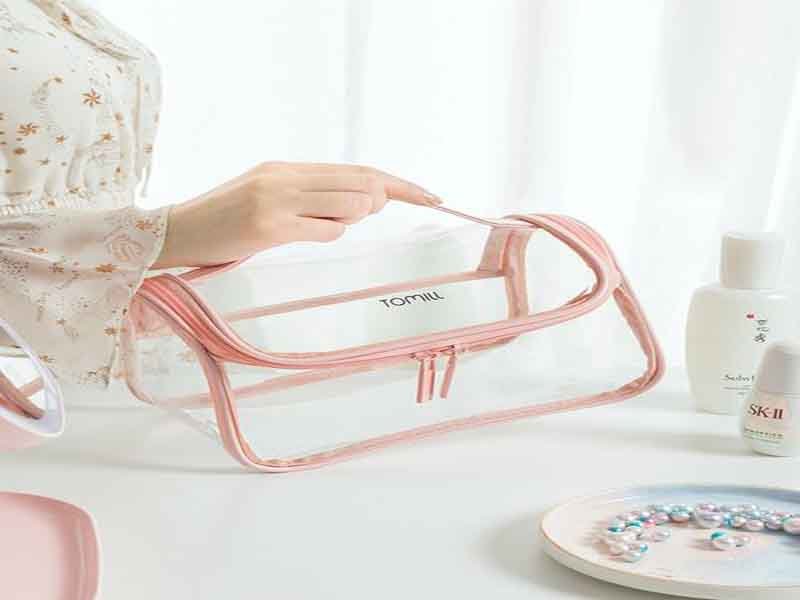
Can't find the answers?
No worries, please contact us and we will answer all the questions you have during the whole process of bag customization.
Make A Sample First?
If you have your own artwork, logo design files, or just an idea,please provide details about your project requirements, including preferred fabric, color, and customization options,we’re excited to assist you in bringing your bespoke bag designs to life through our sample production process.