 Skip to content
Materials Used in Sling Bag Manufacturing

A sling bag can look beautifully finished on a product page and still become disappointing after a month of real use. The front panel may crease around the zipper. The strap may slowly slip through the adjuster. The lining may tear where a power bank rubs against it. A rain-resistant coating may begin to peel along a folded edge. These problems rarely come from choosing the “wrong fabric” in a simple sense. They usually come from combining materials that do not suit the load, construction method, carrying environment, or expected service life.
Sling bags are commonly made from nylon, polyester, Oxford fabric, canvas, cotton blends, leather, laminated technical textiles, or combinations of these materials. The outer shell provides appearance, abrasion resistance, and weather protection. The lining protects contents and hides construction. Foam controls impact and shape. Webbing carries the load. Reinforcement spreads stress around the strap anchors. Zippers and buckles determine access and security. Coatings or laminates add resistance to rain, stains, and surface wear.
The best sling bag material is therefore not one textile with the highest denier or the most technical name. It is a coordinated material system selected around the bag’s size, expected load, target price, visual direction, weather exposure, manufacturing process, and user routine. A lightweight 2-liter city sling, an 8-liter camera sling, a military utility pouch, and a medical field carrier should not use the same material package simply because all four are worn across the body.
A useful material decision answers five questions. What will the bag carry? Where will it be used? How long will it be worn? What kind of wear or weather will it face? What appearance and price position must it achieve? Once those answers are clear, fiber type, denier, weave, coating, backing, lining, foam, trim, and test requirements can be selected with far less guesswork.
Imagine two sling bags made from fabric labeled “600D waterproof polyester.” One feels firm but flexible, holds its shape, resists rain, and still looks clean after months of commuting. The other feels plasticky, develops white fold marks, leaks around the zipper seam, and starts peeling inside. The label is identical. The yarn, weave density, coating formulation, coating weight, adhesion, sewing control, and component compatibility are not. That gap between a material name and actual performance is where serious sling bag development begins.
What Are Sling Bags Made Of?
Sling bags are made from a layered combination of shell fabric, lining, padding, reinforcement, webbing, thread, zippers, buckles, and branding materials. Nylon and polyester dominate performance and everyday styles, while canvas, cotton, leather, neoprene, mesh, and laminated textiles serve specific visual or functional needs. Each material should be assigned to the part of the bag where its properties are most useful.
The shell receives rain, sunlight, abrasion, folding, and contact with clothing or surrounding surfaces. It needs enough tensile and tear strength for the pattern, enough abrasion resistance for the use, and enough stability to support the intended shape.
The lining faces a different set of demands. It must resist scratching, puncture, staining, and friction from the objects carried inside. It may need a lighter color for visibility, a smooth finish for electronics, or a wipe-clean surface for medical and travel applications.
Padding controls impact and comfort. Closed-cell foam is often used where moisture resistance and controlled structure matter. Softer foam may be selected for the shoulder strap, while firmer foam supports a tablet or camera compartment.
Webbing and reinforcement carry the mechanical load. A strong shell fabric cannot prevent failure if a narrow strap tab tears away from an inadequately reinforced seam.
A complete material bill for a 4-liter commuter sling might contain more than twenty individual materials and components:
Main shell fabric
Secondary abrasion panel
Water-resistant backing or laminate
Lining fabric
Device-pocket lining
Back-panel foam
Shoulder-pad foam
Internal reinforcement sheet
Strap webbing
Binding tape
Elastic tape
Main zipper
Pocket zipper
Zipper pullers
Buckle
Strap adjuster
Thread
Seam tape
Logo material
Woven label
Care label
Hook-and-loop tape
Packaging materials
The performance of the finished sling depends on how these pieces interact. A bag should be treated as an engineered assembly rather than a shell fabric with accessories added later.
What Makes a Good Sling Bag Material?
A good sling bag material provides the required balance of strength, abrasion resistance, weight, flexibility, appearance, weather protection, manufacturability, and cost. It should survive the intended use without becoming unnecessarily heavy or difficult to sew.
Strength is often discussed first, but different forms of strength matter.
Tensile strength describes how much pulling force a material can withstand before breaking.
Tear strength reflects how well the fabric resists the growth of an existing cut or puncture.
Seam strength evaluates how the material behaves after it has been stitched.
Abrasion resistance measures how well the surface survives rubbing.
Puncture resistance matters when keys, tools, chargers, or sharp hardware press against the fabric.
Coating adhesion determines whether a waterproof or protective layer remains bonded to the textile.
Flex resistance shows whether a coating or laminate can bend repeatedly without cracking or separating.
A material can perform strongly in one area and poorly in another. A thick, rigid coated polyester may resist surface abrasion but crack at a sharp fold. A fine high-tenacity nylon may be light and tear-resistant but need reinforcement around a narrow strap anchor. A waxed canvas may age attractively but transfer wax or color onto clothing if the finish is not controlled.
Weight is another essential factor. A body-worn bag remains in contact with the shoulder and torso for long periods. Heavy materials reduce the amount of comfortable carrying capacity available to the user.
Suppose a 4-liter sling weighs 850 grams before anything is placed inside. Add a phone, power bank, wallet, keys, small bottle, and camera, and the total can exceed 2 kilograms. At that point, strap geometry and padding become more important, and the product may feel closer to a compact equipment carrier than an everyday sling.
A lighter shell is not automatically less durable. High-tenacity yarns, dense weaving, ripstop structures, and targeted reinforcement can produce better strength-to-weight performance than simply increasing thickness everywhere.
The following table shows the main qualities that should be reviewed when selecting a shell material.
| Material Property | What It Influences | Questions to Ask Before Approval |
|---|---|---|
| Fiber type | Strength, moisture behavior, dyeing, feel | Is nylon, polyester, cotton, or a blend more suitable? |
| Yarn denier | Thickness and potential fabric structure | Is the yarn size appropriate for the bag scale? |
| Weave density | Abrasion, stability, water penetration | Is the fabric tightly woven or visually open? |
| Fabric weight | Carry comfort and body | Does the weight support the shape without excess bulk? |
| Tear strength | Resistance around cuts and stitch holes | Will loaded seams enlarge or tear? |
| Abrasion resistance | Surface life | Which panels will contact clothing, seats, or ground? |
| Coating or laminate | Water and stain protection | Is the barrier flexible and well bonded? |
| Colorfastness | Appearance and clothing safety | Will dark fabric rub color onto light garments? |
| Flexibility | Comfort and sewing behavior | Will the material curve around the body cleanly? |
| Surface texture | Style and maintenance | Will it hide scuffs or collect dirt? |
| Heat sensitivity | Logo and seam processing | Can the material tolerate transfer printing or seam tape? |
| Chemical compliance | Market access and user safety | Are the finish, coating, and dyes suitable for the target market? |
Material appearance should be judged on a full sewn sample, not only a small swatch. A swatch lies flat and carries no tension. Once cut into curved panels, backed with foam, folded into seam allowances, and pulled around a zipper, it can look completely different.
A matte laminated fabric may show stress whitening along tight corners. A soft nylon may collapse without interlining. A stiff polyester can create puckering around a curved zipper. A large Oxford weave may look rugged on a backpack but visually oversized on a small 1.5-liter sling.
A good material also works with the intended manufacturing process. Seam tape must bond to the coating. Welding requires compatible thermoplastic layers. Screen-printing ink must adhere to the surface finish. Heat-transfer logos must not damage the laminate. Needles must pass through the textile without creating unacceptable holes or yarn damage.
For that reason, material approval should include process trials rather than relying exclusively on a supplier’s technical sheet.
Which Parts Need Different Materials?
Different parts of a sling bag need different materials because they experience different loads, contact, movement, and moisture. Using one heavy shell fabric throughout the product may simplify purchasing, but it rarely produces the best balance of durability, comfort, and weight.
The front panel mainly controls visual identity and weather exposure. It may use a smooth, printable fabric with a refined finish.
The bottom and lower corners receive more abrasion. They may need a heavier denier, stronger weave, double layer, or abrasion-resistant coating.
The back panel contacts clothing and skin. It should resist color transfer, manage moisture, remain comfortable, and avoid rough textures that damage garments.
The strap carries the complete load. It requires webbing with controlled elongation, a compatible adjuster, and reinforcement that distributes force into the bag body.
The lining protects the contents. It may be lighter than the shell but should resist tearing and internal abrasion.
The device sleeve needs smooth lining, padding, and a raised or suspended base.
The quick-access pocket needs a material that tolerates repeated hand contact and zipper movement.
A practical material map for a commuter sling might look like this:
| Bag Area | Suitable Material Direction | Main Reason |
|---|---|---|
| Main front shell | 300D–500D nylon or polyester | Balance of appearance, structure, and weight |
| Bottom panel | 500D–900D reinforced fabric | Greater abrasion exposure |
| Body-side panel | Smooth nylon, polyester, or coated textile | Comfort and reduced clothing damage |
| Main lining | 150D–210D polyester or nylon | Low weight and sufficient organization strength |
| Device pocket | Soft tricot, brushed lining, or fine woven fabric | Scratch reduction |
| Back padding | Closed-cell or structured foam | Comfort and shape retention |
| Strap padding | Resilient foam with soft surface fabric | Pressure distribution |
| Strap webbing | Nylon or polyester webbing | Load transfer |
| Internal organizer | Lightweight woven, mesh, or elastic | Controlled storage |
| Reinforcement | High-tenacity fabric, polymer sheet, or layered webbing | Stress distribution |
| Wet-item pocket | Coated or laminated fabric | Moisture separation |
| Logo zone | Heat-transfer-compatible or printable surface | Branding without damaging barrier |
Hybrid material construction can also improve visual design. A technical nylon body may be combined with a smooth TPU-coated base. Canvas can be paired with leather details. Recycled polyester can form the main shell while virgin high-tenacity reinforcement is used only at critical load points. Neoprene may be used inside a device pocket rather than across the entire exterior.
The decision should be functional rather than decorative alone. Adding a leather patch over a waterproof panel creates stitch holes unless it is bonded. Adding mesh to the back can improve airflow but may hold water and collect lint. Adding metal hardware increases perceived value but also adds weight and creates abrasion points.
Material transitions must be engineered carefully. When a soft fabric meets a rigid panel, stress concentrates near the seam. When a thick bottom fabric joins a thin body fabric, feed differences can cause puckering. When coated material is sewn to absorbent binding, water can travel through the binding even when the shell itself remains dry.
A well-planned sling assigns materials according to risk. It does not spread maximum reinforcement everywhere.
How Does Material Affect Bag Performance?
Material affects almost every part of sling bag performance: carrying weight, shape retention, abrasion life, weather resistance, access, comfort, cleaning, branding, and manufacturing consistency.
A lightweight nylon sling usually conforms more easily to the body. A thick 900D polyester structure feels more rigid and utility-oriented. Canvas creates a natural, textured appearance but absorbs more moisture unless treated. Laminated textiles provide stronger rain protection but can feel less breathable and show folding marks. Leather offers a premium surface but adds weight and requires different stitching, reinforcement, and care.
Shape is strongly influenced by fabric stiffness. A soft fabric works for crescent-shaped fashion slings that are intended to drape. It may be unsuitable for a camera sling that needs a stable rectangular compartment.
Structure can be added with foam, nonwoven interlining, polymer sheets, or laminated backing, but every added layer increases weight and sewing complexity.
The following comparison illustrates how material choices change the character of a similar-sized bag.
| Material System | Empty Weight Tendency | Shape | Weather Protection | Visual Direction | Common Use |
|---|---|---|---|---|---|
| Lightweight ripstop nylon | Low | Soft to semi-structured | Moderate with coating | Technical and active | Packable or sport sling |
| 420D high-tenacity nylon | Moderate | Balanced | Good with coating or laminate | Premium technical | Commuter and cycling |
| 600D polyester Oxford | Moderate to high | Structured | Good with PU backing | Utility and promotional | Everyday, work, travel |
| Heavy ballistic nylon | High | Firm | Depends on finish | Rugged and equipment-led | Tactical and camera |
| Cotton canvas | Moderate to high | Natural and firm | Limited without treatment | Casual and heritage | Lifestyle and retail |
| Waxed canvas | High | Firm with character | Good against light rain | Heritage and outdoor | Travel and fashion |
| TPU-laminated fabric | Moderate | Technical and controlled | High potential | Modern and waterproof | Cycling and weatherproof |
| Leather | High | Structured or soft by grade | Variable | Premium and classic | Fashion and executive |
| Neoprene | Moderate | Soft and cushioned | Material resists water absorption | Sport and protective | Device or active sling |
Material selection also affects zipper operation. A stiff shell may hold the zipper track in a stable curve. A soft shell can collapse around the slider, making one-handed operation harder. A very thick coating can increase seam bulk at zipper corners.
Comfort depends partly on the surface against the body. Rough ballistic fabric may abrade delicate clothing. A sticky rubberized finish can grip the body but trap heat. Smooth nylon slides easily when the bag rotates from back to chest. Spacer mesh allows airflow but can feel coarse and retain moisture.
Sound is another performance factor. Some coated fabrics make a crisp or crackling sound when folded. Others are quiet and soft. A bag for office commuting or wildlife observation may need quieter materials than a fashion or promotional product.
Cleaning also changes with the textile. Smooth laminates can be wiped quickly. Deep Oxford textures hold dust in the weave. Canvas can stain and may change color when scrubbed. Light linings reveal dirt but make contents easy to find.
Branding options depend on the surface. Polyester supports detailed printing well. Nylon may require ink and pretreatment adjustments. TPU films work with selected heat transfers and welded patches. Silicone-coated fabrics can be difficult to print or bond. Canvas accepts screen printing and embroidery but may not hold fine photographic detail as cleanly as a smooth synthetic surface.
A material should therefore be judged against the complete user experience, not a single laboratory value.
Are All Sling Fabrics Waterproof?
No. Most sling fabrics are not inherently waterproof. Nylon, polyester, canvas, cotton, and Oxford textiles are woven or knitted structures with spaces between the yarns. Water resistance usually comes from a coating, laminate, surface treatment, or sealed construction added to the base fabric.
The fiber and weave affect how a fabric behaves in wet conditions, but they do not automatically make the finished sling waterproof.
Polyester fibers absorb relatively little moisture and dry quickly, yet water can still pass between yarns.
Nylon can provide excellent strength and abrasion resistance, but untreated woven nylon allows water penetration.
Canvas absorbs moisture unless it receives wax, acrylic, PU, or another treatment.
Oxford describes a weave or commercial fabric construction, not a waterproof guarantee.
A durable water-repellent surface finish helps droplets bead and roll away. It slows wetting but does not create a complete barrier. A PU coating applied to the reverse side provides stronger resistance to water moving through the fabric. A TPU or PVC film can create a more continuous barrier. Seam sealing, zipper protection, and panel design are still required if the finished bag needs more than basic rain resistance.
| Protection Method | Primary Function | Main Limitation |
|---|---|---|
| Water-repellent face finish | Encourages droplets to bead | Wears with use and does not seal seams |
| PU coating | Adds a flexible water barrier | Quality and hydrolysis resistance vary |
| TPU lamination | Creates a strong flexible barrier | Higher cost and process control |
| PVC coating | Provides robust water and wipe-clean performance | Greater weight and stiffness |
| Acrylic coating | Adds structure and surface protection | May offer less flexibility |
| Wax treatment | Improves canvas rain resistance | Requires maintenance and can transfer |
| Silicone coating | Produces flexible water resistance | Difficult to bond and seam tape |
| Seam tape | Covers stitch holes | Must match coating chemistry |
| Welding | Joins compatible layers without ordinary stitch holes | Requires suitable materials and equipment |
Even a fabric that resists high water pressure does not prove that the finished bag is waterproof. Water may enter through the zipper, seam holes, logo embroidery, strap anchors, piping, or bottom corners.
A more accurate product description separates the material claim from the finished-bag claim:
“Made with water-resistant PU-coated polyester” describes the fabric.
“Designed to resist light to moderate rain” describes the intended bag use.
“Finished bag tested under a defined rain method” describes validated product performance.
“Suitable for immersion” requires a much stronger closure and testing system.
This distinction helps avoid unrealistic expectations and supports more precise development.
Which Synthetic Fabrics Work Best?
Nylon and polyester are the most practical synthetic fabrics for sling bags. Nylon generally offers an excellent strength-to-weight ratio, strong abrasion performance, and a premium technical hand. Polyester provides good dimensional stability, broad color and printing options, lower moisture absorption, and competitive cost. Oxford, ripstop, ballistic, and branded performance fabrics describe constructions that can be made from one or both fibers.
The best synthetic fabric depends on the application. A lightweight running sling may use 210D ripstop nylon. A commuter sling may use 420D laminated nylon or 300D polyester. A promotional model may use 600D PU-coated polyester. A camera or utility sling may use 500D high-tenacity nylon with a reinforced bottom.
Fiber identity alone is not enough to specify the material. A useful specification also identifies denier, weave, fabric weight, coating, color, surface treatment, test expectations, and intended application.
Is Nylon Better for Sling Bags?
Nylon is often better for technical, premium, lightweight, or abrasion-intensive sling bags. It can provide high strength at a relatively low weight and develops a smooth, flexible hand that conforms well to the body. It is not automatically superior to polyester, because grade, yarn quality, weave, finish, and cost still determine actual performance.
Common nylon variants used in bags include nylon 6, nylon 6,6, high-tenacity nylon, ripstop nylon, ballistic nylon, and branded performance constructions.
High-tenacity yarns are engineered for stronger mechanical performance than ordinary textile yarns. They are useful where the bag must resist tearing and repeated abrasion without becoming excessively heavy.
Nylon 6,6 is widely associated with technical and military-style fabrics because it can deliver strong abrasion and tensile properties. It is commonly used in ballistic and CORDURA-type constructions.
Nylon 6 is also used extensively and can produce strong, flexible bag textiles. Supplier capability and actual test performance matter more than selecting a fiber label in isolation.
Nylon has several practical advantages:
Strong strength-to-weight performance
Good abrasion resistance in suitable constructions
Flexible and comfortable hand
Suitable for dense weaves and ripstop structures
Premium technical appearance
Good performance in curved and body-fitting patterns
Availability in coated and laminated systems
It also has limitations:
It can absorb more moisture than polyester fiber.
Some nylon shades are more difficult to control.
Ultraviolet exposure can affect certain grades.
Printing may require more process control.
Premium high-tenacity constructions may cost more.
The fabric can shrink or distort under excessive heat during transfer or sealing processes.
A nylon sling should be evaluated for colorfastness, especially in dark colors that contact light clothing. Wet rubbing matters because the back panel may be exposed to rain and sweat.
The material’s smooth surface can be an advantage for rotating the bag across the body. However, an extremely smooth back panel may allow unwanted movement during cycling. Strap and stabilizer design should compensate.
| Nylon Construction | Typical Character | Suitable Sling Application |
|---|---|---|
| 70D–150D nylon | Very light and packable | Linings, ultralight pockets, secondary panels |
| 210D ripstop nylon | Lightweight with tear-control grid | Sport, travel, packable sling |
| 300D nylon | Refined and moderately structured | Urban and fashion-technical sling |
| 420D high-tenacity nylon | Strong balance of weight and durability | Commuter, travel, cycling |
| 500D nylon | Rugged and structured | Tactical, camera, utility |
| 840D ballistic nylon | Dense and abrasion-oriented | Heavy-duty panels and equipment bags |
| 1000D nylon | Heavy and highly structured | Tactical or industrial applications |
| Laminated nylon | Strong weather barrier | Waterproof and technical models |
A denier range does not guarantee performance. A dense 210D high-tenacity nylon may outperform a loosely woven ordinary 420D material in tear strength. A quality 420D fabric may provide enough durability for most everyday slings without the bulk of 1000D.
For body-worn bags, heavier is not always better. A 1000D shell can create unnecessary stiffness, thick seam intersections, and greater empty weight. It may be valuable at the bottom or strap wings while a lighter fabric is used across the main body.
Nylon also accepts different weave structures.
Plain weave creates a smooth, balanced surface.
Ripstop incorporates thicker reinforcement yarns in a grid.
Basket weave uses grouped yarns for a more pronounced structure.
Dobby weaving creates geometric or textured patterns.
Ballistic constructions use dense basket weaves and high-tenacity yarns for abrasion and tear resistance.
The weave changes both performance and appearance. A large ripstop grid signals outdoor use. A fine dobby can look more urban. A smooth plain weave is easier to print but may show scuffs differently.
How Does Polyester Perform?
Polyester performs very well in everyday, promotional, travel, fashion, and work-oriented sling bags. It offers good dimensional stability, low moisture absorption, broad color availability, excellent print compatibility, and strong cost control. With dense weaving and a suitable coating, polyester can provide dependable durability and rain resistance.
Polyester is frequently used in 210D, 300D, 420D, 600D, 900D, and heavier Oxford-style fabrics. It is widely available from fabric mills, making it easier to source custom colors, different textures, and multiple coating levels.
One of polyester’s major advantages is dimensional stability. It tends to retain shape well and absorbs relatively little moisture. This helps coated polyester fabrics dry quickly and reduces changes caused by wet weather.
Polyester is also a strong choice for printed designs. Sublimation and other printing methods can produce detailed patterns, depending on the fabric construction and finish. This makes it suitable for branded fashion, promotional collections, team products, children’s bags, and visually complex designs.
Its strengths include:
Good color consistency
Low moisture absorption
Strong resistance to stretching in normal wet conditions
Broad global availability
Competitive material cost
Excellent printing potential
Wide range of textures and deniers
Compatibility with common PU and PVC coatings
Its potential limitations include:
Ordinary polyester may provide lower abrasion performance than high-tenacity nylon at comparable weight.
Low-quality 600D fabrics can have loose weaves and weak coatings.
Heavy polyester Oxford can feel stiff on a small sling.
Coating quality varies widely.
Low-cost materials may show poor colorfastness or surface pilling.
Polyester should not be dismissed as an inferior material. A well-engineered high-density polyester can perform better than a poorly woven nylon fabric. The decision should follow test results and product requirements.
The following table compares nylon and polyester in typical sling development.
| Factor | Nylon | Polyester |
|---|---|---|
| Strength-to-weight | Often excellent | Good to very good |
| Abrasion potential | Strong in high-tenacity grades | Good in dense quality constructions |
| Moisture absorption | Higher than polyester | Low |
| Drying behavior | Good with proper finish | Generally fast |
| Dimensional stability | Good | Very good |
| Printing | Possible with process control | Often excellent |
| Color availability | Broad | Very broad |
| Technical appearance | Strong | Broad from casual to technical |
| Cost | Often higher in premium grades | Usually easier to control |
| UV behavior | Depends on grade and finish | Often favorable for outdoor color retention |
| Hand feel | Smooth and flexible | Can range from soft to firm |
| Common use | Premium technical and active slings | Everyday, travel, promotional, fashion |
For a mass-market commuter sling, 300D or 600D polyester may offer the right balance of price, structure, and weather resistance. For a premium lightweight cycling sling, laminated high-tenacity nylon may be more suitable.
Polyester also works well for linings. A 150D or 210D polyester lining is light, smooth, color-stable, and economical. It can be coated for easier cleaning or printed with custom branding.
A development team should pay particular attention to inexpensive polyester fabrics described only as “600D Oxford.” The term does not reveal weave density, yarn strength, total fabric weight, coating level, or abrasion result. Two fabrics with the same description can differ dramatically.
A stronger specification includes:
Fiber composition
Yarn denier
Fabric construction
Finished weight in grams per square meter
Coating type and side
Coating weight or performance target
Color standard
Tear and tensile targets
Abrasion method
Water-resistance method
Colorfastness requirements
Restricted-substance requirements
What Is Oxford Fabric?
Oxford fabric is a woven construction recognized by its textured basket-like appearance. In the bag industry, the term is commonly used for polyester or nylon fabrics in multiple deniers, often with PU, PVC, acrylic, or other backing. Oxford is not a fiber and does not automatically describe quality or waterproof performance.
The same phrase may refer to very different materials:
210D polyester Oxford lining
300D melange polyester Oxford
420D nylon Oxford
600D PU-coated polyester Oxford
900D heavy utility Oxford
1680D polyester ballistic-style Oxford
The word should therefore be followed by a complete construction description.
Oxford fabrics are popular because they can provide:
Visible texture
Good shape and structure
Broad denier options
Easy color development
Compatibility with coatings
Competitive manufacturing cost
Suitability for printing and branding
Reliable sewing behavior
The weave can help hide minor scratches and dirt better than a completely smooth surface. This makes Oxford suitable for work, school, travel, promotional, and everyday products.
However, a coarse weave can appear oversized on a very small sling. It can also trap dust in the surface texture. If the weave is loose, yarns may shift around stitch lines and reduce seam performance.
Oxford fabric quality should be judged by looking at the face and the backing.
On the face, inspect:
Yarn uniformity
Weave density
Color consistency
Broken yarns
Snags
Surface pilling
Skew or distortion
Print quality
On the reverse, inspect:
Coating continuity
Pinholes
Blisters
Peeling
Uneven thickness
White stress marks
Odor
Stickiness
Adhesion near folds
A coating can make a low-density fabric appear solid from the back. When the coating cracks, the open weave becomes a direct water route. Dense weaving provides a stronger foundation.
Oxford fabric also varies in hand. A light PU backing creates softness. A heavier PU, PVC, or acrylic layer increases stiffness. A laminated construction can produce stronger weather protection but may affect seam bulk.
| Oxford Type | General Character | Common Application |
|---|---|---|
| 210D polyester Oxford | Light and flexible | Lining, drawstring sections, small pockets |
| 300D polyester Oxford | Refined and printable | Urban, fashion, promotional slings |
| 420D nylon Oxford | Strong and balanced | Travel and technical models |
| 600D polyester Oxford | Structured and economical | Everyday and work slings |
| 900D polyester Oxford | Rugged and firm | Tool, tactical, and utility bags |
| 1680D polyester construction | Heavy and highly textured | Luggage and reinforced zones |
Using 1680D material throughout a small sling may create more disadvantages than benefits. Thick fabric increases seam bulk, limits curvature, and adds weight. It may work better on the bottom, side wings, or external abrasion panels.
Oxford is valuable because it is versatile, not because every version is equally strong.
Is CORDURA Worth the Cost?
CORDURA-branded fabrics can be worth the cost when the product needs verified high-tenacity constructions, stronger abrasion and tear performance, technical credibility, or access to a recognized material story. The value is greatest when durability is central to the sling’s positioning and the selected fabric technology matches the actual use.
CORDURA is not one single fabric. The brand includes multiple technologies, deniers, fibers, weaves, meshes, lightweight textiles, ballistic structures, and recycled options. A product specification should identify the exact fabric article rather than simply requesting “CORDURA.”
Ballistic CORDURA constructions use dense basket weaves and high-tenacity nylon 6,6 yarns. They suit high-abrasion zones, luggage, tactical equipment, motorcycle products, and rugged bags.
Lightweight CORDURA constructions use finer high-tenacity yarns and can support day packs, messenger bags, pouches, and technical slings where strength-to-weight matters.
Mesh variants can be used for ventilation, reinforcement, or structured airflow areas.
Recycled CORDURA options may support durability and material-traceability goals.
The cost question should be considered from several angles.
Material purchase price is higher than generic fabrics in many cases.
Minimum order requirements may affect small custom color programs.
Authorized sourcing and documentation require supply-chain control.
Testing and brand-label requirements may add administration.
The material can strengthen product positioning and retail explanation.
Greater durability may reduce complaints or premature replacement.
The recognizable name can support technical credibility.
A branded fabric is not automatically necessary for every sling. A promotional event bag with a short use cycle may not justify it. A premium camera or motorcycle sling may benefit significantly.
| Product Position | Is Branded High-Performance Fabric Valuable? | Reason |
|---|---|---|
| Budget promotional sling | Usually limited value | Cost and appearance may matter more |
| Daily commuter sling | Potentially | Useful for durability-focused positioning |
| Premium travel sling | Often | Supports long-term use and material story |
| Camera sling | Often | Equipment protection raises performance expectations |
| Cycling sling | Often | Abrasion, weather, and weight matter |
| Tactical sling | Strong value | Rugged performance is central |
| Fashion sling | Depends on concept | Material branding may or may not support aesthetics |
| Limited-edition collaboration | Potentially strong | Recognizable fabric can become part of the story |
The critical point is to avoid paying for a material name while using weak construction elsewhere. A premium shell paired with a low-quality zipper, thin lining, slipping webbing, or poorly reinforced strap anchor will not create a premium bag.
The complete product should be developed to a comparable level.
Which Denier Should You Choose?
Choose denier according to bag size, load, abrasion exposure, desired structure, and material quality. For most everyday slings, 300D to 600D provides a useful balance. Lightweight 70D to 210D fabrics suit packable products and linings, while 840D to 1000D or heavier materials are better reserved for rugged models and high-wear zones.
Denier measures yarn linear density. One denier equals one gram per 9,000 meters of yarn. It indicates yarn size, not finished fabric strength.
A higher denier often creates a thicker, heavier-looking fabric, but performance also depends on yarn type, weave density, fabric weight, and finish. A high-tenacity 210D nylon can provide excellent tear resistance. A loosely woven generic 600D polyester may perform less impressively.
Denier should be reviewed alongside grams per square meter. Two 420D fabrics can have different finished weights because of weave density and coating weight.
| Denier Range | Typical Use | Advantages | Limitations |
|---|---|---|---|
| 70D–150D | Linings and ultralight shells | Very low weight | Limited abrasion resistance |
| 210D | Light slings, lining, ripstop panels | Flexible and packable | Needs reinforcement at stress points |
| 300D | Urban and printed slings | Refined appearance | May need structural backing |
| 420D | Premium everyday and technical slings | Strong balance of weight and durability | Higher cost than basic polyester |
| 500D | Tactical and camera slings | Rugged without extreme bulk | Can be firm on small designs |
| 600D | Everyday, work, and promotional slings | Structured and widely available | Quality variation is substantial |
| 840D–900D | Utility and abrasion panels | Strong body and rugged appearance | Increased weight and seam bulk |
| 1000D | Tactical and industrial products | High durability potential | Often excessive for everyday carry |
| 1680D | Luggage and reinforced zones | Heavy abrasion-oriented construction | Very bulky for compact slings |
A 2-liter sling generally does not need the same fabric as a 10-liter camera carrier. Scaling matters. Thick yarns and large weave patterns consume visual and physical space.
A balanced 3–5 liter commuter design might use:
300D or 420D main shell
500D or 600D bottom panel
150D or 210D lining
Higher-strength reinforcement at anchors
30–40 mm strap webbing
Closed-cell foam in the back and device sleeve
This combination keeps the bag light while reinforcing actual wear zones.
A rugged 6–8 liter camera sling might use:
500D high-tenacity nylon shell
840D bottom or side abrasion panels
210D coated lining
High-density foam dividers
Wider reinforced webbing
Larger water-resistant zipper
Stronger internal anchor structure
The correct denier should be confirmed through a finished sample and loading test. Fabric that appears too soft on the roll may become appropriately structured after lamination and foam. Fabric that feels premium as a swatch may become too stiff after multiple seam layers meet around a small zipper corner.
Material development is strongest when denier becomes one measured input rather than the entire buying decision.
Are Natural Materials Suitable?
Natural materials are suitable for sling bags when appearance, tactile quality, breathability, aging character, and lifestyle positioning matter more than minimum weight or maximum weather resistance. Cotton canvas, cotton blends, linen blends, and leather can create distinctive products, but they require more careful control of shrinkage, colorfastness, moisture behavior, reinforcement, and surface treatment than many synthetic fabrics.
A natural material should not be selected simply because it feels more premium or environmentally responsible. Its full construction, treatment, expected life, maintenance requirements, and manufacturing yield must be considered. Heavy untreated canvas may use natural fiber, yet its higher weight, water absorption, and drying requirements may not suit a technical commuter sling. A lighter cotton-recycled polyester blend may provide a more balanced result. Leather may last for years, but poor cutting yield or unsuitable finishing can make production waste and maintenance concerns more significant.
Natural textiles also behave less uniformly than highly controlled synthetic fabrics. Fiber length, yarn twist, fabric tension, washing, dyeing, and finishing influence the final hand and dimensions. Two canvas fabrics with the same ounce weight can differ noticeably in stiffness, weave density, surface hairiness, and shrinkage.
For sling bag manufacturing, natural materials work best when the design acknowledges their character instead of forcing them to behave like coated nylon.
| Natural Material | Main Strength | Main Limitation | Suitable Sling Direction |
|---|---|---|---|
| Cotton canvas | Strong texture and familiar feel | Absorbs water and can shrink | Lifestyle, promotional, heritage |
| Cotton-polyester canvas | Better stability than pure cotton | Less purely natural character | Everyday and branded retail |
| Waxed canvas | Improved rain resistance and patina | Heavier and requires care | Outdoor, travel, heritage |
| Linen blend | Distinctive texture and breathable feel | Wrinkles and lower abrasion potential | Fashion and seasonal collections |
| Full-grain leather | Long life and premium aging | High cost, weight, and variation | Luxury and executive slings |
| Top-grain leather | Refined surface and consistency | Finishing may reduce natural character | Premium urban products |
| Suede or nubuck | Soft tactile surface | Staining and water sensitivity | Fashion-focused bags |
| Cork textile | Lightweight natural appearance | Limited structural and abrasion range | Accent panels and lifestyle products |
Natural material sling bags often benefit from hybrid construction. Canvas can form the visible shell while polyester lining improves cleanability. Leather can reinforce the handle or zipper pull while a synthetic shell controls weight. Linen can be laminated to a stable backing. Cork may work as a decorative panel rather than a load-bearing strap anchor.
Is Cotton Strong Enough?
Cotton can be strong enough for everyday sling bags when it is woven densely, selected at the correct weight, and reinforced at high-load areas. It performs well for casual, retail, promotional, and heritage designs, but untreated cotton is less suitable for prolonged rain, severe abrasion, or very lightweight technical products.
Cotton strength depends on more than fiber content. Yarn count, yarn twist, weave structure, fabric weight, finishing, and seam design determine whether the material can hold the expected load.
A lightweight cotton fabric used for apparel is usually too soft and open for the main shell of a structured sling. A tightly woven drill, duck canvas, or heavy plain weave provides greater dimensional stability and tear resistance.
Cotton sling materials may be described in ounces per square yard or grams per square meter. Common ranges include:
| Fabric Weight | General Character | Suitable Application |
|---|---|---|
| 4–6 oz | Light and flexible | Lining, decorative layer, soft pouch |
| 7–9 oz | Medium-light | Fashion sling with backing |
| 10–12 oz | Balanced canvas weight | Everyday lifestyle sling |
| 13–16 oz | Heavy and structured | Rugged canvas or work-style bag |
| Above 16 oz | Very heavy | Reinforced panels or highly structured products |
These ranges are approximate because finishing changes the actual behavior. A 10 oz canvas with resin treatment may feel firmer than an untreated 12 oz fabric.
Cotton has several practical strengths:
It provides a familiar, natural hand.
It accepts screen printing, embroidery, pigment dyeing, garment washing, and decorative finishing.
It develops character with use.
It works well with leather, metal, wood, and natural-looking trims.
It can support vintage, outdoor, workwear, and minimalist design language.
Its limitations should be considered early:
It absorbs moisture.
It dries more slowly than polyester.
It may shrink after washing or wetting.
Dark colors can transfer during wet rubbing.
The surface can become fuzzy through abrasion.
Untreated yarns may swell when wet.
Mildew and odor can develop if the bag is stored damp.
The fabric can crease or lose structure.
Cotton shrinkage is particularly important. If shell panels, lining, webbing, and reinforcement shrink at different rates, the bag can distort after wet exposure. Pre-shrinking, washing, sanforizing, or resin finishing can improve dimensional stability.
A factory should measure shrinkage in both warp and weft directions. Even a few percentage points can affect zipper installation and panel alignment. A 300 mm panel that shrinks by 3% loses 9 mm, which is enough to create puckering or mismatch with a synthetic lining.
Cotton seam strength also deserves attention. Dense canvas can be strong, but repeated needle penetrations close together may cut yarns and create a perforation line. Needle size, stitch length, thread size, seam allowance, and reinforcement must be balanced.
Strap anchors should not rely on a narrow bartack through one layer of cotton canvas. A broad internal reinforcement patch, folded webbing, or layered construction distributes force more effectively.
Cotton is especially suitable when the visual story matters. Washed canvas can create a soft, broken-in appearance. Pigment-dyed fabric can develop controlled fading. Enzyme washing can reduce surface hair and stiffness. Sanding produces a softer touch. These processes also affect strength, color, and dimensions, so the finished material must be tested rather than assuming the base fabric result remains unchanged.
How Does Canvas Perform?
Canvas performs well in sling bags that need structure, texture, printability, and a natural or rugged appearance. Dense cotton canvas can withstand normal commuting and travel, while blended or coated canvas improves dimensional stability and weather resistance. Its main disadvantages are weight, water absorption, slow drying, and possible shrinkage.
Canvas is defined more by its dense plain-weave construction than by one fiber. It may be made from cotton, polyester, recycled polyester, hemp, blends, or other yarns.
Common canvas constructions include:
Cotton duck canvas with a tightly packed smooth surface
Numbered duck canvas for heavy-duty applications
Washed canvas for a softer lifestyle appearance
Waxed canvas for water repellency and patina
Poly-cotton canvas for improved stability
Polyester canvas for a natural look with synthetic performance
Recycled cotton canvas for sustainability-led collections
The word “canvas” alone is not a complete specification. Product developers should confirm fiber composition, weight, weave density, finish, shrinkage, colorfastness, and water treatment.
Canvas often gives a sling bag more visual substance than lightweight nylon. It pairs naturally with antique metal hardware, leather tabs, cotton webbing, and woven branding. It also accepts large printed logos and artwork well.
A canvas shell can be combined with a polyester lining to prevent loose fibers from contacting electronics. Internal binding protects cut edges and reduces fraying. A thin backing or interlining may be added when the washed canvas is too soft to hold the intended shape.
| Canvas Type | Performance Character | Best Use |
|---|---|---|
| Untreated cotton canvas | Natural, breathable, absorbent | Indoor and fair-weather lifestyle |
| Water-repellent canvas | Better light-rain performance | Daily urban use |
| Waxed canvas | Strong surface water repellency | Heritage travel and outdoor |
| PU-backed canvas | Improved barrier and structure | Commuter and work bags |
| Cotton-poly canvas | Better dimensional stability | Everyday retail collections |
| Polyester canvas | Canvas appearance with low absorption | Promotional and travel products |
| Recycled cotton blend | Natural sustainability story | Lifestyle and casual brands |
Waxed canvas deserves special attention. Wax fills some spaces in the weave and helps water bead on the surface. The material develops marks, folds, and color variation through use. Many users see this patina as part of the appeal.
Waxed canvas is not maintenance-free. Heat can soften the wax. Cold can make the fabric stiffer. Surface wax may transfer onto clothing or furniture if the formulation and application are poorly controlled. Reproofing may be needed after extended use.
PU-backed canvas provides a more modern alternative. The visible face retains a woven look while the back coating improves water resistance. Seam holes and openings still remain vulnerable. The coating may also make the material less breathable and more difficult to wash.
Canvas abrasion behavior is complex. A heavy canvas may resist tearing well, but the raised cotton fibers can fuzz or polish under repeated rubbing. The appearance changes gradually. A technical nylon might maintain a cleaner surface longer, while canvas may age in a more visible but acceptable way.
For fashion and heritage products, controlled aging can add value. For medical, uniform, or premium minimalist products, surface fuzz and fading may be viewed as defects.
Cleaning instructions should reflect the finish. Machine washing can remove wax, shrink cotton, distort foam, damage coating, and alter color. Spot cleaning is usually safer.
Are Linen Sling Bags Durable?
Linen sling bags can be durable enough for light everyday use when the linen is blended, tightly woven, backed, and reinforced. Pure lightweight linen is usually too soft, crease-prone, and abrasion-sensitive for a heavily loaded sling bag. Linen works best in fashion, summer, resort, and lifestyle products where texture and appearance are more important than rugged performance.
Linen comes from flax fiber and is valued for its dry hand, visible slubs, breathability, and natural appearance. It can create a sophisticated surface that feels different from cotton canvas.
The same irregular texture that makes linen attractive can create manufacturing challenges. Yarn thickness varies. The weave may shift. Fine yarns can fray around cut edges. Creasing becomes visible quickly. Color may appear different from lot to lot.
A linen sling bag often uses one of the following structures:
Linen-cotton blend for softness and natural texture
Linen-polyester blend for dimensional stability
Linen-viscose blend for drape and appearance
Linen face laminated to a synthetic backing
Linen-look polyester for easier manufacturing
Heavy linen canvas for structured fashion products
Blending linen with polyester can improve wrinkle recovery, abrasion performance, and consistency. A synthetic backing can help the fabric maintain shape and support seams.
Pure linen may work for a soft crescent sling that carries light items. It is less appropriate for a camera sling or tool carrier.
| Linen Construction | Main Benefit | Main Concern |
|---|---|---|
| Pure light linen | Premium natural texture | Low structure and high wrinkling |
| Heavy linen canvas | Stronger body | Higher cost and weight |
| Linen-cotton blend | Softer natural hand | Still absorbs moisture |
| Linen-polyester blend | Better stability | Reduced natural-fiber content |
| Backed linen | Improved shape and seam support | Added layers and cost |
| Linen-look polyester | Consistent and printable | Not genuine linen |
Linen can be treated with water repellents, stain-resistant finishes, resin systems, or coatings. Every treatment changes the original hand. A strong coating may defeat the reason for choosing linen by making it stiff or synthetic-feeling.
A subtler approach uses a water-repellent face finish and accepts that the bag is intended for fair-weather use. The product description should communicate this honestly.
The lining should be selected carefully. A rough or loosely woven linen back can abrade devices and shed fiber. A smooth polyester or cotton-poly lining protects contents.
Leather or synthetic reinforcements can strengthen zipper ends and strap anchors. These accents also complement linen visually.
Linen performs best when the bag is not overengineered. Simple panel shapes, broad seams, moderate loading, and minimal external pockets preserve the material’s visual quality.
Is Leather a Practical Choice?
Leather is practical for premium, fashion, executive, and long-life sling bags when the added weight, material variation, cost, and care requirements fit the product position. It offers high perceived value, strong aging character, and excellent resistance to ordinary wear, but it requires specialized cutting, skiving, edge finishing, reinforcement, and quality control.
Leather is not one uniform material. Performance changes according to animal source, hide section, tanning, grain correction, thickness, temper, finish, and backing.
Common leather categories include:
Full-grain leather, which retains the natural grain
Top-grain leather, which is sanded or corrected for consistency
Corrected-grain leather with surface finishing
Split leather, made from lower layers of the hide
Suede, with a soft napped surface
Nubuck, with a lightly sanded grain surface
Vegetable-tanned leather
Chrome-tanned leather
PU-coated split leather
Bonded leather made from leather fibers and binders
A product described only as “genuine leather” provides very little useful information. Thickness, temper, finish, and grade should be defined.
Full-grain leather can age beautifully and develop patina. It may show scars, grain variation, and color differences. These are natural characteristics, but the acceptable level must be agreed between factory and customer.
Top-grain leather provides a more controlled surface and can suit modern urban slings. Corrected finishes allow consistent color and resistance to stains, though heavy coating can make the leather feel less natural.
Leather sling bags are often heavier than textile models. The strap, zipper, lining, reinforcement, and hardware add further mass. A compact leather sling may still feel comfortable, but the capacity should remain controlled.
Leather does not always need heavy padding because the material itself provides structure. However, it may stretch around loaded zones. Reinforcement is needed behind strap attachments and zipper ends.
| Leather Feature | Development Benefit | Manufacturing Concern |
|---|---|---|
| Natural grain | Unique premium appearance | Variation and cutting selection |
| High abrasion life | Suitable for long-term use | Surface scratches remain visible |
| Edge finishing | Clean luxury appearance | Labor-intensive painting and polishing |
| Moldability | Supports structured forms | Requires controlled moisture and shaping |
| Patina | Improves character over time | Uneven aging may concern some users |
| Thickness | Adds strength and body | Increases seam bulk |
| Surface finish | Improves stain resistance | Can crack or look artificial |
| Natural variation | Distinctive product character | Lower cutting yield |
Leather cutting yield is lower than roll-fabric yield because hides have irregular shapes and natural defects. Panels must be placed around scars, holes, loose grain, and thickness variation. Large clean front panels consume premium areas of the hide.
Skiving reduces thickness around folded edges and seam intersections. Without skiving, a small sling can develop bulky zipper corners and uneven edges.
Edge finishing may involve folded edges, turned seams, binding, burnishing, or several layers of edge paint. Edge paint quality strongly affects the premium appearance. Poor adhesion can lead to cracking or peeling.
Leather is naturally somewhat resistant to brief moisture, especially when finished, but it is not automatically waterproof. Water can stain vegetable-tanned leather, darken suede, and affect adhesives or edge paint. A leather sling should generally be described as suitable for light exposure unless the complete product has been developed and tested differently.
Hybrid leather-textile construction is often practical. Leather can be used on:
Front accent panels
Zipper pullers
Strap tabs
Bottom reinforcement
Logo patches
Handle wraps
Binding details
A nylon or polyester main body keeps the weight lower while leather provides a premium touch.
Synthetic leather can provide more consistent color, lower cost, and easier cutting. Its quality varies significantly. PU synthetic leather is usually softer and lighter than PVC leather. Microfiber leather can provide strong durability and a refined feel. Low-grade synthetic leather may peel at folds or become sticky with age.
The choice between natural and synthetic leather should consider product life, maintenance, price, target market, and actual test data rather than relying on a simple premium-versus-budget assumption.
Which Technical Materials Add Protection?
Technical materials add protection by combining woven or knitted textiles with coatings, films, foams, reinforcement layers, or composite structures. TPU-laminated nylon, PU-coated polyester, PVC-coated Oxford, neoprene, X-Pac-type laminates, and other composites can improve water resistance, puncture control, shape retention, impact protection, and abrasion life.
A technical material should solve a specific problem. Lamination may improve waterproofing but reduce softness. Foam may protect electronics but increase heat and bulk. A composite sailcloth-style fabric may provide excellent dimensional stability but crease visibly. Neoprene may cushion a phone but feel too warm as a full back panel.
The most expensive or advanced material is not always the best choice. It must match the bag scale, sewing or welding process, target price, and user routine.
Technical protection can be separated into several functions:
A water barrier prevents liquid from crossing the shell.
An abrasion layer protects the surface.
A reinforcement grid limits tearing.
A structural layer controls stretch and shape.
A foam layer absorbs impact.
A reflective layer improves visibility.
An antimicrobial or easy-clean treatment supports hygiene.
A flame-resistant or chemical-resistant finish may serve specialized use.
| Technical Material | Main Protection | Main Trade-Off |
|---|---|---|
| TPU laminate | Strong flexible water barrier | Higher material and processing cost |
| PU coating | Everyday water resistance | Aging quality varies |
| PVC coating | Heavy-duty water and wipe-clean surface | Weight and stiffness |
| Neoprene | Cushioning and low water absorption | Heat, thickness, and odor control |
| Composite laminate | Low stretch and strong structure | Creasing and specialized sewing |
| Ripstop grid | Limits tear growth | Does not guarantee abrasion or waterproofing |
| Ballistic weave | High abrasion and tear resistance | Weight and coarse appearance |
| Seam tape | Covers stitch holes | Adhesion compatibility is critical |
| Reflective film | Visibility | Surface abrasion and styling limits |
What Is TPU-Laminated Fabric?
TPU-laminated fabric is a textile bonded to a thermoplastic polyurethane film. The textile provides mechanical strength and surface appearance, while the TPU layer creates a continuous water barrier and can support seam taping, heat bonding, or welding.
TPU is popular for waterproof sling bags because it can remain flexible while providing a strong barrier. It is available in clear, colored, matte, glossy, and textured forms.
The base textile may be nylon, polyester, mesh, knitted fabric, or another construction. The final performance depends on both layers and the lamination bond.
A two-layer fabric uses a textile face with exposed TPU on the back. It is relatively light and suitable for seam sealing. The internal film needs protection from sharp objects.
A three-layer structure adds a backing textile. It feels more finished and protects the film but adds weight and cost.
A face-laminated textile places the TPU surface outside. It becomes easy to wipe and visually technical. Scratches and fold marks may be more obvious.
TPU-laminated fabric offers several benefits:
Strong resistance to water penetration
Good flexibility in appropriate grades
Compatibility with heat sealing and welding
Broad surface options
Lower plasticized feel than many heavy PVC systems
Suitable strength-to-weight balance
Potential for transparent or translucent products
Useful adhesion surface for selected tapes and patches
Potential concerns include:
Delamination
Film puncture
Stress whitening
Heat distortion
Surface scratching
Blocking during storage
Inconsistent bonding
Limited compatibility with some inks and adhesives
Odor or chemical concerns in low-quality materials
The laminate should be tested after folding, abrasion, and environmental aging. A high initial water-resistance result is not sufficient if the film cracks after repeated bending.
| TPU Laminate Test | What It Evaluates |
|---|---|
| Peel strength | Bond between textile and film |
| Hydrostatic resistance | Ability to block water pressure |
| Flex test | Resistance to repeated bending |
| Abrasion test | Surface and film durability |
| Heat aging | Stability in warm storage |
| Humidity aging | Bond and film performance in damp climates |
| Cold fold | Flexibility in low temperature |
| Welding trial | Process compatibility |
| Seam-tape trial | Adhesive compatibility |
| Logo application trial | Heat and surface response |
TPU-laminated fabrics are particularly suitable for commuter, cycling, camera, marine, medical, and outdoor slings. They may be unnecessary for a soft casual fashion bag used mainly indoors.
The film thickness should match the product. A very thick TPU layer adds structure and protection but makes small panels stiff. A thin film reduces weight but may puncture more easily.
How Do PU and PVC Coatings Differ?
PU and PVC coatings both improve water resistance and structure, but they differ in weight, flexibility, hand, aging behavior, process requirements, and environmental considerations. PU is generally lighter and more flexible, making it common for everyday and technical sling bags. PVC is usually heavier, more rigid, and highly wipeable, making it useful for industrial, promotional, medical, marine, and transparent products.
PU coating can be applied lightly to preserve softness or heavily for stronger barrier performance. It may be clear, white, silver, colored, or pigmented.
PVC coating creates a more substantial plastic layer. It can provide a bold glossy or matte surface and strong resistance to ordinary water exposure.
| Property | PU Coating | PVC Coating |
|---|---|---|
| Weight | Usually lighter | Usually heavier |
| Flexibility | Generally high | Depends on formulation; often firmer |
| Hand feel | Softer and more textile-like | More plastic-like |
| Water barrier | Good to very good | Very good |
| Welding potential | Depends on formulation | Commonly suitable for HF welding |
| Cold behavior | Grade-dependent | Can stiffen in cold |
| Heat behavior | Can soften or age | Plasticizer migration may occur |
| Aging concern | Hydrolysis and peeling | Cracking, migration, and stiffness |
| Transparency | Limited in ordinary coatings | Strong transparent options |
| Wipe cleaning | Good | Very good |
| Common use | Everyday, travel, technical bags | Medical, marine, promotional, heavy-duty |
PU hydrolysis is a key concern. Some polyurethane coatings break down under heat and humidity. The surface may become tacky, powdery, or flaky. Higher-quality formulations and proper testing reduce this risk.
PVC uses plasticizers to achieve flexibility. Over time, low-quality formulations may harden, become sticky, or transfer substances to nearby materials. Restricted-substance requirements should be confirmed for the target market.
PVC-coated fabric can be appropriate for wipe-clean medical or industrial slings. It may also be used for transparent stadium bags or promotional products. For a lightweight everyday carry sling, its weight and hand may be less suitable.
Coating weight changes performance. Two PU-coated fabrics can have very different barrier and stiffness levels. A thin coating may only support light splash resistance. A heavy coating may create a near-continuous barrier but increase cracking risk around folds.
Coating adhesion must be tested after sewing. Needle penetration, seam folding, and turning can stress the surface. Some coatings peel near cut edges or show white marks around stitch lines.
The choice between PU and PVC should follow the product’s actual requirements rather than assuming one is universally better.
Is Neoprene Good for Sling Bags?
Neoprene is good for sling bags when cushioning, flexibility, water resistance, body comfort, and a sport-oriented appearance are important. It works especially well for phone slings, bottle carriers, camera inserts, device sleeves, fitness bags, and protective internal panels. It is less suitable for large load-bearing structures unless combined with woven reinforcement.
Neoprene is a synthetic rubber foam usually laminated with polyester, nylon, or another textile. The foam contains closed or semi-closed cells that provide cushioning and reduce water absorption.
Common thicknesses include:
1 mm for thin sleeves and laminated details
2 mm for light cushioning
3 mm for phone, bottle, and device protection
4–5 mm for stronger impact control
Above 5 mm for specialized protective products
Thicker neoprene is not automatically better. It adds bulk, heat, and sewing difficulty.
Neoprene provides:
Soft impact protection
Flexible body conformity
Low water absorption in suitable grades
Comfort against the body
Good recovery
Suitability for die cutting and bonding
Sport and outdoor styling
Printable or laminated surfaces
Its limitations include:
Higher bulk than woven fabric
Limited structural load capacity
Heat retention
Potential odor
Compression over time
Edge exposure
Challenging seam bulk
Possible delamination between foam and face textile
Neoprene sling bags often use bound seams or flatlock-style construction. Raw edges can also be used in selected designs, but exposed foam may abrade or look unfinished.
The face fabric controls much of the appearance and durability. Fine polyester jersey creates a smooth printable surface. Nylon jersey feels softer. Sharkskin or textured laminations improve grip. Embossing can create a distinctive pattern.
| Neoprene Use | Recommended Direction | Main Concern |
|---|---|---|
| Phone sling | 2–3 mm soft neoprene | Strap-anchor reinforcement |
| Bottle sling | 3–5 mm neoprene | Condensation and bottom support |
| Camera insert | 3–5 mm with woven lining | Shape stability |
| Shoulder pad | 2–4 mm with durable face | Compression and sweat |
| Device sleeve | 2–3 mm smooth lining | Heat buildup |
| Full sling body | Laminated neoprene plus reinforcement | Stretch and sagging |
| Medical carrier insert | Closed-cell easy-clean grade | Chemical compatibility |
A full neoprene sling needs a load-bearing structure. Strap anchors should connect to internal webbing or woven reinforcement rather than pulling directly against foam.
Neoprene also requires odor control. Raw foam, adhesive, and lamination processes can create noticeable smell. Material aging and ventilation before packing should be considered.
For medical or sports products, cleaning and skin-contact requirements may be relevant. The surface must tolerate the intended cleaning method.
Neoprene is valuable when used where its cushioning matters. Using it across every panel may increase cost and bulk without improving the complete bag.
What Are X-Pac and Composite Fabrics?
X-Pac and similar composite fabrics are multi-layer materials engineered for low stretch, high strength, controlled structure, and weather resistance. They often combine a woven face, reinforcement fibers, waterproof film, and backing layer. They are suitable for premium technical, cycling, outdoor, and travel slings.
X-Pac is a recognized family of laminates originally connected with sailcloth technology. The market also contains other composite laminates with similar visual or structural concepts.
A composite may include:
Outer woven face for abrasion resistance
Diagonal reinforcement yarns for tear control
Polyester film for water resistance and dimensional stability
Inner backing for protection and sewing
The distinctive X-grid is visible in some constructions, while others use a subtler structure.
Composite fabrics provide:
Low stretch under load
Strong dimensional stability
Good water-barrier potential
Technical visual identity
Strong strength-to-weight performance
Limited bag sagging
Clean panel shapes
They also create challenges:
Visible creasing
Needle holes remain after sewing
Edges may delaminate if poorly handled
Tight curves can be difficult
The material may feel noisy
Some constructions are expensive
Color and article availability may be limited
Small minimum quantities may be difficult
| Composite Feature | User Benefit | Development Concern |
|---|---|---|
| Low stretch | Bag holds shape under load | Reduced body conformity |
| Film barrier | Strong rain resistance | Stitch holes need sealing |
| Reinforcement grid | Limits deformation and tearing | Grid affects visual style |
| Lightweight structure | Lower empty weight | Can feel crisp or noisy |
| Multi-layer construction | Integrated performance | Delamination risk |
| Technical branding | Premium outdoor identity | May not suit fashion markets |
Composite materials work well with simplified panel design. A large clean front panel shows the material structure and reduces seam count. Excessive small pockets and curved seams increase sewing difficulty.
Needle selection and stitch length are important. Very short stitches can create a perforation line in film-backed material. Binding and seam finishing should avoid delamination.
Some composite fabrics cannot be welded easily because the layers contain different chemistries. Seam tape compatibility should be tested rather than assumed.
For a technical sling, composite fabric may be used on the main shell while softer nylon forms the body-side panel. This balances structure with comfort.
Which Materials Resist Water Best?
TPU-laminated and PVC-coated fabrics generally provide the strongest continuous water barriers among common sling bag materials. High-quality PU-coated nylon or polyester also performs well for everyday rain. Composite laminates can provide strong water resistance, while treated canvas and ordinary coated Oxford are better suited to lighter exposure unless the entire construction is sealed.
The “best” material depends on the exposure:
Light drizzle requires a water-repellent surface and sensible zipper design.
Daily commuting rain benefits from a coated or laminated shell with protected seams.
Cycling in heavy rain may require TPU lamination, seam tape, and water-resistant zippers.
Marine or severe exposure may require welded construction and specialized closures.
A waterproof fabric is only one part of the system.
| Material System | Water Barrier Potential | Flexibility | Weight | Best Application |
|---|---|---|---|---|
| Untreated cotton | Low | High | Moderate | Fair-weather lifestyle |
| Water-repellent canvas | Low to moderate | Moderate | High | Light rain and heritage |
| PU-coated polyester | Moderate to high | Good | Moderate | Commuter and travel |
| PU-coated nylon | Moderate to high | Very good | Low to moderate | Technical everyday use |
| TPU-laminated nylon | High | Very good | Moderate | Cycling and premium weatherproof |
| TPU-laminated polyester | High | Good | Moderate | Structured weatherproof bags |
| PVC-coated polyester | High | Moderate | High | Medical, marine, promotional |
| Composite laminate | High | Moderate | Low to moderate | Outdoor and cycling |
| Neoprene | Material resists absorption | High | Moderate | Protective sleeves and sport bags |
| Waxed canvas | Moderate | Moderate | High | Heritage travel |
Water can still enter through:
Stitch holes
Zipper coils
Slider gaps
Zipper ends
Embroidery
Woven labels
Strap bartacks
Binding
Piping
Drain openings
Panel corners
A material decision should therefore be followed by a construction decision.
For a commuter bag, a 420D PU-coated nylon shell may provide enough protection at a reasonable cost. For a stronger technical product, TPU lamination and seam tape may be justified. For a fully welded dry-style sling, every material and component must be compatible with welding.
Water resistance should be retested after processing. Heat transfer, embossing, sewing, folding, and abrasion can reduce barrier performance.
A credible specification may include:
Fiber and denier
Finished fabric weight
Coating or laminate type
Initial water-resistance target
Performance after flexing
Coating adhesion
Seam-sealing compatibility
Zipper protection level
Finished-bag test method
Care limitations
Material selection becomes far more reliable when protection is described as a complete system instead of a single “waterproof fabric” label.
Good reinforcement is rarely visible to the user, yet it is one of the clearest differences between a sling that lasts and one that fails at the strap after a few months.
Hardware slippage
Permanent deformation
Seam opening
Reinforcement movement
Coating cracking
Needle-hole growth
Fabric elongation
Thread breakage
The sample should be inspected for:
Testing should use both static and dynamic loads. Static hanging confirms basic capacity. Repeated jerking, swinging, and loaded drops reveal fatigue and edge tearing.
Reinforcement must also avoid internal damage. A stiff plastic patch behind a soft laminated shell can rub against the coating. A softer transition layer or rounded edge helps.
A hidden load path is often the cleanest solution. The strap appears to connect at a small side wing, while an internal webbing structure carries the force across a much wider section.
For waterproof bags, dense stitching creates leakage risk. The reinforcement can be placed inside a seam that will be taped, or the exterior attachment can be welded.
Bartack pattern should match the load direction. A horizontal bartack may resist one pull direction but concentrate stress under twisting. Box-and-cross stitching distributes force across a larger area.
The patch should extend beyond the stitch pattern by enough distance to spread the force. A reinforcement only slightly larger than the bartack provides limited benefit.
The reinforcement shape matters. Rounded corners reduce stress concentration. A square patch with sharp corners can create tear initiation points.
| Reinforcement Material | Main Advantage | Main Concern |
|---|---|---|
| Extra shell layer | Compatible appearance and flexibility | May not add enough stiffness |
| High-tenacity woven patch | Strong and thin | Edge must be controlled |
| Webbing continuation | Excellent load transfer | Adds internal bulk |
| HDPE sheet | Strong load distribution | Rigid edges may abrade |
| PP board | Economical structure | Can crack or create hard corners |
| EVA sheet | Flexible support | Limited tensile strength |
| Leather patch | Strong and premium | Weight, thickness, and moisture |
| TPU reinforcement film | Supports welded construction | Material compatibility required |
| Composite reinforcement | Strong at low weight | Higher cost |
A strap anchor should connect to more than the outer panel. An internal patch can extend across the side or back structure. Webbing can continue inside the bag to form a load path.
Load-bearing internal dividers
Device sleeve attachment points
Large pocket openings
Bottom corners
Zipper ends
Buckle tabs
Grab handles
Upper and lower strap anchors
The most important reinforcement zones are:
Broad internal reinforcement patches, layered high-tenacity fabric, webbing load paths, polymer sheets, and well-designed seam allowances prevent tearing more effectively than simply adding dense bartacks. Reinforcement should spread force beyond the immediate stitch line and avoid creating a rigid edge that damages the surrounding shell.
Which Reinforcements Prevent Tearing?
Thread color matching influences quality perception. A slightly different black or gray becomes visible against smooth laminated materials. Contrast stitching should be intentional and consistent.
For weather-resistant bags, thread itself may wick moisture through seams. Seam tape or sealing is more reliable than expecting special thread alone to prevent leakage.
Thread tension should be balanced between top and bobbin. Excessive tension puckers the panel and can damage the material. Low tension creates loose loops and poor seam formation.
The optimum depends on fabric strength, coating, seam type, and load.
Long stitches reduce penetration count but may not control the seam adequately.
Very short stitches provide dense appearance but create more holes.
Stitch length affects seam performance.
Needles should be replaced on a controlled schedule. A damaged needle can create skipped stitches, cut yarns, enlarge holes, and mark laminated surfaces.
A cutting point may work for leather but damage woven textile yarns. A round point passes between yarns more appropriately for many fabrics.
Needle selection is equally important. Coated nylon, thick canvas, leather, and laminated composites require different needle points and sizes.
Thread size should match the visual and structural role. Fine thread suits lining and small organizer pockets. Medium thread suits general shell seams. Heavy thread works for leather, webbing, and visible topstitching.
| Thread Type | Main Benefit | Suitable Area |
|---|---|---|
| Bonded polyester | UV and moisture stability | Shell seams and outdoor bags |
| Bonded nylon | High strength and elasticity | Heavy-duty and leather construction |
| Core-spun polyester | Balanced strength and sewability | General sling assembly |
| Spun polyester | Soft appearance and economy | Linings and light pockets |
| Textured polyester | Soft seam and coverage | Overlock and selected internal seams |
| Heavy decorative thread | Visible premium stitch | Leather and heritage details |
Bonded threads have a coating that reduces fraying and improves sewing through heavy materials. They are common in bags, luggage, outdoor equipment, and leather goods.
Monofilament for specialized applications
Textured thread
Spun polyester
Core-spun
Bonded filament
Continuous filament
Thread construction may be:
A stronger thread does not automatically produce a stronger seam. If the thread is much stronger than the fabric, the fabric may tear around the stitch line. If the needle is too large, it creates oversized holes. If stitches are too dense, the seam can behave like a perforated tear line.
Thread affects seam strength, flexibility, abrasion resistance, appearance, and water leakage. Bonded polyester and bonded nylon threads are common in sling bag manufacturing. Polyester provides strong moisture, UV, and chemical stability, while nylon offers high strength and elasticity. Thread size, stitch density, needle size, and material compatibility must be selected together.
How Do Threads Affect Seam Strength?
Webbing retention
Corrosion where relevant
Drop testing
Heat exposure
Low-temperature impact
Wet operation
Accidental-release resistance
Repeated opening cycles
Twisted load
Straight tensile load
A complete buckle test should evaluate:
Buckle size should match the webbing and load. A large buckle on a small 2-liter sling feels heavy and uncomfortable. A miniature buckle on an 8-liter camera sling may be difficult to operate and visually weak.
Metal surfaces can rub against coated fabric and create scratches. A protective webbing tab or fabric garage can separate the component from the shell.
Plastic buckles perform well in rain and generally do not corrode. Metal hardware needs appropriate plating or base material for humid and coastal environments.
Metal G-hooks and hook buckles create a clean technical appearance. They may detach if the webbing becomes slack or twists. Retention geometry must match the strap direction.
The design must be tested against sideways force, twisting, impact, and contamination. Sand or debris can affect some mechanisms.
Magnetic-mechanical buckles use magnets to guide closure while a mechanical structure carries the load. They create a premium experience and fast operation. The buckle should not rely on magnetic force alone.
A side-release plastic buckle is practical and familiar. It can be operated with one hand and replaced easily. The release arms should not protrude so far that they open accidentally.
| Buckle Material | Main Advantage | Main Limitation |
|---|---|---|
| Acetal plastic | Strong, stable, lightweight | Less premium visual feel |
| Nylon plastic | Tough and resilient | Moisture and temperature behavior vary |
| Polypropylene | Very light and economical | Lower strength and refinement |
| Aluminum alloy | Light metal appearance | Higher cost and surface wear |
| Zinc alloy | Detailed shapes and premium weight | Heavy and may break under impact |
| Stainless steel | Strong and corrosion-resistant | Expensive and heavy |
| Brass | Premium heritage appearance | High weight and cost |
| Magnetic-mechanical buckle | Fast and distinctive | Requires careful safety testing |
Metal hardware may use zinc alloy, aluminum alloy, stainless steel, brass, or steel with plating.
Polypropylene is light and economical but generally used in less demanding applications.
Nylon hardware can offer strong impact performance but may absorb some moisture and change dimension slightly.
Acetal is common because it provides dimensional stability, strength, smooth operation, and low moisture sensitivity.
Engineering plastics used in buckles may include acetal, nylon, polypropylene, and other specialized polymers.
The decision depends on application rather than a simple quality hierarchy.
Plastic buckles are generally better for lightweight, outdoor, sport, and everyday sling bags because they are light, corrosion-resistant, and available in many functional forms. Metal buckles are better when premium appearance, compact strength, or a distinctive tactile experience justifies the added weight and cost.
Are Plastic or Metal Buckles Better?
A zipper should be tested after sewing into the final curved opening. Straight component testing does not reproduce installation tension.
Cold-temperature operation
Operation after dust or sand exposure
Salt spray for metal parts
Water exposure
Abrasion of coated tape
Puller attachment strength
Chain crosswise strength
Slider pull strength
Loaded opening and closing
Repeated opening cycles
Zipper durability testing may include:
The zipper puller should be comfortable when wet or while wearing gloves. Cord pullers are lightweight. Molded TPU pullers offer grip and branding. Metal pullers create a premium appearance but add weight and can strike the shell.
Dual sliders improve access but add a meeting point where rain or dust may enter. A single slider creates a simpler closure.
Auto-lock sliders reduce accidental opening. Non-lock sliders move more freely but may creep under tension. Lockable dual sliders support travel security.
Slider quality affects long-term performance. A loose slider may fail to close the chain properly. A tight slider requires excessive force. Surface plating should resist rubbing and corrosion.
An undersized zipper may deform under overpacking. An oversized zipper can dominate the design and create bulky corners.
Larger sizes suit camera, utility, and heavily loaded slings.
Medium sizes work for most everyday main openings.
Small sizes create a refined look for internal pockets.
The zipper size should match the product.
Metal zippers provide a classic, premium appearance. They are heavier, can corrode without proper plating, and may scratch nearby materials. They suit leather and heritage products more than ultralight technical slings.
Molded zippers use individual teeth attached to the tape. They resist dirt and rough use well, but tight curves can cause operation problems.
Coil zippers follow curved shapes easily. The coil is formed from synthetic filament and sewn onto the zipper tape. Reversed construction places the coil toward the inside, creating a cleaner exterior.
| Zipper Type | Flexibility | Load Capacity | Weather Potential | Suitable Use |
|---|---|---|---|---|
| Standard coil | High | Moderate | Low | Fashion and light everyday slings |
| Reversed coil | High | Moderate | Low to moderate | Clean urban designs |
| Coated reverse coil | Good | Moderate | Moderate | Commuter and technical slings |
| Molded plastic | Moderate | High | Moderate with suitable design | Utility and rugged bags |
| Metal | Low to moderate | High | Limited | Fashion and leather slings |
| Specialized waterproof | Lower | High | High under defined conditions | Marine and severe-weather products |
Specialized waterproof zipper
Metal zipper
Molded plastic tooth zipper
PU- or TPU-coated reverse-coil zipper
Reversed coil zipper
Nylon coil zipper
Common zipper types include:
Zipper durability depends on more than brand or tooth size. A strong zipper installed with uneven tension can become wavy and difficult to operate. A small zipper forced around a thick, overpacked opening may split.
High-quality coil and molded-tooth zippers last longest when their size, tape, slider, and installation method match the bag’s load and opening geometry. Coil zippers are flexible and suitable for curved sling openings. Molded zippers offer stronger teeth and a rugged appearance but require a larger turning radius. Water-resistant zipper coatings improve weather protection but may increase operating friction.
Which Zippers Last Longer?
Color matching is another challenge. Black webbing may appear blue, brown, or green beside a true-black shell. Gloss level affects the visual match. Approval should use the complete material set under consistent lighting.
Webbing edges should remain smooth after cutting and sewing. Synthetic webbing is often heat-cut to prevent fraying. Excessive heat creates a hard sharp edge. The cut end should be folded, covered, or positioned away from skin.
The test can include a sustained load, repeated movement, wet exposure, and adjustment cycles. Marking the strap position before testing makes creep easy to measure.
The webbing should be tested with the actual adjuster. A strong webbing can still create a poor strap if it slips gradually.
| Webbing Material | Main Advantage | Main Limitation |
|---|---|---|
| Nylon | Soft, strong, premium hand | Higher moisture absorption |
| Polyester | Stable, colorfast, low absorption | Can feel firmer |
| Polypropylene | Light and economical | Lower premium appearance |
| Cotton | Natural and comfortable | Absorbs water and can stretch |
| Cotton-poly blend | Natural look with better stability | Moderate weather performance |
| Seatbelt polyester | Smooth and refined | Hardware slippage must be checked |
| Tubular nylon | Flexible and highly technical | Higher cost and specialized use |
Tubular webbing provides flexibility and can hold internal reinforcement. It is used in technical and specialized products.
Seatbelt-style webbing has a smooth, dense surface and premium appearance. It slides comfortably across clothing but may slip through an adjuster unless the hardware geometry is suitable.
Cotton webbing suits canvas and heritage bags. It feels natural but absorbs moisture, can stretch, and may transfer color. A cotton-polyester blend can improve stability.
Polypropylene webbing has low density and resists water absorption. It is suitable for budget products, marine accessories, and lightweight applications. It often has lower abrasion resistance and a more basic hand.
Polyester webbing remains stable when wet and provides good resistance to sunlight. It is widely used for travel, outdoor, uniform, and promotional bags.
Nylon webbing is valued for its soft, dense hand and high strength. It can absorb more moisture than polyester and may stretch slightly under load.
Width influences pressure distribution, but a wider strap is not automatically more comfortable. Stiff edges can press into the neck. Thick webbing may not curve naturally. A 38 mm soft webbing can feel better than a rigid 50 mm version.
| Webbing Width | Common Application |
|---|---|
| 10–15 mm | Internal key straps and small accessories |
| 20 mm | Mini phone slings |
| 25 mm | Lightweight 1–2L slings |
| 32 mm | Everyday compact slings |
| 38 mm | Commuter and travel slings |
| 50 mm | Camera and heavy-duty slings |
| Above 50 mm | Specialized load-bearing systems |
Common widths range from 15 mm for small accessory straps to 50 mm or more for larger technical slings.
Compatibility with hardware
Abrasion resistance
Water absorption
UV resistance
Colorfastness
Edge softness
Surface friction
Elongation
Tensile strength
Weave density
Thickness
Width
The main webbing properties include:
The strap is one of the highest-load components in a sling bag. Webbing quality affects comfort, appearance, adjustment, and security.
Polyester and nylon webbing are the most common strap materials used in sling bags. Polyester webbing provides good dimensional stability, low moisture absorption, and strong color consistency. Nylon webbing offers a softer hand, excellent strength, and a premium technical feel. Polypropylene webbing is lighter and less expensive but often feels less refined.
What Webbing Is Used for Straps?
Hardware choice should reflect the target market. A minimalist fashion sling may use concealed plastic components. A technical cycling sling may use large glove-friendly pullers and a stabilizer buckle. A luxury sling may use custom metal hardware, but the added weight and surface protection must be managed.
| Trim or Hardware | Main Function | Main Failure Risk |
|---|---|---|
| Strap webbing | Carries load | Stretch, fraying, slipping |
| Main zipper | Controls access | Jamming, splitting, leakage |
| Buckle | Releases or connects strap | Accidental opening or breakage |
| Adjuster | Controls strap length | Creep under load |
| Thread | Holds construction | Breakage, abrasion, UV damage |
| Binding | Covers raw edges | Fraying and moisture wicking |
| Elastic | Retains contents | Loss of recovery |
| Zipper puller | Improves grip | Detachment or surface wear |
| Reinforcement | Distributes force | Edge tearing or delamination |
| Rivet or snap | Adds mechanical attachment | Corrosion or fabric damage |
A common quality problem is spending heavily on the visible shell while using generic trims chosen only by price. Users operate the zipper and strap every day. Hardware failures are noticed more quickly than many textile differences.
Trims should be selected as a system. Webbing must match the adjuster. Zipper size must match the opening radius and expected load. Buckle strength must match the filled bag weight. Thread and needle must suit the material thickness. Reinforcement must spread force without damaging the waterproof barrier.
The most important sling bag trims and hardware are the strap webbing, zippers, buckles, adjusters, thread, binding, elastic, reinforcement, and pullers. These components control access, load transfer, adjustment, security, and daily handling. A strong shell cannot make up for a slipping strap, weak buckle, rough zipper, or poorly reinforced anchor.
6. Which Trims and Hardware Matter?
The interior should then be inspected for marks, lint, pressure points, and transferred color.
A scratch-prevention test should use representative objects. A polished plastic panel, glass plate, leather sample, or actual device case can be placed in the pocket and subjected to repeated movement.
Seam allowances should face away from the contents or be covered with binding. A rough cut edge of coated fabric can create scratches even when the main lining is soft.
The device pocket should not contain an exposed zipper slider. If a zipper is required, a fabric guard can separate the hardware from the device.
Tricot is a reliable option because it is smooth, thin, and stable. It can be laminated over foam to create a clean protective sleeve.
Fleece feels soft but can shed lint. It may be unsuitable for camera lenses or equipment with fine openings.
Microfiber creates a premium feel and can clean light fingerprints from a surface. It can also collect dust, which may become abrasive if not maintained.
| Protective Material | Surface Character | Suitable Item |
|---|---|---|
| Tricot | Smooth and fine | Phones and tablets |
| Microfiber | Very soft | Eyewear and polished devices |
| Brushed polyester | Soft with light cushioning | General electronics |
| Fleece | Soft and warm | Non-optical equipment |
| Fine nylon | Smooth and durable | Device sleeves |
| Neoprene laminate | Cushioned | Phones and cameras |
| Soft PU coating | Smooth and wipeable | Medical devices |
| Loop fabric | Soft and divider-compatible | Camera compartments |
Low-lint lining for optics
Padding between dense objects
Pocket openings away from screens
Controlled hardware placement
No exposed reinforcement edges
Covered zipper seams
Soft device sleeves
Separate key storage
Scratch prevention should include:
A soft lining will not protect a screen if a metal key is pressed against it.
Scratches usually come from contact between hard objects rather than from the main lining alone. Keys touch a phone. A zipper pull rests against a tablet. A charger corner rubs against sunglasses. Material selection should be combined with separation.
Soft tricot, microfiber, brushed polyester, fine nylon, and smooth coated linings are commonly used to prevent scratches inside sling bags. The correct material should remain low-lint, colorfast, and durable under repeated contact. Padding and pocket geometry are just as important as the surface textile.
Which Materials Prevent Scratches?
Back-panel mesh must also resist wet color transfer. Sweat, rain, and pressure create demanding conditions.
Spacer mesh is not automatically comfortable. Coarse yarns can rub clothing, trap dust, and absorb moisture. The surface should be evaluated against light knitwear, shirts, and skin.
Spacer mesh is often used on the body side for ventilation. It contains two surface layers separated by vertical yarns. The structure creates airflow channels and cushioning.
Mesh abrasion can also damage delicate contents. A coarse surface rubbing against sunglasses or a glossy power bank may create marks. A soft inner face is preferable for electronics.
Keys and sharp tools should not be placed directly in open mesh. Their edges can cut yarns. A woven base or reinforced lower section provides better protection.
The mesh should be tested while the bag is fully packed. An organizer may work well when empty but become compressed behind a bottle or camera.
The top elastic should hold contents without becoming difficult to use. Excessive tension makes the pocket opening narrow. Weak elastic loses recovery and allows items to fall out.
The edge construction often determines whether a mesh pocket lasts. Cut mesh can unravel or tear near the seam. Fold-over elastic, binding tape, or a turned woven edge distributes force.
| Mesh Type | Stretch | Durability | Best Use |
|---|---|---|---|
| Fine polyester mesh | Low to moderate | Good | Small organizers |
| Power mesh | High | Good with controlled load | Bottles and flexible storage |
| Warp-knit mesh | Moderate | Very good | Utility pockets |
| Spacer mesh | Low | Good under compression | Back panels and strap pads |
| Open-hole mesh | Moderate | Variable | Lightweight visible pockets |
| Elastic mesh | High | Depends on recovery | Fast-access organizers |
| Coated mesh | Low to moderate | Strong and wipeable | Medical and technical products |
Rubberized mesh adds grip and a technical appearance.
Fine tricot mesh creates a soft organizer surface.
Open-hole mesh provides visibility but can catch sharp objects.
Spacer mesh creates thickness and ventilation.
Power mesh combines stretch with recovery.
Warp-knitted mesh provides stable construction and good tear resistance.
Not all mesh is the same.
Mesh is popular because it allows the user to see contents, expands around irregular objects, reduces weight, and supports airflow. It is commonly used inside commuter, cycling, camera, medical, and travel slings.
Mesh pockets can be durable when the mesh structure, yarn quality, stretch recovery, edge binding, and attachment method match the objects stored inside. Power mesh and dense polyester mesh are suitable for chargers, cables, bottles, and small accessories. Lightweight open mesh may tear when used for keys, tools, or hard-edged devices.
Are Mesh Pockets Durable?
Structural materials should be tested after folding and packaging. A well-shaped sample can arrive with permanent creases if packed flat under pressure. Packaging plans should protect the interlining geometry.
Bottom panels may need removable or fixed base support. A firm base keeps contents level but can feel uncomfortable when the sling sits against the body. Rounded flexible foam is often better than a hard rectangular board.
Strap anchors require structural reinforcement rather than decorative stiffness. A load-spreading woven or polymer patch should extend beyond the stitch zone.
Zipper areas often need narrow reinforcement strips. Repeated pulling can stretch a soft shell and create a wavy track. A stable backing helps the zipper open smoothly.
The interlining should stop short of seam allowances where possible. Thick reinforcement inside folded seams creates bulky corners and uneven stitching.
Heat lamination must not damage waterproof coatings or create visible marks.
Edge stitching controls movement but adds seam bulk.
Loose insertion preserves material feel but may shift or buckle.
Full bonding creates a stable surface but can change the shell’s hand and make repair difficult.
Interlining can be attached through flame lamination, adhesive bonding, heat pressing, stitching, or placement inside a pocket between layers. Each method has trade-offs.
A rigid back sheet can improve load distribution. It can also stop the bag from conforming to the body. For a small sling, partial reinforcement may feel better than a full rigid panel.
Polymer sheets provide stronger structure. HDPE and PP are light and moisture-resistant, but their cut edges can be sharp. The sheet should be rounded and fully covered so it cannot wear through the lining or shell.
Nonwoven interlining is economical and easy to laminate. It can add body without obvious thickness. Low-quality nonwoven may crease, delaminate, or soften after moisture exposure.
| Structural Material | Stiffness | Flexibility | Suitable Use |
|---|---|---|---|
| Lightweight nonwoven | Low | High | Pocket stabilization and soft bags |
| Heavy nonwoven | Moderate | Moderate | Front panels and zipper zones |
| Thin EVA sheet | Moderate | Good | Semi-structured shells |
| PE foam sheet | Moderate to high | Moderate | Device and camera panels |
| HDPE sheet | High | Low to moderate | Back support and rigid bases |
| PP board | High | Low | Bottom and structured walls |
| Woven reinforcement | Moderate | High | Strap anchors and load paths |
| Foam-board composite | High | Moderate | Protective carriers |
| Thermoformed panel | High | Shape-specific | Premium technical slings |
A crescent fashion sling may need no interlining because drape is part of the design.
A camera sling may use polymer board and foam to maintain a protective box shape.
A technical nylon shell may need thin foam to create a clean front panel.
A washed canvas may need light nonwoven backing to prevent collapse.
A sling bag can be intentionally soft, semi-structured, or rigid. Interlining allows the designer to control that character without using an unnecessarily heavy shell.
Interlinings add structure by supporting soft shell fabrics, controlling panel stretch, stabilizing zipper areas, and helping the sling maintain its intended shape. Common materials include nonwoven fabric, foam laminates, HDPE sheets, polypropylene board, EVA sheets, and reinforced woven textiles.
How Do Interlinings Add Structure?
Flammability and chemical compliance may matter for medical, children’s, transportation, or military applications. The foam specification should reflect the target market.
Temperature also changes foam behavior. Some foams become firmer in cold conditions and softer in heat. A camera sling used in winter and a commuter bag stored inside a hot vehicle should not be evaluated only at room temperature.
Compression testing helps determine whether the foam will retain protection. The sample can be compressed for a defined period, released, and measured for recovery. Repeated compression gives a better indication of long-term performance than a single hand squeeze.
Foam should be wrapped or laminated cleanly, and sharp die-cut corners may need rounding.
Foam can create new risks. A rigid foam edge may rub against the backside coating of the shell. An uncovered foam corner can puncture lining. A thick panel can place excessive tension on the zipper when the bag is full.
The sleeve should also remain away from external seams and zipper ends where water is more likely to enter.
A suspended sleeve is one of the most effective protective details. The device pocket ends above the outer bag bottom, so the device does not strike the ground directly when the bag is placed down.
These ranges are design references rather than universal requirements.
A shoulder pad may use layered soft and firm foams to combine comfort with load distribution.
A back panel may use 4–8 mm shaped foam with ventilation channels.
A compact camera insert may use 5–10 mm multilayer foam depending on equipment value.
A tablet sleeve may use 3–5 mm EVA or PE foam with a suspended bottom.
A phone sleeve may use 2–3 mm EVA on the front and back.
Foam placement is more important than filling every panel.
Memory foam distributes pressure and creates a premium first impression. On a shoulder strap, it can conform around the body. It may retain heat, recover slowly in cold weather, and feel unstable under heavier loads.
PU foam provides a softer feel and can improve strap comfort. It may compress permanently under repeated load, particularly in low-density grades. It also tends to absorb more moisture than closed-cell foams.
Cross-linked PE foam is firmer and has a more closed cell structure. It provides good shape retention and low water absorption. It can feel too rigid in areas requiring body conformity, but it works well for suspended sleeves and protective bases.
EVA is widely used because it is available in many densities, colors, and thicknesses. It can be die-cut, heat-shaped, laminated, and combined with woven lining. High-density EVA supports cameras and tablets without becoming excessively thick.
| Foam Type | General Character | Water Absorption | Suitable Application |
|---|---|---|---|
| EVA foam | Resilient and structured | Low | Device sleeves, back panels, dividers |
| Cross-linked PE foam | Firm, light, and durable | Very low | Impact zones and structured panels |
| EPE foam | Light and economical | Low | Basic padding and packaging-style protection |
| PU foam | Soft and comfortable | Higher | Shoulder pads and comfort zones |
| Memory foam | Conforms to pressure | Varies | Premium shoulder pads and selected inserts |
| Neoprene foam | Flexible and cushioned | Low in suitable grades | Phone sleeves and sport products |
| Rubber foam | Dense and resilient | Low | Specialized shock and grip applications |
| Spacer mesh composite | Ventilated cushioning | Material-dependent | Body-contact back panels |
A 5 mm low-density foam can collapse more easily than a 3 mm high-density foam. Thickness alone does not describe protection.
Placement inside the bag
Lamination method
Water absorption
Temperature behavior
Compression recovery
Hardness
Thickness
Cell structure
Density
Polymer type
The performance of foam depends on:
Foam protects devices by slowing impact and separating them from the bag’s harder surfaces. It also helps the bag hold its shape and prevents a phone, tablet, camera, or power bank from pressing directly against the outer shell.
EVA and cross-linked polyethylene foams are among the most practical materials for protecting electronics in sling bags because they provide impact resistance, controlled thickness, low water absorption, and good shape recovery. Softer polyurethane foam improves comfort but may absorb more moisture and compress more quickly. The correct foam type and density are more important than simply using the thickest padding.
What Foam Protects Electronics?
The lining may account for a small portion of material cost, but it controls a large part of the user’s quality impression.
Cleaning compatibility
Restricted-substance requirements
Tear and seam-strength requirements
Abrasion target
Dry and wet rubbing requirements
Coating or finish
Color reference
Finished weight
Denier or fabric construction
Fiber composition
A useful lining specification may include:
Pocket seams should attach to the lining or internal organizer panel rather than passing through the outer waterproof shell. This protects the shell barrier and makes internal construction easier to control.
The lining pattern should follow the internal shape accurately. Excess material creates folds at the bottom. Insufficient allowance causes tension, pulls the zipper inward, and changes the outer shape.
A lining can be bonded directly to foam or used as a floating layer. Bonded lining creates a clean, stable panel but may make repairs difficult. Floating lining is flexible and hides construction, but it can sag, wrinkle, or catch on contents if cut too large.
Medical and field bags often benefit from light-colored, coated lining. A smooth surface can be wiped more easily and helps users identify contamination or spills. The selected coating must tolerate the intended cleaning solution. A material that handles mild soap may not tolerate alcohol, bleach, or stronger disinfectants.
Camera and optical equipment need low-lint materials. Loose fibers can attach to lenses and sensors. Fine tricot or controlled loop fabric is usually more appropriate than brushed fleece.
The lining’s surface friction should match the use. A very smooth lining makes it easy to insert a phone or passport. It can also allow a power bank to slide around. A brushed surface holds items more securely but collects dust and may slow access.
Colorfastness also matters when the bag stores pale leather goods or clothing accessories. Dye migration can become a costly complaint even when the lining itself remains intact.
The lining should be tested for dry and wet rubbing. A dark lining can transfer color to a white phone case, cable, notebook, or textile pouch. Wet rubbing is especially important in slings used for cycling, travel, or humid environments.
Very light colors show dirt more quickly. The final color should balance visibility with maintenance.
A contrasting lining can make a compact compartment feel larger and easier to organize. It also makes loose threads, stains, and coating fragments easier to detect during production inspection.
The main lining color affects the daily experience. Black interiors are common because they hide dirt and match dark shells, but small items disappear inside them. Gray, tan, orange, pale blue, and other lighter colors improve visibility.
| Lining Type | Main Advantage | Main Limitation | Suitable Use |
|---|---|---|---|
| Polyester taffeta | Light, smooth, economical | Can snag or tear under heavy items | Fashion and light-duty slings |
| 150D polyester | Balanced weight and durability | Limited structure | Everyday lining |
| 210D polyester Oxford | Stronger and more structured | Adds more weight | Travel and utility bags |
| 210D nylon | Smooth and technical | Often higher cost | Premium commuter and outdoor slings |
| Ripstop nylon | Tear control at low weight | Grid appearance may be visible | Technical interiors |
| Tricot | Soft and scratch-resistant | Limited structural strength | Phone and eyewear pockets |
| Microfiber | Premium soft touch | Can hold dust and cost more | Electronics and luxury products |
| Brushed polyester | Cushioned feel | May trap lint and moisture | Device sleeves |
| PU-coated polyester | Easy cleaning and moisture resistance | Can feel stiff or noisy | Medical and wet-item zones |
| PEVA or TPU film | Strong moisture separation | Limited comfort and puncture resistance | Isolated wet pockets |
The denier or thread count alone does not determine quality. Weave density, yarn strength, coating, seam allowance, and pocket construction still matter.
Common sling bag linings include 150D polyester, 190T polyester taffeta, 210D polyester Oxford, 210D nylon, ripstop lining, tricot, microfiber, brushed polyester, and light coated fabric.
A lining must do more than hide seams. It repeatedly rubs against hard objects, catches zipper teeth, supports pockets, and receives pressure from overpacking. Thin lining can fail even when it feels smooth during the first inspection.
Polyester lining is the most widely suitable choice for everyday sling bags because it is lightweight, dimensionally stable, colorfast, economical, and available in many weaves and coatings. Nylon lining offers a softer and more technical hand, while tricot, microfiber, brushed textiles, and coated fabrics are better for specific devices or cleaning requirements.
Which Lining Fabric Is Best?
Interior planning should therefore begin with a real object list. The sample should be packed with the intended phone, wallet, cable, charger, passport, bottle, camera, or medical item rather than evaluated while empty.
The best interior construction is not always the most padded or divided. Every layer uses space and adds weight. A compact 2-liter sling can lose a surprising amount of usable capacity when thick foam, double lining, bound seams, and several zippered pockets are added.
| Interior Component | Primary Function | Common Material |
|---|---|---|
| Main lining | Covers construction and protects contents | 150D–210D polyester or nylon |
| Device lining | Prevents scratches | Tricot, brushed polyester, microfiber |
| Impact padding | Protects electronics and improves comfort | EVA, PE, EPE, PU, or cross-linked foam |
| Structural interlining | Holds the bag shape | Nonwoven, HDPE, PP board, foam composite |
| Organizer pockets | Separates small items | Lining fabric, mesh, elastic, coated textile |
| Wet-item pocket | Separates moisture | TPU, PU-coated polyester, PEVA |
| Binding tape | Covers cut edges | Polyester or nylon tape |
| Reinforcement | Spreads load | High-tenacity textile, polymer sheet, webbing |
| Divider system | Controls camera or device storage | Foam laminated with loop fabric |
| Label backing | Supports branding and care information | Polyester satin, nylon, woven textile |
The interior should also work with the shell rather than against it. Hard plastic reinforcement can rub through the back of a waterproof coating. Thick foam can stretch zipper seams. Absorbent lining can carry small leaks deeper into the compartment. Dark internal fabric can make the bag difficult to use even when every pocket is technically well made.
Interior materials should be selected around the items the bag will carry. A simple phone sling needs little more than smooth lining and a soft divider. A commuter sling carrying a power bank and sunglasses needs stronger pocket material and controlled padding. A camera sling needs resilient foam, low-lint lining, removable dividers, and reinforced attachment surfaces. A medical or field sling may need coated, light-colored materials that can be wiped clean and inspected easily.
The interior may be less visible than the shell, but it often determines whether a sling feels organized, protective, and durable after months of use. A premium outer fabric cannot compensate for a lining that tears around a power bank, foam that collapses around a camera, or internal seams that expose rough coating edges.
The inside of a sling bag is usually made from lightweight polyester or nylon lining, foam padding, structural interlining, mesh, elastic, binding tape, and reinforcement materials. These internal components protect the contents, control the bag’s shape, organize small objects, and prevent hard items from damaging the outer shell from within.
What Materials Are Used Inside?
The inside of a sling bag is usually made from lightweight polyester or nylon lining, foam padding, structural interlining, mesh, elastic, binding tape, and reinforcement materials. These internal components protect the contents, control the bag’s shape, organize small objects, and prevent hard items from damaging the outer shell from within.
The interior may be less visible than the shell, but it often determines whether a sling feels organized, protective, and durable after months of use. A premium outer fabric cannot compensate for a lining that tears around a power bank, foam that collapses around a camera, or internal seams that expose rough coating edges.
Interior materials should be selected around the items the bag will carry. A simple phone sling needs little more than smooth lining and a soft divider. A commuter sling carrying a power bank and sunglasses needs stronger pocket material and controlled padding. A camera sling needs resilient foam, low-lint lining, removable dividers, and reinforced attachment surfaces. A medical or field sling may need coated, light-colored materials that can be wiped clean and inspected easily.
The interior should also work with the shell rather than against it. Hard plastic reinforcement can rub through the back of a waterproof coating. Thick foam can stretch zipper seams. Absorbent lining can carry small leaks deeper into the compartment. Dark internal fabric can make the bag difficult to use even when every pocket is technically well made.
| Interior Component | Primary Function | Common Material |
|---|---|---|
| Main lining | Covers construction and protects contents | 150D–210D polyester or nylon |
| Device lining | Prevents scratches | Tricot, brushed polyester, microfiber |
| Impact padding | Protects electronics and improves comfort | EVA, PE, EPE, PU, or cross-linked foam |
| Structural interlining | Holds the bag shape | Nonwoven, HDPE, PP board, foam composite |
| Organizer pockets | Separates small items | Lining fabric, mesh, elastic, coated textile |
| Wet-item pocket | Separates moisture | TPU, PU-coated polyester, PEVA |
| Binding tape | Covers cut edges | Polyester or nylon tape |
| Reinforcement | Spreads load | High-tenacity textile, polymer sheet, webbing |
| Divider system | Controls camera or device storage | Foam laminated with loop fabric |
| Label backing | Supports branding and care information | Polyester satin, nylon, woven textile |
The best interior construction is not always the most padded or divided. Every layer uses space and adds weight. A compact 2-liter sling can lose a surprising amount of usable capacity when thick foam, double lining, bound seams, and several zippered pockets are added.
Interior planning should therefore begin with a real object list. The sample should be packed with the intended phone, wallet, cable, charger, passport, bottle, camera, or medical item rather than evaluated while empty.
Which Lining Fabric Is Best?
Polyester lining is the most widely suitable choice for everyday sling bags because it is lightweight, dimensionally stable, colorfast, economical, and available in many weaves and coatings. Nylon lining offers a softer and more technical hand, while tricot, microfiber, brushed textiles, and coated fabrics are better for specific devices or cleaning requirements.
A lining must do more than hide seams. It repeatedly rubs against hard objects, catches zipper teeth, supports pockets, and receives pressure from overpacking. Thin lining can fail even when it feels smooth during the first inspection.
Common sling bag linings include 150D polyester, 190T polyester taffeta, 210D polyester Oxford, 210D nylon, ripstop lining, tricot, microfiber, brushed polyester, and light coated fabric.
The denier or thread count alone does not determine quality. Weave density, yarn strength, coating, seam allowance, and pocket construction still matter.
| Lining Type | Main Advantage | Main Limitation | Suitable Use |
|---|---|---|---|
| Polyester taffeta | Light, smooth, economical | Can snag or tear under heavy items | Fashion and light-duty slings |
| 150D polyester | Balanced weight and durability | Limited structure | Everyday lining |
| 210D polyester Oxford | Stronger and more structured | Adds more weight | Travel and utility bags |
| 210D nylon | Smooth and technical | Often higher cost | Premium commuter and outdoor slings |
| Ripstop nylon | Tear control at low weight | Grid appearance may be visible | Technical interiors |
| Tricot | Soft and scratch-resistant | Limited structural strength | Phone and eyewear pockets |
| Microfiber | Premium soft touch | Can hold dust and cost more | Electronics and luxury products |
| Brushed polyester | Cushioned feel | May trap lint and moisture | Device sleeves |
| PU-coated polyester | Easy cleaning and moisture resistance | Can feel stiff or noisy | Medical and wet-item zones |
| PEVA or TPU film | Strong moisture separation | Limited comfort and puncture resistance | Isolated wet pockets |
The main lining color affects the daily experience. Black interiors are common because they hide dirt and match dark shells, but small items disappear inside them. Gray, tan, orange, pale blue, and other lighter colors improve visibility.
A contrasting lining can make a compact compartment feel larger and easier to organize. It also makes loose threads, stains, and coating fragments easier to detect during production inspection.
Very light colors show dirt more quickly. The final color should balance visibility with maintenance.
The lining should be tested for dry and wet rubbing. A dark lining can transfer color to a white phone case, cable, notebook, or textile pouch. Wet rubbing is especially important in slings used for cycling, travel, or humid environments.
Colorfastness also matters when the bag stores pale leather goods or clothing accessories. Dye migration can become a costly complaint even when the lining itself remains intact.
The lining’s surface friction should match the use. A very smooth lining makes it easy to insert a phone or passport. It can also allow a power bank to slide around. A brushed surface holds items more securely but collects dust and may slow access.
Camera and optical equipment need low-lint materials. Loose fibers can attach to lenses and sensors. Fine tricot or controlled loop fabric is usually more appropriate than brushed fleece.
Medical and field bags often benefit from light-colored, coated lining. A smooth surface can be wiped more easily and helps users identify contamination or spills. The selected coating must tolerate the intended cleaning solution. A material that handles mild soap may not tolerate alcohol, bleach, or stronger disinfectants.
A lining can be bonded directly to foam or used as a floating layer. Bonded lining creates a clean, stable panel but may make repairs difficult. Floating lining is flexible and hides construction, but it can sag, wrinkle, or catch on contents if cut too large.
The lining pattern should follow the internal shape accurately. Excess material creates folds at the bottom. Insufficient allowance causes tension, pulls the zipper inward, and changes the outer shape.
Pocket seams should attach to the lining or internal organizer panel rather than passing through the outer waterproof shell. This protects the shell barrier and makes internal construction easier to control.
A useful lining specification may include:
Fiber composition
Denier or fabric construction
Finished weight
Color reference
Coating or finish
Dry and wet rubbing requirements
Abrasion target
Tear and seam-strength requirements
Restricted-substance requirements
Cleaning compatibility
The lining may account for a small portion of material cost, but it controls a large part of the user’s quality impression.
What Foam Protects Electronics?
EVA and cross-linked polyethylene foams are among the most practical materials for protecting electronics in sling bags because they provide impact resistance, controlled thickness, low water absorption, and good shape recovery. Softer polyurethane foam improves comfort but may absorb more moisture and compress more quickly. The correct foam type and density are more important than simply using the thickest padding.
Foam protects devices by slowing impact and separating them from the bag’s harder surfaces. It also helps the bag hold its shape and prevents a phone, tablet, camera, or power bank from pressing directly against the outer shell.
The performance of foam depends on:
Polymer type
Density
Cell structure
Thickness
Hardness
Compression recovery
Temperature behavior
Water absorption
Lamination method
Placement inside the bag
A 5 mm low-density foam can collapse more easily than a 3 mm high-density foam. Thickness alone does not describe protection.
| Foam Type | General Character | Water Absorption | Suitable Application |
|---|---|---|---|
| EVA foam | Resilient and structured | Low | Device sleeves, back panels, dividers |
| Cross-linked PE foam | Firm, light, and durable | Very low | Impact zones and structured panels |
| EPE foam | Light and economical | Low | Basic padding and packaging-style protection |
| PU foam | Soft and comfortable | Higher | Shoulder pads and comfort zones |
| Memory foam | Conforms to pressure | Varies | Premium shoulder pads and selected inserts |
| Neoprene foam | Flexible and cushioned | Low in suitable grades | Phone sleeves and sport products |
| Rubber foam | Dense and resilient | Low | Specialized shock and grip applications |
| Spacer mesh composite | Ventilated cushioning | Material-dependent | Body-contact back panels |
EVA is widely used because it is available in many densities, colors, and thicknesses. It can be die-cut, heat-shaped, laminated, and combined with woven lining. High-density EVA supports cameras and tablets without becoming excessively thick.
Cross-linked PE foam is firmer and has a more closed cell structure. It provides good shape retention and low water absorption. It can feel too rigid in areas requiring body conformity, but it works well for suspended sleeves and protective bases.
PU foam provides a softer feel and can improve strap comfort. It may compress permanently under repeated load, particularly in low-density grades. It also tends to absorb more moisture than closed-cell foams.
Memory foam distributes pressure and creates a premium first impression. On a shoulder strap, it can conform around the body. It may retain heat, recover slowly in cold weather, and feel unstable under heavier loads.
Foam placement is more important than filling every panel.
A phone sleeve may use 2–3 mm EVA on the front and back.
A tablet sleeve may use 3–5 mm EVA or PE foam with a suspended bottom.
A compact camera insert may use 5–10 mm multilayer foam depending on equipment value.
A back panel may use 4–8 mm shaped foam with ventilation channels.
A shoulder pad may use layered soft and firm foams to combine comfort with load distribution.
These ranges are design references rather than universal requirements.
A suspended sleeve is one of the most effective protective details. The device pocket ends above the outer bag bottom, so the device does not strike the ground directly when the bag is placed down.
The sleeve should also remain away from external seams and zipper ends where water is more likely to enter.
Foam can create new risks. A rigid foam edge may rub against the backside coating of the shell. An uncovered foam corner can puncture lining. A thick panel can place excessive tension on the zipper when the bag is full.
Foam should be wrapped or laminated cleanly, and sharp die-cut corners may need rounding.
Compression testing helps determine whether the foam will retain protection. The sample can be compressed for a defined period, released, and measured for recovery. Repeated compression gives a better indication of long-term performance than a single hand squeeze.
Temperature also changes foam behavior. Some foams become firmer in cold conditions and softer in heat. A camera sling used in winter and a commuter bag stored inside a hot vehicle should not be evaluated only at room temperature.
Flammability and chemical compliance may matter for medical, children’s, transportation, or military applications. The foam specification should reflect the target market.
How Do Interlinings Add Structure?
Interlinings add structure by supporting soft shell fabrics, controlling panel stretch, stabilizing zipper areas, and helping the sling maintain its intended shape. Common materials include nonwoven fabric, foam laminates, HDPE sheets, polypropylene board, EVA sheets, and reinforced woven textiles.
A sling bag can be intentionally soft, semi-structured, or rigid. Interlining allows the designer to control that character without using an unnecessarily heavy shell.
A washed canvas may need light nonwoven backing to prevent collapse.
A technical nylon shell may need thin foam to create a clean front panel.
A camera sling may use polymer board and foam to maintain a protective box shape.
A crescent fashion sling may need no interlining because drape is part of the design.
| Structural Material | Stiffness | Flexibility | Suitable Use |
|---|---|---|---|
| Lightweight nonwoven | Low | High | Pocket stabilization and soft bags |
| Heavy nonwoven | Moderate | Moderate | Front panels and zipper zones |
| Thin EVA sheet | Moderate | Good | Semi-structured shells |
| PE foam sheet | Moderate to high | Moderate | Device and camera panels |
| HDPE sheet | High | Low to moderate | Back support and rigid bases |
| PP board | High | Low | Bottom and structured walls |
| Woven reinforcement | Moderate | High | Strap anchors and load paths |
| Foam-board composite | High | Moderate | Protective carriers |
| Thermoformed panel | High | Shape-specific | Premium technical slings |
Nonwoven interlining is economical and easy to laminate. It can add body without obvious thickness. Low-quality nonwoven may crease, delaminate, or soften after moisture exposure.
Polymer sheets provide stronger structure. HDPE and PP are light and moisture-resistant, but their cut edges can be sharp. The sheet should be rounded and fully covered so it cannot wear through the lining or shell.
A rigid back sheet can improve load distribution. It can also stop the bag from conforming to the body. For a small sling, partial reinforcement may feel better than a full rigid panel.
Interlining can be attached through flame lamination, adhesive bonding, heat pressing, stitching, or placement inside a pocket between layers. Each method has trade-offs.
Full bonding creates a stable surface but can change the shell’s hand and make repair difficult.
Loose insertion preserves material feel but may shift or buckle.
Edge stitching controls movement but adds seam bulk.
Heat lamination must not damage waterproof coatings or create visible marks.
The interlining should stop short of seam allowances where possible. Thick reinforcement inside folded seams creates bulky corners and uneven stitching.
Zipper areas often need narrow reinforcement strips. Repeated pulling can stretch a soft shell and create a wavy track. A stable backing helps the zipper open smoothly.
Strap anchors require structural reinforcement rather than decorative stiffness. A load-spreading woven or polymer patch should extend beyond the stitch zone.
Bottom panels may need removable or fixed base support. A firm base keeps contents level but can feel uncomfortable when the sling sits against the body. Rounded flexible foam is often better than a hard rectangular board.
Structural materials should be tested after folding and packaging. A well-shaped sample can arrive with permanent creases if packed flat under pressure. Packaging plans should protect the interlining geometry.
Are Mesh Pockets Durable?
Mesh pockets can be durable when the mesh structure, yarn quality, stretch recovery, edge binding, and attachment method match the objects stored inside. Power mesh and dense polyester mesh are suitable for chargers, cables, bottles, and small accessories. Lightweight open mesh may tear when used for keys, tools, or hard-edged devices.
Mesh is popular because it allows the user to see contents, expands around irregular objects, reduces weight, and supports airflow. It is commonly used inside commuter, cycling, camera, medical, and travel slings.
Not all mesh is the same.
Warp-knitted mesh provides stable construction and good tear resistance.
Power mesh combines stretch with recovery.
Spacer mesh creates thickness and ventilation.
Open-hole mesh provides visibility but can catch sharp objects.
Fine tricot mesh creates a soft organizer surface.
Rubberized mesh adds grip and a technical appearance.
| Mesh Type | Stretch | Durability | Best Use |
|---|---|---|---|
| Fine polyester mesh | Low to moderate | Good | Small organizers |
| Power mesh | High | Good with controlled load | Bottles and flexible storage |
| Warp-knit mesh | Moderate | Very good | Utility pockets |
| Spacer mesh | Low | Good under compression | Back panels and strap pads |
| Open-hole mesh | Moderate | Variable | Lightweight visible pockets |
| Elastic mesh | High | Depends on recovery | Fast-access organizers |
| Coated mesh | Low to moderate | Strong and wipeable | Medical and technical products |
The edge construction often determines whether a mesh pocket lasts. Cut mesh can unravel or tear near the seam. Fold-over elastic, binding tape, or a turned woven edge distributes force.
The top elastic should hold contents without becoming difficult to use. Excessive tension makes the pocket opening narrow. Weak elastic loses recovery and allows items to fall out.
The mesh should be tested while the bag is fully packed. An organizer may work well when empty but become compressed behind a bottle or camera.
Keys and sharp tools should not be placed directly in open mesh. Their edges can cut yarns. A woven base or reinforced lower section provides better protection.
Mesh abrasion can also damage delicate contents. A coarse surface rubbing against sunglasses or a glossy power bank may create marks. A soft inner face is preferable for electronics.
Spacer mesh is often used on the body side for ventilation. It contains two surface layers separated by vertical yarns. The structure creates airflow channels and cushioning.
Spacer mesh is not automatically comfortable. Coarse yarns can rub clothing, trap dust, and absorb moisture. The surface should be evaluated against light knitwear, shirts, and skin.
Back-panel mesh must also resist wet color transfer. Sweat, rain, and pressure create demanding conditions.
Which Materials Prevent Scratches?
Soft tricot, microfiber, brushed polyester, fine nylon, and smooth coated linings are commonly used to prevent scratches inside sling bags. The correct material should remain low-lint, colorfast, and durable under repeated contact. Padding and pocket geometry are just as important as the surface textile.
Scratches usually come from contact between hard objects rather than from the main lining alone. Keys touch a phone. A zipper pull rests against a tablet. A charger corner rubs against sunglasses. Material selection should be combined with separation.
A soft lining will not protect a screen if a metal key is pressed against it.
Scratch prevention should include:
Separate key storage
Soft device sleeves
Covered zipper seams
No exposed reinforcement edges
Controlled hardware placement
Pocket openings away from screens
Padding between dense objects
Low-lint lining for optics
| Protective Material | Surface Character | Suitable Item |
|---|---|---|
| Tricot | Smooth and fine | Phones and tablets |
| Microfiber | Very soft | Eyewear and polished devices |
| Brushed polyester | Soft with light cushioning | General electronics |
| Fleece | Soft and warm | Non-optical equipment |
| Fine nylon | Smooth and durable | Device sleeves |
| Neoprene laminate | Cushioned | Phones and cameras |
| Soft PU coating | Smooth and wipeable | Medical devices |
| Loop fabric | Soft and divider-compatible | Camera compartments |
Microfiber creates a premium feel and can clean light fingerprints from a surface. It can also collect dust, which may become abrasive if not maintained.
Fleece feels soft but can shed lint. It may be unsuitable for camera lenses or equipment with fine openings.
Tricot is a reliable option because it is smooth, thin, and stable. It can be laminated over foam to create a clean protective sleeve.
The device pocket should not contain an exposed zipper slider. If a zipper is required, a fabric guard can separate the hardware from the device.
Seam allowances should face away from the contents or be covered with binding. A rough cut edge of coated fabric can create scratches even when the main lining is soft.
A scratch-prevention test should use representative objects. A polished plastic panel, glass plate, leather sample, or actual device case can be placed in the pocket and subjected to repeated movement.
The interior should then be inspected for marks, lint, pressure points, and transferred color.
Which Trims and Hardware Matter?
The most important sling bag trims and hardware are the strap webbing, zippers, buckles, adjusters, thread, binding, elastic, reinforcement, and pullers. These components control access, load transfer, adjustment, security, and daily handling. A strong shell cannot make up for a slipping strap, weak buckle, rough zipper, or poorly reinforced anchor.
Trims should be selected as a system. Webbing must match the adjuster. Zipper size must match the opening radius and expected load. Buckle strength must match the filled bag weight. Thread and needle must suit the material thickness. Reinforcement must spread force without damaging the waterproof barrier.
A common quality problem is spending heavily on the visible shell while using generic trims chosen only by price. Users operate the zipper and strap every day. Hardware failures are noticed more quickly than many textile differences.
| Trim or Hardware | Main Function | Main Failure Risk |
|---|---|---|
| Strap webbing | Carries load | Stretch, fraying, slipping |
| Main zipper | Controls access | Jamming, splitting, leakage |
| Buckle | Releases or connects strap | Accidental opening or breakage |
| Adjuster | Controls strap length | Creep under load |
| Thread | Holds construction | Breakage, abrasion, UV damage |
| Binding | Covers raw edges | Fraying and moisture wicking |
| Elastic | Retains contents | Loss of recovery |
| Zipper puller | Improves grip | Detachment or surface wear |
| Reinforcement | Distributes force | Edge tearing or delamination |
| Rivet or snap | Adds mechanical attachment | Corrosion or fabric damage |
Hardware choice should reflect the target market. A minimalist fashion sling may use concealed plastic components. A technical cycling sling may use large glove-friendly pullers and a stabilizer buckle. A luxury sling may use custom metal hardware, but the added weight and surface protection must be managed.
What Webbing Is Used for Straps?
Polyester and nylon webbing are the most common strap materials used in sling bags. Polyester webbing provides good dimensional stability, low moisture absorption, and strong color consistency. Nylon webbing offers a softer hand, excellent strength, and a premium technical feel. Polypropylene webbing is lighter and less expensive but often feels less refined.
The strap is one of the highest-load components in a sling bag. Webbing quality affects comfort, appearance, adjustment, and security.
The main webbing properties include:
Width
Thickness
Weave density
Tensile strength
Elongation
Surface friction
Edge softness
Colorfastness
UV resistance
Water absorption
Abrasion resistance
Compatibility with hardware
Common widths range from 15 mm for small accessory straps to 50 mm or more for larger technical slings.
| Webbing Width | Common Application |
|---|---|
| 10–15 mm | Internal key straps and small accessories |
| 20 mm | Mini phone slings |
| 25 mm | Lightweight 1–2L slings |
| 32 mm | Everyday compact slings |
| 38 mm | Commuter and travel slings |
| 50 mm | Camera and heavy-duty slings |
| Above 50 mm | Specialized load-bearing systems |
Width influences pressure distribution, but a wider strap is not automatically more comfortable. Stiff edges can press into the neck. Thick webbing may not curve naturally. A 38 mm soft webbing can feel better than a rigid 50 mm version.
Nylon webbing is valued for its soft, dense hand and high strength. It can absorb more moisture than polyester and may stretch slightly under load.
Polyester webbing remains stable when wet and provides good resistance to sunlight. It is widely used for travel, outdoor, uniform, and promotional bags.
Polypropylene webbing has low density and resists water absorption. It is suitable for budget products, marine accessories, and lightweight applications. It often has lower abrasion resistance and a more basic hand.
Cotton webbing suits canvas and heritage bags. It feels natural but absorbs moisture, can stretch, and may transfer color. A cotton-polyester blend can improve stability.
Seatbelt-style webbing has a smooth, dense surface and premium appearance. It slides comfortably across clothing but may slip through an adjuster unless the hardware geometry is suitable.
Tubular webbing provides flexibility and can hold internal reinforcement. It is used in technical and specialized products.
| Webbing Material | Main Advantage | Main Limitation |
|---|---|---|
| Nylon | Soft, strong, premium hand | Higher moisture absorption |
| Polyester | Stable, colorfast, low absorption | Can feel firmer |
| Polypropylene | Light and economical | Lower premium appearance |
| Cotton | Natural and comfortable | Absorbs water and can stretch |
| Cotton-poly blend | Natural look with better stability | Moderate weather performance |
| Seatbelt polyester | Smooth and refined | Hardware slippage must be checked |
| Tubular nylon | Flexible and highly technical | Higher cost and specialized use |
The webbing should be tested with the actual adjuster. A strong webbing can still create a poor strap if it slips gradually.
The test can include a sustained load, repeated movement, wet exposure, and adjustment cycles. Marking the strap position before testing makes creep easy to measure.
Webbing edges should remain smooth after cutting and sewing. Synthetic webbing is often heat-cut to prevent fraying. Excessive heat creates a hard sharp edge. The cut end should be folded, covered, or positioned away from skin.
Color matching is another challenge. Black webbing may appear blue, brown, or green beside a true-black shell. Gloss level affects the visual match. Approval should use the complete material set under consistent lighting.
Which Zippers Last Longer?
High-quality coil and molded-tooth zippers last longest when their size, tape, slider, and installation method match the bag’s load and opening geometry. Coil zippers are flexible and suitable for curved sling openings. Molded zippers offer stronger teeth and a rugged appearance but require a larger turning radius. Water-resistant zipper coatings improve weather protection but may increase operating friction.
Zipper durability depends on more than brand or tooth size. A strong zipper installed with uneven tension can become wavy and difficult to operate. A small zipper forced around a thick, overpacked opening may split.
Common zipper types include:
Nylon coil zipper
Reversed coil zipper
PU- or TPU-coated reverse-coil zipper
Molded plastic tooth zipper
Metal zipper
Specialized waterproof zipper
| Zipper Type | Flexibility | Load Capacity | Weather Potential | Suitable Use |
|---|---|---|---|---|
| Standard coil | High | Moderate | Low | Fashion and light everyday slings |
| Reversed coil | High | Moderate | Low to moderate | Clean urban designs |
| Coated reverse coil | Good | Moderate | Moderate | Commuter and technical slings |
| Molded plastic | Moderate | High | Moderate with suitable design | Utility and rugged bags |
| Metal | Low to moderate | High | Limited | Fashion and leather slings |
| Specialized waterproof | Lower | High | High under defined conditions | Marine and severe-weather products |
Coil zippers follow curved shapes easily. The coil is formed from synthetic filament and sewn onto the zipper tape. Reversed construction places the coil toward the inside, creating a cleaner exterior.
Molded zippers use individual teeth attached to the tape. They resist dirt and rough use well, but tight curves can cause operation problems.
Metal zippers provide a classic, premium appearance. They are heavier, can corrode without proper plating, and may scratch nearby materials. They suit leather and heritage products more than ultralight technical slings.
The zipper size should match the product.
Small sizes create a refined look for internal pockets.
Medium sizes work for most everyday main openings.
Larger sizes suit camera, utility, and heavily loaded slings.
An undersized zipper may deform under overpacking. An oversized zipper can dominate the design and create bulky corners.
Slider quality affects long-term performance. A loose slider may fail to close the chain properly. A tight slider requires excessive force. Surface plating should resist rubbing and corrosion.
Auto-lock sliders reduce accidental opening. Non-lock sliders move more freely but may creep under tension. Lockable dual sliders support travel security.
Dual sliders improve access but add a meeting point where rain or dust may enter. A single slider creates a simpler closure.
The zipper puller should be comfortable when wet or while wearing gloves. Cord pullers are lightweight. Molded TPU pullers offer grip and branding. Metal pullers create a premium appearance but add weight and can strike the shell.
Zipper durability testing may include:
Repeated opening cycles
Loaded opening and closing
Slider pull strength
Chain crosswise strength
Puller attachment strength
Abrasion of coated tape
Water exposure
Salt spray for metal parts
Operation after dust or sand exposure
Cold-temperature operation
A zipper should be tested after sewing into the final curved opening. Straight component testing does not reproduce installation tension.
Are Plastic or Metal Buckles Better?
Plastic buckles are generally better for lightweight, outdoor, sport, and everyday sling bags because they are light, corrosion-resistant, and available in many functional forms. Metal buckles are better when premium appearance, compact strength, or a distinctive tactile experience justifies the added weight and cost.
The decision depends on application rather than a simple quality hierarchy.
Engineering plastics used in buckles may include acetal, nylon, polypropylene, and other specialized polymers.
Acetal is common because it provides dimensional stability, strength, smooth operation, and low moisture sensitivity.
Nylon hardware can offer strong impact performance but may absorb some moisture and change dimension slightly.
Polypropylene is light and economical but generally used in less demanding applications.
Metal hardware may use zinc alloy, aluminum alloy, stainless steel, brass, or steel with plating.
| Buckle Material | Main Advantage | Main Limitation |
|---|---|---|
| Acetal plastic | Strong, stable, lightweight | Less premium visual feel |
| Nylon plastic | Tough and resilient | Moisture and temperature behavior vary |
| Polypropylene | Very light and economical | Lower strength and refinement |
| Aluminum alloy | Light metal appearance | Higher cost and surface wear |
| Zinc alloy | Detailed shapes and premium weight | Heavy and may break under impact |
| Stainless steel | Strong and corrosion-resistant | Expensive and heavy |
| Brass | Premium heritage appearance | High weight and cost |
| Magnetic-mechanical buckle | Fast and distinctive | Requires careful safety testing |
A side-release plastic buckle is practical and familiar. It can be operated with one hand and replaced easily. The release arms should not protrude so far that they open accidentally.
Magnetic-mechanical buckles use magnets to guide closure while a mechanical structure carries the load. They create a premium experience and fast operation. The buckle should not rely on magnetic force alone.
The design must be tested against sideways force, twisting, impact, and contamination. Sand or debris can affect some mechanisms.
Metal G-hooks and hook buckles create a clean technical appearance. They may detach if the webbing becomes slack or twists. Retention geometry must match the strap direction.
Plastic buckles perform well in rain and generally do not corrode. Metal hardware needs appropriate plating or base material for humid and coastal environments.
Metal surfaces can rub against coated fabric and create scratches. A protective webbing tab or fabric garage can separate the component from the shell.
Buckle size should match the webbing and load. A large buckle on a small 2-liter sling feels heavy and uncomfortable. A miniature buckle on an 8-liter camera sling may be difficult to operate and visually weak.
A complete buckle test should evaluate:
Straight tensile load
Twisted load
Repeated opening cycles
Accidental-release resistance
Wet operation
Low-temperature impact
Heat exposure
Drop testing
Corrosion where relevant
Webbing retention
How Do Threads Affect Seam Strength?
Thread affects seam strength, flexibility, abrasion resistance, appearance, and water leakage. Bonded polyester and bonded nylon threads are common in sling bag manufacturing. Polyester provides strong moisture, UV, and chemical stability, while nylon offers high strength and elasticity. Thread size, stitch density, needle size, and material compatibility must be selected together.
A stronger thread does not automatically produce a stronger seam. If the thread is much stronger than the fabric, the fabric may tear around the stitch line. If the needle is too large, it creates oversized holes. If stitches are too dense, the seam can behave like a perforated tear line.
Thread construction may be:
Continuous filament
Bonded filament
Core-spun
Spun polyester
Textured thread
Monofilament for specialized applications
Bonded threads have a coating that reduces fraying and improves sewing through heavy materials. They are common in bags, luggage, outdoor equipment, and leather goods.
| Thread Type | Main Benefit | Suitable Area |
|---|---|---|
| Bonded polyester | UV and moisture stability | Shell seams and outdoor bags |
| Bonded nylon | High strength and elasticity | Heavy-duty and leather construction |
| Core-spun polyester | Balanced strength and sewability | General sling assembly |
| Spun polyester | Soft appearance and economy | Linings and light pockets |
| Textured polyester | Soft seam and coverage | Overlock and selected internal seams |
| Heavy decorative thread | Visible premium stitch | Leather and heritage details |
Thread size should match the visual and structural role. Fine thread suits lining and small organizer pockets. Medium thread suits general shell seams. Heavy thread works for leather, webbing, and visible topstitching.
Needle selection is equally important. Coated nylon, thick canvas, leather, and laminated composites require different needle points and sizes.
A cutting point may work for leather but damage woven textile yarns. A round point passes between yarns more appropriately for many fabrics.
Needles should be replaced on a controlled schedule. A damaged needle can create skipped stitches, cut yarns, enlarge holes, and mark laminated surfaces.
Stitch length affects seam performance.
Very short stitches provide dense appearance but create more holes.
Long stitches reduce penetration count but may not control the seam adequately.
The optimum depends on fabric strength, coating, seam type, and load.
Thread tension should be balanced between top and bobbin. Excessive tension puckers the panel and can damage the material. Low tension creates loose loops and poor seam formation.
For weather-resistant bags, thread itself may wick moisture through seams. Seam tape or sealing is more reliable than expecting special thread alone to prevent leakage.
Thread color matching influences quality perception. A slightly different black or gray becomes visible against smooth laminated materials. Contrast stitching should be intentional and consistent.
Which Reinforcements Prevent Tearing?
Broad internal reinforcement patches, layered high-tenacity fabric, webbing load paths, polymer sheets, and well-designed seam allowances prevent tearing more effectively than simply adding dense bartacks. Reinforcement should spread force beyond the immediate stitch line and avoid creating a rigid edge that damages the surrounding shell.
The most important reinforcement zones are:
Upper and lower strap anchors
Grab handles
Buckle tabs
Zipper ends
Bottom corners
Large pocket openings
Device sleeve attachment points
Load-bearing internal dividers
A strap anchor should connect to more than the outer panel. An internal patch can extend across the side or back structure. Webbing can continue inside the bag to form a load path.
| Reinforcement Material | Main Advantage | Main Concern |
|---|---|---|
| Extra shell layer | Compatible appearance and flexibility | May not add enough stiffness |
| High-tenacity woven patch | Strong and thin | Edge must be controlled |
| Webbing continuation | Excellent load transfer | Adds internal bulk |
| HDPE sheet | Strong load distribution | Rigid edges may abrade |
| PP board | Economical structure | Can crack or create hard corners |
| EVA sheet | Flexible support | Limited tensile strength |
| Leather patch | Strong and premium | Weight, thickness, and moisture |
| TPU reinforcement film | Supports welded construction | Material compatibility required |
| Composite reinforcement | Strong at low weight | Higher cost |
The reinforcement shape matters. Rounded corners reduce stress concentration. A square patch with sharp corners can create tear initiation points.
The patch should extend beyond the stitch pattern by enough distance to spread the force. A reinforcement only slightly larger than the bartack provides limited benefit.
Bartack pattern should match the load direction. A horizontal bartack may resist one pull direction but concentrate stress under twisting. Box-and-cross stitching distributes force across a larger area.
For waterproof bags, dense stitching creates leakage risk. The reinforcement can be placed inside a seam that will be taped, or the exterior attachment can be welded.
A hidden load path is often the cleanest solution. The strap appears to connect at a small side wing, while an internal webbing structure carries the force across a much wider section.
Reinforcement must also avoid internal damage. A stiff plastic patch behind a soft laminated shell can rub against the coating. A softer transition layer or rounded edge helps.
Testing should use both static and dynamic loads. Static hanging confirms basic capacity. Repeated jerking, swinging, and loaded drops reveal fatigue and edge tearing.
The sample should be inspected for:
Thread breakage
Fabric elongation
Needle-hole growth
Coating cracking
Reinforcement movement
Seam opening
Permanent deformation
Hardware slippage
Good reinforcement is rarely visible to the user, yet it is one of the clearest differences between a sling that lasts and one that fails at the strap after a few months.
Are Recycled Materials Reliable?
Recycled materials can be fully reliable for sling bag manufacturing when the yarn source, fabric construction, coating, lamination, dyeing, certification, and production consistency are properly controlled. Recycled polyester and recycled nylon can deliver the abrasion resistance, tear strength, color stability, and weather protection required for everyday, travel, cycling, camera, and technical sling bags. Recycled content alone, however, does not prove that a fabric is durable, waterproof, or responsibly processed.
A recycled sling bag should be evaluated with the same seriousness as a virgin-material product. The shell still needs suitable tensile and tear strength. The coating must remain bonded after flexing. The color must resist wet rubbing. Strap webbing must hold its adjustment. Zippers and buckles must withstand repeated use. If the bag is marketed as rain-resistant, the finished construction must be tested rather than relying on the recycled fabric name.
The strongest recycled-material program connects three separate questions:
Is the raw material genuinely recycled?
Can the supply chain document and trace the recycled content?
Does the finished material meet the product’s performance requirements?
A certificate may answer the first two questions, but it does not automatically answer the third. A GRS- or RCS-certified recycled polyester fabric can still be too light, loosely woven, poorly coated, or unsuitable for a heavily loaded sling. Certification and product testing serve different purposes and should not be confused.
Recycled material selection should also consider where the material is used. A sling does not have to use the same recycled percentage in every component. The shell, lining, webbing, zipper tape, elastic, label, and packaging may each have different available options.
| Sling Component | Possible Recycled Option | Main Verification Need |
|---|---|---|
| Main shell | Recycled polyester or recycled nylon | Fiber content, traceability, abrasion, tear strength |
| Lining | Recycled polyester taffeta or Oxford | Colorfastness, puncture resistance, coating stability |
| Webbing | Recycled polyester webbing | Tensile strength, adjustment slippage, color consistency |
| Zipper tape | Recycled polyester tape | Supplier documentation and zipper cycling |
| Mesh | Recycled polyester mesh | Recovery, tear resistance, abrasion |
| Thread | Recycled polyester thread | Seam strength and sewing stability |
| Labels | Recycled polyester woven or printed labels | Content documentation and print durability |
| Padding | Recycled-content foam where available | Density, compression recovery, odor |
| Packaging | Recycled paper or recycled polyethylene | Strength, print quality, transport protection |
Using recycled content in the shell and lining may produce a meaningful material transition without forcing every small trim into a difficult or unreliable supply chain. The correct scope should be stated accurately. A bag with a recycled polyester shell should not automatically be described as a completely recycled bag if the coating, foam, zipper, buckle, thread, and reinforcement are conventional materials.
Clear claims build more trust than exaggerated ones.
What Is Recycled Polyester?
Recycled polyester is polyester made partly or entirely from recovered polyester-containing waste rather than relying only on newly produced fossil-based feedstock. Common inputs include post-consumer plastic bottles, textile production waste, used polyester textiles, and industrial polyester scrap. The recovered material is cleaned, processed, and converted into chips, yarn, fiber, film, or other forms suitable for new products.
In sling bag manufacturing, recycled polyester is commonly used for:
Oxford shell fabric
Ripstop fabric
Printed fashion fabric
Lining
Mesh pockets
Webbing
Zipper tape
Binding tape
Labels
Packaging textiles
The two broad recycling routes are mechanical and chemical recycling.
Mechanical recycling sorts, cleans, shreds, melts, and reprocesses suitable polyester feedstock. It is widely used and can produce dependable bag fabrics. Repeated thermal processing may affect polymer quality, so filtration, feedstock control, blending, and spinning capability matter.
Chemical recycling breaks polyester into molecular building blocks or intermediate materials that can be purified and rebuilt into new polyester. It can potentially handle a wider range of inputs and produce material closer to virgin-quality characteristics, though availability, cost, energy use, and commercial scale vary.
For the person choosing a sling bag material, the most important issue is not merely which recycling route sounds more advanced. The practical questions are whether the yarn is consistent, whether the fabric meets the required test values, and whether the claim can be documented.
Recycled polyester offers several manufacturing advantages:
It is widely available in common bag deniers.
It has low moisture absorption.
It provides good dimensional stability.
It works with many printing methods.
It can be coated with PU, TPU, PVC, or other systems.
It is available in Oxford, ripstop, plain weave, dobby, mesh, and lining constructions.
It can support custom color and branded product development.
Its limitations may include:
Lot-to-lot color variation
Different yarn performance between suppliers
Higher minimum quantities for special colors
Documentation requirements
Price differences based on certification and feedstock
Limited availability in unusual deniers or textures
Potential contamination if supply control is weak
A recycled polyester fabric should not be approved from a small swatch alone. Full-width inspection can reveal bowing, skew, dye streaks, yarn variation, coating inconsistency, and surface contamination.
The material specification should identify whether the content is post-consumer, pre-consumer, or a mixture. Post-consumer material has completed its intended use before being recovered. Pre-consumer material is diverted from waste during manufacturing before reaching the final user.
These categories should be documented rather than guessed from marketing language.
| Recycled Polyester Construction | Typical Sling Use | Key Control Point |
|---|---|---|
| 150D recycled polyester | Lining and light pockets | Tear and seam strength |
| 210D recycled ripstop | Lightweight shell or lining | Grid stability and coating |
| 300D recycled polyester | Urban and printed slings | Surface appearance and structure |
| 600D recycled Oxford | Everyday, work, promotional slings | Weave density and coating adhesion |
| 900D recycled Oxford | Utility and abrasion zones | Weight and seam bulk |
| Recycled polyester mesh | Internal organizers | Stretch recovery |
| Recycled polyester webbing | Shoulder straps and tabs | Tensile strength and slippage |
Recycled polyester is particularly useful for printed sling bags. The fiber supports strong color development, and many polyester fabrics can be digitally printed or sublimated before assembly. The exact method depends on the coating and fabric construction.
Printing should be tested for abrasion, colorfastness, image alignment, and heat effects. A recycled textile can perform well during printing, but a thick backside coating may limit heat transfer or create panel distortion.
The waterproof properties come from the coating or laminate, not the recycled polyester label. A recycled polyester Oxford with light PU backing may suit ordinary commuting rain. A TPU-laminated recycled polyester can support stronger weather protection. The finished seam and zipper system still determine complete-bag performance.
How Does Recycled Nylon Perform?
Recycled nylon can perform very well in lightweight, premium, technical, and abrasion-oriented sling bags. High-quality recycled nylon fabrics can provide a soft hand, strong tear resistance, good abrasion performance, and an excellent strength-to-weight balance. Actual results depend on the polymer source, yarn quality, denier, weave density, finishing, and lamination.
Recycled nylon feedstocks may include:
Industrial nylon waste
Yarn and fabric production scrap
Discarded fishing nets
Carpet material
Recovered textile products
Other nylon-containing waste streams
The phrase “made from fishing nets” should not be used casually unless the supply chain can support the claim. Some recycled nylon programs use mixed industrial and post-consumer sources. The exact source should be confirmed through supplier documentation.
Nylon recycling can involve mechanical or chemical processes. Mechanical routes reprocess suitable waste physically and thermally. Chemical routes return nylon closer to its chemical building blocks before producing new polymer.
Recycled nylon is commonly selected for premium slings because it can produce a more refined hand than heavy polyester Oxford. A 210D or 420D recycled nylon can feel light while still providing good durability.
Suitable constructions include:
70D recycled nylon for lightweight lining
210D recycled nylon ripstop for packable or active slings
300D recycled nylon for urban products
420D recycled high-tenacity-style nylon for commuting and travel
500D recycled nylon for utility and camera bags
Recycled ballistic constructions for abrasion panels
| Recycled Nylon Benefit | Practical Effect in a Sling Bag |
|---|---|
| Strong strength-to-weight potential | Lower empty weight without using very thin panels |
| Flexible hand | Better body conformity |
| Good abrasion potential | Suitable for commuting and technical use |
| Fine weave options | Cleaner premium appearance |
| Ripstop availability | Improved control of small tears |
| Lamination compatibility | Supports rain-resistant and technical designs |
| Soft surface | Comfortable rotation across clothing |
Recycled nylon also introduces development concerns.
Some recycled nylon yarn programs have narrower color ranges than standard polyester.
Custom dye lots may require higher order quantities.
Nylon can absorb more moisture than polyester.
Heat during printing, transfer, or lamination requires careful control.
Dark colors must be checked for wet rubbing.
Material prices can be higher for specialized recycled nylon.
The coating and face fabric must be evaluated as one structure. A high-performing recycled nylon face can be weakened by a brittle coating or poor lamination bond.
A strong development test compares the recycled nylon against the approved virgin reference or target performance rather than assuming that recycled material must be either weaker or identical.
The comparison may include:
Finished fabric weight
Tensile strength
Tear strength
Abrasion resistance
Seam strength
Colorfastness
Hydrostatic resistance
Coating adhesion
Flex performance
Heat and humidity aging
Dimensional stability
Appearance after sewing
If the recycled construction meets the required product targets, it is suitable. A small numerical difference that has no effect on actual use should not automatically disqualify it. Conversely, a compelling sustainability story should not excuse material failure.
A lightweight sling for travel may benefit more from a 210D recycled nylon ripstop than from a thick 600D polyester because lower empty weight is central to the product. A work sling frequently placed on rough surfaces may perform better with a heavier recycled polyester or reinforced bottom panel.
Material choice remains application-specific.
Are Recycled Fabrics Waterproof?
Recycled fabrics can be made waterproof or water-resistant using the same general coating and lamination systems applied to virgin textiles. Recycled polyester or nylon can receive PU coating, TPU lamination, PVC coating, silicone treatment, acrylic backing, or a durable water-repellent face finish. The recycled fiber itself does not automatically create or prevent waterproof performance.
Water protection depends on:
Weave density
Coating or film continuity
Coating weight
Lamination quality
Adhesion
Flex resistance
Seam method
Zipper construction
Logo application
Finished-bag testing
A tightly woven recycled nylon with TPU lamination can offer strong resistance to water penetration. A loosely woven recycled polyester with a very light coating may provide only basic splash protection.
The complete material description should separate three layers:
Fiber origin
Textile construction
Waterproofing system
For example:
100% recycled polyester, 600D Oxford weave, PU backing
Recycled nylon face, 210D ripstop, TPU laminate
Recycled polyester plain weave with water-repellent face finish
Recycled nylon composite laminate with protective backing
These descriptions are more useful than “eco-friendly waterproof material.”
| Recycled Fabric System | Water Protection Potential | Suitable Application |
|---|---|---|
| Recycled polyester with face repellent | Light | Fashion and fair-weather use |
| Recycled polyester with PU coating | Moderate to high | Commuting and travel |
| Recycled polyester with TPU laminate | High | Technical and cycling slings |
| Recycled polyester with PVC coating | High | Wipe-clean and heavy-duty use |
| Recycled nylon with PU coating | Moderate to high | Lightweight everyday use |
| Recycled nylon with TPU laminate | High | Premium weather-resistant bags |
| Recycled composite laminate | High | Outdoor and performance products |
| Recycled canvas blend with treatment | Low to moderate | Lifestyle and heritage collections |
Coating chemistry affects the overall recycled percentage. A fabric with a recycled polyester face and virgin PU coating is not made entirely from recycled material. Product calculations and claims should follow the complete composition and relevant certification rules.
Seam tape must bond to the actual recycled fabric coating. A tape that works on a virgin TPU laminate may not perform identically on a different film or surface treatment. Trial bonding should measure peel strength after conditioning, flexing, and moisture exposure.
Heat sealing and welding also require verification. Recycled content does not automatically change weldability, but the complete film chemistry, pigments, additives, and fabric thickness determine the process window.
Waterproof performance should be checked after abrasion because recycled sling bags face the same wear as any other product. If the face fabric or backing fails after repeated rubbing, the initial hydrostatic result has limited value.
Finished-bag testing remains essential. A shell made from certified recycled waterproof fabric can still leak through:
Zipper stitching
Slider gaps
Strap bartacks
Logo embroidery
Bottom seams
Piping
Binding
Pocket openings
A responsible product description might say:
“Made with certified recycled polyester shell fabric and a water-resistant PU backing. Designed to protect daily essentials from light to moderate rain. Not intended for immersion.”
For a more technical construction:
“Made with recycled nylon laminated to a TPU barrier, with seam-taped main construction and water-resistant zippers. Finished-bag rain performance is validated under the agreed test method.”
The second claim requires more expensive materials and tighter production controls, but it also gives the user clearer value.
Which Certifications Verify Recycled Content?
The Recycled Claim Standard and Global Recycled Standard are widely used third-party standards for verifying and tracking recycled materials through the supply chain. RCS focuses on recycled input and chain of custody. GRS also includes additional requirements connected with social practices, environmental processing, and chemical restrictions.
Certification should be understood as a chain rather than a single fabric certificate. Each relevant organization handling certified material may need appropriate certification and transaction documentation so the recycled input can be traced from supplier to finished product.
A scope certificate confirms that an organization is certified for specified activities and product categories. It does not by itself prove that a particular shipment contains certified recycled material.
A transaction certificate is associated with a specific movement or sale of certified goods. It supports traceability for the relevant batch.
The exact documents required depend on the claim, product, supply route, certification status, and customer requirements.
| Verification Document | Main Purpose | What It Does Not Prove Alone |
|---|---|---|
| Supplier scope certificate | Shows the supplier is certified for stated activities | That a particular material shipment is certified |
| Transaction certificate | Tracks a certified product transaction | Finished-bag physical performance |
| Fabric composition report | States fiber percentages | Chain-of-custody integrity |
| Material test report | Confirms selected performance values | Recycled-content traceability |
| Purchase and batch records | Connect material to production | Independent certification |
| Finished product bill of materials | Calculates material scope | Supplier certification validity |
| Production records | Show material allocation and use | Laboratory durability |
| Label approval | Supports compliant claim wording | Product quality by itself |
Certification documents should be checked for:
Certificate holder name
Certification body
Standard version
Certificate validity
Certified product categories
Process scope
Material composition
Supplier and buyer names
Transaction details
Batch references
Claim wording
A recycled claim should not be copied from a fabric supplier’s brochure without confirming whether the documentation follows the shipment.
The distinction between GRS and RCS can be summarized practically.
| Standard | Recycled Input Verification | Chain of Custody | Social Criteria | Environmental Criteria | Chemical Restrictions |
|---|---|---|---|---|---|
| RCS | Yes | Yes | Not its main scope | Not its main scope | Not its main scope |
| GRS | Yes | Yes | Yes | Yes | Yes |
Certification does not mean a product has no environmental impact. A recycled sling still uses energy, dyes, coatings, adhesives, hardware, foam, packaging, and transport. It may contain mixed materials that are difficult to recycle again.
Certification provides a stronger basis for a particular recycled-content claim. It should be combined with durable design, efficient material use, repairable components where practical, and realistic communication.
Other documentation may also support material claims, depending on the program and market. However, a self-declared supplier statement is not equivalent to independent chain-of-custody certification.
Brands developing recycled sling bags should decide the desired claim before purchasing materials. Certification cannot always be added after production if the supply chain and transaction documentation were not arranged from the beginning.
Do Sustainable Materials Cost More?
Sustainable material options can cost more, less, or approximately the same as conventional materials depending on fiber type, certification, order volume, custom color, coating, supplier availability, and current market conditions. The largest cost difference often comes not from recycled fiber alone but from low-volume purchasing, specialized finishing, documentation, testing, and complex product construction.
A standard recycled polyester Oxford available from stock may create only a modest material change compared with a similar virgin fabric. A custom-colored recycled high-tenacity nylon with TPU lamination and certified chain-of-custody documentation can cost substantially more.
The cost should be evaluated across the complete bag, not only by comparing fabric price per meter.
A higher-priced shell may represent a relatively small part of the finished product cost if sewing, zippers, hardware, foam, packaging, inspection, and logistics are more significant.
| Cost Driver | Why It Changes Price |
|---|---|
| Recycled fiber type | Specialized nylon may cost more than common polyester |
| Certification | Requires controlled sourcing, audits, and documentation |
| Minimum quantity | Small custom runs reduce production efficiency |
| Custom dyeing | Adds laboratory matching and dye-lot setup |
| Coating or lamination | Technical barriers add process and material cost |
| Performance testing | Laboratory checks add development expense |
| Special trims | Recycled webbing or zipper tape may have limited supply |
| Complex construction | Seam tape and welding increase labor and equipment use |
| Waste rate | Pattern layout and material defects affect yield |
| Packaging claims | Certified or specialized packaging may cost more |
| Traceability | Segregation and record management require control |
| Freight | Material may come from a different approved source |
The correct commercial question is not “Is recycled fabric more expensive?” It is “What is the cost of meeting the required product performance and claim?”
A lower-cost recycled fabric that fails abrasion testing is not economical.
A premium recycled laminate used on a bag that does not need severe rain protection may be unnecessary.
A certified lining may add more claim value than cost in some programs.
A recycled shell combined with conventional hardware may provide a more workable starting point than requiring every component to be customized.
Product development can control cost through material mapping.
Use premium recycled laminate on the exposed shell.
Use lighter recycled lining inside.
Reserve heavy reinforcement for actual wear zones.
Reduce decorative panels and seam length.
Select available stock colors before creating custom dye lots.
Use common hardware sizes.
Standardize zipper and webbing colors across several models.
Design pattern pieces for efficient fabric utilization.
A representative product comparison may look like this:
| Development Direction | Cost Tendency | Performance Direction | Best Fit |
|---|---|---|---|
| Stock recycled polyester Oxford | Controlled | Good everyday performance | Promotional and commuter |
| Custom recycled polyester print | Moderate | Strong visual identity | Fashion and retail |
| Recycled nylon with PU backing | Moderate to high | Lightweight technical performance | Travel and active use |
| Recycled nylon with TPU laminate | High | Strong weather protection | Premium cycling and outdoor |
| Full certified recycled trim package | Higher development cost | Broader material claim | Established product programs |
| Recycled shell only | Controlled | Focused visible improvement | Initial collection or cost-sensitive launch |
Durability should be included in the sustainability calculation. A well-made sling used for five years may create better material efficiency than a lower-priced bag replaced annually.
Price negotiation should not remove the controls that make the recycled material dependable. Reducing coating weight, reinforcement, testing, or stitch quality may save a small amount while increasing failure risk.
How Do You Choose the Right Materials?
Choose sling bag materials by defining the product’s use, capacity, load, weather exposure, appearance, target price, manufacturing method, compliance requirements, and expected service life. The correct material package is the lightest and simplest combination that reliably meets those requirements. Selecting by fabric name or denier alone usually leads to unnecessary weight, missed performance targets, or hidden quality problems.
A useful material-selection sequence begins with the objects carried inside.
A phone, passport, and wallet create a different load from a camera, bottle, tools, or medical equipment.
The next step is the environment.
Urban commuting, cycling, coastal travel, military use, hospital work, and fashion retail expose the bag to different moisture, abrasion, cleaning, and appearance requirements.
The next step is product structure.
A soft crescent sling needs flexible material. A camera carrier needs foam and dimensional stability. A roll-top weatherproof sling needs a compatible laminate and seam method.
Only after these functional decisions should the project finalize color, texture, logo application, and packaging.
The selection process can be organized into five layers:
Shell performance
Internal protection
Load-bearing structure
Access and hardware
Brand presentation
Each layer must be compatible with the others.
A thick shell combined with a small zipper creates difficult corners.
Smooth seatbelt webbing combined with the wrong adjuster causes slippage.
A TPU laminate combined with unsuitable seam tape causes peeling.
An embroidered logo can puncture an otherwise waterproof panel.
A rigid back sheet can make a compact sling uncomfortable.
Material selection is therefore a system-design task.
Which Material Fits Each Sling Style?
Lightweight nylon and polyester fit compact active slings. Coated Oxford works well for everyday and promotional models. Laminated nylon or composite fabric suits technical and cycling products. Canvas supports lifestyle and heritage designs. Leather fits premium urban products. Neoprene works well for device and sport slings.
The style name should still be connected to a real use case.
A fashion sling may prioritize hand feel, drape, color, and surface character.
A commuter sling prioritizes moderate weight, organized access, abrasion resistance, and rain protection.
A cycling sling prioritizes low profile, stability, weather resistance, reflective details, and sweat management.
A camera sling prioritizes padding, structural protection, broad access, and reinforced anchors.
A medical sling prioritizes wipe-clean materials, organized compartments, clear visibility, and chemical compatibility.
| Sling Style | Recommended Main Shell | Recommended Interior | Key Construction Need |
|---|---|---|---|
| Mini phone sling | 150D–300D nylon, polyester, or neoprene | Soft tricot | Lightweight strap reinforcement |
| Urban commuter | 300D polyester or 420D nylon | 150D–210D lining and EVA sleeve | Protected zipper and body-side pocket |
| Travel sling | 300D–500D nylon or polyester | Light-colored lining and document sleeve | Security and low empty weight |
| Cycling sling | TPU-laminated nylon or polyester | Moisture-resistant lining | Seam control and stabilizer strap |
| Camera sling | 420D–500D nylon or composite | Padded dividers and low-lint lining | Structural foam and broad opening |
| Tactical sling | 500D–1000D high-tenacity fabric | 210D coated lining | Reinforced anchors and heavy hardware |
| Lifestyle canvas | 10–16 oz canvas or blend | Cotton-poly or polyester lining | Shrinkage and colorfastness control |
| Premium leather | Full-grain, top-grain, or microfiber leather | Smooth woven or microfiber lining | Skiving, edge finishing, reinforcement |
| Medical sling | Coated polyester, TPU, or suitable wipe-clean fabric | Light coated lining | Cleaning compatibility |
| Outdoor roll-top | TPU laminate or composite | Minimal coated lining | Welding or seam sealing |
A product can combine materials from several styles. A premium commuter sling may use recycled nylon, a leather zipper pull, and a TPU-coated bottom. A camera sling may use composite front panels with softer nylon against the body.
Hybrid design should have a clear reason. Too many unrelated materials make the product visually busy and complicate production.
The bag scale also matters. A coarse 1680D fabric may overwhelm a 1-liter phone sling. Fine 210D nylon may feel underbuilt on a 10-liter tool carrier.
The material should look proportional to the product.
How Do Weight and Durability Compare?
Weight and durability do not increase in a perfectly straight line. A heavier fabric may provide stronger abrasion resistance, but yarn quality, weave density, reinforcement, coating, and construction can allow a lighter material to outperform a heavier low-quality option.
The most useful comparison is strength and durability per unit of weight.
A high-tenacity 420D nylon may deliver a better balance than a generic 900D polyester for a body-worn sling. The 900D fabric may still be appropriate for a bottom panel that repeatedly contacts rough surfaces.
The bag should use weight where it creates measurable value.
| Material Decision | Weight Effect | Durability Effect |
|---|---|---|
| Higher shell denier | Increases | Can improve abrasion and structure |
| Denser weave | Moderate increase | Improves stability and surface life |
| High-tenacity yarn | Efficient | Can improve strength without extreme weight |
| Heavy coating | Increases | Improves barrier but may crack if too rigid |
| TPU lamination | Moderate increase | Strong water barrier and structural control |
| Extra foam | Increases quickly | Improves impact control to a point |
| Polymer back sheet | Moderate increase | Adds shape and load distribution |
| Metal hardware | Increases | May improve feel but not always functional life |
| Wider webbing | Small to moderate increase | Improves load distribution |
| Targeted reinforcement | Small increase | Strong improvement at stress zones |
| Full double-layer shell | High increase | Often inefficient compared with local reinforcement |
Empty-bag weight should be measured during sampling. It is easy for a design to gain weight through many individually small decisions:
Thicker shell
Heavy lining
Double foam
Metal buckles
Multiple zippers
Large pullers
Internal dividers
Decorative webbing
Reinforcement panels
Rigid base board
For a compact everyday sling, a lower empty weight improves comfort more than an unnecessary increase in shell thickness.
A useful optimization exercise removes each layer temporarily and asks whether the product still meets its target.
Does the front panel need full foam?
Does the body-side panel need the same heavy shell as the bottom?
Can one organizer replace three zip pockets?
Can a polymer reinforcement be reduced in size?
Can lightweight lining be used away from high-wear areas?
Does metal hardware add enough value to justify the mass?
Durability should also be separated into structural and visual durability.
Structural durability means the bag remains safe and usable.
Visual durability means it continues to look acceptable.
A canvas bag may remain structurally strong while fading and developing surface hair. Some users appreciate that aging. A glossy laminated bag may remain waterproof but show scratches that are unacceptable for a premium fashion product.
The acceptance criteria should match the design language.
What Tests Should Materials Pass?
Sling bag materials should pass tests relevant to their actual risks, including tensile strength, tear strength, seam strength, abrasion, colorfastness, coating adhesion, water resistance, flexing, dimensional stability, chemical compliance, and aging. Not every product needs every available test. The test plan should follow the bag’s use, target market, claim, and material construction.
Testing should begin with the raw fabric and continue through processed material and finished product.
A supplier report for an unprinted fabric may not represent the same material after coating, lamination, printing, washing, embossing, or heat transfer.
| Test Area | What It Evaluates | Relevant Bag Risk |
|---|---|---|
| Tensile strength | Resistance to pulling force | Large panels and heavy loading |
| Tear strength | Growth of cuts or punctures | Strap zones and sharp contents |
| Seam strength | Fabric behavior around stitching | Panel and pocket failure |
| Abrasion resistance | Surface wear | Back, bottom, strap, front corners |
| Pilling or fuzzing | Surface appearance change | Clothing contact and premium appearance |
| Dry rubbing | Color transfer under ordinary friction | Light clothing and contents |
| Wet rubbing | Color transfer with moisture | Rain, sweat, wet cleaning |
| Light fastness | Color change under exposure | Outdoor and travel use |
| Hydrostatic pressure | Fabric resistance to water penetration | Weather-protection claims |
| Spray behavior | Surface wetting and beading | Light-rain appearance |
| Coating adhesion | Bond of backing or film | Peeling and delamination |
| Flex resistance | Performance after repeated bending | Fold lines and zipper corners |
| Dimensional stability | Shrinkage or distortion | Panel matching and cleaning |
| Heat aging | High-temperature stability | Storage and hot climates |
| Humidity aging | Resistance to damp conditions | PU hydrolysis and adhesive failure |
| Cold fold | Low-temperature flexibility | Winter and outdoor use |
| Restricted substances | Chemical compliance | Market and user requirements |
| Odor evaluation | Volatile or material odor | Packed neoprene and coated products |
Abrasion methods should be selected according to the material. An ordinary textile face and a coated surface may require different methods. The report should state what side was tested, what abrading material was used, the pressure, the endpoint, and how failure was judged.
Water testing should also be specific. A hydrostatic test evaluates the flat fabric barrier. It does not prove that the sling’s seams and zippers remain dry.
Finished-product tests may include:
Simulated rain
Wet-surface placement
Zipper cycling
Strap pull
Dynamic load
Drop testing
Buckle cycling
Adjuster slippage
Pocket loading
Abrasion after assembly
Logo adhesion
Packaging compression
A product designed to carry a tablet should be tested with the tablet sleeve loaded. A cycling sling should be tested while moving, not only while hanging upright.
Acceptance criteria should be written before testing. Otherwise, a report may provide numbers without answering whether the material is suitable.
The customer and factory should agree on:
Test method
Sample condition
Number of samples
Preconditioning
Test direction
Target or reference result
Permitted appearance change
Failure definition
Retest procedure
Testing does not eliminate all risk, but it converts vague expectations into measurable decisions.
How Does Material Affect Manufacturing Cost?
Material affects manufacturing cost through purchase price, minimum quantity, cutting yield, sewing speed, needle and thread requirements, coating sensitivity, seam sealing, welding, printing, rejection rate, packaging, and inspection. A fabric that costs less per meter can produce a more expensive bag if it is difficult to cut, generates high waste, or causes frequent sewing defects.
Material cost should be evaluated as usable cut components, not simply roll price.
A fabric with defects across the width reduces cutting yield.
A directional print requires every panel to face the same way, increasing waste.
A large visible weave may require careful alignment.
Natural leather has irregular edges and defects.
Thick laminated fabric creates slow sewing at corners.
Slippery nylon requires more handling control.
PVC and TPU may need welding equipment.
Canvas may require pre-shrinking or washing.
Coated surfaces may show needle marks that cannot be repaired.
| Material Factor | Possible Cost Effect |
|---|---|
| Fabric price | Direct increase or reduction |
| Usable width | Changes marker efficiency |
| Directional pattern | Increases cutting waste |
| Surface defects | Raises rejection and sorting |
| Material thickness | Slows sewing and creates seam bulk |
| Coating sensitivity | Increases handling and scratch protection |
| Heat sensitivity | Restricts logo and seam processes |
| Fraying | Requires binding or edge treatment |
| Shrinkage | May require pretreatment |
| Seam-tape compatibility | Adds sealing steps |
| Welding requirement | Adds tooling and equipment setup |
| Color minimum | Increases inventory exposure |
| Certification | Adds controlled sourcing and records |
| Special testing | Adds development and approval cost |
A complicated material package also increases purchasing risk. Ten custom colors across shell, lining, webbing, zipper, elastic, and buckles create more minimum quantities and potential mismatch than a controlled three-color system.
Standardizing trims across a collection can reduce cost without making the products look identical.
The same black buckle, zipper size, strap adjuster, lining base, and thread can support several shell colors.
Pattern efficiency matters for expensive technical materials. Large curved panels can create waste between pieces. Reversing components may not be possible when the fabric has a directional grain, print, coating, or visible surface pattern.
Material substitution should be controlled. Replacing an approved fabric with a visually similar option can change:
Weight
Hand
Color
Coating adhesion
Seam performance
Water resistance
Print response
Abrasion
A lower-cost substitute should be resampled and tested before production.
The best cost reduction usually comes from simplifying the product intelligently rather than weakening the material.
Reduce unnecessary external seams.
Use one reliable zipper instead of several small openings.
Apply reinforcement only where loads require it.
Choose stock fabric colors where appropriate.
Share components across multiple models.
Use efficient panel shapes.
Select a lining weight that matches the actual load.
Avoid decorative layers that do not improve function.
What Should Be Confirmed Before Sampling?
Before sampling, confirm the sling’s use, dimensions, capacity, carried items, target load, shell construction, lining, foam, reinforcement, webbing, zipper, hardware, logo process, weather requirement, test plan, color, quantity, price direction, and packaging. A sample made from incomplete information may look attractive while answering the wrong product problem.
The sampling brief should identify the intended use in plain language.
For example:
A 3-liter commuting sling for a phone, wallet, 10,000 mAh power bank, passport, earbuds, and compact umbrella
A 6-liter cycling sling for thirty minutes of heavy rain, with a stabilizer strap and reflective logo
An 8-liter camera sling for a mirrorless camera, two lenses, batteries, and an 11-inch tablet
A wipe-clean medical sling with separated instrument and document zones
These descriptions guide material selection more effectively than “premium waterproof sling.”
The required information can be organized as follows:
| Sampling Detail | Information to Provide |
|---|---|
| Product use | Commuting, travel, cycling, fashion, camera, medical |
| Dimensions | Width, height, depth, and opening size |
| Capacity | Target liters and real item list |
| Load | Normal and maximum expected weight |
| Shell | Fiber, denier, weave, coating, color |
| Lining | Material, color, coating, cleaning need |
| Padding | Device type, foam thickness, density direction |
| Reinforcement | Strap, zipper, bottom, or device zones |
| Strap | Width, length range, wearing side, padding |
| Zipper | Type, size, coating, opening direction |
| Hardware | Material, finish, buckle type |
| Logo | Size, position, process, artwork |
| Weather claim | Light rain, commuting rain, heavy rain, no immersion |
| Testing | Material and finished-product requirements |
| Certification | Required recycled or other documentation |
| Quantity | Sample and expected production quantity |
| Price position | Promotional, everyday, premium, specialized |
| Packaging | Polybag, recycled paper, retail box, carton |
| Market | Destination country and required labeling |
The material should be approved in several forms:
Small swatch for initial color and hand
Larger cutting for coating and visual inspection
Process trial for printing, transfer, tape, or welding
First prototype for shape and handling
Revised sample for fit and organization
Pre-production sample using production materials
A swatch approval does not replace a finished-sample approval.
The sample should be weighed, measured, packed, worn, opened, and tested. Common review points include:
Does the shell crease around the zipper?
Does the bag hold the intended objects?
Does the lining become tight when filled?
Does the strap slip?
Does the buckle press against the body?
Does the foam consume too much capacity?
Does the logo adhere after flexing?
Does the recycled fabric documentation match the sample material?
Does the bag remain comfortable at the expected load?
Does the weather performance match the intended claim?
Comments should be recorded by sample version. Informal messages such as “make it stronger” or “use better waterproof fabric” create uncertainty.
A precise revision request might say:
Increase the lower strap reinforcement by 25 mm around the anchor zone.
Replace the 3 mm low-density front foam with 2 mm higher-density EVA.
Move the phone sleeve 20 mm away from the zipper end.
Change the main zipper from standard reverse coil to coated reverse coil.
Use heat-transfer branding instead of embroidery to avoid shell punctures.
Reduce the bottom panel height to control weight.
Retest seam-tape adhesion after the material change.
The final pre-production sample should use the same shell, lining, coating, foam, webbing, zipper, hardware, logo, thread, and packaging intended for production. A sample built from substitute materials can verify shape but cannot become the complete quality standard.
Szoneier can support sling bag development from fabric selection through finished-product manufacturing. With more than 18 years of experience in textile development, processing, customization, and production, the team can work with cotton, canvas, polyester, nylon, neoprene, jute, linen, Oxford fabrics, coated textiles, laminated materials, and application-specific combinations.
Development support can include:
Material recommendations based on use and target cost
Custom colors, textures, coatings, and post-processing
Bag structure and pocket planning
Private-label logo application
Lining, foam, webbing, zipper, and hardware matching
Recycled-material options and documentation coordination
Sampling and material comparison
Finished-product manufacturing
Packaging development
Quality inspection and shipment preparation
To start a custom sling bag project, share the preferred dimensions, reference images, intended contents, target market, weather requirement, logo artwork, expected quantity, material preference, and price direction with Szoneier.
The development team can compare suitable fabric structures before sampling, explain where higher-performance materials create genuine value, and identify where simpler construction can control cost without weakening the product.
Contact Szoneier for a custom sling bag material recommendation, sample plan, or private-label manufacturing quotation.
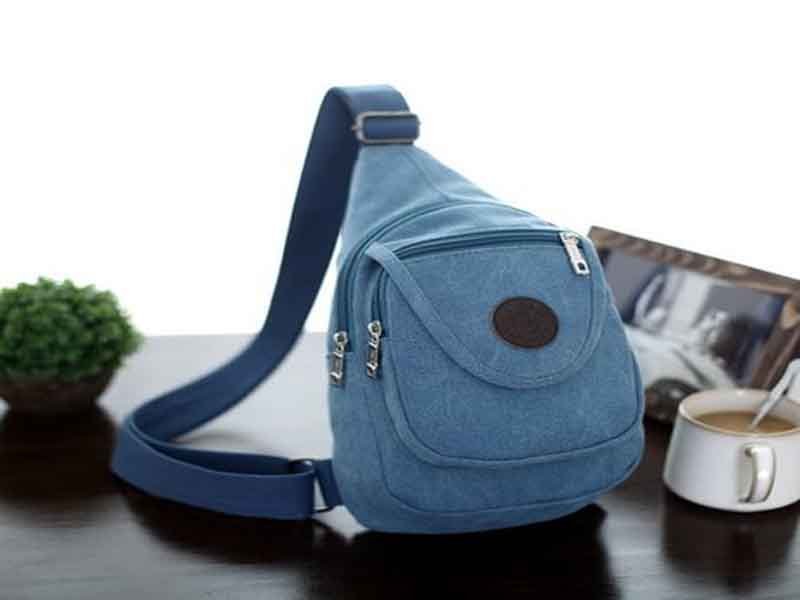
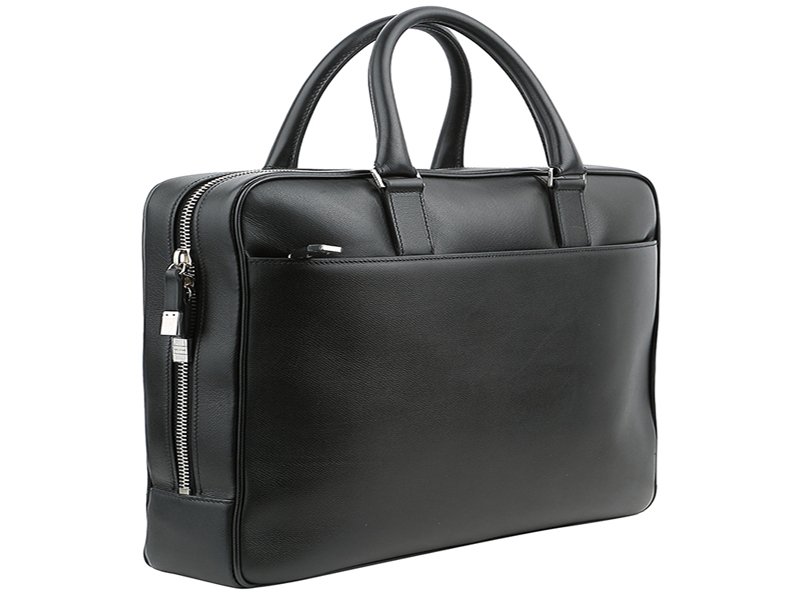
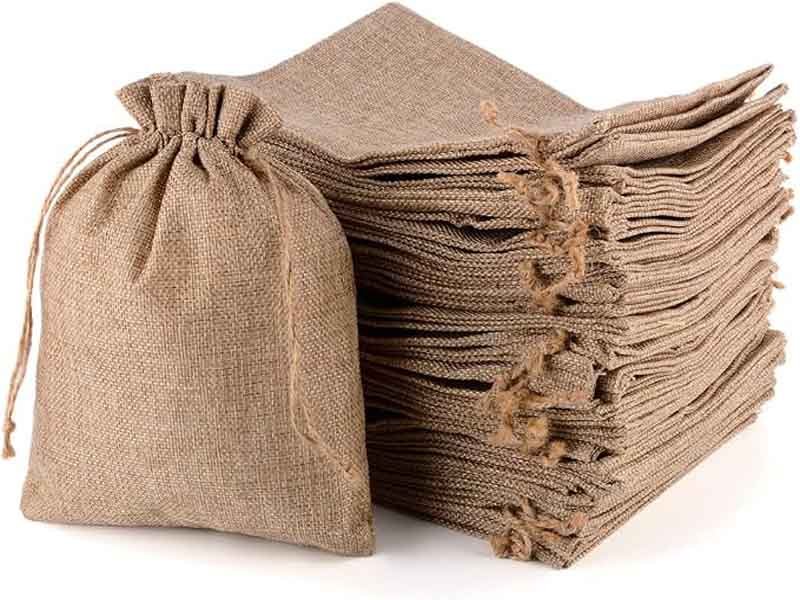
Can't find the answers?
No worries, please contact us and we will answer all the questions you have during the whole process of bag customization.
Make A Sample First?
If you have your own artwork, logo design files, or just an idea,please provide details about your project requirements, including preferred fabric, color, and customization options,we’re excited to assist you in bringing your bespoke bag designs to life through our sample production process.