Skip to content
Marine-Ready or Not? The Truth About Neoprene in Saltwater Use
Saltwater is a formidable enemy. It corrodes metals, weakens fibers, and accelerates wear faster than most natural elements. For marine gear—whether wetsuits, boat seat covers, or underwater camera casings—choosing the wrong material means not just a loss in durability but real safety risks and replacement costs. Among a sea of materials, neoprene stands out. Known for its flexibility, water resistance, and insulation, neoprene has become a go-to fabric for both casual marine products and heavy-duty commercial equipment.
Neoprene fabric is highly resistant to saltwater, UV rays, and weathering, making it ideal for marine applications. Resistance grades vary by thickness, chemical formula, and coating, which determine suitability for different saltwater exposure levels.
But not all neoprene is created equal—and understanding how different grades perform in marine environments is critical to sourcing or manufacturing the right product. This guide dives deep into how saltwater resistance is measured, which neoprene types perform best, and what applications benefit most from this versatile material. Whether you’re developing gear for recreational diving or industrial offshore installations, this article is your definitive reference point.
So let’s unpack the science and commercial strategy behind using neoprene fabric in the marine world—starting with the basics.
What Is Neoprene Fabric and Why Is It Used in Marine Applications?
Neoprene, also known by its technical name polychloroprene, is a synthetic rubber developed by DuPont in the 1930s. It is produced by polymerizing chloroprene monomers, resulting in a closed-cell structure that traps nitrogen bubbles within. This unique structure provides excellent thermal insulation, buoyancy, and water resistance, which explains its widespread use in marine environments.
Key Reasons for Marine Use:
- Waterproof and Buoyant: Neoprene’s closed-cell foam doesn’t absorb water easily.
- Thermal Insulation: Retains body heat even in cold water, ideal for wetsuits and diving gear.
- UV and Ozone Resistance: Withstands prolonged exposure to sunlight and salt-laden air.
- Stretch and Compression: Offers flexibility for body movement, cushioning, and shock absorption.
One reason neoprene is trusted across the marine industry is that it offers a balance of comfort, functionality, and durability, unlike other synthetic fabrics that either degrade under UV or lack the thermal properties required.
Understanding Neoprene’s Composition and Variants
1. Closed-Cell vs Open-Cell Neoprene
| Type | Water Resistance | Insulation | Durability | Use Case |
|---|---|---|---|---|
| Closed-Cell | High | Excellent | Long-term | Wetsuits, life vests, cushions |
| Open-Cell | Medium | High | Fragile | Spearfishing suits |
- Closed-cell neoprene is used more in marine gear because it’s inherently buoyant and repels water.
- Open-cell offers better insulation but absorbs water unless laminated or coated.
2. Laminated vs Non-Laminated Neoprene
Lamination with fabrics like nylon or polyester enhances abrasion resistance. Nylon-laminated neoprene is common in commercial-grade wetsuits and boat padding.
How Does Neoprene Resist Saltwater Compared to Other Marine Fabrics?
Neoprene is not just water-resistant—it is specifically resistant to saltwater degradation, which is more chemically aggressive than freshwater. While materials like PVC or PU-coated fabrics offer water protection, they often crack, fade, or delaminate under continuous salt exposure and UV radiation.
Comparative Saltwater Resistance Table
| Material | Saltwater Resistance | UV Resistance | Common Failures | Marine Use Rating (1-5) |
|---|---|---|---|---|
| Neoprene | Excellent | Excellent | Slight discoloration | ⭐⭐⭐⭐⭐ |
| PVC-Coated Nylon | Moderate | Low | Cracking, fading | ⭐⭐ |
| Polyester | Low to Moderate | High | Weakened threads | ⭐⭐ |
| Hypalon (CSM) | Excellent | Excellent | Expensive, heavy | ⭐⭐⭐⭐ |
Neoprene resists hydrolysis, a process accelerated by saltwater where polymers break down under heat and humidity. Neoprene’s chlorine bonds are more stable, resisting this degradation for years.
Why Saltwater Destroys Most Fabrics—and How Neoprene Wins
1. Chemical Stability
Salt (NaCl) in seawater acts as an electrolyte. Combined with UV radiation and heat, this environment creates a perfect storm for polymer degradation. Neoprene’s molecular backbone contains chlorine, which gives it higher resistance to such electrochemical reactions.
2. Physical Resistance to Abrasion and Friction
In marine environments, ropes, anchors, and metal surfaces cause friction. Laminated neoprene resists these abrasions better than thinner plastic-coated fabrics.
3. Temperature Range Tolerance
Neoprene maintains flexibility from -50°C to +120°C, making it suitable for both polar expeditions and tropical boating.
Which Saltwater Resistance Grades Are Commonly Used for Neoprene Fabric?
Saltwater resistance in neoprene isn’t governed by a single universal standard, but rather by performance indicators tied to grade classifications based on density, thickness, chemical treatment, and lamination. Manufacturers and fabric buyers often classify neoprene based on how well it holds up in prolonged saltwater and UV exposure.
Neoprene saltwater resistance grades are generally defined by density (low, medium, high), thickness (mm range), and lamination type. High-density, double-laminated neoprene (e.g., CR-grade or SBR/CR blends) offers superior marine durability.
Common Grades of Neoprene in Marine Use
| Grade Name | Base Material | Density | Saltwater Resistance | Typical Use Case |
|---|---|---|---|---|
| CR (Chloroprene) | 100% Neoprene | High | Excellent | Professional wetsuits, marine covers |
| SBR/CR Blend | Neoprene blend | Medium to High | Good to Excellent | Cooler bags, diving accessories |
| SBR (Styrene Butadiene Rubber) | Synthetic rubber | Low to Medium | Moderate | Budget marine padding, hobby use |
- CR neoprene is the gold standard for marine use due to its chemical resistance and closed-cell uniformity.
- SBR blends are more affordable and perform well when laminated or coated.
- Buyers should avoid 100% SBR neoprene in high-salt exposure applications without UV or chemical coatings.
How Neoprene Grades Are Tested and Rated
1. ASTM and ISO Standards (ASTM D1056, ISO 2285)
Most neoprene grades are indirectly evaluated through compressibility, tensile strength, and aging in salt fog chambers or UV boxes.
2. Manufacturer-Specific Certifications
Many suppliers provide custom testing data for marine applications. For example:
- A 5mm CR-grade neoprene sample from Yamamoto (Japan) showed only 3% degradation after 300 hours of continuous salt fog and UV exposure.
- Chinese suppliers often offer SBR/CR blends laminated with nylon, tested for 72-hour submersion with <5% tensile loss.
3. Effect of Thickness and Lamination
| Thickness (mm) | Saltwater Duration Tolerance | Comments |
|---|---|---|
| 2mm | Light marine contact (days) | Good for casual bags, gloves |
| 3-4mm | Frequent contact (weeks) | Ideal for wetsuits, boat seats |
| 5mm+ | Continuous use (months) | Used in underwater & commercial |
What Are the Key Properties of Neoprene That Benefit Marine Environments?
Neoprene excels in marine settings due to a unique mix of mechanical and chemical properties. Its resilience to saltwater, UV rays, and temperature fluctuations makes it a standout compared to PVC, polyester, or coated nylons.
Neoprene’s key marine-friendly properties include water resistance, thermal insulation, UV resistance, elasticity, and resistance to mildew and compression—ideal for wet, salty environments.
Core Benefits for Marine Use
| Property | Description | Marine Relevance |
|---|---|---|
| Water Resistance | Doesn’t absorb water; keeps structure when submerged | Excellent for diving, wet storage, boat padding |
| UV and Ozone Resistance | Withstands solar radiation without degrading | Important for deck seating, outdoor exposure |
| Thermal Insulation | Retains heat, protects against cold water | Crucial for wetsuits and protective gear |
| Stretch & Recovery | Stretches and returns without breaking | Useful for wearable gear and flexible fittings |
| Mildew Resistance | Does not easily grow mold in humid environments | Essential for long-term boat storage items |
| Abrasion Resistance | Stands up to rubbing, friction, and minor tearing | Ideal for high-friction areas |
Case Study Comparisons and Real-World Application
1. Case Study: Yacht Seat Covers
A high-end yacht company in Australia tested 3 different marine fabrics: PU-coated nylon, polyester canvas, and 4mm CR neoprene laminated with nylon. After 6 months of exposure in saltwater spray, direct sun, and pressure from daily use:
- PU-nylon cracked and faded by 35%.
- Polyester canvas held shape but absorbed moisture and showed mold.
- Neoprene remained intact, with only slight surface discoloration.
2. Flexibility vs Durability Trade-Off
| Property | Neoprene | PU-Coated Nylon | Hypalon |
|---|---|---|---|
| Flexibility | High | Medium | Low |
| Long-Term Durability | High | Low | Very High |
| Comfort (Wearables) | High | Low | Medium |
| Cost per m² (USD) | \$6–\$12 | \$2–\$5 | \$15–\$20 |
Neoprene balances function and price, making it an accessible upgrade from cheaper synthetic alternatives for most marine-grade consumer products.
How Do You Test Neoprene’s Resistance to Saltwater and UV Exposure?
Testing the durability of neoprene fabric in marine settings involves a mix of laboratory simulations and real-world stress testing. The goal is to measure performance indicators like material breakdown, flexibility retention, discoloration, and tensile strength loss under harsh saltwater and UV conditions.
Neoprene is tested for marine resistance through salt spray (fog) chambers, UV weathering boxes, tensile strength retention, water immersion, and thermal cycling. These simulate real oceanic environments.
Key Testing Methods for Marine Suitability
| Test Name | Purpose | Standard Used |
|---|---|---|
| Salt Spray/Fog Test | Accelerated corrosion resistance | ASTM B117 |
| UV Weathering Test | Simulate prolonged sun exposure | ASTM G154 / ISO 4892 |
| Hydrolysis Resistance | Chemical degradation under moisture & heat | ISO 1817 |
| Tensile Strength Test | Assess elasticity and mechanical integrity | ASTM D412 |
| Compression Set Test | Measure permanent deformation under pressure | ASTM D395 |
What Testing Really Tells You—and What It Doesn’t
1. Why Lab Tests Matter but Don’t Tell the Whole Story
Standardized lab environments often accelerate conditions. For example, 100 hours in a salt fog chamber is equivalent to \~1 year of mild coastal exposure—but actual field conditions (wind, sand, temperature swings) may introduce variables lab tests can’t simulate.
2. Real-World Field Testing
A US-based fishing gear supplier used 3mm neoprene in tackle bag panels. After 12 months in saltwater spray and boat deck exposure:
- Retained over 92% tensile strength.
- No seam delamination.
- Slight fading but no fabric breakdown.
3. Testing Protocols for B2B Buyers
When working with suppliers like SzoneierFabrics, ask for:
- Salt spray test reports (B117-based)
- UV resistance test documentation
- Pre- and post-test tensile strength comparison
- Photos of physical samples post-immersion
Also request pre-treated vs untreated sample swatches to observe real differences in performance.
Is Neoprene Fabric Suitable for Prolonged Submersion and Harsh Weather?
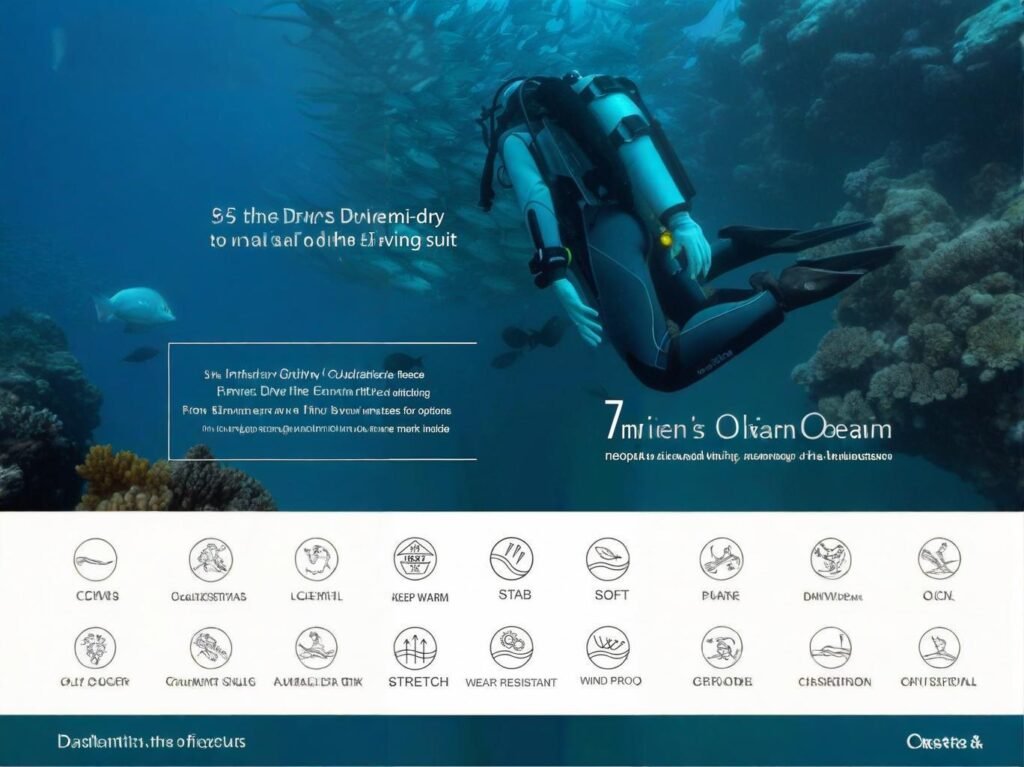
Yes—high-quality neoprene, particularly CR-grade or SBR/CR blends with proper lamination, is well-suited for long-term submersion and weather exposure. However, performance depends heavily on grade, thickness, lamination, and finishing treatment.
Neoprene fabric, especially CR-grade and nylon-laminated variants, performs well under prolonged submersion and exposure to salt, UV, and temperature extremes, making it ideal for harsh marine environments.
Where Neoprene Excels in Harsh Conditions
| Condition | Neoprene Performance Summary |
|---|---|
| Constant Saltwater | Does not absorb water; resists breakdown |
| UV Sunlight | Retains flexibility and color better than PVC |
| High Humidity | No mold or mildew formation |
| Temperature Swings | Maintains structure from -50°C to +120°C |
| Mechanical Stress | Bounces back from stretching, impact, pressure |
Application-Specific Insights
1. Use in Underwater Cases & Dive Equipment
Neoprene is ideal for diving gear, not just for insulation but also for pressure resilience. Closed-cell neoprene maintains buoyancy and cushion even at depth, used in:
- Camera housings
- Knife sheaths
- Tank straps
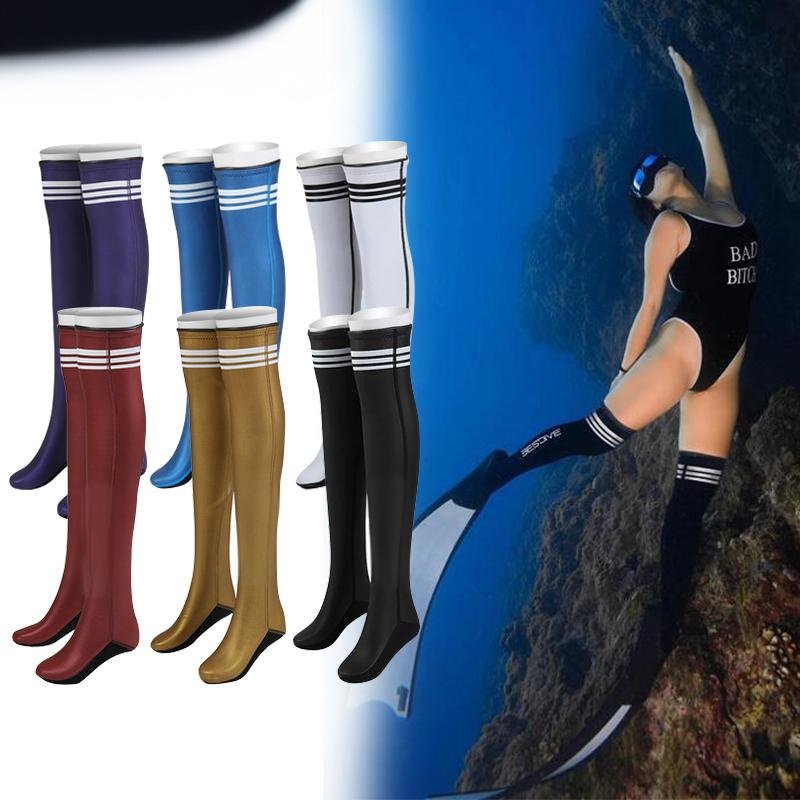
- Neoprene socks and gloves
A study by a scuba brand found:
- Neoprene gloves retained 85% insulation after 50 dives at 20m depth.
- Surface-stitched seams with nylon laminate held up without water seepage.
2. Use in Coastal Infrastructure Protection
CR-grade neoprene sheets are used in marine piling wraps and dock bumpers to prevent corrosion from steel-saltwater contact. They perform for 5–10 years without degradation if maintained.
3. Use in Cold Climate Vessels
On Arctic expeditions, thermal liners in life vests and boat cushions often use 5mm or 7mm neoprene. The temperature-insulating performance is critical in survival and comfort in sub-zero environments.
What Marine Products Commonly Use Neoprene Fabric (Boating, Diving, etc.)?
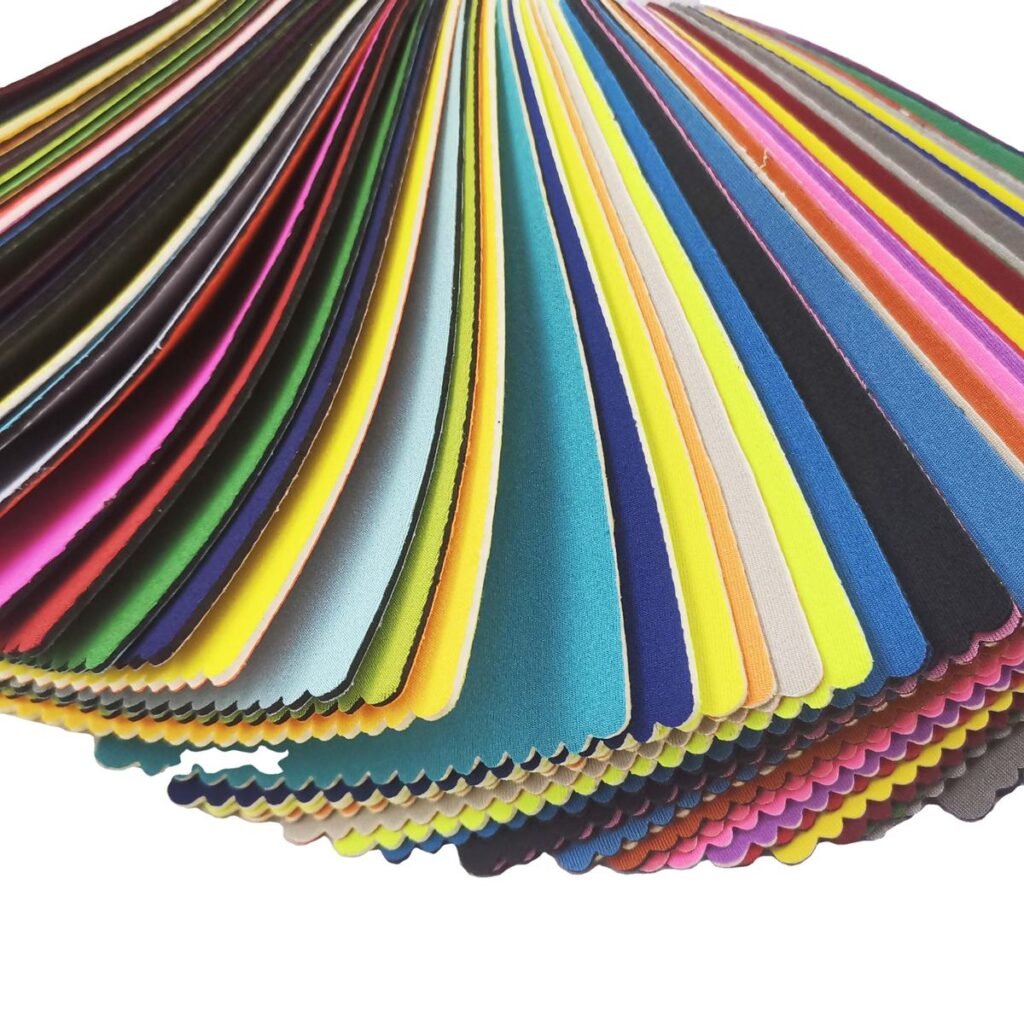
Neoprene has become a core material in both recreational and commercial marine industries thanks to its performance under salt, sun, and stress. From diving gloves to engine insulation wraps, its versatility makes it a material of choice across sectors.
Neoprene fabric is widely used in marine products like wetsuits, life vests, boat seat covers, tackle bags, hatch gaskets, and waterproof cases due to its saltwater durability and insulation.
Marine Products That Commonly Use Neoprene
| Product Type | Neoprene Grade & Thickness | Why Neoprene? |
|---|---|---|
| Wetsuits & Drysuits | 3–7mm CR / SBR-CR blend | Insulation, flexibility, saltwater protection |
| Boat Seat Covers | 2–4mm laminated CR neoprene | UV resistance, cushion, easy clean |
| Life Vests & Buoyancy Aids | 4–6mm closed-cell CR neoprene | Buoyancy, water resistance |
| Neoprene Gloves & Boots | 2–5mm nylon-laminated CR | Flexibility + heat retention underwater |
| Tackle and Cooler Bags | 3–4mm SBR/CR blend + EVA structure | Soft shell insulation & salt resistance |
| Marine Hatch Gaskets | Solid CR neoprene sheet (10mm+) | Sealing, compression set, anti-corrosion |
| Dry Cases / Camera Bags | 3–5mm closed-cell with lamination | Waterproofing, shock absorption |
Industry-Specific Applications
1. Recreational Diving and Water Sports
Diving gear relies heavily on thermal insulation and stretch, and neoprene outperforms spandex or polyester blends. Key brands like Cressi and Scubapro use super-stretch CR neoprene in premium wetsuits.
2. Commercial Fishing
Neoprene sleeves for knives, gloves, and gaskets in storage compartments are essential. Their non-slip texture and resistance to mold prevent equipment degradation and operator injuries.
3. Boat & Yacht Manufacturing
From deck cushions to bulkhead soundproofing, neoprene finds a place where cushioning and water-resistance are required. Some marine suppliers even use neoprene-rubber hybrids for anti-vibration panels in yacht engine rooms.
4. Military & Rescue Operations
Neoprene is trusted in military-grade marine gear for flotation and survival suits. It maintains integrity in extreme cold and high-impact environments.
How to Choose the Right Grade of Neoprene Fabric for Your Marine Project?
Selecting the right neoprene fabric for a marine application depends on multiple factors: exposure conditions, performance expectations, product form, and budget. Not every project needs premium CR neoprene—but knowing when to invest in higher grades can be the difference between a reliable product and a costly failure.
Choose your neoprene grade based on application, exposure conditions, desired durability, and flexibility. CR neoprene suits harsh marine use, while SBR/CR blends fit light-duty gear.
Neoprene Selection Checklist for Marine Use
| Factor | Key Consideration | Recommended Grade |
|---|---|---|
| Exposure to Saltwater | Daily or prolonged submersion | CR neoprene (≥3mm) |
| UV and Heat Conditions | Long hours in sun, tropical zones | Laminated CR (nylon outer) |
| Budget Constraints | Mid-range, not safety-critical | SBR/CR blend |
| Product Type | Wetsuit, cover, padding, or structural gasket | Varies by use (see below) |
Practical Guidance by Use Case
1. For Wearables (Wetsuits, Gloves, Boots):
- Go for super-stretch CR neoprene, 3–7mm thickness.
- Nylon-laminated interior ensures comfort and durability.
- Ask suppliers for “Japanese CR” if available—premium elasticity and longer service life.
2. For Structural or Utility Products (Seats, Hatches, Panels):
- Use thicker neoprene (5–10mm).
- Double-side lamination increases abrasion resistance.
- Consider combining with EVA foam for added structure.
3. For Lightweight Marine Accessories:
- 3mm SBR/CR blend is cost-effective for tackle bags or cooler inserts.
- Waterproof zippers and seam tape can offset slight material weaknesses.
Supplier-Specific Customization
At SzoneierFabrics, we offer:
- CR, SBR, and hybrid neoprene fabric in various grades and lamination options.
- Free sample swatches, fast prototyping, and small-batch testing.
- Neoprene custom rolls and die-cut panels for bulk orders.
Ready to Upgrade Your Marine Products with Custom Neoprene?
SzoneierFabrics has over 18 years of experience in neoprene and marine-grade fabric manufacturing. We support international B2B clients with:
- Custom lamination (nylon, polyester, brushed)
- OEM/ODM cut panels and rolls
- Saltwater and UV resistance certifications
- Free design support and fast sampling
Let’s build saltwater-proof, long-lasting marine products—together.