 Skip to content
Neoprene Fabric Material: Market Analysis and Growth Projections
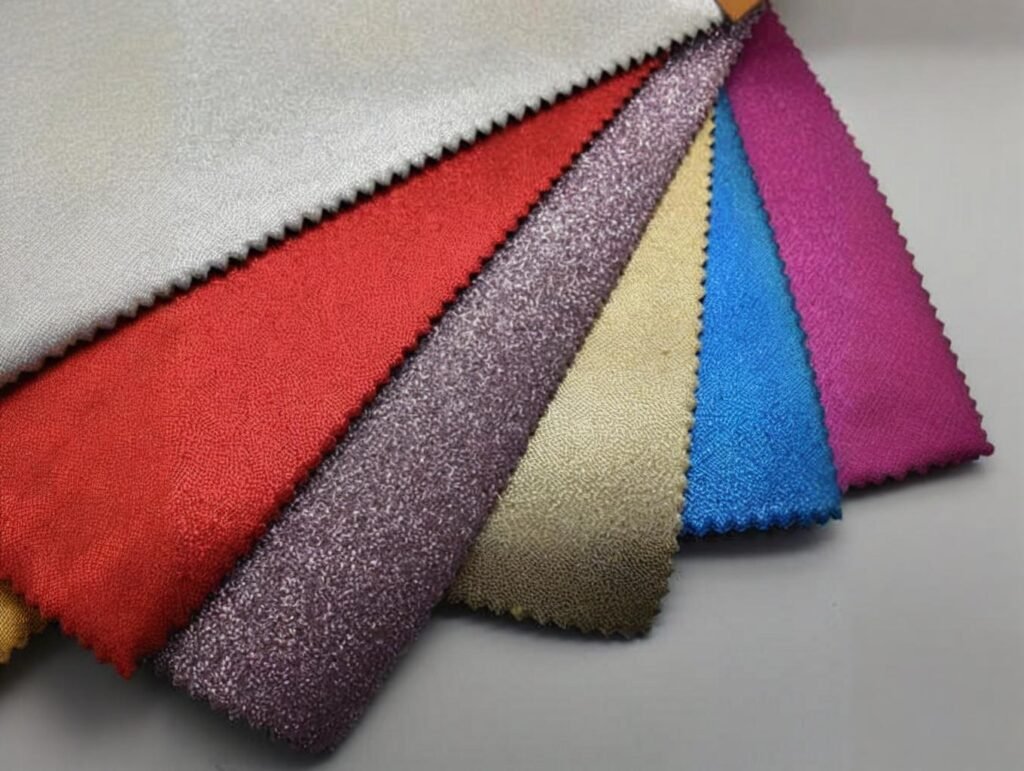
Neoprene is often treated as a “mature” material—familiar, proven, and predictable. Yet beneath that surface, the neoprene fabric market is quietly reshaping itself, pulled by new usage scenarios, shifting regulations, and changing expectations around performance and durability. The neoprene fabric market continues to grow steadily, driven by expanding applications in sports, medical, industrial, and protective products, with future growth shaped by functional innovation, regional demand shifts, and supply chain resilience rather than raw volume alone.
What’s changing is not whether neoprene is used—but how, where, and why. In some segments, growth comes from higher technical requirements. In others, it comes from broader adoption by smaller brands and new product categories. Understanding these layers matters far more than simply knowing total market size.
A few years ago, neoprene demand was easy to predict. Today, the signals are more subtle—and more interesting.
What Is Neoprene Fabric Material and What Market Forces Are Driving Demand?
Neoprene fabric material is a laminated composite built on polychloroprene rubber foam, engineered to deliver elasticity, cushioning, thermal insulation, and reliable resistance to water, oils, and abrasion. Unlike single-layer textiles, neoprene combines a resilient foam core with bonded fabric surfaces, creating a structure that performs both mechanically and ergonomically. This hybrid construction explains why neoprene appears across industries ranging from sports protection and orthopedic supports to electronics sleeves, insulation wraps, and lifestyle accessories that must balance comfort with structural durability.
Demand for neoprene continues to expand because it solves multiple functional requirements at once. Manufacturers value materials that reduce component complexity while maintaining performance under stress, temperature variation, and repeated deformation. Neoprene’s ability to stretch, recover, cushion, and insulate within a single laminated sheet makes it economically efficient for product engineering. At the same time, end users increasingly expect products to feel soft, fit closely, and maintain shape after long-term use. These expectations align closely with neoprene’s mechanical behavior, positioning it as both a comfort material and a technical material in modern manufacturing supply chains.
Understanding the core demand drivers
Global consumption patterns show that neoprene demand is no longer tied to a single industry cycle. Instead, growth is supported by overlapping sectors that require flexible protection, controlled compression, or thermal buffering. This multi-sector relevance reduces volatility and encourages long-term investment in specialized neoprene formulations, lamination technologies, and thickness customization.
One important shift is the move from commodity foam toward engineered laminates. Buyers now evaluate neoprene not only by thickness but also by density, tensile strength, elongation, compression set, and bonding durability. These measurable parameters allow brands to specify performance more precisely, which increases the perceived value of higher-grade neoprene materials.
Functional versatility as a growth engine
Neoprene performs several roles simultaneously, allowing designers to replace multi-layer constructions with a single material system. This consolidation lowers assembly time, reduces stitching points, and improves consistency in mass production.
Common functional contributions include:
- Shock absorption during impact or vibration
- Thermal insulation against cold water or ambient temperature loss
- Structural support that stabilizes joints or equipment
- Water resistance that protects internal components
| Property | Market Impact |
|---|---|
| Elastic recovery | Fit-driven wearable products |
| Cushioning | Protective and orthopedic gear |
| Thermal stability | Outdoor, marine, and industrial use |
| Chemical resistance | Workshops, automotive, and tool storage |
Because these properties coexist within one laminate, neoprene reduces the need for separate padding, lining, or sealing layers. This efficiency is especially valuable in sewn products such as braces, sleeves, and cases where material simplification directly lowers labor cost.
Another advantage is predictable mechanical behavior. Neoprene typically maintains stable elasticity across a wide temperature range, often from approximately −20 °C to 100 °C depending on formulation. This stability allows manufacturers to design products for outdoor, marine, or industrial environments without major structural redesign.
Expansion beyond traditional wetsuits
Historically, neoprene demand was strongly linked to water sports such as surfing and diving. While this segment remains important, it no longer defines the overall market. Growth now comes from diversified applications that use thinner gauges, varied laminations, and specialized surface finishes.
Key expanding categories include:
- Orthopedic braces for knees, elbows, wrists, and backs
- Tool wraps and protective covers that prevent scratching or vibration damage
- Laptop and electronics sleeves requiring soft impact resistance
- Lifestyle bags, bottle holders, and travel accessories
This diversification stabilizes procurement cycles. Seasonal fluctuations in sports equipment are balanced by steady medical, industrial, and consumer accessory demand. For manufacturers, this means production lines can operate year-round rather than relying on seasonal peaks.
Another notable trend is the rise of thin neoprene—often between 1 mm and 3 mm—used in lightweight protective sleeves and fashion accessories. Thin gauges reduce weight while maintaining softness and stretch, opening new design possibilities that were not common in earlier wetsuit-focused markets.
The role of product durability expectations
Modern consumers increasingly evaluate durability as part of product value. Items that deform, tear, or lose cushioning quickly are perceived as low quality regardless of price. Neoprene addresses this expectation through several structural advantages.
First, its closed-cell foam structure resists water penetration, which helps maintain elasticity over time. Second, high-quality neoprene exhibits strong tear resistance and stable compression recovery, meaning it returns close to original thickness after repeated loading. Third, laminated fabric surfaces protect the foam core from abrasion and ultraviolet exposure.
In practical terms, this translates into longer service life for:
- Sports supports used in daily training
- Protective sleeves exposed to friction inside bags
- Industrial wraps subjected to vibration or handling
Longer product lifespan reduces replacement frequency, which aligns with both consumer cost awareness and sustainability considerations. Brands that emphasize durability often select higher-density neoprene despite slightly higher material cost because lifecycle performance justifies the investment.
A subtle but important trend: customization
Customization is becoming a central force in neoprene demand. Instead of purchasing standard black sheets in fixed thicknesses, brands increasingly request material tailored to their product design, target user, and performance environment.
Common customization dimensions include:
- Thickness variation from approximately 0.5 mm to over 10 mm
- Density tuning for softer comfort or firmer support
- Fabric lamination choices such as nylon, polyester, or stretch jersey
- Color matching for brand identity
- Surface treatments for anti-slip, perforation, or embossing
This shift toward specification-driven sourcing increases collaboration between manufacturers and material suppliers. Development cycles may include prototype lamination, compression testing, and wear simulation before mass production approval.
Customization also raises the technical threshold for suppliers. Consistent thickness tolerance, strong adhesive bonding, and uniform foam cell structure become critical quality indicators. As a result, experienced factories with controlled lamination processes gain competitive advantage over commodity foam distributors.
Manufacturing economics and supply chain influence
Beyond performance, neoprene demand is shaped by manufacturing efficiency. Laminated sheets can be die-cut, stitched, glued, or heat-pressed using established industrial methods. This compatibility with standard equipment reduces capital investment for product assembly.
Production yield is another factor. High-quality neoprene sheets maintain dimensional stability during cutting, minimizing waste. Consistent density also ensures predictable sewing tension and bonding strength, which improves overall production efficiency.
From a supply chain perspective, neoprene’s global availability supports scalable manufacturing. Major production hubs in East Asia provide stable raw material sourcing, while downstream fabrication can occur closer to consumer markets depending on logistics strategy. This flexibility helps brands manage cost, lead time, and inventory risk.
Environmental and regulatory considerations
Sustainability discussions increasingly influence material selection. Traditional neoprene is petroleum-based, but industry innovation is introducing alternatives such as limestone-derived polychloroprene and partial bio-based formulations. While performance differences remain under evaluation, these developments indicate long-term movement toward lower environmental impact.
Regulatory compliance also affects demand. Medical and wearable applications require materials free from restricted substances and capable of skin contact without irritation. Suppliers able to provide certification documentation and consistent chemical safety testing are more likely to secure long-term contracts.
Market force summary
| Driver | Impact on Demand |
|---|---|
| Functional diversity | Broad adoption across industries |
| Durability focus | Longer product lifecycle and repeat use |
| Custom development | Higher technical value per unit |
| Category expansion | Stable, multi-sector growth |
Together, these forces explain why neoprene remains relevant despite competition from lightweight foams and synthetic textiles. Its combination of elasticity, cushioning, insulation, and durability continues to meet evolving product expectations. As customization, sustainability, and performance testing become more important in procurement decisions, neoprene is shifting from a commodity wetsuit material toward a specialized engineering component used across medical, industrial, and consumer product design.
Which End-Use Segments Are Growing Fastest for Neoprene Fabric?
Neoprene fabric demand is expanding across multiple industries, but the pace of growth is not evenly distributed. Certain application sectors are accelerating because they solve practical performance problems such as protection, durability, insulation, and long-term comfort. These drivers create sustained purchasing behavior rather than short-term fashion interest.
The fastest-growing end-use segments for neoprene fabric today are sports and fitness equipment, medical and rehabilitation products, and industrial protection systems. Each of these sectors values measurable functionality—compression strength, cushioning resilience, thermal stability, and chemical resistance—over visual novelty. As a result, they generate repeat orders, longer product life cycles, and higher technical requirements for material suppliers.
Understanding how growth differs between segments helps manufacturers, sourcing managers, and product designers make smarter material investment decisions and align development with stable long-term demand rather than temporary consumer trends.
Segment-by-segment growth dynamics
Sports and fitness: steady, performance-led growth
Sports and fitness remain the most visible and consistently expanding neoprene application area. The material’s elastic recovery, shock absorption, and moisture resistance make it highly suitable for wearable protection and training accessories that must withstand repeated stress without deformation.
Common neoprene sports products include:
- Knee and elbow braces designed for joint stabilization
- Compression sleeves that enhance circulation and reduce muscle fatigue
- Weightlifting wraps and resistance training accessories
- Protective padding used in contact or high-impact sports
Several structural factors explain why this segment continues to grow at a reliable pace rather than fluctuating with fashion cycles. Global awareness of injury prevention and recovery science has increased demand for supportive gear even among non-professional athletes. At the same time, the rise of home fitness routines and small training studios has expanded the consumer base beyond traditional gyms. Lightweight protection that does not restrict movement is now preferred over rigid plastic alternatives, further reinforcing neoprene’s relevance.
From a materials engineering perspective, sports neoprene typically ranges between 2 mm and 5 mm thickness, balancing flexibility with cushioning. Closed-cell foam density and laminated fabric stretch ratio directly influence comfort and durability, which is why performance-focused brands prioritize consistent quality rather than the lowest price.
| Sports Use Case | Growth Outlook |
|---|---|
| Knee & elbow supports | High |
| Training wraps | Medium–high |
| Impact protection | High |
Long-term forecasts indicate that sports neoprene demand will remain resilient because it is tied to health behavior trends rather than seasonal fashion. Even during economic slowdowns, protective gear purchases tend to decline less sharply than discretionary apparel.
Medical and rehabilitation: high value, high standards
Medical and rehabilitation applications represent one of the most technically demanding and financially valuable neoprene markets. Unlike sports accessories, which emphasize comfort and flexibility, medical products must meet strict safety, durability, and biocompatibility requirements.
Typical neoprene medical products include:
- Orthopedic braces for knee, wrist, shoulder, and ankle stabilization
- Post-surgery rehabilitation supports designed for controlled compression
- Therapeutic wraps that retain heat to improve blood circulation
- Long-wear comfort supports used by elderly or chronic-pain patients
Although the total production volume in medical neoprene is lower than in sports applications, the value per unit is significantly higher. Certification testing, consistent compression performance, and skin-contact safety standards all increase manufacturing complexity and pricing. Products often require controlled thickness tolerance within ±0.2 mm, antimicrobial surface treatments, and breathable laminated fabrics to prevent skin irritation during extended wear.
Another key difference is purchasing behavior. Medical neoprene demand is driven by clinical need and aging populations, not consumer preference. This creates predictable long-term growth supported by healthcare systems and rehabilitation centers worldwide. As global life expectancy increases, the number of patients requiring joint support and mobility assistance continues to rise, reinforcing steady demand for high-quality neoprene materials.
Because of these factors, the medical segment frequently delivers higher profit margins for manufacturers capable of meeting compliance requirements. Suppliers who invest in testing capability, documentation systems, and consistent foam production often gain long-term partnerships with medical device brands.
Industrial and protective applications: quiet but resilient
Industrial neoprene applications receive less public attention, yet they provide one of the most stable and recession-resistant demand foundations. In these environments, neoprene is selected not for appearance or comfort but for mechanical reliability, insulation performance, and resistance to oils, chemicals, and temperature variation.
Common industrial uses include:
- Thermal and acoustic insulation layers
- Vibration-damping pads for machinery
- Protective covers for sensitive equipment
- Sealing and cushioning components in heavy-duty environments
Industrial buyers typically operate on specification-driven procurement, meaning material selection depends on measurable parameters such as tensile strength, compression set, flame resistance, and operating temperature range. Once a neoprene formulation is approved for a specific machine or protective system, it tends to remain in use for many years, generating consistent repeat orders.
Demand in this segment is therefore:
- Less sensitive to seasonal retail cycles
- Less influenced by design trends or branding
- More closely tied to infrastructure, manufacturing, and maintenance activity
This stability makes industrial neoprene an important risk-balancing sector for suppliers serving more volatile consumer markets. Even when sports or lifestyle demand slows, maintenance and protection requirements in factories, transportation systems, and energy facilities continue.
Typical industrial neoprene thickness ranges from 3 mm to over 10 mm, with higher density foam used to improve load-bearing capacity and long-term compression resistance. These technical requirements create barriers to entry, favoring experienced manufacturers with controlled production processes.
Lifestyle and accessory products: selective expansion
Lifestyle and consumer accessory applications represent the most design-sensitive neoprene segment. Products such as laptop sleeves, camera cases, travel organizers, and small protective pouches rely on neoprene’s soft touch, lightweight cushioning, and clean appearance to create a modern aesthetic.
However, growth in this category is more selective and less predictable than in performance-driven sectors. Demand depends heavily on:
- Successful integration of design and function
- Competitive material and production costs
- Strong brand storytelling and retail positioning
Unlike medical or industrial products, which are purchased for necessity, lifestyle accessories must compete with alternative materials such as EVA foam, polyester padding, or molded plastics. This means neoprene is chosen only when it offers a clear advantage in feel, protection, or visual identity.
From a sourcing perspective, lifestyle neoprene usually falls within 2 mm to 4 mm thickness and often features laminated stretch fabric, printed surfaces, or embossed textures to enhance perceived value. Margins can be attractive when design differentiation succeeds, but demand may fluctuate with consumer trends.
For manufacturers, this segment offers innovation opportunities but requires careful cost control and flexible production planning to manage variability.
Segment growth comparison
Comparing volume expansion and value generation across sectors reveals why neoprene suppliers increasingly diversify their customer base rather than relying on a single industry.
| Segment | Volume Growth | Value Growth |
|---|---|---|
| Sports & fitness | High | Medium |
| Medical | Medium | High |
| Industrial | Medium | Medium |
| Lifestyle | Selective | Selective |
Sports and fitness deliver the largest shipment volumes, supported by global wellness trends. Medical applications generate the highest value per unit, rewarding quality assurance and certification capability. Industrial uses provide long-term stability with predictable repeat demand, while lifestyle accessories offer design-driven upside but require careful market timing.
For strategic planning, the most resilient neoprene businesses typically maintain a balanced portfolio across these segments. This approach spreads risk, stabilizes production scheduling, and supports continuous material innovation.
In the coming years, the strongest overall growth is expected where performance, health, and protection intersect. Products that combine ergonomic comfort, measurable support, and long service life are likely to define the next stage of neoprene market expansion. Manufacturers that align development with these functional priorities—rather than short-term visual trends—will be best positioned to capture sustainable global demand.
How Big Is the Neoprene Fabric Market Today and How Do Growth Projections Compare by Region?
When companies evaluate neoprene fabric sourcing, the first question is usually about overall market size. A single global figure, however, rarely explains the full commercial reality. Demand for neoprene fabric is shaped by downstream industries such as sports protection, medical support, outdoor gear, and industrial insulation, each developing at a different pace across regions.
Current industry assessments place the global neoprene fabric market in the multi-billion-dollar range, with steady mid-single-digit annual growth expected through 2030. Asia-Pacific continues to dominate production volume, while North America and Europe generate higher value through performance specifications, certification requirements, and premium product positioning.
This pattern indicates a market defined less by rapid expansion and more by long-term resilience, technical specialization, and diversified applications, which together create predictable demand for manufacturers and brand owners.
Breaking down market size with real commercial context
Understanding neoprene’s true market scale requires separating raw material production from finished-goods consumption. Many public reports combine wetsuits, orthopedic braces, laptop sleeves, and insulation sheets into one figure, while others focus strictly on laminated neoprene fabric rolls.
From a manufacturing perspective, laminated neoprene fabric used in sewn products represents the most relevant indicator because it directly reflects sourcing demand from brands and OEM factories. Across major producing countries, annual laminated neoprene output has shown consistent expansion tied to three measurable drivers:
- Growth of outdoor recreation and water sports participation
- Rising medical rehabilitation needs in aging populations
- Expansion of protective equipment in industrial workplaces
Factory shipment data in Asia shows yearly production increases typically ranging between 4% and 7%, aligning closely with broader synthetic rubber demand trends. This steady pace confirms that neoprene is not a short-cycle fashion material but a functional textile with structural demand stability.
Why neoprene market numbers vary by source
Differences in reported market size usually come from classification methods rather than real economic disagreement. Analysts may include or exclude several major components:
- Finished neoprene consumer goods versus intermediate fabric materials
- Sports and lifestyle uses versus industrial sealing or insulation sheets
- Blended synthetic rubber foams versus pure polychloroprene foam
Because of these variations, two reports can differ by billions of dollars while still describing the same underlying industry. For sourcing decisions, the direction of demand and regional purchasing behavior is far more important than any single headline number.
Another practical reason for variation is currency fluctuation. Since neoprene rubber production relies heavily on petrochemical inputs priced in U.S. dollars, exchange-rate changes can shift reported market value even when physical shipment volume remains stable.
Regional growth comparison
Regional demand patterns reveal where neoprene fabric development is most active and where pricing power is strongest.
| Region | Current Share | Growth Outlook | Key Drivers |
|---|---|---|---|
| Asia-Pacific | Largest | High | Manufacturing scale, new applications |
| North America | Medium | Medium–high | Medical, sports, protective |
| Europe | Medium | Medium | Regulations, premium products |
| Latin America | Smaller | Emerging | Sports and industrial use |
| Middle East & Africa | Small | Selective | Industrial insulation |
Asia-Pacific supplies the majority of global neoprene fabric volume, but North America and Europe often achieve 20–40% higher average selling prices due to stricter certification, smaller production runs, and higher-end applications.
Asia-Pacific: production efficiency and rapid innovation
Asia-Pacific’s leadership comes from integrated supply chains that connect synthetic rubber polymerization, foam sheet production, lamination, and final product assembly within the same manufacturing ecosystems. This vertical integration reduces transport cost, shortens sampling cycles, and allows rapid customization for global brands.
In China and neighboring manufacturing hubs, neoprene lamination lines commonly operate with daily capacities exceeding 20,000 square meters, supported by automated thickness calibration systems capable of maintaining tolerances within ±0.05 mm. Such precision is essential for sports braces, wetsuits, and protective gear where compression performance must remain consistent.
Regional growth is also driven by flexible minimum order quantities. Smaller emerging brands can test new neoprene products with production runs as low as 200–500 units, encouraging product innovation and expanding downstream demand.
Beyond cost advantages, Asia-Pacific manufacturers increasingly invest in:
- Environmentally compliant adhesives with low volatile emissions
- Recycled polyester or nylon laminates
- Closed-cell foam structures that improve thermal insulation
These upgrades are gradually shifting the region from pure volume production toward technology-driven competitiveness.
North America and Europe: value created through specification
While production scale is smaller, North America and Europe generate higher revenue per square meter of neoprene fabric because of strict regulatory and performance requirements.
Medical braces, orthopedic supports, and rehabilitation equipment form a significant portion of regional demand. These applications require:
- Skin-contact safety compliance
- Consistent compression elasticity
- Long-term durability under repeated flexing
Testing standards often include tensile strength measurements above 8 MPa, elongation at break exceeding 250%, and compression recovery rates above 90% after repeated cycles. Meeting these criteria increases manufacturing cost but also raises final product value.
Outdoor sports equipment in these regions also favors premium construction. High-end wetsuits, for example, may use multi-layer neoprene with variable thickness zoning between 2 mm and 5 mm, improving thermal performance without sacrificing flexibility. Such engineering complexity supports higher retail pricing and stable demand even in slower-growth economies.
Emerging regions: gradual but meaningful expansion
Latin America, the Middle East, and parts of Africa represent smaller neoprene markets today, yet their long-term potential is closely linked to industrial development and climate-specific applications.
In warmer regions, neoprene is less associated with thermal insulation for water sports and more connected to:
- Industrial pipe insulation
- Protective workwear padding
- Automotive sealing and vibration damping
Infrastructure investment and expanding manufacturing sectors are expected to increase neoprene consumption gradually. Growth rates in these regions may exceed 7% annually, though from a smaller base, making them important for long-term diversification rather than immediate volume.
Application trends shaping future demand
Across all regions, the next phase of neoprene growth is driven less by traditional wetsuits and more by diversified technical uses. Several sectors are expanding steadily:
| Application Sector | Demand Trend | Technical Requirement |
|---|---|---|
| Medical supports | Strong growth | Skin safety, compression stability |
| Outdoor sports gear | Stable growth | Flexibility, thermal insulation |
| Electronics protection | Rising | Shock absorption, durability |
| Industrial insulation | Gradual | Heat resistance, longevity |
| Fashion accessories | Selective | Soft touch, color consistency |
Medical and protective uses show the most reliable expansion because they are linked to demographic and workplace safety trends rather than seasonal consumer spending.
Cost structure and pricing stability
Neoprene pricing is closely tied to petrochemical raw materials, particularly chloroprene monomer. When oil prices fluctuate, foam sheet costs typically follow with a delay of several months.
However, long-term price volatility has been moderated by:
- Improved production efficiency
- Increased recycling of laminate fabrics
- Broader supplier competition across Asia
As a result, neoprene fabric price changes over the past decade have generally remained within a ±15% band, providing predictable sourcing conditions for brands planning multi-year product lines.
What long-term projections really indicate
Rather than approaching saturation, the neoprene fabric industry is entering a phase of structural refinement. Several clear shifts are visible:
- Movement away from single-use product categories toward diversified technical applications
- Increasing demand for certified, skin-safe, and environmentally compliant materials
- Greater collaboration between material producers and product designers
These trends support steady expansion without the instability associated with rapid boom-and-bust cycles. For manufacturers, this means investment decisions can focus on process quality, customization capability, and regulatory compliance rather than pure capacity growth.
Strategic implications for brands and sourcing teams
For companies developing neoprene-based products, regional market behavior suggests several practical strategies:
- Source high-volume base materials from Asia-Pacific to control cost
- Conduct final specification testing aligned with North American or European standards
- Diversify product applications to reduce dependence on seasonal sports demand
Combining these approaches allows brands to balance cost efficiency, technical reliability, and long-term market resilience.
a stable market shaped by specialization
The global neoprene fabric market may not deliver dramatic headline growth, but its consistent expansion across medical, protective, outdoor, and industrial sectors demonstrates strong structural durability. Asia-Pacific continues to anchor production and innovation, while North America and Europe reinforce value through performance standards and certification. Emerging regions contribute gradual new demand that broadens the industry’s foundation.
Taken together, these forces indicate a material category defined by steady evolution rather than volatility, making neoprene fabric a dependable choice for manufacturers and brands planning long-term product development.
What Are the Key Application Trends Shaping Neoprene Fabric Product Development in 2026–2030?
Looking ahead to the next five years, neoprene fabric is not being transformed by sudden disruptive inventions. Instead, its evolution is driven by refinement, specialization, and performance optimization within existing industries such as sports protection, medical support, electronics protection, and lifestyle accessories. Between 2026 and 2030, the most meaningful progress will come from lighter constructions, application-specific engineering, stricter regulatory alignment, and dramatically faster customization cycles.
In practical terms, this means neoprene suppliers and product developers must shift their focus from mass production toward precision manufacturing, flexible sampling capability, and compliance-ready material systems. Markets are no longer asking, “Can neoprene be used here?” but rather, “Can this neoprene be engineered precisely for this use case, delivered quickly, and verified for safety?”
Innovation, therefore, becomes incremental but commercially powerful. Small improvements in thickness tolerance, lamination softness, skin compatibility, or sampling turnaround can directly influence purchasing decisions, long-term contracts, and brand trust.
Application trends that matter most
Trend 1: Thinner, lighter, but more functional neoprene
Across nearly every application category, the demand trajectory is clear: reduce bulk without sacrificing structural or protective performance. Whether used in laptop sleeves, orthopedic braces, or sports compression gear, modern consumers prefer materials that feel lighter, breathe better, and move more naturally with the body or product form.
Achieving this balance requires advances in foam cell uniformity, density control, and lamination bonding strength. Traditional thickness reduction often weakened tear resistance or cushioning ability, but newer micro-foaming techniques and elastic textile laminations allow engineers to maintain mechanical integrity at reduced gauges.
Developers are therefore pushing simultaneously for reduced thickness, maintained support, and improved comfort. These three goals must be engineered together rather than treated separately.
| Direction | Design Implication |
|---|---|
| Thinner sheets | Requires tighter thickness tolerance (often ±0.05–0.10 mm) and stable slicing processes |
| Lighter weight | Depends on refined foam density control and uniform cell distribution |
| Same performance | Achieved through stronger lamination fabrics and optimized adhesive penetration |
From a manufacturing perspective, this trend rewards factories with precision splitting equipment, consistent curing control, and advanced lamination lines. Suppliers unable to maintain uniform thickness across production batches may struggle to meet future product specifications, especially in wearable or medical-adjacent categories where comfort and repeatability are critical.
Trend 2: Application-specific formulations
The era of “one-grade-fits-all” neoprene is steadily fading. Instead, brands increasingly request purpose-engineered neoprene compounds tailored to a single product category or performance requirement. This shift reflects both higher consumer expectations and more competitive product positioning across global markets.
For example, wearable neoprene used in knee braces or posture supports must emphasize soft hand feel, elasticity retention, and skin compatibility, while industrial neoprene sheets may prioritize tear strength, compression resistance, and long-term durability under load. Medical-adjacent products introduce additional requirements such as low odor, hypoallergenic surfaces, and restricted chemical content.
This segmentation transforms customization from a marketing feature into a core technical capability. Material suppliers must manage compound formulation, foam density variation, textile lamination choice, and surface finishing as an integrated system rather than independent steps.
Key formulation directions emerging toward 2030 include:
- Ultra-soft stretch neoprene for long-wear comfort
- High-tensile neoprene for load-bearing or protective gear
- Skin-safe, low-residue neoprene for health-related products
- Low-odor neoprene for consumer electronics and lifestyle goods
As customization deepens, order value per project typically rises because brands are purchasing engineered performance rather than commodity material. This creates opportunity for technically capable manufacturers while raising entry barriers for low-cost, undifferentiated suppliers.
Trend 3: Faster development cycles
Speed is becoming one of the most decisive competitive factors in neoprene product development. Product teams in sports, electronics accessories, and e-commerce retail increasingly operate on compressed launch timelines, sometimes moving from concept to market in only a few months.
To support this pace, material suppliers must provide:
- Rapid sampling within days rather than weeks
- Flexible prototyping with small material quantities
- Fast iteration based on design feedback
- Scalable transition from sample to pilot production
Traditional high-minimum-order production models conflict with these expectations. As a result, the industry is shifting toward low-MOQ custom neoprene programs supported by modular production planning and digital pattern management.
Factories that integrate in-house slicing, lamination, die-cutting, and sewing sampling gain a clear advantage because they reduce coordination delays between subcontractors. Faster development not only improves customer satisfaction but also increases the likelihood of securing long-term repeat orders once a product succeeds in the market.
Speed, therefore, is no longer just operational efficiency; it becomes a strategic differentiator tied directly to revenue growth.
Trend 4: Compliance-led design
Regulatory pressure continues to expand across global manufacturing, and neoprene products are increasingly affected by chemical safety standards, skin-contact regulations, and environmental documentation requirements. Rather than being addressed at the final export stage, compliance considerations are now influencing material selection and structural design from the earliest development phase.
Important compliance drivers shaping neoprene design toward 2030 include:
- Restrictions on certain plasticizers, dyes, or residual chemicals
- Skin irritation and sensitization testing for wearable products
- Documentation transparency for international market access
- Environmental responsibility expectations from major brands
This shift changes how engineers approach product creation. Adhesives, lamination fabrics, and even printing inks must be selected with certification pathways already in mind. Failure to plan for compliance early can result in costly redesigns, delayed shipments, or rejected market entry.
Consequently, compliance capability is evolving into a technical qualification standard for suppliers, not merely an administrative requirement. Manufacturers with established testing partnerships, traceable raw-material sourcing, and consistent documentation processes will be better positioned to serve premium global clients.
Trend 5: Blended material systems
Another defining direction for neoprene innovation is its increasing integration into multi-material composite structures. Rather than functioning as a standalone foam layer, neoprene is now commonly combined with reinforcement textiles, molded components, or surface-printed functional layers.
This hybridization expands neoprene’s usability across more complex product categories, including:
- Structured protective gear with rigid inserts
- Electronics sleeves with shock-absorbing inner layers and decorative outer fabrics
- Medical supports combining breathable mesh zones with compression foam
- Outdoor accessories integrating waterproof films or abrasion-resistant coatings
The engineering challenge lies in balancing flexibility, bonding strength, and long-term durability across dissimilar materials. Adhesive compatibility, thermal expansion differences, and repeated bending stress must all be carefully managed during design and testing.
However, when executed successfully, blended material systems significantly increase product differentiation and perceived value, allowing brands to command higher retail pricing and stronger market positioning.
Trend impact summary
Taken together, these five trends redefine how neoprene products are conceived, engineered, and manufactured. The material itself remains fundamentally recognizable, yet the performance expectations, compliance thresholds, and development speed surrounding it are advancing rapidly.
| Trend | Effect on Market |
|---|---|
| Lightweighting | Drives higher precision manufacturing and engineering expertise |
| Custom formulations | Increases technical value and reduces commodity competition |
| Faster sampling | Differentiates responsive suppliers from slow traditional factories |
| Compliance focus | Raises entry barriers and favors certified, traceable production |
| Hybrid material systems | Expands neoprene into more complex, higher-margin applications |
From 2026 to 2030, success in neoprene fabric development will depend less on discovering entirely new uses and more on executing these refinements with consistency, speed, and technical credibility. Suppliers that invest in precision processing, formulation flexibility, compliance readiness, and integrated sampling capability will be best positioned to support global brands navigating the next generation of neoprene-based products.
Which Pricing, Raw Material, and Supply Chain Factors Most Affect Neoprene Fabric Growth Forecasts?
Market forecasts for neoprene fabric often appear straightforward when viewed through demand curves alone. However, real-world growth rarely follows clean projections. Pricing pressure, raw material volatility, production efficiency, regulatory compliance, and logistics stability all interact to shape how quickly neoprene adoption can expand across industries. Even when downstream demand from sports gear, medical supports, or consumer accessories is strong, instability in upstream cost structures can slow purchasing decisions, compress margins, or delay product launches.
In practical manufacturing environments, neoprene growth is determined less by theoretical demand and more by cost predictability and supply reliability. Brands planning new product lines need confidence that material pricing will remain within an acceptable range for at least one development cycle, typically six to eighteen months. When that confidence weakens, procurement teams reduce order volume, delay launches, or switch to substitute materials. Understanding the economic mechanics behind neoprene therefore provides clearer insight into realistic market expansion.
Understanding neoprene cost dynamics
Neoprene fabric pricing is not controlled by a single variable. Instead, it reflects a layered structure that includes petrochemical feedstocks, foam production technology, lamination yield, labor intensity, environmental compliance, and international freight conditions. Small disruptions at any stage can cascade through the supply chain.
A useful way to evaluate neoprene economics is to separate material cost, conversion cost, and logistics cost. Material cost originates from chloroprene rubber and additives. Conversion cost includes foaming, curing, slicing, laminating, and finishing. Logistics cost covers warehousing, shipping, and inventory financing. Growth forecasts remain stable only when all three layers remain predictable.
Raw material volatility: chloroprene rubber
Chloroprene rubber is the foundational input for neoprene foam, and its price behavior closely follows petrochemical cycles. Because chloroprene production depends on energy-intensive chemical synthesis, fluctuations in crude oil and natural gas markets transmit quickly into neoprene base cost.
Several structural influences shape chloroprene pricing:
- Global petrochemical supply and refinery output
- Electricity and steam costs required for polymerization
- Shutdowns or capacity reductions at major chemical plants
- Regional environmental regulation affecting production quotas
| Factor | Impact on Cost |
|---|---|
| Oil price swings | Medium |
| Energy pricing | High |
| Regional supply constraints | High |
Energy pricing typically exerts the strongest influence because chloroprene synthesis and foam curing require sustained high-temperature processing. When electricity or fuel costs rise sharply, base neoprene prices often increase within one or two quarters.
Suppliers with forward-purchased raw materials or diversified sourcing can buffer these swings temporarily. In contrast, producers operating with minimal inventory must adjust prices immediately, creating instability for downstream manufacturers. This difference in procurement strategy explains why identical thickness neoprene sheets may vary significantly in price between suppliers during volatile periods.
Lamination and processing efficiency
While raw materials form the baseline cost, a substantial portion of neoprene pricing is determined during foam conversion and fabric lamination. Manufacturing efficiency directly affects how much usable material emerges from each production batch.
Key contributors include:
- Precision of foam density control during expansion
- Uniform curing to prevent weak internal cell structure
- Accuracy of thickness slicing to minimize trimming waste
- Adhesive bonding strength between foam and textile layers
| Process Factor | Effect |
|---|---|
| High scrap rate | Cost increase |
| Poor thickness control | Rework losses |
| Manual lamination | Labor exposure |
Factories with advanced calibration systems and automated lamination lines generally achieve higher yield per foam block, which lowers effective cost per square meter. Conversely, inconsistent curing or slicing creates off-spec sheets that must be downgraded or discarded, pushing prices upward even when raw materials remain stable.
Processing efficiency also affects delivery reliability. Plants operating near maximum scrap tolerance often experience production delays because rework consumes machine time. Efficient facilities maintain buffer capacity, allowing them to respond more smoothly to sudden order increases.
Labor and environmental compliance costs
Over the past decade, environmental regulation has become a measurable component of neoprene pricing. Foam production generates emissions, chemical residues, and wastewater that must be treated according to regional standards. Compliance requires investment in filtration systems, controlled storage, and certified disposal procedures.
Major cost contributors include:
- Air emission control equipment
- Wastewater neutralization and treatment
- Safe handling and storage of chemical additives
- Periodic environmental audits and certification
These expenses increase operating overhead but also reshape the competitive landscape. Suppliers unable to meet regulatory requirements may exit the market, reducing overall capacity and indirectly supporting higher prices among compliant producers.
Labor costs interact with compliance as well. Skilled technicians are needed to monitor curing temperatures, adhesive bonding, and safety systems. Regions with rising wages therefore experience gradual neoprene price increases unless offset by automation or productivity improvements.
Supply chain resilience matters more than speed
Recent global disruptions highlighted a critical lesson for material sourcing: delivery stability often matters more than short lead time. When shipping schedules become unpredictable or raw material shortages interrupt production, even low-priced neoprene loses practical value because manufacturers cannot rely on consistent supply.
Common supply chain risks include:
- Dependence on a single chloroprene producer
- Limited foam block inventory
- Port congestion or container shortages
- Rigid production scheduling without surge capacity
Suppliers that maintain multiple raw material channels and flexible manufacturing timelines can continue shipping during disruptions. This reliability encourages brands to maintain long-term procurement relationships, which in turn stabilizes demand forecasts.
Inventory strategy also plays a decisive role. Warehousing moderate safety stock increases carrying cost slightly but prevents costly production stoppages for downstream customers. Many experienced neoprene suppliers therefore balance lean manufacturing with strategic buffer inventory to support consistent delivery.
Pricing pressure vs value creation
Not all neoprene purchasing decisions are driven purely by cost. In many technical applications, performance reliability and lifespan outweigh small price differences. Market behavior varies depending on buyer priorities.
| Buyer Focus | Market Outcome |
|---|---|
| Lowest price | Unstable supply |
| Balanced cost & quality | Sustainable growth |
| Performance-driven | Higher margins |
When buyers concentrate only on minimum price, suppliers compete by reducing material density, weakening lamination, or shortening curing time. These shortcuts lower immediate cost but often reduce durability, leading to higher long-term replacement rates and inconsistent product quality.
In contrast, buyers evaluating total lifecycle value tend to select stable-density neoprene with reliable bonding strength. Although initial cost is slightly higher, predictable performance supports stronger brand reputation and fewer warranty claims. Markets dominated by value-based purchasing typically show steadier long-term growth.
Currency exchange and international trade influence
Another frequently underestimated variable in neoprene growth forecasts is currency fluctuation. Because chloroprene production, foam conversion, and finished product manufacturing often occur in different countries, exchange rate shifts can change effective material cost without any change in physical supply.
For example:
- A stronger exporting-country currency raises global neoprene prices
- A weaker importing-country currency reduces purchasing power
- Tariffs or trade policy changes alter landed cost structures
These financial dynamics can either accelerate or suppress demand in specific regions, even when global consumption remains stable. Companies managing multi-currency procurement strategies usually experience smoother cost control.
Technology investment and scale efficiency
Long-term neoprene pricing trends are also shaped by manufacturing technology. Automated slicing systems, precision lamination rollers, and digital thickness monitoring reduce variability and improve yield. As factories invest in these systems, average production cost per unit gradually declines.
Scale efficiency matters as well. Larger foam production volumes distribute fixed costs—such as energy infrastructure and environmental equipment—across more material output. This economy of scale can offset raw material inflation and support competitive pricing during expansion phases.
However, rapid scale growth without quality control can produce inconsistent foam cell structure or bonding defects. Sustainable growth therefore depends on balanced expansion paired with process stability.
Implications for future neoprene market growth
When viewed together, pricing, raw materials, processing efficiency, compliance, logistics, and financial variables create a complex but understandable framework. Neoprene demand does not rise simply because applications increase; it rises when the cost-to-performance ratio remains predictable for manufacturers and brands.
Stable growth conditions typically include:
- Moderately stable chloroprene pricing
- Efficient, low-scrap lamination processes
- Clear environmental compliance pathways
- Reliable international shipping capacity
- Buyer emphasis on durability rather than minimum cost
Under these conditions, product developers feel confident investing in new neoprene-based designs, which expands overall consumption. When instability appears in multiple layers simultaneously, growth slows regardless of theoretical demand.
growth follows stability
Neoprene fabric’s long-term outlook remains closely tied to industrial discipline rather than short-term market enthusiasm. Raw material volatility, energy pricing, processing yield, environmental regulation, logistics resilience, and purchasing philosophy collectively determine whether growth forecasts materialize.
The most consistent expansion occurs where predictable pricing meets dependable supply and measurable performance. In those environments, neoprene transitions from a commodity foam into a trusted engineering material—supporting sustained adoption across medical, industrial, protective, and consumer product sectors.
How Do Sustainability, Regulations, and Chemical Compliance Influence Neoprene Market Expansion?
Sustainability expectations and regulatory oversight have moved from secondary considerations to core forces shaping the global neoprene industry. Market access, supplier credibility, and long-term product viability are now strongly tied to chemical transparency, environmental responsibility, and documented compliance. Rather than slowing growth, these factors are redefining how growth occurs—favoring technically capable manufacturers, discouraging low-quality production, and encouraging longer-lasting product design.
Sustainability standards, chemical regulations, and compliance frameworks influence neoprene market expansion by raising entry barriers, concentrating demand among qualified suppliers, and shifting purchasing behavior toward durable, regulation-ready materials. In practical terms, regulation does not eliminate demand; it filters the market so that compliant products gain trust, stability, and pricing power.
For manufacturers, brand owners, and sourcing managers, understanding this regulatory-driven transformation is essential for planning future investment, certification strategy, and material development.
Regulation as a market shaper
Chemical compliance as a growth gate
Chemical compliance has become the first checkpoint for global neoprene trade. Before performance, price, or aesthetics are considered, materials must satisfy regional chemical safety frameworks that govern restricted substances, heavy metals, plasticizers, and volatile emissions.
Key regulatory systems influencing neoprene circulation include:
- European REACH chemical registration and restriction controls
- RoHS substance limits affecting electronic-adjacent applications
- Regional environmental and occupational safety legislation in North America and Asia
These frameworks determine whether neoprene products can legally enter specific markets, especially in medical, wearable, and consumer-contact applications. Even minor non-compliance—such as trace solvent residues or restricted additives—can prevent shipment clearance or trigger recalls.
| Compliance Level | Market Access |
|---|---|
| Full compliance | Global |
| Partial | Restricted |
| None | Blocked |
Because certification testing, documentation, and formulation control require investment, compliance naturally concentrates demand among technically prepared suppliers. Smaller or outdated producers may struggle to meet documentation standards, gradually exiting higher-value export markets. This creates a structural shift where compliant manufacturers gain larger and more stable international customer bases.
Over time, chemical compliance evolves from a regulatory burden into a competitive moat that protects qualified suppliers from low-cost competition lacking certification capability.
Sustainability: perception vs measurable impact
Public discussion often frames neoprene sustainability around biodegradability, yet this single metric does not fully represent environmental impact. In industrial reality, sustainability assessment focuses more heavily on lifecycle durability, emissions control, and chemical safety than on decomposition speed alone.
Neoprene’s closed-cell structure and resistance to degradation allow products to maintain function over extended periods. When a brace, insulation pad, or protective sleeve lasts several years instead of months, the environmental footprint per use cycle declines significantly.
Key measurable sustainability contributors include:
- Reduced replacement frequency due to high wear resistance
- Lower cumulative waste generation across the product lifecycle
- Fewer transportation cycles, decreasing logistics-related emissions
- Controlled manufacturing emissions through cleaner foaming and lamination processes
From a lifecycle analysis perspective, durability can offset non-biodegradability by spreading environmental cost over longer service time. This is particularly relevant in medical supports, industrial insulation, and protective gear where long-term reliability is essential.
At the same time, sustainability perception still influences purchasing. Brands increasingly request:
- Solvent-reduced or solvent-free lamination
- Documented emission testing
- Safer skin-contact materials
- Transparent chemical disclosure from suppliers
This means sustainability in neoprene is evolving toward process improvement and safety assurance, not just material substitution.
Regulatory alignment drives premium segments
Markets with strict environmental and chemical regulations often display a distinct economic pattern: slower unit volume expansion but stronger value growth. Compliance costs, certification testing, and higher documentation standards increase product pricing, yet they also raise trust and reduce competition from uncertified materials.
In practical terms, this creates premium neoprene segments in regions such as:
- Western Europe medical and orthopedic supports
- North American protective and industrial equipment
- High-spec sports performance gear requiring certified skin safety
These sectors prioritize:
- Proven durability over low upfront price
- Traceable material sourcing
- Long-term reliability and liability reduction
As a result, revenue growth in regulated markets often exceeds shipment growth. Suppliers capable of meeting strict requirements benefit from higher margins, longer contracts, and reduced price pressure.
This shift moves the industry away from disposable, low-cost neoprene toward quality-driven expansion, where engineering performance and compliance credibility determine competitiveness.
Supplier capability becomes a growth factor
In a regulation-intensive environment, supplier capability extends far beyond manufacturing capacity. Growth increasingly depends on a producer’s ability to demonstrate control, transparency, and adaptability.
Critical supplier competencies now include:
- Complete chemical compliance documentation and testing reports
- Traceable raw material sourcing and formulation consistency
- Audit readiness for brand, medical, or regulatory inspections
- Rapid adjustment to new legal substance limits or sustainability targets
Manufacturers that invest in laboratory testing, compliance teams, and standardized production control systems gain strategic resilience. When regulations tighten—as they periodically do—prepared suppliers maintain uninterrupted market access while unprepared competitors face reformulation delays or shipment restrictions.
This dynamic transforms compliance from a cost center into a direct driver of revenue stability. Buyers prefer long-term partnerships with suppliers who reduce regulatory risk, especially in medical, wearable, and export-sensitive applications.
A critical misconception
Regulation is frequently described as a force that slows industrial growth. In the neoprene sector, the opposite pattern often appears. Well-designed regulatory frameworks:
- Remove low-quality or unsafe supply from circulation
- Increase confidence among global brands and healthcare users
- Encourage longer product lifecycles and responsible material use
- Stabilize demand through consistent safety expectations
When unsafe or non-compliant materials disappear, remaining suppliers operate in a more predictable and trustworthy market environment. This stability supports long-term investment in technology, cleaner production, and advanced product engineering.
Historically, industries that adapt early to regulation tend to experience stronger sustainable growth than those relying on short-term cost advantages. Neoprene is following this same trajectory, transitioning from commodity competition toward compliance-driven value creation.
Long-term outlook for regulated neoprene markets
Looking ahead, sustainability and compliance pressures are expected to intensify rather than fade. Several structural trends support this direction:
- Expanding global chemical disclosure requirements
- Increasing scrutiny of skin-contact consumer materials
- Broader adoption of lifecycle environmental evaluation
- Rising healthcare and safety standards in aging societies
These forces collectively push neoprene development toward:
- Cleaner foaming technologies
- Lower-emission adhesives and laminations
- Enhanced durability to extend usable lifespan
- Transparent documentation across the supply chain
Suppliers who respond proactively will not only retain market access but also capture high-value, regulation-aligned growth opportunities. Those who delay adaptation risk gradual exclusion from premium export segments.
Ultimately, sustainability and regulation are not external pressures acting on the neoprene market—they are internal mechanisms guiding its modernization. By filtering unsafe materials, rewarding durability, and prioritizing chemical responsibility, they shape an industry that grows more slowly in volume yet more reliably in value, trust, and long-term relevance.
For stakeholders across manufacturing, sourcing, and product development, the strategic conclusion is clear: future neoprene market expansion will belong to those who treat compliance and sustainability not as obligations, but as foundational design principles.
What Competitive Landscape and Supplier Capabilities Define the Neoprene Fabric Industry?
At first glance, the neoprene fabric sector appears highly competitive, with numerous suppliers offering similar-looking materials at varying price levels. However, once technical performance, manufacturing control, and long-term reliability are examined, the field narrows quickly. In practice, the neoprene fabric industry is shaped by a relatively small group of technically mature manufacturers that maintain strong research capability, stable production systems, and internationally aligned compliance processes. Surrounding them is a much larger layer of price-driven suppliers whose offerings are suitable for basic applications but limited in customization depth and certification readiness. As downstream industries demand tighter tolerances, safer skin contact, and consistent mechanical behavior, purchasing decisions increasingly concentrate around suppliers with engineering capability rather than simple capacity, redefining how competition works across the global neoprene supply chain.
Understanding the real competitive structure
True competition in neoprene is not determined by how many factories exist, but by how many can consistently deliver repeatable material performance at scale. Many suppliers can laminate foam and fabric, yet far fewer can control density variation, rebound elasticity, or long-term compression stability within narrow tolerances.
From a sourcing perspective, buyers typically evaluate suppliers across three invisible dimensions:
- Material science control rather than surface appearance
- Process repeatability instead of short-term sample quality
- Regulatory readiness rather than basic documentation
Factories that perform well in all three areas form the real competitive core of the industry. Others remain active but compete mainly on short production runs and aggressive pricing.
Supplier tiers in the neoprene fabric market
The supplier ecosystem can be divided into several functional tiers, each with distinct strengths and structural limitations.
| Supplier Type | Core Strength | Key Limitation |
|---|---|---|
| Trading-focused suppliers | Low entry price | No material control |
| Small workshops | Flexibility | Inconsistent quality |
| Integrated manufacturers | Process control | Higher entry standards |
| R&D-driven factories | Custom performance | Requires collaboration |
Trading companies often provide the fastest quotations and lowest initial costs because they aggregate materials from multiple sources. However, without direct foam production or lamination ownership, they cannot guarantee batch-to-batch consistency, which becomes critical in medical or sports protection products.
Small workshops can respond quickly to design changes and accept very low minimum quantities, sometimes below 100 finished pieces. Yet variability in bonding strength, thickness tolerance, or colorfastness often leads to higher defect rates during mass production.
Integrated manufacturers operate foam foaming lines, lamination equipment, and cutting processes under one system. This structure allows tighter tolerance control, commonly maintaining thickness variation within ±0.1 mm across full rolls, which significantly improves downstream sewing efficiency.
At the top level, R&D-driven factories invest in polymer formulation, closed-cell structure optimization, and performance simulation. These suppliers collaborate with brands during early development rather than simply executing finished specifications, enabling application-specific neoprene engineering.
Capability factors that separate leaders from followers
Technical leadership in neoprene manufacturing is defined by measurable process investments rather than marketing claims. Several capability areas consistently distinguish high-performance suppliers.
- Controlled foam density distribution across sheet width
- Precision lamination temperature and pressure management
- Full mechanical and chemical testing infrastructure
- Documented compliance with international safety standards
The commercial effect of these capabilities is clear.
| Capability | Market Impact |
|---|---|
| Custom density control | Application-specific solutions |
| Low-MOQ development | Faster innovation |
| Stable QC systems | Repeat orders |
| Compliance support | Market access |
For example, density variation greater than ±5% can change compression feel in orthopedic braces, while rebound inconsistency affects shock absorption in protective sports gear. Suppliers capable of holding density tolerance within ±2% gain a measurable advantage in professional applications.
Testing infrastructure is equally decisive. Mature factories routinely perform:
- Tensile strength testing above 7–10 MPa depending on thickness
- Compression recovery testing after 50,000 deformation cycles
- Peel strength testing for lamination exceeding 2.5 N/mm
Without such data, long-term durability cannot be predicted reliably, increasing risk for brands entering regulated markets.
Why customization capacity reshapes competition
Historically, neoprene was sold in standardized densities and thicknesses, with limited variation beyond color or surface fabric. That model is gradually disappearing. Growth today is driven by performance tuning, where foam structure and laminate selection are engineered for specific end uses.
Common customization directions include:
- Softer micro-cell foam for skin-contact medical braces
- High-rebound foam for impact-absorbing sports padding
- Lightweight thin-gauge neoprene for electronics protection sleeves
- Heat-resistant formulations for industrial insulation
Each variation requires formulation adjustment, process calibration, and validation testing. Suppliers unable to modify density curves or lamination chemistry struggle to remain competitive as customers shift toward differentiated products.
Low-minimum development programs also influence market share. Factories that can prototype within 3–7 days and support trial orders below 300 units enable faster product iteration, which is especially valuable for emerging outdoor or wellness brands. This agility directly translates into stronger long-term partnerships.
Geographic concentration and specialization
Global neoprene production is geographically concentrated, with East Asia serving as the primary manufacturing base due to integrated synthetic rubber supply, skilled labor clusters, and mature export infrastructure.
China remains the largest producer of laminated neoprene fabric, but capability distribution within the country is uneven. Many factories focus on commodity wetsuit foam or promotional sleeves, while only a smaller group maintains:
- Independent foam formulation laboratories
- Automated lamination thickness monitoring
- Full compliance documentation for Europe and North America
This imbalance creates a qualification bottleneck rather than a capacity shortage. In other words, enough neoprene exists globally, but not enough meets high-performance or regulatory requirements.
Outside Asia, production in the United States, Japan, and parts of Europe tends to focus on specialty or defense-related applications where technical barriers justify higher manufacturing cost. These regions contribute disproportionately to material innovation and testing methodology, even if their total output volume is smaller.
Compliance and certification as competitive barriers
Regulatory expectations are rising across medical, sports, and consumer markets, turning compliance into a defining competitive factor. High-capability suppliers increasingly maintain documentation such as:
- Chemical safety and restricted substance testing
- Skin-contact irritation and sensitization evaluation
- Environmental and workplace safety certifications
Achieving and maintaining these standards requires ongoing laboratory testing and process traceability, which smaller suppliers often cannot sustain. As a result, compliance readiness functions as a market access gate, determining which factories can support global brand distribution.
Cost structure versus long-term value
Price differences between supplier tiers can appear significant at quotation stage, sometimes exceeding 20–30% per square meter. However, long-term production economics often reverse this gap.
Higher-capability manufacturers typically deliver:
- Lower defect rates during cutting and sewing
- More stable delivery timelines
- Reduced product return or warranty risk
When defect reduction of even 3–5% is considered across large production runs, total project cost may become lower despite higher initial material pricing. This explains why experienced brands gradually shift toward technically reliable suppliers after early sourcing cycles.
Innovation trends shaping future competition
Several technological directions are likely to influence competitive positioning over the next decade.
- Development of lower-emission or recycled neoprene alternatives
- Integration of antimicrobial or moisture-management surface fabrics
- Hybrid foam structures combining neoprene with lighter elastomers
- Digital thickness and density monitoring during continuous production
Factories investing early in these areas are positioning themselves for next-generation functional textiles, while purely price-focused suppliers risk losing relevance as sustainability and performance expectations expand.
Strategic implications for product developers
For brands designing neoprene-based products, understanding supplier capability structure is essential to reducing development risk. Effective sourcing strategies often include:
- Early technical discussion rather than late-stage price comparison
- Validation of laboratory testing data before bulk production
- Selection of suppliers aligned with target market compliance needs
This approach shifts purchasing decisions from transactional buying toward engineering partnership, which is increasingly necessary for differentiated products.
Although the neoprene fabric industry may appear crowded, true high-performance capability is concentrated among a limited number of technically advanced manufacturers. The market is therefore not genuinely oversupplied. Instead, it is under-qualified at the premium and regulated end, where performance stability, customization depth, and compliance assurance determine long-term success.
As applications continue to diversify across medical, protective, industrial, and lifestyle sectors, competition will increasingly reward suppliers that combine material science expertise, controlled manufacturing systems, and collaborative development capability. For brands and sourcing teams, recognizing this distinction is the key to building durable supply relationships in the evolving neoprene fabric landscape.
How Should Buyers and Brands Use Market Projections to Plan Neoprene Sourcing and Custom Development?
Market projections only create value when they influence real purchasing and development decisions. In the neoprene sector, forward-looking data helps brands move from short-term cost comparison toward long-term supply security, technical differentiation, and predictable scalability. Teams that understand where demand is growing can invest earlier in the right materials, stabilize supplier relationships, and avoid the delays that often occur when sourcing is treated as a last-minute operational task.
In practical sourcing environments, the most successful buyers treat forecasts as structural guidance rather than precise timing signals. Growth curves may shift slightly from year to year, but the broader direction of medical protection, sports performance gear, and technical insulation applications is already clear. Planning around these structural trends allows brands to reduce redesign risk, shorten launch cycles, and maintain consistent product quality even as volumes expand.
Turning market data into sourcing action
Align sourcing with growing applications
One of the most common sourcing mistakes is focusing exclusively on current unit price instead of future application relevance. While short-term savings may appear beneficial, they often lead to unstable supply chains, inconsistent quality, or materials that cannot meet evolving compliance standards.
A more resilient strategy begins with a different question. Instead of asking where neoprene is cheapest today, sourcing teams should evaluate which application segments are expected to remain strong or expand over the next five years. This perspective shifts decision-making from reactive purchasing to long-term positioning.
| Application | Strategic Action |
|---|---|
| Medical supports | Lock in certified, skin-safe supply partners with stable documentation |
| Sports protection | Invest early in elasticity, durability, and ergonomic performance tuning |
| Industrial insulation | Secure volume-capable suppliers with consistent density and thermal stability |
This alignment transforms sourcing into a strategic function connected to product planning, rather than a purely financial negotiation. It also helps brands avoid switching suppliers during critical growth phases, which is one of the most common causes of quality inconsistency in neoprene-based products.
Use projections to justify early development
Custom neoprene development—whether adjusting foam density, lamination fabric, or surface treatment—always requires time, sampling cost, and engineering coordination. Without clear demand expectations, internal teams may hesitate to approve early prototyping budgets. Market projections provide the evidence needed to support these investments.
Early development becomes easier to justify when two conditions are visible:
- Demand within the target application is expected to expand steadily
- Performance differences between competing products influence purchasing decisions
When both factors are present, delaying development often creates higher long-term cost through rushed redesigns, missed launch windows, or reliance on generic materials that limit product differentiation.
Starting development earlier offers measurable operational advantages:
- More sampling iterations before mass production
- Better validation of durability, comfort, or thermal performance
- Reduced probability of late compliance failures
- Smoother scaling from pilot run to volume manufacturing
In neoprene sourcing, time invested in early material engineering typically reduces overall project risk and lifecycle cost, even if initial sampling expenses appear higher.
Plan compliance and certification ahead of demand
As neoprene applications move closer to skin contact, medical support, or regulated consumer goods, compliance requirements become more complex and less forgiving. Regions with strong market growth frequently introduce stricter chemical safety rules, traceability expectations, and documentation standards. Waiting until orders increase before addressing compliance often leads to shipment delays or forced material substitution.
Forward-planning teams integrate certification strategy directly into sourcing decisions. This includes:
- Selecting raw materials already aligned with major global regulations
- Confirming adhesive, dye, and lamination compatibility with safety standards
- Establishing documentation workflows before large-scale production begins
- Maintaining consistent testing records across production batches
Building compliance into early development produces two long-term benefits. First, it protects market access, especially in regions with strict import controls. Second, it strengthens brand credibility with distributors and end users who increasingly expect transparency around material safety.
In competitive neoprene markets, compliance readiness is no longer optional. It is a core component of product reliability and brand reputation.
Balance flexibility and scale
Another critical insight from market projections is the need to balance supply flexibility with volume efficiency. Over-reacting in either direction creates avoidable risk. Spot purchasing may reduce short-term commitment but often results in unstable lead times or inconsistent material properties. On the other hand, excessive long-term commitment can produce surplus inventory if demand grows more slowly than expected.
A structured sourcing strategy evaluates these trade-offs carefully.
| Strategy | Risk |
|---|---|
| Spot buying only | Exposure to supply shortages, price swings, and inconsistent quality |
| Over-commitment | Capital tied in unused inventory and reduced agility |
| Phased sourcing | Gradual scaling aligned with verified demand signals |
Phased sourcing is particularly effective for neoprene because the material often undergoes multiple development stages before reaching stable mass production. Beginning with low-volume customized batches allows brands to confirm real-world performance while preserving the option to scale efficiently once demand is proven.
This balanced approach supports both financial control and operational resilience, two priorities that become increasingly important as product portfolios expand.
Strengthening long-term supplier partnerships
Market projections also highlight the growing importance of stable, technically capable supplier relationships. As neoprene applications become more specialized, switching factories frequently can disrupt formulation consistency, lamination feel, or thickness tolerance. These variations may appear small at the material level but can significantly affect finished product comfort, durability, or fit.
Long-term collaboration with qualified suppliers enables:
- Continuous material refinement based on user feedback
- Faster sampling cycles due to established tooling and process knowledge
- More reliable compliance documentation across production years
- Priority production scheduling during high-demand periods
Rather than negotiating purely on price, experienced brands evaluate suppliers based on engineering capability, process stability, and communication efficiency. This relationship-driven sourcing model aligns closely with projected market trends, where technical performance increasingly outweighs commodity cost considerations.
Integrating forecasting into product roadmaps
For neoprene-based product lines, the most effective planning occurs when market forecasting is connected directly to product design timelines. Instead of treating sourcing as a downstream activity, leading brands synchronize three parallel tracks:
- Application growth analysis
- Material engineering and sampling
- Compliance validation and certification
When these tracks move together, development cycles shorten and redesign risk declines. Products enter the market with greater performance confidence and stronger regulatory readiness, both of which contribute to smoother commercial expansion.
This integrated planning model is especially valuable in sectors such as orthopedic support, protective sports gear, and insulated technical equipment, where material failure or compliance delay can immediately impact brand reputation.
A simple planning framework
Although neoprene sourcing can appear complex, the decision process becomes clearer when broken into structured steps. A practical framework helps teams convert abstract market forecasts into concrete operational action.
- Identify application segments with sustained or accelerating growth
- Define precise mechanical, comfort, or thermal performance targets
- Select suppliers capable of consistent customization and certification support
- Begin low-MOQ sampling and real-world product validation
- Expand production scale gradually in response to verified demand
Following this sequence reduces uncertainty at each stage of development. Instead of reacting to sudden demand or supply disruption, brands move forward with measured confidence and controlled investment.
From projection to competitive advantage
Ultimately, the value of market projections lies not in predicting exact numbers but in guiding smarter preparation. Buyers and brands that act early—securing capable suppliers, engineering differentiated materials, and embedding compliance into development—gain advantages that are difficult for late entrants to replicate.
Between now and the end of the decade, neoprene will continue evolving through precision, specialization, and regulatory alignment rather than dramatic technological disruption. Companies that translate long-range forecasts into disciplined sourcing strategy will be best positioned to deliver reliable products, maintain stable margins, and respond quickly as application demand expands.
In this environment, forecasting is no longer a passive analytical exercise. It becomes an active planning tool that shapes supplier choice, development timing, and long-term product success.
Reading the Neoprene Market Beyond the Numbers
The neoprene fabric market is not about sudden breakthroughs or dramatic spikes. Its strength lies in steady, application-driven growth, shaped by performance expectations, compliance requirements, and supplier capability.
Markets like this reward:
- Patience
- Technical understanding
- Strong partnerships
For teams developing neoprene-based products, success comes from choosing suppliers who can grow with the market—not just supply it.
If you are planning new neoprene products or scaling existing ones, SzoneierFabrics supports custom neoprene development with low MOQs, fast sampling, strict quality control, and reliable production aligned with future market demand.
Contact SzoneierFabrics to request samples or a tailored quotation—and turn market insight into confident sourcing decisions.
neoprene fabric material market, neoprene fabric market analysis, neoprene fabric market size, neoprene fabric growth projections, neoprene fabric industry trends, neoprene fabric demand forecast, neoprene fabric market outlook, neoprene fabric applications market, neoprene fabric sports market, neoprene fabric medical market, neoprene fabric industrial use, neoprene fabric regional analysis, neoprene fabric Asia Pacific market, neoprene fabric Europe market, neoprene fabric North America market, neoprene fabric pricing trends, neoprene fabric supply chain analysis, neoprene fabric raw material pricing, neoprene fabric sustainability trends, neoprene fabric compliance impact, neoprene fabric regulatory environment, neoprene fabric competitive landscape, neoprene fabric manufacturers China, neoprene fabric supplier capabilities, neoprene fabric customization demand, neoprene fabric low MOQ sourcing, neoprene fabric product development trends, neoprene fabric future outlook, neoprene fabric market forecast 2030



Can't find the answers?
No worries, please contact us and we will answer all the questions you have during the whole process of bag customization.
Make A Sample First?
If you have your own artwork, logo design files, or just an idea,please provide details about your project requirements, including preferred fabric, color, and customization options,we’re excited to assist you in bringing your bespoke bag designs to life through our sample production process.