Skip to content
Most people think Oxford fabric is just “that tough polyester fabric” used on bags. In reality, Oxford fabric is not a single material—it’s a system of decisions. The wrong Oxford fabric might look strong on day one but fail at corners, seams, or coated surfaces after months of real use.
Luggage gets dragged, dropped, and overloaded. Tool bags carry sharp edges and heavy loads. Protective covers sit outdoors, facing UV, rain, and abrasion. These products don’t fail because Oxford fabric is weak—they fail because the wrong Oxford fabric specification was chosen for the job. Oxford fabric is widely used for luggage, tool bags, and protective covers because of its balance of strength, abrasion resistance, and coating compatibility. Performance depends on fiber type, denier, weave density, and finishing—not just fabric weight.
A sourcing manager once said, “Oxford fabric doesn’t fail randomly. It fails exactly where you under-spec it.” Understanding how Oxford fabric really works is the key to avoiding that.
What Is Oxford Fabric and Why Is It Used for Luggage, Tool Bags, and Protective Covers?
Oxford fabric is a tightly woven synthetic textile most commonly produced from polyester or nylon yarns. It is widely used in luggage, tool bags, protective covers, and equipment cases because it is engineered to tolerate repeated mechanical stress, abrasion, and environmental exposure without rapid structural failure.
In industrial and utility products, material selection is rarely driven by appearance. Oxford fabric is chosen because it survives handling abuse, not because it is lightweight or decorative. Its performance becomes evident after prolonged use—when seams remain stable, surfaces resist wear, and the fabric continues to protect internal contents despite constant friction and impact.
Unlike soft apparel fabrics, Oxford fabric behaves as a semi-structural material. In many applications, it functions more like a protective shell than a traditional textile, providing containment, shape retention, and resistance to external damage.
What Makes Oxford Fabric Suitable for Heavy-Duty Products
Oxford fabric earns its reputation through a combination of yarn strength, weave density, and coating compatibility. Each factor contributes to durability, but the real advantage lies in how these elements interact under real-world stress.
Core structure of Oxford fabric
| Feature | Oxford Fabric |
|---|---|
| Weave | Basket or plain weave |
| Common fibers | Polyester, Nylon |
| Denier range | 210D–1680D |
| Surface | Smooth, tight |
The defining characteristic of Oxford fabric is its tight weave structure. Yarn bundles are arranged closely with minimal spacing, which limits yarn movement under load. When force is applied, stress is distributed across multiple yarns rather than concentrated at a single point, significantly improving tear resistance.
Higher denier Oxford fabrics increase yarn thickness while maintaining weave density. This allows the fabric to carry heavier loads without sacrificing surface stability, an essential requirement for luggage panels and tool bag compartments.
Why Oxford fabric outperforms many alternatives
| Requirement | Why Oxford Works |
|---|---|
| Abrasion resistance | Tight weave |
| Load bearing | High yarn strength |
| Water resistance | Coating compatibility |
| Shape stability | Low stretch |
Many woven fabrics perform well in one area but fail in others. Canvas offers good load capacity but absorbs moisture. Lightweight polyester resists water but tears under sharp stress. Oxford fabric balances mechanical strength with environmental protection, which is why it remains dominant in utility-driven products.
Its smooth surface allows consistent bonding with polyurethane, PVC, or TPU coatings, enabling manufacturers to tailor water resistance, chemical protection, and abrasion performance without compromising flexibility.
Typical product uses
| Product | Reason for Use |
|---|---|
| Travel luggage | Impact resistance |
| Tool bags | Tear strength |
| Outdoor covers | Weather protection |
| Equipment cases | Structural integrity |
In luggage applications, Oxford fabric resists scuffing from conveyor belts, vehicle trunks, and repeated dragging. For tool bags, it prevents sharp metal edges from puncturing the exterior while supporting heavy internal loads. Protective covers rely on Oxford fabric to shield equipment from rain, dust, and UV exposure while remaining flexible enough for frequent handling.
Oxford fabric does not drape like apparel textiles. Its controlled stiffness allows products to retain shape, which is critical for both protection and usability.
Polyester vs. nylon Oxford fabric in real-world use
Although polyester and nylon Oxford fabrics appear similar, their performance differences influence product design decisions.
Polyester Oxford fabric offers excellent dimensional stability and UV resistance. It maintains tensile strength and color consistency under prolonged sunlight exposure, making it suitable for outdoor covers, rooftop storage systems, and transport applications.
Nylon Oxford fabric provides superior abrasion resistance and impact recovery. Its slight elasticity allows it to absorb sudden forces such as drops or collisions, then return to shape. This property makes nylon Oxford a preferred choice for premium luggage, tactical bags, and equipment cases exposed to frequent handling.
Choosing between polyester and nylon is less about cost and more about understanding how the product will be used over time.
Understanding denier selection in practice
Denier defines yarn thickness, but its real value lies in balancing strength, flexibility, and weight.
Lower denier Oxford fabrics, typically between 210D and 420D, are used for linings, dust covers, and lightweight protective sleeves. They offer abrasion resistance without unnecessary stiffness.
Mid-range deniers from 600D to 900D dominate tool bags, backpacks, and general-purpose protective covers. This range provides reliable tear resistance while remaining sewable and foldable.
High-denier Oxford fabrics above 1200D are selected for structural reinforcement. These fabrics are commonly used in wheeled luggage shells and industrial equipment covers where abrasion and load concentration are unavoidable.
Over-specifying denier can increase cost and reduce usability. Effective material selection considers stress distribution, seam design, and handling frequency rather than thickness alone.
Coatings and functional finishes
Oxford fabric’s mechanical strength is enhanced by surface coatings that define environmental performance. Polyurethane coatings provide water resistance while maintaining flexibility. PVC coatings increase abrasion and chemical resistance. TPU coatings balance durability with elasticity for fold-intensive applications.
Coating thickness influences not only waterproof performance but also noise, hand feel, and long-term durability. Excessively thick coatings may crack at fold points, while insufficient coatings allow moisture penetration at seams.
Experienced manufacturers adjust coating systems based on seam construction, folding cycles, and temperature exposure rather than relying on generic specifications.
Construction compatibility and seam performance
Fabric strength alone does not guarantee product durability. Oxford fabric’s tight weave holds stitching firmly, reducing seam slippage and deformation under load. This allows for higher stitch density without cutting through yarns.
Tool bags and luggage typically combine Oxford fabric with reinforced seams, binding tapes, and bartack points to manage stress concentration. The fabric’s low stretch ensures that zippers remain aligned and panels maintain geometry throughout the product’s lifespan.
Weight efficiency and logistics considerations
Oxford fabric delivers a favorable strength-to-weight ratio compared to laminated composites or rigid shells. This efficiency reduces shipping weight, improves handling comfort, and increases usable payload capacity.
For protective covers, lighter weight simplifies installation and removal. For luggage, reduced material weight allows travelers to carry more contents without exceeding transport limits.
Manufacturing insight
At SzoneierFabrics, Oxford fabric selection begins with end-use stress mapping. Abrasion zones, load paths, and environmental exposure are identified before denier or coating decisions are made. High-stress panels receive higher denier fabrics, while secondary areas use lighter grades to optimize weight and cost.
This approach avoids overengineering while improving real-world durability, ensuring that material performance aligns with how the product is actually used.
Why Oxford fabric remains the industry standard
Oxford fabric remains a material of choice because it delivers predictable performance, scalable manufacturing, and adaptability across product categories. Its behavior under stress is well understood, allowing designers to fine-tune specifications without unnecessary complexity.
In luggage, tool bags, and protective covers, materials are judged by long-term performance rather than initial appearance. Oxford fabric continues to meet that standard because it was engineered for endurance first—and appearance second.
Which Oxford Fabric Materials Are Best Suited for Heavy-Duty Applications?
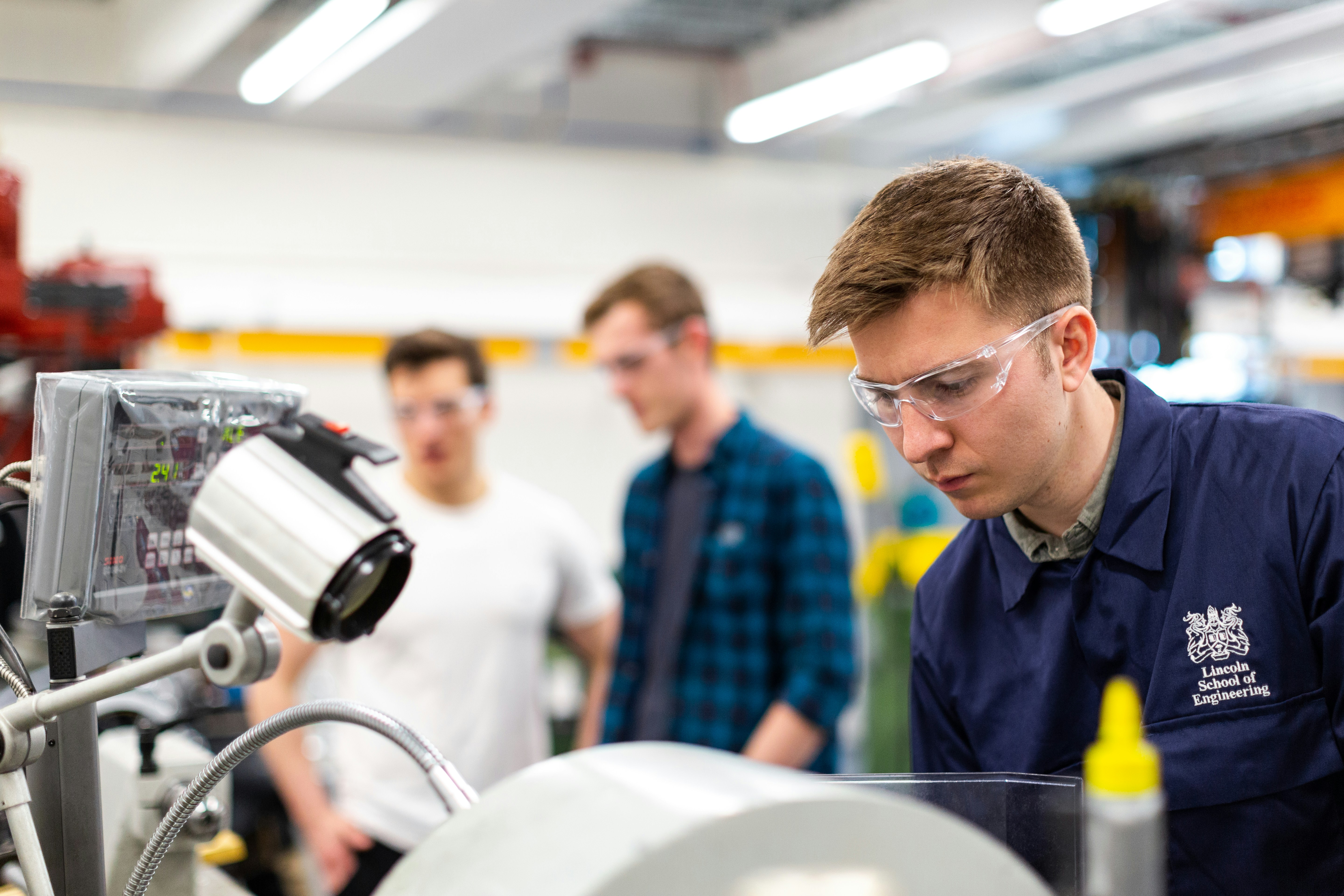


Polyester and nylon Oxford fabrics dominate heavy-duty textile applications for a reason. They offer predictable mechanical behavior, scalable manufacturing, and long-term durability under stress. Yet despite their visual similarity, the two materials perform very differently once subjected to real-world use. Selecting the correct Oxford fabric is not a cosmetic decision; it directly determines product lifespan, structural reliability, and after-sales risk.
In heavy-duty applications, fabrics are rarely judged by appearance alone. They are judged by how they respond to abrasion at corners, how seams behave under repeated loading, how fibers age under sunlight, and how coatings interact with the base yarn over time. Material choice defines the fabric’s personality, and in demanding environments, personality flaws show quickly.
Polyester vs Nylon Oxford Fabric for Tough Jobs
Oxford fabric is defined by its basket weave structure, but performance is largely governed by fiber chemistry. Polyester and nylon may share a similar weaving method, yet their molecular structure leads to very different outcomes in strength, fatigue resistance, and environmental stability.
Understanding these differences is essential when designing luggage, industrial bags, outdoor equipment, or load-bearing panels where failure is not acceptable.
Polyester Oxford Fabric
Polyester Oxford fabric is valued for its dimensional stability, resistance to environmental degradation, and predictable cost structure. It is widely used in products that must retain shape and appearance over long periods, especially in outdoor or travel-related scenarios.
| Property | Performance |
|---|---|
| UV resistance | High |
| Cost stability | Strong |
| Water absorption | Low |
| Abrasion resistance | Medium–High |
From a fiber science perspective, polyester has a relatively rigid molecular chain that resists UV breakdown better than nylon. This makes it particularly suitable for products exposed to sunlight for extended periods, such as outdoor covers, rooftop carriers, and travel luggage.
In manufacturing, polyester Oxford also offers consistent dye uptake and colorfastness. This matters in large production runs where visual consistency across batches is critical. Polyester’s low moisture absorption further improves coating adhesion stability, especially for PU or PVC-backed fabrics.
However, polyester’s stiffness can become a limitation in applications involving repeated folding or sharp bending. Over time, stress tends to localize at seams and corners rather than being distributed through the fabric body. This is why polyester Oxford performs best in structured panels rather than flexible load-bearing zones.
Polyester Oxford is widely used for luggage shells and outdoor covers because it balances durability, weather resistance, and cost control without introducing excessive manufacturing risk.
Nylon Oxford Fabric
Nylon Oxford fabric is engineered for mechanical abuse. Its molecular structure allows fibers to stretch and recover repeatedly without breaking, making it one of the most resilient options for heavy-duty textile products.
| Property | Performance |
|---|---|
| Tensile strength | Very high |
| Abrasion resistance | Excellent |
| Flex fatigue | Better |
| Cost | Higher |
Nylon fibers exhibit higher tensile strength than polyester at equivalent denier levels. More importantly, nylon dissipates energy more effectively under dynamic load. When a tool bag is dropped, dragged, or overfilled, nylon fibers deform and rebound rather than cracking or splitting.
Abrasion resistance is where nylon Oxford truly separates itself. In lab Martindale and Taber abrasion tests, nylon consistently outperforms polyester when tested under the same fabric weight and coating conditions. This advantage becomes visible first at corners, edges, and stitch lines.
The trade-off lies in environmental sensitivity. Nylon absorbs more moisture than polyester, which can affect dimensional stability and coating behavior if not properly controlled during finishing. Nylon also degrades faster under prolonged UV exposure unless stabilized with additives or protective coatings.
Nylon Oxford is preferred for tool bags and military-style equipment because mechanical survival outweighs cosmetic aging in these use cases.
Practical Comparison
Choosing between polyester and nylon Oxford should always be tied to application stress patterns rather than marketing labels. The same fabric can succeed or fail depending on where and how it is used.
| Application | Better Choice |
|---|---|
| Checked luggage | Polyester Oxford |
| Hand tools & hardware | Nylon Oxford |
| Outdoor covers | Polyester Oxford |
| Load-bearing panels | Nylon Oxford |
Checked luggage typically experiences abrasion during handling but also long-term exposure to UV and moisture during transport and storage. Polyester Oxford provides sufficient abrasion resistance while maintaining better color stability and lower cost.
Hand tool bags, on the other hand, experience localized stress, repeated impact, and constant friction against metal edges. Nylon Oxford distributes these stresses more effectively, reducing early wear at critical points.
The wrong fiber choice usually leads to early seam or corner failure, which is often mistaken for stitching or workmanship issues. In reality, fiber fatigue is the root cause in most cases.
Blend Considerations
Some Oxford fabrics use blended yarns combining polyester and nylon, theoretically aiming to capture the advantages of both fibers. In practice, blends rarely outperform pure nylon in strength or pure polyester in weather resistance.
Blended yarns introduce complexity in spinning, dyeing, and finishing. Differences in fiber elongation and thermal behavior can lead to uneven stress distribution within the yarn itself. Over time, one fiber tends to fail earlier, leaving the remaining fiber unsupported.
Blends may be suitable for mid-duty products where cost constraints are strict and performance demands are moderate. For true heavy-duty applications, however, clarity of material behavior is more valuable than compromise.
Real Production Example
A tool bag project initially used 600D polyester Oxford to meet a target cost and weight specification. Early lab tests showed acceptable abrasion resistance, and sampling passed standard quality checks.
However, after several months of field use, users reported visible corner wear and fabric thinning at high-contact points. Inspection revealed fiber breakage at fold lines rather than coating failure.
The material was switched to 840D nylon Oxford without increasing overall fabric weight significantly, as the denser weave allowed a thinner coating layer. Subsequent field testing showed a substantial extension in service life, with no structural failure observed during the same usage cycle.
This case illustrates a common sourcing lesson: laboratory metrics alone do not capture fatigue behavior under real use conditions.
Manufacturer Insight
At SzoneierFabrics, material selection is treated as an engineering decision rather than a catalog choice. During sampling, both polyester and nylon Oxford options are often prototyped side by side for the same product.
Clients are encouraged to handle the materials directly, comparing stiffness recovery, surface drag, and edge behavior under bending. These tactile differences are difficult to communicate through datasheets alone but become immediately obvious in physical samples.
By validating material behavior early, downstream risks such as warranty claims, negative reviews, or premature product replacement can be avoided. In heavy-duty applications, fabric selection is not about choosing the strongest specification on paper, but about choosing the fiber that fails last under real stress.
When Oxford fabric is matched correctly to its application, it becomes an invisible component. When it is chosen incorrectly, it becomes the first thing customers notice.
How Do Weave, Denier, and Yarn Type Affect Oxford Fabric Performance?

Oxford fabric is often discussed in shorthand terms: 600D, 900D, 1680D. While denier numbers are easy to quote, they rarely tell the full story. In real production, Oxford fabric performance is determined by the interaction of three factors—weave structure, yarn denier, and yarn type. These elements work together to define how a fabric behaves under load, abrasion, flexing, and coating stress.
A 600D Oxford fabric can perform exceptionally well or fail prematurely depending on how it is woven and what type of yarn is used. This is why experienced manufacturers rarely approve fabric based on denier alone. “600D” without context is a label, not a specification.
Breaking Down the Three Core Performance Drivers
To understand Oxford fabric performance in real-world applications such as luggage, tool bags, outdoor equipment, and protective covers, each of these drivers must be evaluated together rather than in isolation.
Weave Structure and Load Distribution
Weave structure determines how forces are distributed across the fabric surface. In Oxford fabrics, this is especially important because loads are often uneven and concentrated at seams, corners, and attachment points.
| Weave Type | Performance Impact |
|---|---|
| Plain weave | Balanced strength, flexible |
| Basket weave | Higher tear resistance |
| Tight weave | Better abrasion resistance |
Plain weave structures alternate warp and weft yarns one over one, creating a balanced and flexible fabric. While stable, plain weave tends to localize stress on individual yarns, which can limit tear resistance in heavy-duty use.
Basket weave constructions, commonly associated with Oxford fabric, group yarns together. Instead of a single yarn absorbing stress, load is spread across multiple yarns acting as a unit. This significantly improves tear resistance and makes basket weaves better suited for luggage panels and tool bags where puncture and ripping are common risks.
Tight weave density further enhances abrasion resistance by reducing yarn movement. Less movement means less fiber-on-fiber friction and slower surface wear. However, overly tight weaves can increase stiffness and reduce coating penetration, which must be balanced carefully.
Oxford fabrics used for luggage and tool bags often rely on basket-style constructions to spread load across yarn groups rather than relying on individual yarn strength alone.
Denier (D) Explained in Real Terms
Denier measures the linear mass of yarn, not the strength of the finished fabric. Higher denier means thicker yarns, but thicker does not automatically mean better in every application.
| Denier | Typical Use |
|---|---|
| 210D–300D | Light covers |
| 420D–600D | Soft luggage, backpacks |
| 840D–1000D | Tool bags |
| 1200D–1680D | Industrial protection |
Lower-denier Oxford fabrics are lighter and more flexible, making them suitable for covers or bags where weight and foldability matter more than structural strength. As denier increases, yarns become stronger and more abrasion-resistant, but also heavier and stiffer.
In practice, increasing denier without adjusting weave density often leads to diminishing returns. A loose 1000D fabric can tear more easily than a tightly woven 600D fabric because the yarns are not properly supported.
Higher denier increases yarn strength, but it also increases bending stiffness and overall fabric weight. This affects sewing performance, seam appearance, and user comfort in finished products.
Filament vs Textured Yarns
Yarn type determines surface behavior, internal strength, and how the fabric interacts with coatings.
| Yarn Type | Behavior |
|---|---|
| Filament yarn | Smooth, strong |
| Textured yarn | Softer, bulkier |
| High-tenacity yarn | Maximum strength |
Filament yarns are composed of continuous fibers, resulting in smooth surfaces and high tensile strength. They are ideal for applications requiring abrasion resistance and clean coating adhesion.
Textured yarns are mechanically modified to introduce bulk and softness. While they improve hand feel and reduce noise in use, they sacrifice some tensile strength and abrasion resistance.
High-tenacity yarns represent a category rather than a texture. These yarns are engineered for maximum strength through controlled polymer chemistry and drawing processes. High-tenacity filament yarns can dramatically increase tear strength without a proportional increase in fabric weight.
In heavy-duty Oxford fabrics, high-tenacity filaments are often the most efficient way to improve performance without making the fabric excessively stiff or heavy.
Tear and Abrasion Relationship
Tear resistance and abrasion resistance are related but not identical properties. Optimizing one without considering the other can lead to imbalanced fabric performance.
| Construction | Tear Resistance | Abrasion |
|---|---|---|
| Low denier, tight weave | Medium | High |
| High denier, loose weave | High | Medium |
| High denier, tight weave | Very high | Very high |
Low-denier fabrics with tight weaves resist surface wear well but may fail suddenly once a tear starts. High-denier fabrics with loose weaves resist tearing initially but can wear quickly at high-friction points.
The strongest Oxford fabrics balance denier and weave density rather than pushing either parameter to extremes. This balance allows the fabric to resist gradual abrasion while also preventing catastrophic tearing.
Coating Interaction and Performance
Weave density and yarn type directly influence how coatings such as PU or PVC bond to the fabric. Filament yarns with controlled spacing allow coatings to anchor mechanically between yarns, improving peel strength and water resistance.
Overly tight weaves can prevent proper coating penetration, leading to surface-level adhesion that peels over time. Conversely, very loose weaves can consume excessive coating material without delivering proportional performance gains.
This interaction explains why two fabrics with identical denier and coating thickness can perform very differently in waterproof and abrasion tests.
Real-World Design Implications
For product designers, understanding these variables helps avoid common mistakes such as over-specifying denier while ignoring weave density or selecting soft textured yarns for high-abrasion zones.
In luggage design, for example, main panels may prioritize abrasion resistance and UV stability, while gussets and corners benefit from higher tear resistance and flex fatigue tolerance. Achieving this often requires different Oxford constructions within the same product rather than a single fabric solution.
Manufacturing Insight
At SzoneierFabrics, fabric is never specified by denier alone. Each project locks denier, weave density, and yarn type together as a single engineering decision.
Sampling programs frequently include multiple constructions at the same denier level so performance differences can be evaluated under real sewing and stress conditions. This approach prevents mismatched expectations between design intent and field performance.
Oxford fabric performance is not defined by numbers on a spec sheet. It is defined by how fibers, yarns, and weave structures work together when the product is bent, dragged, loaded, and used repeatedly. When these elements are aligned, the fabric performs quietly and reliably. When they are not, failure becomes inevitable—and visible.
What Are the Differences Between Polyester and Nylon Oxford Fabrics?

At first glance, polyester Oxford and nylon Oxford fabrics appear nearly identical. They share the same Oxford weave heritage, similar surface textures, and overlapping denier ranges. Yet once products enter real use—exposed to sunlight, moisture, bending, abrasion, and load—the differences between these two materials become increasingly visible.
Nylon Oxford fabrics offer superior tensile strength, tear resistance, and abrasion performance, while polyester Oxford fabrics provide better UV stability, moisture resistance, and cost efficiency. Both are “Oxford,” but they age very differently. Understanding how and why they age differently is essential for designers, sourcing managers, and brands planning products with long service lives.
Performance Differences That Matter Over Time
Material comparisons often focus on initial lab values. In practice, long-term performance matters more. The way a fabric responds to repeated stress cycles, environmental exposure, and user behavior determines whether a product remains reliable or develops visible failure points.
Mechanical Strength Comparison
Mechanical performance defines how well a fabric survives daily abuse. This includes pulling forces at seams, bending during packing, and localized stress at corners and handles.
| Property | Polyester Oxford | Nylon Oxford |
|---|---|---|
| Tensile strength | Medium–High | Very high |
| Tear resistance | Medium | High |
| Flex fatigue | Moderate | Excellent |
Nylon Oxford consistently outperforms polyester in tensile and tear strength at equivalent denier levels. The reason lies in polymer structure. Nylon fibers elongate more before breaking, allowing them to absorb shock and redistribute stress rather than snapping.
Flex fatigue resistance is particularly important in products such as backpacks, tool bags, and soft luggage. Nylon survives repeated bending and load cycles better, maintaining fiber integrity even after thousands of flex motions. Polyester, while strong, tends to develop micro-fractures sooner under the same conditions.
Environmental Resistance
Environmental exposure often determines whether a fabric looks worn before it actually fails. Sunlight, moisture, oils, and temperature fluctuations all influence how Oxford fabrics age.
| Exposure | Better Choice |
|---|---|
| Sun / UV | Polyester |
| Moisture | Polyester |
| Oil / grease | Nylon |
| Cold temperatures | Nylon |
Polyester has superior resistance to UV degradation. Its molecular bonds are less vulnerable to ultraviolet radiation, which helps maintain color, surface integrity, and coating adhesion over time. This is why outdoor covers, rooftop carriers, and exterior luggage panels frequently favor polyester Oxford.
Moisture resistance also favors polyester. Polyester fibers absorb very little water, which minimizes swelling, dimensional changes, and coating stress. Nylon, by contrast, absorbs more moisture, which can slightly alter fabric stiffness and tension if not properly stabilized.
Nylon performs better in environments involving oil, grease, and cold temperatures. It maintains flexibility in low-temperature conditions where polyester can stiffen, and it resists damage from petroleum-based substances more effectively.
Weight vs Strength Efficiency
When comparing fabrics, absolute strength matters less than strength relative to weight. This ratio influences comfort, shipping costs, and overall product usability.
| Fabric | Strength per Weight |
|---|---|
| Polyester Oxford | Moderate |
| Nylon Oxford | High |
Nylon achieves higher strength without increasing thickness. This allows designers to use lighter fabrics while still meeting durability requirements. In load-bearing products, this efficiency can significantly improve handling and reduce user fatigue.
Polyester Oxford often requires higher denier or thicker constructions to reach similar strength levels, which can increase stiffness and weight. In applications where weight reduction is critical, nylon provides a clear advantage.
Cost and Consistency Considerations
Beyond performance, sourcing decisions are shaped by cost structure and supply stability. Long-term programs require predictable pricing and consistent quality across production batches.
| Factor | Polyester | Nylon |
|---|---|---|
| Raw material cost | Lower | Higher |
| Price stability | High | Variable |
| Dye consistency | Excellent | Good |
Polyester benefits from a larger global production base and more stable raw material pricing. This makes it attractive for large-volume, long-term programs where cost predictability is essential.
Dye consistency is another strength of polyester. It accepts dyes uniformly and maintains color accuracy across batches, reducing shade variation risk. Nylon dyeing is more sensitive to processing conditions, which can introduce slight variations if not tightly controlled.
Nylon’s higher and more variable cost reflects its more complex polymer chemistry and production process. For products where performance outweighs cost sensitivity, this premium is often justified.
How Aging Behavior Affects Product Design
A critical difference between polyester and nylon Oxford lies in how they age rather than how they perform when new. Polyester tends to show visual aging first—color fading, surface dulling—while retaining structural integrity. Nylon often retains its appearance longer but can show performance degradation if exposed to prolonged UV without protection.
This aging behavior influences design strategy. Products intended for outdoor exposure may prioritize visual longevity, while industrial or tactical products prioritize mechanical survival regardless of appearance.
Hybrid Material Strategies
Many high-performance products use both polyester and nylon Oxford strategically rather than choosing one exclusively. This approach allows designers to place the right material in the right location.
A common configuration uses polyester Oxford for large exterior panels exposed to sunlight and weather, while nylon Oxford reinforces stress zones such as handles, base panels, corners, and attachment points. This hybrid strategy balances cost, durability, and appearance over the product’s life cycle.
Real Use Example
A luggage brand experienced an increase in customer complaints related to UV fading on outdoor-facing panels. The product initially used nylon Oxford throughout for maximum durability. While structural failures were rare, visible fading occurred faster than expected in sunny regions.
The brand revised the material strategy by switching exterior-facing panels to polyester Oxford while retaining nylon Oxford in high-stress areas such as handles, corners, and wheel housings. This change significantly reduced UV-related complaints without compromising mechanical performance.
The result was a product that aged more evenly, maintaining both appearance and structural reliability throughout its service life.
Manufacturing Insight
At SzoneierFabrics, polyester and nylon Oxford fabrics are rarely treated as interchangeable. Material selection is based on usage mapping rather than category labels.
Sampling programs frequently include hybrid fabric layouts, allowing performance differences to be evaluated in real sewing and assembly conditions. Clients can assess stiffness recovery, seam behavior, abrasion response, and visual aging characteristics before finalizing material placement.
This engineering-driven approach ensures that polyester Oxford is used where weather resistance and cost control matter most, while nylon Oxford reinforces areas where strength and fatigue resistance are critical.
Polyester and nylon Oxford fabrics share a name and weave heritage, but their performance paths diverge over time. Choosing between them—or combining them intelligently—is less about which fabric is “better” and more about which fabric fails last in the way that matters most for the product.
How Do Coatings and Finishes Enhance Oxford Fabric for Durability and Protection?
Oxford fabric is inherently strong thanks to its yarn structure and weave, but raw strength alone is rarely enough for real-world applications. Exposure to rain, abrasion, UV radiation, oils, and repeated folding quickly reveals the limits of uncoated fabric. This is where coatings and functional finishes fundamentally change performance.
Coatings and finishes enhance Oxford fabric by improving water resistance, abrasion resistance, UV stability, and structural rigidity, allowing the fabric to perform reliably in harsh, long-term use conditions. Uncoated Oxford fabric is tough. Coated Oxford fabric is purposeful. The coating transforms the fabric from a passive material into an engineered component with defined behavior.
What Each Coating Really Does
Coatings are often discussed as waterproof layers, but their real function goes much deeper. Each coating system alters how the fabric bends, how it distributes stress, how it responds to temperature changes, and how long it maintains performance.
Common Coating Types for Oxford Fabric
| Coating Type | Primary Function |
|---|---|
| PU (Polyurethane) | Water resistance, flexibility |
| PVC | Waterproofing, stiffness |
| TPU | Abrasion resistance, elasticity |
| Acrylic | Light water repellency |
| PA (Polyamide) | Improved durability |
PU coatings are the most widely used in bags and luggage because they strike a balance between water resistance and flexibility. PVC coatings offer excellent waterproofing but introduce rigidity. TPU coatings deliver high elasticity and abrasion resistance, making them suitable for demanding protective applications.
Acrylic and PA finishes are often used as supplementary layers, improving surface performance without fundamentally changing fabric stiffness.
Each coating changes how the fabric behaves, not just how it repels water. This behavioral shift is what determines whether a product feels durable or problematic in daily use.
PU vs PVC vs TPU: Real Differences
Understanding the trade-offs between coating types helps avoid mismatches between material behavior and application requirements.
| Property | PU | PVC | TPU |
|---|---|---|---|
| Flexibility | High | Low | Very high |
| Cold resistance | Good | Poor | Excellent |
| Weight | Light | Heavy | Medium |
| Environmental profile | Better | Weaker | Better |
PU coatings remain flexible across a wide temperature range, which is why they dominate luggage, backpacks, and soft bags. They allow the fabric to fold repeatedly without cracking, preserving both waterproofing and seam integrity.
PVC coatings provide superior water blocking but at the cost of stiffness and poor cold resistance. In low temperatures, PVC becomes brittle, increasing the risk of cracking at fold lines. This makes PVC better suited for static covers or rigid panels rather than flexible products.
TPU coatings combine elasticity with abrasion resistance. They stretch and recover with the fabric, making them ideal for premium protective covers, equipment cases, and applications involving repeated impact or movement. TPU also performs well in cold environments, retaining flexibility where other coatings fail.
Coating Thickness (GSM) Matters
Coating performance is not only about material type but also about how much coating is applied. Thickness directly affects waterproofing, stiffness, and sewing behavior.
| Coating Weight | Impact |
|---|---|
| 10–20 gsm | Splash resistance |
| 30–50 gsm | Rain protection |
| 60+ gsm | Full waterproofing |
Light coatings improve surface water repellency without significantly altering fabric hand feel. Medium coatings provide reliable rain protection for outdoor use. Heavy coatings achieve full waterproofing but introduce stiffness and sewing challenges.
Over-coating is a common mistake. Excessive coating weight can reduce stitch penetration quality, increase needle heating during sewing, and cause seam puckering. In extreme cases, heavy coatings create stress concentration at fold points, accelerating crack formation.
Abrasion and Structural Reinforcement
Coatings also serve as sacrificial layers against abrasion. In many Oxford fabrics, surface wear occurs long before yarn failure. A well-selected coating absorbs friction and protects the underlying weave.
TPU and reinforced PU systems excel in this role. They distribute abrasion forces across a continuous film rather than allowing yarns to abrade individually. This significantly extends service life in high-contact zones such as bag bases, corners, and tool compartments.
However, rigid coatings may resist abrasion initially but fail catastrophically once cracked. Flexible coatings degrade more gradually, providing visual warning before structural failure.
Additional Functional Finishes
Beyond primary coatings, functional finishes tailor Oxford fabric to specific environments and regulations.
| Finish | Benefit |
|---|---|
| UV-resistant finish | Reduces fading |
| Anti-mildew | Prevents odor |
| Oil-resistant | Tool protection |
| Flame retardant | Safety covers |
UV-resistant finishes slow color fading and polymer degradation in outdoor exposure. Anti-mildew treatments prevent microbial growth in humid conditions, protecting both fabric integrity and user comfort.
Oil-resistant finishes are essential for tool bags and industrial equipment, where exposure to lubricants can weaken fibers and coatings. Flame-retardant finishes are used in safety covers and industrial protection, meeting regulatory requirements without sacrificing durability.
Functional finishes should match the real environment, not assumptions. Adding unnecessary finishes increases cost and can introduce compatibility issues without delivering practical benefits.
Coating Interaction with Weave and Yarn
Coatings do not exist independently of the fabric beneath them. Weave density and yarn type influence how coatings anchor and perform over time.
Tightly woven fabrics limit coating penetration, creating surface-level adhesion that may peel under stress. Looser weaves allow deeper mechanical bonding but consume more coating material. Filament yarns promote smooth coating films, while textured yarns can trap air and create uneven coating thickness.
This interaction explains why two Oxford fabrics with identical coating specifications can perform very differently in the field.
Failure Mode Insight
Many Oxford fabrics fail not because the yarns break, but because coatings crack at fold points. This typically occurs when rigid coatings such as PVC are used in applications requiring repeated bending.
Once cracks form, water ingress accelerates, and abrasion concentrates at damaged areas. These failures are often mistaken for quality defects, but they originate from mismatched coating selection rather than poor workmanship.
Design and Application Matching
Selecting the right coating requires mapping how the product will be used. Bags that fold and compress need flexible coatings. Covers that remain static can tolerate rigidity. Products exposed to cold require coatings that maintain elasticity at low temperatures.
Successful designs treat coatings as structural components rather than surface treatments.
Manufacturer Insight
At SzoneierFabrics, coating selection is validated through fold, cold, and abrasion simulations rather than relying solely on lab waterproof ratings. Fabrics are repeatedly flexed, compressed, and abraded to observe coating behavior under realistic stress patterns.
This approach ensures coatings survive real use rather than passing isolated tests. By aligning coating type, thickness, and fabric construction, Oxford fabrics can deliver consistent performance throughout their service life.
Coatings and finishes do more than protect Oxford fabric from water. They define how the fabric moves, ages, and fails. When selected with intent, they transform a strong fabric into a reliable system built for long-term use.
What Strength, Tear, and Abrasion Properties Should Buyers Look for in Oxford Fabric?
When buyers evaluate Oxford fabric, the first number they usually ask for is denier. While denier helps describe yarn size, it is not a reliable predictor of how a fabric will perform once it is sewn, loaded, bent, dragged, or exposed to daily use. Real durability is defined by strength, tear resistance, and abrasion performance, measured in controlled tests but validated through application context.
Buyers should evaluate Oxford fabric based on tensile strength, tear resistance, and abrasion performance—not just denier or thickness—to ensure long-term reliability in demanding applications. Numbers matter, but only the right ones. Selecting the wrong performance metric often leads to products that look acceptable on paper but fail prematurely in the field.
Meaningful Performance Benchmarks
Strength-related data only becomes useful when linked to how and where the fabric will be used. A fabric that performs well in one application can be entirely unsuitable for another, even at the same denier and coating level.
Tensile Strength Guidelines
Tensile strength measures how much force a fabric can withstand before breaking when pulled in a straight line. This property is most relevant at seams, handles, and attachment points where load is transferred from one component to another.
| Application | Recommended Tensile Strength |
|---|---|
| Luggage panels | ≥900 N |
| Tool bags | ≥1200 N |
| Protective covers | ≥800 N |
Higher tensile strength reduces seam failure risk, especially in products that carry weight or experience sudden loading, such as when a bag is lifted abruptly. In luggage panels, tensile strength ensures the fabric supports internal frames and packed contents without distorting or tearing.
However, tensile strength alone does not guarantee durability. Many fabrics with high tensile values still fail early due to tearing or abrasion, which are more representative of real-world damage.
Tear Resistance Benchmarks
Tear resistance measures how well a fabric resists the propagation of a cut or puncture. In everyday use, damage rarely occurs as a clean, uniform pull. Instead, it starts as a small nick, puncture, or corner stress that spreads under load.
| Fabric Type | Tear Strength |
|---|---|
| 600D Polyester Oxford | Medium |
| 840D Nylon Oxford | High |
| 1680D Polyester Oxford | Very high |
Tear resistance is often more critical than tensile strength in real-world damage. A fabric with moderate tensile strength but high tear resistance may outperform a stronger fabric that tears easily once damaged.
Nylon Oxford generally performs better in tear resistance due to its higher fiber elongation and energy absorption. High-denier polyester Oxford can also achieve excellent tear strength, but often at the cost of increased weight and stiffness.
In applications like tool bags, corner panels, and base reinforcements, tear resistance is often the limiting factor in product lifespan.
Abrasion Resistance (Martindale)
Abrasion resistance measures how well a fabric withstands repeated rubbing. This property directly affects appearance retention and structural longevity, especially in high-contact zones.
| Use Case | Cycles Required |
|---|---|
| Travel luggage | ≥20,000 |
| Tool bags | ≥30,000 |
| Industrial covers | ≥15,000 |
Abrasion failure usually starts at corners and edges where fabric contacts rough surfaces. Once the surface fibers wear down, underlying yarns are exposed and fail rapidly.
A fabric that meets tensile and tear benchmarks but fails abrasion testing often develops visible wear within months, leading to customer complaints even if structural failure has not yet occurred.
Why Abrasion Often Determines Perceived Quality
From a user’s perspective, abrasion damage is more noticeable than other forms of failure. Fading, fuzzing, thinning, and surface breakdown all signal poor quality, even if the fabric remains technically functional.
For brands, this means abrasion resistance often determines product reputation more than internal strength metrics. Fabrics with balanced abrasion performance age more gracefully, maintaining a consistent appearance throughout their service life.
Seam and Stitch Interaction
Fabric performance cannot be separated from how it behaves once sewn. Many failures attributed to “weak fabric” are actually the result of poor interaction between fabric, thread, and seam construction.
| Issue | Cause |
|---|---|
| Fabric tearing at seams | Low tear resistance |
| Stitch pull-through | Loose weave |
| Edge fraying | Poor yarn cohesion |
Low tear resistance allows stitch holes to elongate and propagate under load, leading to seam failure. Loose weave structures may allow stitches to pull through the fabric rather than distributing load across multiple yarns.
Edge fraying often results from poor yarn cohesion or insufficient finishing, especially in cut edges that experience repeated handling.
Strong fabric still fails if seam behavior is not considered. This is why performance evaluation should include stitched sample testing rather than fabric-only lab reports.
Balancing the Three Properties
The most reliable Oxford fabrics balance tensile strength, tear resistance, and abrasion performance. Over-optimizing one property often compromises another.
For example, increasing coating thickness may improve abrasion resistance but reduce flexibility, leading to cracking and eventual tear initiation. Increasing denier may boost tensile strength but increase stiffness and sewing difficulty.
Balanced constructions distribute stress, resist surface wear, and tolerate minor damage without catastrophic failure.
Testing Oversight Example
In one sourcing case, a fabric passed tensile strength requirements with a comfortable margin. However, abrasion testing revealed failure at approximately 12,000 Martindale cycles, well below the expected service threshold.
The issue was not denier or coating weight, but yarn type. The fabric used standard filament yarns instead of high-tenacity filaments. By upgrading the yarn type while keeping denier constant, abrasion resistance increased significantly without adding weight or stiffness.
This example highlights why relying on a single test value can lead to costly mistakes.
Interpreting Test Reports Correctly
Buyers should avoid comparing test results without understanding test methods and conditions. Tensile and tear values depend on test direction, sample preparation, and standard used. Abrasion results vary depending on pressure, fabric orientation, and endpoint definition.
Meaningful evaluation compares fabrics tested under the same standards and interprets results in relation to actual product use.
Application-Specific Decision Making
A fabric suitable for luggage may be inadequate for tool bags, even if denier and coating appear similar. Tool bags experience higher localized loads, sharper abrasion, and exposure to oils and debris.
Protective covers may prioritize waterproofing and UV resistance over tear strength, while industrial covers balance abrasion resistance with flexibility for handling.
Understanding these differences prevents over- or under-specification.
Manufacturer Insight
SzoneierFabrics recommends that buyers review test reports with application context, not generic data sheets. Performance targets are defined based on how the product will be used, handled, and stored, rather than relying on industry averages.
Sampling programs often include stitched and folded test panels subjected to abrasion, flexing, and load cycles. This approach reveals weaknesses that isolated lab tests may overlook.
Oxford fabric durability is not defined by a single number. It is defined by how strength, tear resistance, and abrasion performance work together under real conditions. Buyers who focus on the right metrics make fewer compromises—and avoid failures that only appear after products reach the market.
Which Oxford Fabric Specifications Work Best for Luggage vs Tool Bags vs Protective Covers?

Oxford fabric is often discussed as if it were a single material category. In reality, it is a family of constructions that behave very differently depending on fiber choice, denier, weave density, and coating system. When the same specification is applied blindly across different products, performance problems almost always follow.
Different end uses demand different Oxford fabric specifications. Luggage prioritizes abrasion resistance and weight balance. Tool bags require high tear and puncture strength. Protective covers focus on weather resistance, UV stability, and coating performance. Oxford fabric works best when it is matched to stress type, not just thickness.
Application-Driven Specification Mapping
The most reliable way to select Oxford fabric is to start from how the product will be used, abused, stored, and transported. Each application creates a unique stress profile, and the fabric should be engineered to survive that profile efficiently rather than excessively.
Luggage Applications
Luggage experiences a combination of mechanical and cosmetic stress. It is dragged across rough surfaces, compressed in cargo holds, folded during packing, and exposed to sunlight and moisture during travel. The challenge is to achieve durability without unnecessary weight.
Luggage failures rarely occur from extreme loads. They usually begin with surface abrasion, seam fatigue, or fabric thinning at contact points.
| Requirement | Recommended Spec |
|---|---|
| Fiber | Polyester or Nylon |
| Denier | 600D–900D |
| Weave | Tight plain or basket |
| Coating | PU 30–50 gsm |
| Abrasion cycles | ≥20,000 |
Polyester Oxford is commonly used for luggage panels due to its UV stability, low moisture absorption, and consistent appearance over time. Nylon Oxford may be used selectively where higher flex fatigue resistance is required, such as near wheels or handles.
Denier levels above 900D rarely improve luggage performance proportionally. Instead, they increase weight and stiffness, which can negatively affect user experience and shipping efficiency. Balance matters. Overbuilding adds weight without real benefit.
A tight weave improves abrasion resistance and helps luggage maintain a clean surface appearance longer, especially in high-traffic environments such as airports and train stations.
Tool Bags and Heavy Carry Products
Tool bags represent one of the most demanding applications for Oxford fabric. Unlike luggage, which spreads load relatively evenly, tool bags concentrate stress at sharp edges, corners, and seams. Tools create point loads that challenge tear resistance more than surface abrasion.
Here, failure typically starts at seams or corners rather than across large panels.
| Requirement | Recommended Spec |
|---|---|
| Fiber | Nylon |
| Denier | 840D–1680D |
| Yarn | High-tenacity filament |
| Coating | PU or TPU |
| Tear strength | High priority |
Nylon Oxford is strongly favored for tool bags because of its superior tensile strength, tear resistance, and flex fatigue performance. High-tenacity filament yarns further improve durability by increasing energy absorption without significantly increasing fabric weight.
Higher denier ranges are justified in tool bags because the fabric must resist puncture and tearing caused by metal edges and concentrated loads. In this context, added stiffness is acceptable and often beneficial.
TPU coatings are increasingly used in premium tool bags because they provide abrasion resistance and elasticity. TPU allows the fabric to deform under load and recover without cracking, extending service life in demanding conditions.
In tool bags, tear resistance matters more than surface abrasion. A fabric that looks worn but remains intact performs better than one that appears clean but fails catastrophically at a seam.
Protective Covers (Outdoor and Industrial)
Protective covers operate under a very different stress profile. They are often static for long periods, exposed to sunlight, rain, wind, and temperature changes. Mechanical loading is usually low, but environmental degradation is constant.
| Requirement | Recommended Spec |
|---|---|
| Fiber | Polyester |
| Denier | 420D–600D |
| Coating | PU / PVC / TPU |
| UV resistance | Required |
| Mildew resistance | Recommended |
Polyester Oxford is the preferred fiber for protective covers due to its excellent UV resistance and low water absorption. These properties help maintain fabric stability and coating adhesion over long outdoor exposure.
Denier requirements are lower than for luggage or tool bags because structural loads are minimal. Increasing denier in covers often increases stiffness without adding meaningful benefit.
Coating choice depends on exposure conditions. PU coatings offer flexibility and moderate waterproofing. PVC coatings provide maximum waterproofing for static covers but reduce flexibility. TPU coatings are used where durability and cold resistance are required.
Flexibility and weather stability matter more than raw strength in protective covers. A cover that cracks due to UV or cold exposure fails regardless of its tensile strength.
How Stress Type Dictates Fabric Behavior
Each application applies stress differently. Luggage stresses are repetitive and distributed. Tool bag stresses are concentrated and dynamic. Protective cover stresses are environmental and long-term.
When the fabric specification does not align with stress type, failure becomes predictable. Abrasion-focused fabrics fail under puncture. High-strength fabrics fail under UV exposure. Rigid coatings fail under repeated folding.
Understanding stress type allows designers to choose fabrics that fail slowly rather than suddenly.
Mixed-Use Designs and Zoned Fabric Strategies
Many modern products no longer rely on a single fabric specification. Instead, they use zoned construction, placing different Oxford fabrics where they perform best.
| Zone | Fabric Strategy |
|---|---|
| High-stress corners | Nylon Oxford |
| Large panels | Polyester Oxford |
| Inner lining | Lighter Oxford |
This hybrid approach reduces cost while improving lifespan. High-performance materials are used only where necessary, while lighter or more economical fabrics handle low-stress areas.
Zoned designs are common in premium luggage, professional tool systems, and industrial equipment covers. They reflect a more mature understanding of how products actually fail in use.
Cost Control Without Performance Loss
Matching fabric to application also improves cost efficiency. Over-specification is one of the most common sourcing mistakes. Using 1680D nylon Oxford across an entire luggage product may feel safe, but it adds cost, weight, and stiffness without proportionate durability gains.
Conversely, under-specification leads to warranty claims and brand damage. The goal is not the strongest fabric possible, but the most appropriate fabric for each function.
When specifications are aligned with use, material cost and performance reinforce each other rather than conflict.
Sewing, Assembly, and Fabric Compatibility
Fabric choice also affects manufacturing efficiency. Very stiff fabrics slow sewing speed, increase needle wear, and raise defect rates. Very soft fabrics may distort during stitching, affecting seam quality.
Luggage fabrics must balance sewability with abrasion resistance. Tool bag fabrics must tolerate thick threads and dense stitching. Cover fabrics must allow large panels to be joined cleanly without puckering.
These factors should be evaluated during sampling, not after bulk production begins.
Field Feedback and Iterative Improvement
Real-world feedback often reveals stress points that were underestimated during design. Corners, handles, and base panels frequently require reinforcement after early production runs.
Products that incorporate zoned fabric strategies from the beginning adapt more easily to feedback, as changes can be localized without redesigning the entire structure.
Manufacturer Insight
SzoneierFabrics frequently engineers multi-spec Oxford fabric layouts within a single product. Instead of treating fabric as a uniform input, each zone is evaluated based on load, abrasion, flexing, and environmental exposure.
Sampling programs include stitched prototypes that simulate real use, allowing designers and buyers to assess how different specifications behave together. This approach controls cost and performance simultaneously, reducing both overengineering and premature failure.
Oxford fabric delivers its best performance when it is selected with intent. When specifications follow stress patterns rather than assumptions, the fabric becomes a quiet contributor to product reliability. When they do not, the fabric becomes the first point of failure—and the most visible one.
How Should Brands Choose the Right Oxford Fabric Material for Long-Term Performance?
Choosing Oxford fabric is often treated as a styling or pricing decision. In reality, it is one of the most consequential technical choices a brand makes. Fabric decisions quietly determine warranty rates, customer satisfaction, product lifespan, and even brand reputation years after launch.
Brands should choose Oxford fabric based on real stress conditions, environmental exposure, and expected lifespan, using performance testing and material matching rather than relying on denier or price alone. Oxford fabric selection is risk management, not aesthetics. When the wrong fabric is chosen, problems rarely appear immediately. They surface months later, in the form of abrasion wear, seam tearing, coating failure, or fading—long after design decisions can be easily corrected.
A Practical Oxford Fabric Selection Framework
Long-term performance does not come from selecting the “strongest” fabric on paper. It comes from choosing the right fabric for how a product will actually be used. The following framework reflects how experienced brands and manufacturers reduce material-related risk.
Step 1: Map Real-World Stress
The first step is to understand where and how the product will be stressed. Every product fails somewhere first. Identifying that location early allows fabric specifications to protect the most vulnerable zones rather than overbuilding the entire product.
| Stress Type | Typical Area |
|---|---|
| Abrasion | Bottom, edges |
| Tear | Seams, corners |
| UV | Top panels |
| Moisture | Base, folds |
Abrasion typically concentrates at contact points such as the bottom of a bag or along exposed edges. Tear failures often originate at seams, stitch holes, or sharp corners where stress concentrates. UV damage affects surfaces exposed to sunlight, while moisture accumulates in folds, bases, and poorly ventilated areas.
Fabric specs should protect these zones first. Designing around average conditions instead of peak stress is one of the most common causes of premature fabric failure.
Step 2: Match Fiber to Environment
Once stress locations are identified, fiber choice should reflect the environment the product will live in. Polyester and nylon Oxford fabrics behave differently under the same conditions, and neither is universally superior.
| Condition | Better Choice |
|---|---|
| Outdoor sun | Polyester |
| Heavy load | Nylon |
| Cold bending | Nylon |
| Cost control | Polyester |
Polyester performs better under prolonged UV exposure and maintains color and coating stability in outdoor environments. Nylon excels under mechanical stress, repeated bending, and high load cycles. Nylon also retains flexibility in cold conditions where polyester may stiffen.
Cost considerations also play a role. Polyester offers more stable pricing and batch-to-batch consistency, which is important for long-term programs. Nylon’s higher cost is justified when performance margins are tight.
No fiber is universally superior. Context decides. Brands that treat fiber choice as a fixed preference rather than an environmental response often pay for it later.
Step 3: Define Measurable Performance Targets
Vague requirements such as “durable,” “heavy-duty,” or “premium” lead to subjective disputes and inconsistent outcomes. Before sampling begins, brands should lock in measurable targets tied to actual use.
Key parameters typically include:
- Minimum tensile strength for load-bearing areas
- Tear resistance threshold for seams and corners
- Abrasion cycle requirement for exposed surfaces
- Waterproof or water-resistance rating, if required
Defining these targets early aligns expectations between designers, sourcing teams, and manufacturers. It also prevents cost-driven downgrades later in the process that quietly undermine performance.
Clear targets transform fabric selection from opinion-based discussion into evidence-based decision making.
Step 4: Validate Through Testing, Not Assumptions
Specifications alone do not guarantee performance. Many fabrics meet lab benchmarks yet fail under real use because the wrong tests were emphasized or interpreted without context.
| Test | Purpose |
|---|---|
| Abrasion | Surface longevity |
| Tear | Damage resistance |
| Fold fatigue | Coating durability |
| UV aging | Color & strength stability |
Abrasion testing reveals how quickly surface fibers break down. Tear testing shows how damage propagates once initiated. Fold fatigue testing exposes coating brittleness that static waterproof tests miss. UV aging highlights long-term degradation that short-term tests cannot capture.
Testing reveals weaknesses that specs alone hide. It also allows brands to compare fabrics objectively under identical conditions rather than relying on supplier claims or marketing descriptions.
Why Denier and Price Are Poor Decision Anchors
Denier is often used as shorthand for strength, but it only describes yarn size. A loosely woven 1000D fabric may perform worse than a tightly woven 600D fabric with high-tenacity yarns. Similarly, price differences often reflect raw material markets rather than performance differences relevant to the application.
Brands that anchor decisions on denier or unit cost alone tend to over-specify in low-stress areas and under-specify where it matters most. This imbalance increases cost without improving durability.
Long-term performance comes from balanced construction, not extreme numbers.
Considering the Full Product Lifecycle
Oxford fabric selection should account for how the product will age, not just how it performs when new. Visual wear, color fading, coating cracks, and seam distortion all influence customer perception long before structural failure occurs.
A fabric that remains structurally sound but looks worn quickly still damages brand reputation. Conversely, a fabric that fades slowly but tears easily creates functional failure. Long-term performance means aging evenly and predictably across all critical properties.
This lifecycle perspective often leads to hybrid fabric strategies rather than single-material solutions.
Zoning and Material Mapping for Risk Reduction
Many high-performing products use different Oxford fabrics in different zones. High-stress corners may use nylon Oxford with high tear resistance. Large exterior panels may use polyester Oxford for UV stability. Interior linings may use lighter constructions to reduce weight and cost.
This zoning approach allows brands to control risk precisely rather than spreading cost uniformly across the product. It also makes later improvements easier, as specific zones can be upgraded without redesigning the entire structure.
Supply Chain and Repeatability Considerations
Long-term performance is also affected by consistency across production runs. A fabric that performs well in samples but varies in weave density, coating weight, or yarn quality across batches introduces hidden risk.
Brands should consider whether the selected Oxford fabric can be reproduced consistently at scale. Stable raw material sourcing, controlled finishing processes, and repeatable testing protocols are as important as initial performance values.
How SzoneierFabrics Supports Oxford Fabric Decisions
SzoneierFabrics supports long-term product performance by integrating material engineering into the selection process rather than treating fabric as a catalog item.
Support typically includes:
- Engineering Oxford fabric specifications by application rather than category
- Offering polyester and nylon Oxford in multiple deniers and constructions
- Customizing coatings, finishes, and functional treatments
- Running application-specific performance testing
- Supporting low MOQ sampling and fast development cycles
- Ensuring stable quality across repeat orders
This structured approach allows brands to validate decisions early and reduce downstream risk. Products are developed to survive real use, not just pass inspection at delivery.
Common Mistakes That Shorten Product Lifespan
Several patterns appear repeatedly in failed products. Over-reliance on denier, ignoring seam behavior, choosing rigid coatings for flexible products, and underestimating UV exposure are among the most common.
Another frequent mistake is assuming that higher cost guarantees better performance. Without alignment between fabric behavior and use conditions, premium materials can fail just as quickly as budget ones.
Avoiding these mistakes requires discipline in specification and validation rather than intuition.
Oxford Fabric Is Only as Good as Its Specification
Oxford fabric does not fail because it is weak. It fails because it is mis-matched.
When fiber type, denier, weave, coating, and environment are aligned, Oxford fabric delivers years of reliable performance in luggage, tool bags, and protective covers. When they are not, failure becomes inevitable, visible, and costly.
The best products are not overbuilt. They are correctly built, with fabric choices that quietly absorb stress, resist aging, and protect the brand long after the product leaves the factory.
Start Your Oxford Fabric Customization with SzoneierFabrics
If you’re developing luggage, tool bags, or protective covers and need Oxford fabric that balances strength, durability, and cost, SzoneierFabrics can support you with:
- Custom Oxford fabric engineering
- Polyester and nylon Oxford options
- PU, PVC, TPU, and functional coatings
- Low MOQ sampling and rapid prototyping
- Stable bulk production with quality assurance
Share your product application, environment, and performance targets. Our team will help you select an Oxford fabric that protects your product—and your reputation—over time.
When you’re ready, contact SzoneierFabrics to request samples or a tailored quotation.
oxford fabric material, oxford fabric for luggage, oxford fabric for tool bags, oxford fabric for protective covers, polyester oxford fabric, nylon oxford fabric, oxford fabric denier, oxford fabric coating, pu coated oxford fabric, pvc coated oxford fabric, tpu coated oxford fabric, heavy duty oxford fabric, oxford fabric abrasion resistance, oxford fabric tear strength, oxford fabric tensile strength, oxford fabric waterproof, oxford fabric uv resistant, oxford fabric durability, oxford fabric specifications, oxford fabric performance testing, custom oxford fabric, oxford fabric manufacturer china, oxford fabric supplier, oxford fabric low MOQ, oxford fabric sampling, oxford fabric for bags, oxford fabric for covers, oxford fabric engineering