Skip to content

In a textile market driven by performance and comfort, polyester spandex fabric has quietly become a global standard. From yoga pants to compression wear, this blended textile supports a wide range of industries—yet remains in a constant state of flux due to evolving consumer preferences, fluctuating raw material prices, and increasingly urgent sustainability goals. The polyester spandex fabric market is growing rapidly due to its application in activewear, shapewear, athleisure, and performance textiles. However, sourcing decisions are now more complex, with regional price disparities, supply chain disruptions, and sustainability certifications influencing global buyer strategies.
The story of polyester spandex isn’t just about fabric—it’s about flexibility. And we don’t just mean stretch. Manufacturers are pushing for more adaptable sourcing models, fashion brands want faster lead times, and governments are tightening environmental rules. In this article, we’ll break down the latest 2024 data and give you a supplier’s-eye view into what matters now.
What Are the Key Factors Driving Global Demand for Polyester Spandex Fabric?
Polyester spandex demand is booming thanks to the hybridization of workwear, fashion, and fitness. The rise of “athleisure” isn’t new—but the post-pandemic surge in comfort-driven apparel has made these blends essential. In fact, according to a 2024 Statista market projection, global spandex blend demand will grow by 6.2% CAGR through 2027, with polyester blends accounting for over 40% of that.
- Athleisure’s Global Expansion: Brands like Lululemon and Gymshark are scaling in Asia-Pacific and Latin America, pushing global sourcing.
- Moisture Management Needs: Polyester’s hydrophobic nature pairs well with spandex in sweat-wicking garments.
- Comfort-as-Performance Trend: Consumers demand stretch with durability, especially in compression wear, shapewear, maternity lines, and travel apparel.
- Price-to-Performance Ratio: Polyester is more affordable than nylon or natural fibers, making it appealing for mass-market products.
What’s Really Fueling Polyester Spandex Growth?
▸ The Rise of Performance Loungewear
Loungewear that’s also gym-appropriate is now standard. This requires four-way stretch and recovery—an ideal job for polyester spandex blends.
▸ Technical Textiles in Medical Use
Medical compression socks, post-surgical garments, and orthopedic support wear increasingly use polyester spandex due to breathability + elasticity.
▸ Digital Influencer Fashion
Fast fashion brands respond to social trends quickly. Polyester spandex is cost-efficient and fast to prototype.
▸ Sportswear Localization
Markets like India, Brazil, and Turkey are building local sportswear brands. They often source polyester spandex from regional suppliers due to tariff optimization and faster delivery.
Which Industries Are the Largest Consumers of Polyester Spandex Today?
The largest consumers of polyester spandex in 2024 are the activewear, intimate apparel, athleisure, and medical textile industries. Together, these sectors consume over 65% of global polyester spandex output, based on data from the Global Textile Market Outlook 2024.
| Industry | Usage Share (%) | Key Applications |
|---|---|---|
| Activewear | 32% | Yoga pants, leggings, sports bras, running tops |
| Intimate Apparel | 18% | Shapewear, underwear, stretch lingerie |
| Athleisure & Casualwear | 12% | Joggers, stretch jeans, fitted tees |
| Medical & Functional | 9% | Compression garments, braces, therapeutic supportwear |
| Swimwear | 5% | One-piece suits, competition swimwear |
| Others (Fashion, DIY) | 24% | Custom fashion, printed stretch fabric projects |
Sector-Specific Market Movements
▸ Activewear Giants Locking in Bulk
Brands like Adidas and Under Armour are securing long-term contracts with OEKO-TEX-certified polyester spandex mills in Vietnam and China for sustainability compliance.
▸ Medical Textile Growth Post-COVID
Hospitals are increasing orders of stretch-based garments for patient comfort. This creates new opportunities for manufacturers offering latex-free polyester spandex alternatives.
▸ Intimatewear Goes Inclusive
Body-positive brands are scaling sizes and stretch requirements, leading to new fabric engineering in cotton-polyester-spandex blends with higher modulus elasticity.
▸ B2B E-Commerce Trends
Small brands are buying polyester spandex in bulk from B2B marketplaces like Alibaba and Faire—demanding fast sampling and low MOQs with quality consistency.
How Is Global Supply Chain Capacity Evolving for Polyester Spandex Blends?

The global supply chain for polyester spandex blends is undergoing a transformation driven by automation, sustainability requirements, and nearshoring strategies. While Asia—particularly China, Vietnam, and India—remains dominant, manufacturers are expanding capacity in Turkey, Mexico, and parts of Eastern Europe to serve regional markets with faster lead times. In 2024, supply chain capacity for polyester spandex is expanding, with top producers automating spinning and knitting lines, while regional hubs like Turkey and Mexico grow in importance for faster fulfillment to Europe and the Americas.
According to a 2024 report from the International Textile Manufacturers Federation (ITMF), global polyester-spandex knitting capacity rose by 11% year-over-year, primarily due to investments in circular knitting and warp knitting technologies. China alone still holds over 55% of the world’s knitting and finishing infrastructure for this fabric blend.
Regional Breakdown of Capacity Expansion
| Region | Key Developments |
|---|---|
| China | Upgraded warp knitting lines, integrated dyeing facilities, OEKO-TEX certification boom |
| Vietnam | FDI-led growth, especially from Korean and Japanese investors |
| Turkey | Strategic position for EU markets, investment in eco-friendly dyeing |
| Mexico | Preferred by U.S. brands for nearshoring and duty-free access (USMCA) |
| India | Strong spinner base; government incentives for performance textiles |
▸ Smart Factories Gaining Traction
Suppliers like Hyosung and Sheico are integrating Industry 4.0 technologies to monitor yarn tension, fabric GSM, and batch-level stretch recovery in real-time.
▸ OEKO-TEX & Bluesign Certifications Fuel Market Entry
Global brands now require traceability and safe chemical handling, pushing suppliers to invest in compliance across their supply chains.
▸ Tier-2 City Growth
In China, cities like Shaoxing, Fujian, and Haining are becoming new spandex knitwear hubs, replacing over-congested Tier-1 zones with lower labor costs and better land access.
Do Regional Price Differences Impact Sourcing Strategies in 2024?
Yes—regional pricing variations have a significant impact on sourcing decisions for polyester spandex blends. Due to fluctuations in crude oil prices (which affect polyester), labor costs, tariffs, and environmental compliance expenses, prices per yard can vary up to 28% globally, based on the latest ITMF 2024 survey. Polyester spandex fabric prices range from $1.70 to $2.80 per yard depending on origin, certifications, and blend ratio. Sourcing strategies increasingly balance cost with speed, sustainability, and trade agreements.
Here’s a snapshot of 2024 price differences by region:
| Region | Avg. Price/Yard (USD) | Notes |
|---|---|---|
| China | $1.70 – $2.20 | Economies of scale, full vertical integration |
| Vietnam | $1.90 – $2.40 | Slightly higher due to yarn import dependency |
| India | $1.85 – $2.25 | Competitive labor but weaker logistics |
| Turkey | $2.20 – $2.60 | Proximity to EU, OEKO-TEX-ready, but higher energy/labor costs |
| Mexico | $2.40 – $2.80 | Nearshoring benefits, but more expensive raw materials |
Choosing Between Cost and Speed
▸ Free Trade Agreements Shape Price Strategy
- EU brands sourcing from Turkey benefit from low-duty access.
- U.S. brands avoid 25% China tariffs by moving orders to Vietnam or Mexico.
▸ Certifications Add Cost But Increase Sell-Through
Retailers are willing to pay a premium for OEKO-TEX, GRS, and Bluesign-compliant fabrics due to consumer pressure and legal mandates in markets like Germany (Supply Chain Act).
▸ Local vs Global Yarn Sourcing
- Some Chinese factories spin their own polyester and import spandex from Korea or Japan.
- Mexican suppliers often rely on U.S.-sourced yarns, which drives up base material costs.
▸ Impact of Dyes and Finishing
Sustainable dyeing (e.g., dope dyeing or low-water reactive dyeing) can increase prices by 10–15% per yard but dramatically improve brand positioning.
Which Polyester Spandex Blend Ratios Are Most Popular and Why?
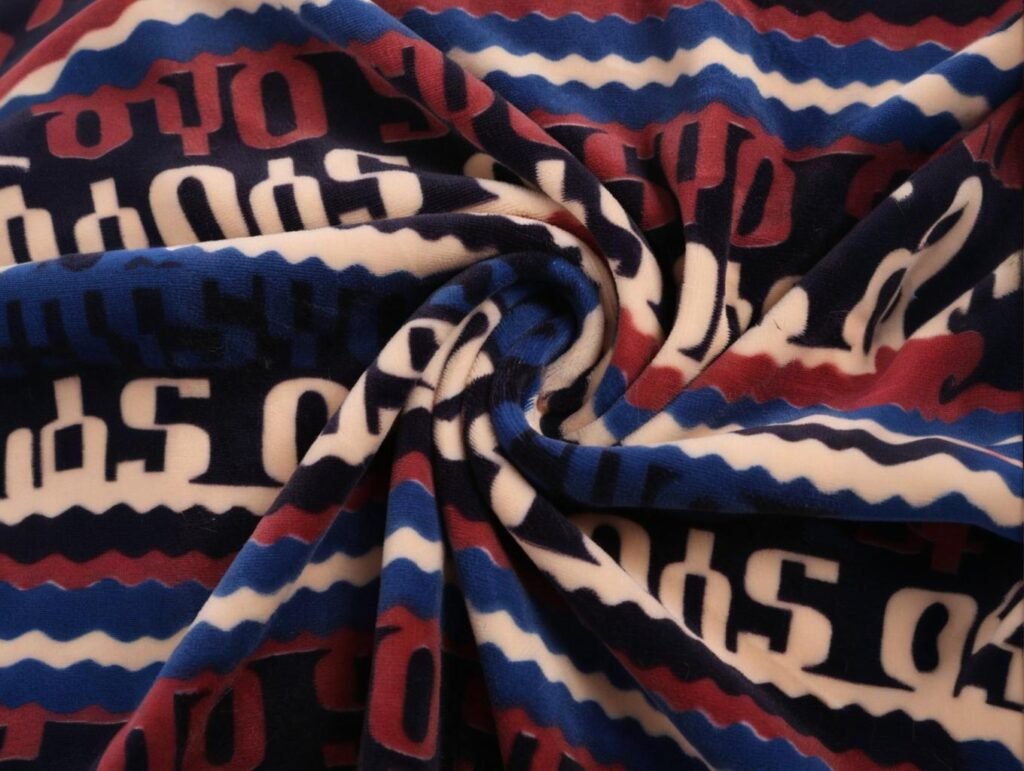
Polyester spandex blends vary by ratio depending on the end use—yoga pants, swimwear, shapewear, or sportswear. The most popular blends in 2024 are 88/12, 90/10, and 92/8, offering the optimal combination of stretch, recovery, breathability, and printability. The 88/12 polyester/spandex blend dominates the market for activewear due to its excellent stretch retention, moisture-wicking ability, and cost-performance balance. Ratios are customized by end-use applications.
Performance vs Comfort Balance in Blend Ratios
| Blend Ratio (Poly/Spandex) | Key Applications | Pros | Cons |
|---|---|---|---|
| 88/12 | Leggings, yoga wear | 4-way stretch, high elasticity, soft touch | Slightly heavier hand feel |
| 90/10 | Cycling wear, base layers | Moderate stretch, easier to cut/sew | Lower recovery vs 88/12 |
| 92/8 | Performance t-shirts, gym shorts | Light feel, moisture control | Lower compression for shapewear |
| 95/5 | Casualwear, lounge sets | Softest feel, easy to print on | Weakest spandex stretch |
▸ Influence of Fabric Weight
- 180–220 GSM: Common for yoga pants and leggings.
- 150–180 GSM: Ideal for running tops or compression base layers.
- <150 GSM: Suitable for T-shirts, tanks, and summerwear.
▸ Brand Examples
- Lululemon uses 88/12 for their Luon® and Nulux® ranges.
- Adidas and Under Armour favor 90/10 for moisture-wicking tees.
▸ Printability & Dye Compatibility
Higher polyester content (above 85%) ensures better sublimation printing results, critical for brands with custom designs.
What Are the Main Sustainability Certifications for This Fabric Type?
Polyester spandex blends, once viewed as purely synthetic and unsustainable, are now widely available with certifications like OEKO-TEX, GRS (Global Recycled Standard), and Bluesign, helping manufacturers align with global brand compliance requirements. The most widely adopted sustainability certifications for polyester spandex fabrics in 2024 include OEKO-TEX Standard 100, GRS for recycled content, and Bluesign for chemical safety and transparency.
Key Certifications Explained
| Certification | Focus Area | Relevance to Buyers |
|---|---|---|
| OEKO-TEX Standard 100 | Human-ecological safety, no harmful chemicals | Required by all major fashion retailers |
| GRS | Recycled fiber content, traceability | Mandatory for circular fashion claims |
| Bluesign® | Responsible chemical management | Used by Patagonia, Columbia, and premium activewear |
| Higg Index (SAC) | Environmental & social impact scoring | Optional, used for internal auditing and reporting |
▸ Real-World Adoption
Over 68% of polyester spandex suppliers in China now offer OEKO-TEX-certified fabrics. Major exporters in Vietnam and India are increasing adoption of GRS due to pressure from European brands.
▸ Cost Implications
Certifications typically add $0.10–$0.25 per yard but open access to global retailers who demand eco-compliance as a prerequisite for supplier onboarding.
▸ Supply Chain Pressure
Brands like H&M and Zalando require suppliers to have certified fabric or risk delisting. This trend is intensifying as ESG (Environmental, Social, and Governance) reporting becomes legally enforced in the EU and California.
Are Recycled Polyester Spandex Options Gaining Market Share?
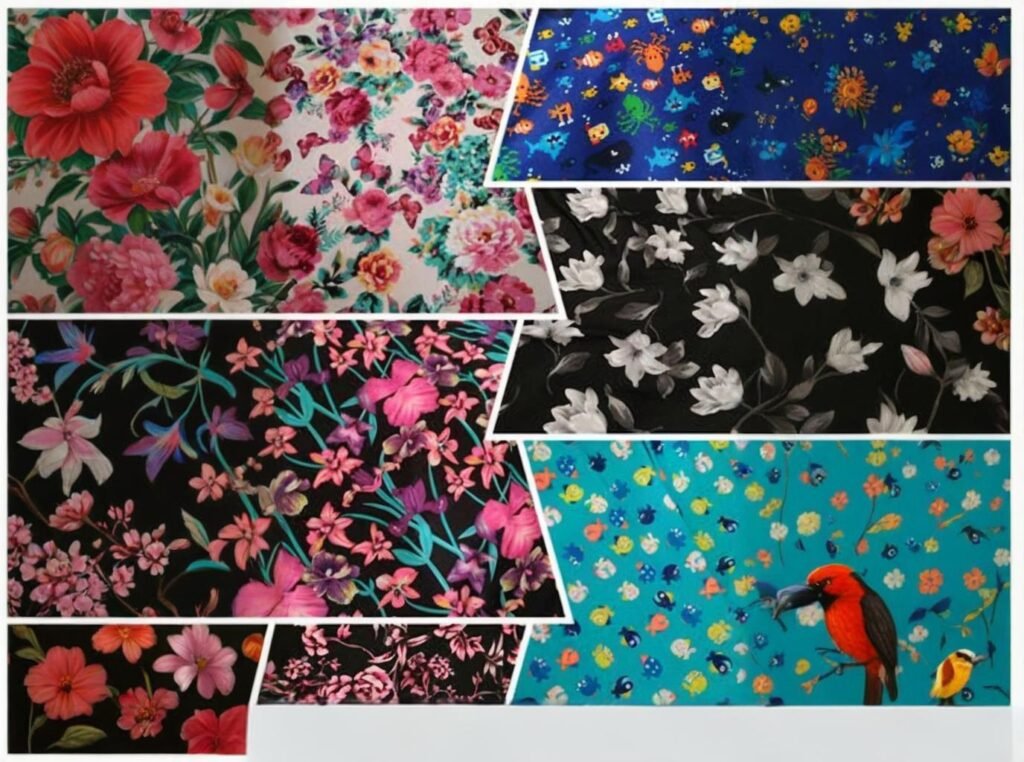
Yes, recycled polyester spandex blends are rapidly gaining ground in both activewear and fashion sectors due to increasing environmental regulations, brand sustainability goals, and shifting consumer preferences. In 2024, many manufacturers now offer GRS-certified recycled options with competitive quality and stretch performance. Recycled polyester spandex is becoming mainstream, with GRS-certified materials now representing over 30% of global polyester spandex exports, driven by EU legislation and brand-led climate commitments.
Sustainability Meets Performance
▸ Key Drivers of Adoption
- EU Corporate Sustainability Due Diligence Directive (CSDDD)
- California SB 253 Climate Corporate Accountability Act
- Brand ESG mandates (Nike, Levi’s, Uniqlo)
▸ Comparison Table: Virgin vs Recycled Polyester Spandex
| Aspect | Virgin Poly-Spandex | Recycled Poly-Spandex (rPET) |
|---|---|---|
| Raw Material | Crude oil derivatives | PET bottles, textile waste |
| CO₂ Emissions | High (5.5 kg CO₂/kg) | ~40% reduction (3.3 kg CO₂/kg) |
| Certification | OEKO-TEX | OEKO-TEX + GRS |
| Price | Standard | ~8–15% premium |
| Fabric Quality | High stretch, consistent finish | Slightly less softness in some lots |
| Print Compatibility | Excellent | Excellent with correct pretreatment |
▸Patagonia’s Supply Chain Shift
Patagonia moved 80% of its polyester-based fabrics—including spandex blends—to GRS-certified recycled sources in 2023, aiming for full circularity by 2026.
▸ Challenges & Innovations
- Limited availability of recycled spandex (Lycra alternatives still rely on petrochemicals).
- Development of bio-based spandex (e.g., ROICA™ V550 by Asahi Kasei) gaining traction.
How Can Apparel Brands Secure Reliable Bulk Supply for 2025?
To secure bulk polyester spandex supply in 2025, apparel brands need to develop supplier partnerships with factories offering low MOQs, verified certifications, and consistent lead times. Strategic sourcing hubs include China, Vietnam, and Turkey, with China still leading in both volume and customization. Brands should prioritize suppliers with strong QC systems, scalable production capacity, and sustainability certifications. Building long-term relationships is key to avoiding delays and quality issues.
Strategic Sourcing Insights
▸ Sourcing Hotspots and Factory Profiles
| Region | Strengths | Considerations |
|---|---|---|
| China | Huge capacity, cost-effective, fast sampling | Ensure certification is authentic |
| Vietnam | GRS leadership, EU-friendly regulations | Slightly longer lead times |
| Turkey | Proximity to EU, high-quality circular knits | Higher labor costs |
| India | Organic and recycled innovation | Watch for inconsistent dyeing batches |
▸ Must-Have Partner Traits
- Minimum monthly output: 50,000+ meters
- Offerings: 88/12, 90/10, 92/8 with recycled or virgin options
- Free samples, tech packs, and OEM/ODM services
- GRS, OEKO-TEX, ISO 9001 certifications
▸ Negotiation Strategies for Bulk Orders
- Leverage multi-style orders to reduce MOQ per color
- Negotiate 60-day rolling forecasts to ensure continuous stock
- Choose factories with in-house dyeing to reduce turnaround by 15–25%
Why Partner with SzoneierFabrics?
Szoneier offers fast sampling, low MOQs (as low as 300 meters), and custom development for brands seeking exclusive spandex blends. With over 18 years in fabric manufacturing, our team supports global buyers with OEM, private label, and sustainability goals.
Ready to Scale Your Production?
If you’re planning your next bulk polyester spandex order or need OEKO-TEX/GRS certified materials, contact SzoneierFabrics today. We offer free consultation, fabric swatches, and quick prototyping to help you launch your next collection with confidence.