Skip to content
In apparel manufacturing, fabric choices rarely fail immediately. They fail slowly—after washing, after sweating, after months of wear, when seams weaken, garments lose shape, or comfort complaints start to surface. Ramie cloth is one of those materials that rarely draws attention at first glance, yet repeatedly proves its value once garments enter real use.
Often compared to linen or mistaken for a niche fiber, ramie has quietly earned a reputation among experienced developers as a high-performance natural fiber—especially for warm-weather apparel. Its strength, breathability, and durability allow manufacturers to design lighter garments without sacrificing lifespan. Yet many still overlook it simply because they don’t fully understand how it behaves. Ramie cloth is a natural cellulose fabric known for its exceptional strength, breathability, fast moisture release, and durability. In apparel manufacturing, it offers clear advantages for warm-climate garments, lightweight yet durable designs, and products requiring long-term shape stability and comfort. When engineered correctly, ramie outperforms many common natural fibers in strength and wear resistance.
Understanding ramie is not about chasing trends—it’s about understanding how fabric properties translate into real-world performance. To do that, we need to start at the beginning: what ramie cloth actually is, and how it’s made for apparel use.
What Is Ramie Cloth and How Is It Made for Apparel Use?
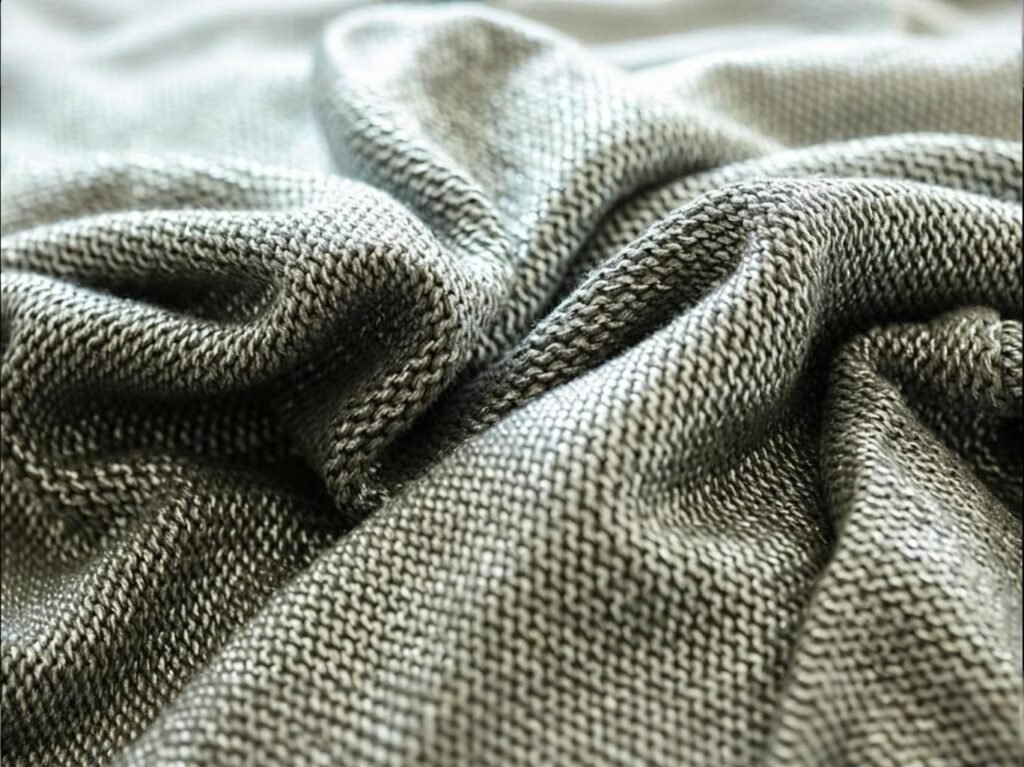
Ramie cloth is made from fibers extracted from the ramie plant (Boehmeria nivea), a bast fiber crop known for producing some of the strongest natural cellulose fibers. For apparel use, ramie fibers are harvested, degummed to remove impurities, spun into yarns, and then woven or knitted into fabric. Often, additional finishing treatments are applied to improve its softness, drape, and wearability.
Though naturally derived, ramie is highly engineered by the time it becomes wearable fabric, requiring several key processes to transform the raw fibers into a finished product suitable for garments.
From Plant to Apparel-Grade Fabric
Ramie’s journey from plant to fabric involves several critical stages. Unlike cotton, which is harvested as fluffy bolls surrounding its seeds, ramie fibers come from the stalk of the plant, a process that demands more intricate handling to bring out their full potential. Below is an in-depth look at each stage of the production process.
Botanical Origin and Fiber Extraction
| Aspect | Ramie |
|---|---|
| Plant type | Bast fiber plant |
| Fiber location | Plant stalk |
| Harvest cycle | Multiple times per year |
| Raw fiber strength | Extremely high |
The ramie plant, native to East Asia, is a perennial that can be harvested two to six times per year, depending on growing conditions. The fibers come from the plant’s stem, or stalk, making them bast fibers—a classification of fibers obtained from the vascular bundles of plants. These fibers are naturally strong and long, which gives ramie its high tensile strength compared to other plant fibers like cotton.
After the plant is harvested, the fibers must be separated from the rest of the stalk. This process, called decortication, involves removing the woody material and separating the fibers, which is more complex than cotton’s ginning process.
Degumming: The Critical Step
| Process Stage | Purpose |
|---|---|
| Degumming | Remove pectins and gums |
| Fiber softening | Improve flexibility |
| Surface cleaning | Enhance spinnability |
Once the fibers are extracted, degumming is the most critical step in making ramie suitable for apparel. Ramie fibers contain natural gums and pectins that must be removed to make them soft and flexible for spinning. This process involves treating the fibers with alkaline solutions to break down these substances.
Degumming quality directly affects several key characteristics of the final fabric:
- Hand feel: Proper degumming ensures the fabric is smooth and comfortable against the skin. Poorly degummed fibers will remain stiff and harsh.
- Dye uptake: Without proper degumming, the fabric may not absorb dye evenly, leading to uneven color.
- Final garment comfort: If the degumming is insufficient, the fabric may remain brittle, which can be uncomfortable for the wearer, particularly in garments worn for extended periods.
Good degumming transforms ramie into a soft, flexible, and comfortable fiber suitable for high-quality apparel.
Yarn Spinning and Fabric Formation
| Step | Apparel Impact |
|---|---|
| Yarn count selection | Controls weight & drape |
| Twist control | Balances strength vs softness |
| Weaving/knitting | Determines airflow & structure |
Once the fibers are properly degummed, they are spun into yarns. The spinning process involves selecting the yarn count, or thickness, which determines the weight of the fabric. A finer yarn count results in a softer, lighter fabric, while a thicker count gives more durability and structure.
The amount of twist applied to the yarn is another critical decision. Too much twist can result in a fabric that is stiff and rough, while too little twist can compromise the fabric’s strength. Ramie yarns are typically spun with a moderate twist to strike a balance between strength and softness.
After spinning, the yarns are woven or knitted into fabric. The weaving method (such as plain weave, twill, or satin) and knitting technique influence the final airflow and fabric structure. Ramie fabrics tend to be breathable and firm, making them ideal for warm-weather apparel where air circulation is important.
Finishing for Apparel Performance
To make ramie cloth suitable for clothing, several finishing techniques are applied to improve its hand feel, softness, and appearance:
- Enzyme softening: This treatment involves using enzymes to break down the fibers further, making the fabric feel softer and more comfortable against the skin. This process also improves the fabric’s drape and flexibility.
- Mechanical washing: This process helps to remove residual impurities and enhances the fabric’s cleanliness.
- Calendering: This involves passing the fabric through rollers to smooth and flatten it, improving its surface texture and appearance.
- Pre-shrinking: To prevent garments from shrinking after the first wash, ramie fabric is often pre-shrunk. This is particularly important for clothing items that need to maintain their shape after repeated laundering.
These finishing steps make ramie fabric softer, more wearable, and suitable for direct skin contact, making it a better option for apparel than in its raw state.
Practical Manufacturing Insight
Many manufacturers who struggle with ramie fabric are not failing because of the inherent properties of the fiber itself—but because they are not properly managing the processing steps. When engineered correctly, ramie can be one of the most reliable and versatile natural fabrics available.
The primary challenges in working with ramie are:
- Degumming: Insufficient removal of natural gums leads to a stiff, uncomfortable fabric.
- Spinning and finishing: If yarns are not spun to the correct thickness or twisted properly, the fabric may not achieve its full potential for softness and durability.
- Blending: Many manufacturers blend ramie with other fibers like cotton or viscose to enhance its softness and flexibility, creating a fabric that takes advantage of both strength and comfort.
With precise control over the manufacturing process, ramie cloth can be made into high-performance, comfortable apparel fabrics.
Ramie cloth is not just “raw plant fabric.” It is a high-strength natural fiber that requires precise processing to unlock its full potential for use in apparel. The key stages—fiber extraction, degumming, spinning, and finishing—each play an essential role in transforming ramie from a strong but stiff natural fiber into a soft, breathable, and durable fabric suitable for clothing.
When processed correctly, ramie offers a unique combination of breathability, moisture management, and structural strength, making it a valuable material for high-performance and comfortable garments.
Which Properties Make Ramie Cloth Suitable for Apparel Manufacturing?
Ramie cloth is ideal for apparel manufacturing due to its exceptional tensile strength, breathability, moisture release, resistance to microbial growth, and dimensional stability. These properties ensure that garments made from ramie are not only lightweight and breathable but also durable and comfortable for long-term use in warm climates.
These attributes are not merely theoretical; they directly impact garment lifespan, wearer comfort, and overall performance over time.
Core Physical and Performance Properties
The unique combination of strength and performance makes ramie particularly well-suited for summer, active, and high-performance apparel. Let’s take a deeper look at each of the key properties that enable ramie to outperform many other fibers in clothing manufacturing.
Mechanical Strength and Fiber Integrity
One of the standout features of ramie is its exceptional mechanical strength, which makes it a preferred choice for long-lasting apparel.
| Property | Ramie | Typical Natural Fibers |
|---|---|---|
| Tensile strength | Very high | Medium |
| Wet strength retention | High | Low–medium |
| Fiber break resistance | Excellent | Moderate |
Ramie is stronger than both linen and cotton, which are typically used in lightweight fabrics. This strength allows manufacturers to use lighter fabric constructions without sacrificing durability. As a result, ramie-based garments are resistant to tearing and wear, making them suitable for garments that need to endure extended use or rough conditions.
Additionally, ramie’s ability to retain strength when wet (unlike cotton, which weakens significantly when saturated) adds to its durability in various environments, especially humid ones.
Breathability and Heat Dissipation
Breathability is a critical factor for apparel used in hot and humid climates. Ramie excels in this area, ensuring comfort during wear.
| Performance Aspect | Ramie |
|---|---|
| Air permeability | Excellent |
| Heat retention | Low |
| Fabric cling in humidity | Minimal |
Ramie’s excellent air permeability allows for continuous airflow, making it ideal for hot climates. It has low heat retention, meaning the fabric won’t trap body heat, keeping the wearer cooler. Unlike some natural fibers, ramie also resists fabric cling in high humidity, meaning garments stay fresher and more comfortable during extended wear.
This makes ramie a top choice for summer apparel, activewear, and garments intended for tropical or subtropical regions.
Moisture Behavior
Ramie’s performance in moisture management is another area where it shines. In warm weather or active conditions, managing sweat and moisture is essential for comfort.
| Moisture Property | Ramie |
|---|---|
| Absorption speed | Fast |
| Moisture holding | Low |
| Dry-back time | Very fast |
Ramie absorbs moisture quickly but doesn’t hold onto it for long. This fast-drying behavior is crucial for preventing discomfort and odor buildup during wear. Since ramie releases moisture more efficiently than cotton or linen, it reduces the risk of garments becoming heavy or damp during prolonged use.
This makes ramie an excellent choice for sportswear and activewear, where moisture management is key to maintaining comfort over long periods.
Dimensional Stability
Dimensional stability refers to how well a fabric maintains its shape and size over time, even after repeated washing or exposure to moisture.
| Stability Metric | Ramie |
|---|---|
| Shrinkage risk | Low–moderate |
| Shape retention | High |
| Fabric sagging | Minimal |
Ramie has a low-to-moderate shrinkage risk compared to cotton, and its ability to retain shape ensures that garments maintain their fit and appearance over time. This stability reduces the need for frequent replacements and enhances garment lifespan, making ramie a great choice for durable clothing.
Additionally, ramie’s minimal sagging means that garments made from ramie will not stretch out or lose their form, even after long wear.
Resistance to Microbial Growth
Ramie’s natural resistance to microbial growth is one of its most overlooked advantages.
| Property | Ramie |
|---|---|
| Resistance to mildew | High |
| Bacteria resistance | High |
| Odor buildup | Slower |
Ramie naturally resists mildew, fungi, and bacteria better than many other plant fibers. This antimicrobial property helps reduce odor buildup and keeps garments fresher for longer, particularly in humid environments. This makes ramie ideal for workwear or outdoor apparel, where garments are exposed to sweat, moisture, and bacteria over extended periods.
Why Ramie Works for Apparel
To summarize the key attributes that make ramie a great choice for apparel manufacturing:
| Requirement | Ramie Performance |
|---|---|
| Lightweight strength | Excellent |
| Breathability | Excellent |
| Durability | High |
| Comfort in heat | High |
| Long-term stability | High |
Ramie is a high-performance material, especially when temperature regulation, comfort, and durability are the primary design concerns. It provides the strength of linen, the breathability of cotton, and greater long-term stability than both.
Property Takeaway
Ramie’s combination of strength, breathability, and dimensional stability makes it especially valuable for apparel that must perform well beyond initial wear. Whether it’s lightweight summer shirts, durable workwear, or breathable activewear, ramie cloth consistently outperforms other fibers when properly processed.
It rewards careful manufacturing and thoughtful design, and when used correctly, it ensures long-lasting garments that remain comfortable and fresh, even in the harshest warm-weather conditions.
How Does Ramie Cloth Compare with Other Natural Fibers (Cotton, Linen) in Apparel Applications?
Compared to cotton and linen, ramie cloth offers superior strength, faster moisture release, and better dimensional stability, while cotton excels in softness and linen in relaxed texture. In apparel applications, ramie occupies a sweet spot between cotton and linen—combining linen-like breathability with higher durability and more controlled performance.
This is why ramie is often chosen when manufacturers want the look of linen without linen’s inherent weaknesses, particularly in longevity and structure.
Side-by-Side Fiber Performance Reality
Ramie, cotton, and linen are all natural fibers, but they perform quite differently depending on the application, wear conditions, and desired outcomes. To understand why ramie is valued for specific uses, we need to break down its properties in comparison to cotton and linen, the two fibers it competes with most closely in apparel applications.
Strength and Structural Performance
The structural performance of a fabric determines its longevity and suitability for different garment types.
| Fiber | Relative Strength | Notes |
|---|---|---|
| Ramie | Very high | Ramie is one of the strongest natural fibers, retaining its strength even when wet. |
| Linen | High | Linen is strong but loses strength with wear, particularly in humid or repeated wear conditions. |
| Cotton | Medium | Cotton is soft but less durable, especially in lightweight fabrics where its strength can be compromised. |
Ramie’s superior strength allows for the production of lighter fabrics that still last longer—a major advantage in summer apparel where weight reduction matters but durability cannot be sacrificed.
Comfort and Breathability
Comfort and breathability are critical for apparel designed for hot and humid climates.
| Property | Ramie | Linen | Cotton |
|---|---|---|---|
| Air permeability | Excellent | Excellent | Good |
| Heat retention | Low | Low | Moderate |
| Long-wear comfort | High | Medium | Medium |
Ramie is excellent at moisture release and maintaining a cooler feel during extended wear. While both linen and ramie have excellent air permeability, ramie stays comfortable for longer periods, especially in humid conditions where cotton may retain moisture and become heavy.
Cotton, while breathable, can feel warmer as it absorbs moisture and becomes heavier over time.
Wrinkling and Shape Control
How well a fabric retains its shape and resists wrinkles can affect the overall look of a garment, especially for structured or tailored pieces.
| Behavior | Ramie | Linen | Cotton |
|---|---|---|---|
| Wrinkle tendency | Moderate | High | Low–moderate |
| Shape retention | Good | Moderate | Good |
| Visual structure | Clean | Relaxed | Casual |
Linen is famous for its relaxed, lived-in look, but this comes with a high tendency to wrinkle. Ramie, on the other hand, wrinkles less and holds cleaner lines, making it better for garments where visual structure is important.
Cotton strikes a balance—wrinkling moderately—but can lose its crispness with extended wear and washing.
Care and Durability Trade-Offs
Different fibers react to frequent washing and long-term wear in various ways. Care and durability can significantly affect the long-term usability of a garment.
| Aspect | Ramie | Linen | Cotton |
|---|---|---|---|
| Wash tolerance | Moderate | Low–moderate | High |
| Fabric thinning over time | Slow | Faster | Moderate |
| Lifecycle length | Long | Medium | Medium |
Ramie has a longer lifecycle due to its durability and wet strength. Linen, while excellent for short-term wear, can become fragile with repeated washing. Cotton survives frequent laundering but loses its shape faster than ramie or linen.
Ramie offers a balance, maintaining durability even in lightweight constructions and long-term wear.
Practical Apparel Use Cases
The choice between ramie, cotton, and linen often comes down to the type of garment being produced. Each fiber excels in different apparel categories, depending on the intended use and desired performance characteristics.
| Apparel Type | Best Fiber | Why |
|---|---|---|
| Lightweight summer shirts | Ramie | Strength and breathability for extended wear |
| Casual T-shirts | Cotton | Softness and familiar comfort |
| Resort wear | Linen | Relaxed texture and liveliness |
| Premium casual wear | Ramie | Crisp look, durability, and structure |
For lightweight summer shirts or premium casual wear, ramie provides a durable, breathable option that stays crisp and retains its shape even after multiple washes.
For casual T-shirts, cotton is the traditional choice due to its soft hand feel and ability to adapt to various knitwear constructions.
Linen is best for resort wear or relaxed silhouettes, where the fabric’s texture and drape are key elements of the design.
Comparison Takeaway
- Cotton is the go-to fiber for softness, comfort, and familiarity, particularly in garments designed for casual wear and daily use.
- Linen is excellent for relaxed, organic aesthetics and heritage styles, but wrinkling and fragility can limit its lifespan in some applications.
- Ramie, however, stands out for performance—offering strength, breathability, and structure without sacrificing comfort. It is the ideal choice for garments where durability and moisture management are priorities, especially in warm-weather apparel.
Ramie’s ability to provide the look of linen with the added benefits of durability, shape retention, and moisture control makes it an excellent middle ground between the relaxed texture of linen and the comfort-driven properties of cotton.
What Are the Moisture Management and Breathability Characteristics of Ramie Cloth?
Ramie cloth excels in moisture management due to its fast absorption and quick moisture release properties, combined with high air permeability. This makes ramie ideal for warm-weather garments, as it helps keep the wearer cool, dry, and comfortable in hot and humid conditions, often outperforming other natural fibers, including cotton and linen, in long-wear situations.
Moisture behavior—not just airflow—is a critical factor in real-world comfort.
Why Ramie Feels Cooler in Use
When it comes to fabric performance, particularly in hot and humid climates, moisture management and breathability are paramount. Ramie’s ability to handle both sweat absorption and quick evaporation allows it to function well as a breathable, lightweight material in environments that challenge other fibers.
Here’s a breakdown of how ramie compares with cotton and linen in moisture-related performance metrics.
Absorption vs. Drying Speed
| Moisture Metric | Ramie | Cotton | Linen |
|---|---|---|---|
| Absorption speed | Fast | Moderate | Fast |
| Moisture holding | Low | High | Medium |
| Dry-back time | Very fast | Slow | Moderate |
Ramie excels in moisture management by absorbing moisture rapidly but not retaining it. This characteristic prevents the fabric from becoming heavy with sweat, allowing for quick evaporation. In contrast:
- Cotton retains moisture longer, meaning it may become saturated and feel damp during prolonged wear.
- Linen also absorbs moisture quickly but tends to hold onto it slightly longer than ramie, affecting comfort during extended wear.
Dry-back time is crucial in active wear and long-term use, as the ability to dry quickly prevents discomfort and skin irritation, making ramie a superior choice for warm climates and extended wear.
Airflow and Fabric Structure
| Structural Feature | Ramie |
|---|---|
| Fiber alignment | Straight |
| Micro air gaps | High |
| Fabric openness | Naturally breathable |
Ramie’s straight fibers create consistent channels for air to flow freely through the fabric. These microscopic air gaps enhance the fabric’s breathability, promoting cooling and allowing sweat to evaporate efficiently. This high fabric openness allows air to move through the fabric, providing better ventilation compared to more tightly woven fibers like cotton and linen.
Performance in Hot & Humid Conditions
| Condition | Ramie Behavior |
|---|---|
| Continuous sweating | Spreads & releases moisture |
| High humidity | Minimal fabric cling |
| Long wear | Remains light |
In hot and humid conditions, where fabric cling and sweat buildup are major comfort concerns, ramie performs exceptionally well. Ramie does not trap moisture; instead, it spreads moisture evenly across the fabric, facilitating rapid evaporation and preventing the uncomfortable feeling of damp, heavy fabric.
- Continuous sweating: Ramie fabric maintains comfort as it spreads moisture across the surface, allowing for faster evaporation.
- High humidity: Unlike cotton, which may cling to the body when damp, ramie maintains a lighter, fresher feel.
- Long wear: Ramie garments stay light and breathable throughout the day, making them a superior choice for extended wear in warm climates.
This makes ramie an ideal material for everyday summer clothing and other garments worn in humid environments.
Odor and Freshness Implications
Because ramie dries faster than cotton or linen, it offers several advantages related to freshness:
- Reduced bacterial growth: Faster drying limits the time moisture is held in the fabric, preventing bacteria from thriving.
- Less odor buildup: As a result of reduced moisture retention, ramie garments experience less odor development compared to cotton or linen equivalents.
- Increased comfort: The ability to remain dry and cool reduces the damp discomfort that can make fabrics feel stale by the end of the day.
Garments made from ramie often feel fresher after a full day of wear, which is especially beneficial in long-wear apparel like medical uniforms, work shirts, and summer dresses.
Real Manufacturing Insight
In summer apparel trials, ramie fabrics consistently show:
- Lower post-wear moisture content, meaning the fabric holds less moisture after use.
- Faster overnight drying, allowing garments to be ready for the next day without long drying times.
- Better wearer feedback in humid climates, where breathability and moisture management are critical for comfort.
Ramie’s combination of rapid moisture absorption, fast drying, and high breathability directly translates into increased comfort, especially in regions with extreme heat and humidity.
Moisture & Breathability Takeaway
Ramie doesn’t just breathe—it manages moisture intelligently, making it particularly suitable for warm-climate apparel that requires long-term wearability. Its fast moisture release, high breathability, and minimal cling under humid conditions elevate it above many natural and synthetic fibers, positioning ramie as a top choice for summer and humid-climate textiles.
Whether it’s for healthcare uniforms, activewear, or everyday summer clothing, ramie delivers comfort and performance that other fibers can’t always replicate.
How Does Ramie Cloth Perform in Terms of Strength, Durability, and Wear Resistance?
Ramie cloth excels in strength, durability, and wear resistance. As one of the strongest natural fibers available, it maintains high tensile strength even when wet, making it ideal for lightweight garments that resist tearing, seam failure, and long-term fabric fatigue better than many other natural fibers. This exceptional strength is key to extending the lifespan of apparel, especially in garments subjected to frequent wear and washing.
Strength is not just a lab value—it translates directly into a garment’s durability and overall performance in real-world use.
Why Ramie Is Structurally Reliable
Ramie’s unique fiber structure gives it several advantages over other natural fibers. Unlike cotton, which weakens when wet, ramie maintains its integrity even under stress, humidity, and moisture. This makes it an attractive option for applications where strength and long-lasting performance are essential.
Tensile Strength: Dry and Wet Conditions
| Strength Metric | Ramie | Cotton | Linen |
|---|---|---|---|
| Dry tensile strength | Very high | Medium | High |
| Wet strength retention | High | Low–medium | Medium |
| Fiber break risk | Low | Moderate | Moderate |
Ramie fibers have a high crystalline structure, which is the key to their superior strength. This crystallinity allows ramie to retain its dry tensile strength even when exposed to moisture, unlike cotton, which weakens significantly when wet. Linen, while strong, also faces some degradation in wet conditions but does not match the durability of ramie in this regard.
In practical terms, this means that ramie fabrics are less prone to fiber breakage and seam failure in humid or sweaty environments, such as in clothing worn during outdoor activities or in healthcare settings.
Resistance to Abrasion and Daily Stress
| Wear Scenario | Ramie Performance |
|---|---|
| Collar & cuff abrasion | Excellent |
| Seam stress | High resistance |
| Thin fabric durability | Very strong |
| Repeated folding | Stable |
Ramie’s durability extends beyond its tensile strength. Its fibers resist abrasion well, even in high-stress areas like collars, cuffs, and seams. This makes it ideal for clothing that undergoes frequent movement or friction, such as shirts, dresses, and outerwear.
Ramie performs especially well in lightweight fabrics. Despite its lower weight, it retains strength and resists tearing or breaking under repeated stress. This resistance is critical for garments like summer shirts, where lightness and breathability are prioritized, but durability cannot be compromised.
Fabric Aging Over Time
| Aging Indicator | Ramie |
|---|---|
| Fabric thinning | Slow |
| Loss of structure | Minimal |
| Visual degradation | Low |
| Shape distortion | Rare |
Ramie garments are known to age cleanly, maintaining their shape, structure, and appearance longer than many other fabrics. Over time, ramie fabrics do not collapse or lose definition quickly. This is especially important for garments that are worn repeatedly and washed frequently.
Compared to cotton, which tends to soften and weaken with age, or linen, which can lose its structure and become limp, ramie’s slow fabric thinning and low shape distortion make it a solid choice for long-lasting apparel.
Washing and Mechanical Stress
| Factor | Ramie |
|---|---|
| Machine washing tolerance | Moderate |
| Fiber fatigue rate | Low |
| Pilling tendency | Low |
While ramie does benefit from gentle washing (to preserve its finish), it is less prone to fiber breakdown or pilling than other natural fibers like cotton or linen. Ramie maintains its structural integrity even after repeated machine washes, making it ideal for garments that require regular laundering without the risk of material failure.
In comparison, cotton fibers are prone to fiber fatigue and loss of strength after frequent washing, while linen can become brittle over time due to exposure to water and heat.
Real Apparel Manufacturing Insight
Manufacturers who use ramie for lightweight garments, such as summer shirts or blouses, often report superior fabric performance:
- Lower fabric failure rates: Ramie’s superior strength ensures that garments remain intact longer, even under stress.
- Better seam integrity: Ramie’s strength helps maintain the structural cohesion of seams, preventing rips or tears during use.
- Longer product lifespan: Ramie’s durability ensures that garments retain their form and usability for extended periods, even at thinner fabric weights.
These benefits allow designers to reduce fabric weight without compromising durability, which is a key advantage in fashion and medical apparel design.
Durability Takeaway
Ramie enables lightweight but long-lasting apparel, making it ideal for designs where a high strength-to-weight ratio matters. It performs exceptionally well in garments that require structural integrity, abrasion resistance, and long-term use without sacrificing comfort. For medical textiles, summer fashion, and outdoor gear, ramie provides an excellent balance of strength, breathability, and durability that makes it a preferred option for high-performance garments.
Which Comfort and Skin Feel Attributes Does Ramie Cloth Offer to Wearers?
Ramie cloth offers a cool, crisp, and breathable skin feel that improves over time. While it may feel firm initially, properly finished ramie softens with use while retaining airflow and dryness, providing comfortable long-term wear—especially in warm or humid conditions.
Comfort is not just about the immediate touch—it evolves as the fabric adapts to the wearer’s body and environment.
Comfort Is About Time, Not Touch
When evaluating the comfort of fabrics, particularly for warm-weather apparel, how a fabric feels during and after wear matters more than its initial hand feel. Ramie is a great example of a fabric that gets better with time—it may not feel “plush” at first, but its combination of breathability, moisture management, and airflow makes it incredibly comfortable over extended wear.
Initial Hand Feel vs. Long-Term Comfort
| Wear Stage | Ramie Feel |
|---|---|
| First touch | Crisp, cool |
| After light wear | Balanced |
| After sweating | Dry, airy |
| After repeated washes | Softer, still structured |
When first touched, ramie feels crisp and cool—a sensation similar to linen. This initial firmness can be off-putting for those accustomed to the soft feel of cotton or synthetics. However, as the fabric is worn and exposed to the body’s natural movements, it softens without losing its structure. By the end of the day, it feels more balanced, and after sweating, it remains dry and airy.
With each wash, ramie continues to soften while still maintaining its structural integrity. This progression of comfort—particularly in humid climates—helps explain why ramie-based garments often feel more comfortable by the afternoon compared to softer fabrics that absorb and retain moisture.
Skin Contact and Friction
One of the key comfort aspects of ramie is its low friction when in contact with skin.
| Factor | Ramie |
|---|---|
| Fiber smoothness | High |
| Friction when damp | Low |
| Cling to skin | Minimal |
| Chafing risk | Low |
Ramie fibers have a smooth texture that reduces friction, even when damp. Unlike cotton, which can stick to the skin when wet, ramie remains light and breathable, minimizing cling and chafing—key comfort factors for wearers who are active or exposed to warm, humid environments for extended periods.
This makes ramie particularly suitable for extended wear in outdoor workwear, sportswear, or activewear, where comfort during movement is essential.
Thermal Sensation on the Body
Ramie excels at regulating temperature, making it perfect for warm-weather and humid environments.
| Sensation | Ramie |
|---|---|
| Cool touch | Noticeable |
| Heat buildup | Low |
| Airflow feeling | Strong |
Ramie’s unique ability to conduct heat away from the body more efficiently than many plant fibers gives it a cool-to-the-touch sensation, even in the heat. This cooling effect helps prevent heat buildup and allows for a strong feeling of airflow throughout the day, even during periods of high physical activity.
In warm or tropical climates, where temperature regulation is critical, ramie offers a marked advantage over fabrics like cotton, which can feel heavier and warmer as moisture builds.
Sensitivity and Wearer Feedback
Ramie is well-regarded for being non-irritating for most skin types, a crucial attribute for comfort.
- Non-irritating for most skin types: Unlike wool or certain synthetic fibers, ramie is gentle on the skin and doesn’t cause itching or discomfort.
- Naturally resistant to odor buildup: Thanks to its breathability and low moisture retention, ramie garments stay fresher for longer compared to cotton or polyester.
- Comfort for all-day use in summer conditions: Many wearers describe ramie garments as cooler by the afternoon than cotton alternatives because the fabric stays dry and light even after hours of wear.
For clothing intended for long-duration wear—such as workwear, travel clothing, and summer apparel—ramie delivers consistently high comfort levels, helping reduce the fatigue that comes with other fabrics that retain moisture or feel heavy.
Design Insight
Ramie shines when used in garments designed for outdoor activities, warm climates, or extended wear.
- Outdoors: Ramie is breathable and quick-drying, ideal for outdoor wear that needs to resist moisture accumulation while offering durability.
- Warm climates: Ramie’s ability to stay cool and breathable makes it perfect for tropical and subtropical areas, providing comfort even in high heat and humidity.
- Long hours: Whether in activewear, workwear, or travel apparel, ramie helps maintain comfort throughout the day, making it ideal for clothing worn in physically demanding or humid environments.
By prioritizing function over instant softness, ramie excels in applications where end-of-day comfort is critical—making it a strong choice for warm-weather apparel.
Comfort Takeaway
Ramie prioritizes functional comfort over instant softness. While it may feel stiff at first, its performance improves significantly over time, especially as it softens with wear and exposure to the body’s natural movement.
Ramie’s breathability, moisture management, and dimensional stability make it one of the most comfortable natural fabrics for long-term wear in warm climates. Once its unique qualities are understood, ramie becomes an invaluable material in summer clothing, activewear, and outdoor apparel—offering cool, dry, and comfortable wear throughout the day.
What Are the Finishing, Dyeing, and Fabric Engineering Options Available for Ramie Cloth?
Ramie cloth supports a broad range of finishing, dyeing, and fabric engineering options, including enzyme softening, pre-shrinking, calendaring, garment washing, and blending. When properly engineered, ramie can be softened, stabilized, and color-controlled to meet modern apparel needs without sacrificing its natural strength and breathability.
In short, ramie is not just finished once—it is engineered layer by layer to achieve the desired performance characteristics.
How Engineering Unlocks Ramie’s Full Potential
Ramie is a versatile fiber, but to bring out its full potential, it requires a carefully considered finishing and dyeing process. Raw ramie is strong and crisp, but without proper treatment, it can feel too rigid for apparel use. Fortunately, there are several techniques available that can transform ramie into a comfortable, colorfast, and aesthetically appealing fabric while retaining its inherent performance qualities.
These engineering techniques are key to making ramie suitable for high-end apparel, casual wear, and functional textiles.
Enzyme and Mechanical Softening
Raw ramie is naturally stiff, so softening processes are crucial for making it comfortable enough for clothing. Both enzyme treatment and mechanical methods are widely used to improve ramie’s hand feel without compromising its strength.
| Softening Method | Effect on Fabric |
|---|---|
| Enzyme treatment | Reduces stiffness, increases softness |
| Mechanical washing | Improves drape and flexibility |
| Repeated wet processing | Enhances comfort and wearability |
| Controlled abrasion | Smooths fiber surface, reduces roughness |
Enzyme softening is particularly effective for ramie because it breaks down the cellulose bonds, making the fabric softer without damaging the fiber’s inherent strength. Mechanical washing and controlled abrasion improve the drape and texture, reducing the initial stiffness that can make raw ramie less comfortable to wear.
By softening ramie, manufacturers can increase its comfort level, making it suitable for garments like shirts, dresses, and lightweight outerwear.
Pre-Shrinking and Dimensional Control
Given that ramie is naturally prone to shrinkage and fiber distortion under certain conditions, dimensional control techniques are essential to maintaining garment size and shape after washing.
| Process | Purpose |
|---|---|
| Pre-shrinking | Controls size change after washing |
| Heat setting | Improves long-term shape stability |
| Moisture conditioning | Reduces post-sale shrinkage in finished garments |
Pre-shrinking ensures that ramie fabrics maintain their original size and do not shrink unexpectedly after washing. Heat setting stabilizes the fiber’s structure and ensures that garments hold their shape over time. Moisture conditioning also helps reduce shrinkage after sale, making the fabric more predictable and user-friendly in the long term.
These processes are crucial for garment consistency, especially when large-scale production requires uniform sizing for various apparel categories.
Dyeing Options and Color Engineering
Ramie excels in dyeing due to its high cellulose content, making it highly receptive to both natural and synthetic dyes. However, controlling dye uptake and achieving consistent, rich colors requires precise engineering.
| Dyeing Aspect | Ramie Performance |
|---|---|
| Dye penetration | Even |
| Shade clarity | High |
| Natural tones | Excellent |
| Deep colors | Stable with proper fixation |
Ramie’s superior dye penetration ensures that colors are applied evenly across the fabric, resulting in clean, rich shades that are both vibrant and durable. Natural tones, such as earthy hues, are particularly well-suited to ramie’s inherent texture, while deep colors can also be achieved if proper fixation techniques are applied.
Ramie’s versatility in dyeing means it excels in natural palettes, which are popular in premium, eco-friendly fashion collections. It can also handle muted, sophisticated colors that align with high-end and resort wear.
Fabric Structure Engineering
Ramie’s fabric structure can be engineered to meet a variety of functional and aesthetic needs. This flexibility allows it to be adapted for different types of apparel and performance requirements.
| Engineering Choice | Result |
|---|---|
| Lower yarn count | Heavier, more structured fabrics |
| Higher yarn count | Lighter, more airy fabrics |
| Ramie–cotton blend | Softer hand feel, added comfort |
| Ramie–viscose blend | Improved drape, smooth finish |
The yarn count (i.e., the thickness of the yarns used) can be adjusted to create heavier, more durable fabrics for structured clothing or lighter, more breathable fabrics for warmer weather garments. Blending ramie with fibers like cotton and viscose enhances comfort while retaining ramie’s breathability and strength. For example, a ramie–cotton blend will offer a softer hand feel but still maintain the strength and structure that makes ramie a good choice for long-wear garments.
Garment Washing and Final Touch
Once a garment is constructed, garment washing adds the final touch that makes ramie fabrics feel natural and comfortable against the skin. Washing processes smooth out the fabric, enhance the soft feel, and contribute to a premium, lived-in look.
Garment washing also provides:
- Natural appearance: Enhances ramie’s crisp yet soft aesthetic
- Wear-in comfort: Makes the fabric more supple and ready for wear straight out of the box
- Texture refinement: Reduces stiffness while maintaining strength
Ramie garments that undergo proper washing feel premium and soft while maintaining the crisp structure that distinguishes ramie from more conventional fabrics.
Engineering Takeaway
Ramie’s versatility comes from its ability to be engineered for different functional and aesthetic goals. When properly finished, it can rival cotton and linen in comfort, breathability, and drape while offering superior durability and long-term wear performance.
Key finishing, dyeing, and fabric engineering techniques—including enzyme softening, pre-shrinking, and blending—unlock ramie’s full potential, enabling it to meet the diverse demands of modern apparel production without sacrificing its inherent advantages.
Ramie is not just a fabric—it is a fiber that rewards engineering. Its optimal use comes from designers and manufacturers who understand how to harness its unique properties through careful processing, resulting in garments that combine natural beauty with modern performance.
How Should Apparel Manufacturers Source and Specify Ramie Cloth for Optimal Performance?
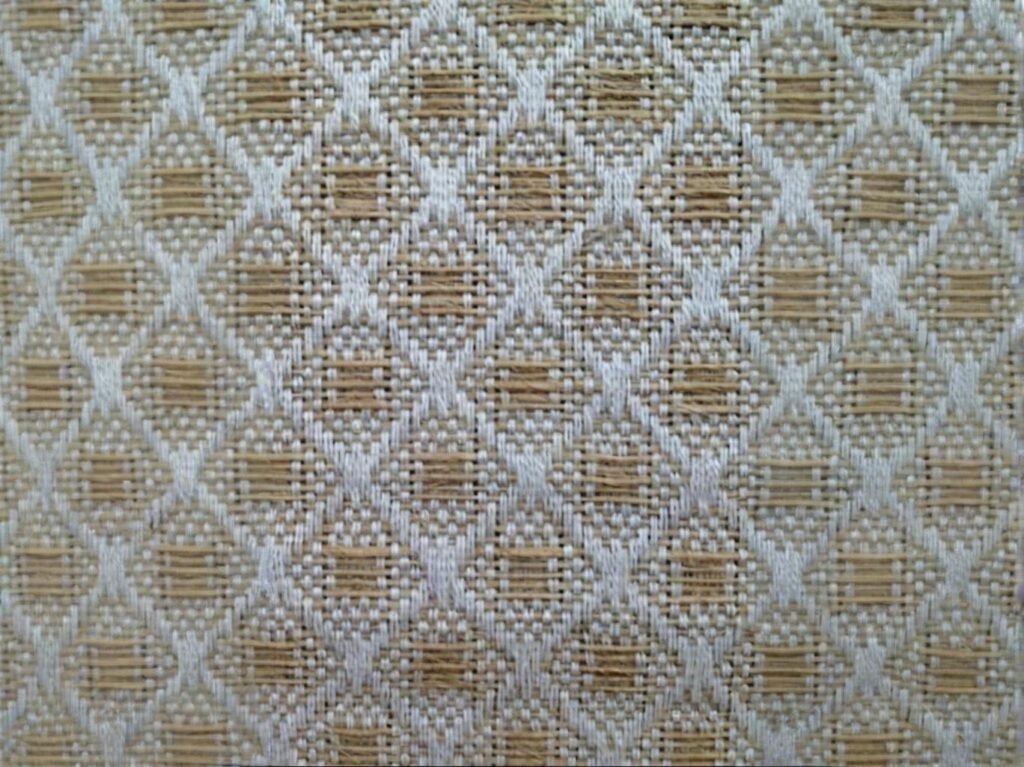
To ensure optimal performance, apparel manufacturers should source and specify ramie cloth by clearly defining fiber content, yarn count, fabric construction, finishing requirements, and intended use conditions. Choosing an experienced supplier with robust process control is crucial to maintaining consistency, comfort, and durability.
Ramie’s success lies in clear specifications, not assumptions.
A Practical Sourcing Framework
Ramie’s inherent strengths—breathability, strength, and durability—are maximized only when carefully sourced and processed. As a more technical fiber, it requires attention to detail from fiber selection to finished garment to deliver the performance and feel expected by end consumers.
The following framework outlines the key considerations manufacturers must make during sourcing, which will directly impact garment performance, wearability, and longevity.
Step 1: Define End Use Clearly
| End Use | Key Requirement |
|---|---|
| Summer shirts | Breathability + softness |
| Dresses & skirts | Drape + stability |
| Lightweight outerwear | Strength + structure |
| Casual wear | Comfort + durability |
The first step in sourcing any fabric is to define the intended application. This decision affects every other part of the sourcing process, from fabric weight to finishing treatments.
For example:
- Summer shirts require fabrics that are both lightweight and breathable while maintaining softness for comfort during prolonged wear.
- Dresses & skirts demand fluid drape and stability, making the yarn count and fabric structure critical to avoid sagging.
- Lightweight outerwear needs structural integrity and strength, where ramie’s natural stiffness is advantageous.
- Casual wear benefits from a balance of comfort and durability, ensuring fabrics stand up to repeated washing without losing shape.
Once the intended end use is defined, manufacturers can begin selecting the optimal combination of fabric properties for the application.
Step 2: Specify Core Fabric Parameters
| Parameter | Why It Matters |
|---|---|
| Fiber percentage | Controls strength & feel |
| Yarn count | Determines weight |
| Weave type | Affects airflow |
| Fabric weight (GSM) | Impacts drape & durability |
Fiber percentage Ramie’s performance is heavily influenced by its fiber content. Higher percentages of ramie increase the fiber’s natural strength, but blending with softer fibers like cotton or viscose can improve comfort and flexibility. It’s essential to specify the right ratio for the intended fabric feel and function.
Yarn count The yarn count (the number of yarns per unit of length) determines fabric weight and strength. Higher yarn counts yield denser, stronger fabrics, but may reduce breathability. In contrast, lower counts make the fabric softer and more breathable, at the potential cost of durability.
Weave type Ramie’s weave type directly influences airflow and drape. Loose weaves allow for better breathability but may reduce durability, while tighter weaves enhance strength at the cost of airflow. Specifying the correct weave ensures that the fabric performs as expected in its end use.
Fabric weight (GSM) The gram per square meter (GSM) measure indicates the weight and density of the fabric. For summer apparel or lightweight outerwear, lower GSM fabrics (e.g., 70-100 GSM) are ideal, as they provide comfort without unnecessary bulk.
Step 3: Define Finishing Expectations Upfront
| Finish | Purpose |
|---|---|
| Enzyme softening | Improve hand feel |
| Pre-shrinking | Control size |
| Color fastness standard | Reduce returns |
| Garment wash | Enhance comfort |
Proper finishing treatments are key to unlocking the best performance from ramie, especially in garments worn next to the skin.
- Enzyme softening improves hand feel by reducing stiffness and roughness, giving ramie a more comfortable, softer touch.
- Pre-shrinking is necessary to maintain dimensional stability, ensuring garments don’t shrink after the first wash.
- Color fastness should be a priority to avoid fading or bleeding during washing, especially for brightly dyed fabrics.
- A garment wash treatment softens ramie, improving comfort without sacrificing the fabric’s durability or performance.
Without the right finishing, ramie may perform under expectations, leading to complaints about fabric stiffness, shrinkage, or color issues.
Step 4: Consider Blends Strategically
Blending ramie with other fibers can optimize its performance and feel, making it more versatile for various applications.
| Blend Type | Benefit |
|---|---|
| Ramie–cotton | Comfort balance, enhanced softness |
| Ramie–viscose | Fluid drape, improved texture |
| Ramie–linen | Strength with added texture and stability |
Blending ramie with other fibers allows manufacturers to balance its inherent qualities, making it more adaptable for different product types. For example:
- Ramie–cotton blends are excellent for garments requiring both comfort and breathability, such as casual summer shirts and dresses.
- Ramie–viscose blends offer improved drape and a softer feel, ideal for fluid silhouettes like skirts and loose tops.
- Ramie–linen blends deliver increased strength and textural appeal, perfect for durable yet stylish outerwear or structured summer pieces.
Blends also reduce the risk of ramie’s natural stiffness or brittleness, making the fabric more consumer-friendly.
Step 5: Work with an Experienced Manufacturer
Ramie is more sensitive to processing than many other natural fibers. Working with a supplier experienced in ramie fiber handling ensures consistent quality and performance.
Key supplier capabilities include:
- Controlled degumming to remove natural fibers’ roughness without weakening the fabric.
- Consistent spinning to ensure smooth, strong yarns that won’t fray.
- Skilled finishing techniques to enhance softness, improve drape, and reduce brittleness.
Without this expertise, ramie may become stiff, uncomfortable, or inconsistent from batch to batch.
Sourcing Takeaway
Ramie is not a “plug-and-play” fabric. When sourced and specified correctly, it offers exceptional durability, comfort, and performance—especially for warm-weather applications. However, inexperienced handling or vague specifications can lead to underperformance and missed opportunities.
Manufacturers should prioritize clear specifications and partner with knowledgeable suppliers to fully capitalize on ramie’s unique benefits.
Ramie Is a Strategic Fabric, Not a Substitute
Ramie cloth does not aim to replace cotton or linen. It serves a distinct purpose in modern apparel:
- Stronger than it looks
- Cooler than it feels at first touch
- More durable than most natural fibers at similar weights
For apparel manufacturers focused on warm-weather performance, longevity, and refined natural aesthetics, ramie is often the missing piece. When properly sourced, processed, and blended, ramie becomes a fabric that delivers consistent, high-quality performance—making it a strategic choice for innovative and sustainable apparel production.
Develop Custom Ramie Cloth with SzoneierFabrics
If you are developing apparel collections and need:
- Custom ramie cloth or ramie-blend fabrics
- Low MOQ support for new developments
- Fast sampling and free design assistance
- Stable quality control and short lead times
- A manufacturing partner experienced in ramie fabric engineering
SzoneierFabrics helps transform ramie’s natural advantages into reliable, production-ready apparel fabrics.
Share your product concept, target market, and performance goals with our team—and we’ll help you engineer ramie cloth that truly works for your garments.
Contact SzoneierFabrics today to start your custom ramie fabric inquiry.