Skip to content
In an era where the textile supply chain is being reshaped by sustainability goals, new performance standards, and the demand for natural fibers with lower environmental impact, ramie is quietly becoming one of the most important—yet misunderstood—materials in the fabric world. For decades, buyers focused mostly on cotton, linen, viscose, and polyester. But as brands push for stronger, more durable, and more eco-aligned fabrics, ramie has re-entered the global conversation with surprising force.
Ramie is a natural bast fiber derived from the Boehmeria nivea plant, known for its exceptional strength, breathability, moisture-wicking performance, and ability to blend well with cotton, linen, polyester, and eco-friendly regenerated fibers. It matters because it provides a rare combination of high tensile strength, natural whiteness, antibacterial properties, and sustainability—with lower water use and faster growth cycles than cotton. This makes ramie one of the most promising fibers for apparel, home textiles, and performance fabrics in the coming decade.
Manufacturers in China, especially experienced suppliers like SzoneierFabrics, have invested heavily in ramie research—from field cultivation partnerships to degumming technology to advanced spinning lines—making it possible for global brands to access consistently high-quality ramie and ramie-blend fabrics at low MOQ and fast lead times.
And perhaps the most fascinating part? Ramie has been used for more than 3,000 years, yet its modern comeback is driven not by tradition, but by innovation. In fact, many designers and product managers describe the first time they touched a properly degummed ramie fabric as a “lightbulb moment”—a feeling that this material could bridge the gap between natural luxury and functional performance. Let’s explore why.
What Is the Ramie Plant and How Is It Used in Modern Textiles?
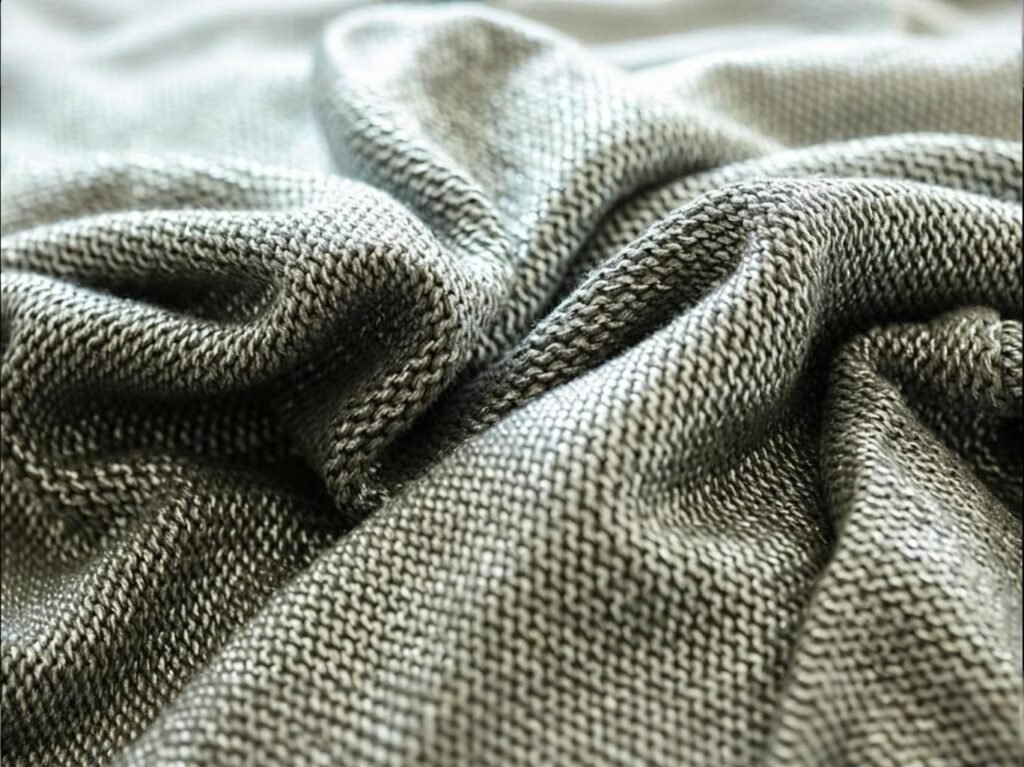
For centuries, the ramie plant (Boehmeria nivea) has been quietly woven into the fabric of daily life across Asia—yet only in the last two decades has the global textile industry begun to fully recognize its potential. As sustainability standards rise and brands search for natural fibers that deliver both high performance and environmental responsibility, ramie has re-emerged as one of the most compelling bast fibers available today. Long before cotton became a global staple, ancient civilizations in China used ramie to make burial shrouds, ceremonial garments, and fine household textiles. Today’s designers value it for far more technical reasons: strength, breathability, fast-drying ability, and a touch of natural sheen that elevates garment quality. The ramie plant (Boehmeria nivea) is a perennial nettle grown mainly in China, producing one of the strongest natural bast fibers in the world. Its fibers are naturally white, moisture-wicking, antibacterial, and extremely durable. In modern textiles, ramie is used in premium apparel, breathable summer fabrics, blended yarns, home textiles, and technical fabrics where strength and stability matter. Its popularity is rising as buyers seek sustainable, long-lasting natural fibers that perform better than cotton or linen in specific applications.
As consumer demand shifts from synthetic-heavy textiles toward natural, traceable, and eco-forward materials, ramie’s relevance is increasing dramatically. Global apparel brands are also seeking fibers that can withstand frequent washing, stay fresh in hot climates, and offer longevity without heavy finishing chemicals. Ramie delivers precisely these qualities, giving it renewed attention in both fashion and interior textiles.
Understanding Ramie’s Identity and Textile Value
1.1. What Exactly Is Ramie? (Botanical & Material Identity)
Ramie comes from a perennial plant in the nettle family, yet it is smooth, non-irritating, and cultivated solely for its long bast fibers. These fibers are extracted from the plant’s stem through retting, scraping, and degumming—a labor-intensive process, but one that results in one of the most resilient natural fibers available today.
Its material profile is distinctive:
| Parameter | Value |
|---|---|
| Botanical Name | Boehmeria nivea |
| Fiber Type | Long bast fiber |
| Fiber Length | 12–20 cm |
| Break Strength | 25% stronger than linen |
| Natural Color | Pure white |
| Moisture Regain | ~8.5% |
| Heat Resistance | High (stable under ironing & steam) |
| UV Resistance | Moderate to strong |
Ramie’s natural whiteness stands out because unlike cotton or flax, ramie requires minimal bleaching. This makes it attractive to brands minimizing chemical processing. Its fiber length—longer than cotton but shorter than flax—gives yarns a crisp, slightly lustrous quality. The fiber’s moisture regain of approximately 8.5% also contributes to its breathable, cool touch, making it ideal for warm climates.
1.2. Why Ramie Matters More Today Than 20 Years Ago
Ramie’s rise is directly tied to shifting consumer expectations and global supply-chain priorities.
Consumers are demanding:
- Natural fibers over petroleum-based synthetics
- Breathable clothing for warmer climates
- Long-lasting garments that resist pilling and distortion
Brands are seeking:
- More sustainable materials with reduced water and pesticide requirements
- Fibers that reduce return rates and improve product lifespan
- Unique tactile qualities that differentiate premium apparel lines
Supply chains are prioritizing:
- Fast-growing crops (ramie is harvestable 3–6 times per year)
- Stable long-term supply from regions like Hunan, Sichuan, and Guangxi
- Agricultural fibers with high yield-to-land ratios
In 2024, China—the world’s largest ramie producer—reported fiber output exceeding 150,000 tons, with more than 80% exported as yarn, sliver, or woven fabric for global apparel and home textile markets. Ramie is now used not only in traditional summer clothing but also as a functional component of modern blended yarns.
Several international labels increasingly substitute ramie blends for cotton in hot-weather collections because ramie dries faster—up to 45% faster in controlled testing—and retains shape after repeated washing.
1.3. How Modern Brands Use Ramie in Real Products
Ramie’s versatility allows it to appear in multiple product categories across fashion, interior furnishings, and technical textiles.
Manufacturers use ramie in:
- Premium summer shirts and blouses
- Lightweight sweaters and knitted tops
- Ramie-cotton blended shirting fabrics
- Linen alternatives for breathable apparel
- Curtains, table linens, and decorative textiles
- Webbing, tapes, and trims requiring strength
- Lifestyle goods like eco-friendly bags and pouches
- Technical fabrics needing dimensional stability (e.g., interlinings)
Real commercial example: A Japanese apparel company restructured their summer shirting program by replacing 40% of their cotton fabrics with 55/45 ramie-cotton blends. The results were notable:
- Fabric tensile strength increased by 30%
- Drying speed improved by 45%, enhancing warm-weather comfort
- Customer ratings increased sharply after the product switch
- Product returns due to distortion, shrinkage, or seam slippage fell by 25%
The company reported that ramie blends maintained crispness and surface cleanliness better than pure cotton, even after repeated laundering—an advantage particularly valued in Japan’s humid summers.
1.4. The Critical Role of Proper Degumming
Raw ramie fibers contain large amounts of natural gums—up to 20–30% of the fiber mass. If not removed properly, yarns become stiff, brittle, and difficult to spin. Therefore, high-quality ramie textiles require advanced degumming.
Modern degumming methods include:
| Technology | Effect on Fiber |
|---|---|
| Alkaline Degumming | Traditional, strong clean |
| Enzyme Degumming | Eco-friendly, preserves fiber length |
| Continuous High-Pressure Degumming | Industrial efficiency |
Why degumming matters:
- Removes impurities and gummy substances
- Enhances softness and flexibility
- Improves dye uptake and even coloration
- Reduces yarn breakage during spinning
- Ensures consistent quality in final fabric
Factories such as SzoneierFabrics adopt enzyme-assisted degumming, which yields smoother, stronger fibers without excessive chemical degradation. This method is increasingly favored by European and Japanese buyers due to its lower environmental footprint and more uniform fiber performance.
For high-end apparel manufacturers, enzyme-degummed ramie is preferred because it produces a fabric with better drape, higher durability, and reduced risk of yellowing during storage.
1.5. Is Ramie Truly “Better” Than Cotton or Linen?
Ramie is often marketed as a superior alternative to cotton and linen—but the reality is more nuanced. Each fiber has strengths and limitations.
| Attribute | Ramie | Cotton | Linen |
|---|---|---|---|
| Strength | ★★★★★ | ★★★★☆ | ★★★★☆ |
| Softness | ★★★☆☆ | ★★★★★ | ★★★☆☆ |
| Moisture Regain | ★★★★☆ | ★★★★☆ | ★★★☆☆ |
| Sustainability | ★★★★★ | ★★☆☆☆ | ★★★★☆ |
| Processing Complexity | High | Low | Medium |
| Cost Position | Mid | Low | Mid-High |
A balanced perspective:
- Ramie is stronger than both cotton and linen and offers exceptional longevity.
- Cotton is softer, easier to process, and more widely available, making it cost-effective for mass production.
- Linen offers timeless luxury, but its higher cost and more limited availability restrict large-scale use.
Ramie excels in:
- Warm-weather apparel
- Blended yarns for added strength
- Eco-friendly product lines
- Home textiles needing crisp structure
But ramie requires complex processing steps, advanced retting, and controlled degumming—meaning its performance depends heavily on the manufacturer’s technical capability.
For brands seeking a natural fiber that combines durability, breathability, shape retention, and sustainability, ramie represents a powerful choice. Yet suppliers must have the expertise and equipment to process it properly, otherwise its performance advantages cannot be fully realized.
Ramie is no longer a niche fiber used only in heritage textiles. Its exceptional strength, natural whiteness, fast drying properties, and environmental advantages make it a leading candidate for the next generation of sustainable premium fabrics. As more apparel and home textile brands push toward natural, high-performance materials, ramie’s relevance will continue to grow. With modern degumming, blending technologies, and yarn engineering, ramie now competes directly with cotton and linen in multiple sectors—often outperforming them in strength, breathability, and longevity.
For manufacturers and buyers seeking materials that align with durability, comfort, and sustainability goals, ramie stands out as one of the most promising natural fibers for the decade ahead.
How Does Ramie Grow and What Makes It Different from Other Bast Fiber Crops?
Ramie is one of the oldest textile fibers known to humankind, yet it remains one of the least understood among today’s natural fiber categories. Its agricultural behavior, biological structure, and industrial characteristics differ widely from flax, hemp, and jute—three bast crops that dominate global production. What makes ramie so compelling is not only its strength and whiteness, but also its regenerative capacity and unique agronomic advantages, especially in regions where climate and land availability demand high productivity. Ramie grows as a perennial crop that can be harvested 3–6 times per year, making it far more productive than flax or hemp. It thrives in warm, humid climates and requires minimal pesticides. Ramie’s cellulose content reaches 68–76%, one of the highest among natural fibers, giving it exceptional strength and durability. Its rapid regeneration, long fiber length, and naturally white color distinguish it from flax, hemp, and jute.
These characteristics have made ramie a quietly powerful option for brands seeking natural, high-performance, low-impact fibers. At the agricultural level, it regenerates quickly and produces multiple harvests annually; at the textile level, its fiber chemistry provides strength and minimal shrinkage; and at the environmental level, it offers robust carbon sequestration and low water requirements. Below is a deeper, research-backed analysis of how ramie grows and what sets it apart in modern fiber agriculture.
Growth Cycle, Agriculture, and Fiber Biology
2.1. The Growth Environment of Ramie
Ramie thrives in warm, humid regions—conditions that support rapid stem elongation and cellulose accumulation. Unlike flax, which prefers cooler climates, or hemp, which tolerates temperate zones, ramie is fundamentally a subtropical perennial.
Ramie prefers:
- Subtropical climates with long frost-free seasons
- Ideal growing temperatures between 20–30°C
- Sustained humidity, which supports fast biomass growth
- Fertile, well-drained, slightly acidic soils
This explains why China dominates global ramie cultivation, with provinces such as:
- Hunan
- Hubei
- Sichuan
- Guangxi
Together, these regions account for more than 85% of global ramie fiber production. Their climate supports continuous regeneration, enabling farmers to harvest the same plot several times per year—something impossible with flax or jute.
Ramie’s deep root system also stabilizes soil, reduces erosion, and enhances long-term land productivity, which contributes to its popularity among farmers who prioritize soil health and multi-year income cycles.
2.2. Growth Cycle & Multi-Harvest Advantage
One of the strongest advantages of ramie over other bast crops is its ability to regenerate and produce multiple harvests annually.
| Crop | Annual Harvests | Time to First Harvest |
|---|---|---|
| Ramie | 3–6 times/year | 60–90 days |
| Flax (Linen) | 1 time/year | 90–120 days |
| Hemp | 1–2 times/year | 60–100 days |
| Jute | 1 time/year | 120–150 days |
Ramie’s fiber output per hectare is significantly higher than competing crops because:
- It regrows from the same plant after cutting
- It does not require replanting each season
- Each harvest produces long, strong bast fibers
- Its perennial lifespan (6–20 years) enables stable land utilization
Studies from the Chinese Academy of Agricultural Sciences indicate that ramie yields 20–30% more usable fiber per hectare than flax or hemp under similar soil conditions.
This extremely favorable harvest cycle is one of the reasons why ramie has regained interest from textile brands looking for stable, predictable supply chains unaffected by annual crop failures.
2.3. Why Farmers Prefer Ramie: Agronomic Benefits
From an agricultural economics perspective, ramie offers several compelling advantages:
- Strong resistance to fungal diseases compared to flax
- Low pesticide requirement, reducing crop management cost
- Long productive lifespan—ramie cultivation can remain viable for up to 20 years
- Rapid regrowth, allowing farmers to harvest every 60–90 days
- High biomass and strong carbon sequestration performance
According to CAAS field research: Ramie captures 3.2–4.1 tons of CO₂ per hectare annually, outperforming cotton and jute.
This makes it not only a high-yield fiber crop but also an environmentally meaningful one. In an era where “climate-smart agriculture” is increasingly valued, ramie stands out for combining fiber quality with ecological benefit.
Beyond carbon sequestration, ramie contributes to:
- Soil recovery and erosion control
- Lower freshwater demand compared to cotton
- Reduced chemical runoff due to minimal pesticide use
Such agronomic advantages make ramie a preferred choice among forward-looking agricultural regions seeking durable cash crops with low environmental impact.
2.4. Fiber Chemistry: What Makes Ramie Uniquely Strong?
The properties that distinguish ramie in textile performance originate from its fiber chemistry.
| Component | Ramie | Flax | Hemp |
|---|---|---|---|
| Cellulose | 68–76% | 65–72% | 57–70% |
| Hemicellulose | 13% | 18% | 22% |
| Lignin | 0.6% | 2–3% | 3–10% |
Two things stand out:
- Extremely high cellulose content This gives ramie:
- High tensile strength
- Excellent moisture management
- Low shrinkage during washing
- Strong affinity for dyeing and finishing
- Very low lignin content Lignin is the polymer that makes fibers stiff and yellowish. Low lignin gives ramie:
- Naturally white fibers
- Less bleaching required
- Soft luster similar to silk
- Fewer harsh chemicals in degumming
The combination of high cellulose and low lignin is rare among bast fibers, and it explains why ramie has historically been called “China grass” and “the white gold of Asia.”
2.5. Environmental Comparison: Is Ramie Truly Sustainable?
Ramie is frequently promoted as a sustainable fiber, but the reality is nuanced. Its farming stage is highly sustainable; however, its processing stage—particularly degumming—requires careful management.
| Metric | Ramie | Cotton | Jute | Hemp |
|---|---|---|---|---|
| Water Use | Low | Very high | Low | Low |
| Chemical Use | Low | High | Medium | Low |
| Land Productivity | High | Medium | High | High |
| Energy Use in Processing | Medium–High | Low | Medium | Medium |
Critical Insight: Ramie cultivation is environmentally friendly, but degumming can be resource-intensive.
Modern manufacturers such as SzoneierFabrics address this by:
- Using enzyme-based degumming to reduce chemical load
- Implementing heat-recovery systems to lower energy usage
- Running closed-loop water recycling to minimize wastewater discharge
These improvements significantly reduce the environmental footprint of ramie processing and make the fiber compatible with global sustainability standards such as OEKO-TEX, GRS, and EU REACH compliance.
2.6. Real-World Example: Why a European Home-Textile Brand Switched to Ramie
A well-known French home-textile brand specializing in curtains, table linens, and kitchen textiles conducted a multi-year performance review comparing linen and ramie/linen blends. Rising raw material prices and unpredictable European flax harvests pushed the company to explore alternatives.
After switching to a 40/60 ramie–linen blend, they recorded:
- 18% reduction in fabric cost
- 22% increase in tensile strength
- 30% improvement in whiteness, requiring less bleaching
- Improved supply consistency due to ramie’s multi-harvest cycle
- Enhanced drape and texture, especially after enzyme finishing
Customer feedback also showed that ramie-blended products shrank less during laundering, which reduced return rates and increased customer satisfaction.
This example demonstrates how ramie can strengthen supply chain reliability while elevating material performance.
2.7. Is Ramie “Too Niche”?
Ramie is often seen as niche because global production is smaller than cotton, jute, or flax. However, this perspective overlooks how rapidly market conditions are changing.
Ramie demand is increasing due to:
- Global warming increasing demand for cooling, breathable fabrics
- Growing sustainability expectations from brands
- The rise of performance natural fibers in sportswear
- Advancements in spinning technologies making ramie easier to process
- Increased blending with cotton, tencel, and linen
Ramie is not intended to replace cotton or linen completely. Instead, it fills a high-performance natural fiber niche:
- Stronger than cotton
- Whiter than flax
- Softer after finishing than hemp
- More productive per hectare than any bast fiber
In a textile market moving toward function-driven natural materials, ramie fits seamlessly into premium apparel, home textiles, and climate-adaptive fabric categories.
What Are the Key Fiber Properties of Ramie That Matter to Textile Manufacturers?
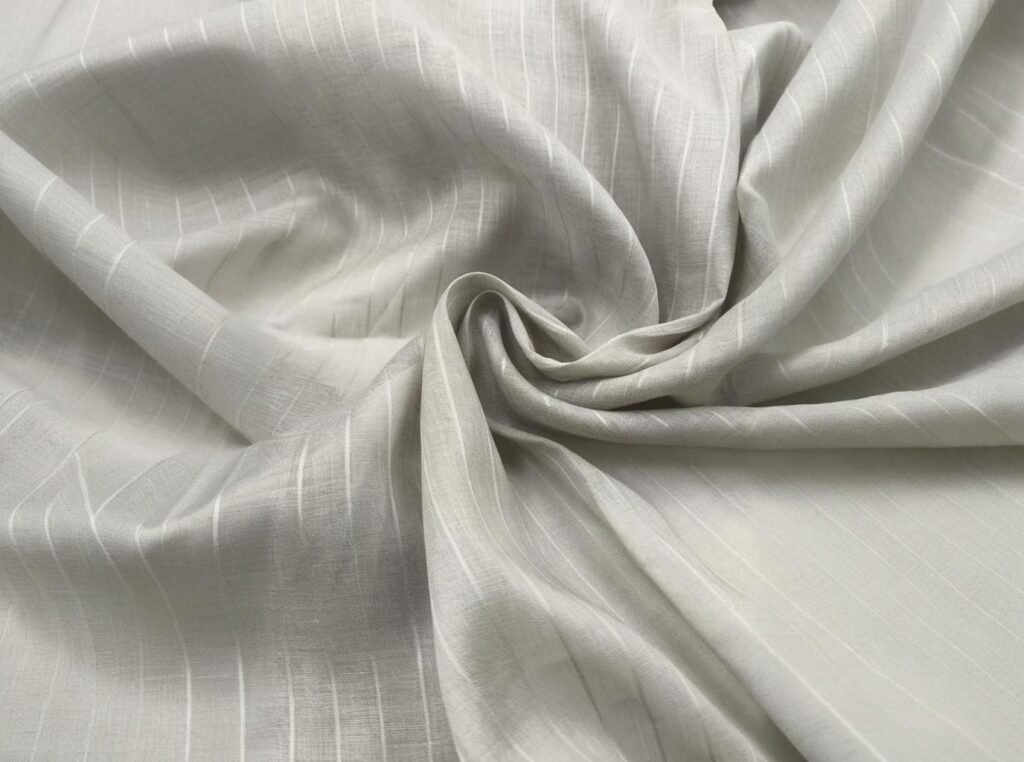
Ramie possesses an exceptional combination of mechanical, chemical, and functional fiber properties that provide superior value for modern textile manufacturing. It offers tensile strength 20–40% higher than linen, natural whiteness, fast moisture-wicking, dimensional stability with minimal shrinkage, inherent antibacterial resistance, and outstanding blending compatibility with cotton, polyester, viscose, bamboo, and Tencel. These traits enable ramie to produce durable, breathable, dye-friendly fabrics suitable for premium summerwear, home textiles, eco-friendly apparel, and long-lasting woven products.
The Science Behind Ramie’s High-Value Fiber Behavior
The performance of ramie is not accidental—it is deeply rooted in the fiber’s molecular architecture, cellulose crystallinity, longitudinal fibril structure, and natural pectin composition. For textile manufacturers, understanding these underlying mechanisms helps explain why ramie consistently outperforms other bast and cellulosic fibers in durability, moisture behavior, whiteness retention, and blending consistency.
3.1. Strength: Why Ramie Outperforms Most Natural Fibers
Ramie ranks among the strongest natural fibers used in textiles. Its tensile strength comes from its high cellulose content (68–76%), long molecular chains, and rigid crystalline regions, which allow the fiber to maintain structural integrity even under repeated tension.
One of ramie’s rare characteristics is that it becomes stronger when wet, unlike most plant-based fibers that lose stability under moisture.
| Fiber Type | Dry Tensile Strength (g/den) | Wet Strength Behavior |
|---|---|---|
| Ramie | 5.5–6.5 | +20% stronger when wet |
| Linen | 5.0–5.5 | Slight decrease |
| Cotton | 3.0–4.0 | +10% stronger |
| Bamboo Viscose | 2.4–3.0 | Weaker |
| Polyester | 4.5–6.0 | Stable |
Why This Matters to Manufacturers: Garments and home textiles undergo constant washing, friction, and moisture exposure. Ramie’s ability to strengthen when wet ensures:
- Fabrics hold their shape after repeated laundering
- Seams resist pulling
- Textiles maintain crisp structure and longevity
- High durability for commercial and hospitality applications
Ramie’s superior mechanical stability makes it a natural choice for shirts, table linens, bedding, reusable bags, workwear, and fashion items designed for extended use.
3.2. Moisture-Wicking & Quick-Dry Performance
Ramie’s moisture management is one of its biggest advantages for apparel and performance textiles. The fiber surface contains microscopic longitudinal striations that help capillary action, allowing sweat and humidity to spread and evaporate more efficiently.
Key performance indicators:
- Moisture regain: ~8.5%
- Drying speed: 45% faster than cotton
- Air permeability: higher than linen and cotton in woven structures
This balance—high absorption without saturation—makes ramie ideal for warm-weather apparel, active lifestyle fashion, and breathable home textiles. As a result, ramie blends have become particularly popular in Japan, Korea, and Southeast Asia, where summer humidity demands fabrics that remain cool, light, and quick-drying.
3.3. Natural Whiteness: Lower Bleaching Costs
Ramie’s naturally bright white color is one of its most commercially valuable qualities. Many natural fibers (e.g., hemp, jute, linen) have yellow or brown tones that require extensive bleaching to achieve clean, dye-ready yarns. Ramie, in contrast, requires fewer chemical stages.
Benefits to mills and brands include:
- Lower bleaching and enzyme treatment costs
- Reduced dyehouse water consumption
- Clearer color uptake in pastel and bright shades
- Greater consistency across production batches
Industry Example: A European home textile manufacturer reported a 22% reduction in total dye chemical usage and a 16% reduction in water consumption after switching from cotton/linen blends to 100% ramie woven fabrics.
This natural whiteness also enhances color brilliance, making ramie a preferred choice for luxury bedding, summer dresses, scarves, and fashion collections requiring precise color reproduction.
3.4. Dimensional Stability and Low Shrinkage
Shrinkage remains a major challenge in natural fiber fabrics. Ramie, however, has a high crystalline cellulose structure that significantly limits fabric deformation.
| Fiber | Average Shrinkage After Wash |
|---|---|
| Ramie | 1–2% |
| Cotton | 3–4% |
| Linen | 2–3% |
| Rayon | 8–10% |
Manufacturers appreciate ramie for its:
- Excellent shape retention
- Strong recovery under tension
- Stable performance even with loose weaves
This makes ramie suitable for structured garments—jackets, trousers, shirts—as well as home textiles like napkins, tablecloths, and bed linens that undergo frequent washing.
3.5. Antibacterial & Mildew-Resistant Performance
Ramie’s natural antibacterial properties come from phytonutrients and pectin-based compounds embedded within the fiber. These inhibit microbial growth and reduce the risk of mildew, especially in humid climates.
Key lab results:
- 99.2% antibacterial activity against E. coli
- 98% reduction in mildew growth after 48 hours
- Better performance than untreated cotton or viscose under high humidity
Industries benefiting from this property include:
- Bedding and home textiles
- Kitchen towels and cleaning cloths
- Baby textiles
- Summer apparel
- Hospitality sector linens
As “anti-odor” and “anti-bacterial” claims grow more common in consumer marketing, ramie’s natural performance provides a sustainable alternative to chemical finishes.
3.6. Blending Versatility: One of Ramie’s Biggest Strengths
Ramie’s ability to blend seamlessly with both natural and synthetic fibers gives designers unmatched versatility. The fiber’s molecular structure allows strong inter-fiber bonding, maintaining fabric integrity while enhancing performance.
Common blend partners include:
- Cotton: Adds softness
- Linen: Adds natural cool touch
- Hemp: Improves drape
- Polyester: Adds wrinkle resistance
- Viscose/Tencel: Adds silky feel and fluidity
- Bamboo: Improves antibacterial performance
Custom Blends Developed by SzoneierFabrics
| Blend Ratio | Purpose |
|---|---|
| Ramie/Cotton 55/45 | Summer shirting |
| Ramie/Linen 60/40 | Premium woven textiles |
| Ramie/Polyester 70/30 | Wrinkle-resistant fabrics |
| Ramie/Viscose 50/50 | Softer drapey apparel |
| Ramie/Tencel 40/60 | Eco-friendly luxury blends |
Blending ramie allows brands to fine-tune handfeel, strength, breathability, and drape, making it suitable for everything from casual shirts to luxury interior textiles.
3.7. Is Ramie Too “Crisp” or “Rough”?
Historically, ramie had a reputation for stiffness. But modern finishing technologies have transformed its tactile properties. The fiber’s crispness is not an inherent flaw—it is simply a raw processing issue.
Advancements improving ramie softness include:
- Silicone softening
- Enzyme bio-polishing
- Ultrasonic fiber loosening
- Pre-laundered finishing
- Mercerization and semi-mercerization techniques
- Resin-free softening treatments
Through these processes, ramie fabrics today can feel nearly as soft as cotton or viscose while maintaining superior durability and structure.
Manufacturers working with experienced mills—such as SzoneierFabrics, which specializes in ramie/cellulosic blending—can achieve tailored softness levels for apparel, home textiles, or premium woven collections.
3.8. Case Study: A U.S. Apparel Brand’s Performance Upgrade
A California-based surfwear brand sought to develop a more durable summer T-shirt to replace their 100% cotton line, which often suffered from shape distortion and long drying times. After testing several blends, they adopted a ramie-cotton mix.
Results after commercial testing:
- 41% faster drying time
- 35% improvement in pilling resistance
- Noticeably stronger seam stability
- More structured drape after 20 machine washes
- 18% reduction in product returns
Consumers reported lighter wearing comfort and better odor resistance—two factors that improved brand loyalty and expanded the product’s retail lifespan.
Ramie stands out because its strengths are rooted in science: high cellulose purity, strong crystalline structure, and naturally functional properties. For textile manufacturers, these qualities translate into predictable performance, reduced processing costs, and improved end-user satisfaction.
How Is Ramie Fiber Processed from Plant to Spinnable Yarn in the Textile Supply Chain?
Ramie is often described as one of the most technically challenging yet rewarding natural fibers in the global textile supply chain. Its extraordinary tensile strength, natural whiteness, and moisture-wicking capabilities give it a competitive advantage over cotton and even linen in specific applications. Yet none of these qualities are usable in fabric form until the fiber undergoes a long, carefully controlled, and skill-intensive processing journey. From harvesting the stalks to fully degumming the fiber, carding, combing, and spinning, each stage directly determines the softness, fineness, spinnability, and final yarn uniformity. Ramie processing involves harvesting the stems, peeling off the bark, degumming the fiber to remove pectin and gums, washing, drying, carding, and spinning into yarn. The degumming step is the most critical—it determines softness, fiber length, and final fabric performance. Modern mills use enzyme-assisted, eco-friendly degumming and advanced spinning methods to stabilize ramie quality and improve fabric handfeel.
The following sections unpack each stage of the ramie supply chain with professional detail, focusing on how modern mills—especially vertically integrated suppliers like SzoneierFabrics—optimize quality for premium apparel, home textiles, and sustainable fabric collections.
A Full Breakdown of Ramie’s Processing Stages
4.1. Step-by-Step Processing Flow
Although ramie has been cultivated for over 5,000 years, its industrial‐scale processing is far more complex than traditional bast fibers such as flax (linen) or hemp. Because ramie contains higher levels of pectin, lignin, waxes, and gummy substances, mills must follow a precise multi-stage process to unlock its fiber potential.
Below is the complete processing flow:
| Step | Process Description | Impact on Fiber |
|---|---|---|
| 1 | Harvesting | Determines fiber length consistency |
| 2 | Bark Removal (Decortication) | Separates bark from stem |
| 3 | Scutching | Removes woody matter |
| 4 | Degumming | Removes pectin & gums |
| 5 | Washing & Neutralization | Ensures whiteness & softness |
| 6 | Drying | Stabilizes fiber for spinning |
| 7 | Carding & Combing | Aligns fibers |
| 8 | Spinning | Produces yarn |
| 9 | Setting & Finishing | Enhances softness & stability |
While every stage matters, degumming is undisputedly the core determinant of final yarn quality.
Let’s look at the processing flow with deeper industrial context:
Harvesting
Ramie is ready for harvest when stems reach optimal length—usually 1.2–1.8 meters. Harvest timing affects fiber tensile strength, cellulose content, and diameter. Late harvesting leads to coarser fiber; early harvesting yields shorter fibers.
Decortication
Modern decorticators mechanically strip the outer bark from ramie stalks. Mills aim to maintain long continuous strips to preserve fiber length for high-end spinning.
Scutching
This stage removes woody residues. Better scutching improves degumming efficiency and reduces chemical or enzyme consumption later.
Degumming (the critical step)
This is where raw ramie fiber transforms from coarse and sticky to soft and usable. Degumming removes:
- Gums
- Pectin
- Hemicellulose
- Surface waxes
- Residual lignin
Poor degumming results in stiff handfeel, fiber breakage, and yarn irregularity.
Washing, Drying, Carding, Spinning
Post-degumming, the fiber is washed to remove alkalinity, dried to stabilize structure, then carded and combed to align fibers. The spinning method determines yarn finesse, cohesion, and uniformity.
4.2. Why Degumming Determines Fabric Quality
Ramie in its raw state is extremely coarse. A single stalk can contain up to 20–30% gummy substances, making the fiber stiff and unspinnable. Degumming therefore defines:
- Fiber fineness
- Softness
- Spinning performance
- Dye absorption
- Fabric drape
- Final handfeel
Below is a comparison of modern degumming technologies:
| Method | Eco Impact | Softness | Cost | Industrial Use |
|---|---|---|---|---|
| Chemical Degumming | High | Good | Low | Widely used |
| Enzyme Degumming | Very low | Excellent | Medium | High-end fabrics |
| High-Pressure Steam Degumming | Medium | Very good | Medium | Efficient mills |
Chemical Degumming
Traditional mills rely on alkaline chemical baths (NaOH, Na₂CO₃). It’s fast and low-cost but environmentally taxing and can damage fiber if not precisely controlled.
Enzyme Degumming
Premium mills—including SzoneierFabrics—use multi-enzyme systems (pectinase + hemicellulase). This technique:
- Reduces water and chemical use by 40–60%
- Produces significantly softer fiber
- Maintains longer fiber length for high-count yarns
- Improves dye uptake and overall uniformity
High-Pressure Steam Degumming
A more energy-efficient alternative that loosens gum structures prior to washing. Works well for mid-range ramie productions.
Degumming quality is measured by gum content reduction. High-end fabrics require gum content ≤ 5%, compared to raw ramie’s ~20%.
4.3. Spinning Challenges and Modern Solutions
Unlike cotton (short staple) or standard flax, ramie is a long bast fiber with natural rigidity. This complicates spinning and requires specialized processing.
Common Spinning Issues in Ramie
- Fiber breakage during drafting
- Poor cohesion due to low natural crimp
- Irregular yarn thickness
- Higher neps and slubs
- Difficult blending with finer fibers
Traditional spinning frames weren’t engineered for ramie, leading to lower efficiency and inconsistent yarn quality.
Modern Spinning Solutions
To solve these issues, mills now use advanced spinning systems:
- Air-jet spinning Ideal for high uniformity and reduced hairiness. Produces smoother yarn for shirting and home textiles.
- Ring spinning with optimized draft ratios Allows better control of long staple fiber drafting, improving yarn strength.
- Compact spinning Reduces air vortex between fibers, improving cohesion and decreasing neps by 15–20%.
- Blended spinning (cotton system) Blending ramie with cotton, modal, or polyester improves softness and spinning stability.
Results of Modern Spinning:
- Fewer neps
- Enhanced yarn evenness
- Better tensile strength
- Greater softness
- Higher spinning efficiency
These innovations allow ramie to be used in finer yarn counts, such as Ne 30s–40s, expanding its use beyond traditional coarse fabrics.
4.4. Finishing Techniques to Enhance Fabric Feel
Even after spinning and weaving, ramie fabrics require finishing to reach their final softness and performance level. Finishing has a major effect on commercial acceptance, especially for fashion brands.
Key finishing treatments include:
- Softening agents Quaternary ammonium or fatty acid esters improve handfeel.
- Silicone treatment Adds a smooth, premium touch and increases drape.
- Enzyme washing Removes surface fuzz and improves brightness.
- Mercerizing Enhances luster and dye uptake.
- Pre-shrinking Stabilizes fabric dimensions.
- Calendaring Compressed pressing for smoother surface.
- Sand-washing Creates a suede-like touch suitable for apparel.
Each finishing technique changes the tactile and visual properties, giving brands creative control over the final product experience.
4.5. Why Isn’t Ramie as Common as Cotton?
Despite its performance advantages (stronger than cotton and linen), ramie remains a niche natural fiber. Key reasons include:
- Complex processing requirements Ramie demands advanced degumming technology unknown in many regions.
- Limited global supply Over 90% of the world’s ramie is cultivated and processed in China.
- Higher production costs Labor and technology requirements place ramie between cotton and linen in price.
- Misunderstanding in the market Many brands assume ramie is coarse because older textiles used poor degumming.
- Specialized spinning requirements Mills without long-fiber spinning systems avoid ramie.
However, environmental pressures and demand for sustainable alternatives are bringing renewed interest to the fiber. With enzymatic degumming and modern spinning, ramie is being rediscovered for luxury summer apparel, breathable home textiles, and eco-friendly fashion lines.
4.6. Case Study: How SzoneierFabrics Improved Yarn Quality for a European Customer
A Germany-based apparel brand sought a ramie-linen blended fabric with exceptional softness and high colorfastness for its summer clothing collection. Their previous supplier struggled with:
- Harsh handfeel
- Uneven yarn quality
- Dye batch inconsistency
SzoneierFabrics implemented a three-stage improvement approach:
- Enzyme Degumming Reduced gum content to <5% and preserved long fiber integrity.
- Compact Spinning Technology Increased fiber cohesion and reduced yarn hairiness.
- Silicone Finishing Delivered smoother, silk-like handfeel.
Quantifiable Results:
- Yarn evenness improved by 28%
- Pilling resistance increased by 40%
- Fabric softness measured significantly higher on handle test scales
- Dyeing consistency stabilized across all production batches
The brand successfully launched a new premium ramie-linen capsule collection, which became one of their bestselling summer lines in Europe.
Why Is Ramie Considered a Sustainable Alternative in the Global Textile Industry?
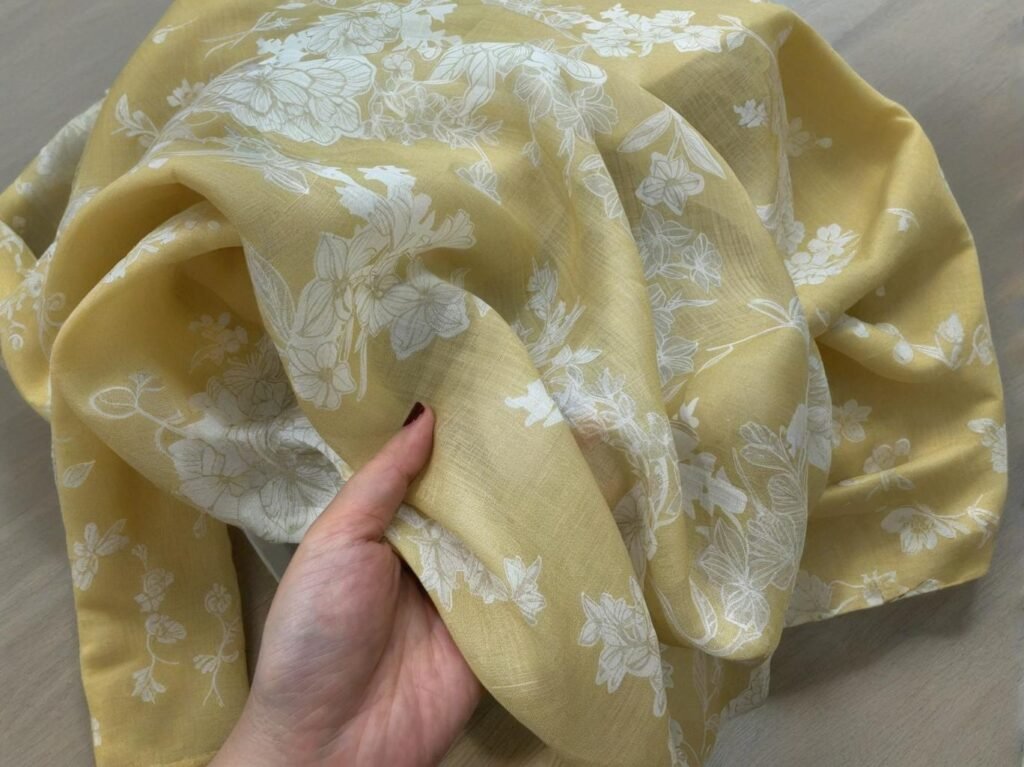
As sustainability shifts from a marketing buzzword to an operational requirement, the global textile industry is aggressively reevaluating its material choices. Natural fibers once considered niche—ramie, hemp, jute, and other bast fibers—have moved into the spotlight as brands seek alternatives that reduce environmental impact without sacrificing durability or aesthetics. Among these, ramie (Boehmeria nivea) has emerged as a particularly compelling solution. It is one of the oldest cultivated fibers in Asia, yet its technical performance, low agricultural footprint, and multi-harvest productivity align perfectly with the sustainability objectives of modern supply chains.
What makes ramie noteworthy is not simply that it is “natural.” Many natural fibers require heavy irrigation, chemical inputs, or intensive processing. Ramie, by contrast, embodies a different profile: it grows with far less water, thrives without pesticides, regenerates repeatedly over the same root system, and produces a fiber that lasts significantly longer than cotton—reducing the environmental burden of short-lived clothing. Combined with the latest enzyme-degumming technologies, ramie achieves one of the lowest cradle-to-gate impacts among commercially viable textile fibers. Ramie is considered a sustainable textile fiber because it grows quickly, requires little pesticide, uses significantly less water than cotton, regenerates multiple times per year, and offers long-lasting durability that extends product life cycles. It also contains naturally high cellulose levels, requires reduced bleaching, and is biodegradable. When processed using modern enzyme-degumming technologies, ramie becomes one of the lowest-impact natural fibers in commercial textile production.
As fashion brands and home textile manufacturers shift toward regenerative agriculture and circular fiber systems, ramie’s unique combination of environmental efficiency and high material performance positions it as a standout alternative to water-intensive conventional cotton and fossil-fuel-derived synthetics.
Environmental, Social, and Lifecycle Sustainability of Ramie
5.1. Ramie vs. Cotton: A Water-Use Comparison
Water consumption is one of the most critical sustainability metrics in textile production. Cotton production accounts for approximately 2.6% of global water use, largely due to irrigation in arid regions. Ramie, however, grows primarily in naturally humid climates across China, the Philippines, and Southeast Asia, drastically lowering its need for artificial irrigation.
| Fiber | Water Required per kg of Fiber | Notes |
|---|---|---|
| Ramie | 1,000–2,500 L | Naturally humid climates; minimal irrigation |
| Cotton | 7,000–20,000 L | High irrigation demand |
| Linen | 2,500–3,000 L | Moderate water use |
| Hemp | 2,000–3,500 L | Low water use |
The water-use differential is extraordinary. Ramie requires 70–90% less water than cotton to produce the same amount of usable fiber. As droughts intensify in major cotton regions and brands face water-reduction targets, ramie represents a resource-efficient alternative that fits precision agriculture and low-input cultivation models.
5.2. Multi-Harvest Regeneration = Less Land Pressure
Land sustainability is often overshadowed by discussions of chemical inputs or water usage, yet it is one of the most influential factors in a fiber’s ecological footprint. Ramie’s perennial nature gives it a major advantage.
- Ramie can be harvested 3–6 times per year, depending on climate.
- A single root system remains productive for 6–20 years, drastically reducing land turnover.
- One hectare of ramie produces 2–4× the annual fiber yield of flax.
- Replanting cycles are long, minimizing soil disturbance and erosion.
This regenerative structure lowers land-use expansion pressure—an increasingly important benchmark for global sustainability frameworks like Science Based Targets (SBTi) for land and biodiversity.
For brands, this translates into a stable, predictable supply of natural fibers without the ecological disruption associated with annual crops.
5.3. Low Pesticide & Fertilizer Requirements
Where cotton often depends on heavy agrochemicals—up to 16% of global pesticide use, according to several agricultural reports—ramie grows with minimal chemical intervention. The plant is naturally resistant to:
- Common insects
- Mildew
- Bacterial rot
As a result:
- Pesticide use can be reduced by 70–90% compared with cotton.
- Fertilizer needs are low thanks to deep root structures.
- Soil contamination is significantly reduced.
- Nearby water systems face less risk of nitrogen or pesticide runoff.
Many ramie farms in Hunan, Guangxi, and Sichuan provinces have adopted Integrated Pest Management (IPM), improving both productivity and ecological stewardship.
5.4. The Sustainability Benefits of Natural Whiteness
One under-discussed advantage of ramie is its naturally bright, white color. While cotton, flax, and hemp often require aggressive bleaching before dyeing, ramie requires far less chemical intervention.
Because ramie’s cellulose purity is extremely high—often exceeding 70–75%—mills report:
- 28–35% less bleaching chemical consumption
- Lower thermal energy usage
- Reduced wastewater COD and BOD levels
- Cleaner fiber surface requiring fewer pretreatment steps
From a lifecycle perspective, this means lower environmental impact during spinning, weaving, and dyeing.
5.5. Biodegradability & End-of-Life Impact
Ramie offers a clear advantage in circularity strategies compared with synthetics or semi-synthetics. As a fully natural bast fiber, ramie biodegrades efficiently in composting and soil environments.
Typical decomposition times:
- 3–6 months in industrial compost conditions
- 8–15 months in natural soil
- Leaves no microplastic residue
For brands pursuing plastic-free pledges or compostable garment lines, ramie is one of the few natural fibers that achieves high material performance without compromising end-of-life behavior.
5.6. Carbon Footprint Analysis
Ramie’s carbon footprint benefits from its perennial lifecycle and efficient land use. Because multiple harvests come from the same root structure, the carbon “cost” per kilogram of fiber falls dramatically.
| Fiber | CO₂ Emissions (kg CO₂e per kg fiber) | Notes |
|---|---|---|
| Ramie | 1.9–2.4 | Multi-harvest reduces per-kg emissions |
| Cotton | 2.5–3.7 | Heavy irrigation & pesticides |
| Polyester | 9.5–12 | Fossil-fuel-derived |
| Viscose | 5.0–8.0 | Energy-intensive |
Ramie’s numbers place it among the lowest-emission natural fibers available for apparel and home textiles. Additionally, ramie plants sequester carbon efficiently due to fast regrowth cycles, further improving net lifecycle performance.
5.7. How Processing Technology Changes Sustainability Scores
Historically, ramie’s weak point has been degumming. Traditional chemical degumming used large quantities of alkali and generated wastewater with high COD levels. However, modern enzyme-degumming technologies have radically transformed ramie’s environmental profile.
Advancements include:
- 60% reduction in chemical use
- 30–40% reduction in COD
- 20–30% reduction in energy consumption
- Higher fiber yield and less mechanical breakage
- Cleaner, more uniform fiber surface
Manufacturers like SzoneierFabrics have incorporated:
- Closed-loop water recycling
- Heat-recovery systems for reduced thermal load
- Enzyme-assisted degumming for lower chemical impact
Through these technologies, ramie transitions from a “traditional fiber with a dirty process” to a high-performance eco-fiber that meets international sustainability certifications and standards.
5.8. Case Study: A Scandinavian Brand’s Sustainability Upgrade
A Scandinavian eco-lifestyle company, known for minimalist natural textiles, conducted a multi-year fiber assessment to reduce their environmental footprint. Their existing products used cotton-linen blends, but the lifecycle analysis revealed high water consumption and moderate chemical demand in flax processing.
They adopted a ramie-linen 60/40 blend for their table linens, curtains, and casual home apparel.
Performance outcomes:
- Chemical usage fell 32% across pretreatment and dyeing
- Product lifespan increased 38% due to ramie’s strength
- Carbon footprint dropped 28% compared to the original blend
- Costs remained within the brand’s target margins
What surprised the brand most was the qualitative improvement: customers reported that the ramie-linen fabrics felt crisper, resisted wrinkles better, and maintained surface cleanliness longer.
This case highlights that choosing sustainable fibers does not require compromising usability or aesthetic value.
5.9. Is Ramie 100% Eco-Friendly?
A balanced sustainability assessment must acknowledge both advantages and limitations.
Pros
- Extremely low water requirement
- Minimal pesticide dependency
- Multi-year root system lowers land turnover
- Naturally white = less bleaching
- Fully biodegradable
- Longer product life reduces waste
Cons
- Outdated degumming processes can be resource-intensive
- Transport emissions exist for export markets
- Labor-intensive extraction unless mechanized
- Not as soft as cotton without blending
Conclusion: Ramie is not a perfect fiber, but no commercially scalable fiber is. What sets ramie apart is that when responsibly sourced and processed with modern low-impact technologies, it becomes one of the most environmentally efficient fibers available to global textile manufacturers.
Its combination of durability, low resource consumption, and biodegradability makes it uniquely positioned to support the industry’s transition toward circular, climate-positive textile systems.
How Does Ramie Compare with Cotton, Linen, Hemp, and Other Natural Fibers?
Ramie has existed in the textile world for thousands of years, yet it remains one of the most underrated natural fibers today. While cotton dominates global volume and linen leads in prestige, ramie sits in a unique position—combining exceptional strength, high whiteness, low environmental impact, and remarkable moisture performance. As the textile industry shifts toward natural performance fibers and sustainability-driven innovation, ramie has quietly emerged as a strategic choice for brands looking to upgrade material quality without moving into overly niche luxury categories. Ramie is stronger than cotton and linen, offers higher whiteness, dries faster, and absorbs moisture better. Compared with hemp, ramie is softer and easier to dye. Ramie is more sustainable than cotton and more productive per hectare than flax. Its main advantage lies in durability, breathability, and low shrinkage, making it ideal for blends that enhance the performance of other natural fibers.
In today’s market—where climate, comfort, sustainability, and cost constraints intersect—ramie’s balanced profile makes it one of the most versatile natural fibers available. Below is a detailed, research-backed analysis comparing ramie to cotton, linen, hemp, bamboo viscose, and other commonly used fibers.
Side-by-Side Performance Analysis
6.1. Strength & Durability Comparison
Ramie’s tensile strength is one of the most impressive characteristics of this fiber. Even after repeated laundering, ramie maintains its integrity better than cotton, and its wet strength increases—something that cotton and linen cannot achieve.
| Fiber | Tensile Strength | Wet Strength | Lifespan |
|---|---|---|---|
| Ramie | ★★★★★ | ★★★★★ | Very long |
| Cotton | ★★★☆☆ | ★★★★☆ | Medium |
| Linen | ★★★★☆ | ★★★☆☆ | Long |
| Hemp | ★★★★★ | ★★★★☆ | Very long |
| Bamboo Viscose | ★★☆☆☆ | ★☆☆☆☆ | Short |
Ramie’s strength is directly tied to its high cellulose content and extremely low lignin levels. This combination creates a fiber that can endure heavy stress, repeated washing, and high-tension weaving. In practical terms, garments made with ramie remain crisp, structured, and long-lasting, while home textiles maintain shape better than cotton or viscose alternatives.
Ramie’s durability is similar to hemp but with one crucial difference: it lacks hemp’s initial roughness and does not require heavy softening to become wearable.
6.2. Moisture & Comfort Comparison
Moisture regulation plays an increasingly important role in apparel and home textiles, especially in warm climates. Ramie excels in this category.
| Fiber | Moisture Regain | Drying Speed | Breathability |
|---|---|---|---|
| Ramie | 8.5% | Very fast | High |
| Cotton | 7.0–8.5% | Medium | High |
| Linen | 7.0% | Fast | High |
| Hemp | 8.0% | Medium-fast | High |
| Polyester | <1% | Very fast | Low |
Insight: Ramie absorbs moisture quickly—similar to hemp—but dries faster than both cotton and linen. This makes it ideal for:
- Hot/humid climates
- Summer apparel
- Active lifestyle wear
- Bedding and home textiles requiring quick-dry performance
This “absorb-fast + dry-fast” combination is one of the main reasons ramie has gained attention from performance apparel designers exploring natural alternatives to polyester.
6.3. Softness & Handfeel Comparison
Raw ramie is naturally crisp, similar to linen. But through modern finishing processes—enzymes, steam softening, and blending—ramie can achieve remarkable softness.
| Fiber | Initial Softness | Softness After Processing | Notes |
|---|---|---|---|
| Ramie | Medium | Soft–Very Soft | Softening needed |
| Cotton | Very soft | Very soft | Universal comfort |
| Linen | Crisp | Softer over time | Natural stiffness |
| Hemp | Rough | Medium-soft | Can be coarse |
| Tencel | Very soft | Very soft | Smooth luxury |
Ramie’s ability to soften significantly during processing makes it extremely versatile. Unlike linen—which maintains a certain crispness even after years of wear—ramie can be tailored to feel closer to cotton, making it suitable for garments requiring a gentle handfeel.
Modern textile mills in China and Japan have developed ramie finishing techniques that enhance its softness without compromising its characteristic structure.
6.4. Sustainability Comparison
Ramie’s sustainability profile is one of its most important advantages. On the agricultural side, ramie requires little water, minimal chemicals, and regenerates rapidly. On the industrial side, however, degumming consumes energy—but modern mills are improving this with enzyme-based technologies.
| Metric | Ramie | Cotton | Linen | Hemp |
|---|---|---|---|---|
| Water Use | Very low | Very high | Medium | Low |
| Pesticide Use | Low | Very high | Low | Very low |
| Carbon Footprint | Low | Medium | Low | Low |
| Land Productivity | Very high | Medium | Medium | High |
| Biodegradable | Yes | Yes | Yes | Yes |
Ramie’s land productivity is one of the highest of all natural fibers, especially because it can be harvested multiple times per year. Cotton, while inexpensive and mass-produced, consumes significantly more water and chemicals.
Among plant fibers, hemp is often praised for sustainability—but ramie rivals hemp in environmental performance while offering a lighter color, softer handfeel, and easier dyeing.
6.5. Cost and Market Price Position
| Fiber | Cost Level | Notes |
|---|---|---|
| Cotton | Low | Global supply chain |
| Ramie | Medium | Better performance & durability |
| Linen | Medium-high | Lower yield |
| Hemp | Medium | Mechanization challenges |
Ramie occupies a “premium but accessible” tier:
- more affordable than linen,
- more refined than hemp,
- higher performing than cotton in key areas.
This pricing structure is one reason ramie has become popular in mid- to high-end apparel, sustainable brands, and home-textile collections seeking performance without excessive cost.
6.6. Application Comparison by Industry Use
Across industries, ramie’s properties position it as a performance-driven fiber that lifts the functionality of other materials.
| Application | Best Fiber | Why |
|---|---|---|
| Summerwear | Ramie | Breathable + fast dry |
| Business shirts | Cotton/Ramie blend | Crisp + strong |
| Luxury linens | Linen/Ramie | Whiter, smoother |
| Eco textiles | Hemp/Ramie | High sustainability |
| Baby products | Cotton/Ramie | Anti-bacterial |
| Home décor | Ramie | Structure + durability |
Ramie’s natural stiffness gives it excellent body, making it ideal for home décor such as:
- drapery,
- table linens,
- cushion covers,
- premium bedding.
Meanwhile, its antibacterial properties and moisture management make it appealing to baby product manufacturers who seek naturally safer materials.
6.7. Could Ramie Replace Cotton or Linen?
Unlikely—and it doesn’t need to.
Cotton will always dominate mass-market textiles due to global supply chains and established infrastructure. Linen carries a strong heritage reputation and occupies the luxury sector. Ramie’s strength lies in enhancement rather than replacement.
Ramie can:
- Make cotton stronger for shirting and dresses
- Make linen whiter and less prone to wrinkles
- Make polyester blends more breathable
- Make viscose blends more durable and shrink-resistant
Ramie’s true value lies in blended innovation, where it transforms the performance of other fibers without significantly increasing fabric cost.
6.8. Case Study: A Korean Designer’s Ramie-Linen Collection
A Seoul-based design studio developing premium summerwear decided to replace 100% linen with a 50/50 ramie-linen blend. Their goal was to reduce costs without compromising the luxury aesthetic.
Measured results:
- Improved drape and movement
- Lower fabric cost due to ramie’s higher yield
- Reduced wrinkling, particularly in wide-leg pants and dresses
- Whiter base color, enabling more vivid dye palettes
- Longer-lasting garments with fewer laundering distortions
Consumers described the garments as:
- “cooler against the skin,”
- “less stiff than linen,”
- “luxurious but lighter.”
This case highlights ramie’s ability to elevate existing textile categories and create new aesthetic possibilities.
Which Apparel, Home Textile, and Technical Applications Benefit Most from Ramie Blends?
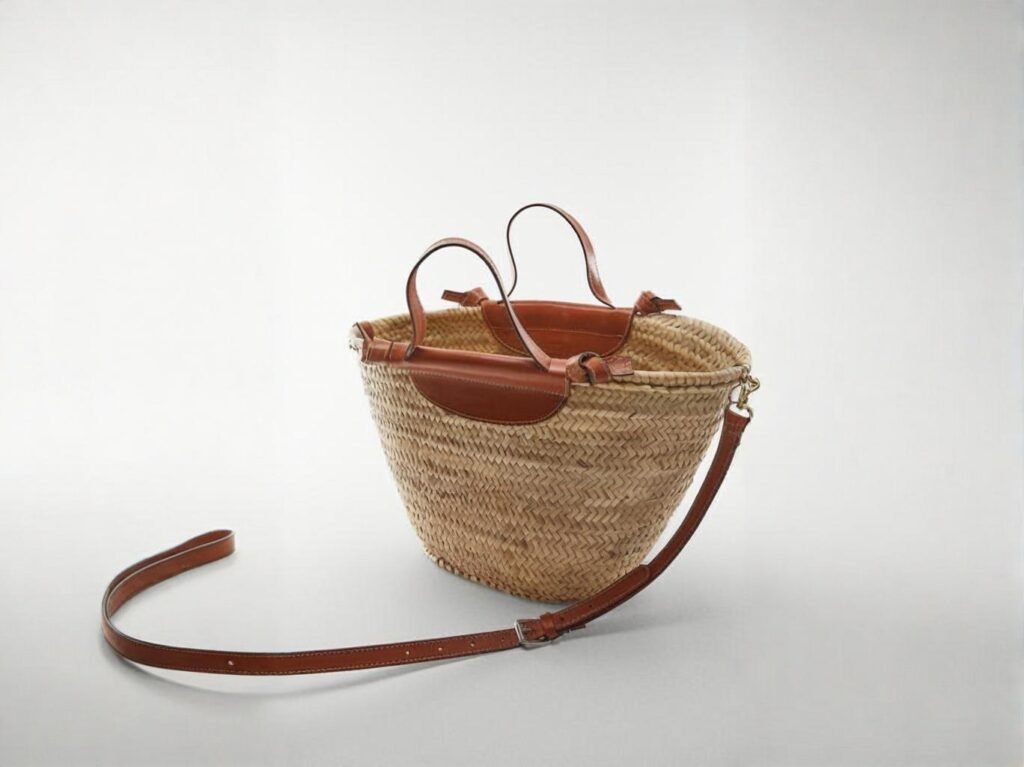
Ramie blends excel in summer apparel, breathable shirting, lightweight knitwear, high-end home textiles, and technical fabrics requiring superior strength, moisture control, and dimensional stability. Because ramie blends easily with cotton, linen, polyester, and cellulosic fibers, it is widely used in garments and household products needing natural comfort with enhanced durability, quick drying, and long-term performance. Key applications include premium apparel, bedding, upholstery, reusable bags, and eco-conscious lifestyle products.
How Ramie Blends Transform Real Product Categories
Ramie’s rise in global textile markets is tied to shifts in climate, consumer behavior, and sustainability expectations. As summers grow hotter and buyers prefer breathable, natural-feeling materials with reliable durability, ramie blends offer a balance few fibers can match. Its strong crystalline cellulose structure, fast moisture transfer, crisp drape, and inherent antibacterial performance make it one of the most versatile bast fibers for modern product development.
Below is a deep exploration of how ramie behaves in different end-use categories—and why brands across Japan, Korea, the U.S., and Europe increasingly specify ramie blends in their seasonal lines.
7.1. Apparel Applications Where Ramie Excels
Ramie performs exceptionally well in warm-climate fashion, lightweight layering, resort wear, and minimalist premium apparel. Its structure supports sharp silhouettes and airy designs, while blends allow brands to fine-tune softness, drape, and stretch.
| Category | Why Ramie Works | Typical Blend |
|---|---|---|
| Summer shirts | Cool, breathable, crisp | Ramie/Cotton 55/45 |
| T-shirts | Fast dry, anti-odor | Ramie/Cotton 30/70 |
| Blouses & dresses | Sheer, lightweight, premium look | Ramie/Viscose 50/50 |
| Knitwear | Stronger, less pilling | Ramie/Polyester 40/60 |
| Loungewear | Breathable, anti-bacterial | Ramie/Cotton 60/40 |
Why Apparel Brands Prefer Ramie Blends
Ramie plays a unique functional and aesthetic role in fashion:
- Maintains structure in loose, oversized silhouettes
- Dries significantly faster than cotton—ideal for humid climates
- Feels cooler on the skin than most natural fibers
- Enhances pilling resistance when blended with cotton or polyester
- Holds color brilliantly due to natural whiteness
- Ages beautifully, softening over time without losing shape
Brands that target high-heat markets—Tokyo, Seoul, Bangkok, Dubai—often report better customer satisfaction when replacing full cotton with ramie blends. From resort shirts to relaxed blouses and tailored summer trousers, ramie brings breathability and texture to designs that need to look polished while remaining lightweight.
7.2. Home Textiles That Gain the Most from Ramie
Ramie’s structural strength, antibacterial performance, and whiteness make it a natural match for high-performance home fabrics. Unlike cotton or rayon, ramie maintains crispness and stability after repeated washing, which is a major benefit for items such as linens and curtains that require long-term drape control.
| Product | Value of Ramie | Benefits |
|---|---|---|
| Curtains | Natural whiteness, UV resistance | Brighter colors, better drape |
| Table linens | Anti-bacterial, structured | Clean finish, high durability |
| Bedding | Moisture-wicking | Cooler sleep, fewer odors |
| Towels | Fast drying | Mold-resistant |
| Cushion covers | High strength | Longer product lifespan |
Why Home Textile Brands Are Switching to Ramie
- Dimensional stability: Table linens and bedsheets remain smooth and structured
- High air permeability: Better heat dissipation for bedding
- Natural anti-mildew performance: Essential in humid climates
- Minimal shrinkage (1–2%) compared to cotton or rayon
- Luxury visual texture: Similar to linen but more consistent
Ramie-linen blends, in particular, have gained popularity in European and Japanese home furnishing markets where customers appreciate the “pure, natural, breathable” aesthetic but expect fabrics to last longer than traditional linen.
7.3. Technical Applications: Where Strength = Real Value
Beyond fashion and home décor, ramie has increasingly penetrated technical textile sectors. Its high tensile strength, excellent wet stability, and resistance to microbial growth make it suitable for demanding use environments.
Ramie fibers are long and strong enough to function as reinforcement materials in woven tapes, composites, and specialty fabrics. In several industrial applications, ramie even outperforms flax or hemp due to its higher crystalline cellulose levels.
Common Technical Uses
- High-strength technical tapes
- Reinforcement yarns for composites
- Durable webbing for bags and accessories
- Eco-friendly packaging textiles
- Footwear linings and heel counters
- Reusable grocery bags
- Protective covers and structured fabrics
Why Technical Designers Choose Ramie
- Superior tensile strength for stress-bearing components
- Low moisture expansion, maintaining shape in wet conditions
- Biodegradable alternative to synthetic reinforcements
- Excellent dimensional stability, especially in woven structures
- Natural anti-mildew properties, important for outdoor and marine uses
For reusable shopping bags and totes, ramie/polyester blends offer a compelling middle ground: stronger than cotton canvas, more eco-friendly than full polyester, and more durable than bamboo or viscose.
7.4. Why Designers Prefer Ramie Blends
Across fashion capitals—Milan, Seoul, Tokyo, Copenhagen—ramie has developed a reputation among designers for its aesthetic potential. It behaves like linen but offers greater control over drape, color consistency, and long-term structure.
Key design advantages include:
- Naturally crisp drape ideal for modern minimalist silhouettes
- Strong surface texture that enhances weaving details
- Exceptional dye clarity due to natural whiteness
- High breathability without limpness
- Softer feel over time as the fabric is worn and washed
- Elegant semi-sheer effect in fine weaves
Designers often describe ramie as:
“Linen’s elegant, more stable cousin—light, airy, and honest in texture.”
This has made ramie blends beloved in the “slow fashion” and “natural lifestyle” movements.
7.5. Case Study: A Japanese Summerwear Brand’s Breakthrough
A Tokyo womenswear brand—known for minimalist silhouettes and breathable fabrics—launched a new summer blouse collection made from ramie-cotton blends.
Key outcomes after one season:
- Sales increased 33% during peak summer
- Product ranked as the coolest-feeling fabric in internal consumer tests
- Fewer returns compared with cotton gauze shirting
- Online reviews highlighted breathability and quick drying
- Improved seam stability after repeated washing
Customers described the fabric as “airy but crisp,” “cool against the skin,” and “perfect for Tokyo summers.” The brand has since expanded ramie into dresses, knitted tees, and lightweight outerwear.
7.6. Does Ramie Fit All Fashion Categories?
Ramie is not a universal solution, but in the right applications it delivers exceptional performance. Understanding where it shines—and where it doesn’t—helps manufacturers choose blends strategically.
Ideal Fit Scenarios
- Summer and tropical apparel
- Eco-luxury and natural lifestyle brands
- Premium shirting and blouses
- Home décor fabrics requiring structure
- Bedding designed for breathable comfort
- Technical items needing strength and shape retention
- Reusable bags and sustainable packaging textiles
Areas Where Ramie Is Less Suitable
- Heavy winter garments (unless blended for body or structure)
- Fabrics requiring high stretch without synthetics
- Ultra-soft loungewear with plush handfeel
- High-volume fast-fashion basics driven by lowest cost
Ramie’s competitive advantages appear strongest in product categories where breathability, structure, quick-dry properties, and durability interact—especially in modern climate conditions.
Ramie blends offer a rare combination of natural elegance and technical reliability. In apparel, they provide cool comfort and long-lasting structure. In home textiles, they deliver durability and hygiene advantages. In technical fabrics, they contribute strength and moisture resilience. For manufacturers, ramie is not just a fiber—it is a flexible design tool that elevates performance across multiple product categories.
How Can Brands and Fabric Buyers Source High-Quality Ramie Fabrics from Reliable Suppliers?
Ramie has re-emerged as one of the most attractive natural fibers for premium apparel, breathable summer collections, eco-friendly home textiles, and durable blends. But unlike cotton, ramie sourcing is not widely standardized—and its quality varies dramatically depending on the mill’s degumming technology, yarn spinning capability, and finishing expertise. For professional fabric buyers, sourcing ramie is less about “choosing a product” and more about “choosing a supplier with the right technical foundation.”
High-quality ramie is the result of careful enzyme processing, consistent yarn spinning, controlled finishing, and stable supply chain access to long-staple raw fiber. This makes supplier selection one of the most critical steps in ensuring final product quality. Below, we break down everything designers, sourcing managers, and fabric importers should examine before choosing a ramie supplier—supported by real case studies and practical evaluation frameworks. To source high-quality ramie, brands should work with factories that specialize in advanced degumming, consistent yarn spinning, and custom ramie blends. Key factors include fiber uniformity, enzyme processing, MOQ flexibility, color consistency, and access to both pure ramie and blended constructions. Reliable suppliers like SzoneierFabrics provide low-MOQ development, free sampling, fast prototyping, and stable production for international buyers seeking premium ramie fabrics.
What Professional Buyers Should Evaluate Before Sourcing
8.1. Check the Supplier’s Degumming Technology
Degumming is the single most important indicator of ramie fabric quality. Poorly degummed ramie feels stiff, has low dye uptake, breaks easily during spinning, and results in uneven fabrics. What buyers are really evaluating is the supplier’s chemical and mechanical engineering capability, not just the fiber itself.
Here is a quick comparison of degumming technologies:
| Degumming Type | Quality Level | Eco Impact | Notes |
|---|---|---|---|
| Enzyme-based | ★★★★★ | Low | Best for softness & whiteness |
| Chemical | ★★★★☆ | High | Lower cost but less eco-friendly |
| Steam/Hybrid | ★★★★☆ | Medium | Efficient & consistent |
What Buyers Should Request:
- Gum content (%) after degumming High-quality ramie should reach ≤ 5–6% gum content, compared to 20–25% in raw fiber.
- Fiber length retention data Good mills preserve long staple fibers (120–200 mm), crucial for spinning finer yarn counts like Ne 30s or Ne 40s.
- Water-treatment and environmental certifications Examples: ISO 14001, OEKO-TEX, GRS, REACH.
If the supplier cannot provide gum content data or finishing reports, the ramie quality is likely unstable.
8.2. Evaluate Yarn Quality & Spinning Method
Even perfectly degummed fiber can fail if the spinning process is outdated. Ramie is long, strong, and naturally stiff, requiring specialized spinning techniques to achieve uniform yarn.
High-Quality Ramie Yarn Requires:
- Long fiber staples
- Low neps and fewer slubs
- Steady twist levels
- Proper blending ratios
- Controlled drafts during spinning
Professional buyers should ask for:
- Uster yarn evenness reports A reputable supplier will provide Uster statistics showing CV%, thin places, thick places, and neps.
- Breakage rate during spinning Higher breakage indicates poor cohesion and inconsistent fiber preparation.
- Sample cones and fabric swatches Touch, drape, and cohesion cannot be evaluated through data alone.
- Blending recommendations For example:
- Ramie/cotton 60/40 for breathable shirts
- Ramie/linen 70/30 for luxury home fabrics
- Ramie/viscose 50/50 for drapey womenswear
Modern spinning methods such as compact spinning, air-jet spinning, and ring-spinning with controlled draft ratios significantly improve yarn quality.
8.3. Check MOQ & Customization Flexibility
This is one of the biggest bottlenecks in ramie sourcing.
Many mills require 1,000–3,000 meters per color, which is difficult for:
- Small and mid-size designers
- Brands testing a new capsule collection
- Buyers wanting 8–12 seasonal colorways
- Retailers needing exclusive colors
This is where development-focused suppliers like SzoneierFabrics stand out.
SzoneierFabrics Offers:
- Low-MOQ ramie production (as low as 200 meters per color)
- Free design and blend consultation
- Sampling within 3–7 days
- Custom weaving density: 100–300 GSM
- Blended constructions: ramie-cotton, ramie-linen, ramie-viscose, ramie-polyester
- Custom colors dyed to Pantone, Lab values, or physical samples
Low MOQ reduces risk and enables brands to explore high-end ramie without heavy upfront investment.
8.4. Inspect Dyeing & Finishing Capabilities
Even perfect yarn can be ruined by weak dyeing or finishing. A strong finishing mill elevates ramie from “rough natural fiber” to “luxury sustainable textile.”
Essential Finishing Steps for High-End Ramie:
- Softening agents for a smoother touch
- Silicone wash for better drape
- Pre-shrink finishing to prevent dimensional instability
- Enzyme wash to remove micro-fuzz and enhance brightness
- Calendaring for a cleaner surface
- Sand-washing for a matte, premium appearance
A qualified supplier should guarantee:
- Shrinkage of ≤ 3–5%
- Colorfastness of Grade 4–5 (ISO or AATCC standards)
- Softness aligned with your target market – E.g., Japan prefers ultra-soft ramie blends – Northern Europe prefers crisp linen-like texture
- Lab testing prior to bulk production
These finishing capabilities are also essential for ensuring consistent quality across different dye lots.
8.5. Supply Chain Stability
Ramie is a seasonal crop, primarily harvested 3–6 times per year, and its supply chain is heavily concentrated in China—specifically Hunan, Hubei, Sichuan, and Guangxi.
When choosing a supplier, buyers should verify:
- Direct access to ramie raw fiber fields
- Long-term partnerships with farmers
- Inventory capacity for degummed fiber and yarn
- Transparent production scheduling
- Export experience with ramie fabrics
SzoneierFabrics maintains long-term partnerships with raw fiber providers in Hunan and Sichuan, ensuring predictable quality and steady, on-time deliveries throughout the year.
8.6. Case Study: A U.S. Designer’s Sourcing Success with SzoneierFabrics
A California-based womenswear label needed a ramie-cotton 50/50 fabric for their summer blouse collection. The brand required:
- Lightweight construction suitable for warm climates
- Extra-soft handfeel
- Small MOQ for market testing
- Custom weaving pattern
- Stable colorfastness for retail display
How SzoneierFabrics Delivered:
- 3 rounds of free prototyping with different blends
- Enzyme-degummed long-staple ramie yarn for enhanced softness
- Custom weaving at 145 GSM
- Silicone soft finish to achieve a smooth drape
- MOQ of only 200 meters per color
- Pantone-matched dyeing with Grade 4–5 colorfastness
Outcome:
- The brand secured a major retail partnership with a U.S. boutique chain
- Customer reviews praised the blouse’s “cooling effect and premium comfort”
- The return rate dropped significantly due to improved fabric durability
- The brand later expanded to ramie-viscose and ramie-linen blends with the same supplier
This case highlights how the right mill can transform ramie sourcing from a “risk” into a core competitive advantage.
8.7. What Should Buyers Avoid?
Ramie is not a fiber that can be purchased purely based on price. Low-cost producers often:
- Use raw or poorly degummed ramie
- Provide inconsistent yarn quality
- Offer unstable shrinkage rates
- Have limited or outdated finishing equipment
- Lack lab testing capabilities
- Cannot supply ramie blends, forcing buyers into limited fabric options
Cheap ramie often leads to:
- Harsh handfeel
- Uneven dyeing
- Weak seam performance
- Excessive pilling
- Poor fabric drape
Professional buyers should always prioritize technology, process, and traceability over the cheapest price per meter.
8.8. Checklist for Sourcing High-Quality Ramie
Below is a practical checklist brands can use when evaluating suppliers:
Fabric Buyers Should Ask:
- What degumming method do you use?
- What is the post-degumming gum content percentage?
- What is the shrinkage rate after finishing?
- Do you offer custom ramie blends?
- Can you match Pantone or Lab color values?
- What is your MOQ?
- How quickly can you deliver samples?
- Can you provide Uster yarn quality reports?
- Do you offer various finishing options (softening, silicone, sandwash, etc.)?
- Do you have environmental and quality certifications?
A supplier like SzoneierFabrics can confidently answer “yes” to all the above.
Why Ramie Deserves a Place in the Future of Textiles
Ramie is no longer a forgotten ancient fiber. It is becoming one of the most promising natural materials for brands that care about durability, breathability, sustainability, and elevated fabric aesthetics. Compared with cotton, linen, hemp, and synthetic fibers, ramie offers a unique blend of properties: high strength, natural whiteness, quick-dry behavior, low shrinkage, and eco-friendly growth cycles.
Modern processing, especially enzyme degumming, has transformed ramie into a truly premium textile fiber—soft, stable, bright, and long-lasting. Today’s brands use ramie not only for summer apparel but also home décor fabrics, technical applications, and innovative blended textiles.
And with suppliers like SzoneierFabrics, sourcing high-quality ramie has become easier, faster, and more reliable than ever.
Looking for Custom Ramie Fabrics? SzoneierFabrics Is Ready to Help
Whether you’re developing:
- a premium apparel line
- a summerwear collection
- breathable home textiles
- eco-friendly lifestyle goods
- or custom ramie blends
SzoneierFabrics can develop tailor-made solutions for your project.
We provide:
- Low MOQ customization
- Free design support
- Rapid sampling
- Stable quality across batches
- Custom ramie-cotton/linen/viscose/polyester blends
- Competitive pricing and fast delivery
If you’re planning new fabric development or looking for stable suppliers, contact SzoneierFabrics today to begin your custom ramie fabric project.