Skip to content
At first glance, ramie and linen look almost identical. Both are crisp, breathable, plant-based fabrics often associated with summer clothing, natural textures, and premium casual styles. Many buyers—even experienced ones—assume they are interchangeable. In reality, that assumption quietly causes design mismatches, cost overruns, and performance complaints once products hit real-world use.
The truth is that ramie and linen behave very differently once you factor in fiber structure, strength, moisture behavior, wrinkling, and long-term wear. One fabric excels in durability and consistency, while the other wins in heritage appeal and relaxed aesthetics. Knowing which is which matters far more than most people expect. Ramie and linen are both natural cellulose fibers, but ramie is significantly stronger, more durable, and dries faster, while linen offers a softer, more relaxed texture with stronger heritage recognition. Ramie performs better in strength and moisture release, while linen is favored for its classic hand feel and visual character. The better choice depends on product positioning, care expectations, and end-use environment.
Behind this comparison is a deeper question every buyer eventually faces: Do you want a fabric that looks natural—or one that stays reliable after repeated wear, washing, and handling? That question has very different answers depending on whether you choose ramie or linen.
Let’s start at the foundation—what these two fabrics actually are at the fiber level—because that’s where all the differences begin.
What Is Ramie Fabric and How Is It Different from Linen at the Fiber Level?

Ramie fabric is made from fibers extracted from the ramie plant (Boehmeria nivea), while linen is produced from the fibers of the flax plant. Although both are bast fibers and cellulose-based, ramie fibers are longer, stronger, and more crystalline. These structural differences give ramie higher tensile strength, faster moisture release, and greater dimensional stability compared to linen.
Once you understand what happens at the fiber level, the performance differences between ramie and linen become predictable rather than surprising.
Fiber Origins and Structural Reality
Ramie and linen are often grouped together in fashion and textiles because they share a similar visual language: crisp hand feel, breathable performance, and a natural aesthetic associated with warm-weather clothing. However, treating them as interchangeable materials overlooks meaningful differences in plant biology, fiber chemistry, and mechanical behavior.
These differences affect everything downstream—from yarn spinning efficiency and fabric yield to comfort, durability, and long-term garment performance.
Botanical Source and Growth Characteristics
| Aspect | Ramie | Linen (Flax) |
|---|---|---|
| Plant source | Ramie plant | Flax plant |
| Harvest frequency | Multiple times per year | Once per year |
| Fiber yield | High | Moderate |
| Historical use | East Asia | Europe |
The ramie plant is a perennial crop that grows rapidly in warm, humid climates. Once established, it can be harvested two to six times per year, depending on growing conditions. This frequent harvesting cycle results in a more stable fiber supply and relatively consistent fiber quality across batches.
Flax, the source of linen, is an annual crop grown primarily in temperate regions. It is harvested once per year, and fiber quality can vary significantly depending on weather, soil conditions, and retting processes. This seasonal dependency contributes to the variability commonly associated with linen fabrics.
From a sourcing and manufacturing perspective, ramie’s growth pattern supports more predictable production planning, while linen remains more exposed to agricultural fluctuation.
Fiber Length, Strength, and Crystallinity
| Property | Ramie | Linen |
|---|---|---|
| Average fiber length | Very long | Long |
| Tensile strength | Very high | High |
| Wet strength retention | High | Moderate |
| Crystallinity | High | Medium |
Fiber length is one of the most critical determinants of yarn strength and fabric durability. Ramie fibers can reach lengths of 150–250 mm, placing them among the longest natural fibers used in textiles. Linen fibers are also long—typically 25–150 mm—but are more variable in length and quality.
Crystallinity refers to how orderly the cellulose molecules are arranged within the fiber. Ramie has a highly crystalline structure, which contributes to exceptional tensile strength and resistance to deformation. In fact, ramie fibers can be two to three times stronger than cotton and measurably stronger than linen at similar yarn counts.
An important distinction appears when fibers are wet. Linen loses a portion of its strength when saturated, whereas ramie retains much of its tensile integrity. This property makes ramie particularly resilient in repeated washing and in humid climates.
Surface Morphology and Uniformity
| Feature | Ramie | Linen |
|---|---|---|
| Fiber straightness | Straight | Slightly irregular |
| Surface smoothness | Smooth | Textured |
| Natural slubs | Minimal | Common |
The visual and tactile differences between ramie and linen are largely driven by fiber morphology. Linen fibers have a naturally irregular surface with nodes and thickness variations along their length. These irregularities create the characteristic slubs and uneven texture that many people associate with traditional linen.
Ramie fibers are straighter and more uniform. After proper degumming, the fiber surface becomes smooth and consistent, producing yarns with a subtle natural luster. As a result, ramie fabrics tend to look cleaner and more refined, with fewer visible slubs.
This distinction explains why linen often feels rustic and artisanal, while ramie reads as sharper and more polished—even when both are woven in similar constructions.
Moisture Interaction at the Fiber Level
| Behavior | Ramie | Linen |
|---|---|---|
| Moisture absorption speed | Fast | Fast |
| Moisture holding | Low | Moderate |
| Drying speed | Very fast | Moderate |
Both ramie and linen are highly absorbent fibers, capable of taking in moisture quickly. However, the way they manage that moisture differs.
Linen fibers absorb water readily but also tend to hold onto it longer. This contributes to linen’s cool feel but can result in a heavier, damp sensation during extended wear or in high humidity.
Ramie absorbs moisture just as quickly, but releases it more efficiently. Its fibers swell less when wet, allowing moisture to evaporate rapidly. In practical terms, ramie garments dry faster on the body and after washing, reducing odor retention and discomfort during long wear.
This rapid moisture release is one reason ramie has historically been favored in hot, humid regions for summer garments and underlayers.
Elastic Recovery and Wrinkling Behavior
Neither ramie nor linen is known for elastic recovery, but there are meaningful differences in how wrinkles form and behave.
Linen wrinkles easily and deeply due to its irregular fiber structure and low elasticity. These wrinkles tend to look organic and uneven, contributing to linen’s relaxed, lived-in aesthetic. Many designers embrace this as part of linen’s charm, but it also limits linen’s use in more structured garments.
Ramie also wrinkles, but in a different way. Creases form sharply and cleanly, reflecting the fiber’s stiffness and uniformity. While ramie wrinkles quickly, the wrinkles often appear more geometric and intentional rather than crushed.
This difference matters in tailoring and garment construction. Ramie is more compatible with crisp silhouettes, pleats, and defined seams, whereas linen naturally supports looser, unstructured designs.
Yarn Spinning and Fabric Engineering Implications
From a manufacturing standpoint, ramie’s long, strong fibers can be challenging to spin if degumming is not well controlled. However, once processed correctly, ramie produces yarns with excellent strength and low breakage rates.
Linen spinning traditionally relies on wet spinning techniques to manage fiber irregularity. This adds complexity and cost but preserves the characteristic linen texture.
Because ramie fibers are more uniform, they can be blended more easily with other fibers—such as cotton or viscose—without excessive processing losses. Linen blends, by contrast, often show higher variability and waste during spinning.
This difference partly explains why ramie is frequently used in “linen-look” fabrics designed for higher yield and more consistent quality.
Comfort and Skin Feel: Structural Origins
At the fiber level, ramie and linen both create a cool sensation on the skin, but the experience differs subtly.
Linen’s irregular surface produces a dry, textured feel that some wearers perceive as refreshing, while others find it slightly abrasive. Ramie’s smooth fibers reduce surface friction, creating a cleaner, cooler touch that glides more easily against the skin.
Over long wear, ramie’s faster moisture release often results in a drier feel, while linen may feel heavier or cling slightly as humidity increases.
These differences become more pronounced in fitted garments or in areas with direct skin contact.
Durability and Lifecycle Performance
Ramie’s high tensile strength and wet strength retention give it a durability advantage over linen. Ramie fabrics are less prone to tearing, thinning, or seam failure over time, especially under frequent laundering.
Linen garments, while durable in their own right, tend to soften and weaken gradually with repeated washing. Over time, this can enhance comfort but may reduce structural integrity.
For garments intended for repeated seasonal use or higher wear frequency, ramie often offers a longer functional lifespan.
Dyeing, Color, and Visual Consistency
Both ramie and linen accept dyes well, but the results differ.
Linen’s uneven fiber structure can lead to subtle color variation, which many designers consider desirable. This visual depth reinforces linen’s artisanal image.
Ramie’s smooth, uniform fibers produce more even coloration with higher surface reflectance. Colors on ramie often appear brighter and cleaner, especially in light or pastel shades.
This difference makes ramie appealing for designs where color consistency and a refined finish are priorities.
Practical Industry Insight
Many fabrics marketed as “linen-look” or “linen-style” are actually ramie-based or ramie-dominant. The reason is practical rather than deceptive: ramie delivers linen’s crisp appearance and breathability with better strength, higher yield, and fewer production inconsistencies.
In apparel, ramie is often blended with cotton to soften the hand feel, while linen is blended to reduce wrinkling and cost. Typical ramie blends range from 50–70% ramie, balancing structure and comfort.
Understanding these material choices helps explain why two garments labeled similarly can perform very differently in wear and care.
Sustainability and Agricultural Context
Both ramie and linen are biodegradable and plant-based, but their environmental profiles differ.
Ramie plants grow quickly and require relatively low pesticide input. However, fiber extraction involves chemical degumming, which must be carefully managed to minimize environmental impact.
Flax cultivation requires less water than cotton but is highly sensitive to climate and soil conditions. Retting, the process used to separate linen fibers, can have environmental implications depending on method and scale.
From a lifecycle perspective, ramie’s durability and longer garment lifespan can offset higher processing intensity, particularly in well-managed supply chains.
Market Positioning and Design Language
Linen carries strong cultural associations with tradition, craftsmanship, and European heritage. Its irregularity and texture are central to its identity.
Ramie occupies a quieter position in the market. It is less familiar to consumers but valued by designers for its performance and consistency. When positioned correctly, ramie communicates refinement, structure, and functional breathability rather than nostalgia.
Brands often choose between linen and ramie based not only on performance, but on the story they want the fabric to tell.
Key Takeaway
Ramie and linen may share a botanical classification as bast fibers, but their fiber-level structures set them apart. Linen feels rustic, irregular, and expressive because of its variable fiber morphology. Ramie feels cleaner, stronger, and more stable because its fibers are longer, smoother, and more crystalline.
These foundational differences drive nearly every outcome that follows—from durability and moisture control to appearance and garment lifespan. Choosing between ramie and linen is ultimately a choice between texture and tradition versus structure and performance, and understanding the fiber-level reality allows that choice to be made with precision rather than assumption.
Which Fabric Has Better Breathability and Moisture Performance in Hot Climates: Ramie or Linen?
In hot climates, both ramie and linen deliver excellent breathability because they are bast fibers with open fabric structures. However, ramie generally performs better in moisture management due to its faster drying speed, lower moisture retention, and reduced fabric cling in humid conditions. Linen feels airy and cool initially, but it tends to hold moisture longer, while ramie releases moisture more efficiently and stays lighter during extended wear.
This difference becomes especially noticeable in high humidity, long outdoor exposure, and all-day wear scenarios, rather than short-term or air-conditioned use.
Breathability in hot climates is often oversimplified as “how much air passes through a fabric.” In reality, thermal comfort in heat depends just as much on how a fabric handles moisture over time. This is where the performance gap between ramie and linen becomes clearer.
Breathability Is More Than Airflow
From a textile engineering perspective, hot-climate comfort is driven by three interconnected mechanisms:
- Air permeability – how easily air moves through the fabric
- Moisture retention – how much sweat the fiber holds
- Dry-back speed – how quickly moisture is released and evaporated
Both ramie and linen score highly on the first point. The real difference appears in points two and three, which strongly affect how a garment feels after hours of wear rather than minutes.
Air Permeability vs. Moisture Release
At first glance, ramie and linen appear very similar. Both are derived from bast fibers, both are typically woven in relatively open constructions, and both are widely associated with summer wear. However, their fiber morphology leads to distinct moisture behaviors.
| Performance Factor | Ramie | Linen |
|---|---|---|
| Air permeability | Excellent | Excellent |
| Moisture retention | Low | Medium |
| Dry-back speed | Very fast | Slower |
| Fabric cling when humid | Minimal | Moderate |
Linen fibers are more irregular and contain internal nodes that readily absorb moisture. This contributes to linen’s characteristic softness once worn, but it also means that moisture remains within the fiber longer.
Ramie fibers, by contrast, are smoother, straighter, and less absorbent. Moisture spreads across the fabric surface rather than being locked inside the fiber, allowing faster evaporation.
In hot, dry climates, this difference may feel subtle. In hot and humid climates, it becomes much more pronounced.
Behavior in High Humidity (>65% RH)
Humidity fundamentally changes how fabrics behave. When relative humidity rises above 60–65%, evaporation slows, and fabrics that retain moisture begin to feel heavier and less comfortable.
| Condition | Ramie | Linen |
|---|---|---|
| Continuous sweating | Spreads & releases | Absorbs & holds |
| Weight increase | Low | Noticeable |
| End-of-day feel | Dry, crisp | Damp, soft |
Linen absorbs sweat readily, which initially feels cooling. However, in humid air, evaporation is limited, and the absorbed moisture remains in the fabric. Over several hours, linen garments can gain noticeable weight and begin to cling or sag.
Ramie behaves differently. Because it absorbs less moisture into the fiber itself, sweat is more likely to evaporate from the surface, even in less favorable conditions. The garment stays lighter, crisper, and more stable throughout the day.
This explains why linen often feels comfortable in the morning but heavy and rumpled by late afternoon in tropical climates, while ramie maintains a more consistent feel.
Drying Speed and Between-Wear Recovery
Dry-back speed matters not only during wear, but also between wears—especially for travel, resort, and daily summer use.
Ramie fabrics typically dry 30–50% faster than linen of comparable weight under the same conditions. This faster recovery means:
- Garments feel fresh again more quickly
- Reduced odor development between wears
- Less risk of mildew in humid environments
Linen, while breathable, may remain slightly damp long after wear, particularly in shaded or indoor spaces with limited airflow.
For consumers and designers focused on real-world usability rather than styling alone, this difference has practical consequences.
Skin Sensation During Wear
Beyond measurable performance, wearer perception plays a major role in fabric preference.
| Sensation | Ramie | Linen |
|---|---|---|
| Cool touch | Noticeable | Moderate |
| Stickiness | Low | Medium |
| Airflow feeling | Strong | Strong |
Ramie’s smoother fiber surface reduces friction against the skin when damp. As a result, it is less likely to produce a sticky or dragging sensation during movement.
Linen’s coarser fiber texture, combined with higher moisture retention, can increase friction when the fabric becomes damp. Some wearers interpret this as “natural” or “relaxed,” while others perceive it as uncomfortable, especially during prolonged activity.
This is one reason linen is often favored for relaxed, low-movement garments, while ramie performs better in active, all-day summer wear.
Wrinkling, Moisture, and Visual Comfort
Wrinkling is often discussed as a purely aesthetic issue, but in hot climates it is closely tied to moisture behavior.
Linen wrinkles deeply because:
- Moisture weakens hydrogen bonds in the fiber
- Absorbed water allows the fiber to deform easily
- Slow drying locks wrinkles in place
Ramie, although it also wrinkles, tends to form sharper, shallower creases and recovers shape more quickly as it dries. The fabric’s lower moisture retention limits the severity of deformation.
By the end of a humid day:
- Linen garments often look visibly rumpled and limp
- Ramie garments tend to look crisper and more intentional
For designers targeting polished summer silhouettes rather than beachwear aesthetics, this difference matters.
Odor and Freshness in Heat
Moisture retention directly affects odor development.
Linen’s higher moisture absorption creates a favorable environment for odor-causing bacteria, particularly during extended wear. While linen is still more breathable than cotton, it can develop odor faster than ramie in hot conditions.
Ramie’s lower moisture retention and natural resistance to microbial growth slow this process. Wear tests consistently show:
- Slower odor buildup
- Greater perceived freshness late in the day
- Reduced need for frequent washing
In climates where garments are worn for long hours and washed frequently, this can significantly affect both comfort and garment longevity.
Performance During Movement and Outdoor Use
Hot-climate comfort is often tested not in static conditions, but during movement—walking, commuting, sightseeing, or working outdoors.
During movement:
- Linen absorbs sweat quickly but becomes heavier
- Ramie sheds moisture and maintains airflow
This difference explains why ramie is increasingly used in:
- Summer shirts designed for travel
- Lightweight workwear in hot regions
- Resort wear intended for extended daily use
Linen remains popular for slower-paced environments, such as cafés, resorts, and indoor–outdoor leisure settings, where its relaxed drape and texture are part of the appeal.
Real-World Usage Insight
In Southeast Asian and Southern European summer wear testing, repeated observations show consistent patterns.
Ramie shirts and dresses demonstrate:
- Faster drying after wear
- Less odor buildup over the day
- Better shape retention in humidity
Linen garments remain breathable and comfortable but often:
- Feel heavier by late afternoon
- Show deeper wrinkles
- Retain moisture longer, especially in shaded conditions
These outcomes align with fiber-level performance differences rather than construction alone.
Design Intent Matters
It is important to emphasize that neither fabric is universally “better.” Performance must be evaluated relative to design intent.
Linen excels when:
- A relaxed, natural aesthetic is desired
- Garments are worn intermittently
- Wrinkling is embraced as part of the look
Ramie excels when:
- Garments are worn all day
- Humidity is consistently high
- Visual crispness and lightness are priorities
In many cases, designers blend the two fibers to balance aesthetics and performance.
Ramie–Linen Blends: A Practical Compromise
Blended fabrics combining ramie and linen are becoming more common in premium summer collections. These blends aim to:
- Retain linen’s texture and softness
- Improve drying speed and reduce weight gain
- Enhance shape stability in humidity
Typical blend ratios range from 30–50% ramie, depending on desired hand feel and performance level.
Climate-Specific Recommendations
From a purely functional standpoint:
- Hot, dry climates: Both ramie and linen perform well
- Hot, humid climates: Ramie offers more consistent comfort
- All-day wear: Ramie has a clear advantage
- Short wear / leisure: Linen remains a strong choice
Understanding the climate context is critical when choosing between the two.
Breathability Takeaway
Both ramie and linen are excellent hot-weather fabrics, and both outperform many alternatives in terms of airflow. The key difference lies in moisture behavior over time.
Linen feels airy and comfortable but tends to absorb and hold moisture, leading to heaviness and wrinkling in prolonged humidity. Ramie releases moisture faster, stays lighter, resists cling, and maintains a crisper feel throughout the day.
If a garment is worn briefly or styled for a relaxed, organic aesthetic, linen works beautifully. If it is worn all day in heat or humidity, ramie delivers more stable breathability, better moisture performance, and more consistent comfort.
How Do Ramie and Linen Compare in Strength, Durability, and Wear Resistance?

Ramie is significantly stronger and more durable than linen in both dry and wet conditions. It shows higher tensile strength, better resistance to fiber breakage, and slower long-term fatigue, making it especially suitable for lightweight fabrics that still require structural reliability. Linen (flax fiber) is durable in its own right but softens, fibrillates, and thins more quickly with repeated wear and washing.
This difference is not marginal—it is rooted in fiber structure and crystallinity, and it becomes increasingly visible over time.
Why Ramie Is One of the Strongest Natural Fibers
Ramie and linen are often grouped together because both are bast fibers and share a crisp, breathable, summer-oriented identity. However, from a materials-engineering perspective, they behave very differently once subjected to real-world stress: movement, abrasion, laundering, and time.
To understand durability, it is not enough to look at how a garment feels on day one. The real question is how the fiber performs after dozens of wear-and-wash cycles, when strength loss, thinning, and seam failure begin to determine usable lifespan.
Tensile Strength at the Fiber Level
The most fundamental durability difference between ramie and linen appears at the fiber level.
| Strength Metric | Ramie | Linen |
|---|---|---|
| Dry tensile strength | Very high | High |
| Wet strength retention | High | Moderate |
| Fiber break resistance | Excellent | Good |
Ramie fibers have exceptionally high crystallinity and a highly oriented molecular structure. This gives them very high tensile strength, often measured at 2–3 times that of cotton and consistently higher than flax fibers of similar fineness.
Linen (derived from flax) is also strong compared to cotton, but its fibers are less uniform and more brittle. While linen performs well under static load, it is more prone to micro-fracturing when subjected to repeated bending and flexing.
The practical implication is significant: Ramie fabrics can be woven thinner and lighter without sacrificing strength, whereas linen often requires slightly heavier constructions to achieve similar durability.
Strength in Wet Conditions: A Critical Difference
One of ramie’s most overlooked advantages is how well it retains strength when wet.
In real use, garments are regularly exposed to:
- Sweat
- High-humidity environments
- Repeated laundering
Under these conditions, linen fibers lose a noticeable portion of their strength. The fiber swells, and internal bonding weakens, making flax more susceptible to breakage during washing and agitation.
Ramie behaves differently. Its fiber structure remains stable when wet, and in some measurements, ramie even exhibits equal or slightly increased wet strength. This characteristic dramatically improves performance in laundering and humid climates.
This wet-strength stability is a key reason ramie historically found use not only in clothing, but also in ropes, fishing nets, and industrial textiles.
Abrasion and Daily Wear Resistance
Durability in apparel is not just about tensile strength—it is also about how a fabric responds to repeated surface friction and localized stress.
| Wear Scenario | Ramie | Linen |
|---|---|---|
| Collar & cuff wear | Low | Medium |
| Repeated folding | Stable | Fiber fatigue |
| Lightweight fabric life | Long | Shorter |
Linen fibers, while strong in isolation, are more prone to abrasive fibrillation. As garments are worn, fibers at stress points—collars, cuffs, pocket edges, and seams—begin to split and fray. This leads to thinning areas and eventual tearing.
Ramie fibers are smoother and more abrasion-resistant. They resist fibrillation and maintain yarn integrity longer, especially in lightweight fabrics where linen tends to degrade quickly.
This difference becomes especially clear in:
- Summer shirts worn directly against the skin
- Garments subjected to frequent sitting, folding, and movement
- Travel and daily-wear pieces that experience constant friction
Fatigue Resistance and Long-Term Wear
Fatigue resistance describes how a fiber performs under repeated low-level stress, rather than one-time force.
Linen fibers fatigue relatively quickly. Over time, repeated flexing causes internal cracks, leading to:
- Progressive softening
- Loss of yarn cohesion
- Gradual thinning of the fabric
This is why linen garments often feel softer and more “broken in” after use—but this softness is frequently accompanied by a loss of structural integrity.
Ramie fibers resist fatigue far more effectively. They maintain stiffness and strength through repeated stress cycles, which slows down the aging process of the fabric. While ramie garments do soften slightly over time, they do so without the same degree of strength loss seen in linen.
From a durability standpoint, this makes ramie more predictable and reliable over extended use.
Performance Under Washing and Moisture
Laundering is one of the most aggressive stressors for natural fibers.
| Condition | Ramie | Linen |
|---|---|---|
| Wet strength | Remains strong | Drops noticeably |
| Shape retention | Good | Moderate |
| Fabric thinning over time | Slow | Faster |
Linen’s fibers weaken under repeated washing due to moisture-induced swelling and mechanical agitation. Over time, this leads to:
- Noticeable thinning
- Increased seam stress
- Reduced tear resistance
Ramie’s superior wet strength and fiber cohesion allow it to withstand laundering with less degradation. Fabric thinning occurs much more slowly, even in lightweight constructions.
This is why linen garments often “age” quickly—becoming soft and drapey but also increasingly fragile—while ramie garments retain a more consistent structure.
Seam Strength and Garment Construction Implications
Durability is also affected by how fibers behave at seams.
Linen’s brittleness makes it more susceptible to seam damage, especially when stitch density is high or seam allowances are narrow. Needle penetration can weaken fibers, and seam slippage or tearing may occur over time.
Ramie’s higher fiber strength allows for:
- Cleaner seam definition
- Better stitch holding
- Reduced seam failure in lightweight fabrics
This gives designers and manufacturers more flexibility in garment construction, particularly for tailored summer pieces that require clean lines without heavy reinforcement.
Real Product Insight: Side-by-Side Wear Testing
In controlled comparisons of lightweight summer shirts made from similar fabric weights:
- Linen garments often show visible thinning and wear after approximately 30–40 wash cycles
- Ramie garments typically maintain structural integrity beyond 60+ wash cycles, with less surface degradation and fewer weak points
While exact numbers vary by fabric construction and finishing, the relative performance gap remains consistent. This difference directly influences:
- Product lifespan
- Consumer perception of quality
- Return and complaint rates
For brands, this can mean the difference between a garment being perceived as “delicate” versus “light but durable.”
Durability vs. Comfort Trade-Off
It is important to note that linen’s faster softening is not always a disadvantage. Many consumers value linen precisely because it becomes softer and more relaxed with wear.
However, this comfort evolution comes at the cost of durability. Linen trades long-term structural strength for:
- Faster break-in
- Softer hand feel
- Traditional, lived-in character
Ramie, by contrast, prioritizes strength and longevity. It remains crisper longer and requires intentional finishing or blending to achieve softness comparable to worn-in linen.
This trade-off is central to material selection decisions.
Blending Strategies to Balance Performance
To balance linen’s softness with ramie’s strength, some manufacturers experiment with ramie–linen blends.
Blending can:
- Improve linen’s durability and wear resistance
- Soften ramie’s stiffness
- Extend overall garment lifespan
However, blends also introduce complexity in spinning and finishing, and results vary depending on blend ratios and yarn engineering.
In many cases, brands choose to use pure ramie where durability is critical, and pure linen where tradition and softness are prioritized.
Design and Market Implications
From a design and product-development perspective, the strength difference between ramie and linen influences how each fiber is positioned.
Ramie is better suited for:
- Lightweight garments requiring strength
- Daily-wear summer apparel
- Travel and resort pieces with repeated use
- Designs where fabric thinning would be unacceptable
Linen remains ideal for:
- Occasional wear
- Relaxed, heritage-inspired garments
- Products where softness and tradition outweigh longevity
Understanding these distinctions helps brands avoid mismatched expectations and align material choice with actual use scenarios.
Durability Takeaway
When comparing ramie and linen purely on strength, durability, and wear resistance, ramie clearly outperforms linen. Its higher tensile strength, superior wet performance, and resistance to fatigue make it one of the strongest natural fibers available—particularly impressive in lightweight fabrics.
Linen remains durable relative to many fibers, but it softens and degrades more quickly with repeated wear and washing. This aging process is part of linen’s charm, but it comes with a shorter functional lifespan.
If long-term structural reliability matters—especially in thin, breathable summer fabrics—ramie is the more robust and predictable choice. Linen, by contrast, offers tradition and softness at the expense of durability.
What Are the Differences in Texture, Hand Feel, and Appearance Between Ramie and Linen?
Linen delivers a softer, more irregular, and naturally relaxed texture, while ramie presents a crisper, smoother, and visually cleaner surface. Linen’s slubs, creases, and uneven yarn character create a casual, heritage aesthetic. Ramie, by contrast, offers greater uniformity and structure, often resembling refined linen but with tighter consistency and a more polished look.
This distinction is less about performance—and more about aesthetic intent, tactile preference, and brand identity.
Texture Is a Feature, Not a Flaw
In warm-weather apparel, texture is not something to be “corrected.” It is one of the primary ways a fabric communicates personality. Ramie and linen are often grouped together because they share botanical origins and summer associations, yet their surface behavior and hand feel tell very different stories.
Understanding these differences helps designers, buyers, and brands choose the right material not just for climate—but for how the garment should look, feel, and age.
Fiber Irregularity and Surface Character
| Texture Feature | Ramie | Linen |
|---|---|---|
| Natural slubs | Minimal | Common |
| Surface smoothness | High | Medium |
| Visual uniformity | Clean | Organic |
The most immediate difference between ramie and linen lies in fiber irregularity.
Linen fibers (derived from flax) vary significantly in thickness along their length. During spinning, these variations translate into visible slubs and uneven yarn diameters. Woven into fabric, this creates the familiar linen look: subtle bumps, streaks, and irregularities that catch the light unevenly.
Ramie fibers, in contrast, are more uniform and smoother. Their consistency produces yarns with fewer thick–thin variations, resulting in fabrics with:
- A flatter surface
- More even light reflection
- Cleaner visual lines
Neither outcome is inherently superior. Linen’s irregularity is widely perceived as authentic and artisanal. Ramie’s cleanliness reads as intentional and refined.
This difference becomes especially noticeable in:
- Solid colors
- Light shades (white, ecru, pale blue)
- Tailored silhouettes
Hand Feel: Crisp vs. Relaxed
| Sensation | Ramie | Linen |
|---|---|---|
| Initial touch | Crisp, cool | Soft, dry |
| After washing | Softens slightly | Softens significantly |
| Long-term feel | Structured | Lived-in |
Hand feel is where consumer perception often diverges from expectation.
Linen typically feels softer at first touch. Its slightly fuzzy surface and lower fiber rigidity create a dry, pliable feel that many associate with comfort and familiarity. After washing, linen softens noticeably, becoming increasingly relaxed and supple with wear.
Ramie often surprises first-time users. New ramie fabrics can feel crisp or even firm, especially in tightly woven constructions. However, this crispness is not stiffness—it is fiber strength and rigidity. Ramie cools quickly against the skin and retains a clean hand feel rather than collapsing.
Over time:
- Linen continues to relax and soften
- Ramie softens more slowly and maintains structure
This difference explains why ramie is favored for garments that need to retain a tailored or architectural feel, while linen excels in pieces designed to feel casual and worn-in.
Wrinkle Character (Not Just Wrinkle Amount)
| Wrinkle Behavior | Ramie | Linen |
|---|---|---|
| Wrinkle frequency | Moderate | High |
| Wrinkle sharpness | Cleaner | More random |
| Visual impression | Neat creases | Casual crumples |
Wrinkling is often discussed as a negative—but for ramie and linen, wrinkles are part of the aesthetic language.
Linen wrinkles frequently and freely. Its fibers bend easily and hold creases with little resistance. The resulting wrinkles are irregular, multidirectional, and organic. This creates a relaxed, effortless look that many consumers associate with summer ease and Mediterranean or coastal style.
Ramie wrinkles differently. While it does crease, ramie’s stiffness produces:
- Fewer wrinkles overall
- Cleaner, more linear creases
- Less surface crumpling
The visual effect is closer to pressed folds than casual rumples. This makes ramie more suitable for garments that need to look intentional and composed even after hours of wear.
In short:
- Linen wrinkles say “relaxed”
- Ramie wrinkles say “structured”
Visual Aging and Patina Over Time
One of the most meaningful differences between ramie and linen appears after repeated wear and washing.
Linen ages visibly. Over time, it:
- Develops a pronounced patina
- Becomes softer and more fluid
- Shows increasingly prominent wrinkles and texture
This aging is often celebrated. Many consumers describe well-worn linen as better with age.
Ramie ages more quietly. Its structure resists dramatic change, so:
- The fabric retains a cleaner appearance longer
- Surface texture evolves more slowly
- Garments maintain their original silhouette
From a brand perspective, this difference affects how a product looks in its second or third season—and how it appears on resale or in long-term wardrobes.
Design and Silhouette Support
| Garment Type | Better Fabric | Reason |
|---|---|---|
| Tailored summer shirts | Ramie | Shape holding |
| Relaxed tops & dresses | Linen | Soft drape |
| Structured silhouettes | Ramie | Fiber stiffness |
| Resort / beach wear | Linen | Casual texture |
Fabric texture directly influences silhouette behavior.
Ramie supports:
- Sharper lines
- Defined seams
- Crisp collars and plackets
- Lightweight tailoring
This makes it suitable for summer shirts, overshirts, tailored dresses, and refined casualwear where structure matters even in warm weather.
Linen supports:
- Flowing shapes
- Soft volume
- Movement-driven designs
- Draped or oversized silhouettes
It performs best when the design embraces looseness rather than precision.
Designers often choose between ramie and linen not based on temperature—but based on whether the garment should hold its form or surrender to movement.
Color, Light, and Visual Depth
Texture affects how fabric interacts with color.
Linen’s uneven surface creates subtle variations in tone, even in solid-dyed fabrics. Light scatters across slubs and yarn inconsistencies, producing depth and visual interest. This is why linen looks especially appealing in:
- Earth tones
- Neutrals
- Washed or garment-dyed colors
Ramie’s smoother surface reflects light more evenly. Colors appear:
- Cleaner
- Slightly brighter
- More controlled
This makes ramie suitable for:
- Crisp whites
- Cool pastels
- Minimalist palettes
- Monochrome looks
Neither is superior—but they tell different visual stories.
Consumer Perception and Market Familiarity
| Aspect | Ramie | Linen |
|---|---|---|
| Consumer recognition | Lower | Very high |
| Expected feel | Often underestimated | Familiar |
| Education needed | Moderate | Minimal |
Linen is immediately recognizable. Consumers expect its wrinkles, texture, and feel. Ramie, by contrast, is less familiar—even though it may outperform expectations once worn.
This creates a marketing consideration:
- Linen sells itself through familiarity
- Ramie often needs explanation through product descriptions, hangtags, or storytelling
Brands that invest in educating consumers about ramie’s benefits—cleaner look, breathability, durability—often see strong acceptance, especially in premium segments.
Blended Approaches: Managing Texture Intentionally
Many brands blend ramie and linen (or ramie with cotton) to fine-tune texture.
Blending can:
- Reduce linen’s extreme wrinkling
- Soften ramie’s initial crispness
- Balance structure and relaxation
- Create hybrid aesthetics
For example:
- Ramie–linen blends retain linen’s character but improve consistency
- Ramie–cotton blends soften hand feel while maintaining airflow
Blends are often used when a brand wants the look of linen with better control, or the performance of ramie with greater softness.
Cultural and Style Associations
Texture also carries cultural meaning.
- Linen is often associated with heritage, craft, tradition, and European summer style
- Ramie is increasingly linked to modern minimalism, technical refinement, and East Asian textile traditions
These associations influence how fabrics are perceived on the rack—before they are ever touched.
Texture Takeaway
Ramie and linen are not substitutes; they are aesthetic choices.
Choose linen for:
- Heritage appeal
- Softness and progressive relaxation
- Organic texture and casual elegance
- Garments that celebrate wrinkles and movement
Choose ramie for:
- Clean surface texture
- Structural clarity
- Refined summer aesthetics
- Garments that need to look intentional and composed
In modern apparel, texture is not a flaw to be minimized—it is a design signal. The most successful brands choose ramie or linen not because of trends, but because each fabric expresses exactly the story they want the garment to tell.
How Do Ramie and Linen Perform in Shrinkage, Wrinkling, and Care Requirements?

Ramie generally shows better dimensional stability and lower shrinkage than linen, while linen wrinkles more easily and requires more careful handling. Ramie tolerates washing, humidity, and repeated wear with fewer structural changes, whereas linen softens noticeably over time but can degrade faster if not properly cared for.
In real use, care behavior can matter just as much as comfort—sometimes more.
What Happens After the First Few Wears
Shrinkage, wrinkling, and care are not abstract laboratory metrics. They are the everyday realities that determine whether a garment remains wearable, presentable, and cost-effective over months or years. Ramie and linen are often compared because they look similar at first glance—both crisp, breathable, and summer-oriented—but their post-purchase behavior diverges quickly.
Understanding how each fabric reacts to water, heat, mechanical stress, and time helps explain why some garments age gracefully while others become difficult to maintain.
Shrinkage Behavior (Before and After Finishing)
| Aspect | Ramie | Linen |
|---|---|---|
| Initial shrinkage (untreated) | Low–moderate | Moderate–high |
| Post-finish stability | Good | Moderate |
| Reaction to hot water | Sensitive | Very sensitive |
Shrinkage begins at the fiber level. Linen fibers swell significantly when exposed to water, especially hot water. This swelling causes yarn contraction and, ultimately, fabric shrinkage. If linen fabric is not properly pre-shrunk or stabilized during finishing, it can shrink 5–8% after the first few washes—sometimes more in loose weaves.
Ramie fibers, by contrast, have higher crystallinity and swell less when wet. As a result, untreated ramie generally shows lower initial shrinkage, often in the 2–4% range. Once properly finished—through controlled washing, heat-setting, or resin treatments—ramie fabrics tend to maintain size more reliably across repeated laundering.
Hot water remains a risk for both fibers, but linen reacts more dramatically. Even brief exposure to elevated temperatures can permanently alter linen’s dimensions, while ramie shows more resistance before structural distortion occurs.
Why Shrinkage Feels Worse in Linen Garments
Shrinkage is not just about percentage change—it is about how that change affects fit and appearance. Linen garments often rely on relaxed silhouettes and natural drape. When shrinkage occurs unevenly, sleeves shorten, shoulder widths tighten, and garments lose their intended proportions.
Ramie garments, which often start with more structured cuts, tend to shrink more uniformly when they do shrink. This makes dimensional changes easier to predict and manage during pattern development and finishing.
For designers and manufacturers, this difference translates into higher risk with linen unless finishing is carefully controlled.
Wrinkling: Frequency vs. Visual Character
| Wrinkle Factor | Ramie | Linen |
|---|---|---|
| Wrinkle frequency | Moderate | High |
| Wrinkle recovery | Better | Poor |
| Ironing difficulty | Moderate | High |
| Wrinkle style | Cleaner lines | Random creases |
Both ramie and linen wrinkle because they lack elastic recovery, but the way they wrinkle differs significantly.
Linen wrinkles frequently and easily. Sitting, folding, or even light pressure creates creases that remain until actively removed. These wrinkles tend to be irregular, multi-directional, and organic in appearance. This behavior is often celebrated as part of linen’s charm, but it also limits linen’s suitability for garments that must look consistently neat.
Ramie wrinkles less often and in a more structured manner. Creases form along cleaner lines and tend to hold shape rather than spreading randomly across the fabric. While ramie still wrinkles, the result often appears more intentional—similar to pressed folds rather than crushed creases.
This difference is why ramie is more commonly used in tailored summer garments, where visual order matters.
Wrinkle Recovery and Pressing Reality
Wrinkle recovery refers to how easily wrinkles release under gravity, body heat, or light steaming. Linen has very poor recovery. Once creased, it stays creased unless ironed with moisture and heat.
Ramie shows slightly better recovery. Light wrinkles may relax after hanging or during wear, especially in warm conditions. Ironing ramie is generally easier than linen, requiring less aggressive moisture and pressure to achieve a smooth surface.
In practical terms, linen demands frequent ironing to maintain a polished look, while ramie allows more flexibility between care cycles.
Washing and Drying Tolerance
| Care Step | Ramie | Linen |
|---|---|---|
| Machine washing | Gentle cycle | Gentle only |
| Tumble drying | Not recommended | Not recommended |
| Air drying | Preferred | Essential |
| Shape recovery | Good | Fair |
Neither ramie nor linen is well-suited to careless laundering, but ramie is noticeably more forgiving.
Linen requires gentle washing with minimal agitation. Excessive movement causes fiber abrasion and accelerates thinning. Linen also responds poorly to spinning, which can exaggerate wrinkles and distort seams. Air drying is not optional for linen—it is essential to prevent excessive shrinkage and fiber stress.
Ramie also prefers gentle washing, but tolerates moderate agitation better. It holds shape more effectively after washing and responds more predictably to careful reshaping while damp. While tumble drying is discouraged for both fibers, ramie is less likely to suffer immediate damage if accidentally exposed to low heat.
This margin of error is critical in real-world use, where perfect care is not always followed.
Humidity, Travel, and Environmental Stress
Environmental conditions play a major role in how these fabrics behave between washes.
Linen readily absorbs ambient moisture, which softens the fabric but also makes it more prone to wrinkling and sagging in humid environments. During travel, linen garments often emerge from luggage heavily creased and require steaming before wear.
Ramie absorbs moisture but releases it quickly. As a result, it is less affected by ambient humidity and tends to hold its shape better during long wear or travel. This makes ramie a more practical choice for garments intended for frequent packing or unpredictable climates.
Long-Term Care and Aging
| Aging Aspect | Ramie | Linen |
|---|---|---|
| Softening over time | Moderate | Significant |
| Fabric thinning | Slow | Faster |
| Loss of structure | Low | Moderate |
Aging behavior is where linen and ramie truly diverge.
Linen softens dramatically over time. Repeated washing breaks down fiber rigidity, creating a supple, worn-in feel that many users find appealing. However, this softening comes at a cost. As fibers weaken, fabric thins, seams strain, and garments may lose structural integrity—particularly in high-friction areas.
Ramie softens more gradually. It retains much of its original structure even after extended use, which helps garments maintain their silhouette. Fabric thinning occurs more slowly, and seams remain stable longer.
In effect, linen trades longevity for evolving comfort, while ramie prioritizes durability and form retention.
Maintenance Effort Over the Garment Lifecycle
From a user perspective, the total maintenance burden matters more than any single care instruction.
Linen requires:
- Frequent ironing or steaming
- Careful washing and handling
- Acceptance of visible wear and wrinkles
Ramie requires:
- Gentle washing
- Occasional ironing
- Less frequent intervention overall
For consumers willing to invest time and attention, linen can be rewarding. For everyday wardrobes or mixed-care households, ramie places less demand on the wearer.
Practical Care Insight
Products intended for:
- Frequent washing
- Travel and packing
- Warm, humid climates
- Mixed or imperfect care habits
generally perform better in ramie than in linen—unless linen is heavily finished, blended, or specifically engineered for easy care.
This is why many “linen-style” garments aimed at broader markets quietly substitute or blend ramie: it delivers a similar aesthetic with fewer care-related complaints.
The Role of Blending and Finishing
Modern textile development often mitigates the weaknesses of both fibers through blending and finishing.
- Linen blended with cotton or viscose softens faster and wrinkles less
- Ramie blended with cotton improves hand feel without sacrificing stability
- Resin finishes and enzyme treatments improve care performance for both
However, even in blends, the dominant fiber typically determines shrinkage and wrinkling behavior. A ramie-rich blend behaves more like ramie; a linen-rich blend behaves more like linen.
Understanding this helps explain why two garments with similar labels can age very differently.
Design and Product Planning Implications
For designers and product developers, shrinkage and care behavior influence decisions long before a garment reaches the consumer. Pattern allowances, seam reinforcement, and fabric finishing all compensate for expected fabric behavior.
Linen demands wider tolerances and more conservative construction to account for movement over time. Ramie allows tighter control and cleaner lines, which supports more precise tailoring.
From a retail perspective, lower return rates and fewer care-related complaints often favor ramie in ready-to-wear collections.
Consumer Perception vs. Practical Reality
Linen enjoys strong emotional appeal. Its wrinkles are often romanticized as effortless and natural. However, many consumers underestimate the effort required to maintain linen garments in daily life.
Ramie lacks linen’s cultural cachet, but quietly outperforms it in stability and ease of ownership. When consumers experience fewer issues—less shrinkage, fewer extreme wrinkles, longer garment life—the perceived value of ramie-based garments increases over time.
Care Takeaway
Linen rewards careful owners with softness, character, and a lived-in aesthetic—but demands attention and tolerance for change. Ramie rewards everyday use with better dimensional stability, slower degradation, and lower maintenance stress.
Neither fiber is inherently superior. The right choice depends on how a garment will be worn, washed, stored, and lived in. Understanding shrinkage, wrinkling, and care behavior at a practical level allows designers and consumers alike to choose fabrics that fit not just the climate—but the reality of daily life.
Which Fabric Is More Sustainable in Terms of Farming, Processing, and Lifecycle Impact?
Ramie is often more sustainable than linen when sustainability is evaluated across farming efficiency, processing inputs, and full garment lifecycle. Ramie’s fast-growing perennial plant, multiple annual harvests, high fiber yield, and long product lifespan reduce overall resource pressure. Linen (from flax) also has strong environmental credentials, but its lower yield per hectare and shorter average garment lifespan can increase long-term impact.
Sustainability is not defined only by how fibers are grown—it is defined by how efficiently resources are converted into long-lasting, usable clothing.
Sustainability from Field to Wardrobe
Comparing ramie and linen requires a systems-level view. Both are bast fibers derived from plant stalks, both predate modern synthetics, and both are frequently labeled “eco-friendly.” Yet their sustainability profiles diverge once we examine crop efficiency, processing methods, durability, and end-of-life outcomes.
A fair comparison looks at four stages:
- Agricultural inputs and regeneration
- Fiber yield and land efficiency
- Processing energy and chemical load
- Product lifespan and replacement frequency
Agricultural Inputs and Crop Efficiency
At the farming stage, both ramie and flax (linen) perform better than many conventional fibers. However, their growth behaviors differ in ways that materially affect sustainability.
| Factor | Ramie | Linen (Flax) |
|---|---|---|
| Growth speed | Very fast | Moderate |
| Harvests per year | Multiple | One |
| Water requirement | Low | Low–moderate |
| Pesticide need | Minimal | Minimal |
Ramie is a perennial crop. Once established, the plant regenerates quickly and can be harvested multiple times per year—often three to six cuts—without replanting. This reduces soil disturbance, lowers fuel use for planting, and spreads input costs across multiple harvests.
Flax is an annual crop. It is typically planted and harvested once per year, which increases land preparation cycles and limits total annual fiber output per hectare.
Both crops require relatively low pesticide input compared with conventional cotton. However, ramie’s regenerative growth gives it a structural efficiency advantage that becomes more significant at scale.
Fiber Yield and Land Use
Yield per hectare is one of the most under-discussed sustainability metrics, yet it strongly influences land pressure, biodiversity, and long-term agricultural planning.
| Metric | Ramie | Linen |
|---|---|---|
| Fiber yield per hectare | High | Moderate |
| Land efficiency | High | Medium |
| Crop longevity | Multi-year | Annual |
Ramie produces a higher usable fiber yield per hectare because:
- It can be harvested multiple times annually
- A large portion of the stalk is fiber-usable
- Plants remain productive for several years
Flax yields are more variable and depend heavily on climate, soil quality, and timing of retting. While flax is efficient compared to many crops, its single-harvest structure limits total annual fiber output.
From a land-use perspective, higher yield means:
- Less land needed to produce the same volume of fiber
- Reduced pressure to expand agricultural acreage
- Lower long-term impact on ecosystems
In regions where land availability and conservation are critical, this difference matters.
Soil Health and Biodiversity
Ramie’s perennial root system remains in the soil year-round, which helps:
- Reduce erosion
- Improve soil structure
- Support more stable microbial activity
Flax cultivation, while relatively gentle compared to intensive monocrops, still involves annual replanting and soil preparation. Over time, this can increase erosion risk if not carefully managed.
Neither crop inherently damages biodiversity, but ramie’s perennial nature offers greater potential for regenerative farming practices.
Processing and Energy Considerations
Agricultural advantages alone do not determine sustainability. Processing methods can offset or reinforce those gains.
| Aspect | Ramie | Linen |
|---|---|---|
| Processing steps | Degumming required | Retting required |
| Energy intensity | Moderate | Moderate |
| Chemical load | Low–moderate | Low |
Both fibers require the removal of non-fibrous plant material.
- Ramie requires degumming to remove natural gums binding the fibers. Modern degumming increasingly relies on enzymatic or mechanical methods, which reduce chemical load compared with older alkaline processes.
- Linen requires retting, traditionally performed using water, dew, or controlled enzymatic processes to separate fibers from the stalk.
From an energy standpoint, both processes are comparable when modern methods are used. The sustainability outcome depends more on how the processing is done than on the fiber itself.
Importantly, neither ramie nor linen depends on heavy synthetic chemical treatments by default, which gives both an advantage over many regenerated or petroleum-based fibers.
Water and Effluent Management
Processing water use and effluent treatment are key sustainability factors.
- Linen retting can generate wastewater with high organic load if poorly managed.
- Ramie degumming can also produce effluent if chemical processes are used.
In both cases, responsible mills mitigate impact through:
- Closed-loop water systems
- Enzymatic processing
- Proper effluent treatment
Thus, sustainability at this stage is factory-dependent, not fiber-exclusive.
Product Lifespan and Waste Reduction
One of the most meaningful differences between ramie and linen appears during the use phase.
| Lifecycle Factor | Ramie | Linen |
|---|---|---|
| Average garment lifespan | Long | Medium |
| Replacement frequency | Low | Higher |
| Waste generation | Lower | Higher |
Ramie fibers are exceptionally strong and retain strength when wet. As a result, ramie garments:
- Resist tearing and thinning
- Maintain structure longer
- Withstand repeated washing with less degradation
Linen, while strong initially, is more prone to:
- Deep creasing that weakens fibers over time
- Abrasion at fold points
- Loss of structural integrity with frequent wear
This leads to higher replacement frequency for linen garments, particularly in everyday or high-use applications.
From a sustainability perspective, a garment that lasts longer reduces:
- Fiber demand
- Manufacturing emissions
- Transportation impact
- Waste generation
Longevity is increasingly recognized as one of the most powerful sustainability levers in fashion.
Maintenance and Use-Phase Impact
Environmental impact continues throughout a garment’s life.
Ramie garments typically:
- Dry faster
- Retain shape
- Require less intensive ironing
Linen garments often:
- Absorb more moisture
- Take longer to dry
- Require reshaping or pressing for structured looks
Over dozens or hundreds of wash cycles, these differences affect household or commercial energy use. While neither fabric is high-maintenance, ramie’s performance characteristics tend to reduce cumulative energy consumption during use.
End-of-Life Considerations
Both ramie and linen are biodegradable natural fibers, giving them a clear advantage over synthetics at end of life.
However, durability influences end-of-life timing:
- Ramie garments enter waste streams later
- Linen garments often reach end-of-use sooner due to visible wear
From a circularity standpoint, delaying disposal is just as important as biodegradability itself.
Blended constructions (with synthetics) complicate recycling for both fibers, so pure or minimally blended fabrics remain the most sustainable option regardless of fiber choice.
Consumer Perception vs. Environmental Reality
Linen enjoys strong consumer recognition as a “green” fabric, supported by long-standing associations with natural living and summer comfort. Ramie, by contrast, is less familiar to consumers, despite its efficiency advantages.
This creates a perception gap:
- Linen: widely trusted, immediately understood
- Ramie: under-recognized, but often more efficient in practice
Brands that clearly explain ramie’s durability, high yield, and low-input farming can build credible sustainability narratives—especially in markets where consumers are becoming more educated about lifecycle impact.
Durability as a Sustainability Metric
A key shift in sustainability thinking is the move away from single-stage metrics (such as water use at farming) toward lifecycle durability.
If two fabrics require similar resources to produce, but one lasts significantly longer, the longer-lasting option is often more sustainable overall.
In this respect:
- Linen performs well, but is more usage-sensitive
- Ramie excels, particularly in warm-weather, high-wear garments
This does not make linen unsustainable—it makes ramie more efficient per year of use.
Context Matters: Not a One-Size-Fits-All Answer
Sustainability outcomes depend on context:
- Linen may be ideal for low-use, seasonal, or occasion wear
- Ramie is better suited for frequent wear and long service life
- Local farming practices and processing standards matter for both
The most sustainable choice is often the one that aligns fiber performance with actual use patterns.
Sustainability Takeaway
Both ramie and linen are strong sustainable fabric options compared with many alternatives. Linen benefits from heritage credibility, consumer trust, and relatively low-input farming. Ramie, however, offers a quieter but meaningful sustainability advantage through higher fiber yield, regenerative growth, and longer garment lifespan.
When sustainability is evaluated across farming, processing, and lifecycle impact—not just reputation—ramie often emerges as the more resource-efficient choice. For brands willing to educate consumers and design for longevity, ramie represents a compelling path toward lower-impact fashion that goes beyond surface-level sustainability claims.
How Do Ramie and Linen Compare in Dyeing, Colorfastness, and Design Versatility?
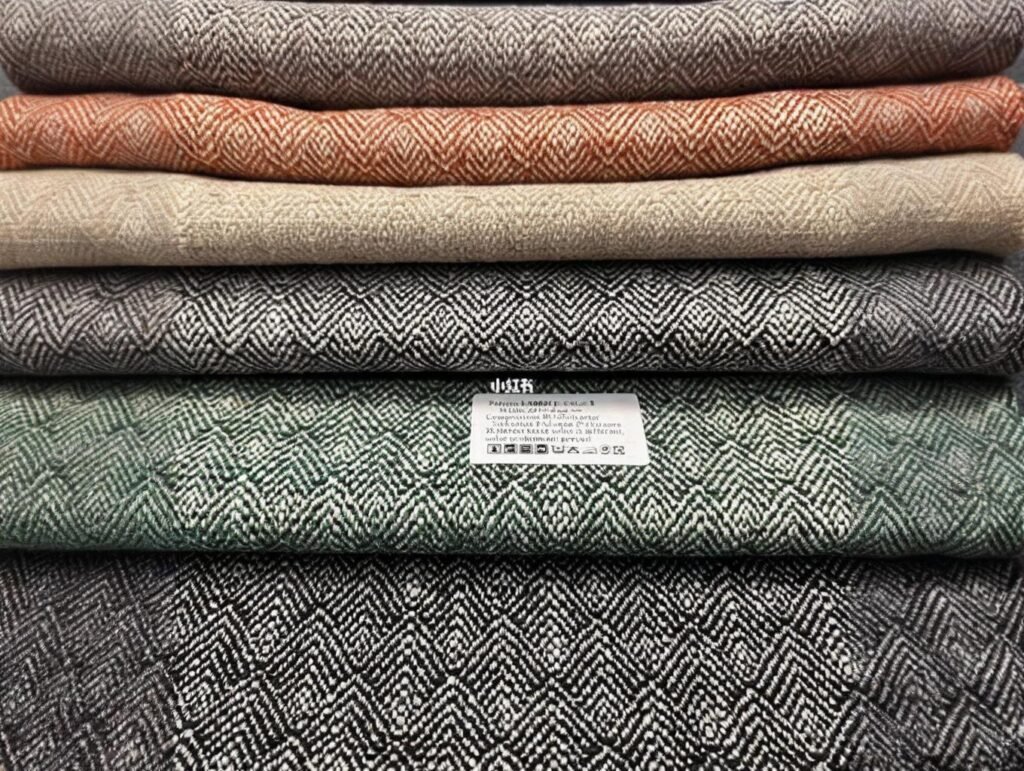
Ramie generally offers cleaner dye uptake, higher shade consistency, and better controllability in modern dyeing systems, while linen delivers a softer, more irregular, and naturally varied color appearance. Ramie behaves closer to cotton in industrial dyeing, making it easier to standardize and repeat, whereas linen excels in organic, heritage-driven, and relaxed aesthetics where variation is part of the appeal.
In short: ramie is easier to control; linen is easier to romanticize.
From Fiber Chemistry to Visual Results
Although both ramie and linen belong to the bast fiber family, their dyeing behavior and aesthetic outcomes differ substantially once they move from raw fiber to finished fabric. These differences are rooted in fiber uniformity, surface morphology, and long-term fiber stability, all of which directly influence how color is absorbed, retained, and perceived.
For designers and brands, the choice between ramie and linen is rarely about which fabric is “better” in isolation. Instead, it is about whether the design goal prioritizes precision and repeatability or natural variation and emotional texture.
Dye Penetration and Shade Consistency
One of the most important technical differences between ramie and linen lies in how evenly they accept dye.
| Aspect | Ramie | Linen |
|---|---|---|
| Fiber uniformity | High | Medium |
| Dye penetration | Even | Uneven |
| Shade repeatability | High | Moderate |
| Batch consistency | Reliable | Variable |
Ramie fibers are straighter, smoother, and more uniform in diameter. This structural regularity allows dye molecules to penetrate the fiber surface more evenly and predictably. As a result, ramie fabrics show cleaner color boundaries, tighter shade tolerance, and stronger batch-to-batch consistency—all critical factors in scaled production.
Linen fibers, by contrast, naturally contain slubs, nodes, and thickness variation. During dyeing, these irregularities cause uneven dye uptake, leading to subtle tonal shifts within the fabric. From a technical standpoint, this makes strict color matching more challenging. From a design standpoint, however, this variation is often perceived as authentic and visually rich.
This distinction explains why ramie is favored in collections where color accuracy and repeatability matter, while linen is embraced where visual inconsistency enhances character.
Dye System Compatibility and Process Control
Both ramie and linen are cellulosic fibers and can be dyed using similar dye classes, such as reactive or direct dyes. However, their process sensitivity differs.
Ramie’s smoother fiber surface responds well to:
- Standard reactive dye systems
- Controlled liquor ratios
- Automated dyeing processes
This makes ramie more forgiving in modern industrial environments, where consistency, efficiency, and scalability are essential.
Linen, on the other hand, often requires:
- More careful pre-treatment
- Longer dye cycles to penetrate thicker fiber sections
- Tighter process monitoring to manage uneven absorption
As production volumes increase, these requirements can lead to higher variability and reprocessing rates. For small-batch or artisanal production, this is less of an issue. For large-scale programs, it becomes a significant consideration.
Colorfastness in Daily Use
Colorfastness determines how well a fabric retains its appearance over time, particularly under washing, perspiration, and light exposure.
| Condition | Ramie | Linen |
|---|---|---|
| Wash fastness | Good–very good | Good |
| Sweat fastness | Good | Moderate |
| Light exposure | Good | Good |
Both fibers can achieve acceptable colorfastness when dyed and finished correctly. However, ramie’s superior fiber strength and resistance to long-term degradation allow it to maintain color clarity longer, especially after repeated laundering.
Linen fibers tend to fibrillate and weaken over time. As the fiber structure degrades, dyed surfaces become less stable, which can cause colors—particularly darker or saturated shades—to soften or fade unevenly. This aging process is not necessarily undesirable, but it does mean linen’s color evolution is less predictable.
For garments expected to undergo frequent washing or long-term wear, ramie generally provides more stable aesthetic performance.
Texture-Driven Aesthetic Differences
Beyond color behavior, texture plays a defining role in how ramie and linen are perceived visually.
| Design Feature | Ramie | Linen |
|---|---|---|
| Visual texture | Clean, crisp | Organic, rustic |
| Surface luster | Subtle sheen | Matte |
| Fabric definition | Sharp | Soft |
| “Natural look” | Refined | Raw |
Ramie’s smoother fibers reflect light more evenly, producing a subtle natural sheen. This gives ramie fabrics a cleaner, more polished appearance, even in lightweight constructions. Edges, seams, and folds remain visually defined, which supports sharper silhouettes.
Linen’s matte surface diffuses light irregularly. Combined with slubs and texture, this creates a soft, weathered look that many associate with summer, craftsmanship, and ease. Linen garments rarely appear “perfect,” and that imperfection is often central to their appeal.
From a design language perspective, ramie communicates clarity and intention, while linen communicates relaxation and tradition.
Design Versatility and Silhouette Control
Design versatility is not only about color range, but also about how well a fabric supports different garment structures.
Ramie’s inherent stiffness and strength allow it to:
- Hold tailored lines in summer garments
- Support pleats, panels, and defined seams
- Maintain shape in lightweight constructions
This makes ramie especially suitable for modern silhouettes, where structure is desired without heavy fabric weight.
Linen softens quickly with wear. While this creates comfort and fluidity, it also means linen garments tend to lose sharpness over time. For designers seeking relaxed drape and lived-in character, this is an advantage. For those seeking long-term silhouette integrity, it can be a limitation.
Garment Category Suitability
The differences between ramie and linen become clearer when viewed through specific product categories.
| Product Type | Better Fabric | Reason |
|---|---|---|
| Tailored summer shirts | Ramie | Clean lines |
| Dresses & skirts | Ramie | Shape holding |
| Resort wear | Linen | Relaxed texture |
| Casual tops | Linen | Soft hand |
| Structured silhouettes | Ramie | Strength & stiffness |
| Linen-look alternatives | Ramie | Consistency |
Ramie excels where precision and polish are required, even in warm-weather garments. Linen shines in categories where ease and texture define the aesthetic.
Many brands deliberately position linen as a statement fabric and ramie as a functional alternative that delivers a similar visual language with fewer constraints.
Shade Development and Color Storytelling
Color storytelling differs significantly between the two fibers.
Ramie supports:
- Clean neutrals
- Muted pastels
- Contemporary minimal palettes
Because of its consistency, ramie works well in collections that rely on tight color harmonies and refined tonal shifts.
Linen naturally enhances:
- Earth tones
- Washed and mineral hues
- Sun-faded and pigment-inspired colors
Its uneven dye uptake amplifies depth and variation, which designers often use intentionally to evoke craftsmanship or nostalgia.
As a result, linen is often favored in heritage-inspired collections, while ramie aligns more closely with modern premium casual narratives.
Buyer and Production Insight
From a sourcing and production standpoint, many brands select ramie when they want the look of linen but need:
- Better durability over time
- Lower defect and rejection rates
- Easier shade control across batches
- Greater predictability at scale
Ramie’s controllability reduces risk in large programs, particularly where multiple colorways or repeat orders are involved.
Linen remains preferred when visual authenticity and tactile emotion matter more than precision. Brands targeting consumers who value natural irregularity often accept higher variability as part of the product story.
Blending as a Design Strategy
Some designers explore ramie–linen blends to balance their strengths. Blending can:
- Soften ramie’s stiffness
- Improve linen’s durability
- Create nuanced textures
However, blending also introduces complexity in dyeing and finishing, as each fiber responds slightly differently. Successful blends require careful engineering and are typically used in higher-end applications rather than mass programs.
Design Takeaway
When comparing ramie and linen in dyeing, colorfastness, and design versatility, the distinction is clear:
- Choose ramie when consistency, modern aesthetics, and controlled design outcomes are priorities. It delivers cleaner color, sharper definition, and better long-term stability.
- Choose linen when texture, heritage, and effortless imperfection are central to the design vision. Its irregularity is not a flaw, but a feature.
In contemporary collections, many brands use both—ramie for precision-driven pieces and linen for expressive, emotional garments. Understanding how each fabric behaves allows designers to make intentional choices, ensuring that material performance aligns with aesthetic intent rather than working against it.
How Should Buyers and Brands Choose Between Ramie and Linen for Different Applications?
Buyers and brands should choose between ramie and linen by evaluating performance expectations, care tolerance, design intent, supply stability, and real end-use conditions. Ramie is better suited for products that demand strength, breathability, and long-term reliability under repeated wear, while linen excels in applications emphasizing relaxed comfort, natural texture, and heritage aesthetics.
The right choice is rarely about which fabric is “better”—it’s about which one fits the actual usage scenario.
A Practical Decision Framework
Although ramie and linen are often grouped together as “summer fibers,” treating them as interchangeable is a common sourcing mistake. They behave differently in wear, laundering, aging, and consumer perception. For buyers and brands, especially those managing multiple product lines or distribution channels, choosing correctly can significantly affect returns, customer satisfaction, and lifecycle cost.
A structured framework helps turn what is often a subjective decision into a practical one.
Step 1: Start with Climate and Wearing Time
| Usage Condition | Recommended Fabric |
|---|---|
| Hot & humid, long wear | Ramie |
| Hot & dry, short wear | Linen |
| Outdoor summer use | Ramie |
| Indoor / leisure use | Linen |
Climate alone does not tell the full story—duration of wear matters just as much.
In hot and humid environments, moisture release and fabric stability over time are critical. Ramie’s stiff, long fibers create more consistent air channels and release moisture quickly, which helps garments feel drier during extended wear. This makes ramie particularly effective for workday garments, travel wear, or outdoor use where the fabric must perform for many hours.
Linen performs beautifully in hot but dry conditions, especially when wear time is shorter. Its softness and relaxed texture feel comfortable for casual use, but in prolonged humidity, linen can feel progressively limp and heavily wrinkled.
In indoor or leisure settings—lounging, dining, resort wear—linen’s tactile comfort and familiar feel often outweigh performance concerns. Ramie’s technical advantages are less noticeable in these contexts.
A simple rule many buyers follow: If the garment will be worn for a full day in the heat, ramie is usually the safer choice.
Step 2: Define the Product’s Role in the Collection
| Product Role | Better Choice |
|---|---|
| Core seasonal item | Ramie |
| Statement / heritage piece | Linen |
| Lightweight functional wear | Ramie |
| Lifestyle / resort wear | Linen |
Fabric choice should reinforce a product’s strategic role, not just its category.
Core seasonal items—such as summer shirts that repeat year after year—benefit from ramie’s durability and shape retention. These are products expected to perform consistently across seasons and justify their place in a brand’s permanent offering.
Statement or heritage pieces are where linen shines. Its visible slubs, organic wrinkles, and historical associations communicate craft and authenticity. In collections built around storytelling, linen often carries emotional value that ramie cannot replicate without explanation.
Lightweight functional wear, including overshirts, summer jackets, and travel apparel, favors ramie. Strength at low fabric weight allows better airflow without sacrificing lifespan.
Lifestyle and resort wear embraces linen’s imperfections. In these categories, wrinkles are not defects—they are part of the design language.
Brands that clearly assign ramie and linen to different roles tend to avoid internal competition and customer confusion.
Step 3: Consider Care Reality (Not Ideal Care)
| Care Expectation | Better Fabric |
|---|---|
| Mixed washing habits | Ramie |
| Gentle care customers | Linen |
| Travel-friendly products | Ramie |
| “Wrinkles welcome” designs | Linen |
One of the most underestimated factors in fabric selection is how consumers actually care for garments, not how labels recommend they should.
Ramie is structurally strong and tolerates imperfect care relatively well. While it benefits from gentle washing, it generally resists fiber breakage and thinning even when washed frequently. Its crisp wrinkles also tend to look intentional rather than messy.
Linen, although durable, is more sensitive to aggressive laundering. High spin speeds, tumble drying, or overloading machines can accelerate creasing and distortion. Linen performs best when customers are willing to wash gently and accept visible wrinkles as part of the look.
From a buyer’s perspective:
- Ramie reduces risk in mass or multi-market distribution
- Linen works best when the target customer expects and accepts its care behavior
For travel-oriented products, ramie’s quick drying and structural recovery often make it the more reliable option.
Step 4: Balance Cost vs. Performance Over Time
| Factor | Ramie | Linen |
|---|---|---|
| Raw material stability | High | Medium |
| Fabric yield | High | Medium |
| Long-term durability | High | Medium |
| Visual uniqueness | Medium | High |
At first glance, ramie and linen often appear similar in cost. The difference emerges when evaluated through cost-per-use rather than purchase price.
Ramie advantages over time
- Higher tensile strength reduces early wear
- Lower fabric weights achieve similar durability
- Shape and surface clarity last longer
- Fewer quality complaints in lightweight garments
Linen advantages at point of sale
- Strong consumer recognition
- Immediate visual and tactile appeal
- Easier storytelling and merchandising
For buyers supplying brands or retailers, ramie often delivers better cost-to-performance value over time, especially in functional or repeat-use products. Linen may generate stronger initial sell-through in lifestyle categories but can show higher variability in long-term wear.
This difference matters most in:
- E-commerce (where returns are costly)
- Travel and uniform-adjacent apparel
- Multi-season core programs
Step 5: Blends as a Strategic Option
Many successful products avoid an either–or decision and instead use ramie–linen blends strategically.
| Blend Advantage | Result |
|---|---|
| Ramie adds strength | Longer lifespan |
| Linen adds softness | Better hand feel |
| Combined texture | Balanced aesthetics |
| Reduced weaknesses | Higher acceptance |
Blends allow buyers and brands to fine-tune performance and aesthetics.
In a ramie–linen blend:
- Ramie stabilizes structure and reduces excessive wrinkling
- Linen softens the hand feel and adds organic character
- The fabric feels more familiar to linen users but performs more consistently
Blends are particularly effective for:
- Brands transitioning from linen to ramie
- Products aimed at broad international markets
- Customers unfamiliar with ramie as a standalone fiber
From a commercial standpoint, blends reduce education burden while preserving differentiation.
Supply Chain and Consistency Considerations
Another practical difference lies in supply reliability.
Ramie production is more geographically concentrated, but fiber quality tends to be relatively consistent once a supplier relationship is established. Linen quality, by contrast, can vary more noticeably depending on harvest conditions, retting methods, and processing.
For buyers managing large or recurring programs:
- Ramie offers stronger batch-to-batch consistency
- Linen requires tighter specification and quality control
This does not make linen unreliable—but it does require closer supplier management.
Final Comparison Summary Table
| Criteria | Ramie | Linen |
|---|---|---|
| Strength | Very high | High |
| Breathability | Excellent | Excellent |
| Moisture release | Very fast | Moderate |
| Texture | Clean, crisp | Soft, rustic |
| Wrinkling | Moderate | High |
| Care tolerance | Better | Lower |
| Sustainability potential | High | High |
| Design control | Strong | Moderate |
This table highlights the core distinction: Ramie prioritizes performance control, while linen prioritizes aesthetic character.
Sustainability and Longevity Perspective
Both ramie and linen have strong sustainability narratives, but they express them differently.
Ramie:
- Naturally pest-resistant
- Requires fewer chemical inputs
- Produces extremely strong fibers
- Supports long garment lifecycles
Linen:
- Traditionally low-input agriculture
- Strong cultural association with natural living
- Biodegradable and breathable
- Ages visibly and gracefully
From an environmental standpoint, longevity matters. A garment that lasts longer and remains wearable reduces overall consumption. In lightweight summer apparel, ramie’s durability can meaningfully extend product life, which is increasingly valued by sustainability-minded buyers.
Ramie and Linen Serve Different Strengths
Ramie and linen are not substitutes—they are strategic alternatives.
- Ramie delivers strength, breathability, reliability, and refined summer performance, especially under extended wear.
- Linen delivers texture, tradition, softness, and relaxed elegance, particularly in lifestyle-driven designs.
The best buyers and brands do not default to one fiber. They choose with intent, aligning fabric choice with climate, wear duration, care reality, and product role. When used deliberately, both ramie and linen can outperform expectations—not because of trends, but because they are matched to the realities of how garments are actually worn.
Develop Custom Ramie and Linen Fabrics with SzoneierFabrics
If you are sourcing or developing products and need:
- Custom ramie fabrics, linen fabrics, or ramie–linen blends
- Low MOQ support and fast sampling
- Free design assistance and technical guidance
- Stable quality control and short lead times
- A manufacturing partner experienced with international buyers and premium brands
SzoneierFabrics helps turn fabric selection into a competitive advantage.
Share your application details, target market, and performance goals with our team—we’ll help you engineer fabrics that look right, feel right, and last longer.
Contact SzoneierFabrics today to start your custom fabric inquiry.