 Skip to content
Ramie vs Linen: Which Is More Sustainable for Fashion Brands?
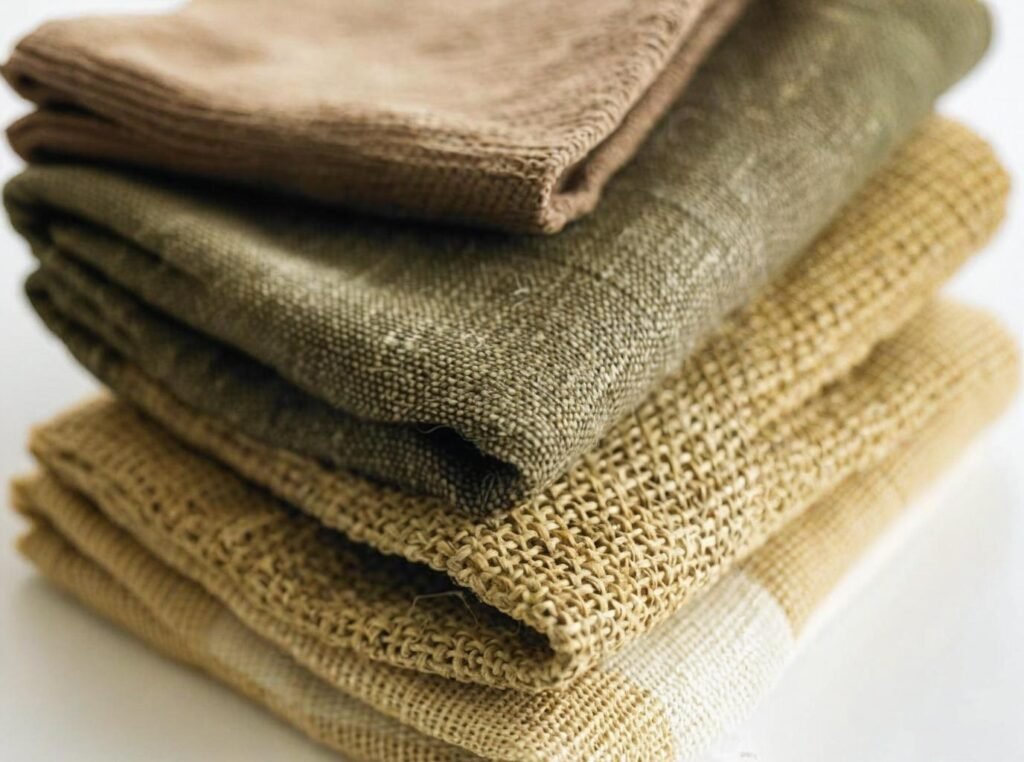
“Sustainable fabric” has become one of the most overused phrases in fashion—and one of the most misunderstood. Ramie and linen are both praised as eco-friendly, plant-based alternatives to cotton and synthetics. Yet brands that work with them quickly realize sustainability is not a single checkbox. It’s a chain of decisions that start in the field and end long after the garment is sold. Ramie is often more land-efficient and durable, while linen typically requires fewer processing chemicals and benefits from well-established European farming systems. Which fiber is more sustainable depends on how it is grown, processed, transported, and used—not on the fiber name alone.
A European designer once switched from linen to ramie expecting a “greener” story, only to face questions about processing transparency. Another brand chose linen for marketing reasons, then struggled with lower durability and higher replacement rates. Sustainability, it turns out, is rarely black or white—and the ramie vs linen debate proves it.
What are ramie and linen fibers, and how do their growing processes differ?
Ramie and linen are often grouped together as traditional plant-based fibers, yet their agricultural realities are fundamentally different. While both are bast fibers extracted from plant stalks, the way they grow, how often they are harvested, and the environments they depend on shape everything that follows—cost structure, supply stability, processing complexity, and environmental footprint.
Ramie comes from the stalks of Boehmeria nivea, a fast-growing perennial plant native to East Asia. Linen, by contrast, is derived from flax (Linum usitatissimum), an annual crop historically associated with temperate regions of Europe. These biological differences are not academic details; they directly influence land efficiency, yield consistency, labor inputs, and sustainability outcomes.
Understanding ramie and linen at the farm level is essential for buyers who want to evaluate real sustainability, not just marketing claims. Fiber performance begins long before spinning or weaving—it starts in how the plant is grown, harvested, and regenerated.
Understanding sustainability at the farm level
Sustainability discussions around natural fibers often focus on chemical inputs or certifications, but the most decisive factors are botanical and agricultural. Growth cycle length, replanting frequency, and yield per hectare all shape environmental impact long before processing begins.
A) Botanical and agricultural basics
Ramie and flax differ at the most fundamental level: how the plant lives and renews itself.
| Aspect | Ramie | Linen (Flax) |
|---|---|---|
| Plant type | Perennial | Annual |
| Harvest cycles | 2–4 per year | 1 per year |
| Climate | Subtropical | Temperate |
| Major regions | China, Southeast Asia | Europe (France, Belgium), China |
Ramie is a perennial crop, meaning it regrows from the same root system year after year. Once established, a ramie field can be harvested multiple times annually, often for five to ten years before replanting is required. This regenerative capacity makes ramie highly efficient in regions with warm temperatures and sufficient rainfall.
Flax, on the other hand, is an annual plant. Each growing season requires fresh planting, soil preparation, and harvesting. Flax thrives in cooler, temperate climates with long daylight hours, which is why Northern France, Belgium, and parts of the Netherlands dominate premium linen production.
These differences shape not only yield but also farming rhythm. Ramie fields operate on a continuous production model, while flax farming follows a single, tightly timed seasonal cycle.
B) Yield per hectare: an overlooked metric
Yield per hectare is one of the most overlooked indicators in fiber sustainability discussions, yet it directly reflects land efficiency and resource intensity.
| Fiber | Average Fiber Yield/ha |
|---|---|
| Ramie | High |
| Linen | Medium |
Ramie’s ability to produce multiple harvests per year results in significantly higher annual fiber output per hectare. Even when individual stalk yields are similar, the cumulative effect of two to four harvests dramatically improves total production.
Higher yield per hectare means:
- Less land required to produce the same volume of fiber
- Lower pressure to expand agricultural acreage
- Greater resilience to localized crop loss
Flax produces a single harvest per year, which limits annual output regardless of farming efficiency. While European flax yields are optimized through mechanization and agronomic controls, the biological ceiling remains lower than ramie’s multi-harvest potential.
From a sustainability perspective, land efficiency matters. Producing more fiber from the same plot reduces indirect impacts such as land conversion and habitat pressure—factors often absent from consumer-facing sustainability claims.
C) Soil and land use implications
The way a fiber crop interacts with soil over time has long-term environmental consequences. Ramie and flax approach this differently due to their life cycles.
Ramie’s perennial root system:
- Anchors soil and reduces erosion
- Minimizes the need for repeated tilling
- Supports soil structure over multiple years
Because ramie does not require annual replanting, soil disturbance is reduced. Less frequent tilling lowers the risk of erosion and helps maintain microbial balance, especially in sloped or rain-heavy regions.
Flax, as an annual crop, contributes differently:
- Improves soil structure when rotated correctly
- Requires crop rotation to prevent disease buildup
- Involves yearly soil preparation and planting
Flax fits well into European crop rotation systems, where it alternates with cereals or other crops. This rotation can benefit soil health, but it also means repeated mechanical intervention, which increases energy use and soil disturbance.
Both systems have advantages. Ramie’s strength lies in soil stability and continuity, while flax benefits from integrated rotational agriculture. Neither is inherently superior; outcomes depend on farming discipline and regional conditions.
D) Water and climate dependency
Climate suitability plays a decisive role in how sustainably each fiber can be produced.
Ramie prefers:
- Warm temperatures
- High humidity
- Consistent rainfall or irrigation
In suitable subtropical regions, ramie grows vigorously with minimal artificial inputs. However, in marginal climates, irrigation demand can rise sharply, which changes its sustainability profile.
Flax prefers:
- Cool to mild temperatures
- Well-distributed rainfall
- Long daylight hours
European flax regions benefit from naturally favorable conditions, reducing irrigation dependence. This climatic alignment is one reason linen from Western Europe is often perceived as environmentally controlled and traceable.
The key point is that fiber sustainability is location-specific. A ramie field in southern China and a flax field in northern France each operate close to their ecological optimum. Problems arise when crops are forced outside these natural zones.
E) Regional farming realities
Agricultural structure matters as much as biology. Ramie and flax are embedded in very different farming systems.
Ramie farming is often characterized by:
- Smallholder or cooperative-based production
- Manual or semi-mechanized harvesting
- High dependence on local expertise
This system can be flexible and resilient, but it also requires strong coordination to ensure consistent fiber quality and traceability.
Flax farming in Europe is typically:
- Highly mechanized
- Centrally coordinated
- Supported by long-established traceability systems
European flax benefits from standardized agronomy, centralized retting facilities, and strict quality grading. This reduces variability but also increases capital intensity and cost.
Neither system is inherently better. Smallholder ramie systems can be highly efficient and low-impact when managed well, while mechanized flax systems offer transparency and consistency. Sustainability depends less on geography and more on farming practice, oversight, and data visibility.
F) Harvesting and regeneration dynamics
Harvest frequency has a direct impact on labor, energy use, and fiber characteristics.
Ramie harvesting:
- Occurs multiple times per year
- Requires careful timing to optimize fiber strength
- Allows continuous income for farmers
Because ramie regenerates quickly, farmers can adapt harvest timing to weather conditions and market demand. This flexibility improves supply stability but requires experience to maintain consistent fiber quality.
Flax harvesting:
- Occurs once per year
- Is highly time-sensitive
- Must align with retting conditions
Flax quality depends heavily on retting, a controlled microbial process that separates fibers from the stalk. Weather disruptions during retting can affect quality across an entire season, making flax supply more vulnerable to climatic anomalies.
From a risk perspective, ramie spreads production across multiple harvests, while flax concentrates risk into a single annual window.
G) Environmental impact beyond the field
At the farm level, environmental impact is shaped by repetition and intensity.
Ramie’s advantages include:
- Reduced replanting energy
- Lower annual soil disruption
- High fiber output per hectare
Flax’s advantages include:
- Strong integration into rotational systems
- Established environmental controls
- High traceability in European supply chains
Both fibers can be produced responsibly or irresponsibly. Claims of sustainability should therefore be evaluated based on specific farming systems, not fiber names alone.
H) Sustainability takeaway for buyers
At the agricultural stage, ramie and linen represent two different sustainability models.
Ramie often performs better in terms of land efficiency and regenerative capacity, thanks to its perennial nature and multiple harvests. Linen benefits from mature agricultural governance, especially in Europe, where traceability and process control are well established.
For buyers, the key lesson is that sustainability is not inherent to the fiber—it is embedded in how and where that fiber is grown. Understanding these agricultural differences allows sourcing decisions to move beyond simplified narratives and toward measurable impact.
When evaluated honestly at the farm level, ramie and linen each offer legitimate strengths. The more sustainable choice depends not on labels, but on whether those strengths are managed with discipline, transparency, and respect for local ecological limits.
Which fiber uses less water and land during cultivation?
Water and land use have become decisive metrics in textile sourcing, especially as brands face growing pressure to quantify environmental impact rather than rely on generic “eco-friendly” claims. Ramie and linen are often grouped together as sustainable bast fibers, yet their agricultural profiles differ in meaningful ways. While both outperform cotton by a wide margin in water demand, the comparison between ramie and linen is more nuanced and depends on how efficiency is measured.
At a surface level, linen appears to be the clear winner on water use because European flax cultivation relies heavily on rainfall. Ramie, by contrast, is primarily grown in East and Southeast Asia, where supplemental irrigation is more common. However, when water use is evaluated per kilogram of usable fiber, and when land productivity over time is considered, ramie often shows equal or superior efficiency. Understanding this distinction is critical for brands making sustainability claims grounded in data rather than perception.
Water and land use beyond surface claims
Sustainability metrics can be misleading when they focus on a single variable. Measuring irrigation input alone ignores yield density, harvest frequency, and land reuse cycles. A realistic assessment must look at water, land, and fiber output together, especially for fibers used at commercial scale.
Ramie is a perennial crop with multiple harvests per year, while flax for linen is typically harvested once per growing season. This difference alone reshapes how water and land efficiency should be evaluated.
A) Water requirements in context
| Fiber | Irrigation Dependency |
|---|---|
| Ramie | Low–moderate |
| Linen | Very low (rain-fed in EU) |
| Cotton (reference) | High |
Linen’s reputation for low water use is well supported in regions such as France, Belgium, and the Netherlands, where flax cultivation depends largely on natural rainfall. Annual precipitation in these regions is relatively stable, allowing farmers to grow flax with minimal or no irrigation infrastructure.
Ramie’s water profile is more variable. In southern China, Vietnam, and parts of India, ramie cultivation often relies on a mix of rainfall and controlled irrigation, particularly during dry seasons. While this introduces water input, it also provides greater yield predictability, which reduces the risk of crop failure and supply volatility.
From a sourcing perspective, linen benefits from low absolute irrigation input, while ramie benefits from controllable water management that supports consistent output across multiple harvests.
B) Yield-adjusted water efficiency
Raw water use per hectare does not tell the full story.
| Metric | Ramie | Linen |
|---|---|---|
| Water per harvest | Low | Very low |
| Annual yield | High | Medium |
| Water per kg fiber | Low | Low–medium |
Ramie’s most significant advantage lies in its yield density. A mature ramie field can be harvested three to six times per year, depending on climate and agronomic practices. Each harvest produces usable fiber, spreading water input across a larger annual output.
Linen flax, by contrast, is harvested once per season. Even with minimal irrigation, total fiber yield per hectare remains limited by the single-cycle growing model. When water consumption is divided by total annual fiber output, ramie’s water-per-kilogram efficiency often matches or exceeds that of linen, especially in well-managed farms.
For brands reporting metrics such as “liters of water per kilogram of fiber,” this distinction is critical. Ramie may not always use less water per hectare, but it frequently uses less water per unit of fiber delivered.
C) Land footprint comparison
| Factor | Ramie | Linen |
|---|---|---|
| Land reuse | Multi-year | Seasonal |
| Replanting impact | Low | Higher |
| Total fiber output | High | Medium |
Land efficiency is where ramie shows a clear structural advantage. As a perennial crop, ramie can remain productive for five to ten years without replanting. This reduces soil disturbance, lowers seed input, and minimizes land preparation energy over time.
Linen flax is an annual crop. Each season requires replanting, soil preparation, and crop rotation planning. While flax integrates well into European agricultural systems, its fiber output per hectare per year remains inherently limited.
From a land-use perspective, ramie delivers higher cumulative fiber volume from the same plot of land over multiple years. For sourcing strategies focused on minimizing land footprint per ton of fiber, ramie is among the most efficient bast fibers currently available.
D) Where sustainability narratives diverge
Despite ramie’s strong performance in yield-adjusted metrics, linen dominates sustainability storytelling. European flax benefits from visible farms, geographic indication programs, and long-established traceability frameworks. Buyers can easily point to origin regions, farming cooperatives, and regulatory oversight.
Ramie’s sustainability profile is less visible, not necessarily weaker. Much of its environmental advantage is embedded in agronomic efficiency rather than marketing infrastructure. Farming data is often fragmented, and sustainability discussions tend to focus on processing challenges rather than cultivation performance.
This narrative gap leads many brands to underestimate ramie’s agricultural efficiency while overestimating linen’s universal applicability, even when linen is sourced outside rain-fed European zones.
E) Practical insight for brands
For brands setting sustainability targets, the choice between ramie and linen should align with the type of environmental claim being made.
If the goal is to highlight minimal irrigation and transparent, farm-level traceability, linen sourced from Western Europe offers a clear and easily communicated story. Certification systems and regional data make claims straightforward to substantiate.
If the objective is to reduce water and land intensity per kilogram of fiber, ramie deserves serious consideration. Its high annual yield and multi-year land use efficiency allow brands to achieve lower resource intensity at scale, even if irrigation is part of the cultivation model.
In practical sourcing decisions, the most credible sustainability strategies move beyond surface comparisons. They evaluate water, land, and output together, selecting fibers based on measurable efficiency rather than reputation alone. When assessed through that lens, ramie stands as one of the most resource-efficient natural fibers available today.
How do chemical inputs and pesticides compare between ramie and linen farming?
When buyers evaluate the environmental footprint of natural fibers, chemical use is often simplified into a single question: “Which fiber uses fewer chemicals?” In reality, the comparison between ramie and linen is more nuanced. Both fibers generally perform better than cotton in terms of pesticide dependency, but their chemical profiles differ significantly depending on where you draw the system boundary. Ramie tends to minimize chemical use during cultivation but requires more intensive intervention after harvest, while linen (flax) often uses slightly more field-level inputs yet benefits from relatively low-impact fiber separation methods.
Understanding this distinction is essential for brands making sustainability claims, sourcing teams comparing certifications, and product developers deciding where environmental risk truly sits in the supply chain. The real comparison is not ramie versus linen in isolation, but farming-stage chemistry versus processing-stage chemistry.
Separating farming chemicals from processing chemicals
One of the most common mistakes in fiber sustainability discussions is mixing agricultural inputs with post-harvest processing chemicals. Pesticides, herbicides, and fertilizers applied in the field serve a different purpose and carry different environmental risks than degumming agents, enzymes, or wastewater treatments used after harvest. Successful buyers and auditors evaluate these stages separately, because improvement opportunities and compliance strategies differ at each point.
Pesticide use at the farm level
At the cultivation stage, both ramie and linen are considered relatively low-input fibers compared with cotton. However, their resistance profiles and weed management requirements are not identical.
| Aspect | Ramie | Linen (Flax) |
|---|---|---|
| Pest resistance | Naturally high | Moderate |
| Pesticide reliance | Low | Low–medium |
| Herbicide use | Limited | More common |
| GMO usage | None | None |
Ramie is a perennial plant with strong natural resistance to many insects and diseases. In subtropical and tropical regions where ramie is traditionally grown, pest pressure is present but rarely severe enough to justify routine pesticide application. In many producing regions, pest control is reactive rather than preventive, which keeps overall pesticide volumes low.
Linen, derived from flax, is also relatively resilient but is more sensitive during early growth stages. Weed competition is a bigger challenge for flax because of its fine stems and dense planting. As a result, herbicide use is more common in conventional flax farming, particularly in large-scale European operations where uniformity and yield consistency are prioritized.
From a regulatory standpoint, both fibers benefit from the absence of genetically modified varieties, which simplifies compliance for markets with strict GMO labeling rules. However, buyers should not assume that “low pesticide” means “no chemical exposure.” Regional practices, weather conditions, and yield targets can still influence input intensity from one season to another.
Fertilizer requirements and soil inputs
Beyond pesticides, fertilizer use plays a major role in the environmental profile of fiber crops. Here again, ramie and linen show different patterns rooted in their biology and cultivation systems.
| Factor | Ramie | Linen |
|---|---|---|
| Nitrogen demand | Moderate | Low |
| Soil conditioning | Minimal | Crop rotation needed |
| Soil exhaustion risk | Low | Medium |
Ramie’s perennial growth habit allows it to establish deep root systems that stabilize soil structure and reduce erosion. Its nutrient demand is moderate, and once established, fertilizer inputs can often be optimized without significant yield loss. In many producing regions, ramie is harvested multiple times per year, which spreads nutrient uptake over time rather than creating sharp seasonal demand spikes.
Flax, by contrast, is typically grown as an annual crop. Its nitrogen requirements are relatively low, but it is sensitive to excess fertilization, which can reduce fiber quality and increase lodging risk. For this reason, flax farming relies heavily on crop rotation to maintain soil health and control disease pressure. While rotation improves long-term sustainability, it also requires more land planning and limits where flax can be grown continuously.
From a buyer’s perspective, fertilizer intensity is less visible than pesticide use but equally important when evaluating upstream impact. Farms that manage nutrient balance carefully tend to deliver more consistent fiber quality, which reduces downstream processing losses and indirectly lowers total chemical use across the supply chain.
The hidden trade-off: processing chemicals
Where sustainability narratives often become misleading is in the transition from field to fiber. Ramie and linen diverge most sharply not during cultivation, but during fiber extraction and preparation.
| Chemical Stage | Ramie | Linen |
|---|---|---|
| Fiber separation | Mechanical + chemical | Retting (biological) |
| Degumming agents | Required | Not required |
| Water treatment demand | High if unmanaged | Moderate |
Ramie fibers are bound by strong gums and pectins that must be removed before spinning. This degumming step is unavoidable and represents the largest chemical footprint in ramie production. Depending on the technology used, degumming can involve alkaline chemicals, enzymes, or hybrid systems that combine both. Poorly controlled processes generate high chemical oxygen demand (COD) in wastewater and place significant pressure on treatment facilities.
Linen relies on retting, a process that uses moisture and microorganisms to break down pectins naturally. Dew retting, common in Europe, occurs in open fields and involves minimal chemical input. Water retting, while faster, requires careful management to avoid water pollution. Importantly, linen does not require a degumming stage equivalent to ramie, which shifts its chemical burden away from industrial processing.
This distinction is critical for brands comparing environmental claims. A fiber grown with minimal pesticides can still carry a high processing footprint if downstream controls are weak. Conversely, slightly higher field-level inputs can be offset by low-impact processing if managed responsibly.
Retting vs degumming: which is cleaner?
The question of whether retting or degumming is “cleaner” has no universal answer. The environmental outcome depends less on the method itself and more on execution quality.
- Linen retting relies on microbes and controlled moisture to break down pectin bonds.
- Ramie degumming uses enzymes or chemical agents to remove gums rapidly and uniformly.
Poorly managed retting can lead to nutrient runoff and localized water pollution, especially in water retting systems without circulation or treatment. Excess organic load can deplete oxygen levels in waterways and harm aquatic life.
Similarly, poorly managed degumming can produce concentrated chemical effluent that overwhelms wastewater treatment systems. High alkalinity, residual surfactants, and dissolved organic matter are common challenges when degumming is rushed or under-regulated.
In both cases, process control is the deciding factor. Modern enzymatic degumming systems with closed-loop water treatment can significantly reduce ramie’s environmental burden. Likewise, controlled retting environments and post-retting wastewater management can minimize linen’s impact. Buyers evaluating sustainability should therefore focus on processing infrastructure and compliance records, not just the fiber name.
Regional differences and regulatory influence
Geography plays a decisive role in how chemical inputs are managed. European linen production benefits from strict environmental regulations, established retting standards, and transparent certification systems. These frameworks limit extreme practices and provide buyers with clearer documentation.
Ramie production is more geographically concentrated in parts of Asia, where regulatory enforcement and infrastructure quality vary widely. In facilities with modern wastewater treatment and enzyme-based degumming, environmental performance can be comparable to linen. In less regulated settings, chemical discharge remains a concern.
This variability means that sourcing decisions based solely on fiber type are incomplete. Supplier selection, audit access, and traceability matter as much as crop characteristics when chemical use is evaluated.
Implications for certification and buyer claims
For brands pursuing certifications such as OEKO-TEX, GOTS, or regional eco-labels, understanding where chemicals enter the process is essential. Linen often aligns more easily with agricultural-focused standards because of its low-input farming profile. Ramie, on the other hand, requires closer scrutiny of processing-stage compliance.
Experienced buyers address this by separating claims. Farming-stage sustainability is supported by pesticide and fertilizer data, while processing-stage responsibility is demonstrated through wastewater treatment records, chemical inventories, and third-party audits. This layered approach reduces the risk of overstated or misleading sustainability messaging.
Practical sustainability insight
From a strictly agricultural perspective, both ramie and linen perform well compared with many other bast fibers. Neither relies heavily on pesticides, and both avoid GMO-related concerns. The real sustainability gap opens later in the supply chain.
Ramie places greater responsibility on processors to manage degumming chemicals and wastewater effectively. Linen places greater responsibility on farmers and retting operators to control biological processes and prevent localized pollution. For buyers, the most meaningful sustainability gains come from engaging with suppliers on process control, not from choosing one fiber over the other in isolation.
In practical terms, responsible sourcing means asking the right questions at the right stage. How is degumming performed and treated? How is retting managed and monitored? When these questions are addressed transparently, both ramie and linen can support credible, defensible sustainability strategies that go beyond surface-level comparisons.
What are the environmental impacts of processing ramie vs linen into fabric?
When comparing ramie and linen from a sustainability perspective, many discussions stop at farming: land use, pesticide input, and crop rotation benefits. In reality, fabric processing often contributes more to total environmental impact than cultivation itself, especially for bast fibers. The transformation from raw stalk to finished fabric involves mechanical, chemical, thermal, and water-intensive steps that vary significantly between ramie and linen. Understanding these differences is critical for brands, sourcing teams, and sustainability managers making material decisions based on real environmental performance rather than surface-level assumptions.
Ramie and linen share botanical similarities but diverge sharply in how fibers are extracted, cleaned, and stabilized for textile use. Ramie’s naturally high gum content demands intensive degumming, while linen relies on retting to separate fibers from the stalk. Each pathway creates distinct energy, water, and wastewater profiles that influence carbon footprint, effluent treatment requirements, and long-term ecological impact.
Looking beyond the field into the mill
A meaningful environmental comparison must examine what happens inside the mill. The same fiber can have drastically different sustainability outcomes depending on processing technology, regional regulations, and operational discipline.
A) Energy consumption comparison
Energy use in bast fiber processing is driven by mechanical agitation, thermal treatments, drying, and finishing operations. While both fibers pass through spinning and weaving with comparable energy demand, their upstream preparation differs substantially.
| Processing Stage | Ramie | Linen |
|---|---|---|
| Fiber cleaning | High | Low |
| Spinning | Medium | Medium |
| Weaving | Similar | Similar |
| Finishing | Medium–high | Medium |
Ramie’s high energy demand stems primarily from degumming. Raw ramie fibers contain up to 20–30% non-cellulosic gum substances, which must be removed to achieve spinnability and acceptable hand feel. Industrial degumming typically involves alkaline solutions, elevated temperatures (often above 95°C), mechanical agitation, and repeated washing and drying cycles. If fibers are under-processed in early stages, additional degumming passes are required, compounding energy use.
Linen processing, by contrast, relies more on biological or controlled water retting to loosen fibers. While retting itself consumes time and water, it generally requires less thermal energy than chemical degumming. Modern European flax mills often integrate heat recovery systems and low-temperature drying, further reducing net energy consumption. As a result, linen’s overall energy profile during fiber preparation is typically lower than ramie’s under comparable production volumes.
B) Water usage and wastewater challenges
Water consumption and wastewater management are central to the environmental footprint of both fibers, but the nature of their challenges differs.
| Aspect | Ramie | Linen |
|---|---|---|
| Process water volume | Medium | High |
| Wastewater toxicity | Medium–high | Low–medium |
| Treatment complexity | High | Medium |
Linen processing is water-intensive primarily due to retting. Traditional water retting can consume large volumes, especially if not recirculated. However, the resulting wastewater is largely organic, containing pectins and plant residues with relatively low chemical toxicity. While high biological oxygen demand (BOD) can stress waterways, modern treatment systems can manage this effectively.
Ramie processing uses less total water than linen in many cases, but the chemical load is higher. Degumming effluent often contains alkaline residues, dissolved gums, surfactants, and sometimes bleaching agents. This raises chemical oxygen demand (COD) and increases treatment complexity. Without proper neutralization and multi-stage treatment, ramie wastewater poses greater environmental risk than linen retting effluent.
Best-in-class ramie mills mitigate this impact through closed-loop water systems, membrane filtration, and biological-chemical hybrid treatment. In contrast, poorly controlled facilities may discharge partially treated effluent, significantly increasing the environmental burden per meter of fabric.
C) Processing efficiency and yield loss
Environmental impact is not only about inputs but also about how much usable fabric emerges from those inputs. Yield loss during processing directly increases the footprint per finished unit.
| Metric | Ramie | Linen |
|---|---|---|
| Fiber loss rate | Higher | Lower |
| Reprocessing risk | Medium | Low |
| Batch consistency | Medium | High |
Ramie fibers are strong but brittle when improperly degummed. Over-processing can weaken fibers, leading to higher breakage during spinning and weaving. Under-processing, on the other hand, results in stiffness and uneven dye uptake, often requiring reprocessing or rejection. These inefficiencies increase waste generation and energy consumption per usable meter.
Linen generally exhibits lower fiber loss rates, especially in established European processing systems where fiber grading, hackling, and spinning parameters are tightly controlled. Higher batch consistency reduces the need for corrective finishing and minimizes waste. From a lifecycle perspective, linen’s lower reprocessing risk often translates into a smaller environmental footprint, even if initial water use is higher.
D) Regional differences in processing impact
Geography plays a decisive role in determining whether ramie or linen processing is environmentally responsible. Technology, regulation, and energy mix vary widely by region.
European linen processing benefits from:
- strict wastewater regulations
- advanced energy systems
Most European flax mills operate under stringent environmental compliance frameworks, including mandatory effluent treatment, energy audits, and emissions reporting. Access to cleaner energy grids and long-term investment in process optimization further reduce environmental intensity.
Asian ramie processing, by contrast, shows wide variability. Leading mills in China and Southeast Asia have invested heavily in automated degumming, closed-loop water systems, and waste heat recovery, achieving performance levels comparable to European linen processors. However, smaller or outdated facilities may rely on older chemical methods with limited wastewater treatment, significantly increasing environmental impact.
For buyers, regional origin alone is an insufficient indicator. The environmental profile of ramie or linen fabric depends far more on mill-level practices than on the fiber itself.
E) Sustainability takeaway
Processing determines sustainability outcomes more than fiber origin. Ramie can be sustainable if degumming and wastewater are well managed; linen benefits from simpler processing but is not impact-free.
From a practical sourcing perspective, neither fiber should be labeled inherently “green” or “unsustainable.” Linen’s advantages lie in lower chemical intensity and higher processing consistency, while ramie’s challenges center on energy and effluent control. When ramie is processed in modern facilities with optimized degumming and effective wastewater treatment, its environmental footprint can approach that of linen, particularly when adjusted for durability and lifespan.
Ultimately, responsible material selection requires moving beyond crop narratives and into verifiable processing data. Buyers who evaluate energy use, water treatment capacity, yield efficiency, and regional compliance gain a far more accurate picture of environmental impact than those relying on fiber labels alone.
How do ramie and linen perform in terms of biodegradability and end-of-life impact?
Ramie and linen are frequently promoted as environmentally friendly fabrics because they are plant-based and biodegradable. While this is broadly true, biodegradability at end of life is far more complex than fiber origin alone. In real products, decomposition behavior is shaped by fabric construction, chemical finishes, blends, sewing components, and how long the product stays in use before disposal.
For brands and buyers evaluating sustainability beyond marketing language, the key question is not “Is this fiber biodegradable?” but “Under realistic conditions, how completely and how quickly does this product return to the environment?” When assessed honestly, both ramie and linen perform well—but only when design and processing decisions support that outcome.
Biodegradability is not just about the fiber
Natural fibers begin their environmental story in the field, but they finish it at disposal. The end-of-life phase is where many “eco” textiles quietly fail. Understanding how ramie and linen behave biologically, and how easily that behavior is compromised, is essential for credible sustainability claims.
A) Natural fiber biodegradation behavior
At a molecular level, both ramie and linen are composed primarily of cellulose, which microorganisms readily digest under aerobic soil or composting conditions.
| Aspect | Ramie | Linen |
|---|---|---|
| Fiber origin | Cellulose | Cellulose |
| Natural biodegradability | High | High |
| Decomposition speed | Medium | Medium |
| Soil impact | Neutral | Neutral |
In controlled composting environments, untreated ramie and linen fibers typically begin breaking down within weeks and decompose substantially within several months. They do not persist for decades like polyester or nylon, nor do they fragment into microplastics.
The decomposition speed of both fibers is considered medium, not because they resist biodegradation, but because their bast fiber structure is relatively strong and crystalline. This strength allows them to perform well during use, yet still return safely to the soil over time.
From a soil impact perspective, both fibers are neutral. They do not release toxic residues when untreated and can even contribute small amounts of organic matter back into the soil.
At the raw fiber level, ramie and linen are functionally equivalent in biodegradability. Differences emerge only after processing begins.
B) The role of finishing and additives
In real-world textiles, the main determinant of end-of-life impact is what is added to the fabric after weaving, not the fiber itself. Finishing choices can either preserve biodegradability or severely restrict it.
| Finish Type | End-of-Life Impact |
|---|---|
| Enzyme / bio-softener | Minimal |
| Silicone softener | Slows degradation |
| Resin anti-wrinkle | Significantly reduces |
| Coatings (PU, acrylic) | Blocks biodegradation |
Light biological finishes, such as enzyme treatments or bio-based softeners, have little effect on biodegradation. Fabrics treated this way still break down efficiently because microorganisms can access the cellulose structure.
Silicone softeners, while common in commercial textiles, form hydrophobic films on fiber surfaces. These films slow microbial access and extend decomposition time, though they do not fully block it.
Resin finishes used for wrinkle resistance or shape retention are far more problematic. These resins crosslink fiber surfaces, reducing water absorption and microbial activity. A heavily resin-finished ramie or linen fabric may technically be plant-based, yet behave poorly at end of life.
Surface coatings such as polyurethane or acrylic create a physical barrier. Once applied, biodegradation is effectively blocked until the coating itself degrades, which can take many years.
A critical but often overlooked reality is that a “natural fabric” with heavy resin finishing can have worse end-of-life performance than a lightly finished blended fabric.
C) Blends and trims complicate disposal
In finished products, the main fabric is rarely the only material present. Threads, labels, interlinings, and reinforcements often determine how biodegradable a garment truly is.
| Fabric Construction | Biodegradability |
|---|---|
| 100% ramie | Excellent |
| 100% linen | Excellent |
| Ramie/cotton | Very good |
| Ramie/polyester | Limited |
| Linen with synthetic stitching | Reduced |
Pure ramie and pure linen fabrics, when lightly finished, offer excellent biodegradability. Ramie–cotton blends also perform well, as both fibers are cellulose-based and decompose under similar conditions.
Ramie–polyester blends significantly reduce biodegradability. Even low polyester content can leave non-degrading residues behind after the cellulose portion has broken down.
However, many garments fail biodegradability assessments not because of the main fabric, but because of synthetic sewing threads, fused interlinings, woven labels, or heat-sealed trims. These components persist in soil long after the fabric itself has decomposed.
For brands serious about end-of-life impact, specifying biodegradable threads and avoiding unnecessary synthetic components can matter as much as fiber choice.
D) Ramie vs linen: durability and end-of-life tradeoffs
Durability is often viewed as separate from biodegradability, but in sustainability terms, the two are linked. A product that lasts longer before disposal reduces overall environmental impact, even if its decomposition speed is moderate.
| Fiber | Reuse Potential |
|---|---|
| Ramie | High (strong wet strength) |
| Linen | Medium–high |
Ramie has notably high wet strength, meaning it retains tensile integrity even after repeated washing. This property allows ramie garments and home textiles to withstand heavy use without rapid degradation.
Linen also performs well but tends to lose strength more gradually with repeated laundering, especially in lighter constructions.
From a circularity perspective, ramie’s durability supports:
- Longer garment lifespan
- Higher reuse and resale potential
- Reduced replacement frequency
This extended use phase often outweighs small differences in decomposition speed. A fabric that lasts five years instead of two reduces production-related emissions and resource use far more than marginal differences at disposal.
In sustainability terms, delayed disposal can be as impactful as faster biodegradation.
E) Composting vs landfill realities
Most biodegradability testing assumes ideal conditions: oxygen, moisture, microbial activity, and moderate temperature. In reality, many textiles end up in landfills where conditions are anaerobic.
Under landfill conditions:
- Decomposition slows dramatically
- Methane generation becomes a concern
- Coatings and finishes matter even more
In this context, lightly finished ramie and linen still perform better than synthetics, but their environmental advantage is partially constrained by disposal infrastructure rather than material science.
This reality reinforces the importance of reuse, recycling, and take-back programs. The best end-of-life strategy is often to delay disposal entirely.
F) Circular design and reuse pathways
End-of-life impact improves dramatically when products are designed for secondary use rather than immediate disposal.
Ramie’s resistance to deformation and wet strength make it suitable for:
- Second-hand resale
- Upcycling into home textiles
- Conversion into cleaning cloths or utility fabrics
Linen also supports reuse, particularly in household applications such as towels, table linens, or storage textiles once its apparel life ends.
Designing with neutral colors, avoiding fused composites, and using single-fiber or compatible blends all increase the likelihood of successful reuse.
Circularity is not an abstract concept here. It is enabled by material honesty and construction restraint.
G) Certifications and claims: what they do and don’t guarantee
Biodegradability claims are often supported by certifications, but buyers should understand their limits.
Certifications may confirm:
- Fiber origin
- Absence of restricted chemicals
- Compostability under specific conditions
They do not guarantee:
- Real-world landfill performance
- Biodegradability of trims and accessories
- Long-term environmental impact
As a result, certifications should be treated as supporting evidence, not definitive proof of sustainability.
H) Practical takeaway for brands and sourcing teams
Ramie and linen both offer strong biodegradability at the fiber level, but end-of-life impact is determined by design decisions made long after harvesting. Finishes, blends, trims, and durability all influence whether a product genuinely returns to the environment or leaves persistent residues behind.
If end-of-life impact is a priority, brands should:
- Limit heavy chemical finishes and surface coatings
- Avoid unnecessary synthetic blends and components
- Specify biodegradable threads and labels where possible
- Design for durability, reuse, and secondary life
Fiber choice alone does not guarantee sustainability. True environmental performance emerges when material selection, processing discipline, and product design work together.
When handled responsibly, both ramie and linen can support credible, measurable sustainability—not as abstract ideals, but as practical materials that respect their full life cycle.
Are there notable differences in carbon footprint between ramie and linen throughout the supply chain?
When comparing ramie and linen, carbon footprint differences rarely come from the fiber itself. Instead, they are shaped by where the fiber is grown, how it is processed, what energy powers each stage, and how long the final product remains in use. Both fibers belong to the bast fiber family and share relatively low agricultural emissions compared with cotton or synthetic fibers. However, once the full supply chain is considered, their carbon profiles begin to diverge in more complex ways.
Linen often benefits from geographically compact European supply chains, while ramie typically travels longer distances from Asia to end markets. At the same time, ramie’s high yield, exceptional durability, and long garment lifespan can offset transport-related emissions when lifecycle accounting is applied correctly. For brands attempting to quantify and reduce carbon impact, the comparison must extend beyond farming and into processing efficiency, logistics design, and product longevity.
Carbon footprint across the full lifecycle
A meaningful carbon comparison requires a cradle-to-use perspective. Evaluating only farming emissions provides an incomplete picture and often leads to misleading conclusions. In textile LCAs, emissions from fiber extraction, wet processing, energy use, transport, and consumer use frequently outweigh those from cultivation alone.
A) Carbon sources by supply chain stage
| Stage | Ramie Impact | Linen Impact |
|---|---|---|
| Farming | Low | Low |
| Fiber processing | Medium–high | Medium |
| Fabric production | Medium | Medium |
| Transport | Medium–high | Low–medium |
| Use phase | Low | Medium |
At the farming stage, both fibers perform well. Neither requires the intensive irrigation or agrochemical input associated with cotton. Emissions here are typically dominated by machinery use and basic fertilizer application, remaining relatively low for both crops.
Differences begin to appear during fiber processing. Ramie requires degumming and fiber separation, which can be energy- and water-intensive if outdated chemical methods are used. Linen processing, particularly enzymatic retting and modern mechanical scutching in Europe, often benefits from stricter environmental controls and higher energy efficiency.
Transport is one of the most visible contrasts. Linen sourced and processed within Europe may travel only a few hundred kilometers before reaching garment factories or distribution centers. Ramie, commonly produced in China and Southeast Asia, may travel thousands of kilometers by sea. However, transport rarely represents more than 10–15% of total lifecycle emissions for natural fibers, even on long routes.
The use phase is frequently overlooked. How often a garment is washed, how long it lasts, and whether it is replaced prematurely can outweigh earlier emissions, particularly for durable natural fibers.
B) Yield efficiency vs distance traveled
| Factor | Ramie | Linen |
|---|---|---|
| Yield per hectare | High | Medium |
| Average transport distance | Longer | Shorter (EU) |
| Carbon per kg fiber | Competitive | Competitive |
Yield efficiency plays a critical role in carbon calculations. Ramie’s ability to produce multiple harvests per year means that carbon emissions from land preparation, fertilization, and farming machinery are distributed across a larger volume of fiber. When emissions are calculated per kilogram of usable fiber, this often narrows or eliminates the apparent advantage of shorter transport distances.
Linen’s lower yield per hectare is offset by reduced logistics emissions in European supply chains. However, when linen is sourced outside Western Europe or processed in energy-intensive facilities, this advantage can diminish quickly.
In comparative LCAs, both fibers frequently fall into a similar carbon-per-kilogram range when modern processing and efficient logistics are used. The deciding factor is not distance alone, but how efficiently each kilogram of fiber is produced and converted into fabric.
C) Durability and carbon amortization
A fabric worn longer spreads its carbon footprint over more uses.
| Metric | Ramie | Linen |
|---|---|---|
| Wet strength | Very high | Medium |
| Wash resistance | High | Medium |
| Average garment lifespan | Longer | Shorter |
Durability is one of ramie’s strongest yet least discussed sustainability advantages. Ramie fibers retain strength when wet and resist repeated washing better than linen in many constructions. This makes ramie particularly suitable for garments and home textiles exposed to frequent laundering.
From a carbon perspective, durability enables carbon amortization. If a ramie garment lasts twice as long as a comparable linen garment, its embodied emissions are effectively halved on a per-wear basis. This effect often outweighs moderate differences in production or transport emissions.
Linen garments, while breathable and comfortable, can suffer from fiber fatigue and seam wear in high-use applications. When replacement cycles are shorter, the carbon cost of producing new garments increases, even if the initial footprint was low.
D) The danger of generic carbon claims
Carbon footprint figures vary widely depending on assumptions and boundaries. Two fabrics labeled “low carbon” may differ significantly once details are examined.
Key variables include energy source used in processing, wastewater treatment efficiency, chemical recovery systems, and logistics planning. A ramie fabric processed in a facility powered by renewable electricity with closed-loop water treatment can have a lower footprint than linen processed in a coal-powered mill, despite longer shipping distances.
Generic claims such as “lower carbon fiber” or “eco-friendly fabric” lack meaning without contextual data. Carbon intensity should always be linked to geography, technology, and product lifespan rather than fiber category alone.
For sourcing teams, the risk lies not in choosing the “wrong” fiber, but in relying on oversimplified comparisons that do not hold up under scrutiny.
E) Sustainability insight for decision-makers
For decision-makers, carbon impact should be evaluated per finished garment and per year of use, not per kilogram of raw fiber. When assessed through a lifecycle lens, both ramie and linen can support low-carbon strategies if sourced and processed responsibly.
Linen offers a clear advantage in short, well-regulated European supply chains with efficient processing infrastructure. Ramie offers a different pathway, leveraging high yield, long service life, and improving processing technologies to offset transport emissions.
In many real-world scenarios, a durable ramie garment produced with modern degumming methods and efficient logistics can outperform linen alternatives over its usable lifetime. The most credible carbon strategies therefore focus less on fiber labels and more on measurable performance across the entire supply chain.
Which certifications and standards should fashion brands look for when sourcing ramie or linen?
Certifications play an important role in fiber sourcing, but their value depends on how well they reflect real risks in the supply chain. For ramie and linen, the most meaningful standards are those that address chemical safety, traceability, and process control rather than broad, marketing-driven “eco” labels. Brands that rely solely on generic sustainability claims often overlook where environmental and compliance risks actually occur.
Ramie and linen share a common challenge: their environmental footprint is shaped less by pesticide-heavy farming and more by what happens after harvest. Processing methods, chemical management, and operational discipline at the mill level often determine whether a fabric meets modern sustainability expectations. As a result, experienced fashion brands tend to prioritize certifications that verify how fibers are processed, tested, and managed, not just where they are grown.
What certifications actually signal sustainability
To interpret certifications correctly, it helps to group them by the type of risk they address. Some standards focus on human health and chemical exposure, others on agricultural practices, and others on management systems that influence consistency and transparency. No single label covers everything, and expecting it to do so often leads to unrealistic sourcing decisions.
Chemical safety and human health standards
For both ramie and linen, the most critical sustainability risks appear during processing, particularly in finishing, dyeing, and fiber preparation. Certifications that focus on chemical safety therefore carry the most weight for finished fabrics and garments.
| Certification | Why It Matters |
|---|---|
| OEKO-TEX® Standard 100 | Confirms fabric safety |
| REACH compliance | Ensures EU chemical control |
| ZDHC MRSL | Controls hazardous substances |
OEKO-TEX® Standard 100 is widely recognized for verifying that textile products are free from harmful substances at levels that could affect human health. For brands selling into European, North American, or Japanese markets, this certification provides a clear signal that finished fabrics meet consumer safety expectations. Importantly, it evaluates the end product, which is where risk is most directly felt by the wearer.
REACH compliance addresses a broader regulatory requirement, particularly for brands operating in or exporting to the European Union. It ensures that restricted substances are not used beyond permitted thresholds and that chemical inputs are documented and controlled. While REACH is not a voluntary eco-label, its presence indicates that a supplier operates within a regulated chemical framework rather than relying on informal or undocumented practices.
The ZDHC MRSL (Manufacturing Restricted Substances List) goes a step further by focusing on the chemicals used during production rather than only the final residue. For ramie and linen, this is especially relevant during degumming, dyeing, and finishing stages. Suppliers aligned with ZDHC standards are more likely to have systematic chemical management and wastewater controls in place, which directly reduces environmental risk.
Organic and agricultural certifications—use with caution
Organic and farm-level certifications are often the first labels brands look for, but their relevance to ramie and linen is frequently misunderstood. While these certifications can be meaningful in certain contexts, they do not always align with how these fibers are actually produced and processed.
| Certification | Limitation |
|---|---|
| GOTS | Rarely applies to pure ramie |
| Organic flax | Limited availability |
| Farm declarations | Often non-standardized |
GOTS is commonly associated with organic cotton and wool, but its application to ramie is limited. Pure ramie fabrics often struggle to meet GOTS requirements because of the unavoidable degumming process, which typically involves chemical or enzymatic treatments that fall outside strict organic criteria. The absence of GOTS certification in ramie is therefore not automatically a sign of poor sustainability practice.
Organic flax exists, but availability remains limited and region-specific. Even when organic flax is used, the certification often applies only to the raw fiber stage. Once the fiber enters retting, spinning, and finishing processes, additional certifications are needed to address chemical and environmental management. Brands that rely solely on organic farm claims risk overlooking downstream impacts.
Farm declarations, while sometimes useful for traceability, are often non-standardized and vary widely in credibility. Without third-party verification or alignment with recognized frameworks, these declarations provide limited assurance. Experienced buyers treat them as supplementary information rather than primary proof of sustainability.
Process and management certifications
Beyond chemical and agricultural standards, management system certifications offer insight into how consistently and transparently a supplier operates. While they do not guarantee low environmental impact on their own, they signal organizational maturity and a capacity for control.
| Certification | Value |
|---|---|
| ISO 9001 | Quality consistency |
| ISO 14001 | Environmental systems |
| FSC (packaging) | Secondary sustainability |
ISO 9001 indicates that a supplier has formal quality management systems in place. For ramie and linen sourcing, this matters because fiber variability and processing sensitivity can quickly lead to inconsistent results. Mills operating under ISO 9001 are more likely to maintain stable specifications, documented procedures, and corrective action systems.
ISO 14001 focuses on environmental management rather than specific performance outcomes. It confirms that a supplier identifies environmental risks, sets targets, and monitors compliance. While it does not guarantee low emissions or minimal chemical use, it demonstrates that environmental impact is managed systematically rather than reactively.
FSC certification applies primarily to packaging and paper-based materials rather than fibers themselves. Its relevance lies in secondary sustainability considerations, such as responsible packaging for fabric rolls or finished garments. While not central to fiber sourcing, it can complement broader sustainability strategies when aligned with brand values.
Regional credibility differences
The credibility of certifications often depends on regional context. European linen benefits from long-established regulatory frameworks, regional labeling programs, and transparent documentation. Programs associated with European flax production typically emphasize traceability, controlled retting practices, and consistent quality standards. This regional structure makes it easier for brands to verify claims and align sourcing with regulatory expectations.
Ramie production is more geographically concentrated in parts of Asia, where certification landscapes are less uniform. In this context, mill-level transparency becomes more important than regional labels. Brands sourcing ramie often rely on a combination of chemical safety certifications, third-party audits, and direct process documentation to assess sustainability performance.
Both regions can support responsible sourcing, but the verification approach differs. European linen often benefits from collective standards and regional oversight, while Asian ramie sourcing depends more heavily on individual supplier practices and openness.
Matching certifications to real risk stages
One of the most common sourcing mistakes is treating certifications as interchangeable badges rather than tools designed to address specific risks. For ramie and linen, the highest-impact risks typically appear during processing rather than cultivation. Certifications that focus on chemical use, wastewater management, and finished product safety therefore deserve greater attention than those that emphasize farm-level inputs alone.
Brands that align certifications with actual risk stages tend to build more credible sustainability narratives. Instead of claiming broad environmental superiority, they can point to concrete controls where impact is highest. This approach also reduces exposure to regulatory scrutiny and greenwashing accusations.
Certification strategies used by experienced brands
Leading fashion brands rarely rely on a single certification. Instead, they build layered compliance frameworks. A typical strategy might combine OEKO-TEX® certification for product safety, REACH compliance for regulatory alignment, ZDHC participation for chemical management, and ISO systems for operational consistency. Agricultural claims, when used, are clearly framed as part of a broader picture rather than definitive proof of sustainability.
This layered approach reflects a realistic understanding of textile supply chains. It acknowledges that no fiber is impact-free and that responsible sourcing is about managing trade-offs transparently.
Documentation and audit readiness
Certifications are most effective when supported by documentation and audit readiness. Brands increasingly expect suppliers to provide test reports, chemical inventories, and wastewater treatment records alongside certificates. This documentation allows buyers to verify that certifications are current, relevant, and applied correctly.
For ramie in particular, evidence of responsible degumming and effluent treatment often carries more weight than farm-level claims. For linen, documentation around retting methods and water management helps contextualize agricultural certifications.
Certification takeaway
When sourcing ramie or linen, fashion brands benefit most from asking targeted questions rather than collecting labels indiscriminately. Two questions in particular help clarify value:
- What specific risk does this certification address?
- Does it correspond to the stage where this fiber has the greatest environmental or compliance impact?
Certifications that answer these questions clearly tend to support more credible sourcing decisions. Labels without context rarely tell the full story. In practice, the strongest sustainability signals come from certifications that align with real processing risks, are backed by transparent documentation, and reflect how fibers are actually produced rather than how they are marketed.
How can fashion brands evaluate sustainability claims and make responsible sourcing decisions between ramie and linen?
For fashion brands attempting to source responsibly, the choice between ramie and linen is rarely straightforward. Both fibers are frequently positioned as “natural,” “eco-friendly,” or “low impact,” yet these labels often obscure more than they clarify. In reality, sustainability is not an inherent property of a fiber name. It is the outcome of how a material is grown, processed, used, and how long it remains in active service.
Brands that rely on simplified marketing narratives—such as “linen is always greener” or “ramie is the stronger alternative”—risk making decisions that look good on paper but perform poorly in practice. Responsible sourcing requires a broader evaluation framework that looks beyond certifications and slogans, focusing instead on lifecycle performance, supplier transparency, and real-world durability. When examined through this lens, both ramie and linen can be responsible choices, but for different reasons and under different conditions.
A practical sustainability decision framework
Rather than treating sustainability as a binary comparison, brands benefit from using a structured framework that connects material choice to product function, supply chain reality, and long-term impact.
A) Ask better questions at the start
Many sourcing conversations begin with the wrong question. Asking “Which fiber is greener?” oversimplifies a complex issue and often leads to misleading conclusions. A more effective approach is to reframe the discussion around outcomes rather than labels.
Instead of “Which fiber is greener?” ask:
- How long will the garment last?
- What processing steps are required?
- How transparent is the supplier?
Garment lifespan is one of the strongest predictors of sustainability impact. A fabric that lasts twice as long effectively halves the environmental burden per wear, regardless of its raw material footprint. Ramie’s natural strength and resistance to microbial degradation often support longer service life, particularly in garments subjected to frequent washing.
Processing steps matter just as much as farming. Linen typically benefits from simpler chemical profiles during fiber extraction, while ramie requires degumming that can be energy- and chemical-intensive if poorly managed. Brands that do not investigate processing methods risk endorsing sustainability claims that only apply at the agricultural stage.
Supplier transparency is the final filter. Mills that can document water treatment systems, energy sources, yield efficiency, and defect rates offer far more credible sustainability profiles than those relying solely on fiber certifications or country-of-origin claims.
B) Compare fibers by use case, not ideology
One of the most common sustainability mistakes in fashion is choosing materials based on ideology rather than application. A fiber that performs well in one product category may be environmentally inefficient in another due to mismatch between material properties and usage demands.
| Application | Better Choice |
|---|---|
| Lightweight summer wear | Linen or ramie |
| High-wash garments | Ramie |
| Structured tailoring | Linen |
| Long-life essentials | Ramie |
For lightweight summer garments, both linen and ramie can perform well. Linen offers breathability and a familiar aesthetic, while ramie provides similar cooling properties with higher tensile strength. In this category, the deciding factors are often hand feel preference, wrinkle tolerance, and finishing quality rather than sustainability alone.
High-wash garments, such as everyday shirts or workwear-inspired pieces, tend to favor ramie. Its fiber strength and resistance to fiber breakdown allow garments to maintain structure and appearance after repeated laundering. From a lifecycle perspective, fewer replacements mean lower cumulative impact.
Structured tailoring typically favors linen due to its predictable drape and batch consistency. Linen’s processing stability reduces waste during cutting and sewing, which can offset its higher water use during retting. For brands producing tailored silhouettes, linen’s manufacturing efficiency often results in lower overall material loss.
Long-life essentials, such as core wardrobe items intended to remain in use for years, often benefit from ramie’s durability. When longevity is prioritized, the environmental cost of more intensive processing can be amortized over a longer functional lifespan.
The most sustainable fabric, therefore, is not the one with the best headline claim, but the one that fits the product’s life cycle and usage reality.
C) Balance storytelling with substance
Sustainability communication is as important as material selection itself. Consumers are increasingly sensitive to vague or exaggerated claims, and regulatory scrutiny around greenwashing is tightening in many markets.
Linen offers heritage, familiarity, and a long cultural narrative tied to European agriculture and craftsmanship. This storytelling advantage is real, but it does not automatically guarantee lower impact. Ramie, by contrast, lacks widespread consumer recognition but offers measurable performance benefits, particularly in durability and wash resistance.
Brands succeed when they align material choice with honest, verifiable communication. Rather than claiming absolute sustainability, effective messaging explains trade-offs: why a fiber was chosen, what its strengths are, and where limitations exist. For example, a brand may highlight ramie’s extended garment life and reduced replacement frequency, or linen’s lower chemical intensity during processing when sourced from regulated mills.
Substance also comes from data-backed transparency. Sharing information about supplier audits, processing improvements, or durability testing builds credibility far more effectively than generic eco-labels. In this context, sustainability becomes a narrative grounded in operational reality rather than marketing abstraction.
D) Long-term partnerships reduce footprint
One of the most overlooked sustainability levers in fashion sourcing is relationship duration. Short-term sourcing strategies often prioritize price and speed, but they rarely optimize environmental performance.
Working closely with experienced mills allows:
- process optimization
- waste reduction
- consistent quality
Long-term partnerships enable mills to fine-tune degumming parameters for ramie or retting and finishing conditions for linen based on a brand’s specific requirements. Over time, this reduces reprocessing rates, improves yield, and lowers energy and water consumption per unit of fabric.
Consistency also reduces sampling waste and failed production runs, which are significant but often hidden contributors to environmental impact. Brands that switch suppliers frequently may unknowingly increase their footprint through repeated learning curves and inefficiencies.
From a sustainability standpoint, stability enables improvement. Mills are more likely to invest in cleaner technology, wastewater treatment upgrades, and energy efficiency when they have predictable, ongoing demand from committed brand partners.
E) Final sourcing insight
There is no universal winner. Ramie and linen can both support responsible fashion when sourced, processed, and used with intention.
The most responsible brands move beyond fiber-level comparisons and evaluate sustainability as a system. They consider how materials behave over time, how transparently they are produced, and how effectively they align with product function and consumer use. In this framework, ramie’s durability and linen’s processing simplicity are not competing virtues but complementary tools.
Ultimately, responsible sourcing is less about choosing the “right” fiber and more about making informed, context-aware decisions. Brands that adopt this mindset not only reduce environmental impact but also build more resilient supply chains and more credible sustainability narratives—outcomes that matter far more than any single material label.
Sustainability is a system, not a fiber name
Ramie and linen each bring strengths—and trade-offs—to sustainable fashion. One excels in efficiency and durability, the other in agricultural simplicity and regional transparency. The real difference lies in how the fiber is handled, not what it’s called.
SzoneierFabrics supports fashion brands with custom ramie, linen, and blended fabric development, offering low MOQs, fast sampling, free design support, strict quality control, and reliable lead times. From material selection to finishing optimization, our team helps transform sustainability goals into fabrics that perform in the real world.
If you’re evaluating ramie or linen for your next collection, share your application, performance expectations, and sustainability priorities. SzoneierFabrics is ready to help you develop the right fabric—responsibly and confidently.



Can't find the answers?
No worries, please contact us and we will answer all the questions you have during the whole process of bag customization.
Make A Sample First?
If you have your own artwork, logo design files, or just an idea,please provide details about your project requirements, including preferred fabric, color, and customization options,we’re excited to assist you in bringing your bespoke bag designs to life through our sample production process.