Skip to content
When people talk about fabric “value,” they often mean price per meter. But anyone who has managed real fabric programs knows that price is only the starting point. Value shows up later—during cutting, dyeing, washing, customer feedback, returns, and repeat orders. Ramie and linen are both premium natural fibers, yet they behave very differently once they leave the sample room and enter real production. Ramie often delivers better long-term value through higher strength, better wet performance, and more stable processing, while linen offers lower processing complexity and strong market familiarity. The better value depends on whether performance consistency or heritage appeal matters more to the product.
A buyer once summarized it perfectly: “Linen sells the story. Ramie solves the problems.” That single sentence captures why this comparison matters—and why choosing between them is rarely straightforward.
What are the core differences between ramie and linen as textile fibers?

Ramie and linen are frequently discussed together because both belong to the bast fiber family and share a long history in natural textiles. Yet treating them as interchangeable materials is one of the most common mistakes made in sourcing and product development. Their differences are not cosmetic or marketing-driven; they are rooted in fiber anatomy, mechanical behavior, and processing response, long before price or branding comes into play.
At a technical level, ramie behaves more like a high-performance natural fiber, while linen behaves like a structural, construction-dependent fiber. These distinctions affect everything from yarn spinning efficiency and fabric weight to durability in real use and long-term value perception. Understanding these core differences allows buyers and designers to make decisions based on performance logic rather than habit or trend.
Fiber anatomy drives value before cost even enters
Before yarn count, weave, or finishing is considered, fiber-level characteristics already determine how much engineering effort a fabric will require to perform well.
A) Botanical origin and fiber structure
Although both fibers come from plant stalks, their internal structure differs significantly.
| Attribute | Ramie | Linen (Flax) |
|---|---|---|
| Plant source | Boehmeria nivea | Linum usitatissimum |
| Fiber length | Very long | Medium |
| Natural luster | High | Low–medium |
| Wet strength | Increases | Decreases slightly |
Ramie fibers are among the longest natural textile fibers, often exceeding 200 mm in length. This length allows ramie to be spun into strong, continuous yarns with fewer joins, which directly improves tensile performance and reduces breakage during weaving.
Flax fibers used for linen are shorter and more segmented. While high-quality flax can still produce excellent yarns, it relies more heavily on fiber alignment and twist control to achieve strength comparable to ramie.
Ramie’s crystalline cellulose structure gives it a natural luster and an unusual property for a plant fiber: its strength increases when wet. Linen, by contrast, loses a small amount of strength when exposed to moisture, which influences how it performs during laundering and repeated use.
These botanical differences explain why ramie often feels more “technical” in behavior, even though both fibers are natural.
B) Mechanical strength vs structural strength
Strength in textiles can come from two sources: the fiber itself, or the way fibers are assembled into fabric. Ramie and linen approach this balance differently.
| Strength Type | Ramie | Linen |
|---|---|---|
| Fiber tensile strength | Very high | Medium |
| Fabric strength | High | Depends on weave |
| Wet durability | Excellent | Moderate |
Ramie’s intrinsic fiber strength means that even relatively open weaves can maintain good durability. This allows designers to create lighter fabrics without sacrificing performance, particularly in applications where moisture exposure is frequent.
Linen, on the other hand, compensates for weaker individual fibers through fabric construction. Tighter weaves, higher yarn counts, and heavier fabric weights are commonly used to achieve acceptable durability. While effective, this approach increases stiffness and mass.
As a result, linen fabrics often feel heavier or more rigid than ramie fabrics of similar end use, not because linen is inherently inferior, but because it requires more structural support to reach the same functional threshold.
C) Surface behavior and defect visibility
Surface characteristics play a major role in both manufacturing yield and consumer perception.
Ramie’s smooth surface:
- reveals defects more clearly
- allows more uniform dye penetration
- resists pilling and fuzz formation
Linen’s rougher surface:
- conceals minor yarn irregularities
- contributes to a rustic or organic appearance
- experiences gradual fiber breakage at the surface
From a production standpoint, ramie’s smoothness is a double-edged sword. It dyes evenly and maintains a clean appearance, but it also makes defects more visible. Small issues in spinning or weaving that might be hidden in linen often show clearly in ramie fabrics, increasing rejection risk if process control is weak.
Linen’s surface irregularity works in its favor aesthetically. Consumers often associate slubs, texture variation, and slight inconsistency with authenticity. This tolerance allows linen to pass visual inspection even when fiber quality varies slightly.
Over time, however, linen’s rougher fibers are more prone to micro-breakage, which can lead to fuzzing and surface wear after repeated laundering. Ramie’s smoother fibers resist this degradation, maintaining surface clarity longer.
D) Stability across batches
Consistency is critical for commercial sourcing, especially for brands running repeat programs. Ramie and linen differ in how that consistency is achieved.
| Factor | Ramie | Linen |
|---|---|---|
| Fiber consistency | Medium–high | High (EU flax) |
| Batch variability | Manageable | Low |
| Spec repeatability | Strong with controls | Naturally stable |
High-quality European flax benefits from highly standardized agricultural systems. Fiber length, fineness, and retting quality are tightly controlled, which leads to naturally stable yarn input across seasons. This makes linen easier to reproduce with minimal intervention at the mill level.
Ramie, by contrast, often comes from multi-harvest, smallholder-based systems. Fiber consistency can be high, but only when process discipline is applied during grading, degumming, and lot management. Without these controls, variability increases.
When managed correctly, ramie offers strong repeatability. When managed casually, it does not. Linen’s advantage lies in its upstream standardization; ramie’s advantage lies in its downstream performance potential.
E) Processing behavior and manufacturing efficiency
Processing response further separates these two fibers in practice.
Ramie’s long fibers spin efficiently into strong yarns, but only after thorough degumming. Incomplete gum removal leads to stiffness and dye inconsistency. Once properly processed, ramie behaves predictably in spinning and weaving, with low breakage rates.
Linen requires retting rather than degumming. Retting quality depends heavily on weather conditions, especially for dew-retted flax. Variations at this stage can affect fiber softness and strength across an entire season. Mills compensate by adjusting yarn twist and weave density.
In short, ramie demands processing precision, while linen demands construction compensation.
F) Performance in real use
When fabrics leave the mill and enter daily use, differences become even clearer.
Ramie performs well in:
- repeated washing
- humid environments
- applications requiring wet strength
- long-term structural stability
Linen performs well in:
- breathable summer garments
- applications where texture is valued
- products benefiting from heavier drape
Ramie’s resistance to degradation under moisture makes it suitable for items that see frequent laundering or perspiration exposure. Linen remains comfortable and breathable, but gradual fiber fatigue can occur over time, especially in lighter constructions.
G) Cost perception vs value reality
Cost comparisons between ramie and linen often miss the point. Linen may appear more expensive per meter, but its predictability reduces development cost. Ramie may appear more affordable, but only when processing is handled correctly.
Ramie delivers value through:
- higher intrinsic strength
- longer surface life
- lighter fabric options with equal durability
Linen delivers value through:
- stable supply chains
- established grading systems
- consistent aesthetic expectations
Neither fiber is universally “better.” Each delivers value in a different way.
H) Value implication for sourcing decisions
Ramie’s intrinsic performance offers engineering value. It rewards buyers who define specifications clearly, control processing steps, and evaluate performance beyond appearance.
Linen offers predictability value. Its long-established systems reduce risk and simplify communication, especially for brands prioritizing consistency and traditional aesthetics.
The correct choice depends on what the product actually needs. If durability, wet performance, and long-term structural integrity matter, ramie provides advantages that construction alone cannot replicate. If supply stability, visual tolerance, and process simplicity matter more, linen may be the safer option.
Understanding these core differences is the foundation of intelligent sourcing. When buyers move beyond surface similarities and evaluate fibers at the structural level, ramie and linen stop competing and start serving distinct, well-defined roles in modern textiles.
Which fiber delivers better cost-performance when considering material and production costs?
In fabric sourcing, cost-performance is often misunderstood as the lowest price per meter. For natural fibers like ramie and linen, that assumption can lead to distorted decisions. While linen frequently appears more economical at the quotation stage, ramie can outperform it when material behavior, production efficiency, defect risk, and garment lifespan are included in the calculation. True cost-performance emerges only when costs are evaluated across the entire production and use cycle, not at the raw fabric level alone.
Both ramie and linen sit in a similar price band as bast fibers. Neither is inherently “cheap,” and neither carries the extreme volatility seen in cotton markets. The difference lies in how costs accumulate after the fabric leaves the mill. Processing requirements, cutting and sewing efficiency, quality stability, and post-sale performance all influence the final economic outcome. For brands producing at scale, these downstream factors often outweigh small differences in initial fabric price.
Looking beyond price per meter
Price-per-meter comparisons are convenient, but they ignore how fabrics behave once they enter real production environments. A fabric that is marginally cheaper but causes higher waste, slower sewing, or more customer complaints can quickly become more expensive in practice. Cost-performance should therefore be measured as total usable output divided by total lifecycle cost, not as a unit price snapshot.
A) Raw material and processing cost comparison
| Cost Element | Ramie | Linen |
|---|---|---|
| Raw fiber | Medium | Medium |
| Fiber processing | High (degumming) | Low–medium |
| Spinning | Medium | Medium |
| Weaving | Similar | Similar |
| Finishing | Medium | Medium |
At the fiber stage, ramie and linen start from similar raw material cost levels. The first major divergence appears in processing. Ramie requires degumming to remove pectins and gums that bind the fiber, a step that adds chemical, energy, and wastewater treatment cost. Linen, by contrast, relies on retting and mechanical processing, which is generally less energy-intensive when modern European systems are used.
This difference explains why linen often looks cheaper at the early quotation stage. However, the comparison becomes less clear once downstream impacts are considered. Degumming increases ramie’s upfront cost, but it also produces a cleaner, stronger fiber that behaves more predictably during spinning, weaving, and finishing. Linen’s lower processing cost does not automatically translate into lower total production cost.
In practice, the gap in processing cost between ramie and linen narrows when mills operate at scale and use optimized degumming systems. For many commercial programs, the initial cost difference is measurable but not decisive on its own.
B) Yield loss and rework risk
| Risk Factor | Ramie | Linen |
|---|---|---|
| Fiber damage | Medium | Low |
| Dye rework | Low | Medium |
| Shrinkage correction | Medium | Medium |
| Post-wash failure | Low | Medium |
Yield loss is one of the most underreported cost drivers in textile programs. While linen fibers are less likely to suffer damage during early processing, they often introduce higher risk later in the production chain. Linen fabrics are more sensitive to uneven dye uptake, repeated washing, and mechanical stress, which can lead to rework or rejection after garments are already cut and sewn.
Ramie, once properly degummed and stabilized, tends to show more consistent dye behavior and better wash resistance. This reduces the frequency of shade correction, re-dyeing, or garment-level adjustments. These savings rarely appear in fabric quotes but accumulate quickly at scale.
Many linen programs quietly absorb higher post-production losses, particularly in lightweight or loosely woven constructions. These losses may appear as increased seconds, higher inspection rejection rates, or conservative over-ordering to compensate for anticipated defects. When measured objectively, these hidden costs can offset linen’s initial price advantage.
C) Cutting and sewing efficiency
Cutting and sewing efficiency has a direct impact on factory labor cost, yet it is often excluded from fiber comparisons. Material behavior on the cutting table and sewing line determines throughput, defect rate, and operator fatigue.
Ramie fabrics generally resist seam slippage, hold cut edges more cleanly, and tolerate repeated handling without rapid degradation. This stability allows factories to maintain normal seam constructions without excessive reinforcement. In high-volume production, these characteristics translate into faster cycle times and fewer interruptions.
Linen fabrics, especially in lighter weights, tend to fray more easily and require seam reinforcement, narrower tolerance control, or slower handling speeds. Over time, these adjustments increase labor minutes per garment. Even a small increase in sewing time, multiplied across thousands of units, has a measurable cost impact.
From a production perspective, ramie’s advantage is not that it is easier to sew in absolute terms, but that it is more forgiving. This forgiveness reduces variability, which is one of the most expensive factors in garment manufacturing.
D) Cost per wear: the hidden metric
| Metric | Ramie | Linen |
|---|---|---|
| Average wash cycles | High | Medium |
| Shape retention | Strong | Moderate |
| Replacement rate | Lower | Higher |
Cost-performance does not end at the factory gate. For brands, post-sale performance influences returns, warranty claims, and long-term customer satisfaction. A fabric that degrades quickly increases replacement frequency, which raises the effective cost per wear.
Ramie fibers retain strength when wet and resist deformation during repeated laundering. Garments made with ramie or ramie blends often maintain shape and structural integrity longer than comparable linen garments, particularly in everyday wear categories. This durability spreads the initial production cost over more uses, lowering the cost per wear.
Linen garments, while valued for breathability and aesthetics, can lose shape or show wear earlier, especially in stress points such as seams and hems. When replacement rates are higher, the apparent savings from lower initial fabric cost disappear.
For brands tracking customer lifetime value and return rates, durability-driven cost-performance is increasingly relevant. A fabric that lasts longer reduces both tangible costs and reputational risk.
E) Real-world insight
One casualwear brand producing mid-range summer apparel evaluated two comparable programs: one using 100% linen and one using a ramie-cotton blend. The linen fabric was approximately 5% cheaper per meter at sourcing. However, after one full season, the brand observed a 25% reduction in customer complaints related to tearing, seam distortion, and post-wash deformation in the ramie blend program.
At the same time, factory data showed slightly faster sewing throughput and lower rework rates for the ramie blend. When all costs were consolidated, including returns and replacements, the ramie-based program delivered better overall margins despite its higher initial fabric cost. This gap illustrates where true cost-performance resides—not in the quote, but in the outcome.
Practical conclusion for sourcing teams
When evaluated purely on material price, linen often appears more attractive. When evaluated on total production efficiency, quality stability, and product lifespan, ramie frequently delivers superior cost-performance. The deciding factor is not which fiber is cheaper, but which fiber absorbs less cost across the full value chain.
For sourcing teams, the most reliable approach is to model costs beyond fabric invoices. Including yield loss, labor efficiency, defect risk, and post-sale performance often changes the ranking entirely. In that broader framework, ramie is not a premium substitute for linen, but a strategic alternative that can deliver better value over time.
In mature sourcing programs, cost-performance is rarely about saving cents per meter. It is about reducing friction, variability, and replacement across thousands of garments. Measured that way, ramie consistently proves that higher upfront discipline can lead to lower total cost in the long run.
How do tensile strength, durability, and wear performance compare between ramie and linen?

When comparing ramie and linen, discussions often focus on texture, breathability, or visual character. Durability, however, is where the practical differences between these two bast fibers become most apparent. Tensile strength, wash resistance, seam behavior, and long-term wear performance all influence how a fabric performs beyond the showroom. For fashion brands, workwear designers, and product developers, these factors determine not only product lifespan but also return rates, customer satisfaction, and perceived value.
Ramie is frequently underestimated in this context. While linen enjoys strong consumer recognition, ramie consistently outperforms linen in mechanical strength and structural stability, especially under repeated washing and stress. Linen remains perfectly suitable for relaxed, low-stress applications, but its wear profile changes faster when subjected to demanding use conditions.
Durability where it actually counts
Durability is not a single metric. It is the combined result of fiber strength, yarn integrity, fabric construction, and how those elements respond to real-world conditions such as moisture, friction, and laundering. Evaluating ramie and linen through this lens reveals why they behave so differently over time.
Fiber strength translated into real wear
At the fiber level, ramie is one of the strongest natural cellulosic fibers available. Linen, while stronger than cotton, occupies a middle ground in terms of tensile performance. These intrinsic properties translate directly into how fabrics respond to pulling, tearing, and repeated stress.
| Performance Metric | Ramie | Linen |
|---|---|---|
| Dry tensile strength | Very high | Medium |
| Wet tensile strength | Increases | Decreases |
| Tear resistance | High | Medium |
| Abrasion tolerance | Medium | Medium–low |
One of ramie’s most distinctive characteristics is its ability to gain tensile strength when wet. This behavior is uncommon among natural fibers and has practical implications. During laundering, when fibers are saturated and subjected to mechanical agitation, ramie yarns resist elongation and breakage. Linen, by contrast, loses strength when wet, making it more vulnerable to fiber fatigue during washing and rinsing cycles.
In daily use, this difference shows up in areas exposed to repeated stress: pocket edges, sleeve hems, seat panels, and shoulder seams. Ramie fabrics tend to maintain structural integrity in these zones, while linen may begin to thin or distort after repeated wear.
Abrasion tolerance is influenced not only by fiber strength but also by surface characteristics. Ramie fibers are smooth and stiff, which helps resist tearing but can reduce resistance to surface abrasion if fabric construction is loose. Linen fibers are slightly more flexible but tend to fibrillate under friction, leading to faster surface wear.
Wash and care resilience
Wash performance is where durability becomes visible to the end user. Frequent laundering accelerates wear, exposes weaknesses in fiber structure, and highlights differences between materials.
| Aspect | Ramie | Linen |
|---|---|---|
| Shape retention | Strong | Moderate |
| Fiber breakage | Low | Higher |
| Wrinkle recovery | Moderate | Low |
| Shrinkage risk | Controlled | Higher |
Ramie fabrics typically retain their shape well, particularly when pre-shrunk or finished with controlled tension. The fiber’s rigidity helps garments hold their dimensions after washing, reducing distortion at seams and panels. Fiber breakage rates are low, which contributes to longer fabric life and fewer weak points over time.
Linen, while valued for its natural drape and texture, is more susceptible to fiber breakage during laundering. As fibers weaken when wet, repeated wash cycles can lead to micro-fractures that gradually reduce fabric strength. Over time, this manifests as thinning areas, especially along folds and stress lines.
Wrinkle recovery is another indirect indicator of structural fatigue. Linen’s characteristic wrinkling is often framed as an aesthetic feature, but it also reflects limited elastic recovery at the fiber level. Ramie wrinkles as well, but its recovery is slightly better, allowing garments to maintain a cleaner appearance with less deformation.
Shrinkage control depends heavily on finishing, but linen generally carries a higher inherent shrinkage risk due to fiber swelling and relaxation during washing. Ramie’s dimensional stability is easier to manage once specifications are locked.
Seam stress and construction durability
For designers and manufacturers, seam behavior is one of the most practical durability considerations. Fabrics may test well in tensile labs yet fail at seams if fiber behavior is not compatible with construction requirements.
Ramie fabrics tend to perform well under seam stress. They resist slippage, maintain stitch integrity, and tolerate tighter stitch densities without yarn distortion. This allows for cleaner tailoring, sharper edges, and stronger load-bearing seams.
Linen fabrics present different challenges. Cut edges fray more readily, increasing the need for seam reinforcement or finishing. Stitch density must often be reduced to prevent yarn breakage, which limits construction options for structured designs. Over time, seams in linen garments may show stress lines or puckering as fibers fatigue.
These differences are especially relevant for products such as structured jackets, uniforms, bags, or home textiles where seams are under constant tension. In these applications, ramie’s mechanical stability offers a clear advantage.
Long-term appearance after wear
Durability is not only about whether a garment holds together, but also about how it looks after extended use. Surface changes influence perceived quality and determine whether a product is seen as aging gracefully or wearing out prematurely.
| Wear Indicator | Ramie | Linen |
|---|---|---|
| Surface fuzz | Low | Medium |
| Fiber shedding | Low | Medium |
| Fabric thinning | Slow | Faster |
Ramie fibers resist fibrillation, which keeps surface fuzz to a minimum even after repeated abrasion. Fiber shedding is low, contributing to a cleaner appearance and less lint generation. Fabric thinning occurs gradually and evenly, which helps garments age in a uniform way.
Linen, by comparison, develops surface fuzz more quickly as fibers split and lift under friction. Fiber shedding is more noticeable, particularly in lighter-weight fabrics. Thinning often appears in localized areas such as elbows, knees, or seat panels, creating visible wear patterns earlier in the product lifecycle.
From a consumer perspective, this difference influences replacement behavior. Garments that age evenly are more likely to be kept longer, while those showing uneven wear are often retired sooner, regardless of remaining structural strength.
Performance under repeated laundering
Repeated laundering is one of the most demanding tests for any natural fiber. Mechanical agitation, temperature changes, and chemical exposure all accelerate wear.
Ramie’s increased wet strength allows it to withstand these conditions with less cumulative damage. Yarns remain intact, and fabric structure stays consistent across wash cycles. This makes ramie particularly suitable for products that require frequent cleaning, such as summer workwear, table linens, or casual garments intended for regular use.
Linen’s performance under repeated laundering is more variable. High-quality, tightly woven linen can perform well initially, but gradual fiber weakening often becomes apparent after extended use. This does not make linen unsuitable, but it does limit its effectiveness in high-wash or high-stress applications unless reinforced through construction or blended with other fibers.
Environmental exposure and mechanical stress
Beyond washing, environmental exposure plays a role in wear performance. Sunlight, humidity changes, and mechanical stress all affect fiber longevity.
Ramie shows good resistance to mildew and microbial degradation, particularly in humid environments. Its stiffness helps maintain structure even when moisture levels fluctuate. Linen also performs reasonably well but can soften excessively over time, leading to sagging or distortion in loosely constructed garments.
Mechanical stress from sitting, bending, or carrying loads highlights the difference between the two fibers. Ramie’s high tensile strength distributes stress more evenly across yarns, while linen concentrates stress at specific points, accelerating localized wear.
Cost versus lifespan considerations
Durability has direct economic implications. A fabric with higher upfront cost but longer lifespan may deliver better overall value than a cheaper alternative that requires earlier replacement.
Ramie fabrics often cost more than basic linen, particularly when degumming and finishing are well controlled. However, the extended service life, reduced seam failures, and better wash performance can offset this difference in applications where durability matters.
Linen remains a strong choice for fashion-driven products where texture and visual character outweigh longevity concerns. For brands targeting durability-conscious consumers or institutional buyers, ramie’s performance profile offers a compelling alternative.
Value takeaway
When tensile strength, durability, and wear performance are evaluated together, ramie consistently demonstrates advantages over linen in demanding use scenarios. Its high tensile strength, increased wet performance, and resistance to seam stress make it well suited for structured garments, high-wash products, and applications where longevity influences value.
Linen delivers acceptable durability for casual and low-stress use and retains strong aesthetic appeal. However, it shows wear faster under frequent laundering and mechanical stress. For sourcing decisions where reduced replacement, stable construction, and long-term appearance matter, ramie often provides a more durable foundation.
What are the differences in comfort, hand feel, and drape that affect end-product value?
Comfort is one of the most decisive value drivers in textile products, yet it is also one of the least understood. Buyers often treat comfort as a purely emotional response—softness, lightness, or familiarity—while overlooking the technical factors that shape how a fabric behaves over time. When comparing ramie and linen, comfort is not a single moment but a progression that unfolds across repeated wear, washing, and use.
Linen is widely appreciated for its immediate softness and relaxed appearance straight off the hanger. Ramie, by contrast, often feels crisper and cooler at first contact, sometimes even perceived as stiff when compared side by side. However, this initial impression does not tell the full story. Over a garment’s lifespan, differences in fiber structure, surface smoothness, and mechanical resilience significantly influence comfort, drape stability, and perceived quality. Brands that understand these dynamics are better positioned to match fabric choice with product intent—and protect long-term value.
Comfort is emotional—and technical
True comfort sits at the intersection of sensory perception and material engineering. Hand feel, breathability, drape, and wrinkle behavior are all measurable characteristics, yet they are interpreted emotionally by the end user. The challenge for designers and sourcing teams is aligning technical performance with the comfort narrative the product promises.
A) Initial hand feel vs evolved comfort
The contrast between ramie and linen is most apparent during the early stages of use. Initial hand feel strongly influences purchase decisions, while evolved comfort determines satisfaction and repeat buying.
| Comfort Stage | Ramie | Linen |
|---|---|---|
| First wear | Crisp, cool | Soft, dry |
| After 5 washes | Softer | More relaxed |
| After 20 washes | Stable | Looser, thinner |
Linen’s softness is largely due to its fiber flexibility and lower initial stiffness after retting and finishing. This gives garments a “broken-in” feel from the first wear, which is highly appealing in casual and summer-focused products. Ramie, on the other hand, retains more structural rigidity at the outset because of its higher cellulose crystallinity and smoother fiber surface.
Over time, however, these trajectories diverge. Ramie fibers soften gradually as residual stiffness decreases through repeated washing, but they retain tensile strength and thickness. Linen tends to relax more quickly, which can feel pleasant initially but may lead to thinning, loss of body, and reduced fabric integrity after extended use. For long-life garments, this stability difference becomes a key contributor to perceived quality.
B) Breathability and thermal comfort
Thermal comfort is often reduced to breathability, but in practice it also depends on moisture management and skin-surface interaction. Both ramie and linen perform well in warm climates, yet they achieve comfort through slightly different mechanisms.
| Factor | Ramie | Linen |
|---|---|---|
| Air permeability | High | High |
| Moisture release | Fast | Moderate |
| Cooling sensation | Strong | Moderate |
Both fibers feature natural porosity that allows air to circulate, reducing heat buildup. The distinction lies in how moisture is handled once absorbed. Ramie’s smooth fiber surface and low moisture retention enable sweat to evaporate quickly, creating a pronounced cooling sensation against the skin. This is why ramie garments are often described as “cool to the touch,” even in humid conditions.
Linen absorbs moisture readily but releases it more slowly. This can feel comfortable in dry heat but slightly heavier in high humidity. For consumers in tropical or high-activity environments, ramie’s faster moisture release often translates into better perceived comfort, especially during prolonged wear.
C) Drape and silhouette control
Drape is not only an aesthetic attribute; it directly affects how a garment holds its shape during movement and over time. The difference between ramie and linen is especially relevant for designers working with structured or tailored forms.
| Fabric Behavior | Ramie | Linen |
|---|---|---|
| Drape | Structured | Relaxed |
| Shape holding | Strong | Weak |
| Flow | Controlled | Loose |
Ramie’s higher stiffness and fiber strength support clean lines and stable silhouettes. Garments maintain their intended form through repeated wear, which is particularly valuable in shirts, dresses with defined seams, and light outerwear. Linen, while fluid and expressive, tends to lose structure as fibers relax and thin, causing silhouettes to collapse or distort.
Designers seeking sharp or architectural shapes often struggle with linen unless heavier weights or blends are introduced. Ramie offers more predictable behavior, allowing designers to achieve structure without relying on excessive interlining or synthetic reinforcement—an advantage for both comfort and sustainability.
D) Wrinkling: feature or flaw?
Wrinkling is one of the most visible comfort-related characteristics, and also one of the most subjective. Consumers interpret wrinkles as either a sign of authenticity or a lack of refinement, depending on context.
Wrinkles are subjective value signals.
- linen wrinkles = authenticity, casual luxury
- ramie wrinkles = structure, crispness
Linen wrinkles easily due to its flexible fibers and lower elastic recovery. For many consumers, these wrinkles signal naturalness and effortless style, reinforcing linen’s association with relaxed, premium casual wear. Ramie wrinkles differently: creases tend to be sharper and less diffused, reinforcing a crisp, orderly appearance.
Neither behavior is inherently superior. Problems arise when fabric choice conflicts with product intent. A tailored garment made from linen may appear prematurely worn, while a relaxed summer piece in ramie may feel overly formal. Matching wrinkle behavior to design narrative is essential for maintaining perceived value.
E) Consumer perception insight
Beyond laboratory testing and design theory, consumer perception ultimately determines commercial success. Feedback studies and post-purchase reviews consistently reveal distinct associations with each fiber.
In user feedback studies, buyers describe:
- linen as “comfortable but fragile”
- ramie as “cool, durable, and clean-looking”
These perceptions influence how consumers treat garments and whether they repurchase. Linen garments are often worn gently and reserved for specific occasions, while ramie pieces are used more frequently due to confidence in durability. This behavioral difference affects garment lifespan and brand reputation over time.
From a value perspective, comfort is not just about how a fabric feels today, but how it performs emotionally and physically across months or years of use. Brands that recognize this distinction can position ramie and linen more strategically—leveraging linen’s immediate appeal and ramie’s long-term reliability to meet different consumer expectations.
Ultimately, understanding comfort, hand feel, and drape is not a matter of preference alone. It is a strategic decision that shapes perceived quality, customer satisfaction, and the lasting value of the end product.
How do ramie and linen impact dyeing, finishing, and manufacturing efficiency?
Ramie and linen often enter the same sourcing conversation because they share a natural, plant-based identity. On the factory floor, however, they behave very differently. Dyeing consistency, finishing stability, and production efficiency are shaped less by whether a fiber is “natural” and more by cellulose purity, fiber variability, and how much control the mill has over upstream preparation.
In practical terms, ramie tends to reward mills that invest in disciplined pretreatment and process control with high repeatability and low downstream risk. Linen, by contrast, is easier to start with but more variable to finish, especially when programs scale or require tight color and dimensional tolerances. Manufacturing efficiency therefore depends on whether a brand prioritizes short-term simplicity or long-term stability.
Understanding where value is gained—or quietly lost—during dyeing and finishing is critical for buyers planning repeat programs rather than one-off collections.
Where value is gained—or lost—on the factory floor
A) Dye uptake and shade consistency
Dyeing performance is one of the clearest operational differences between ramie and linen. Both fibers are cellulose-based, yet their chemical cleanliness and surface behavior vary significantly.
| Aspect | Ramie | Linen |
|---|---|---|
| Cellulose purity | Very high | Medium |
| Dye penetration | Even | Variable |
| Shade repeatability | Strong | Medium |
| Re-dye risk | Low | Medium |
Ramie’s defining advantage in dyeing comes from its high cellulose purity after proper degumming. When gums and pectins are thoroughly removed, dye molecules penetrate uniformly along the fiber length. This produces clean, predictable shades with minimal streaking or patchiness.
For manufacturers running repeat color programs, this predictability is crucial. Once a ramie fabric’s dye recipe is established, subsequent batches typically reproduce within tight tolerance ranges, assuming fiber lots are controlled.
Linen presents a different challenge. Variability introduced during retting, combined with uneven fiber thickness and surface impurities, leads to less consistent dye absorption. Mills often compensate through longer dye cycles, higher liquor ratios, or corrective re-dyeing. Each adjustment increases cost and extends lead time.
Re-dye risk is therefore structurally higher with linen, especially in lighter or pastel shades where even small absorption differences are visible.
B) Pretreatment and preparation differences
Pretreatment is where ramie and linen diverge most sharply in perceived difficulty versus actual outcome.
| Process Step | Ramie | Linen |
|---|---|---|
| Scouring | Required | Light |
| Degumming | Required | Not needed |
| Fiber variability control | Critical | Moderate |
Ramie requires active preparation. Degumming is not optional; it is the step that unlocks the fiber’s performance. This process removes non-cellulosic substances that would otherwise block dye penetration and stiffen the fabric. When executed correctly, degumming produces a clean, responsive fiber with excellent downstream behavior.
Linen, by comparison, appears simpler. It does not require degumming, and scouring is typically lighter. This simplicity makes linen attractive for mills seeking fast setup or for small runs where investment in preparation seems disproportionate.
However, this simplicity is deceptive. Linen’s variability is not removed during pretreatment—it is merely deferred. Differences in retting quality, fiber maturity, and residual impurities often reappear during dyeing or washing, when correction is more expensive and less effective.
In operational terms, ramie front-loads complexity, while linen back-loads variability.
C) Finishing efficiency and defect rates
Finishing is where early decisions reveal their true cost. Surface behavior, wrinkle response, and dimensional stability all influence rejection rates and rework.
| Finishing Issue | Ramie | Linen |
|---|---|---|
| Surface fuzz | Low | Medium |
| Wrinkle fixation | Medium | High |
| Dimensional drift | Low | Medium |
Ramie’s long, smooth fibers resist surface fuzzing. Even after mechanical finishing or garment washing, ramie fabrics maintain a clean surface, which is particularly important for tailored or minimalist designs.
Linen’s shorter, coarser fibers are more prone to surface disruption. Fuzzing and fiber lift are not defects in rustic aesthetics, but they become liabilities in structured garments or refined interiors, where clarity of line and surface matters.
Wrinkle behavior further separates the two. Linen wrinkles easily and holds creases stubbornly, which increases the need for resin treatments or heavy softening. These finishes raise cost and often compromise breathability. Ramie wrinkles as well, but responds more predictably to controlled finishing, allowing mills to strike a balance between crispness and manageability.
Dimensional drift is another hidden cost. Ramie fabrics, once stabilized, show relatively low movement during finishing and garment washing. Linen fabrics are more likely to shift, requiring wider tolerances or corrective processes.
Factories consistently report higher finishing-stage rejection rates for linen in applications that demand precision, such as tailored apparel, uniforms, or structured home textiles.
D) Production speed versus stability
From a scheduling perspective, linen often looks faster. Ramie looks slower—at first.
Linen allows:
- Faster initial setup
- Shorter pretreatment timelines
- Quicker sampling for fashion drops
Ramie requires:
- Degumming alignment
- Fiber lot discipline
- More detailed process documentation
For short-run fashion collections or experimental designs, linen can move quickly from loom to dye house. Brands chasing speed-to-market sometimes favor linen for this reason.
However, as programs extend beyond one season, the balance shifts. Ramie’s controlled behavior reduces:
- Shade correction cycles
- Finishing rework
- Disputes over batch variation
In ongoing programs, these reductions translate directly into higher manufacturing efficiency, even if the initial learning curve was steeper.
Efficiency, in this context, is not measured in days saved at the start, but in errors avoided over time.
E) Manufacturing efficiency through repeatability
Repeatability is where ramie’s value becomes clear. Once a mill has:
- Locked degumming parameters
- Controlled fiber lot inputs
- Established finishing benchmarks
Ramie production becomes highly stable. Dye recipes hold. Fabric dimensions remain consistent. Reorders require minimal adjustment.
Linen, despite its agricultural standardization in regions like Europe, still carries inherent variability that mills must continuously manage. Each new lot may require small but cumulative corrections, especially in sensitive colors or constructions.
For sourcing teams, this difference affects more than cost. It influences:
- Sampling timelines
- QA workload
- Communication complexity
A fabric that behaves the same way every time reduces friction across the entire supply chain.
F) Impact on different product categories
The dyeing and finishing implications of ramie and linen become clearer when viewed by end use.
In apparel, ramie performs well in programs requiring consistent color across multiple SKUs or seasons. Linen excels in expressive, texture-forward designs where slight variation is acceptable or even desirable.
In home textiles, ramie’s dimensional stability supports table linens, curtains, and decorative panels where symmetry matters. Linen suits relaxed interiors where natural variation aligns with aesthetic expectations.
In bags and lifestyle products, ramie’s finishing stability reduces distortion and surface wear, while linen is better suited to casual or artisanal positioning.
Matching fiber choice to category expectations is one of the simplest ways to improve manufacturing efficiency without changing suppliers.
G) Cost visibility and hidden losses
Headline processing costs often favor linen. Degumming adds expense, and ramie’s preparation stage is visible on invoices. Linen’s variability costs, by contrast, are often hidden.
Hidden costs associated with linen include:
- Additional dye corrections
- Higher finishing rejection rates
- Broader tolerance allowances
- Increased QA intervention
Ramie’s costs are more predictable and front-loaded. Linen’s costs are diffuse and reactive.
From a financial planning perspective, predictability matters. Buyers who evaluate only initial processing cost may underestimate the true expense of variability.
H) Manufacturing value insight
Manufacturing efficiency is not defined by how fast fabric moves through a single stage. It is defined by how consistently it reaches the same result across batches, seasons, and scales.
Linen offers speed and simplicity at the entry point. Ramie offers stability and control once systems are in place. Neither approach is universally superior; each aligns with a different sourcing philosophy.
For brands prioritizing agility and expressive texture, linen remains a practical choice. For brands prioritizing repeatability, color discipline, and long-term operational efficiency, ramie delivers measurable value.
The key insight is this: efficiency is not speed alone. It is the absence of friction. Ramie’s learning curve is steeper, but once mastered, it removes many of the quiet inefficiencies that accumulate in production over time.
Factories that understand this distinction do not ask which fiber is easier. They ask which fiber reduces work tomorrow, not just today.
Are there sustainability factors that influence long-term value for buyers?
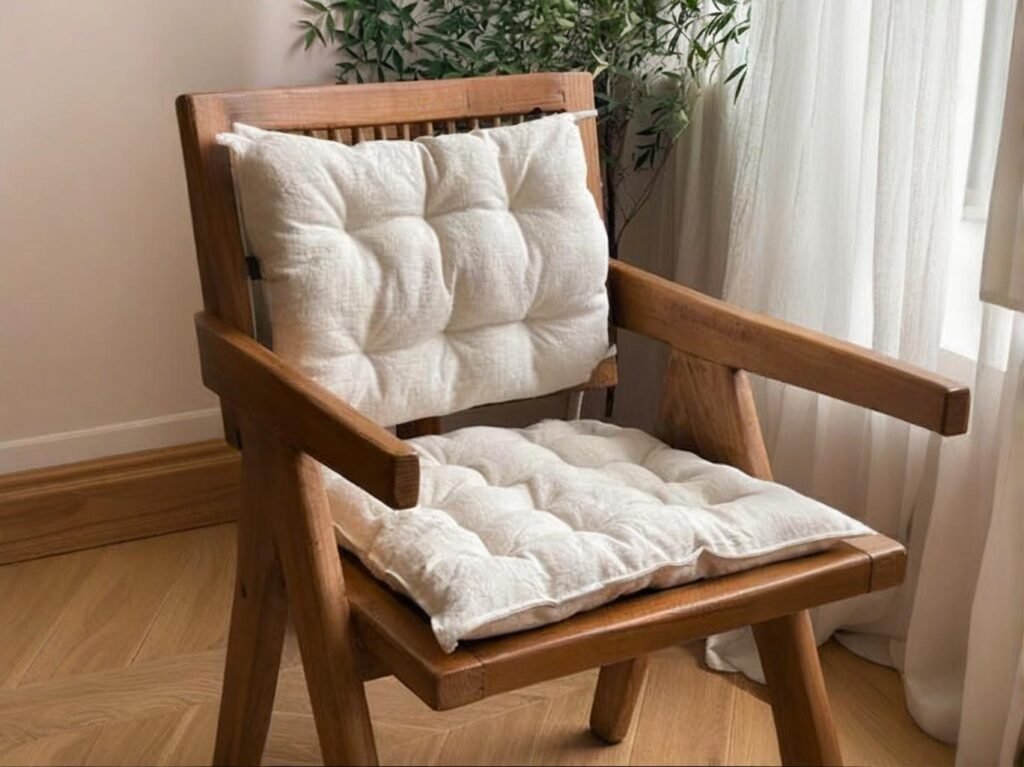
Sustainability increasingly influences sourcing decisions, but for experienced buyers, its real impact is measured less by labels and more by long-term economic outcomes. While certifications and eco narratives play a role in branding, they rarely capture the full picture of how a material performs over time. In practice, durability, lifespan, processing efficiency, and waste reduction are the sustainability factors that most directly affect long-term value.
Ramie and linen illustrate this distinction clearly. Linen benefits from strong consumer recognition and relatively simple processing pathways, particularly in Europe. Ramie, on the other hand, often delivers sustainability through quiet performance advantages—longer service life, fewer failures, and reduced replacement cycles. For buyers managing large programs or multi-season collections, these differences compound over time and translate into measurable financial and environmental outcomes.
Sustainability as an economic factor
From a buyer’s perspective, sustainability is not an abstract ideal. It is an economic variable that influences cost stability, supply reliability, and post-sale performance. Materials that reduce friction across the value chain—fewer defects, fewer returns, longer usability—tend to generate higher long-term value even if they lack strong marketing narratives.
A) Durability equals sustainability
| Metric | Ramie | Linen |
|---|---|---|
| Average garment lifespan | Longer | Shorter |
| Wash resistance | High | Medium |
| Shape retention | Strong | Weak |
Durability is one of the most underappreciated sustainability metrics. A garment that lasts longer reduces the need for replacement, which in turn lowers the cumulative environmental burden associated with raw material extraction, processing, transport, and manufacturing.
Ramie fibers retain tensile strength when wet and resist repeated laundering better than linen in many constructions. This makes ramie particularly suitable for garments and home textiles exposed to frequent washing, such as casualwear, workwear, and certain interior applications. Over time, this durability translates into fewer discarded items and lower material throughput.
Linen, while breathable and comfortable, tends to lose shape and structural integrity more quickly, especially in lightweight fabrics or loosely constructed garments. When garments are replaced sooner due to distortion or wear, the initial sustainability advantage associated with low water use or simple processing diminishes. From a lifecycle perspective, durability becomes a decisive factor in reducing total environmental impact.
B) Waste and reprocessing impact
| Waste Source | Ramie | Linen |
|---|---|---|
| Fiber loss | Medium | Low |
| Rework fabric | Low | Medium |
| Post-sale returns | Lower | Higher |
Waste occurs at multiple points in the supply chain, and its impact is often underestimated. While linen typically shows lower fiber loss during early processing, it can generate higher waste later in the cycle due to rework, quality adjustments, and post-sale issues.
Ramie’s degumming process introduces some fiber loss upfront, but once stabilized, ramie fabrics tend to behave more consistently in dyeing, washing, and wear. This reduces the need for re-dyeing, corrective finishing, or garment-level rework. Each avoided reprocessing step represents a reduction in energy use, water consumption, and chemical discharge.
Post-sale returns are another hidden sustainability cost. Returned garments must be transported, inspected, repackaged, or discarded. Brands working with ramie or ramie blends often report lower complaint rates related to tearing, seam failure, or post-wash deformation. Even modest reductions in return rates can significantly reduce both environmental footprint and operational cost at scale.
C) Consumer perception vs actual impact
Consumer perception plays a powerful role in sustainability discussions. Linen enjoys a strong eco-friendly image rooted in European agriculture, heritage farming, and visible traceability. This perception supports marketing narratives and simplifies communication with end consumers.
Ramie’s sustainability, by contrast, is less visible. Its advantages appear in performance metrics rather than storytelling: longer lifespan, fewer failures, and more stable use-phase behavior. These benefits rarely appear on hangtags but matter greatly in operational reality.
As sustainability reporting matures, many value-focused programs are shifting away from narrative-driven claims toward measured outcomes. Metrics such as cost per wear, return rate, and average product lifespan provide a more accurate reflection of environmental impact than fiber reputation alone. In these frameworks, ramie’s quiet efficiency becomes more visible and more valuable.
D) Lifecycle thinking beats fiber labels
Fiber labels alone do not determine sustainability. What matters is how a material performs across its entire lifecycle—from cultivation and processing to use and disposal. When carbon emissions, water use, and durability are calculated per garment use, rather than per kilogram of fiber, perceived advantages often change.
Linen may show lower emissions or water use at early stages, particularly in rain-fed European systems. However, if a linen garment requires earlier replacement or generates higher return rates, its per-use footprint increases. Ramie’s longer lifespan can spread its initial environmental cost over more uses, narrowing or even reversing the gap.
For buyers committed to credible sustainability strategies, lifecycle thinking provides a more robust decision framework than relying on fiber labels or single-stage metrics. It aligns environmental goals with economic incentives, rewarding materials that perform reliably over time.
E) Value takeaway
Long-term value in sustainable sourcing favors materials that reduce friction across the supply chain. Durability, waste reduction, and stable performance consistently deliver both environmental and financial benefits. Familiar sustainability reputations may support branding, but they do not guarantee lower total impact.
Ramie often delivers value through longevity and performance stability, making it a strong option for programs where replacement cycles, returns, and quality consistency matter. Linen continues to offer advantages in simplicity of processing and consumer recognition, particularly for products where aesthetic and storytelling are primary drivers.
For buyers evaluating sustainability through a long-term lens, the most effective strategy is to look beyond labels and assess how materials behave in real use. Materials that last longer, fail less often, and require fewer interventions ultimately generate higher value—for the business, the consumer, and the environment.
Which applications or product categories are better suited to ramie or linen?
Choosing between ramie and linen is rarely about which fiber is “better” in absolute terms. The real difference emerges when fabric performance is matched against how a product is actually used. Durability, wash frequency, construction method, and consumer expectations all shape whether ramie or linen delivers better long-term value. Brands that align fiber choice with real-world application tend to see lower return rates, more consistent quality, and stronger customer satisfaction.
Ramie and linen are both bast fibers with strong sustainability narratives and natural aesthetics, but their mechanical behavior, aging patterns, and care performance differ enough to make application matching critical. Ramie excels where structure, strength, and repeat laundering matter. Linen performs best where softness, drape, and heritage texture are central to the product’s appeal.
Value depends on where the fabric is used
Fabric value is not determined at the mill gate. It is realized over time through wear, washing, and consumer perception. A fiber that performs exceptionally in one category may underperform in another. Understanding how ramie and linen behave under different use conditions allows brands to allocate each fiber where it delivers the most value per wear.
Apparel categories and fiber fit
In apparel, fiber choice directly influences fit retention, seam stability, and how garments age across seasons. While both ramie and linen are associated with warm-weather clothing, their suitability diverges once construction and usage intensity are considered.
| Product Category | Better Choice | Why |
|---|---|---|
| Summer shirts | Linen or ramie | Breathability |
| Tailored tops | Ramie | Shape retention |
| Dresses | Linen (casual) | Soft drape |
| Uniform-style wear | Ramie | Wash durability |
| Resort wear | Linen | Relaxed aesthetic |
Summer shirts sit at the overlap of both fibers. Lightweight linen shirts appeal to consumers seeking softness and airflow, while ramie shirts perform better when structure, crispness, or frequent laundering is expected. Brands targeting office-casual or travel-oriented shirts often favor ramie or ramie blends to reduce wrinkling and maintain shape.
Tailored tops, including blouses with darts, structured collars, or fitted silhouettes, benefit from ramie’s stiffness and seam stability. Ramie holds defined lines more effectively, reducing distortion after washing and wear. Linen in similar constructions may relax too quickly, leading to loss of shape.
Casual dresses prioritize drape and movement. Linen’s natural softness and relaxed fall make it well suited for loose silhouettes, wrap dresses, and summer styles where visual texture is part of the design language. In contrast, ramie may feel too crisp unless blended or heavily finished.
Uniform-style garments, such as service wear or light workwear, demand repeat washing and mechanical resilience. Ramie’s strength and wet performance make it a more reliable option in these categories, where fabric failure directly affects replacement costs.
Resort wear relies heavily on aesthetic cues. Linen’s association with leisure, heritage, and effortless style aligns well with this segment. Even though durability may be lower, consumer expectations in this category prioritize look and feel over long-term structural performance.
Choosing the wrong fiber often results in higher returns, not better margins. Products that lose shape, wear unevenly, or fail to meet care expectations erode perceived quality quickly.
Home and lifestyle products
Beyond apparel, ramie and linen are widely used in home and lifestyle categories. Here, mechanical stress, exposure to sunlight, and cleaning frequency play an even larger role in determining suitability.
| Product Type | Preferred Fiber |
|---|---|
| Table linens | Linen |
| Curtains | Ramie |
| Cushion covers | Linen |
| Upholstery base | Ramie blends |
Table linens are traditionally dominated by linen. Its absorbency, softness, and visual appeal make it ideal for dining environments where tactile experience matters. Although linen wrinkles easily, this is often accepted or even expected in table settings. Ramie, while stronger, can feel too stiff for this application unless blended.
Curtains are exposed to continuous gravitational stress and sunlight. Ramie’s tensile strength and resistance to sagging make it more suitable for maintaining vertical structure over time. Linen curtains, especially in heavier weights, may stretch or distort, requiring more frequent adjustment.
Cushion covers prioritize texture and comfort. Linen’s hand feel and natural variation align well with decorative applications where mechanical stress is moderate. Ramie can be used, but it is often blended to soften the surface.
Upholstery bases experience constant friction and load-bearing stress. Pure linen is rarely suitable here without reinforcement. Ramie blends, often combined with cotton or synthetic fibers, provide a stronger foundation while maintaining a natural aesthetic.
In home products, durability failures are highly visible. Fabric thinning, seam breakdown, or distortion can undermine the perceived quality of the entire item, even if the design remains attractive.
Blended fabric strategies
Blending is one of the most effective ways to optimize value when neither pure ramie nor pure linen fully meets application requirements. Blends allow designers and sourcing teams to balance strength, softness, cost, and performance.
| Blend | Benefit |
|---|---|
| Ramie/cotton | Softness + strength |
| Linen/cotton | Cost + familiarity |
| Ramie/viscose | Drape + durability |
Ramie/cotton blends are widely used in apparel where durability and comfort must coexist. Cotton softens ramie’s stiffness, while ramie reinforces cotton’s relatively low strength. These blends perform well in shirts, light jackets, and casual trousers.
Linen/cotton blends reduce cost and improve ease of care while preserving much of linen’s visual character. They are common in entry-level products and mass-market apparel, where consumers expect linen-like aesthetics without premium pricing.
Ramie/viscose blends combine durability with fluid drape. Viscose contributes softness and movement, making these blends suitable for dresses, skirts, and tops that require both strength and elegance. From a sourcing perspective, these blends often deliver better consistency than pure viscose while maintaining a natural fiber narrative.
Blending also improves production efficiency. Mills can optimize spinning and weaving parameters more easily with blends, reducing defects and stabilizing quality across batches.
Market-driven value expectations
Consumer perception varies significantly by region, influencing which fiber delivers better commercial results. Ignoring these preferences can lead to over-engineered products or missed opportunities.
| Market | Fiber Preference |
|---|---|
| Europe | Linen |
| Japan | Ramie |
| North America | Mixed |
In Europe, linen benefits from strong cultural recognition and established supply chains. Consumers associate linen with quality, tradition, and sustainability. Even when performance limitations exist, they are often accepted as part of linen’s character.
In Japan, ramie has a long history in summer textiles, particularly for garments designed for humidity and frequent washing. Japanese consumers often value crispness, cleanliness, and longevity, aligning well with ramie’s performance profile.
North America presents a mixed landscape. Linen dominates in fashion and lifestyle segments, while ramie appears more often in blends or performance-oriented products. Brands targeting this market must balance familiarity with functional benefits.
Understanding regional taste prevents both over-engineering and under-delivering. A fabric that performs exceptionally but conflicts with consumer expectations may struggle commercially.
Industrial and institutional applications
Outside consumer-facing products, institutional and industrial applications highlight ramie’s strengths more clearly. Items such as hospitality textiles, light uniforms, and functional accessories benefit from ramie’s resistance to tearing and washing stress.
Linen’s use in these categories is limited unless blended or heavily reinforced. While linen may offer aesthetic appeal, its maintenance requirements and wear profile often increase total cost of ownership in institutional settings.
Ramie’s durability can reduce replacement frequency, making it attractive where lifecycle cost matters more than initial price.
Sustainability and lifespan alignment
Application choice also influences sustainability outcomes. A fabric that fails prematurely increases material waste and resource consumption. Matching fiber to use case extends product lifespan, improving sustainability metrics without changing raw material sourcing.
Ramie’s longer service life in high-stress applications can offset its more intensive processing requirements. Linen’s lower processing footprint may be advantageous in low-stress applications where longevity demands are modest.
Brands that consider lifespan alongside sourcing narratives tend to build more credible sustainability strategies.
Design freedom versus performance discipline
Design teams often gravitate toward linen for its aesthetic versatility. Ramie requires more deliberate design decisions to avoid excessive stiffness or rigidity. However, when performance discipline is prioritized, ramie opens opportunities for sharper tailoring, cleaner construction, and more durable products.
The most successful collections often use both fibers strategically rather than choosing one exclusively. Linen delivers emotional appeal and texture, while ramie provides structural reliability where needed.
Application insight
The strongest value outcomes emerge when fabric performance aligns with real use conditions, not assumptions based on fiber reputation. Ramie excels in products that demand durability, structure, and frequent washing. Linen shines in lifestyle-driven categories where softness, drape, and heritage aesthetics define success.
By assigning each fiber to applications that suit its strengths, brands can reduce returns, stabilize quality, and deliver products that perform as expected throughout their intended lifespan.
How can professional buyers evaluate and negotiate better value when sourcing ramie vs linen fabrics?
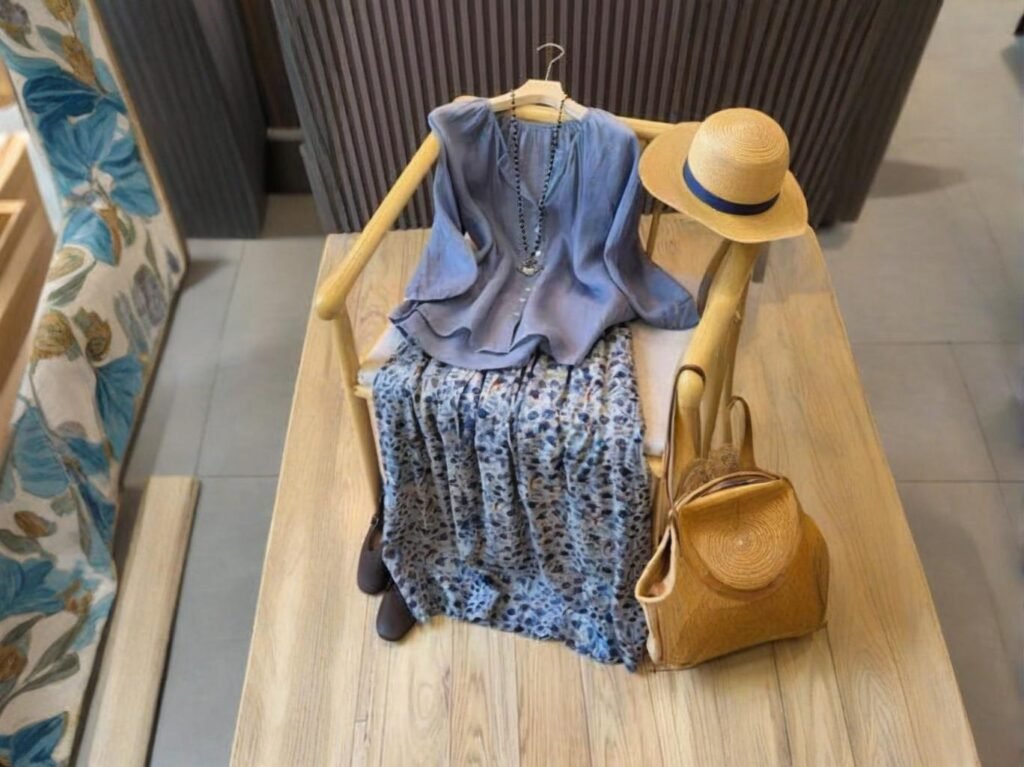
For professional buyers, sourcing ramie or linen is rarely a simple price comparison. While cost per meter is often the most visible number on a quotation sheet, it represents only a fraction of the real expense incurred over a product’s lifecycle. Experienced buyers understand that true value emerges from how a fabric behaves in production, how reliably it performs in use, and how much risk it introduces across the supply chain.
Ramie and linen differ not only in fiber characteristics, but also in consistency, processing sensitivity, and long-term performance. These differences directly affect cutting efficiency, sewing speed, rejection rates, and garment lifespan. Buyers who evaluate these factors systematically—and negotiate on technical structure rather than headline price—consistently achieve better margins and fewer downstream surprises.
A smarter sourcing framework
A smarter sourcing framework shifts the conversation away from “Who is cheaper?” to “Which option delivers the lowest total cost and highest reliability for this product?” This mindset is especially important when comparing natural fibers with different processing behaviors.
A) Focus on total cost, not unit price
Unit price is easy to compare, but it hides multiple cost drivers that often outweigh the initial savings. Fabrics that appear inexpensive at purchase can generate significant losses during manufacturing and after sale.
| Cost Area | Often Ignored |
|---|---|
| Rework risk | Yes |
| Shrinkage loss | Yes |
| Sewing efficiency | Yes |
| Return rates | Yes |
Rework risk is particularly relevant for ramie and linen. Variations in shrinkage, hand feel, or dye uptake can force mills or garment factories to reprocess fabric, adjust patterns, or even scrap finished goods. Shrinkage loss affects marker efficiency and garment sizing accuracy, leading to fabric overconsumption and higher cutting waste.
Sewing efficiency is another hidden cost. Linen that becomes overly soft or unstable after washing can slow down sewing lines due to distortion, puckering, or seam slippage. Ramie that is under-degummed may cause needle wear or breakage. Each of these issues translates into lower output per hour and higher labor cost.
Return rates and customer complaints are the final cost multiplier. Fabrics that degrade quickly or lose shape after repeated washing may trigger returns, markdowns, or reputational damage. When these factors are included, the cheapest fabric frequently becomes the most expensive option over time.
B) Lock technical specs early
One of the most effective ways buyers can protect value is by fixing technical specifications early in the sourcing process. Ambiguous specs invite assumptions, and assumptions almost always lead to disputes or cost overruns.
Buyers who fix these parameters first get better outcomes:
- GSM tolerance
- Shrinkage targets
- Hand-feel benchmarks
- Finish requirements
GSM tolerance defines acceptable weight variation and directly affects fabric yield and garment drape. A ±5% tolerance may be workable for casual products, while tailored items often require tighter control. Shrinkage targets, clearly defined by test method and number of wash cycles, prevent post-production surprises and sizing disputes.
Hand-feel benchmarks reduce subjectivity by anchoring expectations to physical references rather than descriptive language alone. Finish requirements—such as enzyme treatment, softener type, or mechanical finishing—should be agreed upon before sampling, not negotiated after approval.
When these specifications are locked early, suppliers can engineer processes more efficiently, reducing trial-and-error costs that are often passed back to the buyer in one form or another.
C) Use sampling as a cost-control tool
Sampling is often viewed as a necessary delay before bulk production. In reality, it is one of the most powerful cost-control tools available to professional buyers.
Request:
- pre-wash samples
- multiple finish options
- real-use testing
Pre-wash samples reveal how fabrics behave after exposure to water, heat, and agitation—conditions that simulate real consumer use. This is especially important for linen, which may relax and thin, and for ramie, which may soften significantly after initial washes.
Multiple finish options allow buyers to compare cost-performance trade-offs. A slightly simpler finish may deliver acceptable hand feel at lower cost and lower reprocessing risk. Real-use testing, such as trial sewing runs or limited garment washes, exposes issues that lab tests alone may not detect.
Sampling costs are minimal compared to the expense of correcting bulk production issues. Buyers who invest time and attention at this stage consistently avoid far larger losses later.
D) Negotiate on structure, not confrontation
Aggressive price pressure often produces short-term savings at the expense of long-term value. Mills may respond by cutting corners on raw material selection, processing control, or quality checks—actions that increase risk downstream.
Instead of pushing price, negotiate:
- volume-based tiers
- repeat-order pricing
- finish simplification
- yield optimization
Volume-based tiers reward scale without forcing suppliers to compromise on quality. Repeat-order pricing acknowledges the reduced setup and learning costs associated with stable programs. Finish simplification—such as reducing the number of chemical passes or mechanical treatments—can lower both cost and environmental impact when performance requirements allow.
Yield optimization discussions are particularly effective with experienced mills. Small improvements in fiber utilization, cutting efficiency, or batch consistency can generate cost savings that benefit both parties. This collaborative approach builds sustainable cost advantage rather than adversarial tension.
E) Value insight from long-term programs
The strongest value gains in ramie and linen sourcing rarely come from one-off negotiations. They emerge from long-term programs with stable specifications and predictable demand.
Buyers who commit to stable specs and relationships often see 5–15% cost improvement over time without sacrificing quality.
These improvements result from reduced reprocessing, better raw material planning, optimized finishing recipes, and lower defect rates. Mills are more willing to invest in process improvements when they can amortize costs over multiple seasons or collections.
From a buyer’s perspective, long-term programs also reduce internal costs: fewer quality disputes, faster approvals, and more reliable production schedules. This operational stability is often as valuable as direct price reductions.
Practical comparison: ramie vs linen in negotiation
When negotiating between ramie and linen, buyers should align negotiation strategy with fiber behavior. Linen programs benefit from discussions around consistency, finishing stability, and yield during cutting and sewing. Ramie programs benefit from detailed alignment on degumming level, shrinkage control, and wash performance.
In both cases, specification clarity and relationship continuity matter more than aggressive short-term price leverage. Buyers who understand how each fiber creates or destroys value within their specific product category are better positioned to negotiate terms that protect margins while maintaining quality.
Ultimately, professional sourcing is not about winning the lowest price, but about securing the best outcome. By evaluating total cost of ownership, fixing technical parameters early, using sampling strategically, and negotiating on structure rather than confrontation, buyers can extract significantly more value from both ramie and linen—without increasing risk or compromising brand standards.
Value is measured over time, not at checkout
Ramie and linen both offer premium appeal—but value emerges only when fiber performance aligns with product use, manufacturing reality, and customer expectations. Linen sells familiarity and texture. Ramie delivers strength, consistency, and longevity.
SzoneierFabrics helps clients develop custom ramie, linen, and blended fabrics tailored to real-world requirements. With low MOQs, fast sampling, free design support, strict quality control, and reliable lead times, our team focuses on long-term value—not just initial cost.
If you’re evaluating ramie or linen for an upcoming product, share your application, performance goals, and target cost range. SzoneierFabrics is ready to support your next fabric program with clarity, efficiency, and confidence.