 Skip to content
Rayon Fabric MOQ Negotiation Playbook for Global Buyers
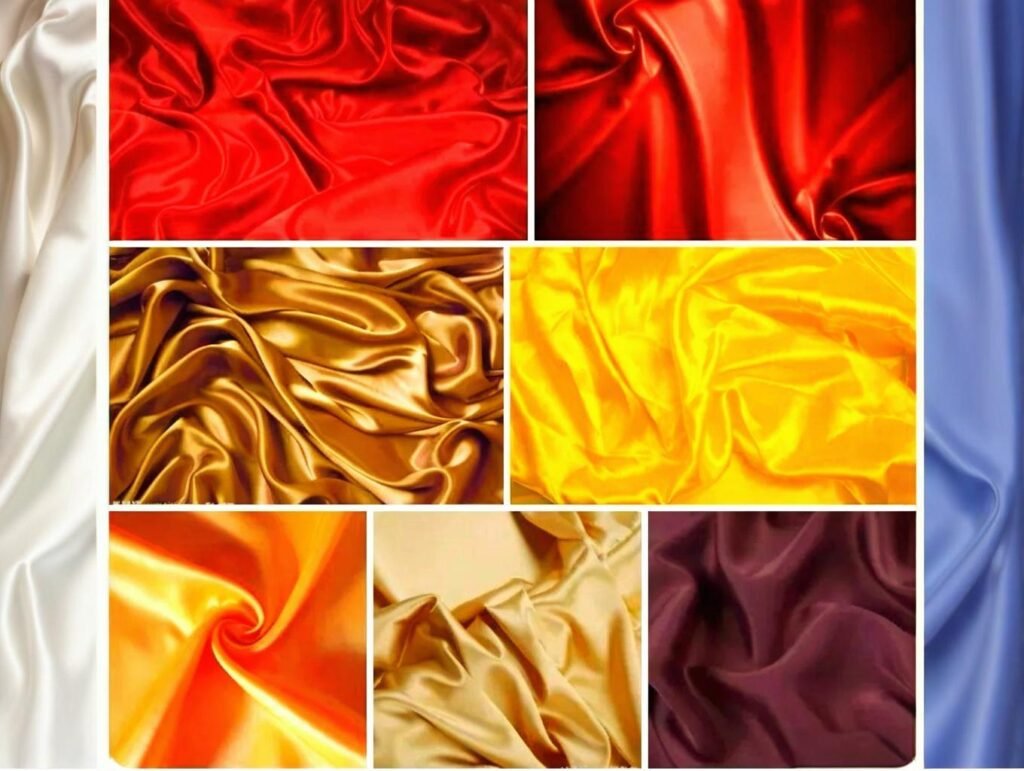
When you’re trying to launch a collection or test new designs, the minimum order quantity (MOQ) can feel like a gatekeeper—suddenly, your creative ambitions clash with factory minimums. But what if MOQ isn’t a barrier? What if it’s a tool you can work with? In fact, understanding MOQ deeply gives you leverage and agility, not limits.
MOQ refers to the smallest volume a supplier is willing to produce. Negotiating it smartly means you can unlock lower minimums without giving up fabric quality or delivery timelines. By recognizing what influences MOQ and applying targeted negotiation strategies, buyers have successfully reduced MOQs by 40%, opened doors to new materials, and accelerated time to market.
Here’s the kicker—when a California swimwear brand first approached SzoneierFabrics, they thought they needed 1,000 meters to test a sustainable rayon blend. Through structured questioning and flexibility offer, they secured a 300-meter first run. Within weeks, they had data—and a launch-ready product. Let’s dive into how you can do the same.
What Does MOQ Mean in the Context of Rayon Fabric Orders?
MOQ stands for Minimum Order Quantity. In the context of rayon fabric, it dictates the smallest batch a mill will commit to—driven by yarn sourcing, machine setup, dyeing runs, and quality control. What many don’t realize is that MOQ can be flexible when approached intelligently—with the right questions and compromise.
▸ Why MOQ Really Exists
- Machine and dyeing setup costs: Switching yarns or colors carries a fixed cost.
- Quality consistency assurance: Running a batch below MOQ may lack test rounds, risking inconsistency.
- Economies of scale: Suppliers price orders such that cost per meter drops dramatically after MOQ.
▸ MOQ Typical Ranges by Fabric Type
| Fabric Type | Greige MOQ | Dyed MOQ | Printed MOQ |
|---|---|---|---|
| Rayon Plain Woven | 500 m | 300 m | 1,000 m |
| Rayon-Spandex Knit | 600 m | 400 m | 1,200 m |
| Rayon-Linen Blend | 1,000 m | 800 m | 1,500 m |
▸ Question to Frame the Conversation
Start by asking: “What drives the MOQ on this yarn blend or print?” That frames your discussion around cost drivers—not demands.
Why Do Rayon Fabric Suppliers Set Different MOQ Thresholds?
Suppliers base their MOQ on what makes fabric production viable—yarn inventory levels, machine availability, and dye lot planning. That’s why MOQs for the exact same fabric can differ widely between mills—even in the same city.
▸ Core Drivers of MOQ Variation
- Yarn stock and blending: Mills that stock yarn can offer smaller batches. When special blends are required, MOQ goes up.
- Machine turnaround time: Smaller orders can clog schedules, reducing efficiency.
- Labor and inspection: Minimal runs aren’t cost-effective when inspectors and operators are involved.
▸ Production Strategy Snapshot
| Supplier Type | MOQ Flexibility | Typical MOQ for Rayon-Spandex | Key Strength |
|---|---|---|---|
| Vertical Mill | High | 300–500 m | Dye + finishing in-house |
| Job-Dyeing Mill | Medium | 600–900 m | Quick color customization |
| Specialist Printer | Low | 1,000–3,000 m | Complex prints |
▸ Real-Life Insight
One Turkish supplier had high MOQ because they rely on third-party finishers. But when the buyer agreed to use the supplier’s in-house OEKO-TEX dye line, the MOQ dropped from 800 to 400 meters—saving time and cost.
How Can Buyers Negotiate a Lower MOQ Without Sacrificing Quality?
Negotiating a lower MOQ doesn’t mean pushing the factory to accept less—it means aligning your goals with theirs. Smart buyers achieve this by adjusting colorways, offering longer lead times, or agreeing to shared dye lots. The secret is knowing what variables you can trade to get what you need.
To lower MOQ without compromising quality, offer flexibility in delivery schedules, reduce the number of custom variables, and communicate clear usage intentions—many suppliers are open to testing smaller batches for ongoing business.
▸ Proven Strategies for MOQ Reduction
| Strategy | How It Helps | Example Impact |
|---|---|---|
| Use existing stock yarn | Reduces setup needs | MOQ drops from 800m to 300m |
| Choose standard colors | Avoids small dye runs | MOQ drops from 500m to 250m |
| Group order with other buyers | Shared cost on same base fabric | MOQ per buyer down 30–40% |
| Accept slightly longer lead time | Optimizes their production slot | MOQ cut by 200–300 meters |
▸ Case Study: Australian Boutique Label
A boutique label wanted a soft rayon-linen blend in dusty mauve. The supplier’s MOQ was 1,000 meters. By shifting to a stock ivory base and using the supplier’s existing dusty mauve pigment, they reduced MOQ to 400 meters—and still kept their custom look.
▸ Mindset Matters
Many buyers go in asking, “Can you do less?” Instead, try:
“If I can be flexible on delivery time or color, can we trial a smaller run?”
This flips the conversation into collaboration, not concession.
Which Factors Influence MOQ Flexibility in Rayon Fabric Manufacturing?
The flexibility of MOQ depends on a matrix of operational, technical, and economic factors. Some can be negotiated; others are fixed. Understanding which levers are adjustable allows buyers to focus their ask in the right direction.
Key factors influencing MOQ flexibility include fabric composition, availability of base yarns, dyeing method, machine settings, and whether the factory is vertically integrated or outsources steps.
▸ Primary Factors That Influence MOQ
| Factor | Lowers MOQ? | Notes |
|---|---|---|
| Yarn availability | ✅ Yes | Stock yarn reduces spinning costs |
| Greige fabric in inventory | ✅ Yes | Immediate processing possible |
| Custom construction | ❌ No | Requires new weaving or knitting setups |
| Digital vs rotary printing | ✅ Digital | Digital allows short-run printing vs high setup rotary |
| Supplier structure | ✅ Vertical | Vertically integrated mills control full process flow |
▸ Real-World Breakdown
Let’s compare three rayon fabric types and how their features influence MOQ:
| Fabric Type | Custom Color? | Yarn Stock? | Printing Required? | Expected MOQ |
|---|---|---|---|---|
| Rayon Plain Weave | No | Yes | No | 300 m |
| Rayon Twill (Custom GSM) | Yes | No | No | 800–1,200 m |
| Rayon Viscose Digital Print | Yes | Yes | Yes (digital) | 200–400 m |
▸ Supplier Communication Tip
Ask suppliers:
“What MOQ do you offer if I stick with a standard spec and skip custom dyeing?”
This kind of clarity signals that you respect their process—and that you’re a serious, flexible buyer.
Do Custom Colors, Prints, or GSM Affect the MOQ Terms?
Absolutely. Custom colors, special prints, and unique GSM constructions are among the biggest factors that drive MOQ up. That’s because they often require exclusive yarn blending, dye formulation, or machine recalibration—each of which carries setup costs that need to be justified by volume.
Custom colors, unique GSM weights, and printed finishes significantly increase MOQ because they require specialized preparation, test runs, and setup resources that are only cost-effective at higher volumes.
▸ Breakdown: How Each Custom Element Affects MOQ
| Customization Element | MOQ Impact | Reason |
|---|---|---|
| Custom Pantone Color | +200–500m | Requires lab dips, custom dyeing |
| Digital Printing | +300–600m | Color fastness testing, design setup |
| Rotary Printing | +800–1,500m | Requires engraving screens and pre-run tests |
| GSM Customization | +300–1,000m | Adjusts knitting/weaving machine tension settings |
| Yarn Blend Variation | +500–1,000m | Needs new yarn sourcing and testing |
▸ Example:
A UK fashion house requested rayon at 185 GSM instead of the supplier’s standard 160 GSM, along with a dual-color ombré print. The MOQ jumped from 400m (plain) to 1,200m due to GSM change + complex pigment alignment. But once the buyer offered to use the supplier’s existing ombré color scale, the MOQ dropped to 800m—a 33% improvement.
▸ Pro Tip:
Ask suppliers:
“Do you have near-match options for my custom color or GSM?” This opens the door to low-MOQ substitutions that still meet your design intent.
How to Compare MOQ Terms Across Different Rayon Fabric Suppliers?
Not all MOQs are equal—even when numbers look similar. One factory may offer 300m MOQ with limited quality assurance, while another offers the same but includes colorfastness testing, packaging, and swatch approval. That’s why smart sourcing teams use a MOQ comparison matrix.
To compare MOQ terms effectively, assess total package value—consider fabric spec, quality control, delivery terms, and flexibility—not just the number. Use a structured matrix to evaluate each supplier on multiple dimensions.
▸ Sample Rayon MOQ Comparison Matrix
| Supplier | MOQ (Dyed) | Sample Turnaround | Color Match Included? | QC Reports? | Reorder MOQ |
|---|---|---|---|---|---|
| Supplier A (China) | 400m | 5 days | Yes | Yes | 300m |
| Supplier B (India) | 500m | 7 days | No | No | 500m |
| Supplier C (Turkey) | 600m | 4 days | Yes | Yes | 300m |
As shown, MOQ numbers are just one part of the puzzle. Supplier C might be a better partner despite a slightly higher MOQ.
▸ What to Include in Your Evaluation Checklist
- MOQ by color/print/yarn
- Turnaround time
- Test certificate included?
- Reorder flexibility
- Stock yarn availability
▸ Buyer Strategy:
Ask this question in early communication:
“Besides the MOQ, what’s included in your quoted quantity—lab dips, swatches, QC tests?”
This shows you care about more than price, positioning you as a professional partner and improving your negotiation leverage.
Are There Smart Strategies for First-Time Buyers to Test MOQ Limits?
Yes—first-time buyers can use several smart entry strategies to explore smaller MOQs without burning bridges. The goal isn’t to demand less but to position the small order as part of a long-term collaboration, sampling program, or market test. Transparency, flexibility, and strategic alignment go a long way.
First-time buyers can often test lower MOQs by framing orders as sample validation runs, agreeing to use stock specs, bundling base fabrics, or pre-scheduling larger follow-up orders based on results.
▸ Tactical Entry Strategies for Lower MOQ
| Strategy | Typical MOQ Gained | Buyer Benefit |
|---|---|---|
| Sample or “pilot” order | 100–200m | Rapid prototyping, proof-of-concept |
| Use of existing color/yarn stock | 300–400m | Avoids setup costs |
| Share base fabric, change print | 250–350m | Personalization at lower commitment |
| Tie follow-up orders to performance | 500m → 300m | Builds trust with data-backed roadmap |
▸ Example:
A small LA-based yoga apparel startup approached SzoneierFabrics with a request for a 150m rayon-spandex blend. Rather than insist on their preferred GSM and exact shade, they agreed to use the supplier’s “Best Available” stock base and test two dye lots. They got the sample order approved and placed a 600m follow-up order within 60 days.
▸ Buyer Communication Tip
Lead with intent. Instead of saying, “I only want 100 meters,” try:
“We’d like to start with 100m as a testing phase for our capsule collection. If quality meets expectations, we plan to reorder in 3–4 weeks.”
This shows you’re low-risk and planning for scale—two key supplier concerns.
What Mistakes Should Global Buyers Avoid When Negotiating Rayon Fabric MOQs?
The biggest mistake isn’t asking for a lower MOQ—it’s asking without context or understanding. Many buyers come across as either pushy or uninformed, damaging trust and missing opportunities for compromise. Avoiding a few common pitfalls can significantly improve your success rate.
Top mistakes include demanding without offering flexibility, ignoring supplier cost structures, not researching standard MOQs for the fabric type, and failing to communicate long-term intent or usage clarity.
▸ Common MOQ Negotiation Mistakes
| Mistake | Consequence | Better Approach |
|---|---|---|
| Asking for very low MOQ with custom specs | Supplier rejection or inflated cost | Use standard specs to start |
| Not showing reorder potential | No incentive for supplier support | Share roadmap for larger quantities |
| Ignoring fabric production realities | Appears unprofessional | Ask about base yarn/dye schedule |
| Comparing without context | Misjudging value | Use a comparison matrix |
| Not clarifying product usage | QC misalignment | Share end-use and quality targets |
▸ Avoiding These Pitfalls: A Checklist
- ✅ Do your research on standard MOQ by fabric type
- ✅ Be clear about your long-term product roadmap
- ✅ Always ask about stock availability
- ✅ Offer to simplify or standardize specs
- ✅ Respect supplier’s time and pricing logic
▸ Human Insight
One sourcing director from a European activewear brand shared:
“We used to go in with pricing and MOQ as battles to win. Now, we treat MOQ as a design constraint to work with creatively—it’s changed the relationship entirely.”
MOQ negotiation for rayon fabric is not about getting the smallest number—it’s about finding the right balance between supplier needs and your brand’s sourcing strategy. When approached with transparency, research, and flexibility, you’ll not only reduce MOQ—but build trust, speed up development, and avoid costly missteps.
If you’re looking for a reliable rayon fabric supplier who understands MOQ flexibility, custom development, and fast sampling—SzoneierFabrics is here to help. With years of experience in fabric innovation and customization, we’ve helped global clients from fashion startups to premium labels achieve their sourcing goals efficiently and affordably.
Contact SzoneierFabrics today to request a sample or start your custom rayon fabric order. Let’s bring your fabric vision to life—one meter at a time.

Can't find the answers?
No worries, please contact us and we will answer all the questions you have during the whole process of bag customization.
Make A Sample First?
If you have your own artwork, logo design files, or just an idea,please provide details about your project requirements, including preferred fabric, color, and customization options,we’re excited to assist you in bringing your bespoke bag designs to life through our sample production process.