Skip to content
Rayon is loved by designers and consumers for one simple reason: it drapes beautifully and feels comfortable on the skin. But for garment factories, rayon often brings a different emotion—anxiety. A fabric that looks perfect on the cutting table can quietly change after washing, steaming, or finishing, turning accurate patterns into costly mistakes.
Shrinkage is not a “quality defect” in rayon. It is a material behavior. The real problem starts when factories don’t control it, don’t measure it correctly, or don’t align expectations between fabric suppliers and garment production teams.
In practical production terms, shrinkage tolerance standards define how much dimensional change a rayon fabric is allowed to undergo during washing, drying, and finishing—without compromising garment fit, size grading, or consistency. When these standards are clearly defined and followed, rayon becomes predictable. When they are ignored, it becomes risky.
A production manager once described it perfectly: “Rayon doesn’t ruin garments. Uncontrolled shrinkage does.” That single sentence explains why shrinkage tolerance standards matter more than almost any other fabric parameter.
What Is Shrinkage Tolerance and Why Does It Matter for Rayon Fabrics in Garment Production?
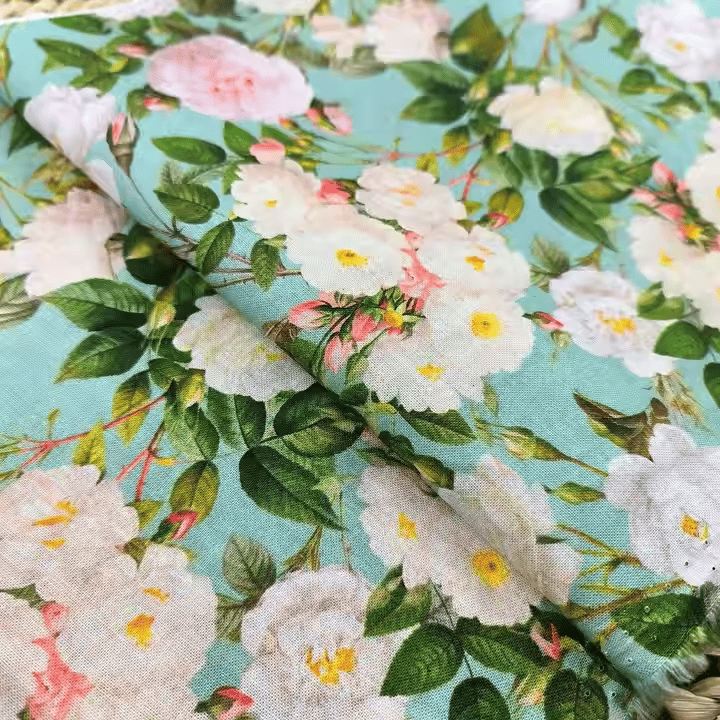
Shrinkage tolerance refers to the maximum allowable percentage of dimensional change a fabric may experience after washing, steaming, or finishing while still remaining acceptable for garment production. In the case of rayon fabrics, shrinkage tolerance becomes especially important because rayon fibers react strongly to moisture and temperature. If shrinkage is not predicted and controlled during fabric development, garments may change size after laundering, leading to fit inconsistencies and production losses.
Rayon is widely used in dresses, blouses, casual shirts, and lightweight woven garments because of its soft drape and natural fiber feel. However, compared with synthetic fibers such as polyester or nylon, rayon exhibits much greater dimensional instability when exposed to water. During washing, rayon fibers absorb moisture and swell, temporarily losing structural rigidity. When the fabric dries, the fiber structure relaxes and the dimensions of the fabric may change permanently.
For this reason, garment manufacturers do not simply measure shrinkage; they define acceptable shrinkage limits in advance. These limits are known as shrinkage tolerance and serve as an important technical reference throughout the entire garment manufacturing process.
If shrinkage tolerance is not defined clearly, fabric and garment teams may interpret shrinkage results differently. What appears acceptable to a fabric supplier may be unacceptable to a garment manufacturer or brand quality standard.
Shrinkage Tolerance From a Factory-Floor Perspective
In large-scale garment production, shrinkage tolerance functions as a practical production control parameter rather than a theoretical measurement. Production engineers must anticipate how fabric will behave during finishing, cutting, sewing, and washing.
When tolerance levels are defined correctly, factories can adjust pattern grading, cutting allowances, and washing processes accordingly. When tolerance limits are unclear, dimensional changes may appear only after garments are completed, making correction extremely costly.
Experienced manufacturing teams therefore establish shrinkage tolerance standards during the early stages of product development.
Shrinkage vs Shrinkage Tolerance — Not the Same Thing
A common misunderstanding in garment manufacturing is confusing shrinkage with shrinkage tolerance. Although related, these two concepts describe different aspects of fabric performance.
| Term | Meaning |
|---|---|
| Shrinkage | Actual dimensional change measured |
| Shrinkage tolerance | Maximum allowed shrinkage set by factory or brand |
For example, a rayon fabric may shrink by three percent during washing tests. Whether that result is acceptable depends entirely on the tolerance standard defined by the manufacturer or brand.
If the tolerance limit is set at five percent, the fabric may still be approved for production. If the tolerance limit is set at two percent, the same fabric would fail quality control.
Understanding this distinction helps prevent disputes between fabric suppliers and garment factories during product development.
Why Rayon Behaves Differently
Rayon belongs to a class of fibers known as regenerated cellulose fibers. Although derived from natural cellulose, rayon undergoes chemical processing that alters its internal fiber structure. This structure gives rayon its desirable softness and drape but also contributes to its moisture sensitivity.
The molecular structure of rayon fibers exhibits several characteristics that influence shrinkage behavior.
Rayon absorbs water readily because cellulose molecules attract moisture. When wet, rayon fibers swell and temporarily lose dimensional stability. Internal stresses created during weaving and finishing relax when the fabric is washed.
These factors cause rayon fabrics to change dimension more noticeably than many synthetic fibers.
In some cases, rayon may even exhibit greater shrinkage variability than cotton, particularly in lightweight woven constructions where yarn tension plays a larger role.
Where Shrinkage Really Hurts Production
Shrinkage problems rarely appear during the earliest stages of production. Instead, they emerge gradually as the fabric moves through multiple manufacturing processes.
Each production stage introduces potential dimensional changes that may accumulate if shrinkage tolerance is not properly controlled.
| Production Stage | Risk |
|---|---|
| Marker making | Incorrect consumption |
| Cutting | Size mismatch |
| Sewing | Panel distortion |
| Washing | Final size failure |
| QC | Rejection & rework |
During marker making, inaccurate shrinkage assumptions may cause incorrect fabric consumption calculations. If shrinkage is underestimated, patterns may not match intended garment sizes.
During cutting, dimensional instability may cause panels to shift or distort slightly, especially in lightweight rayon fabrics.
During sewing, differential shrinkage between panels can lead to puckering or alignment problems.
The most visible problems usually appear during garment washing, when dimensional changes become obvious. At this stage, correcting shrinkage issues may require costly rework or product downgrading.
Real Production Scenario
Consider a real-world production example involving woven rayon dress fabric used for women’s summer dresses.
During initial laboratory testing, the fabric demonstrated a lengthwise shrinkage of 3.8 percent after washing. However, the garment factory’s internal tolerance standard allowed a maximum shrinkage of ±2 percent.
Because the discrepancy was not identified before cutting began, garments were produced according to the original pattern specifications.
After washing tests were performed on finished garments, the consequences became clear. Dresses labeled as size Medium had effectively shrunk into a smaller size range closer to Small.
At that point, correcting the issue was extremely difficult. Pattern regrading could not compensate for the dimensional change without altering garment proportions.
The manufacturer ultimately had to redirect the finished garments to a different market category, reducing product value.
The root cause of the issue was not the shrinkage itself but the lack of alignment between measured shrinkage and the defined tolerance standard.
Why Experienced Factories Treat Tolerance as a Contract
Professional garment factories treat shrinkage tolerance as a shared technical agreement between multiple teams in the supply chain.
Rather than simply measuring fabric shrinkage during quality control, manufacturers integrate tolerance standards into production planning.
Shrinkage tolerance becomes:
a production control parameter used during fabric inspection a reference for pattern adjustments during cutting a shared specification between fabric mills and garment factories
This approach allows both fabric suppliers and garment manufacturers to work with the same expectations before production begins.
At SzoneierFabrics, rayon fabric projects typically define shrinkage tolerance during the sampling stage rather than after bulk fabric has already been delivered. Establishing these parameters early helps ensure that fabric finishing processes, pattern design, and garment sizing remain aligned throughout the production cycle.
By treating shrinkage tolerance as a technical specification rather than a reactive quality check, manufacturers can significantly reduce the risk of dimensional instability and improve consistency across large production orders.
Which Industry Standards Apply to Rayon Fabric Shrinkage Tolerance?
Rayon fabric shrinkage tolerance is evaluated using internationally recognized textile testing standards such as ASTM, AATCC, and ISO. These standards define how dimensional change should be measured, what washing and drying conditions should be used, and how results must be reported. The goal is not to eliminate shrinkage—because shrinkage is a natural behavior of many fibers—but to ensure that all parties measure it in a consistent and comparable way.
In global garment supply chains, multiple companies are involved in the production process: fiber producers, fabric mills, garment factories, and brands. Without standardized testing methods, each participant might measure shrinkage differently, leading to conflicting results. Industry standards provide a shared technical language that allows fabric suppliers and garment manufacturers to evaluate rayon performance objectively.
For rayon fabrics in particular, shrinkage tolerance must be defined carefully because rayon fibers are highly sensitive to moisture and mechanical agitation. Standardized testing procedures simulate real washing conditions so manufacturers can anticipate how the fabric will behave after garments reach consumers.
In practice, shrinkage standards function as a technical agreement between suppliers and buyers, helping prevent disputes about fabric performance.
Understanding Shrinkage Standards in Real Use
Textile shrinkage testing standards specify several key aspects of measurement. These include the size and preparation of test samples, washing and drying procedures, temperature settings, and the method used to calculate dimensional change.
Although different regions may prefer different testing systems, most standards follow similar principles. As long as the testing method is clearly stated, shrinkage results can generally be compared across different standards.
For example, a garment brand in North America may require testing according to AATCC methods, while European buyers may prefer ISO standards. Asian textile mills often perform both sets of tests depending on customer requirements.
The important factor is that all parties agree on the same test protocol before evaluating shrinkage results.
Most Commonly Used Shrinkage Test Standards
Several testing standards are commonly used worldwide to evaluate dimensional change in fabrics, including rayon.
| Standard | Common Use |
|---|---|
| ASTM D3776 / D4966 | Fabric dimensional change |
| AATCC 135 | Home laundering simulation |
| ISO 6330 | Domestic washing & drying |
| ISO 5077 | Dimensional change measurement |
ASTM standards are widely used in North American textile testing laboratories. They provide procedures for evaluating physical fabric properties and dimensional changes after washing.
AATCC 135 is specifically designed to simulate home laundering conditions. It is commonly used by apparel brands to evaluate how garments will behave during normal consumer washing.
ISO 6330 is the international standard used to simulate domestic washing and drying processes in laboratory environments. This method is widely adopted by European brands and testing institutions.
ISO 5077 focuses specifically on measuring dimensional change in textiles after washing and drying treatments. It provides standardized procedures for calculating shrinkage percentages.
Garment factories often specify one preferred testing method depending on the brand’s regional standards. Fabric suppliers must therefore understand how to conduct the appropriate test accurately.
Why Test Conditions Matter More Than the Number
One of the most important aspects of shrinkage testing is that the test conditions strongly influence the results. Two laboratories can test the same fabric but produce different shrinkage percentages if their washing or drying procedures differ.
Several variables can affect shrinkage measurement outcomes.
| Variable | Impact |
|---|---|
| Water temperature | High |
| Drying method | Very high |
| Cycle duration | Medium |
| Mechanical agitation | High |
Water temperature affects how much rayon fibers swell during washing. Higher temperatures increase moisture absorption and fiber relaxation, often leading to greater dimensional change.
Drying method has an even stronger influence on shrinkage results. Tumble drying exposes fabrics to both heat and mechanical stress, which can increase shrinkage significantly compared with line drying.
Mechanical agitation during washing also contributes to dimensional change. More aggressive washing cycles may cause yarns to shift or relax within the fabric structure.
Because these variables influence shrinkage results, stating only the shrinkage percentage without describing the testing conditions can be misleading.
For example, a shrinkage result of 2.5 percent may appear acceptable in isolation. However, the meaning of that number depends entirely on the washing temperature, drying method, and cycle conditions used during testing.
Typical Washing Conditions Used for Rayon
Because rayon fibers are sensitive to moisture and heat, testing protocols often use washing conditions that reflect typical consumer care instructions for rayon garments.
Common laboratory settings used during shrinkage evaluation include the following parameters.
| Parameter | Common Setting |
|---|---|
| Wash temp | 30–40°C |
| Drying | Line dry or low tumble |
| Cycles | 1–3 cycles |
Moderate washing temperatures help simulate realistic home laundering conditions for rayon garments. Excessively high temperatures may exaggerate shrinkage beyond what consumers would typically encounter.
Drying methods are also chosen carefully. Many rayon garments are recommended for line drying or low-temperature tumble drying. Using heavy cotton wash programs with high heat can produce shrinkage results that do not accurately reflect normal use.
Testing multiple wash cycles helps evaluate how dimensional changes stabilize over time. Some fabrics shrink slightly during the first wash and then maintain consistent dimensions afterward.
Reporting Format Garment Factories Expect
Professional shrinkage reports present dimensional change data in a structured format that clearly shows the measurements taken before and after washing.
| Direction | Before | After | Shrinkage % |
|---|---|---|---|
| Warp (length) | 100 cm | 97.5 cm | -2.5% |
| Weft (width) | 100 cm | 98.8 cm | -1.2% |
This format provides transparency for both fabric suppliers and garment manufacturers. Warp shrinkage reflects dimensional change along the fabric length, while weft shrinkage measures dimensional change across the width.
Providing both values is essential because shrinkage often differs between directions depending on the fabric construction and weaving tension.
Clear numerical reporting builds trust between supply chain partners and helps factories make accurate pattern adjustments during garment production.
Practical Insight From Factory Collaboration
In real garment manufacturing environments, shrinkage testing should reflect the actual washing conditions used during garment finishing or consumer care.
At SzoneierFabrics, shrinkage testing is typically aligned with the client’s intended garment washing process rather than using a generic laboratory default. For example, if a brand specifies low-temperature washing and line drying for its rayon garments, the shrinkage tests are performed under those same conditions.
This approach ensures that shrinkage data reflects how the fabric will behave during real production and consumer use.
By matching test conditions with actual garment care instructions, manufacturers can reduce discrepancies between laboratory measurements and finished garment performance.
Ultimately, industry shrinkage standards such as ASTM, AATCC, and ISO do more than define testing procedures. They provide a structured framework that allows fabric mills, garment factories, and brands to evaluate rayon shrinkage consistently and avoid misunderstandings during production.
How Do Garment Factories Test and Measure Rayon Fabric Shrinkage Before Cutting and Sewing?
Garment factories evaluate rayon fabric shrinkage through controlled washing tests performed on fabric samples before production cutting begins. The purpose of these tests is not to eliminate shrinkage—because some dimensional change is natural for rayon—but to make shrinkage predictable, measurable, and repeatable.
Rayon fabrics are particularly sensitive to moisture because regenerated cellulose fibers absorb water easily and temporarily lose structural stability when wet. When the fabric dries, the yarns relax and the dimensions may change. If this behavior is not measured before production begins, finished garments may end up smaller or distorted after laundering.
For this reason, experienced garment factories treat shrinkage testing as a production control step, not simply a quality inspection. The results of shrinkage testing directly influence marker planning, cutting allowances, and pattern adjustments.
When shrinkage data is accurate and aligned between fabric suppliers and garment manufacturers, factories can compensate for dimensional changes before garments are cut. When shrinkage testing is skipped or rushed, dimensional problems often appear only after garments are already sewn—when correction becomes expensive or impossible.
Shrinkage Testing as a Production Control Tool
In a professional production environment, shrinkage testing functions as a planning tool that informs multiple manufacturing decisions. The goal is to understand how the fabric will behave during washing so that garment dimensions remain correct after laundering.
Once shrinkage values are known, production teams can adjust patterns and cutting markers accordingly. For example, if a fabric shrinks three percent in the length direction, pattern pieces may be scaled slightly larger to compensate.
This adjustment ensures that the final garment dimensions match the intended size specification after washing.
Without reliable shrinkage data, pattern adjustments become guesswork, increasing the risk of size inconsistency.
When Shrinkage Testing Should Happen
Timing plays a crucial role in the effectiveness of shrinkage testing. Testing too late in the production process reduces its value because many decisions—such as marker planning and fabric consumption calculations—have already been made.
Factories therefore perform shrinkage testing at specific stages of production.
| Stage | Risk Level |
|---|---|
| Before sampling | Low |
| After sample approval | Medium |
| Before bulk cutting | Critical |
| After sewing | Too late |
The most important moment for shrinkage testing is before marker making and bulk cutting begin. At this stage, fabric behavior must be clearly understood so that patterns can be adjusted accordingly.
Testing after garments are already sewn rarely provides useful corrective options. At that point, the only solutions may involve reworking garments, downgrading products, or renegotiating specifications.
Common Factory Shrinkage Testing Workflow
Although testing procedures may vary slightly across factories, most garment manufacturers follow a similar workflow when evaluating rayon fabric shrinkage.
The process begins by cutting fabric samples large enough to represent the behavior of the full fabric width. Typical test swatches measure 50 × 50 centimeters or larger.
After cutting the samples, technicians mark reference points along both the warp (lengthwise) and weft (widthwise) directions. These reference points establish baseline measurements that will later be compared with post-wash dimensions.
The samples are then washed using a defined laundering procedure. This washing process typically follows a recognized testing standard such as AATCC 135 or ISO 6330, depending on the buyer’s requirements.
After washing, the fabric samples are dried using the intended method specified for the garment. Some fabrics are line dried, while others are tumble dried at low temperature.
Once the drying process is complete, the fabric is allowed to relax under controlled conditions before the final measurements are taken.
The final dimensions are compared with the original reference measurements to determine shrinkage percentages in both directions.
Warp vs Weft Shrinkage — Never Assume Symmetry
One of the most important observations when testing rayon fabrics is that shrinkage often occurs differently in the warp and weft directions.
| Direction | Typical Behavior |
|---|---|
| Warp (length) | Higher shrinkage |
| Weft (width) | Lower shrinkage |
Warp yarns are usually under greater tension during weaving, which means they may relax more significantly during washing. As a result, shrinkage along the fabric length often exceeds shrinkage across the width.
If factories assume symmetrical shrinkage without testing both directions separately, garment panels may distort during production. This distortion can lead to twisted seams, uneven hems, or mismatched panel alignment.
Measuring shrinkage independently in both directions ensures that marker adjustments are applied correctly.
Sample Size Matters More Than People Think
The size of the test sample plays a surprisingly important role in shrinkage measurement accuracy. Small fabric samples may not reflect the true behavior of the fabric across its full width.
| Sample Size | Reliability |
|---|---|
| 20 × 20 cm | Low |
| 30 × 30 cm | Medium |
| 50 × 50 cm+ | High |
Larger samples provide more accurate results because they capture variations in yarn tension and fabric structure across a wider area.
Small swatches may shrink differently because the fabric is not subjected to the same internal stress distribution as larger pieces.
For this reason, many factories prefer to test samples measuring at least 50 × 50 centimeters, particularly for lightweight woven rayon fabrics.
Pre-Conditioning and Relaxation Time
Another factor often overlooked in shrinkage testing is the need for post-wash relaxation time. After washing and drying, rayon fibers may continue to relax for several hours before reaching stable dimensions.
| Step | Recommended |
|---|---|
| Post-wash rest | 4–24 hours |
| Flat conditioning | Preferred |
| Immediate measuring | Not recommended |
Allowing the fabric to rest on a flat surface for several hours helps stabilize the fiber structure before measurements are taken.
If technicians measure the fabric immediately after drying, the results may exaggerate shrinkage because the fibers have not yet fully recovered from mechanical stress.
Proper conditioning ensures that shrinkage results reflect the fabric’s stable dimensions rather than temporary deformation.
Factory Lesson Learned
In one production example, a garment factory tested a batch of rayon fabric immediately after the samples finished drying. The initial measurement showed a shrinkage value of 4.5 percent in the length direction, which exceeded the buyer’s tolerance limit.
Before rejecting the fabric, technicians allowed the samples to rest overnight under controlled conditions. After approximately 12 hours of relaxation, the fabric stabilized and the actual shrinkage measurement decreased to 3.1 percent.
This difference was significant enough to keep the order within acceptable tolerance levels.
The lesson from this situation was clear: proper conditioning time can dramatically influence shrinkage results.
Supplier Cooperation Matters
Effective shrinkage testing often requires close cooperation between fabric suppliers and garment factories. When both parties use different washing procedures or measurement techniques, discrepancies can occur in reported shrinkage values.
At SzoneierFabrics, shrinkage testing is frequently performed in collaboration with garment factories during the sample approval stage. Both sides agree on the washing method, drying conditions, and measurement procedure before testing begins.
By aligning testing methods early in the development process, fabric suppliers and garment manufacturers can avoid conflicting results and ensure that shrinkage data reflects real production conditions.
This cooperative approach allows production teams to make accurate marker adjustments and maintain consistent garment sizing throughout the manufacturing process.
What Shrinkage Tolerance Ranges Should Garment Factories Specify for Different Types of Rayon Fabrics?

Shrinkage tolerance for rayon fabrics cannot be defined using a single universal standard. The acceptable dimensional change depends on several variables, including fabric construction, fiber composition, finishing process, and the intended garment application. Because rayon fibers absorb moisture easily and relax after washing, dimensional stability varies significantly between different rayon fabric types.
For garment factories, establishing realistic shrinkage tolerance ranges is essential for production planning. When tolerance limits are too loose, garments may lose shape or fail sizing requirements after laundering. When tolerance limits are too strict, factories may reject otherwise usable fabric or require excessive finishing treatments that increase cost and damage fabric quality.
Experienced production teams therefore define shrinkage tolerance ranges based on fabric category and garment performance expectations rather than applying a uniform rule to all rayon fabrics.
Uniform tolerance rules may appear simple, but they often create uneven risk across different fabric constructions.
Practical Shrinkage Tolerance Benchmarks by Fabric Type
In most garment manufacturing environments, shrinkage tolerance targets are established using industry experience and historical production data. These targets represent practical production benchmarks, not theoretical minimum shrinkage levels.
The following table summarizes commonly accepted tolerance ranges used in many apparel production facilities.
Typical Acceptable Shrinkage Ranges (Industry Practice)
| Fabric Type | Length (Warp) | Width (Weft) |
|---|---|---|
| Woven viscose plain | ≤3% | ≤2% |
| Woven twill / challis | ≤3.5% | ≤2.5% |
| Rayon knit | ≤5% | ≤5% |
| Rayon blends (poly) | ≤2.5% | ≤2% |
| Pre-washed rayon | ≤2% | ≤1.5% |
These values represent realistic dimensional change ranges observed during standard washing tests such as ISO 6330 or AATCC 135. Factories may adjust these values slightly depending on the brand’s quality requirements and garment type.
Trying to force shrinkage values significantly lower than these ranges often leads to disproportionate cost increases during fabric finishing.
Why Knit Rayon Tolerances Are Higher
Rayon knit fabrics typically require higher shrinkage tolerance allowances than woven fabrics because their structural behavior differs significantly.
Knitted structures contain interlocking loops rather than tightly interwoven yarns. During production and finishing, these loops can stretch or distort under tension. When the fabric is washed, the loops relax and return toward their natural shape.
This relaxation often produces greater dimensional change compared with woven fabrics.
Rayon knit fabrics therefore commonly exhibit shrinkage values closer to 4–5 percent in both length and width directions, particularly during the first wash cycle.
Applying woven shrinkage tolerance standards to knit fabrics frequently leads to rejection disputes between garment factories and fabric suppliers because the structural behavior of knit fabrics naturally produces larger dimensional changes.
Recognizing these structural differences helps prevent unrealistic expectations during fabric inspection.
Garment Type Also Affects Tolerance Acceptance
In addition to fabric construction, the intended garment type plays a major role in determining acceptable shrinkage tolerance.
Garments that require precise fit and structured silhouettes generally demand tighter dimensional stability. Looser garments with relaxed fit profiles can accommodate slightly higher shrinkage levels without affecting customer satisfaction.
| Garment Category | Typical Tolerance |
|---|---|
| Loose dresses | Higher tolerance |
| Tailored shirts | Lower tolerance |
| Loungewear | Moderate |
| Structured outerwear | Low tolerance |
For example, loose-fitting summer dresses made from rayon challis may tolerate slightly higher shrinkage because the garment design allows for movement and drape.
In contrast, tailored shirts require tighter dimensional stability to maintain collar shape, sleeve length, and body proportions.
Loungewear and casual garments usually fall between these two extremes, requiring moderate tolerance levels.
Structured outerwear or fitted garments often require the lowest tolerance levels because even small dimensional changes can affect garment structure.
Over-Tight Tolerance Creates Hidden Problems
Although strict shrinkage tolerances may appear desirable, overly aggressive tolerance limits can introduce unintended manufacturing issues.
| Issue | Result |
|---|---|
| Excessive finishing | Fabric hand damage |
| Over-washing | Strength loss |
| High cost | Reduced competitiveness |
To achieve extremely low shrinkage values, fabric mills may apply repeated washing or aggressive finishing treatments during production. While these processes can temporarily stabilize dimensions, they may also reduce fabric softness or weaken fiber strength.
Over-processing can negatively affect the natural drape and comfort that make rayon fabrics attractive for garment applications.
Additionally, achieving extremely low shrinkage levels may significantly increase fabric cost, making the product less competitive in price-sensitive markets.
In many cases, setting slightly higher but realistic tolerance ranges—combined with clear communication between suppliers and factories—produces better overall production outcomes.
How Factories Should Specify Shrinkage Tolerance
Clear shrinkage specifications are essential for preventing misunderstandings between garment factories and fabric suppliers. Vague instructions often lead to inconsistent testing conditions and disagreements about acceptable performance.
Instead of using general statements such as:
“Shrinkage must be low.”
Factories should define specific tolerance limits and testing conditions.
A more precise specification might read:
“Maximum allowable shrinkage: length ≤3%, width ≤2%, tested according to ISO 6330 at 30°C with line drying.”
This type of detailed specification ensures that both fabric mills and garment manufacturers evaluate shrinkage using the same testing protocol.
Clear documentation of testing methods, washing temperature, and drying procedures eliminates ambiguity and allows suppliers to deliver materials that meet the intended production requirements.
Factory–Fabric Alignment
Effective shrinkage tolerance management depends on close collaboration between fabric suppliers and garment manufacturers during the early stages of product development.
At SzoneierFabrics, rayon fabric development typically begins with a discussion of three key parameters:
target shrinkage tolerance range intended garment category expected washing or care instructions
By aligning these factors before bulk production begins, both sides can establish realistic expectations regarding fabric performance.
This early alignment helps prevent disputes during final fabric inspection and ensures that the fabric characteristics match the needs of the finished garment.
Ultimately, defining appropriate shrinkage tolerance ranges allows garment factories to balance product quality, manufacturing efficiency, and cost control while maintaining consistent sizing and fit for rayon garments.
How Does Fabric Finishing Influence Rayon Shrinkage Tolerance?
Fabric finishing is one of the most important factors controlling shrinkage tolerance in rayon fabrics. Processes such as relaxation washing, drying methods, mechanical stabilization, and finishing treatments determine how much internal tension remains in the fabric before it enters garment production. When these stresses are properly released during finishing, the fabric becomes dimensionally stable. When they are not, shrinkage appears later during washing or garment use.
In most cases, rayon shrinkage is not caused by the fiber itself. It is caused by residual stress trapped in the fabric during manufacturing that was never fully relaxed during finishing.
In practical production terms, shrinkage is often a finishing control issue rather than a fiber limitation.
Finishing Decisions That Shape Shrinkage Behavior
Why Grey Fabric Data Is Meaningless for Rayon
Rayon fabrics in the grey (unfinished) stage are under significant mechanical tension from multiple production steps. These stresses temporarily hold the fabric in an extended state that does not represent its natural dimensional behavior.
Sources of internal stress include:
- Tension during weaving or knitting
- Yarn winding and storage
- Fabric rolling and transportation
Testing shrinkage at this stage produces unreliable data because the fabric has not yet undergone stabilization.
| Fabric Stage | Shrinkage Predictability |
|---|---|
| Grey fabric | Very low |
| After dyeing | Medium |
| After full finishing | High |
For this reason, garment factories should always evaluate shrinkage tolerance using fully finished fabric, not grey fabric samples taken directly from the loom.
Key Finishing Processes That Reduce Shrinkage
Several finishing techniques are commonly used to stabilize rayon fabrics and control shrinkage before garments are produced.
1. Relaxation Washing
Relaxation washing allows fibers and yarn structures to release built-up tension in a controlled environment before the fabric reaches the garment factory.
| Effect | Impact |
|---|---|
| Length shrinkage | Reduced |
| Width stability | Improved |
| Fabric hand feel | Softer |
This process helps the fabric settle into a more natural structure, making future shrinkage behavior more predictable.
2. Mechanical Compaction (for Woven Rayon)
Mechanical compaction machines compress fabric lengthwise under controlled pressure. This reduces the tendency for fabric to contract during later washing cycles.
Benefits include:
- Improved length stability
- More consistent garment sizing
- Reduced post-wash dimensional change
Unlike chemical stabilization, mechanical compaction maintains the natural softness and drape of rayon fabrics.
3. Pre-washing or Enzyme Washing
Pre-washing is frequently used for apparel rayon fabrics to remove internal stress and soften the fabric surface.
Advantages include:
- Reduced shrinkage during consumer washing
- Improved softness and drape
- Removal of processing residues
However, excessive washing must be avoided because rayon fibers can lose strength if over-processed.
Sanforization: Helpful but Often Misunderstood
Sanforization is a mechanical shrinkage-control process widely used in cotton fabrics, but it can also be applied selectively to certain rayon blends.
| Fabric Type | Sanforization Suitability |
|---|---|
| 100% rayon | Limited |
| Rayon / polyester blends | Effective |
| Rayon / linen blends | Conditional |
Because rayon fibers are more delicate than cotton, aggressive sanforization may negatively affect fabric drape and softness. When used correctly, however, it can improve dimensional stability in blended fabrics.
Trade-Off Between Shrinkage Control and Fabric Hand Feel
Shrinkage control methods must be carefully balanced with fabric aesthetics. Excessive stabilization treatments may reduce shrinkage but also alter the natural softness and fluid drape that make rayon fabrics desirable for garments.
| Control Method | Shrinkage Result | Hand Feel |
|---|---|---|
| Heavy finishing | Very low shrinkage | Stiffer fabric |
| Light finishing | Higher shrinkage | Softer feel |
| Balanced finishing | Controlled shrinkage | Natural drape |
Most high-quality garment fabrics aim for balanced finishing, where shrinkage is controlled without sacrificing comfort and appearance.
Real Production Example
A woven rayon challis fabric initially showed 4.2% length shrinkage during testing after dyeing. This exceeded the tolerance level required for the garment program.
Instead of changing yarns or fabric construction, the mill introduced:
- One additional relaxation wash
- Controlled slow drying
After this adjustment, shrinkage stabilized at 2.9%, which fell within the factory’s acceptable tolerance range while preserving the soft drape required for the garment design.
Practical Production Insight
Experienced fabric mills do not rely on fixed finishing formulas for every rayon fabric. Instead, finishing parameters are adjusted based on the target shrinkage tolerance required by the garment application.
At SzoneierFabrics, finishing processes for rayon developments are typically calibrated according to:
- target shrinkage tolerance
- garment type and fit sensitivity
- expected consumer washing conditions
By aligning finishing processes with performance targets early in development, both fabric suppliers and garment factories can achieve predictable shrinkage behavior and stable garment sizing during bulk production.
What Documentation and Reporting Practices Help Ensure Shrinkage Tolerance Compliance?
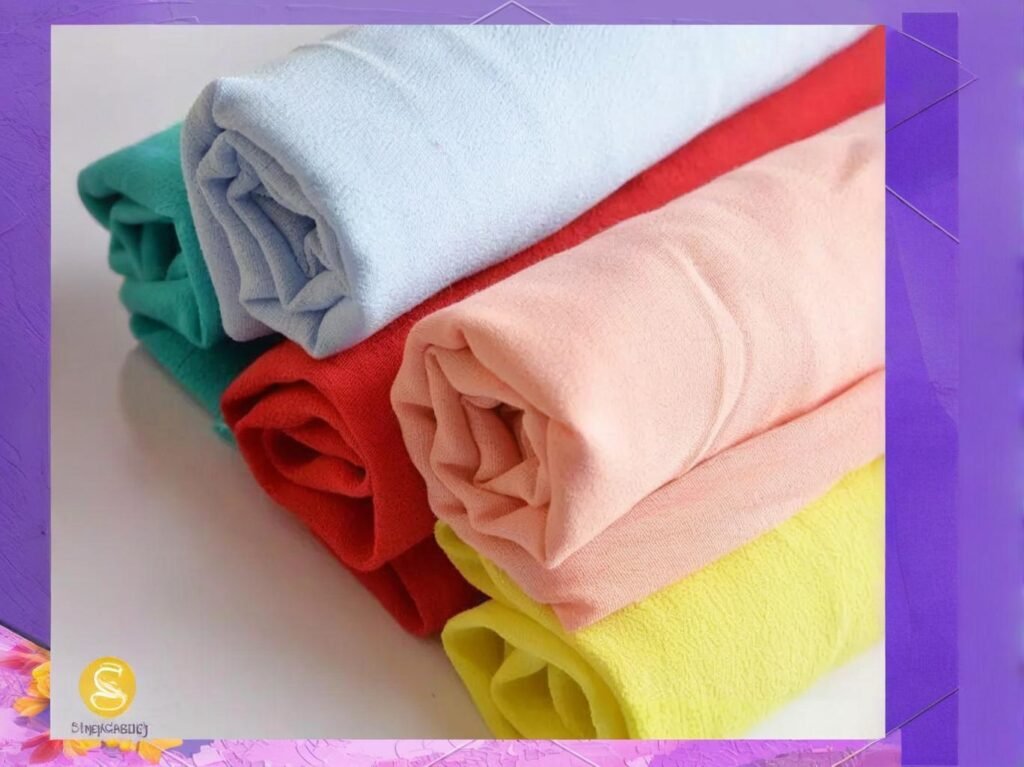
In textile manufacturing, shrinkage tolerance is not simply a laboratory measurement—it is a production control parameter that influences pattern design, cutting allowances, garment sizing accuracy, and ultimately customer satisfaction. When shrinkage data is poorly documented or inconsistently reported, even high-quality fabrics can lead to sizing disputes, production waste, or rejected shipments.
Many sourcing problems arise not because the fabric shrinks too much, but because shrinkage expectations were never clearly recorded or aligned between the fabric mill, garment factory, and inspection team. Without standardized reporting formats and traceable documentation, shrinkage tolerance becomes open to interpretation. Different teams may test with different wash conditions, apply different tolerance thresholds, or rely on outdated reference values.
Professional textile suppliers therefore treat shrinkage documentation as part of a broader process control system rather than an isolated test result. Well-structured documentation ensures that shrinkage tolerance is understood consistently across sampling, bulk production, and final inspection.
For manufacturers supplying international apparel brands, this documentation becomes even more critical. Retailers in North America and Europe often require clear testing records tied to recognized standards such as AATCC or ISO methods. If shrinkage tolerance is challenged during quality inspection or after garments reach the market, documented test data becomes the primary evidence supporting compliance.
Paperwork alone does not control shrinkage. Alignment does. Documentation simply provides the mechanism that allows technical alignment to exist across multiple teams, facilities, and production stages.
Documentation as a Production Control System
Shrinkage documentation is most effective when it functions as part of a broader production control framework. Instead of existing only as laboratory records, shrinkage data should flow through several operational steps within the manufacturing process.
First, shrinkage testing normally occurs during fabric development and sample evaluation. At this stage, mills determine the expected dimensional stability of the material under defined washing or finishing conditions. The test results establish the baseline shrinkage tolerance used later in production.
Second, once a fabric is approved, shrinkage data must be linked directly to pattern engineering and marker planning. If a fabric shows an average warp shrinkage of 3 percent, garment patterns must incorporate corresponding allowances. Without integrating this information into pattern grading, even technically compliant fabric may produce undersized finished garments.
Third, during bulk production, each fabric lot should reference the original shrinkage tolerance document. This ensures that cutting rooms, sewing lines, and quality teams operate using the same dimensional expectations. In large apparel production systems where hundreds of workers handle thousands of garments daily, documented shrinkage tolerances prevent inconsistent decision-making.
Finally, shrinkage documentation supports quality inspections and shipment approvals. Inspectors must verify that the fabric used in production matches the specifications recorded in the approved documentation. If a garment shipment is inspected months after fabric testing occurred, accurate records ensure traceability.
In practical terms, effective shrinkage documentation should include fabric identification details, testing methodology, dimensional measurements, and tolerance limits. The following data elements form the foundation of a reliable shrinkage reporting system.
Shrinkage Reports That Actually Work
A useful shrinkage report includes more than percentages.
| Data Field | Why It Matters |
|---|---|
| Fabric ID / lot | Traceability |
| Test standard | Repeatability |
| Wash method | Context |
| Before & after size | Transparency |
| Tolerance target | Acceptance 기준 |
Each field in this report format supports a different aspect of quality control. Fabric ID and lot number establish traceability, allowing production teams to identify exactly which batch of material was tested. This becomes essential when large orders are produced across multiple dye lots.
The test standard defines how the shrinkage test was performed. International textile laboratories typically follow standardized procedures such as AATCC 135, AATCC 150, or ISO 6330, depending on the product category. When the testing method is clearly documented, repeat testing can produce comparable results.
The wash method provides additional context. For example, shrinkage results obtained under home laundering conditions may differ significantly from those produced under industrial washing or enzyme treatment processes. Recording this information ensures that shrinkage tolerance is interpreted correctly.
Before-and-after measurements provide the most transparent representation of dimensional change. Instead of relying solely on percentages, actual measurements allow engineers and inspectors to verify the calculations independently.
Finally, the tolerance target defines the acceptable shrinkage range agreed upon during product development. Without a clearly stated tolerance limit, the shrinkage percentage itself provides limited practical value.
Example of a Clear Shrinkage Report Format
A standardized report structure allows all stakeholders to understand the data quickly and consistently. One widely used format records dimensional changes separately in warp and weft directions.
| Direction | Before (cm) | After (cm) | Shrinkage % |
|---|---|---|---|
| Warp | 100 | 97.2 | -2.8% |
| Weft | 100 | 98.5 | -1.5% |
This simple format leaves little room for interpretation. Anyone reviewing the report can immediately see the original dimensions, the post-wash dimensions, and the calculated shrinkage percentage. Because warp and weft behave differently in most woven fabrics, separating the two directions provides a more accurate understanding of dimensional stability.
In apparel manufacturing, typical shrinkage tolerance targets vary depending on fabric type. Cotton fabrics may tolerate shrinkage levels between 3 and 5 percent, while polyester fabrics often remain below 2 percent. Blended fabrics fall somewhere between these ranges depending on fiber composition and finishing processes.
Linking Shrinkage Data to Production Decisions
Shrinkage reports should not remain isolated in laboratory archives. Their real value lies in guiding production decisions throughout the manufacturing workflow.
One of the most important applications is marker adjustment. Marker planning determines how garment pieces are arranged on the fabric before cutting. If shrinkage data indicates dimensional change after washing, marker layouts may need to increase pattern dimensions slightly to compensate.
Shrinkage information also influences cutting allowances. In garment manufacturing, cutting tolerances often range between 0.3 and 0.7 centimeters depending on fabric type and product category. When shrinkage is expected, additional allowances may be incorporated to ensure the finished garment meets size specifications.
Another critical area is size grading logic. Size grading defines how patterns scale between sizes such as small, medium, and large. If shrinkage affects certain directions more than others, grading rules may require adjustment to maintain consistent fit across sizes.
If shrinkage data remains confined to quality assurance reports without influencing these operational decisions, its practical value becomes limited. Effective documentation systems ensure that shrinkage information flows directly into engineering and production planning.
Version Control Matters
Shrinkage behavior can vary between production lots even when the same fabric construction is used. Small variations in dyeing, finishing, humidity, or machine settings can influence dimensional stability.
Rayon fabrics, for example, are particularly sensitive to finishing conditions. A minor change in drying temperature or mechanical tension during finishing can alter shrinkage performance noticeably. For this reason, relying on historical shrinkage data without verifying current production lots introduces unnecessary risk.
| Situation | Risk |
|---|---|
| New dye lot | Moderate |
| Different finishing line | High |
| Seasonal humidity change | Medium |
When new fabric lots are introduced, updated shrinkage testing ensures that production allowances remain accurate. Seasonal environmental conditions can also influence shrinkage behavior, especially in regions with high humidity variation.
Professional textile suppliers therefore implement version control systems for shrinkage documentation. Each fabric lot receives its own shrinkage test record, and production teams reference the correct version when planning manufacturing operations.
Common Documentation Mistakes
Even experienced suppliers occasionally overlook important details when documenting shrinkage tolerance. These mistakes can create confusion during production or inspection stages.
| Mistake | Consequence |
|---|---|
| Verbal tolerance only | Disputes |
| No test method stated | Re-testing |
| Mixed standards | Confusion |
| Missing lot reference | Rejection |
One common issue is relying on verbal agreements instead of written documentation. When tolerance limits are discussed informally without being recorded, misunderstandings can arise later during quality inspections.
Another frequent problem is failing to specify the testing standard used during shrinkage evaluation. Without this information, different laboratories may perform tests using incompatible procedures, producing inconsistent results.
Using mixed standards within the same project can also create confusion. If one report uses ISO testing while another uses AATCC procedures, the results may not be directly comparable.
Finally, missing fabric lot references can prevent accurate traceability. If shrinkage data cannot be linked to a specific production lot, inspectors may reject shipments due to insufficient documentation.
Supplier–Factory Alignment
In large manufacturing networks involving multiple suppliers, clear documentation becomes the primary tool for maintaining alignment across organizations. Fabric mills, garment factories, and inspection agencies must all rely on the same shrinkage reference points.
At SzoneierFabrics, shrinkage data is typically attached to sample approval sheets, bulk fabric delivery notes, and inspection records. When a new fabric sample is approved, its shrinkage report becomes part of the official technical documentation associated with that product.
During bulk fabric shipments, the same shrinkage data is referenced in delivery documentation. This ensures that garment factories receiving the material understand the expected dimensional behavior before production begins.
Quality inspection teams then use the same documentation when evaluating finished garments. Because all teams reference identical data, disagreements about shrinkage tolerance become far less likely.
This structured documentation approach helps ensure that shrinkage tolerance remains consistent, traceable, and defensible throughout the entire textile production chain—from fabric development to finished garment delivery.
How Do Garment Factories Handle Shrinkage Variation During Bulk Cutting and Marker Planning?
Shrinkage variation is one of the most common technical challenges garment factories face during large-scale production. Even when fabrics pass laboratory shrinkage testing, dimensional changes can still appear during bulk manufacturing due to tension release, humidity changes, dye lot differences, or finishing variations. For fabrics such as rayon, viscose blends, cotton, and certain lightweight woven materials, these variations can quickly translate into inconsistent garment sizing if the cutting process does not account for them.
Experienced garment factories do not attempt to eliminate shrinkage variation entirely. In reality, completely eliminating dimensional change is rarely achievable. Instead, professional cutting rooms manage shrinkage by building controlled allowances and process adjustments into the production workflow. The goal is to absorb expected variation early in the cutting stage, before garments reach sewing lines or washing processes where corrections become difficult and costly.
When shrinkage tolerance is incorporated into marker planning, lot management, fabric relaxation procedures, and cutting-room sequencing, factories can maintain stable sizing across thousands of units. Without these adjustments, even small shrinkage differences can accumulate into measurable size deviations that trigger quality claims from retailers or importers.
This is the stage where shrinkage tolerance moves beyond laboratory theory and becomes a practical element of production engineering.
Turning Shrinkage Data into Cutting-Room Decisions
Shrinkage testing provides the initial data that guides cutting-room adjustments. However, raw shrinkage percentages alone do not automatically solve sizing problems. Production teams must translate those numbers into operational decisions that affect marker layouts, pattern allowances, and cutting strategies.
In most factories, shrinkage data flows through three key stages before cutting begins. First, technical teams review shrinkage test reports produced during fabric development or pre-production testing. These reports specify the expected dimensional change under defined washing conditions.
Second, pattern engineers analyze how the measured shrinkage will affect finished garment dimensions. For example, if a fabric shows a warp shrinkage of three percent, garment length measurements may require slight compensation to ensure the final product meets the intended size specification after washing.
Third, cutting-room supervisors implement marker adjustments and cutting instructions based on this analysis. Marker planning software often allows pattern pieces to be scaled slightly to reflect the required compensation.
Without this translation from testing data to production planning, shrinkage tolerance remains theoretical and does little to prevent post-wash sizing failures.
Marker Adjustment Based on Tested Shrinkage
Once shrinkage has been measured through laboratory testing, markers should be adjusted accordingly. Marker planning is the process of arranging pattern pieces on the fabric in a way that maximizes material efficiency while maintaining dimensional accuracy.
When shrinkage is known in advance, the marker can incorporate compensation so that garments maintain their intended dimensions after washing.
| Measured Shrinkage | Marker Action |
|---|---|
| ≤2% | Minimal adjustment |
| 2–3% | Length compensation |
| >3% | Re-marker required |
For fabrics with shrinkage below two percent, minimal adjustments are typically required because dimensional changes remain within acceptable tolerance ranges for most apparel categories. However, once shrinkage approaches two to three percent, pattern pieces may require length adjustments in the marker.
If shrinkage exceeds three percent, many factories choose to regenerate the marker entirely. At this level of dimensional change, small marker adjustments may not provide sufficient compensation across multiple garment components.
Skipping marker updates is one of the most common causes of post-wash size failures. Garments may pass pre-production fitting tests, yet still shrink outside tolerance limits after retail laundering because the cutting process ignored shrinkage test results.
Directional Compensation Matters
One of the most important realities of textile behavior is that shrinkage rarely occurs uniformly in all directions. Most woven fabrics exhibit different shrinkage characteristics along the warp and weft directions due to yarn tension during weaving and finishing.
Rayon fabrics are particularly prone to directional shrinkage differences. Warp yarns often shrink more significantly than weft yarns because they experience higher tension during the weaving process.
| Direction | Typical Action |
|---|---|
| Length (warp) | Add allowance |
| Width (weft) | Monitor spread tension |
When warp shrinkage is higher, factories typically compensate by adding small allowances to garment length measurements during marker planning. This ensures that garments retain their intended length after washing.
Weft shrinkage, on the other hand, is often influenced by fabric spreading tension in the cutting room. If fabric is stretched excessively during spreading, it may contract after cutting or washing, leading to narrower garment dimensions.
Applying uniform compensation in both directions often creates new problems. For example, increasing width allowances unnecessarily can produce garments that appear oversized after washing. Accurate directional analysis is therefore essential for maintaining dimensional balance.
Fabric Lot Segregation
Another major factor affecting shrinkage consistency is fabric lot variation. Even when the same fabric construction is produced repeatedly, slight differences in dyeing conditions, finishing machines, or environmental humidity can influence shrinkage behavior.
Mixing fabric lots with different shrinkage profiles in the same cutting batch increases the risk of size inconsistency across garments.
| Practice | Result |
|---|---|
| Lot-by-lot cutting | Stable sizing |
| Mixed lot cutting | Size deviation |
Factories that process high volumes of rayon or viscose fabrics often treat each fabric lot as a separate production unit. Cutting rooms may schedule cutting operations lot by lot rather than combining multiple dye lots within the same marker.
This approach improves dimensional consistency because all garments within the batch are cut from materials with identical shrinkage characteristics. Although this method requires more careful inventory tracking, it significantly reduces post-production sizing issues.
Pre-Relaxation Before Cutting
Fabric relaxation is another essential practice used by garment factories to manage shrinkage variation. During transportation and storage, fabrics are typically wound tightly on rolls under tension. This tension can temporarily stretch the fabric structure.
If fabric is cut immediately after being unrolled, residual tension may cause the fabric to contract after cutting or washing, resulting in unexpected shrinkage.
Allowing the fabric to rest before cutting enables internal stresses to dissipate naturally.
| Method | Effect |
|---|---|
| Flat lay relaxation | High stability |
| Roll rest only | Medium |
| Immediate cutting | High risk |
Flat lay relaxation, where fabric layers are spread and allowed to rest on cutting tables, provides the most stable dimensional behavior. Many factories allow fabrics to relax for 12 to 24 hours before cutting begins.
Roll rest methods, where fabric rolls remain stationary but unspread, provide moderate tension release but are less effective than full relaxation.
Immediate cutting without relaxation carries the highest risk of dimensional variation because the fabric retains its original tension from the roll.
Even a relatively short relaxation period can significantly improve cutting accuracy and reduce unexpected shrinkage after washing.
Cutting-Room Reality Check
Real production environments often reveal how small operational details influence shrinkage outcomes. In one manufacturing case, a factory adjusted markers to compensate for three percent shrinkage based on laboratory test results. Despite correct mathematical adjustments, the finished garments still failed post-wash size tests.
The root cause was not incorrect shrinkage calculations but the cutting process itself. Fabric rolls were opened and cut immediately without sufficient relaxation time. Residual tension in the fabric caused additional dimensional contraction during washing.
This situation illustrates a critical principle in garment manufacturing: shrinkage management is not purely mathematical. Mechanical handling, fabric tension, and environmental conditions all influence the final dimensional outcome.
Factories that combine accurate shrinkage data with disciplined cutting-room procedures achieve far more consistent results than those relying on calculations alone.
Supplier Coordination
Shrinkage control often requires coordination between fabric suppliers and garment factories. Fabric mills possess detailed knowledge of the material’s behavior, while garment factories manage the production processes that influence dimensional stability.
At SzoneierFabrics, customers producing large rayon runs are often advised on recommended relaxation time, lot-specific shrinkage notes, and cutting sequence suggestions before production begins. These technical recommendations are based on extensive experience with woven rayon, viscose blends, and lightweight apparel fabrics.
Providing this guidance early in the sourcing process allows garment factories to prepare appropriate cutting procedures before fabric arrives on the production floor. When both supplier and manufacturer work from the same shrinkage data and process expectations, production risks decrease significantly.
This coordination reduces misunderstandings later in the supply chain. Instead of debating the cause of size deviations after garments reach the market, both parties rely on shared technical documentation and production practices established during the planning stage.
Ultimately, handling shrinkage variation successfully requires a combination of accurate testing, disciplined cutting-room practices, and clear communication between fabric suppliers and garment manufacturers. When these elements work together, factories can maintain consistent sizing across large production volumes—even when working with fabrics known for dimensional variability.
What Common Issues Arise from Improper Shrinkage Control—and How Do Factories Prevent Them?
Shrinkage control is one of the most underestimated factors in textile and garment manufacturing. While fabrics may appear stable during sampling or early production stages, dimensional changes during washing, finishing, or consumer use can reveal underlying instability that was not properly accounted for. Rayon fabrics, in particular, are known for their sensitivity to moisture, mechanical agitation, and finishing conditions, which makes shrinkage management especially important.
When shrinkage tolerance is poorly defined or ignored during production planning, the resulting problems often appear gradually rather than immediately. A garment may look correct when it leaves the sewing line, yet fail to meet size specifications after washing or consumer use. These issues can lead to customer complaints, returns, and long-term damage to brand reputation.
Improper shrinkage control rarely causes a single dramatic defect. Instead, the consequences tend to accumulate across multiple stages of production. Slight dimensional inconsistencies in fabric can translate into pattern inaccuracies during cutting. These inaccuracies then affect garment assembly, resulting in distorted seams, uneven hems, or incorrect sleeve dimensions. By the time these problems become visible during final inspection or after retail sale, corrective options are limited.
Factories that maintain consistent garment sizing across large production runs treat shrinkage control as a systematic process rather than a reactive quality check. This process involves defining tolerance limits, performing reliable testing, documenting results clearly, and integrating shrinkage data into pattern engineering and cutting-room operations.
Understanding the common defects caused by shrinkage mismanagement is the first step toward preventing them.
Recognizing Problems Early and Stopping Them Upstream
Most shrinkage-related problems originate earlier in the manufacturing chain than many people expect. By the time garments reach final inspection or customer use, the root cause of the defect may already be embedded in earlier decisions made during fabric sourcing, finishing, or cutting.
For example, if shrinkage tolerance is not clearly defined during product development, fabric suppliers and garment factories may work with different assumptions about acceptable dimensional change. A supplier might consider three percent shrinkage acceptable, while the garment brand expects shrinkage below two percent. This misalignment may not become visible until garments are washed during quality testing or after reaching the consumer.
Similarly, if shrinkage testing occurs using a different wash method than the one used by consumers, the test results may not accurately represent real-world performance. A garment tested under gentle laboratory conditions may behave very differently under standard household laundering conditions.
Factories that recognize these risks early in production planning can prevent most shrinkage problems before they affect finished garments. This requires coordination between design teams, fabric suppliers, quality engineers, and cutting-room supervisors.
Common Defects Linked to Shrinkage Mismanagement
When shrinkage tolerance is not properly controlled, several types of garment defects commonly appear. These defects often originate from the interaction between fabric behavior and garment construction.
| Defect | Root Cause |
|---|---|
| Short body length | Underestimated length shrinkage |
| Twisted seams | Uneven directional shrinkage |
| Wavy hems | Width instability |
| Tight sleeves | Marker mismatch |
| Post-wash returns | No tolerance alignment |
Short body length is one of the most frequently reported shrinkage defects in garments made from rayon or cotton-based fabrics. When length shrinkage is underestimated during marker planning, garments may lose several centimeters after washing, causing them to fall outside the intended size specification.
Twisted seams often occur when shrinkage differs between warp and weft directions. Uneven shrinkage can cause garment panels to shift relative to each other during washing, producing visible twisting along seams.
Wavy hems typically result from width instability in the fabric. If the fabric contracts unevenly along the weft direction, the hemline may develop a rippled appearance after laundering.
Tight sleeves are often caused by marker mismatches where shrinkage allowances were not properly incorporated into sleeve patterns. Even small dimensional errors can make sleeves feel restrictive after washing.
Post-wash returns represent the most serious outcome of shrinkage mismanagement. In these cases, garments reach retail markets before shrinkage defects become visible, leading to customer dissatisfaction and product returns.
By the time these defects appear, correcting them usually requires expensive rework or replacement.
Prevention Strategies That Actually Work
Preventing shrinkage-related defects requires a structured approach that begins during product development and continues throughout the production process. Several practical strategies have proven effective in maintaining shrinkage control in garment manufacturing.
The first strategy is aligning shrinkage tolerance before sampling begins. Acceptable shrinkage levels should be defined during the design phase and included in technical specifications shared with fabric suppliers. When shrinkage expectations are clear from the beginning, both fabric mills and garment factories can adjust their processes accordingly.
The second strategy involves locking wash method expectations. Shrinkage testing must replicate the washing conditions that the garment will experience during consumer use. If testing occurs under gentle laboratory conditions but the garment is marketed as machine washable, the test results may not accurately predict real-world shrinkage behavior.
The third strategy focuses on balancing finishing processes rather than over-processing fabrics in an attempt to eliminate shrinkage entirely. Excessive finishing treatments designed to reduce shrinkage can weaken fibers, reduce fabric strength, or alter the fabric’s hand feel. A balanced finishing process that stabilizes the fabric without compromising quality often produces better long-term results.
The fourth strategy involves educating cutting-room teams about shrinkage data. Even the most accurate shrinkage testing is ineffective if the information never reaches the cutting floor. Cutting supervisors and marker planners must understand the shrinkage characteristics of the fabric they are working with so that appropriate allowances can be incorporated during production.
When these strategies are applied consistently, shrinkage-related defects become far less common.
Cost of Ignoring Shrinkage Tolerance
Ignoring shrinkage tolerance does not simply result in technical defects. It also creates significant financial consequences throughout the production and supply chain.
| Issue | Hidden Cost |
|---|---|
| Re-cutting | Material waste |
| Re-sewing | Labor loss |
| Delayed shipment | Reputation damage |
| Returns | Long-term trust loss |
Re-cutting garments due to shrinkage errors can waste large quantities of fabric, especially when production runs involve thousands of units. Fabric typically represents between forty and sixty percent of garment production cost, so material waste can quickly become expensive.
Re-sewing garments to correct dimensional errors requires additional labor and production time. In factories operating on tight delivery schedules, these adjustments can disrupt entire production lines.
Delayed shipments caused by shrinkage defects can damage relationships with retailers or importers. Late deliveries often lead to penalties, canceled orders, or lost shelf space during critical selling periods.
Product returns represent the most serious long-term cost. When customers experience sizing problems after washing, trust in the brand can decline quickly. Even if the defect affects only a small percentage of garments, the reputational impact can extend far beyond the initial order.
Preventing shrinkage problems is therefore not only a technical objective but also a financial priority for both manufacturers and brands.
Human Perspective
Many garment factories learn the importance of shrinkage control through difficult experience. A single production order with unexpected post-wash shrinkage can generate significant financial losses and damage business relationships.
Factories that treat this experience as a learning opportunity often implement stronger systems afterward. They introduce standardized shrinkage testing procedures, improve documentation practices, and ensure that shrinkage data is incorporated into marker planning and cutting-room operations.
Over time, these practices become institutional knowledge within the organization. New employees are trained to understand the importance of dimensional stability, and production teams develop routines that prevent shrinkage errors from recurring.
At SzoneierFabrics, rayon projects are evaluated not only for visual appearance and fabric hand feel, but also for wash behavior consistency. This approach recognizes that the true performance of a fabric is measured after laundering, not just during initial inspection.
By focusing on shrinkage stability during both fabric development and production planning, textile suppliers and garment factories can protect the long-term reliability of the garments they produce. Consistent wash performance ultimately benefits every participant in the supply chain—from fabric mills and garment manufacturers to brands and consumers.
Shrinkage Tolerance Is Control, Not Constraint
Rayon will always move. That’s part of its nature—and part of its beauty. The goal for garment factories is not to fight this movement, but to measure it, control it, and plan for it.
Shrinkage tolerance standards turn rayon from a risky material into a reliable one. When tolerance is clearly defined, properly tested, carefully documented, and respected during cutting and finishing, rayon garments perform exactly as intended—soft, fluid, and consistent.
If you are developing or producing garments with:
- Rayon, viscose, modal, or lyocell fabrics
- Specific shrinkage tolerance requirements
- Low MOQ or custom fabric needs
- Fast sampling and clear technical support
You’re welcome to contact SzoneierFabrics to discuss your custom rayon fabric project or request samples and quotations. We work closely with garment factories to ensure fabrics don’t just look right—but behave right, wash after wash.