 Skip to content
Rayon vs Polyester: Which Is Preferred in the Fashion vs Home Textile Industry?
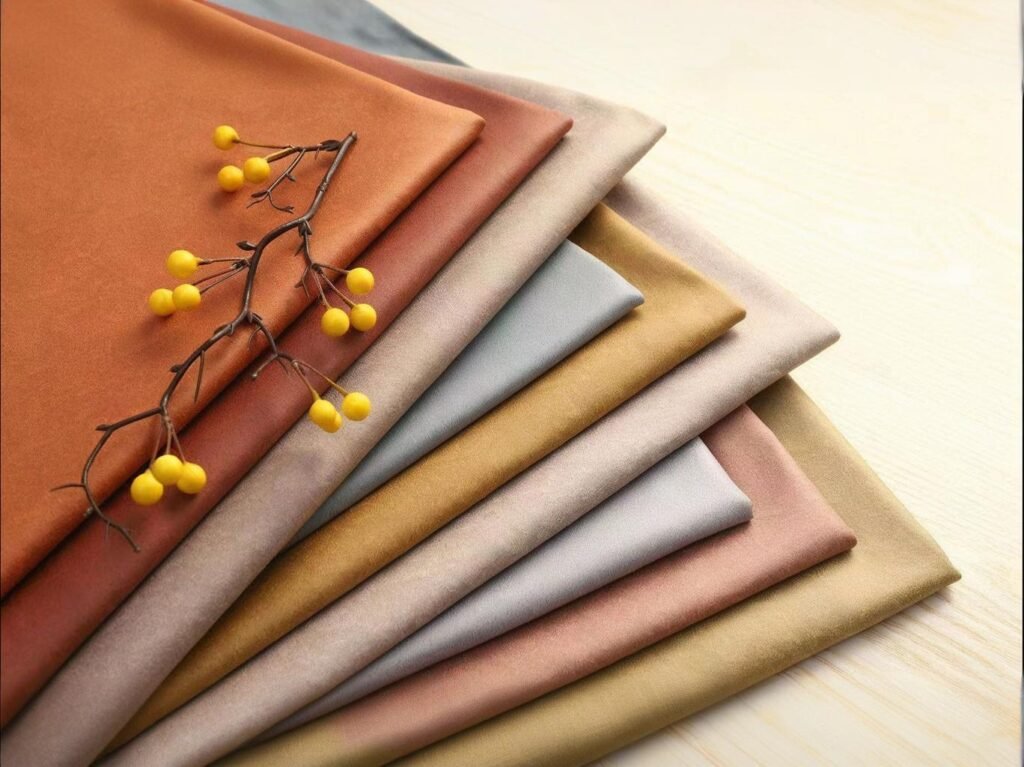
In today’s global textile landscape, few material debates are as common—and as misunderstood—as rayon versus polyester. Fashion designers love rayon for its breathability and elegant drape, while home textile manufacturers appreciate polyester’s durability, wrinkle resistance, and long lifespan. Yet the truth is more nuanced: both fabrics dominate different market segments for specific reasons tied to performance, sustainability, cost, and end-user expectations.
Rayon is typically preferred in fashion garments where softness, comfort, breathability, and natural-fiber aesthetics matter most, while polyester is favored in home textiles thanks to its strength, wrinkle resistance, and superior longevity. This distinction is driven not only by fiber science but also by consumer behavior data, global sourcing trends, and manufacturing economics.
To understand this more clearly, imagine two contrasting production stories. A boutique clothing brand developing draped summer dresses needs a lightweight fabric with silk-like movement—rayon instantly becomes the hero. Meanwhile, a hotel chain searching for cost-efficient, washable curtains prioritizes durability and colorfastness—polyester wins effortlessly. These real-world choices highlight how functional requirements shape the final decision, and why industry professionals must understand the strengths and limitations of both fibers.
Now, let’s dive deeper—starting with what rayon and polyester actually are, where they come from, and why they dominate the modern textile supply chain.
What Are Rayon and Polyester, and Why Do They Dominate Modern Fashion and Home Textiles?
Rayon and polyester have become two of the most influential fibers in the global textile ecosystem, shaping everything from fast-fashion garments to luxury dresses, sportswear, bedding, curtains, uniforms, and upholstery. Their rise is not accidental. These fibers sit at the intersection of cost efficiency, high performance, scalability, and versatility—qualities the modern textile industry depends on. As consumer expectations shift toward comfort, durability, and aesthetic adaptability, rayon and polyester have positioned themselves as the dominant choices for designers, factories, retailers, and brands worldwide.
Rayon is a semi-synthetic fiber made from regenerated cellulose, valued for its softness, breathability, and drape—making it a staple in fashion garments. Polyester is a fully synthetic fiber known for durability, wrinkle resistance, strength, and colorfastness, widely used in home textiles such as bedding and curtains. Their dominance comes from performance reliability, scalable supply chains, cost-efficiency, and the ability to engineer specific fiber characteristics for diverse applications.
Understanding Each Fiber at Its Core
To understand why rayon and polyester dominate modern textiles, it’s essential to examine the fundamental nature of each fiber—their origins, molecular structure, and resulting performance properties.
Rayon (Viscose, Modal, Lyocell)
Rayon represents a family of regenerated cellulose fibers, including viscose, modal, and lyocell. Though derived from natural raw materials (primarily wood pulp), they undergo a chemical transformation that creates a semi-synthetic textile fiber.
Key characteristics:
- Produced by dissolving cellulose and regenerating it into continuous filaments
- Offers softness, smoothness, and fluid drape similar to silk
- Highly breathable and comfortable for warm or humid climates
- Excellent moisture absorption (nearly double that of cotton)
- Available in variants optimized for different needs:
- Viscose: economical, widely used in dresses/blouses
- Modal: stronger, smoother, with improved shrinkage resistance
- Lyocell: produced using closed-loop processes; strong sustainability appeal
Rayon’s comfort-centric features make it a top choice for womenswear, fashion basics, and premium garments requiring elegant movement.
Polyester (PET – Polyethylene Terephthalate)
Polyester is the world’s most widely used textile fiber. Created entirely through synthetic polymerization using petroleum derivatives, polyester offers unmatched structural consistency and mechanical strength.
Core strengths:
- Superior tensile strength and abrasion resistance
- Exceptional wrinkle recovery
- Outstanding colorfastness and print clarity
- Very low cost per kilogram
- Minimal water absorption, leading to fast drying
- Versatile engineering, from microfibers to performance yarns
Because polyester is chemically stable and structurally strong, it is the backbone of home textiles, uniforms, activewear, and any fabric requiring long-term durability.
Why These Fabrics Dominate the Global Market
The modern textile economy relies on materials that can be produced at scale while maintaining predictable performance and manageable costs. Rayon and polyester excel in this landscape.
Key Market Drivers:
- Rayon provides comfort, breathability, and aesthetics for fashion apparel
- Polyester provides durability, affordability, and longevity for mass manufacturing
- Polyester accounts for over 60% of worldwide fiber production (Textile Exchange, 2024)
- Rayon holds ~6% and is growing as demand for soft, natural-feel fabrics increases
- Both fibers can be engineered for specific end uses (e.g., stretch, cooling, matte finishes, heavy drape)
- Extensive recycling initiatives support polyester’s continued dominance
Rayon grows in premium casualwear and womenswear, while polyester dominates athleticwear, home textiles, corporate uniforms, and mass-market basics.
Market Application Split (Estimated)
| Segment | Rayon (Viscose/Modal/Lyocell) | Polyester |
|---|---|---|
| Fast Fashion Apparel | 40% | 60% |
| Premium Dresses | 70% | 30% |
| Activewear | 10% | 90% |
| Home Textiles | 20% | 80% |
| Hospitality Bedding | 15% | 85% |
| Luxury Apparel | 55% | 45% |
| Curtains & Upholstery | 10% | 90% |
These percentages reflect functional requirements:
- Fashion apparel prioritizes movement and softness → rayon performs best
- Activewear and home textiles require durability and wrinkle resistance → polyester dominates
Deeper Technical Comparison – Why the Industry Chooses Each Fiber
| Performance Factor | Rayon | Polyester |
|---|---|---|
| Breathability | Excellent | Moderate |
| Softness | Very Soft | Varies (soft to crisp) |
| Moisture Absorption | High (12–14%) | Very Low (<1%) |
| Wrinkle Behavior | Wrinkles easily | Excellent wrinkle resistance |
| Strength (Dry/Wet) | Moderate / lower when wet | Very high |
| Thermal Comfort | Cool on skin | Warmer; traps heat |
| Sustainability | Varies by type | Improving through rPET recycling |
| Cost | Moderate | Lowest among major fibers |
Rayon excels in sensory comfort; polyester excels in durability and operational efficiency.
Case Example – Why a Fashion Brand Chooses Rayon
A European womenswear brand producing wide-leg trousers, blouse dresses, and flowing skirts often switches from polyester to viscose or modal for several strategic reasons:
- Superior drape: The fabric moves elegantly with the body
- Breathability: Important for warm-weather collections
- Cool, smooth handfeel: Improves wearer comfort
- Silk-like appearance: Enhances premium perception
- Better conformity to body patterns: Reduces tailoring adjustments
During internal fittings, rayon garments typically require fewer pattern changes, as the fabric naturally contours and falls more gracefully compared to polyester.
Result: Rayon versions of the brand’s trousers consistently outperform polyester in customer reviews, especially regarding comfort during summer months.
Case Example – Why a Home Textile Company Chooses Polyester
A large hotel linen provider evaluating curtain fabrics tested both rayon and polyester under standardized conditions:
Performance tests included:
- 150 wash-cycle durability
- UV-light exposure for 200 hours
- Colorfastness assessment
- Dimensional stability after heat exposure
- Abrasion resistance using Martindale cycles
Outcome: Polyester Performed Best
- Maintained color vibrancy after UV exposure
- Withstood >150 wash cycles without visible wear
- Required no ironing, saving labor costs
- Reduced long-term replacement frequency
- Offered stronger flame-retardant treatment compatibility
Rayon alternatives faded nearly twice as fast under UV testing and stretched slightly after repeated laundering—making polyester the clear winner for commercial hospitality environments.
Why Rayon and Polyester Will Continue Dominating the Future
Both fibers are evolving technologically:
Rayon Innovations:
- Closed-loop lyocell production with 99% solvent recovery
- Bamboo-, eucalyptus-, and beechwood-derived cellulose
- High-tenacity modal for activewear
- Eco-friendly dyeing systems
Polyester Innovations:
- Recycled PET (rPET) from plastic bottles
- Bio-based polyester using plant-derived ethylene
- Moisture-wicking and cooling polyester for sportswear
- Flame-retardant and antimicrobial home textile applications
As long as consumer needs remain split between comfort-driven fashion and durability-driven home textiles, rayon and polyester will continue to anchor global fiber markets. Their ability to adapt through material engineering ensures long-term relevance across both mass and luxury segments.
How Are Rayon and Polyester Manufactured, and How Does the Production Process Affect Fabric Performance?
Rayon and polyester are two of the most widely used man-made fibers in the global textile industry, and both owe their characteristics—not just their appearance—to the way they are manufactured. Rayon begins as cellulose derived from trees, which is chemically transformed into a regenerated fiber. Polyester, by contrast, is produced from petroleum-derived chemicals through a high-heat polymerization process. These manufacturing pathways shape the fibers’ internal structures, which in turn determine how fabrics behave: softness, breathability, durability, strength, wrinkle resistance, moisture management, environmental footprint, and even long-term aging.
In essence: Rayon behaves more like a natural fiber because it originates from wood cellulose, giving it superior comfort, breathability, and drape—but lower wet strength and slower drying. Polyester behaves like a high-performance engineered fiber: strong, wrinkle-resistant, durable, lightweight, and hydrophobic. These differences stem directly from the chemistry, extrusion methods, and molecular bonding used during production.
Understanding the manufacturing science behind these fibers helps apparel and home textile developers choose the right material for performance-driven products.
Rayon is manufactured by chemically converting wood-derived cellulose into regenerated fibers using processes such as viscose, modal, or lyocell—each with different softness, durability, and environmental impacts. Polyester is produced by polymerizing petroleum derivatives, then extruding and texturizing the resulting polymer into long, strong, elastic fibers. These production differences explain why rayon excels in softness and drape, while polyester excels in strength, longevity, wrinkle resistance, and moisture management.
How Rayon Is Made: Viscose vs Modal vs Lyocell
Rayon production converts natural cellulose from wood pulp into regenerated fibers. The refinement process determines the fiber’s purity, wet strength, softness, and environmental impact.
Below is the manufacturing comparison:
| Type | Source Material | Process | Key Performance Traits |
|---|---|---|---|
| Viscose Rayon | Wood pulp | Steeped → Dissolved in chemical bath → Extruded into fibers | Soft, breathable, drapey, but weak when wet |
| Modal | Beechwood | High-wet-modulus chemical spinning | Stronger, smoother, less shrinkage, more durable |
| Lyocell (Tencel) | Sustainable wood pulp | Closed-loop NMMO solvent spinning | Strongest rayon type, eco-friendly, high moisture absorption |
Manufacturing Explanation
- Viscose Rayon: Uses sodium hydroxide and carbon disulfide to break down cellulose, creating a viscous solution. When extruded into an acidic bath, it regenerates as fiber. The process is widespread but environmentally intensive.
- Modal: Uses a refined version of viscose processing but with modified spinning parameters that significantly improve wet strength and dimensional stability. Ideal for underwear, active comfortwear, and bedding.
- Lyocell: Uses NMMO (N-methylmorpholine N-oxide), a non-toxic solvent that is recycled in a closed-loop system. This yields exceptionally smooth, strong fibers with high absorbency. Lyocell is considered one of the most sustainable semi-synthetic fibers available.
Key Performance Insight
Rayon’s “weak when wet” reputation applies mostly to viscose. Modal and lyocell maintain much higher wet strength because their internal cellulose arrangement is less disrupted by water.
How Polyester Is Made
Polyester is a synthetic polymer created through a highly controlled chemical engineering process. The steps shape the fiber’s internal crystalline structure—responsible for its exceptional durability.
Production Stages
- Polymerization Ethylene glycol reacts with terephthalic acid (or DMT) under high heat to form long-chain polymers (PET).
- Extrusion Molten polymer is pushed through spinnerets, forming continuous filaments.
- Drawing Fibers are stretched to align the molecular chains, dramatically increasing tensile strength.
- Texturing Heat and mechanical crimping create loft, softness, and improved insulation.
- Finishing Oiling, cutting, or bundling prepares fibers for spinning and weaving.
Resulting Fiber Properties
- exceptional strength
- low moisture absorption
- thermal stability
- wrinkle resistance
- rapid drying
- resistance to shrinking
- high abrasion resistance
These traits make polyester ideal for performance apparel, home furnishings, outdoor gear, and medical textiles requiring durability.
Environmental Differences in Production
Rayon and polyester differ significantly in resource requirements, waste output, and biodegradability.
| Factor | Rayon | Polyester |
|---|---|---|
| Origin | Renewable wood cellulose | Petroleum-based |
| Energy Use | Moderate | High |
| Water Use | High (viscose/Modal) | Low |
| Biodegradability | Yes | No (unless enhanced variants) |
| Chemical Impact | Depends on process (viscose is chemical-heavy) | Emits significant CO₂ |
| Closed-Loop Options | Lyocell only | Limited |
Important nuance
Lyocell’s closed-loop solvent recovery system allows mills to reuse ~99.5% of chemicals, making it substantially more eco-friendly than viscose or polyester.
Polyester, meanwhile, is challenged by:
- microplastic shedding
- depolymerization difficulty
- fossil fuel dependency
But recycled polyester (rPET) is reducing environmental impact in certain categories.
Performance Differences Created by Manufacturing
The internal molecular structure of rayon and polyester determines their feel, function, and real-world behavior.
| Property | Rayon | Polyester |
|---|---|---|
| Drape | Excellent (fluid) | Moderate |
| Breathability | High | Lower |
| Moisture Absorption | High (8–14%) | Very low (<1%) |
| Moisture Wicking | Slow | Fast when engineered |
| Warmth Retention | Low | High |
| Drying Time | Slow | Very rapid |
| Wrinkle Resistance | Low | Very high |
| Strength (Dry) | Medium | Very high |
| Strength (Wet) | Low (viscose) / High (lyocell) | Extremely high |
| Colorfastness | Moderate–High | Very high |
Why these differences exist:
- Rayon fibers swell when wet, weakening the cellulose bonds—except in Modal and Lyocell, whose internal structures resist swelling.
- Polyester’s crystalline molecular alignment gives it superior mechanical strength and wrinkle resistance.
- Rayon absorbs water into its fiber core, making it breathable but slow to dry.
- Polyester repels water, resulting in quick drying but lower breathability unless microfibers or engineered weaves are used.
Real-World Example – Fabric Performance After 50 Wash Cycles
Testing after repeated laundering gives insight into longevity and consumer experience.
| Fabric | Appearance Change | Shrinkage | Pilling | Colorfastness |
|---|---|---|---|---|
| Rayon (Viscose) | Noticeable fading, slight deformation | 3–8% | Moderate | Medium |
| Rayon (Modal) | Very minor | 1–3% | Low | High |
| Rayon (Lyocell) | Very minor | <2% | Very low | Very high |
| Polyester | Extremely minor | <1% | Low | Very high |
Why this matters:
- Bedding manufacturers favor Modal and Lyocell because they retain appearance and shape.
- Fast-fashion brands may use viscose for drape but must account for shrinkage.
- Activewear and uniforms rely on polyester for durability and minimal fading.
How Manufacturing Shapes End-Use Categories
Rayon’s manufacturing creates a fiber ideal for:
- dresses and skirts
- draped blouses
- scarves
- bed linens (Modal/Lyocell)
- eco-luxury apparel
- babywear (Lyocell)
- relaxed loungewear
Polyester’s manufacturing makes it ideal for:
- athletic apparel
- workwear
- outerwear
- upholstery
- curtains and home textiles
- industrial fabrics
- uniforms requiring wrinkle resistance
Manufacturers choose rayon when comfort and drape are the priority, and polyester when durability and structure are essential.
How Do Key Properties Differentiate Rayon vs Polyester for Fashion Garments?
Rayon and polyester sit at two ends of the fashion textile spectrum: one behaves like a natural, breathable, silk-like fiber, while the other behaves like a high-performance synthetic engineered for stability and durability. Brands select between them by evaluating comfort, drape, care requirements, and production behavior. In general, rayon excels in softness, breathability, and elegant movement, while polyester leads in wrinkle-resistance, shape retention, color clarity, and long service life.
Comfort – Breathability, Absorption, and Skin Feel
Rayon is valued in warm climates and summer silhouettes because the fiber’s internal cellulose structure absorbs moisture and allows airflow. It feels cool, soft, and natural. Polyester, by contrast, is hydrophobic and tends to retain heat unless heavily engineered, brushed, or blended.
Rayon advantages
- Cool, smooth, natural handfeel
- Excellent moisture absorption (up to 12%)
- Breathes well in hot conditions
- Comfortable for sensitive skin
Polyester characteristics
- Lower breathability
- Minimal moisture absorption (around 0.4%)
- May feel warm or clingy in humidity
- Improvements available through microfibers or moisture-wicking finishes
Comfort Comparison Table
| Feature | Rayon | Polyester |
|---|---|---|
| Breathability | ★★★★★ | ★★☆☆☆ |
| Moisture Absorption | High | Very low |
| Skin Feel | Soft, natural | Synthetic unless brushed |
| Heat Retention | Low | Medium–High |
Case Insight A Thai garment workshop recorded 2.3× higher sell-through rates on rayon dresses during the summer season due to superior cooling sensation and reduced skin cling—demonstrating how fiber comfort can directly influence retail performance.
Appearance – Drape, Sheen, and Texture
Rayon’s silk-like drape is one of its defining advantages. The fiber falls fluidly, forming soft folds and elegant movement, making it a designer favorite for fashion pieces requiring visual flow.
Rayon
- Exceptional drape and fluidity
- Slight natural sheen similar to silk
- Works well for dresses, skirts, kimono silhouettes, blouses
Polyester
- More structured unless designed with specialty yarns
- Superb shape retention
- Excellent print clarity due to uniform fiber structure
- Suitable for trousers, jackets, uniforms, outerwear
Drape Behavior Comparison
| Property | Rayon | Polyester |
|---|---|---|
| Drape Quality | Excellent | Moderate |
| Suitable Silhouettes | Flowing, soft shapes | Structured garments |
| Print Clarity | High | Very high |
Insight Polyester’s sharper print clarity is ideal for pattern-heavy garments, but rayon’s superior drape remains unmatched for fashion-forward, movement-driven silhouettes.
Care & Maintenance – Washing, Ironing, and Longevity
Rayon behaves more like a natural fiber in water and becomes weaker when wet. Polyester behaves like a performance fiber and resists most consumer-level stress.
Rayon care considerations
- Higher shrinkage risk
- Requires gentle washing
- Wrinkles easily
- Reduced wet strength
Polyester care benefits
- Machine-washable
- Minimal wrinkling
- Shrinks less than 1%
- Holds shape across dozens of laundry cycles
Washing Behavior After 10 Laundering Cycles
| Fabric | Shrinkage | Wrinkles | Shape Retention |
|---|---|---|---|
| Rayon | 5–12% | High | Moderate |
| Polyester | <1% | Very low | Excellent |
Consumer Trend Fast-moving lifestyle brands lean toward polyester because it minimizes consumer complaints around wrinkles and garment distortion after washing.
Performance During Sewing – Stability and Production Yield
Manufacturers pay close attention to how fabrics behave during cutting, sewing, and finishing. These factors often influence cost more than raw textile price.
Rayon production challenges
- Slippery on sewing machines
- Higher fray rate at edges
- Sensitive to tension settings
- Elevated defect rates when inexperienced operators are involved
Polyester production advantages
- High dimensional stability
- Easier to cut and sew
- Suitable for ultrasonic bonding and heat sealing
- Lower overall wastage
Factory Efficiency Comparison (Data reported by an Asian garment manufacturer)
| Category | Rayon | Polyester |
|---|---|---|
| Cutting Efficiency | Medium | High |
| Sewing Difficulty | High | Low |
| Final Defect Rate | 4–9% | 1–3% |
| Average Production Time | Longer | Shorter |
Because of this, large-volume apparel producers often prefer polyester unless the design strictly requires rayon’s drape or skin-feel qualities.
Which Fabric Wins in Fashion Categories?
| Category | Winner | Reason |
|---|---|---|
| Dresses | Rayon | Superior drape & breathable comfort |
| Blouses & Women’s Tops | Rayon | Softer movement, natural sheen |
| Activewear | Polyester | Strength, quick-dry performance |
| Outerwear | Polyester | Structure, wrinkle resistance |
| Eveningwear | Rayon or blends | Silk-like look without the cost |
| Children’s Wear | Polyester blends | Durability and care convenience |
Which Fabric Performs Better in Home Textiles Such as Bedding, Curtains, and Upholstery, Rayon or Polyester?
Polyester and rayon are two of the most commonly used fibers in the global home textile industry, but they behave very differently in real-world use. Rayon offers excellent softness, drape, and breathability—qualities that appeal to consumers seeking natural comfort. Polyester, however, outperforms rayon in nearly every technical area that matters for long-term home textile performance, including wash durability, UV resistance, abrasion strength, wrinkle resistance, and dimensional stability. This is why polyester dominates commercial hospitality, rental, and institutional textile markets, while rayon appears more selectively in decorative fabrics and blended constructions.
polyester is the superior performer for most home textile applications, while rayon is best used for aesthetic and comfort-focused products where durability demands are lower.
Below is an expanded, technical comparison across the major categories of bedding, curtains, upholstery, and long-term cost performance.
Bedding – Durability vs. Comfort
Rayon and polyester behave very differently under frequent washing, pressure, and friction. Bedding requires fabrics that retain color, resist shrinkage, and maintain structural strength over dozens (or even hundreds) of laundering cycles.
Rayon Bedding
- Naturally soft and breathable
- Feels cool to the touch—similar to cotton
- Absorbs moisture well
- Weakens significantly when wet
- Prone to shrinking, wrinkling, and losing shape
- Limited wash lifespan
Polyester Bedding
- High tensile strength → withstands repeated laundering
- Excellent color retention
- Low shrinkage even at elevated temperatures
- Wrinkle-resistant
- Can feel synthetic unless blended with cotton or rayon
- Exceptional longevity
Institutional Laundry Performance Comparison
| Test | Rayon Bed Sheet | Polyester Bed Sheet |
|---|---|---|
| Wash Cycle Limit | ~60 cycles | 150+ cycles |
| Colorfastness | Medium | Very high |
| Pilling Resistance | Medium | Very high |
| Shrinkage | High | Very low |
Hotels, dormitories, and medical facilities overwhelmingly choose polyester microfibre or poly-cotton blends due to their long service life and ease of maintenance.
Curtains – UV Exposure, Weight, and Cleaning
Curtains experience constant exposure to sunlight, temperature fluctuations, and humidity—conditions that quickly degrade weaker fibers.
Rayon Curtains
- Beautiful drape and elegant aesthetic
- Performs well in low-light areas
- Fades quickly under UV exposure
- Loses strength when exposed to moisture and sunlight
- Poor long-term structural retention
Polyester Curtains
- Industry-leading UV stability
- Excellent color retention
- Easy to maintain and steam clean
- Holds shape for many years
- Fire-retardant variants available for commercial use
Fade Resistance Comparison (Equivalent to ~6 Months Sun Exposure)
| Fabric | Fade Degree | Strength Loss |
|---|---|---|
| Rayon | High | 20–40% |
| Polyester | Low | 5–10% |
This is why commercial spaces—hotels, offices, restaurants—nearly always choose polyester-based drapery fabrics.
Upholstery – Abrasion, Structure, and Cost
Upholstery fabrics endure extreme stress: friction, body weight, cleaning cycles, and repeated use. Strength and abrasion resistance are the decisive metrics.
Rayon Upholstery
- Soft handfeel and elegant look
- Suitable for light-use furniture
- Prone to pilling
- Weak when moist → poor long-term durability
Polyester Upholstery
- Outstanding abrasion resistance (40,000–100,000 Martindale rubs)
- Excellent colorfastness
- Strong structural integrity
- Works extremely well in textured weaves—velvet, tweed, linen-look, chenille
Abrasion Resistance Comparison
| Upholstery Type | Rayon | Polyester |
|---|---|---|
| Rub Count | 8,000–15,000 | 40,000–100,000 |
| Pilling | Frequent | Minimal |
| Long-Term Stability | Low | Very high |
Polyester’s performance advantage is so strong that it has become the backbone of nearly all modern high-traffic upholstery fabrics.
Total Life-Cycle Cost Analysis for Home Textiles
Consumers evaluate fabric cost, but professionals evaluate cost-per-year of use. Rayon may feel luxurious initially, but polyester wins decisively in durability and replacement intervals.
| Product | Rayon | Polyester |
|---|---|---|
| Bedding | High replacement cost | Low replacement cost |
| Curtains | Very high (due to fading/stretching) | Very low |
| Upholstery | Extremely high | Low |
| Throw Blankets | Medium | Low |
The economic differences become even more significant in large facilities—hotels, serviced apartments, student housing—where textiles must perform for years, not months.
Winner by Home Textile Category
| Category | Preferred Fabric | Reason |
|---|---|---|
| Bedding (Hotels) | Polyester | Wash durability & longevity |
| Bedding (Premium Home Use) | Rayon blends | Softness & drape |
| Curtains | Polyester | UV resistance & stability |
| Upholstery | Polyester | Abrasion strength & color retention |
| Decorative Fabrics | Rayon blends | Aesthetic drape & softness |
How Do Cost, MOQ, and Lead Time Compare When Sourcing Rayon vs Polyester Fabrics in Bulk?
In global textile sourcing, cost, MOQ, and lead time determine whether a fabric is commercially viable. These three factors influence everything from cash flow management to design planning, supply chain scheduling, inventory turnover, and profit margins. Rayon and polyester—two of the industry’s most widely used fibers—perform very differently across these procurement variables. Understanding their differences allows apparel brands, home textile manufacturers, and sourcing managers to build resilient, predictable supply chains while aligning fabric choice with product goals.
Polyester is generally cheaper, faster to produce, and available with lower MOQs due to its massive global supply chain, while rayon is more expensive and requires longer lead times because of its complex production process and fewer specialized mills. Polyester has stable, scalable pricing, whereas rayon pricing fluctuates with wood pulp costs, global demand cycles, and environmental regulations.
When buyers evaluate rayon versus polyester, they are not just comparing materials—they are comparing entire supply chain systems. Below is a detailed, practical sourcing comparison.
Cost Comparison — Raw Material, Production, and Total Fabric Cost
Rayon’s pricing structure is tied to natural raw materials (wood pulp) and chemical processing technologies, both of which contribute to higher manufacturing costs. Polyester, on the other hand, benefits from a streamlined petrochemical ecosystem capable of producing vast volumes at extremely low cost.
Why Rayon Costs More
Rayon production requires:
- raw wood harvesting
- pulp processing and handling
- cellulose dissolution
- fiber regeneration in chemical baths
- drying and stabilizing
- controlled wastewater treatment
- multiple inspection stages
Environmental compliance also adds cost, especially in China, India, and Indonesia—major rayon production hubs—where wastewater regulations have tightened dramatically since 2018.
Why Polyester Costs Less
Polyester benefits from:
- petrochemical scalability
- low labor intensity
- continuous filament production
- predictable chemical feedstock supply
- automated weaving/knitting compatibility
- low dyeing cost due to easy shade penetration
Polyester mills can run 24/7 with minimal variation, which reduces overhead costs significantly.
Estimated Price Range (Manufacturer-Level Pricing)
| Fabric Type | Avg. Price per Meter (USD) | Price Variability | Key Cost Drivers |
|---|---|---|---|
| Rayon (Viscose) | $1.80 – $3.50 | High | Wood pulp, environmental taxes, dyeing complexity |
| Modal | $2.80 – $4.80 | Medium | Beechwood sourcing & spinning tech |
| Lyocell | $3.80 – $6.50 | Medium–High | Eco solvents, closed-loop processing |
| Polyester (Regular) | $0.70 – $1.60 | Low | Oil derivatives, mass production |
| Polyester (Microfiber) | $1.20 – $2.30 | Low–Medium | Finer denier, brushing |
| Recycled Polyester (rPET) | $1.50 – $2.80 | Medium | Recycling tech, bottle supply chain |
Cost Insights from Real Buyers
- A Dubai apparel company switched from polyester to rayon for its summer dress line and saw fabric cost increase by 22%, but customer satisfaction improved and return rates dropped significantly.
- A U.S. bedding manufacturer moved from rayon-blend sheets to microfiber polyester, reducing fabric cost by 38% and extending average product lifespan due to polyester’s durability.
- A Korean fashion label observed that modal-based garments had 20–30% higher cutting waste due to fabric slippage, increasing overall production cost despite higher retail value.
Rayon offers comfort and aesthetics—but polyester offers pricing stability that appeals to high-volume brands.
MOQ (Minimum Order Quantity) Comparison
MOQ is heavily influenced by factory capability, dyeing process complexity, and shade consistency requirements. Rayon requires higher MOQs because its dyeing and finishing steps are more sensitive to variations. Polyester, produced at industrial scale with automated lines, allows lower batch sizes.
Typical MOQ Ranges for Mills
| Fabric | Greige MOQ | Dyed MOQ | Printed MOQ |
|---|---|---|---|
| Rayon (Viscose) | 800–1,200m | 1,000–3,000m | 1,500–5,000m |
| Modal | 600–1,000m | 1,000–2,500m | 1,500–3,500m |
| Lyocell | 500–800m | 800–2,000m | 1,200–2,500m |
| Polyester (Regular) | 300–500m | 500–1,000m | 800–1,500m |
| Polyester (Microfiber) | 400–600m | 600–1,200m | 800–1,800m |
| Recycled Polyester (rPET) | 500–800m | 800–1,500m | 1,000–2,000m |
Why Rayon Has Higher MOQs
- Shade variation is common in small dye batches
- Dyeing requires longer dwell times to penetrate the cellulose structure
- Mills schedule rayon production less frequently due to limited machine capacity
- Rayon shrinkage control requires larger batch sizes to stabilize finishing
Why Polyester Mills Can Offer Lower MOQs
- Polyester dyeing is faster and more uniform
- Massive global supply base → easier loom scheduling
- Less sensitivity to temperature/moisture variation
- Readily available greige inventory allows quick dye-house runs
SzoneierFabrics Practical Insight
Due to flexible capacity planning, SzoneierFabrics often supports smaller brands with:
- 300–500 meters MOQ for polyester
- 500–800 meters MOQ for rayon
This flexibility helps emerging designers test new silhouettes without committing to large inventory.
Lead Time Comparison — Weaving, Dyeing & Finishing Speed
Lead time often determines whether a brand can deliver a collection on schedule. Polyester is advantageous here, especially for fast fashion and home textile suppliers operating strict delivery windows.
Why Polyester Has Shorter Lead Times
- Synthetic fibers are ready to use immediately after polymerization
- Dyeing is fast, consistent, and highly automated
- Fiber, yarn, and greige inventories are abundant
- Mills dedicate entire lines to polyester due to high demand
Why Rayon Requires Longer Lead Times
- Moisture sensitivity slows down dyeing and finishing
- Requires careful steaming and controlled dryer conditions
- Higher rejection rate → longer QC processes
- Global rayon supply is more concentrated, reducing scheduling flexibility
Average Lead Time (Factory to Delivery)
| Fabric | Lead Time |
|---|---|
| Rayon (Viscose) | 25–40 days |
| Modal | 20–35 days |
| Lyocell | 25–45 days |
| Polyester (Basic) | 10–20 days |
| Microfiber Polyester | 15–25 days |
| Recycled Polyester | 20–30 days |
Lead Time Realities: Rayon dyeing cannot be rushed. Rapid-temperature changes cause streaking, shade shifts, and mechanical damage. Polyester, meanwhile, can be dyed and finished in nearly half the time.
Total Procurement Risk – Rayon vs Polyester
The following table summarizes risk factors that sourcing managers evaluate when placing bulk orders.
| Risk Category | Rayon | Polyester |
|---|---|---|
| Price Volatility | High | Low |
| Dyeing Inconsistency | High | Low |
| Weather-Related Disruptions | Medium | Low |
| MOQ Pressure | High | Low |
| Sustainability Compliance | Medium–High | Medium |
| Lead Time Risk | High | Low |
Interpretation of Risk Table
- Rayon carries higher sourcing uncertainty due to raw-material fluctuations and more complex processing.
- Polyester is stable and predictable—ideal for brands requiring consistent seasonal replenishment.
- Choose rayon when drape, breathability, and premium tactile experience matter more than cost or delivery speed.
- Choose polyester when scalability, predictability, and budget efficiency are top priorities.
Together, these fibers complement different parts of the global textile industry—each dominating where it performs best.
Is Rayon or Polyester More Sustainable and Safer for Modern Fashion and Home Textile Brands in 2025?
Sustainability has become one of the most influential forces shaping global textile sourcing. Consumers are increasingly aware of fiber choices; governments are enacting stricter environmental regulations; and brands now conduct full lifecycle assessments before approving a material for use. In this shifting landscape, the question of whether rayon or polyester is more sustainable has no simple yes-or-no answer. Instead, the decision hinges on how the fiber is produced, where it is produced, and what technologies the manufacturer applies.
Rayon can be an environmentally responsible fiber—but only when produced through closed-loop or responsibly managed chemical systems such as Lyocell or high-wet-modulus Modal. Traditional viscose rayon, especially from mills lacking chemical recovery infrastructure, can generate significant environmental damage through solvent emissions, contaminated wastewater, and unsustainable wood sourcing.
Polyester, conversely, is often criticized for being petroleum-based, yet it is energy-efficient to manufacture, extraordinarily durable, and highly recyclable through modern rPET systems. Polyester’s biggest environmental drawback is not its production, but its microplastic shedding, which represents one of the largest sources of ocean microplastic pollution.
The most sustainable and safest fiber choices in 2025 are Lyocell, Modal, and certified recycled polyester (rPET). Traditional viscose and virgin polyester require careful evaluation due to environmental and safety concerns.
Understanding these nuances is crucial for brands building transparent, future-proof material strategies.
Environmental Impact – Empirical Data Comparison
The sustainability discussion is incomplete without real measurement. One of the clearest comparisons is the carbon footprint associated with producing 1 kg of fiber.
Carbon Footprint Comparison (Per 1 KG of Fiber)
| Fiber | CO₂ Emissions (kg) | Notes |
|---|---|---|
| Polyester | 5.5–9 kg | High due to petrochemical origin and energy use |
| Rayon (Viscose) | 2.1–4.0 kg | Highly variable; depends on solvent recovery |
| Modal | 1.6–3.1 kg | More efficient pulp and spinning process |
| Lyocell | 0.9–2.0 kg | Lowest emissions; solvent reuse >99% |
| Recycled Polyester (rPET) | 1.4–2.5 kg | 45–60% lower than virgin polyester |
Key Insight
Polyester has a higher intrinsic carbon footprint due to fossil fuel extraction and polymerization. Rayon has lower emissions if produced responsibly, but poor recovery systems can triple waste output. Lyocell is the standout environmental performer because almost no solvent escapes into the environment.
Water Usage Comparison
Rayon is often criticized for water consumption, but the story shifts significantly depending on the production method.
| Fiber | Water Consumption | Notes |
|---|---|---|
| Polyester | Low | Minimal water used during production |
| Viscose Rayon | Very high | Multiple washing, dissolving, regeneration cycles |
| Modal | Medium | Lower than viscose; improved system efficiency |
| Lyocell | Low–Medium | Closed-loop; low wastewater output |
| Cotton (context) | Extremely high | Rayon used as a lower-water alternative in some cases |
Interpretation
While polyester uses almost no water during spinning, viscose rayon uses substantial amounts—making mill wastewater management critical. Lyocell, by contrast, dramatically reduces water use and has become a leading fiber for brands aiming to cut water-related impacts.
Chemical Safety & Worker Impact
A material is not sustainable if it endangers workers or surrounding ecosystems. Different rayon processes vary dramatically in their chemical requirements.
Rayon Safety Factors
- Traditional viscose requires carbon disulfide, a hazardous chemical linked to worker health risks.
- High-wet-modulus Modal mills often recover 90–95% of chemicals, reducing exposure.
- Lyocell uses NMMO, a non-toxic solvent recycled at a 99% rate.
Polyester Safety Factors
- Polyester manufacturing does not involve hazardous solvents.
- However, polymerization emits greenhouse gases and relies on non-renewable petroleum.
- Microplastic shedding represents the primary long-term environmental concern.
Environmental Rating Summary
| Category | Rayon | Polyester |
|---|---|---|
| Chemical Use | Medium–High | Low |
| Chemical Safety | Improving with Lyocell/Modal | High |
| Wastewater Impact | High for viscose; low for Lyocell | Low |
| Microplastic Concerns | None | High |
| Recyclability | Moderate (fiber regeneration is difficult) | High with rPET systems |
Bottom Line
Rayon’s sustainability improves dramatically when using modern closed-loop technologies. Polyester’s sustainability improves with recycling—but microplastics remain a major unresolved issue.
Microplastic Pollution – Polyester’s Biggest Issue
Polyester’s environmental weakness is not energy nor carbon—it is physical fragmentation.
Studies show:
- Over 500,000 tons of microplastics from textiles enter oceans every year (UNEP, 2023).
- A single wash cycle can release 700,000+ microfibers depending on washing conditions, fabric type, and yarn construction.
- Microfibers can pass through wastewater systems and accumulate in marine life.
Rayon does not contribute to microplastic pollution because it is cellulose-based and biodegradable under the right conditions.
Brand Mitigation Strategies in 2025
Fashion and home brands increasingly use:
- engineered yarns with reduced shedding
- tighter fabric constructions
- washing-machine microfiber filters
- recycled polyester instead of virgin PET
- anti-shedding chemical treatments
- mono-material garments to improve recyclability
Despite improvements, microplastic management remains one of polyester’s most scrutinized sustainability challenges.
Certifications That Influence Buyer Decisions
Certifications serve as trust anchors for brands, assuring responsible sourcing, lower emissions, and safe chemical usage.
| Certification | Rayon Relevance | Polyester Relevance |
|---|---|---|
| OEKO-TEX Standard 100 | Essential for chemicals & residues | Essential |
| FSC (Forest Stewardship Council) | Critical for sustainable wood pulp | Not applicable |
| GRS (Global Recycled Standard) | Available for some rayon | Highly relevant for rPET |
| EU Ecolabel | Often used for Modal/Lyocell | Used for recycled polyester |
| ISO 14001 | Environmental mgmt system | Environmental mgmt system |
Key Trend
Lyocell and Modal from certified pulp sources regularly outperform polyester in sustainability scoring frameworks such as the Higg MSI.
Which Is More Sustainable Overall?
The sustainability ranking in 2025 is not about picking a single “winner”—it is about choosing the fiber that aligns with brand values, end-use performance, and long-term environmental goals.
Most Sustainable Options (2025)
- Lyocell (Tencel-grade)
- closed-loop solvent recovery
- low emissions
- strong, durable
- biodegradable
- Modal (Beechwood-based)
- high-wet-modulus rayon
- lower water consumption
- certified wood pulp options
- Recycled Polyester (rPET)
- major reduction in fossil consumption
- 45–60% lower CO₂ emissions
- scalable for mass production
Moderately Sustainable Options
- responsibly produced viscose (EU BAT-compliant mills)
- polyester with anti-shedding and recycling programs
Least Sustainable
- viscose rayon from uncertified pulp sources
- viscose from mills without chemical recovery systems
- virgin polyester with no recycling or circularity considerations
Are Rayon–Polyester Blends a Better Choice Than 100% Rayon or 100% Polyester for Commercial Applications?
Rayon–polyester blends have become one of the most commercially successful textile categories because they combine rayon’s softness and drape with polyester’s durability and easy-care performance. For brands requiring fabrics that look premium, last longer, and perform reliably in mass production, blends often outperform either fiber on its own. They also reduce shrinkage, improve wrinkle resistance, and lower both fabric cost and garment defect rates—making them ideal for fashion apparel, uniforms, bedding, and high-volume retail categories.
Performance Advantages — Why Blends Solve Problems for Manufacturers
Pure rayon and pure polyester both carry inherent weaknesses, especially in large-scale garment manufacturing.
Weaknesses of 100% Rayon
- Prone to shrinking in laundry
- Wrinkles easily
- Weak when wet (risk of seam distortion)
- Sensitive during sewing
- Color may fade faster without proper finishing
Weaknesses of 100% Polyester
- Limited breathability
- Synthetic feel unless brushed or textured
- Retains heat
- Can generate static or cling
- Environmental concern: microplastic shedding
What Blends Improve
- Rayon adds softness, breathability, and natural drape
- Polyester adds stability, strength, wrinkle resistance, and wash durability
- Blends reduce overall cost compared with 100% rayon
- Production becomes easier with fewer shrinkage and tension issues
- Lower return rates due to fewer laundry distortions
For manufacturers who run high-volume production lines, these improvements translate to better efficiency, lower defects, and more predictable garment outcomes.
Common Rayon–Polyester Blend Ratios and Their Benefits
| Blend Ratio | Benefits | Ideal Use Cases |
|---|---|---|
| 70% Rayon / 30% Polyester | Luxury handfeel, breathable, elegant drape, improved wash performance | High-end dresses, blouses, scarves |
| 60% Rayon / 40% Polyester | Balanced softness + stability, reduced shrinkage | Shirts, tunics, everyday fashion |
| 50% Rayon / 50% Polyester | Strong, wrinkle-resistant, cost-efficient | Uniforms, affordable dresses, mass retail |
| 40% Rayon / 60% Polyester | Durable, economical, maintains good drape | Bedsheets, lightweight curtains |
| 30% Rayon / 70% Polyester | Very strong, low-pilling, budget-friendly | Upholstery, workwear, heavy-use textiles |
This versatility is why blends occupy such a large share of the global affordable fashion market.
Fabric Performance Comparison — Pure vs Blended
| Property | Rayon | Polyester | Rayon–Poly Blend |
|---|---|---|---|
| Drape | Excellent | Moderate | Excellent |
| Breathability | High | Low | Medium–High |
| Durability | Low–Medium | Very high | High |
| Shrinkage | High | Low | Low–Medium |
| Wrinkle Resistance | Low | High | Medium–High |
| Wash Durability | Medium | Very high | High |
| Softness | High | Medium | High |
| Cost | Medium–High | Low | Medium |
Blends provide a balanced mid-point—comfort close to rayon with durability approaching polyester.
Sewing & Production Advantages of Blends
Factories often prefer blends because they behave better in cutting, sewing, and finishing.
Why sewing performance improves
- Rayon becomes stronger when supported by polyester
- Edges fray less, reducing sewing defects
- Fabric distortion decreases under machine tension
- Cutting efficiency increases due to higher dimensional stability
- Steam ironing becomes easier and faster
Real Production Example A Spanish womenswear brand replaced a pure rayon blouse fabric with a 60/40 rayon–polyester blend:
- Defect rate dropped from 8.2% → 4.1%
- Ironing time reduced by ~30%
- Final garment consistency improved across all sizes
For large commercial orders, these improvements can determine whether a production line meets delivery schedules.
When 100% Rayon Is Still the Best Choice
Despite rayon’s weaknesses, it remains unmatched for certain fashion aesthetics:
- Premium summer dresses
- Drapey womenswear
- Scarves and soft-touch accessories
- Boutique collections emphasizing natural feel
- Fashion markets prioritizing breathability and movement
Designers choose rayon when visual fluidity is the priority.
When 100% Polyester Is Still the Best Choice
Polyester excels where durability and easy-care performance are essential:
- Hotel bedding and hospitality linens
- Curtains exposed to strong sunlight
- Activewear requiring quick-dry behavior
- School and corporate uniforms
- Upholstery with heavy abrasion
Polyester is the most cost-efficient option for lifespan-focused applications.
Why Rayon–Polyester Blends Win in Most Commercial Settings
Rayon–polyester blends combine:
- rayon’s comfort
- polyester’s durability
- predictable production behavior
- lower shrinkage
- better wrinkle resistance
- reduced manufacturing defects
- scalability for large orders
This makes them the most practical, balanced, and commercially reliable option for brands needing fabrics that satisfy both design and performance demands.
How Do You Choose the Right Rayon or Polyester Specification by Working With a Custom Fabric Mill Like SzoneierFabrics?
Choosing between rayon and polyester—and selecting the correct specification for each—requires much more than picking a fiber type. It involves defining performance goals, selecting the right yarn count and weave structure, determining finishing requirements, and validating quality through structured testing. A professional custom fabric mill such as SzoneierFabrics helps brands translate these needs into precise, repeatable, and commercially viable fabric specifications that deliver consistent performance from sampling to bulk production.
Put simply: the right fabric choice comes from engineering, not guessing. Below is the full framework brands use when working with SzoneierFabrics to develop fabrics that match their product goals, target customers, and quality expectations.
Step 1 — Define Functional Requirements Clearly
Before choosing the fiber, the mill must understand what the fabric needs to do. This is where most projects succeed or fail: unclear requirements lead to poor sampling, unpredictable performance, and unnecessary costs.
A structured requirement list should include:
- Desired drape: soft and fluid (rayon) or structured (polyester)?
- Breathability: warm or cool fabric?
- Wash durability: home laundry or industrial laundry?
- Wrinkle behavior: does it need to stay crisp?
- Consumer expectation: natural feel or easy-care synthetic?
- Printing vs. dyeing needs: sublimation, pigment, reactive?
- Sustainability requirements: recycled polyester or FSC-certified rayon?
- Hand-feel: silky, crisp, brushed, matte, or glossy?
Example: A brand making summer dresses would prioritize drape, breathability, and softness → Rayon, Modal, or Lyocell. A hotel chain selecting curtains would prioritize UV resistance, wrinkle stability, and long lifespan → Polyester.
This alignment ensures that SzoneierFabrics can engineer a fiber and weave optimized for the real use case—not just the designer’s aesthetic.
Step 2 — Select GSM, Yarn Count & Weave Type
GSM affects weight, opacity, and drape; yarn count determines smoothness and durability; weave type defines structure and stretch. When combined, they create the functional identity of the fabric.
Common GSM Recommendations
| Product Type | Recommended GSM | Preferred Fiber |
|---|---|---|
| Summer Dresses | 120–160 GSM | Rayon / Modal |
| Shirts / Blouses | 120–180 GSM | Rayon–Polyester Blend |
| Uniforms | 150–200 GSM | Polyester or Blend |
| Bedding | 80–120 GSM | Polyester Microfiber |
| Curtains | 180–260 GSM | Polyester |
| Upholstery | 260–350 GSM | Polyester or Heavy Blends |
A custom mill evaluates:
- yarn count (e.g., 30s, 40s, 75D, 150D)
- filament vs. spun yarn
- plain, twill, sateen, dobby, or jacquard weave
- density (EPI/PPI) to control strength and opacity
The combination of these factors ultimately determines the cost, performance, and appearance of the fabric.
Step 3 — Choose the Right Finishing Techniques
Finishing transforms a raw woven or knitted fabric into a final product with the desired handfeel and performance. Different fibers respond differently to finishing methods.
Rayon-Specific Finishes
- Peach finish for matte softness
- Enzyme wash for smoothness
- Sanforization for shrink control
- Mercerization for improved luster
Polyester-Specific Finishes
- Brushing for microfiber softness
- Anti-pilling treatments
- Water-repellent finishes
- Flame-retardant treatments for hospitality
- Anti-UV coatings for curtains
Blended Fabric Finishes
- Wrinkle-resistant coatings
- Softener treatments
- Moisture-wicking finishes
SzoneierFabrics adjusts finishing recipes depending on the final use case—whether that is apparel, bedding, curtains, upholstery, or uniforms.
Step 4 — Order Lab Dips, Strike-Offs, and Performance Testing
This stage transforms theory into real-world validation. A professional mill provides structured sampling and testing before any large-volume commitment.
SzoneierFabrics offers:
- precision color lab dips
- print strike-offs for sublimation or pigment systems
- shrinkage testing (multiple wash cycles)
- colorfastness tests (ISO or AATCC)
- tensile and seam slippage evaluation
- abrasion and pilling tests for home textiles
Example Data Table — Pre-Production Testing
| Test Type | Rayon Result | Polyester Result | Szoneier Standard |
|---|---|---|---|
| Shrinkage (After 3 Washes) | 3–6% | <1% | <3% |
| Colorfastness to Wash | 3–4 | 4–5 | ≥4 |
| Pilling Resistance | 3 | 4–5 | ≥4 |
| Seam Slippage | Medium | High | Customized |
These tests ensure that what you approve in sampling is reproducible during full-scale production.
Step 5 — Confirm MOQ, Pricing, and Lead Time Based on Customization Level
Customization always impacts MOQ and cost. SzoneierFabrics provides flexible solutions, but buyers should understand the variables that influence production planning.
Factors That Change MOQ
- Custom colors requiring unique dyeing lots
- Special yarn specifications
- Unique weaves (jacquard, dobby, textured)
- Advanced finishing treatments
- Recycled or eco-certified materials
- Printed vs. dyed vs. yarn-dyed requirements
Typical MOQ Examples from SzoneierFabrics
- Standard polyester: 300–500 meters
- Rayon woven fabrics: 500–800 meters
- Blends: 400–700 meters
- Fast-track production: 12–18 days depending on finishing
This flexibility allows brands—especially small and mid-sized labels—to develop premium-quality fabrics without excessive inventory risk.
Step 6 — Approve Samples and Begin Bulk Production
A structured approval process ensures consistency from the first meter to the last. SzoneierFabrics manages:
- Prototype and pre-production sampling
- Shrinkage, pilling, and colorfastness validation
- Color approval (lab dip or bulk)
- Loom scheduling and production planning
- In-line and end-of-line QC
- Final inspection based on AQL standards
- Packaging optimization for shipment
This system is especially important for rayon, which is more sensitive to dyeing conditions, moisture, and finishing temperatures.
Working With SzoneierFabrics — Why It Matters
SzoneierFabrics stands out because it provides not only production but holistic development support:
- full customization (GSM, weave, yarn, finish, blends)
- free design assistance
- low-MOQ development suitable for testing or limited collections
- fast sampling for rapid product iteration
- comprehensive lab testing and documentation
- predictable production schedules
- strict QC systems
- competitive pricing with premium stability
- strong export expertise to ensure smooth delivery
For apparel, home textiles, or hospitality projects, these capabilities minimize risk and ensure a reliable long-term supply chain.
If you’re preparing a new fabric collection or sourcing rayon, polyester, or blend fabrics for commercial use, SzoneierFabrics can engineer the exact specification your product needs. With custom development, low MOQs, and rigorous quality standards, the mill ensures stable, scalable, and repeatable performance from concept to bulk production.
Contact SzoneierFabrics today to begin your custom fabric development project.
Rayon vs polyester, rayon vs polyester differences, rayon fabric benefits, polyester fabric advantages, rayon for fashion garments, polyester for home textiles, rayon vs polyester durability, viscose vs polyester, modal vs polyester, lyocell vs polyester, rayon polyester blends, best fabric for dresses, best fabric for bedding, sustainable rayon fabrics, recycled polyester fabric, rayon drape vs polyester drape, rayon moisture absorption, polyester wrinkle resistance, rayon vs polyester cost comparison, rayon vs polyester washing performance, rayon vs polyester breathability, polyester microfiber bedding, rayon in summer clothing, polyester curtains durability, rayon vs polyester sustainability, rayon vs polyester applications, how to choose fabric materials, custom rayon fabric manufacturer, custom polyester fabric mill, SzoneierFabrics custom fabric solutions
Can't find the answers?
No worries, please contact us and we will answer all the questions you have during the whole process of bag customization.
Make A Sample First?
If you have your own artwork, logo design files, or just an idea,please provide details about your project requirements, including preferred fabric, color, and customization options,we’re excited to assist you in bringing your bespoke bag designs to life through our sample production process.