 Skip to content
Reinforced Corners in Drawstring Bag Construction

If you’ve ever had a drawstring bag tear apart right at the bottom corner, you’ve already experienced one of the most common failure points in soft bag design. It doesn’t matter how strong the fabric looks—when stress concentrates in one small area, failure becomes almost inevitable. And in drawstring bags, that stress always finds its way to the corners.
Reinforced corners in drawstring bag construction are specially designed structural enhancements—typically using additional fabric layers, patches, stitching techniques, or hardware—to strengthen the bottom corners where the drawstring cord applies constant tension. These reinforcements distribute stress over a larger surface area, reduce friction damage, and significantly increase load-bearing capacity and product lifespan.
Picture a student carrying books, a gym user stuffing shoes and gear, or a traveler packing essentials. Every time the bag is lifted, the entire load pulls directly on those two small corner نقاط. Without reinforcement, the fabric weakens, stitches loosen, and eventually, the bag fails. But with the right reinforcement design, that same bag can last years. And that’s where the real engineering begins.
What Is the Purpose of Reinforced Corners in Drawstring Bags?
Reinforced corners in drawstring bags serve a very practical structural purpose: they protect the most stressed area of the bag from tearing, distortion, and premature failure. Although a drawstring bag looks simple from the outside, its load-bearing logic is very different from a tote bag or backpack. In a drawstring bag, the cords do not only close the opening; they also act as carrying straps. When the user lifts or wears the bag, the pulling force from the cords is transferred directly to the lower corner areas. This makes the corners the main anchor points of the entire bag.
Without reinforcement, the bottom corners are forced to carry repeated tension in a very small area. Over time, this leads to fabric stretching, stitch fatigue, fiber abrasion, or complete tearing. This problem becomes even more obvious when the bag carries sportswear, shoes, promotional gifts, school items, gym accessories, or heavier daily-use products. A drawstring bag may look lightweight, but the corner construction determines whether it can survive repeated use.
Reinforced corners solve this issue by spreading stress over a larger surface area. Instead of allowing the cord to pull directly against a single seam or fabric point, reinforcement creates a stronger load-bearing zone. This can be done with corner patches, double-layer fabric, bar-tack stitching, metal eyelets, PU leather tabs, Oxford fabric inserts, or webbing reinforcement. In real production, this small detail can increase the working life of a drawstring bag by 2–3 times, especially when the bag is used frequently or carries more than 5 kg of weight.
Why Corners Are the Weakest Point
The bottom corners of a drawstring bag are naturally the weakest points because they receive several types of stress at the same time. When the bag is carried on the back, the cords pull upward while the weight inside pulls downward. This creates diagonal tension across the corner area. If the fabric is thin or the stitching is not reinforced, the stress concentrates along the seam and gradually damages the material.
Another issue is friction. The cord often moves slightly during use, especially when the user walks, runs, or repeatedly opens and closes the bag. This movement creates rubbing between the cord, seam, and corner fabric. Over time, even strong fabric can weaken if the friction is concentrated in one small area.
| Stress Factor | Impact Without Reinforcement |
|---|---|
| Load tension | Fabric stretching, seam pulling, or tearing |
| Cord friction | Fiber wear and surface damage |
| Repeated carrying | Stitch fatigue and corner distortion |
| Heavy contents | Sudden failure at the lower anchor point |
| Thin fabric | Faster deformation and reduced lifespan |
For lightweight promotional bags used only once or twice, basic corner construction may be acceptable. But for gym bags, school drawstring bags, sports bags, travel accessory bags, and retail merchandise bags, reinforced corners become much more important. Customers may not notice corner reinforcement when the bag is new, but they quickly notice when the corners tear after a few uses.
How Reinforcement Solves the Problem
Reinforcement works by changing the way force moves through the bag. Instead of allowing all tension to focus on one stitch line or one fabric hole, reinforced construction distributes the load across a wider and stronger area. This reduces pressure on the main fabric and helps the bag maintain its shape during use.
| Design Feature | Function |
|---|---|
| Corner patches | Spread load over a larger area |
| Double-layer fabric | Increase thickness and tear resistance |
| Reinforced stitching | Prevent seam separation under tension |
| Metal eyelets | Reduce cord friction against fabric |
| Webbing loops | Create a stronger cord anchor point |
| PU leather tabs | Improve durability and visual quality |
The most common method is adding a triangular or rectangular patch at the lower corner. This patch can be made from the same fabric as the bag or a stronger material such as 600D Oxford, polyester webbing, PU leather, PVC, or reinforced nylon. For higher-end drawstring bags, manufacturers may combine patch reinforcement with metal eyelets or bar-tack stitching to further improve strength.
A reinforced corner also helps control fabric distortion. When a drawstring bag carries weight, the bottom corners may stretch outward. Reinforcement keeps the anchor area stable, allowing the bag to hold its shape better. This improves not only durability but also appearance, especially for retail products where shape and finish influence customer perception.
Common Reinforcement Methods Used in Production
Different drawstring bag applications require different reinforcement methods. A low-cost promotional bag does not need the same corner structure as a heavy-duty gym drawstring bag. The right choice depends on fabric type, expected load, target price, and brand positioning.
| Reinforcement Method | Best For | Main Advantage |
|---|---|---|
| Same-fabric corner patch | Promotional and daily-use bags | Cost-effective strength improvement |
| Oxford fabric patch | Sports, school, and gym bags | Better abrasion and tear resistance |
| PU leather corner tab | Retail and branded bags | Stronger structure with premium appearance |
| Metal eyelet + patch | Medium to heavy-load bags | Reduces cord friction and tearing |
| Webbing loop reinforcement | Heavy-use drawstring bags | Strong load-bearing performance |
| Double stitching / bar-tack | All regular-use bags | Prevents seam failure |
For example, a 210D polyester promotional drawstring bag may use a simple same-fabric corner patch to control cost. A 420D or 600D sports drawstring bag may use reinforced Oxford patches with metal eyelets. A retail fashion drawstring bag may use PU leather corner tabs because the brand wants both durability and a more refined appearance.
In manufacturing, reinforcement should not be selected randomly. If the patch is too thin, it may not solve the stress problem. If it is too stiff, it may affect the bag’s flexibility and packing efficiency. A professional factory needs to balance strength, cost, sewing difficulty, appearance, and final usage.
Real-World Load Performance
In practical testing, the performance difference between reinforced and non-reinforced corners is easy to see. Standard drawstring bags without reinforcement often begin to show corner stress after repeated carrying at 5–8 kg. The first signs may include stretched stitch holes, fabric whitening, seam puckering, or small tears near the cord exit point.
Reinforced versions perform much better. With proper corner patches and stitching, many drawstring bags can carry 10–15 kg repeatedly with minimal visible wear. Heavy-duty designs using 600D polyester, Oxford fabric, reinforced stitching, and metal eyelets can perform even better, depending on construction quality.
| Design Type | Typical Repeated Load Performance | Failure Risk |
|---|---|---|
| No reinforcement | 3–5 kg for light use | High |
| Basic single-layer patch | 5–8 kg for regular use | Medium |
| Double-layer reinforced patch | 8–12 kg for frequent use | Low |
| Patch + eyelet + bar-tack stitching | 10–15 kg or more | Very low |
This performance difference directly affects product satisfaction. For B2B buyers, especially brands, retailers, schools, gyms, sports clubs, and promotional product companies, corner durability can influence repeat orders and customer reviews. A bag that fails at the corner may make the entire product feel cheap, even if the main fabric looks good.
Why Reinforcement Improves Brand Value
Reinforced corners do more than prevent tearing. They also improve the perceived quality of the product. When customers see clean corner patches, neat stitching, strong eyelets, or well-finished PU tabs, they immediately associate the bag with better craftsmanship. This is especially important for custom drawstring bags used as branded merchandise.
For promotional campaigns, many companies focus heavily on logo printing but overlook construction quality. However, if the bag breaks quickly, the brand impression becomes negative. A durable drawstring bag stays in use longer, which means the printed logo receives more exposure over time. From a marketing perspective, stronger construction can improve the real value of each promotional unit.
For retail brands, reinforcement also supports higher pricing. A drawstring bag with reinforced corners, thicker fabric, better cords, and clean finishing can be positioned as a reusable lifestyle product rather than a disposable giveaway. This matters in markets where customers increasingly expect bags to be practical, durable, and reusable.
Stress Distribution Analysis
The purpose of reinforced corners becomes clearer when comparing stress concentration levels across different designs.
| Design Type | Stress Concentration | Lifespan | Failure Risk |
|---|---|---|---|
| No reinforcement | Very high | Short | High |
| Single-layer patch | Medium | Moderate | Medium |
| Double-layer reinforced corner | Low | Long | Low |
| Reinforced patch with eyelet | Very low | Longest | Very low |
A non-reinforced corner places almost all the pulling force on the main fabric and seam. A single-layer patch improves the situation by adding thickness and spreading force. A double-layer reinforced structure performs better because it strengthens both the surface and the internal load-bearing area. When eyelets or webbing loops are added, friction is reduced further, making the structure more reliable for repeated use.
How Manufacturers Decide the Right Reinforcement
A professional drawstring bag manufacturer should choose reinforcement based on the actual use case, not only the buyer’s target price. The first question is always: how will the bag be used? A school sports bag, for example, may need stronger reinforcement because students may carry books, shoes, uniforms, and water bottles. A race event giveaway bag may only need moderate reinforcement because it will carry light items for short-term use.
Material also matters. Thin 190T polyester requires different reinforcement from 600D Oxford fabric. Cotton canvas drawstring bags may need stronger stitching rather than metal eyelets, while waterproof polyester bags may require coated patches to maintain water resistance.
At Szoneier, reinforcement design can be customized according to expected load, fabric type, order positioning, and customer budget. For cost-sensitive promotional programs, simple but effective corner patches can improve durability without increasing cost too much. For sports, retail, or outdoor drawstring bags, stronger construction such as double-layer patches, eyelets, and reinforced stitching can be used to extend lifespan and improve user experience.
Reinforced corners may look like a small detail, but they are one of the most important structural features in drawstring bag manufacturing. Because the cords transfer carrying force directly to the bottom corners, these areas naturally face the highest stress. Without reinforcement, even a good fabric can fail early.
The best reinforcement design should match the bag’s purpose. Light promotional bags may only need basic patches, while gym, school, sports, outdoor, and retail drawstring bags require stronger corner construction. When designed correctly, reinforced corners improve load capacity, reduce tearing, extend product life, and enhance brand perception.
For any drawstring bag intended for regular or heavy use, reinforcement is not an optional decoration. It is a practical engineering decision that determines whether the bag performs reliably in the real world.
Why Do Drawstring Bag Corners Fail Without Reinforcement?
Drawstring bag corners fail without reinforcement because the lower corner area carries more mechanical stress than most people realize. Although a drawstring bag appears simple, its load-bearing structure is highly concentrated. The cord does not only close the opening of the bag; it also works as the carrying strap. When the user pulls the cords, wears the bag on the shoulders, or lifts the bag from the top, the force is transferred directly to the bottom corner points where the cords are anchored.
This creates a high-stress zone. If the corners are not reinforced, all the weight inside the bag is concentrated on a small fabric area, a few stitches, or a narrow seam edge. Over time, the fabric fibers stretch, the stitching holes enlarge, and the cord begins to rub against the material. The failure usually does not happen immediately. It develops gradually through repeated pulling, friction, and fatigue until the corner tears, the seam opens, or the cord pulls out completely.
For lightweight promotional drawstring bags used only once or twice, simple corner construction may be acceptable. But for school bags, gym bags, sports bags, retail drawstring backpacks, laundry bags, travel accessory bags, and reusable branded bags, unreinforced corners are one of the most common causes of product failure. In real production and user feedback, corner tearing is often more frequent than fabric body damage because the corner area receives the highest load pressure.
Stress Concentration Mechanics
The main reason drawstring bag corners fail is stress concentration. When weight is placed inside the bag, gravity pulls the contents downward, while the cords pull upward through the lower corners. This creates diagonal tension from the bottom corner toward the upper opening. If the corner area is only made with one layer of fabric and basic stitching, the load has nowhere to spread. It stays concentrated in a very small zone.
| Load Inside Bag | Stress Level at Each Corner | Typical Risk Without Reinforcement |
|---|---|---|
| 3–5 kg | Moderate | Low to medium risk for short-term use |
| 5–10 kg | High | Medium to high risk after repeated use |
| 10–15 kg | Very high | High risk of tearing, stitch failure, or cord pull-out |
| 15 kg+ | Extreme | Not recommended without heavy-duty construction |
This is why a drawstring bag may look strong when tested once but fail after repeated use. A single lift does not always reveal the problem. The real damage comes from repeated loading cycles: lifting, carrying, swinging, opening, closing, and pulling. Each cycle adds small stress to the same corner points.
For example, if a gym user carries shoes, a towel, sportswear, a water bottle, and small accessories, the total weight may easily reach 5–8 kg. If the bag is used several times per week, the corners may experience hundreds of stress cycles within a few months. Without reinforcement, the fabric gradually weakens around the cord anchor point.
Friction Between Cord and Fabric
Friction is another major reason corners fail. In many basic drawstring bags, the cord passes directly through the lower corner seam or a small fabric loop. Every time the bag moves, the cord shifts slightly. This movement creates rubbing between the cord and fabric. Over time, the fibers begin to break down.
The problem becomes worse when the cord is made from rough polyester, thick braided rope, or low-quality material with a hard surface. The cord may act almost like a saw, slowly cutting into the corner fabric. Even if the bag fabric is reasonably strong, repeated friction can destroy the local area around the cord hole or seam.
Common signs of friction damage include fabric whitening, fuzzy fibers, enlarged holes, uneven seam pulling, and small horizontal tears near the cord anchor. Once a small tear appears, the load pressure makes it expand quickly. This is why corner damage often looks sudden to users, even though the process has been developing for a long time.
| Friction Source | Damage Effect | Long-Term Result |
|---|---|---|
| Cord rubbing against fabric edge | Fiber thinning | Small tears near cord exit |
| Cord movement during walking | Repeated abrasion | Enlarged holes and seam distortion |
| Rough cord surface | Faster wear | Fabric cutting or tearing |
| Heavy load + cord friction | Combined stress | Complete corner failure |
Metal eyelets, reinforced patches, webbing loops, or PU leather tabs are often used to reduce this friction. They create a stronger contact surface between the cord and the bag, preventing the cord from directly damaging the main fabric.
Stitching Weakness
Even when the fabric itself is strong, weak stitching can cause the corner to fail. Stitching is often the true load-bearing structure in a drawstring bag corner. If the stitches are too sparse, too close to the fabric edge, poorly tensioned, or made with weak thread, the corner will not withstand repeated pulling.
Standard single stitching is usually enough for light promotional bags, but it is not suitable for heavier or reusable products. When weight increases, the stitches begin to pull against the fabric. The needle holes may expand, the thread may snap, or the seam may open gradually.
| Stitch Type | Strength Level | Common Limitation |
|---|---|---|
| Single stitch | Low | Easily weakens under repeated load |
| Double stitch | Medium | Better strength, but may still fail under heavy tension |
| Reinforced stitch | High | Handles repeated stress more effectively |
| Bar-tack stitch | Very high | Strong anchor support for load-bearing areas |
Bar-tack stitching is especially valuable in corner reinforcement because it concentrates multiple stitches in a small area to create a strong anchor point. This technique is commonly used in backpacks, tote handles, belt loops, and other load-bearing textile products. For drawstring bags intended for regular use, reinforced stitching can make a major difference in durability.
A common manufacturing mistake is using strong fabric but weak sewing construction. For example, a 600D Oxford drawstring bag may still fail if the corner patch is stitched with weak thread or insufficient reinforcement. In that case, the material looks durable, but the construction cannot support the actual load.
Material Weakness and Fabric Distortion
Material weakness also contributes to corner failure, although it is not usually the only reason. Thin materials such as 190T polyester, 210D polyester, or lightweight non-woven fabric have limited tear resistance. When they are used without reinforcement, the corner fabric may stretch, deform, or tear under moderate weight.
Even stronger fabrics can suffer if the weave structure is not suitable for load-bearing points. Some fabrics have good surface appearance but poor tear strength. Once a small cut or stitch hole appears, the tear can spread quickly. This is especially common in lightweight promotional bags where cost control is the main priority.
| Fabric Type | Corner Risk Without Reinforcement | Recommended Use |
|---|---|---|
| 190T Polyester | High | Very light promotional use |
| 210D Polyester | Medium–High | Light giveaways or event bags |
| 420D Polyester | Medium | Daily-use drawstring bags with basic reinforcement |
| 600D Oxford | Lower | Sports, school, and retail bags with reinforced corners |
| Cotton Canvas | Medium | Needs strong stitching and corner support |
Fabric distortion is another important issue. When the load pulls on the corner, thin fabric may stretch diagonally. This changes the shape of the bag and puts extra tension on the seams. Over time, the corner may look wrinkled, twisted, or uneven before it finally tears.
Failure Cause Breakdown
In real-world failure analysis, corner damage usually results from a combination of several factors. It is rarely caused by one problem alone.
| Cause | Estimated Contribution to Failure | Explanation |
|---|---|---|
| Stress concentration | 40% | Load is focused on one small corner area |
| Friction wear | 30% | Cord movement damages fabric fibers |
| Stitch fatigue | 20% | Repeated pulling weakens thread and seam holes |
| Material weakness | 10% | Thin or low-tear-strength fabric accelerates failure |
This breakdown shows why simply choosing a stronger fabric does not always solve the problem. If the cord still rubs directly against the fabric, or if the stitching remains weak, the corner can still fail. The solution must be structural, not just material-based.
How Reinforcement Prevents Corner Failure
Reinforcement works by spreading force, reducing friction, and strengthening the anchor area. Instead of allowing the cord to pull directly against the main body fabric, reinforcement creates a stronger interface between the cord and the bag.
Common reinforcement methods include corner patches, double-layer fabric, metal eyelets, PU leather tabs, webbing loops, and bar-tack stitching. Each method addresses a different part of the failure mechanism.
| Reinforcement Method | Main Function | Best Application |
|---|---|---|
| Corner patch | Spreads load across wider area | Promotional and daily-use bags |
| Double-layer fabric | Improves tear resistance | School, gym, and sports bags |
| Metal eyelet | Reduces cord friction | Medium-load drawstring bags |
| PU leather tab | Adds strength and premium appearance | Retail and branded bags |
| Webbing loop | Creates strong anchor point | Heavy-duty drawstring backpacks |
| Bar-tack stitching | Prevents seam failure | Any bag intended for repeated use |
The best reinforcement design depends on the bag’s expected load, fabric type, price level, and market positioning. A lightweight event giveaway bag may only need a simple fabric patch. A gym drawstring bag may need 600D Oxford corner patches with metal eyelets. A higher-end retail bag may use PU leather tabs for both strength and brand appearance.
Why Corner Failure Damages Brand Perception
For brands, corner failure is not only a technical problem. It directly affects customer perception. When a drawstring bag tears at the corner, users often assume the entire product is low quality, even if the fabric, printing, and overall appearance are acceptable.
This is especially important for promotional products. Many companies print logos on drawstring bags to increase brand exposure. If the bag fails after a few uses, the logo is associated with poor durability. On the other hand, a reinforced drawstring bag that lasts longer continues to display the brand in daily life, improving the actual marketing value of the product.
For retail bags, durability also supports pricing. Customers are more willing to pay for a bag that feels structured, reinforced, and reusable. Clean corner patches, strong stitching, and well-finished cord anchors can make a simple drawstring bag feel more professional.
How Manufacturers Should Approach Corner Design
A professional manufacturer should not treat corner reinforcement as a fixed detail. It should be designed based on real use conditions. The first question should always be: what will the bag carry, and how often will it be used?
For light promotional use, cost-efficient reinforcement may be enough. For school, gym, sports, outdoor, or retail applications, stronger reinforcement is usually necessary. Fabric thickness, cord diameter, stitching method, and patch material should all be considered together.
At Szoneier, corner reinforcement can be customized according to fabric type, expected load, customer budget, and product positioning. Instead of relying only on stronger materials, the focus is on structural improvement—spreading stress, reducing friction, and reinforcing the areas where failure is most likely to happen.
Drawstring bag corners fail without reinforcement because the design places too much stress on a small area. Load tension, cord friction, stitch fatigue, and material weakness work together over time until the corner can no longer support the bag. This is why failure is usually gradual, even if it appears sudden to the user.
The solution is not simply to choose thicker fabric. A durable drawstring bag requires proper reinforcement at the points where force is concentrated. Corner patches, reinforced stitching, eyelets, webbing loops, and stronger fabric layers all help transform a weak point into a reliable load-bearing structure.
For any drawstring bag intended for regular use, reinforced corners are not an optional upgrade. They are a practical requirement for durability, user satisfaction, and long-term brand value.
Which Materials Are Used for Reinforced Corners?
The materials used for reinforced corners in drawstring bags are selected for one main reason: they must strengthen the area where the bag experiences the highest stress. In a drawstring bag, the bottom corners are not decorative details. They are load-bearing anchor points where the cords pull against the fabric every time the bag is lifted, worn, tightened, or opened. If the reinforcement material is too weak, too thin, or poorly matched to the main fabric, the corners can tear long before the rest of the bag shows any damage.
In practical manufacturing, reinforced corner materials must balance several factors at the same time: tear strength, abrasion resistance, flexibility, sewing compatibility, water resistance, appearance, and cost. A school drawstring bag, a gym sack, a promotional giveaway bag, and an outdoor sports drawstring backpack do not need the same corner material. Choosing the wrong reinforcement can make the bag either too weak for real use or unnecessarily expensive for the target market.
A well-selected reinforcement material can increase corner durability by 3–5 times compared with a basic single-layer fabric corner. This improvement comes from distributing tension across a wider area, reducing cord friction, and preventing stitch holes from expanding under repeated pulling. For brands and buyers, this small construction detail has a direct effect on product lifespan, user satisfaction, and perceived quality.
Common Reinforcement Materials and Their Roles
Manufacturers commonly use PU leather, PVC, nylon, canvas, Oxford fabric, and recycled textile materials for reinforced corners. Each material has a different strength profile and is suitable for different product positioning.
| Material | Key Advantage | Typical Use Case |
|---|---|---|
| PU Leather | Flexible, durable, clean appearance | Fashion, retail, and promotional bags |
| PVC | Waterproof, rigid, abrasion-resistant | Outdoor and heavy-duty drawstring bags |
| Nylon | Strong, lightweight, flexible | Sports and daily-use bags |
| Canvas | Thick, natural, structured | Industrial, casual, and eco-style bags |
| Oxford Fabric | Balanced strength and flexibility | General-purpose drawstring bags |
PU leather is one of the most popular reinforcement materials for branded drawstring bags because it combines function with appearance. It gives the corner a cleaner, more premium look while adding extra thickness around the cord anchor. PU leather is commonly used for promotional bags, retail gift bags, fashion drawstring bags, and lifestyle products where visual quality matters.
PVC is stronger and more waterproof than PU leather in many applications. It works especially well for outdoor drawstring bags, sports bags, wet-condition bags, and heavy-duty products. The material resists abrasion and moisture, but it can feel stiffer, so it is usually used when durability is more important than softness.
Nylon reinforcement is valued for its strength-to-weight ratio. It is lighter than PVC and more flexible than many rigid patch materials, making it suitable for sports drawstring bags, gym sacks, school bags, and daily-use bags. High-denier nylon, such as 600D or 1680D, can provide excellent corner durability without adding too much bulk.
Canvas is often selected for drawstring bags that need a natural or rugged appearance. It has good tear resistance and holds shape well, although untreated canvas has weaker water resistance than synthetic options. For cotton canvas drawstring bags, using canvas corner patches creates a consistent look while improving load-bearing performance.
Oxford fabric is one of the most balanced reinforcement choices. It is cost-effective, flexible, easy to sew, and suitable for many middle-range drawstring bags. A 420D or 600D Oxford patch can significantly improve corner strength for school, sports, retail, and promotional applications.
Double-Layer vs Patch Reinforcement
There are two main strategies for reinforced corner construction: double-layer reinforcement and patch reinforcement. Both improve durability, but they work differently.
Double-layer reinforcement uses the same material as the bag body and adds another layer at the corner. This method is simple, clean, and cost-efficient. It works well for lightweight and medium-use drawstring bags where the buyer wants improved durability without changing the bag’s appearance too much.
Patch reinforcement uses a different material, usually stronger or thicker than the main fabric, to reinforce the corner. This method generally provides better strength because the patch material can be selected specifically for abrasion resistance, tear strength, or water protection.
| Method | Strength | Cost | Flexibility | Best Application |
|---|---|---|---|---|
| Double-layer fabric | Medium–High | Low | High | Promotional, school, and light daily-use bags |
| Patch reinforcement | High | Medium | Medium | Sports, retail, outdoor, and reusable bags |
| Patch + eyelet | Very High | Medium–High | Medium | Medium to heavy-load drawstring bags |
| Patch + webbing loop | Very High | Medium–High | High | Heavy-use and functional drawstring backpacks |
For example, a 210D polyester promotional drawstring bag may use double-layer reinforcement to control cost. A 600D Oxford sports drawstring bag may use a separate PU leather or PVC patch with a metal eyelet to improve durability and appearance. A heavy-duty drawstring backpack may use webbing loops instead of direct cord holes because webbing handles repeated pulling more effectively.
The choice depends on expected load. If the bag is designed to carry 2–4 kg, double-layer fabric may be enough. If the bag needs to carry 6–10 kg repeatedly, patch reinforcement is usually more reliable. For bags expected to carry shoes, gym gear, books, tools, or outdoor accessories, stronger construction is worth the added cost.
Eco-Friendly Reinforcement Options
Sustainability is becoming more important in drawstring bag development, especially for brands, events, schools, and retailers that want reusable packaging or environmentally responsible promotional products. As a result, eco-friendly reinforcement materials are increasingly considered.
| Material | Advantage | Limitation |
|---|---|---|
| Kraft Paper | Biodegradable, natural appearance | Lower tear and water resistance |
| Recycled Polyester | Lower environmental impact | Slightly higher material cost |
| Organic Canvas | Natural fiber, good brand story | Limited water resistance unless treated |
| Recycled PU | Better visual quality with improved sustainability positioning | Availability may vary |
| RPET Oxford Fabric | Strong, practical, recyclable source | Needs proper certification for claims |
Kraft paper reinforcement is usually used for lightweight lifestyle packaging bags rather than heavy-duty drawstring bags. It offers a natural look but cannot match synthetic materials in long-term load-bearing performance.
Recycled polyester and RPET Oxford fabric are more practical for functional drawstring bags. They provide much better durability while supporting sustainability-focused product positioning. For brands selling reusable bags, sports accessories, or eco-conscious merchandise, recycled polyester reinforcement can be a strong option.
Organic canvas is also suitable for natural-style drawstring bags. However, if the bag will be exposed to moisture, the canvas may need wax treatment, PU coating, or blended construction to improve water resistance.
The key point is that eco-friendly reinforcement still needs to perform. A sustainable material that fails quickly may create more waste in the long run. For this reason, responsible material selection should balance environmental positioning with real product durability.
Material Performance Comparison
Different reinforcement materials perform differently under abrasion, tearing, moisture, and repeated pulling. The following comparison helps clarify where each material fits best.
| Material | Abrasion Resistance | Tear Strength | Water Resistance | Typical Lifespan |
|---|---|---|---|---|
| PU Leather | High | Medium | Medium | 2–3 years |
| PVC | Very High | High | Very High | 3–5 years |
| Nylon | High | High | High when coated | 3–4 years |
| Canvas | Medium | High | Low unless treated | 2–3 years |
| Oxford Fabric | High | Medium–High | Medium–High when coated | 2–4 years |
| Recycled Polyester | Medium–High | Medium–High | Medium–High when coated | 2–4 years |
PVC is often the best option when waterproof durability is the priority. Nylon is better when the product needs strength but must remain lightweight and flexible. PU leather is ideal when appearance and branding matter. Canvas works well for natural-style products, especially when the main bag body is also canvas. Oxford fabric offers a strong balance for large-scale production because it is durable, affordable, and easy to sew.
How Material Choice Affects Appearance and Branding
Reinforced corners also influence the visual identity of a drawstring bag. For promotional products, the corner patch may be small, but it can affect the overall impression of quality. A clean PU leather patch can make a simple polyester bag look more premium. A PVC patch can make an outdoor bag appear stronger and more functional. A canvas patch can create a natural, casual, or eco-friendly look.
Color matching is also important. Some brands prefer the corner patch to match the body fabric for a clean design. Others use contrast colors to create a more noticeable visual detail. For example, a black drawstring bag with tan PU leather corners can create a lifestyle look, while a navy bag with matching Oxford patches feels more technical and uniform.
Logo placement can also be integrated into reinforcement design. Some brands emboss logos on PU leather patches or use printed PVC tabs to strengthen brand recognition. However, the patch must still perform structurally. Branding should never weaken the reinforcement function.
Manufacturing Considerations for Reinforced Corners
Even the best reinforcement material can fail if it is not sewn or assembled correctly. Material thickness, edge finishing, stitch density, and cord hole treatment all affect performance. For example, PVC may be strong, but if the stitch holes are too close to the edge, the patch can still tear away under tension. PU leather may look premium, but low-quality PU can crack after repeated bending.
A professional manufacturer evaluates several production details before confirming the reinforcement design:
| Manufacturing Factor | Why It Matters |
|---|---|
| Patch thickness | Affects strength, flexibility, and sewing difficulty |
| Stitch density | Determines seam strength under repeated pulling |
| Edge finishing | Prevents peeling, fraying, or cracking |
| Cord hole design | Reduces friction and tearing |
| Compatibility with main fabric | Prevents uneven stress or puckering |
| Cost control | Keeps the final product aligned with market positioning |
For high-volume production, consistency is especially important. Corner patches must be cut accurately, placed evenly, and stitched cleanly. Poor patch alignment can make the bag look cheap, even if the material is strong.
Choosing the Right Material by Application
The best reinforced corner material depends on how the drawstring bag will be used.
| Application | Recommended Corner Material | Reason |
|---|---|---|
| Promotional giveaway bags | Same-fabric patch or Oxford patch | Cost-effective durability improvement |
| Retail drawstring bags | PU leather or matched fabric patch | Better appearance and brand value |
| Gym and sports bags | Oxford, nylon, or PVC | Stronger load-bearing and abrasion resistance |
| Outdoor bags | PVC or coated nylon | Waterproof and durable |
| Canvas drawstring bags | Canvas patch or PU leather | Natural look with improved strength |
| Eco product lines | RPET Oxford or organic canvas | Sustainability positioning with usable durability |
For a lightweight event bag, using PVC may be unnecessary and too costly. For an outdoor sports bag, using thin same-fabric reinforcement may not be enough. The right solution should match load weight, usage frequency, price target, and brand positioning.
Reinforced corner materials play a critical role in drawstring bag durability. PU leather, PVC, nylon, canvas, Oxford fabric, and recycled textiles all have useful applications, but none of them is universally best. The right material depends on the bag’s purpose, expected load, environment, and visual positioning.
For regular-use drawstring bags, reinforcement should not be treated as decoration. It is a structural decision that controls how well the bag handles pulling force, friction, and repeated use. A well-designed corner can extend product lifespan, reduce customer complaints, and improve perceived brand quality.
At Szoneier, reinforced corner materials are selected based on real usage scenarios rather than unnecessary over-specification. For cost-sensitive promotional bags, simple and efficient fabric patches may be enough. For sports, retail, outdoor, or premium drawstring bags, stronger materials such as PU leather, PVC, nylon, or coated Oxford can provide better long-term performance. The goal is always the same: create a drawstring bag that looks right, carries well, and lasts longer in real use.
How Are Reinforced Corners Constructed in Manufacturing?
Reinforced corners in drawstring bags are constructed through a combination of layered materials, controlled stitching patterns, accurate cord-channel alignment, and sometimes hardware support such as metal eyelets or webbing loops. Although the corner area may look small from the outside, it is one of the most important load-bearing structures in the entire bag. Every time the user pulls the cord, lifts the bag, or wears it on the shoulders, force is transferred through the cords directly into the bottom corners. If this area is not properly constructed, even strong fabric can tear, deform, or fail after repeated use.
In professional manufacturing, reinforced corners are not treated as a simple sewing detail. They are engineered as stress-management zones. The purpose is to spread pulling force over a wider area, reduce cord friction against the fabric, strengthen stitch retention, and prevent the corner from becoming distorted under weight. A well-built reinforced corner can increase the functional lifespan of a drawstring bag by 2–4 times compared with a basic single-layer design, especially when the bag is used for sports, school, gym, retail, outdoor, or promotional applications.
The construction method depends on the expected load, fabric type, product positioning, and target cost. A lightweight promotional bag may only need a single fabric patch with double stitching, while a heavy-duty sports drawstring bag may require Oxford or PVC corner patches, metal eyelets, bar-tack reinforcement, and stronger cord anchoring. The best construction is not always the most complicated one; it is the one that matches real use without adding unnecessary weight or cost.
Layered Construction Method
The foundation of reinforced corner construction is layering. A single layer of fabric is usually not enough because the cord pulls repeatedly against the same area. By adding one or more reinforcement layers, manufacturers create a stronger anchor point that can handle repeated tension.
| Layer | Function | Common Material |
|---|---|---|
| Outer fabric | Forms the main body of the bag | Polyester, nylon, canvas, non-woven fabric |
| Reinforcement patch | Adds tear strength and load support | Oxford fabric, PU leather, PVC, canvas, nylon |
| Inner backing layer | Supports stitch retention and prevents pulling | Lining fabric, webbing, coated fabric |
| Edge finishing | Prevents fraying and improves appearance | Binding tape, folded edge, heat-cut edge |
The outer fabric provides the basic structure of the drawstring bag, but the reinforcement patch carries much of the pulling force. In many cases, the patch is cut into a triangle, rectangle, rounded rectangle, or custom shape. Triangle patches are common because they naturally follow the direction of cord tension from the lower corner upward. Rectangular patches are often easier to sew and provide larger coverage, while PU leather or PVC tabs are used when a cleaner retail appearance is required.
The inner backing layer is optional, but it can be valuable for medium and heavy-duty bags. It gives the stitches more material to grip, reducing the risk of stitch holes enlarging over time. This is especially useful when the main fabric is thin, such as 190T polyester, 210D polyester, or lightweight recycled polyester.
A proper layered construction does not simply make the corner thicker. It changes the way force moves through the bag. Instead of being concentrated at one hole, one seam, or one stitch line, the load is distributed across the patch and surrounding fabric. This is the reason reinforced corners perform better during repeated carrying tests.
Patch Cutting and Placement Accuracy
Before sewing, reinforcement patches must be cut accurately and positioned consistently. This step looks simple, but it has a direct effect on both strength and appearance. If the patch is too small, it may not spread stress effectively. If it is too large, it may add unnecessary stiffness or affect packing efficiency. If the patch is placed unevenly, the bag may look low quality even when the material is good.
| Patch Design Factor | Why It Matters |
|---|---|
| Patch size | Determines how widely stress is distributed |
| Patch shape | Affects load direction and visual style |
| Patch thickness | Influences strength, flexibility, and sewing difficulty |
| Patch position | Ensures correct cord alignment and clean appearance |
| Edge treatment | Prevents fraying, peeling, or cracking |
For large production orders, factories usually use cutting dies, templates, or automated cutting equipment to maintain consistency. In custom drawstring bag production, patch dimensions are often adjusted according to the bag size and cord diameter. A small children’s drawstring bag may only need a compact patch, while a 600D sports drawstring backpack may need a larger reinforced area to support heavier loads.
Szoneier typically reviews patch shape, fabric thickness, and cord positioning together during sampling, because these elements must work as one system. A strong patch can still fail if the cord hole is placed too close to the edge or if the stitch line does not cover enough surface area.
Stitching Techniques That Matter
Stitching is one of the most important parts of reinforced corner construction. The patch material may be strong, but if the stitching is weak, uneven, or poorly positioned, the corner can still fail. In drawstring bags, stitches must handle repeated pulling, bending, and vibration during use.
| Stitch Type | Strength Level | Typical Application |
|---|---|---|
| Single stitch | Low | Very light promotional bags |
| Double stitch | Medium | Daily-use drawstring bags |
| Triangle stitch | High | Standard corner reinforcement |
| Box stitch | Very high | Medium to heavy-duty bags |
| Box + X stitch | Maximum | Industrial, sports, and high-load bags |
| Bar-tack stitch | Very high | Cord anchor points and stress zones |
Triangle stitching is commonly used because it follows the natural shape of corner patches and distributes force across multiple directions. Box stitching provides stronger support because it secures the patch around its perimeter. Box + X stitching is even stronger because the diagonal stitches spread pulling force from the center toward the edges, reducing pressure on any single stitch line.
Bar-tack stitching is often used near cord holes, webbing loops, or high-stress anchor points. It creates a dense group of stitches that resists repeated pulling. This technique is widely used in backpacks, tote handles, safety gear, and other load-bearing textile products.
The stitch density also matters. If stitches are too far apart, the seam may not hold under tension. If they are too close together, they can perforate the fabric like a tear line. Professional sewing control requires balanced stitch spacing, correct thread tension, suitable needle size, and thread strength matched to the fabric.
Integration with Drawstring Channels
A reinforced corner must work smoothly with the drawstring system. It is not enough to sew a strong patch onto the bag. The cord must move correctly, the anchor area must be aligned with the cord path, and the reinforcement must reduce friction rather than create new pressure points.
| Integration Requirement | Purpose |
|---|---|
| Cord channel alignment | Ensures smooth opening and closing |
| Correct cord-hole placement | Prevents edge tearing |
| Friction control | Reduces fabric wear around the cord |
| Clearance for cord movement | Prevents jamming or stiffness |
| Reinforced anchor zone | Supports repeated pulling |
If the cord channel is misaligned, the user may feel resistance when opening or closing the bag. If the cord hole is too narrow, the cord rubs aggressively against the patch. If the hole is too close to the patch edge, the material may tear under load. These problems are common in low-cost production where corner reinforcement is added visually but not engineered properly.
For medium and heavy-duty drawstring bags, manufacturers often add metal eyelets to the reinforced corner. Eyelets reduce direct friction between the cord and fabric, creating a smoother and more durable contact point. For softer or premium products, PU leather tabs or webbing loops may replace metal eyelets, especially when a cleaner or more flexible design is preferred.
Hardware and Cord Anchor Options
Some reinforced corners include additional hardware or structural elements. These are especially useful for bags intended to carry heavier contents or receive frequent use.
| Anchor Method | Advantage | Best Use Case |
|---|---|---|
| Fabric hole only | Lowest cost | Light promotional bags |
| Metal eyelet | Reduces friction and improves durability | Sports and daily-use bags |
| PU leather tab | Adds premium look and moderate strength | Retail and branded bags |
| Webbing loop | Strong load-bearing performance | Heavy-duty drawstring backpacks |
| Plastic grommet | Lightweight and rust-free | Kids’ bags or outdoor bags |
| Reinforced sewn loop | Flexible and washable | Fabric-focused designs |
Metal eyelets are common because they are cost-effective and durable. However, they must be applied correctly. Poorly pressed eyelets can loosen, cut the cord, or damage the patch. Webbing loops are often stronger for heavy-use bags because they distribute load through the stitch area rather than focusing force around a single hole.
For premium drawstring bags, PU leather patches with clean holes or metal eyelets are popular because they improve both strength and appearance. For outdoor or washable bags, nylon webbing and plastic grommets may be more suitable because they resist rust and maintain flexibility.
Construction Method Comparison
Different construction methods offer different balances of durability, cost, and complexity. The right method depends on the bag’s intended market and usage level.
| Construction Method | Durability | Cost | Complexity | Best Application |
|---|---|---|---|---|
| Single-layer stitching | Low | Low | Simple | Disposable or short-term promotional bags |
| Double-layer fabric stitching | Medium | Low–Medium | Moderate | School, event, and light daily-use bags |
| Patch reinforcement + double stitch | High | Medium | Moderate | Retail, sports, and reusable bags |
| Patch + eyelet + bar-tack | Very high | Medium–High | Complex | Gym, outdoor, and heavy-use bags |
| Webbing loop + reinforced patch | Very high | Medium–High | Complex | High-load functional drawstring backpacks |
A single-layer design may be acceptable for very light use, but it is not suitable for regular carrying. Double-layer reinforcement improves strength without significantly increasing cost. Patch reinforcement offers better protection because it uses a stronger or thicker material at the stress point. For frequent or heavy use, adding eyelets, bar-tack stitching, or webbing loops creates a much more reliable structure.
Quality Control During Corner Construction
Reinforced corners require careful inspection because small production errors can cause long-term failure. A corner may look acceptable visually but still have weak stitch tension, poor patch bonding, or misaligned cord holes.
| Quality Check | What Inspectors Look For |
|---|---|
| Patch alignment | Both corners are symmetrical and correctly positioned |
| Stitch quality | No skipped stitches, loose thread, or uneven tension |
| Cord movement | Cord slides smoothly without blockage |
| Eyelet pressing | Eyelet is secure, flat, and does not cut fabric |
| Pull strength | Corner withstands repeated pulling force |
| Appearance | Patch edges are clean and consistent |
For higher-quality drawstring bags, pull testing is often used during sampling. The bag may be loaded with 5 kg, 10 kg, or more depending on product requirements, then lifted repeatedly to check whether the corners distort, tear, or loosen. This type of testing is more meaningful than simply checking fabric thickness, because it reflects actual use.
Why Construction Quality Matters More Than Material Alone
One of the biggest misunderstandings in bag manufacturing is assuming that strong material automatically creates a strong product. In reality, construction quality often matters more. A heavy PVC patch can still fail if it is sewn with weak thread or placed too close to the edge. A moderate Oxford patch can perform very well if it is correctly layered, stitched, and aligned.
| Situation | Result |
|---|---|
| Strong material + poor stitching | Early seam failure |
| Strong patch + wrong cord placement | Fabric tearing around hole |
| Good fabric + no stress distribution | Corner distortion |
| Moderate material + excellent construction | Reliable long-term performance |
This is why professional manufacturers focus on the full structure, not only the visible patch. Reinforced corners must be designed as load-bearing systems that combine material, stitching, cord movement, and finishing.
Reinforced corners are constructed through precise layering, accurate patch placement, strong stitching, and proper integration with the drawstring system. A good corner structure does not simply add thickness; it manages stress. It spreads pulling force, reduces friction, protects stitch lines, and keeps the bag functional through repeated use.
For light promotional bags, simple double-layer reinforcement may be enough. For school, gym, sports, retail, outdoor, or heavy-use drawstring bags, stronger methods such as reinforced patches, eyelets, bar-tack stitching, and webbing loops provide much better performance.
At Szoneier, reinforced corner construction is developed according to expected load, fabric type, target price, and real usage scenarios. By combining optimized material layering with advanced stitching techniques, Szoneier helps create drawstring bags that are not only visually clean but also structurally reliable. In a product as simple as a drawstring bag, corner construction is one of the clearest signs of manufacturing quality.
What Role Do Grommets and Eyelets Play in Reinforcement?
Grommets and eyelets play a critical role in drawstring bag reinforcement because they protect the point where the cord interacts with the fabric. In a drawstring bag, the cord does not simply open and close the bag. It also carries weight, creates tension, and transfers load through the lower corners. Without a protective interface, the cord rubs directly against the fabric every time the bag is opened, tightened, lifted, worn, or moved. Over time, that repeated friction weakens the fibers, enlarges holes, damages stitching, and eventually causes the corner to fail.
This is why many durable drawstring bags use grommets or eyelets together with reinforced corner patches. The fabric patch adds strength, while the grommet creates a smooth, stable, wear-resistant opening for the cord. When both are properly integrated, the corner becomes a stronger load-bearing system rather than a weak fabric hole.
For regular-use drawstring bags, especially sports bags, gym bags, school bags, outdoor bags, promotional bags, and retail merchandise bags, grommets can significantly improve product lifespan. In many real-use scenarios, a reinforced corner with a properly installed eyelet can extend durability by more than 50% compared with fabric-only construction. For heavier loads or frequent use, the improvement can be even more noticeable because the cord no longer cuts into the fabric directly.
How Grommets Reduce Friction and Wear
The most important function of a grommet is friction control. In a basic drawstring bag without hardware, the cord passes through a fabric opening, stitched loop, or folded seam. When the user pulls the cord, the rope slides against the textile surface. This movement may seem minor, but after hundreds of use cycles, the damage accumulates.
Common wear problems without grommets include fiber breakage, fabric fuzzing, enlarged cord holes, seam distortion, and small tears around the corner. Once a small tear begins, the load inside the bag causes it to spread faster. This is why many low-cost drawstring bags fail at the lower corners even when the main fabric still looks acceptable.
With a grommet or eyelet, the cord moves against a smoother and harder surface instead of rubbing against the fabric edge. The ring structure also spreads pressure around the hole, reducing stress concentration at one point.
| Condition | Without Grommet | With Grommet |
|---|---|---|
| Friction Level | High, cord rubs directly on fabric | Low, cord moves through smooth hardware |
| Edge Wear | Rapid fraying and fiber damage | Minimal edge wear |
| Hole Stability | Hole may enlarge over time | Opening remains stable |
| Corner Lifespan | Shorter under repeated use | Longer and more reliable |
| User Experience | Cord may drag or catch | Smoother opening and closing |
This small component has a large influence on durability because it protects one of the most vulnerable points of the bag. For drawstring bags that carry 5–10 kg regularly, grommets can make the difference between short-term use and long-term reliability.
Types of Grommets and Eyelets
Different grommets and eyelets are used depending on the bag’s load requirement, fabric type, cost target, and appearance. The most common options include metal grommets, plastic eyelets, and reinforced composite eyelets.
| Type | Material | Advantage | Use Case |
|---|---|---|---|
| Metal Grommet | Brass, iron, stainless steel, aluminum | Strong, durable, premium feel | Heavy-duty, sports, outdoor, and retail bags |
| Plastic Eyelet | ABS, PP, nylon plastic | Lightweight, rust-free, cost-effective | Light to medium-use drawstring bags |
| Reinforced Eyelet | Composite or engineered plastic | Balanced strength and weight | General-purpose and mid-range bags |
| Hidden Eyelet | Internal hardware or covered ring | Clean appearance | Fashion or premium drawstring bags |
Metal grommets are the strongest and most common choice for durable drawstring bags. Brass and stainless steel options provide better corrosion resistance, while iron grommets are more cost-effective but may require plating to prevent rust. For outdoor or wet environments, anti-rust treatment is important because poor-quality metal can stain the fabric or weaken over time.
Plastic eyelets are lighter and more affordable. They are useful for kids’ bags, lightweight promotional bags, and bags that need to avoid metal components. They are also rust-free, which makes them suitable for washable or moisture-exposed products. However, plastic eyelets usually have lower load-bearing strength than metal grommets, so they should be matched carefully with the expected use.
Reinforced composite eyelets offer a middle ground. They are stronger than basic plastic eyelets but lighter and less rigid than metal options. These are often used when the buyer wants good durability without increasing cost or weight too much.
Integration with Reinforced Corners
Grommets work best when they are installed through reinforced corner patches rather than directly through the main bag fabric. If an eyelet is placed only on a thin single-layer fabric, the hardware may protect the hole but still allow the surrounding material to tear. The strongest construction combines three elements: a durable patch, proper stitching, and a correctly installed grommet.
A good reinforced corner system usually includes multiple layers. The main bag fabric forms the body. A stronger patch material such as PU leather, PVC, Oxford fabric, nylon, or canvas adds tear resistance. The grommet is pressed through these layers to create a stable cord opening. Stitching around the patch secures the reinforcement and spreads pulling force across a larger area.
| Integration Element | Purpose |
|---|---|
| Reinforcement patch | Adds thickness and spreads load |
| Grommet or eyelet | Reduces cord friction and protects hole edges |
| Strong stitching | Keeps patch and fabric layers locked together |
| Correct cord alignment | Ensures smooth pulling direction |
| Proper pressing pressure | Prevents loose, sharp, or uneven hardware |
Positioning is extremely important. If the grommet is too close to the fabric edge, the corner may still tear under load. If it is placed too far from the cord direction, the cord may pull at an awkward angle, causing unnecessary stress. In professional manufacturing, the grommet position is usually tested during sampling to ensure smooth cord movement and reliable load transfer.
Hardware vs Fabric Reinforcement Performance
Fabric reinforcement alone can improve corner strength, but fabric plus hardware offers better long-term protection in bags that face repeated pulling or heavier loads.
| Factor | Fabric Only | Fabric + Grommet |
|---|---|---|
| Load Distribution | Medium | High |
| Friction Resistance | Low to medium | High |
| Cord Movement | May drag against fabric | Smoother and more stable |
| Durability | Moderate | High |
| Cost | Lower | Slightly higher |
| Best Use | Light-use bags | Regular-use and heavy-use bags |
For light promotional bags carrying only documents, samples, or small event items, fabric-only reinforcement may be enough. In that case, adding grommets may increase cost without delivering major value. However, for gym bags, sports bags, school bags, retail drawstring backpacks, and outdoor bags, hardware reinforcement is usually worth the investment.
The cost difference is often small compared with the improvement in perceived quality and durability. A bag with clean metal eyelets and reinforced corners feels more finished and professional, which can support better brand positioning.
Common Manufacturing Problems with Poor Grommet Installation
Grommets improve durability only when they are installed correctly. Poor installation can create new failure risks. A loose grommet may rotate or fall out. A sharp grommet edge may cut the cord or fabric. Incorrect pressing pressure may crack plastic eyelets or deform metal rings.
| Problem | Cause | Result |
|---|---|---|
| Loose grommet | Insufficient pressing force | Hardware falls out after use |
| Sharp edge | Poor-quality hardware or bad pressing | Cord abrasion or fabric cutting |
| Rusting | Low-grade metal without proper plating | Stains fabric and weakens appearance |
| Fabric puckering | Wrong patch thickness or poor alignment | Uneven appearance and stress concentration |
| Cracked plastic eyelet | Excessive pressure or brittle material | Reduced durability |
Quality control is especially important in bulk production. Even if the first sample performs well, production consistency must be maintained across thousands of units. Factories need proper eyelet machines, matching dies, trained operators, and inspection standards to ensure every grommet is secure and clean.
Choosing the Right Grommet for Different Bags
The best grommet or eyelet depends on the drawstring bag’s intended use. A fashion bag, a sports bag, and an outdoor bag may all need different hardware solutions.
| Bag Type | Recommended Hardware | Reason |
|---|---|---|
| Lightweight promotional bag | Plastic eyelet or no hardware | Controls cost for light use |
| School drawstring bag | Metal or reinforced plastic eyelet | Handles repeated daily use |
| Gym and sports bag | Metal grommet with Oxford or PU patch | Stronger against load and friction |
| Outdoor drawstring bag | Rust-resistant metal or plastic eyelet | Better moisture performance |
| Premium retail bag | Brass grommet or hidden eyelet | Better appearance and durability |
| Eco-style bag | Recycled plastic eyelet or stitched loop | Supports sustainability positioning |
For wet environments, corrosion resistance matters. Stainless steel, brass, coated metal, or high-quality plastic eyelets are better choices. For heavy loads, metal grommets are usually preferred. For lightweight and washable products, plastic eyelets can be practical and cost-efficient.
Impact on User Experience and Brand Perception
Grommets also improve the user experience. A smooth eyelet allows the cord to slide more easily, making the bag easier to open and close. This is especially important for children’s bags, sports bags, and daily-use drawstring backpacks. If the cord catches, drags, or damages the fabric, the product feels cheap even before it fails.
From a branding perspective, grommets can make a simple drawstring bag look more durable and professional. Metal eyelets, PU leather patches, contrast stitching, and clean corner construction all contribute to perceived value. For promotional brands, this matters because a longer-lasting bag creates more logo exposure. For retail brands, better corner hardware can support higher pricing and stronger customer satisfaction.
How Szoneier Approaches Grommet Selection
At Szoneier, grommet selection is matched with the bag’s material, expected load, target price, and usage scenario. For cost-sensitive promotional bags, simple reinforcement may be recommended if hardware is not necessary. For sports, outdoor, gym, school, or retail drawstring bags, grommets are often combined with reinforced patches to improve durability and user experience.
The goal is not to add hardware blindly. The goal is to create the right structure. A strong grommet installed on weak fabric is not enough. A good design must combine suitable fabric, strong corner reinforcement, accurate grommet placement, clean pressing, and smooth cord movement.
Grommets and eyelets play a small but essential role in reinforced drawstring bag construction. They reduce friction, protect fabric edges, stabilize cord movement, and improve the load-bearing performance of the lower corners. When used correctly, they help prevent one of the most common failure problems in drawstring bags: corner tearing caused by repeated cord friction and stress concentration.
For light-use bags, fabric-only reinforcement may be sufficient. For regular-use, heavy-use, outdoor, gym, school, sports, or retail drawstring bags, combining reinforced corners with properly selected grommets is often the smarter choice. It improves durability, enhances appearance, and gives users a more reliable product.
In drawstring bag manufacturing, good reinforcement is not about one component alone. It is the result of fabric, patch, stitching, grommet, cord, and construction working together as one system.
How Do Reinforced Corners Affect Load Capacity and Durability?
Reinforced corners have a direct impact on both the load capacity and long-term durability of drawstring bags. In a standard drawstring bag, the lower corners are the main load-bearing points because the cords are anchored there. Every time the bag is lifted, worn on the shoulders, tightened, or pulled open, force is transferred through the cords into the bottom corners. If these corners are made from only one layer of fabric with basic stitching, the bag may perform well at first, but it can quickly weaken under repeated use.
Reinforced corners solve this problem by spreading tension across a wider and stronger area. Instead of allowing the cord to pull directly against thin fabric or a narrow seam, reinforcement creates a stronger anchor zone. This improves load capacity, reduces tearing, slows down stitch fatigue, and helps the bag maintain its shape over time. For drawstring bags used for gym gear, shoes, school supplies, sportswear, promotional gifts, travel accessories, or retail merchandise, this structural improvement can make the difference between a disposable bag and a reusable product.
In practical testing, reinforced drawstring bags can often carry two to three times more weight than non-reinforced versions. A simple lightweight promotional bag may only support 3–5 kg safely, while a properly reinforced design with double-layer fabric, corner patches, and grommets can often support 10–15 kg under repeated use. This improvement is not only about strength. It also affects user confidence, brand perception, product lifespan, and long-term value.
Load Capacity Improvement
Load capacity refers to how much weight a drawstring bag can safely carry without tearing, deforming, or losing function. In a drawstring bag, the weight does not spread evenly across the whole body. Most of the pulling force concentrates at the lower corners where the cords connect. This makes the corner structure one of the most important factors in determining safe load capacity.
| Design Type | Safe Load Capacity | Typical Use Case |
|---|---|---|
| Non-reinforced single-layer corner | 3–5 kg | Light giveaways, event bags, short-term use |
| Single-layer reinforced corner | 6–8 kg | School bags, light sports bags, daily-use bags |
| Double-layer reinforced corner | 8–12 kg | Gym bags, retail bags, reusable drawstring bags |
| Double-layer patch + grommet | 10–15 kg | Sports, outdoor, travel, and heavier-use bags |
| Patch + webbing loop + bar-tack stitching | 15 kg+ | Heavy-duty drawstring backpacks and functional bags |
A non-reinforced bag may be suitable for light items such as brochures, small gifts, T-shirts, or event materials. However, once users begin carrying shoes, bottles, books, tools, or sports equipment, the stress level increases quickly. Without reinforcement, the fabric around the cord hole may stretch, the stitches may pull apart, and the corner may tear.
Reinforcement increases load capacity by creating a larger stress-bearing surface. A patch made from Oxford fabric, PU leather, PVC, nylon, or canvas adds thickness and strength to the corner. When this patch is combined with strong stitching or a grommet, the load is no longer concentrated in one small point. Instead, the force is distributed across the patch, seam, and surrounding fabric.
Durability Under Repeated Use
Durability is not only about how much weight a bag can carry once. It is about how long the bag can continue to perform after repeated pulling, loading, friction, and movement. This is especially important for reusable drawstring bags, because users may open, close, carry, and store the bag hundreds or even thousands of times.
| Usage Cycles | Non-Reinforced Corner | Reinforced Corner |
|---|---|---|
| 100 cycles | Minor stretching or fabric whitening may appear | Usually no visible wear |
| 300 cycles | Stitch holes may enlarge; corners may begin to distort | Minimal surface wear |
| 500 cycles | Noticeable wear, seam stress, or small tears | Structure remains stable |
| 1000+ cycles | Failure likely under regular load | Still functional if properly constructed |
The reason reinforced corners last longer is that they reduce material fatigue. In textile products, failure usually develops gradually. The first signs may be small: loose threads, minor fraying, enlarged stitch holes, or slight distortion around the cord. Over time, these small problems grow until the corner can no longer carry the load.
A reinforced corner slows this process. The added material absorbs part of the stress. Stronger stitching prevents seam separation. Grommets or eyelets reduce direct friction between the cord and fabric. Together, these details help the bag survive repeated use with less visible damage.
How Reinforcement Reduces Tearing
Tearing often begins where the cord exits the corner. Without reinforcement, the cord pulls directly against the fabric, and the force focuses around a small hole or seam edge. If the fabric is lightweight, such as 190T polyester, 210D polyester, or thin non-woven material, the tear can start quickly. Even stronger fabrics like 420D or 600D Oxford can fail if the corner construction is weak.
Reinforced corners reduce tearing in three ways. First, they increase fabric thickness at the anchor point. Second, they spread force across a wider area. Third, they protect the fabric from direct cord friction. This is why a reinforced corner often fails much later than the body fabric, while an unreinforced corner may fail even when the rest of the bag looks new.
| Reinforcement Feature | How It Improves Durability |
|---|---|
| Corner patch | Spreads tension across a wider surface |
| Double-layer fabric | Increases tear resistance |
| Grommet or eyelet | Reduces cord friction and hole damage |
| Bar-tack stitching | Strengthens high-stress anchor points |
| Webbing loop | Creates a stronger load path for heavier bags |
For heavy-use bags, one reinforcement method may not be enough. A gym drawstring bag, for example, may need a 600D Oxford body, PVC or PU corner patches, metal grommets, and bar-tack stitching. Each part contributes to total durability.
Impact on User Experience
Reinforced corners also improve user experience. A bag with weak corners creates uncertainty. Users may hesitate to carry heavier items because they feel the fabric stretching or see the seams pulling. Once a bag feels unreliable, it is less likely to be reused.
A reinforced bag feels more stable. The corners do not stretch as easily, the cords move more smoothly, and the structure holds better when loaded. This gives users more confidence when carrying daily items.
For brands, this matters because drawstring bags are often used as promotional products, retail packaging, event merchandise, school bags, or sports accessories. If the bag breaks quickly, the customer associates the failure with the brand. If it lasts longer, the bag continues to be used, and the logo receives more exposure over time.
| User Experience Factor | Non-Reinforced Bag | Reinforced Bag |
|---|---|---|
| Load confidence | Low for heavier items | Higher and more stable |
| Reuse potential | Limited | Stronger |
| Product perception | Basic or disposable | More durable and professional |
| Complaint risk | Higher | Lower |
| Brand exposure | Shorter lifespan | Longer lifespan |
This is one reason many buyers are willing to pay slightly more for reinforced construction. The cost increase is small compared with the improvement in perceived quality and product reliability.
Durability vs Cost Trade-Off
Reinforcement does increase production cost. Additional fabric, patch cutting, extra stitching, eyelets, and more careful assembly all add time and material expense. However, the increase is usually moderate compared with the performance improvement.
| Factor | Standard Bag | Reinforced Bag |
|---|---|---|
| Initial Cost | Lower | Slightly higher |
| Load Capacity | Limited | Higher |
| Lifespan | Shorter | Longer |
| Replacement Frequency | Higher | Lower |
| Customer Satisfaction | Less predictable | More consistent |
| Long-Term Value | Lower | Higher |
For very low-cost giveaway bags, buyers may choose minimal reinforcement to control budget. That can make sense if the bag is intended for short-term use. However, for retail, sports, school, gym, travel, outdoor, or reusable promotional bags, reinforcement usually provides better long-term value.
A bag that lasts three times longer does not need to cost three times more. In many cases, adding a corner patch and stronger stitching only increases the unit cost slightly, while significantly reducing the risk of failure. For B2B buyers, this can reduce complaints, returns, and negative customer feedback.
Choosing the Right Reinforcement Level
Not every drawstring bag needs the same reinforcement. The correct reinforcement level should match the expected use, load weight, fabric type, and target market.
| Bag Type | Recommended Reinforcement |
|---|---|
| Light promotional bag | Same-fabric patch or simple double-layer corner |
| Event giveaway bag | Basic corner patch with clean stitching |
| School drawstring bag | Oxford patch with reinforced stitching |
| Gym bag | PU/PVC/Oxford patch with metal grommet |
| Outdoor drawstring bag | Waterproof patch, rust-resistant eyelet, stronger cord |
| Retail branded bag | PU leather patch or clean hidden reinforcement |
| Heavy-use drawstring backpack | Webbing loop, bar-tack stitching, reinforced patch |
This approach prevents both under-engineering and over-engineering. A lightweight event bag does not need industrial webbing loops. A heavy-duty gym bag should not rely on thin single-layer corners. Good manufacturing decisions come from matching structure to real use.
Why Construction Quality Matters
Reinforcement only works when it is constructed properly. A thick patch can still fail if the stitching is weak, the eyelet is poorly pressed, or the patch is placed too close to the fabric edge. Construction quality often matters as much as material choice.
Important manufacturing details include stitch density, thread strength, patch placement, eyelet position, cord diameter, and seam allowance. If stitches are too sparse, the corner may pull apart. If stitches are too dense, they may perforate the fabric and create a tear line. If the eyelet has a sharp edge, it may damage the cord or fabric.
At Szoneier, reinforced corner design is typically adjusted based on expected load, bag size, fabric thickness, and product positioning. For cost-sensitive promotional orders, a practical fabric patch may be enough. For sports, school, outdoor, and reusable retail bags, stronger construction such as double-layer patches, grommets, and reinforced stitching can be applied to improve long-term performance.
Reinforced corners directly improve load capacity and durability by solving the main structural weakness of drawstring bags. They distribute stress, reduce friction, strengthen cord anchor points, and slow down material fatigue. A non-reinforced bag may be acceptable for light, short-term use, but any drawstring bag intended for regular carrying needs proper corner reinforcement.
The value of reinforcement is not limited to technical strength. It improves user confidence, extends product lifespan, reduces replacement frequency, and enhances brand perception. For manufacturers and buyers, this small design detail can have a major impact on overall product quality.
A well-designed reinforced corner turns a simple drawstring bag into a more reliable, reusable, and commercially valuable product.
Which Reinforcement Techniques Are Most Effective?
The most effective reinforcement techniques for drawstring bag corners are not based on one single method. True durability comes from combining the right materials, stitch patterns, hardware, and construction logic into one load-bearing system. In a drawstring bag, the lower corners are exposed to repeated pulling force from the cords, friction from movement, and pressure from the weight inside the bag. If reinforcement is too simple, the corner may still tear even when the fabric itself looks strong.
In practical manufacturing, reinforced corners need to solve three problems at the same time. First, they must distribute load so the pulling force does not stay concentrated in one small area. Second, they must protect the fabric from cord friction. Third, they must prevent stitching fatigue after repeated use. A single fabric patch may improve durability, but if it is sewn with weak thread or poor stitch placement, the result will still be limited. Likewise, a metal grommet may reduce friction, but it cannot fully protect the corner if the surrounding patch is too thin.
Testing in textile production often shows that a reinforced patch combined with advanced stitching, such as box stitch or box + X stitch, can improve tear resistance by more than 200% compared with single-line stitching. For gym bags, sports bags, school drawstring bags, outdoor bags, and reusable promotional bags, this difference directly affects product lifespan and customer satisfaction.
Stitching Techniques That Define Strength
Stitching is the backbone of corner reinforcement. The fabric or patch provides the material strength, but the stitching determines how securely that material stays in place under repeated pulling. Poor stitching can turn a good reinforcement material into a weak structure.
| Stitch Type | Structure | Strength Level | Best Use |
|---|---|---|---|
| Straight Stitch | Single line | Low | Light-duty or disposable bags |
| Double Stitch | Two parallel lines | Medium | Daily-use promotional bags |
| Triangle Stitch | Angled reinforcement | High | Standard reinforced corners |
| Box Stitch | Square perimeter | Very High | Heavy-duty drawstring bags |
| Box + X Stitch | Cross reinforcement inside square | Maximum | Professional or industrial-grade durability |
| Bar-Tack Stitch | Dense short reinforcement stitches | Very High | Cord anchor points and stress zones |
Straight stitching is the simplest and lowest-cost option. It can be used for lightweight drawstring bags that carry only brochures, T-shirts, or small event gifts. However, it is not suitable for bags expected to carry shoes, books, sportswear, bottles, or heavier daily items.
Triangle stitching performs better because it follows the natural pulling direction of the cord. Since the force usually moves diagonally from the lower corner upward, triangle stitching helps distribute stress across multiple stitch lines instead of one straight seam.
Box stitching adds more strength by securing the reinforcement patch around its edges. This prevents the patch from lifting or shifting under load. Box + X stitching is even stronger because the diagonal cross inside the box spreads tension in multiple directions. This pattern is widely used in backpacks, tote handles, safety straps, and other load-bearing textile products.
Bar-tack stitching is especially useful around cord exits, webbing loops, and eyelet areas. It creates a dense stitch zone that resists repeated pulling. For heavy-use drawstring bags, bar-tack stitching can greatly reduce the chance of seam failure.
Layering Techniques for Reinforcement
Layering is another important reinforcement strategy. A single layer of fabric may be flexible and low-cost, but it often lacks the thickness and tear resistance needed at the cord anchor point. Adding layers helps spread load across a wider area and reduces stress concentration.
| Layering Method | Durability | Flexibility | Cost | Best Application |
|---|---|---|---|---|
| Single layer | Low | High | Low | Very light promotional bags |
| Double layer | Medium | High | Low | School, event, and daily-use bags |
| Patch + main fabric | High | Medium | Medium | Sports, retail, and reusable bags |
| Multi-layer sandwich | Very High | Medium | High | Outdoor, gym, and heavy-duty bags |
| Patch + backing + eyelet | Very High | Medium | Medium–High | Frequent-use drawstring backpacks |
Double-layer reinforcement usually uses the same fabric as the main body. It is cost-effective and keeps the appearance clean. This method is suitable for standard promotional or school bags where durability needs improvement but cost must remain controlled.
Patch reinforcement uses a stronger material at the corner, such as PU leather, PVC, Oxford fabric, nylon, canvas, or reinforced polyester. This method performs better because the patch material can be selected specifically for tear resistance, abrasion resistance, or visual quality.
Multi-layer sandwich construction combines several materials, such as outer fabric, reinforcement patch, inner backing, and sometimes coating or lining. This structure provides stronger stress distribution and is often used for heavier bags. For example, a gym drawstring bag may use a 600D polyester body, PU leather corner patch, inner backing layer, and metal eyelet to create a durable corner system.
The key is balance. More layers can improve strength, but too many layers increase stiffness, sewing difficulty, weight, and cost. A professional manufacturer should choose the right reinforcement level according to the expected load and market positioning.
Hardware Integration: Grommets, Eyelets, and Webbing Loops
Hardware reinforcement is highly effective when the drawstring cord moves frequently through the lower corner. Without hardware, the cord rubs directly against the fabric or patch. Over time, this friction causes fiber wear, enlarged holes, and tearing.
| Hardware Type | Function | Best Use |
|---|---|---|
| Metal Grommet | Reduces cord friction and stabilizes the hole | Sports, school, outdoor, and retail bags |
| Plastic Eyelet | Lightweight, rust-free, cost-effective | Kids’ bags and light to medium-use bags |
| Reinforced Composite Eyelet | Balanced strength and weight | General-purpose reusable bags |
| Webbing Loop | Creates strong cord anchor without hard hardware | Heavy-use and washable drawstring bags |
| PU Leather Tab with Hole | Adds appearance and moderate strength | Fashion and branded bags |
Metal grommets are one of the most common choices for durable drawstring bags. They create a smooth ring between the cord and fabric, reducing friction and improving the stability of the corner hole. For outdoor bags, rust-resistant metal or high-quality plastic eyelets are usually better choices.
Webbing loops are also highly effective, especially for heavy-use bags. Instead of forcing the cord through a fabric hole, the cord attaches through a sewn webbing loop. This distributes load through a larger stitched area and reduces the risk of fabric tearing.
For premium retail bags, PU leather tabs with clean holes or metal eyelets are often used because they combine durability with a better visual finish. This improves both function and perceived product value.
Laminated vs Sewn Reinforcement
Most drawstring bag corner reinforcement is sewn, but some advanced designs use lamination or a hybrid method. Each method has advantages and limitations.
| Method | Advantage | Limitation | Best Application |
|---|---|---|---|
| Sewn Reinforcement | Strong, flexible, cost-effective | Needle holes can become stress points | Most standard and heavy-use bags |
| Laminated Reinforcement | No needle holes, cleaner waterproofing | Higher cost and material limitations | Waterproof or premium bags |
| Hybrid Reinforcement | Combines sewing strength with sealed protection | More complex production | Outdoor, technical, and high-end bags |
Sewn reinforcement remains the most widely used method because it is strong, reliable, and suitable for many fabrics. However, needle holes can create small stress points, especially in waterproof materials. If waterproofing is important, manufacturers may use seam sealing, laminated backing, or coated patches to reduce water penetration.
Laminated reinforcement bonds layers together without stitching through the material. This can improve waterproofing and create a cleaner surface, but it requires compatible materials and more controlled production conditions. It also costs more, which makes it less common in standard promotional bags.
Hybrid reinforcement is increasingly used in higher-end products. For example, a manufacturer may laminate a waterproof backing to a fabric patch, then sew and bar-tack the patch into place. This combines waterproof protection with mechanical strength.
Technique Effectiveness Comparison
Different reinforcement combinations provide different levels of durability. The best option depends on the bag’s intended use, load requirement, and price target.
| Technique Combination | Durability Score | Cost Level | Best Scenario |
|---|---|---|---|
| Single stitch + no patch | 3/10 | Low | Disposable or very light-use bags |
| Double stitch + double-layer fabric | 5/10 | Low–Medium | Event, school, and light daily-use bags |
| Triangle stitch + patch | 7/10 | Medium | Standard reusable drawstring bags |
| Box stitch + double layer | 8/10 | Medium | Heavy daily use |
| Box + X + patch + grommet | 10/10 | High | Sports, gym, outdoor, and professional bags |
| Webbing loop + bar-tack + reinforced patch | 10/10 | High | Heavy-load functional drawstring backpacks |
A lightweight event giveaway bag does not need the same reinforcement as a sports drawstring backpack. Over-engineering can increase cost unnecessarily. However, under-engineering creates a higher risk of customer complaints, product failure, and poor brand perception.
For most reusable drawstring bags, the best balance is usually a reinforced patch with triangle or box stitching. For heavier use, a box + X pattern with grommet or webbing loop reinforcement provides much stronger performance.
How Reinforcement Techniques Affect Product Value
Reinforcement affects more than technical durability. It also changes how users perceive the product. A drawstring bag with neat corner patches, clean stitching, strong eyelets, and smooth cord movement feels more reliable. This matters for promotional brands, retail products, schools, sports clubs, gyms, and outdoor brands.
A bag that fails at the corners after a few uses creates a negative impression, even if the logo printing looks good. A reinforced bag stays in use longer, which means better brand exposure and higher user satisfaction. For retail products, stronger reinforcement also supports better pricing because the bag feels reusable rather than disposable.
The most effective reinforcement techniques for drawstring bag corners combine multi-layer construction, strong stitching patterns, and proper hardware integration. No single method solves every problem. Fabric patches improve strength, stitching controls stress distribution, grommets reduce friction, and webbing loops increase load-bearing reliability.
For light-duty bags, simple double-layer reinforcement may be enough. For regular-use bags, triangle stitching with a reinforced patch offers a strong balance of cost and durability. For gym, sports, school, outdoor, and heavy-duty drawstring bags, box + X stitching, grommets, bar-tack reinforcement, or webbing loops provide much better long-term performance.
At Szoneier, reinforcement techniques are selected according to expected load, fabric type, usage frequency, and target price. The goal is not to add unnecessary complexity, but to create the right structure for real-world use. A well-reinforced corner may be a small part of the bag, but it is one of the clearest indicators of manufacturing quality.
How Do You Choose the Right Reinforcement Design for Your Drawstring Bag?
Choosing the right reinforcement design for a drawstring bag is not about automatically using the strongest material or the most complex construction. It is about matching the reinforcement level to the bag’s real application. A drawstring bag used once at a trade show does not need the same corner structure as a gym bag carrying shoes, water bottles, and sports gear three times a week. If the design is underbuilt, the corners may tear quickly. If the design is overbuilt, the product becomes unnecessarily expensive, stiff, or heavy.
In drawstring bag manufacturing, reinforcement design mainly focuses on the lower corners because this is where the cords usually connect to the bag body. These corners carry repeated pulling force whenever the bag is tightened, lifted, or worn on the shoulders. Without proper reinforcement, the cord can rub against the fabric, stretch the stitch holes, and eventually tear through the corner. A good reinforcement design prevents this by spreading stress, improving stitch strength, reducing friction, and stabilizing the cord anchor point.
For brands, importers, promotional product companies, gyms, schools, retailers, and sports organizations, the right reinforcement choice directly affects customer satisfaction. A bag that looks good but fails after a few uses damages brand perception. A bag that lasts longer, feels stable, and carries weight confidently creates better user experience and stronger product value.
Key Factors to Consider Before Choosing Reinforcement
The first step is understanding how the bag will actually be used. Reinforcement should be based on load, usage frequency, environment, budget, and brand positioning. These factors work together, and ignoring one of them can lead to a poor design decision.
| Factor | Why It Matters | Design Impact |
|---|---|---|
| Load Weight | Determines how much pulling force the corners must handle | Heavier loads require stronger patches, stitching, or grommets |
| Usage Frequency | Affects how much fatigue the corner structure receives | Frequent use requires better stitching and abrasion control |
| Environment | Moisture, dust, heat, and outdoor exposure affect material choice | Outdoor bags may need PVC, coated Oxford, or rust-resistant eyelets |
| Budget | Controls material and construction complexity | Cost-sensitive bags need efficient reinforcement, not excessive details |
| Brand Positioning | Influences appearance and perceived quality | Premium bags may use PU leather, metal eyelets, or cleaner finishes |
A lightweight promotional bag carrying brochures or a T-shirt may only need basic double-layer corners. A school drawstring bag may need stronger Oxford patches because students may carry books, shoes, or water bottles. A sports bag may need patch reinforcement with triangle stitching or eyelets. A heavy-duty outdoor drawstring backpack may require multi-layer construction, grommets, webbing loops, and bar-tack stitching.
The best reinforcement design always begins with honest use-case analysis. If the bag is expected to carry 3 kg occasionally, a simple solution is enough. If it may carry 10–15 kg repeatedly, the structure must be designed much more seriously.
Matching Reinforcement to Use Cases
Different bag types require different reinforcement strategies. A factory should not apply one standard corner design to every project. The reinforcement should match the product’s purpose, target user, and expected lifespan.
| Use Case | Recommended Design | Reason |
|---|---|---|
| Promotional Bags | Double-layer corners | Cost-effective and suitable for light items |
| Event Giveaway Bags | Same-fabric patch with double stitch | Improves durability while keeping unit cost low |
| School Bags | Oxford patch + reinforced stitching | Handles daily pulling and moderate load |
| Gym/Sports Bags | Patch + triangle stitch or box stitch | Balanced durability for shoes, clothes, towels, and bottles |
| Outdoor Bags | Coated patch + grommet | Improves weather resistance and reduces cord friction |
| Retail Branded Bags | PU leather patch + clean stitching | Combines durability with premium appearance |
| Heavy-Duty Bags | Box + X stitch + multi-layer patch + grommet | Maximum strength for repeated high-load use |
For promotional bags, cost control is usually important. The buyer may need thousands or tens of thousands of pieces for events, exhibitions, schools, or corporate giveaways. In this case, double-layer fabric reinforcement can improve quality without adding too much cost. However, if the promotional bag is designed for reuse, a simple patch may be a better investment.
For gym and sports bags, users often carry bulkier and heavier items. Shoes alone may weigh 0.8–1.5 kg, and adding a towel, sportswear, bottle, and accessories can bring the total load to 5–8 kg. In this case, simple single-layer corners are risky. Patch reinforcement with triangle stitching or box stitching gives the corner enough strength for repeated use.
For outdoor drawstring bags, reinforcement must also consider water, mud, and abrasion. PVC, coated Oxford, coated nylon, or TPU-backed materials may perform better than untreated fabric. Grommets or plastic eyelets can reduce cord friction and protect the corner hole from tearing.
For heavy-duty use, the best option is usually a full reinforcement system. This may include a strong patch, backing layer, grommet, box + X stitching, bar-tack reinforcement, and possibly webbing loops. This design costs more, but it is appropriate for products positioned as durable, reusable, or professional-grade.
Choosing the Right Material for Reinforced Corners
Material choice is a major part of reinforcement design. The patch material must be compatible with the main bag fabric and the expected usage.
| Material | Best For | Advantage |
|---|---|---|
| Same Fabric Patch | Light promotional bags | Low cost and consistent appearance |
| Oxford Fabric | General-purpose bags | Strong, flexible, and easy to sew |
| PU Leather | Retail and branded bags | Premium look with good durability |
| PVC | Outdoor and waterproof bags | Strong water resistance and abrasion protection |
| Nylon | Sports and daily-use bags | Lightweight and durable |
| Canvas | Natural or industrial-style bags | Thick, structured, and rugged |
| Recycled Polyester | Eco-focused bags | Sustainable positioning with practical strength |
A common mistake is choosing reinforcement only by appearance. For example, PU leather may look premium, but poor-quality PU can crack under repeated bending. PVC may be strong and waterproof, but it can make the corner too stiff if the bag is meant to be soft and foldable. Oxford fabric is often a practical choice because it provides a strong balance of cost, flexibility, and durability.
For sustainable product lines, recycled polyester or organic canvas can be used, but performance should still be tested. A material that is eco-friendly but fails quickly may create more waste in the long term.
Stitching Patterns and Their Performance Differences
Stitching is just as important as material. A strong patch with weak stitching can still fail. The stitching pattern determines how force is distributed across the reinforced area.
| Stitching Method | Strength Level | Best Application |
|---|---|---|
| Single Straight Stitch | Low | Disposable or very light-use bags |
| Double Stitch | Medium | Light daily-use and promotional bags |
| Triangle Stitch | High | Standard reinforced drawstring corners |
| Box Stitch | Very High | Heavy-use school, gym, and sports bags |
| Box + X Stitch | Maximum | Industrial or premium heavy-duty bags |
| Bar-Tack Stitch | Very High | Cord anchor points and webbing loops |
Triangle stitching is popular for drawstring bag corners because it follows the natural direction of pulling force. Box stitching is stronger because it secures the patch around its perimeter. Box + X stitching provides the strongest stress distribution because the diagonal lines spread force across multiple directions.
Bar-tack stitching is especially useful where the cord, eyelet, or webbing loop creates concentrated tension. It is commonly used in backpacks, safety straps, and heavy-duty textile products. For high-load drawstring bags, adding bar-tack stitching can greatly improve long-term reliability.
Avoiding Common Reinforcement Design Mistakes
Many drawstring bag failures come from small design mistakes rather than poor fabric alone. The most common mistake is using single-layer corners for bags that will carry heavy loads. This may reduce initial cost, but it often leads to tearing and customer complaints.
Another common mistake is ignoring cord friction. Even if the corner has a patch, the cord may still rub directly against fabric. Over time, this can create enlarged holes and fiber damage. Grommets, eyelets, or webbing loops can reduce this problem.
Over-engineering is also a real issue. Some brands request expensive materials or complex structures when the bag does not need them. This increases cost, slows production, and may make the bag heavier or less flexible. The goal is not the strongest possible corner; the goal is the most suitable corner for the product’s use case.
| Mistake | Result | Better Solution |
|---|---|---|
| Single-layer corners for heavy loads | Fast tearing and seam failure | Use patch + reinforced stitching |
| No friction control | Cord damages fabric over time | Add grommet, eyelet, or webbing loop |
| Patch too small | Stress remains concentrated | Increase patch coverage |
| Poor stitch density | Seam pulls apart | Adjust stitch type and thread strength |
| Overuse of expensive materials | Higher cost without real value | Match material to actual load |
| Wrong hardware choice | Rust, cracking, or cord damage | Select hardware by environment and load |
A professional manufacturer should identify these risks during sampling, not after bulk production.
Decision Optimization Matrix
A simple decision matrix can help buyers choose the right reinforcement level based on priorities.
| Priority | Best Reinforcement Strategy | Suitable Product Type |
|---|---|---|
| Lowest Cost | Double-layer fabric | Basic promotional bags |
| Better Daily Durability | Fabric patch + double stitch | School, event, and light retail bags |
| Balanced Performance | Patch + triangle stitch | Gym, sports, and reusable bags |
| Long Lifespan | Box stitch + reinforced patch | Retail, school, and frequent-use bags |
| Maximum Durability | Patch + multi-layer + grommet + box + X stitching | Heavy-duty, outdoor, and premium bags |
| Premium Appearance | PU leather patch + metal eyelet | Branded retail and gift bags |
| Eco Positioning | Recycled polyester or organic canvas patch | Sustainable merchandise bags |
This framework helps avoid both under-specification and unnecessary cost. For most reusable drawstring bags, patch reinforcement with triangle or box stitching provides a strong balance. For heavier loads, grommets and advanced stitching become more important.
How Szoneier Helps You Get It Right
With over 18 years of experience in fabric development and bag manufacturing, Szoneier helps clients choose reinforcement designs based on real application needs rather than generic templates. The process usually starts by understanding what the bag will carry, how often it will be used, where it will be used, and what price level the brand needs to reach.
Szoneier supports a wide range of materials, including nylon, polyester, canvas, Oxford fabric, neoprene, coated fabrics, recycled textiles, and other customized options. For lightweight promotional projects, the team can recommend cost-efficient reinforcement that improves durability without overbuilding the bag. For sports, outdoor, gym, school, or retail products, stronger options such as PU leather patches, PVC reinforcement, grommets, bar-tack stitching, and box + X patterns can be developed.
Fast sampling and flexible MOQ also matter because reinforcement details often need to be tested before final production. A small adjustment in patch size, stitch direction, eyelet position, or cord thickness can significantly affect performance. Szoneier’s design and production teams help optimize these details so the final bag is durable, practical, and market-ready.
The right reinforcement design for a drawstring bag is the one that matches its real use. A basic promotional bag may only need double-layer corners. A gym or sports bag needs stronger patch reinforcement. An outdoor bag may require grommets and waterproof materials. A heavy-duty drawstring backpack needs a full reinforcement system with multi-layer construction, advanced stitching, and hardware support.
Reinforcement should never be treated as decoration. It is a structural decision that affects load capacity, lifespan, user confidence, and brand perception. The best design is not always the strongest or most expensive. It is the most appropriate design for the intended application.
For brands planning to develop or upgrade drawstring bag products, focusing on corner reinforcement is one of the smartest ways to improve real product quality. With the right structure, materials, and manufacturing partner, a simple drawstring bag can become a durable, reusable, and high-value product that performs well in daily use.
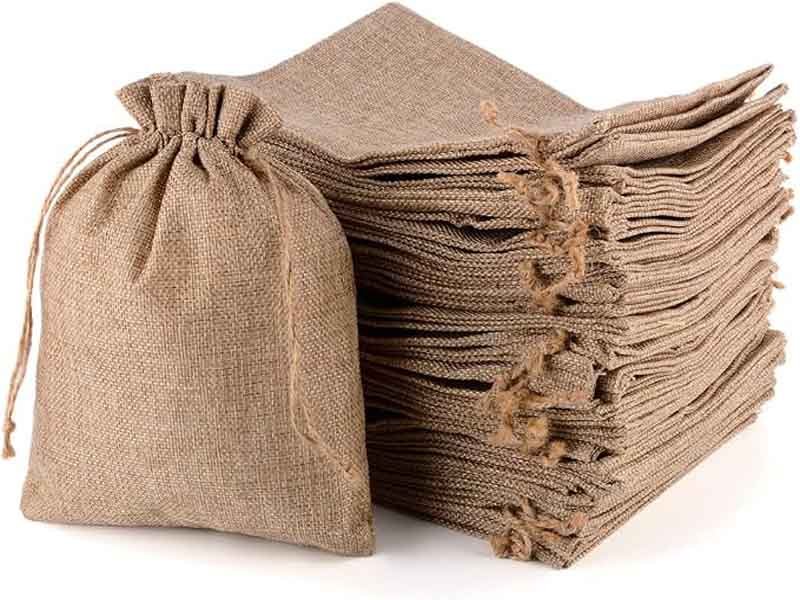
Can't find the answers?
No worries, please contact us and we will answer all the questions you have during the whole process of bag customization.
Make A Sample First?
If you have your own artwork, logo design files, or just an idea,please provide details about your project requirements, including preferred fabric, color, and customization options,we’re excited to assist you in bringing your bespoke bag designs to life through our sample production process.