 Skip to content
Satin Cloth Advantages and Disadvantages for Textile Importers
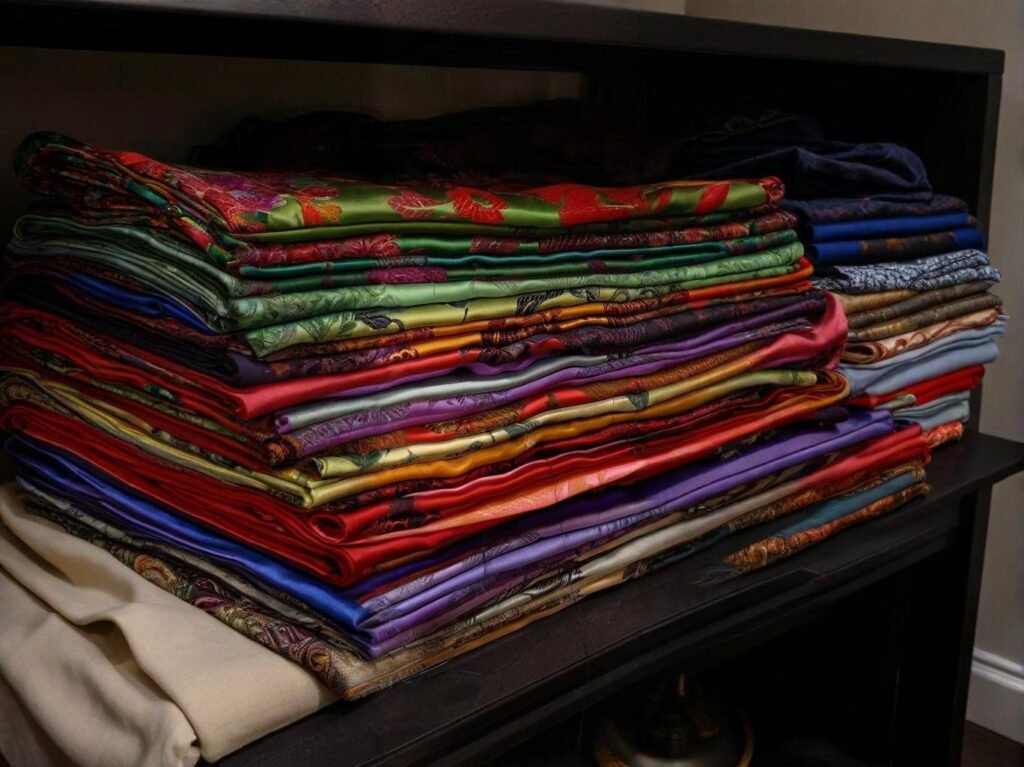
When people think of satin, they often picture a glossy, luxurious fabric used in elegant dresses, premium bedding, or high-end upholstery. But behind that beautiful sheen lies a world of complexity — one that textile importers and brand developers must navigate carefully. Satin is not a fiber but a weaving technique that gives fabric its characteristic smooth face and lustrous shine. Whether made from silk, polyester, nylon, or rayon, satin’s appeal lies in its versatility and ability to transform the look and feel of any product line. Satin cloth offers a soft, glossy finish, high drape, and luxurious appeal but also has drawbacks like snagging, limited breathability, and higher maintenance needs compared to other fabrics.
In an age where visual texture defines brand identity, choosing satin can elevate a product’s perceived value — but it can also create challenges if misunderstood. For every importer who loves satin’s fluid beauty, there’s another frustrated by its delicate care or cost variations. To fully grasp its potential, we must look beyond the shine — into how satin is made, where it excels, and where it struggles.
Let’s dive deeper into the weave that changed the global textile industry and continues to dominate luxury manufacturing even in the era of sustainability.
What Is Satin Cloth and How Is It Made?
Satin cloth occupies a unique place in the textile world because it is defined not by the fiber used but by the weaving technique that shapes its appearance and performance. At its core, satin is a weave structure—typically four or more warp yarns floating over one weft yarn—that creates the smooth, lustrous face consumers instantly recognize. The weave relies on long thread “floats,” which reflect light at shallow angles, generating the glossy texture associated with luxury garments and high-end upholstery. Historically woven from silk in medieval China and used only by nobility, satin has evolved dramatically with modern fiber technology. Today, mills produce satin using polyester, nylon, acetate, rayon, or blended filaments to achieve affordability, durability, and consistency at scale.
Satin’s enduring appeal comes from its signature drape and touch: fluid, soft, cool against the skin, and visually rich. These characteristics make it one of the most versatile fabrics in fashion and home textiles. However, not all satin is created equal. Its quality depends heavily on yarn selection, loom precision, finishing processes, and dyeing stability. Understanding how satin is made—and how different types of satin perform—helps buyers make smarter sourcing decisions, especially when evaluating global suppliers who offer a wide spectrum of qualities. Satin cloth is made through a weave pattern that floats warp threads over weft threads, creating a glossy surface and smooth feel. It can be made from silk, polyester, or other synthetic fibers.
1.1. The Science Behind the Satin Weave
Satin’s unique look and feel originate from how the threads interlace. The weave minimizes intersections, allowing yarns to run freely across the fabric surface. Because fewer interlacings mean more visible yarn, satin reflects more light than twill or plain weave.
| Weave Type | Thread Ratio | Surface Effect | Common Fiber Used |
|---|---|---|---|
| Satin | 4:1 or 5:1 (warp float) | Glossy, smooth front, dull back | Silk, Polyester, Nylon |
| Twill | 2:1 or 3:1 (diagonal structure) | Strong, textured | Cotton, Wool |
| Plain | 1:1 (equal interlace) | Balanced, matte | Cotton, Linen |
The “float” segments give satin its signature glow, but they also demand precise loom calibration. Even slight variations in tension or yarn diameter can create streaks or uneven shine. This is why high-quality satin suppliers often highlight their machinery—air-jet or water-jet looms—because the stability of the loom directly influences how clean the floats appear.
Synthetic satin, especially polyester satin, has become the global standard due to filament uniformity. Continuous-filament polyester produces a clean, highly reflective surface, closely mimicking silk while offering superior abrasion resistance and lower cost.
1.2. Types of Satin Commonly Used in Textile Manufacturing
Satin is not one fabric but an entire family of fabrics defined by weave and fiber. Each type offers distinct properties suitable for different industries.
| Type | Fiber Base | Texture | Typical Application |
|---|---|---|---|
| Silk Satin | 100% Silk | Ultra-soft, breathable | Bridal gowns, luxury bedding |
| Polyester Satin | 100% Polyester | Smooth, durable | Apparel, upholstery, lining |
| Duchess Satin | Polyester/Silk Blend | Heavyweight, crisp | Evening wear, upholstery |
| Charmeuse Satin | Silk or Polyester | Lightweight, fluid | Lingerie, dresses |
| Stretch Satin | Polyester + Spandex | Flexible, modern | Sportswear, fitted apparel |
Polyester satin dominates international trade—over 65% of global satin imports—because it offers a strong balance of aesthetics, durability, and production efficiency. Mills can fine-tune polyester satin to achieve ultra-high shine, matte-sheen hybrids, or specialized finishes like wrinkle-resistant or anti-snag.
Silk satin remains the gold standard for premium markets, but costs and variable supply limit its widespread industrial use.
1.3. Production and Global Supply Chain
Satin production today is concentrated in technologically advanced regions of Asia. China, India, and South Korea account for the majority of global output, with well-developed supply chains supporting large-volume and customizable satin programs. Hubs like Suzhou, Shaoxing, and Surat specialize in weaving, dyeing, and finishing satin across hundreds of variations—lightweight charmeuse, heavyweight duchess, stretch satin, printed satin, jacquard satin, and more.
Factories such as SzoneierFabrics operate vertically integrated systems where weaving, dyeing, heat-setting, calendaring, and finishing occur under one roof. This vertical integration allows buyers to specify:
- warp and weft density
- filament denier
- GSM weight
- luster level
- hand feel (soft, crisp, fluid)
- finishing (matte, gloss, anti-pilling, moisture-wicking)
Integrated mills achieve superior batch-to-batch consistency, which is essential for large apparel programs, hotel contracts, and upholstery orders where shade and texture must remain uniform across thousands of meters.
Lead times in these hubs are also highly competitive: polyester satin can move from weaving to finishing in as little as 12–18 days depending on dyeing complexity.
1.4. Environmental Considerations in Satin Production
Satin production, historically resource-intensive, has evolved significantly with sustainability in mind. Modern technologies aim to reduce water consumption, chemical waste, and energy usage.
Key developments include:
- Dope-dyed polyester satin Yarns are colored during extrusion, reducing water usage by nearly 80% and improving shade consistency.
- Bio-based nylon satin Made from renewable castor oil, offering improved biodegradability and reduced carbon footprint.
- Digital pigment printing Minimizes water and chemical runoff for printed satin used in fashion, home décor, and costume production.
- Closed-loop dyeing systems Common in premium mills, these recover and recycle dyewater to reduce environmental impact.
Industry trends indicate that by 2025, more than 40% of satin production may use eco-friendly polyester yarns, reflecting the shift toward responsible manufacturing. This aligns with global buyer demands, particularly from EU and US brands requiring OEKO-TEX, GRS, and Higg-compliant fabrics.
1.5. Reflection
Satin’s beauty lies not only in the luxurious face of the fabric but in the technical precision behind its creation. From fiber selection to loom technology and finishing methods, satin is a product of engineering discipline and aesthetic intent. Modern mills balance tradition—rooted in silk weaving—with contemporary innovations that allow satin to serve both luxury markets and mass retail efficiently.
For buyers, understanding how satin is made is essential. It enables accurate communication with suppliers, informed material selection, and ultimately more stable product results in apparel, home textiles, and upholstery.
Why Do Textile Importers Prefer Satin Fabric?
Satin has maintained a dominant presence in global textile importing for decades, not because it is merely attractive, but because it offers one of the most reliable combinations of visual impact, cost efficiency, and product versatility. For importers working across fashion, home textile, hotel supply, décor, and event industries, satin provides a rare advantage: a luxury-coded appearance without luxury-level costs. This duality—affordable yet premium to the eye—gives importers significant margin flexibility and enables them to serve multiple market tiers with a single fabric family. Beyond aesthetics, satin performs well in scaling, dyeing, and finishing, allowing overseas buyers to minimize SKU complexity while maintaining wide applicability across product lines. Importers choose satin because of its glossy appearance, versatility, broad application range, and balanced cost-to-value ratio, making it an essential material for apparel, accessories, home textiles, and hospitality products.
2.1. Broad Market Applications
Satin’s biggest commercial advantage is its ability to transition seamlessly between industries. Importers can buy large volumes of satin and allocate them across different product lines, reducing procurement risk and improving inventory turnover.
| Industry | Application | Example Product |
|---|---|---|
| Fashion | Dresses, blouses, linings | Luxury ready-to-wear |
| Home Textiles | Bedding, drapes, cushion covers | Satin sheets, curtains |
| Accessories | Bags, ribbons, shoes | Evening handbags, heels |
| Hospitality | Uniforms, decor textiles | Hotel pillow covers |
| Events | Decoration, backdrop fabric | Wedding textiles |
These applications demonstrate why satin remains one of the most commercially adaptable fabrics in global merchandising. Whether used in lightweight 75–95 GSM apparel satin or 180–260 GSM decorative satin, its surface luster helps elevated even low-cost items.
Case Study: A European design firm replaced cotton sateen with recycled polyester satin for a mid-range bedding line. The switch resulted in a 30% cost reduction and improved product lifespan due to better abrasion resistance. Customers also noted fewer complaints about dullness and pilling—issues common in cheaper cotton sateen.
2.2. Key Strengths for Importers
Importers require fabrics that are predictable, easy to source, visually appealing, and stable in supply. Satin satisfies these requirements more effectively than many other woven constructions.
| Advantage | Description | Business Impact |
|---|---|---|
| Visual Appeal | Lustrous and elegant | Enhances perceived product value |
| Versatility | Suits multiple end uses | Reduces SKU complexity |
| Color Retention | Strong dye absorption | Improves color consistency across batches |
| Low MOQ Feasibility | Flexible mill systems | Ideal for developing custom SKUs |
| Global Availability | Widely produced in Asia | Shorter sourcing cycles |
Visual Appeal Even in budget segments, satin provides a premium effect. Its reflective surface—whether polyester, nylon, or acetate—conveys elegance that customers associate with higher pricing tiers.
Versatility Because satin is not fiber-specific, importers can use polyester for cost efficiency, silk for high-end customers, and nylon for strength-based applications. One weave type, many product categories.
Color Retention Satin absorbs dye evenly, producing deep, consistent coloration. This is crucial for fashion brands and home textile companies where color mismatch between lots can lead to expensive returns.
Low MOQ Feasibility Many Asian mills allow MOQ as low as 500–800 meters per color for satin, enabling emerging brands or retailers to develop capsule collections without high inventory risk.
Global Availability China, India, South Korea, Vietnam, and Indonesia produce vast quantities of satin, ensuring stable supply and short lead times—an important factor for importers managing fast product cycles.
Observation: Satin’s optical properties make it a perfect storytelling fabric for brands wanting to communicate luxury, romance, sensuality, or sophistication. This emotional association increases perceived product value, especially in bridal and décor markets.
2.3. Cost vs Value Balance
One of the biggest advantages for textile importers is satin’s cost flexibility. The price can shift dramatically depending on fiber choices, yet the fabric maintains a consistently premium appearance.
| Satin Type | Average Cost (USD/meter) | Durability Rating | Market Segment |
|---|---|---|---|
| Silk Satin | $10–$25 | ★★★ | Luxury apparel |
| Polyester Satin | $2–$6 | ★★★★ | Mid-market fashion |
| Nylon Satin | $3–$8 | ★★★★★ | Sportswear, upholstery |
Silk Satin Reserved for high-tier fashion houses and premium bedding manufacturers. Importers typically stock it for niche luxury buyers.
Polyester Satin The most commercially important category. Polyester satin offers excellent value, low shrinkage, consistent dyeing, and high wash durability—making it preferred for bedding, apparel, and décor.
Nylon Satin Superior in tensile and abrasion performance, making it ideal for linings, uniforms, luggage, and jackets.
Tip for Importers: Blended satin (polyester + spandex or polyester + rayon) offers enhanced resilience, drape, and recovery, often with only a marginal increase in cost. This gives brands the ability to position satin garments as higher comfort or higher fluidity without significantly reducing profit margins.
2.4. Buyer Perspective: The Psychology of Gloss
The role of satin’s shine in purchasing behavior is often underestimated. Across global markets, gloss triggers subconscious associations with luxury, smoothness, purity, and special occasions. This makes satin uniquely effective for elevating both low- and mid-cost products.
A 2023 Fabric Aesthetics Survey reported the following insight: 78% of consumers associated satin with “premium quality,” regardless of whether it was made from silk or synthetic fiber.
This means importers can achieve luxury perception without luxury costs—a powerful advantage for competitive retail environments. Satin is therefore not just a material choice, but a visual branding tool.
What Are the Key Advantages of Satin Cloth in the Textile Industry?
Satin remains one of the most demanded fabrics in global trade because of its aesthetic appeal, tactile comfort, and adaptability. Whether used in haute couture or hotel interiors, it delivers a sense of refinement unmatched by most woven textiles. Beyond its elegant look, satin offers a technical balance between drape, dye affinity, and surface smoothness that enhances both function and design value. Satin cloth offers advantages like a smooth texture, glossy finish, color depth, high drape quality, and fabric versatility across apparel, upholstery, and decorative applications.
3.1. Aesthetic and Tactile Superiority
Satin’s hallmark is its luxurious sheen — the result of long floating yarns that create uninterrupted light reflection. This allows designers and manufacturers to achieve a richer visual effect, even in simple silhouettes.
| Feature | Explanation | Benefit for Importers |
|---|---|---|
| High Gloss Finish | Reflects light evenly due to minimal interlacing | Ideal for luxury visuals |
| Smooth Hand Feel | Fine filament fibers eliminate friction | Enhances perceived garment quality |
| Fluid Drape | Flexible yarn floats allow natural flow | Perfect for dresses, curtains, upholstery |
| Depth of Color | Strong dye absorption | Ensures vivid, long-lasting hues |
Real Example: Italian fashion brand Luisa Conti launched a polyester charmeuse satin line mimicking silk at one-third the cost, boosting exports by 42% due to its soft hand feel and excellent performance under photography lighting.
3.2. High Versatility Across Applications
Satin isn’t limited to apparel—its applications span home textiles, automotive interiors, event décor, and accessories. For importers, one fabric category can support multiple product lines, improving sourcing efficiency.
| Sector | Common Use | Fabric Type Used |
|---|---|---|
| Fashion | Dresses, linings, lingerie | Charmeuse, stretch satin |
| Home Decor | Drapes, bedding, cushion covers | Heavy duchess satin |
| Automotive | Seat linings, door panels | Nylon satin |
| Accessories | Bags, ribbons, hats | Polyester satin |
| Hospitality | Uniforms, bed linen | Silk-like polyester satin |
Key Note: In 2024, global satin imports exceeded USD 2.7 billion, with China producing nearly 70%, followed by India and Vietnam.
3.3. Durability and Maintenance Advantages
Despite its elegant appearance, synthetic satin fabrics—especially polyester or nylon—are highly durable. They resist wrinkles, maintain structural integrity, and outperform silk in wash and UV resistance.
| Property | Synthetic Satin | Natural Silk Satin |
|---|---|---|
| Wrinkle Resistance | Excellent | Moderate |
| Tear Strength | High | Medium |
| Wash Durability | Machine washable | Dry-clean only |
| UV Resistance | Good | Poor |
| Cost Efficiency | High | Low |
Tip for Importers: Request GSM testing from suppliers.
- Apparel satin: 90–140 GSM
- Upholstery satin: 180–250 GSM
3.4. Sustainable Developments in Satin Production
Growing global sustainability demands have pushed satin manufacturers toward greener innovations such as recycled yarns, waterless dyeing, and plant-based fibers.
- Recycled PET satin reduces energy use by 35–40%.
- Dope dyeing cuts wastewater by 80%+.
- Bamboo or Tencel satin offers biodegradability and soft drape.
| Eco-Initiative | Environmental Benefit | Adoption Rate (2025) |
|---|---|---|
| Recycled Polyester Satin | Reduces landfill waste | 52% |
| Waterless Dyeing | Saves water and energy | 37% |
| Bamboo/Tencel Satin | Biodegradable | 19% |
Industry Outlook: By 2026, more than half of global satin exports are projected to include eco-labeling or GRS certification as sustainability becomes a procurement priority.
What Are the Main Disadvantages or Limitations of Satin Fabric?
Satin is admired for its sheen, elegance, and smooth touch—but its beauty comes with engineering trade-offs that buyers, importers, and product developers must fully understand. Unlike plain or twill weaves, satin’s structure is built on long yarn floats. These floats are what create the glossy, luxurious front surface, but they also introduce vulnerabilities: higher snag potential, friction sensitivity, lower breathability (especially in synthetics), and additional care requirements.
In sectors like apparel, bedding, upholstery, and costume production, overlooking these limitations can result in elevated return rates, inconsistent customer feedback, or unexpected failure during wear and laundering. A professional sourcing strategy requires acknowledging satin’s weaknesses and proactively engineering around them—whether through fiber choice, finishing techniques, or appropriate product placement. The primary disadvantages of satin include susceptibility to snagging, limited breathability, complex care requirements, sensitivity to heat, and static buildup in synthetic versions. These structural and fiber-related limitations influence durability, comfort, and long-term product performance.
Understanding satin’s shortcomings helps procurement teams predict challenges and design products that maintain both beauty and performance.
4.1. Physical Limitations: Snagging and Wear
Satin’s surface is created through extended floats—warp or weft yarns that glide over multiple threads before interlacing. While this construction enhances shine, it also reduces the protective interlocking found in plain or twill weaves. As a result, the surface becomes more vulnerable to snagging, abrasion, and shine loss.
Snags often appear when fabrics contact:
- Jewelry
- Rough table edges
- Zippers or metal trims
- Coarse laundry loads
- Packaging machinery (a frequent problem for bedding importers)
Even small thread pulls compromise the fabric’s appearance, especially in high-sheen satins where light reflects strongly off the affected area.
| Issue | Cause | Prevention |
|---|---|---|
| Snagging | Long floats exposed to friction | Tighter weaves, high-tenacity fibers, anti-snag finishing |
| Pilling | Friction in synthetic blends | Higher filament quality, anti-pilling chemical finish |
| Shine Loss | Frequent washing, heat exposure | Low-temperature washing and ironing |
Case Study: A U.S. homeware importer experienced a 15% return rate for satin bedding due to thread pulls during packaging. By switching to microfiber satin with shorter floats and improved finishing, snags decreased by over 60%, recovering profit margins and reducing warehouse damage.
Satin may be stunning, but it requires conscious engineering to address wear weaknesses.
4.2. Comfort and Breathability Challenges
While satin feels cool initially, not all versions breathe well. Breathability depends largely on fiber type and finishing. Synthetic satins—polyester and nylon—typically have lower air permeability because the fibers do not absorb moisture. In warm or humid climates, this leads to a “warm, clingy” sensation.
Natural-fiber satins, such as silk or cotton sateen, offer better thermoregulation, but at higher cost or with reduced durability.
| Fabric Type | Breathability Score (1–10) | Moisture Absorption | Comfort in Heat |
|---|---|---|---|
| Silk Satin | 9 | Excellent | Very comfortable |
| Polyester Satin | 5 | Poor | Warm and less breathable |
| Cotton Sateen | 8 | Good | Comfortable, cooler |
| Nylon Satin | 6 | Moderate | Retains heat |
This performance gap is why buyers must consider climate and end-use. Polyester satin may be suitable for winter apparel or decorative pillow shams, but not ideal for tropical sleepwear or humid-region bedding.
Tip: Bamboo-blend satin is emerging as a solution, combining satin’s sheen with bamboo’s moisture-wicking properties—ideal for Southeast Asian and Middle Eastern markets.
4.3. Maintenance Complexity
Satin is not a carefree fabric. Its care sensitivity varies by fiber, but all satin requires caution around heat, friction, and chemicals. Polyester satin is the easiest to maintain, but natural satin fabrics—particularly silk—can be demanding.
Maintenance challenges include:
- Limited wash temperatures
- Risk of heat damage
- Potential for water spotting
- Requirement for gentle cycles
- Dependence on professional cleaning for luxury fibers
| Fiber | Wash Type | Ironing | Durability Rating |
|---|---|---|---|
| Silk Satin | Dry clean only | Low heat | ★★★ |
| Polyester Satin | Machine wash (cold) | Low–medium heat | ★★★★ |
| Nylon Satin | Hand wash / gentle machine | Medium heat | ★★★★★ |
| Acetate Satin | Dry clean only | Avoid heat | ★★ |
Common Mistake: Using fabric softeners on polyester satin deteriorates the finishing film, reducing sheen and weakening tensile strength over time.
For brands, this creates potential customer dissatisfaction if care labels are unclear or unrealistic.
4.4. Cost and Supply Fluctuations
The global satin market is heavily shaped by raw material volatility.
Silk satin, for example, is influenced by:
- Mulberry crop quality
- Labor-intensive reeling processes
- Export policies in China and India
- Luxury consumption cycles
Synthetic satin costs are tied to:
- Oil and petrochemical pricing
- Resin supply fluctuations
- Global shipping costs
| Year | Silk Satin (USD/kg) | Polyester Satin (USD/kg) | Key Market Influence |
|---|---|---|---|
| 2021 | $28.50 | $5.20 | Post-pandemic demand surge |
| 2023 | $31.80 | $4.75 | China export regulation |
| 2025 (est.) | $30.20 | $5.10 | Synthetic supply stabilization |
For buyers producing both premium and volume lines, cost balancing becomes essential. Many importers adopt a dual approach:
- Silk satin for premium, flagship SKUs
- Polyester satin for mass market and promotional collections
This approach protects both brand image and margin stability.
4.5. Static Buildup and Handling Challenges
Synthetic satins—especially polyester—tend to accumulate static due to their hydrophobic nature. Static causes garments to cling, attract dust, and cause discomfort. For production teams, static complicates:
- Cutting
- Layer stacking
- Precision sewing
- Packaging operations
Anti-static finishing helps, but it typically diminishes after repeated washes unless specially engineered.
In markets like winter apparel or formalwear, this must be factored into design decisions.
4.6. Sustainability Concerns
Satin’s sustainability varies dramatically by fiber. Synthetic satins contribute to microplastic shedding, especially when woven with low-quality filaments. Silk satin requires large agricultural inputs, and acetate satin poses biodegradability and solvent concerns.
Procurement teams are increasingly pressured to justify:
- Chemical usage
- Water consumption
- Recyclability
- Carbon footprint
This pushes many brands toward recycled polyester satin (GRS-certified), bamboo satin, or organic cotton sateen.
4.7. Reflection
Satin’s limitations are real, but they can be managed with informed sourcing. Every disadvantage—snagging, reduced breathability, maintenance sensitivity, static buildup, cost volatility—has solutions, but only if buyers account for them early. Choosing the right fiber, the right finish, and the right application determines whether satin elevates a product line or becomes a QC liability.
When buyers understand satin’s limitations, they unlock satin’s strengths more effectively—and build products that remain beautiful, functional, and reliable in the hands of consumers.
How Does Satin Compare with Other Common Fabrics Like Cotton or Polyester?
Choosing the right fabric is one of the most strategic decisions in textile sourcing, and satin, cotton, and polyester often sit at the center of these evaluations. While they may appear interchangeable for certain product categories, each material carries its own performance profile, manufacturing complexity, and consumer perception. Cotton dominates everyday wear due to comfort and breathability; polyester leads in cost efficiency and technical performance; satin, defined by its unique weave rather than its fiber, occupies a premium aesthetic position.
For importers building seasonal collections, hotel chains selecting decorative fabrics, or apparel brands upgrading linings and dresses, understanding how satin compares with cotton and polyester is essential. Satin stands out visually and texturally, often elevating even simple garments or home textiles into high-value items. However, its breathability, snag resistance, and environmental implications differ significantly from the others. A thoughtful comparison helps buyers position each fabric correctly and avoid unsuitable applications. Satin differs from cotton and polyester in its weave, texture, and appearance — offering more luster and drape but less breathability and easier snagging compared to other fabrics.
5.1. Comparative Performance Overview
Below is a performance snapshot that highlights how satin contrasts with cotton and polyester across key attributes:
| Property | Satin (Polyester/Silk) | Cotton | Polyester |
|---|---|---|---|
| Surface Finish | Glossy, reflective | Matte, soft | Semi-gloss |
| Comfort/Breathability | Moderate | Excellent | Low to moderate |
| Durability | High (synthetic), medium (silk) | Medium | High |
| Wrinkle Resistance | Excellent (synthetic) | Low | Excellent |
| Moisture Absorption | Low | High | Very low |
| Cost (avg. per meter) | $3–$25 | $2–$8 | $1.5–$6 |
| Typical Use | Apparel, decor, luxury goods | Everyday wear, home textiles | Activewear, upholstery |
Satin, especially polyester satin, essentially bridges the gap between cotton’s comfort and polyester’s strength. Its surface finish makes it ideal for premium-positioned collections, visual merchandising, and festive wear where aesthetics heavily influence purchasing decisions. Meanwhile, cotton excels in breathable comfort fabrics, and polyester shines in technical-performance goods.
Observation: Polyester satin provides a balance between cotton’s softness and polyester’s durability, making it ideal for importers seeking both performance and a luxury look at a mid-range price point.
5.2. Visual and Tactile Differences
Few fabrics can visually compete with satin. Its floating warp yarns reflect light almost like a mirror, producing a sheen that intensifies color and enhances pattern clarity. This is why satin is widely used in high-end apparel, hotel drapery, costume production, photo styling, and stage design.
| Fabric Type | Aesthetic Appeal | Touch Feel | Target Market |
|---|---|---|---|
| Satin | Luxurious, shiny | Silky, soft | Premium brands, hospitality |
| Cotton | Natural, breathable | Smooth but matte | Everyday fashion |
| Polyester | Modern, technical | Slightly crisp | Sportswear, budget brands |
Cotton provides comfort but lacks visual drama. Polyester offers dimensional stability but does not naturally drape or shine like satin unless engineered into satin weave form.
Example: A South Korean clothing brand replaced cotton lining with lightweight polyester satin, reducing garment bulk and improving drape. Customer reviews praised the “cooler touch and more premium feel,” leading to a 22% sales increase in the spring outerwear category.
5.3. Manufacturing and Dyeing Comparison
Satin’s tight weave and smooth surface give it an advantage when it comes to dyeing and printing. Its reflective surface enhances depth and vibrancy, making colors appear richer.
| Process | Satin | Cotton | Polyester |
|---|---|---|---|
| Dye Affinity | Excellent (rich tones) | High (natural brightness) | Good (requires disperse dyes) |
| Shrinkage | Minimal (synthetic) | Moderate | Minimal |
| Print Clarity | High (smooth surface) | Medium | Medium |
| Weaving Cost | Moderate to high | Low | Low |
Satin requires more loom precision than basic cotton or polyester plain weaves because its floats must be uniform. However, the final aesthetic payoff is higher. Satin also holds heat-set finishes exceptionally well, improving wrinkle resistance and dimensional stability.
Tip: For uniforms or brand-identity fabrics where color consistency is critical, satin’s predictable dye uptake can yield fewer shade variations than cotton—especially in large-volume orders.
5.4. Environmental and Sustainability Factors
As sustainability becomes a core purchasing factor, satin’s environmental profile depends heavily on the fiber used. Silk satin is biodegradable but resource-intensive; polyester satin is durable and recyclable but petroleum-based; cotton is natural but water-intensive.
| Sustainability Metric | Satin (Recycled Polyester) | Cotton | Virgin Polyester |
|---|---|---|---|
| Water Usage | Low | Very high | Low |
| Energy Use | Moderate | High | High |
| Carbon Emission | 40% lower than virgin polyester | Medium | High |
| Recyclability | Yes | Limited | Yes |
| Lifespan | Long | Moderate | Long |
Recycled polyester satin offers a strong balance between luxury aesthetics and reduced environmental impact. Leading mills—including SzoneierFabrics—produce GRS-certified satin with OEKO-TEX-compliant dyeing, giving importers reliable eco-conscious options for apparel and home textiles.
Sustainability Note: As demand increases, recycled satin blends are becoming standard for mid- to high-tier brands seeking premium appearance without compromising eco-positioning.
5.5. The Comfort Trade-Off
Satin offers a smooth, cooling touch but comparatively weaker breathability. Cotton excels in moisture absorption and airflow, making it ideal for tropical climates and everyday basics. Polyester, on the other hand, provides durability and quick-drying performance but can feel warm against the skin.
| Climate | Best Option | Rationale |
|---|---|---|
| Hot & Humid | Cotton | Breathable and absorbent |
| Mild or Cold | Satin | Cooling hand with soft insulation |
| Active/Outdoor | Polyester | Sweat-resistant, fast-drying |
While synthetic satin isn’t the best choice for high-sweat environments, it remains unmatched in aesthetics and drape. This is why it continues to dominate formalwear, evening gowns, bedding, fashion linings, and decorative textiles.
Conclusion: The choice between satin, cotton, and polyester depends heavily on end-use requirements, target market, and design direction. For brands aiming to elevate perception while maintaining durability and manageable cost, satin—especially recycled or blended versions—offers an exceptional value proposition.
Which Types of Satin Are Most Popular for Apparel, Upholstery, and Accessories?
Satin is not a single fabric but a family of constructions defined by long floats, controlled sheen, and smooth touch. Within this family, each subtype—charmeuse, duchess, crepe-back, baronet, stretch satin, peau de soie—offers its own technical advantages in weight, rigidity, elasticity, and shine. Importers and manufacturers choose different satin varieties based on the end use: fluid dresses require lightness and fine filament continuity, upholstery needs structural density, and accessories rely on firmness and high surface gloss. The diversity within satin allows the textile industry to serve multiple sectors using a single weave category while still achieving distinct tactile and visual outcomes. The most widely used satin constructions include charmeuse, duchess, crepe-back, baronet, and stretch satin, each chosen for specific applications across apparel, upholstery, and accessories.
6.1. Satin Types by Application
Different satin types have emerged to meet the needs of highly specialized categories within fashion and interiors. The characteristics of each satin determine its suitability for movement-heavy garments, structured upholstery, or polished accessories.
| Satin Type | Characteristics | Best Used For | Fiber Base |
|---|---|---|---|
| Charmeuse Satin | Lightweight, fluid drape, soft luster | Dresses, lingerie, linings | Silk or polyester |
| Duchess Satin | Heavy, crisp, strong structure | Bridal wear, upholstery | Polyester or silk blend |
| Crepe-Back Satin | Textured underside, dual function | Reversible garments | Silk or rayon |
| Baronet Satin | Extremely glossy, firm handle | Bags, accessories | Rayon/nylon blend |
| Stretch Satin | Elastic and flexible | Sportswear, fitted designs | Polyester + spandex |
| Peau de Soie | Matte face, dense weave | Formal wear, interiors | Silk/polyester |
Charmeuse satin dominates fluid dress markets due to its softness and water-like drape. Duchess satin, with its rigid body and dimensional stability, is ideal for voluminous gowns and high-end upholstery panels. Crepe-back satin provides two fabrics in one—smooth front, textured back—giving designers reversible versatility. Baronet satin is favored in luxury accessories for its intense shine and firmness. Stretch satin supports body-contouring silhouettes. Peau de soie remains a classic for formal interiors and bridalwear due to its refined, matte appearance.
Insight: Polyester charmeuse satin continues to dominate global exports because it retains the visual elegance consumers associate with silk while offering higher durability and a significantly lower cost base.
6.2. Market Preferences by Region
The global satin trade varies by region due to cultural aesthetics, climate, and industry specialization. Bridal markets in Europe favor denser satin varieties; North America leans toward fashion-oriented lightweight satins; and Middle Eastern markets prioritize shine, density, and durable upholstery-grade constructions.
| Region | Preferred Satin Type | Main Application |
|---|---|---|
| Europe | Duchess, Peau de Soie | Bridal, couture |
| North America | Charmeuse, Stretch Satin | Fashion, home décor |
| Middle East | Baronet, Heavy Satin | Upholstery, uniforms |
| Asia-Pacific | Polyester Satin | Apparel, accessories |
Market Trend: The rise of stretch satin is notable. Since 2022, global demand has increased by 28%, driven by the popularity of body-hugging eveningwear, contour dresses, and hybrid athleisure-luxury designs.
Europe’s preference for duchess satin stems from a longstanding couture tradition demanding fabrics with sculptural presence. North America’s demand for charmeuse reflects the influence of Hollywood and influencer-driven aesthetics. The Middle East’s interest in baronet satin aligns with preferences for intense shine and durability in both formalwear and interiors. Asia-Pacific remains the world’s largest polyester satin consumer due to its rapid fashion cycles and accessories industry.
6.3. Technical Factors in Selecting Satin
Selecting satin for a specific application requires a deeper understanding of textile engineering. The choice is not just visual—it is structural. Factors such as GSM, filament denier, warp-to-weft ratio, and blend composition determine whether a satin will drape cleanly, resist snagging, or maintain structure under load.
| Property | Ideal Range | Influence |
|---|---|---|
| GSM (Weight) | 90–250 | Determines drape and opacity |
| Yarn Denier | 40D–150D | Affects shine and flexibility |
| Warp/Weft Ratio | 4:1 or 5:1 | Creates signature luster |
| Blend Ratio (Poly+Spandex) | 95:5 | Adds elasticity without distortion |
For apparel, lighter charmeuse satin (90–120 GSM) ensures fluid movement and comfort, making it suitable for dresses and lingerie. For upholstery, higher GSM (180–250) is necessary to provide adequate resistance to abrasion and maintain a clean drape on furniture. Warp-faced satin produces higher shine because warp yarns—often the stronger and finer filaments—dominate the visible surface. Blended satin with spandex improves stretch recovery for fitted garments without compromising surface sheen.
Technical Tip: Handbags, belts, and structured accessories need stability. Duchess or baronet satin (180–220 GSM) offers the density and firmness required to maintain shape, preventing sagging or deformation over time.
6.4. Innovations in Satin Fabrication
Modern satin is evolving rapidly thanks to advancements in fiber technology and finishing techniques. Traditional satin’s weaknesses—snagging, staining, and low durability—have been significantly reduced through innovation.
| Innovation | Function | Brand Application |
|---|---|---|
| Anti-Snag Finish | Prevents thread pulls | Upholstery & fashion |
| Nano Coating | Repels stains and water | Travel bags, home décor |
| Memory Satin | Recovers shape after wear | Jackets, dresses |
| Recycled Filament Satin | Eco-friendly material base | Sustainable brands |
Micro-filament technology enables manufacturers to achieve silk-like softness using continuous polyester filaments as fine as 0.8 denier. Nano-coatings reduce absorption of oils and stains, critical for handbags and décor textiles. Memory satin, reinforced with special polymer systems, maintains shape even after repeated bending—ideal for outerwear with structured silhouettes. Recycled filament satin supports the growing sustainability commitments of global retailers.
Example: A UK accessories company replaced standard acetate satin with nano-coated recycled satin for its handbag lining program. The switch resulted in a 50% decline in returns related to stains and scuffs, proving that modern satin can compete with technical fabrics in durability-sensitive markets.
How Do Importers Source and Inspect Satin Fabric for Quality?
Importing satin fabric successfully goes far beyond finding a low price. True long-term value comes from working with a factory that understands satin’s delicate weave structure, surface sensitivity, and finishing precision. Poor weaving or dyeing can instantly destroy the fabric’s smoothness or create uneven shine, which ultimately hurts brand perception. Textile importers ensure satin fabric quality by evaluating GSM, yarn fineness, weave density, dye uniformity, and surface defects through inspection, testing, and reliable supplier audits.
7.1. Key Fabric Inspection Parameters
| Inspection Category | Testing Method | Acceptable Standard | Notes |
|---|---|---|---|
| GSM (Weight) | Fabric weight test | ±3% tolerance | Ensures density consistency |
| Yarn Fineness | Denier testing | 40D–150D | Impacts gloss and drape |
| Color Fastness | ISO 105-X12 rub test | 4 or above | Prevents fading and bleeding |
| Surface Defects | Visual under 600 Lux | Max 3 defects/100m | Includes snags, slubs, uneven sheen |
| Tensile Strength | ASTM D5034 | ≥30 N for apparel satin | Reflects durability |
| Shrinkage | ISO 5077 | ≤2% | Ensures stable dimensions |
Example: An importer working with a Vietnamese factory experienced a 12% satin rejection rate due to inconsistent sheen. After implementing controlled lighting and GSM testing, the rejection rate dropped below 2%, saving thousands in reprocessing costs.
7.2. Fabric Hand Feel and Visual Grading
Professional buyers evaluate satin using both quantitative and sensory assessments.
- Hand feel test: Measures smoothness, softness, and cool touch.
- Light reflection test: Ensures uniform gloss when folded or draped.
- Rub test: Identifies static buildup or linting on synthetic satins.
A strong supplier such as SzoneierFabrics provides pre-shipment inspection reports including:
- Photographs
- GSM results
- Color-matching tests (verified under D65 daylight)
7.3. Supplier Evaluation and Sampling Practices
| Evaluation Step | Buyer Action | Expected Outcome |
|---|---|---|
| Initial Sampling | Request 1–2m samples in target GSM & color | Verify texture and shine consistency |
| Pre-Production Samples | Confirm dyeing, finishing, and width | Prevent lot variation |
| Pilot Run | Test cutting and sewing behavior | Avoid snagging or fraying |
| Final Inspection | AQL 2.5/4.0 standard | Detect structural or visual defects |
Tip: For satin imports, request full batch traceability. Each roll should have a lot number linking to yarn batches and dye lots.
7.4. Packaging, Storage, and Transportation Care
Because satin’s glossy surface is sensitive, proper handling during shipping is essential to avoid abrasions, fold marks, and pressure lines.
- Choose rolled packaging instead of folding.
- Use anti-static PE film to prevent friction scratches.
- Avoid stacking rolls under heavy weight.
| Storage Factor | Ideal Condition |
|---|---|
| Humidity | Below 60% RH |
| Temperature | 18–25°C |
| Light Exposure | No direct sunlight |
| Roll Position | Horizontal, or suspended |
Case Insight: SzoneierFabrics ships pre-ironed, vacuum-sealed satin rolls to European buyers—removing the need for post-arrival pressing and saving clients up to 1–2 days per shipment.
What Is the Future Outlook for Satin in the Global Textile Market?
Satin has undergone one of the most dramatic evolutions in textile history. Once reserved for royalty and ceremonial garments, it gradually entered mainstream apparel, bedding, home décor, and even industrial applications. What keeps satin relevant across centuries is not just its shine, but its emotional appeal: a fabric that signals softness, elegance, and sensuality in both touch and appearance. Today, satin is experiencing another transformation, shaped by sustainability mandates, innovative fibers, digitalized manufacturing, and global shifts in consumer aesthetics. As brands move toward cleaner, smarter, and more transparent supply chains, satin is poised to grow—not as a traditional luxury material, but as a modern, responsible textile engineered for the next decade. The future of satin lies in sustainability, recycled and bio-based fibers, advanced dyeing technologies, digital printing, and performance finishes that enhance durability, hygiene, and environmental compatibility.
8.1. Sustainability and Innovation Drive the Next Chapter
Satin’s renewed relevance is strongly tied to eco-engineering. Brands are abandoning conventional petroleum-based filaments in favor of circular and bio-derived alternatives that reduce environmental impact while maintaining satin’s signature visual appeal.
| Innovation Area | Description | Market Impact |
|---|---|---|
| Recycled Polyester Satin | Produced using post-consumer PET bottles | Reduces landfill waste and decreases CO₂ emissions by up to 40% |
| Bio-Based Nylon Satin | Derived from castor oil or PA11 systems | Improves biodegradability without sacrificing tensile strength |
| Waterless Dyeing Tech | CO₂ dyeing or digital pigment systems | Saves 70–80% of the water used in conventional dyeing |
| Antimicrobial Finishes | Durability-focused hygiene coatings | Extends satin use into medical and hospitality textiles |
Forecast: According to Textile Exchange’s 2025 Sustainability Outlook, eco-certified satin production is expected to grow 60% in the next three years, driven by major fashion houses and home textile brands committing to transparent sourcing and measurable carbon reduction.
Satin is no longer judged solely by how it looks but by how it is made—and how long it lasts.
8.2. Regional Demand Outlook (2025–2030)
Global satin consumption is rising as apparel, home décor, and hospitality markets continue expanding. Demand varies by region depending on fashion culture, production capacity, and retail infrastructure.
| Region | Market Growth (CAGR) | Primary Drivers |
|---|---|---|
| Asia-Pacific | 7.8% | Expanding apparel exports, competitive manufacturing, wedding & festival wear demand |
| Europe | 5.2% | Sustainability mandates, bridalwear resurgence, luxury bedding |
| North America | 6.1% | E-commerce growth, eveningwear trends, high-end loungewear |
| Middle East & Africa | 4.9% | Hospitality expansion, interior décor upgrades |
Trend Note: Eco-satin blends (polyester + bamboo or lyocell) are expected to double in demand by 2028, particularly among importers seeking breathable, low-impact alternatives that still deliver satin’s signature luster.
This reflects a broader market shift: satin’s future growth is tied to hybridization—blends that solve the limitations of pure polyester satin and reduce dependence on silk.
8.3. Digital Transformation in Satin Sourcing
As textile mills modernize, satin production is rapidly becoming more precise and traceable. Unlike past decades—where quality depended heavily on manual expertise—today’s leading satin suppliers rely on advanced digital systems to maintain consistency and accelerate development.
Key shifts include:
- 3D weaving simulation Designers preview drape, reflectivity, and movement digitally before sampling.
- AI-driven defect detection High-speed cameras monitor loom output for skipped floats, broken filaments, or streaking—issues that previously required manual inspection.
- Blockchain-based traceability Every production stage—from yarn spinning to finishing—is logged to verify origin and compliance.
Example: SzoneierFabrics has implemented digital loom calibration and QR-coded roll traceability. This enables buyers to track GSM, pick density, dye batch, and finishing parameters in real-time—a major advantage for brands requiring strict color consistency across large collections.
As transparency becomes a global expectation, satin producers who invest in digitalization will have a competitive edge.
8.4. Fashion and Lifestyle Trends Favor Satin Again
Satin is experiencing a revival, driven by nostalgia for 90s minimalism, the rise of sensual drape-focused silhouettes, and the desire for elevated comfort in both apparel and home textiles. Designers are embracing satin for its ability to transition smoothly from casual to formal environments.
| Segment | Trend | Satin Integration |
|---|---|---|
| Apparel | Minimalist drape, evening separates | Charmeuse, stretch satin for fluid movement |
| Home Textiles | Soft-gloss bedding, modern interiors | Heavy duchess satin for structure and sheen |
| Accessories | Hair accessories, structured bags | Baronet or semi-matte satin |
| Athleisure | Luxe streetwear with satin accents | Stretch satin panels or trims |
Design Insight: Hybrid constructions are emerging—such as matte-satin blends, twill-satin composites, and sand-washed satin—creating a more subtle, contemporary interpretation of shine that appeals to younger, sustainability-conscious customers.
These innovations help satin maintain relevance in cycles where high-gloss fabrics might otherwise feel too formal or traditional.
8.5. New Performance Requirements Reshape Satin’s Next Evolution
Modern consumers expect satin to be more than elegant—they expect it to perform. This has pushed the industry toward new functionality:
- Moisture-regulating satin for bedding in warm climates
- Stretch satin for comfort-focused eveningwear
- Anti-snag satin for upholstery and children’s apparel
- UV-stable satin for décor and event furnishings
- Machine-washable silk-like satin for accessible luxury
These performance improvements will drive satin adoption across markets previously hesitant due to maintenance or durability concerns.
8.6. Reflection
The future of satin is defined by transformation rather than tradition. Sustainability pressures, fiber innovation, and digitalized production are reshaping what satin means and how it is used. As global consumers demand textiles that are beautiful, durable, traceable, and ethically produced, satin’s next decade will be characterized by hybrid blends, smarter finishes, and cleaner manufacturing.
For buyers and brands, the opportunity lies in embracing satin not only for its historic allure but for its capacity to evolve—becoming a modern material that meets both aesthetic desires and environmental expectations.
Satin’s Shine Isn’t Just Surface-Deep
The story of satin is one of transformation — from royal courts in ancient China to sustainable factories in modern Asia. Its ability to evolve while retaining its unmistakable elegance ensures that satin will remain a cornerstone of global textile manufacturing for decades to come.
Today’s textile importers don’t just want beauty; they want reliability, traceability, and customization. Satin delivers all three when sourced correctly — blending tradition, innovation, and responsibility.
At SzoneierFabrics, our R&D and production teams specialize in crafting custom satin fabrics with tailored GSM weights, finishes, and eco-certifications. Whether you need high-gloss polyester satin, matte duchess satin, or stretch satin blends for your apparel or décor line, we can design, sample, and produce exactly to your specification — fast, sustainably, and with guaranteed quality.
Ready to Develop Your Custom Satin Collection?
Contact SzoneierFabrics today to request free satin samples or discuss your project needs. Let’s co-create the next generation of beautiful, sustainable satin fabrics for your brand.
Can't find the answers?
No worries, please contact us and we will answer all the questions you have during the whole process of bag customization.
Make A Sample First?
If you have your own artwork, logo design files, or just an idea,please provide details about your project requirements, including preferred fabric, color, and customization options,we’re excited to assist you in bringing your bespoke bag designs to life through our sample production process.