Skip to content
Every product tells two stories: one to the customer and one to the retailer. While satin and silk might appear similar on the rack—both smooth, glossy, and elegant—their stories behind the scenes are vastly different. For fashion entrepreneurs, home decor brands, and retailers managing tight margins, the real question isn’t just “which one looks better?”—but which one sells better and makes more money? Silk offers higher perceived value but lower wholesale margin due to higher material and processing costs, while satin—especially polyester satin—offers stronger markups, faster turnover, and lower upfront investment for retailers.
At a glance, silk seems like the obvious winner: it’s luxurious, desirable, and commands higher retail prices. But the math behind satin may surprise you. In this article, we’ll unpack the full pricing breakdown, explore profit margins, and help retailers determine when it makes more sense to stock satin over silk—and vice versa. Along the way, we’ll share case studies, margin benchmarks, and negotiation tips to help you sell smart, not just pretty.
Let’s begin by comparing the foundational numbers: the cost.
What Are the Key Cost Differences Between Satin and Silk Fabrics?

The cost difference between satin and silk lies primarily in raw material composition, weaving complexity, and dyeing/finishing processes. Silk is a natural protein fiber, requiring labor-intensive farming, reeling, and eco-sensitive handling. Satin, often made from polyester, is produced synthetically in bulk, with far fewer resource constraints. Silk costs significantly more than satin at the wholesale level, often ranging from $15–$45 per yard, while satin—especially polyester satin—can range from $1.50 to $6 per yard depending on quality and finish.
This discrepancy drastically affects the initial investment for retailers, particularly when sourcing hundreds or thousands of yards.
Cost Comparison Between Satin and Silk
Average Wholesale Price Per Yard (2024 Global Benchmark)
| Fabric Type | Composition | Price Range (USD/yard) | MOQ Range | Notes |
|---|---|---|---|---|
| Polyester Satin | 100% polyester | $1.50 – $3.50 | Low (100m) | Most affordable, good for fast fashion |
| Acetate Satin | Acetate/rayon blend | $3.00 – $5.50 | Mid | Better drape, slightly more delicate |
| Silk Satin | 100% mulberry silk | $18.00 – $35.00 | Higher (300m) | Luxury category, MOQ often stricter |
| 19 Momme Silk (plain) | 100% mulberry silk | $15.00 – $22.00 | Mid | Lightweight, used for scarves/loungewear |
| 22 Momme Silk | 100% mulberry silk | $20.00 – $28.00 | High | Premium, used for bedding or bridal wear |
Additional Cost Factors
- Silk dyeing is more sensitive, often requiring acid or reactive dye baths, and needs tighter environmental control (pH, temperature).
- Satin can be printed or dyed faster, with heat-transfer or pigment processes requiring less post-fixation.
Case Example:
A mid-tier boutique in Los Angeles sourced polyester satin at $2.80/yard and retailed dresses at $48. Their average gross profit per unit exceeded 70%, while their silk line—sourced at $22/yard—retailed at $128 with a gross profit margin just above 50%. Satin won in ROI despite silk’s higher price tag.
How Do Fabric Composition and Production Impact Wholesale Pricing?
Fabric composition directly determines the base cost of raw materials and processing. Silk, being a natural filament fiber, comes from silkworms and undergoes delicate handling from reeling to weaving. Satin, when made from polyester or acetate, uses petroleum-derived polymers that are cheaper and faster to produce in bulk. Silk requires intensive natural sourcing and slow processing, raising costs, while satin—especially synthetic—offers low-cost scalability due to faster production and abundant raw materials.
Beyond sourcing, the production pipeline—weaving speed, dye response, labor intensity—also shapes the final wholesale price. Even within silk or satin categories, prices vary based on yarn thickness, density (momme or GSM), and finishing techniques.
Production & Fiber Differences Explained
Production Efficiency Comparison: Satin vs Silk
| Factor | Silk | Satin (Polyester) |
|---|---|---|
| Fiber Origin | Natural (silkworm cocoons) | Synthetic (petrochemical-based) |
| Raw Material Cost | High | Low |
| Weaving Time Per Yard | Slower due to fragile filaments | Faster on automated looms |
| Dyeing Complexity | High (acid/reactive dyes) | Moderate (disperse/pigment dyes) |
| Fabric Waste During Cutting | Higher (less stable surface tension) | Lower (satin cuts more cleanly) |
| Post-Treatment Finishing | More steps (softening, shrinkage) | Minimal finishing required |
Margin-Impacting Realities
- Silk has longer lead times, meaning higher inventory risk for brands with fast cycles.
- Satin offers quicker reorder cycles, often shipping in 7–10 days, making it ideal for trend-driven launches.
Real-World Insight
A bridalwear startup in Australia found that 50% of their cost-of-goods (COG) for a silk gown came from just the fabric, while a satin version with similar styling had 40% lower material costs, allowing them to offer it as a “second price tier” without hurting brand image.
Which Type of Fabric Offers Higher Markup Potential for Retailers?
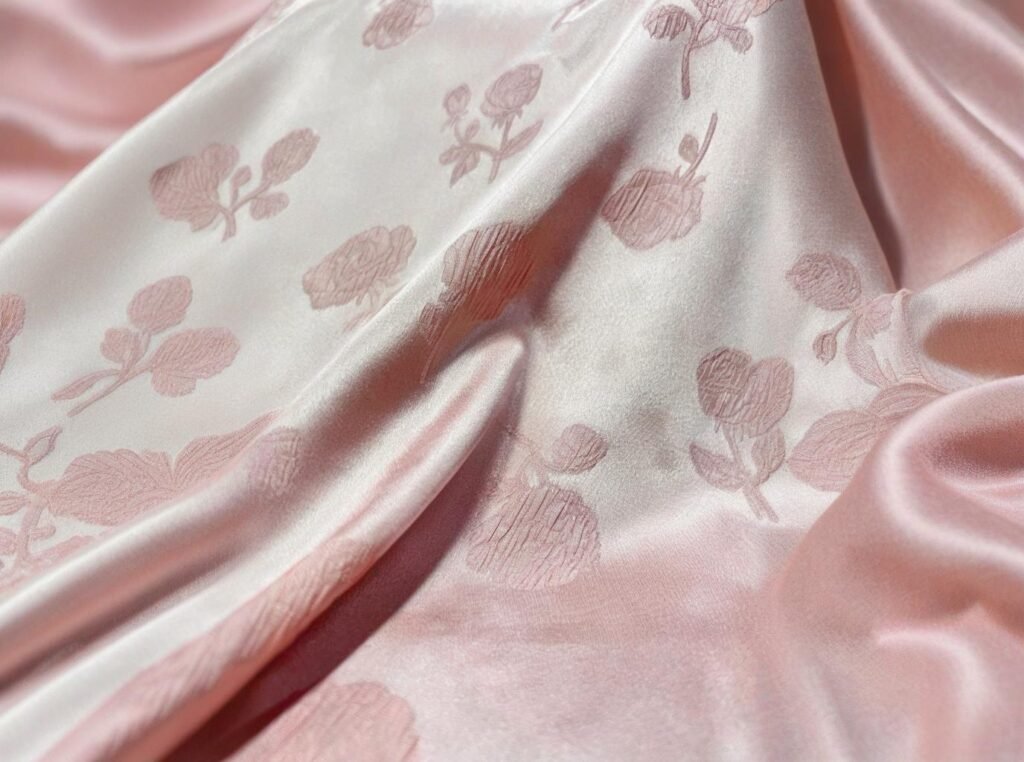
While silk commands a higher retail price per unit, satin—particularly synthetic satin—often provides greater percentage markup due to its significantly lower production cost. This means satin can offer better return on investment per yard, especially in fast-moving, style-sensitive markets. Satin offers higher percentage profit margins due to lower wholesale cost, while silk offers higher per-piece revenue but requires a larger upfront investment.
The choice depends on the retailer’s positioning: those targeting high turnover may benefit from satin’s markup efficiency, while luxury-focused brands may accept slimmer margins in exchange for exclusivity and brand cachet with silk.
Margin Analysis — Satin vs Silk
Sample Profit Margin Calculation Per Dress
| Fabric Type | Avg. Fabric Cost | Retail Price | Gross Margin (%) | Gross Profit per Unit |
|---|---|---|---|---|
| Polyester Satin | $3.50 | $48.00 | ~72.9% | $34.50 |
| Silk Satin (22M) | $22.00 | $128.00 | ~49.2% | $63.00 |
Financial Perspective
- Satin yields higher percentage return on cost.
- Silk yields higher total profit per unit but increases capital exposure.
Business Model Match
- Mass-market retailers prioritize markup efficiency → Satin wins.
- Boutique and luxury sellers prioritize ticket size and exclusivity → Silk performs better.
Case Study:
A fashion e-commerce brand in Canada tested the same blouse design in both silk and satin. Satin units sold 3x faster, restocked in 10 days, and generated 18% more gross profit overall, despite a lower individual price point. Silk pieces contributed to higher brand perception but moved slowly and required more customer education.
Do Retail Customers Perceive Value Differently Between Satin and Silk?
Yes—customer perception plays a major role in pricing flexibility and sell-through rate. While trained eyes and luxury shoppers can distinguish silk’s tactile and thermal qualities, most consumers associate sheen and softness with luxury—even if it’s polyester satin. This perception gap opens a strategic window for retailers to build attractive margins on satin without sacrificing perceived value. Retail customers often perceive satin and silk similarly in look and feel, making satin a strong value-driven alternative for brands targeting fashion-conscious buyers on a budget.
That said, high-end customers do care about authenticity. For bridalwear, luxury bedding, or heritage fashion items, silk still reigns as the premium choice.
Consumer Psychology Around Satin vs Silk
Customer Perception Factors
| Factor | Perceived Impact for Silk | Perceived Impact for Satin |
|---|---|---|
| Price Tag | High = premium/luxury | Moderate = accessible trend |
| Visual Shine | Soft, organic glow | Bright, synthetic sheen |
| Touch | Soft, cool, breathable | Slippery, smooth |
| Brand Label | Influences trust heavily | Can pass as premium if styled well |
| Description (e.g., “silky”) | Often confuses consumers | Enhances satin appeal |
Insights from Online Reviews
An analysis of over 500 customer reviews from Amazon and Etsy revealed that terms like “silky,” “soft,” and “luxurious” were used interchangeably for both satin and silk. Less than 20% of reviews mentioned fabric type as a reason for satisfaction or complaint.
Where Perception Breaks
- Customers expect silk in high-priced luxury items and may feel misled if satin is used instead.
- For fashion pieces under $100, satin often delivers high perceived value, especially when branded or photographed effectively.
Practical Takeaway
By clearly positioning satin as a fashion-forward, cruelty-free, or easy-care option, retailers can elevate its value perception and avoid direct comparison to silk. Meanwhile, silk can be reserved for brand hero products or exclusive capsule collections.
Is It More Profitable to Stock Satin or Silk for Entry-Level Brands?
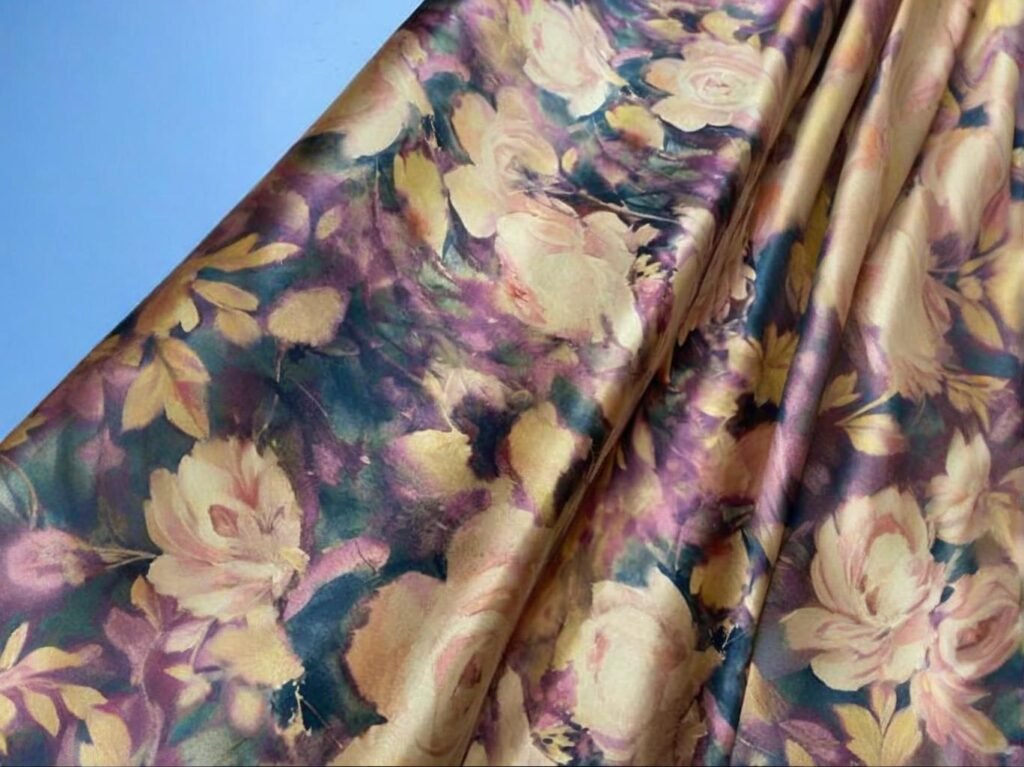
For entry-level or emerging brands, satin is generally more profitable—especially when the goal is to create high-perceived-value products at low material cost. Silk, although prestigious, introduces higher risk due to higher MOQ, longer lead times, and greater care in handling and presentation. Entry-level brands typically benefit more from satin due to its low cost, fast production cycles, and strong perceived value, making it ideal for high-margin, scalable collections.
Silk, by contrast, is more appropriate for advanced brands with established pricing power and logistics experience, especially when launching premium capsule collections or bridalwear.
Entry-Level Profitability Comparison
Startup Profit Evaluation Matrix
| Metric | Satin (Polyester) | Silk (Mulberry, 19–22 momme) |
|---|---|---|
| Initial Fabric Cost | Low | High |
| MOQ Flexibility | Excellent (100m or less) | Moderate to High (300m+) |
| Lead Time | Short (7–10 days avg.) | Longer (15–30+ days) |
| Storage/Inventory Cost | Low | High |
| Return Risk from Damage | Low | Higher (requires careful handling) |
| Customer Perception Flexibility | Moderate to High | High, but niche |
| Scalability | Excellent | Limited by capital |
Founder Feedback
An emerging loungewear brand in Spain reported a 42% profit margin on satin robes (sold at €59) and launched a second production round within 30 days. When testing silk robes (€129), their margin dropped to 30% after accounting for higher logistics and return-related losses.
Conclusion for Startups
Unless you’re positioning as a premium heritage label or targeting a niche luxury audience, satin allows entry-level brands to test styles, validate market fit, and scale profitably before introducing silk as an upsell or premium-tier item.
How Should Retailers Calculate Wholesale-to-Retail Pricing for Silk and Satin?
To ensure sustainable profits, retailers need a pricing model that reflects not just the fabric cost, but also manufacturing, shipping, branding, returns, and marketing overhead. A common formula is the keystone markup (wholesale x2), but for high-end materials like silk—or high-turnover fabrics like satin—pricing often requires more nuance. Retailers typically apply a 2.5x–3x markup for silk and 3.5x–5x for satin to cover costs and reach target margins, adjusting based on market positioning, shipping, and returns.
Practical Fabric Pricing Models
Wholesale to Retail Pricing Framework
| Cost Type | Typical % of Retail Price (Silk) | Typical % (Satin) |
|---|---|---|
| Fabric Cost | 20–35% | 10–15% |
| Sewing/Labor | 10–20% | 10–15% |
| Logistics + Duties | 5–10% | 5–8% |
| Packaging + Tags | 2–5% | 2–3% |
| Marketing & Platform Fees | 10–20% | 10–20% |
| Net Profit Margin Target | 15–30% | 25–45% |
Example: Silk Blouse Retail Price Calculation
- Fabric cost (1.5 yards of 22 momme silk at $24/yd): $36
- CMT (cut-make-trim): $12
- Packaging/labeling: $2
- Shipping & duties: $5
- Total landed cost: $55
- Suggested retail: $138–$165
- Gross margin: ~60–65%
Example: Satin Blouse (Polyester) Retail Price Calculation
- Fabric cost (1.5 yards at $3.50/yd): $5.25
- CMT: $10
- Packaging: $2
- Shipping & duties: $4
- Total landed cost: $21.25
- Suggested retail: $58–$68
- Gross margin: ~65–70%
Price Elasticity Consideration
Customers are more price-sensitive on mid-tier satin products, so price anchoring with perceived luxury (e.g., “buttery satin,” “limited drop,” “bridal-inspired finish”) helps justify higher prices. With silk, value justification comes from transparency (e.g., momme weight, OEKO-TEX certifications, origin labeling).
What Factors Influence MOQ, Lead Time, and Final Cost Per Meter?
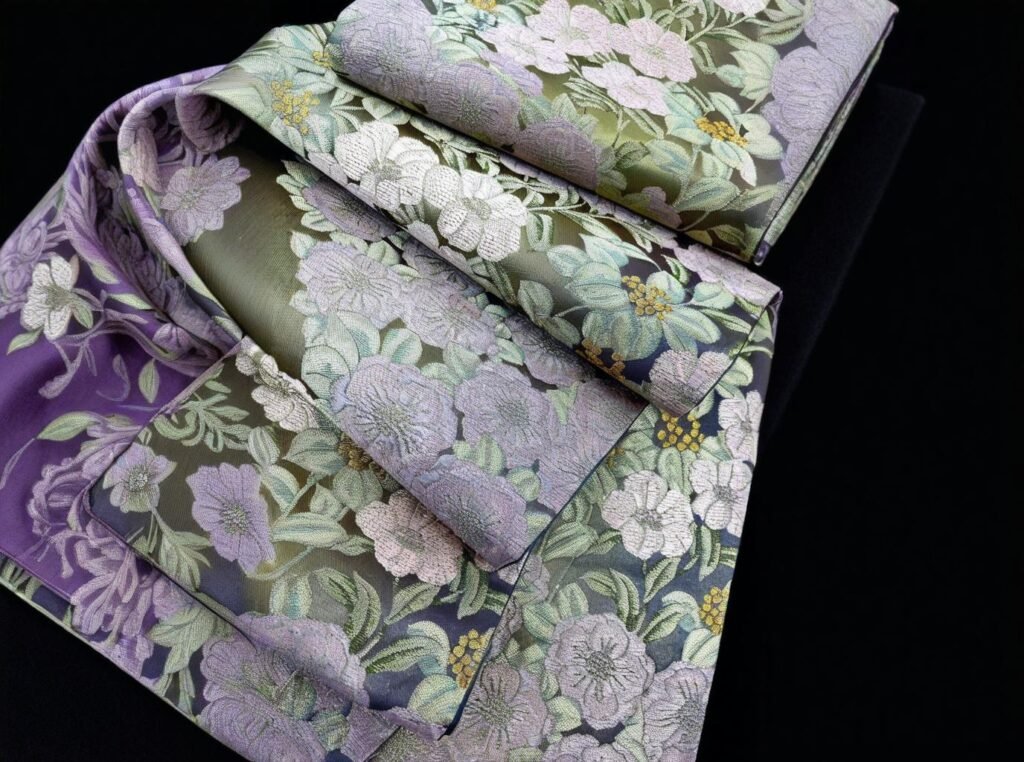
MOQ (minimum order quantity), lead time, and final cost per meter are determined by a combination of factors including fabric type, dyeing complexity, supply chain origin, and production schedule availability. Satin generally allows for lower MOQ and faster turnaround, while silk requires longer timelines due to limited raw material availability and more intricate processing. MOQ, lead time, and cost per meter are impacted by fabric type, dyeing method, production scheduling, and finishing processes—with satin offering more flexibility and silk requiring longer planning cycles.
Understanding these variables helps retailers better forecast inventory, avoid overstocking, and time seasonal launches accurately.
MOQ & Lead Time Drivers
Comparison Table: Satin vs Silk Production Parameters
| Parameter | Polyester Satin | Mulberry Silk (22 Momme) |
|---|---|---|
| Typical MOQ | 100–300 meters | 300–1000 meters |
| Lead Time (in stock base) | 5–10 working days | 15–30 working days |
| Lead Time (custom color) | 12–18 working days | 25–45 working days |
| Cost per meter (avg) | $2.00 – $4.50 | $18.00 – $30.00 |
| Dyeing Process | Disperse or pigment | Acid or reactive |
| Finishing Required | Minimal | Multiple (softening, stabilizing) |
Variables Affecting Final Cost
- Small batch dyeing raises unit costs by 10–25%.
- Digital printing on satin can reduce setup fees vs screen printing.
- Color complexity and matching accuracy impact rework rates—especially for silk, which is more sensitive to bath variation.
Real-World Scenario
A women’s fashion label in the UK experienced a 23% cost overrun on a silk order due to underestimated lead time and unexpected yield loss in dyeing. After switching to a satin-poly blend with digital printing, they reduced costs by 38% and hit the same aesthetic notes for their target market.
How Can Retailers Negotiate Better Margins with Fabric Suppliers?
To secure better profit margins, retailers need more than price haggling—they need to build supplier partnerships based on clarity, flexibility, and shared scaling goals. This includes negotiating on volume-based pricing, flexible MOQs, standard widths, finish options, and optimized logistics. Retailers can improve profit margins by negotiating on volume discounts, MOQ flexibility, shipping methods, dyeing techniques, and choosing suppliers who offer value-added services.
Strong supplier relationships also provide soft benefits like priority in peak season, early access to stock lots, and faster sampling.
Proven Negotiation Tactics
Negotiation Leverage Areas for Retailers
| Negotiable Factor | Strategy |
|---|---|
| MOQ Flexibility | Bundle SKUs to reach base MOQ (e.g., 3 colors x 100m) |
| Volume Pricing | Ask for tiered pricing (e.g., 300m, 500m, 1000m brackets) |
| Freight Consolidation | Use sea freight for silk or batch air shipments for satin |
| Dyeing Type Choice | Use digital dye for small batches to avoid screen setup fees |
| Fabric Width Optimization | Wider fabrics = fewer meters needed per garment |
| Payment Terms | Pre-payment for small orders; negotiate 30/70 terms for bulk |
Example: Tiered Pricing Model
| Fabric Type | Quantity (Meters) | Price Per Meter |
|---|---|---|
| Polyester Satin | 300m | $3.10 |
| 600m | $2.85 | |
| 1000m+ | $2.65 | |
| 22 Momme Silk | 300m | $26.00 |
| 500m | $24.00 | |
| 1000m+ | $22.50 |
Pro Tip
Don’t just ask, “Can I get a discount?” Instead, ask, “What cost-saving adjustments can we make to keep the fabric below $X per meter?” This opens up collaborative negotiation and often leads to alternatives (like changing dye method, reducing wastage, or adjusting packaging).
Looking for Profitable Satin or Silk Fabric Solutions?
At SzoneierFabrics, we understand the balance retailers must strike between cost, performance, and brand perception. Whether you’re launching a new fashion line or scaling your current collection, we offer:
- ✅ 100% custom fabric development (satin, silk, blends)
- ✅ Low MOQ solutions with bulk discounts available
- ✅ Free sampling, rapid lab dipping, and color matching
- ✅ Transparent pricing with ISO-tested fabric specs
- ✅ Expert support for margin planning and sourcing strategy
Contact us today to request your free samples or start a custom quote based on your specific style, budget, and retail goals. We’ll help you choose the right fabric—at the right cost—to make your brand shine.