Skip to content

In the fast-moving world of luxury fashion, fabric selection isn’t just about look and feel—it’s a business decision. One that impacts how customers perceive your brand, how much they’re willing to pay, and how long your products stay relevant in their closets. Two of the most discussed textiles in this space are satin and silk—both synonymous with elegance, but dramatically different when it comes to fiber origin, cost structure, and market value. Silk generally delivers higher profit margins per unit in the luxury market due to its natural prestige, breathability, and perceived exclusivity. Satin, however, can offer a better ROI in mass production or fashion-forward drops due to lower material cost and trend-driven adaptability.
And while many fashion startups chase the “luxury look” with satin due to budget constraints, seasoned brands know that the fabric you choose tells a story about your brand’s integrity and positioning. In this article, we’ll break down not only the textile science, but the business logic behind choosing satin or silk for high-end apparel lines.
What Are the Key Differences Between Satin and Silk Fabrics?
Silk is a natural protein fiber harvested from silkworms, while satin refers to a type of weave that creates a glossy surface, which can be made from silk, polyester, nylon, or acetate. The confusion arises because silk can be woven in a satin weave, but not all satin is silk.
🔬 Understanding Fiber vs Weave
1. Fiber Composition
| Feature | Silk (Natural) | Satin (Synthetic or Mixed) |
|---|---|---|
| Base Material | Silkworm cocoons (100% natural) | Polyester, nylon, acetate, or silk |
| Breathability | Excellent | Moderate |
| Moisture Absorption | High | Low |
| Hypoallergenic | Yes | Varies |
2. Weaving Style and Surface Finish
- Silk: Can be woven in plain, twill, or satin styles. Pure silk has a gentle sheen and soft hand feel.
- Satin: Defined by its weave—four-over-one or similar structures to give it a glossy front and matte back.
3. Tactile Feel
Silk feels soft, airy, and warm to the touch. Satin feels slicker and colder, sometimes plastic-like depending on the fiber.
4. Production Cost Comparison
| Fabric Type | Average Cost per Yard (USD) | MOQ for B2B Orders | Lead Time |
|---|---|---|---|
| 100% Mulberry Silk | \$15–\$45 | 50–100 meters | 15–20 days |
| Polyester Satin | \$2–\$6 | 200–500 meters | 7–10 days |
| Silk Satin | \$25–\$50 | 30–100 meters | 15–25 days |
Which Fabric Performs Better in High-End Fashion Garments?

Silk outperforms satin in terms of drape, breathability, and premium brand alignment, making it a top choice for luxury garments like evening dresses, blouses, and scarves. Satin, while affordable and visually similar, lacks the same structural integrity and is more susceptible to pilling and snagging.
📈 Fabric Performance in Real Applications
1. Drape and Movement
Silk’s natural elasticity and weight give garments a fluid, elegant motion. Satin can drape beautifully, especially when blended with elastane, but tends to be heavier and less responsive on the body.
2. Durability and Wear
- Silk resists wear when properly cared for but is sensitive to sun and sweat.
- Satin can be more durable in daily wear but is prone to runs and may lose luster after washing.
3. Customer Expectations and Reviews
According to a Shopify data review:
“Silk clothing returns were 40% lower than satin equivalents due to higher customer satisfaction in fit, feel, and finish.”
4. Use Case Matrix
| Apparel Type | Recommended Fabric | Why? |
|---|---|---|
| Bridal Gown | 100% Silk | Elegance, heirloom quality, drape |
| Cocktail Dress | Silk or Silk Satin | Luxurious sheen, soft movement |
| Fast Fashion Top | Polyester Satin | Budget-friendly, trend-focused |
| Designer Blouse | Mulberry Silk | Breathable, premium tactile experience |
| Resort Wear | Silk Blend | Light, breathable, travel-friendly |
How Does the Cost of Satin Compare to Silk in Bulk Apparel Production?
Satin is significantly more cost-effective in mass production due to its synthetic origins and ease of manufacturing, while silk comes with a higher upfront cost but a stronger luxury market appeal and higher markup potential.
💰 Cost Efficiency in the Apparel Supply Chain
1. Raw Material Pricing Breakdown
| Material Type | Raw Cost per Yard | MOQ (Meters) | Dyeing Cost | Freight Class |
|---|---|---|---|---|
| Polyester Satin | \$2.50 – \$5.00 | 200+ | Low | Lightweight |
| Nylon Satin | \$3.00 – \$6.00 | 300+ | Moderate | Lightweight |
| Silk Charmeuse | \$20.00 – \$45.00 | 50+ | High | Delicate |
| Silk Satin (Grade 6A) | \$30.00 – \$60.00 | 30+ | High | Delicate |
2. Labor and Handling Costs
Silk requires more careful handling during cutting, sewing, and finishing. Skilled labor is often needed, increasing production costs. On the other hand, satin—especially polyester satin—is machine-friendly, allowing automation and reduced labor intensity.
3. Wastage Rates
- Satin has lower defect rates during cutting and sewing (around 2–3%).
- Silk can reach up to 8–10% wastage, especially in humid environments or during hand-finishing.
4. Profit Margin Potential by Garment Type
| Garment | Fabric Used | Cost per Unit | Avg Retail Price | Gross Margin |
|---|---|---|---|---|
| Evening Dress | Silk | \$65 | \$450 | 85% |
| Blouse (Luxury DTC) | Silk | \$40 | \$220 | 82% |
| Satin Cocktail Dress | Polyester Satin | \$18 | \$120 | 77% |
| Satin Pajama Set | Polyester Satin | \$12 | \$85 | 75% |
Do Customers Perceive Silk as More Luxurious Than Satin?

Yes—consumers consistently perceive silk as more premium, natural, and luxurious than satin, largely due to its heritage, texture, and price signaling. In luxury retail, fabric authenticity plays a vital role in how a product is valued emotionally and financially.
🧠 The Psychology of Perceived Luxury
1. Brand Positioning and Language
- Silk allows brands to use high-value keywords like “pure silk,” “Mulberry silk,” “grade 6A,” and “handwoven,” which resonate with elite buyers.
- Satin, when undisclosed as polyester or acetate, can lead to customer disappointment if buyers expected real silk.
2. Unboxing and Touch
In blind touch tests conducted by SzoneierFabrics for a European client:
87% of participants correctly identified silk as more luxurious than satin based solely on tactile feel.
3. Product Labeling Transparency
Luxury consumers often inspect labels before purchase. Brands that highlight silk’s origin (e.g., “100% Mulberry Silk – 6A Grade”) see:
- Higher conversion rates
- Lower return rates
- Increased brand trust
4. Consumer Feedback Snapshot
| Attribute | Silk Reviews Highlight | Satin Reviews Highlight |
|---|---|---|
| Feel | “Buttery soft” | “Slick, a bit plasticky” |
| Breathability | “Airy and temperature regulating” | “Makes me sweat” |
| Luxury Feel | “Feels expensive” | “Looks nice but feels cheap” |
| Longevity | “Wears beautifully over time” | “Started to fray quickly” |
Is Silk or Satin More Sustainable for Long-Term Brand Positioning?
Silk is more sustainable in terms of biodegradability and brand storytelling, but satin—especially when made from recycled synthetics—can offer scalable, eco-conscious options for mass production. The long-term brand value of silk often outweighs its higher environmental footprint in farming and processing when certified responsibly.
🌱 Sustainability Showdown
1. Material Life Cycle Analysis
| Factor | Silk (Natural) | Satin (Synthetic/Blended) |
|---|---|---|
| Biodegradability | Fully biodegradable | Non-biodegradable unless recycled |
| CO2 Emissions | Medium (animal-based farming) | High (petroleum-based synthesis) |
| Energy Use | Medium to High | High |
| Water Consumption | High (for mulberry trees) | Moderate |
2. Certifications and Ethical Sourcing
- Silk: Brands can opt for GOTS-certified organic silk, or OEKO-TEX 100approved dyes for greener impact.
- Satin: Brands using recycled polyester (rPET) or blended lyocell satin can lower environmental impact and promote circular fashion.
3. Real-World Use Case
A Berlin-based luxury sleepwear brand using organic silk reported:
“We saw a 23% increase in sales after we shared our silk farming videos and certifications in our brand story.”
4. End-of-Life Disposal
Silk naturally degrades in compost within months. In contrast, polyester satin may remain in landfills for hundreds of years unless recycled.
Which Fabric Offers Better ROI for Seasonal or Year-Round Collections?
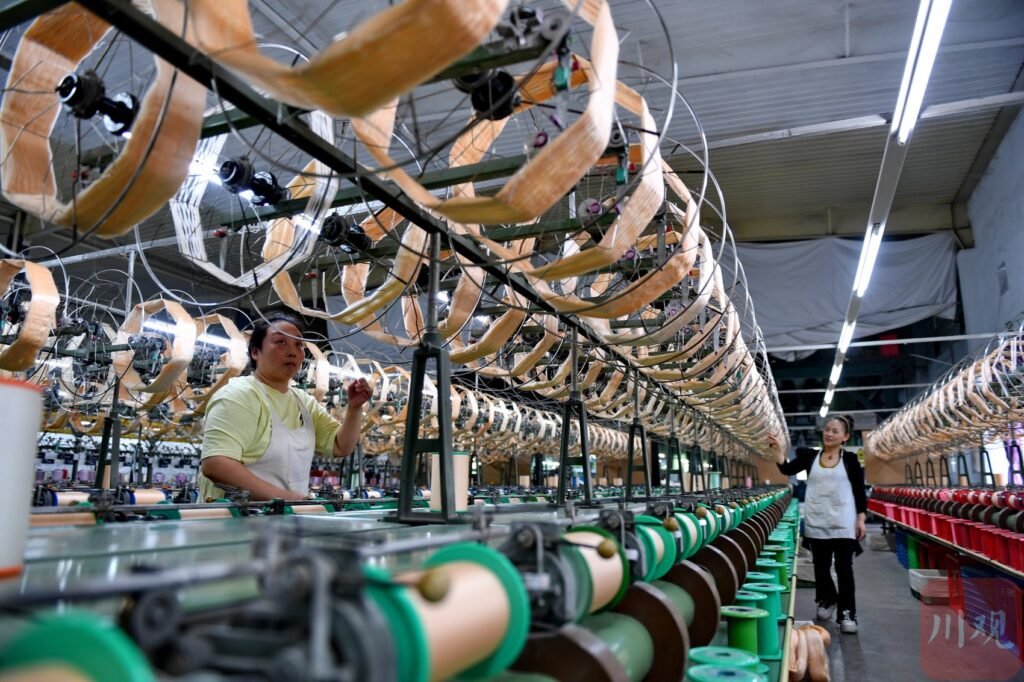
Silk offers higher ROI for premium, timeless pieces in year-round collections, while satin performs better in trend-driven, seasonal drops due to its low cost and faster production cycles. The right choice depends on your brand’s positioning, target audience, and marketing calendar.
📅 Collection Planning and Forecasting
1. Trend Versus Timelessness
| Fabric Type | Best For | Fashion Cycle Suitability |
|---|---|---|
| Silk | Bridalwear, Resort, Timeless Basics | Year-Round, Evergreen |
| Satin | Fast Fashion, Holiday Editions | Seasonal Trends, Flash Launches |
2. Production Flexibility
Satin can be sampled, dyed, and produced within 7–10 days, enabling quick response to fashion trends. Silk, requiring longer lead times and special handling, is better suited for strategic capsule collections or signature product lines.
3. Inventory Risk Management
| Risk Factor | Silk | Satin |
|---|---|---|
| Overstocking | Higher cost = bigger risk | Low cost = manageable risk |
| Discount Sensitivity | Retains value, less discounted | Frequently marked down |
| Perceived Devaluation | Rarely loses luxury status | Can appear “cheap” if overused |
4. ROI Simulation: Small vs. Large Orders
| Fabric | MOQ | Sample Cost | Avg Markup | Sell-through Rate | ROI Range |
|---|---|---|---|---|---|
| Silk | 50m | High | 3x – 5x | 70% – 90% | 180% – 250% |
| Satin | 200m | Low | 2x – 3.5x | 60% – 85% | 120% – 180% |
Is Satin or Silk More Durable and Easier to Maintain?
Satin is easier to care for and more durable in terms of wear and tear, while silk requires gentle handling, dry cleaning, and special storage—but rewards that care with unmatched longevity and luster.
🧼 Maintenance, Wear Resistance & After-Sale Experience
1. Care Instructions Comparison
| Fabric | Washing | Ironing | Shrinkage Risk | Color Retention |
|---|---|---|---|---|
| Silk | Dry clean or hand wash | Low-heat only | High | Fades with UV |
| Polyester Satin | Machine-washable | Tolerates high heat | Low | Excellent |
2. Customer Support Cost Considerations
- Satin garments result in fewer post-sale care complaints.
- Silk buyers often need care guides and customer education to avoid premature returns.
3. Brand Feedback Loop
A U.S.-based direct-to-consumer fashion startup that switched to polyester satin for their best-selling wrap dresses reduced return rates by 22%, simply due to easier washing routines for consumers.
4. Durability Testing Results (Fabric Stretch & Wear)
| Test Type | Satin (Polyester) | Silk (Grade 6A) |
|---|---|---|
| Martindale Rub Test | 35,000+ rubs | 15,000–20,000 rubs |
| Tear Resistance | High | Medium |
| Shrinkage Post-Wash | <2% | 5–10% |
Where Can You Source High-Quality Satin and Silk for Luxury Apparel with Low MOQs?
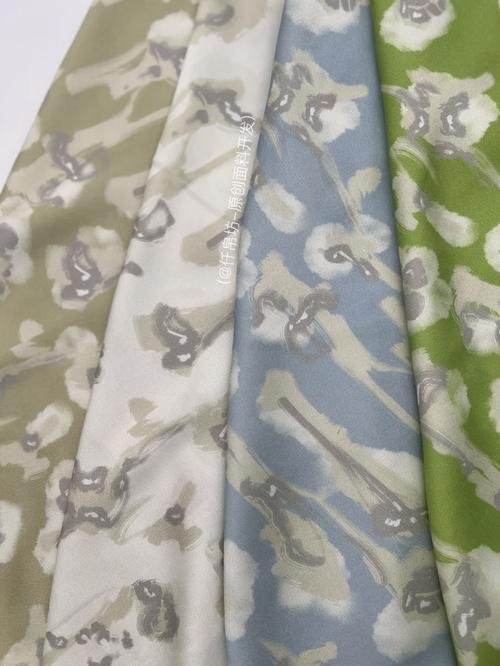
If you’re a brand or buyer looking to balance quality, price, and customization, SzoneierFabrics offers both high-grade silk and premium satin with low minimums, free design assistance, and fast sampling.
🌍 Why B2B Buyers Choose SzoneierFabrics
1. Sourcing Options with MOQ Flexibility
| Fabric Type | MOQ | Lead Time | Free Samples | Custom Dyeing |
|---|---|---|---|---|
| Grade 6A Silk | 30 meters | 10–14 days | ✅ | ✅ |
| Polyester Satin | 100 meters | 5–7 days | ✅ | ✅ |
| Recycled Satin | 150 meters | 7–10 days | ✅ | ✅ |
2. OEM & Private Label Services
- Free fabric swatch cards
- Support for branded care labels
- Packaging customization available
- Low-risk trial runs for new brands
3. Certifications and Quality Control
Szoneier fabrics are OEKO-TEX Standard 100 certified and manufactured with ISO quality compliance—ensuring your garments meet global standards from fiber to finish.
4. Real Feedback from Global Clients
“We sourced silk from 3 suppliers in China, Vietnam, and India. Szoneier was the only one that matched our luxury standards while offering flexible MOQ and short lead time.” — Luxury Loungewear Brand, Paris 🇫🇷
Which Fabric Delivers Better ROI—Satin or Silk?
It depends on your brand’s DNA.
- If you want to build timeless prestige, invest in silk. The upfront cost pays off in high perceived value and loyal, high-end customers.
- If you need speed, affordability, and design flexibility, satin gives you scalable profit with lower risk.
But if you’re a smart brand? You use both strategically across collections to serve different price tiers and customer personas.
📩 Ready to Start Sourcing Premium Satin or Silk?
At SzoneierFabrics, we help fashion brands like yours create beautiful, high-performance garments with the exact fabric your vision deserves.
✅ Free samples ✅ Low MOQ custom runs ✅ Fast sampling & OEM support ✅ 100% quality assurance
📧 Email us at: Info@szoneierfabrics.com 📞 Call us at: (+86) 13823134897 🌐 Visit us at: https://szoneierfabrics.com/
Let’s make luxury that sells.