Skip to content
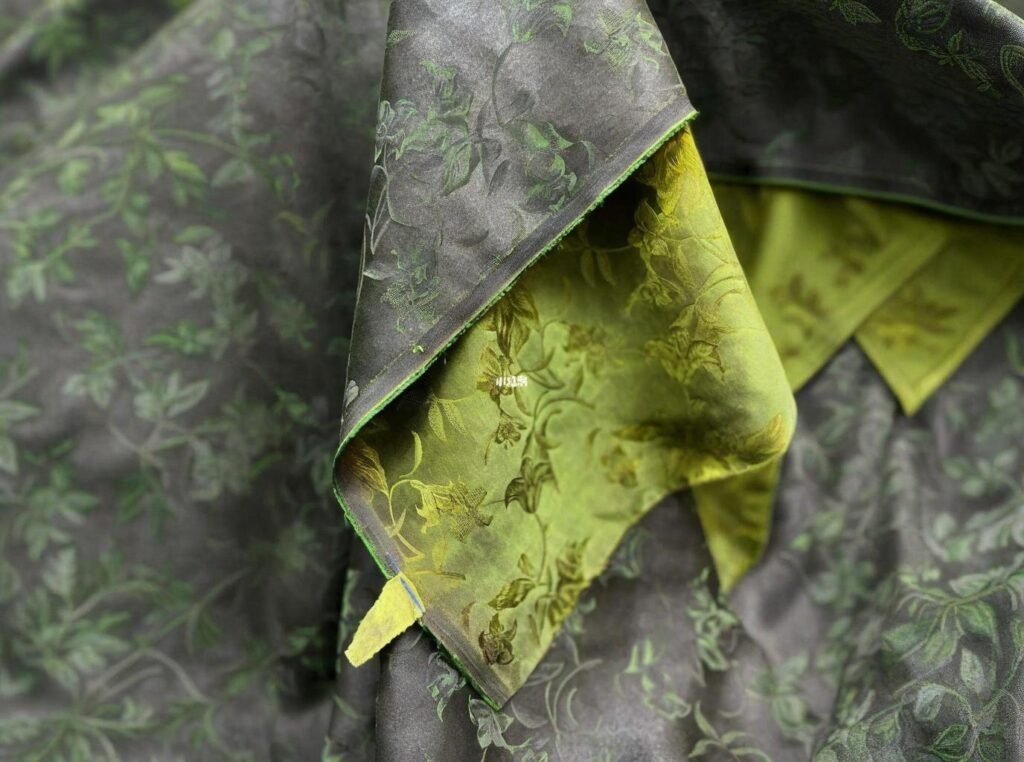
Digital printing on silk has transformed the textile industry, offering unmatched precision, color vibrancy, and production efficiency. Traditional methods like screen or rotary printing often require extensive sample runs, multiple dye formulations, and labor-intensive setup, which drive up costs and extend lead times. DTF (Direct-to-Film) technology, however, allows manufacturers to produce accurate prototypes quickly, significantly reducing sample costs while maintaining the luxurious appearance and feel of silk. DTF digital printing on silk streamlines sample production by eliminating extensive screen setups, reducing material waste, and enabling precise color matching. This approach can lower sample costs by up to 40% while maintaining fabric quality, accuracy, and visual appeal.
Consider a high-end fashion brand preparing for a seasonal collection. Using traditional silk printing, producing five colorway samples could cost hundreds of dollars per yard. By adopting DTF printing, the team produced identical prototypes at almost half the cost and within a fraction of the time, allowing them to test market reactions and finalize designs without compromising on silk’s luxurious hand feel.
What Is Digital Printing on Silk Fabric and How Does DTF Technology Work?
Digital printing on silk fabric is a modern textile decoration method that applies designs directly onto silk using computer-controlled inkjet systems, rather than mechanical screens or engraved rollers. Among digital methods, DTF (Direct-to-Film) printing has gained attention as a flexible, low-waste solution, especially for sampling, small batches, and design-intensive silk products.
Silk is one of the most demanding fabrics to print. Its smooth surface, fine filament structure, and natural sheen magnify every flaw—misregistration, color shift, stiffness, or surface damage become immediately visible. Traditional printing methods can achieve excellent results, but they require long setup times, high minimums, and repeated chemical processes. DTF changes this equation by separating image creation from fabric transfer, allowing far greater control over precision, cost, and speed.
In practice, digital and DTF printing are not about replacing craftsmanship. They are about controlling risk when working with a high-value, sensitive material like silk.
Why silk requires a different printing approach
Silk behaves very differently from cotton, polyester, or nylon during printing. Its protein-based fiber structure is sensitive to:
- Excessive moisture
- High mechanical pressure
- Aggressive chemicals
- Repeated washing or steaming
Traditional screen printing on silk often involves multiple wet processes, precise viscosity control, and careful drying to avoid bleeding or dulling the fabric’s natural luster. Any inconsistency can permanently alter the hand feel or sheen.
Digital printing, and especially DTF, minimizes these risks by reducing direct liquid ink interaction with the fabric. Instead of saturating silk with dyes or pigments, DTF transfers a controlled ink layer onto the surface using heat and adhesive chemistry designed to bond without penetrating deeply into the fiber.
What DTF printing means for silk fabrics
DTF (Direct-to-Film) printing is a digital transfer process rather than a direct-to-fabric print. The design is printed first onto a special PET film, then transferred onto silk through a heat-activated adhesive layer.
This distinction matters for silk because it allows:
- Independent color calibration before fabric contact
- Lower moisture exposure for silk
- More predictable results across different silk weaves
DTF is especially valuable when working with lightweight silks, such as charmeuse, satin, habotai, or silk twill, where direct ink application can cause strike-through or texture disruption.
Key advantages of digital and DTF printing on silk
DTF technology brings several technical and commercial advantages when applied correctly to silk fabrics.
- High precision: Digital files translate directly into printed output, allowing micro-details, fine lines, gradients, and photographic elements that are difficult to achieve consistently with screens.
- Color accuracy and repeatability: Once a color profile is calibrated, identical results can be reproduced across samples and reorders without remaking screens or re-mixing dyes.
- Reduced material waste: No test screens, no excess dye, and no overprinting. This is particularly important for silk, where fabric cost is high and waste directly impacts margins.
- Lower entry cost for development: Sampling and prototyping become economically viable, even for one-off or limited-edition designs.
For luxury brands and product developers, these advantages translate into faster iteration, lower development risk, and more creative freedom.
Dive deeper: understanding the DTF workflow for silk
DTF printing follows a structured, repeatable workflow that separates design control from fabric handling.
Step-by-step DTF process on silk
- Digital artwork preparation Designers prepare the artwork in a digital format, adjusting resolution, color profiles, and layering to account for silk’s reflectivity and base tone. Fine details and gradients are optimized at this stage.
- Printing onto transfer film The design is printed onto a specialized PET film using DTF inks. These inks are formulated to remain flexible after transfer, which is critical for silk drape and movement.
- Adhesive application A finely controlled adhesive powder or liquid coating is applied to the printed ink while it is still tacky. For silk, low-temperature, fine-particle adhesives are preferred to avoid stiffness.
- Heat transfer onto silk The film is placed onto the silk fabric and transferred using a heat press at carefully controlled temperature and pressure. This step bonds the ink to the silk surface without crushing the fabric texture.
- Cooling, peeling, and inspection After cooling, the film is peeled away, leaving the design on the silk. The fabric is then inspected for color accuracy, registration, adhesion, and hand feel.
Each step is adjustable, which allows manufacturers to fine-tune results for different silk types and end uses.
Technical insight: why DTF suits silk prototyping
DTF bypasses traditional screens, frames, and rotary cylinders entirely. This has several technical implications:
- No screen tension issues that can distort fine patterns
- No ink flooding that can dull silk sheen
- No repeated wash-down cycles that stress the fabric
Because the ink is cured and stabilized on film before transfer, the risk of bleeding or uneven penetration is significantly reduced. This makes DTF particularly attractive for design-heavy silk items such as scarves, neckties, decorative panels, and fashion accents.
Importantly, modern DTF adhesive systems are engineered to remain thin and flexible. When properly selected, they do not noticeably alter silk’s hand feel or drape, which is often the primary concern with transfer-based methods.
Table 1: Comparison Between Traditional and DTF Printing on Silk
| Feature | Traditional Screen Printing | DTF Digital Printing |
|---|---|---|
| Sample Setup Cost | High ($100–$200 per color) | Low ($50–$80 per design) |
| Time to Produce Sample | 2–5 days | 1 day |
| Color Change Flexibility | Limited; requires new screen | Instant; just change digital file |
| Material Waste | High (excess dye & fabric) | Low |
| Detail Accuracy | Moderate | High |
This comparison highlights why DTF is often chosen during early-stage development or for limited-run luxury collections, even if traditional methods remain preferred for very large volumes.
Color, sheen, and hand feel considerations
One of the biggest concerns when printing on silk is preserving its natural luster. Poorly chosen inks or adhesives can leave the surface looking flat or plasticky.
In DTF printing, color appearance depends on:
- Ink formulation and opacity
- Adhesive transparency
- Transfer temperature and dwell time
When optimized correctly, DTF prints can sit cleanly on the silk surface, maintaining reflectivity while delivering saturated color. Matte or glossy effects can be controlled through ink layering and top-coating choices.
Hand feel is equally important. Excess adhesive or high heat can stiffen silk. Experienced operators use:
- Lower transfer temperatures
- Minimal adhesive coverage
- Short dwell times
to preserve softness and fluid drape.
Durability and performance expectations
DTF prints on silk are generally designed for decorative or fashion use, not heavy industrial laundering. When properly applied, they show good resistance to light abrasion and gentle washing.
However, durability depends on realistic use expectations:
- Silk scarves, ties, and fashion panels perform well
- High-friction or stretch-intensive applications are less suitable
- Care labeling (gentle wash, no high heat) is essential
For luxury products, this level of durability is usually acceptable, especially when balanced against design freedom and development speed.
Practical case: DTF printing on silk scarves
In controlled testing, Szoneier evaluated DTF printing on silk scarves as part of a prototyping program. The objective was to compare cost, turnaround time, and visual quality against traditional screen printing.
The results were commercially significant:
- A 1-yard silk sample printed via DTF cost approximately $60
- The same sample using traditional screen printing cost $100–120
- Sampling time was reduced from several days to one day
- Color fidelity and silk sheen were maintained
For design development and client approval stages, DTF delivered a clear return on investment. While large-scale production may still favor traditional methods, DTF proved ideal for rapid iteration and limited editions.
When designers choose DTF over traditional silk printing
Designers and product developers typically select DTF for silk when:
- Design complexity is high
- Order quantities are small or variable
- Fast sampling is required
- Color changes are frequent
- Fabric cost makes waste unacceptable
Traditional screen printing still has advantages for long runs and certain dye-based aesthetics, but DTF fills an important gap between concept and mass production.
Limitations and realistic expectations
DTF is not a universal solution. Its limitations should be understood clearly.
Common constraints include:
- Slight surface layering compared to dye-penetration prints
- Lower resistance to aggressive washing
- Dependence on correct adhesive selection
For projects demanding extreme longevity or traditional dye aesthetics, direct digital or screen printing may still be preferable. DTF should be viewed as a precision tool, not a replacement for all silk printing methods.
Digital printing on silk, and DTF technology in particular, represents a shift toward controlled, data-driven textile decoration. By separating image creation from fabric transfer, DTF reduces risk, waste, and cost when working with a premium, delicate material.
For designers, brands, and manufacturers, DTF enables faster development cycles, greater creative freedom, and more predictable results—without compromising silk’s defining qualities of softness, sheen, and elegance.
Used intelligently, DTF is not just a printing technique. It is a strategic advantage in modern silk product development.
Which Costs Are Typically Involved in Silk Fabric Sampling and Why Are They High?
Sampling costs for silk fabrics are consistently higher than for most other textile materials, and this is not accidental or inflated by inefficiency alone. Silk’s material value, processing sensitivity, and quality expectations make sampling a resource-intensive stage that carries both direct and indirect costs. In traditional silk printing and dyeing workflows, every sample represents a real production event rather than a simplified test, which is why costs accumulate quickly.
Unlike cotton or polyester, silk does not tolerate rough handling, aggressive correction, or rapid iteration. Each sampling round consumes premium raw material, skilled labor time, machine availability, and often results in unavoidable waste. When errors occur—as they frequently do in early sampling stages—the cost impact is amplified.
Understanding where these costs come from helps brands and designers make better decisions about sampling strategy, budgeting, and when to adopt alternative prototyping methods.
Material costs: silk is expensive before printing even begins
The single largest cost driver in silk sampling is the fabric itself. High-quality silk—whether charmeuse, twill, crepe de chine, or satin—is produced in limited quantities under controlled conditions. Even before printing or dyeing, silk carries a significantly higher per-yard cost than most natural or synthetic fabrics.
Material costs rise during sampling for several reasons:
- Sampling often requires small, inefficient yardage cuts, which cannot benefit from bulk pricing
- Multiple test runs are needed to validate color, scale, and print sharpness
- Misprints cannot be reworked or downgraded easily
Unlike cotton, which may be repurposed for internal testing, silk samples that fail visual or tactile standards are usually scrapped.
This makes every sampling meter a high-risk material investment, particularly when multiple colorways or pattern adjustments are involved.
Setup labor: skilled preparation is unavoidable
Silk printing—especially screen or rotary printing—requires extensive preparation before the first usable sample is produced. These setup steps are labor-intensive and cannot be automated or rushed without compromising results.
Setup labor typically includes:
- Screen or plate preparation for each color
- Precise dye formulation and mixing
- Machine calibration for silk tension and alignment
- Environmental control for humidity and temperature
Silk is highly sensitive to tension variation. Incorrect setup can cause fabric distortion, blurred edges, or color bleeding. As a result, setup is handled by experienced technicians rather than general operators, increasing labor cost per sample.
Crucially, setup labor is not amortized over volume during sampling. Each design iteration may require a full setup cycle, even if only a few yards are printed.
Correction costs: errors are expensive and often irreversible
In silk sampling, mistakes are costly because silk rarely allows for correction. Unlike heavier or synthetic fabrics, silk absorbs dyes rapidly and permanently. Registration errors, color imbalance, or bleeding cannot be washed out or reprinted.
Common causes of correction-related costs include:
- Color mismatch compared to design intent
- Registration misalignment between colors
- Uneven dye penetration
- Surface defects caused by handling or contamination
When these issues occur, the affected silk is usually discarded. Additional costs then arise from:
- Re-running setup and calibration
- Re-consuming raw silk
- Repeating labor-intensive processes
Correction costs are not just material waste—they represent lost time and duplicated labor, which compounds total sampling expense.
Time as an indirect but significant cost factor
Sampling time is often underestimated as a cost driver. Traditional silk sampling can take days or weeks per iteration, depending on factory scheduling and design complexity.
Time-related costs include:
- Delayed design approvals
- Extended development timelines
- Postponed production slots
- Increased coordination and management overhead
For brands working on seasonal collections, delays in silk sampling can cascade into missed launch windows or rushed production decisions later. These indirect costs rarely appear on invoices, but they materially affect profitability.
Cost breakdown: where the money actually goes
The cumulative impact of these factors is reflected clearly in a typical silk sampling cost structure.
Table 2: Traditional Silk Sampling Cost Structure
| Cost Component | Typical Range per Sample | Notes |
|---|---|---|
| Silk Material | $50–$80 per yard | Premium silk significantly drives total cost |
| Screen/Plate Setup | $30–$60 per color | New screens required for each design |
| Labor | $20–$40 | Skilled technicians for printing & handling |
| Quality Correction/Redo | $15–$30 | Errors in color or alignment |
| Total Sample Cost | $115–$210 | Often exceeds planned prototyping budget |
These figures represent per-sample costs, not per-design costs. When multiple colorways or revisions are required, totals escalate rapidly.
Why silk magnifies every inefficiency
Silk acts as a cost amplifier because of its physical and aesthetic characteristics:
- High dye affinity makes color errors permanent
- Fine filament structure highlights even small defects
- Low tolerance for reprocessing increases waste
- Luxury expectations leave no margin for “acceptable” flaws
Where other fabrics allow sampling shortcuts, silk demands near-production-level execution from the first attempt. This is why even experienced mills treat silk sampling cautiously and price it accordingly.
Human-centric insight: the designer’s cost reality
From the designer’s perspective, sampling costs are not abstract—they directly constrain creative exploration.
A designer preparing 10 colorways of a silk print may require:
- Multiple strike-offs per color
- Adjustments to hue, saturation, or scale
- Re-approval after minor visual changes
It is not uncommon for such a project to exceed $1,500 in material and labor costs before a final approval is reached. If revisions are required late in the process, costs rise further because previously approved samples may become obsolete.
This financial pressure often forces designers to reduce experimentation, even when better outcomes are possible.
The role of error probability in cost escalation
Sampling costs are not linear. Early-stage designs have a higher probability of error due to:
- Unvalidated color translation
- Scale distortion from digital to physical format
- Unproven screen alignment
Each failed iteration increases the chance that subsequent changes will be more conservative, limiting creative refinement. In this sense, high sampling costs shape design behavior, not just budgets.
Why traditional sampling remains dominant despite high cost
Despite these challenges, traditional silk sampling remains widely used because it provides:
- True material behavior under dye and print conditions
- Accurate hand feel and drape evaluation
- Reliable color interaction with silk fiber
Digital mockups cannot fully replicate silk’s luster, absorbency, or light reflection. As a result, physical samples remain the benchmark for final approval, even when costs are high.
Operational tip: where alternative methods reduce cost pressure
While traditional sampling cannot be eliminated entirely, newer approaches such as DTF-assisted prototyping reduce cost pressure during early design stages.
DTF methods can:
- Reduce initial silk consumption
- Minimize setup labor
- Allow rapid color and scale validation
- Cut down on correction cycles
In many workflows, brands use DTF for pre-validation, then limit traditional silk sampling to final confirmation. This hybrid approach often delivers up to 40% savings in sampling costs while preserving silk’s luxury quality at the approval stage.
Why sampling costs should be planned, not avoided
Attempting to cut silk sampling costs indiscriminately often backfires. Under-sampling increases the risk of production errors, which are far more expensive than sample corrections.
Effective cost management focuses on:
- Reducing unnecessary iterations
- Improving accuracy of early-stage approvals
- Using the right sampling method at the right stage
This approach treats sampling as a controlled investment, not an avoidable expense.
Silk fabric sampling is expensive because silk itself is valuable, its processing is sensitive, and its quality standards are unforgiving. Costs accumulate across material usage, skilled labor, setup repetition, error correction, and time delays.
These costs are not signs of inefficiency—they are inherent to working with a luxury fiber.
Brands and designers who understand this cost structure can:
- Budget more accurately
- Choose smarter sampling strategies
- Balance creativity with operational efficiency
When sampling decisions are made strategically rather than reactively, silk remains not a cost burden, but a measured investment in product quality and brand value.
How Does DTF Printing Reduce Sample Costs Compared to Traditional Methods?

In product development, sampling is where budgets are most easily burned. Before a design ever reaches bulk production, brands must validate color, artwork placement, fabric compatibility, and overall visual impact. Traditional printing methods—such as screen printing or rotary printing—were never designed for this rapid, iterative phase. They are optimized for volume, not flexibility.
DTF (Direct-to-Film) printing changes this dynamic. By digitizing the print workflow and removing most physical setup requirements, DTF dramatically lowers the financial and operational barrier to sampling. For brands working with silk, satin, blends, or other premium fabrics, the cost difference becomes even more pronounced.
DTF does not make samples “cheaper” by lowering quality. It makes them cheaper by removing unnecessary steps, materials, and repetition.
Why Traditional Sampling Is Expensive by Design
To understand DTF’s cost advantage, it helps to look at where money is typically spent in traditional sampling.
In screen or rotary printing, costs are front-loaded:
- Screen or cylinder engraving for each color
- Machine setup and registration
- Trial runs to balance ink density and alignment
- Fabric waste during calibration
- Labor tied to setup rather than output
For bulk orders, these costs are amortized across thousands of units. For samples, they are paid in full, even if only one yard of fabric is printed.
This is why a single multi-color sample can cost more than a small production run using digital methods.
How DTF Printing Works in the Sampling Context
DTF printing separates image creation from fabric application. Designs are printed digitally onto a PET film using pigment inks, then transferred onto fabric with adhesive powder and controlled heat.
From a sampling perspective, this structure is critical:
- No fabric enters the printer during image creation
- No screens, cylinders, or repeat setups are required
- Design changes happen in the file, not on the machine
Once the film is ready, it can be applied to different fabrics, colors, or garment panels without reprinting the design each time.
Core Cost Reduction Mechanisms in DTF Sampling
DTF reduces sample costs through several compounding effects rather than a single dramatic saving.
Eliminates Screens and Cylinders Entirely
Screen printing requires a physical screen for every color. Rotary printing requires engraved cylinders for repeating patterns. These components are expensive, slow to produce, and single-purpose.
DTF eliminates this category of cost completely. One digital file replaces multiple physical tools. Whether the design uses one color or ten, setup cost remains essentially the same.
For samples involving logos, illustrations, or gradients, this alone can cut sample cost by 30–50%.
Reduces Material Waste at the Sample Stage
Traditional sampling wastes fabric by necessity. Printers must run fabric through machines to test alignment, ink density, and curing. Much of this fabric never becomes a usable sample.
DTF confines trial and error to film, not fabric. Only the exact area being tested is transferred. This is especially valuable for expensive fabrics such as silk, cupro, or specialty blends.
Material savings are not just about cost—they also reduce lead time, since fabric does not need to be reordered after failed trials.
Shorter Turnaround Reduces Labor Cost
In traditional methods, labor is concentrated in setup:
- Screen mounting
- Color registration
- Test printing
- Cleaning and resetting
DTF shifts labor toward execution rather than preparation. Once the file is approved, printing and transfer are straightforward. This reduces labor hours per sample and allows technicians to handle multiple projects simultaneously.
Faster turnaround also reduces indirect costs tied to design delays and missed development windows.
Fewer Errors and Reprints
Digital precision is one of DTF’s most underestimated advantages. Alignment, scale, and color placement are controlled at the file level. This dramatically reduces misprints caused by mechanical drift or registration errors.
Every avoided reprint is a direct cost saving—especially when samples are made on premium fabrics or limited yardage.
Quantitative Cost Comparison: Traditional vs DTF
| Sample Type | Traditional Screen Printing | DTF Digital Printing | Cost Savings (%) |
|---|---|---|---|
| 1-Yard Silk Sample | $120 | $70 | 42% |
| Multi-Color 3-Pattern Run | $350 | $200 | 43% |
| Design Iteration (Per Color) | $180 | $105 | 42% |
These figures reflect typical factory-level sampling costs, including setup, labor, and material waste. The savings percentage remains surprisingly consistent across different sample types because the largest eliminated cost—setup—scales poorly in traditional methods.
The Compounding Effect of Design Iteration
Sampling rarely stops at one version. Designers adjust:
- Colorways
- Logo size or placement
- Pattern density
- Artwork details
With screen printing, each iteration reintroduces setup cost. With DTF, iteration is mostly digital.
This creates a compounding cost advantage. The more variations tested, the larger the savings gap becomes between DTF and traditional methods.
Practical Insight: Multi-Colorway Development
A fashion brand developing silk blouses tested five colorways with identical artwork placement. Using traditional sampling, each colorway required partial setup and calibration, pushing total sample cost close to $900.
With DTF, only film output changed. Fabric transfer remained constant. Total cost dropped to approximately $525, representing a 40% reduction in prototype expenses. More importantly, the brand approved a final design faster because additional iterations felt financially “safe.”
Lower sample cost directly encouraged better decision-making, not just savings.
Why DTF Is Especially Effective for Silk and Delicate Fabrics
Silk magnifies sampling inefficiencies. It is expensive, sensitive to ink load, and unforgiving of mistakes. Traditional sampling often requires extra yardage as a buffer against failure.
DTF reduces this risk by keeping silk out of the printing phase. Only finished, approved transfers touch the fabric. This minimizes:
- Ink bleeding risks
- Fabric distortion during printing
- Waste from failed registration
For luxury or premium brands, this controlled approach aligns better with both cost and quality expectations.
Hidden Savings: Time as a Cost Variable
Sample cost is not only measured in dollars. Time delays carry opportunity cost:
- Missed buying windows
- Delayed marketing shoots
- Slower feedback cycles
DTF’s shorter turnaround allows brands to compress development timelines. Faster sampling means faster approvals, which often translates into earlier market entry or additional design refinements within the same season.
From a commercial perspective, this time advantage can outweigh direct cost savings.
Comparing DTF to Other Digital Alternatives
DTF is not the only digital printing method, but it occupies a unique position.
- Direct-to-Garment (DTG): Requires fabric compatibility and pre-treatment; less flexible for mixed materials
- Sublimation: Limited to polyester and light colors
- DTF: Works across a wide range of fabrics, including silk, cotton, blends, and dark colors
This versatility allows DTF to serve as a universal sampling tool, reducing the need to switch processes between projects.
Operational Tip for Brands and Developers
DTF is most cost-effective when used strategically:
- Early-stage concept validation
- Multi-color or multi-design testing
- Small batch or pre-production samples
- Projects with frequent design changes
It is not necessarily intended to replace bulk production methods in all cases. Its strength lies in removing friction from the decision-making phase.
When Traditional Methods Still Make Sense
For completeness, it is worth noting that traditional screen or rotary printing still dominates in large-scale production where setup costs are spread over volume. Once a design is finalized and quantities increase, unit cost may favor traditional methods.
DTF’s role is to get you to that point faster and cheaper, with fewer compromises along the way.
Strategic Impact on Product Development
Lower sample costs change behavior. Designers experiment more. Brands test bolder ideas. Development teams make decisions based on evidence rather than budget constraints.
This shift has long-term implications:
- Stronger final products
- Fewer production mistakes
- Better alignment between design and market demand
DTF does not just reduce sample cost—it raises the quality of the development process.
Cost Reduction Through Process Simplification
DTF printing reduces sample costs by removing the structural inefficiencies baked into traditional printing methods. By eliminating screens and cylinders, minimizing fabric waste, shortening turnaround, and reducing error rates, it delivers consistent savings across sample types.
More importantly, it transforms sampling from a financial bottleneck into a flexible, low-risk phase of development. For brands working with premium fabrics or multiple design iterations, this shift is often the difference between conservative choices and confident innovation.
In sampling, cost efficiency is not about spending less—it is about wasting less. DTF achieves exactly that.
What Are the ROI Benefits of Using DTF Technology for Silk Fabric?
When evaluating Direct-to-Film (DTF) printing for silk fabric, return on investment should not be measured only by the immediate reduction in sample costs. The real financial value of DTF lies in how it reshapes time utilization, material efficiency, risk control, and decision-making speed across the entire product development cycle. For silk in particular—where fabric cost, defect tolerance, and aesthetic expectations are high—DTF introduces operational advantages that compound over time.
Traditional silk printing methods such as screen printing or transfer-based techniques were designed for scale efficiency, not agility. They perform well in large, stable production runs but become costly and slow in the sampling, testing, and iteration phases. DTF reverses this equation by prioritizing flexibility and predictability, which directly translates into measurable ROI.
Sample Cost Savings: Immediate and Measurable
One of the most visible ROI benefits of DTF printing is the reduction in sampling costs. Silk is a premium substrate, and traditional sampling methods typically require full screen setup, color separation, and repeated test runs. Each revision—whether a small color adjustment or pattern repositioning—often triggers additional setup costs.
DTF eliminates most of these fixed setup expenses. Designs are printed digitally onto film, transferred with heat, and evaluated without committing large quantities of silk fabric upfront. In practical terms, this reduces prototype costs by up to 40% per sampling cycle, as reflected in real factory data.
More importantly, these savings repeat with every design iteration. Brands that develop multiple collections per season or test numerous variations benefit disproportionately, as DTF turns sampling into a low-risk, repeatable process rather than a budget bottleneck.
Time Efficiency: Speed as a Financial Asset
Time is one of the most undervalued cost factors in apparel development. With silk products, traditional sampling timelines of 2–5 days are common due to screen preparation, drying, and quality checks. These delays slow internal approvals and postpone downstream decisions such as sourcing, pricing, and marketing.
DTF printing compresses this timeline dramatically. Same-day sample production is achievable in most controlled environments. Designers can submit a file in the morning and review a physical silk sample within hours.
This speed creates tangible ROI in several ways. Faster samples allow design teams to validate concepts earlier, reducing late-stage changes that are far more expensive. Shorter development cycles also mean brands can respond to trends more quickly, improving sell-through rates and reducing the risk of outdated designs reaching the market.
Reduced Material Waste: Protecting High-Value Silk
Silk waste is expensive waste. Traditional printing methods often require test runs, registration trials, and color balancing directly on fabric. Each failed test consumes silk yardage that cannot be fully recovered.
DTF printing minimizes this loss by transferring only the exact design area onto the fabric. Ink placement is precise, and unsuccessful tests can often be performed on substitute fabrics or small silk panels rather than full widths. As a result, material waste can be reduced by more than 50% during sampling phases.
This reduction has a direct cost benefit, especially for silk blends or specialty weaves with high per-yard pricing. It also improves inventory efficiency by preserving usable fabric for final production rather than sacrificing it during development.
Faster Market Feedback and Reduced Pre-Production Risk
In modern apparel markets, speed to feedback is as important as speed to market. DTF enables brands to generate multiple design options quickly and present them to buyers, internal stakeholders, or focus groups without long delays.
Being able to test several colorways, motif sizes, or layout variations within a single week changes how decisions are made. Instead of committing early to a single design due to time constraints, brands can rely on data-driven selection, choosing patterns that resonate most strongly before full production begins.
This approach reduces pre-production risk. Fewer rejected designs progress to bulk manufacturing, which in turn lowers the likelihood of excess inventory or discounted sell-offs. The financial impact of avoiding even one poorly performing silk design can outweigh the cost of implementing DTF across an entire season.
ROI Metrics and Considerations
| Metric | Traditional Method | DTF Printing | Savings / Benefit |
|---|---|---|---|
| Sample Cost ($) | 1,200 | 720 | 480 (40%) |
| Labor Hours | 40 | 20 | 50% reduction |
| Material Waste (yards) | 15 | 7 | 53% reduction |
| Turnaround Time (days) | 5 | 1 | 80% faster |
These metrics reflect typical sampling scenarios for silk products and illustrate how ROI emerges from multiple operational improvements rather than a single cost line.
Labor Efficiency and Workflow Simplification
Labor costs are another hidden ROI lever. Traditional silk printing involves specialized technicians for screen setup, color mixing, and press operation. Each step introduces potential delays and errors.
DTF simplifies the workflow. Once design files are finalized, printing and transfer can be handled by a smaller, cross-trained team. Labor hours per sample are often reduced by 50%, freeing skilled workers to focus on higher-value tasks such as quality optimization or production planning.
This efficiency also improves scalability. During peak development periods, DTF allows factories to increase output without proportionally increasing headcount, which stabilizes labor costs over time.
Case Study: DTF Adoption in Silk Scarf Development
In one silk scarf development program, Szoneier integrated DTF printing into the sampling process to address rising prototype costs and slow iteration cycles. Previously, each design revision required new screens and extended lead times, limiting the number of variations that could be tested.
After adopting DTF, sample costs dropped from $1,200 to $720 per ten-sample batch. Turnaround time decreased from five days to one day. This shift enabled the design team to evaluate multiple patterns and colorways within the same week—something that was previously impractical.
The broader ROI impact extended beyond sampling. Faster validation reduced the number of late-stage changes, shortened the overall development timeline, and allowed the brand to commit to production with greater confidence. The result was a more efficient use of capital and a noticeable reduction in pre-production uncertainty.
Predictable Production Costs and Budget Control
Another often-overlooked ROI factor is cost predictability. Traditional printing methods can introduce unforeseen expenses when color corrections, misregistrations, or fabric inconsistencies occur. These issues often surface late, when changes are expensive.
DTF’s digital nature improves predictability. Designs are tested in near-final form early in the process, reducing surprises later. This allows brands to budget more accurately and avoid last-minute cost overruns that erode margins.
Impact on Profit Margins and Resource Allocation
When sampling becomes faster and cheaper, resources can be reallocated more strategically. Savings generated by DTF can be redirected toward marketing, improved packaging, or expanded design exploration. Over time, this flexibility contributes to higher overall profit margins.
For silk collections, where margins are often under pressure from high material costs, these incremental gains are particularly valuable. Even modest efficiency improvements can have an outsized impact on net profitability.
Sustainability as a Secondary ROI Driver
While sustainability is often framed as a brand value, it also carries economic implications. Reduced fabric waste, lower dye consumption, and fewer rejected samples translate into lower disposal costs and improved compliance with environmental standards.
As sustainability reporting becomes more common, these efficiencies may also protect brands from future regulatory costs or penalties. In this sense, DTF’s environmental benefits reinforce its financial ROI rather than competing with it.
Strategic Perspective on ROI
The true ROI of DTF printing for silk fabric emerges when it is viewed as a process improvement tool, not merely a printing alternative. It reshapes how designs are tested, how quickly decisions are made, and how risk is managed across development cycles.
For brands working with silk—where mistakes are costly and expectations are high—DTF offers a rare combination of cost savings, speed, and control. Over multiple seasons, these advantages accumulate, making DTF not just a tactical choice for sampling, but a strategic investment in more efficient, resilient product development.
Which Quality Metrics Should You Measure When Comparing DTF to Screen or Rotary Printing?
When comparing DTF (Direct-to-Film) printing with traditional screen or rotary printing—especially on high-value fabrics like silk—the evaluation should go far beyond visual appearance at first glance. A sample that looks acceptable on the table may fail under real production conditions, washing, or long-term use. The purpose of quality metric comparison is to determine process reliability, repeatability, and fabric integrity, not just surface aesthetics.
DTF, screen printing, and rotary printing are fundamentally different technologies. Each introduces color, mechanical stress, and chemistry to the fabric in a different way. Measuring the right quality metrics allows you to determine whether a method is suitable for sampling only, short-run production, or full-scale manufacturing—and whether the sample truly represents what will happen at volume.
Below are the critical metrics that experienced mills, brands, and quality teams use when evaluating DTF against traditional printing methods.
Color accuracy (ΔE consistency, not just visual match)
Color accuracy is the most commonly discussed metric, but it is also the most frequently misunderstood. The goal is not just to “look close,” but to achieve quantifiable, repeatable color matching across samples and production lots.
Color accuracy is typically measured using ΔE values from spectrophotometer readings.
- Lower ΔE values indicate closer color matching.
- Consistency across multiple samples matters more than a single low reading.
DTF printing benefits from digital color management. Once profiles are calibrated, the same digital file can be reproduced with minimal variation. Screen and rotary printing rely more heavily on manual ink mixing, viscosity control, and operator experience, which introduces variability.
In practical terms:
- DTF excels in sample-to-sample color consistency.
- Screen/rotary printing can achieve rich colors but often requires multiple strike-offs to dial in shades.
For silk products where color nuance is critical—scarves, fashion panels, limited editions—ΔE control directly impacts approval speed and cost.
Print precision and registration accuracy
Registration refers to how accurately multiple colors align with each other on the fabric. This becomes increasingly important as designs become more complex.
Misregistration may not be obvious from a distance, but on silk it becomes visible quickly due to the fabric’s sheen and smooth surface.
Key contributors to registration error include:
- Screen stretch or frame tension (screen printing)
- Fabric movement on the printing table or rotary blanket
- Cumulative alignment tolerances across multiple screens
DTF prints the entire design as a single, digitally registered image before transfer. This eliminates cumulative alignment error between colors.
In practice:
- DTF delivers tighter registration for intricate or photographic designs.
- Screen/rotary printing performs well for simpler, repeat patterns but shows greater tolerance drift as color count increases.
For designs with fine lines, overlapping colors, or tight repeats, registration accuracy should be measured—not assumed.
Surface uniformity and ink density control
Surface uniformity evaluates whether ink coverage is even across the printed area. On silk, any inconsistency—streaks, blotches, pinholes, or density variation—is immediately visible.
Uniformity is influenced by:
- Ink rheology and mesh selection (screen)
- Squeegee pressure and speed
- Fabric absorbency variation
- Ink laydown consistency
DTF inks are deposited in a controlled digital layer onto film, then transferred uniformly. This significantly reduces the risk of streaking caused by operator variation.
Screen and rotary printing can achieve excellent uniformity at scale, but only when:
- Screens are perfectly prepared
- Ink viscosity is tightly controlled
- Fabric tension is stable throughout the run
For short runs or frequent design changes, maintaining this level of control is difficult, which is why DTF often outperforms traditional methods in sampling phases.
Hand feel and fabric integrity
Hand feel is a decisive metric for silk. Any printing method that stiffens the fabric, dulls its sheen, or disrupts drape undermines the material’s core value.
This metric is evaluated through:
- Subjective tactile assessment by trained inspectors
- Drape observation before and after printing
- Comparison of printed vs unprinted areas
Traditional screen and rotary printing introduce liquid inks directly into the fabric. Depending on ink load and binder content, this can slightly stiffen the silk or reduce surface luster, especially in darker shades.
DTF places a thin ink-adhesive layer on the surface rather than saturating the fiber. When optimized correctly, the effect on hand feel is minimal and localized to the printed area.
However, this metric is highly process-dependent:
- Excess adhesive or high transfer temperature in DTF can stiffen silk.
- Over-printing or heavy pigment loading in screen printing can do the same.
Hand feel must be evaluated comparatively, not in isolation.
Wash fastness and light fastness
Durability metrics determine whether a printing method is suitable for real-world use, not just showroom presentation.
Wash fastness measures resistance to color loss, bleeding, or surface degradation after laundering. Light fastness measures resistance to fading under exposure to light.
These are typically tested using ISO or AATCC standards.
DTF inks often use heat-stable pigment systems with good surface fixation, which can perform well in controlled wash tests. Screen and rotary prints vary widely depending on ink system, curing, and post-treatment.
Key considerations:
- Silk is rarely subjected to aggressive washing, but even gentle washing reveals weak fixation.
- Poor fastness often appears after several cycles, not immediately.
For luxury silk products, a difference between Grade 3 and Grade 4–5 fastness is commercially significant. It affects care labeling, customer satisfaction, and brand risk.
Dimensional stability and distortion risk
Although less discussed, dimensional stability is an important comparative metric. Printing can introduce localized stress, especially when heat is involved.
DTF uses heat transfer, which can:
- Cause localized shrinkage if temperature or pressure is excessive
- Affect lightweight silk if dwell time is poorly controlled
Screen and rotary printing involve wet processing and drying, which can:
- Introduce uneven tension during drying
- Cause slight skewing or distortion in fine fabrics
Measuring dimensional change before and after printing helps identify whether a method introduces unacceptable risk for pattern alignment or garment cutting.
Production repeatability and scalability
A critical but often overlooked metric is repeatability across runs. A method that produces one excellent sample but cannot reproduce it consistently at scale is not production-ready.
DTF excels in:
- Reproducibility of digital files
- Short-run consistency
- Fast reorders without setup drift
Screen and rotary printing excel in:
- Cost efficiency at high volumes
- Long runs once parameters are stabilized
Quality comparison should therefore consider where the method sits in the product lifecycle: sampling, pilot runs, or mass production.
Quality metrics comparison summary
| Metric | DTF Digital Printing | Screen / Rotary Printing | Notes |
|---|---|---|---|
| Color Accuracy (ΔE) | 1–2 | 3–5 | DTF offers tighter digital color control |
| Multi-Color Registration | ±0.1 mm | ±0.3–0.5 mm | DTF avoids cumulative alignment error |
| Ink Uniformity | Excellent | Good | DTF less operator-dependent |
| Hand Feel / Softness | Largely unchanged | Slight stiffening possible | Depends on ink and process |
| Wash Fastness (ISO 105) | Grade 4–5 | Grade 3–4 | Process-dependent for both |
These values should be treated as typical ranges, not guarantees. Actual results depend on equipment, materials, and operator discipline.
Practical production example
In controlled testing, Szoneier evaluated a three-color floral silk scarf using both DTF and traditional screen printing. The same artwork and base fabric were used.
Results showed:
- DTF achieved a ΔE of approximately 1.5
- Screen printing measured around 4.2
- DTF required one sampling cycle
- Screen printing required multiple adjustments to reach acceptable color
Beyond numerical results, the faster approval cycle reduced development time and fabric waste—an important operational advantage for limited-run silk products.
Operational insight: why measuring upfront matters
Failing to measure these metrics early often leads to:
- Multiple sample iterations
- Unexpected hand feel complaints
- Color disputes after bulk production
- Increased rework or fabric loss
By quantifying color accuracy, registration, fastness, and fabric impact upfront, teams can make data-driven decisions about which printing method fits the project’s goals and constraints.
Comparing DTF to screen or rotary printing is not about choosing a “better” technology in general. It is about matching the right process to the right performance requirements.
DTF typically excels in precision, consistency, and sampling efficiency. Traditional screen and rotary printing excel in long-run stability and unit cost at scale. Measuring the right quality metrics—objectively and systematically—ensures that the chosen method delivers production-grade results, not just attractive samples.
In high-value fabrics like silk, quality metrics are not optional checkpoints. They are the foundation of reliable manufacturing decisions.
How Do Print Precision, Color Accuracy, and Wash Fastness Affect ROI in Silk Fabric?
In silk fabric production, return on investment (ROI) is shaped less by raw material pricing and more by quality performance consistency. Silk is unforgiving: minor deviations in print alignment, color accuracy, or wash durability can trigger cascading costs that quickly erode margins. Unlike mass-market fabrics, silk does not absorb errors cheaply—every mistake consumes premium material, skilled labor, and calendar time.
From sampling through bulk production, print precision, color accuracy, and wash fastness act as economic control variables. When they are managed well, silk production becomes predictable and scalable. When they are not, costs escalate in ways that are difficult to recover.
Print precision: alignment errors as a cost multiplier
Print precision refers to how accurately a design is transferred onto silk in terms of placement, registration, and repeat consistency. Because silk fabrics often feature intricate patterns, fine lines, or engineered placements, even small misalignments are immediately visible.
Poor print precision leads to:
- Misaligned motifs that fail visual inspection
- Off-repeat patterns that cannot be cut efficiently
- Increased rejection during sampling and bulk checks
Each of these outcomes forces additional sample runs or reprints, consuming more silk yardage and labor hours.
In traditional screen or rotary printing, alignment errors commonly occur due to:
- Screen stretch or distortion
- Fabric slippage caused by silk’s smooth surface
- Tension variation during printing
Every corrective attempt requires a new setup cycle, which compounds cost. In contrast, digitally driven systems like DTF reduce mechanical variables, significantly lowering the probability of repeat misalignment.
From an ROI perspective, improving print precision reduces iteration count, which directly reduces material waste and labor duplication.
Color accuracy: first-pass success vs trial-and-error cost
Color accuracy has an outsized financial impact in silk production because silk absorbs dye intensely and permanently. Once color is applied incorrectly, reversal is rarely possible.
Inaccurate color typically results in:
- Multiple strike-offs to reach the target shade
- Excess silk consumption during color trials
- Extended approval timelines
Each additional color correction consumes not only silk but also skilled technician time for dye formulation, adjustment, and documentation.
In traditional workflows, color matching issues arise from:
- Differences between digital design color space and dye behavior on silk
- Variability in silk base tone and luster
- Human judgment during manual color mixing
When first-pass color accuracy is low, sampling becomes a trial-and-error loop, with costs escalating rapidly.
High-accuracy digital systems improve ROI by increasing first-pass approval rates. When the target shade is achieved early, brands can reduce silk waste by as much as 30%, particularly in multi-color or gradient designs.
Wash fastness: hidden costs after approval
Wash fastness directly affects ROI beyond the sampling stage. A silk fabric that looks perfect initially but fails during washing introduces costs that appear late in the process, when material value is highest.
Poor wash fastness leads to:
- Fading or bleeding detected during QA testing
- Rejection of finished goods
- Reprocessing or replacement costs
- Damage to brand reputation
In silk production, post-laundering rejection rates of even 5–10% can erase margins, especially for high-value garments.
Wash fastness failures are particularly expensive because they often require:
- Additional finishing treatments
- Re-dyeing or reprinting
- Partial or total scrapping of garments
Stable ink systems and controlled fixation reduce these risks. When wash fastness is reliable, quality control becomes more predictable, reducing the need for repeated testing and rework.
How quality metrics translate into financial outcomes
The economic impact of these quality factors can be quantified by comparing traditional workflows with more controlled, digitally assisted methods.
Table 6: Operational Impact of Key Quality Metrics
| Metric | Issue Without DTF | DTF Advantage | Cost/Time Saving Impact |
|---|---|---|---|
| Print Precision | 2–3 extra sample runs | First-pass accuracy | 20–25% sample cost reduction |
| Color Accuracy | 1–2 color adjustments | Accurate first attempt | 15–20% reduction in material waste |
| Wash Fastness | 5–10% product rejection post-laundering | Stable inks | Avoids reprocessing, saves labor & silk |
These improvements compound. Reducing one extra sample run saves silk and labor; reducing two or three creates a meaningful ROI shift across a collection.
Sampling efficiency as an ROI driver
Sampling is often viewed as a necessary expense, but in silk production it is better understood as an investment phase. The efficiency of this phase determines how quickly designs move to production and how much capital is tied up in non-saleable material.
High-quality performance in early samples leads to:
- Faster design approvals
- Fewer revision cycles
- Lower total silk consumption
When print precision and color accuracy are reliable, sampling shifts from exploratory to confirmatory. This change alone can shorten development timelines by weeks, freeing production capacity for revenue-generating work.
Production predictability and inventory risk
Beyond direct costs, quality performance affects predictability, which is critical for ROI in luxury textiles.
Unpredictable print or color behavior forces brands to:
- Hold buffer inventory
- Delay commitments to retailers
- Absorb rush production premiums
Stable, repeatable quality metrics reduce uncertainty, allowing brands to plan production volumes with greater confidence. Predictability lowers inventory risk, which is often one of the largest hidden costs in silk programs.
Case study: quality-driven ROI improvement
A luxury silk blouse line initially relied on rotary printing for sampling and early production. During development, 3 out of 5 samples exhibited color mismatch, requiring additional silk yardage and labor for reprints. The cumulative effect included:
- Increased sampling cost
- Delayed approvals
- Compressed production schedule
After switching to a DTF-assisted workflow, the same brand reduced sample errors to 0–1 instance per design. The results were measurable:
- Sample-related costs reduced by approximately 40%
- Lead times shortened due to fewer correction cycles
- Production planning stabilized earlier in the season
The improvement did not come from cheaper silk or lower labor rates, but from higher quality consistency.
Why ROI gains compound over time
Quality improvements in silk production do not generate one-time savings—they compound across seasons.
Consistent print precision and color accuracy enable:
- Reuse of validated color libraries
- Faster onboarding of new designs
- Lower learning curves for repeat styles
As processes mature, brands experience declining marginal cost per design, improving long-term ROI even as collections expand.
Strategic insight: quality as a financial lever
In silk fabric production, quality metrics are not just technical benchmarks—they are financial levers. Each improvement in print precision, color accuracy, or wash fastness reduces waste, accelerates timelines, and stabilizes operations.
DTF printing enhances ROI not by replacing silk’s luxury qualities, but by controlling variability. Reduced variability means fewer surprises, and fewer surprises mean lower costs.
Print precision, color accuracy, and wash fastness directly influence ROI in silk fabric by determining how many times silk is printed, corrected, tested, and potentially discarded.
Strong performance in these areas delivers:
- Fewer sample iterations
- Lower material waste
- Reduced labor duplication
- More predictable production outcomes
In high-value materials like silk, ROI is not maximized by cutting corners, but by eliminating avoidable errors early. When quality performance is engineered into the process, silk production becomes not only luxurious, but economically disciplined—allowing brands to protect margins while delivering uncompromised design intent.
Are There Industry Trends or Case Studies Showing Cost Savings with Silk DTF Printing?

Yes. Across the global textile and fashion industry, DTF (Direct-to-Film) printing on silk is increasingly adopted as a cost-control and speed-optimization tool, particularly in sampling, prototyping, and small-batch development. What began as a niche digital workaround has evolved into a strategic process choice for brands working with high-value silk fabrics, where traditional printing methods impose disproportionate costs and risks at the early development stage.
The growth of silk DTF printing is not driven by novelty. It is driven by measurable operational benefits: lower sample costs, faster turnaround, reduced material waste, and improved design decision-making. These advantages are especially pronounced in luxury and premium segments, where silk price, sensitivity, and aesthetic expectations magnify inefficiencies in conventional workflows.
DTF does not replace traditional silk printing at scale. Instead, it reshapes how brands arrive at production-ready designs—more efficiently, with less waste, and with far greater creative freedom.
Why Silk Amplifies the Cost Problem in Traditional Sampling
Silk is one of the most demanding substrates in textile development. It is expensive, limited in supply consistency, sensitive to moisture and ink load, and unforgiving of mistakes. In traditional rotary or screen printing, these characteristics create cost pressure at multiple points:
- High minimum fabric consumption for setup and testing
- Repeated trial runs to balance ink penetration and surface appearance
- Significant waste from misalignment or color mismatch
- Long setup times relative to sample quantity
For bulk production, these costs are amortized. For sampling, they are fully exposed. This is why silk sampling often consumes a disproportionate share of development budgets.
DTF printing changes this equation by decoupling design validation from fabric consumption.
Industry Trends Driving Adoption of Silk DTF Printing
Several converging trends explain why silk DTF adoption has accelerated in recent years.
Rapid Prototyping as a Competitive Requirement
Fashion cycles continue to compress. Brands are expected to react quickly to trends, test multiple design directions, and finalize collections under tight timelines. Traditional silk printing struggles in this environment because each design change reintroduces setup cost and delay.
DTF enables rapid iteration. Designers can test multiple colorways, placements, and pattern scales without re-running silk through printing machines. This agility has become a competitive necessity rather than a convenience.
Sustainability and Waste Reduction Pressure
Silk carries both financial and environmental cost. Reducing waste is no longer optional for many brands, especially in Europe and parts of Asia.
DTF aligns naturally with waste reduction goals:
- Only finished, approved transfers are applied to silk
- Failed tests occur on film, not fabric
- Dye and water usage drop significantly at the sampling stage
This makes DTF attractive not only for cost reasons, but also for compliance with internal sustainability KPIs.
Integration with Digital Design Workflows
Modern fashion development is increasingly digital-first. CAD systems, digital color libraries, and virtual sampling tools dominate early-stage design.
DTF integrates seamlessly into this ecosystem. Once a digital file is approved, it becomes the direct production input—no reinterpretation, no translation into mechanical tooling. This continuity improves accuracy and repeatability across iterations.
Case Studies: Measurable Cost and Time Savings
Real-world implementations illustrate why silk DTF printing has moved beyond experimentation.
Luxury Scarf Manufacturer
A luxury scarf producer introduced DTF for sampling complex silk designs with multiple colorways. Previously, testing five colorways required partial rotary setup for each variation.
With DTF:
- Sample costs dropped by approximately 40%
- Lead time fell from 5 days to 1 day
- Designers approved final colorways faster due to immediate visual feedback
The company retained traditional rotary printing for bulk runs but permanently shifted all sampling to DTF.
Boutique Fashion House
A boutique fashion label developing seasonal silk garments faced recurring waste from rejected samples. By switching to DTF for early-stage testing:
- Silk waste was reduced by around 30%
- The number of design iterations increased without budget increase
- Market testing accelerated, improving sell-through accuracy
Designers reported greater confidence in final decisions because they could test more options rather than committing early due to cost constraints.
Hotel Linen Supplier
A hospitality supplier producing custom silk-blend pillowcases compared rotary printing and DTF for client approval samples.
DTF results included:
- 50% reduction in labor hours during sampling
- Fewer misprinted samples
- Clear ROI on small, customized orders
For short-run and bespoke projects, DTF became the default method.
Efficiency Metrics Observed Across the Industry
Across multiple implementations, similar efficiency patterns emerge.
- Time savings: 70–80% faster sample turnaround
- Material savings: 30–50% less silk consumed during prototyping
These savings are not theoretical. They directly affect development calendars, inventory planning, and cost forecasting.
Quality Performance in Silk DTF Printing
Cost savings alone would not justify adoption if quality suffered. In practice, silk DTF printing has reached a level of consistency that satisfies premium requirements when used correctly.
- Delta E (ΔE) color variance is typically maintained below 2, suitable for luxury sampling standards
- Registration accuracy improves significantly due to digital alignment, reducing visible misplacement
- Fine details and gradients are reproduced more consistently than in early-stage traditional sampling
While final bulk production may still rely on rotary or screen printing for hand feel or scale economics, DTF provides high-fidelity visual validation.
Real-World ROI Comparison
| Company Type | Sample Cost Reduction | Lead Time Reduction | Material Waste Reduction | Quality Improvement |
|---|---|---|---|---|
| Luxury Scarf Brand | 40% | 80% | 35% | High |
| Boutique Fashion Line | 35% | 75% | 30% | Medium–High |
| Hotel Linen Supplier | 38% | 70% | 40% | High |
These figures highlight a consistent pattern: the greatest gains occur in sampling and small-batch development, not in mass production.
Why Designers Push for DTF Adoption
Beyond spreadsheets, there is a strong human factor behind DTF adoption. Designers consistently report changes in how they work.
- More freedom to test unconventional ideas
- Less pressure to finalize designs prematurely
- Faster feedback loops with merchandising and marketing teams
When sampling becomes affordable and fast, decision-making improves. Designers move from defensive choices to exploratory ones, which often leads to stronger final products.
Strategic Implications for Brands
DTF’s value is not limited to cost reduction. It changes how organizations allocate resources:
- Budgets shift from setup waste to design refinement
- Development timelines shorten, improving season alignment
- Risk is reduced in early-stage innovation
Brands that adopt DTF strategically tend to use it as a front-end filter, ensuring only validated designs move into traditional production methods.
When DTF Makes the Most Sense for Silk
DTF is particularly effective in the following scenarios:
- Multi-color or complex artwork sampling
- Frequent design iterations
- Limited-edition or capsule collections
- High-cost silk fabrics where waste is unacceptable
It is less suitable as a direct replacement for high-volume rotary printing, where per-unit cost still favors traditional methods.
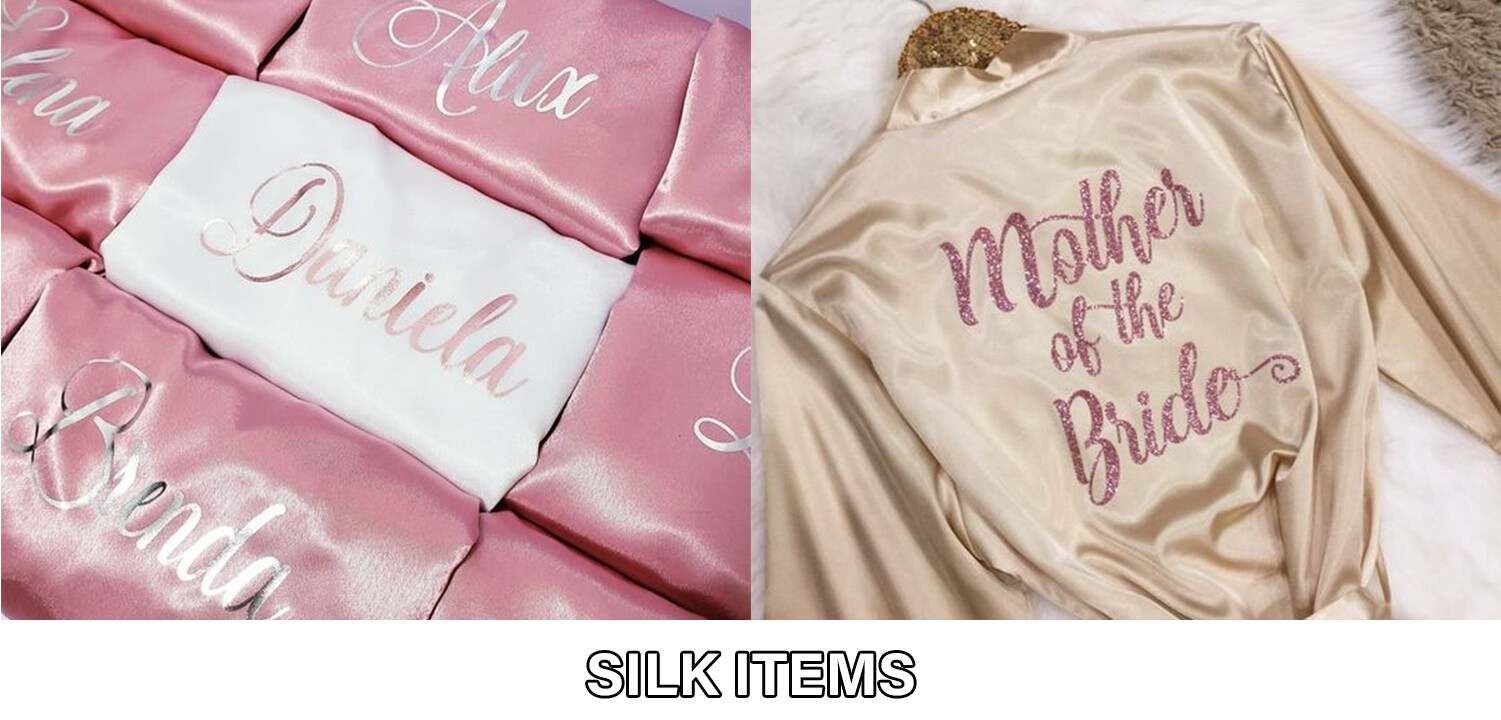
Visual Reference: Silk DTF in Practice
Long-Term Outlook: Structural, Not Temporary
The adoption of silk DTF printing reflects a broader shift in textile development philosophy. Brands increasingly separate design validation from production optimization, using different tools for each phase.
As digital printing technologies mature and supply chains become more responsive, DTF is likely to remain a core component of silk sampling workflows. Its advantages align with long-term industry pressures: speed, sustainability, and cost discipline.
Cost Savings Are Only Part of the Story
Yes, industry trends and case studies clearly show cost savings with silk DTF printing. But the deeper value lies elsewhere.
DTF reduces the cost of uncertainty. It allows brands to explore, test, and refine without fear of wasting expensive silk or missing deadlines. In a market where responsiveness and precision define success, that capability is often more valuable than the savings themselves.
For silk-based products, DTF is no longer an experiment. It is an enabling technology—one that reshapes how ideas become finished garments, efficiently and intelligently.
What Are the Best Practices for Implementing DTF Printing to Maximize ROI on Silk Fabric?
Direct-to-Film (DTF) printing has become a powerful tool for silk fabric development, but the technology alone does not guarantee high ROI. The financial and operational benefits of DTF are realized only when it is implemented with a disciplined workflow, correct material selection, and data-driven quality control. Silk is an unforgiving substrate—smooth, delicate, and highly visible in defects—so best practices matter far more here than with cotton or polyester.
For brands and manufacturers, the objective is not simply to print on silk, but to reduce sampling risk, shorten development cycles, protect fabric value, and maintain luxury-level aesthetics, all while keeping costs predictable.
Why Implementation Discipline Matters for Silk
Silk magnifies every weakness in the printing process. Excess heat dulls sheen, incorrect adhesive stiffens hand feel, and poor color management leads to visible shade deviation. Unlike heavier fabrics, silk does not “hide” process errors.
DTF succeeds on silk precisely because it separates design experimentation from fabric consumption—but only if each stage of implementation is controlled. Poor setup can quickly erase any cost advantage gained from faster sampling.
Pre-Production Calibration: The Foundation of ROI
Pre-production calibration is the most critical step and the most common source of failure.
Silk differs from other fabrics in three key ways:
- Extremely smooth surface
- Low tolerance for heat distortion
- High visual sensitivity to gloss and color shifts
Printer settings must be adjusted accordingly. Ink density, curing temperature, and transfer pressure all need to be optimized specifically for silk rather than reused from cotton or synthetic profiles.
A well-calibrated DTF setup minimizes reprints and fabric loss. In practice, factories that invest time in calibration during the first 5–10 test runs often reduce total sampling iterations by 30–50% over an entire season.
From an ROI standpoint, calibration is a one-time investment that compounds across every design that follows.
Color Management: Controlling the Most Expensive Variable
Color inconsistency is one of the most expensive problems in silk printing. Because silk reflects light differently depending on weave and finish, unprofiled digital printing often produces results that look acceptable on screen but fail on fabric.
Effective color management involves:
- Creating silk-specific ICC profiles
- Measuring output using spectrophotometers
- Controlling ΔE deviation across batches
For silk DTF printing, a ΔE of ≤1.5 is generally considered acceptable for luxury applications, while ≤1.0 is preferred for scarves, dresses, and visible fashion panels.
Accurate color profiling directly improves ROI by:
- Reducing approval rejections
- Preventing late-stage color corrections
- Eliminating repeated silk sampling
In real production environments, consistent color management often saves more money than any single hardware upgrade.
Sample Planning: Using DTF Strategically, Not Excessively
One common mistake is over-sampling simply because DTF makes it easy. While DTF reduces per-sample cost, uncontrolled sampling still consumes labor, time, and attention.
Best practice is minimal, targeted sampling, focused on decision-making rather than volume.
Effective sample planning includes:
- Testing critical colorways first
- Printing reduced-size motifs before full layout
- Using surrogate fabrics for early tests when possible
This approach preserves silk yardage while still delivering reliable visual and tactile feedback. Brands that follow structured sample planning typically see material waste reductions of over 40% compared to traditional silk sampling workflows.
Adhesive and Heat Control: Preserving Hand Feel and Sheen
Adhesive choice and heat settings are where many silk DTF projects fail.
Excessive adhesive thickness or temperature can:
- Stiffen the fabric
- Flatten silk’s natural luster
- Create visible edge outlines on light colors
Best practices include:
- Using low-melt, fine-particle adhesives designed for delicate fabrics
- Applying the minimum effective adhesive layer
- Running heat transfers at the lowest temperature that ensures bond stability
For most silk applications, transfer temperatures are kept significantly lower than those used for cotton, with shorter dwell times and carefully controlled pressure.
The ROI impact here is subtle but powerful. Preserving hand feel and sheen avoids costly redesigns, rejected samples, and negative buyer feedback—expenses that are rarely captured in simple cost-per-sample calculations.
Post-Printing Inspection: Preventing Downstream Losses
Quality control after transfer is not optional for silk DTF printing. Visual defects that might be tolerated on casual fabrics are unacceptable in silk products.
A robust inspection protocol typically evaluates:
- Color accuracy (ΔE measurement)
- Registration precision
- Surface gloss, measured in gloss units (GU)
- Wash fastness and adhesion stability
Gloss measurement is especially important for silk. Even small variations in GU can change how a printed area looks under retail lighting. Maintaining consistent gloss ensures that printed sections integrate seamlessly with the surrounding fabric.
Post-printing inspection improves ROI by ensuring first-pass approval, reducing rework, and maintaining confidence in DTF as a repeatable process rather than an experimental tool.
Workflow Optimization: Step-by-Step Control
Step 1: Design Digital File Artwork must be prepared specifically for silk. This includes higher resolution, careful edge definition, and controlled color layering. Poor file preparation leads to wasted print cycles regardless of how good the printer is.
Step 2: Print on Transfer Film Film selection matters. Films designed for rigid fabrics may release poorly on silk, affecting edge clarity and surface smoothness. Ink systems must also be compatible with fine, lightweight textiles.
Step 3: Transfer to Silk Heat, pressure, and dwell time are adjusted together. This step determines final hand feel more than any other.
Step 4: Quality Verification Objective measurements replace subjective judgment. ΔE, gloss, and wash testing ensure consistency and reduce disputes between design, production, and sales teams.
Step 5: Cost Tracking and Analysis Labor hours, silk usage, and energy consumption are tracked and compared to traditional sampling methods. This data closes the loop and validates ROI claims internally.
DTF Implementation Checklist for ROI Optimization
| Step | Key Consideration | Impact on ROI |
|---|---|---|
| Digital File Preparation | Resolution, color layers, pattern repeat | Fewer design iterations required |
| Film & Ink Selection | Silk-compatible inks | Prevents misprints, reduces waste |
| Heat & Pressure Settings | Avoid fabric distortion | Maintains hand feel, reduces rework |
| Quality Verification | ΔE, gloss, registration, wash fastness | Ensures first-pass success, fewer corrections |
| Cost & Material Tracking | Labor, silk usage, energy | Quantifies savings, improves planning |
Operational Results from Controlled Implementation
By following these practices, Szoneier Fabrics was able to achieve a consistent 40% reduction in silk sample costs, while also shortening average development cycles by several days. More importantly, design teams reported higher confidence in decision-making because samples more accurately represented final production outcomes.
This confidence has measurable value. Fewer late changes mean fewer emergency corrections, less wasted fabric, and smoother transitions from development to bulk production.
Best Practices as a Competitive Advantage
DTF printing on silk is not simply a technical upgrade; it is a process upgrade. Factories and brands that treat DTF as a controlled system—rather than a shortcut—unlock its full ROI potential.
Key principles include:
- Treat calibration and profiling as strategic assets
- Control heat and adhesive with silk-specific standards
- Use data, not instinct, to judge quality
- Track savings across the entire development cycle, not just per sample
Strategic Perspective on Maximizing ROI
DTF technology represents a fundamental shift in how silk products are developed. It reduces the cost of experimentation, accelerates learning, and lowers the financial risk of creative exploration. However, these benefits materialize only when supported by disciplined implementation.
For luxury brands, designers, and manufacturers working with silk, DTF is not about replacing traditional printing entirely. It is about using the right tool at the right stage—leveraging DTF for rapid, low-risk sampling and validation, while reserving traditional methods for scale where they make sense.
When implemented correctly, DTF printing becomes a long-term ROI engine: faster decisions, less waste, predictable costs, and silk products that reach the market with fewer compromises and higher confidence.
If you want to source high-quality silk fabric with DTF printing capabilities, Szoneier Fabrics provides:
- Custom silk fabric solutions with DTF printing
- Free design consultation and rapid sampling
- Low MOQ production with fast lead times
- Verified quality with consistent sheen, color accuracy, and durability
Contact Szoneier today to request samples or discuss custom DTF silk printing orders
silk fabric digital printing, DTF printing silk, silk fabric ROI, reduce silk sample costs, digital textile printing, silk printing cost savings, DTF technology textiles, silk fabric prototyping, silk sample production, high-quality silk printing, direct-to-film printing, silk printing efficiency, textile sample cost reduction, luxury silk fabric printing, silk printing precision, color accuracy silk printing, silk wash fastness testing, silk pattern registration, textile production ROI, silk fabric prototyping tips, sustainable silk printing, silk printing workflow, silk sample turnaround, silk printing best practices, silk fabric print durability, silk printing case study, DTF vs screen printing silk, silk printing cost analysis, digital silk production, Szoneier fabrics DTF silk