Skip to content
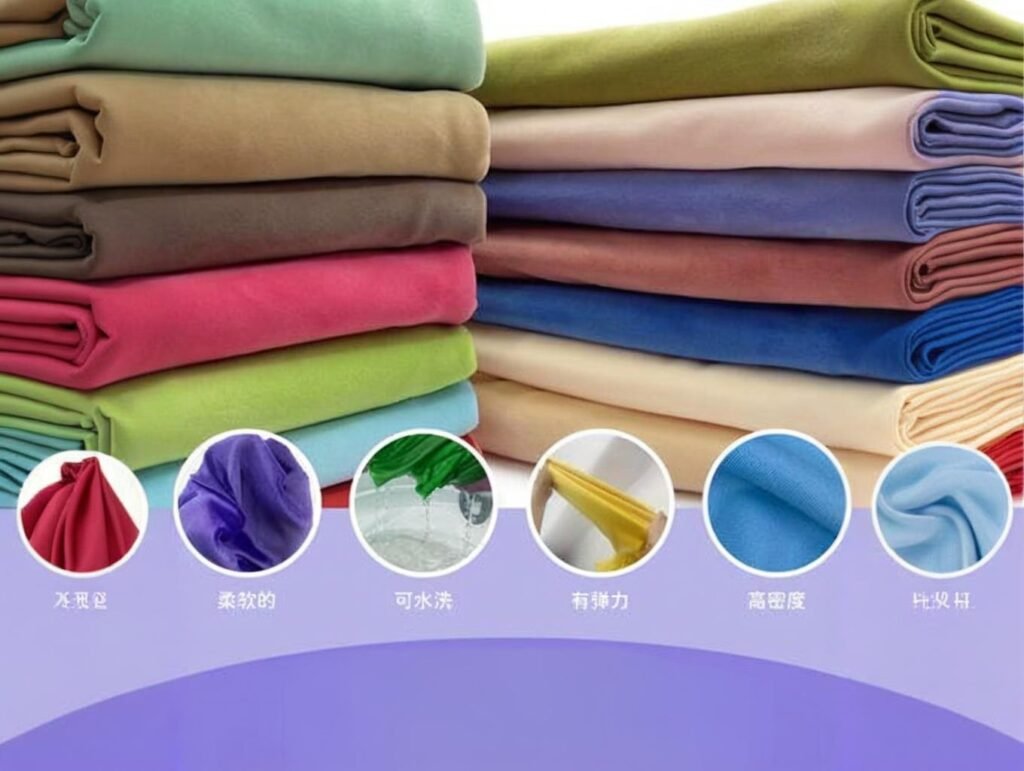
From compression wear to performance stretch knits, Spandex (also known as elastane) has revolutionized modern textile engineering. With its exceptional elasticity, form-fitting behavior, and thermal stability, Spandex allows fabric designers to achieve levels of flexibility and comfort that natural fibers alone cannot provide. However, behind its seemingly simple stretch lies a complex world of chemical engineering, mechanical performance metrics, and thermal resistance values that textile engineers must thoroughly understand to apply it effectively in production.
Spandex is a synthetic elastic fiber known for its high elongation (500–700%), excellent recovery, and resistance to heat, UV, and chemicals. It is widely used in technical textiles due to its low modulus and stable performance under repeated stress.
Whether you’re selecting materials for yoga leggings, medical compression socks, or next-gen wearable devices, understanding the precise technical properties of Spandex is essential to optimizing product design. In this article, we’ll break down Spandex’s structural, mechanical, thermal, and processing data in language that balances technical depth with real-world usability.
Let’s begin by uncovering what this stretchy marvel is really made of—and why it behaves so differently from rubber or nylon.
What Is Spandex and How Is It Chemically Structured?
Spandex is a polyurethane-based synthetic fiber composed of long-chain polymers that contain at least 85% segmented polyurethane. It was first developed by DuPont in 1958 under the trade name Lycra. Its elastic properties come from alternating soft and hard segments in the polymer chain—where soft segments provide stretch and hard segments act as anchor points for recovery.
Spandex is a segmented polyurethane fiber made through dry spinning, with a unique block copolymer structure that allows extreme stretch and recovery while maintaining shape.
Molecular Engineering of Spandex
a. Chemical Composition
- Soft Segment: Polyether or polyester diols – responsible for elasticity
- Hard Segment: Diisocyanate compounds – provide shape memory
This microstructure forms physical crosslinks rather than chemical ones, meaning Spandex can be stretched and return to its original shape without fatigue over many cycles.
b. Production Method: Dry Spinning
- Solvent-based process
- Polymer solution is extruded through spinnerets
- Solvent evaporates, leaving behind fine Spandex filaments
- Yarns are drawn, heat-set, and sometimes coated for specific uses
| Spinning Method | Dry Spinning |
|---|---|
| Cost-efficiency | Moderate |
| Fiber fineness | High |
| Process speed | Fast |
| Environmental impact | Moderate–High |
c. Key Fiber Characteristics
| Parameter | Typical Range |
|---|---|
| Denier | 10D – 840D |
| Cross-section shape | Circular, trilobal, flat |
| Polymer content | ≥85% segmented PU |
| Appearance | Transparent, matte |
Spandex can be used as bare yarn, covered yarn (wrapped in nylon or polyester), or core-spun, depending on the end-use. Engineers must consider this during fabric selection and design.
Which Mechanical Properties Make Spandex Ideal for Stretch Fabrics?
The most valuable asset of Spandex is its low modulus elasticity, which allows fabrics to stretch significantly without applying much force. This makes it perfect for garments requiring comfort, movement, and muscle compression.
Spandex’s mechanical strength lies in its ability to stretch up to 700% and recover without permanent deformation. It delivers low modulus, high elongation, and consistent stress response.
Mechanical Behavior Under Strain
a. Key Mechanical Parameters
| Mechanical Property | Typical Value |
|---|---|
| Elongation at break | 500–700% |
| Tenacity (dry) | 0.5–1.0 g/den |
| Modulus (at 100% stretch) | 0.2–0.5 g/den |
| Stress decay (1 hr hold) | <10% |
| Recovery (after 1000 cycles) | ≥90% |
These values may vary based on:
- Denier
- Heat-setting temperature
- Coating (e.g. silicone, anti-static)
- Blend ratio in woven/knit structures
b. Stretch-Recovery Curve
Unlike rubber, which fatigues quickly under strain, Spandex exhibits a linear elastic phase followed by a plateau region where it retains consistent tension, ideal for body-mapped garments.
c. Industry Use Case: Sportswear
In high-performance leggings:
- 20–30% Spandex blend with polyester or nylon
- Stretch modulus fine-tuned for muscle compression
- Maintains fit over 50+ washes
Lululemon’s “Everlux” fabric incorporates a 28% Spandex ratio for 4-way stretch and sweat-wicking, with lifetime recovery standards exceeding 90%.
How Does Spandex Perform Under Heat, UV, and Chemical Exposure?
Spandex is known for its moderate thermal stability and good resistance to a wide range of chemicals. However, its biggest vulnerability lies in prolonged UV exposure, which can degrade fiber elasticity over time if not protected by covering yarns or coatings.
Spandex resists most common chemicals and can withstand heat up to 150°C under controlled conditions, but it is sensitive to prolonged UV light, which can cause fiber degradation.
Environmental & Chemical Resistance Profiles
a. Thermal Tolerance
| Condition | Spandex Performance |
|---|---|
| Ironing/Finishing | Up to 150°C (short-term) |
| Heat-setting | 130–150°C (tensionless) |
| Melting point | 230–250°C |
| Decomposition temp | \~200°C |
- For durability in final garments, heat setting is essential to stabilize fabric dimensions and prevent post-wash distortion.
b. UV Resistance
| UV Exposure (hrs) | Elasticity Retained (%) |
|---|---|
| 0 | 100% |
| 50 | 85–90% |
| 100 | 60–70% |
| 200 | <50% |
- Solution: Use covered Spandex or UV-resistant finishing agents.
- Common applications (e.g. swimwear, outdoor compression wear) require UV inhibitors in the dyeing or coating stage.
c. Chemical Resistance
| Chemical | Spandex Resistance |
|---|---|
| Acids (dilute) | Good |
| Alkalis (moderate) | Good |
| Chlorine (pool water) | Fair (degrades over time) |
| Solvents (acetone, etc.) | Poor–Fair |
| Perspiration/sweat | Good (with proper finishing) |
- Chlorine damage is a common failure point. Chlorine-resistant Spandex is often used in swimwear and medical fabrics.
INVISTA’s XTRA LIFE LYCRA® is engineered with chlorine resistance for 5–10x longer wear life in swimwear.
What Are the Standard Tensile Strength and Elongation Values of Spandex?
Tensile strength and elongation values are the core mechanical properties textile engineers evaluate when specifying Spandex. Though Spandex is not a high-tenacity fiber like nylon or polyester, its incredible elongation and recovery are unmatched.
Typical tensile strength of Spandex is 0.5–1.0 g/den, with elongation at break between 500% and 700%, making it ideal for applications requiring high elasticity.
Mechanical Test Results and Industry Benchmarks
a. ASTM and ISO Testing Methods
| Standard | Purpose |
|---|---|
| ASTM D4964 | Stretch and recovery measurement |
| ISO 2062 | Yarn tensile strength and elongation |
| EN 14704-1 | Elastic fabric elongation & force |
| AATCC TM147 | Chlorine resistance assessment |
b. Technical Performance Table
| Property | Standard Value |
|---|---|
| Elongation at break (%) | 500–700% |
| Initial modulus (g/den @ 100%) | 0.3–0.5 |
| Tenacity (g/den) | 0.5–1.0 |
| Load at 300% elongation | 40–60 cN |
| Permanent set (after 300% x 5 cycles) | <5% |
These values can vary depending on:
- Denier (20D vs 140D vs 840D)
- Whether it’s bare, covered, or core-spun
- Heat treatment and finishing processes
c. Practical Design Tips for Engineers
- Use lower-denier Spandex (20D–40D) for lightweight fabrics like tights or underwear
- Choose higher-denier (140D–840D) for heavy-duty applications like shapewear, sports bras, or medical compression
- Always request technical datasheets from suppliers for yarn-specific performance data
At SzoneierFabrics, we offer custom tensile testing reports based on your end-use—helping engineers select the right denier, blend ratio, and finish.
How Is Spandex Fiber Tested and Certified for Quality Control?
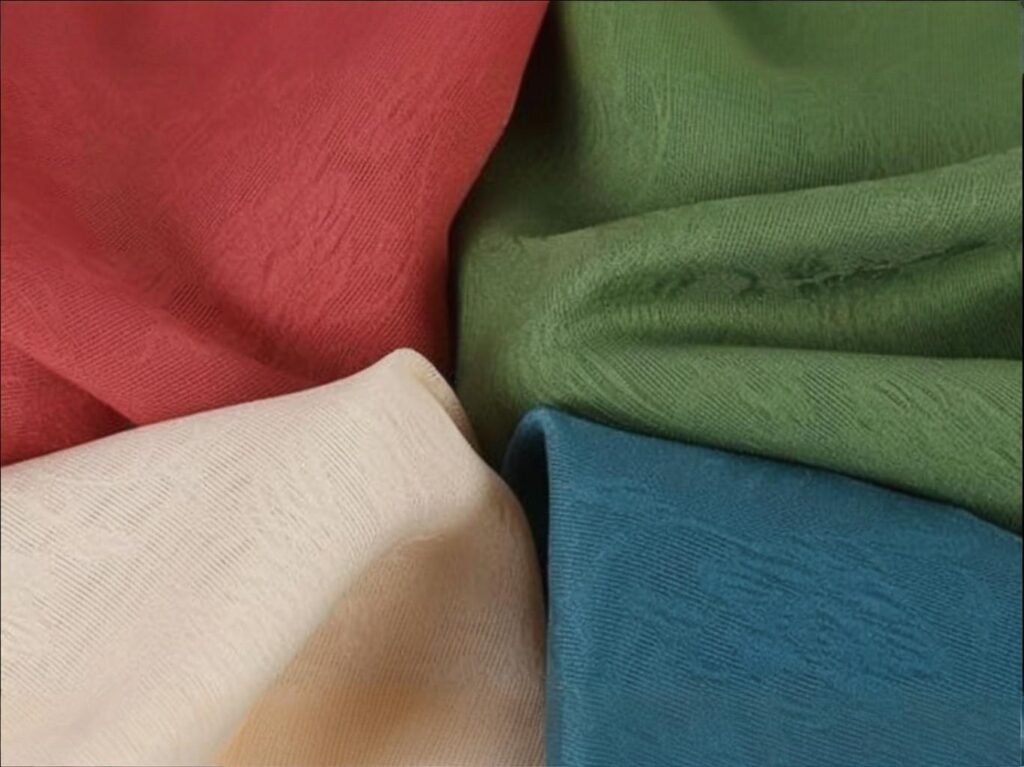
For textile engineers and sourcing teams, relying on verified quality standards is essential to ensure Spandex performance meets specifications across stretch, durability, chemical resistance, and safety. Major certifications and tests validate the fiber’s functional performance and regulatory compliance.
Spandex is commonly tested using ASTM, ISO, and AATCC standards for stretch, recovery, and durability. Certifications like OEKO-TEX and REACH ensure product safety.
Quality Standards and Certifications
a. Key Testing Protocols
| Test Name | Standard | Purpose |
|---|---|---|
| ASTM D4964 | USA | Stretch & recovery in elastic fabrics |
| ISO 2062 | Global | Yarn tensile strength |
| EN 14704-1 | EU | Extension and force under stretch |
| AATCC TM147 | USA | Chlorine resistance |
| JIS L1096 | Japan | General Spandex quality testing |
Each standard evaluates different aspects under controlled conditions such as:
- Elongation force
- Set after stretch
- Load retention after fatigue
- Chlorine degradation levels
b. Sustainability and Safety Certifications
| Certification | Scope |
|---|---|
| OEKO-TEX® Standard 100 | Tests for harmful substances in fibers |
| GRS (Global Recycled Standard) | Validates recycled content in elastane blends |
| REACH (EU) | Ensures chemical compliance in EU |
| Higg Index | Lifecycle environmental scoring |
SzoneierFabrics partners with OEKO-TEX–certified suppliers, ensuring Spandex blends are free from azo dyes, phthalates, and formaldehyde.
Which Fabrics Are Commonly Blended with Spandex and Why?
Spandex is rarely used alone. Its best performance is achieved when blended with base fibers that offer structure, durability, and moisture regulation—allowing engineers to develop multi-functional fabrics with stretch, comfort, and resilience.
Spandex is commonly blended with cotton, polyester, nylon, and modal to create fabrics that combine stretch with moisture-wicking, softness, and durability.
Common Spandex Blends and Their Use Cases
a. Cotton-Spandex (e.g. 95% cotton / 5% Spandex)
- Use: Casualwear, T-shirts, leggings
- Advantage: Natural feel, breathability with added comfort
- Downside: Moderate shrinkage risk if not pre-treated
b. Polyester-Spandex (e.g. 87% poly / 13% Spandex)
- Use: Activewear, sports bras, swimwear
- Advantage: High durability, moisture-wicking, color fastness
- Downside: Lower biodegradability
c. Nylon-Spandex (e.g. 80% nylon / 20% Spandex)
- Use: Underwear, shapewear, compression wear
- Advantage: Lightweight, silky, high stretch and support
- Downside: Sensitive to heat
d. Modal-Spandex or Tencel-Spandex
- Use: Premium loungewear, eco-fabrics
- Advantage: Soft hand-feel, drape, sustainability
- Downside: Higher cost
| Blend Type | Spandex Ratio | Applications |
|---|---|---|
| Cotton-Spandex | 3–10% | T-shirts, casualwear |
| Polyester-Spandex | 10–25% | Leggings, swimwear, sportswear |
| Nylon-Spandex | 15–30% | Shapewear, intimates |
| Modal/Tencel-Spandex | 5–10% | Premium eco-fabrics |
Many top athletic brands use polyester/Spandex blends around 88/12 for leggings and performance tops due to their stability and wicking performance.
Is Spandex Material Sustainable? Recyclability and Eco-Certifications Explained
Spandex’s synthetic nature and its dependence on fossil-based inputs have long raised questions among sustainability-conscious manufacturers. However, new innovations in recyclable Spandex, closed-loop production, and reduced solvent systems are reshaping the environmental impact of this essential fiber.
Traditional Spandex is not biodegradable, but modern eco-Spandex options with recycled content and solvent-free production methods are helping reduce its environmental footprint.
Evaluating Spandex Through a Sustainability Lens
a. Environmental Challenges of Conventional Spandex
- Not biodegradable: Can persist in landfills for decades
- High energy usage: Dry spinning consumes significant energy
- Solvent-based production: Uses DMAC or DMAc, both requiring careful handling
b. Recycled Spandex and Bio-Based Innovations
| Eco-Spandex Innovation | Benefit |
|---|---|
| Recycled elastane (e.g. Creora® regen) | Reduces carbon emissions up to 70% |
| Bio-based polyurethane | Made from castor oil or other renewables |
| Solvent-free or water-based spinning | Reduces VOC emissions |
| Circular yarn programs | Enable take-back and re-yarn initiatives |
Example: Hyosung’s creora® regen uses 100% recycled materials and emits significantly less CO₂ compared to virgin Spandex.
c. Certifications to Look For
- OEKO-TEX Standard 100 – Free from harmful substances
- GRS (Global Recycled Standard) – For recycled elastane
- Higg Index / LCA Reports – For full lifecycle transparency
While Spandex is not inherently sustainable, careful selection of certified recycled Spandex and blending it with biodegradable fibers like Tencel can significantly improve a garment’s lifecycle rating.
How to Choose the Right Spandex Specification for Your Textile Application?
The optimal Spandex specification depends on intended use, performance expectations, fabric structure, and cost requirements. For textile engineers, this means defining the desired stretch percentage, durability, softness, and resilience before selecting the denier and blend ratio.
Choose Spandex specifications based on fabric function—use lower denier for lightweight stretch and higher denier for compression or shaping applications.
Engineer’s Guide to Specification Matching
a. Key Decision Factors
| Factor | Recommendation |
|---|---|
| Stretch requirement | Higher % Spandex (15–30%) |
| Compression need | Use high-denier Spandex (≥140D) |
| Lightweight comfort | Low-denier (10–40D) + breathable base fiber |
| UV/chemical resistance | Use UV-treated, chlorine-resistant Spandex |
| Eco-friendliness | Look for GRS or OEKO-TEX–certified options |
b. Application-Specific Guidance
| End Use | Spandex Type | Blend Suggestion |
|---|---|---|
| Sportswear | Mid-denier, high recovery | Polyester 88 / Spandex 12 |
| Shapewear | High-denier, firm stretch | Nylon 80 / Spandex 20 |
| Yoga wear | Soft hand-feel, durable | Modal 95 / Spandex 5 |
| Swimwear | Chlorine-resistant | Nylon 85 / Spandex 15 (XTRA LIFE) |
| Medical compression | Low stretch set, high support | Nylon 70 / Spandex 30 |
Always request fabric samples and lab reports during prototyping to validate Spandex performance under real-use conditions.
Sourcing Quality Spandex with Confidence
Spandex is no longer just an “add-on” for stretch—it’s a critical engineering fiber for performance, fit, and longevity in modern textile design. As a technical decision-maker, whether you’re sourcing for athletic apparel, intimate wear, or industrial-grade compression textiles, understanding Spandex’s material science and application specs empowers you to make more confident choices.
At SzoneierFabrics, we help brands, manufacturers, and sourcing agents around the world develop the perfect Spandex-blended fabrics based on your performance goals. Whether you need:
- Custom GSM and denier specs
- Recycled or OEKO-TEX certified Spandex
- Fast lab dips and strike-offs
- Low MOQ development
We’ve got you covered from fiber sourcing to quality assurance.
Contact SzoneierFabrics today for free samples and expert customization advice.