 Skip to content
Top 5 Benefits of Canvas Cloth Material for Custom Manufacturing
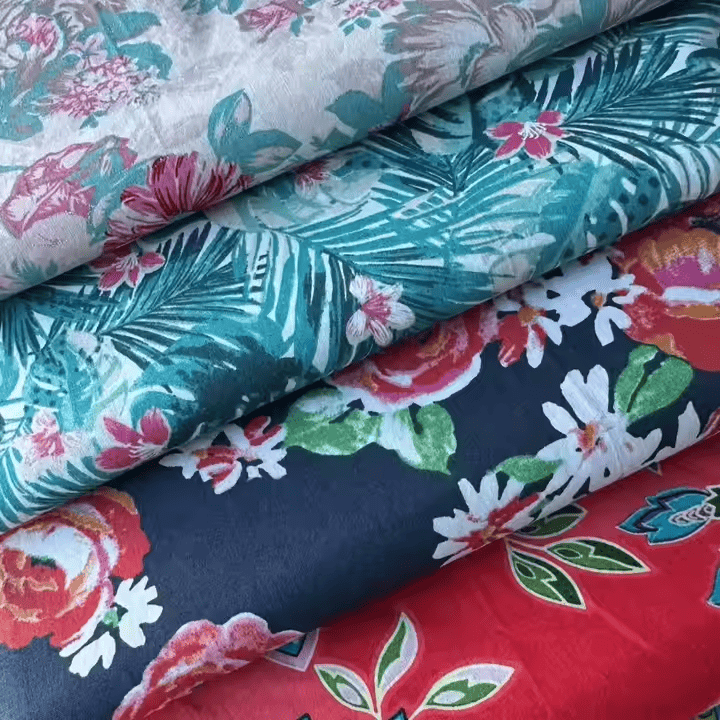
In a world where quality, flexibility, and brand identity drive product success, the fabric you choose can either limit or empower your vision. Canvas cloth has long been associated with utility and resilience, but in recent years, it’s stepped into the spotlight as a top contender for brands and manufacturers seeking durable, customizable, and cost-effective materials.
Canvas cloth offers five key advantages for custom manufacturing: outstanding durability, economic scalability, wide product versatility, deep customization potential, and growing relevance in sustainable production.
Its ability to serve in both rugged outdoor gear and premium lifestyle goods speaks volumes about its range. From waxed backpacks and industrial tool aprons to fashion-forward totes and upholstered benches, canvas adapts.
Let’s start with a story. A small Danish design firm launched a limited series of foldable canvas storage trunks. They chose 18oz cotton duck canvas, custom-dyed in pastel tones. Not only did their utility product become a home décor sensation, but returns were nearly zero over 8 months of sales. Why? Because canvas delivered functionality and aesthetic impact—at scale.
What Makes Canvas Cloth Material Ideal for Custom Manufacturing Projects?
Canvas cloth is ideal for custom manufacturing because of its tightly woven structure, high tensile strength, natural fiber adaptability, and compatibility with a range of coatings and treatments. It’s one of the few materials that performs well across function-heavy products and design-driven items.
Technical Properties That Enable Customization
▸ Strength & Density
Canvas is a plain-weave fabric, usually cotton, polyester, or poly-cotton blend. Its GSM (grams per square meter) ranges from 200 to over 900—meaning you can go from flexible to nearly rigid, depending on the use case.
| Canvas Weight Type | GSM Range | Typical Applications |
|---|---|---|
| Lightweight | 200–300 | Apparel lining, promotional tote bags |
| Mediumweight | 340–450 | Fashion bags, upholstery, seat covers |
| Heavyweight | 500–900 | Tents, industrial covers, tool gear |
▸ Coating Compatibility
Canvas can be:
- Waxed (for weathered fashion or rugged tools)
- PU/PVC coated (for waterproof gear)
- Flame retardant treated (for tents, transportation)
- UV-stabilized (for outdoor furniture or awnings)
This allows you to adapt the same canvas weave to multiple end-uses.
▸ Print and Color Treatments
Canvas absorbs pigment and reactive dyes well, meaning it can hold vibrant prints or deep earth tones. Many lifestyle brands rely on pigment-dyed canvas to give their products a vintage or artisanal appearance.
✅ Case Study: A U.S. pet gear brand chose 12oz canvas for their dog carriers, screen-printed with pet-safe ink. The bags became a hit in eco-conscious markets, showing how canvas bridges function and creativity.
How Does Canvas Fabric Compare to Other Materials in Terms of Durability?
Canvas fabric outperforms many other textiles in abrasion resistance, weight-bearing ability, and shape retention. Unlike synthetic-only options like nylon or polyester, canvas balances breathability with toughness, making it suitable for extended use in harsh or heavy-duty environments.
Canvas vs Other Common Materials
▸ Comparison Table: Canvas vs Polyester vs Nylon
| Property | Canvas (Cotton/Blend) | Nylon | Polyester |
|---|---|---|---|
| Abrasion Resistance | High (especially duck) | Moderate | Moderate |
| Tear Strength | High (esp. 16–22oz) | Very High | High |
| UV Resistance | Moderate (improves w/ coating) | Low | High |
| Breathability | High | Low | Low |
| Sustainability | High (natural cotton) | Low | Moderate |
| Custom Finishing | Highly versatile | Limited dye uptake | Good with synthetics |
Canvas excels where long-term wear, environmental exposure, and design quality matter.
▸ Long-Term Usage Performance
In real-world conditions:
- Canvas tent covers used in outdoor exhibitions lasted 3–4 years without needing replacement.
- Canvas delivery bags for couriers resisted daily friction against bike frames, with over 1,000 hours of tested use.
- Canvas upholstery retained color and stitching better than equivalent polyester over repeated commercial cleaning cycles.
▸ Breathability + Strength Combo
This is especially useful in:
- Workwear (e.g., overalls, aprons)
- Upholstery in hot climates
- Outdoor bags that need to balance moisture control and structural rigidity
Quote from Product Developer:
“We moved from PVC to PU-coated canvas for our utility bag line. Customer complaints about cracks and delamination dropped to zero.”
Why Is Canvas Cloth a Cost-Effective Choice for Product Development?
Canvas cloth stands out as a cost-effective material due to its long lifecycle, broad sourcing availability, low processing costs, and flexible MOQ options for custom production. When compared to synthetic or luxury fabrics, canvas delivers a better price-to-performance ratio—especially in products that demand both strength and aesthetics.
The Real Economics Behind Canvas Cloth
▸ Long-Term Value vs Initial Cost
While the upfront price of quality canvas may be slightly higher than basic polyester, its durability often leads to better long-term ROI.
| Fabric Type | Avg. Price (USD/yard) | Avg. Lifespan | Replacement Frequency |
|---|---|---|---|
| Canvas (14–22oz) | \$3.00–\$5.50 | 3–5 years | Low |
| Polyester (600D) | \$1.80–\$3.50 | 1–2 years | Medium |
| Nylon (Cordura) | \$5.50–\$8.00 | 2–4 years | Medium |
Canvas reduces reorders and return rates. Brands focused on longevity over disposability benefit the most.
▸ Easy to Cut, Sew, and Print
Because canvas has a stable weave and natural tension, it processes well during:
- Cutting (laser or blade)
- Digital and screen printing
- Overlock or chain stitching
This means lower labor cost per unit in factories. No need for complex bonding or lining steps often required with synthetic fabrics.
Real Example: An Australian startup reduced their cutting labor time by 18% when switching from PU-coated nylon to 16oz cotton canvas for their gear rolls. The consistency in fabric tension helped eliminate misalignments during laser cutting.
▸ Sourcing & Global Supply Chain Availability
Cotton canvas is widely available in China, India, and Pakistan. Polyester canvas production is strong in Southeast Asia. This widespread availability helps stabilize pricing and reduce material lead time volatility—even during supply chain disruptions.
▸ Lower MOQ Flexibility for Custom Use
Canvas is often woven and dyed in manageable roll sizes. Unlike specialty fabrics that require 1000+ meters per color, many canvas suppliers (like Szoneier) offer MOQ as low as 50 meters per custom specification.
Which Types of Products Can Be Made Using Canvas Material?
Canvas material is one of the most versatile fabrics available and is used across a wide spectrum of product categories. It adapts equally well to structured products like tool rolls and soft goods like fashion bags or decorative home accessories.
Canvas can be used to manufacture backpacks, aprons, upholstery, furniture covers, tents, awnings, promotional items, storage organizers, shoes, jackets, and more. Its strength, customizability, and texture allow it to serve both functional and stylistic purposes.
Industry-Specific Canvas Product Use Cases
▸ Outdoor & Tactical Gear
Canvas is widely used in:
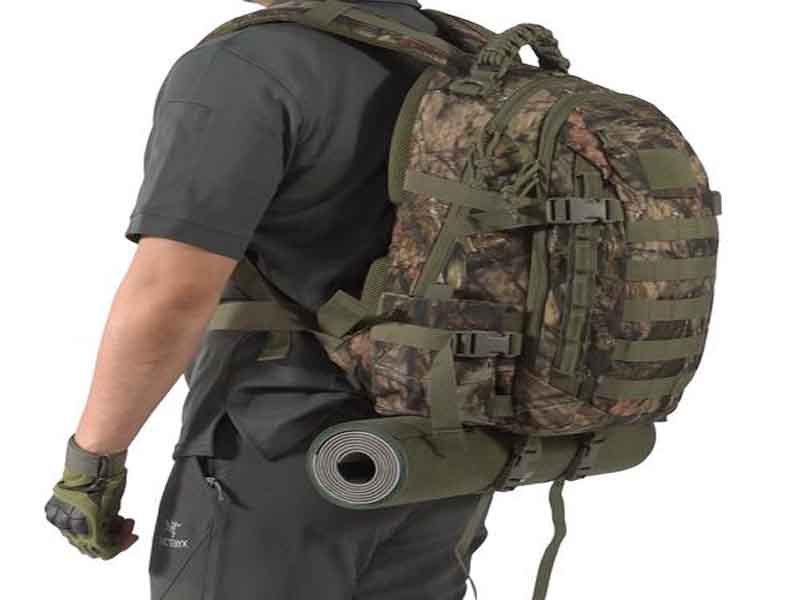
- Rugged backpacks and duffel bags
- Hunting gear and utility aprons
- Heavy-duty tents and shelters
Preferred Specs: 16–22oz cotton duck or polyester canvas with PU/PVC coating, anti-mildew treatment, and bartack reinforcements at stress points.
▸ Fashion & Lifestyle Products
Canvas is a go-to for:
- Canvas tote bags and messenger bags
- Slip-on shoes and sneakers
- Embroidered or screen-printed jackets
Design Trend: Waxed canvas is especially popular in heritage-inspired fashion due to its patina effect, giving a vintage, worn-in look over time.
▸ Furniture & Upholstery
Used in:
- Chair covers and cushion slipcovers
- Canvas hammocks and indoor swings
- Wall art backings or light-duty curtains
Blended canvas (cotton-poly) is often used for this category, with flame retardant and water repellent finishes.
▸ Home Storage & Utility
Examples include:
- Foldable laundry bins
- Tool pouches
- Under-bed organizers
- Multi-pocket canvas wall hangers
Customer Insight: A home goods brand in Canada found that canvas drawer organizers outsold synthetic felt by 37% after launching a line made with pre-dyed 12oz canvas in soft neutrals.
▸ Custom Promotional Products
Many companies use canvas for:
- Corporate giveaways (custom tote bags, zip pouches)
- Branded wine bottle holders
- Trade show banner cloths
Printing logos on canvas is easier and often more eco-conscious than plastic-based promotional goods.
What Customization Options Are Available for Canvas Fabric in Manufacturing?
Canvas fabric is incredibly customization-friendly due to its stable weave, natural absorbency, and compatibility with a wide range of coatings, dyes, and cutting methods. This makes it a flexible base for manufacturers looking to tailor fabric to brand-specific aesthetics, functional performance, or packaging requirements.
Customization options for canvas include GSM weight selection, weave type, fiber blend, dyeing methods, waterproof or flame-resistant coatings, printed graphics, embossed logos, and stitching or edge-finishing techniques.
Key Customization Methods for Canvas
▸ GSM and Thickness Customization
Buyers can choose from:
- 10oz (light canvas): Easier to fold, good for pouches and lining
- 14oz–18oz (medium to heavy): Popular for fashion bags and aprons
- 20oz+ (extra heavy-duty): Ideal for tents, tarps, and tool carriers
Szoneier Fabrics offers custom GSM weaving from 300 to 900 GSM with tolerance control of ±3%.
▸ Dyeing and Color Matching
| Method | Pros | Common Use Case |
|---|---|---|
| Pigment Dye | Soft vintage look, affordable | Fashion totes, decor, pet beds |
| Reactive Dye | Bright colors, wash-fast, deeper tone | Apparel, upholstery |
| Vat Dye | Highest colorfastness | Outdoor and industrial goods |
| Pre-dyed Yarn | Excellent color matching across batches | Striped canvas or brand-specific tones |
Most factories can match Pantone or client-supplied swatches. Double dyeing is available for richer tones.
▸ Surface Coatings
Canvas can be treated with:
- Waxing: Water-resistant, vintage look
- PU coating: Lightweight water barrier
- PVC coating: Heavy-duty waterproof and fire-resistant
- Silicone finish: Smooth feel, anti-pilling
- Flame retardant chemicals: For industrial or event-use items
Case Highlight: A French wellness brand used silicone-finished canvas in pastel tones for meditation pillows—combining breathability with a soft-touch surface.
▸ Printing & Branding
- Screen printing (best for bold logos, large areas)
- Digital pigment printing (ideal for multicolor or photographic designs)
- Embossed patches or heat transfers
- Woven labels and stitched embroidery
Szoneier supports multiple logo application techniques and can provide sample mockups before production.
▸ Stitching & Construction Methods
- Double-fold hem finishing for clean edges
- Bartack reinforcement on load-bearing areas
- Grommeting, eyelets, and rivets for technical products
- Foam backing or padding insertion for structured builds
Is Canvas Material Eco-Friendly and Sustainable for Today’s Market Needs?
Canvas—especially when made from 100% cotton or organic cotton—is considered one of the more sustainable textiles in the manufacturing world. Its long lifespan, reusability, and compatibility with water-based treatments and biodegradable finishes make it an attractive choice for eco-conscious brands.
Canvas is sustainable due to its natural composition, reduced energy use during processing, long product life cycle, and recyclability. Organic and OEKO-TEX certified canvas options further boost its eco-credentials.
Canvas Sustainability Compared to Other Fabrics
▸ Material Comparison for Environmental Impact
| Fabric Type | Renewable | Biodegradable | Energy Use in Production | Recyclable |
|---|---|---|---|---|
| Cotton Canvas | Yes | Yes | Moderate | Yes |
| Polyester Canvas | No | No | High | Limited |
| Nylon | No | No | High | Limited |
| Organic Cotton Canvas | Yes | Yes | Lower (no chemicals) | Yes |
▸ Certifications That Matter
Look for canvas materials with:
- OEKO-TEX® Standard 100: Free from harmful substances
- GOTS (Global Organic Textile Standard): Verifies organic content and ethical manufacturing
- FSC certification (for coated canvas): Ensures coating agents (like waxes) are sustainably sourced
- REACH Compliance: Important for European import regulations
Szoneier Fabrics offers canvas that meets OEKO-TEX and REACH standards for EU-bound goods.
▸ Waste Reduction and Reuse
Canvas is often:
- Repurposed into other products at end-of-life (e.g., canvas wall panels, coasters)
- Repaired and reused rather than discarded
- Recyclable in facilities that accept textile cotton or blended materials
Brand Insight: An ethical luggage brand in Germany ran a “send-back and remake” campaign, offering customers repair or upcycling services for worn canvas bags—gaining loyalty and lowering waste.
▸ Water-Based Coating and Dyeing Options
To reduce pollution and improve biodegradability, many manufacturers now offer:
- Water-based PU coatings
- Low-impact dyes
- Enzyme washing instead of chemical softeners
These methods minimize runoff and lower environmental harm.
How Does Canvas Perform in Outdoor, Industrial, and High-Stress Applications?
Canvas is built to withstand tough environments. Whether exposed to heat, abrasion, heavy loads, or outdoor elements, properly treated canvas delivers impressive long-term performance. This makes it a reliable choice for products used in construction, transportation, outdoor recreation, agriculture, and tactical applications.
Canvas performs exceptionally well under high-stress conditions due to its tight weave, customizable coatings, and natural abrasion resistance. When reinforced and treated, it can resist water, UV, mildew, and physical strain.
Canvas Use Cases in Extreme Conditions
▸ Industrial and Construction Settings
Heavy-duty canvas is often used for:
- Tool aprons and storage pouches
- Drop cloths and jobsite protection covers
- Fire-retardant curtains and partitions
In these settings, 18oz–22oz duck canvas with flame retardant and anti-mildew coating is common.
| Application | Preferred Spec | Expected Durability |
|---|---|---|
| Concrete curing blanket | 20oz waterproof cotton duck | 2–3 years use |
| Welding curtain | Flame-retardant 22oz canvas | Heat resistant |
| Tool roll or pouch | 16oz with rivet reinforcement | Over 1,000 cycles |
Case Example: A Mexican construction supply company used Szoneier’s 22oz canvas for welding tent panels. Their average product lifespan extended from 9 months to 2.5 years post-switch.
▸ Outdoor Gear and Marine Use
Canvas remains a go-to for:
- Boat covers and sails
- Tents and camping tarps
- Hiking and mountaineering bags
When properly coated, canvas resists water penetration, maintains shape in humid climates, and prevents UV degradation.
Preferred specs:
- 600–800 GSM poly-cotton blend
- PU/PVC coating
- Double-stitched seams with bartacks
Field Report: An outdoor apparel brand tested 16oz canvas with PU coating on alpine gear. After 6 months in snow-rain alternation, seam integrity and fabric flexibility remained unchanged.
▸ Military and Tactical Applications
Used for:
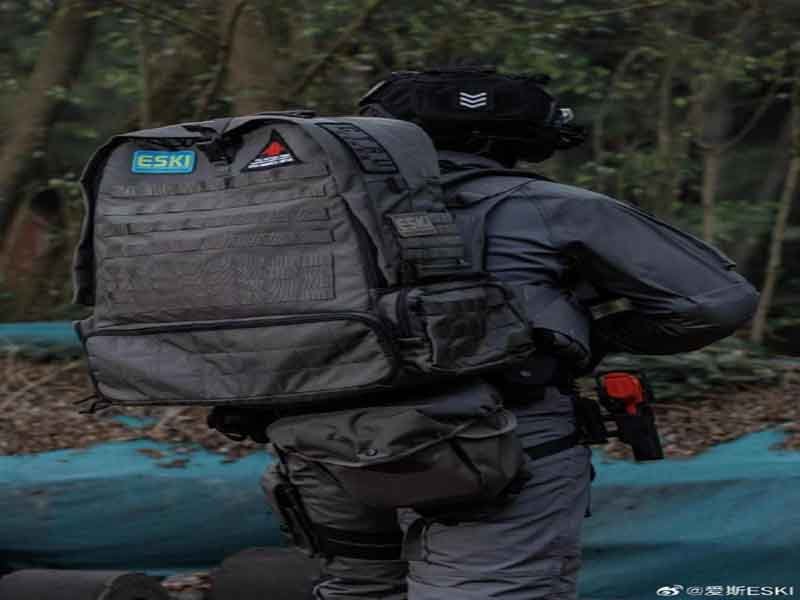
- Ammo pouches and vests
- Sleeping bag wraps
- Protective tent flooring
Features like modular attachments, abrasion testing (ASTM D3884), and tear strength (ASTM D2261) are vital.
What Should Buyers Look for When Sourcing Canvas Cloth for Custom Use?
Choosing the right canvas supplier isn’t just about price. It’s about material reliability, customization capability, compliance, and support during sampling and production. With so many global suppliers online, knowing what to look for—and what to avoid—can make or break your project.
Buyers should evaluate GSM accuracy, customization options, coating quality, fabric testing certifications, lead time flexibility, and supplier transparency. Start with sample requests and production documentation before placing full orders.
Canvas Sourcing Checklist for Custom Manufacturing
▸ Technical Questions to Ask
| Evaluation Area | What to Ask |
|---|---|
| Fabric Consistency | What’s your GSM tolerance? Can I get roll-to-roll consistency data? |
| Coating Quality | Is the coating water-based or solvent-based? Does it meet REACH or CPSIA standards? |
| Sample Policy | Do you offer free swatches or cut-meter samples for approval? |
| Customization | Can I choose color, weight, width, weave, and branding format? |
| Testing Support | Do you provide test reports (e.g., ISO, SGS, OEKO-TEX)? |
| Production Timeline | What’s your lead time for 100m? 500m? Can I do split shipments? |
▸ Red Flags That Signal Risk
- Generic photos and vague spec sheets
- No mention of coating type or fabric testing
- Extremely low pricing that undercuts market rate
- No English-speaking point of contact
- Inflexible sample policy or high upfront charges
Trusted Practice: Szoneier Fabrics provides GSM-verified swatch cards, pre-production sampling, and third-party test support. They also offer optional WhatsApp or WeChat photo updates throughout production.
▸ Compliance for Export Markets
If you plan to sell your canvas-based products in North America or the EU, make sure your supplier can meet:
- OEKO-TEX® or REACH standards (textile safety)
- CPSIA compliance (for products intended for children)
- Flame retardant compliance (for tents and upholstery)
- UV rating certifications (for outdoor use)
Why Canvas Is a Strategic Material for Custom Projects
Canvas is not just a “rugged” material—it’s a modern solution to complex product needs. It bridges industrial performance with aesthetic adaptability, enabling creators to build products that last and look good doing it. From printed fashion totes to reinforced utility kits, canvas offers a rare blend of strength, flexibility, eco-value, and creative control.
Sourcing the right canvas—from the right partner—unlocks that potential.
Ready to Launch Your Next Custom Canvas Product?
At Szoneier Fabrics, we’ve helped hundreds of clients—from indie designers to global brands—create beautiful, functional, and durable canvas-based products. We offer:
- GSM & color customization
- Free swatch sampling
- Low MOQ starting at 50 meters
- Coating and printing solutions
- Fast production and shipping
- Compliance with OEKO-TEX, REACH, and more
Contact us today for a tailored quote, or request a free sample kit to start developing your product with confidence.
canvas cloth material, benefits of canvas fabric, custom canvas manufacturing, canvas fabric for products, heavy-duty canvas uses, cotton canvas material, canvas for custom bags, canvas for outdoor gear, canvas cloth vs polyester, waxed canvas fabric, canvas fabric for upholstery, canvas fabric for tents, canvas cloth advantages, canvas material supplier, custom printed canvas, eco-friendly canvas fabric, sustainable canvas fabric, canvas material for tool bags, canvas for tactical gear, flame retardant canvas, waterproof canvas cloth, durable canvas fabric, best canvas for industrial use, gsm canvas fabric, canvas fabric by the yard, canvas cloth for home goods, canvas customization options, polyester cotton canvas, canvas fabric for fashion, where to buy canvas fabric,

Can't find the answers?
No worries, please contact us and we will answer all the questions you have during the whole process of bag customization.
Make A Sample First?
If you have your own artwork, logo design files, or just an idea,please provide details about your project requirements, including preferred fabric, color, and customization options,we’re excited to assist you in bringing your bespoke bag designs to life through our sample production process.