 Skip to content
Top Suppliers of Rayon Fabric Clothes for Global Sourcing
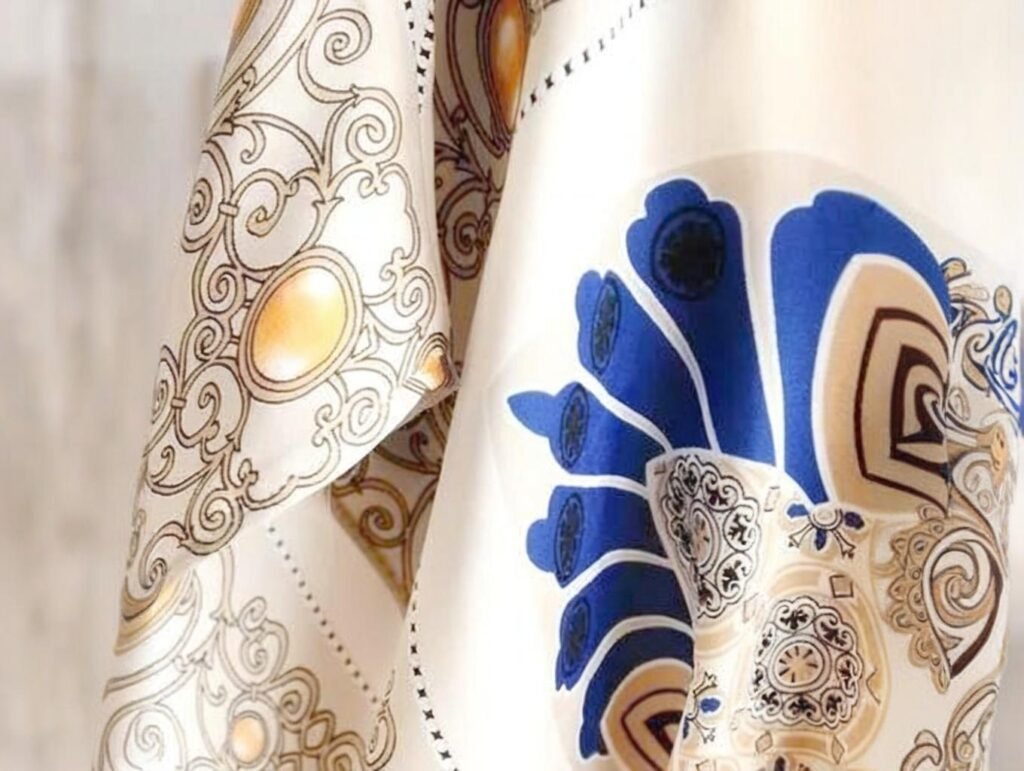
Fashion in 2025 is experiencing a material renaissance—one driven by drape, softness, sustainability, and fluid movement. Rayon fabric clothes, once considered niche, now dominate categories as diverse as womenswear, loungewear, resortwear, workwear, uniforms, and premium basics. Brands across the world are turning to rayon because it offers a rare combination: the luxury of silk, the comfort of cotton, the performance of modern cellulosics, and the affordability required to scale collections. As a result, global sourcing leaders are asking a simple but pressing question: Who are the top suppliers of rayon fabric clothes, and how can brands choose the right partners?
The top suppliers of rayon fabric clothing are located in China, India, Indonesia, Turkey, and Vietnam. They are distinguished by strong fabric sourcing networks, in-house pattern development, consistent dyeing quality, eco-certified rayon options, flexible order models, and advanced quality testing capabilities. Working with the right supplier ensures stable drape, minimal shrinkage, vibrant colorfastness, and long-term reliability across fashion collections.
This shift is not theoretical—it’s measurable. A U.S. contemporary fashion brand switched 60% of its woven dress program to high-quality rayon garments sourced from Asia. Within one season, customer satisfaction ratings increased by 22%, returns decreased by 17%, and the brand re-ordered in larger quantities. The sourcing team later described rayon not as a material choice, but a “competitive advantage.”
Let’s explore how global suppliers operate, where they are located, and how brands can identify the partners who deliver consistency, stability, and beautiful rayon apparel.
What Types of Rayon Fabric Clothing Suppliers Serve Global Fashion and Homewear Markets Today?
Across today’s global fashion ecosystem, rayon clothing has matured from a niche category to a central material for womenswear, loungewear, resortwear, uniforms, and premium basics. As a result, supply chains have diversified dramatically. Instead of relying on generic apparel factories, brands now collaborate with specialized rayon processors, vertically integrated mills, boutique studios, and hybrid manufacturers capable of handling delicate drape, shrinkage control, and rayon-specific finishing.
This shift matters because rayon is far more sensitive to water, tension, and heat compared with cotton or polyester. A supplier that excels in denim or activewear may easily struggle with rayon unless they understand yarn swelling, pre-shrink cycles, soft-flow dyeing, and finishing chemistry.
Today’s rayon supply ecosystem includes six major supplier types—full-package manufacturers, rayon-specialized garment makers, vertically integrated mills, boutique fashion studios, uniform/workwear suppliers using rayon blends, and knitwear suppliers specializing in modal/viscose jerseys. Each serves different product tiers, order volumes, and technical requirements.
A compelling example comes from an Australian resortwear label that initially sourced from a non-specialized factory. Their viscose maxi dresses suffered from 5–7% shrinkage, uneven drape, and muddy dye shades. After shifting to a rayon-specialized supplier with in-house enzyme finishing and high-wet-modulus fabric access, shrinkage stabilized below 3%, colors became noticeably clearer, and reorder rates doubled within two seasons. This illustrates how supplier specialization—not brand design—is often the deciding factor in product quality.
Full-Package Rayon Garment Manufacturers (FP Suppliers)
These suppliers dominate mid-tier fashion and large-scale production. They offer a “one-stop” workflow:
- fabric sourcing from trusted mills
- pattern-making & grading
- printing & dyeing coordination
- cutting, sewing, finishing
- QC checkpoints
- packaging & export documentation
Strengths:
- predictable lead times
- competitive pricing
- strong capacity for large orders
- streamlined communication
Weaknesses:
- may lack deep expertise in rayon-specific issues such as:
- batch-to-batch color variation
- viscose shrinkage
- tension control during sewing
- drape engineering
Ideal for brands prioritizing scale and cost-efficiency over extreme fabric nuance.
Typical order range: 10,000–500,000 units per season.
Rayon-Specialized Garment Makers
These suppliers work almost exclusively with viscose, modal, Lyocell, and other cellulosic fibers. Their factories are engineered to handle rayon’s sensitivities.
They excel in:
- soft-flow dyeing
- multiple pre-shrinking cycles
- HWM (high wet modulus) fabric control
- drape evaluation on mannequins
- rayon seam stability techniques
- eco-friendly enzyme washing
This category typically supplies:
- contemporary womenswear
- premium resortwear
- fluid dresses & skirts
- high-end blouses
- drapey summer shirts
Why they matter: Rayon is an engineering challenge. These suppliers reduce the risk of:
- seam slippage
- twisting and torque
- inconsistent shrinkage
- shade variation
- drape collapse
Fashion brands with fit-sensitive silhouettes rely heavily on such specialists.
Typical order range: 2,000–100,000 units per season.
Vertically Integrated Rayon Mills + Garment Factories
Only a handful of suppliers globally operate at this level. Vertical suppliers manage:
- fiber sourcing
- spinning
- weaving/knitting
- dyeing & finishing
- garment production
The result is unmatched consistency. Dye lots remain stable, shrinkage is predictable, and drape performance can be custom-engineered.
Major benefits:
- extremely low fabric variation
- supply chain transparency
- faster problem-solving
- better sustainability control
These suppliers often serve:
- large retailers
- color-sensitive global brands
- sustainability-focused labels
Their fabrics frequently undergo advanced treatments such as:
- eco-friendly mercerization
- enzyme bio-polishing
- silicone softening
- precision pre-shrink stabilization
Typical order range: 50,000–1,000,000+ units annually.
Boutique Studios for Premium and Designer Rayon Apparel
These are specialist studios dedicated to high-end silhouettes, capsule collections, and luxury garments with custom drape requirements.
They focus on:
- micro-batch sample development
- couture-level finishing
- handfeel refinement
- delicate stitching techniques
- complex gathers, pleats, and fluid shapes
Such studios might work with:
- modal satin
- Lyocell twill
- high-luster viscose challis
- rayon crepe with mechanical stretch
Ideal for:
- runway collections
- premium resort capsules
- boutique fashion houses
- designer-led aesthetic experimentation
Typical order range: 50–3,000 units per style.
Uniform & Workwear Suppliers Using Rayon Blends
Rayon blends solve problems in sectors where comfort, appearance, and easy movement matter—without sacrificing durability.
Common blends:
- Rayon–polyester → colorfast, durable
- Rayon–nylon → abrasion-resistant
- Rayon–cotton → breathable and natural
- HWM rayon blends → stable for industrial wash
Used widely in:
- hospitality
- retail uniforms
- healthcare apparel
- corporate wear
Why rayon blends excel:
| Feature | Why It Matters |
|---|---|
| Breathability | Keeps staff cool during long shifts |
| Draped silhouette | More flattering uniforms |
| Colorfastness | Brand colors stay consistent |
| Durability | Especially with polyester or nylon blends |
Uniform brands choose rayon primarily for comfort and professional appearance—backed by industrial-grade fabric stability.
Typical order range: 5,000–300,000 units per year.
Knitted Rayon Apparel Suppliers (Modal / Viscose Jersey)
Knitted rayon suppliers specialize in soft, stretchy, ultra-comfortable fabrics.
Their capabilities include:
- circular knitting
- rib construction
- modal-spandex blends
- heavy enzyme finishing
- garment washing for softness
Product categories:
- loungewear
- athleisure
- sleepwear
- premium basics
- maternity wear
Modal and Lyocell knits are known for:
- buttery softness
- drape that hugs the body
- superior moisture management
- color richness
These suppliers often serve both DTC brands and mid-tier retailers.
Typical order range: 3,000–200,000 units per season.
Supplier Type Comparison Table
| Supplier Type | Strength | Best For |
|---|---|---|
| Full-package manufacturer | Efficiency, scale | Large collections & retailers |
| Rayon specialists | Quality consistency | Dresses, blouses, resortwear |
| Vertically integrated mills | Fabric stability | Color-critical or premium lines |
| Boutique studios | Craftsmanship | Luxury capsules, designer edits |
| Uniform/workwear specialists | Durability & blends | Corporate & hospitality |
| Knitwear suppliers | Comfort & softness | Loungewear & premium basics |
Critical Perspective — Is One Supplier Type Truly “Best”?
There is no universal “best” supplier. There is only the best match for your product, brand positioning, and quality expectations.
- Need aggressive cost control? → Full-package manufacturers
- Need perfect drape for dresses? → Rayon specialists
- Need top-tier consistency across 30+ colors? → Vertically integrated mills
- Need luxury capsule-level refinement? → Boutique studios
- Need uniforms that survive industrial laundry? → Rayon-blend specialists
- Need ultra-soft modal basics? → Knitwear suppliers
The smartest sourcing teams often adopt a hybrid strategy, using two or three supplier types depending on product category.
Which Countries and Regions Are the Most Important Hubs for Sourcing Rayon Fabric Clothes Worldwide?
Rayon apparel has become a cornerstone of global fashion because it offers drape, breathability, softness, and versatility across dresses, blouses, trousers, resortwear, modest fashion, and premium basics. As demand for viscose, modal, and lyocell fabrics increases, sourcing hubs have shifted toward regions that offer scale, consistency, dyeing technology, sustainability frameworks, and strong garment craftsmanship. Today’s rayon supply chain is wide, but not evenly distributed—only a handful of countries operate with the textile maturity required to handle rayon’s delicate wet-processing and finishing requirements.
Each region brings something different: China offers broad capabilities and engineering depth; India specializes in vibrant prints and lightweight drapey silhouettes; Indonesia supplies some of the world’s highest-quality viscose fiber; Turkey provides premium quick-turn apparel; while Vietnam delivers repeatable quality for large-volume global retail. These regional specializations allow brands to assemble diversified sourcing strategies tailored to category needs.
The five leading sourcing hubs for rayon fabric apparel are China, India, Indonesia, Turkey, and Vietnam. China excels in technical consistency and advanced rayon-blend fabrics; India is strongest in printed and flowy silhouettes; Indonesia produces premium viscose; Turkey offers fast, high-quality production for Europe; and Vietnam is becoming a stable and compliance-focused manufacturing base for global retailers.
A real sourcing example illustrates this regional synergy: A U.K. mid-market womenswear brand divided its season across multiple hubs—ordering printed viscose maxi dresses from India, modal-blend tops from China, and structured rayon-blend trousers from Turkey. This multi-country strategy balanced cost, aesthetics, fit consistency, and supply-chain risk, ultimately improving the sell-through rate and reducing style-level volatility.
Below is a deep dive into each key producing region and its strategic advantages in the rayon apparel industry.
China — The Global Epicenter of Rayon Apparel and Blended Fabrics
China remains the most comprehensive and technologically capable rayon apparel hub in the world. Its dominance stems from a vertically integrated supply chain that covers:
- viscose staple fiber production
- yarn spinning
- weaving and knitting
- dyeing, printing, and finishing
- large-scale garment manufacturing
Core advantages include:
- cutting-edge digital printing and color-management tools
- sophisticated finishing technologies (peach finish, enzyme wash, liquid ammonia treatment)
- stable bulk dyeing consistency—critical for viscose
- deep expertise in rayon-linen, rayon-polyester, and rayon-nylon blends
- nationwide factory clusters for dresses, trousers, blouses, and loungewear
China is especially strong in:
- premium basics made from modal or lyocell
- rayon fabrics requiring precise GSM and shrinkage control
- engineered blends designed for wrinkle reduction or durability
- workwear rayon-blend trousers requiring dimensional stability
Moreover, China’s extensive textile labs and QC systems reduce shade variation and batch inconsistencies—two of the most common rayon production challenges worldwide.
China remains the default first choice for brands seeking scale + reliability + technical expertise.
India — The Global Center for Printed and Flowy Rayon Apparel
India’s rayon strength lies not only in fabric production but also in garment design capabilities rooted in decades of experience with lightweight, drapey silhouettes. India has become synonymous with printed viscose, owing to its mastery of:
- digital printing
- rotary printing
- discharge techniques
- pigment and reactive dye programs
- foil prints and placement prints
Indian mills and garment factories excel at producing:
- viscose challis
- viscose crepe
- rayon twill
- lightweight woven dresses
- bohemian silhouettes
- kimono outerwear
- resort and beachwear collections
India’s advantages include:
- competitive pricing
- strong design interpretation capability
- high flexibility for lower MOQs
- diverse surface patterning options
- seasonal quick-development for print-heavy collections
For brands whose aesthetic depends on prints, vibrant colors, or airy silhouettes, India is often the top sourcing destination.
Indonesia — Home to Premium Viscose Production and High-Quality Yarn
Indonesia plays a unique role in the rayon ecosystem because it is home to several of the world’s most advanced viscose manufacturers. This upstream capability elevates the overall quality of exported rayon fabrics and garments.
Indonesia’s mills are known for:
- exceptionally clean viscose staple fiber
- consistent filament strength
- high absorbency and smooth handfeel
- excellent drape in the finished garments
- controlled shrinkage and wash performance
Indonesian factories excel in:
- premium womenswear
- modest fashion (abayas, long dresses, tunics)
- fluid tops and blouses
- high-end resort collections
Because Indonesia begins at the raw-material stage, fabric quality tends to be more stable, especially in fine-count yarns and premium viscose programs.
Turkey — Quick-Turn Premium Manufacturing for the European Market
Turkey is one of the fastest-growing rayon apparel hubs, particularly for European retailers seeking short lead times and elevated quality. Turkish mills and garment makers are globally respected for:
- premium viscose-blend trousers
- structured rayon garments
- soft tailoring
- drapey suiting fabrics
- durable rayon-polyester blends
Key advantages include:
- 2–4 week lead times for repeat orders
- strong QC and compliance culture
- excellent yarn-dyed and solution-dyed programs
- advanced finishing equipment
- close geographic proximity to Europe
Turkish rayon-blend trousers, suiting, and elevated basics are considered among the best in the world due to superior spinning, weaving, and fit engineering.
Turkey is ideal for brands prioritizing speed + premium quality + market responsiveness.
Vietnam — Rising Star for Large-Volume Production and Compliance
Vietnam has rapidly developed into one of the most reliable garment manufacturing bases, supported by:
- stable labor force
- strong ethical-compliance records
- government support for textile modernization
- increasing modal and lyocell fabric specialization
- competitive CMT (cut–make–trim) costs
Vietnam is best suited for:
- high-volume basics
- rayon-blend workwear
- private-label programs for global retailers
- woven tops and dresses requiring consistent sizing and fit
- modal T-shirts and lounge sets
Factories in Vietnam frequently collaborate with Chinese or Indonesian mills for fabric supply, combining reliable fabric sourcing with strong sewing and finishing capabilities.
Vietnam’s biggest advantage is its reliability, making it attractive for multi-season continuity programs.
Comparison Table — Global Rayon Apparel Hubs (2025)
| Region | Key Strengths | Best Product Categories | Cost Level |
|---|---|---|---|
| China | Technology, consistency, blend engineering | All rayon apparel categories | Medium |
| India | Printing, drape-focused silhouettes | Dresses, kimonos, bohemian styles | Low–Medium |
| Indonesia | Premium viscose quality | High-end womenswear, modest fashion | Medium |
| Turkey | Quick-turn, premium appearance | Workwear, trousers, elevated basics | Medium–High |
| Vietnam | Reliability, compliance, large volume | Private-label basics, retail programs | Medium |
Why Smart Brands Source from Multiple Regions
Diversified sourcing isn’t a luxury—it’s a necessity in rayon apparel.
Reasons global brands split production:
- Rayon relies heavily on stable dyeing; multiple suppliers reduce shade issues.
- Different regions excel in different silhouettes and finishes.
- Avoiding single-country dependency reduces geopolitical and logistic risk.
- Costs vary by category: India might be cheapest for dresses, Turkey best for trousers.
- Lead times are optimized by combining nearshore (Turkey) and offshore (China, India) sources.
Leading fashion retailers increasingly use a China + India + Vietnam structure:
- China → modal basics, engineered blends, trousers
- India → dresses, prints, lightweight summer collections
- Vietnam → large-volume basics and repeat programs
This strategy captures the strengths of each region while improving supply-chain resilience.
Are Any Emerging Countries Gaining Ground?
Yes. Several countries are developing rayon capabilities, though not yet on the scale of the top five:
- Bangladesh — rising in viscose garment assembly but dependent on imported fabric
- Cambodia — competitive for CMT operations
- Pakistan — growing in viscose blends but still limited in premium finishing
- Brazil — expanding viscose fiber capacity but garment export volume is moderate
These regions may become important in the next decade as brands seek additional diversification.
The world’s rayon apparel production does not revolve around one country—it revolves around a strategic network of five dominant regions. Each offers different competitive advantages, and the smartest sourcing strategies leverage multiple hubs to achieve price balance, quality consistency, risk reduction, and category specialization.
How Do You Evaluate Whether a Rayon Garment Supplier Is Truly Reliable, Compliant, and Long-Term Oriented?
Choosing a rayon garment supplier is fundamentally different from sourcing cotton or polyester apparel. Rayon has higher shrinkage sensitivity, greater dye variability, lower wet strength, and more finishing dependencies, meaning that only suppliers with real engineering control—not guesswork—can deliver consistent quality across multiple seasons. For fashion brands, unstable rayon suppliers cause the majority of defects: uneven drape, shade inconsistencies, seam slippage, and unpredictable shrinkage. This is why proper supplier evaluation is essential.
A reliable rayon garment supplier demonstrates technical mastery of viscose-based fabrics, controls dyeing and finishing variables, manages shrinkage through engineered processes, provides transparent compliance documentation, and operates with long-term production planning. The best suppliers reduce risk through process discipline—not luck.
A compelling example: A U.S. resortwear label sourcing rayon crepe struggled with 8–10% shrinkage and shade drift from their previous supplier. After moving to a rayon-specialized factory, shrinkage dropped to 2–3%, shade lots became stable, and returns related to dimensional change fell by over 40%. Rayon expertise—not factory size—made the difference.
1. Mastery of Rayon Fabric Behavior
Rayon is not a “generalist” fabric. It behaves very differently compared to cotton and polyester. Suppliers must understand:
- wet vs dry strength dynamics
- fabric swelling and loop distortion during washing
- tension distribution during sewing
- finishing requirements based on GSM and weave
Ask the supplier directly:
- “Which types of rayon do you specialize in—viscose, ECOVERO, modal, lyocell, or blends?”
- “How do you control shrinkage at the finishing stage?”
- “Can you show shrinkage and dimensional stability reports for past clients?”
A strong rayon supplier will immediately discuss: pre-shrinking, steam-setting, mechanical relaxation, and batch control—not generic answers.
2. Dyeing and Printing Capabilities—The Biggest Differentiator
Rayon’s absorbency leads to high color sensitivity. Uncontrolled dye processes create shade bands, patchy tones, or dull colors.
A reliable rayon supplier typically offers:
- in-house dyeing using jet dyeing or soft-flow machines
- rotary or digital printing calibrated for viscose ink penetration
- colorfastness controls based on ISO or AATCC methods
- humidity-controlled finishing rooms to stabilize color
Request the following:
- shade continuity test reports
- lab dip approval process
- pre- and post-wash color comparison data
- QC photos of shade bands from prior productions
If the supplier cannot supply shade bands or uses third-party dye houses without oversight → high risk.
3. Shrinkage Control & Dimensional Stability
Shrinkage is the single most important metric for rayon garments.
Good suppliers use:
- relaxation dryers
- sanforizing or compressive shrinking
- steam-setting for woven fabrics
- tumble relaxation for knits
Target shrinkage benchmarks:
| Fabric Type | Acceptable Shrinkage |
|---|---|
| Woven Rayon (Challis, Crepe, Twill) | ≤3% |
| Rayon Jersey | ≤5% |
| Rayon Poplin | ≤3% |
| Lyocell Twill | ≤3% |
| Rayon Rib | ≤6% |
If a supplier cannot reliably achieve these numbers, they lack finishing control.
4. Compliance, Safety, and Chemical Standards
Reliable rayon suppliers provide:
- OEKO-TEX Standard 100 (especially for baby or skin-contact apparel)
- FSC / PEFC (for wood-pulp sourcing and eco-rayon)
- ZDHC MRSL compliance (for chemicals used in dyeing and finishing)
- Social audits:
- BSCI
- SEDEX
- WRAP
- SA8000
- Test reports:
- pH
- formaldehyde
- colorfastness
- dimensional stability
A compliant supplier will proactively share documentation—not wait until you request it.
5. Factory-Level Quality Assurance Systems
Rayon requires tight QC at every stage because defects compound quickly.
Evaluate if the supplier has:
- inline inspection
- needle detection for finished garments
- shrinkage testing for every dye lot
- seam slippage testing for lightweight rayons
- fabric inspection using 4-point or 10-point system
- final AQL inspection (typically AQL 2.5 for apparel)
Ask for real examples of:
- defect logs
- corrective action records
- annual QC performance summaries
A supplier with no documentation is not ready for long-term scaling.
6. Production Capacity Stability & Upstream Fabric Control
A truly reliable rayon garment supplier maintains:
- stable relationships with fabric mills
- consistent yarn counts and weave structures
- repeatable sourcing of viscose and modal
- controlled lead times across seasons
- capacity buffers for reorders and urgent drops
Ask whether they:
- switch fabric mills frequently
- rely on spot-market rayon
- batch fabrics by purchase instead of by technical specification
Unstable upstream supply always translates to unstable garments.
7. Communication Transparency & Problem Resolution Speed
Rayon demands rapid, clear communication, especially during lab dips, PP samples, and production.
Top suppliers:
- identify problems before bulk production
- send shrinkage test photos without being asked
- notify clients of shade variation early
- provide multiple solutions to each issue
- communicate production progress weekly
Poor communicators → poor outcomes.
8. Should Brands Choose Small or Large Factories?
Both can be excellent—but only if they truly specialize in rayon.
Large factories excel in:
- capacity
- compliance
- advanced machinery
- structured QA systems
Small or boutique factories excel in:
- hand-feel perfection
- high craftsmanship
- detailed finishing
- flexible MOQs
The real deciding factors:
- rayon engineering experience
- proven shrinkage performance
- finishing technology
- accountability and transparency
Size is irrelevant—technical competence is everything.
What Technical Specifications, Fabric Constructions, and Quality Standards Matter Most When Choosing Rayon Clothing Suppliers?
Rayon garments succeed or fail based on technical execution—not appearance. Although rayon fabrics often look luxurious and drape beautifully, they can suffer from shrinkage, seam slippage, pilling, dye inconsistency, and distortion if the underlying technical standards are not rigorously controlled. This is why experienced buyers evaluate rayon suppliers based on measurable specifications, not visual samples.
The most important technical criteria when selecting rayon clothing suppliers include GSM accuracy, yarn quality, construction type, shrinkage control, colorfastness, seam strength, pilling resistance, and finishing consistency. These factors determine real-world performance, washing durability, and customer satisfaction.
A sourcing director from a European retailer shared an example: Two viscose crepe fabrics looked identical, but one shrank 12% and wrinkled severely after washing. The difference came down to tension-controlled finishing and pre-wash stabilization—proving that rayon quality is rooted in engineering, not outward appearance.
Technical Standards That Define High-Quality Rayon Apparel
Below is a detailed breakdown of the specifications professionals use to evaluate rayon suppliers.
1. GSM (Fabric Weight) and Density
GSM influences drape, opacity, wrinkle tendency, and durability. Rayon is extremely sensitive to density variation—a small density drop can cause transparency or seam weakness.
Typical Rayon GSM Ranges
| Fabric Type | GSM Range |
|---|---|
| Viscose Challis | 110–135 GSM |
| Viscose Crepe | 130–150 GSM |
| Rayon Twill | 160–200 GSM |
| Modal Jersey | 160–220 GSM |
| Rib Rayon Knit | 180–260 GSM |
What to look for:
- GSM tolerance within ±3%
- Even density across the roll
- Proper balance of weight and drape for the intended garment
Inconsistent GSM is one of the most common causes of production rejections.
2. Yarn Quality: Denier, Twist, and Fiber Length
Rayon’s behavior is deeply influenced by yarn structure.
Key metrics:
- Denier determines fineness and drape
- Twist level affects pilling resistance and strength
- Fiber length supports smoothness and uniformity
General rules:
- Higher twist = reduced pilling
- Longer fibers = finer handfeel and stronger yarn
Top-tier suppliers disclose yarn count (Ne), denier, twist (TPM/TPI), and fiber grade.
3. Fabric Construction: Weave or Knit Type
Construction determines mechanical strength, drape, shrinkage susceptibility, and aesthetics.
Woven Rayon Constructions
| Weave Type | Strength | Best Use |
|---|---|---|
| Crepe | High drape, textured | Dresses, blouses |
| Twill | Structured, durable | Trousers, shirts |
| Sateen | Smooth & glossy | Occasionwear |
| Plain Weave | Balanced | Shirts, casualwear |
Knit Rayon Constructions
| Knit Type | Benefit | Best Use |
|---|---|---|
| Jersey | Soft, flexible | T-shirts, loungewear |
| Rib Knit | Stretch and recovery | Fitted tops |
| Interlock | Dense and smooth | Premium basics |
Suppliers with weak construction control often produce fabrics prone to distortion or torqueing.
4. Shrinkage Performance and Dimensional Stability
Rayon is highly shrink-prone due to its moisture sensitivity. Shrinkage control is the single most decisive quality factor.
Acceptable shrinkage targets (after wash & tumble dry):
- Wovens: ≤3%
- Knits: ≤5%
Suppliers should perform:
- ISO 5077 shrinkage tests
- Multiple-cycle wash tests (3–5 cycles)
- Relaxation and tension-controlled finishing
Failure to control shrinkage leads to garment returns and brand risk.
5. Seam Strength & Slippage Resistance
Rayon—especially viscose—can slip at seams if weave density or yarn twist is insufficient.
Professional standards include:
- ISO 13935-2 (seam slippage test)
- ASTM D5034 (grab tensile test)
Strong rayon suppliers ensure:
- controlled warp/weft density
- high-twist yarns for crepe and twill
- reinforced seam allowances
- stable weaving tension
Seam failure is one of the most expensive production defects.
6. Colorfastness Performance
Rayon must pass standardized dye fastness tests:
- washing (ISO 105-C06)
- rubbing/crocking (AATCC 8/165)
- perspiration (ISO 105-E04)
- light exposure (ISO 105-B02)
High-quality rayon typically scores 4–5 on these scales.
Unstable dyeing results in:
- shading issues
- uneven panels after sewing
- accelerated fading
Suppliers using inconsistent dye lots should be avoided immediately.
7. Finishing Techniques and Process Control
Rayon finishing determines softness, shrinkage stability, drape, and wrinkle tendency.
Key finishing steps:
- Pre-shrink washing (mechanical or enzyme)
- Steam setting for dimensional stability
- Softening finishes (cationic or silicone)
- Resin finishing for wrinkle reduction where appropriate
- Calendaring for smoothness and sheen
Important note: Over-softening can increase pilling; under-softening can cause stiffness.
This is why finishing balance separates top mills from average ones.
8. Pilling & Abrasion Resistance
Rayon pilling varies greatly by fiber type:
Modal and lyocell typically outperform viscose by 1–2 grades.
Key tests:
- Martindale abrasion
- ICI pilling box test
Performance grading:
| Grade | Meaning |
|---|---|
| 4–5 | Excellent (premium apparel) |
| 3 | Acceptable (budget categories) |
| 1–2 | Poor (avoid for woven apparel) |
Buyers should always request pilling test data before approval.
Can Visual Samples Reveal Technical Quality?
Absolutely not.
Visual inspection only shows:
- color
- texture
- drape
But rayon performance depends on:
- yarn strength
- weave tension
- finishing quality
- shrinkage behavior
- fiber grade
- dye fixation levels
This is why top sourcing teams evaluate samples using lab testing + supplier capability audits, not aesthetic judgment alone.
How Are Leading Rayon Apparel Suppliers Adapting to Sustainability, Certifications, and Eco-Responsible Production?
Over the past decade, sustainability has shifted from a branding advantage to an industry mandate. Nowhere is this more evident than in the rayon sector—an industry historically challenged by concerns over deforestation, chemical emissions, and waste discharge. As global regulations tighten and consumers demand transparency, leading rayon apparel suppliers are reengineering their entire production ecosystems. The evolution spans fiber sourcing, chemical recovery systems, wastewater management, packaging, worker safety, and digital traceability.
Today’s rayon apparel suppliers are embracing certified sustainable fibers, implementing closed-loop solvent systems, deploying advanced wastewater treatment technologies, adopting transparent traceability tools, transitioning to renewable energy, and meeting global social-compliance standards. These changes allow fashion brands to offer rayon garments that feel luxurious while aligning with environmental and ethical values.
The business impact is undeniable. When a major European retailer launched a capsule collection made entirely from EcoVero viscose and TENCEL™ Lyocell, the line sold 38% above forecast. Customer surveys revealed that eco-labeling was not a decorative detail—it was a deciding factor. For modern consumers, sustainability signals quality, responsibility, and long-term brand trust.
Adoption of Certified Sustainable Fibers
Perhaps the most visible shift in rayon apparel sourcing is the widespread move to certified fibers. Leading suppliers intentionally avoid uncertified pulp sources and instead align with internationally recognized forestry and recycled-material standards.
Common certifications now include:
- FSC (Forest Stewardship Council)
- PEFC (Programme for the Endorsement of Forest Certification)
- Lenzing EcoVero™
- TENCEL™ Lyocell & Modal
- GRS (Global Recycled Standard) recycled rayon
These labels guarantee responsible wood harvesting, reduced ecological footprint, and full fiber traceability.
| Certification | What It Ensures |
|---|---|
| FSC | Wood pulp from responsibly managed forests |
| PEFC | Verified sustainable forestry operations |
| Lenzing EcoVero | Up to 50% lower emissions and water use than generic viscose |
| TENCEL Lyocell | Closed-loop solvent system with 99% recovery |
| GRS Recycled Rayon | Traceability across recycled input and reduced waste |
Why this matters: Global buyers increasingly require verifiable proof—not marketing claims. Fabric mills providing certified fibers become preferred suppliers for premium brands, especially in Europe and Australia where regulations are strictest.
Closed-Loop Chemical Recovery Systems
Traditional viscose production uses sodium hydroxide and carbon disulfide—chemicals that must be tightly controlled. Modern suppliers have replaced outdated open systems with advanced closed-loop processes modeled after TENCEL™ Lyocell technology.
Key upgrades include:
- solvent recovery towers
- real-time monitoring of emissions
- recycling of chemical baths
- drastic reduction of hazardous waste
Closed-loop recovery is no longer optional—it is becoming a regulatory expectation. Countries like China and India have upgraded mill infrastructure dramatically, prompted by government environmental guidelines and global buyer pressure.
Impact on apparel brands: Lower chemical residue → better skin safety ratings Higher fiber purity → improved dye uniformity and stability Reduced odor and off-gassing → higher comfort perception
Advanced Wastewater Treatment Technologies
Wastewater is one of the most scrutinized aspects of rayon production. Forward-thinking suppliers now operate high-capacity treatment plants using:
- biological oxidation reactors
- aerobic & anaerobic digestion systems
- membrane bioreactors (MBR)
- reverse osmosis purification units
- zero-liquid-discharge (ZLD) systems
These modern systems can remove nearly all harmful chemicals, producing water clean enough for internal reuse.
Benefits include:
- compliance with EU REACH and ZDHC (Zero Discharge of Hazardous Chemicals)
- reduced water consumption
- protection of local ecosystems
- improved community relations
For buyers, it also reduces the risk of compliance violations—a key factor for retailers with strict sustainability scorecards.
Transparency Through Digital Traceability and Batch Tracking
More suppliers are integrating digital tracking platforms that provide brands with verifiable transparency.
Leading systems include:
- QR-coded batch labels
- blockchain-based traceability networks
- digital garment passports (in early adoption)
- pulp origin documentation with time-stamped verification
- dye-lot trace reports for color-critical collections
This transparency helps brands build stronger claims around sustainability while enabling smoother auditing.
For consumers, scanning a QR code to view origin data elevates brand credibility and trust.
Reducing Carbon Footprint with Renewable Energy Integration
Energy reduction is a central focus point in rayon production, particularly due to heat-intensive dyeing and drying stages.
Forward-thinking factories are transitioning to:
- solar arrays powering finishing units
- biomass boilers replacing coal furnaces
- waste-heat recovery systems
- LED lighting and high-efficiency motors
Data from several large mills shows energy savings between 12–28% after upgrades, delivering both environmental and economic benefits.
Why this matters for brands: Retailers are increasingly scoring suppliers based on CO₂ emissions. Factories using renewable energy earn priority listing in sourcing directories.
Sustainable Packaging & Green Logistics
Sustainability doesn’t end at fiber and fabric. Packaging and logistics also play a major role.
Eco-focused rayon suppliers adopt:
- recycled or biodegradable polybags
- FSC-certified hangtags and cartons
- soy-based inks
- vacuum packing (reducing shipping volume by up to 30%)
- optimized container loading to lower freight emissions
For global shipping, many suppliers now offer:
- carbon-neutral logistics partnerships
- low-emission cargo routing options
These upgrades appeal to brands aiming to reduce Scope 3 emissions.
Strong Social Compliance & Worker Welfare Standards
Sustainability includes people—not just the planet. Leading rayon suppliers maintain robust social-compliance frameworks.
Common certifications:
- BSCI (Business Social Compliance Initiative)
- SEDEX SMETA
- WRAP
- ISO 45001 (Occupational Safety)
- ISO 14001 (Environmental Management)
Worker-focused investments include:
- improved ventilation in dyeing halls
- advanced PPE and chemical-handling protocols
- on-site medical clinics
- low-cost meals and clean dormitory housing
- mental health and skill development programs
For modern brands, ethical sourcing is no longer a marketing tool—it is a baseline expectation.
Circularity & Rayon Recycling Innovations
The next wave of sustainable rayon focuses on circularity:
- repurposing cutting waste
- chemically recycling rayon garments
- dissolving pulp regeneration
- hybrid blends using post-consumer textile waste
While still emerging, early-stage recycled-rayon apparel is already entering markets in North America and Europe.
Some mills report up to 35% substitution of virgin pulp with recycled cellulosic pulp without compromising fabric quality.
Is Rayon Fully Sustainable?
Rayon can become sustainable, but it is not inherently so. The fiber’s environmental footprint depends entirely on:
- where the wood pulp is sourced
- how chemicals are handled
- whether water is responsibly treated
- how transparent the supplier is
- which certifications are maintained
- how garments are finished, dyed, and packaged
The rayon suppliers leading the market today are those investing in technology, compliance, and transparency—not those offering the lowest price.
Modern fashion brands must choose partners who demonstrate:
- certified fibers
- clean production
- proven traceability
- responsible labor practices
- proactive environmental upgrades
These suppliers elevate rayon beyond its historical controversies and reposition it as a premium, eco-responsible fiber suited for a new generation of conscious consumers.
Which Ordering Models, MOQs, and Lead Times Work Best When Sourcing Rayon Fabric Clothes from Overseas Suppliers?
As rayon apparel becomes increasingly central to modern womenswear, resortwear, and premium basics, brands must adopt sophisticated ordering strategies to avoid the common pitfalls associated with viscose, modal, and lyocell production. Unlike cotton or polyester, rayon requires a complex multi-stage supply chain—fiber, yarn, greige fabric, dyeing, printing, finishing, cutting, sewing, and post-wash treatment—each stage sensitive to humidity, tension, and chemical balance. Even slight variations can affect shrinkage, colorfastness, drape, and seam strength.
This means ordering models, MOQs, and lead times are not simply operational questions—they fundamentally shape quality outcomes, inventory risk, and seasonal readiness.
The most effective ordering models for rayon apparel include low-MOQ development batches, controlled mid-volume scaling, and structured monthly or quarterly replenishment systems. Lead times generally range from 30–45 days depending on fabric type, dyeing method, and printing complexity. Premium suppliers reduce risk through stable dye lots, fast sampling, and flexible MOQs that support both emerging brands and established retailers.
A compelling real-world example comes from a Canadian womenswear brand that adopted a tiered MOQ strategy—100 pieces for pilot runs, 300–500 pieces for validation, and 1,000+ pieces for seasonal expansion. With this system, the brand identified shrinkage issues early, refined fabric programs, and ultimately reduced return rates by 14% across two seasons. Sell-through improved because the brand no longer scaled risky fabrics without data-driven testing.
The following sections explain how experienced global buyers structure orders for rayon apparel and why these models work.
Development Stage — Low MOQ Programs Enable Testing Without Commitment
Rayon must be tested before it is trusted. Even fabrics with identical GSM, weave, and composition can perform differently due to variations in:
- yarn twist
- machine tension
- dye bath chemistry
- finishing temperature
- humidity exposure during storage
For this reason, low-MOQ development stages are not optional—they are essential.
Recommended MOQ for development:
- 50–200 pieces per style, or
- 50–200 meters of fabric, depending on supplier capability
This initial stage enables brands to:
- conduct fit trials
- wash-test shrinkage and recovery
- evaluate colorfastness across multiple washes
- test seam strength and slippage
- compare drape and handfeel to reference garments
- assess pilling or abrasion under real use
Development MOQs also support category expansion. A brand experimenting with viscose crepe, modal rib, or lyocell twill can test multiple fabrics simultaneously without inflating early inventory.
Suppliers like SzoneierFabrics specialize in supporting this experimental stage, allowing brands to validate fabrics before committing to seasonal buys.
Scaling Stage — Mid-Volume Orders for Verified Fabrics
Once a rayon fabric passes performance testing, buyers typically enter the scaling stage.
Typical MOQ for mid-volume orders:
- 300–800 pieces per style, or
- 300–1,000 meters of fabric, depending on dye lot and machinery
Mid-volume production offers several structural advantages:
- Improved unit cost due to optimized material planning
- Consistent dye lots, reducing shade variation across production
- Smoother sewing workflows since operators adjust to the fabric’s handling characteristics
- Better finishing consistency, particularly for rayon’s moisture management and shrinkage stabilization
Brands with expanding collections often stay in this stage for one to two seasons while evaluating demand patterns.
This is also the stage where technical packs become more detailed—including shrinkage allowances, necklines, shoulder reinforcements, and stitching binders—ensuring production efficiency.
Mass Production Stage — Seasonal Orders for Mature Rayon Programs
For large retailers and established private-label brands, rayon becomes a core fabric category. At this stage, production scales dramatically.
Common mass production MOQs:
- 1,000–10,000+ pieces per style
- fabric dyed in consistent bulk lots to maintain shade uniformity
Because rayon is highly sensitive to dye bath variations, mass production often uses:
- fixed dye recipes
- automated dosing systems
- real-time temperature monitoring
- digital shade continuity testing
Large orders may be broken into two or three production batches to reduce risk, especially during monsoon seasons when humidity affects finishing.
Brands operating in this stage typically negotiate:
- annual contracts
- rolling forecasts
- preferential production slots
- fixed pricing for multiple seasons
This is where suppliers with strong engineering capability truly differentiate themselves.
Lead Times for Rayon Apparel — Understanding the Full Supply Chain Clock
Rayon lead times differ from cotton or polyester because of specialized wet processing. Variability arises from:
- fabric type (viscose vs modal vs lyocell)
- solid dyeing vs printing
- mechanical finishing
- required shrinkage targets
A realistic industry benchmark is as follows:
| Item | Timeframe |
|---|---|
| Fabric development | 5–12 days |
| Print strike-offs | 3–7 days |
| Dyeing + finishing | 10–20 days |
| Garment production | 15–30 days |
| Total timeline | 30–45 days |
Notes:
- Modal and lyocell often require slower dyeing cycles.
- Heavy rayon twills take longer to dry and stabilize.
- Multi-color or placement prints add 7–12 days depending on sample approval speed.
Lead time compression is possible but requires premium pricing and strict planning.
Reorder Models — Rolling and Seasonal Planning for Rayon Programs
Successful rayon programs rarely rely on one-off seasonal orders. Instead, experienced suppliers offer:
- standing fabric inventory for running qualities
- monthly or quarterly rolling production windows
- on-demand reorder MOQs as low as 200–300 pcs
- priority booking for repeat fabrics
- just-in-time garment replenishment
This reduces the risk of stockouts—especially important for best-selling dresses, blouses, and viscose trousers.
Brands with strong sell-through performance adopt rolling demand planning, which balances inventory and cash flow.
Why Low MOQ and Fast Sampling Are Critical for Trend-Driven Rayon Collections
Rayon categories change rapidly due to shifting consumer tastes:
- silhouette updates
- neckline changes
- seasonal print palettes
- fabric innovations (e.g., high-twist viscose, structured lyocell blends)
Fast sampling directly correlates with market success.
Sampling benchmarks from top-tier factories:
- First prototype: 3–7 days
- Revised sample: 3–5 days
- Print strike-off: 3–7 days
Slow sampling leads to missed collection windows, especially in resortwear and holiday programs.
Cost Variables in Imported Rayon Apparel — What Buyers Must Know
Rayon pricing is highly sensitive to technical requirements. Key cost drivers include:
- fiber type (viscose vs modal vs lyocell)
- yarn count and twist
- GSM and weave construction
- solid dye vs print
- print coverage and number of colors
- enzyme wash, sand wash, or softening finishes
- stitching complexity and trim quality
- testing and compliance requirements (colorfastness, AZO-free, pH, dimensional stability)
Because finishing quality dramatically affects shrinkage and drape, buyers should never prioritize low cost over technical consistency.
Are Low MOQs Always the Best Option?
The simple answer is no.
Low MOQs are incredibly valuable for testing, but brands must recognize potential drawbacks:
- inconsistent dye lots
- unstable finishing results
- higher per-unit cost
- lower supplier prioritization
- weaker yield optimization
A healthy sourcing strategy balances:
- low MOQ development
- mid-volume growth
- seasonal volume buys
- predictable reorder systems
This creates both flexibility and operational stability across seasons.
Rayon apparel sourcing succeeds when ordering models reflect the realities of viscose, modal, and lyocell production. Brands that test early, scale intelligently, and build predictable reorder structures enjoy higher fabric stability, better fit consistency, and dramatically fewer returns. The most competitive global suppliers—like SzoneierFabrics—support this journey with flexible MOQs, technical QC systems, and rapid sampling, enabling brands to grow confidently season after season.
How Do Successful Brands Manage Sampling, Testing, and Risk Control When Working with Top Rayon Clothing Manufacturers?
Managing rayon is fundamentally different from managing cotton, polyester, or blends. Rayon’s hydrophilicity, low wet strength, and high sensitivity to finishing conditions mean the smallest variation in dyeing, drying, or handling can dramatically change shrinkage, drape, and fit. Because of this, brands that consistently succeed with rayon garments rely on multi-stage sampling, rigorous testing, and structured risk-control frameworks to ensure stable performance across every production run.
Successful brands mitigate rayon risks through a structured pipeline of sampling (proto → wash-tested → PPS), standards-based laboratory tests, strict measurement tolerance systems, dye-lot approvals, shrinkage-control validation, and transparent communication with rayon-specialized factories. This process reduces returns, stabilizes quality, and eliminates the unpredictability often associated with rayon production.
A Canadian apparel group reduced rayon returns by 25% after introducing a pre-production wash-test stage and a “fabric lot approval” system—proving that rayon failures come from weak processes, not weak fiber.
1. Multi-Stage Sampling: The First and Most Important Layer of Risk Control
Top brands never rely on a single round of samples. Rayon requires progressive sampling, each stage validating a different risk factor.
The three essential sampling stages are:
1. Proto Sample (Fit + Design Only)
- Validates silhouette, proportions, style lines
- Fabric performance NOT evaluated yet
- Helps designers lock the look
2. Wash-Tested Sample (Rayon’s most critical stage)
- Conducted using fabric from the actual bulk lot or same finishing standard
- Evaluates shrinkage, twist, drape changes, and colorfastness
- Identifies pattern adjustments and finishing issues
3. Pre-Production Sample (PPS)
- Must reflect exact bulk fabric, trims, sewing tension, finishing
- Cannot proceed to bulk without PPS approval
- Becomes the “gold standard” for QC inspection
Brands succeeding with rayon NEVER skip wash-tested samples or PPS—not even once.
2. Lab Testing: Ensuring Fabric Predictability and Retail Performance
Rayon quality depends on fiber engineering, spinning, dyeing, and finishing. Lab testing reveals issues early.
Essential tests include:
| Test Type | Purpose |
|---|---|
| Shrinkage Test (AATCC 135) | Measures dimensional stability |
| Colorfastness to Washing | Prevents fading complaints |
| Colorfastness to Rubbing | Ensures print/dye stability |
| Pilling Resistance | Ensures longevity |
| Seam Slippage Test | Critical for soft woven rayons |
| Tensile Strength | Identifies weak yarn or over-drying |
Most rayon defects trace back to inadequate lab testing, especially shrinkage and seam slippage.
3. Shade Band Approval and Dye-Lot Management
Rayon absorbs dyes more deeply and more variably than cotton or polyester, making shade control a major risk factor.
Top brands require:
- Lab dips (minimum 3 options)
- Approved shade bands stored physically and digitally
- Bulk dye-lot submission before cutting
- “No formulation change” agreements for dye houses
They also implement:
- ΔE color measurement
- Batch-tracking for every dye lot
- Fabric roll inspection for shading
This avoids mismatched garments on the sales floor—one of the biggest rayon retail failures.
4. Shrinkage Management: The Central Challenge of Rayon Production
Rayon’s biggest risk = shrinkage after washing and drying.
Top factories control shrinkage through:
- mechanical pre-shrinking
- controlled tumble relaxation
- steam-setting for woven styles
- humidity-regulated finishing
- enzyme washes (for specific fabrics)
Brands test shrinkage at fabric, garment, and post-wash PPS levels.
Target shrinkage values:
| Fabric Type | Acceptable Shrinkage |
|---|---|
| Woven Rayon | ≤3% |
| Rayon Knit | ≤5% |
| Rayon Rib | ≤6% |
| Rayon Crepe / Challis | ≤3% |
| Lyocell / Modal Blends | ≤3% |
Factories unable to deliver consistent shrinkage results should be considered high risk.
5. Pattern Adjustments Based on Shrinkage Results
When shrinkage cannot be fully eliminated, brands must compensate at the pattern level.
This includes:
- scaling key dimensions
- adjusting length/width tolerance
- modifying necklines and armholes
- correcting twist and skew tendencies
Advanced suppliers automatically suggest pattern adjustments based on real shrinkage curves rather than simple percentages.
6. Wear-Testing: Real Customer Simulation Before Mass Production
Wear tests answer questions lab tests cannot:
- Does the fabric cling when sweating?
- Does the drape remain elegant after 10 washes?
- Does pilling appear on high-friction areas?
- Do seams distort after movement?
Many premium brands require 24–48 hour wear tests before PPS approval.
7. Communication, Documentation, and Issue-Resolution Protocols
Top brands maintain structured communication systems with rayon garment manufacturers.
These include:
- Weekly production updates
- Fabric roll inspection reports
- Shrinkage test records
- Photo/video confirmations at key stages
- Real-time escalation pathways
- Pre-final inspection video walkthroughs
Rayon’s complexity means unclear communication = unpredictable results.
8. Is Rayon Truly Risky, or Are Brands Unprepared?
Rayon is not inherently risky. The lack of disciplined processes is what makes it risky.
Brands that follow the full sampling + testing + risk management pipeline consistently report:
- fewer returns
- higher customer satisfaction
- predictable sizing
- stable color lines
- smoother repeat orders
Rayon rewards engineering-minded brands—not those reliant on guesswork.
What Key Questions Should Buyers Ask When Shortlisting Top Rayon Fabric Clothing Suppliers for Global Sourcing Projects?
Choosing a rayon supplier is a high-stakes decision. Rayon is a beautiful but technically sensitive fabric, and its performance depends heavily on the supplier’s ability to engineer stability, control shrinkage, manage dyeing precision, and maintain consistent quality across production lots. Asking the right questions helps brands avoid shrinkage disasters, shade variation, pilling issues, and delivery delays.
Buyers should ask about rayon experience, sourcing transparency, dyeing capabilities, shrinkage control, certifications, MOQ flexibility, sampling speed, QC systems, and historical performance. These questions reveal whether a supplier can consistently deliver high-quality rayon garments at scale.
Top global sourcing teams know: your rayon program is only as strong as your supplier’s technical knowledge.
1. Experience and Specialization
Essential questions:
- How many years of experience do you have with rayon apparel?
- Which rayon types can you handle—viscose, modal, lyocell, EcoVero, blends?
- Do you produce both woven and knit rayon garments?
- Can you share case studies of large rayon programs?
Why this matters: Suppliers who have mastered rayon behave differently—they predict issues before they happen.
2. Fabric Source Transparency
Ask:
- Do you source fabric from approved mills, or do you buy spot-market fabric?
- Which partner mills do you use for viscose, modal, and lyocell?
- Are your fibers certified (FSC, PEFC, EcoVero, Tencel, GRS)?
- Can you provide fabric origin traceability?
Transparency reduces risk of:
- unstable GSM
- shade variance
- unpredictable shrinkage
- poor finishing quality
Good suppliers proudly name their mills.
3. Dyeing & Printing Capabilities
Key questions:
- Do you dye in-house or use audited dye houses?
- What processes ensure shade consistency between rolls?
- How do you control colorfastness?
- Can you produce lab dips and strike-offs quickly?
Why it matters: Rayon’s dye absorption is sensitive. Only dye houses with correct pH control, tension setup, and flow-dyeing know how to avoid streaking or blotches.
4. Shrinkage, Stability & Finishing
Every rayon buyer should ask:
- What shrinkage rates can you guarantee?
- How do you control shrinkage during finishing?
- Do you use pre-wash, enzyme wash, or tension-controlled finishing?
- Can you share shrinkage test data per lot?
If a supplier cannot guarantee shrinkage, they cannot produce reliable rayon garments.
5. Sampling & Development Capabilities
Ask:
- What is your standard sampling timeline?
- Can you make pre-washed samples?
- Do you provide fabric performance data along with prototypes?
- What is the strike-off approval process for prints?
Fast and accurate sampling accelerates decision-making and reduces production risk.
6. MOQ Structure & Flexibility
Key questions:
- What is your MOQ per color and per style?
- Can you support low-MOQ development orders?
- Are MOQs different for different fiber types (viscose vs lyocell vs modal)?
- Do you offer flexible MOQs for seasonal capsule collections?
MOQs determine whether a supplier is suitable for fashion-driven programs or global replenishment lines.
7. Lead-Time Predictability
Clarify:
- fabric procurement lead time
- dyeing and printing lead time
- sewing line capacity
- shipping schedules
Predictability reduces the risk of stockouts, late launches, and penalties from retail partners.
8. Quality Control Systems and Testing
Ask to see:
- inline QC system
- final inspection checklist
- shrinkage test reports
- colorfastness certification
- pilling and abrasion test data
- seam strength reports
Good suppliers show evidence—not promises.
9. Sustainability, Ethical Compliance & Certifications
Important questions:
- Do you hold OEKO-TEX Standard 100 certification?
- Are you BSCI, SEDEX, or WRAP approved?
- Do you offer sustainable rayon options (EcoVero, Tencel, recycled blends)?
- Do you manage wastewater responsibly?
Brands prioritizing ESG must work with suppliers that meet global compliance requirements.
10. Should Buyers Select the Lowest-Priced Supplier?
Often the cheapest supplier:
- uses unstable greige fabric
- sources dyeing from low-tier factories
- offers no shrinkage guarantee
- substitutes yarn or fabric without approval
- causes costly returns and chargebacks
Experienced sourcing leaders prioritize total value, technical stability, and supplier expertise, not just price.
Selecting the right rayon supplier is not a fashion decision—it is an engineering decision.
Develop Your Rayon Clothing Collection with SzoneierFabrics
If you’re planning to launch rayon garments—whether viscose dresses, modal tops, lyocell workwear, rib-knit rayon basics, or rayon-blend trousers—partnering with the right supplier determines your success. SzoneierFabrics brings years of rayon fabric R&D, specialized manufacturing expertise, low-MOQ development, rapid sampling, and stable bulk production.
We help global fashion brands eliminate shrinkage issues, ensure consistent drape, enhance colorfastness, and create rayon garments that customers genuinely love.
Contact SzoneierFabrics today to request samples, pricing, or custom rayon apparel development support. Your next bestselling collection starts with the right fabric partner.
Can't find the answers?
No worries, please contact us and we will answer all the questions you have during the whole process of bag customization.
Make A Sample First?
If you have your own artwork, logo design files, or just an idea,please provide details about your project requirements, including preferred fabric, color, and customization options,we’re excited to assist you in bringing your bespoke bag designs to life through our sample production process.