 Skip to content
Types of Twill Fabrics?: Ultimate Guide
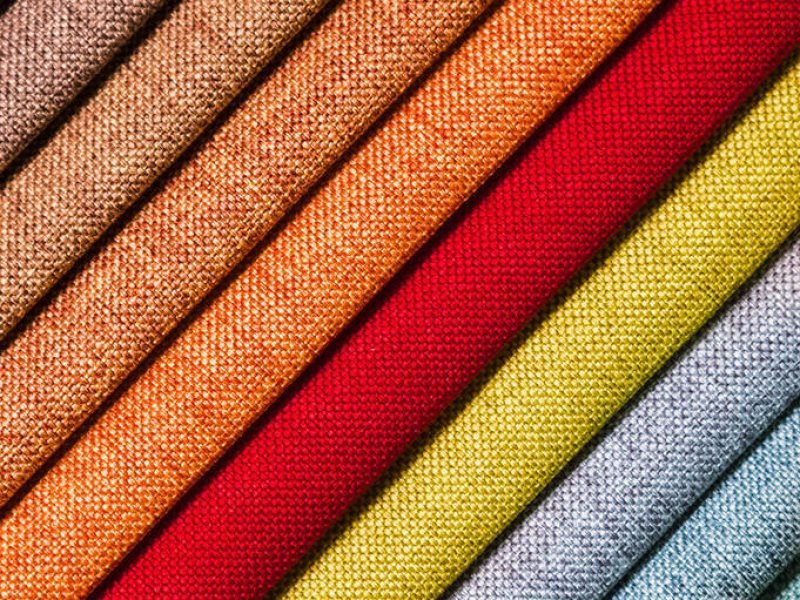
Twill fabrics have shaped everything from rugged workwear to high‑end suiting for centuries. Their characteristic diagonal weave not only gives them a sleek, textured appearance but also endows them with exceptional durability and drape. In this guide, we’ll cut through the jargon to show you exactly why twill matters, how to choose the right type, and what to look for when sourcing custom twill from a trusted factory like SzoneierFabrics.
Twill is defined by its diagonal ribs, created through a weave that passes the weft thread over two or more warp threads at a time; this structure makes it both strong and resistant to wrinkles—ideal for garments and applications that demand longevity and a refined look. Whether you’re a designer selecting the perfect chino for your spring line or an upholstery buyer seeking hard‑wearing upholstery, understanding twill’s many faces will empower you to make faster, smarter material decisions.
But beyond its technical strengths, twill tells a story of craft: imagine a seamstress in 18th‑century Europe experimenting with a new loom attachment that would revolutionize fabric drape—or a modern R\&D lab at SzoneierFabrics pushing the boundaries of sustainable fiber blends in a classic herringbone. Ready to dive in?
What Is Twill Weave and How Does It Differ from Other Weaves?
Twill weave is identified by its diagonal lines, or “wales,” that run across the fabric face. Unlike plain weave—where threads alternate over and under equally—twill shifts this pattern by stepping the interlacement one thread over at each row. This creates both the signature slanted appearance and unique performance traits: enhanced tear strength, better drape, and a softer hand.
Exploring the Mechanics and Benefits
Interlacement Pattern Variations
2/1 twill (most common): weft over 2, under 1
3/1 or 4/2 twills: deeper diagonal, even more drape
Performance Characteristics
Feature Plain Weave Twill Weave Satin Weave Tear Strength Moderate High Low Drape Stiff Soft–Medium Very Soft Wrinkle Resistance Low High Medium Surface Texture Flat Textured (Diagonal) Smooth, Shiny Critical Perspective
While twill excels in durability, its diagonal ribs can trap dirt more readily than smooth weaves. How might that affect maintenance in workwear vs. formal suiting?
Consider the sustainability impact: heavier twills (e.g., denim) require more fiber per yard—could lighter twill alternatives offer a lower‑impact solution without sacrificing strength?
Which Common Fibers Are Used to Make Twill Fabrics?
Twill weave adapts beautifully to a wide range of fibers. Cotton twill delivers breathability and softness, wool twill offers warmth and resilience, silk twill exudes luxury with fluid drape, and polyester/poly‑blend twills bring cost‑efficiency, color retention, and easy care.
Fiber‑by‑Fiber Breakdown
Cotton Twill
Pros: Breathable, comfortable, natural fiber appeal
Cons: Prone to shrinkage, moderate wrinkle resistance
Applications: Chinos, casual shirts, workwear
Wool Twill
Pros: Excellent insulation, natural wrinkle recovery
Cons: Higher cost, needs dry cleaning
Applications: Tailored suiting, overcoats
Silk Twill
Pros: Exceptional sheen, fluid drape
Cons: Delicate, expensive
Applications: Luxury scarves, eveningwear
Polyester/Blends
Pros: Durable, color‑fast, low‑moisture absorption
Cons: Less breathable, can feel synthetic
Applications: Uniforms, indoor upholstery
Data Table: Comparative Properties
Fiber Type Tensile Strength Thermal Insulation Moisture Wicking Cost Index (1–5) Cotton Medium Low High 2 Wool High High Medium 4 Silk Low Low Low 5 Polyester Blend High Medium Low 1 Critical Perspective
Are eco‑friendly fibers (e.g., TENCEL™ lyocell in twill form) a viable substitute, or do they fall short in abrasion resistance?
With rising demand for performance apparel, how can factories adapt twill recipes to incorporate stretch or moisture‑management finishes responsibly?
How Do Different Twill Weights Affect Fabric Performance?
Twill fabrics span a spectrum from ultra‑light (3–5 oz/yd²) to extra‑heavy (12 oz+ / yd²). Lightweight twills drape elegantly in shirting, whereas mid‑weights (\~6–8 oz) strike a balance for chinos and casual wear. Heavy twills (> 10 oz) dominate denim and hard‑wearing outerwear. The heavier the weight, the greater the abrasion resistance—and the stiffer the hand.
Weight vs. Application Matrix
Weight Categories
Light (3–5 oz): Shirting, linings
Mid (6–8 oz): Trousers, jackets
Heavy (9–12 oz): Denim, work pants
Extra Heavy (12 oz+): Workwear, upholstery
Data Table: Typical Uses by Weight
Weight Range Typical GSM Common Uses Durability Rating (1–5) 3–5 oz 100–170 gsm Lining, shirts 2 6–8 oz 200–270 gsm Chinos, blazers 3 9–12 oz 300–360 gsm Denim, cargo pants 4 12 oz+ 360 gsm+ Workwear, upholstery 5 Critical Perspective
Might “mid‑weight performance twill” satisfy both drape and durability for athleisure wear?
How do end‑use costs shift when moving up weight classes—does the extra ounce justify the longevity gains?
What Are the Most Popular Twill Fabric Variations?
Among the myriad twill types, denim, gabardine, chino, drill, and herringbone stand out. Each variation tweaks the basic diagonal structure—by changing yarn size, spacing, or finishing—to yield distinct aesthetics and uses.
Variations in Focus
Denim: 3/1 indigo‑dyed warp, white weft; rugged; broken‑navy appearance
Gabardine: 2/1 warp‑face, tightly woven; smooth finish; used in suits
Chino: Fine cotton twill, usually 2/1; soft hand; colored with reactive dyes
Drill: Heavy 3/1 or 4/1; thick yarns; often in military and workwear
Herringbone: Zig‑zag—alternating twill direction; decorative; often in wool suiting
Data Table: Variation Comparison
Variation Weave Ratio Typical Weight Finish Primary Use Denim 3/1 10–14 oz Sanforized Jeans, jackets Gabardine 2/1 8–10 oz Mercerized Suits, trousers Chino 2/1 6–7 oz Enzyme‑washed Casual pants, skirts Drill 3/1 or 4/1 10–12 oz Starch finish Workwear, uniforms Herringbone 2/2 8–12 oz None or brushed Blazers, overcoats Critical Perspective
Could emerging “eco‑drill” (organic cotton, low‑impact dyes) meet military specs?
What’s the next twist on herringbone for athleisure or performance outerwear?
How Is Twill Fabric Manufactured and Finished?
Producing twill begins with yarn selection (fiber, count, twist), moves through weaving on a rapier or projectile loom, then onto finishing—which can include scouring, bleaching, dyeing, mercerization, sanforization, and special coatings (e.g., stain‑repellent).
Process Flow & Innovations
Yarn Preparation
- Ring‑spun vs open‑end; ply count; twist factor
Weaving
- Loom setup: harnesses, reed spacing, pick density
Wet Processing
- Scouring → bleaching → dyeing (reactive, pigment, indigo)
Mechanical Finishes
- Sanforization for shrink control
- Mercerization for luster and strength
Special Treatments
- Water‑repellent, flame‑retardant, anti‑microbial
Data Table: Typical Finishes & Benefits
| Finish | Purpose | Common Chemicals/Methods |
|---|---|---|
| Mercerization | Increased luster, strength | Caustic soda immersion |
| Sanforization | Shrinkage control | Rubber belt compression |
| Enzyme Washing | Softer hand, worn look | Cellulase treatment |
| DWR Coating | Water repellency | Fluorocarbon or silicone |
| UV‑Protective | UV blocking | Nano‑TiO₂ application |
Critical Perspective
- In an era of microplastics concerns, how can wet processes be optimized to reduce effluent?
- Could enzyme finishes fully replace chemical softeners for sustainable “soft twill”?
Are Twill Fabrics Suitable for Apparel, Upholstery, or Industrial Uses?
Twill’s versatility spans fashion (denim jackets, tailored suits), home décor (heavy drill upholstery, twill curtains), and technical (canvas tarps, industrial uniforms). Durability, drape, and ease of care dictate which twill suits each sector.
Sector‑by‑Sector Analysis
Apparel
Requirements: hand feel, drape, colorfastness
Leading twill: denim, gabardine, chino
Upholstery & Décor
Requirements: abrasion resistance, lightfastness, stain repellence
Leading twill: heavy drill, cotton/poly blends
Industrial/Technical
Requirements: high tensile strength, flame retardancy, chemical resistance
Leading twill: coated polyester/cotton blends, aramid twills
Data Table: End‑Use Requirements vs. Twill Type
End Use Key Property Recommended Twill Fashion Drape, soft hand Silk twill, gabardine Décor Abrasion, lightfast Heavy drill, poly blends Industrial Strength, FR Aramid, coated cotton Critical Perspective
As smart textiles integrate electronics, can twill looms adapt to embed conductive yarns without compromising weave integrity?
How might circular‑economy recycling systems manage post‑consumer twill waste?
What Care and Maintenance Do Twill Garments Require?
Despite its resilience, twill needs proper care: cold wash, gentle cycle, line dry or low‑heat tumble. Stains should be pre‑treated, and wool twill must often be dry‑cleaned. Proper care extends garment life and preserves fiber integrity.
Care Regimens by Fiber
Cotton Twill
Machine wash cold; tumble dry low; iron medium heat
Wool Twill
Dry clean or gentle hand wash in wool detergent; reshape damp; air dry
Silk Twill
Hand wash or delicate cycle; mild detergent; air dry flat
Polyester Blend
Machine wash; low‑heat dryer; minimal ironing
Data Table: Care Instructions at a Glance
Fiber Type Wash Method Drying Ironing Temp Stain Treatment Cotton Cold machine Low tumble Medium Pre‑treat enzyme Wool Dry clean Air dry Low steam Spot clean Silk Hand/delicate Flat air dry Low Gentle blotting Polyester Blend Warm machine Tumble low Low Standard stain stick Critical Perspective
With rising demand for “easy‑care luxury,” can finishing technologies deliver wrinkle‑free wool twill without harsh chemicals?
Are home ultrasonic cleaners a future replacement for traditional laundering?
How Can You Identify Quality in a Twill Fabric?
High‑quality twill shows tight, even diagonal ribs, consistent dye penetration, and a clean, well‑finished selvedge (for factory‑direct looms). Thread count and yarn twist also indicate durability.
Quality Indicators and Testing
Visual Inspection
Uniform wale spacing; no floats or snags
Physical Tests
Martindale abrasion rating; tensile strength test
Selvedge Analysis
Finished edge vs cut edge; color accents
Data Table: Benchmarks for Premium Twill
Test Metric Acceptable Range Premium Threshold Martindale Abrasion 10,000–15,000 cycles 20,000+ cycles Tensile Strength Warp 400–600 N 800 N+ Yarn Count 30–60 Ne 70 Ne+ Critical Perspective
With automated fabric inspection on the rise, how can mills balance human expertise and machine precision?
Could blockchain traceability for twill batches become standard to assure provenance and quality?
Ready to Source Custom Twill from SzoneierFabrics?
You’ve seen how twill’s diagonal weave patterns, fiber choices, weights, and finishes come together to create fabrics fit for any application—whether hard‑wearing denim or elegant gabardine. At SzoneierFabrics, we combine 18 years of R\&D excellence, low MOQ flexibility, free design & sampling, and rapid lead times to deliver tailored twill solutions for brands big and small.
Contact us today to explore bespoke twill blends, custom finishes, and competitive pricing direct from our factory floor. Let’s turn your next fabric idea into reality—reach out for a quotation and sample pack now!
Can't find the answers?
No worries, please contact us and we will answer all the questions you have during the whole process of bag customization.
Make A Sample First?
If you have your own artwork, logo design files, or just an idea,please provide details about your project requirements, including preferred fabric, color, and customization options,we’re excited to assist you in bringing your bespoke bag designs to life through our sample production process.