Viscose fabric pricing has never been truly stable—but in 2025, volatility is no longer just an inconvenience. It has become a strategic risk. Many procurement teams now realize that a price agreed today may have little relevance six months later, even when fabric specifications stay exactly the same. The uncomfortable truth is that viscose prices are being shaped by forces far beyond the weaving floor.
Behind every quote lies a chain of pulp suppliers, chemical producers, energy markets, logistics routes, currency movements, and capacity decisions—each one capable of shifting costs quietly but significantly. What makes viscose especially challenging is that these forces often move out of sync, creating sudden price jumps that feel irrational if you only look at fabric-level data.
This report explains why viscose fabric prices fluctuate so sharply in 2025, what actually drives those movements, and how procurement directors can plan, negotiate, and source more intelligently in an unstable cost environment. Rather than predicting a single price direction, the goal is to help decision-makers understand where volatility comes from—and how to reduce its impact on budgets and delivery commitments.
A sourcing director once said, “The problem isn’t that prices go up. The problem is that they go up when you least expect them.” That is the reality this report is designed to address.
What does “price volatility” mean for viscose fabric procurement in 2025, and why does it matter for budgeting?

In 2025, price volatility in viscose fabric procurement means the delivered cost of viscose can move up or down more frequently and with less warning than many procurement teams are used to. These swings are not driven by a single factor. They come from the combined movement of dissolving wood pulp, chemical inputs used in viscose processing, energy tariffs, freight capacity, factory operating rates, compliance costs, and currency shifts between the buying country and the producing country.
For procurement directors and sourcing managers, this isn’t just a “fabric price” problem. It becomes a budgeting and commitment risk:
- Annual budgets get “broken” mid-year because the assumed price band no longer holds.
- Long-term agreements become harder to enforce without adjustment clauses.
- Sales teams demand quote stability, while sourcing reality demands shorter validity windows.
- Margin volatility increases even when overall order volume stays the same.
The key change many teams have felt since 2024 is this: volatility is no longer mostly seasonal. It behaves more like a structural condition, where a “normal month” still contains multiple cost shocks—small and large—that affect viscose faster than many other fabrics.
Why viscose pricing behaves differently from other fabrics
Viscose is a regenerated cellulose fiber. That sounds simple, but commercially it means viscose pricing sits in a three-layer cost stack that is unusually sensitive:
- Natural feedstock layer: dissolving wood pulp (linked to forestry, pulp capacity, environmental policy, and global demand competition)
- Chemical processing layer: caustic soda, carbon disulfide-related systems, and other chemicals, plus wastewater treatment and compliance requirements
- Energy and conversion layer: viscose production is energy-intensive, and energy isn’t just electricity—steam, drying, and plant utilities matter
Many fabrics are sensitive to one layer. Viscose is sensitive to all three at the same time. When two layers move together (for example, pulp tightens while energy rises), viscose prices can change quickly even if demand for the finished fabric looks stable.
There is also a practical detail that procurement teams notice every day: viscose supply chains tend to reprice faster because upstream suppliers often work on shorter commitment cycles and update offers based on input movements more frequently than “legacy” cotton programs.
Volatility is not the same as “high price”
A common misconception is that volatility simply means “expensive.” In reality, the bigger risk is that the price cannot be confidently predicted for the time window your business needs—especially from sampling to bulk, or from PO approval to shipment.
| Scenario | Risk Level |
|---|---|
| High price, stable | Manageable |
| Low price, volatile | Dangerous |
| Moderate price, volatile | High risk |
A high but stable price can be planned. Teams can adjust product pricing, reduce waste, negotiate efficiency, or switch specifications. A low but volatile price is often worse because it creates a false sense of safety, then punishes you later with sudden increases when you already committed to customer pricing.
Procurement risk comes from uncertainty, not just cost level.
Why viscose is especially sensitive
Viscose sits at the intersection of:
- Natural raw materials (wood pulp)
- Chemical processing
- Energy-intensive production
This makes its cost base more exposed than cotton or polyester.
To understand why, it helps to compare “how the market reacts” by fabric type:
| Fabric Type | Price Stability |
|---|---|
| Polyester | Relatively stable |
| Cotton | Cyclical |
| Viscose | Highly reactive |
Viscose often reacts quickly to external shocks because its cost drivers move quickly and sometimes together. Typical shock triggers procurement teams saw repeatedly in recent seasons include:
- Pulp supply and demand shifts: capacity maintenance, export restrictions, or demand spikes from competing sectors
- Energy price changes: electricity/steam tariffs and regional supply constraints
- Chemical and compliance costs: tighter wastewater treatment requirements or higher chemical prices
- Freight and logistics availability: container availability and route changes
- FX movement: especially when purchase currency and sales currency are different, or when mills quote in USD while costs are local
- Operating rate changes: when mills reduce or increase production, the market can shift quickly, especially for certain constructions
A practical way to explain viscose sensitivity inside a company is this: viscose cost is not “one number,” it is a moving combination of inputs. When those inputs change weekly, the finished fabric quote becomes a snapshot, not a promise.
What “price volatility” looks like in real procurement workflows
Procurement teams don’t experience volatility in a spreadsheet first—they experience it in workflow pain:
- The sample is approved at one price, then bulk is quoted higher “due to updated pulp costs.”
- The quotation validity gets shorter (7 days, 3 days, sometimes 48 hours) because suppliers cannot hold input risk.
- The lead time window becomes a pricing risk: a longer lead time often means a higher chance that costs move before production starts.
- The order split decision (one big PO vs multiple smaller POs) becomes a strategic decision rather than a convenience.
This is why volatility becomes structural in 2025: more businesses are running faster cycles (more drops, more SKUs, shorter planning), while viscose inputs are not behaving in a slow, predictable pattern.
Budgeting challenges procurement teams face
Price volatility impacts:
- Annual sourcing plans
- Long-term pricing agreements
- Cost forecasting accuracy
Here is what it does to specific budget items:
| Budget Item | Effect of Volatility |
|---|---|
| Material cost forecast | Low accuracy |
| Margin planning | Increased risk |
| Quote validity | Shorter window |
Many teams shorten quote validity simply to protect themselves. That change affects commercial speed: sales teams want 30–60 day price holds, but suppliers may only hold 7–15 days unless there is a clear adjustment mechanism.
Why forecasting accuracy collapses without a “time window”
One of the most common budgeting mistakes is treating “fabric cost” as a stable annual average. In volatile markets, the question must become:
- What is our cost band for the next 30/60/90 days?
- What is our reprice trigger point?
- What portion of our volume is exposed vs covered?
If the company only tracks annual average cost, it will miss the real issue: the business is exposed during the planning-to-production gap, and that gap can be 6–14 weeks depending on approval, lab dips, and production scheduling.
How procurement leaders can budget for viscose volatility instead of fighting it
Budgeting does not eliminate volatility, but it can reduce surprises. The most effective approaches usually include a mix of structure, language, and timing.
1) Build a “cost band” budget, not a single-number budget
Instead of budgeting viscose at one price, budget it as:
- Base case (expected market)
- High case (stress test)
- Low case (opportunity)
Then tie action rules to the band:
- If price enters high case, switch to alternate construction, adjust GSM, or activate substitute fabric.
- If price enters low case, lock more volume and reduce spot exposure.
2) Split volume into covered vs exposed
A simple internal rule often works:
- Covered volume: contracted or pre-booked with a clear adjustment method
- Exposed volume: spot purchases or flexible projects that can accept re-pricing
Even if you can only cover 30–50% of volume, it stabilizes budgets and reduces internal conflict.
3) Use contracts that acknowledge input movement
Long-term agreements can still work, but they need mechanisms like:
- pre-agreed adjustment periods (monthly/quarterly)
- indexed adjustments (linked to a mutually accepted reference)
- “open book” cost structure review when inputs cross a threshold
This is where supplier transparency becomes a real advantage, because it lowers the negotiation friction when repricing happens.
4) Shorten the decision-to-production time
This is not always seen as a procurement lever, but it is one of the strongest.
- Faster approvals reduce the time where price can move.
- Clear internal deadlines reduce re-quoting cycles.
- Pre-approved spec ranges (GSM, weave, finish) reduce last-minute changes that trigger new pricing.
Human reality inside procurement teams
In volatile markets, buyers are often judged on:
- Timing luck
- Supplier responsiveness
- Internal communication
Not on fabric knowledge alone.
This is not a “soft” issue—it directly affects cost outcomes. When markets move quickly, the procurement result is heavily influenced by:
- how fast internal approvals happen
- whether the supplier responds within hours or days
- whether finance and sales understand that quotes have an expiration
- whether management accepts band budgeting instead of demanding one fixed number
Procurement leaders who communicate volatility clearly tend to reduce internal blame and improve decision speed. The best internal message is usually simple: “We can control process and exposure, not the market.”
Supplier-side insight
At SzoneierFabrics, viscose price discussions in 2024–2025 increasingly start with cost structure transparency, not just final numbers—because buyers need context, not just quotes.
In practice, “context” means suppliers explain what changed, such as:
- pulp cost movement affecting yarn cost
- energy surcharge changes
- dyeing/finishing cost changes due to chemical or wastewater treatment requirements
- freight changes based on route or container availability
- FX movement when contracts are settled in a different currency
When procurement teams receive that breakdown, they can do three important things internally:
- defend the change with evidence rather than emotion
- decide whether to lock, split, or delay volume
- update pricing strategy with sales using real drivers
What procurement teams should do next
If your goal is budget stability in 2025 viscose procurement, the practical next steps are:
- Define your quote validity policy (and communicate it to sales)
- Budget viscose as a band with action triggers
- Separate volume into covered vs exposed
- Use supplier relationships that support fast updates and transparent drivers
- Reduce approval cycle time to shorten exposure windows
Which upstream cost drivers move viscose fabric prices the most?
The biggest swings in viscose fabric pricing rarely start at the weaving mill. They start upstream—often months earlier—in four places: dissolving wood pulp, chemical inputs, energy, and fiber-mill operating rates (capacity utilization). When any one of these tightens unexpectedly, the effect can cascade from pulp or chemical contracts into viscose staple fiber (VSF) and filament yarn, and finally into greige fabric and finished fabric quotes.
Procurement teams that only track “fabric market prices” are usually reacting late. Teams that track pulp and energy signals—plus capacity headlines—tend to spot risk earlier and negotiate with more leverage. This isn’t about predicting prices perfectly; it’s about understanding what kind of price move you’re seeing: temporary noise or structural shift.
Breaking down the viscose cost structure
Viscose is a regenerated cellulose fiber. In the classic viscose route, dissolving-grade cellulose is treated with strong alkali and carbon disulfide to form a soluble intermediate, then regenerated into fiber. That chemistry is why viscose has a cost profile that’s very different from cotton (farm + ginning) or polyester (petrochemical chain). The “viscose cost stack” is heavily influenced by:
- Cellulose purity and pulp availability
- Chlor-alkali and sulfur-chemistry economics
- Energy pricing and grid stability
- Environmental controls (capture, treatment, compliance)
- Whether viscose plants are running flat out or throttling production
Core upstream cost components
| Cost Element | Influence Level |
|---|---|
| Dissolving wood pulp | Very high |
| Chemical reagents | High |
| Energy (electricity, steam) | High |
| Labor | Medium |
| Logistics | Medium |
Among these, pulp and energy dominate long-term movements.
A practical way to interpret this table is:
- Pulp sets the baseline direction (uptrend/downtrend).
- Energy + chemicals amplify the move (how sharp it becomes).
- Capacity utilization decides how fast the price change shows up in real quotes.
Dissolving wood pulp: the primary driver
Viscose depends on dissolving-grade pulp, which must be high purity cellulose suitable for regenerated fiber production. Dissolving pulp is commonly described as the preferred feedstock for regenerated cellulose fibers and cellulose derivatives because of its high cellulose content and controlled properties.
Why pulp moves viscose prices so aggressively:
- Concentration risk: dissolving pulp supply is not as diversified as commodity paper pulps, and expansions are capital-intensive.
- Quality constraints: viscosity, brightness, and reactivity specs matter; you can’t always swap one pulp for another without yield or quality loss.
- Competing demand: pulp capacity can also serve specialty cellulose uses, and regional trade flows can tighten quickly when one market pulls volume.
You can see how “pulp signals” show up at the market level. For example, an early-2026 market note reported dissolving pulp prices around 6,700 RMB/ton domestically and ~US$800/ton for imported hardwood pulp (with softwood higher) while VSF prices were weak under soft demand. That kind of flat pulp pricing often translates into limited downside support for fiber prices rather than a dramatic fabric discount.
| Pulp Market Change | Fabric Price Impact |
|---|---|
| Supply tightening | Sharp increase |
| Demand surge | Gradual increase |
| Short-term oversupply | Temporary relief |
Pulp pricing rarely moves smoothly.
What procurement should watch (more useful than headlines):
- Pulp contract negotiations (quarterly or semi-annual in many supply chains)
- Operating status of major pulp lines (maintenance, outages, or curtailments)
- Log exports/import constraints (weather events, port congestion, trade friction)
- Quality downgrade events (when a mill has a quality issue, supply tightens even if “tons” exist)
A common buying mistake is assuming “pulp down = fabric down immediately.” In reality, viscose fabric pricing often lags because many mills run through pulp inventory and fiber contracts before they adjust fabric quotes.
Chemical inputs and compliance pressure
Viscose production is chemical-intensive. Even if your fabric mill never touches these chemicals directly, the viscose fiber producer does, and those costs are built into yarn and fiber pricing.
Viscose production depends on:
- Caustic soda (sodium hydroxide)
- Carbon disulfide
- Acids and specialty additives used in regeneration and process control
Two reasons chemicals move prices more than buyers expect:
1) Caustic soda is effectively an “electricity product”
Caustic soda is primarily produced by chlor-alkali electrolysis, which is highly electricity-dependent. A recent market summary noted electricity as a major production driver (often a very large share of operating cost) for chlor-alkali, and price behavior is tied to power costs, co-product dynamics, and regional supply tightness. An Energy Star / EPA guide also emphasizes electricity and energy as core cost levers in chlor-alkali operations, reinforcing that caustic soda pricing can inherit grid volatility.
Translation for viscose buyers: when power costs spike or grids destabilize, caustic soda pressure can show up in viscose fiber costs even if pulp is steady.
2) Carbon disulfide brings compliance costs, not just purchase costs
Carbon disulfide and sulfur-related emissions are a long-running environmental concern in viscose manufacturing, and modern plants often invest in capture and control systems to meet stricter standards. Process and emissions research highlights the presence and importance of carbon disulfide in viscose operations and the environmental relevance of associated emissions. Technology suppliers also discuss sulfur control solutions and compliance drivers in viscose manufacturing, reflecting the fact that “meeting the standard” can require ongoing operating cost, not only capex.
Those environmental costs usually appear in pricing in a subtle way:
- a “small” surcharge in yarn quotes,
- stricter minimum order quantities (to optimize compliant runs),
- shorter quote validity windows (mills don’t want to carry chemical risk).
Energy: the hidden amplifier
Energy costs don’t just heat dryers. In viscose supply chains, energy hits multiple layers:
- fiber production (steam, electricity, process energy)
- chemical production (chlor-alkali electricity demand; sulfur chemistry)
- water treatment and waste treatment (often power-intensive)
- fabric finishing (drying, curing, heat setting for blends, etc.)
| Energy Market Shift | Result |
|---|---|
| Electricity price spikes | Immediate cost pressure |
| Fuel shortages | Production disruption |
| Energy subsidies removal | Long-term price reset |
In some regions, energy volatility outweighs raw material volatility.
Why energy can “move faster” than pulp:
- Power tariffs can change quickly.
- Natural gas and coal price swings can shift steam costs.
- Grid constraints can force mills to curtail output even when demand exists.
A useful analogy is that pulp is the engine, energy is the turbocharger. When energy markets jump, the cost shock can be immediate—especially in places where viscose and chemical plants face high spot power exposure.
Capacity utilization matters more than people think
Even with stable pulp and chemical pricing, viscose prices can jump if fiber plants change how hard they run. Capacity utilization matters because viscose is not a “perfectly liquid” market—availability is shaped by a relatively concentrated set of large producers, and production lines are expensive to stop and restart.
| Capacity Situation | Price Behavior |
|---|---|
| High utilization | Firm pricing |
| Temporary shutdowns | Sudden jumps |
| Overcapacity | Short-lived discounts |
Viscose prices often rise fastest when capacity tightens unexpectedly.
Why capacity tightens in the real world:
- Maintenance shutdowns (planned)
- Environmental inspections or compliance upgrades (unplanned or semi-planned)
- Demand shocks (a downstream surge forces tightness even without an upstream problem)
- Energy shortages (plants reduce output to avoid operating losses or due to rationing)
Capacity utilization also affects who gets served. When plants are full, they prefer:
- long-term contract buyers,
- higher-spec yarn counts,
- customers with predictable planning.
Spot buyers can see “availability pricing” even when the published market tone looks calm.
The “pass-through path” from upstream inputs to fabric quotes
Understanding how costs travel helps you negotiate.
Typical pass-through sequence:
- Pulp / chemicals / energy shift
- Viscose fiber (VSF) and filament yarn producers adjust (often quickest when costs rise)
- Yarn contracts reset (monthly/quarterly patterns vary by region)
- Greige fabric pricing adjusts
- Dyeing/finishing costs adjust (energy and water treatment can lag by weeks)
Two realities that procurement teams should plan around:
- Upward moves pass faster than downward moves. Mills protect margin when costs rise; when costs fall, they wait to confirm the drop is real.
- Quote validity shortens in volatile periods. When inputs swing, mills reduce validity windows because they can’t hedge everything.
Chemical regulation and environmental policy as a cost multiplier
A lot of buyers underestimate how much macro-policy affects chemical and energy supply chains. For instance, chemical industry bodies have highlighted the scale of regulatory cost and policy pressure in Europe, including rising compliance and carbon-related costs, which can affect chemical availability and pricing and, by extension, viscose input costs.
You don’t need to buy in Europe for this to matter: global supply chains re-route. If one region becomes expensive or constrained, trade flows shift and tighten other regions.
Practical sourcing insight
Experienced procurement teams track pulp and energy signals months ahead—not because they predict prices perfectly, but because they spot risk earlier.
Here’s a practical, non-theoretical tracking routine that works:
- Monthly: dissolving pulp market notes + VSF market notes (direction + supply commentary)
- Monthly/biweekly: chlor-alkali (caustic soda) trend notes, especially when power markets are volatile
- Quarterly: capacity updates (maintenance, restart, new lines, compliance upgrades)
- Always: energy policy and tariff changes in key producing regions
At SzoneierFabrics, viscose quotations increasingly reference input cost trends, helping buyers judge whether a price move is structural (pulp/energy/regulatory) or temporary (short demand dip, short oversupply window).
How do supply chain disruptions and capacity changes affect viscose fabric lead times and spot pricing?

Supply chain disruptions and capacity shifts affect viscose fabric pricing in a very specific way: they turn lead time into a tradable asset. When the market is calm, viscose is priced like a commodity—buyers compare yarn count, width, GSM, finish, and quote a few mills. When the market is tense, viscose is priced like a scheduling problem—the mill slot becomes the product, and the fabric becomes the by-product.
In 2025, this has been amplified by persistent logistics volatility and rerouted shipping lanes that lengthen transit time and tighten vessel capacity. UNCTAD’s Review of Maritime Transport (covering January 2024–June 2025) and related reporting highlight how geopolitical disruptions and trade policy changes have increased volatility, altered routes, and added time and cost to global shipping. That matters for viscose because its upstream chain depends on globally traded inputs (notably dissolving pulp and key chemicals), and the downstream chain is timing-sensitive (fashion seasons, replenishment windows, and factory booking cycles).
Price volatility accelerates when time pressure replaces planning.
Why lead time is now a pricing variable
In viscose sourcing, the “price” you see on a quote sheet usually assumes three conditions:
- Stable upstream inputs (pulp and chemicals arriving on schedule)
- Predictable plant operating rates (no sudden throttling or compliance-related downtime)
- Normal logistics flow (standard ocean routes and reliable port turn times)
When one of those breaks, lead time stops being a passive number and becomes a rationing mechanism. Suppliers do not simply raise price across the board. More often, they:
- shorten quote validity (e.g., “valid 24–72 hours” instead of 7–14 days)
- re-rank orders by margin, relationship, and payment terms
- sell capacity windows first, then negotiate price second
That is why buyers may experience “stable headline prices” but still pay more: the premium is embedded in priority scheduling, faster delivery, or spot procurement.
The fragile nature of the viscose supply chain
Viscose production depends on:
- Concentrated dissolving pulp supply (many mills source internationally)
- Capital-intensive fibre plants (high fixed cost, sensitive to utilization)
- Environmentally regulated chemical processes (compliance systems, permits, treatment capacity)
It is not as flexible as cotton, where supply can be rerouted among spinning and weaving clusters more easily. A disruption in pulp shipments, caustic soda availability, carbon disulfide handling, energy pricing, or wastewater treatment capacity can reduce output quickly—often without a simple substitute.
Logistics shocks are the multiplier. When shipping routes are disrupted and vessels divert, transit times extend and available capacity tightens. Logistics providers have reported extended transit times and tighter capacity on major lanes during rerouting periods, which increases the chance that one delayed input shipment pushes an entire production slot backward.
| Disruption Type | Immediate Effect |
|---|---|
| Fiber plant maintenance | Supply tightening |
| Chemical supply delays | Output reduction |
| Logistics bottlenecks | Delivery slippage |
The key point is speed: viscose doesn’t need a huge disruption to move pricing—it needs a disruption that lands inside a tight delivery window.
Capacity utilization vs. installed capacity
Installed capacity numbers can be misleading because they describe what could run, not what is actually running.
| Capacity Metric | What It Really Means |
|---|---|
| Installed capacity | Theoretical output |
| Effective capacity | Usable output |
| Operating capacity | What’s actually running |
In 2025, many viscose producers have strong reasons to operate below nameplate:
- environmental compliance constraints and upgrades (treatment capacity, emissions control, recovery systems)
- energy cost management (running fewer lines during high-cost periods)
- margin protection (protecting price discipline by limiting aggressive oversupply)
Major producers’ sustainability reporting shows ongoing investment in cleaner production and recovery systems—important long term, but it also highlights why operating discipline and compliance performance are operational priorities rather than optional add-ons.
For buyers, the practical effect is that supply becomes less elastic. When demand spikes, output does not surge immediately. Instead, the market clears through:
- longer lead times
- lower willingness to hold quotes
- higher spot premiums for “now” delivery
How lead time pressure pushes up prices
When delivery windows shrink, the bargaining power shifts. The supplier’s negotiating position improves because the buyer is no longer comparing multiple equivalent options—they are comparing options that can deliver versus options that cannot.
When the calendar becomes the constraint:
- buyers accept shorter quote validity
- mills prioritize higher-margin or better-structured orders
- spot prices rise faster than contract prices
| Lead Time Situation | Price Behavior |
|---|---|
| Normal | Negotiable |
| Compressed | Firm |
| Urgent | Premium pricing |
This is why two buyers can receive the “same market price” report and still end up with different landed costs. The one with a stable forecast secures production slots at normal terms. The one with urgent replenishment effectively buys time.
Logistics volatility makes this worse. During disruption periods, routing changes can add meaningful transit time and tighten shipping capacity, which spills directly into fabric ETAs and forces procurement teams into urgent modes.
Spot market dynamics in viscose
The viscose spot market is not just “small orders.” It’s a different discipline:
- It often bypasses long-term pricing structure and negotiated rebates
- It reflects immediate input costs (pulp, energy, chemicals), plus scheduling scarcity
- It includes risk premiums for uncertainty (shipping, compliance checks, inventory availability)
Spot purchases also carry execution risk:
- higher chance of shade/lot variation because the supplier is pulling from available stock or last-minute runs
- more variable lead times because you are fitting into gaps
- higher probability of changing terms (payment, delivery, claim handling)
In a volatile logistics environment, spot becomes more expensive even if base fibre prices look stable because your landed cost includes “insurance” against delay. UNCTAD’s work on maritime volatility and rerouting illustrates how disruptions reshape shipping distances and reliability, which directly affects raw material and textile supply chains.
What “capacity changes” look like on the ground
Procurement teams often assume capacity changes mean new factories opening or closing. In viscose, the more common real-world mechanisms are quieter:
- a plant runs fewer days per month to manage compliance and energy
- one line is paused for maintenance longer than expected
- output shifts from commodity grades to certified or specialty grades
- a producer pushes more volume into captive or strategic contracts, leaving less for spot
Each of these reduces the volume available for short-notice orders, even if “installed capacity” has not changed at all. That is why lead times can extend suddenly with no headline announcement.
Real-world sourcing pattern
A pattern commonly reported by apparel and textile sourcing teams is that urgent replenishment orders cost materially more even when published indices or market chatter suggests “prices are flat.”
The mechanism is usually:
- the base fabric quote is not dramatically higher
- but the supplier adds cost through shorter lead time, partial shipments, priority weaving/finishing, or constrained greige availability
- negotiation leverage disappears because the buyer is trading speed for price
Several producers have reported paying 8–12% more on urgent viscose fabric replenishment—less because fibre cost exploded, more because time constraints eliminated negotiation room and forced spot-style terms.
How to protect your cost when lead time is unstable
If you want to avoid paying “urgency tax,” the most effective moves are operational, not rhetorical:
- Lock capacity windows early: reserve loom/finishing slots tied to forecast ranges, not exact quantities
- Split the risk: place a base contract volume, then keep an option volume with defined trigger dates
- Build a dual-route logistics plan: ocean default plus pre-agreed air/rail exceptions for a small percentage of volume
- Specify substitution rules upfront: acceptable pulp origin ranges, dye class options, or finish equivalents to prevent delays from minor spec rigidity
- Control order structure: mills often prioritize orders with clean tech packs, confirmed lab dips, and fast approvals
These steps reduce the chance that you get forced into spot buying, which is where average cost creeps up quietly.
Supplier insight
At SzoneierFabrics, production planning discussions increasingly include capacity window alignment—matching buyer forecast timing to realistic mill schedules—so buyers can avoid last-minute spot exposure when viscose supply tightens. In practice, the most cost-effective “discount” in viscose is often not a lower unit price; it’s a stable booking that keeps you out of urgent lanes.
What regional production and sourcing shifts are influencing viscose fabric availability in 2025?
In 2025, viscose fabric availability is being reshaped less by “who can make viscose” and more by who can make viscose in a way that passes modern compliance, traceability, and performance expectations. Capacity still exists—especially in Asia—but the portion of that capacity that is consistently qualified for international brands and industrial buyers is tightening.
Three forces sit behind the change:
- Production consolidation toward large, better-capitalized producers with stronger environmental controls and supply transparency. This shows up in industry benchmarking and procurement policies that increasingly reward leading producers across regions.
- Environmental compliance pressure on viscose production (notably around wastewater and emissions controls) that raises the bar and pushes weaker plants out or forces upgrades.
- Strategic sourcing shifts by buyers toward fewer suppliers, longer commitments, and more documentation—because late deliveries and compliance failures cost more than small unit price differences.
The market is becoming smaller—but more disciplined.
Understanding regional dynamics beyond price tags
If you only compare FOB price lists, 2025 can look confusing: “There are still many suppliers—why does supply feel tight?” The practical answer is that the effective supply pool is filtered by factors that don’t show up on a quotation sheet:
- Do they have a credible chemical management and wastewater approach that aligns with industry expectations (for example, widely used programs in MMCF such as ZDHC’s MMCF guidelines and related facility reporting)?
- Can they provide traceability and forest-risk documentation that many brands now request (often using third-party frameworks and audits)?
- Can they hold stable lead times when energy costs, inspections, or upstream pulp volatility disrupt production cycles?
Availability in 2025 is therefore a function of qualification bandwidth. Your team can have 30 “potential” suppliers on paper, yet only 6–10 are truly interchangeable once you apply required documentation, stability, and quality consistency.
Asia remains dominant—but not uniform
Asia continues to lead viscose production, but internal dynamics are changing. China remains central to output and to fabric conversion ecosystems (spinning, weaving, dyeing, printing), while India and Southeast Asia continue to grow in strategic importance. At the same time, “Asia” is not one supply condition: policy enforcement, energy exposure, and supplier maturity vary sharply by country and even by province.
| Region | 2025 Trend |
|---|---|
| China | Consolidation & compliance |
| Southeast Asia | Selective expansion |
| South Asia | Cost-driven growth |
| Europe | Niche, high-spec output |
Not all capacity growth equals usable supply.
China: consolidation plus stricter buyer screening China’s viscose ecosystem benefits from scale, infrastructure, and integrated textile clusters. But supply is more segmented: larger producers with better controls are increasingly preferred, while smaller, weaker operators face higher operating risk. Brand and NGO benchmarking has explicitly highlighted leading producers (including Chinese producers) when they can demonstrate stronger forest-risk and chemical management performance. In parallel, innovation and circular feedstock pilots (recycled/circular MMCF initiatives) are being developed by some major producers, which signals a longer-term shift toward traceable, lower-impact supply lines.
Southeast Asia: selective expansion with “integrated” positioning Southeast Asia is not expanding viscose everywhere—growth is selective and often tied to integrated models that emphasize traceability and sustainability narratives. For example, Asia Pacific Rayon (APR) in Indonesia highlights integrated viscose production and reports capacity in the hundreds of thousands of tons per year, positioning itself for buyers that want clearer supply-chain control. This doesn’t automatically mean “more spot availability.” Integrated producers often prioritize long-term contracts and stable demand planning over opportunistic spot business.
South Asia: growth tied to scale and demand, but qualification varies India remains a major hub for cellulosic fibers and downstream textiles. Large groups continue to emphasize the role of cellulosic staple fibre (CSF) in their performance reporting, reflecting ongoing strategic importance and investment focus. For sourcing teams, the key is separating “available capacity” from “qualified supply that consistently meets documentation requirements.” Some mills are excellent; others are mainly suitable for domestic or less regulated demand channels.
Europe: niche, high-spec output under cost pressure Europe’s role in viscose is generally more specialized (technical or premium niches, tighter specs, strong documentation), but energy and operating cost pressure remains a structural constraint. Recent announcements show how abruptly European capacity can be impacted by economic realities—for example, Kelheim Fibres announced closure of operations effective March 31, 2026. That matters for 2025 sourcing strategy because it reduces long-term optionality and pushes more demand back toward Asia or specialty players.
Environmental compliance reshapes output
Viscose production is chemically intensive, and compliance expectations are becoming more explicit, more measurable, and more comparable across suppliers.
Two reference points are shaping 2025 buyer and producer behavior:
- EU BAT (Best Available Techniques) guidance and associated documents for viscose production emphasize structured control and monitoring of process emissions (including carbon disulphide) and environmental management at the facility level.
- Industry programs and guidelines—notably ZDHC’s MMCF guidance and implementation approach—are pushing standardized reporting and improvement pathways for wastewater and chemical management in MMCF facilities.
Stricter oversight has led to:
- Closure of small, non-compliant plants (or production interruptions during upgrades and enforcement cycles)
- Higher operating costs (treatment systems, recovery systems, monitoring, audits)
- Reduced “grey-area” supply that used to fill gaps during demand spikes
This improves quality consistency but reduces surplus volume.
A practical consequence: compliance has become an availability filter. Even if your team can find a mill willing to take an order, you may not be able to use the fabric in your sales channel if documentation is incomplete or if the mill cannot pass customer audits.
Why sourcing options feel narrower
The paradox of 2025 is that databases and marketplaces can show “more suppliers,” while procurement teams feel “fewer choices.” The reason is that buyer requirements have become more specific and more enforceable.
Even when nominal suppliers increase, qualified suppliers decrease.
| Buyer Requirement | Supplier Pool Impact |
|---|---|
| Chemical compliance | Reduced |
| Traceability | Reduced |
| Stable lead time | Reduced |
The result: fewer interchangeable sources.
To make this operationally useful, here’s what “qualification narrowing” looks like in day-to-day sourcing:
- Documentation load increases: suppliers are asked not only for lab test results but also for chain-of-custody statements, chemical management disclosures, wastewater performance summaries, and restricted substance alignment. ZDHC’s MMCF guidance has helped standardize what good looks like, which makes it easier for buyers to compare—but harder for weak suppliers to hide.
- Interchangeability drops: two viscose fabrics with similar GSM can behave differently in dyeing, pilling, shrinkage, or strength retention. Buyers who had stable supply disruptions in the past now insist on pre-approval, lab dips, and locked constructions before they treat a supplier as a true alternative.
- Lead time becomes a compliance issue: delayed shipments can trigger missed launches, chargebacks, or air freight. When a mill operates near capacity and prioritizes contracted customers, spot buyers feel the squeeze first.
Regional cost differentials are narrowing
Historically, many buyers arbitraged regions for cost advantage. In 2025, that strategy still exists—but it is less reliable because several cost drivers are moving in the same direction across regions.
| Cost Element | Trend |
|---|---|
| Labor | Converging |
| Energy | Volatile |
| Compliance | Rising everywhere |
| Logistics | Less predictable |
Price gaps still exist—but close faster than before.
Energy volatility is especially important because viscose production and fabric finishing both consume significant energy. When energy prices spike—or when power reliability issues occur—mills may adjust production schedules, which ripples into delivery reliability.
Upstream inputs also matter. Dissolving pulp is a major cost driver for viscose. Industry analysis notes how dissolving pulp price movements can influence viscose economics (including margins and competitiveness versus cotton). Even if you don’t track pulp markets daily, the impact shows up indirectly as price adjustments, minimum order changes, or reduced willingness to hold quoted prices for long periods.
Strategic sourcing shifts
Procurement teams increasingly favor:
- Fewer suppliers
- Longer relationships
- Shared forecasting
This reduces volatility exposure but requires trust and transparency.
This shift is not theoretical; it is visible in how many buyers structure inquiries in 2025:
- Capacity visibility requests: buyers ask “What is your monthly capacity for this construction?” and “What percentage is already committed?” rather than only asking for price.
- Commitment-based negotiation: mills offer better stability and pricing when buyers commit to volume ranges across seasons.
- Supplier development: some buyers actively help mills meet required standards (testing methods, documentation, traceability routines) because the cost of developing one reliable supplier is now lower than the cost of repeatedly onboarding new ones.
Another directional signal is the push toward circular and recycled inputs for MMCF supply chains—progress is uneven, but it affects forward planning and supplier investment decisions.
At SzoneierFabrics, many international buyers now request capacity visibility and sourcing stability alongside price—recognizing that availability risk can outweigh small unit cost differences.
From a factory viewpoint, the winning orders in 2025 are often the ones that come with:
- Clear technical specs (GSM, weave, shrinkage limits, colorfastness targets)
- A realistic forecast window (so yarn and greige can be planned)
- Defined compliance expectations upfront (so documentation and testing are not last-minute surprises)
How do currency swings and freight rates translate into FOB/CIF viscose fabric price changes?

Currency fluctuations and freight rate volatility can change viscose fabric pricing even when the mill’s ex-factory cost (greige + dyeing/finishing) barely moves. In 2025, many procurement teams feel that “the factory cost is stable, but my landed cost isn’t.” That is usually true—because FOB and CIF are not only manufacturing numbers. They are financial and logistical outcomes tied to timing, currency settlement, and shipping market conditions.
In volatile years, pricing risk often shifts from manufacturing to finance. The mill may run stable; the price you pay still changes because your quotation sits on top of moving parts: exchange rates, freight indices, fuel surcharges, port congestion fees, container availability, and even documentation/insurance costs.
Why “the same price” doesn’t stay the same
A quote is a snapshot of assumptions. Two quotes can show the same unit price (for example, “USD 2.90/m FOB”), but the underlying reality may have changed:
- The mill’s local costs are mostly in RMB (labor, utilities, domestic logistics, taxes, chemicals purchased locally).
- A buyer’s invoice currency is often USD (especially for export).
- Freight and surcharges are typically USD-based and can change weekly.
- Payment timing (deposit, balance, L/C terms) changes how long either side is exposed to FX movement.
So “same price” fails for two reasons:
- FX translation: The supplier’s RMB cost converts into USD differently over time.
- Shipping translation: The cost of moving the same goods to the same destination changes due to freight market shifts, route disruptions, or carrier surcharges.
A practical way to explain this internally is: manufacturing is one layer, but the delivered price is the sum of multiple layers, each with its own volatility speed.
Currency exposure in viscose sourcing
Most viscose fabric is quoted in:
- USD (international trade)
- RMB (domestic cost base)
When exchange rates move, margins move with them. If a supplier’s costs are in RMB but they quote and collect in USD, a change in USD/RMB can flip profitability quickly. The opposite also happens: if a buyer budgets in EUR/JPY but pays in USD, the buyer carries another layer of currency risk.
| Currency Scenario | Supplier Impact | Buyer Impact |
|---|---|---|
| RMB weakens vs USD | Cost relief | Stable pricing |
| RMB strengthens | Margin pressure | Price increase |
| High volatility | Risk premium | Short quote validity |
Suppliers often shorten validity periods to protect against currency swings, especially when their upstream inputs (like pulp-related yarn pricing, dyes, chemicals) also reset frequently.
How FX moves become real money on a fabric invoice
Even if a factory quotes in USD, the factory’s internal reality is RMB. A simplified view:
- Supplier’s RMB cost per meter: CNY 18.5/m (example)
- Quoted USD price depends on USD/CNY rate:
If USD/CNY = 7.20, then 18.5 ÷ 7.20 ≈ USD 2.57/m (before profit, overhead, and risk premium). If USD/CNY = 6.90, then 18.5 ÷ 6.90 ≈ USD 2.68/m.
That’s about USD 0.11/m change from FX alone, before any freight shift. Over 50,000 meters, that is USD 5,500—large enough to trigger a re-quote, a shorter validity window, or a “FX clause” discussion.
This is why procurement teams sometimes feel prices rise “without reason” even when the mill says raw material is stable. The reason is that the cost base and invoice base are being translated at a different rate.
The hidden timing risk
There is usually a gap between:
- Quotation
- Order confirmation
- Material purchase
- Shipment
Even small FX movements during this window can erase margins—on both sides.
| Time Gap | Risk Level |
|---|---|
| <15 days | Low |
| 15–45 days | Medium |
| >45 days | High |
In 2025, this gap matters more than ever because viscose programs often include lab dips, hand-feel approvals, shrinkage/fastness testing, and packaging confirmation. Each approval step adds days. Days are not only lead time; days are FX exposure time.
Where the risk actually sits inside the timeline
A typical export viscose workflow might look like this:
- Day 0: supplier quotes
- Day 7–14: buyer confirms color/finish and issues PO
- Day 14–25: supplier purchases yarn/chemicals or locks capacity
- Day 25–45: production + finishing
- Day 45–60: packing, documentation, port delivery, vessel departure
If the supplier quoted based on an exchange rate that moved 2–3% by Day 25, the supplier faces a choice:
- absorb the movement (reducing margin),
- re-quote,
- add a risk premium next time (raising future quote levels),
- shorten validity windows and push buyers to confirm faster.
From the buyer side, if you quote your customer on Day 0 and your supply cost shifts by Day 25, your margin can disappear unless you have internal hedging or pricing rules.
Freight rates: unpredictable but unavoidable
Logistics costs have become:
- Less predictable
- More sensitive to disruption
- Harder to hedge
Freight volatility influences viscose pricing in two different ways:
- Direct CIF effect: If you buy CIF, the seller’s delivered price changes as ocean freight and surcharges change.
- Indirect FOB effect: Even under FOB, suppliers may push base price upward when their outbound logistics, container booking conditions, or inland trucking costs become unstable, because it affects their ability to execute on time.
| Freight Situation | Pricing Effect |
|---|---|
| Stable routes | Predictable CIF |
| Congested ports | Sudden surcharges |
| Route disruption | Re-quotation |
Even FOB buyers feel the impact indirectly through supplier cost pressure—especially when factories must reserve capacity earlier, hold inventory longer, or deal with more variable vessel schedules.
Common freight cost components that move the CIF number
CIF is not just “ocean freight.” Depending on route and carrier, the landed number can include:
- ocean freight (container or LCL)
- bunker/fuel surcharges
- peak season surcharges
- port congestion surcharges
- security fees
- documentation and handling fees
- cargo insurance (CIF requires insurance at seller side)
When those components reset frequently, CIF quotes often come with shorter validity or a statement like “freight valid for X days.” Procurement teams should treat freight validity as a separate parameter, not a footnote.
How FOB and CIF translate into different price behaviors
FOB and CIF both “look like a unit price,” but they behave differently when markets move.
- FOB (Free On Board): supplier delivers goods to port and loads vessel; buyer controls main carriage. The buyer is directly exposed to freight swings and can optimize carriers, routes, and shipping schedules.
- CIF (Cost, Insurance and Freight): supplier arranges freight and insurance to destination port. Buyer sees a simpler unit price but is exposed to freight volatility through the seller’s price updates and has less visibility into the freight build-up.
- DDP (Delivered Duty Paid): seller delivers to a named place with duties paid (depending on contract details). Buyer gets maximum predictability but typically pays a premium for risk, cash-flow burden, and administrative complexity borne by the seller.
| Term | Buyer Exposure |
|---|---|
| FOB | Freight risk |
| CIF | Price opacity |
| DDP | Maximum predictability, higher cost |
No option is “cheapest”—each shifts risk differently. The “best” term depends on whether your organization is better at managing shipping/FX risk than the supplier.
Practical procurement insight: contain volatility instead of chasing the perfect quote
Procurement directors increasingly do three things—not because they eliminate volatility, but because they reduce surprise losses.
1) Lock FX rates internally (or define an FX rule)
Some teams lock USD requirements through treasury policy (hedging, forward contracts, internal rate setting). Others set an internal rule such as:
- “We budget at an internal USD rate and reprice customer quotes if FX moves more than X%.”
- “We only accept supplier quotes with FX validity stated, and we confirm POs within Y days.”
Even a simple internal FX policy beats relying on “good timing.”
2) Separate freight negotiation from fabric pricing
This is often a big improvement in decision clarity:
- Fabric negotiation focuses on greige, dyeing/printing, finishing, QC standards, and lead time.
- Freight negotiation focuses on carrier, route, consolidation strategy, sailing frequency, and transit time.
If you mix these, you risk agreeing to a “good CIF” that later becomes expensive because freight resets—and then both sides blame each other.
3) Shorten confirmation cycles
Reducing the quote-to-PO cycle reduces FX and freight exposure. Procurement teams accomplish this by:
- pre-approving spec ranges (GSM tolerance, width, shrinkage range, fastness targets)
- setting internal deadlines for lab dip approval
- clarifying what triggers a re-quote (fiber content change, finish change, packaging change, delivery term change)
These steps don’t remove volatility—but they contain it.
Supplier-side reality
At SzoneierFabrics, viscose quotations often clarify currency assumptions and freight validity, helping buyers understand when a price change reflects cost movement—not opportunism.
In practice, that means the quote becomes easier to manage when it includes:
- quote currency (USD/RMB) and what exchange rate basis is assumed (if relevant)
- validity window (for fabric price and for freight separately)
- payment terms (deposit and balance timing affects exposure)
- Incoterm clarity (FOB port name; CIF destination port name; whether local charges are included)
- re-quote triggers (lead time extension, color/finish changes, shipment date shifts)
When buyers see those details upfront, it becomes much easier to align internally: finance understands FX exposure, logistics understands freight risk, and procurement can explain why quote validity must be respected.
Which purchasing models reduce viscose price risk most effectively in 2025?
In 2025, the most reliable way to reduce viscose price risk is not to “pick the perfect contract,” but to build a portfolio: lock in core volume with contract structures that reflect real upstream drivers (pulp, energy, FX), then keep a controlled percentage flexible for demand swings. This approach matches how viscose costs behave upstream—dissolving pulp and energy move first, and fiber/fabric prices follow with a lag.
What works best in practice is a hybrid strategy built on three pillars:
- Base-load contracts for forecastable demand (stability + capacity priority)
- Controlled spot / short-term buys for peaks, new programs, and market testing (agility)
- Transparent price mechanics (index-linked or cost-plus components) so price changes are explainable instead of negotiable “mood”
Indexation and cost-linking are widely used in procurement to manage inflation/cost risk by tying price adjustments to suitable indices rather than renegotiating blindly.
Risk management beats price chasing because viscose volatility is usually structural (inputs and utilization), not just seasonal noise.
Comparing procurement models in volatile markets
Before choosing a model, classify your viscose spend into three buckets:
- Core volume: repeats every month; stable SKUs; predictable production
- Swing volume: seasonal peaks; promotions; customer-driven variability
- Experimental volume: new fabrics, new finishes, trial orders
The mistake is using one procurement model for all three.
Spot buying: flexibility with hidden cost
| Advantage | Risk |
|---|---|
| Fast response | Price spikes |
| Low commitment | No leverage |
| Short-term savings | Higher average cost |
Spot buying works best for:
- Small volumes
- Short runs
- Market testing
It is risky as a primary strategy.
Why spot becomes expensive over time Spot prices often look attractive during soft demand, but they punish you when:
- pulp or energy spikes unexpectedly,
- mills tighten capacity,
- logistics disruptions cut availability.
Suppliers also build a risk premium into spot quotes because they carry the exposure while you keep optionality. With no volume visibility, they protect themselves with shorter quote validity, stricter payment terms, and conservative delivery windows.
How to use spot without letting it control you If you must rely on spot:
- cap it (example: ≤20–30% of annual viscose fabric volume),
- restrict it to non-critical SKUs (avoid your “must ship” products),
- require quote validity and shipment lead times in writing,
- use a “two-supplier spot lane” so no single mill controls your short-term supply.
Contract pricing: stability with responsibility
| Advantage | Risk |
|---|---|
| Budget predictability | Volume commitment |
| Priority capacity | Less flexibility |
| Lower average cost | Renegotiation friction |
Contracts work best when:
- Demand is forecastable
- Supplier trust exists
- Cost drivers are transparent
What “contract pricing” should mean in 2025 A good viscose contract isn’t just a fixed number for 12 months. It’s a set of rules that answers:
- When can price change?
- What inputs drive the change?
- How is the change calculated?
- What is the evidence standard (index, invoices, benchmarks)?
- What is protected (capacity, lead time, quality, allocation)?
This is where many procurement teams gain the most leverage: not by pushing for the lowest price, but by insisting on clear adjustment mechanics and service guarantees.
Contract structures that actually reduce risk
- Fixed price with short reset windows (30–90 days) Good for: stable programs, when suppliers won’t accept indexation Risk: you can still get hit at renewal if upstream costs moved while you were “fixed.”
- Fixed price + flexibility band (example: base ±10% volume per month) Good for: brands with planning discipline and some variability Risk: needs accurate forecasting and internal coordination.
- Capacity reservation + conversion pricing You pay (or commit) to reserve capacity, then pay an agreed conversion price plus raw-material adjustments. This is common in industries where utilization drives pricing behavior.
Index-linked or cost-plus models
Some buyers now link pricing to:
- Pulp indices
- Energy benchmarks
- FX ranges
| Benefit | Challenge |
|---|---|
| Transparency | Admin complexity |
| Shared risk | Internal approval |
| Reduced disputes | Education needed |
These models suit mature supplier relationships.
Why index-linked works well for viscose Viscose is upstream-driven. When dissolving pulp or energy shifts, suppliers face real cost movement. Index-linked pricing prevents two bad outcomes:
- suppliers padding quotes “just in case”
- buyers fighting every increase as if it’s optional
Indexation is a recognized procurement approach for allocating inflation/cost risk by linking price adjustments to indices rather than repeatedly renegotiating. Academic work also describes index-based contracts as a way to link transaction prices to input procurement costs and reduce volatility.
What to index to (and how to avoid a broken formula) Viscose doesn’t have a single universally accepted “perfect” public index across all regions and grades. So the practical approach is:
- use one pulp benchmark that is defensible and consistently published (for example, FOEX/PIX publishes pulp index methodologies for transparency and stability of reporting groups)
- use a local electricity/steam proxy (region-specific benchmark or tariff reference)
- include an FX mechanism if you buy cross-border
- keep the formula simple enough that finance and suppliers can run it the same way
A common working structure (example concept):
- 50–70% tied to pulp benchmark movement
- 10–25% tied to energy benchmark movement
- remainder fixed conversion + logistics
You can also use a collar (cap and floor) so extreme swings don’t destroy either side:
- “Price adjusts monthly, but changes are capped at ±X% per month”
- “If indices exceed the collar, parties meet and reset the base”
Volume buffering strategy
Procurement teams often:
- Lock base volume at fixed terms
- Leave peak volume flexible
This limits exposure during spikes while preserving agility.
Here’s how to make volume buffering actionable instead of vague:
Step 1: define the base Use the lowest reliable monthly demand (or 70–80% of forecast) as the “base volume.”
Step 2: contract the base Negotiate:
- price method (fixed, index-linked, or hybrid)
- lead time and allocation priority
- quality specs and shade tolerance
- penalties/credits for late delivery on base volume
Step 3: create a swing lane For the remaining 20–30%:
- pre-qualify a second mill (even if you don’t use them every month)
- agree a shorter contract or framework pricing
- keep fabric construction identical where possible (so you can switch)
Forecast sharing as a leverage tool
Suppliers price risk. Forecasts reduce it.
| Buyer Behavior | Supplier Response |
|---|---|
| No visibility | Higher risk premium |
| Rolling forecast | Better pricing |
| Capacity alignment | Priority allocation |
Transparency improves leverage more than hard negotiation.
Forecast sharing works because viscose suppliers and fabric mills manage:
- pulp procurement timing,
- production scheduling,
- inventory risk,
- capacity utilization.
When you give visibility, you reduce their uncertainty—so they reduce your risk premium.
What “good forecast sharing” looks like
- Rolling 12-week forecast updated weekly or biweekly
- Firm window (first 4 weeks locked, next 8 weeks flexible)
- Communicate product changes early (finishes, dye methods, width changes)
This is one of the few tools that improves pricing and improves service levels at the same time.
A practical “best model” decision matrix for viscose in 2025
Use this table internally to pick the model by demand type rather than by preference.
| Demand Type | Recommended Model | Why it reduces risk | Watch-outs |
|---|---|---|---|
| Core, predictable | Contract (fixed reset 30–90 days) or index-linked | Protects capacity + stabilizes budget | Needs planning discipline; avoid over-committing |
| Core, predictable + high volatility upstream | Index-linked with collar | Aligns price to real drivers; fewer disputes | Requires finance buy-in and clean benchmarking |
| Seasonal peaks | Volume buffering + spot lane | Caps exposure while keeping agility | Must pre-qualify alternates early |
| New product / market tests | Spot or short-term framework | Low commitment for learning | Don’t use spot for “must ship” programs |
| Multi-region sourcing | Contract + FX clause | Prevents currency shocks from wiping margins | Clarify FX reference rate and reset timing |
Contract clauses that reduce viscose risk without overcomplicating the deal
If you’re negotiating for 2025-style volatility, these are high-impact clauses:
- Indexation clause (or reset clause)
- Clearly define reference indices, time window, and calculation steps
- FOEX/PIX methodology documents are an example of how credible indices describe data collection and calculation rules, which helps reduce disputes about “what the index means.”
- Volume flexibility band
- Example: “Base 10,000 m/month, flexibility ±10% without penalty”
- Quote validity and energy shock language
- Example: “Quote valid 30 days unless electricity tariffs change beyond X%”
- Allocation priority
- “In tight capacity periods, buyer receives base volume allocation first”
- Quality and shade governance
- Define shade tolerance rules and lab dip approval lead times
- This prevents “quality disputes” from turning into hidden price renegotiations.
At SzoneierFabrics, buyers who share rolling forecasts often receive:
- Longer quote validity
- Earlier cost warnings
- More stable pricing discussions
Trust reduces volatility more effectively than pressure.
The reason is simple: visibility lets mills plan pulp/yarn/fabric scheduling more efficiently, which lowers the cost of uncertainty. When uncertainty drops, your pricing becomes calmer even when the market is not.
How do order quantity, MOQ, color complexity, and finishing requirements change viscose cost predictability?
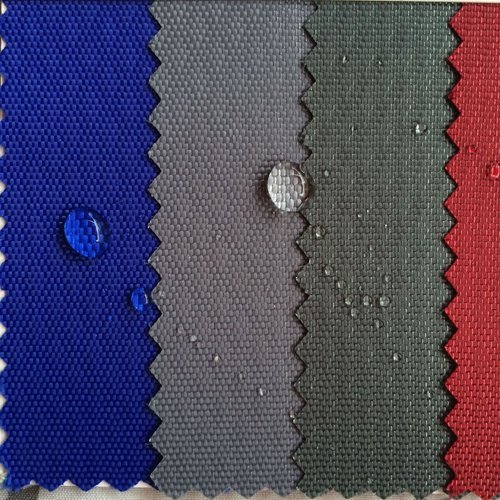
Order quantity, MOQ structure, color complexity, and finishing requirements don’t just “add cost” to viscose—they change how stable the cost can be from one PO to the next. In 2025, many sourcing teams have noticed something uncomfortable but true: two orders using the “same viscose fabric” can land at noticeably different unit costs simply because the production variables (run length, shade count, finish stack, lab-dip cycles, rework probability, scheduling priority) are different.
Cost predictability improves when production variables are simplified.
Why “how you buy” matters as much as “what you buy”
Viscose looks like a commodity when you’re buying large, standardized lots: common yarn counts, stable greige base, repeatable shades, and a limited finishing recipe. The moment you buy it in a way that fights mill efficiency—small lots, many colors, frequent shade changes, layered functional finishes—viscose starts behaving like a semi-custom material with:
- shorter quote validity
- higher risk premiums (especially for delivery certainty)
- more “adjustments” between bulk and approval stages
- less leverage to negotiate on unit price because the mill is pricing risk and complexity, not just raw inputs
This is why experienced mills will ask you production questions that feel unrelated to price (“How many shades? How tight is ΔE? How many lab dips? Any silicone softener? Any resin? Any enzyme wash?”). They are effectively forecasting the probability of rework and the line time your order will consume.
Order quantity and MOQ effects
Viscose production is optimized for continuous runs: stable loom scheduling, dyehouse batching, and finishing line throughput. When the run is too short, fixed costs dominate.
| Order Size | Price Behavior |
|---|---|
| Below MOQ | High unit cost |
| At MOQ | Base pricing |
| Above MOQ | Improved stability |
Why below-MOQ orders cost more (and vary more):
- Setup and cleaning time becomes expensive per meter/yards
- Dyehouse minimums create waste (you pay for chemistry that doesn’t fully translate into sellable meters)
- Yield loss becomes visible: if 2–3% is rejected, that’s manageable on 20,000 m, but painful on 1,500 m
- Scheduling penalty: short runs are harder to fit into capacity windows and often get pushed around
Small orders amplify:
- Setup costs
- Dye loss
- Scheduling inefficiency
Those costs are usually passed through as:
- higher unit price, or
- a “small lot surcharge,” or
- higher freight/handling cost allocation, or
- stricter payment terms and shorter quote validity
Where predictability improves: once you consistently hit MOQ and keep repeat runs similar, mills can quote with more confidence because your orders behave like a repeatable production program, not a series of exceptions.
MOQ structure: the detail most buyers miss
MOQ is not just “minimum meters.” In many viscose supply chains, there are multiple MOQs layered together:
- Greige MOQ (weaving/knitting minimum)
- Dyehouse MOQ (minimum batch size per shade)
- Finishing MOQ (minimum run per finish recipe)
- Lab-dip/approval MOQ (minimum for shade control and testing)
If you meet the greige MOQ but fail the dyehouse MOQ because you split the order into many shades, your “effective MOQ” is broken—and cost predictability drops.
A practical rule: SKU fragmentation turns one big order into many small orders from the mill’s point of view.
Color and shade complexity
Color is one of the most underestimated cost drivers in viscose, not because dye is expensive in isolation, but because color changes increase the chance of:
- extra lab dips
- longer processing time
- higher rework probability
- more QC checkpoints
- more rejects due to shade inconsistency
| Color Type | Cost Predictability |
|---|---|
| White / natural | High |
| Light shades | Medium |
| Dark / reactive shades | Lower |
| Custom seasonal colors | Lowest |
Why deep shades are less predictable:
- Higher dye load often means tighter process control and higher variance risk
- Longer time in dyeing/soaping/rinsing increases exposure to line variability
- Higher risk of streaking, barre, or shade drift across lots
- More sensitive to water quality and chemical stability (minor changes can shift shade)
Custom seasonal colors are the least predictable because they usually require:
- new color recipes (less historical stability)
- tight brand shade tolerances (ΔE limits)
- multiple approvals (lab dip → bulk dip → pre-production → bulk)
- higher pressure to hit a target shade quickly (which often costs more)
Hidden cost drivers inside “color complexity”:
- Shade tolerance (ΔE) and panel matching requirements
- Lot-to-lot matching requirements across multiple deliveries
- Multiple fiber blend lots (even small pulp or fiber differences can shift dye uptake)
- Re-dye or correction runs if the shade fails on first pass
If your product line accepts a small tolerance range, predictability rises. If you require “exact match to last year’s best seller under D65 and TL84,” you’re paying for tighter control and higher rework risk.
Finishing requirements as volatility multipliers
Finishing is where cost predictability often breaks. A finish recipe adds steps, chemicals, tests, and yield risks. Each step introduces another variable that can move cost.
| Finish | Price Stability |
|---|---|
| Standard softening | Stable |
| Pre-wash | Moderate |
| Anti-wrinkle | Variable |
| Functional finishes | High risk |
What makes finishing unpredictable in 2025:
- Chemical cost fluctuations (softeners, resins, crosslinkers, repellents, binders)
- Yield loss (shrinkage changes, hand-feel rejection, shade shift after finishing)
- Re-testing and compliance checks (especially if your buyer requires restricted substances testing)
- Process sensitivity: some finishes require strict curing temperature/time control; small changes can affect hand-feel and performance
Examples of why some finishes are “high risk”:
- Anti-wrinkle / resin finishes: can impact hand-feel and strength; may require additional testing and can create rejects if curing isn’t consistent
- Functional finishes (wicking, antimicrobial, UV, flame retardant, water/oil repellency): often require performance testing, and any failure triggers rework or downgrade
- Pre-wash / enzyme wash: adds variability in shrinkage, surface appearance, and shade; also increases water/energy usage and time
The more your finish stack looks like a “recipe,” the more your cost behaves like a project rather than a commodity purchase.
SKU fragmentation problem
When orders are split into many SKUs:
- each color/finish behaves like a mini-order
- MOQs apply multiple times
- scheduling becomes a puzzle
- the probability of at least one SKU needing rework increases
This is why teams sometimes feel like they “lose control” of viscose pricing even with stable base fabric. Their base fabric is stable; their ordering pattern is not.
Consolidation reduces exposure more effectively than aggressive negotiation because it removes the root cause of premiums: short runs and frequent changeovers.
Practical sourcing lesson: how predictability is “engineered”
One procurement team reduced average viscose cost volatility by over 6% simply by:
- limiting shade variations
- consolidating monthly orders
- aligning finishes across styles
No supplier change required.
Why this works:
- fewer dye batches → fewer chances for rework
- larger batch sizes → lower per-meter setup cost
- repeatable finish recipe → stable yield and QC outcomes
- longer planning horizon → better access to normal capacity windows (less urgency premium)
Supplier-side insight
At SzoneierFabrics, buyers who standardize finishes and plan color blocks in advance often see more stable quotes and longer validity, even in volatile markets. That isn’t a “relationship discount”—it’s a manufacturing reality: the mill can commit to pricing when the process path is repeatable and the risk of rework is lower.
What to do if you must run small lots and many colors (without losing predictability)
If your business model requires variety (fast fashion, capsule drops, seasonal palettes), you can still control volatility with a few operational rules:
- Create a core shade library: define 6–12 repeat shades that cover 70–80% of volume
- Use “color blocks”: group production by shade families to reduce changeovers
- Standardize one or two finish recipes: treat special finishes as exceptions with clear surcharge rules
- Pre-approve lab dips for repeat shades: keep records and reference standards so each season starts faster
- Combine SKUs into dyehouse-efficient lots: even if your internal SKUs differ, ship fabric in fewer production batches when possible
- Set quote validity expectations: longer validity usually requires stable variables (repeat shade + standard finish + MOQ+ volume)
These steps don’t eliminate volatility, but they convert “random premiums” into predictable rules, which is what procurement teams need to forecast costs accurately.
What market indicators should procurement directors monitor to forecast viscose fabric price movements in 2025?
Procurement directors should treat viscose pricing as a multi-input equation, not a single “fiber market” trend. Viscose fabric prices are pulled by upstream feedstock (dissolving pulp), energy and chemical costs, operating rates at fiber plants, freight and lead-time conditions, and currency. None of these indicators works perfectly alone. Together, they form a reliable early-warning system that helps you decide when to lock, split, or delay bookings.
Volatility favors the prepared.
Building a practical early-warning system
A workable monitoring system should do three things:
- Detect directional change early (before mills adjust fabric offers)
- Confirm trend strength (so you don’t react to noise)
- Translate signals into actions (buy now, buy later, split contracts, reduce colorways, etc.)
In 2025, the signal that matters most is not “today’s spot quote,” but how fast the cost stack is moving and whether suppliers are shortening quote validity windows.
Key upstream indicators to track
| Indicator | Why It Matters |
|---|---|
| Dissolving pulp index | Primary cost driver |
| Energy prices | Production cost |
| Fiber plant utilization | Supply tightness |
| Chemical regulations | Compliance cost |
| Logistics indices | Delivery cost |
These indicators often move before fabric prices adjust.
Below is how procurement teams can interpret each one in a way that’s useful for booking decisions.
Dissolving pulp index: the first domino
Dissolving pulp is the main feedstock for viscose. When pulp moves, viscose fiber producers feel it quickly—sometimes immediately through margins, sometimes with a lag depending on inventory and contract structures.
What to watch in practice:
- Quarter-over-quarter pulp direction: consistent declines can loosen fiber pricing; sustained increases can create “price floors.”
- Range widening (high volatility): even if the average looks stable, wider swings often make mills reduce quote validity.
- Supplier behavior: if mills start adding “pulp surcharge” language or reducing the days a quote is valid, it’s a strong early clue that upstream pressure is rising.
A tangible example of why pulp matters: market intelligence sources tracking viscose value chain inputs reported lower average dissolving pulp prices in 2025 versus 2024 (with monthly fluctuations). That kind of trend typically shows up in viscose offers later—unless other costs (energy, compliance, logistics) offset it.
How to use it:
- If pulp has risen for 2–3 consecutive reporting periods and utilization is stable or rising, start locking core greige or core colors earlier than normal.
- If pulp is falling but freight and energy are unstable, use split bookings rather than assuming a clean price drop.
Energy prices: the “silent multiplier”
Viscose production is energy-intensive, and so is downstream fabric finishing (dyeing, drying, heat setting). Energy cost volatility often shows up first as:
- higher conversion fees (dyeing/printing)
- stricter MOQ enforcement (mills protect efficiency)
- “no long hold” rules on quoted prices
Energy also influences production stability. When energy conditions tighten—whether due to cost spikes or rationing—mills may prioritize fewer constructions and fewer color runs, which can reduce effective supply flexibility even if the industry’s total capacity hasn’t changed.
What to monitor:
- Regional electricity and fuel trends in major viscose/fabric clusters (not only global oil headlines)
- Unplanned energy rationing notices or peak-season power constraints (these are often more important than average price levels)
How to use it:
- When energy risk rises, avoid over-customization. Reduce exposure by consolidating:
- fewer base constructions
- fewer shade standards
- fewer finishing variations
Fiber plant utilization: the tightness gauge you can’t ignore
Utilization tells you whether viscose fiber producers are running comfortably below capacity (more willingness to negotiate) or near capacity (less flexibility, faster price firming).
Why it matters:
- High utilization reduces spot availability and typically strengthens price discipline.
- Low utilization can soften pricing, but only if mills are not simultaneously facing margin pressure from pulp, energy, or compliance costs.
Some price reporting also links VSF price movements to “supply tightness,” import reliance, and logistics factors, reinforcing the idea that operating conditions—rather than demand alone—can drive price behavior.
What to watch:
- Announcements or reports of:
- maintenance shutdowns
- output cuts
- changes in operating rates
- Lead time changes that don’t match demand (a classic sign of capacity tightness)
How to use it:
- If utilization is tightening and mills begin extending lead times by even 1–2 weeks, treat it as a forward price signal and lock at least core volumes.
- If utilization is loose, use negotiation leverage—but still protect yourself against logistics spikes.
Chemical regulations and compliance costs: the “qualifying supply” filter
In 2025, compliance is not just a checkbox; it is a cost center and a supply filter. Programs and standards used across the industry (especially for man-made cellulosic fibers) are increasingly explicit about chemical management and facility performance expectations.
Why procurement should track this:
- Compliance upgrades raise operating costs (treatment systems, audits, monitoring).
- Enforcement waves can reduce “interchangeable” supplier options quickly.
- Mills that can meet higher standards may shift toward longer-term contracts and be less willing to chase spot business at low margins.
How to monitor without drowning in paperwork:
- Track whether suppliers are aligning with widely used MMCF guidance frameworks and implementation approaches (as reference points for expectations and reporting behavior).
- Watch for changes in:
- restricted substance requirements from your customers
- audit frequency
- new documentation demands (traceability, chemical inventory transparency)
How to use it:
- When compliance pressure rises, prioritize suppliers that can consistently document performance, even if their base price is slightly higher. In 2025, “cheap + risky” is often the most expensive option once delays and rejections are counted.
Logistics indices: the volatility amplifier
Freight does not always drive fabric price directly, but it drives delivered cost and can influence mill quoting behavior, especially for export-oriented orders.
Two practical reasons procurement teams should track container rate indices:
- They are an early read on whether shipping costs and space constraints are rising or falling.
- They often influence the “all-in landed cost” more than small fabric price shifts.
Recent logistics reporting shows that major container rate measures such as the Drewry World Container Index can move sharply week to week. Even when rates fall, volatility itself can trigger conservative quoting and shorter validity windows.
What to monitor:
- A baseline freight index (to see direction)
- Route-specific conditions relevant to your shipping lanes
- Carrier behavior signals:
- blank sailings
- sudden peak season surcharges
- contract renegotiation pressure
How to use it:
- When freight is unstable, avoid “single-shot” ordering. Use:
- partial contracts (lock some volume)
- staggered shipments (reduce exposure to one bad freight window)
- buffer lead time (protect delivery promises)
Currency signals: watch ranges, not daily noise
Viscose fabric trading often sits between USD pricing and local currency cost structures. Currency doesn’t need to move dramatically to matter; what matters is volatility and speed.
Watch:
- USD/RMB trends
- Volatility ranges, not daily moves
Sudden tightening often precedes:
- shorter quote validity
- faster repricing cycles
What to monitor in procurement terms:
- If suppliers begin quoting “valid for 3 days” instead of “valid for 15 days,” treat it as a warning even before your FX dashboard confirms volatility.
- If multiple suppliers simultaneously add FX adjustment clauses, assume price rigidity is increasing.
How to use it:
- In volatile currency windows, lock fewer speculative variations and focus on:
- core constructions
- proven color standards
- repeat orders that reduce development friction
Capacity and policy signals: the “weeks-ahead” indicators
Some of the best pricing clues in viscose are operational announcements, because they impact availability before price lists change.
Announcements of:
- plant maintenance
- environmental inspections
- energy rationing
often lead to price firming within weeks.
Even if you don’t have perfect visibility into fiber plants, you can detect these signals from:
- lead time extensions
- “allocation” language from suppliers
- delayed lab dips or slower dyehouse turnaround
- sudden MOQ tightening
How to use it:
- If you see lead times lengthen across multiple suppliers, assume supply is tightening and protect yourself with earlier bookings.
Buyer behavior as an indicator: market sentiment shows up in order patterns
Procurement directors should also watch the behavior of other buyers, because herd movement often shows up before published pricing changes.
When many buyers:
- rush to place orders
- shorten planning cycles
It usually signals upcoming price pressure.
Why this matters in viscose:
- Viscose sits in the middle of apparel and home-textile cycles, where sentiment changes quickly.
- Once buyers panic-buy, mills become selective, and prices firm—not always because costs skyrocketed, but because available allocation becomes the scarce resource.
How to use it:
- Track inquiry-to-order conversion speed internally. If you see stakeholders pushing “book now” more often than usual, it often correlates with market tightening.
- Use disciplined triggers (below) instead of emotion-driven buying.
Turning indicators into action
Indicators only matter if they lead to clean decisions. Effective teams typically use a simple rule set—something that a procurement manager can apply weekly without overthinking.
Effective teams:
- advance-buy core volumes
- lock partial contracts
- delay non-essential variations
These actions reduce exposure without freezing flexibility.
Here is a practical decision logic you can implement:
- Lock core greige / base fabric when:
- pulp rises consistently, or
- utilization tightens, or
- multiple suppliers shorten quote validity
- Split the buy (50/50 or 70/30) when:
- pulp is falling but freight/energy are unstable
- Delay non-essential variations (special finishes, many colorways, low-volume SKUs) when:
- energy volatility rises or
- logistics indices spike or
- suppliers start enforcing higher MOQs
The goal is not to “win the lowest price.” The goal is to control variance—variance in lead time, delivered cost, and re-approval risk.
Supplier insight
At SzoneierFabrics, procurement-focused buyers often request cost trend discussions, not just prices—using market signals to time sourcing decisions more strategically.
In 2025, the strongest sourcing conversations usually include:
- what upstream inputs are doing (pulp direction, energy pressure)
- what lead times are doing (capacity tightness)
- what logistics is doing (delivered cost volatility)
- what compliance requirements are changing (qualification stability)
When these topics are discussed early, buyers can structure orders to reduce risk—without sacrificing product development flexibility.
Volatility Is a Risk—But Also a Signal
Viscose fabric price volatility in 2025 is not a temporary anomaly. It reflects deeper changes in raw material sourcing, energy markets, environmental compliance, and global logistics. Procurement directors who treat volatility as noise will struggle. Those who treat it as information will gain leverage.
Stable sourcing in an unstable market comes from:
- Understanding cost drivers
- Choosing the right purchasing models
- Simplifying order variables
- Monitoring the right indicators
Price certainty is no longer given—it is designed.
If you are sourcing:
- Custom viscose or rayon fabrics
- Low-MOQ or mixed-color programs
- Fabrics requiring stable pricing over time
- Projects needing fast sampling with cost transparency
You’re welcome to contact SzoneierFabrics to discuss your sourcing strategy, request samples, or explore customized fabric solutions. Our team works closely with procurement leaders to balance cost control, supply stability, and production flexibility—especially in volatile markets.