 Skip to content
Waterless Laundry Systems: How Resorts Update Types of Linen in Housekeeping
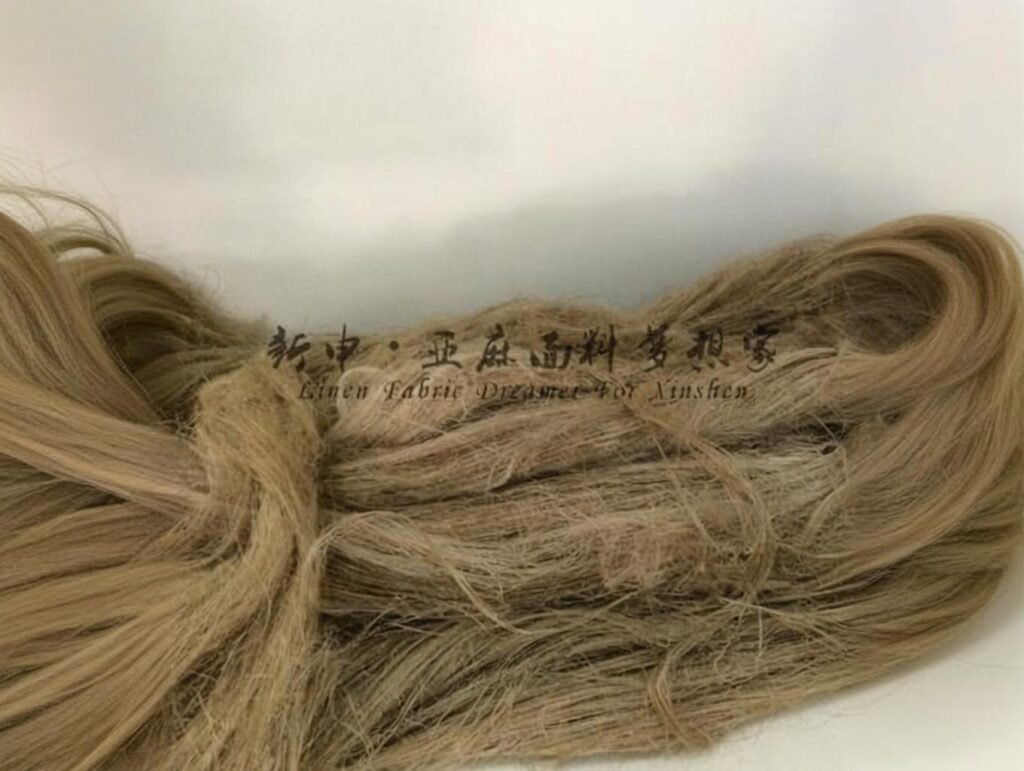
The hospitality industry has long been scrutinized for its high water and energy consumption—particularly in housekeeping, where daily linen laundering is a norm. With environmental concerns mounting and operational costs rising, forward-thinking resorts are turning to waterless laundry systems as a game-changing solution. This shift isn’t just about saving water—it’s transforming how resorts select, manage, and upgrade their linens to align with modern sustainability and guest experience standards. Resorts are adopting waterless laundry systems to reduce water usage and upgrade linen types for durability and energy efficiency. These systems reshape textile needs by prioritizing high-performance, quick-dry, and low-maintenance materials for housekeeping.
For example, eco-resorts in Southeast Asia report reducing linen replacement cycles by 25% after switching to low-abrasion fabrics compatible with ozone and polymer-based cleaning technologies. As more hotels follow suit, sourcing the right fabrics and reevaluating linen strategies becomes essential.
Let’s take you behind the scenes of these sustainable transitions, explore the technologies powering them, and unpack what kinds of linen products are reshaping hotel housekeeping in 2024.
1. What Are Waterless Laundry Systems and How Do They Work?
Waterless laundry systems refer to commercial-scale fabric cleaning technologies that use little to no water—typically replacing it with cleaning beads, compressed CO₂, ozone, or polymer-based solutions. These systems eliminate the need for heated water cycles and drastically reduce chemical discharge into local ecosystems. Waterless laundry systems use advanced technologies like polymer beads or CO₂ to clean fabrics without water. They reduce resource use, preserve textile quality, and lower operational costs.
- Polymer Bead Systems (e.g., Xeros™): These use reusable polymer beads that gently agitate and absorb dirt from fabrics. Proven to reduce water usage by up to 80% and energy by 50%.
- Ozone-Based Systems: Utilize ozone gas infused into the wash cycle to oxidize and lift dirt. Ideal for linen longevity, as ozone is less abrasive than hot water or chemicals.
- CO₂ Dry Cleaning Machines: Liquid CO₂ under pressure removes stains and odors, used in niche high-end hospitality settings.
- Impact on Fabric Selection: Traditional cotton linens may degrade under ozone or dry cleaning cycles. Blended materials like linen-cotton or linen-TENCEL® blends perform better under these systems.
| Technology | Water Usage Reduction | Avg. Linen Lifespan Boost | Suitable for |
|---|---|---|---|
| Polymer Beads | Up to 80% | 30–50% longer | Standard resort bedding, towels |
| Ozone Cleaning | 60–75% | 20–40% longer | High-rotation linens like pool towels |
| CO₂ Systems | 90%+ | 50%+ | Luxury sheets, robes, uniforms |
Critical Reflection: While promising, these systems require upfront investment and changes in laundry workflows. Resorts must re-train staff, re-evaluate chemical use, and reselect linens that can endure these new processes without color fading, pilling, or shrinkage. The long-term payoff, however, is undeniable both financially and environmentally.
2. Which Types of Linen Are Most Compatible with Waterless Systems?
Not all linen fabrics are created equal—especially when it comes to compatibility with dry or chemical-based cleaning systems. Resorts upgrading their laundry technology must also upgrade their textile strategy. Blended linen fabrics such as linen-polyester or linen-bamboo perform best in waterless laundry systems. They retain softness, resist abrasion, and dry quickly without shrinkage.
- 100% Linen vs Linen Blends:
- Pure linen is highly absorbent and breathable but may shrink or stiffen without proper water-based washing.
- Linen-cotton blends maintain comfort but withstand polymer systems better.
- Linen-polyester offers wrinkle resistance and better recovery in non-water laundering.
- Pre-Treated or Coated Linen:
- Resorts increasingly request antimicrobial, soil-resistant, or stain-release coatings compatible with ozone and dry cycles.
- These treatments preserve textile aesthetics after multiple cleaning cycles.
- Colorfastness & Fading:
- Dyes must be resistant to oxidizing agents (ozone) and inert to high-pressure CO₂. Reactive dyes or solution-dyed fibers are preferred.
- Texture Retention & Shrinkage:
- Mechanical friction in bead-based systems can cause pilling in loosely woven linen.
- Heavier GSM linens (180+) are more stable and survive repeated cycles.
| Fabric Type | Waterless Compatibility | Pros | Cons |
|---|---|---|---|
| 100% Linen | Medium | Natural texture, breathable | Shrinkage, possible fading |
| Linen-Cotton Blend | High | Soft, stable, cost-effective | May need ironing |
| Linen-Polyester | Very High | Quick dry, wrinkle-resistant | Less breathable |
| Linen-Bamboo | High | Eco-friendly, soft | Requires tighter weaving |
Critical Reflection: Sustainability does not mean compromising on performance. By choosing smart blends and requesting pre-finished linens tailored for dry-clean-like systems, resorts not only conserve water but reduce linen replacement rates. The key lies in collaboration with textile engineers during the fabric selection process, not just the laundry upgrade.
3. How Do Waterless Systems Influence Linen Lifecycle and Replacement Rates?
One of the biggest concerns for resorts is the cost and frequency of replacing worn-out linens. Traditional laundering with hot water, bleach, and aggressive spin cycles shortens the usable life of hotel sheets and towels. Waterless laundry systems promise longer fabric durability, but how much of a difference do they make? Waterless laundry systems significantly extend the lifecycle of hotel linens—often by 30% or more—by reducing fiber breakdown, shrinkage, and chemical abrasion during cleaning cycles.
- Reduced Fiber Degradation: Ozone and polymer systems avoid high temperatures and harsh detergents, preserving the tensile strength of linen fibers over time.
- Lower Mechanical Friction: Bead-based machines and CO₂ technologies reduce tumbling damage and minimize micro-abrasions that cause thinning or pilling.
- Real-World Example: A 2023 pilot program by a Caribbean luxury resort showed that switching to Xeros polymer bead systems extended the life of bed linens from 90 cycles to 130 cycles—a 44% improvement.
- Cost-Benefit Analysis: Even though waterless systems require a higher upfront investment, the reduction in linen replacements leads to long-term operational savings.
| Linen Item | Avg. Lifespan (Traditional) | Avg. Lifespan (Waterless) | Increase (%) |
|---|---|---|---|
| Bedsheets | 80–100 washes | 110–130 washes | +30–50% |
| Towels | 60–80 washes | 90–100 washes | +25–40% |
| Bathrobes | 50–70 washes | 80–90 washes | +30–60% |
- Environmental Impact of Lower Replacements: Each replaced sheet requires water, energy, and carbon to re-manufacture. Extending fabric life reduces waste, carbon emissions, and landfill pressure.
Critical Reflection: While linen longevity depends on GSM, weave structure, and chemical finishing, the laundering method is equally important. Waterless systems offer hotels a sustainability boost without compromising guest satisfaction. However, hotels must also train staff on handling and storing longer-lasting linens to avoid off-laundry wear and tear.
4. What Factors Should Hotels Consider When Selecting Linen for Sustainable Housekeeping?
Choosing the right linen isn’t just about softness or color—it’s a strategic decision tied to environmental impact, laundering compatibility, and guest comfort. With waterless systems becoming more popular, the decision matrix for linen selection is evolving. Hotels must consider fiber composition, GSM weight, finish treatments, and laundry compatibility when selecting linens to align with sustainable housekeeping goals under waterless systems.
- Fiber Content: Natural fibers like flax (linen) are breathable and sustainable but may require blends (e.g., linen-polyester) for long-term resilience in waterless systems.
- GSM (Grams per Square Meter): Higher GSM sheets (180–220) are more durable and less prone to tearing. For towels, GSM above 500 is recommended for waterless processing.
- Colorfastness & Chemical Resistance: Reactive dyes are more resistant to ozone and bead contact. Resorts should request certified OEKO-TEX® dye standards for consistency.
- Anti-Shrink & Wrinkle-Free Treatments: Pre-treated linens with resin or silicone finishes reduce ironing needs and help retain shape after CO₂ or ozone cleaning cycles.
- Guest Expectations vs. Maintenance Efficiency: Some guests prefer crisp, heavyweight sheets. However, lighter and softer linens that dry faster (even without heat) are more efficient in operations.
| Selection Factor | Recommended Specification |
|---|---|
| Fiber Type | Linen-poly blend, linen-cotton, TENCEL-linen |
| GSM for Bedding | 180–220 |
| GSM for Towels | 500–700 |
| Dye Type | Reactive or VAT dyes, OEKO-TEX® certified |
| Finishing | Anti-shrink, stain-release, wrinkle control |
Critical Reflection: Sustainable doesn’t mean basic. With textile innovation accelerating, hotels have access to luxurious-feeling linens engineered for eco-efficiency. Collaborating with manufacturers who understand these dual needs—style and sustainability—can give resorts a competitive edge in guest reviews and environmental certifications.
5. How Do Resorts Manage Linen Inventory Differently with Waterless Cleaning?
The shift to waterless laundry systems doesn’t just impact how linens are washed—it transforms how resorts manage their entire linen inventory lifecycle. Traditional par level calculations and rotation strategies must be reimagined when linen wear and wash frequencies change. Resorts using waterless systems typically lower their total linen inventory by 15–25%, thanks to extended fabric longevity and faster turnaround, optimizing storage and reducing excess stock.
- Lower Par Levels Required: Since linens last longer and can be cleaned with shorter cycles, hotels can reduce their standard inventory ratios (e.g., from 3:1 to 2.5:1 for sheets).
- Faster Linen Turnaround: Waterless systems such as polymer bead or ozone machines often complete wash cycles in 40–60% less time, increasing linen availability per day.
- Storage & Space Optimization: With fewer bulk backups needed, resorts can allocate less space to linen closets and more to guest services or operational rooms.
- Digital Tracking Enhancements: Inventory management software (like InvoTech or Flexkeeping) now integrates fabric lifecycle tracking based on wash count—not just visual inspection.
- Case Study: A sustainable resort in Greece reported a reduction from 4,000 to 3,100 units of bedsheets after switching to waterless systems. Their operations team used real-time data to monitor wash cycles and flagged linens for replacement only after 120 washes.
| Inventory Metric | Traditional Wash Systems | Waterless Laundry Systems |
|---|---|---|
| Standard Par Level (sheets) | 3.5 sets per bed | 2.5–2.8 sets per bed |
| Wash Cycle Time | 60–90 minutes | 25–45 minutes |
| Average Linen Lifespan | 80–100 washes | 110–130 washes |
Critical Reflection: Waterless laundry doesn’t just save water—it creates a ripple effect in operational planning. However, it requires training and tech integration to fully capitalize on its efficiency. Old-school manual rotation methods are no longer sufficient—real-time data and predictive usage models are the new standard.
6. Are Waterless Laundry Systems Cost-Effective for Boutique Hotels?
Boutique hotels often operate with tighter budgets and limited housekeeping infrastructure. So the real question is: can waterless laundry systems deliver ROI (Return on Investment) at smaller scales? Waterless laundry systems can be cost-effective for boutique hotels when factoring in long-term savings from reduced water usage, chemical consumption, and linen replacement, especially when paired with government incentives or equipment leasing options.
- Initial Investment Considerations: While systems like Xeros polymer bead units or ozone chambers require \$20,000–\$50,000 upfront, manufacturers now offer leasing or installment plans.
- Utility Savings Breakdown: Boutique hotels can reduce water bills by 60–80%, electricity by 30%, and chemical usage by 90% annually.
- Staff Efficiency: With shorter cycles and lower drying times, small teams can handle higher volume without increasing labor hours.
- Government Subsidies & ESG Credits: In countries like Germany, Canada, and parts of the U.S., hotels switching to sustainable laundry technologies receive environmental tax credits or green business certifications.
- ROI Example: A 40-room boutique hotel in Lisbon installed a mid-range ozone laundry system. Their utility savings alone paid off the system within 18 months, not accounting for extended linen life.
| Cost Metric | Traditional Laundry | Waterless System |
|---|---|---|
| Water Usage (per kg linen) | 10–15 liters | 1–2 liters |
| Energy Cost per Load | \$0.50–\$0.80 | \$0.30–\$0.45 |
| Avg. Chemical Cost per Load | \$0.20–\$0.40 | \$0.03–\$0.05 |
| Payback Period | – | 12–24 months (avg) |
Critical Reflection: Boutique hotels shouldn’t underestimate their ability to go green. In fact, their smaller scale allows for faster system integration and immediate impact. The key lies in choosing right-sized equipment and leveraging incentives to reduce upfront pressure.
7. What Are the Best Practices for Training Housekeeping Staff on New Linen Protocols?
Switching to waterless laundry systems and updated linen types brings new workflows, which require more than a simple memo or manual. Staff engagement, continuous learning, and hands-on trials are critical for smooth adoption. The best practices for training housekeeping staff on new linen protocols include clear standard operating procedures (SOPs), hands-on demonstrations, multilingual visual guides, and feedback loops tied to real-time performance monitoring.
- Visual & Multilingual SOPs: Create pictorial cleaning charts and flowcharts in the most common languages spoken by staff (e.g., English, Spanish, Tagalog) to ensure clarity across shifts.
- Hands-on Demonstration Sessions: Instead of one-time presentations, resorts hold weekly live training sessions during rollout—especially useful for folding techniques, handling polymer-treated fabrics, and using new digital tracking systems.
- Gamified Learning & Certification: Some hotels use tablet-based quizzes, badge systems, or simple competitions to increase participation in learning modules, especially for seasonal staff.
- Ongoing Monitoring & Feedback Loops: Supervisors use linen tracking software (like Quore or Hotelogix) to monitor compliance, spot errors in folding or sorting, and give feedback in near real time.
- Case Study – Maldives Resort: One 5-star resort saw a 38% drop in linen-related guest complaints after deploying a three-phase training program over two months. Each housekeeper passed a linen certification before working independently.
| Training Method | Adoption Rate | Error Reduction Rate |
|---|---|---|
| Visual SOP Posters | 70% | 30% |
| Hands-On Team Training | 90% | 50% |
| Tablet-Based Microlearning | 65% | 35% |
| Supervisor Feedback Sessions | 85% | 45% |
Critical Reflection: Housekeeping teams are often undervalued in tech rollouts. But without their buy-in, even the most efficient laundry system will falter. Personalized training—especially that which respects cultural and language diversity—is the true foundation of any operational upgrade.
8. How Are Leading Resorts Reporting ROI from Linen and Laundry Upgrades?
When justifying investment in linen upgrades or waterless laundry systems, management wants to see numbers. So how do top-tier resorts measure and present ROI in a way that convinces stakeholders and drives further sustainability efforts? Leading resorts measure ROI from linen and laundry upgrades through utility savings, linen lifespan extension, reduction in guest complaints, ESG scoring improvements, and brand reputation boosts—typically realizing full payback within 18–30 months.
- Utility & Chemical Savings: Monthly reports often detail water and energy usage reductions, sometimes in dashboards accessible to corporate HQ or sustainability partners.
- Extended Linen Lifespan: One luxury resort in Bali recorded a 40% increase in the usable life of pillowcases and towels—cutting their annual linen replacement budget by 33%.
- Guest Experience Metrics: Resorts measure softer ROI through Net Promoter Score (NPS) increases, cleaner smell feedback, and fewer linen-related room complaints.
- Certifications & ESG Reporting: Upgraded systems help properties earn LEED, Green Globe, or ISO 14001 certifications, contributing to higher ESG scores and brand value for international guests.
- Marketing & PR Benefits: Properties promote these upgrades in their sustainability pages, social media, and OTA listings. For example, being “chemical-free laundry” adds a unique selling point on booking platforms.
| ROI Metric | Before Upgrade | After Upgrade |
|---|---|---|
| Annual Linen Budget | \$120,000 | \$80,000 (–33%) |
| Water Usage per Year | 2.1 million liters | 600,000 liters (–71%) |
| Average Linen Lifespan (cycles) | 85 | 125 (+47%) |
| NPS (linen-related issues) | +38 | +52 |
| Payback Period (average) | – | 18–30 months |
Critical Reflection: ROI is no longer just a numbers game. In today’s market, sustainability and guest experience are interwoven with financial performance. Resorts that measure both tangible and intangible returns set themselves up not only for cost savings—but for long-term brand equity.
Ready to Elevate Your Linen Strategy?
Waterless laundry systems are more than a trend—they’re a smart operational shift that improves linen quality, guest satisfaction, and long-term costs. Whether you manage a large resort or a boutique hideaway, adapting your linen and cleaning strategy is now a strategic imperative.
Let SzoneierFabrics support your transition. We offer custom linen fabric manufacturing, low MOQs, rapid sampling, and export-ready support for hotels and resorts worldwide. Whether you’re upgrading towel inventory or need certified eco-textiles for waterless systems, our team is ready to deliver.
Contact SzoneierFabrics today to request a custom quote or consultation.
waterless laundry systems, hotel linen management, resort housekeeping linens, sustainable laundry for hotels, eco-friendly hotel linen, types of hotel linens, linen inventory control, housekeeping linen checklist, resort linen upgrade, microfiber vs cotton towels, luxury hotel bedding materials, hotel linen procurement, linen par level calculation, hotel linen life cycle, commercial laundry alternatives, linen tracking system, zero-water laundry solution, energy-efficient laundry hotel, green housekeeping practices, hospitality linen best practices, custom linen suppliers for resorts, commercial linen replacement strategy, smart laundry systems hospitality, hotel towel quality standards, updated housekeeping SOPs, water-saving laundry system, new housekeeping linen protocols, hospitality fabric manufacturers, hotel linen ROI case study, eco-laundry technology hotel
Can't find the answers?
No worries, please contact us and we will answer all the questions you have during the whole process of bag customization.
Make A Sample First?
If you have your own artwork, logo design files, or just an idea,please provide details about your project requirements, including preferred fabric, color, and customization options,we’re excited to assist you in bringing your bespoke bag designs to life through our sample production process.