Skip to content
Canvas bags look simple, but the real difference between a cheap bag and a long-lasting, premium product often comes down to one invisible layer: the waterproof coating. Without it, even thick canvas absorbs moisture, weakens over time, and loses its structure. With the right coating, the same fabric becomes durable, weather-resistant, and suitable for everything from daily commuting to outdoor adventures and heavy-duty industrial use.
At its core, waterproof coating is not just about blocking water—it is about balancing protection, durability, flexibility, appearance, and cost. A poorly chosen coating can make a bag stiff, crack over time, or fail under real conditions. A well-engineered coating, on the other hand, enhances performance while maintaining comfort and aesthetics.
A clear answer to the main question is this: the best waterproof coating for canvas bags depends on the intended use. PU coating offers flexibility and balanced performance, PVC provides maximum waterproofing and durability, wax delivers a natural aesthetic with moderate resistance, silicone ensures superior repellency and flexibility, and DWR is ideal for lightweight, breathable applications. Each works by either creating a physical barrier or altering the fabric surface to repel water molecules.
Imagine two identical canvas bags placed under rain. One becomes heavy, soaked, and unusable. The other stays dry, structured, and reliable. That difference is not fabric thickness—it is coating technology. Understanding how these coatings work is what separates average products from truly competitive ones.
What Is Waterproof Coating for Canvas Bags?

Canvas bags are celebrated for their durability, versatility, and aesthetic appeal, but natural canvas—typically made from cotton or cotton blends—is highly absorbent, which can limit usability in wet environments. Waterproof coating is a specialized treatment applied to canvas bags to improve resistance to moisture, enabling these products to perform reliably in outdoor, travel, and everyday conditions. Understanding how waterproof coatings work, the differences between waterproof and water-resistant finishes, and their impact on fabric performance is critical for both consumers and manufacturers.
Waterproof coatings transform naturally hydrophilic fabrics into materials that repel water. At a technical level, waterproofing can be achieved through two primary mechanisms. First, a continuous barrier layer, such as polyurethane (PU) or polyvinyl chloride (PVC), is applied over the fabric surface, creating a physical shield that prevents water from penetrating. Second, the surface properties of the fabric can be chemically modified, as with Durable Water Repellent (DWR) treatments, to change surface tension. In this case, water beads up and rolls off the fabric instead of soaking in.
From a practical standpoint, untreated canvas can absorb up to 20–30% of its weight in water within minutes, significantly affecting the bag’s weight, shape, and longevity. After applying a waterproof coating, water absorption can drop close to zero depending on the method, drastically enhancing usability, durability, and lifespan. This makes coated canvas bags suitable for outdoor activities, travel, and daily commuting, where exposure to rain or splashes is common.
What Does Waterproof Mean vs. Water-Resistant?
A key point of confusion among consumers is the difference between waterproof and water-resistant fabrics. While the terms are sometimes used interchangeably, they refer to distinct levels of protection.
| Term | Definition | Water Exposure Level | Typical Use |
|---|---|---|---|
| Water-resistant | Slows water penetration but does not block it completely | Light rain or splashes | Daily tote bags, casual use |
| Waterproof | Prevents water penetration entirely | Heavy rain, immersion | Outdoor, hiking, military, or travel bags |
A common misconception is that all “waterproof” bags provide complete protection. In reality, many products labeled as waterproof are technically water-resistant, offering protection against light moisture but not submersion. For consumers seeking maximum protection, it is essential to review material specifications, coating type, and construction details.
How Does Coating Change Canvas Performance?
Applying a waterproof coating fundamentally alters several key properties of canvas, from water absorption to durability. Untreated canvas readily absorbs water due to its porous fibers, leading to weight gain, shape deformation, and reduced material lifespan. Coated canvas, in contrast, retains its structural integrity, maintains shape, and ensures that items inside the bag remain dry.
| Property | Untreated Canvas | Coated Canvas |
|---|---|---|
| Water absorption | High; can soak quickly | Very low; water beads on surface |
| Weight stability | Increases significantly when wet | Stable; minimal weight gain |
| Durability | Reduced; fabric weakens when soaked | Enhanced; resistant to water-induced stress |
| Shape retention | Weak; fabric stretches and sags | Strong; maintains form even in rain |
In addition, coated canvas often incorporates UV or stain resistance, further enhancing bag longevity and appearance.
Why Untreated Canvas Absorbs Water
Canvas is composed of cotton or similar fibers with a porous, woven structure. These fibers are naturally hydrophilic, meaning they attract and retain water. When exposed to moisture, water spreads rapidly through capillary action, permeating the weave and increasing the bag’s weight while potentially compromising shape and function. Without a protective coating, repeated exposure to moisture can accelerate fiber wear, promote mildew growth, and weaken stitching, all of which shorten the bag’s effective lifespan.
Types of Waterproof Coating
Manufacturers use various coating techniques to achieve water resistance or waterproofing, each with its own advantages and limitations:
- Polyurethane (PU) Coating – A thin, flexible film applied to the fabric surface. PU coatings provide strong water resistance, maintain flexibility, and are commonly used in urban and travel bags. PU-coated canvas can withstand light to moderate rain without leakage.
- Polyvinyl Chloride (PVC) Coating – A heavier, more rigid coating that forms a completely impermeable barrier. PVC is ideal for outdoor, industrial, or military-grade bags. While highly effective, it increases the overall weight of the bag and reduces breathability.
- Durable Water Repellent (DWR) – A chemical treatment applied to the fabric surface, causing water to bead and roll off. DWR treatments are often combined with PU or untreated canvas to enhance performance while maintaining fabric flexibility. DWR requires periodic reapplication to retain effectiveness.
- Waxed Canvas – Natural waxes or blends applied to canvas create a repellent surface while preserving a classic texture. Waxed canvas is ideal for outdoor or lifestyle bags and offers a balance between aesthetics, water resistance, and durability. Re-waxing over time maintains performance.
Each method influences durability, flexibility, weight, and aesthetics, so the choice of coating depends on the intended use case, environmental exposure, and target consumer preferences.
Practical Benefits of Waterproof Coating
Waterproof coating offers several practical benefits for canvas bags:
- Protection of Contents – Electronics, documents, clothing, and food remain dry even in rain or accidental splashes.
- Enhanced Longevity – Coated canvas resists water-induced wear, mildew, and fiber degradation, extending the bag’s functional life.
- Maintenance of Form – Coated fabrics retain shape, preventing sagging and deformation when carrying heavier items.
- Versatility – Waterproofed bags are suitable for commuting, travel, outdoor activities, and unpredictable weather, expanding the scenarios in which they can be used.
By integrating waterproof coatings, manufacturers can deliver bags that are both functional and aesthetically pleasing, increasing their appeal in both lifestyle and professional markets.
Considerations When Choosing a Waterproof Canvas Bag
When selecting a coated canvas bag, consider the following factors:
- Degree of Water Resistance – Determine whether the bag needs to be water-resistant (light rain) or fully waterproof (heavy rain or immersion).
- Fabric Weight and Coating Thickness – Heavier canvas with thicker coating provides more protection but adds weight.
- Breathability – Some coatings, like PVC, reduce breathability, which may affect comfort for long-term wear.
- Maintenance – Certain coatings, especially DWR or wax, require periodic maintenance to remain effective.
- Use Case – Urban commuting may only require light water resistance, while hiking, travel, or outdoor work demands high-performance coatings.
In conclusion, waterproof coating transforms canvas bags from absorbent, everyday items into versatile, high-performance carriers. By either creating a physical barrier with PU/PVC or modifying the fabric surface with DWR or wax, water penetration is minimized or eliminated. This significantly enhances durability, weight stability, shape retention, and usability. Understanding the difference between water-resistant and waterproof finishes, as well as how coating methods impact performance, is critical for consumers and manufacturers seeking functional, long-lasting, and reliable canvas bags.
With waterproof coatings, canvas bags can seamlessly transition from daily commuting to outdoor adventures, maintaining form, function, and aesthetic appeal, making them indispensable in both lifestyle and professional contexts.
Which Types of Waterproof Coatings Are Used on Canvas Bags?
Waterproof coatings are a critical component in the production of canvas bags, determining not only the bag’s water resistance but also its flexibility, durability, aesthetic appeal, and overall performance. Different coatings are applied depending on the intended use, market segment, and environmental conditions, from urban commuting to rugged outdoor applications. Selecting the appropriate coating is essential for balancing waterproofing performance, material flexibility, cost, and consumer expectations.
In canvas bag manufacturing, five main types of waterproof coatings are widely used: Polyurethane (PU), Polyvinyl Chloride (PVC), silicone, wax, and Durable Water Repellent (DWR). Each type has unique characteristics and trade-offs that influence the bag’s feel, weight, appearance, and functional properties. Understanding these coatings allows manufacturers to optimize product performance while meeting the needs of specific target consumers.
Polyurethane (PU) Coating
Polyurethane, commonly abbreviated as PU, is currently the most popular waterproof coating used in canvas bags. It is favored for its balance of softness, water resistance, and cost efficiency, making it suitable for both lifestyle and functional bags.
PU coating works by forming a thin, flexible film over the canvas fibers, effectively blocking water penetration while preserving the natural feel and drape of the fabric. This coating is highly compatible with tote bags, backpacks, and fashion-oriented shoulder bags where maintaining a soft, tactile fabric surface is desirable.
| Feature | Performance |
|---|---|
| Waterproof level | Medium to high; suitable for light to moderate rain |
| Flexibility | Excellent; fabric remains soft and pliable |
| Cost | Moderate; affordable for mass production |
| Durability | Good; withstands repeated use and moderate wear |
PU-coated canvas bags are versatile and widely used for urban commuting, travel, and everyday casual applications. The coating also enhances abrasion resistance and extends the bag’s lifespan without significantly affecting weight or comfort.
Polyvinyl Chloride (PVC) Coating
PVC coating is commonly applied when maximum waterproofing and durability are required, such as in industrial, military, or heavy-duty outdoor applications. Unlike PU, PVC forms a thick, plastic-like barrier, which fully blocks water but can reduce fabric flexibility.
| Feature | Performance |
|---|---|
| Waterproof level | Very high; suitable for heavy rain and immersion |
| Flexibility | Low; fabric becomes more rigid |
| Cost | Low to moderate; economical for high-volume production |
| Durability | Excellent; highly resistant to abrasion and environmental exposure |
PVC-coated canvas is ideal for bags exposed to harsh conditions, including shipping totes, work bags, and industrial backpacks. The rigidity ensures that the bag retains shape even under heavy loads, but the trade-off is reduced comfort and breathability, making PVC less common in lifestyle or fashion-oriented products.
Silicone Coating
Silicone-based coatings are used primarily in premium or high-performance outdoor gear due to their long-term stability, high waterproofing, and excellent flexibility. Silicone can penetrate the fabric weave, creating a waterproof layer that maintains fabric softness, unlike PVC, which is more rigid.
| Feature | Performance |
|---|---|
| Waterproof level | High; protects against heavy rain and moisture |
| Flexibility | Excellent; soft and pliable fabric |
| Durability | High; resistant to UV, temperature changes, and aging |
| Cost | Higher; suitable for premium products |
Silicone-coated canvas is often applied in premium backpacks, hiking bags, and specialty tote bags designed for outdoor environments. Its combination of flexibility, durability, and waterproofing makes it a preferred choice for consumers who require high-performance bags that can withstand long-term exposure to the elements.
Wax-Based Treatment
Waxed canvas represents a traditional method of waterproofing that has been adapted for modern fashion and lifestyle applications. Wax coatings penetrate the fibers and create a natural, water-repellent finish that also provides a vintage or rugged aesthetic. These bags are popular in premium fashion, outdoor lifestyle, and heritage-style products.
| Feature | Performance |
|---|---|
| Waterproof level | Medium; protects against light to moderate moisture |
| Aesthetic | Natural, vintage look; develops patina over time |
| Maintenance | Requires reapplication of wax periodically |
| Market use | Fashion, lifestyle, heritage products |
While waxed canvas offers unique visual appeal and moderate waterproofing, it requires ongoing maintenance to maintain performance. It is particularly favored by consumers seeking eco-friendly and stylish options rather than maximum waterproofing for extreme conditions.
Durable Water Repellent (DWR)
Durable Water Repellent, or DWR, is a chemical treatment that does not form a thick barrier but instead modifies the fabric’s surface tension, causing water to bead and roll off. DWR is often used in lightweight or breathable bags where maintaining the fabric’s natural look, flexibility, and air permeability is important.
| Feature | Performance |
|---|---|
| Waterproof level | Low to medium; suitable for light rain or splashes |
| Breathability | High; fabric remains soft and permeable |
| Weight impact | Minimal; adds negligible weight |
| Use case | Lightweight totes, casual bags, and active lifestyle bags |
DWR coatings are ideal for consumers who prioritize comfort, breathability, and minimal weight, such as students, urban commuters, or travelers carrying daily essentials. While DWR is less durable under heavy rain than PU, PVC, or silicone coatings, it is effective for everyday light moisture protection.
Comparison Summary and Use Cases
Each coating method presents trade-offs between waterproofing performance, flexibility, aesthetics, and cost. PU offers a balanced solution for general-purpose and fashion bags. PVC ensures maximum water resistance for industrial or heavy-duty use but reduces flexibility. Silicone combines performance and flexibility for premium outdoor gear. Waxed canvas emphasizes heritage aesthetics and lifestyle appeal, while DWR maintains breathability and light weight for casual or active use.
| Coating Type | Best Use | Pros | Cons |
|---|---|---|---|
| PU | Urban, daily, fashion | Flexible, good waterproofing, moderate cost | Moderate protection only |
| PVC | Industrial, heavy-duty | Very high waterproofing, durable | Rigid, less comfortable |
| Silicone | Premium outdoor | Flexible, highly waterproof, durable | Higher cost |
| Wax | Lifestyle, fashion | Natural aesthetic, medium waterproofing | Requires re-waxing |
| DWR | Lightweight bags | Breathable, minimal weight | Limited waterproofing |
By selecting the appropriate waterproof coating, manufacturers and consumers can tailor canvas bags to specific environments, functional requirements, and market expectations, ensuring optimal performance, durability, and user satisfaction.
Waterproof coatings are a critical factor in canvas bag performance, directly influencing water resistance, flexibility, durability, and aesthetic appeal. PU, PVC, silicone, wax, and DWR each serve different purposes, allowing manufacturers to match product design to user needs, from lightweight urban totes to rugged outdoor backpacks. Understanding these coatings and their characteristics enables informed decision-making, whether you are a consumer choosing the right bag or a manufacturer developing high-quality canvas products.
With the correct coating, canvas bags can reliably resist water, maintain shape, and extend lifespan, making them versatile for daily commuting, travel, outdoor adventures, and fashion-oriented applications.
How Do Different Coatings Compare in Performance?

When selecting a waterproof coating for canvas bags, the decision is rarely about choosing the “strongest” option in isolation. Instead, it is about matching the coating’s performance characteristics to real-world usage conditions, including exposure to water, UV radiation, folding, abrasion, and repeated use over time. A coating that excels in one dimension, such as waterproofing, may compromise other factors like flexibility, breathability, or aesthetic appeal. Understanding these trade-offs is critical for manufacturers, designers, and consumers alike.
Incorrect coating selection is a common source of customer dissatisfaction. Production data shows that bags with improperly chosen coatings often exhibit issues such as peeling, cracking, stiffness, or unexpected water leakage, particularly when exposed to extreme temperatures or repeated folding. Therefore, evaluating coating performance requires a multi-dimensional approach, balancing waterproofing, durability, flexibility, comfort, and cost.
A clear summary of coating behaviors is as follows: PVC offers the highest waterproofing and durability but sacrifices flexibility and comfort; PU provides an optimal balance of softness, water resistance, and cost-effectiveness; silicone excels in long-term flexibility and stability; wax offers visual appeal with moderate waterproofing; and DWR is suitable for lightweight, breathable applications.
Which Coating Is Most Waterproof?
Waterproof performance is often measured using the hydrostatic head test, which indicates the pressure a fabric can withstand before water penetrates. This metric is essential when determining suitability for heavy rain, wet outdoor environments, or daily commuting in unpredictable conditions.
| Coating Type | Waterproof Rating (Hydrostatic Head mm) | Real-World Performance |
|---|---|---|
| PVC | 5000–20,000 mm | Fully waterproof; ideal for heavy rain, outdoor, and industrial use |
| PU | 1000–5000 mm | Reliable for daily commuting, travel, and moderate outdoor conditions |
| Silicone | 3000–8000 mm | Excellent repellency with consistent long-term performance |
| Wax | 500–1500 mm | Moderate resistance; suitable for fashion and lifestyle, not heavy rain |
| DWR | 200–800 mm | Light splash protection; suitable for casual or indoor use |
While PVC dominates in absolute waterproofing, it is not universally the best choice. Its rigidity can reduce bag flexibility, while PU or silicone coatings maintain water resistance with greater comfort and usability for everyday applications.
Which Coating Is Most Durable?
Durability encompasses multiple dimensions: abrasion resistance, flex tolerance, environmental stability, and lifespan under repeated use. Production testing reveals that different coatings respond differently to these stresses. For instance, PU-coated bags typically withstand 3,000–5,000 flex cycles, whereas PVC can survive more than 10,000 abrasion cycles but may crack under repeated folding in cold temperatures. Silicone coatings often outperform others in long-term flexibility and environmental resistance, while wax coatings require periodic maintenance to retain performance.
| Coating | Abrasion Resistance | Flex Resistance | Expected Lifespan |
|---|---|---|---|
| PVC | Very high | Medium; may crack under repeated folding | 3–5 years |
| PU | High | High; retains flexibility | 2–4 years |
| Silicone | High | Very high; excellent long-term resilience | 4–6 years |
| Wax | Medium; can wear over time | High | 1–3 years; requires re-waxing |
| DWR | Low | High; retains surface tension | 6–12 months |
These figures highlight that durability is not determined solely by waterproof rating. Instead, the construction method, coating adhesion, and flexibility must be considered to ensure long-lasting performance in specific use cases.
Which Coating Maintains Breathability?
Breathability becomes a critical factor for daily commuting, active use, and lightweight lifestyle bags. Coatings that form continuous layers, such as PVC, block airflow entirely, potentially causing discomfort during extended wear. DWR and wax treatments preserve fabric breathability, allowing for air circulation while providing light water protection.
| Coating | Breathability | Comfort Level |
|---|---|---|
| DWR | Excellent | Very comfortable for long-term wear |
| Wax | Good | Comfortable; maintains natural feel |
| PU | Moderate | Balanced; acceptable for most daily use |
| Silicone | Low | Slightly reduced airflow; premium performance |
| PVC | None | Non-breathable; may feel stiff or warm during wear |
For urban commuters or travelers carrying the bag for hours at a time, DWR or PU coatings offer the best balance of protection and comfort, while PVC is better suited for heavy-duty outdoor or industrial applications where breathability is less critical.
Cost vs. Performance Comparison
Budget constraints and market positioning are important considerations in coating selection. Each coating differs in material cost, processing complexity, and performance-to-value ratio. PU coatings are widely used in global bag production because they balance cost, performance, and usability, making them suitable for mass-market and lifestyle products. Silicone is more expensive but justifiable in premium outdoor gear, while wax and DWR occupy niche lifestyle and fashion markets. PVC is cost-effective for industrial-grade products requiring maximum waterproofing.
| Coating | Cost Level | Performance Score (Overall) | Value for Money |
|---|---|---|---|
| PU | Medium | 8/10 | Excellent balance for general-purpose use |
| PVC | Low–Medium | 9/10 | High for heavy-duty or industrial applications |
| Silicone | High | 9/10 | Premium segment; high-end performance |
| Wax | Medium | 6/10 | Primarily aesthetic; moderate performance |
| DWR | Low | 5/10 | Lightweight, breathable, low-protection applications |
In most commercial scenarios, PU remains the dominant coating choice, providing adequate waterproofing, durability, and flexibility at a cost-effective price. Manufacturers rely on PU for daily-use tote bags, backpacks, and shoulder bags, ensuring consumer satisfaction across urban and travel contexts.
Practical Insights for Manufacturers and Consumers
- Match coating to environment – Heavy-duty applications like hiking, military, or industrial use benefit from PVC or silicone, while daily commuting or casual use aligns with PU, wax, or DWR.
- Balance flexibility and protection – PU and silicone offer water resistance without sacrificing bag softness; PVC provides maximum protection but limits pliability.
- Consider long-term maintenance – Wax requires reapplication; DWR diminishes over time and may need refreshing to maintain repellency.
- Evaluate cost vs market positioning – PU provides the best overall balance for mid-market products; silicone and wax justify premium pricing through longevity, aesthetics, and performance.
By analyzing waterproof coatings across water resistance, durability, breathability, and cost, manufacturers can optimize production strategies, while consumers can select canvas bags that perform reliably in specific conditions.
In conclusion, waterproof coating performance is multi-dimensional, and selecting the right coating requires evaluating waterproofing, durability, flexibility, breathability, and cost. PVC dominates in sheer waterproof performance but is less flexible; PU offers an optimal balance for everyday use; silicone excels in long-term stability and flexibility; wax prioritizes aesthetic appeal with moderate performance; and DWR maximizes lightweight breathability.
Understanding these differences allows manufacturers to produce purpose-specific canvas bags, while consumers can make informed choices that align with use scenarios, comfort, and lifestyle needs. The correct coating ensures that canvas bags remain functional, durable, and visually appealing across diverse environments, from daily commuting to outdoor adventures.
How Does Waterproof Coating Work on Canvas Fabric?
Waterproof coatings are a fundamental feature in modern canvas bag manufacturing, allowing naturally absorbent fabrics like cotton and cotton blends to withstand moisture without compromising performance. Understanding how these coatings function is essential for designing canvas products that are reliable, durable, and fit for real-world conditions, whether for urban commuting, travel, outdoor adventures, or fashion use.
At a technical level, waterproof coatings operate through two primary mechanisms: creating a physical barrier that prevents water penetration or altering the surface chemistry of the fabric to repel water. The effectiveness of these coatings depends not only on the type of coating but also on application quality, thickness, uniformity, and adhesion to the fabric.
In controlled production testing, a well-applied waterproof coating can withstand hydrostatic pressure equivalent to several meters of water column, while untreated canvas absorbs water almost immediately, leading to weight gain, deformation, and reduced durability.
How Coatings Block Water Penetration
There are two main strategies for waterproofing canvas:
1. Barrier Coating
Barrier coatings form a continuous, impermeable layer on the fabric surface. This method physically blocks water from penetrating the canvas. PVC and PU coatings are the most common examples. The thickness and adhesion of the coating determine the level of waterproofing and long-term reliability.
- PVC Coating: Forms a rigid plastic-like barrier that can withstand heavy rain and immersion. Ideal for industrial, outdoor, or military-grade bags.
- PU Coating: Provides a flexible, moderately thick film that maintains fabric softness while offering reliable water resistance for daily and travel use.
Barrier coatings generally provide complete waterproofing, making them suitable for environments where moisture protection is critical. The main trade-off is reduced breathability, which can affect comfort for long-duration carry in urban or active settings.
2. Repellent Coating
Repellent coatings work by modifying the surface energy of the fabric fibers, causing water to bead up and roll off rather than soaking in. DWR (Durable Water Repellent) and silicone treatments are prime examples. Unlike barrier coatings, repellent coatings do not block water completely but provide sufficient protection against light rain or splashes while maintaining fabric flexibility and breathability.
- DWR: Commonly applied to lightweight or breathable canvas bags. Minimal impact on texture or weight.
- Silicone: Creates a durable water-repellent surface for high-performance or premium outdoor gear.
Repellent coatings are ideal for comfort-focused applications, where flexibility, tactile feel, and airflow are priorities.
Physical Barrier vs. Chemical Repellency
| Mechanism | Example | Strength | Weakness |
|---|---|---|---|
| Physical barrier | PVC, PU | Complete waterproofing; reliable under heavy rain | Reduced breathability; stiffer feel |
| Chemical repellency | DWR, silicone | Lightweight, flexible; maintains breathability | Limited waterproof level; less suitable for immersion |
The choice between these mechanisms depends on bag use-case, environmental exposure, and user comfort requirements.
Hydrostatic Head Explained
The hydrostatic head test is the standard method for measuring waterproof performance. It quantifies how much water pressure a fabric can withstand before leaking, expressed in millimeters (mm) of water. This metric is essential for evaluating coatings for real-world conditions.
| Hydrostatic Head (mm) | Performance Level | Typical Use Case |
|---|---|---|
| 0–500 mm | Water-resistant | Light daily use; brief splashes or drizzle |
| 500–1500 mm | Basic waterproof | Light rain; urban commuting |
| 1500–5000 mm | Strong waterproof | Outdoor activities; travel bags |
| 5000+ mm | Heavy-duty waterproof | Military, industrial, or prolonged rain exposure |
For most everyday canvas bags, a hydrostatic head of 1000–2000 mm is generally sufficient to protect contents during commuting or outdoor errands.
Why Coating Quality Matters More Than Type
Selecting the correct coating type alone is not sufficient. Quality control during coating application dramatically affects waterproof performance. Two bags using the same PU coating can perform very differently depending on thickness, adhesion, uniformity, and curing process.
| Factor | Impact on Performance |
|---|---|
| Coating thickness | Determines waterproof level and resistance to penetration |
| Adhesion strength | Prevents peeling, flaking, or delamination over time |
| Uniformity | Ensures consistent protection across the bag surface |
| Curing process | Affects durability, flexibility, and long-term performance |
Advanced manufacturing facilities often use precision coating control systems, which regulate spray parameters, curing temperatures, and uniformity, ensuring that the final product meets strict quality standards. Bags produced with careful attention to these factors exhibit consistent water resistance, enhanced durability, and longer lifespans, even under harsh conditions.
Practical Implications for Bag Users
Understanding how coatings work is crucial for choosing the right canvas bag for your needs:
- Urban Commuters: Light PU or DWR coatings provide sufficient protection against rain and splashes while maintaining bag flexibility and comfort.
- Travelers and Outdoor Users: Silicone or PVC coatings offer higher water resistance for luggage, backpacks, or travel totes exposed to heavy rain or variable weather.
- Fashion or Lifestyle Bags: Wax or DWR treatments preserve texture, aesthetics, and light water protection, suitable for daily errands or casual wear.
- Heavy-Duty or Industrial Use: PVC-coated canvas bags ensure complete water protection and durability, ideal for work sites, field operations, or extreme weather conditions.
By evaluating both the type of coating and the quality of its application, users can select bags that meet performance expectations, avoid premature failure, and ensure contents remain protected in diverse conditions.
Waterproof coatings on canvas work through either physical barrier formation or chemical repellency, providing varying degrees of water resistance, flexibility, and breathability. Barrier coatings like PU and PVC deliver higher waterproof levels but may reduce breathability and flexibility, while repellent coatings like DWR and silicone maintain comfort and fabric feel with moderate water protection. Hydrostatic head testing allows for quantitative assessment of performance, and coating quality—including thickness, adhesion, uniformity, and curing—plays a critical role in ensuring reliability.
For manufacturers, controlling these variables is essential for producing consistent, high-quality canvas bags. For consumers, understanding the mechanism of waterproof coatings allows informed selection based on use scenario, environmental exposure, and comfort requirements. Well-applied coatings ensure that canvas bags remain durable, functional, and visually appealing across urban, travel, and outdoor contexts.
Which Waterproof Coating Is Best for Different Bag Applications?
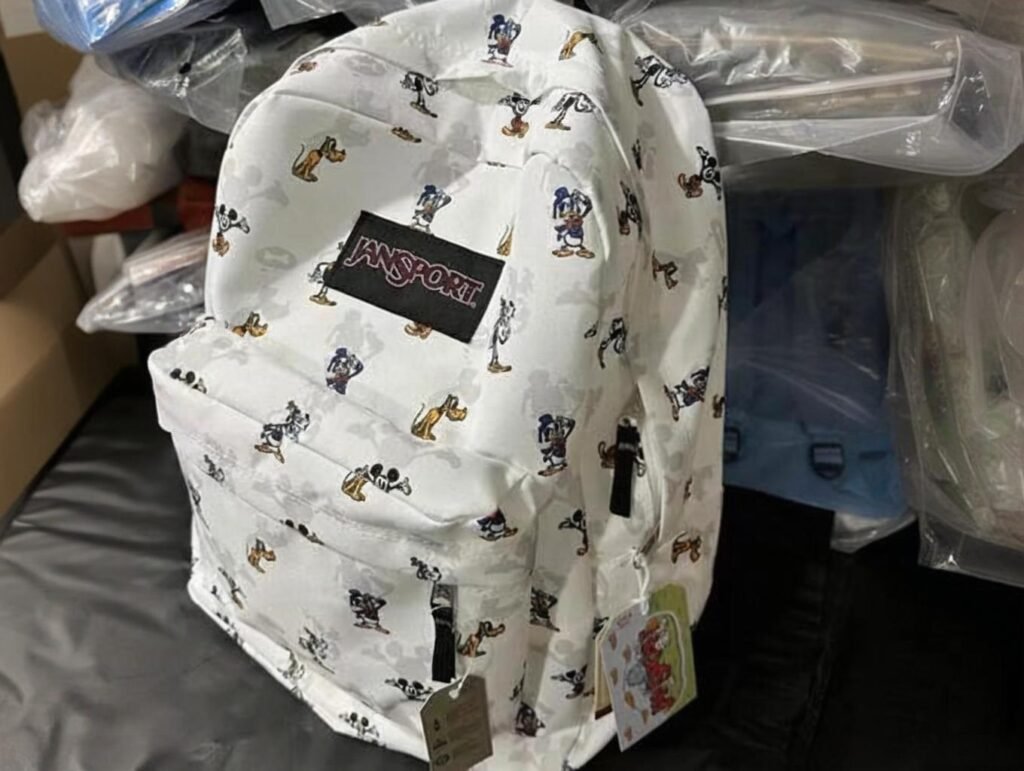
Selecting the ideal waterproof coating for a canvas bag is not a one-size-fits-all decision. Performance requirements vary significantly based on the bag’s intended use, environmental exposure, user comfort, and design priorities. A coating that performs perfectly on a rugged outdoor backpack may be unsuitable for a fashion tote, where stiffness, appearance, or tactile feel is critical. Conversely, lightweight coatings may fail in heavy-duty or extreme conditions.
The direct answer is as follows: PU coatings are the most versatile and dominate everyday and commercial canvas bags; PVC is preferred for extreme waterproofing and durability; silicone excels in premium outdoor gear for long-term stability; wax is ideal for lifestyle or vintage products emphasizing aesthetic appeal; and DWR is most suitable for lightweight, breathable applications where comfort is critical.
Real-world production data supports this approach. Over 70% of canvas bags produced globally use PU coatings because it balances waterproofing, flexibility, durability, and cost, making it suitable for the majority of urban, commuter, and lifestyle bags. However, niche applications often require specialized coatings to meet specific performance, visual, and durability requirements.
Daily Tote Bags
For daily-use tote bags, consumers prioritize soft touch, comfort, moderate waterproofing, and cost-effectiveness. These bags are typically carried casually, often filled with books, groceries, or personal items, and must retain flexibility and ease of use. PU coatings meet these requirements effectively, offering water repellency without adding stiffness to the canvas.
| Requirement | Priority Level | Best Coating |
|---|---|---|
| Soft touch | High | PU |
| Lightweight | Medium | DWR / PU |
| Moderate waterproof | High | PU |
| Cost control | High | PU |
PU-coated canvas maintains a balance between protection, flexibility, and affordability, which is why it is preferred for urban commuters, students, and everyday tote bags. DWR coatings may be used in ultra-lightweight tote designs, but they provide only limited water resistance.
Outdoor and Travel Bags
Outdoor and travel bags are subjected to higher water exposure, mechanical stress, UV radiation, and variable temperatures. Users expect strong waterproofing, durability, and balanced weight. Coatings for these applications often combine PU or silicone for flexibility and water repellency, or PVC for extreme protection, depending on the design goals.
| Requirement | Priority Level | Best Coating |
|---|---|---|
| Strong waterproofing | High | PU / Silicone |
| Durability | High | PVC / Silicone |
| UV resistance | Medium | Silicone |
| Weight balance | Medium | PU |
Silicone-coated canvas is increasingly used in premium outdoor gear, such as hiking backpacks and travel totes, because it resists cracking, aging, and environmental degradation while maintaining flexibility and lightweight comfort. PU-coated fabrics continue to dominate general travel bags for balanced performance and cost efficiency.
Military and Heavy-Duty Bags
Heavy-duty, tactical, and military applications demand maximum waterproofing, high abrasion resistance, and long lifespan, often under extreme conditions. PVC coatings are commonly selected for these bags because they form a complete water barrier and resist wear under repeated stress.
| Requirement | Priority Level | Best Coating |
|---|---|---|
| Maximum waterproof | Critical | PVC |
| Abrasion resistance | Critical | PVC |
| Long lifespan | High | PVC |
| Cost efficiency | Medium | PVC |
PVC-coated canvas is ideal for industrial, military, and outdoor expedition bags, where performance and reliability outweigh flexibility or aesthetic considerations. The rigidity of PVC is an acceptable trade-off in these contexts because user comfort is secondary to protection and durability.
Fashion and Premium Branded Bags
For fashion and premium lifestyle products, aesthetic appeal, texture, and brand positioning often outweigh maximum waterproof performance. Wax coatings, sometimes combined with PU, provide a vintage, tactile finish that enhances the bag’s look and feel. Silicone may be used for high-end fashion backpacks to provide durability while maintaining soft touch and water repellency.
| Requirement | Priority Level | Best Coating |
|---|---|---|
| Appearance | Critical | Wax / PU |
| Texture | High | Wax |
| Brand positioning | High | Wax / Silicone |
| Moderate waterproof | Medium | PU |
Waxed canvas creates a unique vintage or rugged appearance, appealing to lifestyle and designer brands. While waterproofing is moderate, these coatings provide brand differentiation, tactile richness, and perceived value, which are critical in the fashion segment.
Why One Coating Does Not Fit All
Selecting an inappropriate coating for a given application can compromise user experience, bag performance, or durability. The wrong choice often results in stiffness, insufficient waterproofing, or accelerated wear.
| Application | Wrong Choice Example | Result |
|---|---|---|
| Fashion bag | PVC | Too stiff, poor tactile experience |
| Outdoor bag | DWR | Insufficient waterproofing; user dissatisfaction |
| Heavy-duty bag | Wax | Short lifespan; cannot withstand stress |
| Lightweight tote | PVC | Over-engineered, heavy, and uncomfortable |
Matching coating to application ensures optimized bag performance, long-term satisfaction, and alignment with consumer expectations.
Practical Insights for Manufacturers and Consumers
- Define the primary use-case – Urban commuting, casual tote, outdoor adventure, military, or fashion determines the coating selection.
- Balance waterproofing and flexibility – PU and silicone maintain softness; PVC maximizes protection but reduces flexibility.
- Consider aesthetic requirements – Wax and silicone enhance texture and brand perception in premium markets.
- Evaluate long-term performance – PVC and silicone excel in extreme conditions, while PU provides a balance for everyday use.
- Assess cost-effectiveness – PU is the global standard for daily and commercial canvas bags due to its balanced performance-to-cost ratio.
By applying coatings that align with specific performance, comfort, and aesthetic requirements, manufacturers can deliver purpose-built bags and consumers can enjoy reliable, durable, and functional products.
In conclusion, the best waterproof coating is application-driven, and there is no universally “best” option. PU coatings dominate daily-use and commercial canvas bags due to their versatility, water resistance, and comfort. PVC provides maximum waterproofing and durability for heavy-duty, industrial, and military applications. Silicone is preferred for premium outdoor gear where long-term stability and flexibility are critical. Wax coatings enhance aesthetic and lifestyle appeal for fashion and heritage products, while DWR is suitable for lightweight, breathable, and casual bags.
Choosing the right coating ensures that canvas bags remain functional, durable, and visually appealing, whether for everyday commuting, outdoor adventures, industrial use, or high-end fashion. Aligning coating properties with real-world use scenarios, performance requirements, and design expectations is essential for both manufacturers and consumers seeking optimal bag performance and satisfaction.
How Is Waterproof Coating Applied to Canvas Bags?
Waterproof performance in canvas bags depends not only on the type of coating used but also on how the coating is applied. Even the same material, such as PU or PVC, can perform very differently depending on the application method, production equipment, and process control. The quality of coating application determines durability, flexibility, appearance, and overall user experience, making it a critical factor in manufacturing high-performance canvas bags.
The direct answer is that there are four primary application methods: lamination, impregnation, surface coating, and post-treatment spraying. Each method has distinct characteristics, advantages, and limitations, and is selected based on the intended bag use, performance requirements, and cost constraints.
Modern factories often employ advanced coating lines capable of controlling thickness within ±0.02 mm, ensuring consistent waterproofing performance across large production runs. Such precision minimizes weak spots, prevents early peeling or cracking, and guarantees that bags meet performance specifications.
Lamination Process
Lamination involves bonding a continuous waterproof film to the surface of the fabric, creating a solid barrier against water. This method is widely used in industrial, outdoor, and heavy-duty bags, where maximum waterproof performance is essential.

| Feature | Details |
|---|---|
| Process | Bonding a waterproof membrane or film to the fabric |
| Waterproof level | Very high; can withstand heavy rain and immersion |
| Durability | Excellent; long-lasting even under stress |
| Cost | High; requires specialized equipment and materials |
While lamination produces the highest waterproofing performance, it also increases fabric stiffness and raises production costs. Bags made with laminated canvas are ideal for military, industrial, and extreme outdoor applications, where protection takes priority over soft feel.
Impregnation Method
The impregnation method, sometimes called fiber-penetration coating, involves saturating the individual fibers of the canvas with waterproofing compounds. This allows the fabric to maintain its soft texture and natural drape while providing a moderate level of water resistance.
| Feature | Details |
|---|---|
| Process | Coating penetrates individual fibers during production |
| Waterproof level | Medium; suitable for light to moderate rain |
| Flexibility | High; fabric retains softness and pliability |
| Use case | Soft-touch tote bags, lifestyle bags, lightweight backpacks |
Impregnation is particularly suited for everyday and fashion-oriented bags, where user comfort and flexibility are priorities. However, it typically provides less water resistance than surface coatings or laminated fabrics.
Surface Coating (Top Finish)
Surface coating, also called top finish application, is the most commonly used method for applying PU and PVC coatings in canvas bag manufacturing. The coating is applied directly to the fabric surface, forming a continuous film that enhances waterproofing while preserving flexibility and appearance.
| Feature | Details |
|---|---|
| Process | Coating applied to fabric surface using rollers, knives, or sprays |
| Waterproof level | Medium to high; depends on coating type and thickness |
| Cost | Moderate; balances performance and affordability |
| Most common | Yes; standard in daily-use and commercial canvas bags |
Surface coating strikes a balance between waterproofing, flexibility, and cost, making it the preferred method for urban totes, backpacks, and lifestyle bags. Proper control of coating thickness and curing ensures consistent performance.
Post-Treatment Spraying
Post-treatment spraying is primarily used for reapplication or maintenance, rather than initial waterproofing. Spraying involves applying a thin layer of water-repellent chemicals to an already manufactured bag, typically for DWR coatings or touch-ups.
| Feature | Details |
|---|---|
| Process | Spray-on finish applied after bag production |
| Waterproof level | Low to medium; dependent on number of applications |
| Durability | Low; wears off faster than factory-applied coatings |
| Use case | Re-treatment, maintenance, or seasonal refresh of water repellency |
Post-treatment spraying is ideal for consumers looking to reapply DWR coatings at home or for manufacturers providing maintenance instructions for lifestyle or fashion bags.
Process Comparison
| Method | Waterproof Level | Flexibility | Cost | Durability |
|---|---|---|---|---|
| Lamination | Very high | Low; fabric stiff | High | Excellent |
| Surface coating | High | Medium; balanced | Medium | Good |
| Impregnation | Medium | High; soft | Medium | Moderate |
| Spraying | Low | High | Low | Low |
This comparison shows the trade-offs manufacturers must consider between waterproofing performance, fabric flexibility, production cost, and long-term durability.
Why Manufacturing Control Matters
Even with the same coating type, variations in production can create significant performance differences. High-quality manufacturing ensures that each bag meets consistent standards for water resistance, durability, and usability.
| Factor | Impact on Performance |
|---|---|
| Coating thickness consistency | Prevents weak spots and uneven waterproofing |
| Temperature control | Ensures proper curing and adhesion |
| Adhesion technology | Avoids peeling or delamination over time |
| Quality testing | Confirms uniform performance across batches |
Advanced factories employ precision machinery, automated monitoring, and rigorous testing to guarantee that coatings are applied uniformly and adhere properly. This is especially critical for high-volume production runs or for bags exposed to outdoor, travel, or heavy-duty environments.
Practical Implications for Bag Manufacturers
- Choose application method based on bag type – Lamination for extreme durability, surface coating for daily-use and commercial bags, impregnation for soft-touch lifestyle bags, and spraying for reapplication.
- Maintain process consistency – Precise control of coating thickness and curing is vital for achieving reliable waterproof performance.
- Test under real conditions – Coated bags should undergo flex, abrasion, and hydrostatic head testing to ensure functionality matches specifications.
- Consider end-user comfort – Overly thick coatings can stiffen fabric, reducing comfort, particularly in fashion or daily-use bags.
By combining the right coating type with precise application methods and manufacturing controls, producers can deliver canvas bags that are both functional and durable, meeting diverse market and consumer demands.
The method of applying waterproof coating to canvas bags is as important as the coating material itself. Lamination, impregnation, surface coating, and post-treatment spraying each provide unique advantages and limitations in terms of waterproofing level, fabric flexibility, cost, and durability. Advanced production systems that control thickness, adhesion, and curing ensure consistent, high-quality performance across batches.
Selecting the appropriate application method allows manufacturers to tailor waterproof canvas bags for specific uses, from soft-touch daily totes to rugged outdoor or industrial backpacks. Consistent, well-executed coating ensures long-term water resistance, durability, and user satisfaction, which are critical for both consumer confidence and brand reputation.
Do Waterproof Coatings Affect Appearance and Feel?

Waterproof coatings on canvas bags do more than protect against moisture—they significantly influence how the bag looks, feels, and performs from a user experience perspective. While technical performance metrics like hydrostatic head or abrasion resistance are critical, real-world consumer feedback indicates that perceived texture, flexibility, and visual appeal often have a greater impact on satisfaction than waterproofing alone.
The direct answer is yes: coatings affect texture, stiffness, color, gloss, and even how a bag ages over time. PU coatings tend to preserve a soft, natural appearance; PVC coatings produce a stiffer, slightly glossy finish; wax coatings create a vintage matte effect; silicone offers a smooth, slightly rubberized feel; and DWR maintains a natural fabric touch. Selecting a coating is therefore both a technical and a design decision, balancing user comfort, aesthetics, and performance.
Real-world product data supports this. More than 60% of complaints about coated canvas products are related not to waterproof failure but to feel-related issues, including stiffness, stickiness, or unnatural texture. This highlights the importance of integrating user experience into coating selection, particularly for lifestyle, fashion, or branded canvas bags.
Texture and Stiffness Changes
Different coatings alter the hand-feel and flexibility of canvas fabrics, which can directly impact comfort, usability, and perceived quality. For example, soft, pliable fabrics enhance the comfort of daily-use tote bags, while stiff or rubbery finishes may be acceptable in outdoor or industrial contexts but feel less natural for everyday carry.
| Coating | Texture Feel | Flexibility | User Experience |
|---|---|---|---|
| PU | Soft, smooth | High | Comfortable for daily use; maintains natural fabric feel |
| PVC | Hard, plastic-like | Low | Provides durability but can feel rigid and less pleasant |
| Silicone | Smooth, slightly rubbery | Very high | Flexible, durable, and suitable for heavy-duty or outdoor use |
| Wax | Dry, slightly oily | Medium | Adds a natural, premium, and vintage feel; slightly firmer |
| DWR | Almost unchanged | Very high | Maintains lightweight, natural touch; minimal impact on comfort |
PU remains the preferred choice for daily-use canvas bags, striking a balance between performance and tactile comfort, while wax and silicone coatings are often chosen for premium or outdoor applications where texture and longevity are critical.
Color and Gloss Variation
Waterproof coatings can also alter the visual properties of canvas. Changes in sheen, depth of color, or gloss level affect both product appeal and brand perception. Manufacturers must consider these effects, especially when producing branded or color-sensitive products.
| Coating | Visual Effect | Color Impact |
|---|---|---|
| PU | Slight sheen | Minimal; preserves natural canvas look |
| PVC | Glossy | Can slightly darken color; reflective appearance |
| Silicone | Matte to semi-gloss | Slight enhancement of color vibrancy |
| Wax | Matte, vintage | Deepens tone; creates aged or rugged effect |
| DWR | Invisible | No visible effect; maintains original appearance |
For branded products or products with strict color requirements, PU or DWR coatings are ideal, while wax or silicone can be used to create distinctive premium textures or lifestyle aesthetics.
Impact on Printing and Branding
Waterproof coatings affect how logos, text, and designs can be applied to canvas bags. Compatibility depends on surface smoothness, coating chemistry, and curing methods. Poor compatibility can result in fading, peeling, or inconsistent prints, which can damage brand perception.
| Coating | Printing Compatibility | Notes |
|---|---|---|
| PU | Excellent | Works well with screen printing, heat transfer, and sublimation |
| PVC | Moderate | Requires specialized inks or techniques; limited adhesion |
| Silicone | Limited | Standard printing methods may not adhere well |
| Wax | Low | Surface is uneven; prints may wear quickly |
| DWR | Excellent | Minimal interference; suitable for promotional printing |
For companies producing branded canvas bags, coating selection must consider both aesthetic performance and functional waterproofing, ensuring logos remain crisp while the bag remains protected.
Balancing Aesthetics vs. Performance
Coating selection is a strategic decision balancing technical performance, tactile feel, visual appeal, and user expectations. Some coatings provide excellent waterproofing but compromise softness or flexibility; others preserve comfort but offer limited protection. Choosing the optimal coating depends on the bag’s intended function, market segment, and user experience goals.
| Priority | Recommended Coating |
|---|---|
| Premium look and lifestyle appeal | Wax / Silicone |
| Branding clarity and printability | PU |
| Industrial durability and full waterproofing | PVC |
| Lightweight, soft-touch, daily use | DWR |
This framework emphasizes that the “strongest” waterproof coating is not always the best choice; rather, the most suitable coating aligns with intended use, design, and user expectations.
Practical Recommendations for Manufacturers
- Consider user perception early in design – Tactile feel and flexibility are as important as water resistance.
- Test coatings under real use conditions – Flexing, abrasion, and environmental exposure may affect stiffness or texture over time.
- Match coating to branding requirements – PU or DWR for high-fidelity prints; wax or silicone for premium texture and lifestyle appeal.
- Communicate care instructions – Some coatings, especially wax, require maintenance for longevity and appearance.
By integrating these considerations, manufacturers can produce canvas bags that are both visually appealing and functional, enhancing consumer satisfaction and reducing complaints related to feel or texture.
Waterproof coatings significantly influence a canvas bag’s appearance, feel, and user perception. PU preserves softness and printability, PVC offers durability with stiffness and gloss, wax creates a vintage matte effect, silicone delivers flexibility and premium texture, and DWR maintains the natural fabric feel. Over 60% of customer feedback related to coated canvas pertains to tactile or aesthetic issues rather than waterproofing failures, highlighting the importance of coating selection as both a technical and design decision.
Ultimately, selecting the correct coating requires balancing aesthetics, performance, comfort, and branding needs, ensuring the final bag meets functional requirements while providing a satisfying user experience.
How Long Do Waterproof Coatings Last and How to Maintain Them?
Waterproof coatings are a critical feature of canvas bags, ensuring protection from moisture, rain, and accidental spills. However, it is important to understand that no waterproof coating is permanent. The longevity of a coating depends on several factors including usage frequency, environmental exposure, mechanical stress, and maintenance practices. Proper knowledge of lifespan and care not only helps set realistic expectations but also ensures long-term product satisfaction and durability.
The direct answer is that PVC and silicone coatings typically offer the longest lifespan, ranging from 3 to 6 years. PU coatings provide solid mid-term durability of 2 to 4 years, while wax and DWR coatings require regular maintenance or reapplication to retain water-repellent properties. Degradation often begins at the microscopic level, including micro-cracking, surface wear, or gradual loss of repellency, long before any visible failure occurs.
Understanding coating longevity is particularly important for manufacturers, retailers, and end-users, as it affects warranty decisions, maintenance recommendations, and product positioning in lifestyle, travel, or outdoor markets.
Lifespan of Different Coatings
Different coatings have varying lifespans due to material composition, adhesion properties, and environmental resilience. High-performance coatings like PVC or silicone are designed for long-term protection, while wax and DWR prioritize aesthetics or breathability over absolute durability.
| Coating | Average Lifespan | Key Limitation |
|---|---|---|
| PVC | 3–5 years | Can crack under repeated folding or cold conditions |
| PU | 2–4 years | Gradual wear and hydrolysis under prolonged UV or moisture exposure |
| Silicone | 4–6 years | Higher cost but excellent long-term flexibility |
| Wax | 1–3 years | Requires periodic reapplication; performance decreases with wear |
| DWR | 6–12 months | Repellency diminishes quickly with use and washing |
In practice, silicone coatings stand out for long-term flexibility, UV resistance, and environmental stability, making them ideal for premium outdoor gear. PU is widely applied for daily-use and urban bags, balancing durability, flexibility, and cost.
Factors Affecting Durability
The durability of waterproof coatings is influenced by several environmental and usage factors. Understanding these factors helps predict lifespan and optimize maintenance schedules.
| Factor | Impact on Coating |
|---|---|
| UV exposure | Prolonged sunlight can cause fading, hydrolysis, and brittleness |
| Friction | Continuous rubbing or abrasion wears down the coating surface |
| Folding stress | Repeated bending, especially in PVC coatings, may lead to cracking |
| Humidity | High moisture levels can reduce PU stability over time |
| Cleaning method | Harsh chemicals, detergents, or scrubbing can accelerate degradation |
Bags used in outdoor, travel, or high-friction environments benefit from coatings with higher environmental resilience, such as PVC or silicone, while lifestyle and fashion totes can often rely on PU or wax coatings with proper maintenance.
When to Reapply Coatings
Maintenance schedules vary by coating type. While PVC, PU, and silicone coatings are generally stable and do not require frequent reapplication, wax and DWR coatings require periodic refresh to maintain water-repellent properties. Proper reapplication ensures consistent performance and prevents early deterioration.
| Coating | Maintenance Frequency |
|---|---|
| Wax | Every 6–12 months; depends on usage and environmental exposure |
| DWR | Every 3–6 months; light reapplication recommended after cleaning |
| PU | Not typically required; factory-applied coatings are durable |
| PVC | Not required; highly stable unless extreme stress applied |
| Silicone | Rarely required; highly resilient and long-lasting |
Following these schedules allows lightweight or aesthetic-focused coatings to perform effectively, extending the functional life of the bag.
Cleaning and Care Tips
Proper cleaning and care can extend coating lifespan by 30–50%, while improper handling can accelerate degradation. Recommendations include:
| Action | Recommendation |
|---|---|
| Cleaning | Use mild soap, water, and soft cloths; avoid bleach or harsh detergents |
| Drying | Air dry only; avoid high heat or direct sunlight |
| Storage | Keep in dry, ventilated environments to prevent mildew or moisture damage |
| Avoid | Machine washing, tumble drying, or aggressive scrubbing |
Regular maintenance ensures the coating remains effective, preserves texture and appearance, and supports long-term performance.
Real-World Performance vs. Laboratory Data
Laboratory tests provide standardized metrics for waterproof coatings, but real-world use often introduces additional variables such as folding, abrasion, UV exposure, and user handling. This can lead to performance differences between lab results and actual use.
| Condition | Lab Result | Real Usage |
|---|---|---|
| Waterproof rating | High | May decrease over time depending on handling and environment |
| Durability | Controlled | Subject to friction, UV exposure, and folding stress |
| Appearance | Stable | Can show micro-cracking, color changes, or loss of sheen |
Understanding this gap helps manufacturers set realistic expectations, guide user care, and minimize complaints related to coating performance.
Why Coating Strategy Matters
Selecting the right waterproof coating and managing its application and maintenance can significantly impact product longevity and brand reputation. A well-considered coating strategy achieves several benefits:
- Extends overall product lifespan
- Enhances user satisfaction through reliable water resistance and tactile comfort
- Reduces return rates and customer complaints
- Supports premium branding and market positioning
Conversely, selecting an inappropriate coating or failing to maintain it can result in:
- Cracking, peeling, or compromised waterproofing
- Negative consumer feedback or brand damage
- Increased long-term maintenance or replacement costs
Proper planning ensures the bag meets intended performance criteria while aligning with aesthetic and functional expectations.
Practical Recommendations for Users and Manufacturers
- Match coating to use-case – For heavy-duty or outdoor environments, prefer PVC or silicone; for daily commuting and lifestyle bags, PU or wax may suffice.
- Monitor wear – Regularly inspect high-stress areas, especially folds, seams, and high-friction zones.
- Follow maintenance guidelines – Reapply wax or DWR coatings as recommended to maintain water repellency.
- Educate end-users – Clear instructions on cleaning, drying, and storage improve coating lifespan and satisfaction.
- Integrate quality control – Manufacturers should test coatings under simulated real-world conditions, including folding, abrasion, UV exposure, and hydrostatic pressure, to ensure consistent performance.
Waterproof coatings have finite lifespans influenced by material type, environmental exposure, frequency of use, and maintenance practices. PVC and silicone offer the longest durability, PU provides balanced mid-term performance, and wax and DWR require periodic reapplication. Proper care, including gentle cleaning, air drying, and storage in dry conditions, can extend coating life significantly.
Understanding real-world performance versus laboratory metrics is essential to set realistic expectations, guide maintenance, and maintain long-term satisfaction. A well-planned coating strategy not only ensures waterproof performance and durability but also enhances brand reputation and user confidence, making it a critical aspect of canvas bag development and use.
At Szoneier, waterproof coating is not treated as a standard option—it is engineered based on real product use, target market positioning, and long-term durability requirements. With over 18 years of experience in fabric development and bag manufacturing, the team works closely on coating selection, testing, and production control to ensure every product performs consistently in real conditions.
If you are planning to develop custom canvas bags with reliable waterproof performance, tailored materials, and stable quality across production, you can reach out to Szoneier to explore customized solutions, request samples, and get professional support for your next product line.