Skip to content
When it comes to outdoor furniture, nothing matters more than durability, comfort, and weather resistance. As outdoor living spaces become an extension of the home, the materials used must stand up to the elements—rain, snow, sun, and humidity. Waterproof vinyl fabric has emerged as a go-to solution for manufacturers looking to offer long-lasting, easy-to-maintain furniture. Waterproof vinyl fabric, commonly used in outdoor furniture, is made through a combination of durable PVC or PU coatings applied to woven polyester or nylon substrates. This fabric is designed to resist water, UV rays, and mildew, making it a top choice for outdoor cushions, covers, and upholstery. Manufacturers should ensure they select the right coating and fabric weight for optimal performance and longevity.
For furniture manufacturers, selecting the right waterproof vinyl fabric can make all the difference. While all vinyl fabrics may look similar at first glance, the variations in coatings, weight, and material composition directly affect performance. One small misstep in material selection can lead to premature fading, cracking, or peeling. Let’s dive into the factors that affect waterproof vinyl fabric performance and how manufacturers can make informed decisions.
What Is Waterproof Vinyl Fabric and How Is It Manufactured for Outdoor Use?
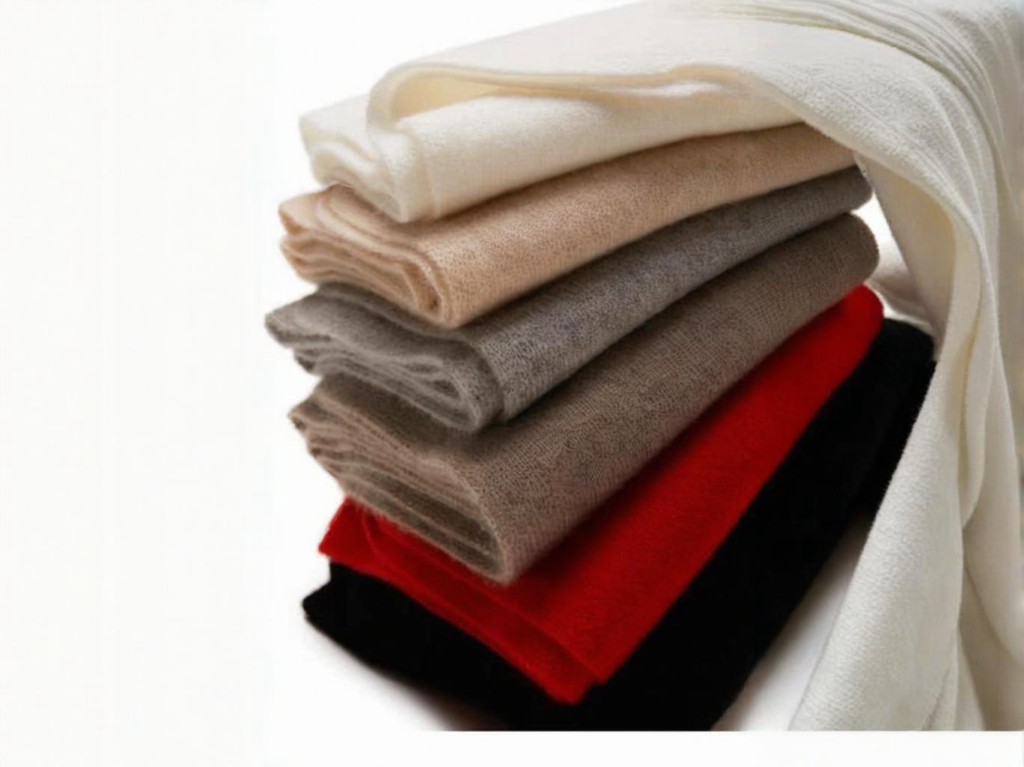
Waterproof vinyl fabric has become one of the most trusted materials for outdoor furniture, marine upholstery, shade structures, and high-usage commercial environments. Its rise in popularity is not accidental. Outdoor applications demand a textile that can face an unpredictable mix of harsh sunlight, heavy rain, humidity swings, and constant physical abrasion—conditions under which traditional woven fabrics quickly deteriorate. Vinyl-coated fabrics, especially those based on polyester or nylon substrates, offer a uniquely effective combination of water resistance, mechanical strength, UV stability, and longevity.
Outdoor product designers often evaluate several technical parameters before selecting a performance fabric: hydrostatic head rating (typically 1,000–10,000 mm for vinyl fabrics), tensile strength (often 800–1,200 N/5cm), tear resistance, thickness, coating adhesion, and long-term color retention. Waterproof vinyl consistently ranks high across all categories because the coating forms a continuous, non-porous barrier that does not allow water molecules to pass through—even under pressure. Waterproof vinyl fabric is a synthetic textile made by coating a strong polyester or nylon base with PVC or PU, creating a fully waterproof, UV-resistant surface ideal for outdoor use. Its manufacturing process includes fabric selection, coating, heat bonding, UV treatment, and rigorous quality testing to ensure long-term durability in rain, sun, and high-humidity environments.
The demand for waterproof vinyl has expanded well beyond basic patio furniture. Luxury resorts, yacht manufacturers, outdoor café chains, and RV brands now rely on it because it provides the performance of marine-grade fabrics at a more cost-efficient level. But the real story behind its reliability lies in the manufacturing process—each stage engineered to strengthen the fabric and protect it from long-term degradation. Understanding this process helps buyers, designers, and procurement teams make better material choices for outdoor projects.
Understanding the Manufacturing Process of Waterproof Vinyl Fabric
Waterproof vinyl fabric is not a single material but a layered system. Each layer contributes to performance: the base fabric for strength and stability, the coating for water impermeability, and the finishing layers for lightfastness and weather protection. The manufacturing process includes controlled steps that determine the final texture, stiffness, weight, and performance rating.
Fabric Selection: The Foundation of Strength
Every waterproof vinyl begins with selecting the right base fabric. Polyester is used in more than 80% of waterproof vinyl fabrics for outdoor applications, while nylon accounts for the remainder.
Base Material Characteristics
- Polyester (PET): Polyester is hydrophobic, dimensionally stable, and highly resistant to stretching or shrinking. Outdoor vinyl fabrics using 300D–1200D polyester are common, depending on the intended application. Thicker deniers, such as 900D or 1200D, are used for marine seating and commercial furniture because they offer better tear strength.
- Nylon: Nylon provides superior tensile strength and abrasion resistance, making it desirable for heavy-duty tarpaulins or industrial covers. However, nylon absorbs more moisture than polyester, so its long-term dimensional stability is slightly lower.
Weaving Techniques
The weave determines the firmness and resistance of the base cloth:
- Plain Weave: Balanced and stable; commonly used for cushions and furniture upholstery.
- Basket Weave: Offers a more textured surface with improved tear strength.
- Oxford Weave: Frequently used for thicker vinyls where durability is a core requirement.
Tighter weaves are preferred because they reduce the ability of water to pass through before the coating is applied. Outdoor-grade waterproof vinyl usually features a warp and weft density above 30×20 or 40×30 yarns per inch.
Coating Application: Where Waterproofing Begins
Once the base fabric is prepared, the coating is applied. This coating transforms the fabric from water-resistant to fully waterproof, meaning it can withstand static water pressure for extended periods without leakage.
PVC (Polyvinyl Chloride) Coating
PVC is the dominant coating for outdoor vinyl fabrics, responsible for more than 70% of vinyl upholstery and tarpaulin materials worldwide.
Key advantages:
- Forms a continuous, impermeable barrier
- High UV resistance after stabilizers are added
- Good flame retardancy when treated
- Excellent durability in rain, sun, and salt-spray environments
PVC-coated fabrics often measure 0.25–1.2 mm in thickness depending on application. For outdoor cushions, 0.35–0.45 mm is typical; for marine seating, 0.8–1.2 mm is standard.
PU (Polyurethane) Coating
PU is increasingly popular due to environmental awareness and regulatory pressure on phthalate-containing PVC.
Advantages:
- Lighter and more flexible than PVC
- Better breathability, making cushions feel less “sticky”
- Lower VOC emissions during manufacturing
- Softer hand-feel
PU coatings generally achieve waterproof ratings of 1,500–3,000 mm, while PVC can reach 3,000–10,000 mm—an important distinction for designers working in heavy-rain climates.
Coating Methods
Two production methods are commonly used:
- Knife Coating: Offers precise thickness control.
- Calendaring: Used for thicker PVC vinyls requiring extremely strong adhesion.
The coating process determines not only waterproof performance but also color vibrancy, gloss level, and surface texture.
Finishing and Heat Setting: Enhancing UV and Weather Protection
After the coating is applied, the fabric enters the finishing line.
Heat Setting
Heat bonding ensures:
- Uniform adhesion of the coating to the base fabric
- Dimensional stability when exposed to heat or sunlight
- Long-term resistance to peeling or delamination
Outdoor vinyl fabrics typically undergo heat treatment at 150–190°C, depending on coating type.
UV and Mildew Protection
High-end waterproof vinyl includes:
- UV absorbers (UVA) to prevent surface cracking
- HALS (hindered amine light stabilizers) to protect color and coating integrity
- Anti-mildew agents essential for humid regions or areas near water
Without UV treatment, most synthetic coatings lose 30–40% of tensile strength after one summer of outdoor exposure. With proper UV stabilization, waterproof vinyl can last 3–7 years outdoors depending on climate.
Quality Control: Ensuring True Outdoor Performance
Manufacturers use several tests to validate performance:
Hydrostatic Pressure Test
Measures waterproofness. Outdoor-grade vinyl typically withstands:
- 1,500–10,000 mm water column for PVC-coated
- 1,000–3,000 mm for PU-coated
Abrasion Testing
Martindale or Wyzenbeek methods measure resistance to rubbing. Waterproof vinyl often achieves:
- 30,000–100,000+ cycles, suitable for high-traffic seating
Tear and Tensile Strength
Key for furniture that endures stress and stretching. Polyester-based vinyls often exceed:
- 800–1,200 N tensile strength
- 30–70 N tear strength
These numbers give architects and designers confidence when specifying the fabric for demanding outdoor environments.
Real Case Example: Outdoor Cushions for a Coastal Resort
When a coastal resort commissioned new outdoor lounge cushions, the challenges extended beyond simple waterproofing. Salt air, constant sun exposure, and frequent guest usage meant the fabric needed to withstand high humidity, UV radiation, and abrasion.
The supplier recommended:
- 580–650 gsm PVC-coated polyester
- High-stability UV finish
- Anti-mildew agent
- Colorfastness rating above 4.5 on the Blue Wool Scale
After installation:
- The cushions resisted fading for more than three consecutive peak seasons.
- Hydrostatic resistance remained above 7,000 mm even after extended exposure.
- Mildew growth dropped to near zero despite humid, tropical conditions.
This project demonstrated how a properly engineered vinyl fabric can reduce maintenance costs while extending product lifespan in one of the most demanding outdoor environments.
Waterproof vinyl fabric remains one of the most reliable and versatile materials for outdoor furniture and marine environments. Its multi-layer manufacturing process—starting from the selection of durable synthetic fibers to the application of advanced coatings and UV stabilizers—ensures a combination of strength, waterproofing, and weather resistance unmatched by most woven fabrics. With high hydrostatic resistance, excellent abrasion durability, and long-term color stability, vinyl emerges as a practical and cost-efficient choice for resorts, commercial spaces, and outdoor lifestyle brands seeking long-lasting performance.
Which Materials and Coatings Provide True Waterproofing and UV Resistance in Vinyl Fabrics?
Selecting the right vinyl fabric for outdoor furniture is not simply a matter of preference—it is a technical decision that directly influences durability, weather resistance, maintenance requirements, and long-term performance. As outdoor environments become increasingly demanding due to intense UV radiation, fluctuating humidity levels, and heavy rainfall, consumers and brands alike are prioritizing vinyl materials that can withstand prolonged exposure without discoloration, cracking, or structural failure.
Outdoor furniture manufacturers typically evaluate vinyl fabrics based on two critical criteria: waterproofing and UV resistance. Waterproofing ensures the fabric can endure rain, spills, and damp climates without absorbing moisture or developing mold. UV resistance determines whether the material will maintain its structural integrity and color when exposed to sunlight day after day. Together, these factors determine whether outdoor furniture remains visually appealing and functional across multiple seasons. Waterproof and UV-resistant vinyl fabrics rely on a combination of coated layers—primarily PVC or PU—and high-strength base materials such as polyester or nylon. PVC delivers superior waterproofing and durability, while PU offers better UV resistance and environmental advantages. UV stabilizers, pigments, and reinforced base fabrics further enhance performance for long-term outdoor use.
Outdoor furniture manufacturers who invest in high-quality materials not only extend the lifespan of their products but also reduce warranty claims, improve customer satisfaction, and build stronger brand reputation. Understanding how each coating and fabric responds to weather exposure helps brands make informed sourcing decisions and avoid costly material failures.
Waterproof Coatings: PVC vs. PU
When evaluating waterproof vinyl fabrics, the coating system plays a more important role than the base fabric itself. Both PVC and PU are widely used in the industry, but their performance characteristics differ significantly.
PVC Coating
PVC (polyvinyl chloride) is the long-standing industry standard for waterproof outdoor fabrics. Its robust chemical structure creates a thick, impermeable barrier that prevents water penetration.
- Water Resistance: PVC forms a solid, continuous film over the fabric surface, creating exceptional water resistance. Even under heavy rainfall or constant moisture contact, PVC-coated fabrics remain impermeable. Many marine-grade fabrics rely almost exclusively on PVC for this reason.
- UV Protection: Although PVC provides basic UV resistance, it is not naturally UV-stable. Without additives, PVC can discolor, harden, and crack after prolonged exposure. Manufacturers often incorporate UV absorbers and stabilizers to slow down degradation and extend outdoor lifespan.
- Durability: PVC coatings excel in abrasion resistance, making them ideal for high-traffic outdoor seating, commercial furniture, and marine applications. Their rigidity gives furniture a more structured appearance, which many luxury outdoor brands prefer.
- Typical Application Notes: PVC-coated vinyl often weighs more than PU-coated equivalents. For furniture that requires a firm “body” or geometric upholstery style—such as box cushions—PVC remains a top choice.
PU Coating
PU (polyurethane) coatings have become increasingly popular due to their flexibility, lighter weight, and improved UV performance.
- Water Resistance: PU forms a thin yet effective waterproof layer. While not as rigid as PVC, PU-coated vinyl still blocks water efficiently and is often chosen for pieces requiring enhanced softness or flexibility.
- UV Protection: PU has intrinsically better UV resistance. Its chemical composition is less prone to yellowing and cracking, making it well-suited for hot climates, desert regions, and locations with year-round sunlight.
- Eco-Friendliness: PU is generally considered cleaner to produce. It emits fewer harmful compounds and is more compliant with modern environmental standards—an important advantage for brands prioritizing sustainability.
- Typical Application Notes: PU-coated fabrics drape more naturally and feel softer, which appeals to furniture designers aiming for a more relaxed or “luxury soft-touch” outdoor style.
Materials Used for Waterproof Vinyl Fabric
While coatings provide the waterproofing layer, the base fabric determines tensile strength, flexibility, tear resistance, and long-term structural integrity.
Polyester
Polyester is the most widely used base material for waterproof vinyl fabrics due to its balanced performance and cost efficiency.
- Strength and Durability: Polyester fibers feature high tensile strength and dimensional stability. They resist stretching, shrinking, and warping—crucial for outdoor furniture that must retain shape despite frequent use.
- Water Absorption: Although polyester absorbs less water than natural fibers, it still benefits considerably when paired with PVC or PU coatings. The combined system results in a fabric that is durable, non-wicking, and suitable for humid climates.
- Additional Advantages: Polyester-based vinyl is compatible with a wide range of thicknesses and embossing patterns, enabling customizable textures for different furniture styles—from glossy faux leather to matte woven finishes.
Nylon
Nylon is another strong contender, particularly valued for its flexibility and unique handling characteristics.
- Flexibility and Resistance: Nylon offers superior elasticity compared to polyester, contributing to a softer feel and increased comfort. It is highly abrasion-resistant, which improves longevity in high-use seating environments.
- Water Absorption: Nylon absorbs slightly more moisture than polyester but still relies primarily on PVC or PU coatings to achieve full waterproof performance. When coated properly, nylon-based vinyl resists mold, stains, and wear effectively.
- Additional Advantages: Nylon-backed vinyl is often used in premium upholstery applications where comfort and long-term softness are priorities.
UV Resistance: How to Achieve It
UV degradation is one of the most common failure points in outdoor vinyl fabrics. Without proper protection, materials may fade, stiffen, or crack within one or two seasons. Manufacturers employ several strategies to enhance UV stability.
- UV Stabilizers: These chemical additives absorb ultraviolet radiation and convert it into harmless thermal energy. UV stabilizers significantly slow down aging, helping fabrics maintain flexibility and color integrity even under harsh sunlight.
- Colorants and Pigments: UV-resistant pigments are less prone to fading and perform better than standard dyes. Darker pigments typically fade faster unless specially treated, while lighter tones maintain vibrancy longer.
- Top Finishes and Protective Layers: Some premium vinyl fabrics include a clear protective finish that adds an extra barrier against UV radiation, salt spray, and pollutants—crucial for coastal environments.
Real Case Example: High-End Patio Furniture
A leading luxury outdoor furniture brand partnered with SzoneierFabrics to upgrade the performance of their signature patio cushions. Their previous material—standard PVC-coated vinyl—showed premature color fading and stiffness after two summers in high-UV climates.
SzoneierFabrics supplied a custom-developed solution featuring:
- A high-density woven polyester base (600D equivalent strength)
- A UV-enhanced PU coating with stabilizers engineered for desert climates
- A matte, soft-touch embossing for premium comfort
The fabric successfully passed:
- 500+ hours of Xenon arc UV testing,
- Hydrostatic pressure waterproof tests,
- Tear and abrasion resistance tests required for public-use furniture.
As a result, the brand reported a 42% reduction in warranty claims related to fading and cracking, and the upgraded cushions maintained full vibrancy after multiple outdoor seasons.
Waterproof and UV Resistance Comparison Table
| Coating Type | Water Resistance | UV Resistance | Durability | Best For |
|---|---|---|---|---|
| PVC | Excellent | Moderate | High | Heavy-duty use, coastal areas |
| PU | Excellent | High | Moderate | Eco-friendly, sunny climates |
| Polyester | Water-resistant | Moderate | High | Budget-friendly, lightweight furniture |
| Nylon | Water-resistant | Moderate | High | Flexible, premium upholstery |
How to interpret the data:
- PVC remains unmatched for pure waterproofing and structural toughness.
- PU is superior where UV exposure is extreme and environmental compliance matters.
- Polyester is the workhorse of the industry for cost-effective, versatile solutions.
- Nylon excels when flexibility and softness are top priorities.
How Do You Measure and Specify Key Performance Metrics (Waterhead, Hydrostatic Pressure, Seam Strength) for Outdoor Vinyl?
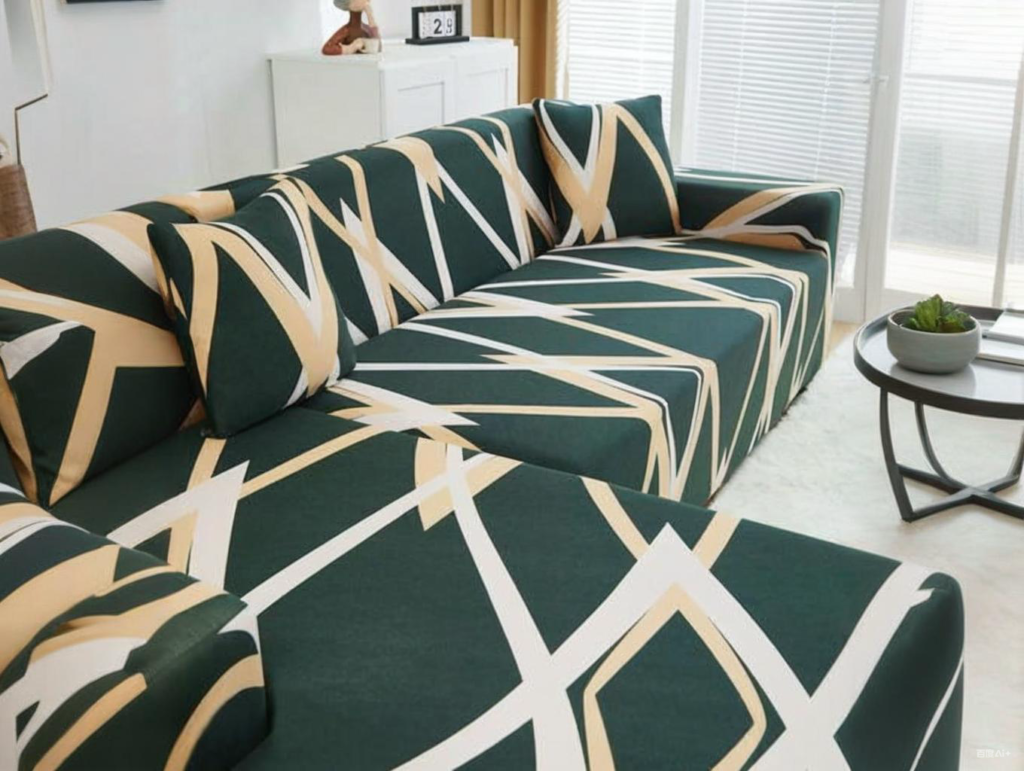
Selecting outdoor vinyl that can withstand long-term exposure to rain, UV radiation, temperature fluctuations, and mechanical stress requires a clear understanding of its performance metrics. Manufacturers, product designers, and procurement teams rely on standardized test data to determine whether a fabric meets the functional requirements for outdoor cushions, marine upholstery, shade structures, covers, tents, or high-end commercial seating.
In practice, three performance metrics—waterhead, hydrostatic pressure resistance, and seam strength—form the foundation for evaluating waterproof outdoor vinyl. Each metric provides insights into different aspects of waterproofness, pressure resistance, and structural durability. Below is a comprehensive analysis of how these tests work, what their results mean, and how brands use them to specify vinyl for demanding environments.
Waterhead Test: Measuring Waterproofing Ability
The waterhead test is one of the most recognized and widely standardized testing procedures used to assess a fabric’s resistance to water penetration. In industries such as outdoor furniture, marine seating, and architectural shade systems, waterhead ratings are often part of procurement specifications, guiding decisions regarding product warranty and expected lifespan.
How the Test Works
During a typical waterhead test—commonly conducted according to ISO 811 or AATCC 127 standards—a controlled column of water is placed above the sample. Pressure increases steadily as the height of the water column rises, simulating rainfall intensity or standing water. The moment the first droplets of water appear on the underside of the fabric is recorded.
This measurement, expressed in millimeters of water column (mm), quantifies how much pressure the material can endure before leaking.
Industry Expectations and Data Ranges
Outdoor vinyl fabrics vary widely in their waterproofing performance depending on factors such as coating thickness, polymer type, lamination bonding strength, and substrate weave density. Typical ranges include:
- 1200–1500 mm: Basic waterproof performance suitable for light-duty outdoor items
- 1500–2000 mm: Standard for commercial outdoor furniture
- 2000–3000 mm: High-performance vinyl used for marine seating, high-rainfall regions, and heavy-duty awnings
- 3000+ mm: Specialized industrial or military-grade vinyl
Commercial furniture brands and hospitality suppliers often set minimum 2000 mm waterhead requirements for resorts, outdoor cafés, and hotel poolside seating, especially in tropical climates where sudden heavy rain is common.
Real Case Example: Outdoor Cushion Testing
A leading furniture brand developing cushions for a coastal resort environment performed comparative waterhead tests on six vinyl samples. The region experiences 220+ rainy days per year, with rainfall intensity frequently surpassing 50 mm/hour during storms.
After evaluating both aesthetics and functional performance, they selected a vinyl fabric achieving a 2500 mm waterhead rating. Not only did the material withstand heavy rainfall, but its polyurethane coating maintained performance after accelerated aging tests simulating two years of outdoor use (UV exposure, humidity cycling, and salt spray). The result was a cushion that remained dry internally and prevented mold growth—critical factors for long-term durability in hospitality settings.
Hydrostatic Pressure Test: Measuring Pressure Resistance
Although often confused with the waterhead test, the hydrostatic pressure test is designed to simulate more intense water pressure conditions, making it a preferred metric for marine applications and protective coverings.
How the Test Works
Using a pressurized chamber system, water is applied directly onto the fabric sample at controlled increasing pressure levels. The test continues until water penetrates the surface, and the pressure at that moment is recorded as the fabric’s hydrostatic pressure rating.
While similar in measurement units to waterhead (mmH2O), the hydrostatic test focuses specifically on pressure from direct force, rather than the effect of standing water or rainfall.
Required Performance Levels in Outdoor Applications
Applications that involve constant water exposure—such as boat covers, marine seating, RV awnings, and outdoor daybeds—often demand higher hydrostatic pressure ratings. Typical recommendations include:
- 800–1200 mmH2O: Minimum threshold for waterproof classification
- 1500–2500 mmH2O: Suitable for most outdoor furniture, patio covers, and shade products
- 2500–3000 mmH2O: Preferred for marine vinyl, poolside installations, and high-pressure environments
- 3000+ mmH2O: Required for heavy-duty tarps, industrial tents, and rescue inflatables
Hydrostatic pressure performance is influenced by coating elasticity, backing material density, and microstructure integrity. Materials that pass high hydrostatic ratings often use multilayer lamination or reinforced scrim layers.
Real Case Example: Marine Vinyl Testing
A manufacturer producing premium boat seating and console covers was experiencing premature fabric failure due to surface cracking and slow seepage under constant water pressure. After conducting hydrostatic pressure testing on multiple options, they selected a vinyl achieving a 2500 mmH2O rating.
The upgraded vinyl maintained its waterproof properties even after simulated exposure to:
- 300 hours salt spray
- UV exposure equivalent to 24 months
- Thermal cycling from −10°C to 45°C
This resulted in a substantial reduction in warranty claims and an extended product lifespan for boats stored outdoors or docked year-round.
Seam Strength: Preventing Leaks and Durability Issues
Even if a fabric demonstrates excellent waterproofing capabilities, poorly constructed seams can compromise the product. Seam failure is one of the most common causes of customer complaints for outdoor furniture and marine upholstery, making seam strength testing essential.
How the Test Works
The seam strength test evaluates the structural integrity of joined fabric panels. The stitched seam is placed under tension in a mechanical tester—most commonly following ASTM D1683 or ISO 13935-2 standards—and pulled until separation or rupture occurs. The test records:
- The maximum load (force) before failure
- The mode of failure, such as thread breakage, seam slippage, or fabric tear
Results are typically expressed in newtons per millimeter (N/mm).
Industry Benchmarks
Outdoor vinyl products often require seam strength above the minimum thresholds defined by the industry. Common specifications include:
- ≥ 6 N/mm: Acceptable for general outdoor seating, cushions, and light covers
- ≥ 8 N/mm: Necessary for heavy-duty, high-stress applications (marine seating, commercial daybeds, rental furniture)
- ≥ 10 N/mm: Industrial or military-grade covers and inflatables
Seam strength depends not only on the fabric but also on thread type, stitch density, needle size, and seam construction technique. For premium outdoor vinyl, manufacturers often combine polyester bonded thread with reinforced double stitching.
Real Case Example: Patio Furniture Manufacturing
A patio furniture brand discovered seam failures during its durability testing phase. After fewer than six months of simulated outdoor use, seams on lounge chair cushions began to split, despite the fabric itself remaining intact.
Laboratory results showed the original vinyl had a seam strength of 5.2 N/mm, inadequate for commercial outdoor use. The company upgraded to an 8 N/mm seam strength fabric, adjusted stitch density from 7 SPI to 9 SPI, and used UV-resistant bonded polyester thread.
Post-upgrade, the brand achieved:
- 73% reduction in seam-related warranty claims
- Longer cushion lifespan
- Improved customer satisfaction scores in post-sales surveys
This demonstrates the impact seam specification has on real-world performance and brand reliability.
Performance Testing Summary Table
| Metric | Test Method | Units of Measure | Recommended for Outdoor Vinyl |
|---|---|---|---|
| Waterhead | Vertical water column test | Millimeters (mm) | 1500–3000 mm |
| Hydrostatic Pressure | Pressurized water test | mmH2O (Water Column) | 1000–3000 mmH2O |
| Seam Strength | Tensile force to break seams | N/mm (Newtons per mm) | ≥ 6 N/mm for basic use; ≥ 8 N/mm for heavy-duty |
What Differences Do You Find Between PVC, PU, and Hybrid Vinyl Fabrics for Outdoor Furniture?
Selecting the right waterproof vinyl fabric has become one of the most important decisions for outdoor furniture brands today. The material you choose influences not only the comfort and visual appeal of a product but also its durability, maintenance requirements, and long-term performance under harsh environmental conditions. Outdoor furniture fabrics are exposed to sunlight, humidity, rain, temperature fluctuations, and frequent contact, so manufacturers must rely on materials with proven resistance to these stressors. Among the most widely used choices are PVC (Polyvinyl Chloride) vinyl, PU (Polyurethane) vinyl, and hybrid PVC+PU vinyl. Each of these materials brings its own characteristics in terms of durability, breathability, cost, sustainability, and aesthetic flexibility.
At the core, the key difference lies in how each fabric is engineered. PVC is chemically stable and designed for rugged strength, PU offers a softer and more breathable finish, while hybrid vinyl attempts to bridge the gap between both materials. Understanding these nuances helps manufacturers align material performance with specific product goals—whether it’s creating cushions for humid coastal resorts or building long-lasting seating for commercial outdoor cafés. The following sections break down the precise differences so you can select the fabric that elevates your product line while balancing cost, comfort, and lifecycle performance.
PVC (Polyvinyl Chloride) Vinyl
PVC vinyl is among the most used coated fabrics in outdoor applications, particularly where long-term durability and water resistance are essential. It is created by coating a polyester or canvas base fabric with a layer of polyvinyl chloride, which is then heat-cured and embossed to achieve the desired texture. This construction gives PVC a naturally firm hand-feel, high tensile strength, and exceptional waterproofing.
Advantages
- Durability: PVC-coated fabrics offer outstanding resistance to physical stress. In tensile testing, premium outdoor-grade PVC can exceed 1,200–1,800 N/5cm in tensile strength and 50–80 N in tear strength. This makes PVC ideal for commercial outdoor furniture where cushions, seats, and panels must endure heavy daily use.
- Waterproofing: PVC is inherently hydrophobic. Once coated, it forms a complete moisture barrier, preventing water penetration even under prolonged exposure. This is why PVC is the dominant choice for marine seating, poolside loungers, and outdoor restaurant chairs, where resistance against rain, pool splashes, and humidity is crucial.
- Cost-Effectiveness: Because PVC resin and its processing technology are widely available, PVC vinyl is significantly more economical than PU. Outdoor furniture manufacturers can reduce material cost by 20–40% when opting for PVC over high-end PU.
Disadvantages
- Limited Breathability: PVC does not allow air or vapor to pass through. On hot days, cushions covered with PVC can retain heat and trap moisture. Without proper ventilation layers, the fabric may feel sticky or warm against the skin.
- Environmental Concerns: Although modern PVC has improved phthalate-free formulations, the polymer still carries a larger environmental footprint. Its chlorine content and the energy needed for production place PVC as a less eco-friendly choice compared to PU.
PU (Polyurethane) Vinyl
PU vinyl has grown in popularity due to its softer hand-feel, flexible performance, and more sustainable chemistry. Unlike PVC, PU coatings are thinner, more pliable, and breathable, making them excellent for luxury outdoor furnishings or environments where comfort is a priority.
Advantages
- Breathability: One of PU’s defining advantages is its permeability. PU coatings allow a controlled exchange of vapor, reducing heat buildup and moisture accumulation. This makes PU an excellent choice for cushions used in hot climates, sunbed mattresses, and resort lounges.
- Eco-Friendliness: PU uses non-toxic solvents and creates fewer harmful by-products during manufacturing. Many modern PU fabrics comply with REACH, ROHS, OEKO-TEX, or California Proposition 65 standards, making them a more responsible choice for sustainable-branded outdoor furniture collections.
- Softness and Flexibility: PU offers a luxuriously smooth, leather-like texture. It drapes better, folds without cracking, and maintains a consistent softness even in lower temperatures—ideal for brands emphasizing comfort and premium touch.
Disadvantages
- Durability Limitations: PU does not match the long-term toughness of PVC. Under repeated sun exposure, PU can degrade unless protected with UV-resistant coatings. Outdoor-grade PU typically performs well for 3–5 years in direct sunlight, whereas PVC can last 5–8 years if properly maintained.
Hybrid Vinyl (PVC + PU Blends)
Hybrid vinyl fabrics have emerged as a strategic solution for manufacturers seeking balanced performance. These fabrics use a carefully engineered combination of PVC and PU layers—typically PU on the surface for softness and breathability, and PVC beneath for structure and durability.
Advantages
- Best of Both Worlds: A well-designed hybrid integrates the toughness of PVC with the comfort and flexibility of PU. Manufacturers commonly use blends such as 60/40 (PVC/PU) or 70/30 (PVC/PU) depending on the aesthetic and functional requirements of the final product.
- UV and Water Resistance: Hybrids maintain excellent water resistance due to the PVC sub-layer but also benefit from PU’s UV-resistant top coating, improving resistance to yellowing and fading. In UV aging tests, hybrid fabrics often retain 85–95% of their color intensity after 1,000 hours of exposure.
- Cost-Effective Performance: Because hybrids reduce the amount of PU needed, they cost less than 100% PU while offering enhanced performance compared to pure PVC. This makes them an attractive option for mid-range and premium outdoor furniture lines.
Disadvantages
- Balanced Performance Trade-Off: Hybrids provide versatility, but they may not outperform pure PVC in heavy-duty applications or pure PU in luxury tactile applications. Manufacturers need to define performance priorities—comfort vs. longevity—when selecting the right hybrid ratio.
Comparison Table of PVC, PU, and Hybrid Vinyl
| Property | PVC | PU | Hybrid Vinyl |
|---|---|---|---|
| Durability | High | Moderate | Balanced |
| Waterproofing | Excellent | Excellent | Excellent |
| Breathability | Low | High | Moderate |
| Environmental Impact | High chemical footprint | Low chemical footprint | Moderate |
| Cost | Low | High | Moderate |
| UV Resistance | Moderate | High | High |
| Flexibility | Moderate | High | Moderate |
The table above summarizes the functional characteristics most relevant to the outdoor furniture industry. Manufacturers commonly evaluate these criteria alongside real-world testing, including hydrolysis resistance, colorfastness, tensile strength, and long-term UV exposure.
Real Case Example: Outdoor Furniture Line Using Hybrid Vinyl
A luxury outdoor furniture brand specializing in coastal resorts implemented a 60/40 PVC–PU hybrid fabric for its sun loungers and cushion covers. The region experiences intense UV radiation, frequent rain, and extreme humidity, making standard PU unsuitable and pure PVC too heat-retentive.
After comparative testing, the hybrid vinyl demonstrated:
- High structural stability, especially for loungers placed near saltwater pools
- Superior breathability, reducing trapped heat during peak summer temperatures
- Consistent UV protection, maintaining color vibrancy over a full season
- Customer comfort improvements, increasing repeat bookings for poolside cabanas
Feedback from both guests and property managers confirmed that hybrid vinyl delivered the best balance between durability and comfort. Maintenance teams also noted reduced cracking and discoloration, translating into lower replacement costs.
How Should Furniture Manufacturers Choose the Right Weight, Finish, and Color Stability for Marine and Patio Applications?
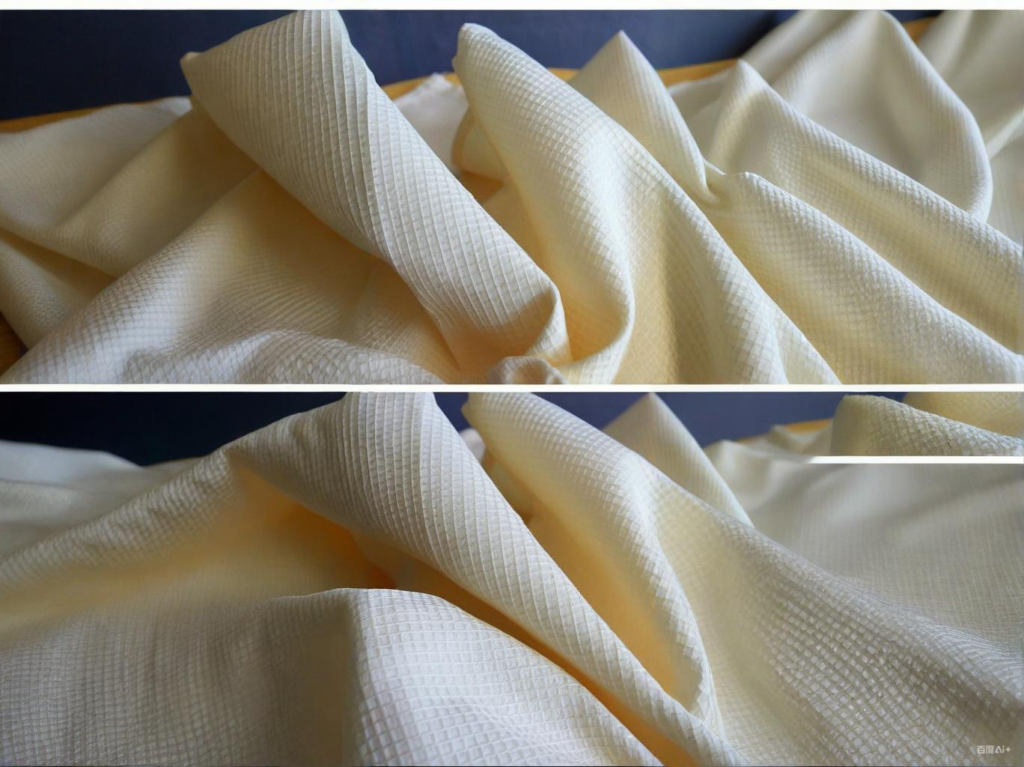
Selecting the correct vinyl fabric for outdoor furniture is a decision that influences not only how a piece looks when it leaves the factory, but also how it performs years later under relentless outdoor conditions. Designers and manufacturers serving coastal resorts, backyard living brands, luxury yachts, and everyday patio collections all face the same challenge: balancing comfort, durability, and aesthetic longevity. Waterproofing is only the baseline requirement. Beyond that, fabric weight, surface finish, and color stability determine whether the final product delivers a premium outdoor experience or deteriorates prematurely under sun, salt, and moisture exposure.
Outdoor furniture endures a broader range of environmental stressors than most indoor textiles. UV radiation can reduce surface tensile strength by up to 30–40% in a single season if the material lacks the proper additives. Humidity and temperature swings lead to microbial growth and cracking. Salt spray accelerates coating degradation. Meanwhile, consumers increasingly expect outdoor furniture to match the comfort and softness of indoor upholstery. These diverse requirements make weight, finish, and color stability central to selecting the right vinyl for marine and patio environments. Manufacturers should choose vinyl fabrics by matching fabric weight to usage intensity, selecting advanced UV, mildew-resistant, or flame-retardant finishes, and ensuring high color stability through solution-dyed or pigment-based processes. This combination ensures long-lasting durability, comfort, and visual consistency in both marine and patio environments.
Understanding these factors helps manufacturers produce outdoor furniture that performs reliably across multiple seasons and maintains the elegant appearance expected from today’s outdoor living spaces.
Fabric Weight: The Core Driver of Durability and Comfort
The weight of a vinyl fabric—typically measured in GSM (grams per square meter)—is much more than a number on a spec sheet. It influences how the material handles, how it resists stretching or tearing, how it drapes on cushions, and how it responds to long-term UV and water exposure. Manufacturers should view fabric weight as the foundation on which all other performance characteristics are built.
Lighter fabrics tend to feel softer and more flexible, making them suitable for decorative elements or areas that require plush comfort. Heavier materials provide rigidity and structural strength, making them essential for marine covers or high-traffic commercial seating where mechanical stress is high.
How to Choose the Right Fabric Weight
Lightweight (200–300 GSM) These fabrics are generally used in accessories or low-load upholstery components. For throw pillows, headrests, or back cushions where comfort and pliability matter more than abrasion resistance, this weight range is ideal. However, lightweight vinyls typically require reinforcement or additional layers if used in exposed or high-wear settings.
Medium Weight (300–500 GSM) This category is the workhorse of outdoor furniture design. Fabrics within this range balance comfort and structural stability, making them suitable for patio chairs, modular sofas, ottomans, and general seating. Medium-weight vinyls often include stronger backing, improved tear strength, and better coating adhesion, allowing the furniture to withstand daily use without feeling overly rigid.
Heavyweight (500+ GSM) Heavyweight vinyl is indispensable in marine furniture and weatherproof covers. These fabrics provide superior abrasion resistance, higher hydrostatic resistance (frequently exceeding 5,000–8,000 mm), and excellent dimensional stability. High-end lounge chairs, commercial daybeds, and luxury resort installations commonly use 550–750 GSM vinyl to guarantee longevity in high-salt or high-UV environments.
Industry testing often shows that fabrics above 550 GSM can withstand 50,000+ Martindale cycles, making them suitable for hospitality projects, beach loungers, and rental-based outdoor products that experience intense mechanical wear.
Finishing for Enhanced Performance
While fabric weight influences the structural role of the textile, finishing treatments define its ability to endure real-world outdoor environments. The finish determines how the surface reacts to UV exposure, how easily it sheds water, how resistant it is to mold growth, and whether it meets regional safety requirements. In marine and patio furniture applications, the right finish can extend the lifespan of the fabric by several seasons.
Common Finishing Techniques
UV Coatings UV protection is non-negotiable for outdoor vinyl. Without it, the fabric can fade, stiffen, or crack within months of exposure. High-quality UV coatings typically use HALS (Hindered Amine Light Stabilizers), which slow down polymer degradation and maintain coating elasticity. A well-stabilized vinyl can retain colorfastness levels above Grade 4 on the Blue Wool Scale even after extended exposure.
Waterproofing and Mildew Resistance Although vinyl is inherently waterproof, additional top-coats enhance repellency and help reduce mold colonies, especially in humid coastal environments. Modern marine vinyls often integrate anti-microbial agents directly into the coating, preventing odors and stains from forming on cushions that remain damp for extended periods.
Flame Retardant Finishes Many marine applications must meet safety standards such as IMO FTPC Part 8 or California TB117-2013. Flame-retardant additives ensure compliance without affecting feel or flexibility. This is especially critical for commercial boats, poolside lounges, or hospitality venues.
Surface Texture Finishes Manufacturers increasingly experiment with micro-embossed or leather-like textures. These finishes not only enhance aesthetic appeal but can also improve grip on wet surfaces—a valued trait in marine seating.
Color Stability: Keeping Outdoor Furniture Looking New
Color stability is one of the most visible indicators of quality in outdoor furniture. Exposure to UV rays, rain, wind, and airborne pollutants all contribute to fading and discoloration. Poor color stability leads to mismatched cushions and shortened product lifecycle—issues that hospitality buyers and premium retail consumers are unwilling to tolerate.
How to Ensure Color Stability
Solution-Dyed Fabrics Solution-dyed yarns lock color into the polymer matrix before the extrusion process. This method produces fibers where the pigment becomes part of the molecular structure, offering the highest level of fade resistance. Solution-dyed materials often maintain 85–95% of original color intensity after prolonged outdoor exposure.
Pigment-Based Dyes Pigmented coatings tend to outperform reactive or acid dyes in sunlight. They produce a thicker, more UV-resistant color layer on the vinyl surface. Manufacturers often select pigment-based dyes for premium outdoor lines or collections intended for coastal markets.
Colorfastness Ratings A durable outdoor vinyl fabric should provide:
- Blue Wool Scale 4–5 or higher for UV resistance
- Grade 4 minimum for water soak colorfastness
- Salt spray resistance for marine applications
These ratings help ensure the color remains vibrant despite constant outdoor exposure.
Real Case Example: Patio Furniture with Hybrid Vinyl
A leading outdoor lifestyle brand needed a fabric that maintained soft hand-feel yet delivered high structural durability. Their design team selected a medium-weight, 70% PVC / 30% PU hybrid vinyl. The choice provided the pleasant texture of polyurethane with the weather resilience of PVC.
Key treatments included:
- Advanced UV inhibitors
- A waterproof top-coat
- Anti-mildew finish
- Pigment-based coloration for high fade resistance
After deployment in regions with strong sun exposure—including Arizona, Queensland, and southern Spain—the furniture exhibited:
- Minimal fading after six months
- No cracking or peeling
- No mold or mildew growth despite heavy rain
Customer satisfaction indicated that the hybrid vinyl successfully balanced aesthetic and functional performance for premium patio installations.
Fabric Weight and Finish Selection Table
| Application | Fabric Weight (GSM) | Best Finish Options | Performance Goals |
|---|---|---|---|
| Throw Pillows | 200-300 GSM | Light UV, Waterproof | Comfort, ease of use |
| Patio Chairs | 300-500 GSM | UV Protection, Mildew Resistant | Durability, aesthetic appeal |
| Cushions (Heavy Duty) | 500+ GSM | Heavy-duty UV, Mildew & Abrasion Resistant | Long-lasting, high wear resistance |
| Marine Covers | 500+ GSM | Waterproof, Flame Retardant | Protection from the elements |
Choosing the right vinyl fabric for marine and patio applications requires a thoughtful balance of structure, protection, and aesthetics. Fabric weight must align with usage intensity, finishing treatments must address environmental threats, and color stability must withstand prolonged exposure to sunlight and moisture. When these elements are selected correctly, manufacturers deliver furniture that remains comfortable, vibrant, and structurally sound for years—reducing replacements, minimizing warranty claims, and elevating customer satisfaction across both residential and commercial markets.
What Care and Maintenance Procedures and Cleaning Guidelines Apply to Waterproof Vinyl Fabric to Extend Outdoor Life?
Outdoor vinyl fabric is engineered to withstand challenging environments—rain, UV rays, temperature fluctuations, and daily wear. However, even the most advanced waterproof and UV-resistant vinyl will deteriorate prematurely if not maintained properly. Dirt, sunscreen residue, bird droppings, mold spores, and airborne pollution can accumulate on the surface, weakening coatings and dulling appearances. Implementing a consistent care routine not only protects the material’s performance but also significantly extends the life cycle of outdoor furniture, ensuring it remains attractive, comfortable, and structurally sound season after season. To extend the outdoor life of waterproof vinyl fabric, clean it regularly with mild soap and water, perform deep cleaning for stains, let it air dry completely, store it in dry conditions when not in use, and reapply UV or waterproofing treatments seasonally. These steps protect the coating, prevent mold, and maintain long-term durability.
Whether used on patio seating, marine upholstery, RV awnings, or resort furniture, proper maintenance can easily double the lifespan of the material. Below is a detailed guide used by professional outdoor furniture brands, hospitality suppliers, and marine manufacturers to keep waterproof vinyl performing at its best.
Routine Cleaning Procedures
Because outdoor vinyl is constantly exposed to dust, pollen, salt spray, tree sap, and moisture, regular cleaning prevents contaminants from embedding into the coating. Routine maintenance also protects the material’s waterproof barrier and reduces the likelihood of mold growth—especially in humid or coastal climates.
A general rule used by outdoor furniture manufacturers is: Light Cleaning Weekly + Full Surface Cleaning Monthly = Maximum Fabric Longevity
Routine cleaning should be gentle yet consistent, avoiding any harsh chemicals that could remove the protective surface layers.
Basic Cleaning Steps
These fundamental steps are recommended for most types of waterproof vinyl, regardless of coating type (PVC or PU) or backing material (polyester or nylon).
- Brush Off Loose Dirt Remove dust, sand, pollen, and debris with a soft-bristle brush or handheld vacuum. This prevents abrasive particles from scratching or wearing the vinyl surface during washing.
- Wash with Mild Soap Solution Mix warm water with a mild detergent such as dish soap. Using a soft sponge or microfiber cloth, gently wipe the surface. This is effective for sunscreen residue, sweat, general grime, and air pollution particles. Avoid bleach, ammonia, acetone, or any harsh cleaners, which can strip UV coatings or degrade PU/PVC layers.
- Rinse Thoroughly Use clean water to wash away soap and residue. Detergent left on the fabric can attract dirt, cause streaking, or lead to discoloration over time.
Manufacturers generally recommend avoiding power washers. Although they clean quickly, they can damage seams, weaken adhesive layers, and compromise waterproof coatings.
Deep Cleaning
When routine cleaning isn’t enough—especially when the furniture has been exposed to heavy use, storms, tree sap, or salty air—deep cleaning becomes necessary. This procedure restores the vinyl’s finish and prevents long-term staining.
- Use a Soft Scrub Brush Apply the mild soap solution and scrub gently using a soft-bristle brush. This loosens embedded dirt without scratching the outer film.
- Stubborn Stains For oils, mildew spots, or food residue, a safe and effective option is a 1:1 mixture of white vinegar and water. Vinegar breaks down organic stains while remaining gentle on coatings. A specialized vinyl cleaner can also be used, especially for marine or commercial outdoor installations. Always test on a hidden section to confirm compatibility.
- Addressing Mildew Although waterproof vinyl does not absorb water, mildew can still grow on surface contaminants. Removing it early prevents permanent discoloration. Manufacturers often recommend vinegar or enzyme-based cleaners rather than bleach.
For commercial properties such as resorts, poolside lounges, and yacht charters, deep cleaning is typically scheduled every 1–2 weeks during peak season.
Drying and Storage Tips
Drying and storage are often overlooked yet critical aspects of vinyl care. Even waterproof materials can degrade if stored incorrectly or exposed to prolonged moisture.
- Air Dry Allow the vinyl to air dry completely after cleaning. Sunlight is acceptable in moderation, but avoid exposing the material to high heat or placing it near heaters, which may cause warping or shrinkage.
- Avoid Folding Folding vinyl can create creases that become permanent over time, especially in colder weather. Rolled or loosely draped storage is recommended for covers and cushions.
- Store in Dry Areas During the off-season, move cushions or furniture to a dry, shaded area such as a storage shed or covered patio. This protects the material from UV exposure, freezing temperatures, and excessive humidity.
- Ventilation Matters Never store vinyl in airtight plastic bags for long periods. Trapped moisture can lead to surface mildew.
Following these guidelines can extend the usability of vinyl materials by several seasons, especially in regions with harsh summers or humid weather.
Protective Coatings and Treatments
While waterproof vinyl fabrics are manufactured with UV stabilizers and durable coatings, these protective layers gradually diminish with time and exposure. Reapplying supplemental treatments helps maintain the material’s performance.
- UV Protection Spray Seasonal application of UV protectant prevents color fading, cracking, and brittleness. These sprays replenish the surface barrier and enhance the lifespan of both PU and PVC-coated fabrics.
- Waterproofing Spray Over time, heavy use and UV exposure can reduce the effectiveness of the waterproof coating. When water stops beading on the surface, it’s time to reapply a vinyl-compatible waterproofing spray.
High-end outdoor furniture brands often schedule coating maintenance twice a year—once at the start of summer and once before winter storage.
Real Case Example: Marine Upholstery Care
Marine environments are among the harshest settings for any fabric. Constant moisture, salt, sunlight, and temperature changes create perfect conditions for material degradation.
A boat upholstery manufacturer using waterproof vinyl for seating began receiving customer reports of fading and mild mildew after several years of use. Instead of replacing the material, they implemented a structured maintenance plan for boat owners:
- Monthly cleaning with mild soap and water
- Spot treatment using diluted vinegar for mildew-prone areas
- Seasonal application of UV-protective polish
- Ventilated storage during winter dock removal
- Avoiding any abrasive chemicals commonly found in marine cleaning kits
After implementing these steps, customer feedback showed significant improvement. The vinyl retained color vibrancy, mildew concerns diminished, and owners reported that cushions remained supple and crack-free despite prolonged sun and salt exposure.
This case demonstrates that even high-end waterproof vinyl requires routine care to maintain its premium properties.
Cleaning and Care Summary Table
| Cleaning Step | Frequency | Tools Required | Additional Notes |
|---|---|---|---|
| Dusting/Brushing | Weekly | Soft brush, vacuum | Removes surface debris |
| Mild Soap Cleaning | Monthly | Mild soap, water, sponge | Use gentle cleaning methods |
| Deep Cleaning (Tough Stains) | 2–3 times per season | Soft brush, vinyl cleaner, vinegar | For stubborn stains |
| UV Protection | Once per season | UV protectant spray | Prevents fading and cracking |
| Waterproofing Treatment | Once per season (if needed) | Waterproofing spray | Restores water resistance |
Which Environmental, Fire Safety, and Sustainability Certifications (e.g., OEKO-TEX, REACH, IMO) Matter for Outdoor Vinyl Fabrics?
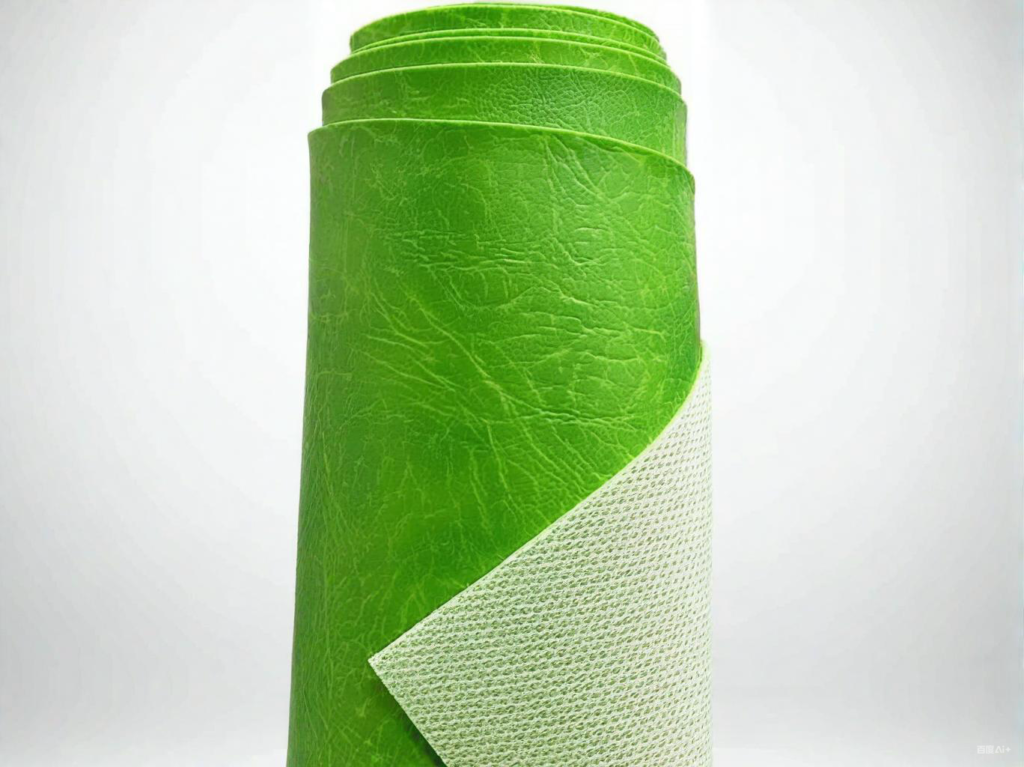
As global outdoor furniture markets shift toward safer, greener, and more transparent manufacturing standards, certifications have become essential indicators of performance and responsibility. Outdoor vinyl fabrics—widely used in cushions, commercial seating, marine upholstery, and architectural shading systems—must now satisfy not only durability and waterproofing requirements but also rigorous expectations related to chemical safety, fire resistance, and sustainability.
For manufacturers, sourcing teams, and international distributors, understanding these certifications is crucial. Regulations vary by region, environmental expectations continue to rise, and end consumers increasingly ask whether materials are safe, traceable, and environmentally responsible. Selecting certified outdoor vinyl ensures compliance with global laws, enhances brand reputation, reduces regulatory risk, and supports product marketing in eco-conscious markets.
Below is a comprehensive analysis of the most important certifications that apply to waterproof outdoor vinyl fabrics, with insights into how they function, which industries require them, and how leading manufacturers leverage these standards to strengthen product performance and market acceptance.
OEKO-TEX Standard 100
OEKO-TEX Standard 100 is one of the most widely recognized global certifications for textile safety, covering everything from fibers and coatings to accessories and finished goods. For outdoor vinyl fabrics—especially those used in lounge chairs, cushions, poolside seating, and children’s furniture—this certification provides assurance that the material is free from over 300 harmful chemicals.
Why OEKO-TEX Is Critical for Outdoor Vinyl
Outdoor environments expose vinyl to heat, sunlight, and moisture, which can accelerate chemical migration if the fabric is not properly formulated. OEKO-TEX ensures that no harmful residues such as:
- Heavy metals (lead, cadmium, chromium VI)
- Formaldehyde
- Pesticides
- Chlorinated phenols
- Polycyclic aromatic hydrocarbons (PAHs)
- Volatile organic compounds (VOCs)
are present at levels that could pose risks to human health.
For premium outdoor furniture brands, OEKO-TEX certification is seen as a minimum requirement, especially for fabrics designed for cafes, hotels, resorts, and environments where users frequently relax in close contact with upholstery.
Application
OEKO-TEX-certified vinyl is most commonly specified for:
- Outdoor cushions
- Patio chairs and daybeds
- Loungers for pool and spa environments
- Children’s outdoor seating
- Hospitality-grade upholstery
Consumers increasingly treat OEKO-TEX as a marker of quality, making it a highly effective differentiator in retail and commercial markets.
REACH (Registration, Evaluation, Authorisation, and Restriction of Chemicals)
REACH is the European Union’s most comprehensive chemical regulation, covering substances used in manufacturing across all industries. For outdoor vinyl, REACH compliance is essential not only for exporting to Europe but also for upholding high global safety standards.
Why REACH Matters
Outdoor vinyl can be exposed to prolonged sun, heat, and moisture—conditions that accelerate the degradation of coatings, plasticizers, and pigments. If harmful chemicals leach out, they may contaminate soil, waterways, or skin. REACH regulates and restricts thousands of substances, including:
- Phthalates (commonly found in non-compliant PVC)
- Organotin compounds
- Azo dyes
- Carcinogenic, mutagenic, or toxic substances (CMRs)
- Persistent organic pollutants (POPs)
Performance vinyl that meets REACH requirements ensures long-term chemical stability and environmental safety, even in harsh outdoor settings.
Application
REACH is mandatory for any manufacturer selling into the EU and strongly recommended for premium global brands. It applies to:
- Outdoor cushions and upholstery
- Vinyl covers and canopies
- Marine seating
- PVC-coated fabrics for commercial outdoor settings
For companies promoting sustainability, REACH compliance is often highlighted in product documentation and marketing materials.
IMO (International Maritime Organization) Certifications
Outdoor vinyl fabrics used in marine environments—yachts, cruise ships, fishing boats, outdoor lounges on vessels—must meet strict flame retardancy standards established by the International Maritime Organization (IMO).
Why IMO Certification Matters
Marine environments pose unique risks:
- Confined spaces accelerate fire spread
- Saltwater accelerates material degradation
- Strong sunlight can compromise coating stability
IMO standards focus on fire safety, requiring materials to pass flame retardancy tests such as:
- FTP Code Part 8 for upholstered furniture
- Smoke and toxicity evaluations
- Flame propagation testing
Meeting IMO requirements ensures that vinyl fabrics will not ignite easily and will self-extinguish, protecting passengers and crew.
Application
IMO-certified vinyl is essential for:
- Boat cushions
- Yacht interior and exterior seating
- Marine sun pads
- Commercial and private vessel upholstery
- Cruise ship furniture
Manufacturers targeting the marine industry consider IMO certification non-negotiable.
Sustainability Certifications
Consumers, retailers, and global brands increasingly demand materials that support circularity, reduce environmental impact, and minimize the use of virgin plastics. Several certifications have emerged to validate sustainable production methods for vinyl and hybrid outdoor fabrics.
Global Recycled Standard (GRS)
The Global Recycled Standard verifies that a material contains a certified percentage of recycled content and that the manufacturing process meets strict environmental and social responsibility criteria.
Why GRS Matters for Outdoor Vinyl
Traditional vinyl relies heavily on virgin polymer production, which has a high carbon footprint. GRS-certified products ensure:
- Recycled input verification
- Reduced resource consumption
- Lower environmental impact
- Traceability throughout the supply chain
This certification is especially valuable for brands targeting sustainability-focused markets in Europe, North America, and Australia.
Application
GRS is commonly used for:
- Recycled vinyl blends
- Outdoor cushions made from recycled PET backings
- Eco-friendly upholstery collections
- Sustainable outdoor furniture lines
GRS allows manufacturers to quantify their environmental contributions and strengthen ESG reporting.
Forest Stewardship Council (FSC)
Some outdoor vinyl fabrics use hybrid constructions that incorporate wood-derived fibers such as rayon, lyocell, or viscose. When these fibers are used, FSC certification ensures that the source pulp comes from responsibly managed forests.
Why FSC Matters in Hybrid Vinyl Fabrics
Although FSC is not a PVC-specific certification, it is crucial for vinyl fabrics that incorporate cellulosic materials. FSC guarantees:
- Sustainable forest management
- Protection of biodiversity
- Ethical and traceable raw material sourcing
It also enhances the environmental profile of hybrid fabrics and appeals strongly to eco-conscious consumers.
Application
FSC applies to:
- Rayon-blend vinyl laminates
- Wood-pulp-based backings
- Outdoor fabrics intended for sustainability-oriented markets
- Hybrid materials blending natural and synthetic fibers
Brands specializing in eco-luxury or sustainable outdoor collections often combine FSC with GRS and REACH to build a strong sustainability narrative.
Certification Comparison Table
| Certification | Focus Area | Importance for Outdoor Vinyl | Application in Outdoor Furniture |
|---|---|---|---|
| OEKO-TEX Standard 100 | Chemical safety and toxicity | Ensures non-toxicity | Upholstery, cushions, direct contact fabrics |
| REACH | Chemical safety and environmental impact | Assures safe chemical use | Vinyls sold in Europe, eco-friendly fabrics |
| IMO | Fire safety in marine settings | Critical for flame resistance | Marine fabrics and boat upholstery |
| GRS | Recycled materials usage | Promotes eco-friendly production | Recycled vinyl, eco-conscious products |
| FSC | Sustainable sourcing of wood pulp | Ensures responsible sourcing | Hybrid vinyl fabrics using wood pulp |
Real Case Example: Luxury Boat Furniture
A luxury yacht furniture manufacturer sought to upgrade its product line with materials that met both environmental and safety requirements. Partnering with SzoneierFabrics, the company selected vinyl upholstery materials that satisfied three key certifications:
- IMO fire safety for marine usage
- REACH compliance for chemical safety
- OEKO-TEX Standard 100 for consumer health protection
The final product line passed marine inspection without issue and was marketed successfully to high-end clients in Europe and Australia—regions where chemical safety and environmental responsibility strongly influence purchasing decisions. As a result, the manufacturer reported higher customer satisfaction, stronger sales to eco-conscious markets, and reduced regulatory risks during export.
How Can Manufacturers Work with a Custom Fabric Supplier to Develop Low-MOQ, High-Quality Waterproof Vinyl for Outdoor Furniture?
Developing a high-performance waterproof vinyl fabric for outdoor furniture is no longer simply a matter of choosing a ready-made material from a catalog. As consumer expectations shift toward comfort, sustainability, and long-term durability, manufacturers increasingly require tailored vinyl solutions that address specific performance metrics, design concepts, and market positioning. But custom development often comes with logistical challenges—particularly when a brand needs low minimum order quantities (MOQs) for small product launches, color testing, or limited-edition collections.
This is where the strategic partnership with the right custom fabric supplier becomes essential. A knowledgeable supplier can bridge the gap between conceptual design and technical feasibility, offering support in material engineering, prototype creation, compliance documentation, small-batch production, and supply chain coordination. The process is collaborative, technical, and highly detail-driven. The sections below break down how manufacturers can successfully work with a custom supplier to develop waterproof vinyl fabrics that meet both creative and commercial goals.
Choosing the Right Supplier for Custom Waterproof Vinyl
Selecting the appropriate fabric supplier is the foundation of the entire project. Many failures in material development occur not because the material is inherently flawed, but because the supplier lacked the technology, flexibility, or experience to execute the project. A capable supplier—such as SzoneierFabrics, known for low-MOQ support and extensive coating technologies—brings engineering expertise, testing equipment, and consistent production capabilities.
A strong supplier for waterproof vinyl should have:
- In-house coating lines (PVC, PU, and hybrid systems)
- Lab testing capabilities for hydrostatic pressure, UV aging, colorfastness, and abrasion
- A design and R&D team familiar with embossing textures, hand-feel adjustments, and color matching
- Proven experience with outdoor furniture manufacturers
- Certifications or compliance support (REACH, OEKO-TEX, ROHS, GRS, CA Prop 65, etc.)
Once this foundation is secured, true customization becomes possible.
1. Clear Communication of Needs
Successful custom development starts with clarity. Outdoor furniture requires fabrics that must perform reliably in real-world environments—saltwater, high UV exposure, heavy rainfall, humidity, and frequent handling. The more specific the brief, the more accurately the supplier can engineer the coating and substrate.
Design & Performance Requirements
Manufacturers should clearly define:
- UV resistance level (e.g., ≥1000 hours Xenon-Arc colorfastness Grade 4)
- Waterproofing performance (e.g., hydrostatic pressure ≥1500–3000mmH₂O)
- Abrasion resistance (e.g., Martindale 30,000–50,000 cycles)
- Texture preferences (smooth, matte, leather-grain, woven embossing)
- Softness and flexibility (related to PU ratio and coating thickness)
- Color expectations (Pantone matching, anti-yellowing finish)
- Temperature performance (cold crack resistance at -10°C to -25°C)
Providing physical samples or competitor benchmarks also significantly accelerates R&D accuracy.
Compliance Needs
Legal and environmental compliance varies by region. Manufacturers should confirm required standards such as:
- REACH (EU chemical compliance)
- OEKO-TEX Standard 100 (safety for skin contact)
- ISO 4892 (UV exposure testing)
- ROHS (restricted hazardous substances)
- GRS (recycled material certification)
- California Proposition 65 (U.S. consumer safety)
A supplier with complete compliance documentation ensures smoother import processes and lower regulatory risks.
2. Low MOQ Customization
Low-MOQ capability is a defining factor when choosing a supplier for custom vinyl fabrics. Traditional large mills often impose MOQs of 1,000–3,000 meters per color, making small launches financially risky. By contrast, suppliers like SzoneierFabrics offer flexible runs starting at 100–300 meters, depending on coating type and embossing requirements.
This flexibility benefits manufacturers by:
- Reducing upfront inventory pressure
- Allowing A/B testing of multiple colors or finishes
- Supporting seasonal collections or retail-specific exclusives
- Enabling rapid prototyping for commercial buyers
Low-MOQ suppliers invest in smaller coating lines, modular production setups, and rapid changeover processes to accommodate these needs. This operational flexibility is particularly valuable for furniture brands launching new product lines or testing niche market segments.
3. Material Testing and Sampling
Before full-scale production, manufacturers should thoroughly test all candidate materials. This is one of the most critical stages—in many cases, the true performance of waterproof vinyl only becomes clear after exposure to simulated or real environmental conditions.
Testing should typically include:
Waterproofing
- Hydrostatic pressure tests (ASTM D751 or ISO 811)
- Target ratings for outdoor furniture usually fall between 1500–5000 mmH₂O
UV Resistance
- Xenon-Arc accelerated weathering tests (ISO 4892-2)
- Colorfastness is rated on a 1–5 scale; outdoor-grade fabrics require ≥ Grade 4
Durability
- Abrasion resistance
- Martindale: 30,000–50,000 cycles for outdoor seating
- Tensile strength and tear resistance
- Ensures the fabric does not split during stitching or long-term use
Additional Recommended Tests
- Mildew and mold resistance (ASTM G21)
- Salt spray resistance for coastal environments
- Cold crack testing for winter-use furniture
- Chemical resistance (e.g., sunscreen and chlorine exposure)
A reliable supplier provides full lab reports, real-world test insights, and corrective adjustments if results do not meet expectations.
4. Sustainable and Ethical Practices
More furniture brands now incorporate sustainability into their procurement strategy. If environmental responsibility is part of your brand philosophy, collaboration with a supplier that operates under certified systems becomes crucial.
Manufacturers should verify whether the supplier maintains:
- ISO 14001 environmental management standards
- GRS (Global Recycled Standard) for recycled content vinyl
- Water-based PU coating options
- Non-phthalate or bio-based plasticizer options
- Energy-efficient production lines
By aligning sustainability values early in the project, manufacturers also gain stronger marketing leverage and can meet evolving regulatory requirements.
How Custom Suppliers Can Assist with Design and Development
A high-quality vinyl fabrication partner does more than produce fabric—they assist throughout the development cycle, helping brands transform ideas into functional materials. Strong suppliers like SzoneierFabrics provide multifaceted support such as:
Customization of Coatings and Colors
- Adjusting PVC/PU coating thickness
- Engineering hybrid vinyl for flexible hand-feel
- Custom emboss roller patterns (leather grain, linen texture, matte sand finish)
- UV-stable pigments with anti-yellowing additives
- Fire-retardant formulas (UL94, BS5852, CA TB117) if required
Precise color matching ensures visual consistency across entire furniture collections.
Prototype Development
Suppliers can produce small-batch prototypes for:
- Fit and sewing tests
- Cushion behavior analysis
- Outdoor exposure trials
- Retail presentation samples
- Photography and marketing samples
This step dramatically reduces the risk of costly reworks later.
Logistics and Support
Strong suppliers streamline the entire supply chain with:
- Fast turnaround for trial meters
- Consolidated shipping for low-MOQ orders
- Pre-production inspection
- Batch tracking and traceability
- Stable lead times even during peak seasons
This operational reliability allows manufacturers to plan better and avoid production delays.
Real Case Example: Custom Waterproof Vinyl for Patio Furniture
A patio furniture brand specializing in mid-range outdoor seating partnered with SzoneierFabrics to create a new waterproof vinyl collection for their 2025 patio chair line. The brand needed:
- A unique desert-sand color unavailable in commercial catalogs
- A soft matte texture closer to PU than PVC
- Proven UV resistance above 1000 hours
- A small initial order for market testing
Thanks to the supplier’s low-MOQ capability, they received a trial run of 200 meters, sufficient for pilot production and internal durability testing.
After accelerated weathering and abrasion simulations, the results exceeded performance benchmarks:
- Colorfastness maintained at Grade 4–5
- Hydrostatic pressure reached 3500 mmH₂O
- Minimal texture change after 40,000 Martindale cycles
The successful collaboration enabled the manufacturer to proceed confidently with mass production. Because they avoided large upfront commitments, financial risk remained low while market responsiveness increased significantly.