 Skip to content
Waterproof Vinyl Fabric for Event Tent Rental Companies
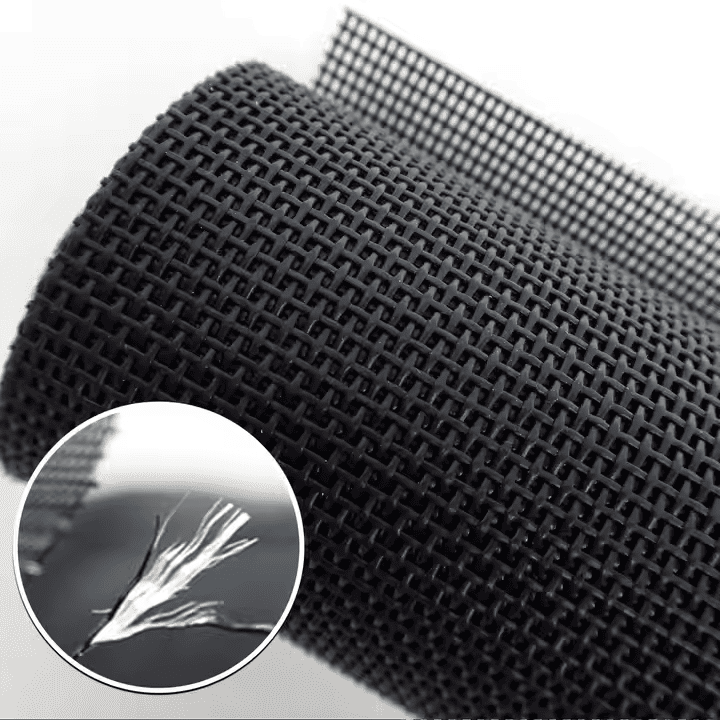
When an outdoor event runs perfectly, most guests never think about the tent above their heads. But anyone in event tent rental knows the truth: the fabric is the event’s first line of defense. One unexpected storm, strong sunlight, or a cold night can quickly turn a beautiful setup into a liability if the tent fabric isn’t up to the job.
This is why waterproof vinyl fabric has become the backbone of modern event tent rentals. It’s not chosen because it’s trendy—it’s chosen because it works, again and again, under pressure. From weddings and festivals to exhibitions and long-term installations, vinyl tent fabric must protect people, equipment, and reputation. Waterproof vinyl fabric is widely used in event tent rental because it provides reliable weather protection, high tear strength, long service life, and easy maintenance. Compared with lightweight textiles, vinyl fabric offers superior waterproofing, wind resistance, and durability for repeated outdoor use.
To choose the right vinyl fabric, rental companies need to understand what it is, how it’s made, and which types perform best in real-world conditions.
What Is Waterproof Vinyl Fabric and How Is It Used in Event Tent Rental?
Waterproof vinyl fabric is a synthetic textile made by coating or laminating a polyester base fabric with PVC, creating a fully waterproof, weather-resistant material. In event tent rental, it is used for tent roofs, sidewalls, clear windows, doors, and flooring because it can withstand rain, wind, UV exposure, and repeated setup cycles.
This fabric is designed for performance, not decoration, making it ideal for high-durability applications like event tent rental where protection from the elements is crucial.
Understanding Vinyl Fabric from the Ground Up
Waterproof vinyl fabric is engineered for functionality, providing a durable and reliable solution for outdoor events. Unlike traditional woven fabrics that rely on water repellency treatments, vinyl fabric is inherently waterproof due to its PVC coating or lamination. This gives it an edge in environments where tents need to offer full protection from rain and moisture.
Basic Structure of Waterproof Vinyl Fabric
| Layer | Function |
|---|---|
| Polyester base fabric | Provides tensile strength, ensuring the fabric can withstand tension and heavy use. |
| PVC coating or lamination | Ensures waterproofing by creating a fully impermeable barrier against water and moisture. |
| Top finish (optional) | UV resistance, anti-fungal treatment, and anti-scratch coatings enhance durability and usability in harsh outdoor conditions. |
Each of these layers contributes to the overall strength, durability, and performance of the vinyl fabric. The polyester base gives the material its strength and flexibility, while the PVC coating ensures that no water can penetrate. The optional top finish protects the fabric from environmental factors like UV rays and mold growth, which are important for tents that are exposed to the elements for extended periods.
Why Vinyl Fabric Is Preferred for Event Tents
| Requirement | Vinyl Fabric Advantage |
|---|---|
| Waterproofing | 100% impermeable to water, providing complete protection from rain and moisture. |
| Weather resistance | Withstands extreme weather conditions including rain, wind, and intense sun. |
| Reusability | Designed for repeated setup and takedown without compromising performance. |
| Cleanability | Easy to wipe down and sanitize, making it ideal for event rental scenarios. |
Unlike woven outdoor fabrics, vinyl fabric doesn’t rely on water repellency treatments that can degrade over time. Instead, its inherent waterproof properties ensure long-lasting protection. The fabric’s ability to endure repeated use without losing performance makes it particularly suitable for event rental operations that require dependable materials for multiple seasons.
Common Applications in Tent Systems
| Tent Component | Typical Vinyl Fabric Type |
|---|---|
| Roof panels | Heavy opaque vinyl, which offers maximum protection from rain and UV rays. |
| Sidewalls | Opaque or translucent vinyl, allowing for either full privacy or filtered light while maintaining waterproof performance. |
| Window walls | Clear PVC vinyl, offering visibility and light while keeping rain and wind out. |
| Doors & partitions | Reinforced vinyl for extra durability and strength in high-traffic areas. |
Vinyl fabric is versatile enough to be used in various parts of the event tent system. It can be opaque for privacy, clear for visibility, or even reinforced for high-stress areas. This flexibility allows event planners to customize their tents to meet specific needs, whether for privacy, aesthetics, or durability.
Real-World Rental Insight
Rental operators frequently report that vinyl roofs and sidewalls last multiple seasons longer than alternative coated textiles, especially in regions where weather conditions can be extreme. For example, in areas with heavy rainfall or intense sunlight, vinyl tents tend to maintain their structure and waterproofing capabilities far longer than woven or coated fabric options.
Additionally, vinyl fabric is highly resistant to mildew and mold—common issues in outdoor environments where moisture is present. This makes it particularly valuable in tent rental operations, where cleanliness and long-term durability are essential.
Key Takeaway for H2-1
Waterproof vinyl fabric is more than just a fabric—it is infrastructure for event tent rental operations. Its durability, weather resistance, and reusability make it the go-to choice for tents that need to perform reliably in a variety of challenging conditions.
Which Types of Waterproof Vinyl Fabric Are Best for Event Tent Applications?
The best waterproof vinyl fabrics for event tent applications include laminated PVC vinyl, knife-coated PVC vinyl, and reinforced vinyl fabrics. Each fabric type varies in strength, flexibility, lifespan, and cost, depending on the specific needs of the event, tent size, frequency of use, and environmental conditions. Choosing the wrong type can dramatically shorten the lifespan of the tent.
Comparing Vinyl Fabric Types for Tents
Understanding the differences between these vinyl fabrics is key to selecting the right one for your tent applications. Below is a breakdown of each type, its strengths, and its typical uses.
Laminated PVC Vinyl Fabric
| Feature | Description |
|---|---|
| Manufacturing | PVC film laminated to polyester fabric |
| Flexibility | High |
| Cost | Moderate |
| Typical use | Sidewalls, light roofs |
Best for moderate-use rental programs, laminated PVC vinyl is a cost-effective choice for event tents that need flexibility and easy handling. The laminated construction offers moderate durability and waterproofing, making it suitable for tents that aren’t subjected to extreme weather conditions or frequent use.
While it’s more flexible and easier to handle than other vinyl types, it’s also less durable. Sidewalls and light roofs are ideal applications where the fabric’s flexibility and moderate cost are key factors.
Knife-Coated PVC Vinyl Fabric
| Feature | Description |
|---|---|
| Manufacturing | PVC spread and coated directly onto fabric |
| Thickness control | Very precise |
| Strength | High |
| Typical use | Main tent roofs |
Knife-coated PVC vinyl is manufactured by applying a precise coating of PVC directly onto fabric, allowing for high control over thickness and consistency. This fabric is stronger and more durable than laminated PVC, making it ideal for heavy-duty applications like main tent roofs.
Knife-coated vinyl is designed to withstand harsher conditions, such as high winds and frequent use, which makes it the go-to option for event tents that see regular, long-term usage or need to handle more demanding environments. The high strength and weather resistance ensure that it maintains its waterproofing and integrity even under tough conditions.
Reinforced Vinyl Fabric
| Feature | Description |
|---|---|
| Construction | Extra scrim or mesh reinforcement |
| Tear resistance | Very high |
| Wind performance | Excellent |
| Typical use | Large-span tents |
Reinforced vinyl fabric features an extra scrim or mesh layer that increases tear resistance and wind performance, making it ideal for large-span tents or semi-permanent structures. This fabric type is designed for maximum durability and strength, even in extreme weather conditions.
If the tent is large, exposed to high winds, or used for multiple seasons, reinforced vinyl provides superior long-term reliability. It’s often used for commercial events, outdoor festivals, and long-term tent installations due to its toughness and resilience against tears and abrasion.
Clear PVC Vinyl for Windows
| Property | Performance |
|---|---|
| Transparency | High |
| Waterproofing | Complete |
| Cold flexibility | Depends on formulation |
Clear PVC vinyl is used for windows or transparent sections in event tents. It provides high clarity while maintaining full waterproofing. However, its flexibility can be affected by temperature, so it’s important to choose the right formulation for the climate where the tent will be used. Clear PVC is perfect for tents that need natural light or clear views while protecting against rain or wind.
When designing for colder climates, it’s crucial to ensure that the clear vinyl used retains flexibility at lower temperatures, as it can become brittle if not properly formulated.
Quick Comparison Table
| Vinyl Type | Durability | Cost | Best For |
|---|---|---|---|
| Laminated PVC | Medium | Lower | Sidewalls |
| Knife-coated PVC | High | Medium–High | Roofs |
| Reinforced PVC | Very high | Higher | Large tents |
| Clear PVC | Medium | Medium | Windows |
Type Selection Takeaway
The “best” vinyl fabric for your tent depends on how often the tent is used, how large it is, and the severity of the environmental conditions. For:
- Short-term use or budget-friendly options, laminated PVC may be a good fit.
- Frequent or long-term use, especially in harsh weather, calls for knife-coated PVC or reinforced vinyl.
- Tents with windows or clear views benefit from clear PVC vinyl for both function and aesthetics.
By choosing the right type of vinyl fabric based on these considerations, you can ensure a balance of performance, cost, and durability suited to your specific tenting needs.
How Does Waterproof Vinyl Fabric Provide Protection Against Weather and Moisture?
Waterproof vinyl fabric protects against weather and moisture by creating a completely sealed barrier that blocks rain, resists wind, reduces UV degradation, and prevents moisture absorption. Unlike water-repellent fabrics, vinyl fabric remains waterproof even after repeated use, folding, and cleaning.
In high-stakes environments such as event rentals, “water-resistant” fabrics are not enough—failure often occurs under extreme conditions, not just light rain.
Weather Protection in Real Event Scenarios
Event tents, canopies, and structures are frequently exposed to rain, wind, UV rays, and humidity. These factors can cause materials to deteriorate quickly if not properly protected. Waterproof vinyl provides unparalleled protection due to its physically impermeable nature, offering consistent, long-lasting durability that surpasses the capabilities of water-repellent textiles or coated fabrics.
When choosing fabrics for outdoor events, especially those with extended durations or in unpredictable weather, waterproof vinyl is the material of choice for reliable, all-weather protection.
True Waterproofing vs Water Repellency
Water-repellent and waterproof fabrics behave very differently when exposed to moisture:
| Fabric Type | Water Behavior |
|---|---|
| Water-repellent textile | Slows water penetration, but does not block it completely |
| Coated textile | Eventually degrades with exposure to moisture and wear |
| Vinyl fabric | Fully blocks water and remains impermeable over time |
Waterproof vinyl does not rely on chemical treatments or surface coatings. Instead, its impermeable physical structure ensures that water cannot pass through, even under pressure or after repeated exposure. This makes it ideal for heavy-duty uses such as event tents, tarps, and outdoor structures that face consistent and severe weather conditions.
Rain and Storm Resistance
Waterproof vinyl’s ability to resist rain and moisture is a critical feature for any structure exposed to the elements, especially for long-duration outdoor events.
| Condition | Vinyl Fabric Performance |
|---|---|
| Heavy rain | No seepage or water penetration |
| Standing water | Does not absorb moisture, ensuring the fabric stays dry |
| Long events | Provides consistent protection throughout the event, regardless of weather |
Vinyl fabric maintains its waterproof performance even in extreme weather conditions, such as heavy rainfall or standing water that might affect other fabrics. This is why vinyl is the go-to choice for professional event tents, providing reliable weather protection throughout long events.
Wind and Air Penetration Control
Vinyl fabrics do more than block water—they also control air penetration, which can cause instability in tent structures and discomfort for guests or workers.
| Feature | Benefit |
|---|---|
| Dense PVC layer | Reduces wind flapping and noise, creating a more stable structure |
| Reinforced scrim | Increases tear resistance, improving overall durability |
| Welded seams | Ensure structural integrity, preventing leaks and fabric splitting |
The reinforced construction of waterproof vinyl fabrics not only blocks water but also enhances wind resistance, ensuring that tents and outdoor structures remain intact and secure, even in challenging weather conditions.
This is particularly important in colder events, where reduced airflow also helps maintain interior comfort.
UV and Sun Exposure Protection
UV rays are a major factor in outdoor fabric degradation, especially for items exposed to prolonged sunlight. Waterproof vinyl has built-in resistance to UV damage, significantly increasing the lifespan of outdoor structures.
| Aspect | Vinyl Advantage |
|---|---|
| UV-stabilized coatings | Slower aging of the fabric, making it more durable over time |
| Color stability | Reduced fading, ensuring fabrics look newer for longer |
| Surface integrity | Less cracking and breaking down from sun exposure |
UV resistance is essential in outdoor rental operations where the same tents or covers need to endure multiple events over the years. Vinyl’s colorfastness and surface resilience ensure that it continues to look presentable and maintains its protective properties despite extended sun exposure.
Moisture Management After the Event
Proper moisture management doesn’t end after the rain stops. It’s crucial that waterproof fabrics can handle moisture after use, especially for fast turnover between events.
| Issue | Vinyl Solution |
|---|---|
| Wet fabric storage | Easy to wipe dry or fold without moisture retention |
| Mold risk | Anti-fungal finishes can be added to inhibit mold growth |
| Odor buildup | Non-absorbent surface prevents moisture and odor absorption |
Unlike absorbent materials, vinyl does not retain moisture, reducing the risk of mold growth or odor buildup after events. This is especially beneficial when storing or packing tents, tarps, and other vinyl-based products immediately after use.
For event rental businesses, this ensures that equipment is ready for use immediately after drying without requiring extensive cleaning or maintenance.
Protection Takeaway
Waterproof vinyl fabric doesn’t just protect against rain—it protects schedules, equipment, and reputation. By providing reliable, consistent protection against all types of weather, waterproof vinyl is essential for event organizers and rental businesses that need to ensure uninterrupted service, regardless of what the weather brings.
- Reliable performance in heavy rain, wind, and UV exposure
- Durable and tear-resistant in extreme conditions
- Moisture management to prevent mold and odor buildup
- Cost-effective for high-demand, high-use items like event tents
Waterproof vinyl stands as a top-tier material for protecting outdoor events and structures in unpredictable climates, ensuring that event schedules are met and equipment remains in good condition for long-term use.
What Are the Key Performance Specifications to Look for in Waterproof Vinyl Fabric?
Key performance specifications for waterproof vinyl fabric include fabric weight (GSM), tensile strength, tear resistance, cold crack resistance, UV stability, and flame retardancy. These specifications determine how well the fabric performs under repeated setup, weather stress, and long-term use, especially in demanding environments like event tents or outdoor structures.
Numbers matter—especially when tents fail.
Understanding Critical Vinyl Fabric Specs
When sourcing waterproof vinyl for commercial or industrial use, understanding the technical specifications is crucial. A visually appealing vinyl fabric may not withstand repeated exposure to harsh conditions unless the underlying performance metrics align with the demands of the application.
The following specifications are key indicators of vinyl fabric’s ability to perform over time:
Fabric Weight (GSM)
| Weight Range | Typical Use |
|---|---|
| 450–550 GSM | Sidewalls |
| 550–650 GSM | Standard roofs |
| 650+ GSM | Large or permanent tents |
Why it matters: Fabric weight, measured in grams per square meter (GSM), directly impacts the fabric’s durability, flexibility, and handling. A heavier fabric generally offers better tear resistance and UV protection but can be more challenging to handle during setup or take-down. However, under-specifying weight can lead to weaknesses, particularly in high-stress applications like roofs exposed to wind or snow loads.
- 450–550 GSM is typically used for sidewalls where durability is important, but weight is less critical.
- 550–650 GSM is commonly used for standard roofs, offering a good balance of strength, weight, and ease of handling.
- 650+ GSM is reserved for large tents or permanent structures that require maximum durability and longevity.
Choosing the right fabric weight ensures the vinyl can handle both exposure to the elements and mechanical stress.
Tensile and Tear Strength
| Property | Why It Matters |
|---|---|
| Tensile strength | Withstands tension and forces |
| Tear resistance | Prevents fabric from ripping or propagating cracks |
| Scrim quality | Structural stability and reinforcement |
Why it matters:
- Tensile strength refers to the fabric’s ability to withstand tension without breaking. Tents are often subjected to wind pressure, mechanical handling, and weight loads, making this a critical specification.
- Tear resistance is the fabric’s ability to resist tearing or propagation once damaged. High tear strength is essential during installation and in high-wind conditions, where the fabric could otherwise tear and cause larger, more costly failures.
- Scrim quality, which refers to the reinforcement material woven within the vinyl fabric, contributes to the overall structural integrity of the fabric. Scrim strength is especially crucial in ensuring that the fabric holds up under repeated use.
When selecting vinyl fabric, ensure that the tear strength meets the specific conditions the fabric will be exposed to, particularly in tents and covers that face high wind speeds or sharp objects during setup and use.
Cold Crack Resistance
| Temperature Rating | Performance |
|---|---|
| 0°C | Basic |
| –10°C | Good |
| –20°C or lower | Cold-climate ready |
Why it matters: Cold crack resistance is essential for fabrics used in winter events or in climates with cold temperatures. Vinyl can become brittle and prone to cracking when exposed to low temperatures, compromising its durability and waterproof integrity. For winter events or cold-climate applications, you need vinyl fabric that can withstand cold exposure without breaking down.
- Basic cold crack resistance (0°C) may be sufficient for mild climates.
- Good resistance (–10°C) is required for areas that experience moderate cold, where freezing temperatures could occur.
- Cold-climate ready vinyl (–20°C or lower) ensures the fabric remains flexible and intact even in severe winter conditions.
Understanding cold crack resistance ensures that tents and outdoor structures remain intact and functional during winter months or in cooler climates.
UV Resistance and Aging
| UV Rating | Expected Lifespan |
|---|---|
| Standard | Short-term use |
| UV-treated | Multi-season |
| Enhanced UV | Long-term rental |
Why it matters: Sun exposure is often the silent killer of vinyl fabrics. Prolonged UV radiation can weaken the fabric, causing it to degrade, lose color, and lose strength. Vinyl fabrics with enhanced UV resistance last longer, especially in outdoor applications where UV exposure is inevitable.
- Standard UV resistance is suitable for short-term use and temporary structures, where the vinyl is not exposed to the sun for long periods.
- UV-treated fabrics provide multi-season durability, ideal for seasonal outdoor structures or tents.
- Enhanced UV resistance is essential for long-term rental applications, ensuring the fabric maintains its integrity and appearance after years of exposure to sunlight.
Choosing UV-treated or enhanced UV fabrics is key for ensuring long-lasting performance in sunny outdoor environments.
Flame Retardancy
| Standard | Typical Requirement |
|---|---|
| B1 / DIN 4102 | Common for European standards |
| NFPA 701 | Required for event compliance in the U.S. |
| CPAI-84 | Common in tent applications in the U.S. |
Why it matters: Flame retardancy is often mandatory for public events, large gatherings, or structures like tents that could be exposed to fire hazards. In many jurisdictions, regulatory bodies require flame-retardant fabrics to minimize fire risks.
- B1 / DIN 4102 is a standard for European markets and typically required for commercial tents and event structures.
- NFPA 701 is common in the U.S., especially for event tents and temporary structures in high-risk areas.
- CPAI-84 applies to tent applications in the U.S. and ensures that the fabric meets fire safety standards.
Always confirm that your supplier provides flame-retardant certification for the markets in which your product will be used.
Quick Reference Specification Table
| Specification | Recommended Range |
|---|---|
| Weight | 550–650 GSM |
| Tear strength | High |
| Cold resistance | ≤ –10°C |
| UV resistance | UV-stabilized |
| Flame retardancy | Event-approved |
This table provides a quick reference for the key specifications to look for in waterproof vinyl fabric intended for long-term use, particularly in tents or outdoor structures.
Performance Takeaway
Selecting vinyl fabric based on appearance alone is risky. While color and texture might seem important, the true performance of the fabric is what determines its long-term durability and safety. Performance specs such as tensile strength, UV stability, tear resistance, and cold crack resistance ensure that tents and other vinyl products can handle the stresses they will face during use.
Choosing the right performance specifications ensures that the vinyl fabric can withstand:
- Weather stress
- Frequent handling
- Long-term exposure to UV
- Compliance with safety standards
When you select waterproof vinyl fabric based on performance specs, you ensure that your tent, cover, or structure survives season after season.
How Do Different Coating and Lamination Technologies Affect Vinyl Fabric Durability?
Different coating and lamination technologies directly influence vinyl fabric durability by impacting key factors such as thickness consistency, adhesion strength, flexibility, and resistance to cracking or delamination. Knife-coated vinyl generally offers the highest durability, providing consistent thickness and stronger adhesion, making it ideal for high-stress areas. On the other hand, laminated vinyl offers flexibility and cost efficiency, often used in lighter-duty applications such as sidewalls and partitions.
Understanding the manufacturing technology behind vinyl fabric helps prevent hidden failures and ensures long-term reliability, especially in demanding applications like event tent rentals.
Inside Vinyl Fabric Manufacturing
Vinyl fabric manufacturing involves several processes that alter its final performance. The most important processes are coating and lamination, both of which create the waterproof and weather-resistant qualities essential for applications such as event tents, truck covers, and outdoor shelters.
These processes determine how well the vinyl fabric will perform under stress, how long it will last in the field, and how resistant it will be to wear and environmental exposure.
Laminated PVC Vinyl Technology
| Aspect | Performance Impact |
|---|---|
| PVC film bonded to base | Offers a flexible feel, but may not be as durable as knife-coated options. |
| Adhesive-based lamination | Lower cost, but can reduce the overall strength and longevity of the fabric. |
| Variable thickness | Leads to moderate durability, meaning it is best suited for lighter-duty applications. |
Laminated vinyl is often used in sidewalls, partitions, and moderate-use tents where flexibility is needed, but high durability is not the top priority. The bonding method and the variable thickness of laminated vinyl make it a more affordable option for large-scale applications.
Knife-Coated PVC Vinyl Technology
| Aspect | Performance Impact |
|---|---|
| PVC spread directly on fabric | Provides strong adhesion between the PVC layer and base fabric, creating a durable bond. |
| Controlled coating thickness | Ensures consistent quality, preventing weak spots in the fabric. |
| Dense surface | Results in high durability, which is ideal for areas exposed to frequent wear and stress. |
Knife-coated vinyl is often the preferred choice for tent roofs and high-stress areas because it provides a more robust material that is less likely to break down with repeated exposure to the elements. The precise control over coating thickness ensures that the fabric performs reliably even in harsh weather conditions.
Multi-Layer Coating Structures
| Layer | Purpose |
|---|---|
| Base PVC layer | Waterproof barrier, ensuring the fabric is completely impermeable to water. |
| Reinforcement scrim | Provides tear resistance and improves fabric strength, especially in high-stress areas. |
| Topcoat | Offers UV & scratch resistance, extending the life of the fabric when exposed to sunlight and abrasion. |
Multi-layered vinyl structures are often used in the highest-quality tent fabrics, where extended service life and superior strength are critical. The layered construction adds durability, resistance to tearing, and UV protection, which helps prevent the fabric from breaking down under prolonged exposure to the sun.
Adhesion Strength and Delamination Risk
| Issue | Result |
|---|---|
| Poor adhesion | Causes peeling and failure of the vinyl coating from the fabric base. |
| Uneven coating | Leads to weak points in the fabric, which can tear or degrade over time. |
| Thin bonding | Reduced lifespan due to weaker connections between layers. |
One of the key issues with improperly manufactured vinyl is delamination, which occurs when the PVC layer begins to separate from the fabric. This can happen after repeated folding and exposure to heat, leading to long-term performance failure. Strong adhesion is critical for maintaining the structural integrity of the fabric over time.
Finish Technology Matters Too
| Finish Type | Benefit |
|---|---|
| Acrylic topcoat | Provides scratch resistance, which is particularly important in high-traffic areas of tents. |
| PVDF coating | Offers superior UV stability, preventing fading and degradation from sun exposure. |
| Anti-fungal finish | Prevents mold growth, which is crucial in humid, rainy environments. |
Vinyl fabrics with additional finishes not only improve performance in terms of durability and wear resistance but also enhance functional properties like UV protection, scratch resistance, and mold prevention. These finishes are particularly valuable in outdoor applications where environmental conditions can rapidly degrade unprotected fabrics.
Technology Takeaway
Two vinyl fabrics of the same weight can behave very differently based on their manufacturing process. Coating and lamination technologies matter as much as the raw material specifications. The choice of technology affects everything from durability and resistance to environmental wear to moisture management and longevity.
For event tent rental, understanding the differences between knife-coated and laminated vinyl—and considering the additional finishes like anti-fungal treatments or UV coatings—helps ensure the right fabric is selected for both performance and cost efficiency.
Which Factors Should Event Tent Rental Companies Consider When Choosing Waterproof Vinyl Fabric?
Event tent rental companies should select waterproof vinyl fabric based on factors like frequency of use, tent size, climate conditions, transport handling, maintenance capacity, and expected service life. Choosing fabric that matches actual rental patterns ensures long-term durability and cost efficiency, preventing overspending on over-engineered materials or premature fabric failure.
The smartest fabric choice is not always the cheapest or the heaviest—it’s the one best suited to the tent’s usage environment and maintenance needs.
Matching Fabric to Rental Reality
Choosing the right vinyl fabric requires understanding the specific needs of the rental business and the types of tents being used. Different fabrics perform better under different conditions, and matching the fabric to real-world usage is the key to longevity and cost control.
Usage Frequency
The frequency with which tents are rented or used directly impacts the fatigue stress on the fabric. Higher frequency means more wear and tear, demanding fabrics that can withstand repetitive use.
| Usage Pattern | Recommended Vinyl Type |
|---|---|
| Occasional rentals (few times per year) | Laminated PVC |
| Regular weekly rentals | Knife-coated PVC |
| Long-term installations (frequent use or semi-permanent setups) | Reinforced PVC |
- Laminated PVC is best for occasional use because it’s lighter and less expensive.
- Knife-coated PVC is ideal for regular, high-frequency rentals because it provides superior durability and tear resistance.
- Reinforced PVC is recommended for long-term installations and large tents, offering high tear strength and resilience under continuous use.
Tent Size and Structural Stress
Larger tents are subjected to higher levels of wind load and structural tension, making the fabric choice critical for performance and safety. Smaller tents generally experience less stress but still require durability for consistent rental use.
| Tent Type | Fabric Requirement |
|---|---|
| Small pop-up tents | Medium GSM (grams per square meter) fabric |
| Marquee tents | High tear strength fabric |
| Large-span tents | Reinforced vinyl fabric |
- Small pop-up tents can work with a medium GSM fabric, as they’re typically less exposed to wind or harsh weather.
- Marquee tents, which are larger but more flexible, need high tear strength to prevent rips from tension.
- Large-span tents require reinforced vinyl, which offers the strength to withstand strong winds, heavy loads, and long-term structural stress.
Climate and Environment
The fabric needs for tents can vary significantly depending on the climate and environmental conditions where they’re used. Ignoring these factors can lead to faster degradation and increased maintenance costs.
| Condition | Fabric Feature Needed |
|---|---|
| Hot & sunny | UV-resistant coating |
| Cold regions | Low cold-crack rating |
| Humid storage | Anti-fungal treatment |
| Coastal areas | Corrosion-resistant finishes |
- UV resistance is crucial for tents exposed to high sun exposure to prevent fabric degradation.
- Cold-crack resistance is important in cold regions, where materials can become brittle and crack under low temperatures.
- Anti-fungal treatments help prevent mold and mildew growth in humid environments, especially for tents stored in non-climate-controlled areas.
- Corrosion-resistant finishes are necessary for coastal areas, where salt from the air can cause faster wear on fabrics.
Handling and Transport Considerations
Event tents are often folded, stored, and transported multiple times during their life cycle. The fabric’s flexibility, abrasion resistance, and crease resistance play a huge role in preventing damage off-site—before the tent is even set up.
| Factor | Fabric Impact |
|---|---|
| Frequent folding | Flexibility needed to avoid cracking |
| Truck loading | Abrasion resistance to prevent damage during transport |
| Tight storage | Crease resistance to avoid permanent folds |
- Flexible fabrics will withstand folding without breaking down over time.
- Abrasion-resistant fabrics ensure that truck loading doesn’t cause unnecessary damage during transport.
- Crease-resistant materials are vital for maintaining the fabric’s structure when stored in tight spaces.
Maintenance Capacity
The maintenance needs of the fabric will determine the overall lifecycle cost for the rental company. Choosing a fabric that aligns with maintenance capacity can save significant labor costs over time.
| Maintenance Level | Fabric Choice |
|---|---|
| Minimal cleaning | Smooth PVC surfaces (easy to wipe down) |
| Regular washing | Strong adhesion coatings |
| Fast turnaround | Easy-clean finishes |
- Smooth PVC surfaces are ideal for tents requiring minimal cleaning and quick wipe-downs after use.
- Strong adhesion coatings are better suited for tents that are washed more frequently and need to maintain integrity after repeated cleaning.
- Easy-clean finishes allow for fast turnaround times between rentals and easy removal of dirt and grime.
Selection Takeaway
Choosing the right waterproof vinyl fabric for event tents should begin with how the tents are used, not just how they look on day one. A thorough evaluation of factors such as usage frequency, tent size, climate, and maintenance requirements ensures you select the most cost-effective, durable, and efficient fabric for your rental needs.
How Do Maintenance, Cleaning, and Repair Practices Affect the Lifespan of Waterproof Vinyl Tents?
Maintenance, cleaning, and repair practices significantly impact the lifespan of waterproof vinyl tents. Regular cleaning prevents surface degradation, proper storage avoids cracking and creasing, and timely repairs prevent minor damage from escalating into major issues. Well-maintained vinyl tents can last several seasons longer than poorly maintained ones, even if they are made from the same material.
In the tent rental industry, fabric failure is often caused by handling habits rather than material defects.
Where Vinyl Tents Usually Fail (and Why)
Even the most durable materials can be compromised if not properly cared for. Vinyl tents, while robust, are sensitive to poor handling, incorrect storage, and improper cleaning. Understanding these common issues helps extend the life of tents and protects investment.
Cleaning Frequency and Method
While vinyl does not absorb dirt or moisture, cleaning practices significantly affect its surface integrity and lifespan.
| Practice | Effect on Vinyl Fabric |
|---|---|
| Regular mild soap cleaning | Extends surface life, removing dirt without damaging PVC coating |
| Harsh chemicals | Weakens PVC coating, leading to cracks and reduced performance |
| Pressure washing (high PSI) | Damages seams and can strip protective layers, weakening the tent |
| Gentle wiping | Preserves finish, removing dirt without causing wear |
For vinyl tents, regular cleaning with mild soap and water is sufficient to keep them in good condition. Harsh chemicals or high-pressure washing can wear down the fabric’s protective coating, leading to increased vulnerability to moisture and dirt accumulation.
Drying and Storage Conditions
How vinyl tents are stored plays a huge role in their longevity. Improper storage can lead to material degradation and permanent damage.
| Storage Factor | Impact |
|---|---|
| Stored wet | Mold & odor risk, especially in humid conditions |
| Excessive heat | PVC hardening, making the fabric brittle and prone to cracking |
| Tight folding | Crease stress that can cause permanent fabric damage |
| Cool, dry storage | Maximum lifespan, ensuring that the vinyl remains flexible and protected |
Vinyl tents should be stored in cool, dry conditions away from direct sunlight and excessive heat. Storing them wet or in confined spaces can lead to mold growth, odor buildup, and creased damage. Folding tents tightly should be avoided whenever possible, as this places stress on the fabric and can lead to cracks in the PVC coating.
Folding and Handling Practices
Improper handling is a common cause of vinyl tent damage. Vinyl is tough but not indestructible, and improper handling can significantly shorten its lifespan.
| Handling Issue | Result |
|---|---|
| Sharp folds | Crack initiation and material weakening at fold points |
| Dragging on ground | Abrasion damage, including scuffing and punctures |
| Untrained labor | Accidental tears and improper folding that leads to permanent damage |
Training staff to handle vinyl tents properly is essential. Avoid sharp folds or dragging the tent across rough surfaces. Proper folding techniques, such as using loose rolls or gentle folds, minimize stress on the fabric and ensure that it remains intact over time.
Repairability of Vinyl Fabric
One of the key advantages of vinyl fabric is its repairability. Unlike many other fabrics that may require replacement after damage, vinyl can often be repaired with basic tools and techniques.
| Repair Type | Effectiveness |
|---|---|
| Heat welding | High durability, creates strong, permanent repairs |
| Patch bonding | Good short-term fix, ideal for small tears or punctures |
| Seam resealing | Prevents leakage, restores waterproof properties |
For rental operations, vinyl’s repairability means that small damages—such as tears, seam failures, or holes—can be addressed quickly and affordably. Heat welding provides the most durable fix, but patch bonding and seam resealing are effective for shorter-term solutions, allowing the tent to be used until more permanent repairs can be made.
Maintenance Takeaway
A well-chosen vinyl fabric reaches its full potential only when paired with disciplined maintenance routines. The most common causes of premature wear are poor storage, inconsistent cleaning, and improper handling. By integrating best practices into tent care routines—such as using gentle cleaning methods, storing tents in optimal conditions, and handling them with care—you can significantly extend their lifespan.
Additionally, repairing minor damage before it escalates allows rental businesses to maximize their investments and reduce replacement costs.
Ultimately, proper maintenance and care are the best way to ensure that vinyl tents deliver their full protective value over multiple seasons, preventing costly replacements and preserving their protective performance.
What Are the Cost, Sustainability, and Supply Considerations for Waterproof Vinyl Fabric in 2026?
In 2026, cost, sustainability, and supply considerations for waterproof vinyl fabric focus on long-term value rather than initial price. Rental companies increasingly evaluate cost per use, material longevity, repairability, and supply stability, while also considering cleaner production methods and compliance with industry regulations. As the demand for durable and sustainable products grows, cheap fabric may often turn out to be the most expensive choice in the long run.
Looking Beyond Upfront Cost
In the context of waterproof vinyl fabric, the price tag is no longer the only factor determining value. Many businesses are shifting from focusing on the initial purchase price to considering the total cost of ownership, including durability, repair costs, and operational efficiency over time. This is particularly true for tent rental companies, who often face high operational costs related to fabric maintenance, replacement, and downtime during events.
Cost per Use vs Purchase Price
| Factor | Low-Cost Vinyl | High-Quality Vinyl |
|---|---|---|
| Initial price | Lower | Higher |
| Average lifespan | Short | Long |
| Repair frequency | High | Low |
| Cost per event | Higher | Lower |
Why it matters: When evaluating fabric for tents, event structures, or other rental products, the true cost is not just the upfront price. Low-cost vinyl might save money initially, but it often requires more frequent repairs and replacements. Over time, this leads to higher costs per event.
On the other hand, high-quality vinyl offers:
- Longer lifespan
- Lower repair frequency
- Lower total cost per event or rental cycle
Rental operators are increasingly calculating cost per rental cycle (or cost per use), making it essential to focus on fabric longevity and reusability rather than initial savings. A more durable fabric will pay off through fewer repairs and less downtime between events.
Sustainability in Practical Terms
| Sustainability Aspect | Vinyl Fabric Reality |
|---|---|
| Reusability | Very high |
| Repairability | Strong |
| Waste reduction | Fewer replacements |
| Material recyclability | Improving |
Why it matters: Sustainability is no longer a niche concern—it’s a core business strategy, especially for industries like event rentals that rely on long-term use and reusability. High-quality vinyl fabric can last multiple seasons with proper care, reducing the need for replacements and minimizing waste. Additionally, repairability ensures that vinyl can be patched up or reinforced without requiring full replacements, extending its usable lifespan.
Material recyclability is also improving, with more manufacturers adopting practices that allow vinyl to be recycled at the end of its life cycle, further reducing environmental impact.
As sustainability gains importance in the marketplace, choosing durable, repairable fabrics helps brands meet eco-conscious consumer demands and industry standards without sacrificing performance.
Compliance and Safety Expectations
| Requirement | Importance |
|---|---|
| Flame retardancy | Event approval |
| Low toxicity finishes | User safety |
| Quality consistency | Liability reduction |
Why it matters: Compliance with industry regulations is non-negotiable. Many venues or public events require materials to be flame-retardant to minimize fire hazards. Compliance standards such as NFPA 701 (for the U.S.) or CPAI-84 (for tents) are critical for safety and must be maintained throughout the fabric’s lifecycle.
Additionally, low-toxicity finishes are required to ensure user safety, especially in enclosed or temporary event spaces. Brands must ensure that their suppliers are using non-toxic treatments and adhering to safety standards.
Finally, quality consistency is essential to meet liability reduction requirements. Any inconsistencies in the fabric’s performance could lead to safety hazards or liability issues if failures occur during an event.
Supply Stability and Customization
| Supply Factor | Why It Matters |
|---|---|
| Consistent specifications | Interchangeable panels |
| Color consistency | Professional appearance |
| Custom width & weight | Reduced waste |
| Reliable lead times | Operational planning |
Why it matters: For manufacturers or rental companies relying on waterproof vinyl for large-scale events, consistent supply is critical. Disruptions in supply can delay production, force last-minute changes, or result in mismatched materials.
- Consistent specifications (like fabric weight and strength) are essential for ensuring that all parts of a tent or structure are uniform.
- Color consistency ensures a professional appearance, while custom width and weight help reduce fabric waste during production.
- Reliable lead times enable accurate operational planning and prevent event disruptions.
Manufacturers who can customize vinyl fabric to suit specific needs—whether it’s for unique shapes, sizes, or designs—offer more flexibility and better control over production timelines.
2026 Market Insight
In 2026, rental companies and manufacturers increasingly favor suppliers who can customize vinyl fabric to their specific usage model rather than relying on generic stock materials. Customization ensures that vinyl fabric meets the precise needs of a given event or structure, whether it’s lightweight for portability or highly durable for large, long-term tents.
This shift toward tailored fabrics reflects a growing emphasis on performance-based sourcing over price-driven decisions, as brands prioritize total cost of ownership, product reliability, and long-term sustainability.
Cost & Supply Takeaway
In 2026, waterproof vinyl fabric decisions are driven by total lifecycle value, not short-term savings. Rental companies and manufacturers who evaluate the durability, repairability, and supply reliability of their fabric sources will see higher returns over time, as these fabrics will withstand multiple seasons of use with lower maintenance costs and fewer replacements.
Opting for low-cost vinyl fabrics may save money initially but will lead to higher long-term costs due to repairs, replacements, and lower performance. Instead, focusing on quality fabrics ensures better durability, sustainability, and consistent performance across events.
Why Waterproof Vinyl Fabric Defines Event Tent Reliability
Waterproof vinyl fabric is not just a material choice—it is a business decision.
For event tent rental operations, the right vinyl fabric:
- Protects against unpredictable weather
- Reduces downtime and repair costs
- Extends usable service life
- Simplifies cleaning and logistics
- Supports consistent event quality
When fabric performance aligns with real-world usage, tents stop being a risk—and become a reliable asset. Prioritizing lifetime value and consistent quality makes waterproof vinyl fabric an investment, not just a material purchase.
Develop Custom Waterproof Vinyl Fabric with SzoneierFabrics
If you are sourcing waterproof vinyl fabric for event tent rental and need:
- PVC vinyl fabric customized by weight, width, and coating
- Knife-coated, laminated, or reinforced vinyl options
- Flame-retardant, UV-resistant, and anti-fungal finishes
- Low MOQ support, fast sampling, and free design assistance
- Stable quality control and short lead times
SzoneierFabrics works closely with rental operators and project teams to develop waterproof vinyl fabrics that perform reliably across seasons and event conditions.
Share your tent specifications, usage frequency, and climate requirements with our team—and let’s build vinyl fabric solutions designed for long-term rental success.
Contact SzoneierFabrics today to request samples or start your custom waterproof vinyl fabric inquiry.
waterproof vinyl fabric for event tents, vinyl fabric for tent rental, PVC vinyl tent fabric, waterproof tent fabric material, event tent vinyl fabric, heavy duty vinyl fabric for tents, knife coated PVC fabric, laminated PVC vinyl fabric, reinforced vinyl tent fabric, clear PVC vinyl for tent windows, waterproof fabric for outdoor events, vinyl fabric weather resistant, UV resistant vinyl tent fabric, flame retardant vinyl fabric tents, event tent roof fabric, event tent sidewall fabric, durable vinyl fabric for rentals, vinyl fabric maintenance for tents, vinyl tent fabric specifications, cold resistant PVC vinyl fabric, waterproof vinyl fabric supplier China, custom vinyl tent fabric, low MOQ vinyl fabric, event tent fabric manufacturer, PVC vinyl fabric for marquee tents, vinyl fabric for large span tents, waterproof PVC coated fabric, vinyl fabric for outdoor structures
Can't find the answers?
No worries, please contact us and we will answer all the questions you have during the whole process of bag customization.
Make A Sample First?
If you have your own artwork, logo design files, or just an idea,please provide details about your project requirements, including preferred fabric, color, and customization options,we’re excited to assist you in bringing your bespoke bag designs to life through our sample production process.