 Skip to content
What Does a Briefcases Manufacturer Produce?

A briefcase may look like a simple rectangular bag, but producing one requires far more than cutting two panels, adding a handle, and installing a zipper. A well-made briefcase must protect electronic devices, organize documents, carry weight comfortably, maintain its shape, survive repeated commuting, and still present the visual identity expected by its owner or brand. Every material, seam, reinforcement, pocket, and hardware component influences whether the finished product feels professional or disappoints after a few months of use.
A briefcase manufacturer produces leather, canvas, nylon, polyester, Oxford fabric, and mixed-material business cases for carrying laptops, documents, tools, accessories, and travel essentials. Common products include laptop briefcases, attaché cases, portfolio cases, expandable work bags, rolling business cases, convertible briefcase-backpacks, document bags, and customized corporate cases. Manufacturers may also provide product design, material development, sampling, logo application, packaging, testing, and private-label production.
The real work begins when a general product idea is translated into measurable specifications. A customer may ask for a “premium laptop briefcase,” but the factory must determine laptop size, target weight, compartment structure, fabric density, reinforcement placement, zipper grade, handle construction, lining, foam thickness, color standard, logo method, packaging, and expected retail position.
Two briefcases can look almost identical in photographs while performing very differently in daily use. One may hold its shape for years; the other may collapse, fray at the corners, or allow a laptop to strike the floor. The difference is often hidden inside the bag—and that is where this guide begins.
What Briefcases Does a Manufacturer Produce?
A briefcase manufacturer can produce structured attaché cases, soft laptop briefcases, document portfolios, expandable work bags, wheeled business cases, convertible briefcase-backpacks, executive leather cases, canvas work cases, and specialized carrying cases. The exact product is determined by what must be carried, how frequently it will be used, how formal it should appear, and which performance requirements matter most.
Modern briefcase production is no longer limited to the traditional hard-sided case associated with lawyers and executives. Current business-bag collections combine briefcase styling with padded laptop protection, exterior access pockets, trolley sleeves, RFID compartments, USB access, wheeled structures, and mobile-office organization. For example, current Samsonite business cases include padded compartments for laptops up to 15.6 inches, retractable handles, document organization, luggage sleeves, RFID protection, and charging-related features.
For a manufacturer, these products are not merely different shapes. Each category requires its own pattern engineering, reinforcement system, opening structure, load distribution, material combination, sewing sequence, and quality-control plan.
What Is a Leather Briefcase?
A leather briefcase is a structured or semi-structured professional case made primarily from genuine leather, synthetic leather, recycled leather fiber, or a combination of leather and textile materials. It is commonly designed for executive work, legal documents, client meetings, corporate gifting, luxury retail, and premium daily commuting.
The phrase “leather briefcase” covers several very different constructions. A traditional full-leather model may use leather for the exterior panels, handles, gussets, zipper surrounds, shoulder-pad details, and decorative trims. A hybrid model may use leather only on high-visibility or high-contact areas, while nylon, canvas, microfiber, or polyester forms the main body. The hybrid approach can reduce weight and cost while preserving a premium visual identity.
Leather selection should be based on more than surface appearance. Full-grain leather retains more of the natural grain and generally develops a distinctive patina, but it can show natural scars and color variation. Corrected-grain leather provides more consistent color and surface texture. Split leather is economical but usually requires coatings or surface treatments. Microfiber synthetic leather can offer consistent thickness, color, abrasion performance, and easier maintenance, although it does not age like natural leather.
The leather thickness must match the construction. Thin leather may drape attractively but require backing materials to prevent stretching. Thick leather can create a solid appearance but may become heavy, difficult to turn at seams, and uncomfortable for daily commuting. For many briefcase panels, manufacturers work with a planned combination of outer leather, reinforcement board, foam, lining, and edge-finishing material rather than relying on leather thickness alone.
A leather briefcase also places special demands on sewing and edge finishing. Needle size, thread thickness, stitch spacing, seam allowance, skiving depth, folded-edge construction, painted-edge layers, and corner radius all affect the final appearance. Poor skiving can produce bulky corners. Excessive stitch density can weaken leather along a seam line. Insufficient reinforcement around the handle base can cause stretching even when the outer leather itself remains intact.
The sourcing of leather should also be considered. The Leather Working Group assesses leather manufacturers through standards covering environmental management, traceability, chemical management, health and safety, and other operational areas. Its certification framework covers 17 assessment sections and assigns performance ratings to qualifying facilities.
For customers developing a responsible leather collection, asking only whether a material is “genuine leather” is not enough. Useful questions include where the leather was processed, whether the tannery is independently audited, what finish system is used, how colorfastness is tested, and whether production lots can be traced.
A typical leather briefcase specification may include the following planning ranges. These values are starting points rather than universal requirements, because the correct construction depends on the design and testing target.
| Component | Typical Planning Range | Main Purpose | Common Risk |
|---|---|---|---|
| Exterior leather | 1.2–2.0 mm | Structure and premium appearance | Excess weight or stiff seams |
| Handle reinforcement | 1.5–3.0 mm internal support | Controls stretching under load | Handle base deformation |
| Laptop foam | 5–12 mm | Impact cushioning | Excess bulk or weak bottom protection |
| Body reinforcement | 0.8–2.5 mm | Maintains shape | Cracking or permanent creasing |
| Stitch length | 3.0–4.5 mm | Balances appearance and seam strength | Perforation from overly tight stitching |
| Edge paint | 2–5 applied layers | Seals and decorates cut edges | Peeling, cracking, or uneven edges |
| Lining weight | 150–300 g/m² | Interior durability and finish | Snagging or premature wear |
A premium result does not automatically come from selecting the most expensive leather. A suitable leather must work with the intended shape, sewing method, edge treatment, logo application, climate, and retail positioning. A softly structured commuter briefcase and a rigid executive attaché case may require completely different leather characteristics even when both use the same general leather category.
What Is a Laptop Briefcase?
A laptop briefcase is a work bag designed around the dimensions, weight, protection, and accessibility needs of a portable computer. It usually includes a padded laptop compartment, document storage, accessory pockets, reinforced handles, an adjustable shoulder strap, and a closure system that prevents the device from moving during transportation.
The laptop compartment is not simply another pocket. It must control movement in several directions. Side padding protects against lateral impacts, while bottom padding protects the device when the bag is placed on the floor. A suspended compartment can improve protection by keeping the laptop above the bottom seam, but it requires accurate pattern dimensions and secure attachment points.
Laptop dimensions should be confirmed using actual device measurements rather than screen size alone. Two laptops marketed as 15.6-inch devices may have different body widths, thicknesses, hinge designs, and charger sizes. A factory should therefore develop the compartment around a target maximum device envelope, including a reasonable insertion allowance.
A compartment that is too tight can damage zipper edges, make access frustrating, and place pressure on the device. A compartment that is too loose allows the laptop to strike the interior walls when the bag is moved. The goal is controlled clearance rather than maximum empty space.
The following table shows practical compartment planning examples. Final dimensions should be verified against the customer’s target devices and physical prototypes.
| Laptop Category | Suggested Internal Compartment Range | Suggested Foam | Typical Use |
|---|---|---|---|
| 13-inch compact laptop | 33–35 × 23–25 × 2–3 cm | 5–8 mm | Lightweight commuting |
| 14-inch business laptop | 35–37 × 25–27 × 2.5–3.5 cm | 6–10 mm | Daily professional use |
| 15.6-inch laptop | 39–41 × 27–29 × 3–4 cm | 8–12 mm | General office and travel |
| 16-inch workstation | 40–42 × 29–31 × 3–4.5 cm | 10–15 mm | Creative or technical work |
| Tablet compartment | Device size plus 10–15 mm clearance | 3–6 mm | Secondary electronics storage |
A good laptop briefcase also separates hard accessories from the computer. Chargers, power banks, adapters, metal pens, keys, and portable drives should not press directly against the laptop surface. Internal dividers and zipped accessory pockets reduce abrasion and distribute weight more evenly.
The location of the laptop compartment affects balance. Placing it close to the user’s body usually improves carrying stability. Positioning it at the outer wall may make access easier but can increase movement and impact exposure. When the briefcase includes a trolley sleeve, the sleeve and laptop compartment must be engineered together so that one feature does not weaken the other.
Handle placement is equally important. A fully loaded laptop briefcase may carry a computer, charger, documents, water bottle, cables, and personal items. If the handles are attached too far from the center of gravity, the bag can tilt. If reinforcement ends abruptly, stress can concentrate at the edge of the reinforcement and create tearing.
During development, a manufacturer should test the complete carrying system rather than evaluating individual materials in isolation. The strongest fabric will not compensate for a poorly positioned handle, an under-reinforced seam, or a shoulder-strap clip with insufficient load capacity.
What Is an Attaché Case?
An attaché case is a rigid or semi-rigid rectangular business case with a hinged opening, structured frame, top handle, and locking closure. It is traditionally used for documents, legal files, presentation materials, contracts, instruments, samples, or valuable professional equipment.
Unlike a soft briefcase, an attaché case is expected to maintain a precise geometric form whether it is empty or full. This requires internal frames, molded shells, reinforcement boards, aluminum profiles, wood-based structures, composite panels, or rigid polymer components. The exterior material may be leather, synthetic leather, coated fabric, aluminum, ABS, polypropylene, or a laminated textile.
The opening mechanism is a critical engineering point. The two halves must align correctly when closed, and the frame must resist twisting. Small dimensional inconsistencies in cutting, board placement, hinge positioning, or edge wrapping can prevent the locks from meeting properly.
Traditional attaché cases often include document dividers, pen loops, card pockets, file sections, and restrained opening angles. Specialized versions may hold product samples, diagnostic equipment, presentation tools, electronic instruments, jewelry, watches, or sales kits. In those cases, the manufacturer may add die-cut foam, EVA inserts, molded trays, elastic retention straps, or custom-shaped cavities.
The decision to use a hard attaché case should be based on protection needs, not only visual preference. Rigid cases protect flat documents and sensitive items well, but they are heavier and less forgiving when users need to carry irregular objects. They also require more storage space because the body cannot collapse.
| Attaché Construction | Structural Method | Main Advantage | Main Limitation |
|---|---|---|---|
| Leather-wrapped board | Reinforcement board with wrapped leather | Traditional executive appearance | Sensitive to moisture and edge impact |
| Aluminum frame | Metal frame with panel inserts | Precise closure and strong protection | Higher weight and component cost |
| Molded ABS shell | Thermoformed or injection-molded shell | Repeatable shape and impact resistance | Higher tooling requirement |
| EVA molded case | Heat-molded EVA with textile lamination | Lightweight and protective | Less formal appearance |
| Fabric-covered composite | Textile laminated to rigid board | Flexible branding and moderate cost | Corners require careful finishing |
An attaché case is often chosen because the contents must arrive in exactly the same condition in which they were packed. That performance depends on frame alignment, corner protection, hinge life, lock quality, and the internal retention system—not merely on the exterior material.
What Is a Portfolio Briefcase?
A portfolio briefcase is a slim, lightweight case intended primarily for documents, tablets, notebooks, contracts, presentation materials, and a limited number of accessories. It usually has a flatter profile than a conventional laptop briefcase and may use a zipper, flap, magnetic closure, snap, or combination lock.
Portfolio cases are popular where the visual message is minimal, organized, and professional. They can be used by designers, sales representatives, consultants, educators, legal professionals, property agents, executives, and conference attendees. Customized versions are also used for onboarding kits, presentations, corporate gifts, training materials, and branded event packs.
Because the case is slim, pocket placement becomes especially important. Every added pocket consumes internal space and can create visible bulges on the exterior. A manufacturer must balance storage capacity against the clean silhouette that defines the product.
The opening style also changes the product’s function. A three-sided zipper allows the case to open flat and can support document organization on both sides. A top zipper creates faster access but offers less visibility. A flap closure can produce a classic appearance, while a magnetic closure requires testing to ensure that the magnetic strength is appropriate and does not interfere with sensitive contents.
Portfolio cases often appear simple, yet they expose manufacturing errors quickly. A crooked zipper, uneven edge binding, distorted corner, misaligned logo, or rippled surface is highly visible because the design has few decorative elements to hide inconsistencies.
For a slim portfolio, material thickness should be controlled carefully. Excessive foam makes the case look swollen. Insufficient reinforcement allows it to fold around documents. A common solution is to combine thin foam with a resilient reinforcement sheet, creating a smooth hand feel without making the product bulky.
What Is a Rolling Briefcase?
A rolling briefcase is a wheeled business case that combines document and laptop organization with a retractable trolley system. It is intended for professionals who carry heavier loads, move through airports, attend exhibitions, transport samples, or need a compact mobile office.
Current wheeled business cases commonly include dedicated laptop storage, exterior organization, retractable handles, trolley-compatible structures, document sections, and multiple carrying options. Some models also integrate RFID pockets, USB access, or compartments suitable for short business trips.
The trolley system changes almost every part of the bag. The back panel must support the trolley tubes. The base must hold wheels, protective feet, and load-bearing plates. The interior layout must accommodate the space occupied by the hardware. The center of gravity must be controlled so the case does not tip forward when fully packed.
Wheel selection depends on expected surfaces and product positioning. Small inline wheels can keep the case compact, but larger wheels generally move more easily over uneven floors. Two-wheel systems are straightforward and stable when pulled, while four-wheel spinner systems offer maneuverability but require a wider, more complex base.
Retractable handles must be tested for extension, locking, twisting, vibration, and repeated cycling. A trolley that feels smooth in a sample room may rattle after travel if tolerances are too loose. Conversely, overly tight tolerances can make the handle difficult to extend after the frame experiences minor deformation.
A rolling briefcase should also remain usable when carried by hand. This means the top handles, shoulder strap, weight, and exterior dimensions cannot be treated as secondary details. Customers may need to lift the case onto trains, into vehicles, over stairs, or through security checkpoints.
| Rolling Briefcase Area | Design Requirement | Recommended Evaluation |
|---|---|---|
| Trolley handle | Smooth extension and secure locking | Repeated extension-cycle test |
| Wheel assembly | Stable rotation under full load | Loaded rolling test on mixed surfaces |
| Base panel | Resists sagging and impact | Drop and standing-load tests |
| Laptop compartment | Isolated from trolley tubes | Fit and compression inspection |
| Main body | Balanced when packed | Forward and side tipping test |
| Carry handle | Supports occasional lifting | Static and dynamic load test |
| Zipper opening | Accessible around trolley structure | Repeated open-close test |
A common product-development mistake is adding wheels to an existing soft briefcase pattern without redesigning the internal architecture. A dependable rolling briefcase should be engineered from the trolley system outward, because the hardware determines the available interior volume, base shape, reinforcement layout, and balance.
How Should a Product Category Be Selected?
The right briefcase category should be selected according to the user’s working routine, equipment, travel frequency, dress environment, target price, and expected service life. A formal-looking product is not automatically suitable for daily travel, and a highly functional travel case may not match an executive collection.
The following comparison helps translate market positioning into a manufacturable product direction.
| Briefcase Type | Best For | Structure | Typical Capacity | Weight Sensitivity | Customization Potential |
|---|---|---|---|---|---|
| Leather briefcase | Executive and premium collections | Semi-rigid or structured | Medium | High | Very high |
| Laptop briefcase | Daily office commuting | Soft or semi-structured | Medium | Medium | Very high |
| Attaché case | Documents and protected equipment | Rigid | Low to medium | High | Medium |
| Portfolio case | Meetings and presentation materials | Slim and lightly structured | Low | Low | High |
| Rolling briefcase | Travel and heavy professional loads | Reinforced wheeled body | High | Lower carrying burden | High |
| Convertible briefcase | Multi-mode commuting | Soft with hidden straps | Medium | Medium | Very high |
| Sample case | Sales tools and product demonstrations | Custom rigid or padded | Application-specific | Variable | Extremely high |
For product development, the best question is not “Which briefcase looks most popular?” It is “What must this product carry, where will it be used, and what problem should it solve better than existing alternatives?” Once those questions are answered, the manufacturer can build the structure around real use rather than decorative assumptions.
Which Materials Are Used for Briefcases?
Briefcases are commonly made from full-grain or corrected leather, synthetic leather, cotton canvas, waxed canvas, nylon, polyester, Oxford fabric, neoprene, linen blends, recycled textiles, and combinations of these materials. The correct choice depends on desired appearance, product weight, abrasion resistance, water resistance, cleanability, structure, sewing performance, price level, and expected use.
Material selection should never be made from a small swatch alone. A fabric may look excellent when flat but behave differently after lamination, sewing, edge binding, folding, coating, printing, or extended use. The same material can perform well in one briefcase construction and poorly in another because the supporting foam, lining, reinforcement, seams, and hardware change how stress moves through the product.
At Szoneier, material development can begin with cotton, canvas, polyester, nylon, neoprene, jute, linen, Oxford fabric, coated textiles, laminated constructions, or mixed-material combinations. The material can then be modified through dyeing, printing, coating, lamination, embossing, washing, waxing, water-repellent treatment, flame-resistant treatment, antimicrobial treatment, or other application-specific finishing processes.
The most useful material specification connects measurable performance with the user experience. A customer does not simply need “600D polyester.” The customer may need a professional-looking briefcase that weighs less than one kilogram, resists light rain, holds its shape, accepts a sharp printed logo, and survives repeated commuting. Those requirements should guide the fabric construction and finishing process.
Which Leather Types Are Available?
Briefcase leather can include full-grain leather, top-grain leather, corrected-grain leather, nubuck, suede, split leather, vegetable-tanned leather, chrome-tanned leather, synthetic leather, microfiber leather, and recycled leather-fiber materials.
Full-grain leather retains the natural grain surface and is often selected for premium products where natural texture and aging are desirable. It can develop character through use, but natural marks and color variation must be accepted as part of the material. For brands seeking perfect visual uniformity across thousands of units, this variation may require careful grading or a different leather finish.
Top-grain and corrected-grain leathers offer greater surface consistency. Corrective processes can reduce visible natural variation and support more uniform pigment finishes. These materials are useful when color consistency, logo clarity, and repeatability matter more than a completely natural surface.
Vegetable-tanned leather is valued for its firm hand, edge-finishing potential, and ability to develop patina. However, it can be more sensitive to water spotting and color change. Chrome-tanned leather generally offers greater softness, color variety, and production efficiency, making it common in bags and accessories.
Nubuck and suede provide a soft, tactile finish but require careful consideration of staining, rubbing, color transfer, and maintenance. They are often better suited to selected panels or fashion-oriented products than to high-contact briefcase bases and handles.
Microfiber synthetic leather can provide consistent thickness, color, grain, and cutting yield. It is commonly used when customers need a leather-like appearance with lower material variation, easier maintenance, or specific cost control. Performance still varies substantially among grades, so abrasion, hydrolysis, flexing, colorfastness, and coating adhesion should be tested.
| Leather Type | Appearance | Structure | Consistency | Care Requirement | Common Application |
|---|---|---|---|---|---|
| Full-grain leather | Natural and premium | Medium to firm | Moderate | Medium | Executive briefcases |
| Top-grain leather | Refined and smooth | Medium | Good | Medium | Premium work bags |
| Corrected-grain leather | Uniform finish | Variable | Very good | Low to medium | Larger production runs |
| Vegetable-tanned leather | Firm with visible patina | Firm | Moderate | High | Heritage collections |
| Nubuck | Soft, matte surface | Soft to medium | Moderate | High | Fashion-focused panels |
| Split leather | Coated or embossed | Medium | Good | Medium | Cost-controlled leather products |
| Microfiber leather | Uniform and clean | Customizable | Excellent | Low | Private-label collections |
| Recycled leather fiber | Consistent composite surface | Medium to firm | Good | Low to medium | Structured accessories |
Responsible leather sourcing should include documentation and traceability rather than relying on general environmental claims. Leather Working Group certification, for example, evaluates participating leather manufacturers across environmental, chemical, traceability, social, and governance criteria.
A leather briefcase project should therefore define both physical and sourcing requirements. Useful specification items include leather type, animal origin where relevant, tannage, thickness tolerance, color standard, gloss level, grain pattern, rub fastness, flex resistance, coating adhesion, restricted-substance compliance, and required supply-chain documentation.
Are Canvas Briefcases Durable?
Canvas briefcases can be highly durable when the yarn size, weave density, fabric weight, finishing treatment, reinforcement, and seam construction are matched to the intended load. Canvas is especially suitable for heritage work bags, casual professional collections, outdoor-inspired briefcases, promotional products, and designs that combine textile bodies with leather trims.
The word “canvas” describes a broad family of tightly woven fabrics rather than one fixed performance level. Lightweight cotton canvas may be suitable for portfolio cases and casual document bags, while heavy canvas can support structured work bags and tool-oriented cases. Blended canvas can improve dimensional stability, drying speed, abrasion resistance, or cost efficiency.
Cotton canvas offers a natural hand feel and accepts dyeing, washing, printing, embroidery, and waxing well. Its visual character can range from clean and minimal to rugged and vintage. However, untreated cotton readily absorbs moisture, so customers expecting rain protection should consider wax, polyurethane coating, acrylic treatment, lamination, or another water-repellent system.
Performance finishing can significantly change cotton behavior. Cotton Incorporated’s TOUGH COTTON™ technology, for example, is designed to improve abrasion resistance, durability, strength, hand feel, and sewability through finishing treatments.
Waxed canvas is commonly selected for a heritage appearance and improved water repellency. It develops marks and creases during use, which some customers value as character. Others may interpret the same marks as inconsistency. Product positioning and care instructions must therefore match the material’s natural behavior.
Canvas weight is often discussed in ounces per square yard or grams per square meter. Weight alone does not determine durability. Yarn quality, weave construction, finishing, coating, and tear resistance matter just as much.
| Canvas Category | Approximate Fabric Weight | Hand Feel | Suitable Briefcase Use | Main Consideration |
|---|---|---|---|---|
| Light canvas | 180–260 g/m² | Flexible | Portfolio and document cases | May require backing |
| Medium canvas | 280–400 g/m² | Balanced | Daily laptop briefcases | Good versatility |
| Heavy canvas | 420–600 g/m² | Firm and rugged | Structured work cases | Higher product weight |
| Waxed canvas | 300–550 g/m² | Firm with surface character | Heritage briefcases | Wax marks and care needs |
| Polyester-cotton canvas | 250–450 g/m² | Stable and practical | Commuter briefcases | Less natural hand than pure cotton |
| Laminated canvas | Construction-dependent | Structured | Water-resistant cases | Lamination adhesion must be tested |
Canvas is most vulnerable at high-friction and high-load locations such as lower corners, handle bases, shoulder-strap anchors, zipper ends, and the bag bottom. Reinforcement can include leather patches, synthetic leather trims, webbing, double-layer fabric, internal board, seam tape, bartacks, rivets, or protective feet.
A common failure occurs when a visually heavy canvas is treated as automatically strong. The material may resist surface wear but still tear at needle holes if the seam allowance is too narrow or the stitch density is inappropriate. Durability must be engineered across the entire assembly.
Is Oxford Fabric Suitable?
Oxford fabric is highly suitable for laptop briefcases, document bags, travel-oriented work cases, promotional briefcases, medical carrying cases, and customized professional bags. It is usually made from polyester or nylon yarns in a basket-like weave and can be coated or laminated for water resistance, structure, and easier cleaning.
“Oxford fabric” is not a complete specification. The material can vary by fiber, denier, yarn structure, weave density, coating, backing, surface finish, and weight. A 300D polyester Oxford and a 1680D nylon-style Oxford may both be described as Oxford fabric, but their appearance, weight, hand feel, cost, and performance are very different.
Lower-denier Oxford fabrics are suitable for lightweight briefcases, linings, promotional bags, and designs requiring flexibility. Mid-range constructions such as 420D, 600D, or similar specifications are widely used for general work bags. Heavier constructions such as 900D, 1200D, or 1680D are considered for luggage-style products, reinforced panels, rolling cases, and demanding applications.
Denier refers to yarn linear density, not finished-fabric durability. A higher denier often creates a heavier and more substantial fabric, but it does not guarantee better tear strength or abrasion performance. Weave density, yarn quality, finishing, and backing construction also matter.
| Oxford Specification | Relative Weight | Visual Character | Common Application | Development Concern |
|---|---|---|---|---|
| 210D | Light | Smooth and flexible | Lining or lightweight document bag | Limited structure |
| 300D | Light to medium | Clean and modern | Promotional or casual briefcase | Reinforcement may be required |
| 420D | Medium | Balanced technical look | Laptop briefcase | Coating quality |
| 600D | Medium | Noticeable woven texture | General work and travel bags | Wide grade variation |
| 900D | Medium to heavy | Rugged | Heavy-use briefcase | Increased sewing bulk |
| 1200D | Heavy | Strong visual texture | Work and equipment cases | Product weight |
| 1680D | Heavy | Luggage-style appearance | Rolling and premium travel cases | Corner and seam thickness |
Oxford fabric can receive polyurethane, PVC, TPU, acrylic, or other backing treatments. PU coatings are often used to improve water resistance while maintaining flexibility. PVC can create greater firmness and water resistance but usually increases weight and may have different environmental or compliance considerations. TPU lamination can support higher-performance applications but requires careful temperature and bonding control.
Water resistance should be evaluated at the finished-bag level. A coated fabric may resist water penetration, but needle holes, zipper tape, binding seams, and construction joints can still leak. For a briefcase intended to protect electronics, the customer should define whether the requirement is resistance to occasional rain, a specific hydrostatic-pressure target, or near-waterproof construction.
Oxford fabric is particularly useful for customization because it can support screen printing, heat transfer, embroidery, woven labels, rubber patches, metal logos, reflective details, embossing on laminated panels, and combinations with leather or molded components.
How Do Nylon and Polyester Compare?
Nylon and polyester are both widely used for briefcases, but they offer different balances of abrasion resistance, moisture behavior, color performance, hand feel, weight, cost, and appearance. Nylon is often selected for premium technical bags and demanding use, while polyester is widely chosen for cost-efficient, color-stable, and versatile briefcase production.
Nylon is known for toughness, flexibility, and good resistance to repeated bending and abrasion. Nylon 6,6 materials can provide strong resistance to abrasion, heat, and hydrolysis, although actual fabric performance depends on yarn, weave, finishing, and construction.
Polyester generally absorbs less moisture than nylon and often provides strong UV and colorfastness performance. It is available in a very broad range of deniers, textures, coatings, recycled options, and price levels. For high-volume private-label briefcases, polyester can offer an effective balance of consistency, appearance, and cost.
Nylon can feel softer and more premium in certain constructions, but it may absorb more moisture and can be more difficult to color-match in some production conditions. Polyester often holds printed color well and dries quickly, making it attractive for promotional, travel, and general business cases.
The assumption that nylon is always superior is too simplistic. A tightly woven, well-coated polyester fabric can outperform a low-quality nylon fabric in a finished application. The full material specification and bag construction matter more than the generic fiber name.
| Performance Factor | Nylon | Polyester | Practical Meaning |
|---|---|---|---|
| Abrasion resistance | Usually very good | Good to very good | Nylon often suits high-wear products |
| Moisture absorption | Higher | Lower | Polyester tends to dry faster |
| UV stability | Moderate | Usually better | Polyester suits frequent daylight exposure |
| Hand feel | Often softer | Can feel firmer | Depends heavily on yarn and finishing |
| Dyeing and color consistency | Good but process-sensitive | Generally consistent | Polyester supports broad color programs |
| Cost | Often higher | Usually more economical | Polyester suits cost-controlled collections |
| Recycled availability | Available | Widely available as rPET | Documentation should verify recycled claims |
| Heat sensitivity | Application-dependent | Application-dependent | Coating and lamination processes need control |
| Shape retention | Good with proper construction | Often very good | Useful for structured briefcases |
| Printing suitability | Good with correct treatment | Very good | Polyester is common for printed programs |
The decision should also account for the product’s retail story. A minimalist commuter briefcase may use recycled polyester with a matte coating. A technical travel briefcase may use high-tenacity nylon. A corporate promotional case may use 600D polyester for cost control and logo clarity. A premium hybrid product may use nylon for the body, leather for high-contact trims, and polyester for the lining.
How Do Neoprene, Linen, and Jute Fit Briefcase Design?
Neoprene, linen, and jute are less conventional than leather, nylon, polyester, or Oxford fabric, but each can support distinctive briefcase concepts when used appropriately.
Neoprene is valued for cushioning, flexibility, a smooth surface, and a modern technical appearance. It can be used for laptop sleeves, soft portfolio cases, internal device pockets, padded panels, handle wraps, and protective inserts. Its thickness and stretch can create comfortable protection, but excessive stretch may reduce structure. Edge finishing, lamination adhesion, odor control, and compression recovery should be evaluated.
Linen provides a natural, refined surface that can work well for summer collections, lifestyle accessories, hospitality projects, and design-focused portfolios. Pure linen can wrinkle and abrade more quickly in high-contact applications, so blends, backing materials, coatings, or protective trims may be needed.
Jute offers a recognizable natural texture and is often chosen for promotional products, eco-themed events, gifting programs, or casual portfolios. It is generally less suitable for unprotected laptop briefcases because its coarse structure, fiber shedding, moisture response, and limited dimensional control require careful management.
| Material | Strongest Benefit | Suitable Use | Main Limitation | Recommended Combination |
|---|---|---|---|---|
| Neoprene | Cushioning and flexibility | Laptop sleeves and soft cases | Limited rigid structure | Neoprene with woven outer shell |
| Linen | Refined natural texture | Lifestyle portfolios | Wrinkling and abrasion | Linen blend with backing |
| Jute | Natural visual identity | Promotional document cases | Coarse hand and moisture sensitivity | Jute with cotton lining and trim |
| Cotton | Soft natural hand | Casual work bags | Moisture absorption | Cotton with performance finish |
| Recycled polyester | Consistency and circular-material story | Daily briefcases | Claims require traceability | rPET body with reinforced base |
These materials should be selected because their characteristics support the product concept, not merely because they sound distinctive in marketing copy. A material story is credible only when the finished briefcase remains functional.
Which Coatings and Finishes Can Be Added?
Briefcase fabrics can be enhanced through PU coating, PVC coating, TPU lamination, acrylic treatment, durable water-repellent finishing, wax treatment, flame-resistant finishing, antimicrobial treatment, anti-static treatment, UV-resistant treatment, stain-resistant finishing, embossing, calendaring, brushing, washing, and other surface processes.
Each treatment changes more than one property. A coating may improve water resistance but reduce softness. A heavy lamination may improve structure but create seam bulk. A wax finish may enhance character but affect color consistency. A stain-resistant treatment may influence printing or adhesive bonding.
The treatment should therefore be selected before the sampling pattern is finalized. A fabric’s thickness, stretch, friction, fold behavior, and sewing response can change after finishing. Cutting and sewing an untreated fabric and then assuming the finished material will behave identically is risky.
| Finish | Main Purpose | Potential Benefit | Possible Trade-Off |
|---|---|---|---|
| PU coating | Water resistance and backing stability | Flexible and widely applicable | Hydrolysis performance varies |
| PVC coating | Firmness and water resistance | Strong structure and easy cleaning | Higher weight |
| TPU lamination | Higher-performance barrier | Flexible and durable bonding | Higher material and process cost |
| DWR treatment | Surface water repellency | Maintains textile hand | Performance may reduce with wear |
| Wax finish | Water repellency and heritage appearance | Distinctive aging character | Visible creases and maintenance |
| Anti-stain finish | Easier cleaning | Better daily appearance | Must be checked with printing |
| Antimicrobial finish | Odor or microbial control | Useful for specific environments | Claims require suitable testing |
| Flame-resistant finish | Reduced flammability | Relevant to specialized applications | May affect hand and color |
| UV-resistant finish | Improved light exposure performance | Helps reduce fading | Not a substitute for full testing |
| Embossing | Surface texture and branding | Differentiated appearance | Can reduce coating flexibility |
A manufacturer should confirm which claims are required and arrange appropriate testing. Terms such as waterproof, flame-resistant, antimicrobial, recycled, medical-grade, or environmentally friendly should not be printed on packaging without evidence that matches the exact material and finished product.
Which Material Is Best for a Briefcase?
There is no single best briefcase material. Leather is strong for premium appearance and long-term character. Canvas works well for heritage and casual professional designs. Nylon suits lightweight technical products. Polyester provides versatility, consistency, and cost efficiency. Oxford fabric offers a broad range of constructions. Neoprene provides cushioning, while linen and jute support distinctive natural aesthetics.
The best material is the one that meets the complete product brief with the fewest unacceptable compromises.
| Product Goal | Recommended Starting Material | Supporting Construction |
|---|---|---|
| Premium executive briefcase | Full-grain or top-grain leather | Reinforcement board and durable lining |
| Lightweight laptop briefcase | Nylon or polyester Oxford | Foam padding and structured base |
| Heritage work briefcase | Waxed cotton canvas | Leather trims and reinforced corners |
| Cost-controlled corporate case | 600D polyester | PE board and polyester lining |
| Rolling business case | 900D–1680D textile construction | Trolley frame and reinforced base |
| Slim presentation portfolio | Coated canvas, microfiber leather, or 300D polyester | Thin reinforcement sheet |
| Protective laptop sleeve | Neoprene or padded woven fabric | Soft lining and edge binding |
| Natural promotional case | Cotton canvas, linen blend, or jute composite | Backing and smooth internal lining |
| Recycled-material collection | Certified recycled polyester | Traceable trims and documentation |
| Medical or technical case | Coated polyester or nylon | Cleanable lining and custom inserts |
The final choice should be validated through sampling and testing. Color approval, coating adhesion, abrasion, tear strength, seam slippage, water resistance, flexing, crocking, odor, dimensional stability, and finished-product load performance may all be relevant.
A customer who chooses a material only from a digital image is taking an unnecessary risk. A better process is to compare physical swatches, review technical data, produce a representative sample, load it with realistic contents, and observe how the material behaves at corners, seams, handles, and folds.
That is where an experienced manufacturer adds real value. The goal is not to sell the heaviest fabric or the most expensive leather. It is to develop a material system that gives the briefcase the intended appearance, protection, comfort, durability, and price position without hiding avoidable weaknesses.
How Are Briefcases Designed?
A briefcase is designed by converting user needs into measurable specifications covering dimensions, capacity, materials, compartments, protection, carrying comfort, appearance, hardware, branding, cost, and testing requirements. The process normally moves from product positioning and technical drawings to material selection, pattern development, prototype sampling, fit checks, performance testing, and final production approval.
Good briefcase design starts with use, not decoration. A product intended for airport travel should not be developed in the same way as a slim case carried between a car and an office. One needs trolley compatibility, balanced loading, secure document storage, and durable external materials. The other may prioritize low weight, an elegant silhouette, quick access, and a softer hand feel.
Many development problems occur because a briefcase is described only through visual references. A customer may send several attractive photographs and ask a factory to combine them, but those images rarely show internal reinforcement, seam construction, laptop clearance, lining attachment, handle support, zipper access, or the exact way the bag behaves when filled. The manufacturer must turn visual preferences into a complete structural plan.
At Szoneier, a typical briefcase development project can begin with a sketch, reference sample, specification sheet, existing product, digital rendering, or even a written concept. The design team then organizes the information into dimensions, materials, construction details, logo methods, packaging, target use, and quality expectations. Free design support can help customers who have a clear market idea but do not yet have production-ready files.
How Are Product Requirements Defined?
Product requirements are defined by identifying who will use the briefcase, what they will carry, where the product will be used, how it will be transported, what appearance it should communicate, and which price and performance targets must be achieved.
The first design conversation should go beyond color and logo placement. A manufacturer needs to understand whether the product will carry a 13-inch tablet, a 16-inch workstation laptop, paper files, medical tools, product samples, cables, clothing, or a combination of items. The dimensions and weight of those contents influence almost every engineering decision.
A practical product requirement document may include the following information:
| Requirement Area | Questions to Define | Why It Matters |
|---|---|---|
| Target user | Who will carry the briefcase? | Determines style, comfort, and organization |
| Main contents | Which devices and objects must fit? | Controls dimensions and compartment layout |
| Use frequency | Daily, weekly, occasional, or event-based? | Influences durability targets |
| Travel method | Walking, driving, flying, or public transport? | Affects weight, security, and carrying systems |
| Target market | Executive, technical, medical, retail, or promotional? | Guides appearance and compliance |
| Retail position | Economy, mid-range, premium, or luxury? | Shapes material and hardware decisions |
| Target weight | What maximum empty weight is acceptable? | Prevents overengineering |
| Weather exposure | Indoor use, light rain, or outdoor travel? | Determines coating and zipper requirements |
| Branding | Logo, color, trims, labels, or packaging? | Affects production processes |
| Order quantity | Pilot run or large program? | Influences tooling and material sourcing |
| Compliance | Which market or customer standards apply? | Determines tests and documentation |
| Delivery schedule | When must samples and bulk goods be ready? | Affects development strategy |
The design team should also define the product’s “non-negotiable” requirements. A customer may need a laptop compartment that fits a particular device, a finished bag below a certain weight, a recycled-fabric certificate, or a target cost that cannot be exceeded. These requirements should be separated from preferences that can be adjusted during sampling.
This distinction prevents unnecessary compromise. If every request is treated as equally important, the project may become expensive, heavy, or difficult to manufacture. A briefcase cannot maximize capacity, rigidity, lightness, luxury appearance, water resistance, and low cost at the same time without trade-offs.
For example, increasing foam thickness may improve cushioning but reduce internal space. Adding metal hardware may strengthen the premium appearance but increase weight. Using a highly rigid board may improve shape retention but make the bag uncomfortable against the body. The manufacturer’s role is to explain these relationships before they become production problems.
A useful requirement-setting method is to rank goals by priority.
| Priority Level | Meaning | Example |
|---|---|---|
| Essential | Product cannot be approved without it | Fits a 16-inch laptop |
| High | Strongly influences product acceptance | Empty weight below 1.2 kg |
| Preferred | Valuable but adjustable | Magnetic front pocket |
| Optional | Added only if cost and structure allow | Hidden USB access |
| Excluded | Must not be included | Visible plastic buckles |
In one typical development situation, a customer may request a slim professional briefcase with space for a laptop, documents, charger, bottle, umbrella, and clothing. On paper, every feature sounds reasonable. In practice, fitting all of those items into a slim silhouette can create a bag that bulges, becomes unstable, and no longer looks professional.
The better solution is not always to add more pockets. It may be to redesign the main gusset, create a controlled expandable section, move high-volume items away from the laptop wall, or establish a realistic capacity limit. Good design protects the product concept from being overloaded by features.
What Is Included in a Tech Pack?
A briefcase tech pack is a production document that defines the product’s dimensions, materials, components, construction, stitching, colors, logos, labels, packaging, testing requirements, and acceptable tolerances. It helps the factory produce samples and bulk orders consistently while reducing misunderstandings between design, sourcing, production, and quality-control teams.
A basic tech pack should include front, back, side, top, bottom, and interior views. Each view should identify important measurements and construction details. Exploded diagrams may be required when the product contains multiple foam layers, hidden reinforcement, molded inserts, or complex hardware.
The bill of materials is one of the most important sections. It should specify the exterior fabric, lining, foam, reinforcement board, webbing, zipper tape, zipper sliders, buckles, hooks, rings, magnets, rivets, thread, labels, logo components, adhesives, and packaging materials.
A complete tech pack may contain the following pages:
| Tech Pack Section | Typical Content |
|---|---|
| Product overview | Style number, product name, revision date, target market |
| Technical drawings | Exterior, interior, side, base, and detail views |
| Measurement chart | Finished dimensions and tolerances |
| Bill of materials | All fabrics, trims, hardware, and reinforcements |
| Color specification | Pantone, lab dip, swatch, or approved standard |
| Construction notes | Seams, folds, binding, reinforcement, and assembly |
| Stitching details | Stitch type, thread, spacing, bartacks, and seam allowance |
| Logo details | Method, size, position, color, and artwork |
| Pocket layout | Dimensions, closure, intended use, and position |
| Packaging | Polybag, tissue, insert, carton, labels, and barcode |
| Testing plan | Load, abrasion, zipper, colorfastness, and other tests |
| Revision history | Changes made during each sample round |
Measurements should be defined from fixed points. Terms such as “approximately centered” or “slightly below the zipper” are not precise enough for repeatable production. Logo placement, pocket position, handle spacing, zipper length, and shoulder-strap attachment points should have measurable references.
Typical briefcase measurement tolerances may be planned as follows:
| Measurement Type | Typical Tolerance | Notes |
|---|---|---|
| Main body width | ±5 mm | May vary with soft construction |
| Main body height | ±5 mm | Measured without handle |
| Main body depth | ±5 mm | Check both empty and lightly filled |
| Pocket position | ±3 mm | Highly visible placements need tighter control |
| Logo position | ±2–3 mm | Depends on application method |
| Handle spacing | ±3 mm | Must remain symmetrical |
| Strap length | ±10 mm | Longer components allow wider tolerance |
| Zipper opening | ±5 mm | Must still meet functional requirement |
| Laptop compartment | +5/−0 mm | Avoid undersized fit |
| Stitch line position | ±1.5–2 mm | Depends on material and construction |
These values are development references rather than universal rules. A soft canvas bag may require different tolerance logic from a rigid attaché case. The important point is that tolerances should be agreed before production, not debated after the goods are finished.
The tech pack should also explain how the finished product will be evaluated. A measurement can be technically within tolerance while the bag still looks crooked because the left and right panels do not appear balanced. Visual workmanship standards, approved samples, and reference photographs are therefore useful alongside numerical specifications.
Digital files can improve communication, but the approved physical sample remains especially important. Fabric hand feel, foam compression, zipper smoothness, balance, carrying comfort, and overall shape cannot be judged reliably through drawings alone.
How Are Compartments Planned?
Briefcase compartments are planned by grouping contents according to size, weight, access frequency, protection needs, and potential for scratching or contamination. The goal is to keep important objects secure and easy to reach without making the bag bulky, unbalanced, or difficult to manufacture.
A compartment system should reflect the user’s actual routine. Frequently used items such as a phone, access card, passport, or charging cable should be reachable without opening the entire bag. Valuable devices should be separated from liquids, sharp objects, and metal accessories. Heavy items should remain near the center and close to the body.
The laptop compartment normally forms the structural core of a modern work briefcase. It should include suitable side cushioning, bottom protection, and a closure method that controls movement. A tablet sleeve may be placed next to it, but the two devices should not press against one another when the bag is full.
Document sections require different treatment. Paper files need flat space and should not be distorted by chargers or bottles. If the briefcase is designed for legal, sales, or presentation use, the document compartment may need accordion dividers, file tabs, or a full-width opening.
Accessory pockets can be organized by function:
| Pocket Type | Suitable Contents | Design Consideration |
|---|---|---|
| Padded laptop sleeve | Laptop computer | Bottom suspension and device clearance |
| Tablet sleeve | Tablet or e-reader | Soft lining and limited movement |
| Zipped security pocket | Passport, wallet, keys | Concealed but accessible location |
| Pen slots | Pens and stylus | Avoid overly tight elastic |
| Cable pocket | Chargers and adapters | Separate from device surfaces |
| Bottle pocket | Water bottle | Leak containment and upright support |
| Phone pocket | Mobile phone | Quick access and scratch-free lining |
| Document divider | Files and folders | Flat structure and sufficient opening |
| RFID pocket | Cards and passports | Verified shielding construction |
| Exterior ticket pocket | Boarding pass or receipts | Secure, fast access |
| AirTag pocket | Tracking device | Concealed position with signal access |
| Expandable compartment | Clothing or extra files | Zipper and gusset stability |
More pockets do not necessarily create a better product. Excessive organization can increase cost, weight, sewing time, and material consumption. It may also confuse users or reduce the capacity of the main compartment.
Each pocket adds seam lines and stress points. Small pockets require careful sewing and can become difficult to inspect. Zipped pockets add sliders, zipper ends, and potential snagging areas. Elastic pockets may lose recovery after repeated use. The development team should include only features that support a clear use case.
The placement of a bottle pocket is a good example. Putting it inside the main compartment maintains a clean exterior, but it places liquid close to documents and electronics. An external pocket reduces that risk but changes the bag’s appearance. A concealed side pocket may offer a compromise, although it requires more complex pattern construction.
Balance is another critical issue. A large charger pocket on one side and a bottle pocket on the other may appear symmetrical, but their loaded weights can differ substantially. A physical packing test is more useful than an empty visual inspection.
A compartment prototype should be tested with real or simulated contents. The reviewer should pack the bag, close all zippers, carry it by hand and shoulder, place it upright, retrieve frequently used items, and check whether the exterior remains smooth. A bag that looks perfect when empty may distort badly when used.
How Is a Briefcase Sample Developed?
A briefcase sample is developed through a series of controlled stages that may include a concept prototype, material sample, fit sample, revised sample, pre-production sample, and final approval sample. Each stage has a specific purpose, and comments should be recorded clearly so that approved changes are carried into bulk production.
The first sample is rarely intended to be perfect. Its purpose is to reveal whether the overall size, shape, compartment layout, material behavior, and construction concept work together. This is the most efficient stage for changing dimensions, pocket positions, gusset depth, foam thickness, or reinforcement.
A common sample-development sequence is:
| Sample Stage | Main Purpose | Typical Decisions |
|---|---|---|
| Concept mock-up | Validate size and basic shape | Overall dimensions and capacity |
| First prototype | Test construction and appearance | Materials, compartments, and carrying system |
| Revised sample | Correct identified issues | Fit, balance, comfort, and workmanship |
| Material confirmation sample | Approve production materials | Color, hand feel, coating, and trims |
| Pre-production sample | Confirm bulk-ready specification | Final construction and packaging |
| Production reference sample | Guide quality inspection | Workmanship and approved appearance |
For straightforward fabric briefcases, a standard sample may sometimes be produced within several working days after all materials and files are confirmed. More complex products involving custom molds, special hardware, printed materials, dyed fabrics, or rigid structures usually require more time.
At Szoneier, fast sampling is supported by integrated material development and finished-product manufacturing capabilities. This can reduce delays between fabric selection, processing, cutting, sewing, and sample correction. Free sample materials may also help customers compare available fabric directions before committing to a final construction.
Sample feedback should be specific and prioritized. Comments such as “make it more premium” or “the shape feels wrong” are difficult to execute. Better feedback identifies the exact observation and required change.
| Weak Feedback | Useful Feedback |
|---|---|
| Make the bag stronger | Add reinforcement behind both handle bases |
| The pocket is too small | Increase pocket width by 20 mm |
| The shape looks bad | Reduce top gusset depth by 8 mm |
| The zipper feels cheap | Change to larger coil zipper with metal puller |
| Improve the laptop section | Add 8 mm bottom foam and raise sleeve 15 mm |
| The logo is not right | Move logo 10 mm upward and reduce width to 45 mm |
A sample-review form should separate functional, structural, visual, and commercial issues. Functional issues include fit and access. Structural issues include reinforcement and balance. Visual issues include color, symmetry, and surface appearance. Commercial issues include cost, weight, and packaging.
The sample should also be weighed. Features often accumulate gradually during development, and the final product can become heavier than intended without anyone noticing. Weight should be checked after every major revision.
A useful approval process includes the following checks:
| Review Area | What to Check |
|---|---|
| Fit | Laptop, tablet, documents, and accessories |
| Shape | Empty, partially loaded, and fully loaded |
| Access | Zippers, pockets, and opening angle |
| Carrying | Hand, shoulder, trolley, and backpack modes |
| Comfort | Handle grip, strap pressure, body contact |
| Balance | Tilting, tipping, and center of gravity |
| Workmanship | Stitching, binding, symmetry, and edges |
| Materials | Color, grain, texture, thickness, and odor |
| Hardware | Finish, function, strength, and alignment |
| Branding | Size, position, clarity, and consistency |
| Packaging | Protection, presentation, and carton efficiency |
The approved sample should be signed, dated, coded, and stored carefully. All changes should be reflected in the final tech pack. Relying on memory or informal messages creates risk when the project moves from a sample room to a larger production team.
How Are Briefcases Manufactured?
Briefcases are manufactured through material inspection, fabric conditioning, pattern making, cutting, component preparation, reinforcement, printing or logo application, sewing, edge finishing, hardware installation, shaping, cleaning, inspection, and packaging. The exact sequence changes according to whether the product is soft, structured, leather-based, molded, wheeled, or made from mixed materials.
The manufacturing process is easiest to understand as a chain of dependent operations. A cutting mistake cannot be repaired by better sewing. Weak reinforcement cannot be solved by stronger hardware. A misaligned zipper can distort the entire opening. For that reason, quality must be controlled at each stage rather than relying only on a final inspection.
A typical textile briefcase may contain dozens of individual pieces, including exterior panels, gussets, pockets, lining sections, foam layers, reinforcement sheets, webbing anchors, zipper strips, handle components, labels, bindings, and decorative trims. A more complex rolling briefcase can contain significantly more components because of its trolley frame, wheel housing, protective base, and internal support structure.
The manufacturing team must maintain consistency while dealing with flexible materials that can stretch, shrink, curl, compress, or shift during sewing. This is why pattern accuracy, cutting control, fixture design, sewing skill, and production sequencing all matter.
How Are Materials Inspected?
Materials are inspected before cutting to confirm color, width, weight, thickness, surface quality, coating condition, grain, stretch, defects, odor, and consistency against the approved specification. Zippers, webbing, hardware, foam, reinforcement, lining, labels, and packaging materials should also be checked before entering production.
Fabric inspection normally begins by comparing the incoming material with the approved swatch or production standard. The team checks whether the color matches under suitable lighting and whether different rolls belong to the same acceptable shade range.
Roll-to-roll color variation can become obvious when panels from different rolls are sewn together. For this reason, production may use roll identification and shade grouping. Parts for one bag should ideally come from the same shade group, especially when the fabric has a smooth surface or solid color.
Common incoming fabric checks include:
| Inspection Item | What Is Evaluated | Possible Production Risk |
|---|---|---|
| Color | Shade and consistency | Mismatched panels |
| Width | Usable cutting width | Incorrect consumption |
| Weight | GSM or specified construction | Changed hand feel |
| Thickness | Fabric and coating thickness | Sewing or shaping problems |
| Surface defects | Stains, holes, streaks, broken yarns | Visible quality defects |
| Coating | Adhesion, evenness, and cracks | Peeling or leakage |
| Grain direction | Visual and structural alignment | Twisted finished product |
| Stretch | Lengthwise and crosswise behavior | Size instability |
| Odor | Chemical or storage odor | Customer complaints |
| Water resistance | Initial barrier performance | Inaccurate performance claim |
Leather requires a different inspection approach because natural variation is expected. Hides may be graded according to usable area, scars, wrinkles, loose grain, thickness, stretch, and color. Cutting plans should place visible defects away from important panels and reserve the most consistent areas for front panels, flaps, handles, and logo zones.
Hardware should be checked for plating quality, scratches, sharp edges, dimensional consistency, and function. Hooks must rotate correctly. Magnetic snaps must align. Buckles should not have burrs that damage webbing. Zipper sliders must match the zipper chain and move smoothly.
Foam and reinforcement materials also need control. Foam density affects cushioning and shape. Reinforcement thickness influences stiffness and sewing difficulty. Adhesive backing must remain stable during heat, storage, and use.
Incoming inspection can be organized by lot sampling. Higher-risk or custom materials may require more intensive checking than standard components with a stable supplier history. New materials should be evaluated before bulk purchase whenever possible.
How Are Briefcase Patterns Cut?
Briefcase patterns are cut from approved digital or physical templates that define every exterior, lining, foam, reinforcement, webbing, and trim component. Accurate cutting controls final dimensions, symmetry, material usage, zipper alignment, seam matching, and the overall shape of the finished product.
Pattern making begins with the finished dimensions but must account for seam allowance, folds, material thickness, foam compression, binding width, zipper installation, and turning allowance. A pattern that matches the finished dimensions exactly will not produce the correct result because construction consumes material.
Soft fabrics, coated materials, leather, foam, and reinforcement behave differently during cutting. A single product may therefore require separate patterns for each layer rather than one shared outline.
Digital pattern systems can improve accuracy and grading. Markers can be arranged to reduce material waste while respecting grain direction and visual requirements. For printed or patterned fabrics, placement control may be needed so that motifs align across front panels, pockets, and gussets.
Common cutting methods include:
| Cutting Method | Suitable Materials | Main Advantage | Main Limitation |
|---|---|---|---|
| Hand cutting | Leather and small sample runs | Flexible and low setup | Operator-dependent consistency |
| Straight-knife cutting | Layered woven fabrics | Efficient for medium and large runs | Layer shift must be controlled |
| Die cutting | Repeated small components | High repeatability | Requires tooling |
| CNC knife cutting | Fabrics, foam, and composites | Accurate and flexible | Equipment and setup cost |
| Laser cutting | Selected synthetics and details | Sealed edges and fine shapes | Heat marks or fumes may occur |
| Clicker press | Leather and reinforcement parts | Clean repeated shapes | Die cost and material limits |
Material grain direction must be marked. Cutting a front panel in one direction and a pocket in another can create a visible shade or texture difference. Stretch direction also matters. A panel cut incorrectly may deform when the bag is loaded.
Leather cutting requires particular judgment. The operator must place patterns around natural defects while maintaining consistent grain and stretch. Handles and strap anchors should be cut from strong areas rather than loose or highly stretchy sections.
Cut components should be bundled and coded to prevent mixing. Production labels may identify style, color, size, roll number, and component group. This becomes especially important when several similar briefcase styles are manufactured at the same time.
Cutting quality can be measured through first-piece checks. The first set of parts is compared with the master patterns before full cutting begins. This avoids repeating a pattern or machine-setting error across an entire production lot.
How Are Panels Reinforced?
Briefcase panels are reinforced with foam, PE board, PP board, cardboard, nonwoven support, EVA, webbing, leather patches, composite sheets, molded components, or combinations of these materials. Reinforcement is placed where the product must hold shape, absorb impact, support hardware, or carry concentrated loads.
Reinforcement should follow the stress path of the product. The handle does not carry weight only at the visible stitching line. Load travels from the handle through the anchor patch into the body panel and then across the surrounding seams. A small hidden patch may prevent local tearing but still allow the entire top panel to collapse.
Handle bases often require several layers. A typical textile construction may include exterior fabric, internal webbing, reinforcement sheet, foam, lining, and bartack stitching. Leather handles may also contain rope, tubular inserts, folded leather, or molded cores.
The base panel needs different reinforcement because it supports the contents when the bag is placed down. A thin board may maintain shape, while foam adds impact protection. Rolling briefcases require much stronger base structures to support wheel housings and trolley loads.
| Reinforcement Area | Typical Materials | Main Function |
|---|---|---|
| Front and back panels | Foam, PE sheet, nonwoven | Shape and surface smoothness |
| Laptop compartment | EVA or sponge foam | Impact cushioning |
| Handle base | Webbing, leather patch, PP sheet | Load distribution |
| Shoulder-strap anchor | Webbing and reinforcement board | Prevents tearing |
| Bottom panel | PE board, EVA, composite sheet | Shape and impact protection |
| Side gusset | Thin foam or nonwoven | Controls collapse |
| Trolley channel | PP board or molded support | Protects structure around tubes |
| Logo zone | Backing patch | Prevents distortion during application |
| Zipper ends | Fabric or leather reinforcement | Reduces tearing |
| Corners | Layered patches or molded parts | Abrasion and impact resistance |
More reinforcement is not always better. Excessively stiff material can crack, create sharp edges, interfere with sewing, and make the bag uncomfortable. It can also produce permanent crease lines where the reinforcement ends.
The edge of a reinforcement sheet should be designed carefully. Sharp corners concentrate stress and may become visible through the outer fabric. Rounded corners and tapered edges often produce a smoother transition.
Adhesive lamination may be used to join fabric, foam, and reinforcement. The adhesive must remain stable under temperature changes, humidity, folding, and aging. Poor bonding can create bubbles, wrinkles, noise, or delamination.
The most reliable method is to test the reinforced assembly, not only the individual material. A strong board may still fail if it shifts inside the panel or is cut too close to a seam. A suitable foam may compress permanently if the density is too low.
How Are Briefcases Sewn?
Briefcases are sewn by assembling prepared components in a controlled sequence using lockstitch, chain stitch, overlock, binding, bartack, box stitch, decorative topstitch, and other construction methods. Sewing must control seam strength, alignment, appearance, material movement, and stress distribution.
The assembly sequence usually begins with smaller components such as pockets, zipper sections, labels, and handle parts. These are completed before being attached to the main panels. Interior and exterior sections may be assembled separately and joined later.
A simplified textile briefcase sewing sequence may include:
| Production Step | Typical Operation |
|---|---|
| Pocket preparation | Fold, bind, add zipper, and attach organizers |
| Logo application | Embroidery, patch, print, plate, or embossing |
| Handle production | Fold webbing or fabric and add reinforcement |
| Front panel assembly | Attach pockets, trims, and logo |
| Back panel assembly | Add trolley sleeve or security pocket |
| Interior assembly | Install laptop sleeve and organizers |
| Gusset preparation | Attach zipper strips and side panels |
| Main body joining | Sew front, back, gusset, and base |
| Binding | Cover internal raw seams |
| Handle installation | Sew and reinforce load points |
| Strap hardware | Attach rings, hooks, and adjusters |
| Final shaping | Turn, press, form, and clean |
Needle, thread, and stitch settings should match the material. A heavy needle can leave large holes in coated fabric or leather. A fine needle may break when sewing through multiple reinforcement layers. Thread must provide sufficient strength without becoming visually excessive.
Stitch density requires balance. Too few stitches can weaken the seam, while too many can perforate leather, cut coated fabric, or create puckering. Heavy materials often need longer stitch lengths than light linings.
Typical planning values may include:
| Construction Area | Typical Stitch Range | Additional Reinforcement |
|---|---|---|
| General fabric seam | 7–10 stitches per inch | Standard seam allowance |
| Leather topstitch | 5–8 stitches per inch | Depends on leather thickness |
| Pocket attachment | 8–10 stitches per inch | Backstitch at ends |
| Handle base | Main seam plus bartack | Internal webbing support |
| Shoulder anchor | Box-X or multiple rows | Reinforcement patch |
| Binding | 8–10 stitches per inch | Controlled edge coverage |
| Zipper attachment | 8–10 stitches per inch | Reinforced zipper ends |
These values are general production references. The correct setting should be validated through seam testing and approved samples.
Seam allowance must remain consistent. Narrow allowances can pull out under load. Excessively wide allowances add bulk and interfere with turning. Alignment notches and positioning marks help operators join curved gussets, zipper sections, and panel corners accurately.
Binding is commonly used inside textile briefcases to cover raw seams. It improves appearance and can protect seam edges, but uneven binding is easy to see. The tape should cover both sides consistently without twisting or missing the seam.
Leather briefcases may use turned edges, raw painted edges, folded seams, piping, or combinations of these techniques. Each method produces a different visual character and requires different skills. Painted edges may need repeated sanding, coating, drying, and polishing before the finish becomes smooth.
Sewing quality is not only cosmetic. A slightly crooked seam at the handle base may redirect load and cause one side to carry more weight. Uneven zipper sewing can create resistance and early failure. Distorted corners may indicate that the pattern, foam, or assembly sequence needs correction.
How Are Hardware and Handles Installed?
Hardware and handles are installed after their support structures have been prepared and verified. Attachment methods may include stitching, bartacks, rivets, screws, hidden plates, clamps, molded housings, or combinations of mechanical and sewn construction.
Hardware should be selected according to actual load, not appearance alone. A thin decorative hook may look suitable in a rendering but open under repeated shoulder-strap movement. A heavy metal buckle may exceed the required strength while adding unnecessary weight and cost.
Handle installation deserves particular attention because it is one of the highest-risk areas of a briefcase. The user repeatedly lifts the full product through a relatively small attachment zone. The handle itself, stitching, reinforcement, and body panel must work as one system.
Common handle constructions include:
| Handle Type | Construction | Main Benefit | Main Risk |
|---|---|---|---|
| Webbing handle | Folded or padded webbing | Strong and economical | Can look too casual |
| Fabric-wrapped handle | Outer fabric over webbing core | Matches body material | Wrinkling at curves |
| Leather handle | Folded or tubular leather | Premium appearance | Stretch and edge wear |
| Molded handle | Rubber or plastic component | Consistent shape and grip | Tooling and attachment complexity |
| Hybrid handle | Webbing core with leather grip | Strength with premium touch | More assembly steps |
Hardware plating should be compatible with the intended market and product use. Color names such as gunmetal, antique brass, matte black, or nickel are not precise enough by themselves. Approved physical samples are recommended because finish tone and gloss can vary among suppliers.
Rivets may support decorative and structural functions, but they should not replace proper reinforcement. A rivet concentrates force in a small area. Without a backing washer or support layer, it may pull through the fabric.
Magnets should be evaluated after all material layers are assembled. A magnet that feels strong before installation may become too weak when covered by leather, foam, lining, and reinforcement. An excessively strong magnet may be difficult to open or leave visible impressions.
Zippers are another major hardware system. The manufacturer must select chain type, size, slider, puller, tape, finish, and opening direction. Coil zippers are flexible and common in soft briefcases. Metal zippers provide a premium appearance but add weight and may scratch nearby surfaces. Molded tooth zippers can deliver a technical look and good durability.
A completed hardware installation should be checked for:
| Checkpoint | Acceptance Goal |
|---|---|
| Alignment | Left and right components appear symmetrical |
| Movement | Hooks, sliders, locks, and handles operate smoothly |
| Sharp edges | No burrs or exposed points |
| Plating | No peeling, discoloration, or visible scratches |
| Security | Screws, rivets, and clips remain fixed |
| Noise | No excessive rattling during movement |
| Load behavior | Hardware does not twist or deform |
| Surface protection | Components do not scratch fabric or devices |
How Is the Finished Shape Controlled?
The finished shape is controlled through pattern accuracy, material grain direction, foam density, reinforcement placement, seam tension, assembly order, turning technique, pressing, forming, and final packing. Shape control is especially important for briefcases because even small distortions are visible on their rectangular surfaces.
A briefcase should be checked when empty, partially filled, and fully loaded. Some soft products are designed to relax when empty, but they should still look intentional rather than collapsed. Structured products should remain balanced without excessive stiffness.
Common shape problems include:
| Shape Problem | Possible Cause |
|---|---|
| Twisted body | Incorrect grain direction or uneven sewing |
| Wavy zipper | Tape stretching or uneven stitch tension |
| Collapsed base | Insufficient board or poorly secured reinforcement |
| Bulging front panel | Pocket volume exceeds panel allowance |
| Uneven corners | Inaccurate cutting or inconsistent seam allowance |
| One-sided tilt | Handle misplacement or uneven internal load |
| Visible board edge | Reinforcement too sharp or too close to surface |
| Rippled leather | Incorrect skiving, bonding, or tension |
| Concave side panel | Overly stiff front and back panels |
| Zipper opening mismatch | Pattern or assembly alignment error |
Pressing methods should suit the material. High heat may damage coatings, synthetic leather, foam, or printed logos. Some products are shaped using forms, controlled steam, low heat, or manual manipulation rather than traditional pressing.
Packaging also influences shape. A well-made briefcase can arrive distorted if it is compressed excessively in cartons. Tissue, paper forms, air cushions, foam inserts, or structured supports may be added to maintain shape during shipping.
Carton dimensions should balance protection and logistics efficiency. Packing too tightly reduces freight volume but may crease panels and deform handles. Packing too loosely allows movement and impact.
The finished product should therefore be treated as an engineered system from the first fabric inspection to the final carton. The quality of a briefcase is not created at one sewing machine. It is built through dozens of controlled decisions, each of which either protects or weakens the final result.
What Features Can Be Customized?
A briefcase can be customized in its size, shape, material, compartment layout, laptop protection, carrying system, closure, hardware, color, surface finish, security features, logo application, labels, and packaging. The most useful customization is not the largest number of options; it is the right combination of features for the people who will actually carry and use the product.
Customization should begin with the product’s daily working environment. A briefcase developed for an executive traveling between offices may need a slim silhouette, quiet hardware, a clean leather surface, and fast access to documents. A case used by an engineer may need stronger fabric, larger compartments, removable tool organizers, and reinforced corners. A medical representative may need wipe-clean materials, sample dividers, and secure closures.
The exterior appearance may attract attention first, but the interior usually determines whether the product remains useful. A well-planned briefcase allows users to find a charger, access card, document, pen, or laptop without emptying the entire bag. It also prevents heavy or sharp items from damaging sensitive devices.
At Szoneier, custom development can combine cotton, canvas, polyester, nylon, Oxford fabric, neoprene, linen, jute, synthetic leather, genuine leather, and processed textile materials. Fabric performance can be adjusted through coating, lamination, printing, water-repellent treatment, reinforcement, padding, embossing, and other post-processing techniques.
The table below shows how a general briefcase concept can be adapted for different working situations.
| User Scenario | Recommended Main Features | Suitable Material Direction | Main Design Priority |
|---|---|---|---|
| Executive commuting | Slim body, document divider, hidden pockets | Leather or microfiber leather | Refined appearance |
| Daily office use | Laptop sleeve, charger pockets, shoulder strap | Nylon, polyester, or Oxford fabric | Organization and comfort |
| Business travel | Trolley sleeve, expandable section, security pockets | Coated nylon or polyester | Mobility and capacity |
| Sales presentations | File dividers, sample inserts, wide opening | Structured fabric or leather hybrid | Fast product access |
| Medical fieldwork | Wipe-clean lining, modular dividers, secure closure | Coated polyester or nylon | Hygiene and organization |
| Corporate gifting | Branded lining, logo, presentation packaging | Canvas, leather, or polyester | Brand visibility |
| Technical service | Tool pockets, reinforced base, durable hardware | Heavy Oxford or nylon | Load resistance |
| Conference use | Lightweight body, document sleeve, badge pocket | 300D–600D polyester | Cost and portability |
A feature should earn its place in the design. Every additional pocket, buckle, zipper, or electronic component adds material cost, production time, inspection work, and a possible failure point. The strongest briefcase collections are often those that provide focused functionality without turning the product into a crowded storage system.
How Is a Laptop Compartment Protected?
A laptop compartment is protected through controlled internal dimensions, side and bottom padding, suspended construction, soft lining, secure closure, and separation from hard accessories. The compartment should restrict movement without making the device difficult to insert or remove.
Protection should be planned around the entire device envelope rather than the advertised screen size. The width, depth, thickness, hinge, rubber feet, protective shell, and charger arrangement can all affect fit. A sample should be tested with actual devices or dimensionally accurate models.
The most vulnerable area is usually the bottom. Users often place a briefcase on concrete, tile, train floors, or airport surfaces with more force than they realize. Side foam alone cannot prevent the laptop from striking the base.
A suspended sleeve improves protection by positioning the device above the exterior bottom seam. The suspension distance does not need to be large, but it must remain consistent after the bag is loaded. If the sleeve is too loose, it may sag until the device reaches the base.
| Protection Element | Typical Planning Range | Function | Common Failure |
|---|---|---|---|
| Side foam | 5–12 mm | Reduces lateral impact | Foam too soft or uneven |
| Bottom foam | 8–15 mm | Cushions placement impact | Compression after repeated use |
| Suspended clearance | 10–25 mm | Keeps device above bag base | Sleeve sagging under weight |
| Device clearance | 5–15 mm overall | Allows easy insertion | Excess movement when oversized |
| Soft lining | 100–250 g/m² | Prevents surface scratching | Pilling or loose fibers |
| Retention strap | Width 20–40 mm | Controls device movement | Weak hook-and-loop closure |
| Divider wall | Foam-backed panel | Separates accessories | Insufficient stiffness |
Foam type matters as much as foam thickness. Low-density sponge can feel soft in a sample but compress permanently after repeated use. EVA offers stronger shape retention and impact resistance but can create a firmer hand. Layered foam systems may combine comfort with structural support.
The compartment lining should be selected carefully. Brushed tricot, microfiber, soft polyester, and other low-abrasion materials are commonly considered. Dark lining hides dirt, while lighter lining improves visibility inside the bag. The best choice depends on product positioning and maintenance expectations.
The zipper and hardware around the laptop opening should not contact the device. A protective zipper garage, fabric guard, or extended lining edge can reduce scratching. Metal pullers should be positioned so they do not swing directly against the laptop surface.
A separate charger pocket is also important. A power adapter can create concentrated pressure against the laptop panel. When the bag is placed under a seat or squeezed in luggage storage, that pressure may damage the device even if the exterior fabric remains intact.
For higher-protection designs, the compartment can include a semi-rigid perimeter frame, molded EVA panel, corner cushions, or removable protective sleeve. These features increase cost and weight, so they should be used where the target customer genuinely benefits from them.
A practical laptop-compartment test should include more than checking whether the computer fits.
| Test Activity | What It Reveals |
|---|---|
| Insert and remove device repeatedly | Opening clearance and zipper interference |
| Carry bag fully loaded | Device movement and balance |
| Place bag down from normal carrying height | Bottom cushioning behavior |
| Press exterior panels | Hard accessory contact points |
| Open bag while standing | Device retention and accessibility |
| Pack charger and documents | Real internal-space interaction |
| Leave bag loaded overnight | Foam compression and panel deformation |
The compartment should protect the laptop without making the briefcase feel like a hard equipment case unless that is the intended product direction.
Which Pockets Can Be Added?
A custom briefcase can include laptop sleeves, tablet pockets, document dividers, phone pockets, charger compartments, pen slots, key clips, card holders, passport pockets, bottle holders, umbrella pockets, security compartments, expandable sections, and removable organizers.
Pocket selection should follow access frequency. Items needed several times a day should not be placed behind two zippers and a document divider. Items containing personal information or higher value should not sit in an open exterior pocket.
A useful interior often separates contents into four groups: electronics, documents, frequently accessed items, and personal accessories. Each group has different protection and access requirements.
| Pocket Category | Recommended Contents | Preferred Position | Design Risk |
|---|---|---|---|
| Electronics | Laptop, tablet, power bank | Close to back panel | Excess heat or pressure |
| Documents | Files, contracts, notebooks | Full-width flat section | Bending from bulky items |
| Quick access | Phone, card, ticket, pen | Front or top area | Accidental opening |
| Security | Passport, wallet, keys | Concealed interior area | Difficult access |
| Personal items | Glasses, tissues, medication | Secondary organizer | Interior clutter |
| Liquid storage | Bottle or umbrella | Isolated side section | Leakage near electronics |
| Travel items | Cables, adapter, headphones | Zipped organizer | Added bulk |
| Tracking device | Bluetooth tracker | Hidden small pocket | Signal obstruction |
Elastic pockets can accommodate varying sizes, but elastic recovery should be tested. Low-quality elastic may stretch permanently, making the pocket loose. Mesh improves visibility but can snag sharp components. Solid fabric looks cleaner but hides small objects.
Zipped pockets offer security, although every zipper adds thickness and sewing operations. For thin portfolio cases, several overlapping zippers may create visible ridges on the exterior. The internal layout should therefore be reviewed in cross-section, not just from the front.
A key clip is convenient, but its position matters. Keys should not swing against a laptop or tablet. A short tether inside an isolated pocket is often safer than a long cord in the main compartment.
Bottle pockets require special planning. The pocket should support common bottle diameters, control movement, and avoid direct contact with electronics. A waterproof or wipe-clean lining can reduce damage from condensation or leaks. Drainage eyelets may be considered for specialized outdoor or technical designs, although they are unusual in formal briefcases.
Expandable compartments can provide flexibility for documents, clothing, or travel accessories. The expansion zipper should be positioned so that opening it does not distort the handles or weaken the base. The bag must also remain balanced when expanded.
Removable organizers can make one briefcase suitable for several uses. A user might remove a cable panel for a meeting or insert a sample tray for a sales visit. Hook-and-loop systems, snaps, zippers, and modular webbing can support these configurations.
However, modular design should not become complicated for its own sake. If users must study instructions before organizing an everyday work bag, the system may be overdesigned.
What Carrying Systems Are Available?
Briefcases can be customized with fixed top handles, fold-down handles, detachable shoulder straps, backpack straps, trolley sleeves, retractable trolley systems, side handles, and multi-position carrying combinations.
The carrying system affects comfort, product balance, visual style, and structural load. It should be selected according to how far the user will carry the bag and how much weight the finished product is expected to hold.
Traditional top handles are appropriate for short-distance carrying and formal settings. Shoulder straps improve mobility but transfer load to one side of the body. Backpack straps distribute weight more evenly and are useful for longer commutes, although they may reduce the formal appearance.
Convertible briefcase-backpacks have become popular because they support different travel situations. The backpack straps may be hidden behind a zipped panel when not in use. This keeps the exterior clean, but the hidden compartment adds fabric, zippers, and construction complexity.
| Carrying System | Best Use | Main Benefit | Engineering Concern |
|---|---|---|---|
| Fixed top handles | Office and meetings | Formal appearance | Handle-base load |
| Fold-down handles | Travel and storage | Cleaner profile | Hinge and attachment wear |
| Shoulder strap | Daily commuting | Hands-free carrying | Uneven body load |
| Backpack straps | Walking and public transport | Better weight distribution | Strap storage and back comfort |
| Trolley sleeve | Airport and train travel | Connects to luggage | Sleeve strength and width |
| Wheeled system | Heavy documents or equipment | Reduces carrying effort | Weight and trolley structure |
| Side handle | Overhead storage or vehicle use | Easier lifting | Additional reinforcement |
| Convertible system | Multi-mode travel | Greater flexibility | Complexity and extra weight |
Top handles should be tested in both the open and folded positions. They should not press awkwardly into the user’s hand or collide with zipper pullers. Handle drop—the distance between the top of the bag and the underside of the handle—should allow a comfortable grip.
The handle core may use webbing, rope, plastic tubing, foam, molded rubber, or layered leather. A soft grip feels comfortable initially but may collapse under heavy loads. A very rigid grip can feel uncomfortable during longer carrying periods.
Shoulder straps require adjustment hardware, swivel hooks, anchor rings, and reinforcement. Strap width should reflect expected weight. Narrow straps may suit slim portfolios, while heavier laptop or travel briefcases benefit from wider straps and padded shoulder sections.
| Expected Loaded Weight | Suggested Strap Width | Suggested Support |
|---|---|---|
| Below 2 kg | 25–30 mm | Standard woven strap |
| 2–4 kg | 32–38 mm | Firm webbing |
| 4–6 kg | 38–50 mm | Padded shoulder section |
| Above 6 kg | 50 mm or engineered system | Contoured pad and reinforced anchors |
These are planning references rather than fixed rules. Material stiffness, user profile, strap construction, and carrying duration must also be considered.
A shoulder pad should remain in place rather than sliding away from the pressure point. Its underside may use textured fabric, mesh, rubberized material, or shaped padding. The pad should not be so large that it becomes awkward to store.
Backpack straps need careful spacing and angle control. Poorly positioned straps can cause the bag to pull backward or sit unevenly. A breathable back panel may improve comfort, but it also changes the exterior style and adds material layers.
Trolley sleeves should be checked against common luggage-handle widths. A sleeve that is too narrow will not fit larger trolleys, while one that is too wide may allow the briefcase to rotate. Zippered trolley sleeves can also function as exterior pockets when not attached to luggage.
Which Security Features Can Be Included?
Briefcases can include lockable zippers, combination locks, concealed pockets, RFID-shielding compartments, anti-cut layers, tamper-resistant closures, hidden tracker pockets, cable locks, and controlled-access document sections.
The correct level of security depends on the contents and working environment. A commuter carrying a laptop and passport may benefit from lockable zippers and a hidden travel-document pocket. A lawyer transporting confidential files may prioritize controlled opening and document organization. A technical representative carrying samples may require a rigid case with combination locks.
Security features should not create a false sense of protection. A small luggage lock can discourage casual opening, but it does not make a fabric briefcase theft-proof. RFID material may reduce radio-frequency communication in certain frequency ranges, but performance depends on complete pocket construction and testing.
| Security Feature | Intended Protection | Limitation |
|---|---|---|
| Lockable zipper pulls | Discourages casual opening | Zipper tape can still be cut |
| Combination lock | Controls access to main opening | Adds weight and operating steps |
| Hidden pocket | Conceals valuables | User must remember location |
| RFID pocket | Reduces unauthorized card scanning | Requires verified material and construction |
| Anti-cut panel | Resists blade penetration | Adds stiffness and cost |
| Tracker pocket | Helps locate lost bag | Depends on external tracking service |
| Cable lock point | Secures bag to fixed object | Limited by attachment strength |
| Tamper-evident seal | Shows possible opening | Does not prevent access |
| Rigid frame lock | Protects documents or equipment | Increases product weight |
RFID-shielding fabric must surround the contents sufficiently. Leaving large open gaps or installing the material only on one side can reduce effectiveness. Finished pockets should be tested rather than assuming the raw fabric specification guarantees performance.
Lockable zipper sliders should align naturally. Users should not need to pull the bag into shape to connect the sliders. Lock loops must be large enough for the intended lock but not so oversized that they rattle or appear unattractive.
Concealed pockets work best when they remain accessible to the user while being less visible to others. A pocket placed against the body can protect passports or wallets during travel. However, thick contents in that position may reduce carrying comfort.
Anti-cut materials can include high-strength fibers, metal mesh, composite sheets, or reinforced textile layers. They may be useful in travel products but can complicate sewing and increase stiffness. The manufacturer should determine whether protection is required across the full body or only in vulnerable panels.
Security also includes preventing accidental loss. Key tethers, closed bottle pockets, secure pen loops, and document retention straps may be more valuable in daily life than a complex lock system.
Can the Briefcase Be Made Expandable or Convertible?
A briefcase can be made expandable through a perimeter zipper, folding gusset, adjustable side straps, or hidden fabric extension. It can also be converted into a backpack, shoulder bag, travel case, document holder, or rolling case through additional carrying and structural systems.
Expansion should increase usable capacity without damaging the silhouette when closed. The hidden gusset must fold consistently and avoid becoming trapped in the zipper. When opened, the additional volume should not pull the main panels out of alignment.
A common expansion range for work briefcases may add approximately 20–50 mm of depth, depending on the original dimensions. Greater expansion is possible, but the product may begin to behave more like a travel bag.
| Expansion Method | Capacity Increase | Visual Effect | Main Risk |
|---|---|---|---|
| Perimeter zipper | Medium | Clean when closed | Fabric caught in zipper |
| Folding side gusset | Low to medium | Controlled structure | Uneven folding |
| Buckle-adjusted sides | Variable | Technical appearance | Protruding straps |
| Hidden base extension | Low | Minimal exterior change | Complex construction |
| Full travel expansion | High | Converts to overnight bag | Loss of briefcase shape |
Convertible products should be tested in every intended mode. A briefcase that carries well by hand may hang at the wrong angle when used as a backpack. Hidden straps may create pressure points against the body. A trolley-compatible base may be uncomfortable when the product is carried on the back.
The design should also define which mode is primary. Trying to make every carrying mode equally important can produce a heavy, complicated product. The best convertible briefcase usually has one main identity and one or two well-executed secondary functions.
How Should Custom Features Be Prioritized?
Custom features should be prioritized according to user value, structural impact, cost, weight, manufacturing risk, and visual consistency. Essential functions should be protected first, while decorative or low-use features should be added only when they do not weaken the product.
A feature-scoring table can help customers make more objective decisions.
| Feature | User Value | Added Cost | Added Weight | Production Risk | Recommended Priority |
|---|---|---|---|---|---|
| Padded laptop sleeve | High | Medium | Medium | Low | Essential |
| Reinforced handles | High | Low | Low | Low | Essential |
| Document divider | High | Low | Low | Low | High |
| Trolley sleeve | High for travelers | Low | Low | Low | High when relevant |
| Expandable gusset | Medium to high | Medium | Medium | Medium | Use-specific |
| RFID pocket | Medium | Low to medium | Low | Medium | Optional |
| USB port | Low to medium | Medium | Low | Medium | Optional |
| Hidden backpack straps | High for commuters | High | High | High | Use-specific |
| Decorative metal plate | Visual only | Medium | Medium | Low | Brand-dependent |
| Multiple exterior buckles | Low for many users | Medium | Medium | Medium | Usually reduce |
| Integrated power bank | Variable | High | High | High | Requires strong justification |
A customer-centered manufacturer should be willing to recommend removing a feature. Selling more components may increase order value, but it does not necessarily improve the product. Long-term trust comes from developing a briefcase that performs well after the excitement of the first sample has passed.
How Are Logos and Packaging Customized?
Briefcase logos and packaging are customized through embroidery, screen printing, heat transfer, digital printing, woven labels, rubber patches, leather patches, embossing, debossing, metal plates, zipper pullers, custom lining, hangtags, boxes, dust bags, sleeves, polybags, and printed cartons. The correct combination depends on the material, brand identity, order quantity, target price, and expected product life.
Branding should look like part of the briefcase rather than an element added at the last minute. Logo size, position, contrast, texture, and durability should match the product’s visual language. A large bright print may work on a promotional canvas case but feel inappropriate on a refined executive briefcase.
Packaging has two jobs: it must protect the product during storage and shipping, and it must support the intended customer experience. A private-label briefcase sold through retail may need a hangtag, barcode, care label, dust bag, branded tissue, and presentation box. A corporate program may need individual name cards or distribution labels. An online order may require compact, protective packaging that controls freight volume.
Szoneier can support private-label, custom, OEM, and ODM briefcase projects with customized exterior materials, linings, logos, labels, hardware, and packaging. The best branding plan is confirmed during sampling so that appearance, durability, production method, and cost can be evaluated together.
Which Logo Methods Are Available?
Common briefcase logo methods include embroidery, screen printing, heat transfer, sublimation, digital printing, woven labels, rubber or silicone patches, leather patches, embossing, debossing, foil stamping, metal badges, engraved hardware, custom zipper pullers, and branded lining.
The exterior material determines which methods are suitable. Embroidery works well on many woven fabrics but creates needle holes and can distort thin materials. Screen printing is economical for bold designs but may crack on highly flexible or coated surfaces if the ink system is unsuitable. Heat transfer supports detailed graphics but must be tested for adhesion and heat sensitivity.
| Logo Method | Suitable Materials | Best For | Main Limitation |
|---|---|---|---|
| Embroidery | Canvas, polyester, nylon | Durable textile branding | Can distort thin panels |
| Screen printing | Cotton, canvas, selected synthetics | Bold colors and larger logos | Limited fine gradients |
| Heat transfer | Polyester and coated fabrics | Detailed multicolor artwork | Adhesion and heat control |
| Sublimation | Suitable polyester fabric | Full-color integrated graphics | Limited to compatible materials |
| Woven label | Most textile briefcases | Small detailed identity marks | Less dimensional appearance |
| Rubber patch | Nylon, polyester, technical fabrics | Outdoor or modern styles | Requires mold or tooling |
| Leather patch | Canvas, denim, leather hybrids | Heritage appearance | Color and edge variation |
| Embossing | Leather and synthetic leather | Subtle premium branding | Low contrast |
| Foil stamping | Leather and coated surfaces | Luxury presentation | Wear and heat sensitivity |
| Metal plate | Most structured bags | Premium visible branding | Weight and scratching risk |
| Custom zipper puller | Most zipper products | Repeated subtle branding | Tooling requirement |
| Printed lining | Polyester or nylon lining | Hidden brand storytelling | Larger material commitment |
Logo durability should match the expected service life of the bag. A briefcase may be used for several years, so a logo that peels or fades after a few months can damage the entire brand impression.
Embroidery requires suitable backing. Dense stitching on a lightly reinforced panel may cause puckering. Needle selection and thread tension should be adjusted to the fabric and coating. On water-resistant materials, embroidery creates penetration points that may reduce barrier performance.
Screen-print ink must be compatible with the surface finish. Coated fabrics can resist ink bonding, while waxed or water-repellent surfaces may create adhesion problems. A print should be tested after flexing, rubbing, and exposure to expected temperatures.
Embossed and debossed logos depend on material response. Genuine leather, synthetic leather, and microfiber leather may require different heat, pressure, and dwell time. A deep impression may look attractive initially but weaken a thin material.
Metal logos need backing support. Without reinforcement, the plate may pull the exterior panel inward or rotate during use. Internal prongs, screws, or rivets should be covered so they do not scratch the lining or contents.
A logo test should evaluate:
| Test Area | Evaluation |
|---|---|
| Position | Alignment with approved measurements |
| Color | Match with approved artwork or standard |
| Edge clarity | No bleeding, roughness, or broken detail |
| Adhesion | No lifting or peeling |
| Flex resistance | Logo survives repeated bending |
| Rub resistance | Limited color loss or surface damage |
| Heat behavior | No deformation during transport or storage |
| Material impact | No puckering, cracking, or weakened panel |
| Consistency | Similar appearance across production units |
How Are Custom Colors Matched?
Custom colors are matched through approved fabric swatches, Pantone references, lab dips, printed proofs, leather samples, hardware samples, and controlled production standards. Digital screen colors should be treated only as visual references because displays cannot accurately reproduce every material and finish.
Color looks different on cotton, polyester, nylon, leather, metal, rubber, and printed surfaces. Even when the same Pantone reference is used, the final appearance may vary because of fiber type, surface texture, gloss, coating, and lighting.
A practical color-approval process may include:
| Approval Stage | Purpose |
|---|---|
| Digital reference | Establish initial direction |
| Material swatch | Review texture and approximate color |
| Lab dip | Approve dyed-fabric color |
| Print strike-off | Confirm printed color and artwork |
| Hardware sample | Approve plating tone and gloss |
| Logo sample | Check contrast and brand accuracy |
| Finished sample | Evaluate all materials together |
| Bulk shade band | Define acceptable production variation |
Color assessment should take place under controlled lighting when accuracy is important. Daylight, retail lighting, office lighting, and warm home lighting can make the same color appear different. Metamerism occurs when two materials match under one light source but look different under another.
Black is a useful example. Black nylon, black polyester, black leather, black metal, and black rubber may all have different undertones and gloss levels. A product described simply as “all black” can look visually inconsistent unless each component is reviewed together.
White and light colors create other challenges. They can show dirt, adhesive marks, fabric yellowing, and color transfer more easily. Packaging materials must also be checked to ensure that ink or recycled paper does not stain the product during shipping.
Custom-dyed fabric usually requires minimum production quantities because dyeing machinery and process controls cannot be operated efficiently for extremely small volumes. For limited projects, selecting an existing stock color may reduce cost, lead time, and shade risk.
The color standard should remain with the factory during bulk production. A small approved cutting or sealed swatch can be used for incoming-material and final-product comparison.
What Private Label Details Can Be Added?
Private-label details can include a customer’s logo, brand name, custom lining, woven labels, printed care labels, size or model labels, custom hardware, zipper pullers, hangtags, packaging, barcodes, carton marks, instruction cards, warranty cards, and product-specific documentation.
Private labeling is most effective when branding appears consistently across the customer journey. The logo on the exterior, label inside the bag, zipper-puller design, packaging typography, product information, and carton identification should feel connected.
Common private-label elements include:
| Brand Element | Typical Location | Purpose |
|---|---|---|
| Main logo | Front panel or flap | Primary visual identity |
| Interior woven label | Lining seam or pocket | Product identification |
| Care label | Interior side seam | Cleaning and material information |
| Country-of-origin label | Interior seam | Regulatory or market requirement |
| Custom lining print | Full interior | Premium brand experience |
| Zipper puller | Main and pocket zippers | Repeated subtle branding |
| Metal hardware engraving | Buckles or hooks | Premium detail |
| Hangtag | Handle or zipper | Retail information |
| Barcode label | Hangtag or packaging | Inventory management |
| Warranty card | Interior or box | Service information |
| QR code | Label or card | Product registration or instructions |
| Carton mark | Master carton | Logistics identification |
Care labels should reflect the actual materials and treatments used. Generic instructions can be misleading. A waxed-canvas briefcase, leather-trimmed nylon case, and coated polyester bag require different cleaning recommendations.
Country-of-origin, fiber-content, recycling, warning, and traceability requirements vary by destination and product category. Customers should confirm their legal obligations for the target market. The manufacturer can prepare and apply labels according to approved information, but brand owners should verify the final claims and required wording.
Custom hardware can create a strong brand signature. A shaped zipper puller, engraved clasp, or distinctive metal plate may make the briefcase recognizable without a large exterior logo. Tooling cost should be evaluated against order volume and future reorder plans.
Printed lining offers a high-impact private-label detail because it changes the experience every time the bag is opened. The pattern should be tested for print clarity, colorfastness, abrasion, and possible transfer onto documents or devices.
Private-label development also requires version control. Artwork files, barcode numbers, care instructions, language versions, and packaging details should be checked before production. A structurally perfect briefcase can still become unusable inventory if the barcode, model number, or brand spelling is incorrect.
Which Packaging Options Are Offered?
Briefcase packaging options include recycled or standard polybags, biodegradable-style bags where suitable, tissue wrapping, paper sleeves, dust bags, nonwoven bags, drawstring pouches, cardboard inserts, retail boxes, magnetic boxes, corrugated mailers, display cartons, and master shipping cartons.
The packaging level should match the sales channel. A premium leather briefcase may need a dust bag and rigid box. A textile work briefcase sold online may perform better with a protective polybag, shape insert, and corrugated shipping carton. A corporate order may need simple individual packing with project codes for distribution.
| Packaging Type | Protection Level | Presentation Level | Freight Impact |
|---|---|---|---|
| Basic polybag | Low to medium | Basic | Very low |
| Recycled-content polybag | Low to medium | Basic | Very low |
| Tissue and polybag | Medium | Moderate | Low |
| Nonwoven dust bag | Medium | Premium | Low to medium |
| Cotton drawstring bag | Medium | Premium | Medium |
| Paper sleeve | Low | Moderate | Low |
| Corrugated mailer | High | Moderate | Medium |
| Folding retail box | High | High | Medium |
| Rigid presentation box | Very high | Luxury | High |
| Molded protective insert | Very high | High | High |
| Reusable storage case | High | Premium | High |
A dust bag protects the briefcase from surface abrasion and communicates a premium position. Cotton offers a natural feel but increases weight and cost. Nonwoven polyester is lighter and more economical. The fabric, drawcord, logo, and size can all be customized.
Rigid boxes provide strong presentation but increase freight volume significantly. A box that looks impressive in a showroom can become commercially inefficient if its dimensions create poor container or courier utilization. Folding boxes may provide a compromise between presentation and logistics efficiency.
Shape support should be planned for structured briefcases. Tissue, folded paper, inflatable cushions, foam forms, or cardboard inserts can prevent collapse. The support should be easy for the end user to remove and should not leave marks.
Handles and straps need protection during packing. Metal hooks can scratch leather or coated fabric. Tissue sleeves, protective film, foam wraps, or individual component bags may be used.
Zipper pullers and metal plates may receive removable protective film. The film should peel cleanly without adhesive residue. It should also be clearly visible enough that customers do not mistake it for a damaged finish.
Silica gel or other moisture-control materials may be used where appropriate, particularly for leather goods or products moving through humid supply chains. Packaging materials and quantities should follow applicable safety and destination requirements.
How Is Shipping Packaging Engineered?
Shipping packaging is engineered by balancing product protection, carton strength, stacking performance, moisture control, freight volume, handling conditions, and unpacking efficiency. The individual product pack, inner carton, and master carton should work together.
Carton selection depends on product weight, route, stacking height, and shipping method. A carton suitable for local delivery may not perform well during ocean freight, airport handling, or parcel distribution.
A packaging engineer should consider:
| Packaging Factor | Main Question |
|---|---|
| Carton dimensions | Does the carton fit products without excessive compression? |
| Board strength | Can it support expected stacking loads? |
| Product orientation | Which position reduces distortion and movement? |
| Empty space | Is movement controlled without unnecessary filler? |
| Moisture exposure | Are liner bags or moisture controls needed? |
| Metal protection | Can hardware scratch adjacent products? |
| Label position | Are barcodes and shipping marks visible? |
| Opening method | Can warehouse staff unpack without cutting the bag? |
| Pallet pattern | Does the carton stack efficiently? |
| Courier limits | Do dimensions trigger oversize charges? |
A briefcase should not be packed so tightly that its foam, handles, or gussets remain compressed for weeks. Long-term compression can cause permanent deformation, particularly in synthetic leather, thick foam, molded panels, and structured canvas.
At the same time, excessive empty space increases freight cost and allows impact movement. The correct carton should hold the products securely while maintaining their approved shape.
A practical packing trial should be completed before bulk shipment. Several packed cartons can be stacked, moved, dropped according to the agreed test plan, and opened after conditioning. The products should then be checked for creases, surface marks, hardware damage, odor, and shape recovery.
How Can Packaging Support Sustainability Goals?
Packaging can support sustainability goals by reducing unnecessary material, selecting recycled or recyclable components, improving carton utilization, eliminating difficult-to-separate layers, and designing packaging that protects the product well enough to prevent damage and returns.
The lowest-material package is not always the most responsible option. If insufficient protection causes scratched hardware, crushed panels, or customer returns, the total environmental impact may be higher than using a small amount of additional protective material.
A balanced packaging strategy may include:
| Packaging Decision | Potential Benefit | Important Check |
|---|---|---|
| Reduce oversized boxes | Less material and freight volume | Product must not be compressed |
| Use recycled cardboard | Supports recycled fiber demand | Verify strength and print quality |
| Use mono-material packaging | Easier recycling | Ensure required barrier performance |
| Remove unnecessary plastic | Less plastic consumption | Protect against moisture and abrasion |
| Use reusable dust bags | Adds product value | Confirm real customer usefulness |
| Print fewer colors | Simplifies packaging production | Maintain brand clarity |
| Design flat-fold boxes | Reduces storage and transport volume | Assembly must remain practical |
| Avoid excessive inserts | Less waste | Product shape must remain protected |
| Right-size master cartons | Better shipping efficiency | Maintain stacking strength |
| Add disposal guidance | Helps end users sort materials | Instructions must match local systems |
Claims such as recyclable, biodegradable, compostable, recycled, or plastic-free should be supported by accurate material information. A packaging component may be technically recyclable but difficult to recycle in many local collection systems. Clear, limited claims are usually more credible than broad environmental language.
Szoneier can work with customers to compare packaging options based on protection, presentation, material use, carton efficiency, and order requirements. The final solution should protect the briefcase, support the brand, and avoid components that provide little practical value.
How Is Branding Approved Before Production?
Branding is approved through artwork review, dimensional confirmation, color sampling, material testing, placement checks, packaging mock-ups, and a signed pre-production sample. Every file should have a revision code so that outdated artwork is not used accidentally.
The approval process should include:
| Approval Item | Required Confirmation |
|---|---|
| Logo artwork | Correct spelling, proportions, and file format |
| Logo dimensions | Width, height, and clear space |
| Placement | Distance from seams, edges, and hardware |
| Color | Approved Pantone, swatch, or physical sample |
| Application method | Print, embroidery, embossing, patch, or metal |
| Interior labels | Content, language, and position |
| Barcode | Number, format, size, and scan test |
| Packaging artwork | Layout, text, warnings, and legal details |
| Carton marks | Style, quantity, destination, and handling symbols |
| Final sample | Complete appearance and workmanship |
Artwork should be supplied as suitable vector files when possible. Low-resolution images can produce rough edges or inaccurate proportions. Small text may become unreadable when embroidered, woven, molded, or engraved.
The factory should create a physical logo sample on the actual production material. Approving a metal plate or print on a generic reference material is not enough because the final surface texture and color affect appearance.
Barcode samples should be printed at production size and scanned. Dark backgrounds, glossy lamination, small quiet zones, and low print contrast can cause scanning problems.
The signed pre-production sample becomes the visual standard for bulk production. It should include the approved logo, labels, hardware, lining, and packaging rather than only the bag structure.
A strong private-label project feels coherent from the first glance at the exterior to the moment the user opens the package. That coherence is created through careful approval, not through adding the brand name to as many surfaces as possible.
How Do OEM and ODM Services Work?
OEM and ODM briefcase services turn a customer’s product idea, existing design, reference sample, or market requirement into a manufacturable product. OEM production follows specifications supplied by the customer, while ODM development includes deeper support with product structure, materials, styling, functionality, sampling, and production engineering. Private-label service adds the customer’s brand identity to an existing or newly developed briefcase.
These cooperation models are often confused because their boundaries can overlap. A customer may provide an exterior sketch but ask the manufacturer to engineer the interior, recommend materials, select hardware, and improve the carrying system. That project is not purely OEM or purely ODM; it is a collaborative development process combining customer direction with factory engineering.
The most suitable model depends on how complete the product information is. A mature brand with approved technical files may need accurate OEM execution. A customer entering a new briefcase category may benefit more from ODM support, especially when the concept still needs material testing, capacity planning, sample correction, or cost engineering.
Szoneier supports custom, private-label, OEM, and ODM projects using cotton, canvas, polyester, nylon, neoprene, jute, linen, Oxford fabric, leather, synthetic leather, and mixed-material constructions. More than 18 years of experience in fabric research, post-processing, finished-product manufacturing, and international sales allows development decisions to be evaluated from both material and finished-bag perspectives.
What Is OEM Briefcase Manufacturing?
OEM briefcase manufacturing means producing a briefcase according to the customer’s approved design, dimensions, materials, construction, branding, quality standards, and packaging instructions. The customer normally controls the product concept, while the manufacturer converts the specification into repeatable production.
A well-prepared OEM project may include technical drawings, a bill of materials, size specifications, approved colors, logo artwork, reference samples, packaging files, testing requirements, and target quantities. The manufacturer reviews whether these instructions are technically compatible with the chosen materials and production methods.
OEM should not be treated as blind copying. Even when the specification is complete, the factory should conduct a manufacturability review. A design may contain narrow seam allowances, impractical pocket openings, weak handle anchors, incompatible coatings, or tolerances that cannot be maintained in flexible materials.
| OEM Input | Manufacturer Review | Possible Adjustment |
|---|---|---|
| Product dimensions | Capacity and proportion | Correct internal clearances |
| Material specification | Availability and performance | Recommend equivalent construction |
| Pocket layout | Sewing access and usability | Change assembly sequence |
| Handle design | Load path and reinforcement | Add hidden support |
| Hardware selection | Strength and compatibility | Upgrade or resize components |
| Logo method | Material response | Adjust backing or application |
| Packaging design | Protection and freight use | Improve carton efficiency |
| Testing standard | Product relevance | Define sample and acceptance method |
OEM manufacturing is most efficient when the specification has already been validated through a physical sample. Drawings may show dimensions, but they cannot fully communicate hand feel, stiffness, balance, zipper resistance, or how the bag should look when empty.
If the customer provides an existing briefcase, the manufacturer can evaluate its construction and create a technical breakdown. This may involve identifying fabric type, coating, foam, lining, reinforcement, seam structure, hardware dimensions, and assembly sequence. Changes can then be made to improve performance or distinguish the new product.
Intellectual-property ownership should be respected throughout the process. Customer logos, original patterns, packaging files, and proprietary product details should be controlled and used only for the authorized project. When a design is based on market references, the customer and manufacturer should develop original features rather than reproducing protected brand elements.
What Is ODM Briefcase Manufacturing?
ODM briefcase manufacturing includes product development support in addition to production. The manufacturer may help define the briefcase type, dimensions, materials, internal structure, carrying system, functional features, visual direction, logo method, testing plan, and packaging.
ODM is useful when a customer understands the market opportunity but does not yet have a factory-ready design. For example, the customer may want a lightweight travel briefcase for professionals who carry a 16-inch laptop, documents, chargers, and one change of clothing. The factory can translate that idea into a practical gusset depth, compartment system, material combination, reinforcement plan, and prototype.
A structured ODM process reduces random sampling. Rather than producing several unrelated concepts, the team establishes a design brief and compares possible directions.
| ODM Stage | Main Activity | Key Output |
|---|---|---|
| Market and user definition | Clarify use, positioning, and target price | Product brief |
| Concept selection | Compare shapes and feature systems | Chosen product direction |
| Material planning | Select exterior, lining, foam, and reinforcement | Initial material set |
| Structural engineering | Plan panels, compartments, and carrying points | Technical drawings |
| Prototype development | Produce first working sample | Physical prototype |
| User evaluation | Test fit, access, comfort, and appearance | Revision comments |
| Cost engineering | Review material and process cost | Commercially viable design |
| Pre-production approval | Confirm final components and workmanship | Approved production sample |
A capable ODM manufacturer should challenge assumptions rather than automatically approving every requested feature. If an expandable section makes the briefcase unstable, the factory should explain the problem and propose alternatives. If a chosen fabric is too heavy for the target product weight, a lighter construction should be tested.
ODM does not mean that the factory controls the customer’s brand. The customer still approves the final concept, appearance, cost, and product specifications. The manufacturer provides technical and production knowledge that helps convert commercial goals into a reliable item.
Material integration is especially valuable in ODM projects. The exterior fabric cannot be considered separately from the foam, lining, reinforcement, thread, binding, and coating. A factory with both material and finished-product experience can evaluate these relationships earlier in development.
For instance, replacing a thick exterior fabric with a lighter high-density fabric may reduce weight without weakening the bag if the reinforcement system is redesigned. Simply choosing the heavier option may create the appearance of quality while making the finished briefcase uncomfortable.
How Does Private Label Production Work?
Private-label briefcase production allows a customer to sell a product under its own brand using customized logos, colors, labels, lining, hardware, packaging, and product information. The underlying briefcase may be based on an existing structure, a modified model, or a fully original design.
This model is often faster than developing every component from the beginning. A customer can select a proven briefcase shape and customize the elements that have the greatest influence on brand identity and user experience.
Private-label customization may include:
| Customization Level | Typical Changes | Development Complexity |
|---|---|---|
| Basic branding | Exterior logo and label | Low |
| Color customization | Fabric, lining, webbing, and hardware colors | Low to medium |
| Functional modification | Pocket, strap, closure, or compartment changes | Medium |
| Material conversion | New fabric, coating, leather trim, or recycled textile | Medium |
| Structural redesign | Dimensions, gusset, carrying mode, or reinforcement | High |
| Full brand program | Product, packaging, labels, cartons, and documentation | High |
A simple logo change may still require testing. Embroidery can alter water resistance, heat transfer may not bond to certain coatings, and metal plates can distort lightly reinforced panels. The logo should be sampled on the actual material.
Private-label projects also need accurate administrative details. Style numbers, barcodes, carton labels, care instructions, model names, and destination information should be checked before printing. These details may seem less exciting than the product design, but mistakes can delay warehouse acceptance or retail launch.
A coordinated private-label program may include several briefcases sharing the same color palette, hardware finish, lining pattern, and logo system. The manufacturer can standardize materials across the collection to improve consistency and reduce unnecessary component variation.
However, standardization should not force unsuitable construction. A zipper used on a slim portfolio may not be appropriate for a large rolling case. Visual consistency can be maintained while component strength is adjusted to each product.
How Are MOQ and Sample Orders Set?
Minimum order quantities are set according to material availability, custom dyeing, printing, hardware tooling, production setup, labor efficiency, packaging, and supplier minimums. The MOQ is therefore not determined only by the number of finished briefcases a sewing line can produce.
A factory may be able to sew a small batch, but a custom fabric mill may require a larger quantity for dyeing. A molded logo patch may have a tooling cost. Printed lining may require a minimum run for color consistency. Custom cartons and woven labels also have their own production thresholds.
| Custom Element | Main MOQ Driver | Lower-Quantity Alternative |
|---|---|---|
| Stock fabric | Available inventory | Use existing color |
| Custom-dyed fabric | Dyeing-machine capacity | Select close stock shade |
| Printed lining | Printing setup and fabric quantity | Use plain lining with label |
| Metal logo | Tooling and plating setup | Use standard plate or embroidery |
| Rubber patch | Mold cost and production setup | Use woven label |
| Custom hardware color | Plating quantity | Choose standard finish |
| Rigid gift box | Printing and die-cut setup | Use printed sleeve or mailer |
| Custom zipper puller | Mold and casting volume | Add logo to standard puller |
| Full-surface print | Artwork and print setup | Use localized print |
Szoneier supports low-MOQ customization where the material and process permit it. The practical quantity is confirmed after the product structure, fabric, logo method, and packaging are reviewed. Using available materials and standard hardware can often make a smaller test order more economical.
A sample order should be separated from bulk quantity planning. The first sample may use close available materials to confirm shape and function, while the final pre-production sample uses approved production components.
Typical sample costs may include pattern development, special material purchasing, printing setup, logo tooling, custom hardware, labor, and courier delivery. Samples are more labor-intensive per piece because each operation is prepared for a very small quantity.
A customer evaluating sample cost should consider what the sample prevents. Discovering that a laptop compartment is too small before bulk production is inexpensive compared with correcting thousands of finished bags.
Sample lead time begins after the required information and materials are confirmed. Delays often come from incomplete artwork, uncertain colors, unavailable hardware, or repeated changes rather than the sewing itself.
How Does Bulk Production Begin?
Bulk production begins after the pre-production sample, final tech pack, bill of materials, colors, artwork, labels, packaging, quantity breakdown, quality standard, and delivery schedule are approved.
The manufacturer then purchases or reserves materials, prepares production patterns, confirms cutting markers, organizes component suppliers, creates work instructions, and schedules the production line. A pre-production meeting communicates critical requirements to purchasing, cutting, printing, sewing, assembly, quality control, and packaging teams.
A production-readiness checklist may include:
| Readiness Item | Approval Needed |
|---|---|
| Final sample | Signed or formally approved |
| Tech pack | Latest revision issued |
| Material swatches | Color and construction approved |
| Hardware | Size, finish, and function approved |
| Artwork | Correct files and positions confirmed |
| Labels | Content and language checked |
| Packaging | Structure and artwork approved |
| Quantity | Style and color breakdown confirmed |
| Tests | Required methods and standards listed |
| Delivery plan | Production and shipment dates agreed |
| Inspection criteria | Defect classifications defined |
| Carton information | Quantity, dimensions, and marks approved |
The first bulk units should be inspected before full production continues. This first-piece or pilot-line review confirms that production materials behave like the approved sample and that operators understand the construction.
Bulk production does not always reproduce the sample automatically. Production fabric may have slightly different stiffness, coating behavior, or thickness from the small sample material. A process that works when one skilled sample maker sews a bag may need fixtures and standardized methods when many operators participate.
Production planning should also account for bottlenecks. Complex pockets, edge painting, embroidery, custom hardware, and rolling-case assembly may take longer than basic panel sewing. Balancing these operations prevents incomplete components from accumulating between departments.
How Is Production Capacity Planned?
Production capacity is planned by calculating the labor time, machine requirements, material readiness, process sequence, quality checks, and packaging workload for the specific briefcase design. Quantity alone does not determine lead time; complexity and process concentration often matter more.
A simple document case may move quickly through cutting and sewing. A leather briefcase with edge painting, molded handles, metal hardware, and several compartments requires more labor and drying time. A rolling case needs trolley and wheel assembly in addition to textile production.
| Product Complexity | Typical Characteristics | Main Capacity Constraint |
|---|---|---|
| Low | Simple shape, stock fabric, few pockets | Cutting and basic sewing |
| Medium | Laptop padding, organizers, logo, shoulder strap | Component preparation |
| High | Leather trim, complex structure, many pockets | Skilled sewing and assembly |
| Very high | Rigid frame, molded parts, trolley system | Specialized assembly and testing |
Capacity should be reserved only after materials and approvals are sufficiently clear. Scheduling a line while the customer is still changing the structure creates disruption and may affect other orders.
Lead time should be communicated as a range with defined assumptions. A short production target may be realistic when stock materials are used and the design is stable. It may not be realistic when custom dyeing, testing, tooling, or imported components are involved.
Szoneier’s integrated capabilities can shorten coordination between fabric development, post-processing, sampling, and finished-product manufacturing. Even so, responsible production planning should leave enough time for inspection and corrective action rather than treating quality control as an activity squeezed into the final day.
How Are Costs Controlled Without Lowering Quality?
Briefcase costs are controlled by simplifying unnecessary construction, selecting appropriate materials, reducing component variety, improving cutting yield, standardizing hardware, optimizing packaging, and designing efficient assembly methods. Cost control should remove waste rather than remove the features that protect durability.
A lower material price does not always reduce the total product cost. A difficult fabric may sew slowly, create more defects, or require extra reinforcement. Cheap hardware may cause inspection failures and replacement work. An oversized box can erase savings through higher freight charges.
| Cost-Control Method | Potential Saving | Quality Impact |
|---|---|---|
| Use stock fabric colors | Avoid custom-dye setup | Usually low |
| Standardize zipper sizes | Improve purchasing efficiency | Low if function is maintained |
| Reduce decorative seams | Lower labor time | Often neutral |
| Simplify hidden pockets | Reduce operations | Low if usability remains strong |
| Improve cutting marker | Reduce material waste | None |
| Use shared hardware across collection | Increase component volume | None when strength is suitable |
| Right-size packaging | Reduce material and freight | Positive when protection remains |
| Replace full leather with strategic trims | Lower weight and material cost | Can remain premium |
| Remove unused electronic features | Reduce defects and compliance risk | Often positive |
| Weaken handle reinforcement | Immediate saving | Unacceptable |
Value engineering should happen before final approval. After bulk materials are ordered, changing the specification can create waste, delays, and inconsistent production.
A good manufacturer explains where customers can save safely and where reductions are risky. Lighter lining may be acceptable in a protected pocket, while reducing laptop foam or handle reinforcement can directly affect product performance.
The objective is not to produce the cheapest possible briefcase. It is to achieve the intended user experience and service life at a commercially workable cost.
What Information Should Be Sent for a Custom Quote?
A useful custom briefcase inquiry should include the intended product type, dimensions, quantity, materials, laptop size, compartments, logo, color, packaging, target market, quality expectations, and required delivery date. Drawings, reference photographs, or an existing sample can make the evaluation more accurate.
Customers do not need to prepare a perfect tech pack before contacting Szoneier. A clear description of the problem the briefcase should solve is often enough to begin a productive conversation.
| Information | Example |
|---|---|
| Product type | Laptop briefcase for daily commuting |
| Size | 41 × 30 × 10 cm |
| Device fit | Maximum 16-inch laptop |
| Main material | Recycled polyester Oxford fabric |
| Quantity | 2,000 pieces |
| Colors | Black and dark navy |
| Logo | Woven patch on front panel |
| Features | Trolley sleeve, bottle pocket, document divider |
| Packaging | Individual bag and printed carton |
| Destination | United States |
| Timing | Required warehouse date |
| Reference | Sketch, photo, or existing product |
A target price can also be useful when it is connected to a realistic specification and order quantity. It helps the factory recommend material and construction directions. However, a price target should not replace clear performance requirements.
The fastest quotation is not always the most reliable one. An accurate quotation may require clarification of fabric construction, hardware, logo method, and packaging. A vague low price based on assumptions often changes later.
How Is Briefcase Quality Controlled?
Briefcase quality is controlled through incoming-material inspection, first-piece approval, in-process checks, measurement control, workmanship inspection, load testing, zipper and hardware testing, colorfastness evaluation, final sampling, packaging inspection, and shipment release. Quality assurance should follow the product from material sourcing to the packed carton rather than depending on one final check.
The most serious failures are often hidden. A briefcase may look clean on a table but contain an under-reinforced handle, undersized laptop compartment, weak strap anchor, poorly bonded coating, or zipper that jams when the bag is full.
A professional quality plan connects each risk with a control stage. Material shade is checked before cutting. Pocket dimensions are checked during component preparation. Handle reinforcement is inspected before the lining hides it. Finished load performance is evaluated after assembly.
Szoneier states a 100% quality guarantee as part of its customer commitment. In practice, a meaningful quality guarantee depends on documented specifications, approved samples, material controls, production inspection, final checks, and clear corrective-action procedures.
How Are Fabrics and Leather Tested?
Briefcase fabrics and leather can be tested for weight, thickness, tensile strength, tear strength, abrasion resistance, seam slippage, coating adhesion, hydrolysis resistance, flex resistance, colorfastness, water resistance, dimensional stability, odor, and restricted substances.
Not every product requires every test. The test plan should reflect the material, product claim, target market, and real use. A lightweight conference portfolio does not need the same performance program as a rolling technical case.
| Material Test | What It Measures | Why It Matters |
|---|---|---|
| Fabric weight | Grams per square meter | Confirms construction consistency |
| Thickness | Material depth | Affects sewing and hand feel |
| Tensile strength | Force before material breaks | Supports general durability |
| Tear strength | Resistance to an existing tear | Important around stress points |
| Abrasion resistance | Surface wear under rubbing | Relevant to corners and panels |
| Seam slippage | Yarn movement near seam | Prevents opening around stitches |
| Coating adhesion | Bond between coating and textile | Reduces peeling |
| Hydrolysis resistance | Coating stability in heat and humidity | Important for PU materials |
| Flex resistance | Repeated bending performance | Relevant to leather and coated fabrics |
| Crocking | Color transfer through rubbing | Protects clothing and contents |
| Water resistance | Resistance to penetration | Supports weather-performance claims |
| Dimensional stability | Shrinkage or deformation | Protects finished measurements |
| Odor evaluation | Unwanted smell | Important for enclosed packaging |
| Chemical screening | Restricted substances | Supports destination compliance |
Fabric weight alone should not be used as a quality claim. A heavier fabric can still have poor tear resistance or weak coating adhesion. Testing should measure the characteristic connected to the intended benefit.
Leather testing should consider surface finish and natural variation. Rub testing can reveal color transfer. Flex testing can show coating cracks. Adhesion tests evaluate whether the finish separates from the substrate. Water spotting and staining may be relevant for lighter colors.
Synthetic leather requires particular attention to hydrolysis. Some polyurethane coatings can deteriorate after extended exposure to heat and humidity. The risk depends on resin chemistry, backing construction, storage, and climate.
Recycled-fabric claims should be supported with appropriate transaction or supply-chain documentation where required. A finished bag containing recycled exterior fabric may still include virgin lining, foam, webbing, and hardware. The product claim should describe the verified scope accurately.
How Is Stitching Quality Checked?
Stitching quality is checked for stitch density, thread tension, seam allowance, straightness, symmetry, skipped stitches, loose ends, backstitching, bartacks, binding coverage, puckering, needle damage, and reinforcement at load-bearing points.
Visual neatness matters, but seam performance matters more. A straight seam can still fail if the allowance is too narrow or the thread has insufficient strength. A heavily reinforced seam can still damage the fabric if excessive needle penetration creates a perforation line.
| Stitching Defect | Possible Cause | Potential Result |
|---|---|---|
| Skipped stitches | Needle or timing problem | Weak seam |
| Loose loops | Incorrect tension | Snagging and seam opening |
| Puckering | Tension imbalance or fabric stretch | Distorted appearance |
| Crooked topstitch | Poor guidance or handling | Inconsistent visual quality |
| Narrow seam allowance | Cutting or sewing error | Seam pullout |
| Excessive stitch density | Incorrect machine setting | Material perforation |
| Missing bartack | Process omission | Anchor failure |
| Uneven binding | Poor folder alignment | Exposed raw edges |
| Broken thread | Weak thread or abrasion | Progressive seam failure |
| Needle marks | Oversized or damaged needle | Visible holes or coating damage |
Handle bases, shoulder-strap anchors, trolley sleeves, and zipper ends deserve additional attention because they experience concentrated force. Inspectors may check whether bartacks, box stitches, and hidden reinforcement match the approved sample.
Leather stitching is evaluated differently from textile sewing. Needle holes remain visible, so corrections can leave permanent marks. Stitch length, edge distance, corner transitions, and thread finish should be controlled from the beginning.
A seam-strength test can be performed on material assemblies during development. This reveals whether the fabric, thread, stitch type, and reinforcement work together. The strongest thread is not always best because it may cut through the fabric instead of breaking first.
In-process inspection is more effective than finding all stitching problems at final inspection. Once the lining is closed, hidden reinforcement and seam allowances cannot be checked easily.
How Are Zippers and Hardware Tested?
Zippers and hardware are tested for smooth operation, dimensional accuracy, attachment security, load resistance, plating quality, corrosion behavior, sharp edges, repeated use, and compatibility with the finished briefcase.
A zipper should be checked when the bag is empty and fully packed. A slider may move easily on a flat component but become difficult when the gusset is under tension. Curved corners and reinforced sections are common resistance points.
| Component | Functional Check | Risk Controlled |
|---|---|---|
| Zipper chain | Repeated open-close cycles | Tooth or coil separation |
| Slider | Smooth movement and locking | Jamming or accidental opening |
| Puller | Attachment and edge finish | Breakage or scratching |
| Swivel hook | Rotation and spring closure | Strap release |
| D-ring | Weld and deformation | Anchor failure |
| Adjuster buckle | Strap grip | Length slipping |
| Magnetic snap | Alignment and holding force | Weak or difficult closure |
| Combination lock | Code setting and repeated operation | Access failure |
| Rivet | Pull resistance | Component detachment |
| Screw fitting | Torque and retention | Loosening during use |
| Trolley handle | Extension and locking cycles | Travel failure |
| Wheels | Rolling under load | Noise, wear, or seizure |
Plating should be inspected under normal viewing conditions. Small color differences may be acceptable among components if approved, but obvious mismatch between zipper pullers, hooks, and logos can make the product look inconsistent.
Corrosion testing may be required for products used in humid, coastal, or demanding environments. Sweat and skin contact can also affect metal finishes. Matte black finishes should be checked for chipping at moving contact points.
Hardware load ratings should exceed realistic use conditions with an appropriate safety margin. The weakest part may not be the metal component itself; it may be the webbing, stitching, rivet backing, or fabric surrounding it.
Custom hardware should be tested before large-scale casting or plating. A logo shape with thin projections may bend or snag. A decorative opening may weaken the component. Product design and mechanical strength should be reviewed together.
Are Load and Drop Tests Required?
Load and drop tests are strongly recommended for laptop briefcases, travel cases, rolling cases, sample cases, and any product expected to carry substantial weight. The test conditions should reflect realistic use rather than applying one arbitrary standard to every briefcase.
A load test evaluates whether handles, straps, seams, hardware, and the body remain functional while supporting weight. A static test holds a defined load for a period. A dynamic test repeatedly lifts, drops, swings, or jerks the loaded product.
| Test Type | Example Method | Main Observation |
|---|---|---|
| Static handle load | Suspend loaded bag for set time | Stretching and seam movement |
| Dynamic lift test | Repeatedly lift loaded bag | Progressive anchor damage |
| Shoulder-strap test | Cycle load through strap system | Hook, ring, and webbing performance |
| Drop test | Drop packed bag from defined height | Impact and device-area protection |
| Base impact test | Repeatedly place loaded bag on hard surface | Bottom reinforcement |
| Tipping test | Stand rolling case on varied angles | Balance and wheel structure |
| Rolling test | Move loaded case over mixed surfaces | Wheel and trolley durability |
| Compression test | Apply external pressure | Laptop and structural protection |
| Handle-jerk test | Apply sudden load | Peak-force resistance |
The test weight should be connected to the product’s claimed capacity. Testing a large rolling briefcase with only a light load provides little information. At the same time, applying an extreme load unrelated to normal use may produce an expensive, unnecessarily heavy design.
A safety factor may be used during development. If the expected loaded weight is 6 kg, the team may test at a higher controlled weight to identify weak points. The exact factor depends on construction and customer standards.
Drop tests for laptop briefcases should use device simulators rather than valuable electronics. The simulator can match laptop weight and dimensions. After testing, the compartment, foam, seams, and exterior are examined for damage.
A product can pass without remaining visually perfect after abusive testing, depending on the agreed criteria. The acceptance standard should define whether the goal is continued function, limited cosmetic damage, or full appearance retention.
Testing should be documented with sample identification, load, duration, cycle count, method, observations, and result. A statement that the bag was “tested by the factory” has limited value without those details.
How Are Measurements and Appearance Inspected?
Measurements and appearance are inspected against the approved tech pack, tolerance chart, color standards, workmanship criteria, and reference sample. Key dimensions include body width, height, depth, handle spacing, strap length, pocket position, logo location, zipper opening, and laptop-compartment clearance.
Soft bags should be measured using a consistent method. Pulling the fabric tightly can produce different results from allowing the product to rest naturally. The measurement procedure should state whether the bag is empty, lightly filled, flattened, or shaped.
| Inspection Area | Typical Check |
|---|---|
| Main dimensions | Width, height, depth |
| Symmetry | Left-right balance and panel alignment |
| Logo | Size, position, orientation, and color |
| Handles | Spacing, length, and equal alignment |
| Pockets | Position, opening, and dimensions |
| Zippers | Length, smoothness, and end alignment |
| Shape | Empty and lightly filled appearance |
| Color | Shade match among panels and components |
| Surface | Stains, scratches, wrinkles, and defects |
| Interior | Cleanliness, lining fit, and organization |
| Hardware | Finish consistency and orientation |
| Labels | Content, position, and sewing |
Appearance standards should distinguish natural material characteristics from manufacturing defects. Full-grain leather may include accepted grain variation, while scratches, glue marks, or mismatched panels may be unacceptable.
Canvas and waxed fabrics may display creases or tonal variation as part of their intended character. The approved sample should establish the expected range so that inspectors do not reject desirable material behavior or accept genuine defects.
Color should be reviewed across the complete product. A front panel and pocket may each pass against the swatch yet appear mismatched when sewn together. Shade grouping during cutting helps control this risk.
Logo alignment is especially visible on geometric briefcases. Even a small tilt can be noticeable against a straight zipper or panel seam. Positioning templates may be used for embroidery, printing, patches, and metal plates.
How Is Final Inspection Completed?
Final inspection is completed after production and before shipment by examining a representative sample or, when required, every unit for workmanship, function, dimensions, materials, branding, cleanliness, packaging, and quantity accuracy.
A final inspection may use an agreed sampling plan such as an AQL-based method. The customer and manufacturer should define inspection level, acceptable-quality limits, and defect categories before production.
Defects are commonly classified as critical, major, or minor.
| Defect Class | Meaning | Example |
|---|---|---|
| Critical | Safety, legal, or serious usability risk | Sharp exposed metal or incorrect compliance label |
| Major | Product function or saleability is affected | Broken zipper, weak handle, wrong logo |
| Minor | Limited cosmetic issue not affecting use | Small loose thread or slight internal mark |
The exact classification should reflect the product and destination. A small shade variation may be minor in a rugged waxed-canvas collection but major in a uniform corporate program.
Final inspectors typically complete both visual and functional checks.
| Final Check | Method |
|---|---|
| Zippers | Open and close all main openings |
| Pockets | Check construction and access |
| Handles | Pull and inspect attachment |
| Shoulder strap | Attach, adjust, and remove |
| Hardware | Operate locks, hooks, and buckles |
| Laptop section | Verify dimensions and padding |
| Logo | Compare with approved standard |
| Dimensions | Measure selected units |
| Cleanliness | Inspect exterior and interior |
| Odor | Check for abnormal smell |
| Packaging | Verify labels, inserts, and protection |
| Cartons | Confirm quantity, marks, and condition |
Inspection results should be recorded rather than communicated only verbally. Photographs, measurements, defect counts, and corrective actions create a traceable release decision.
When major defects are found, the response may include sorting, repair, replacement, process correction, or reinspection. Shipment should not proceed simply because the delivery date is close.
A final inspection does not replace production quality control. It is the last confirmation that earlier controls worked.
How Is Packaging Quality Checked?
Packaging quality is checked for correct materials, product protection, barcode accuracy, label content, carton quantity, shape retention, moisture control, shipping marks, carton strength, and visible damage.
Each briefcase should be packed according to the approved method. Handles, straps, zipper pullers, and metal logos should be positioned or protected so that they do not mark the bag during transport.
| Packaging Risk | Inspection Point |
|---|---|
| Product deformation | Check stuffing and carton pressure |
| Hardware scratches | Verify tissue, film, or protective sleeves |
| Moisture exposure | Confirm bags, liners, and moisture control |
| Wrong barcode | Scan selected labels |
| Mixed colors | Check carton assortment |
| Missing accessories | Verify straps, cards, and inserts |
| Incorrect carton quantity | Count and weigh cartons |
| Weak carton | Inspect board and sealing |
| Wrong shipping mark | Compare with approved document |
| Cutting damage | Ensure carton can open safely |
Carton weight can be compared across the shipment. An unusual weight may indicate a quantity error or missing component.
A packed-product trial is valuable before full packaging begins. The briefcase can remain packed for several days and then be inspected for wrinkles, foam compression, color transfer, and shape recovery.
For parcel delivery, the packaging may require more impact protection than palletized shipment. The distribution route should therefore be considered when the carton is designed.
What Quality Documents Can Be Provided?
Quality documents may include material specifications, inspection reports, test reports, color approvals, signed samples, production checklists, packing lists, carton records, certificates, restricted-substance declarations, and traceability information.
The exact documents depend on the product, destination, customer requirements, and material claims. A general textile briefcase may require fewer documents than a medical carrying case, military-related product, or briefcase marketed with recycled, antimicrobial, flame-resistant, or protective claims.
| Document | Main Purpose |
|---|---|
| Approved tech pack | Defines the product |
| Bill of materials | Identifies components |
| Material test report | Verifies performance |
| Color approval | Controls appearance |
| Pre-production sample record | Establishes reference |
| Inline inspection report | Records process quality |
| Final inspection report | Supports shipment release |
| Packing list | Confirms shipment quantity |
| Certificate or declaration | Supports compliance claim |
| Traceability record | Links materials and production lots |
| Corrective-action report | Documents problem resolution |
Documents should match the exact production material where possible. A report for a similar fabric from another supplier may not prove the performance of the current order.
Customers should define documentary requirements early because laboratory testing and certification can require additional samples, cost, and time. Asking for a new test after production is complete can delay shipment.
How Can Customers Evaluate a Briefcase Manufacturer?
Customers can evaluate a briefcase manufacturer by reviewing its material knowledge, sample accuracy, engineering advice, production capability, quality systems, communication, testing support, documentation, lead-time control, and willingness to identify risks before production.
A polished sample is useful, but it does not reveal the full manufacturing system. Customers should ask how incoming materials are inspected, how handle reinforcement is controlled, how bulk production matches the approved sample, and how defects are handled.
| Evaluation Area | Useful Evidence |
|---|---|
| Industry experience | Years of relevant product development |
| Material capability | Fabric, coating, lamination, and finish knowledge |
| Product engineering | Tech packs, patterns, and structural recommendations |
| Sampling | Accuracy, revision control, and speed |
| Manufacturing | Cutting, sewing, assembly, and finishing capability |
| Quality control | Incoming, inline, and final inspection records |
| Testing | Defined methods and reports |
| Customization | Logo, material, hardware, and packaging support |
| Communication | Clear responses and documented changes |
| Traceability | Material and production-lot control |
| Delivery | Realistic schedule and progress management |
| Problem solving | Corrective action and transparent risk discussion |
A reliable factory does not agree to every request without analysis. It explains trade-offs, identifies uncertain claims, and recommends tests where necessary. That may make the early discussion more detailed, but it reduces expensive surprises later.
Customers should also compare quotations on the same specification. A lower price may exclude reinforcement, testing, packaging, custom hardware, or inspection requirements included elsewhere. Without a common bill of materials and quality standard, price comparison can be misleading.
What Makes Szoneier a Suitable Custom Briefcase Partner?
Szoneier combines more than 18 years of fabric research, material processing, finished-product manufacturing, and international sales experience. Its material range includes cotton, canvas, polyester, nylon, neoprene, jute, linen, Oxford fabric, leather-related constructions, and other application-specific textiles used across bags, apparel, medical, military, and technical fields.
This integrated experience is relevant because a briefcase is not only a sewing product. Its performance depends on how the fabric is woven, coated, laminated, printed, reinforced, cut, sewn, assembled, tested, and packed.
Szoneier can support customers with:
| Capability | Customer Benefit |
|---|---|
| Material development | Match fabric performance to product use |
| Post-processing | Add coating, printing, lamination, or special finishes |
| Free design support | Turn early concepts into practical structures |
| Rapid sampling | Review shape and function before bulk production |
| Material samples | Compare colors, textures, and constructions |
| Low-MOQ customization | Test selected concepts with manageable quantities |
| OEM production | Manufacture approved customer designs |
| ODM development | Build products from market and user requirements |
| Private labeling | Customize logos, labels, lining, and packaging |
| Quality control | Manage materials, production, testing, and final inspection |
| Short lead-time coordination | Connect material and product-development stages |
| Multi-field experience | Apply knowledge from bags, medical, apparel, and technical products |
The strongest reason to involve a manufacturer early is not simply to obtain a production price. Early technical input can prevent a heavy fabric, weak handle, undersized laptop sleeve, inefficient pocket layout, unsuitable logo method, or oversized package from becoming part of the final product.
A successful briefcase should look convincing in product photography, but it must also perform on a crowded train, beside an airport seat, in a client meeting, and after months of opening, loading, carrying, and putting it down.
That everyday reality is the final quality standard.
Request a Custom Briefcase Quote from Szoneier
A briefcase manufacturer produces far more than a rectangular business bag. It develops a complete carrying system that combines materials, device protection, organization, comfort, structural strength, branding, packaging, and repeatable production quality.
Whether your project requires an executive leather briefcase, lightweight laptop case, waxed-canvas work bag, rolling business case, technical sample case, corporate gift, or private-label collection, Szoneier can help translate the concept into a production-ready solution.
Send Szoneier your desired dimensions, quantity, target laptop size, preferred material, logo artwork, functional requirements, packaging direction, destination market, and reference images. The team can recommend fabric constructions, post-processing options, compartment layouts, reinforcement methods, logo applications, sample solutions, and practical cost adjustments.
Contact Szoneier through szoneierfabrics.com to request material samples, discuss custom briefcase development, or receive an OEM, ODM, and private-label quotation for your next collection.
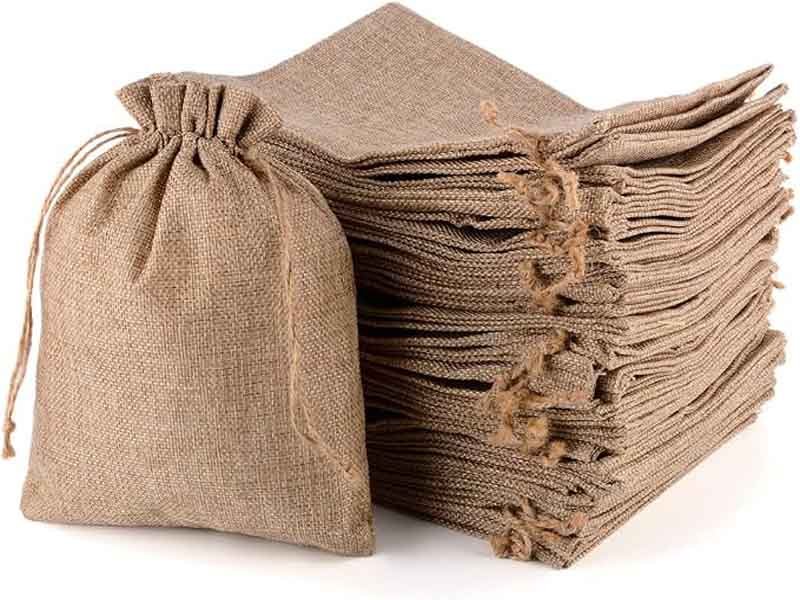
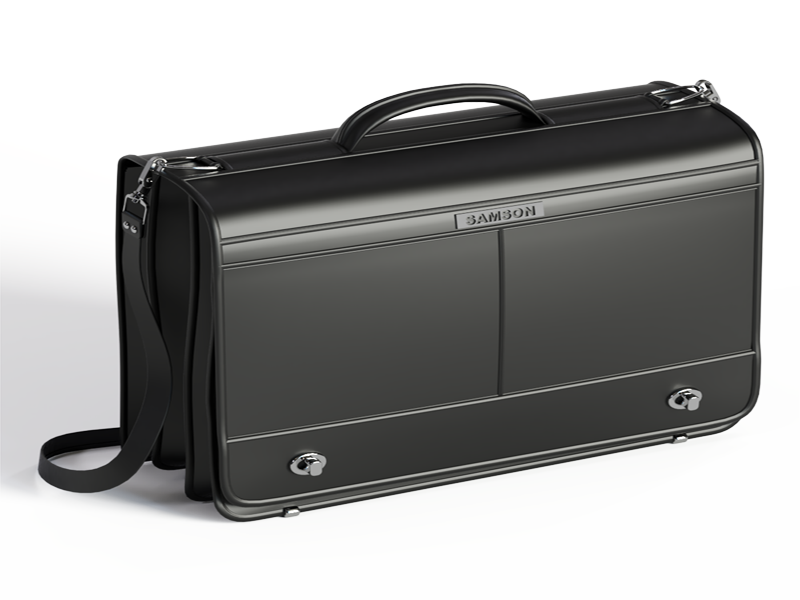
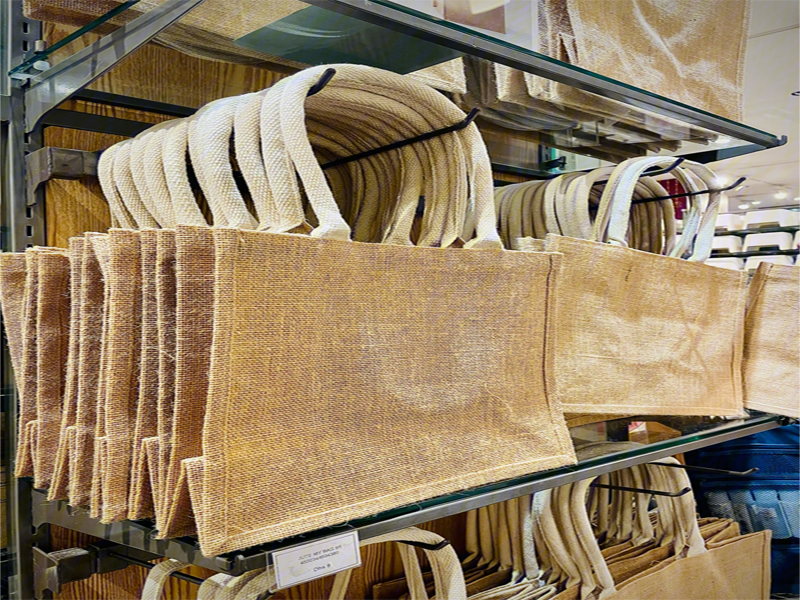
Can't find the answers?
No worries, please contact us and we will answer all the questions you have during the whole process of bag customization.
Make A Sample First?
If you have your own artwork, logo design files, or just an idea,please provide details about your project requirements, including preferred fabric, color, and customization options,we’re excited to assist you in bringing your bespoke bag designs to life through our sample production process.