 Skip to content
What Does a Mesh Bags Manufacturer Produce?

A mesh bag manufacturer does far more than stitch open fabric into a basic pouch. Behind a simple laundry bag, produce sack, sports carrier, or beach tote sits a chain of decisions involving fiber type, yarn size, mesh opening, fabric weight, stretch direction, seam reinforcement, closure design, load distribution, washing conditions, logo application, and packaging. Two bags may look nearly identical in a product photograph, yet one survives years of washing while the other tears beside the zipper after a few uses.
A mesh bag manufacturer produces laundry bags, produce bags, sports and equipment carriers, beach totes, travel organizers, drawstring sacks, zipper pouches, industrial storage bags, retail packaging, and application-specific organizers. Products may use polyester, nylon, polypropylene, polyethylene, cotton, jute, linen, recycled yarns, or mixed constructions. Manufacturers also develop custom sizes, openings, handles, closures, compartments, colors, logos, labels, and packaging around the intended contents and working environment.
The real product is therefore not merely “a mesh bag.” It is a controlled combination of material and construction designed for a particular job. A fine mesh bag protecting lace garments requires completely different engineering from an open net carrying footballs. A produce bag may need low tare weight, while an industrial parts bag may need reinforced seams and abrasion panels. The interesting part begins when a manufacturer asks what the bag will carry before asking what it should look like.
What Types of Mesh Bags Are Made?
Mesh bag manufacturers produce washable laundry bags, reusable produce bags, drawstring sacks, zipper organizers, tote bags, sports carriers, beach bags, travel pouches, industrial storage bags, and many other application-specific products. The categories often overlap, but their construction requirements are not interchangeable.
A bag should be classified by use rather than appearance alone. A drawstring beach bag and a drawstring industrial bag may share the same basic shape, yet require different mesh weights, opening sizes, seams, cords, and testing. Product development becomes more accurate when intended contents, working load, cleaning method, environment, and expected use cycles are defined before the fabric is selected.
| Mesh Bag Category | Common Contents | Main Performance Need | Frequent Failure Risk |
|---|---|---|---|
| Laundry bag | Garments, underwear, hosiery or bedding | Washability, drainage and snag protection | Zipper opening, seam pullout or mesh distortion |
| Produce bag | Fruit, vegetables and market goods | Low weight, airflow and secure closure | Excessive stretch or top-channel wear |
| Drawstring bag | Sports gear, toys, laundry or promotions | Fast opening and adjustable capacity | Cord friction and weak top reinforcement |
| Zipper bag | Apparel, shoes, travel items or accessories | Secure containment and easy organization | Wavy zipper edge or slider snagging |
| Mesh tote | Beach goods, shopping or equipment | Handle strength, volume and visibility | Handle detachment or bottom abrasion |
| Sports bag | Balls, footwear, helmets or protective gear | Ventilation, abrasion resistance and load control | Wear from rough equipment |
| Travel organizer | Clothing, cables, shoes or toiletries | Low weight, visibility and compact packing | Distortion and zipper stress |
| Industrial bag | Components, tools or production kits | Strength, identification and repeated handling | Puncture, chemical damage or seam failure |
What Are Laundry Mesh Bags?
Laundry mesh bags are washable pouches designed to contain clothing or textiles while allowing water, detergent, and air to move through the fabric. They range from small lingerie protectors to large institutional laundry sacks, and each format needs a different balance of mesh fineness, capacity, closure security, and seam strength.
Fine laundry bags are commonly developed for bras, underwear, socks, baby garments, hosiery, lace, and apparel with straps or decorative components. Their openings must be small enough to prevent hooks, fasteners, and loose threads from passing through or catching on the washing machine drum.
General garment bags use medium-fine mesh that provides more water circulation while still containing ordinary clothing. Heavy laundry sacks for hotels, dormitories, hospitals, factories, sports facilities, or commercial services need stronger top bands, handles, seams, and closures because damp textiles can become substantially heavier than dry garments.
| Laundry Bag Type | Common Size Direction | Recommended Mesh Character | Closure Direction | Main Construction Focus |
|---|---|---|---|---|
| Lingerie pouch | Small and flat | Fine, smooth multifilament mesh | Covered zipper | Snag-free interior and protected slider |
| Bra wash bag | Small cylindrical or structured | Fine mesh with controlled body | Covered zipper | Shape protection and internal support |
| General garment bag | Medium flat pouch | Fine to medium polyester mesh | Zipper | Water circulation and dimension control |
| Shoe wash bag | Medium structured pouch | Dense abrasion-resistant mesh | Strong zipper | Base reinforcement and impact protection |
| Travel laundry bag | Medium foldable pouch | Lightweight quick-drying mesh | Zipper or drawcord | Low packing volume and odor release |
| Household laundry sack | Large capacity | Medium robust mesh | Drawcord | Reinforced top and lifting points |
| Commercial laundry sack | Large heavy-duty construction | Strong polyester or nylon mesh | Drawcord or locking closure | Wet-load testing and repeated handling |
Polyester is widely used because it dries quickly, absorbs relatively little moisture, and maintains dimensions well through repeated washing. Fine multifilament nylon may be chosen where a particularly soft hand is required, although nylon’s greater moisture response and stretch should be considered.
Closure design often determines whether the product is genuinely useful. An uncovered metal zipper pull can strike the washing machine drum, catch another garment, or open during agitation. Useful solutions include a zipper garage, an elastic pull cover, a reverse-coil zipper, or a fabric tab that holds the slider in its closed position.
The zipper edge should be stabilized with woven tape or a controlled seam. Highly flexible mesh sewn directly to rigid zipper tape may become wavy, especially after washing. Differential shrinkage between the mesh, zipper tape, binding, and thread can distort an otherwise well-cut bag.
Laundry bags should be tested with representative garments rather than clean weights alone. Hooks, zippers, buckles, laces, buttons, sequins, and rough shoe soles create failure risks that a simple static load test will not reveal.
Useful development checks include repeated wash cycles, zipper opening and closing, seam inspection, dimensional measurement, color transfer, mesh opening deformation, print adhesion, drying time, and surface fuzzing.
A manufacturer should also define recommended fill volume. A bag packed completely full may prevent garments from moving freely and reduce cleaning performance. A well-designed laundry bag protects the contents while leaving enough internal space for water and detergent circulation.
What Are Produce Mesh Bags?
Produce mesh bags are lightweight, ventilated bags used for fruit, vegetables, herbs, market goods, agricultural packing, and reusable household shopping. They may be made from polyester, cotton, polypropylene, polyethylene, jute, or other open structures depending on whether the bag is designed for retail reuse, farm packing, transport, or short-term packaging.
Reusable produce bags need low tare weight, washable materials, visible contents, a secure closure, and controlled stretch. Commercial agricultural sacks place greater emphasis on filling speed, ventilation, stacking, moisture resistance, identification, and cost.
The smallest expected content should guide the opening size. A mesh suitable for oranges may allow garlic cloves, small mushrooms, herbs, or loose leaves to escape. The opening must also be evaluated under load because knitted mesh apertures become larger when stretched.
| Produce Application | Suitable Material Direction | Mesh Opening | Main Design Priority |
|---|---|---|---|
| Reusable supermarket bag | Lightweight polyester | Fine to medium | Low tare weight and easy washing |
| Natural lifestyle bag | Cotton or cotton blend | Medium expandable mesh | Soft hand and visual appearance |
| Onion or potato sack | Polypropylene or polyethylene | Medium to large | Ventilation and economical strength |
| Citrus bag | Polypropylene or polyester | Medium | Product visibility and load support |
| Herb bag | Fine polyester | Small stable openings | Retention of small leaves and stems |
| Delicate-fruit bag | Soft multifilament polyester or cotton | Fine | Reduced surface marking |
| Garlic bag | Polyester or polypropylene | Fine to medium | Preventing cloves from escaping |
| Farm collection bag | Strong polyester or polypropylene | Medium | Wet load and handle reinforcement |
Tare weight becomes important when the bag is placed directly on a retail scale. Heavy cotton mesh may add more weight than a fine polyester bag. Some products include a permanent tare label, but the value must account for normal manufacturing tolerance and any dimensional or weight change after washing.
Cotton mesh has a warm, natural appearance and can expand around irregular produce. That expansion may become excessive under heavier loads. The bag can become very long, making it uncomfortable to carry and difficult to display. A shaped pattern or side gusset creates capacity more predictably than uncontrolled fabric stretch.
Polyester offers lower moisture absorption, quicker drying, consistent colors, and a lower product weight in many constructions. Polypropylene and polyethylene are widely used for onions, potatoes, citrus, shellfish, and other goods requiring high ventilation and economical packaging.
The drawcord casing is often the weakest area. A cord rubbing directly against an open knit can wear through individual yarns. A denser woven top band or folded fabric channel spreads the friction and supports the loaded opening.
The closure should be easy to use without damaging the contents. A heavy cord lock may bruise delicate fruit when several filled bags are stacked. Large knots, metal eyelets, and hard components can also create pressure points.
For direct contact with unpackaged produce, the complete material system should be reviewed. The body fiber, dye, finish, printing ink, drawcord, cord lock, label, and packaging may all be relevant. A natural-looking or undyed bag should not automatically be assumed suitable without material and process documentation.
What Are Drawstring Mesh Bags?
Drawstring mesh bags use one or two cords to close the top opening. They are produced for sports equipment, laundry, beach toys, produce, retail packaging, schools, events, travel, footwear, camping goods, and industrial organization.
The drawstring format is popular because it is lightweight, simple, easy to scale, and adaptable to many product sizes. Its main weakness is the concentration of friction and load around the upper channel.
A drawstring bag can be developed with several closure arrangements:
A single cord pulled from one side
Two opposing cords pulled from both sides
A cord with one central lock
Two cords with separate locks
A rope closure without a plastic lock
A drawstring combined with shoulder straps
A top flap added over the cord opening
The channel can be created by folding the mesh, adding a woven casing, sewing a separate solid-fabric band, or threading the cord through eyelets. Folding open mesh directly around a cord is economical, but repeated rubbing can damage the yarn. It may also create an uneven channel if the aperture is large.
| Drawstring Detail | Light-Duty Direction | Heavy-Duty Direction |
|---|---|---|
| Top channel | Folded mesh | Woven or solid-fabric casing |
| Cord | Lightweight polyester cord | Thicker braided polyester or nylon cord |
| Cord exit | Bound opening | Reinforced eyelet or fabric tab |
| Bottom seam | Simple overlock | Bound or webbing-supported seam |
| Handle function | Cord used only for closure | Separate webbing handles or engineered shoulder cords |
| Reinforcement | Minimal | Backing patches and extended support bands |
| Load testing | Basic closure check | Repeated lifting and suspended-load testing |
A cord used only to close a produce bag carries less stress than cords used as backpack straps. When the cord becomes the carrying system, pressure concentrates where it exits the channel and against the user’s shoulder. The cord diameter, softness, casing strength, knot security, and attachment geometry all become more important.
Children’s products require special care around long cords, loops, toggles, and detachable small parts. The intended age group and destination market should be established before closure design is finalized.
The cord lock should match the cord diameter. A lock that is too loose can slide open under load, while a tight lock makes the product frustrating to use. Sand, dirt, detergent, and salt can also affect the mechanism.
For sports and beach bags, corrosion-resistant or plastic hardware is often more practical than untreated metal. For machine-washable products, the lock should withstand impact, agitation, detergent, and the approved temperature.
A drawstring bag may appear inexpensive to produce, but small design choices strongly influence durability. A narrow unreinforced channel can turn a strong mesh body into a short-lived product.
What Are Zipper Mesh Bags?
Zipper mesh bags are secure organizers used for laundry, apparel, shoes, travel accessories, cosmetics, cables, sports items, documents, retail kits, and small industrial components. The zipper makes the product easier to open fully and prevents contents from escaping during transport or washing.
Common structures include flat pouches, gusseted organizers, cylindrical wash bags, cube-style packing bags, shoe pouches, multi-compartment kits, and mesh-front storage cases.
The zipper can be placed along one edge, around three sides, across the top, or around the full perimeter. Wider openings improve access but increase the length of the zipper seam and the risk of distortion.
| Zipper Bag Format | Main Advantage | Main Manufacturing Risk |
|---|---|---|
| Top-opening pouch | Simple and economical | Limited access for bulky contents |
| Three-sided opening | Easy loading and organization | Long zipper seam may distort |
| Cylindrical wash bag | Protects shaped garments | Requires accurate curved sewing |
| Packing cube | Efficient luggage organization | Frame and zipper must remain square |
| Shoe pouch | Separates footwear | Base abrasion and odor buildup |
| Mesh-front organizer | Easy content visibility | Transition between mesh and solid fabric |
| Multi-compartment pouch | Separates small products | Higher sewing complexity and bulk |
Highly elastic mesh should not carry the zipper alone. A stable woven facing, binding tape, or solid fabric frame helps keep the zipper straight. Without reinforcement, the mesh can stretch as it is sewn, causing a rippled opening that is difficult to close.
Zipper selection should consider coil size, tape material, slider type, puller geometry, abrasion, washing, sand, corrosion, and expected opening cycles. A delicate laundry bag may use a fine reverse-coil zipper. An equipment organizer may need a larger coil, stronger tape, and reinforced ends.
Zipper ends experience concentrated force. Opening the bag quickly pulls against the start and stop points, especially when the contents press outward. Backing tabs or solid reinforcement patches help distribute the force.
The slider should move without catching the mesh. This can be controlled through the width of the zipper facing, stitch placement, internal guards, and the distance between the coil and the open fabric.
For wash bags, the puller may need a protective cover. For beach products, sand resistance and easy rinsing matter. For travel organizers, smooth operation, low weight, and visual appearance often receive greater attention.
A zipper-cycle test should be conducted on the filled bag. An empty pouch places very little side pressure on the closure, while a fully loaded organizer can distort the zipper path and reveal weak end attachments.
What Are Mesh Tote Bags?
Mesh tote bags are open-handled carriers used for beaches, shopping, produce, sports, swimming, toys, travel, storage, retail presentation, and lifestyle collections. They normally feature two handles, a broad top opening, and a flat or gusseted body.
The tote format appears simple, but the handles create concentrated loads. Attaching them directly to lightweight open mesh can cause the surrounding loops to enlarge or tear. The handle system should transfer weight into a wider section of the bag.
Useful reinforcement methods include extended webbing, backing patches, a woven top band, wraparound handles, reinforced side panels, and a solid base.
| Tote Construction | Advantages | Suitable Use |
|---|---|---|
| Flat mesh tote | Lightweight and low cost | Promotions, light shopping and storage |
| Gusseted tote | Greater volume and better standing shape | Beach, produce and retail use |
| Solid-base tote | Improved abrasion and containment | Sports, footwear and equipment |
| Wraparound-handle tote | Strong load distribution | Heavier shopping and gear |
| Mesh-and-canvas tote | Structure with breathable panels | Lifestyle, beach and travel |
| Mesh tote with inner pouch | Separates valuables or wet goods | Beach, pool and gym use |
| Structured mesh tote | Premium presentation | Retail and branded collections |
Handle drop should match the carrying method. Short handles suit hand carrying. Longer handles allow shoulder use but create more swinging and leverage around the attachment points. A heavily loaded shoulder tote experiences greater dynamic stress than the same bag resting on a table.
Handle width affects comfort. Narrow webbing may cut into the hand or shoulder, while wider tape distributes pressure. Padded handles can improve comfort but may retain water and increase drying time.
Beach totes often use polyester mesh because it drains quickly and performs well under sunlight. A larger aperture allows sand to escape but cannot retain small items. Internal solid pockets can protect keys, phones, jewelry, or small accessories.
Shopping totes may use cotton mesh for a softer natural appearance. Cotton stretches under load and absorbs water, so handle reinforcement and dimensional testing become important. Polyester mesh creates a lighter, quicker-drying alternative.
The bottom needs special attention because contents settle against it. Bottles, toys, sports equipment, and groceries can push through open mesh or abrade the lower corners. A solid Oxford, canvas, coated fabric, or double-mesh base may increase service life.
A tote’s useful capacity should be defined by working load rather than volume alone. A large body can encourage users to carry more weight than the handles and seams were designed to support.
Which Materials Are Used?
Mesh bag manufacturers use polyester, nylon, polypropylene, polyethylene, cotton, jute, linen, hemp, recycled yarns, coated mesh, spacer mesh, and blended materials. Polyester is the most versatile for washable and quick-drying products. Nylon is preferred for abrasion and flexibility. Polypropylene and polyethylene serve lightweight agricultural, aquatic, packaging, and industrial uses. Natural fibers provide a softer or more rustic appearance but absorb more moisture and need greater dimensional control.
The correct material is determined by the bag’s dominant performance need. A manufacturer should consider load, abrasion, moisture, UV exposure, washing, heat, chemical contact, softness, stretch, appearance, and cost before recommending a fabric.
| Material | Main Advantage | Main Limitation | Common Product Direction |
|---|---|---|---|
| Polyester | Quick drying and dimension control | Less elastic than nylon | Laundry, beach, produce and travel bags |
| Nylon | Abrasion resistance and flexibility | Greater moisture response | Sports, equipment and backpack products |
| Polypropylene | Very low weight and moisture absorption | Lower heat resistance | Agriculture, packaging and wet-use nets |
| Polyethylene | Tough extruded structures | Plastic-like hand | Shellfish, firewood and protective packaging |
| Cotton | Soft natural appearance | Shrinkage and slower drying | Produce, shopping and lifestyle bags |
| Jute | Rustic texture and stiffness | Roughness and moisture sensitivity | Agricultural and gift bags |
| Recycled polyester | Familiar polyester performance with recycled input | Traceability and consistency require control | Laundry, retail, beach and promotional bags |
| Recycled nylon | Abrasion-focused recycled option | Cost and supply may be less predictable | Technical sports and equipment bags |
What Is Polyester Mesh?
Polyester mesh is commonly made from polyethylene terephthalate and is one of the most frequently selected materials for sewn mesh bags. It combines useful strength, low moisture absorption, quick drying, color consistency, dimensional stability, and competitive cost.
It can be produced as fine laundry mesh, open raschel mesh, stretch mesh, monofilament netting, multifilament fabric, coated mesh, or 3D spacer material.
Monofilament polyester uses a single filament in each yarn position. It creates firm openings, low lint, clear visibility, and easier sand or debris release. It is often suitable for beach toys, technical organizers, filtration-style pouches, or products needing a more structured mesh.
Multifilament polyester consists of bundles of fine filaments. It usually feels softer and more textile-like, making it useful for laundry bags, apparel organizers, personal storage, and products that touch delicate surfaces.
| Polyester Variable | Available Direction | Product Effect |
|---|---|---|
| Yarn form | Monofilament or multifilament | Controls firmness, softness and debris retention |
| Yarn size | Fine to heavy denier | Influences strength, weight and seam bulk |
| Fabric structure | Tricot, raschel, warp knit or woven | Controls stretch and aperture stability |
| Opening size | Fine to very open | Changes drainage, airflow and content retention |
| Fabric mass | Lightweight to heavy | Affects load, drying and cost |
| Color method | Piece dyed, yarn dyed or solution dyed | Influences color range and consistency |
| Finish | Heat set, softened, UV stabilized or coated | Adjusts dimensions and environmental performance |
Polyester is often recommended for machine-washable products because it can retain shape and dry relatively quickly. Heat setting after knitting stabilizes fabric width and opening geometry. An insufficiently stabilized fabric can shrink, curl, or distort after cutting and washing.
For outdoor products, polyester generally provides a useful starting point because of its moisture and UV behavior. Actual performance still depends on additives, color, yarn grade, fabric thickness, climate, and exposure duration.
Polyester’s limitations become visible when a product needs high recovery. Standard polyester mesh may not grip a bottle securely after repeated stretching. An engineered stretch construction may include elastic yarn, elastane, mechanical stretch, or reinforced binding.
The fabric description should include fiber content, denier, GSM, opening dimensions, structure, stretch direction, finish, color, and physical requirements. “100% polyester mesh” is too broad for accurate production.
When Is Nylon Mesh Used?
Nylon mesh is used when abrasion resistance, toughness, flexibility, repeated bending, and a smooth hand matter more than minimum moisture absorption or prolonged untreated UV exposure. It is common in sports bags, technical backpack pockets, footwear compartments, climbing pouches, equipment organizers, tactical storage, helmet carriers, and protective sleeves.
Nylon 6 and nylon 6,6 are the main textile polyamides used in such applications. Their processing and thermal behavior differ, so the exact type may need to be specified for technical products.
Nylon often feels more flexible than a comparable polyester construction. This allows the bag to conform around irregular contents and absorb movement. The same flexibility can produce sagging or dimensional growth under sustained load.
| Use Condition | Why Nylon May Be Selected | Additional Control Needed |
|---|---|---|
| Repeated abrasion | Tough surface and good wear performance | Reinforce sharp-contact zones |
| Frequent folding | Good flexibility and fatigue behavior | Check permanent creasing |
| Stretch pockets | Useful extension and recovery | Confirm elastic yarn and recovery test |
| Rough sports equipment | Handles rubbing and movement | Add a solid base against studs or metal |
| Protective sleeves | Smooth hand around contents | Use enclosed seams |
| Technical organizers | Strong strength-to-weight potential | Test wet and dry dimensions |
| Outdoor gear | Flexible and abrasion resistant | Add UV stabilization where necessary |
Nylon absorbs more moisture than polyester. A wet nylon mesh can feel softer and behave differently under load. For swimming, diving, or rainy outdoor applications, drying time, wet-state extension, and recovery should be assessed.
Nylon is often described as stronger than polyester, but such a general statement can be misleading. A dense polyester construction may outperform a lightweight nylon mesh. Finished strength depends on yarn tenacity, denier, fabric weight, opening, knit structure, seam design, reinforcement, and force direction.
The material is most valuable when its mechanical advantages address a real failure risk. Using nylon for a lightweight promotional produce bag may increase cost without a noticeable service benefit. Using it around climbing hardware or rough footwear may substantially improve useful life.
Are Cotton Mesh Bags Available?
Cotton mesh bags are widely available for produce, shopping, storage, gifts, laundry sorting, household organization, and lifestyle collections. They are valued for softness, natural texture, printability, and a familiar textile appearance.
Cotton mesh can be knitted into an expandable net or woven into a more controlled structure. Knitted cotton is especially popular for produce bags because the loops grow around fruit and vegetables.
The same stretch that creates capacity can make the bag excessively long. Pattern shaping, gussets, reinforced top bands, and controlled yarn selection help manage extension.
| Cotton Mesh Feature | Advantage | Manufacturing Concern |
|---|---|---|
| Soft hand | Comfortable against skin and produce | May abrade or pill after repeated use |
| Natural appearance | Strong lifestyle and retail appeal | Shade and yarn irregularity may vary |
| Good printability | Supports direct branding | Open structures interrupt fine artwork |
| High moisture absorption | Familiar textile behavior | Slower drying and higher wet weight |
| Knitted expansion | Adapts to irregular contents | Bag dimensions change under load |
| Washability | Suitable for repeated household use | Shrinkage must be tested |
| Renewable fiber source | Supports natural-material positioning | Processing and product life still matter |
Cotton yarn may be carded, combed, ring-spun, open-end spun, single, or plied. Combed yarn normally provides a cleaner surface with fewer short fibers. Plied yarn can increase body and improve visual definition.
Preshrinking or prewashing reduces dimensional change but does not remove all variation. A finished cotton bag should be washed under the proposed care conditions before the pattern and label dimensions are finalized.
Dark dyes need wet-transfer testing. An attractive deep-colored cotton bag may rub or wash onto light garments, counters, or food packaging if dye fixation is inadequate.
Cotton handles and bindings can remain damp after the open body has started to dry. The complete bag should be tested rather than assuming that an open structure always dries quickly.
Cotton can also be blended with polyester or hemp. Blends can improve stability or adjust hand feel, but they complicate fiber labeling and end-of-life material separation.
What Is Polypropylene Mesh?
Polypropylene mesh is a lightweight synthetic net used for produce, shellfish, firewood, industrial collection, agricultural packaging, garden storage, aquatic products, and other applications where moisture resistance and economical material use are important.
It can be made from knitted yarn, woven tapes, or an extruded grid. Extruded polypropylene forms a continuous plastic structure rather than a conventional textile fabric.
Polypropylene has very low density and absorbs very little water. It is useful when a large bag should remain light, even around wet contents. It also provides resistance to many chemicals, although compatibility must always be checked with the exact substance and temperature.
| Polypropylene Application | Useful Property | Main Caution |
|---|---|---|
| Onion and potato sacks | Low weight and ventilation | Abrasion and closure strength |
| Shellfish nets | Low water absorption | UV and salt exposure |
| Firewood bags | Open structure and economical cost | Sharp wood edges |
| Garden storage | Easy rinsing | Outdoor stabilization |
| Industrial collection | Moisture and chemical resistance | Heat and puncture exposure |
| Temporary retail packaging | Efficient high-volume production | Less premium textile feel |
Polypropylene’s heat resistance is lower than polyester or nylon. Hot washing, tumble drying, steam, ironing, and high-temperature logo transfer can cause distortion. Care and processing temperatures should be defined before production.
Standard polypropylene also needs UV stabilization for prolonged outdoor use. A bag may appear suitable during sampling but lose strength after months of direct sunlight if the yarn, pigment, and additives are not designed for exposure.
Printing can be more challenging because polypropylene has low surface energy. Surface treatment, compatible ink, and adhesion testing may be required.
The material works particularly well where function, ventilation, wet handling, and cost carry more importance than a soft hand or premium fashion appearance.
Do Manufacturers Use Recycled Mesh?
Manufacturers use recycled polyester, recycled nylon, recycled polypropylene, recycled polyethylene, and recycled cotton in selected mesh bag programs. Recycled polyester is the most broadly available option for conventional sewn mesh bags, while recycled nylon is more specialized and commonly considered for abrasion-focused products.
Recycled polyester may come from post-consumer PET bottles, industrial polyester waste, or textile waste. Recycled nylon may use pre-consumer waste, industrial fishing nets, carpet fiber, or other polyamide sources.
The recycled percentage and claim boundary should be clear. A bag described as recycled may have a recycled body but virgin thread, zipper, elastic, cord lock, coating, label, and handles.
| Recycled Claim | What Should Be Specified |
|---|---|
| Recycled polyester mesh | Percentage and feedstock source |
| Recycled nylon mesh | Nylon type and recycled percentage |
| Recycled textile content | Whether it applies to fabric or complete product |
| Certified recycled material | Certification system and supply-chain scope |
| Post-consumer content | Source and transaction documentation |
| Pre-consumer content | Type of manufacturing waste used |
| Mono-material design | Which trims match the main polymer |
| Recyclable product | Available collection and processing conditions |
Recycled material should pass the same performance checks as virgin material. Important areas include yarn consistency, GSM, opening dimensions, tensile or bursting strength, abrasion, shrinkage, colorfastness, odor, seam performance, and wash durability.
A higher recycled percentage is not useful when the bag fails prematurely. Product weight, durability, repairability, packaging, transport, cleaning, and reuse cycles all influence the value of the material choice.
Traceability should be arranged before production. Scope certificates, transaction records, invoices, yarn and fabric codes, dye-lot information, and production issue records may be required to support a specific claim.
A physical sample remains essential. Recycled mesh can match virgin material closely, but feedstock, spinning, color, texture, and finishing may create differences. The approved fabric should be coded and retained as the standard for production.
A capable mesh bag manufacturer does not simply offer a list of fibers. The manufacturer connects each material to the bag’s real workload, moisture exposure, abrasion pattern, washing method, branding, and desired service life. That connection is what turns open fabric into a dependable product.
Which Industries Use Mesh Bags?
Mesh bags are used across sports, travel, retail, healthcare, military, industrial, agricultural, marine, apparel, and household markets because the open structure provides ventilation, drainage, visibility, reduced weight, or content separation. The same basic material can serve very different industries, but the product specification must change with the load, cleaning method, abrasion level, environmental exposure, and applicable compliance requirements.
A mesh bag used for swimming equipment needs rapid drainage and chlorine-resistant components. A military organizer may require abrasion resistance, controlled colors, reinforced attachment points, and strict dimensional consistency. A healthcare organizer may need low-lint material and compatibility with a defined cleaning process. An agricultural net bag may prioritize filling speed, product visibility, airflow, and economical material consumption.
The industry name alone is not enough to select a material. Manufacturers need to know the exact contents, handling method, cleaning process, expected service period, and destination market before recommending polyester, nylon, polypropylene, polyethylene, cotton, coated mesh, or a hybrid construction.
| Industry | Common Mesh Products | Leading Requirement | Frequent Design Risk |
|---|---|---|---|
| Sports | Ball sacks, footwear bags, helmet carriers and equipment organizers | Ventilation and abrasion resistance | Damage from rough or sharp equipment |
| Travel | Packing cubes, shoe pouches and laundry organizers | Low weight and secure organization | Zipper distortion and overloading |
| Retail | Product packaging, promotional totes and reusable shopping bags | Appearance, branding and cost control | Weak handles and unclear logo reproduction |
| Healthcare | Equipment organizers and washable storage pouches | Visibility, cleanability and traceability | Unsupported hygiene or medical claims |
| Industrial | Parts bags, production kits and tool organizers | Load performance and identification | Puncture, chemical exposure and seam failure |
| Military | Tactical organizers, gear pouches and breathable storage | Toughness, controlled construction and repeatability | Abrasion and attachment-point failure |
| Agriculture | Produce sacks, harvest bags and plant storage | Airflow, moisture handling and fast packing | Stretch, snagging and closure wear |
| Marine | Shellfish bags, diving pouches and wet-gear carriers | Drainage, salt resistance and low water absorption | UV degradation and hardware corrosion |
| Apparel | Laundry protectors, packaging sleeves and garment organizers | Softness and snag control | Rough seams and color transfer |
How Are Mesh Bags Used in Sports?
Sports mesh bags are used to carry balls, footwear, helmets, protective pads, swimming equipment, uniforms, yoga accessories, climbing hardware, training cones, and team supplies. Their open construction improves visibility and allows air or water to move around damp contents.
Nylon is often selected where abrasion and repeated flexing dominate. Polyester is frequently used where washing, sunlight, sweat, pool water, and drying speed are more important. Many sports bags combine both materials with solid Oxford fabric, webbing, coated panels, elastic, and reinforced seams.
Different sports produce very different wear patterns.
Football boots press hard studs into the base.
Basketballs and volleyballs create large volume but relatively little abrasion.
Swimming equipment introduces water, chlorine, and repeated wet storage.
Climbing equipment introduces hard metal edges and localized rubbing.
Hockey gear creates high volume, moisture, odor, and substantial weight.
Running shoes need ventilation but may also carry mud and abrasive soles.
| Sports Product | Suitable Material Direction | Construction Priority |
|---|---|---|
| Ball sack | Polyester or nylon raschel mesh | Large opening, reinforced drawcord channel and strong base |
| Football-boot pouch | Nylon mesh with solid bottom | Abrasion protection and washable interior |
| Swim-equipment bag | Polyester mesh | Drainage, chlorine resistance and quick drying |
| Helmet carrier | Nylon or heavy polyester | Perimeter binding and secure handle attachment |
| Gym shoe compartment | Polyester or nylon | Opposing ventilation panels and stabilized zipper |
| Climbing organizer | Dense nylon mesh | Protection from metal hardware and puncture |
| Yoga accessory bag | Lightweight polyester or cotton blend | Soft hand, low weight and simple cleaning |
| Team equipment carrier | Heavy polyester or nylon | Wraparound webbing and dynamic-load testing |
Ventilation is often misunderstood. A bag does not become highly breathable simply because one small section is made from mesh. Air must enter and leave. Opposing mesh panels, a large open top, structured spacing, or a compartment that can be unzipped fully creates more effective air movement.
The position of the mesh matters. A mesh panel placed against the wearer’s back may be blocked during use. A shoe compartment packed tightly with footwear may receive little airflow even when the side panel is open. Manufacturers should evaluate the bag while it is filled, not only while empty.
Sports bags also experience dynamic forces. Users throw them onto floors, swing them from one handle, pull them from lockers, sit on them, or drag them across rough surfaces. A static hanging test cannot reveal every weakness.
Useful product tests may include:
Repeated lifting at the working load
Loaded drop testing
Tumbling or controlled impact
Abrasion against representative surfaces
Zipper or drawcord cycling
Wet and dry handling
Wash-cycle testing
UV exposure for outdoor products
Compression and recovery
The base, lower corners, zipper ends, and handle roots are frequent failure zones. Adding a local solid panel or backing patch often improves service life more efficiently than using heavier mesh over the entire bag.
Odor-control or antimicrobial finishing may be requested for gym and team products. Such treatments should be treated as supporting features rather than replacements for cleaning, drainage, and complete drying. Claims should be based on suitable testing and reviewed for the intended market.
Which Bags Suit Travel?
Travel mesh bags include packing cubes, laundry organizers, shoe pouches, cable bags, toiletry organizers, compression panels, suitcase dividers, document pouches, and small accessory cases. Mesh allows users to identify contents without opening every compartment and reduces unnecessary material weight.
Polyester is widely used because it provides stable dimensions, quick drying, broad color options, and a practical strength-to-weight balance. Nylon is suitable for high-wear travel pouches and flexible organizers. Fine mesh may be paired with ripstop nylon, polyester Oxford, canvas, or coated fabric to create a more structured product.
Travel bags need to balance low weight with durability. Very lightweight mesh reduces luggage mass but may stretch, snag, or tear beside the zipper. Heavy mesh feels substantial but can make a packing system bulky and slow to dry.
| Travel Product | Recommended Mesh Character | Key Feature |
|---|---|---|
| Packing cube | Fine stable polyester | Wide zipper opening and dimensional control |
| Laundry separator | Medium quick-drying polyester | Odor release and washable construction |
| Shoe pouch | Medium nylon or polyester | Abrasion-resistant base |
| Cable organizer | Fine stable mesh | Small opening and protected zipper |
| Toiletry pouch | Fine mesh with coated panels | Easy cleaning and leak separation |
| Suitcase divider | Strong lightweight polyester | Reinforced attachment points |
| Compression cube | Dense low-stretch mesh | Reinforced zipper and controlled panel tension |
| Document organizer | Fine mesh or mesh-front solid pouch | Visibility and flat shape retention |
Packing cubes should retain a predictable shape because they must fit luggage dimensions. A mesh that stretches excessively may allow overpacking and place too much pressure on the zipper. Stable woven facings and solid side panels help keep the cube square.
Compression organizers require even more control. The compression zipper or strap system places continuous tension across the panels. Fine decorative mesh may look attractive but fail when compressed repeatedly. The mesh, zipper tape, sidewall, and stitching must be tested as one unit.
Shoe bags need ventilation, but the base usually experiences more wear than the upper section. A solid coated panel can isolate dirt and prevent rough soles from damaging the mesh.
Travel laundry bags benefit from light, quick-drying material. They should also close securely so used garments do not spill into the suitcase. A completely sealed waterproof bag can trap moisture and odor, while open mesh allows airflow but does not protect surrounding contents. A hybrid design can include a mesh dry-laundry section and a removable water-resistant pouch for damp items.
Cable and accessory pouches need smaller openings because adapters, memory cards, pins, and small hardware can escape through large mesh. The zipper interior should be shielded to prevent cables from catching.
Travel products are packed and folded for long periods. Manufacturers should test whether the mesh develops permanent creases, whether coated panels stick together, and whether the product returns to shape after unpacking.
What Do Retailers Use?
Retailers use mesh bags for reusable shopping, promotional gifts, produce packaging, beauty kits, footwear packaging, toy storage, gift sets, event giveaways, subscription boxes, product bundles, and display packaging. Mesh allows the contents to remain visible while reducing the amount of solid packaging material.
Retail products place greater emphasis on appearance, color consistency, branding, handle comfort, packaging efficiency, and shelf presentation. A technically strong bag may still be unsuitable if the logo is unclear, the mesh looks uneven, or the product arrives badly creased.
Common retail formats include:
Mesh tote bags
Drawstring gift pouches
Zipper product kits
Reusable produce bags
Cosmetic organizers
Footwear bags
Toy storage sacks
Promotional event bags
Gift-with-purchase packaging
Mesh-front boxed sets
| Retail Format | Main Commercial Purpose | Design Focus |
|---|---|---|
| Promotional drawstring bag | Brand exposure and event use | Cost, logo visibility and easy distribution |
| Reusable shopping tote | Repeated carrying and public visibility | Handle comfort and load strength |
| Product packaging pouch | Present and protect the contents | Fine mesh, closure quality and clean branding |
| Gift set bag | Improve perceived value | Soft hand, coordinated color and premium finish |
| Produce bag set | Encourage repeated household use | Low tare weight and washable labels |
| Toy storage sack | Organize visible contents | Strong seams and child-related safety review |
| Cosmetic mesh pouch | Product grouping and travel use | Fine openings and easy cleaning |
| Footwear packaging | Protect and identify shoes | Abrasion resistance and logo placement |
Logo reproduction is one of the largest challenges. Open mesh interrupts fine letters and thin graphic lines. Direct screen printing works best on stable, fine mesh with bold artwork. Very open structures usually need a solid fabric panel, woven label, rubber patch, or printed binding.
Retail colors should be approved under agreed lighting. Black nylon and black polyester may appear similar indoors but show different undertones in daylight. Natural cotton, linen, and jute can vary between lots, so visual tolerances should be defined.
Shelf presentation also matters. Some mesh bags collapse completely, while others need a gusset, base panel, internal insert, or cardboard support to display well. A bag designed only for carrying may not stand neatly in a retail display.
Packaging volume affects freight and storage. Thick spacer mesh, padded handles, rigid patches, and large cord locks increase carton size. A foldable structure reduces shipping volume, but aggressive folding may leave permanent creases or damage coated logos.
Retail labeling may need fiber content, country of origin, care instructions, warnings, recycled-content wording, or other market-specific information. Labels should be designed early enough to fit the product cleanly rather than being added awkwardly after production.
Are Mesh Bags Used in Healthcare?
Mesh bags are used in healthcare settings to organize equipment, separate personal items, identify contents, transport non-sterile supplies, hold laundry, store therapy products, and manage reusable accessories. Their visibility and airflow can make them useful for organization, but the exact intended use must be described carefully.
A general equipment organizer is different from a sterile barrier, medical device, implantable product, or container used inside a validated sterilization process. Manufacturers should not assume that ordinary polyester or nylon mesh becomes “medical grade” because it is used near healthcare products.
Possible healthcare applications include:
Patient-belonging bags
Therapy equipment pouches
Laundry collection bags
Device-accessory organizers
Mobility-aid storage
Reusable cleaning kits
Non-sterile instrument separation
Care-home clothing bags
Hospital room organizers
Medical-supply identification bags
| Healthcare Use | Suitable Material Direction | Main Requirement |
|---|---|---|
| Patient-item organizer | Polyester mesh | Visibility, labeling and washable construction |
| Therapy-equipment pouch | Nylon or polyester | Repeated handling and secure closure |
| Laundry bag | Polyester | Wet-load performance and wash durability |
| Device-accessory bag | Fine low-lint mesh | Small-item retention and traceability |
| Care-home garment bag | Color-coded polyester | Identification and repeated laundering |
| Cleaning kit bag | Monofilament polyester or coated mesh | Drainage and chemical compatibility |
| Mobility-aid organizer | Nylon or heavy polyester | Abrasion resistance and attachment strength |
Cleaning compatibility must be defined by chemical, concentration, temperature, contact time, and number of cycles. A mesh may tolerate water washing but fail after repeated exposure to disinfectants, strong alkalis, oxidizing agents, or high-temperature drying.
Low-lint performance can be important around sensitive equipment. Monofilament mesh generally releases fewer loose fibers than soft multifilament or natural-fiber structures. Cut edges, thread, labels, and bindings must also be reviewed.
Color coding can support organization. Different colors may identify departments, users, equipment types, or cleaning status. Colorfastness and lot consistency matter when colors carry operational meaning rather than serving only decoration.
Traceability features may include barcodes, serial numbers, QR labels, washable identification windows, RFID pockets, or printed batch references. These features must survive the same cleaning conditions as the bag.
Healthcare-related products should avoid exaggerated claims. Terms such as sterile, antimicrobial, infection-control, biocompatible, or medical-grade should only be used when the intended claim is supported by relevant documentation and testing.
How Are Industrial Mesh Bags Used?
Industrial mesh bags are used to store, identify, wash, transport, count, protect, or separate components throughout manufacturing and logistics. Applications include metal parts, molded plastic pieces, cables, tools, machine components, assembly kits, agricultural materials, marine products, filters, and worksite supplies.
These products are often reused many times and may face heavier loads, sharp edges, oils, dust, chemicals, heat, or rough handling. Nylon, high-tenacity polyester, coated polyester, polypropylene, polyethylene, monofilament mesh, and hybrid structures are common.
| Industrial Application | Material Direction | Main Engineering Need |
|---|---|---|
| Small plastic parts | Polyester or polypropylene | Visibility and low bag weight |
| Metal hardware | Dense nylon or coated polyester | Abrasion and puncture control |
| Tool organization | Nylon with solid reinforcement | Strong load path and secure compartments |
| Parts washing | Monofilament polyester or nylon | Low lint and chemical compatibility |
| Production kits | Polyester or coated mesh | Identification and repeated handling |
| Marine harvest | Polyethylene or polypropylene | Drainage and low water absorption |
| Agricultural collection | Polypropylene or polyester | Ventilation and wet-load support |
| Firewood packaging | Polypropylene or polyethylene | Open structure and economical strength |
| Military equipment | Nylon or high-tenacity polyester | Abrasion resistance and reinforced attachment |
Working load must be stated clearly. “Heavy-duty” has no fixed technical meaning. A proper requirement identifies normal load, maximum test load, lifting method, duration, cycle count, content shape, temperature, and acceptable permanent deformation.
A bag carrying ten kilograms of soft textile waste faces a different risk from one carrying two kilograms of pointed metal components. Puncture and cutting may be more important than total weight.
Industrial closures include heavy drawcords, locking toggles, zippers, hook-and-loop flaps, clips, buckles, cable ties, or custom fastening systems. Closure choice depends on filling speed, tamper control, automation, cleaning, and whether workers wear gloves.
Color coding and identification can improve workflow. Options include:
Colored bindings
Printed part numbers
Clear document windows
Barcode labels
RFID pockets
Serialized tags
Department colors
Inspection-status markers
Labels should remain readable after cleaning, abrasion, and repeated handling. An adhesive label that detaches after one wash is not a reliable traceability solution.
Industrial users may request exact chemical resistance. The manufacturer needs the substance name, concentration, temperature, contact time, and number of exposures. A broad statement such as “oil resistant” or “acid resistant” is not precise enough for safe material selection.
What Custom Options Are Available?
Mesh bag manufacturers can customize dimensions, shapes, mesh openings, colors, materials, closures, handles, compartments, reinforcement, logos, labels, and packaging. The most valuable customization is not decorative. It adjusts the product around the contents, working load, cleaning method, use environment, and desired user experience.
A successful custom project normally begins with a reference sample, drawing, product dimensions, expected quantity, logo artwork, target load, intended contents, destination market, and required tests. The manufacturer then turns those inputs into a material and construction specification.
| Custom Area | Common Options | Performance Effect |
|---|---|---|
| Size | Mini pouch to large equipment sack | Controls capacity and load distribution |
| Shape | Flat, gusseted, cylindrical, cube, tote or custom contour | Changes access, packing and stability |
| Mesh | Fine, medium, large or custom opening | Controls airflow, drainage and retention |
| Material | Polyester, nylon, polypropylene, cotton and others | Sets the base moisture, wear and hand properties |
| Closure | Zipper, drawcord, buckle, elastic or hook-and-loop | Controls access and security |
| Handle | Webbing, cord, integrated fabric or padded strap | Affects comfort and load path |
| Compartments | Internal pockets, dividers or removable pouches | Improves organization |
| Reinforcement | Solid base, binding, patches and extended webbing | Improves durability |
| Color | Stock, custom dyed or solution dyed | Supports branding and visibility |
| Branding | Printing, labels, embroidery and patches | Influences appearance and surface durability |
| Packaging | Bulk, individual, retail box or branded set | Affects presentation and freight volume |
Can Bag Sizes Be Customized?
Bag dimensions can be customized from small accessory pouches to large industrial or sports-equipment carriers. Size should be developed from the actual contents rather than from an arbitrary length and width.
A flat two-dimensional measurement may not describe usable capacity. Mesh stretch, gussets, opening width, closure position, and seam allowance all change the internal volume.
Common measurement points include:
Finished width
Finished height
Bottom gusset
Side gusset
Opening circumference
Handle drop
Zipper length
Drawcord-channel depth
Pocket dimensions
Maximum filled depth
| Product Format | Important Measurements |
|---|---|
| Flat pouch | Width, height and closure length |
| Gusseted bag | Width, height and gusset depth |
| Cylindrical bag | Diameter, height and opening circumference |
| Packing cube | Length, width, height and zipper path |
| Tote | Body dimensions, base, opening and handle drop |
| Drawstring sack | Flat width, height, channel and cord length |
| Bottle pocket | Relaxed width, extension and recovery |
| Equipment carrier | Internal capacity, working load and reinforcement span |
The contents should be measured in their real form. A helmet, pair of shoes, bundle of wet towels, or irregular machine part cannot always be represented by simple rectangular volume.
Ease allowance is required so users can load and remove the contents. Too little allowance creates pressure on the zipper and seams. Too much makes the product look loose and can allow contents to move excessively.
Knitted mesh may stretch under load. A bag that measures 40 centimeters high when empty may become much longer when filled. The specification should distinguish relaxed dimensions from loaded dimensions where necessary.
For washable natural fibers, expected shrinkage should be accounted for before the final pattern is approved. The target may need to refer to dimensions after washing rather than immediately after sewing.
Production tolerances should be realistic. A small cosmetic pouch may require tighter dimensional control than a large expandable produce sack. Mesh openings also make edge alignment more difficult than with dense woven fabric.
A prototype should be tested with real contents. Digital drawings are useful, but they cannot show how the mesh wraps, stretches, sags, or resists loading.
Which Closures Can Be Added?
Mesh bags can use zippers, drawcords, elastic openings, buckles, snaps, hook-and-loop strips, flaps, roll tops, clips, or combinations of several closure systems.
The correct closure depends on the required access speed, content size, security, washing, sand, dirt, corrosion, child safety, and working load.
| Closure | Main Benefit | Best Application Direction | Main Risk |
|---|---|---|---|
| Zipper | Secure and controlled access | Laundry, travel and retail organizers | Snagging and edge distortion |
| Drawcord | Lightweight and adjustable | Produce, sports and beach sacks | Channel abrasion |
| Elastic opening | Fast one-handed access | Backpack and equipment pockets | Recovery loss |
| Buckle and flap | Strong adjustable closure | Outdoor and heavy gear | Added weight and hardware |
| Hook-and-loop | Quick repeated access | Industrial and internal organizers | Fiber collection and snagging |
| Snap | Compact simple closure | Small pouches | Concentrated stress |
| Clip or tie | Economical sealing | Agricultural and packaging nets | Limited user convenience |
| Roll top | Strong containment with solid fabric | Wet/dry hybrid products | Not suitable for open mesh alone |
Zipper size should match the product. Fine zippers suit lightweight laundry and cosmetic pouches. Larger coils suit footwear, travel cubes, and equipment bags. The tape should be stabilized against flexible mesh.
Drawcords can be round, flat, braided, elastic, reflective, cotton, polyester, or nylon. Cord diameter must match the channel and lock. A thin cord can cut into soft fabric, while a thick cord can make the bag difficult to close.
Elastic openings are common in backpack pockets. The elastic must retain grip after repeated extension, UV exposure, moisture, and heat. Manufacturers should test the pocket with several bottle sizes rather than measuring the elastic alone.
Hook-and-loop closure is useful in industrial products but can damage garments or fine mesh. The hook side should be positioned away from delicate contents.
Hardware should fit the environment. Plastic components may resist corrosion around saltwater, while metal components can offer a premium feel or greater heat resistance. Every buckle, eyelet, snap, and slider should be tested as part of the finished bag.
How Are Handles Designed?
Handles are designed according to working load, carrying style, bag size, moisture exposure, desired comfort, and construction. Common choices include polyester webbing, nylon webbing, cotton tape, rope, integrated fabric handles, cord straps, padded handles, and removable shoulder straps.
The handle should transfer weight into a broad section of the bag. Sewing a short handle directly onto open mesh creates a small stress concentration and increases the risk of yarn pullout.
| Handle Construction | Load Distribution | Suitable Direction |
|---|---|---|
| Directly sewn short handle | Low | Very light packaging bags |
| Handle with backing patch | Moderate | Laundry and shopping bags |
| Webbing extended down side | Good | Beach and sports totes |
| Wraparound webbing | Very good | Heavy equipment carriers |
| Reinforced top-band handle | Good | Large drawstring and produce sacks |
| Removable shoulder strap | Depends on anchor design | Travel and equipment bags |
| Cord shoulder system | Moderate | Lightweight drawstring backpacks |
| Padded webbing handle | Good comfort | Heavy travel and sports products |
Webbing width affects comfort. Narrow handles can dig into the hand or shoulder under load. Wider handles spread pressure but increase material and packing volume.
Cotton handles create a soft natural touch but absorb more water and dry slowly. Polyester webbing is dimensionally stable and suitable for wet or outdoor use. Nylon webbing is flexible and abrasion resistant but may respond more to moisture.
Handle drop should be tested on the body. A tote intended for shoulder use needs enough clearance while remaining stable. Overly long straps allow the bag to swing and increase force at the attachment points.
Padded handles can improve comfort for heavy loads. Padding must be selected carefully for wet-use products because foam and multilayer fabrics can trap moisture.
Handle testing should include static suspension, repeated lifting, swinging, and loaded drops. Inspection should look for webbing movement, stitch elongation, mesh distortion, and reinforcement separation.
Can Compartments Be Included?
Mesh bags can include internal dividers, zipper pockets, elastic pockets, removable pouches, wet compartments, shoe sections, document windows, tool loops, bottle sleeves, and identification pockets.
Compartments make products easier to use, but each added seam creates another potential stress point and increases production time.
Common compartment systems include:
A removable waterproof pouch
A solid bottom compartment
A mesh divider
A zipper valuables pocket
An elastic bottle sleeve
A clear ID window
A small accessory pocket
A separate shoe section
A hanging internal organizer
| Compartment | Main Function | Material Direction |
|---|---|---|
| Waterproof inner pouch | Isolate wet or leaking contents | TPU, coated polyester or sealed film |
| Mesh divider | Separate visible contents | Fine polyester or nylon mesh |
| Shoe compartment | Control dirt and odor | Coated fabric with ventilation panel |
| Valuables pocket | Retain small items | Solid fabric with secure zipper |
| Bottle sleeve | Prevent movement | Stretch nylon or polyester mesh |
| Tool pocket | Organize hard components | Heavy woven or coated fabric |
| ID window | Show labels or documents | Clear TPU or compatible transparent film |
| Removable liner | Improve cleaning | Coated or washable fabric |
Compartments should not interfere with drying. A waterproof section can trap moisture if it is permanently closed inside an otherwise breathable bag. Removable or fully opening designs are easier to clean.
The weight of the contents should be considered. A heavy internal pocket sewn only to open mesh can pull the panel out of shape. Load-bearing pockets need backing, binding, or attachment to structural webbing.
Transitions between materials require care. Stretch mesh sewn to stable coated fabric may pucker. Cotton and polyester panels may shrink differently. Transparent films can crack if folded sharply.
Compartments also affect packing volume. Multiple layers, zipper tapes, and dividers can make a product bulkier than expected. Sample folding and carton planning should be completed before final costing.
Which Colors Can Be Produced?
Mesh bags can be produced in stock colors, custom-dyed shades, yarn-dyed colors, solution-dyed colors, natural undyed tones, fluorescent shades, reflective combinations, camouflage patterns, and multicolor constructions.
Color selection depends on fiber, yarn, order quantity, dye method, fastness requirement, and destination use.
Polyester is commonly dyed with disperse dyes. Nylon uses acid or selected specialty dyes. Cotton uses reactive, pigment, or other suitable systems. Polypropylene is often colored during extrusion because conventional dyeing is more difficult.
| Color Method | Main Advantage | Main Limitation |
|---|---|---|
| Stock fabric color | Fast and economical | Limited shade choice |
| Custom piece dyeing | Broad color flexibility | Dye-lot variation and production minimums |
| Yarn dyeing | Strong visual consistency | Higher setup and material planning |
| Solution dyeing | Good UV and color performance | Restricted shade range and larger quantities |
| Pigment printing | Supports patterns and graphics | Surface feel and wash durability require testing |
| Natural undyed fiber | Organic visual character | Lot-to-lot shade variation |
| Fluorescent color | High visibility | Fading and fastness require close control |
| Camouflage print | Application-specific appearance | Registration and repeat pattern management |
A Pantone reference is useful, but it does not guarantee a perfect match across different fibers. Polyester, nylon, cotton, rubber patches, zippers, webbing, and plastic hardware reflect light differently. A bag made from several materials may show slight color differences even when every component targets the same code.
Color approval should use physical lab dips or production-material samples under agreed lighting. Phone screens and office printers are unreliable for final shade approval.
Colorfastness requirements depend on use. Laundry bags need washing and wet-transfer testing. Sports bags may need perspiration and rubbing resistance. Beach bags may need light, saltwater, and chlorinated-water checks. Industrial bags may need chemical and cleaning resistance.
White and pale colors require attention to yellowing, optical brighteners, storage, packaging, and dye transfer from other components. Dark mesh can show dust or detergent residue. Bright shades may expose lot variation more clearly than muted colors.
Color can also serve a functional role. Hospitals, factories, teams, schools, and logistics systems may use color coding for identification. In these applications, consistency and visual distinction matter more than fashion trends.
Customization works best when every choice supports the use of the bag. Size should match the contents, closures should suit the handling method, handles should carry the load, compartments should improve organization, and color should meet both branding and performance needs. A manufacturer creates more value by connecting these decisions than by offering a long list of decorative options.
How Are Mesh Bags Manufactured?
Mesh bags are manufactured through a controlled sequence of material selection, specification review, pattern development, sampling, cutting, sewing or joining, reinforcement, branding, finishing, inspection, and packing. The process varies according to whether the product uses knitted textile mesh, woven mesh, extruded netting, coated mesh, natural fibers, or a combination of materials.
A basic pouch may require only several cut panels, one closure, and a few seams. A technical mesh bag can include a coated base, reinforced handles, internal dividers, waterproof pockets, stretch panels, labels, protective binding, and multiple logo methods. Each added component changes sewing order, load distribution, drying behavior, appearance, cost, and quality-control requirements.
The most important manufacturing decision is made before cutting begins: defining exactly what the bag must do. When the contents, working load, washing process, abrasion exposure, closure cycles, and appearance are unclear, production teams are forced to make assumptions. Those assumptions often appear later as stretched seams, uncomfortable handles, distorted zippers, unclear logos, or unexpected price changes.
| Manufacturing Stage | Main Task | Key Control Point |
|---|---|---|
| Requirement review | Define contents, load, size and use conditions | Avoid vague terms such as strong or heavy-duty |
| Material selection | Choose mesh, reinforcement, trims and thread | Match each material to the actual risk |
| Pattern development | Convert dimensions into production panels | Include seam allowances, stretch and shrinkage |
| Prototype sampling | Test shape, loading and appearance | Use intended materials wherever possible |
| Material inspection | Check incoming fabric and trims | Verify color, GSM, opening and defects |
| Cutting | Prepare consistent panels | Control direction, heat damage and distortion |
| Sewing or joining | Assemble body, closures and reinforcement | Maintain seam allowance and stitch quality |
| Branding | Apply logos, labels and care information | Confirm position and durability |
| Finishing | Trim threads, clean and shape the bag | Remove sharp edges and visual defects |
| Final inspection | Check dimensions, function and packing | Compare against approved sample |
| Packaging | Fold, label and carton the finished goods | Prevent crushing, moisture and deformation |
How Is Mesh Fabric Selected?
Mesh fabric is selected by matching fiber, yarn, structure, weight, opening, stretch, finish, and appearance to the intended product. The correct question is not simply whether polyester or nylon is better. The manufacturer must determine which construction performs best under the bag’s actual load, washing, moisture, abrasion, UV, and handling conditions.
A complete material review normally considers:
Fiber composition
Virgin or recycled content
Monofilament or multifilament yarn
Yarn denier or natural-fiber yarn count
Fabric weight in GSM
Mesh opening dimensions
Open-area percentage
Knit, weave, or extrusion structure
Stretch direction
Elongation and recovery
Heat-setting condition
Color method
Functional finish
Usable fabric width
Shrinkage tolerance
Surface feel
A fabric described only as “polyester mesh” may represent dozens of very different products. Fine multifilament laundry mesh is soft and protective. Heavy monofilament polyester has a firmer hand and releases sand more easily. Elastic polyester mesh can expand around a bottle. PVC-coated polyester mesh may feel rigid and withstand surface abrasion.
| Selection Factor | Questions to Resolve |
|---|---|
| Contents | Are they soft, sharp, wet, small, heavy or irregular? |
| Load | What is the normal and maximum carrying weight? |
| Environment | Will the bag face sunlight, rain, salt, chlorine or chemicals? |
| Cleaning | Will it be rinsed, machine washed, disinfected or tumble dried? |
| Stretch | Should the bag expand, remain stable or recover tightly? |
| Surface | Must it feel soft, release sand or resist rough equipment? |
| Appearance | Is a natural, technical, transparent or premium look required? |
| Branding | Will the logo be printed directly or placed on a solid panel? |
| Compliance | Does it contact food, skin, children’s products or healthcare equipment? |
| Cost | Which material provides the required performance without unnecessary weight? |
Manufacturers often prepare several material options rather than presenting only one. For example, a sports shoe bag may be sampled in medium polyester mesh, heavier nylon mesh, and a hybrid construction with a solid Oxford base.
The comparison should be based on the same bag shape. Handling loose fabric swatches can reveal softness and appearance, but it cannot show seam pullout, zipper behavior, loaded shape, or handle comfort.
Fabric width also affects production cost. A wider mesh may allow more efficient marker placement and lower cutting waste. A narrow fabric may require additional seams or leave unusable strips.
Color availability should be checked early. Stock black or white mesh may be available quickly, while a custom-dyed shade can require a separate dye lot. Recycled yarns, solution-dyed colors, and specialty nylon structures may have different minimum production quantities and schedules.
Material choice should be frozen before final sampling whenever possible. Substituting a similar-looking mesh during production can alter weight, stretch, sewing behavior, transparency, and load performance.
How Are Patterns Developed?
Patterns convert the desired bag size and structure into individual cutting pieces. They account for finished dimensions, seam allowances, gussets, closures, stretch, shrinkage, binding, reinforcement, and the thickness of the contents.
Pattern development normally begins with a technical drawing, physical reference, digital model, or measurement list. The pattern technician then determines how the product can be cut and assembled efficiently while preserving the required shape.
Common pattern pieces include:
Front and back panels
Side gussets
Bottom panels
Top bands
Zipper facings
Handle patches
Internal dividers
Pocket panels
Closure tabs
Binding strips
Reinforcement pieces
A flat bag can often use two rectangular panels. A three-dimensional tote may need a base, side gussets, and structural top band. A cylindrical wash bag requires curved or circular pieces. A fitted equipment cover may require shaped panels based on the exact object.
| Pattern Issue | Possible Result | Development Response |
|---|---|---|
| No loading allowance | Bag is difficult to fill | Add ease or controlled gusset depth |
| Excessive allowance | Product looks loose and contents move | Reduce volume or add internal support |
| Stretch ignored | Filled bag becomes too long | Adjust panel orientation or structure |
| Shrinkage ignored | Washed product becomes undersized | Develop dimensions from post-wash targets |
| Narrow seam allowance | Mesh pulls out of stitches | Capture more rows or add binding |
| Wrong zipper length | Opening cannot load the contents | Confirm actual access requirement |
| Reinforcement too small | Handle load remains concentrated | Extend patch or webbing coverage |
| Grain direction inconsistent | Bag twists after loading | Mark and control cutting direction |
Mesh behaves differently from solid woven fabric during pattern development. Open knitted structures may stretch while being measured. Patterns should therefore be based on conditioned fabric placed without tension.
For elastic mesh, the technician must determine whether dimensions refer to the relaxed state, stretched state, or both. A bottle pocket may be narrower than the bottle when empty because it is designed to expand. A packing cube should normally remain close to its stated dimensions without relying on stretch.
Natural fibers require shrinkage planning. Cotton or linen mesh may change differently in length and width. A general percentage added to every pattern edge may not produce the intended result. Test washing of the fabric and first prototype gives a more accurate basis.
Pattern efficiency also affects cost. Digital marker planning can arrange pieces across the fabric width to reduce waste. Directional mesh, printed patterns, or one-way stretch may restrict how pieces can be rotated.
The pattern should remain linked to a version number. When a sample is revised, the new measurements, construction, and pattern version should be recorded so production does not accidentally use an earlier file.
How Are Mesh Panels Cut?
Mesh panels are cut manually, with straight-knife or round-knife equipment, by die cutting, laser cutting, hot cutting, ultrasonic cutting, or automated cutting systems. The correct method depends on material, quantity, aperture, coating, edge behavior, and required accuracy.
Lightweight knitted mesh can shift, curl, or stretch during spreading and cutting. Heavy coated mesh may require powerful blades. Synthetic woven mesh may fray unless the edge is sealed. Natural mesh can release fibers or distort along open yarn paths.
Before cutting, fabric is generally relaxed so that tension introduced during rolling and transport can reduce. Cutting material immediately after unrolling may produce panels that change size later.
| Cutting Method | Suitable Direction | Main Advantage | Main Risk |
|---|---|---|---|
| Hand cutting | Samples and small complex pieces | Flexible and low setup | Operator variation |
| Straight knife | Stacked production layers | Efficient for larger runs | Layer shifting and heat from blade friction |
| Round knife | Small stacks and simple shapes | Clean controlled cutting | Limited depth and curve capability |
| Die cutting | Repeated small pieces | Fast and consistent | Tooling cost |
| Hot cutting | Selected synthetic mesh and webbing | Seals edges | Hard or sharp melted edges |
| Laser cutting | Precision synthetic components | Accurate shapes | Heat marks, fumes and edge hardening |
| Ultrasonic cutting | Synthetic fabrics | Cuts and seals with controlled edge | Equipment and material limitations |
| Automated cutter | Digital production patterns | Accuracy and marker efficiency | Requires stable material handling |
Panel orientation should be marked and controlled. Warp-knitted mesh usually stretches differently along its length and width. Rotating one panel may save fabric but cause the finished bag to pull unevenly.
Open mesh creates visual cutting challenges because the cutting line may pass between yarns. Technicians need clear reference points and suitable tolerances. Large openings can make small dimensional differences more visible at the seam.
Synthetic mesh edges may be lightly heat sealed to reduce fraying, but overheating can create stiff beads that scratch users or interfere with sewing. Bound or enclosed edges are often safer for skin-contact or garment-protection products.
Natural fibers should not be treated with heat sealing. Cotton, jute, linen, and hemp panels generally require overlocking, binding, or enclosed seams to control loose fibers.
Cutting inspection may include:
Panel dimensions
Orientation
Opening alignment
Edge condition
Notches and placement marks
Number of cut pieces
Surface defects
Color and lot consistency
Reinforcement positioning
Cut bundles should be labeled so components from different fabric lots are not mixed unintentionally. Shade differences can be especially visible in dark nylon, pale natural fibers, or coated mesh.
Which Sewing Methods Are Used?
Mesh bags are assembled with overlock stitching, lockstitch seams, bound seams, enclosed seams, double-needle stitching, webbing-covered seams, bar tacks, box-and-cross attachments, and specialized operations for stretch or coated materials.
The correct method depends on how open the mesh is and where the load travels. Lightweight laundry mesh may use fine overlocking and protected zipper seams. A heavy equipment carrier may use binding, extended webbing, double stitching, and reinforced attachment zones.
| Sewing Method | Main Function | Suitable Application |
|---|---|---|
| Overlock | Joins and controls lightweight edges | Laundry, produce and simple storage bags |
| Lockstitch | Creates stable assembly seams | Zippers, labels, pockets and solid panels |
| Bound seam | Encloses and strengthens mesh edges | Sports, beach and equipment bags |
| Enclosed seam | Protects contents from rough edges | Delicate garments and baby-item bags |
| Double-needle seam | Adds parallel security and appearance | Medium-weight stable mesh |
| Webbing-covered seam | Spreads heavy loads | Industrial and team equipment bags |
| Bar tack | Reinforces selected stress points | Webbing ends and dense attachment tabs |
| Box-and-cross stitch | Distributes handle force | Totes and heavy carriers |
| Zigzag or stretch stitch | Accommodates elastic extension | Stretch pockets and fitted covers |
Needle selection is important because an unsuitable point can cut yarns. Rounded or ballpoint needles are often used for knitted mesh so the needle moves between loops rather than piercing them. Dense coated mesh or woven tape may require a different point and size.
Needles should be inspected and replaced regularly. A damaged needle creates skipped stitches, broken filaments, uneven holes, and thread damage. Needle heat can also become an issue during high-speed sewing of synthetic materials.
Thread size must match both the material and needle. Heavy thread can cut through lightweight mesh under load. Fine thread may lack the strength needed for equipment bags.
Polyester thread is widely used for its dimensional stability, washing performance, and broad compatibility. Nylon thread may provide flexibility and abrasion resistance in selected products. Specialized threads may be needed for flame, chemical, outdoor, or technical requirements.
Stitch density should be controlled. Excessively dense stitching can perforate the mesh and form a tear line. Too few stitches can allow seam opening and poor load distribution.
Differential feeding helps control flexible mesh during sewing. Without it, the upper and lower layers may feed at different rates, producing puckering, twisting, or mismatched ends.
Binding is especially useful for open structures. It captures several mesh rows and protects the cut edge. The binding material should have compatible shrinkage and flexibility. A rigid tape around very soft mesh may create stress at the edge.
Bar tacks should not be placed directly onto very open lightweight mesh. The dense stitches can cut the yarns. A solid backing patch, webbing tab, or reinforced top band should carry the bar tack.
How Are Finished Bags Assembled?
Finished-bag assembly follows a planned operation sequence so closures, pockets, handles, labels, reinforcements, and body panels can be joined without blocking later steps. The sequence affects production speed, seam access, alignment, and final strength.
A typical zippered mesh organizer may follow this order:
Prepare and stabilize the zipper.
Attach zipper facings to mesh panels.
Apply internal labels and pockets.
Join mesh panels to solid sidewalls.
Add handles or attachment tabs.
Close side and bottom seams.
Bind internal edges.
Turn and shape the bag.
Inspect zipper movement and dimensions.
Clean, press or form, and pack.
A drawstring mesh sack may use a different sequence:
Prepare the top casing.
Reinforce cord exit points.
Attach labels and logo panels.
Join side and bottom seams.
Bind or overlock the internal edges.
Insert cord and lock.
Secure cord ends.
Test opening, closing, and load.
| Assembly Detail | Why Sequence Matters |
|---|---|
| Logo application | Printing may be easier before panels are sewn |
| Internal label | Must be attached before the bag is closed |
| Zipper facing | Requires flat access for accurate sewing |
| Handle patches | Often applied before body panels are joined |
| Binding | May cover structural seams and raw edges |
| Waterproof pouch | Can require separate sealing before attachment |
| Cord channel | Must be completed before inserting the drawcord |
| Base reinforcement | Needs alignment before side seams close the shape |
Mixed-material products require careful joining. A stretch mesh panel may need to be stabilized before attachment to coated Oxford fabric. Thick webbing and lightweight mesh should not enter a seam without a transition plan.
Waterproof components may be heat sealed or welded separately and then sewn into the mesh bag. Needle holes can compromise a waterproof barrier, so the attachment point should remain outside the protected area or use appropriate sealing.
Production fixtures can improve consistency. Templates help operators position handles, patches, logos, and labels accurately. Guides control seam allowance. Specialized folders apply binding evenly.
After assembly, bags may be turned right side out, shaped, lightly steamed, air-blown, or placed on forms. Heat must be controlled because polypropylene, polyethylene, elastic, printed logos, and coatings can distort.
Loose threads should be trimmed without cutting mesh yarns. Sharp melted edges, exposed needle damage, broken loops, and rough seam ends should be removed or corrected.
The completed product is then ready for functional inspection, which should include closure use, handle alignment, shape, internal cleanliness, and comparison with the approved reference sample.
How Are Logos Added?
Logos are added to mesh bags through screen printing, heat transfer, embroidery, woven labels, printed labels, rubber patches, silicone patches, PVC patches, reflective transfers, printed webbing, or solid-fabric branding panels. The best method depends on mesh opening, stretch, surface texture, artwork detail, wash conditions, order quantity, appearance, and budget.
Large open holes interrupt fine lines and small letters. Flexible mesh stretches beneath artwork. Heat can distort synthetic yarns. Dense embroidery can damage lightweight structures. A logo method should therefore be selected after reviewing the actual production material, not from artwork alone.
| Logo Method | Best Use | Main Advantage | Main Limitation |
|---|---|---|---|
| Screen printing | Fine or medium stable mesh | Economical and bold | Detail is interrupted by openings |
| Heat transfer | Fine stable mesh or solid panels | Multicolor graphics and gradients | Heat and stretch can cause cracking |
| Embroidery | Dense mesh with reinforcement | Premium tactile appearance | Added weight and needle damage |
| Woven label | Most bag constructions | Fine repeatable detail | Separate sewn component |
| Printed fabric label | Care and brand information | Flexible content and lower cost | Surface wear and ink durability |
| Rubber or silicone patch | Sports and outdoor products | Strong three-dimensional identity | Added weight and cost |
| Solid logo panel | Open mesh | Clear artwork and added reinforcement | Reduces openness in that area |
| Printed webbing | Handles and edge branding | Integrates logo with structure | Limited print height |
| Reflective transfer | Safety and outdoor applications | Night visibility | Wash and flex durability require testing |
Is Screen Printing Suitable?
Screen printing is suitable for stable fine-to-medium mesh when the artwork uses bold shapes, sufficiently thick lines, and limited colors. Ink is pushed through a stencil onto the yarn surface, creating direct branding without adding a separate patch.
Open mesh reduces the continuous print area. Ink lands only on yarns, while the holes remain empty. Fine lettering can become broken or difficult to read. Artwork often needs to be simplified before production.
Screen printing works best when:
The mesh is stable and relatively flat.
The opening is not excessively large.
Artwork uses bold lines.
The printed area does not stretch heavily.
The product uses a limited number of colors.
The ink matches the fiber and finish.
A backing sheet prevents ink from marking the opposite panel.
| Screen-Printing Factor | Recommended Direction |
|---|---|
| Artwork detail | Bold text and simplified shapes |
| Line thickness | Wide enough to remain visible across openings |
| Mesh stretch | Low to moderate |
| Print location | Flat area away from seams |
| Ink type | Compatible with polyester, nylon, cotton or coating |
| Curing | Controlled to avoid distortion |
| Wash requirement | Tested after the intended cycle count |
| Color approval | Strike-off on the actual fabric |
Polyester, nylon, cotton, and coated mesh require different ink systems and curing conditions. Surface finishes such as softeners, water repellents, silicone treatments, or coatings can reduce adhesion.
Dark mesh may need an opaque underbase to make light artwork visible. This adds ink thickness and can make the printed area stiffer.
Ink can pass through the openings during production. Correct platen protection and backing prevent the reverse side from becoming stained.
Curing temperature is critical. Excessive heat can shrink mesh, flatten textured yarn, damage elastane, or distort polypropylene. Insufficient curing causes poor wash resistance and rubbing transfer.
A print strike-off should be approved before mass production. The approval should cover:
Logo dimensions
Position
Color
Opacity
Surface feel
Edge sharpness
Visibility across openings
Stretch behavior
Wash performance
Direct printing is not the right choice for every design. Very small legal text, complex gradients, and thin decorative lines are often clearer on a woven label or solid panel.
Can Mesh Bags Be Embroidered?
Mesh bags can be embroidered when the fabric is dense and stable enough or when the embroidery is supported by backing, reinforcement, or a solid fabric patch. Embroidery creates a premium tactile appearance and can withstand repeated handling when designed correctly.
Direct embroidery on lightweight open mesh carries significant risk. The needle may miss yarns, cut loops, distort openings, or pull the panel into a puckered shape. Dense filled areas can become much heavier than the surrounding fabric.
Embroidery works more effectively on:
Solid reinforcement panels
Woven top bands
Canvas or Oxford bases
Dense coated mesh
Stable spacer-mesh panels
Heavy nylon or polyester mesh with backing
| Embroidery Issue | Likely Cause | Recommended Response |
|---|---|---|
| Puckering | Excessive stitch density or weak stabilization | Reduce density and add suitable backing |
| Broken mesh yarns | Needle cutting the open structure | Use an appropriate needle and reinforced panel |
| Distorted logo | Fabric stretches during hooping | Stabilize without excessive tension |
| Heavy rigid area | Large filled embroidery | Reduce fill or use an outline design |
| Rough reverse side | Exposed thread and backing | Cover or position away from delicate contents |
| Water retention | Dense thread and backing | Avoid oversized embroidery on wet-use bags |
Embroidery artwork should be digitized specifically for the material. A file prepared for a cotton cap may be unsuitable for open polyester mesh.
The backing material needs consideration. Tear-away backing is easy to remove but can leave fragments. Cut-away backing provides support but remains in the product. Water-soluble film can support open areas during embroidery but adds processing steps and requires complete removal.
For laundry or baby-item bags, the reverse side should not scratch the contents. A lining, cover patch, or alternative branding method may be better.
Thread colorfastness, UV exposure, washing, and chemical cleaning should be tested. Embroidery thread may react differently from the mesh body, creating shade changes or shrinkage.
Embroidered logos are best used selectively. A small logo on a reinforced patch can create a high-quality finish without weakening the full mesh panel.
How Do Heat Transfers Work?
Heat transfers apply preprinted or cut artwork to the bag through controlled temperature, pressure, and time. They can reproduce multiple colors, gradients, fine lines, photographic elements, and reflective graphics more easily than direct screen printing.
The process may use vinyl transfer, digital transfer film, sublimation, heat-applied labels, reflective transfer, or specialized stretch graphics.
Heat transfer works most reliably on stable fine mesh or solid fabric panels. Large-aperture mesh provides too little surface for complete artwork. Stretch mesh needs a transfer film that can extend and recover without cracking.
| Transfer Type | Suitable Direction | Main Consideration |
|---|---|---|
| Cut vinyl | Simple names, numbers and bold logos | Can feel thick on lightweight mesh |
| Digital transfer | Multicolor artwork and gradients | Adhesion and wash durability |
| Sublimation | Light-colored polyester | Artwork becomes part of fiber coloration |
| Reflective transfer | Sports, safety and outdoor use | Flex and wash resistance |
| Stretch transfer | Elastic pockets and performance bags | Recovery must match the mesh |
| Heat-applied label | Brand and care information | Edge lifting and heat control |
Polyester can show dye migration, especially in dark or strongly colored fabrics. Dye can move into a light transfer during heating or later storage, turning white artwork pink, blue, gray, or another unwanted shade. Migration-resistant layers and suitable testing may be needed.
Nylon requires a transfer adhesive compatible with polyamide and any surface finish. Standard films designed for cotton may peel from nylon.
Polypropylene and polyethylene have lower heat tolerance. Direct heat application can soften, flatten, or distort the material. A separate printed label or patch may be safer.
Heat-setting conditions should be recorded:
Temperature
Pressure
Application time
Cooling time
Protective sheet
Transfer-film type
Peeling method
The production operator should not guess these settings. A small difference can produce weak adhesion, shine, mesh flattening, or fabric shrinkage.
Durability testing should include washing, flexing, abrasion, stretching, heat aging, and storage. A transfer may appear secure immediately after application but lift at the corners after folding or repeated laundering.
Sublimation is particularly suitable for white or pale polyester because the dye converts into gas and bonds within the polyester. It does not create a heavy surface layer. Sublimation is not suitable for ordinary cotton, nylon, dark-colored polyester, or many coated materials without specialized systems.
Which Labels Can Be Added?
Mesh bags can include woven labels, printed satin labels, cotton labels, heat-transfer labels, TPU labels, rubber patches, care labels, size labels, recycled-content labels, barcode labels, QR labels, serialized identification tags, and removable hangtags.
Labels carry more than a logo. They can communicate fiber content, care instructions, country of origin, safety warnings, product size, batch code, recycled claims, certification information, and contact details.
| Label Type | Best Use | Main Benefit | Main Risk |
|---|---|---|---|
| Woven label | Brand identity | Fine detail and durable appearance | Edge can feel rough |
| Printed satin label | Care and fiber information | Supports longer text | Ink and wash durability |
| Cotton label | Natural products | Matches cotton or jute aesthetics | Shrinkage and slower drying |
| TPU label | Sports and wet-use products | Flexible and water resistant | Heat and yellowing |
| Rubber or silicone patch | Outdoor and technical products | Durable three-dimensional look | Added weight |
| Heat-transfer label | Seamless internal branding | No raised edge | Adhesion and heat compatibility |
| Barcode or QR label | Retail and traceability | Digital identification | Readability after washing |
| Hangtag | Retail information | Large communication area | Removed before use |
| ID window | Industrial and healthcare organization | Replaceable information | Material compatibility and cleaning |
Label placement should consider comfort, visibility, washing, and load. A hard patch beside a handle can rub the hand. A long care label inside a laundry bag may catch garment hooks. A label on stretch mesh may distort and pull the panel.
Woven labels can be center-folded, end-folded, loop-folded, flat, or inserted into seams. The fold style changes the sewing method and exposed edges.
Printed care labels should be tested for readability after the required washing cycles. Text that fades or transfers cannot perform its intended function.
For recycled-content claims, the wording should match documentation. The label should clarify whether the claim applies to the mesh body, textile components, or entire product.
Country-of-origin and fiber-content rules vary by market. Label development should begin before final production because late changes can affect artwork, sewing position, packaging, and inspection.
Industrial and healthcare organizers may require serialized labels, barcodes, or RFID-related pockets. Those labels need to survive cleaning, abrasion, chemical contact, and repeated scanning.
Are Custom Packages Available?
Custom packaging is available for mesh bags, including bulk packing, individual polybags, recycled-content bags, paper sleeves, belly bands, header cards, printed cartons, folding boxes, fabric pouches, retail sets, barcode labels, instruction cards, and master-carton marking.
Packaging should protect the bag without adding unnecessary volume or causing deformation. Mesh products are usually flexible, but thick bindings, coated panels, foam, rubber patches, and rigid cord locks can create permanent marks when packed too tightly.
| Packaging Format | Suitable Product | Main Advantage | Main Consideration |
|---|---|---|---|
| Bulk packing | Industrial or internal-use bags | Low packaging cost and volume | Less individual protection |
| Individual polybag | Retail and clean storage | Protects from dirt and moisture | Additional plastic use |
| Paper sleeve | Folded reusable bags | Reduced plastic and visible branding | Limited moisture protection |
| Header card | Small produce and laundry bag sets | Easy retail hanging | Attachment holes and card strength |
| Folding carton | Premium sets | Strong presentation and protection | Higher volume and cost |
| Reusable fabric pouch | Travel or lifestyle collection | Adds reusable value | Additional material and production |
| Belly band | Folded totes and shopping bags | Simple branding | May move during transport |
| Printed master carton | Wholesale shipment | Clear identification | Requires correct carton planning |
The folding method should be approved because it influences retail appearance. Large logo transfers should not be folded sharply through the artwork. Coated mesh should not remain compressed along the same crease if cracking or whitening is possible.
Natural-fiber bags may need moisture control during storage and ocean shipping. Excess humidity can create odor, mildew, staining, or deformation. The bags should be fully dry before packing.
Polyester and nylon mesh can also develop odor when packed before printing ink, adhesive, or coating has fully cured. Adequate conditioning time should be built into the production schedule.
Retail packaging may include:
Product name
Material composition
Bag dimensions
Care instructions
Country of origin
Barcode
Warning statements
Recycled-content information
Brand contact details
Usage illustrations
Carton planning should account for product rebound. Compressible mesh bags may expand after packing, placing pressure on cartons. Heavy hardware can also damage neighboring products unless positioned carefully.
Master cartons should be selected according to shipment method, stacking, moisture exposure, product weight, and destination. A lightweight mesh product may fill the carton by volume before reaching a high weight, while industrial mesh bags with hardware can create concentrated loads.
Branding should remain connected to the function of the bag. A clean logo is important, but a logo that cracks, scratches the contents, blocks drainage, or weakens the mesh is not a successful customization. The best manufacturer selects a branding and packaging method that preserves both visual identity and product performance.
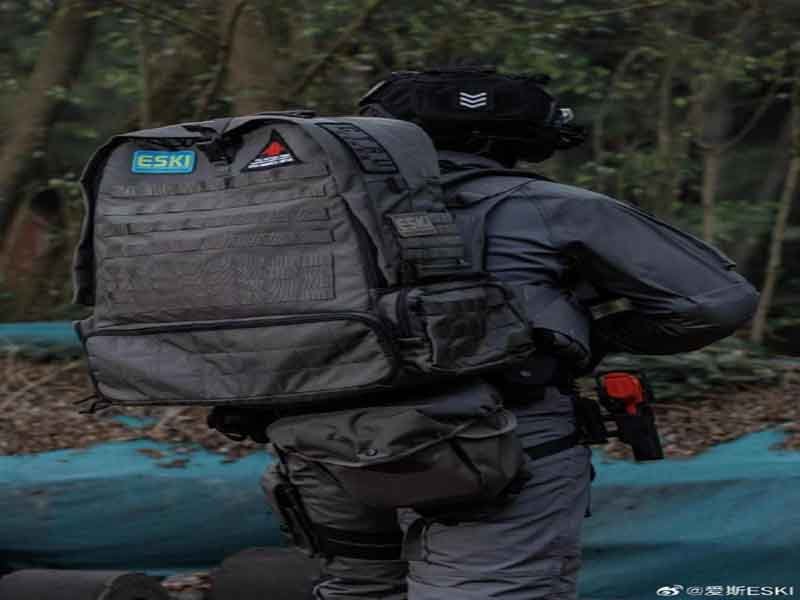

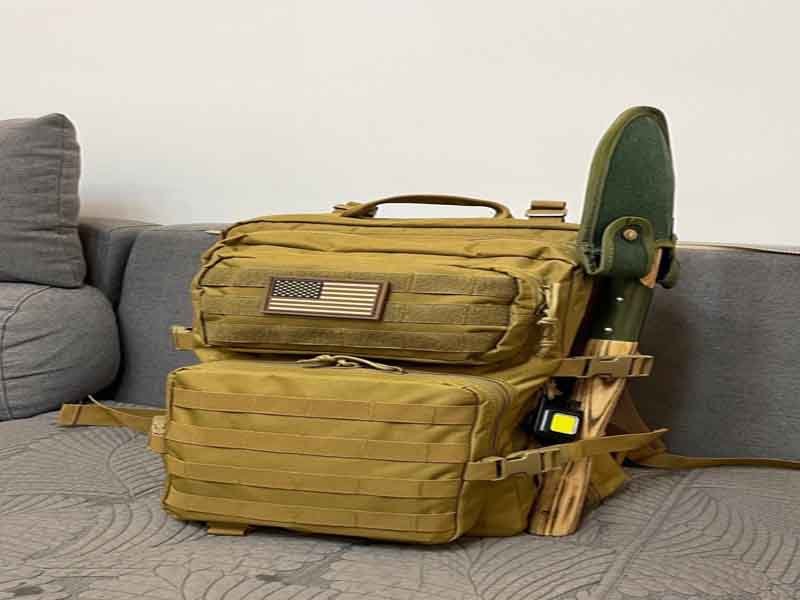
Can't find the answers?
No worries, please contact us and we will answer all the questions you have during the whole process of bag customization.
Make A Sample First?
If you have your own artwork, logo design files, or just an idea,please provide details about your project requirements, including preferred fabric, color, and customization options,we’re excited to assist you in bringing your bespoke bag designs to life through our sample production process.